Rostania ceranisca (Nyl.) Otálora, P.M. Jørg. & Wedin
Fungal Divers. (online version), 64: 289, 2013. Basionym: Collema ceraniscum Nyl. - Flora, 48: 353, 1865.
Synonyms: Collema arcticum Lynge; Collema subhumosum Nyl.; Collema tetragonoides Anzi; Leptogium tetragonoides (Anzi) Lettau
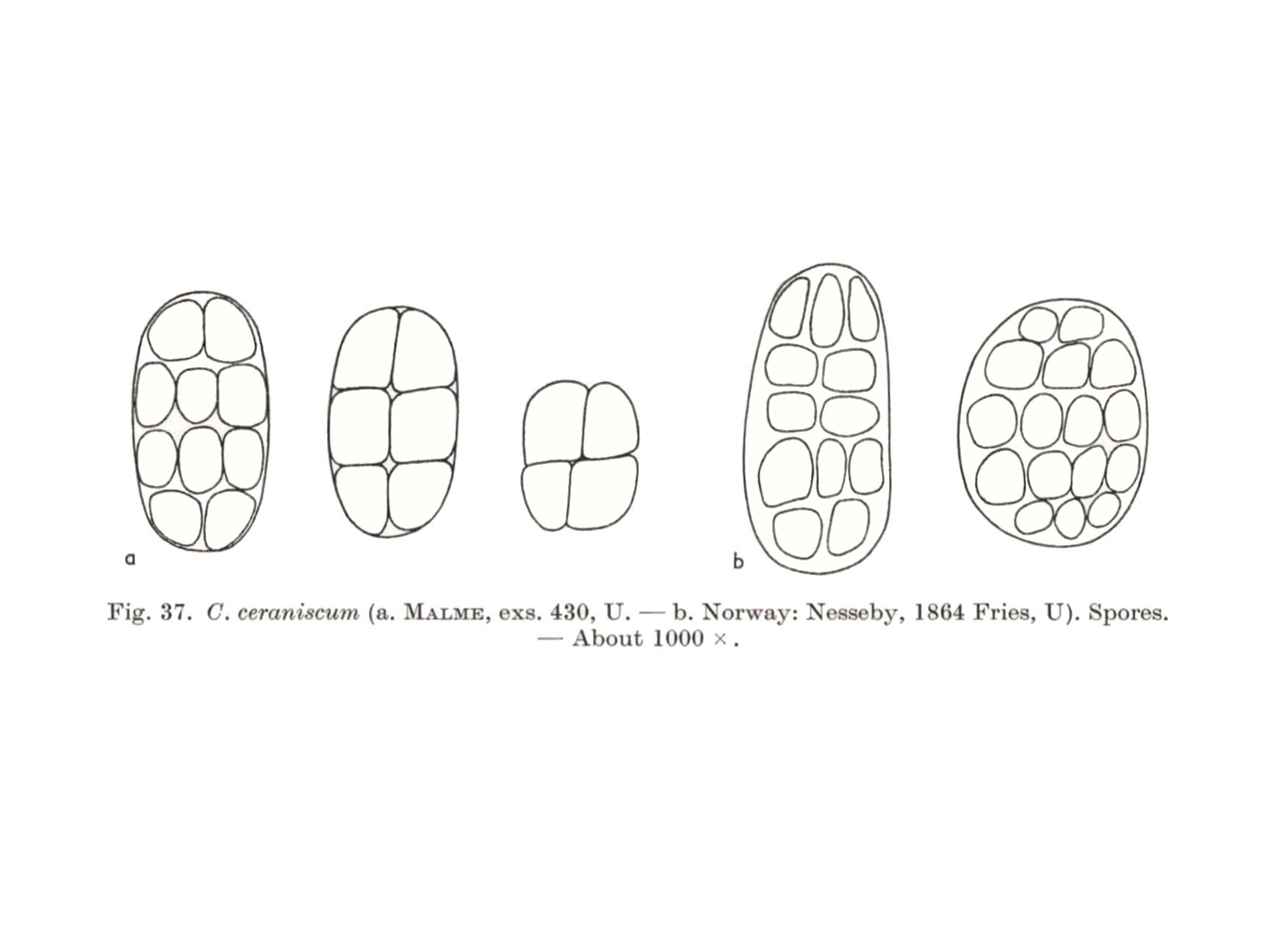
Description: Thallus subfoliose to subfruticose, homoiomerous, gelatinous when wet, dark blackish brown to black, deeply lobed, forming up to 4 cm wide and up to 1 cm thick cushions, the lobes 0.5-2 mm wide, ascending to erect, the lower ones more or less flattened and broader, smooth to knotty, the upper ones subcylindrical-terete and isidia-like, 0.1-0.2 mm thick, densely packed into a sort of cushion. Upper and lower cortex absent. Apothecia common at the tip of lobes, lecanorine, usually numerous, sessile and constricted at base, 0.4-0.8(-1) mm across, with a red-brown to black, usually strongly concave disc and a smooth to papillose-lobulate thalline margin. Thalline exciple sometimes pseudocorticate in basal parts; proper exciple sub- to euparaplectenchymatous, to 70 µm wide; epithecium brownish; hymenium colourless, 150-190 µm high, K/I+ blue; paraphyses simple or sparingly branched, 1.5-2(-3) µm thick at mid-level, the apical cells clavate to subglobose; hypothecium yellowish, K/I+ blue. Asci (2-)4-spored, cylindrical-clavate, the apex strongly thickened, the apical dome K/I+ pale blue, with a downwardly projecting K/I+ deep blue tubular structure. Ascospores muriform, with 3-4 transverse septa and 1-3 longitudinal septa, hyaline to very pale yellow when overmature, broadly ovoid to cuboid, 20-35(-40) x 13-20(-22) µm, the cuboid ones c. 20 x 17 µm. Photobiont cyanobacterial (Nostoc, the cells in long chains). Spot tests: all negative. Chemistry: without lichen substances.
Growth form: Foliose, broad lobed
Substrata: soil, terricolous mosses, and plant debris
Photobiont: cyanobacteria, filamentous (e.g. Nostoc, Scytonema)
Reproductive strategy: mainly sexual
Commonnes-rarity: (info)
Alpine belt: extremely rare
Subalpine belt: absent
Montane belt: absent
Dry submediterranean belt: absent
Humid submediterranean belt: absent
Padanian area: absent
pH of the substrata:
1 2 3 4 5

Solar irradiation:
1 2 3 4 5
Aridity:
1 2 3 4 5
Eutrophication:
1 2 3 4 5
Poleotolerance:
0 1 2 3
Altitudinal distribution:
1 2 3 4 5 6
Rarity
absent
extremely rare
very rare
rare
rather rare
rather common
common
very common
extremely common
Loading data...
Occurrence data
Predictive map
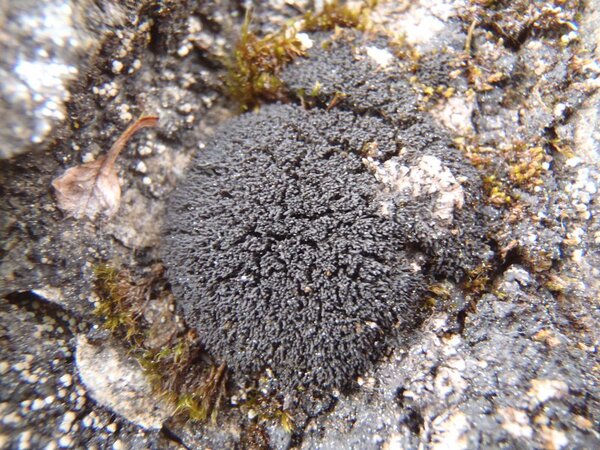
Curtis Randall Björk – CC BY-SA 4.0
British Columbia, Boundary Ranges Date: 2013-07-07 Alpine tundra
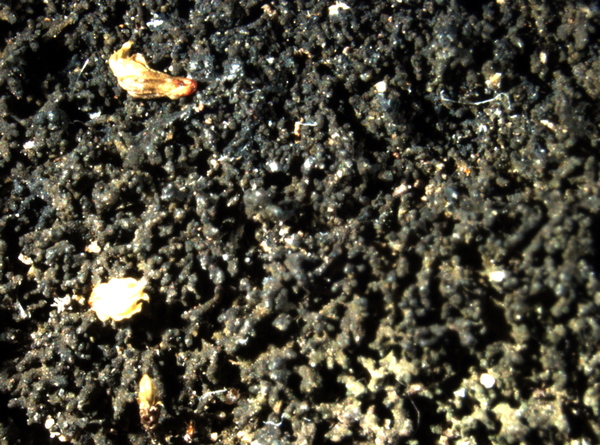
Pier Luigi Nimis - CC BY-SA 4.0
Herbarium: TSB 19850
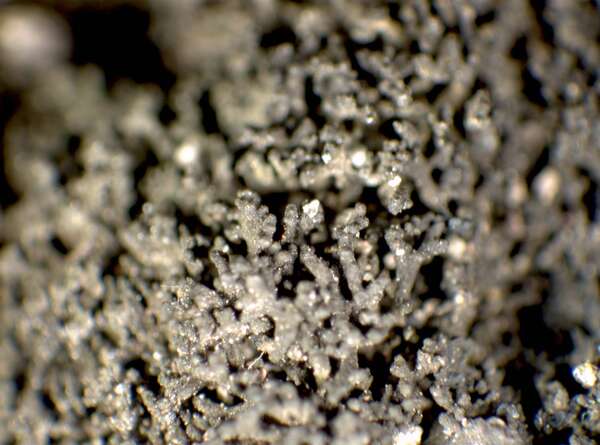
P.L. Nimis; Owner: Department of Life Sciences, University of Trieste
Herbarium: TSB (13372)
2001/12/04
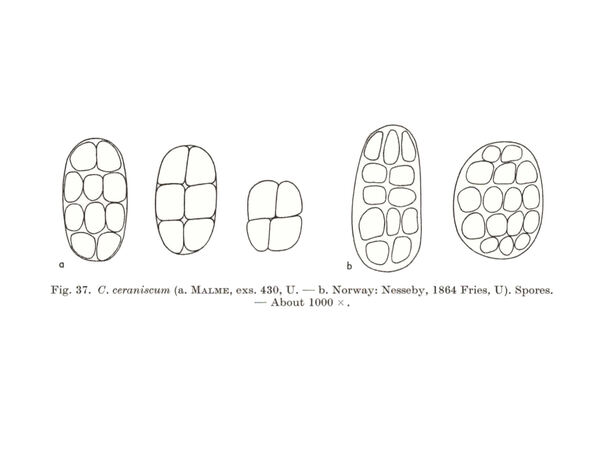
Degelius G. 1954. The lichen genus Collema in Europe: Morphology, Taxonomy, Ecology. Symbolae Bot. Upsal. 13, 2: 1-499.
Growth form: Foliose, broad lobed
Substrata: soil, terricolous mosses, and plant debris
Photobiont: cyanobacteria, filamentous (e.g. Nostoc, Scytonema)
Reproductive strategy: mainly sexual
Commonnes-rarity: (info)
Alpine belt: extremely rare
Subalpine belt: absent
Montane belt: absent
Dry submediterranean belt: absent
Humid submediterranean belt: absent
Padanian area: absent
pH of the substrata:
| 1 | 2 | 3 | 4 | 5 |
Solar irradiation:
| 1 | 2 | 3 | 4 | 5 |
Aridity:
| 1 | 2 | 3 | 4 | 5 |
Eutrophication:
| 1 | 2 | 3 | 4 | 5 |
Poleotolerance:
| 0 | 1 | 2 | 3 |
Altitudinal distribution:
| 1 | 2 | 3 | 4 | 5 | 6 |
Rarity
absent
extremely rare
very rare
rare
rather rare
rather common
common
very common
extremely common
Loading data...
Occurrence data
Predictive map
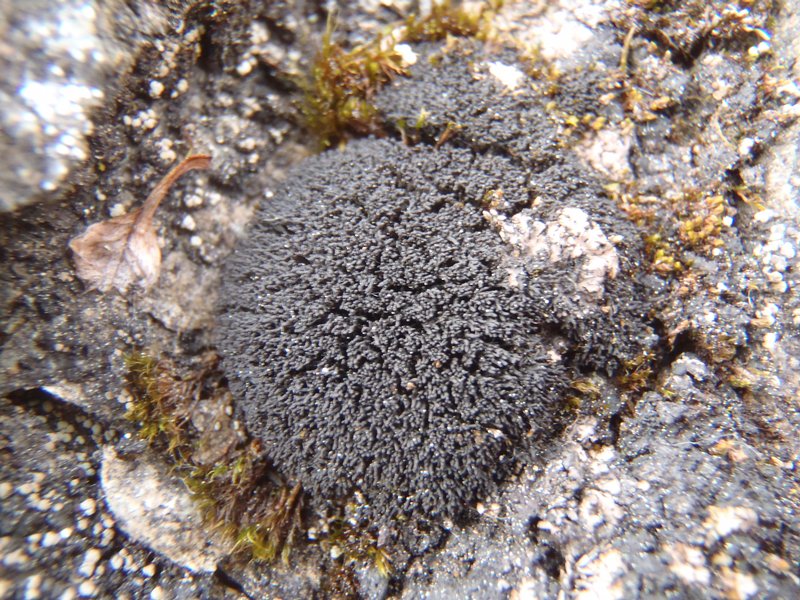
Curtis Randall Björk – CC BY-SA 4.0
British Columbia, Boundary Ranges Date: 2013-07-07 Alpine tundra
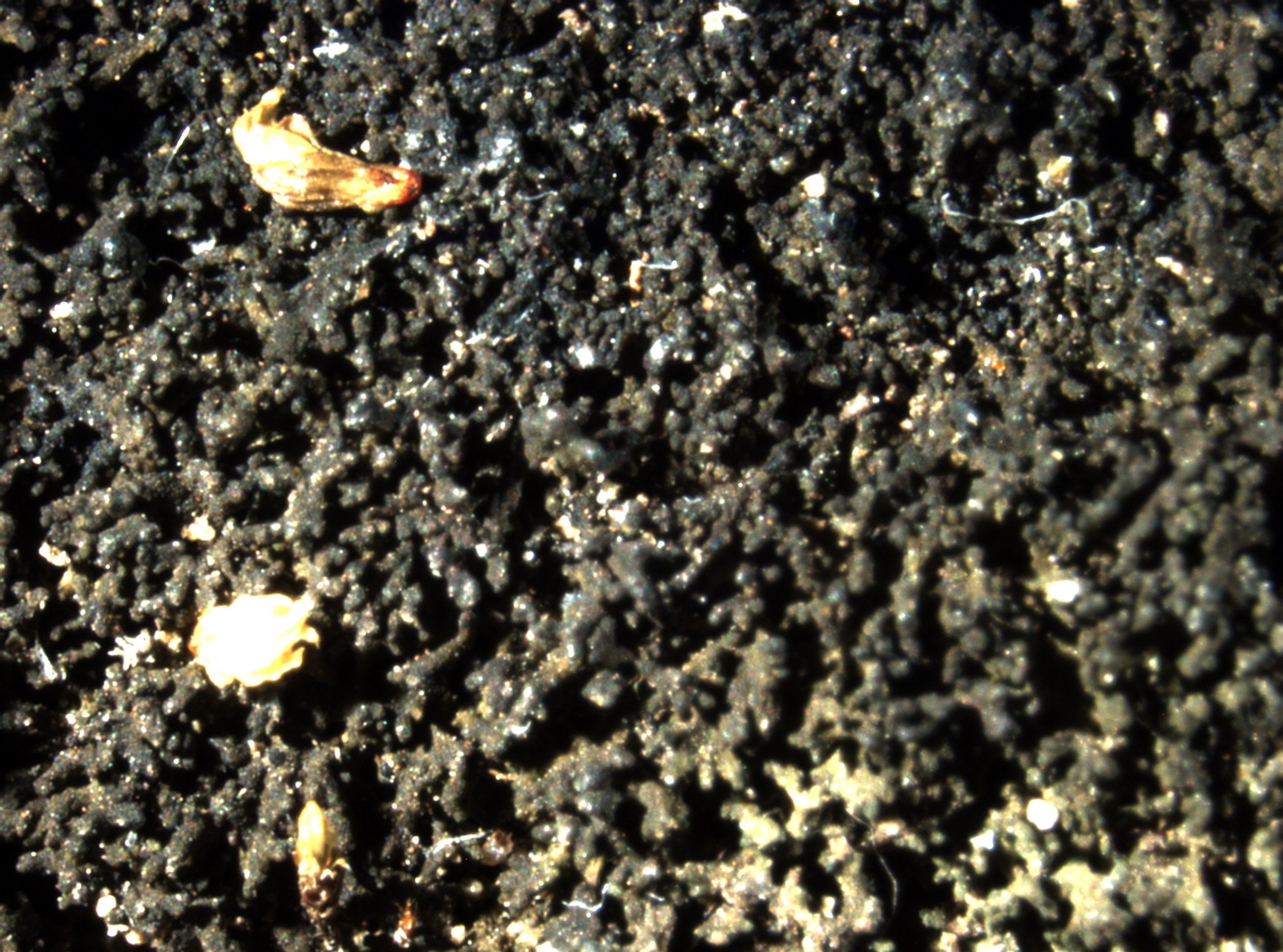
Pier Luigi Nimis - CC BY-SA 4.0
Herbarium: TSB 19850
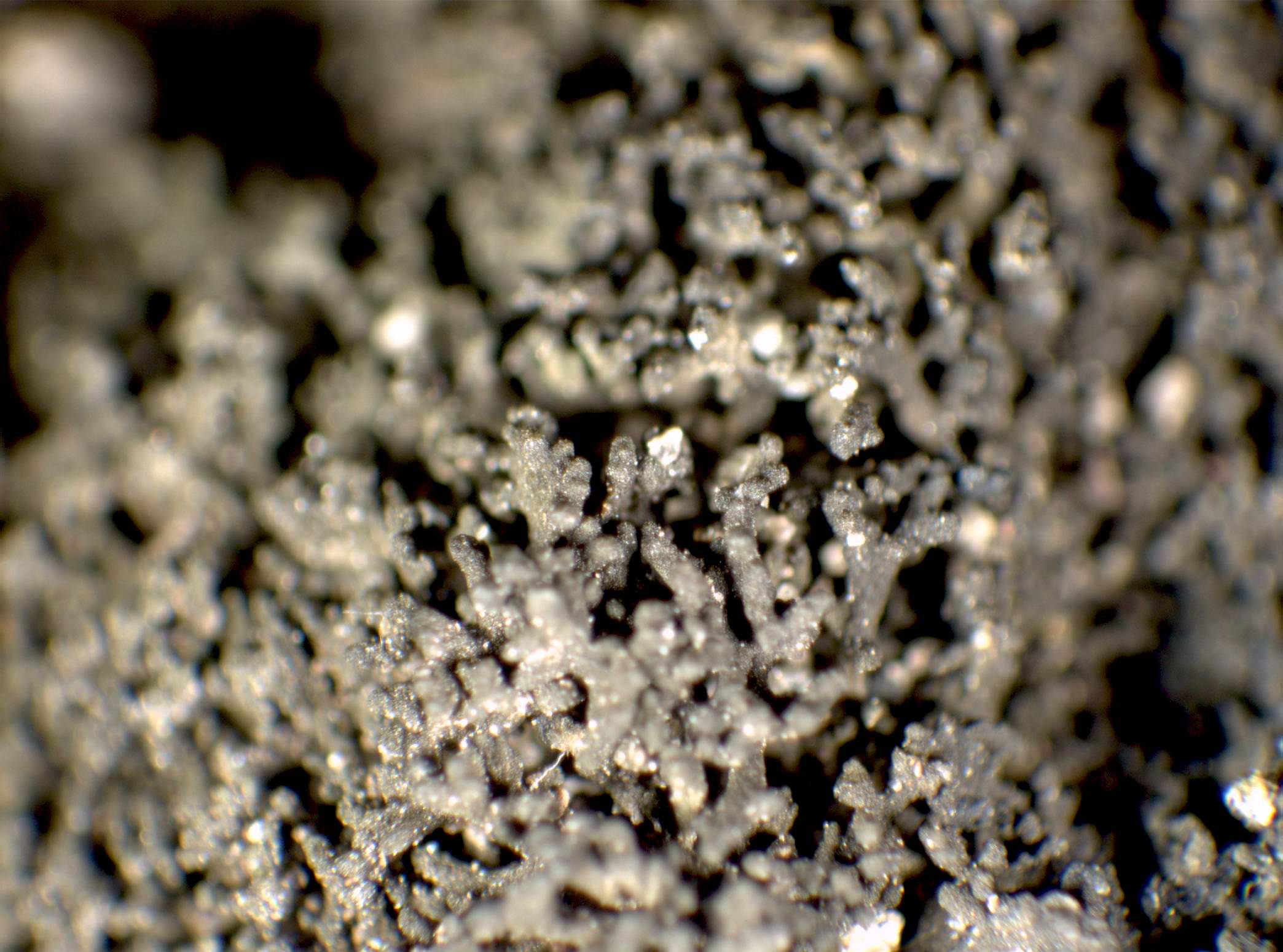
P.L. Nimis; Owner: Department of Life Sciences, University of Trieste
Herbarium: TSB (13372)
2001/12/04