Schismatomma pericleum (Ach.) Branth & Rostr.
Bot. Tidskr., 3: 244, 1869. Basionym: Lichen pericleus Ach. - Lichenogr. Suec. Prodr.: 78, 1799.
Synonyms: Lecanactis periclea (Ach.) M. Choisy; Lecanora periclea (Ach.) Ach.; Platygrapha dolosa (Duby) Anzi; Platygrapha periclea (Ach.) Nyl.; Pyrenotea incrustans (Ach.) Fr.; Schismatomma dolosum (Duby) Flot. & Körb.; Schismatomma pericleum var. farinosum (Ach.) Lettau
Description: Thallus crustose, endosubstratic or thinly episubstratic, 0.1-0.15 mm thick, whitish to pale grey with a pinkish or orange hue, continuous to rimose-areolate, with a patchily farinose-sorediate surface, without crystals of calcium-oxalates. Apothecia 0.2-0.5 mm across, rounded to short-ellipsoid, at first immersed in the thallus and with a flat, black, epruinose or faintly white-pruinose disc, later more or less protruding but rarely constricted at base, with a slightly convex, epruinose disc surrounded by a thin, whitish, finally disappearing thalline rim. Proper exciple poorly developed, of interwoven hyphae; epithecium reddish brown to dark brown, 15-20 µm high, K+ reddish; hymenium colourless, (60-)70-80(-85) µm high, I+ more or less blue, K/I+ blue; paraphysoids branched in upper part, not coherent and not anastomosing, c. 1 µm thick, the apical cells up to 4 µm wide; hypothecium dark brown to carbonaceous, K+ olivaceous green to dark greenish black. Asci 8-spored, fissitunicate, clavate, with two functional wall layers, thickened at the apex, with an internal K/I+ blue ring. Ascospores 3-septate, hyaline, acicular-fusiform, slightly to strongly curved, (25-)30-42(-56) x 2.5-4.5 µm, coiled in the asci. Pycnidia black, immersed, the conidiogenous cells elongate-ampulliform, lining the pycnidial cavity. Conidia curved, simple, hyaline, 4-6 x 1-2 µm. Photobiont trentepohlioid. Spot tests: thallus K-, C-, KC-, P-. Chemistry: thallus with roccellic acid.
Growth form: Crustose
Substrata: bark
Photobiont: Trentepohlia
Reproductive strategy: mainly sexual
In underhangs rarely wetted by rain
Commonnes-rarity: (info)
Alpine belt: absent
Subalpine belt: extremely rare
Montane belt: extremely rare
Dry submediterranean belt: absent
Humid submediterranean belt: extremely rare
Padanian area: absent
pH of the substrata:
1 2 3 4 5

Solar irradiation:
1 2 3 4 5
Aridity:
1 2 3 4 5
Eutrophication:
1 2 3 4 5
Poleotolerance:
0 1 2 3
Altitudinal distribution:
1 2 3 4 5 6
Rarity
absent
extremely rare
very rare
rare
rather rare
rather common
common
very common
extremely common
Loading data...
Occurrence data
Predictive map
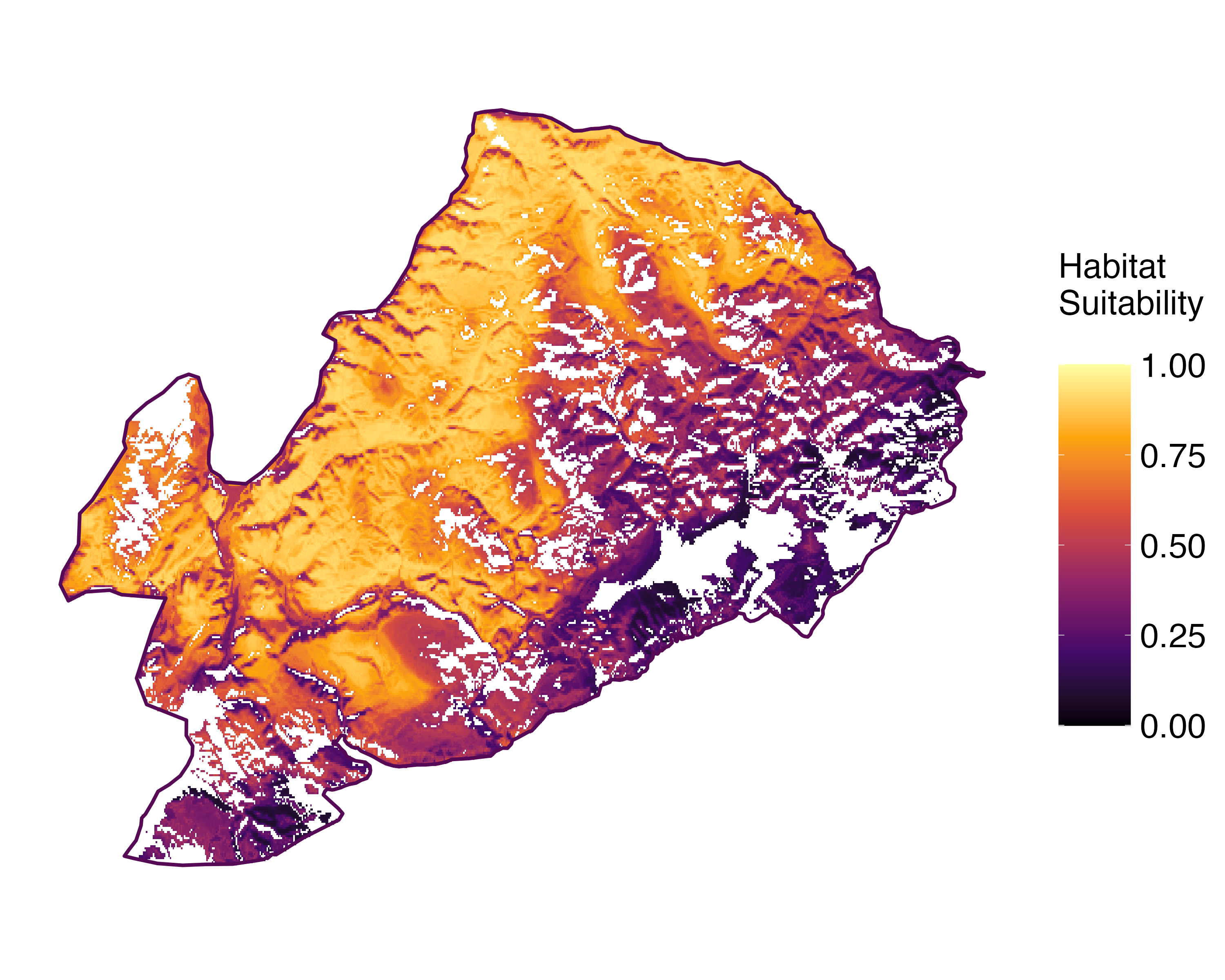 Current prediction (1981-2010)
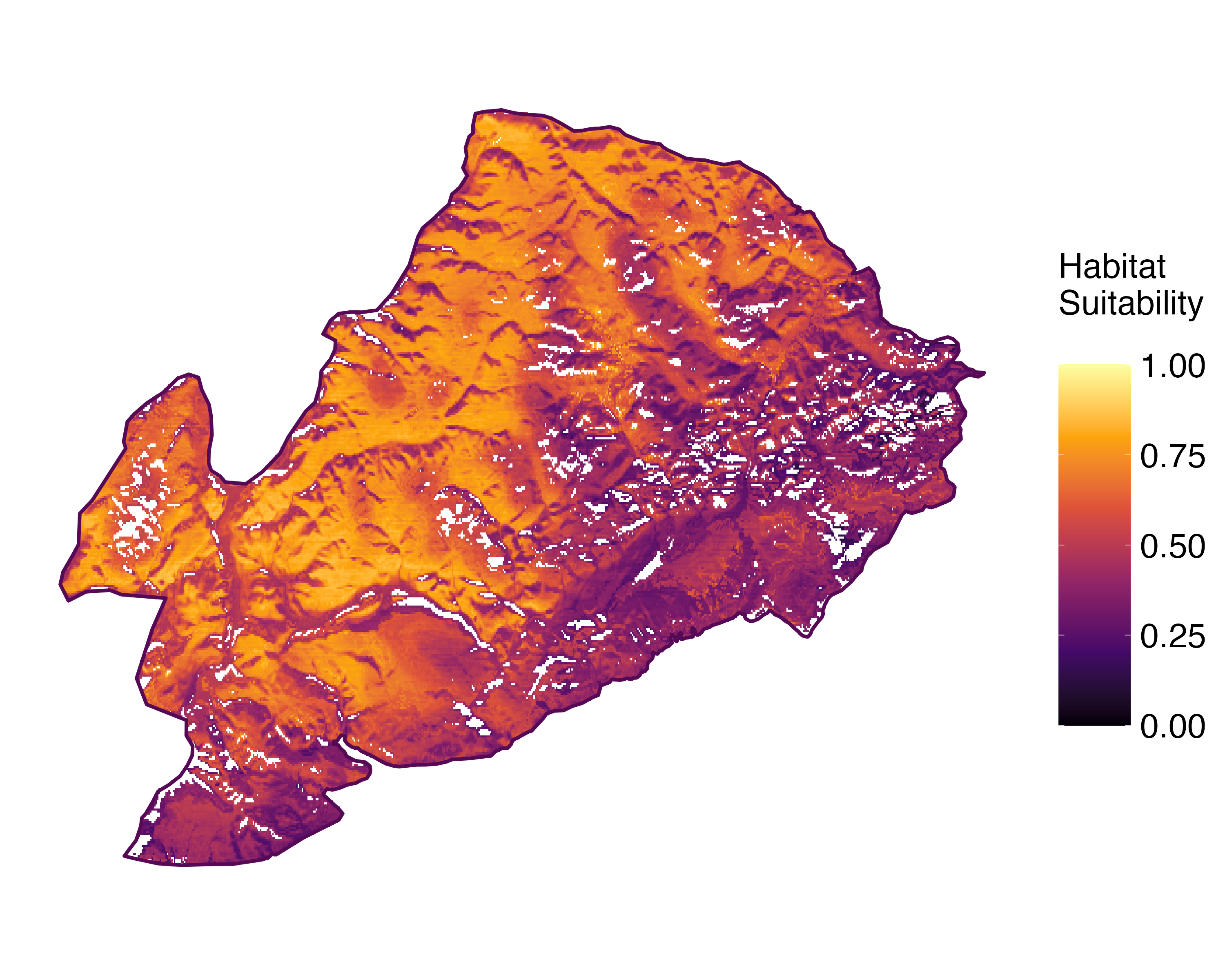 Future prediction (2071-2100) SSP 1-2.6
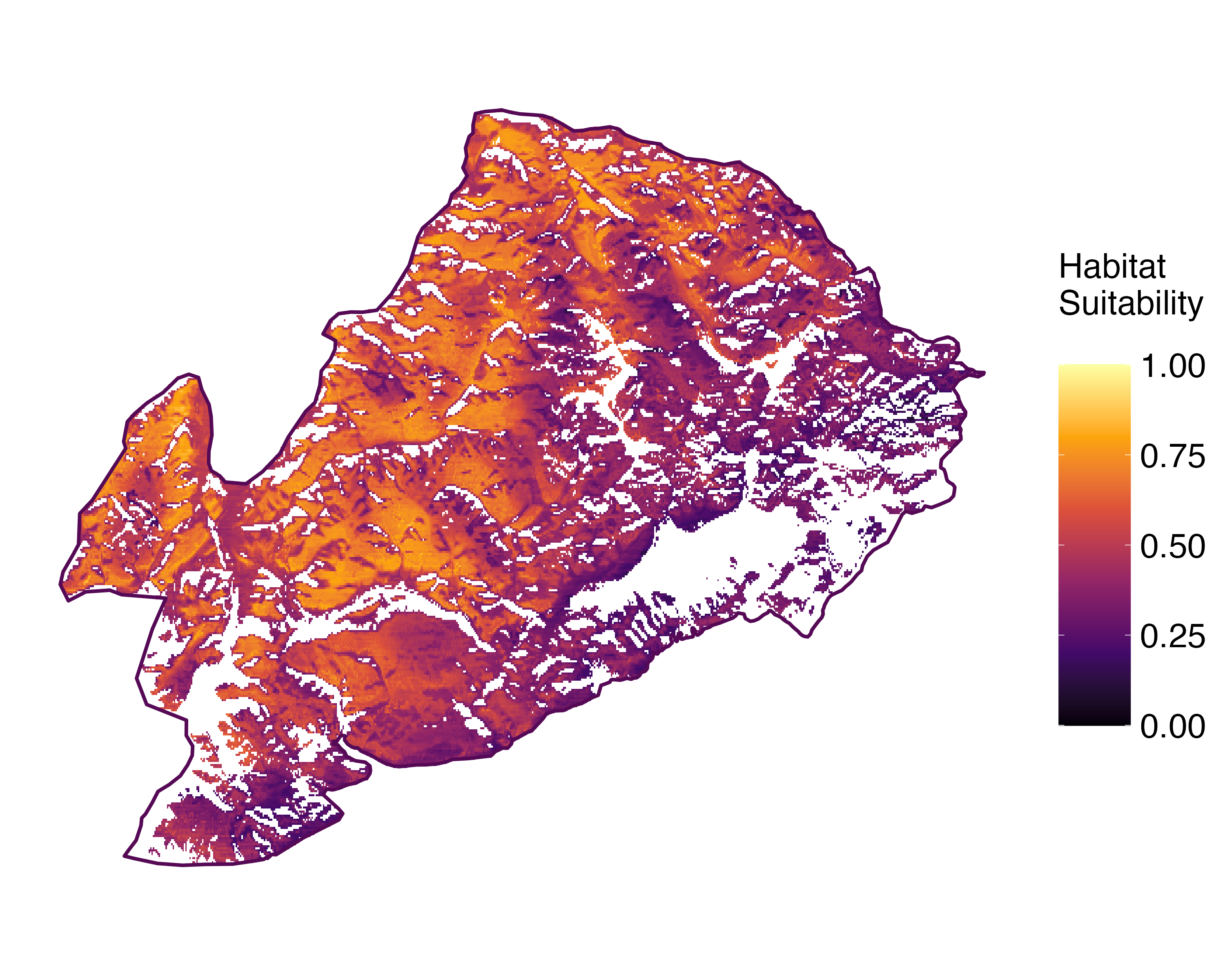 Future prediction (2071-2100) SSP 5-8.5Predictive maps according to Francesconi et al. 2025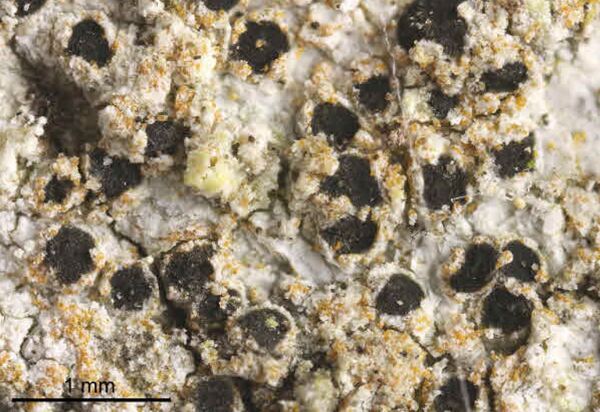
Felix Schumm – CC BY-SA 4.0
[15631], Germany, Bayern, Chiemgauer Alpen, Hochfelln, 970 m.
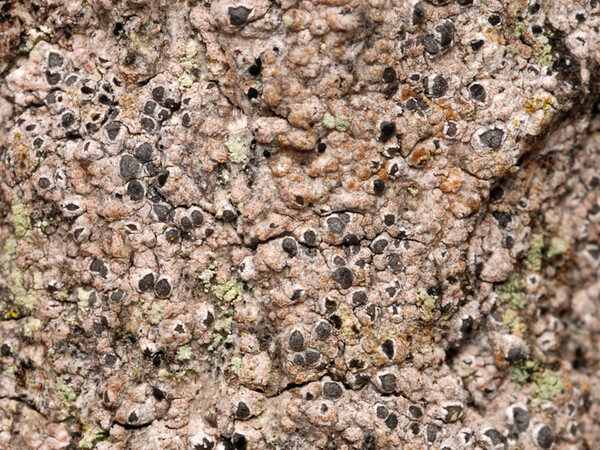
Leif Stridvall - Source: http://www.stridvall.se/la/galleries.php (Courtesy: Anita Stridvall)
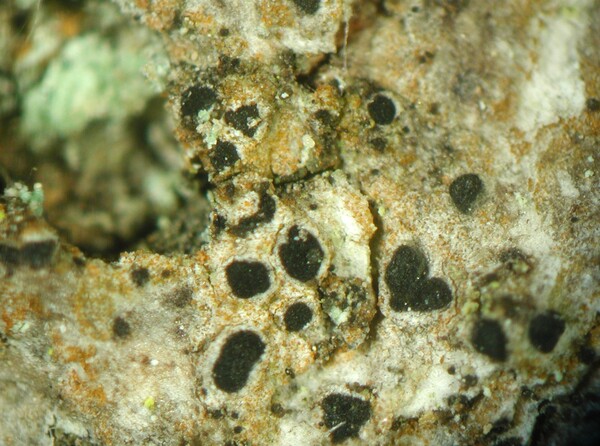
Juri Nascimbene - CC BY-SA 4.0
Italy, Trentino-Alto Adige, Bolzano/Bozen, Sciliar/Schlern
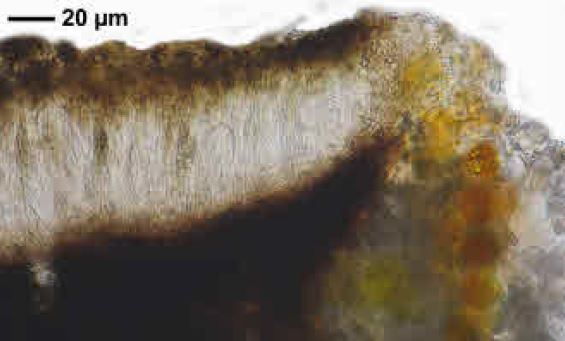
Felix Schumm – CC BY-SA 4.0
[15631], Germany, Bayern, Chiemgauer Alpen, Hochfelln, 970 m.
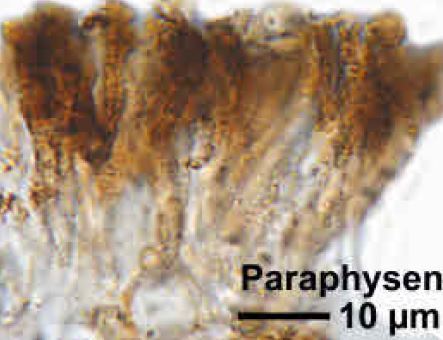
Felix Schumm – CC BY-SA 4.0
[15631], Germany, Bayern, Chiemgauer Alpen, Hochfelln, 970 m.
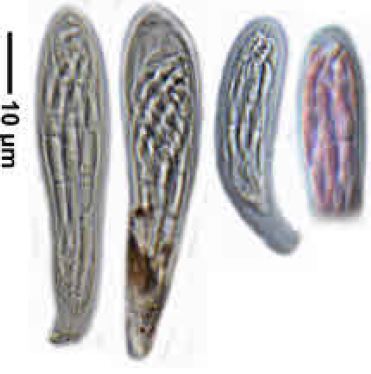
Felix Schumm – CC BY-SA 4.0
[15631], Germany, Bayern, Chiemgauer Alpen, Hochfelln, 970 m.
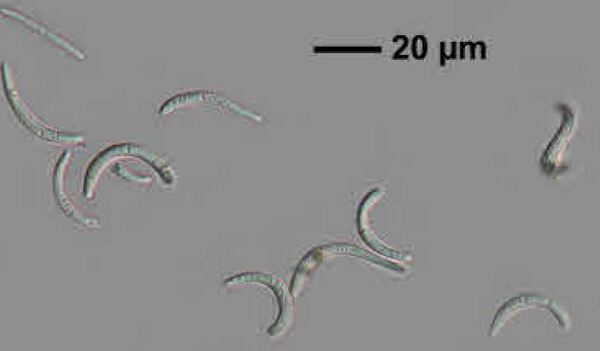
Felix Schumm – CC BY-SA 4.0
[15631], Germany, Bayern, Chiemgauer Alpen, Hochfelln, 970 m.
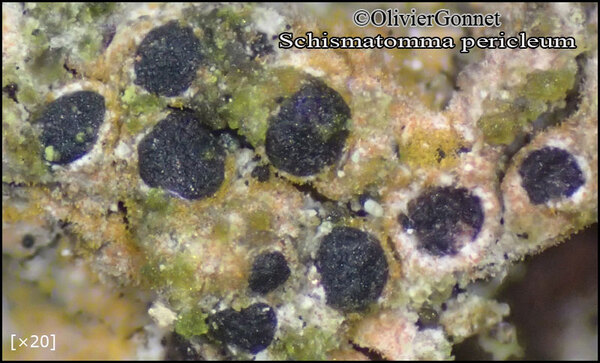
Courtesy Danièle et Olivier Gonnet - Source: https://www.afl-lichenologie.fr/Photos_AFL/Photos_AFL_S/Text_S/Schismatomma_pericleum.htm
France, 13/9/2019 - Divonne-les-Bains, La petite Grand, alt. 1400 m - Ain
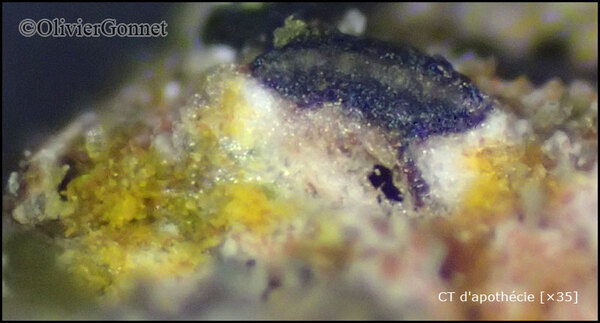
Courtesy Danièle et Olivier Gonnet - Source: https://www.afl-lichenologie.fr/Photos_AFL/Photos_AFL_S/Text_S/Schismatomma_pericleum.htm
France, 13/9/2019 - Divonne-les-Bains, La petite Grand, alt. 1400 m - Ain
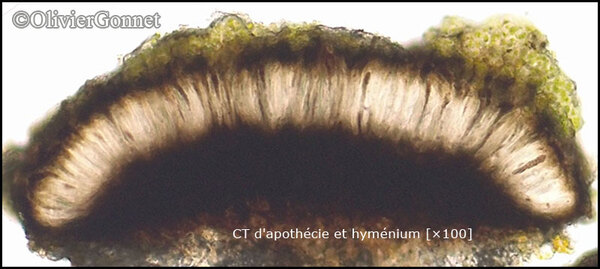
Courtesy Danièle et Olivier Gonnet - Source: https://www.afl-lichenologie.fr/Photos_AFL/Photos_AFL_S/Text_S/Schismatomma_pericleum.htm
France, 13/9/2019 - Divonne-les-Bains, La petite Grand, alt. 1400 m - Ain
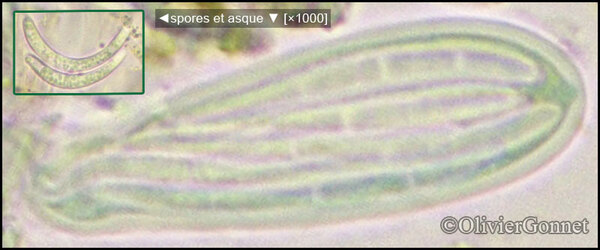
Courtesy Danièle et Olivier Gonnet - Source: https://www.afl-lichenologie.fr/Photos_AFL/Photos_AFL_S/Text_S/Schismatomma_pericleum.htm
France, 13/9/2019 - Divonne-les-Bains, La petite Grand, alt. 1400 m - Ain
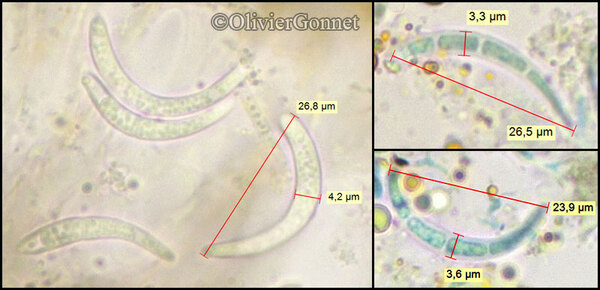
Courtesy Danièle et Olivier Gonnet - Source: https://www.afl-lichenologie.fr/Photos_AFL/Photos_AFL_S/Text_S/Schismatomma_pericleum.htm
France, 13/9/2019 - Divonne-les-Bains, La petite Grand, alt. 1400 m - Ain
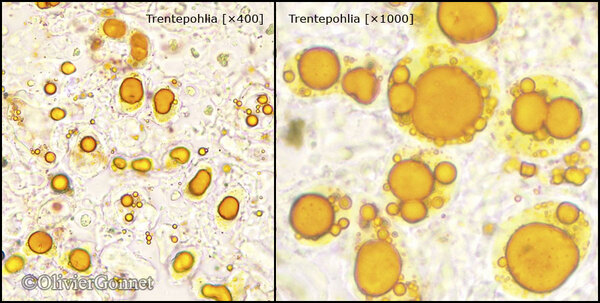
Courtesy Danièle et Olivier Gonnet - Source: https://www.afl-lichenologie.fr/Photos_AFL/Photos_AFL_S/Text_S/Schismatomma_pericleum.htm
France, 13/9/2019 - Divonne-les-Bains, La petite Grand, alt. 1400 m - Ain
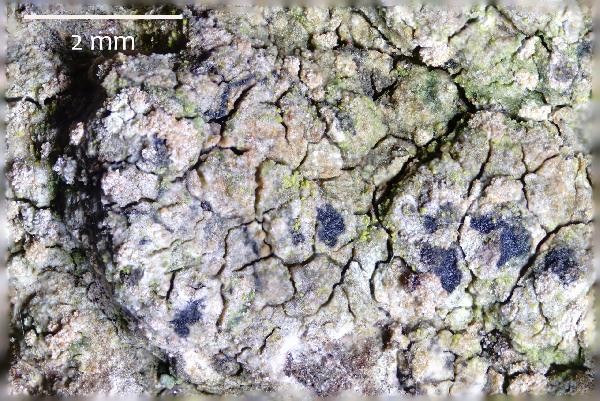
Marta Gonzalez Garcia - Centro de Estudios Micologicos Asturianos
Spain, Carballeda de Granda (Gijón-Asturias), 3-I-2024, en corteza de Quercus robur, leg. & det. M. González, MGG-69.
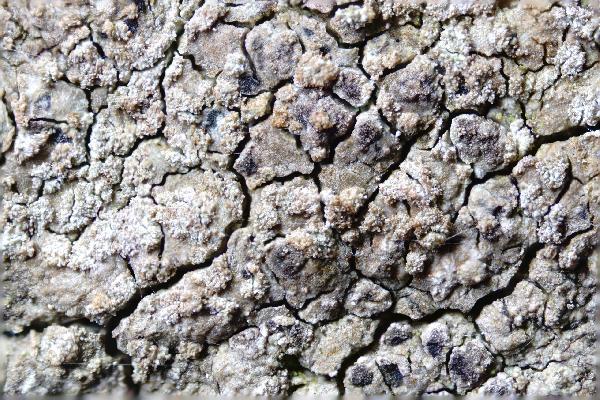
Marta Gonzalez Garcia - Centro de Estudios Micologicos Asturianos
Spain, Carballeda de Granda (Gijón-Asturias), 3-I-2024, en corteza de Quercus robur, leg. & det. M. González, MGG-69.
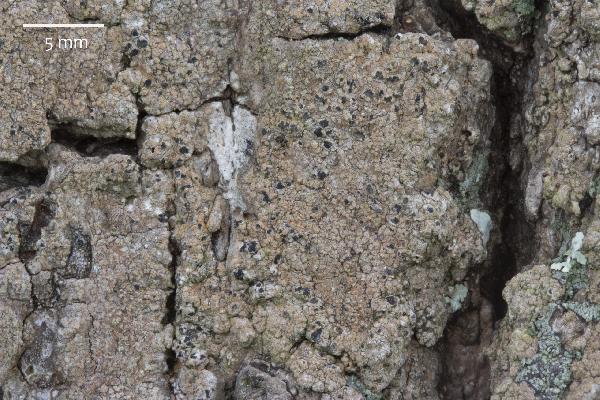
Marta Gonzalez Garcia - Centro de Estudios Micologicos Asturianos
Spain, Carballeda de Granda (Gijón-Asturias), 3-I-2024, en corteza de Quercus robur, leg. & det. M. González, MGG-69.
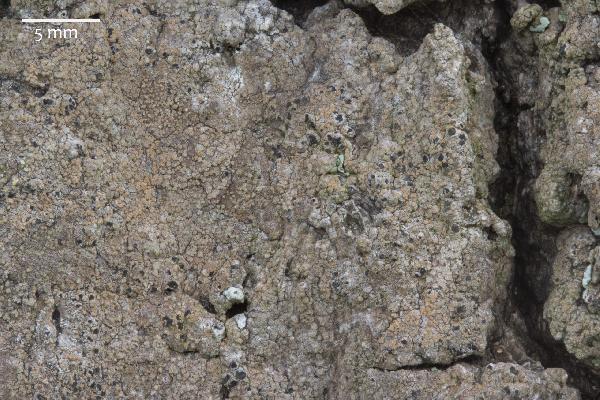
Marta Gonzalez Garcia - Centro de Estudios Micologicos Asturianos
Spain, Carballeda de Granda (Gijón-Asturias), 3-I-2024, en corteza de Quercus robur, leg. & det. M. González, MGG-69.
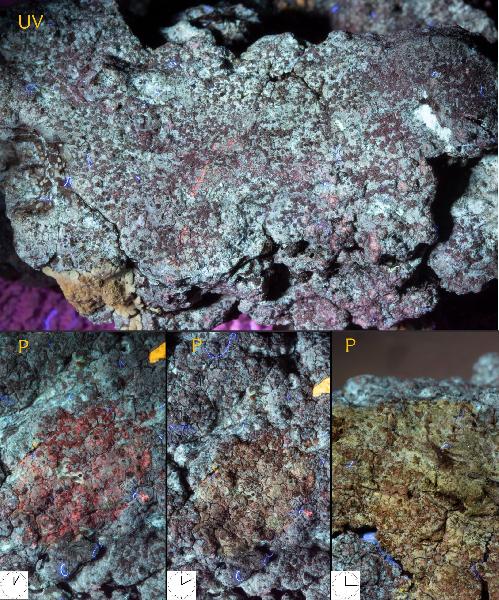
Marta Gonzalez Garcia - Centro de Estudios Micologicos Asturianos
Spain, Carballeda de Granda (Gijón-Asturias), 3-I-2024, en corteza de Quercus robur, leg. & det. M. González, MGG-69.
UV
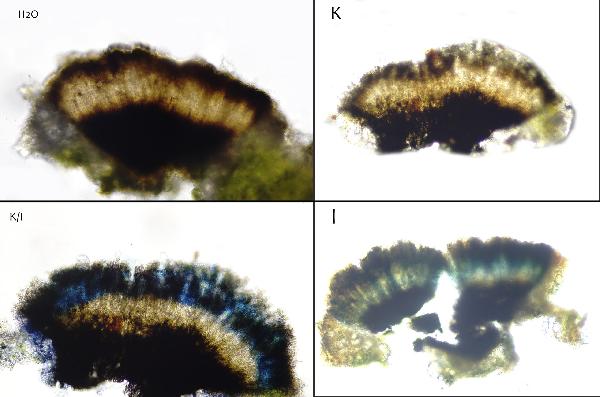
Marta Gonzalez Garcia - Centro de Estudios Micologicos Asturianos
Spain, Carballeda de Granda (Gijón-Asturias), 3-I-2024, en corteza de Quercus robur, leg. & det. M. González, MGG-69.
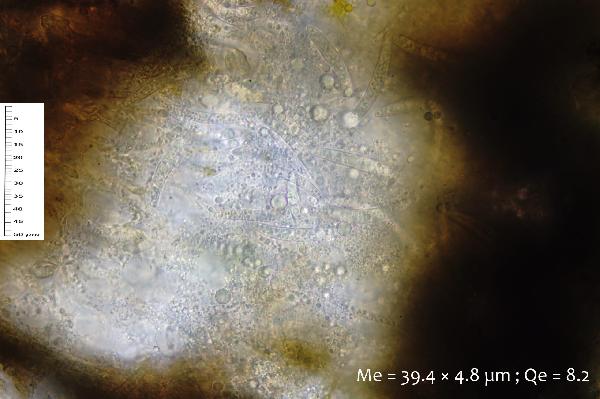
Marta Gonzalez Garcia - Centro de Estudios Micologicos Asturianos
Spain, Carballeda de Granda (Gijón-Asturias), 3-I-2024, en corteza de Quercus robur, leg. & det. M. González, MGG-69.
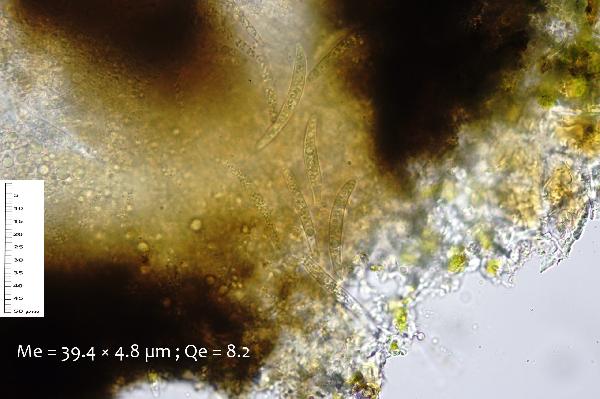
Marta Gonzalez Garcia - Centro de Estudios Micologicos Asturianos
Spain, Carballeda de Granda (Gijón-Asturias), 3-I-2024, en corteza de Quercus robur, leg. & det. M. González, MGG-69.
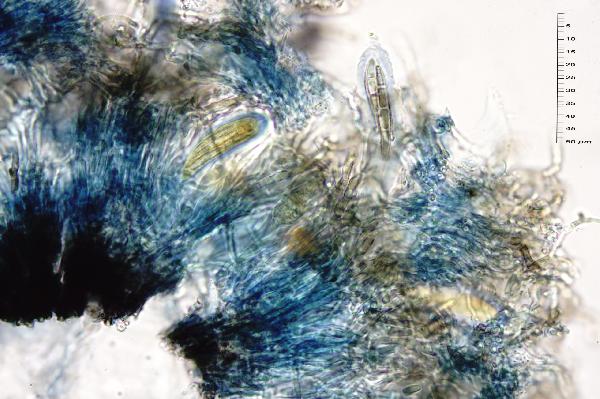
Marta Gonzalez Garcia - Centro de Estudios Micologicos Asturianos
Spain, Carballeda de Granda (Gijón-Asturias), 3-I-2024, en corteza de Quercus robur, leg. & det. M. González, MGG-69.
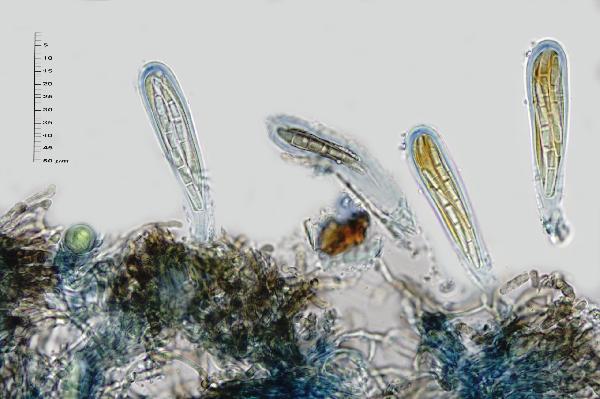
Marta Gonzalez Garcia - Centro de Estudios Micologicos Asturianos
Spain, Carballeda de Granda (Gijón-Asturias), 3-I-2024, en corteza de Quercus robur, leg. & det. M. González, MGG-69.
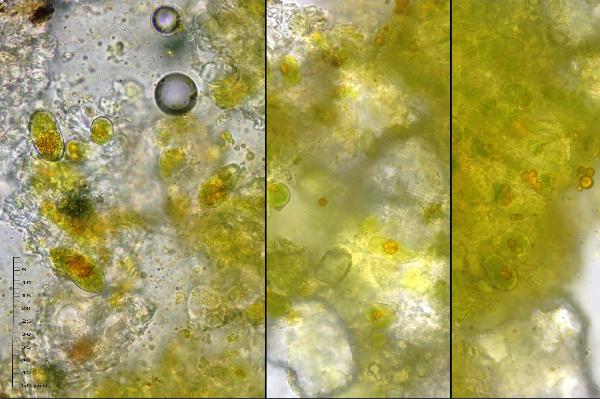
Marta Gonzalez Garcia - Centro de Estudios Micologicos Asturianos
Spain, Carballeda de Granda (Gijón-Asturias), 3-I-2024, en corteza de Quercus robur, leg. & det. M. González, MGG-69.
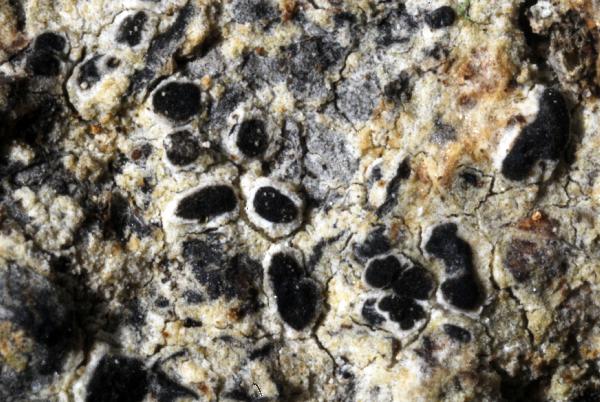
Domenico Puntillo - CC BY 4.0
Italy, Calabria, Vallone Viperaro (Magisano, Sila Piccola), m. 1210, Leg. C. Gangale & D. Puntillo 21.11.2014 su scorza di Quercus petraea
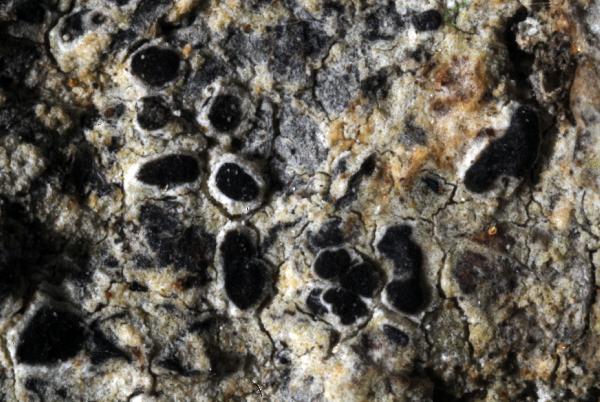
Domenico Puntillo - CC BY 4.0
Italy, Calabria, Vallone Viperaro (Magisano, Sila Piccola), m. 1210, Leg. C. Gangale & D. Puntillo 21.11.2014 su scorza di Quercus petraea
Growth form: Crustose
Substrata: bark
Photobiont: Trentepohlia
Reproductive strategy: mainly sexual
In underhangs rarely wetted by rain
Commonnes-rarity: (info)
Alpine belt: absent
Subalpine belt: extremely rare
Montane belt: extremely rare
Dry submediterranean belt: absent
Humid submediterranean belt: extremely rare
Padanian area: absent
pH of the substrata:
| 1 | 2 | 3 | 4 | 5 |
Solar irradiation:
| 1 | 2 | 3 | 4 | 5 |
Aridity:
| 1 | 2 | 3 | 4 | 5 |
Eutrophication:
| 1 | 2 | 3 | 4 | 5 |
Poleotolerance:
| 0 | 1 | 2 | 3 |
Altitudinal distribution:
| 1 | 2 | 3 | 4 | 5 | 6 |
Rarity
absent
extremely rare
very rare
rare
rather rare
rather common
common
very common
extremely common
Loading data...
Occurrence data
Predictive map
Current prediction (1981-2010)Future prediction (2071-2100) SSP 1-2.6Future prediction (2071-2100) SSP 5-8.5Predictive maps according to Francesconi et al. 2025
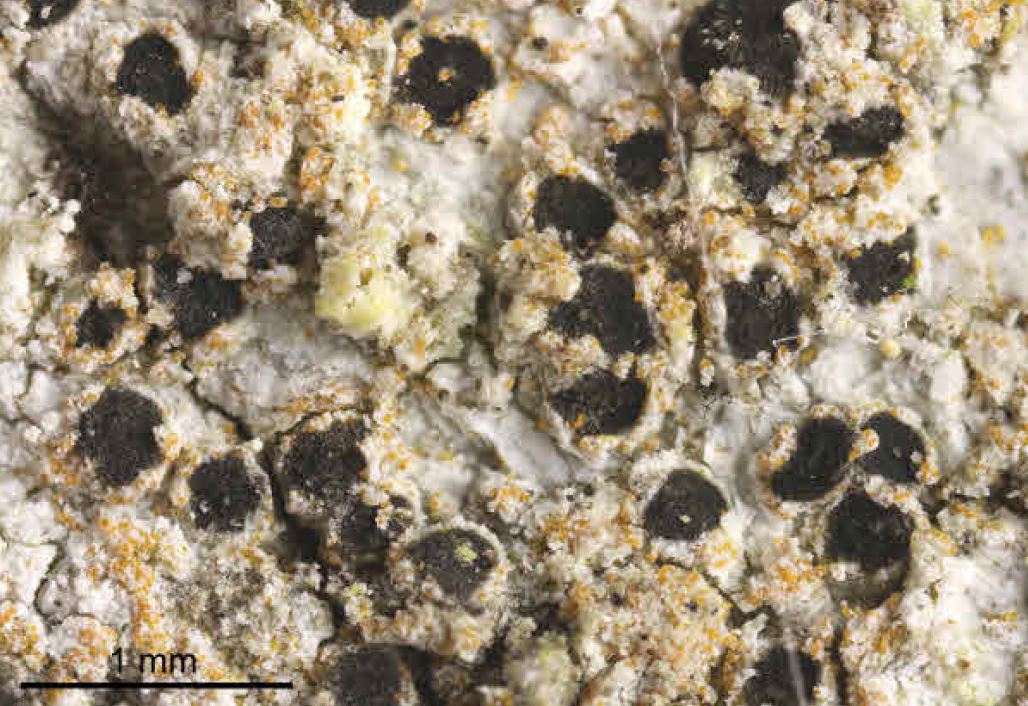
Felix Schumm – CC BY-SA 4.0
[15631], Germany, Bayern, Chiemgauer Alpen, Hochfelln, 970 m.
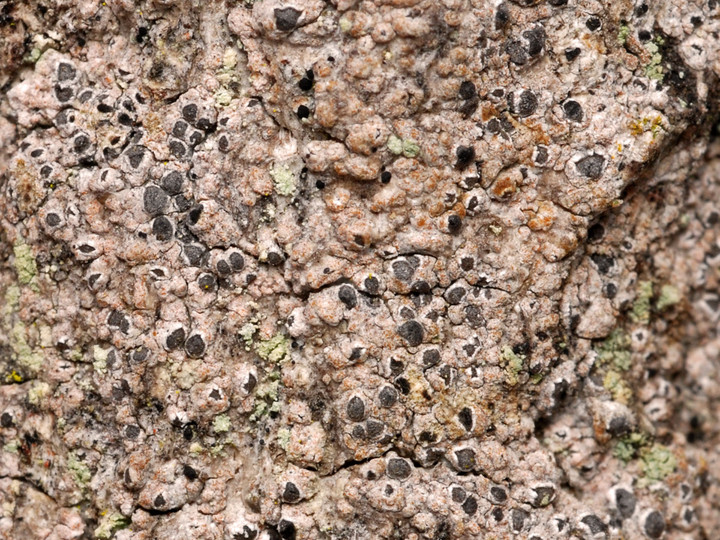
Leif Stridvall - Source: http://www.stridvall.se/la/galleries.php (Courtesy: Anita Stridvall)
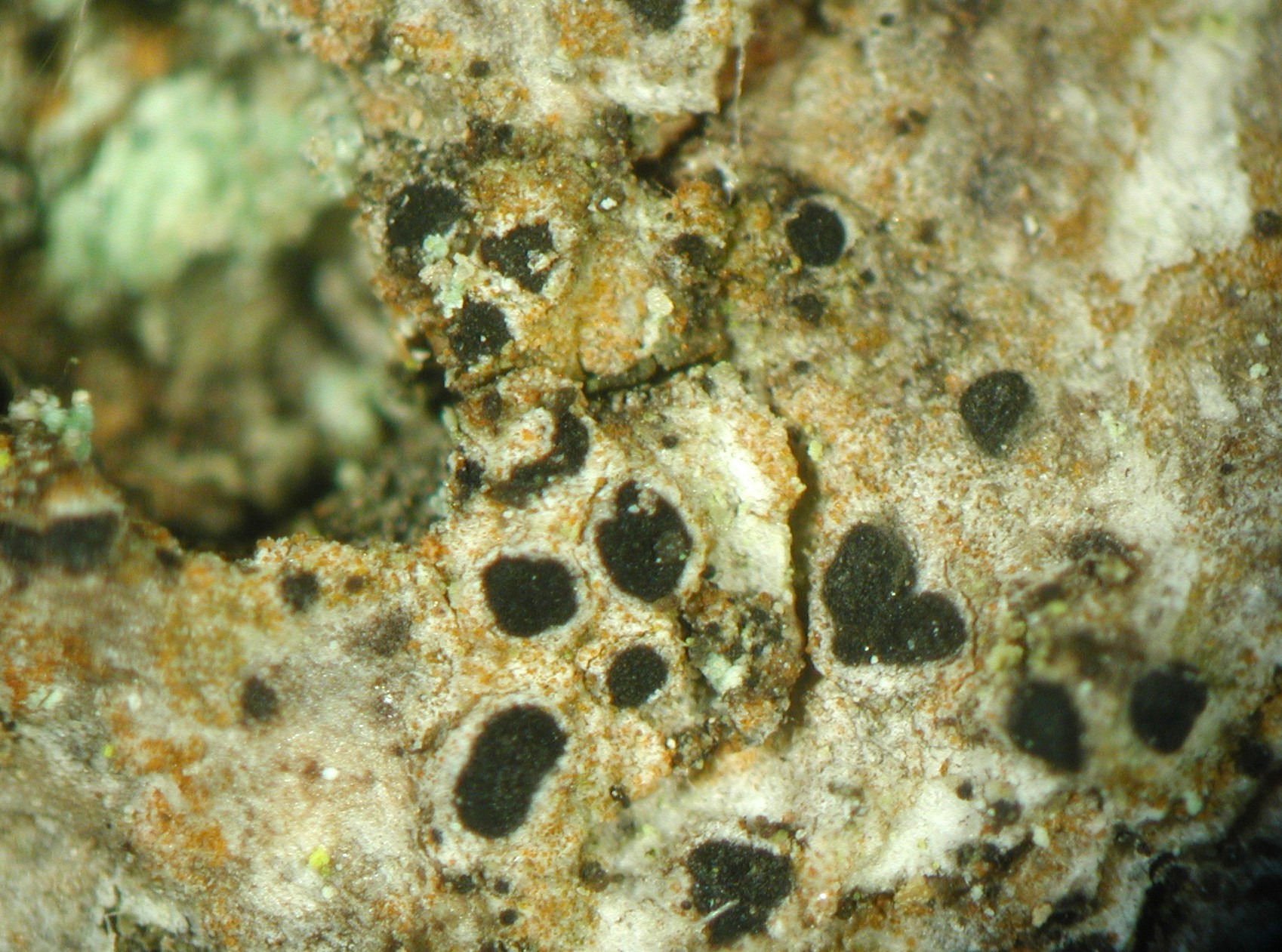
Juri Nascimbene - CC BY-SA 4.0
Italy, Trentino-Alto Adige, Bolzano/Bozen, Sciliar/Schlern
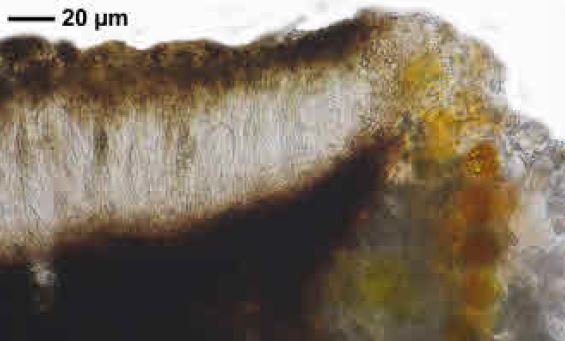
Felix Schumm – CC BY-SA 4.0
[15631], Germany, Bayern, Chiemgauer Alpen, Hochfelln, 970 m.
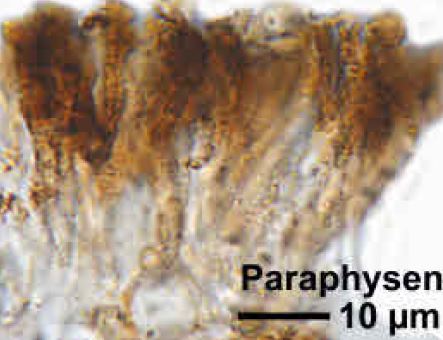
Felix Schumm – CC BY-SA 4.0
[15631], Germany, Bayern, Chiemgauer Alpen, Hochfelln, 970 m.
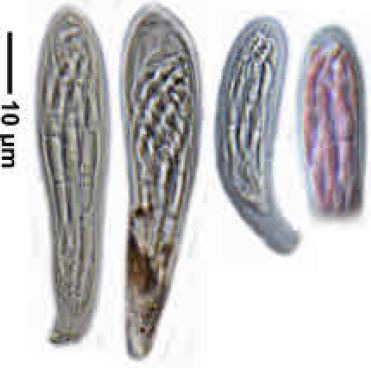
Felix Schumm – CC BY-SA 4.0
[15631], Germany, Bayern, Chiemgauer Alpen, Hochfelln, 970 m.
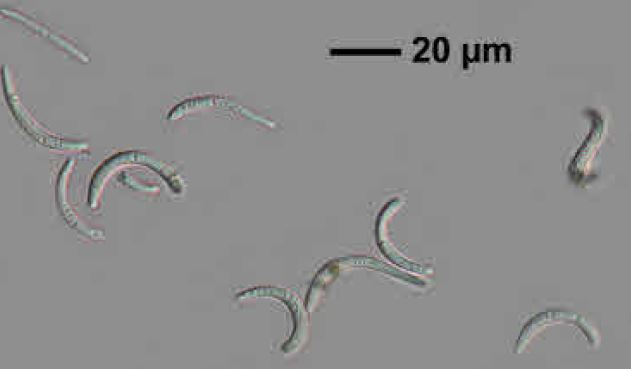
Felix Schumm – CC BY-SA 4.0
[15631], Germany, Bayern, Chiemgauer Alpen, Hochfelln, 970 m.
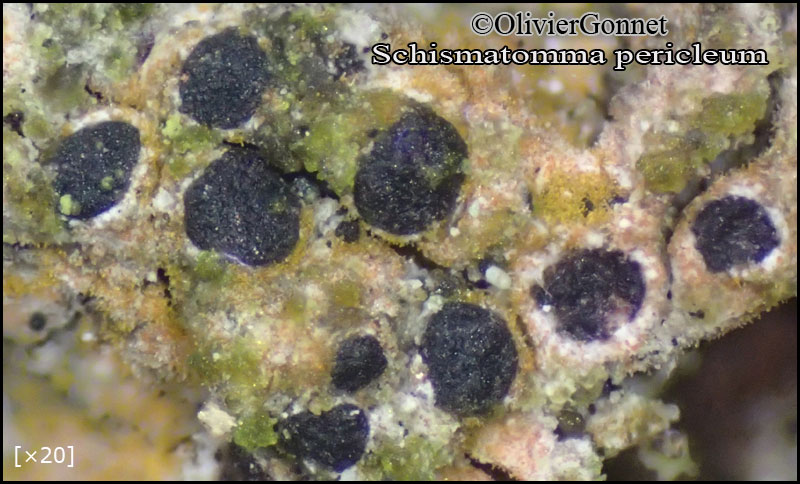
Courtesy Danièle et Olivier Gonnet - Source: https://www.afl-lichenologie.fr/Photos_AFL/Photos_AFL_S/Text_S/Schismatomma_pericleum.htm
France, 13/9/2019 - Divonne-les-Bains, La petite Grand, alt. 1400 m - Ain
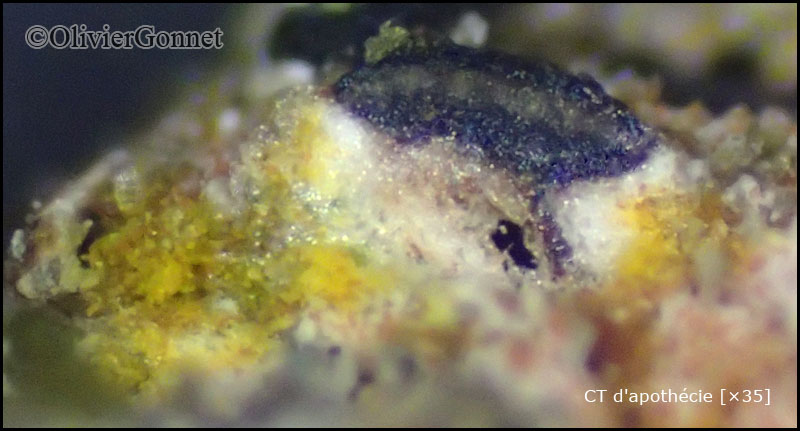
Courtesy Danièle et Olivier Gonnet - Source: https://www.afl-lichenologie.fr/Photos_AFL/Photos_AFL_S/Text_S/Schismatomma_pericleum.htm
France, 13/9/2019 - Divonne-les-Bains, La petite Grand, alt. 1400 m - Ain
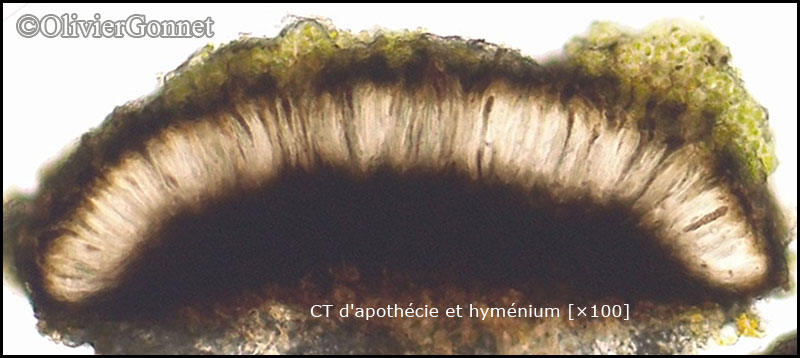
Courtesy Danièle et Olivier Gonnet - Source: https://www.afl-lichenologie.fr/Photos_AFL/Photos_AFL_S/Text_S/Schismatomma_pericleum.htm
France, 13/9/2019 - Divonne-les-Bains, La petite Grand, alt. 1400 m - Ain
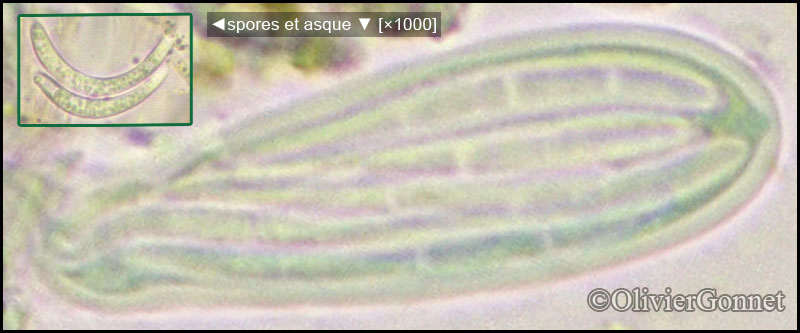
Courtesy Danièle et Olivier Gonnet - Source: https://www.afl-lichenologie.fr/Photos_AFL/Photos_AFL_S/Text_S/Schismatomma_pericleum.htm
France, 13/9/2019 - Divonne-les-Bains, La petite Grand, alt. 1400 m - Ain
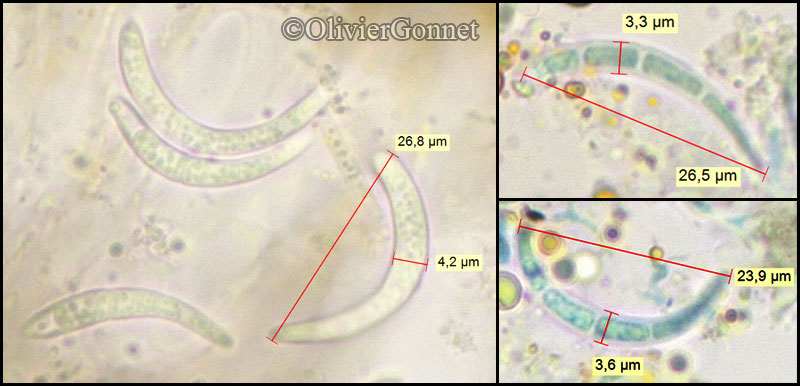
Courtesy Danièle et Olivier Gonnet - Source: https://www.afl-lichenologie.fr/Photos_AFL/Photos_AFL_S/Text_S/Schismatomma_pericleum.htm
France, 13/9/2019 - Divonne-les-Bains, La petite Grand, alt. 1400 m - Ain
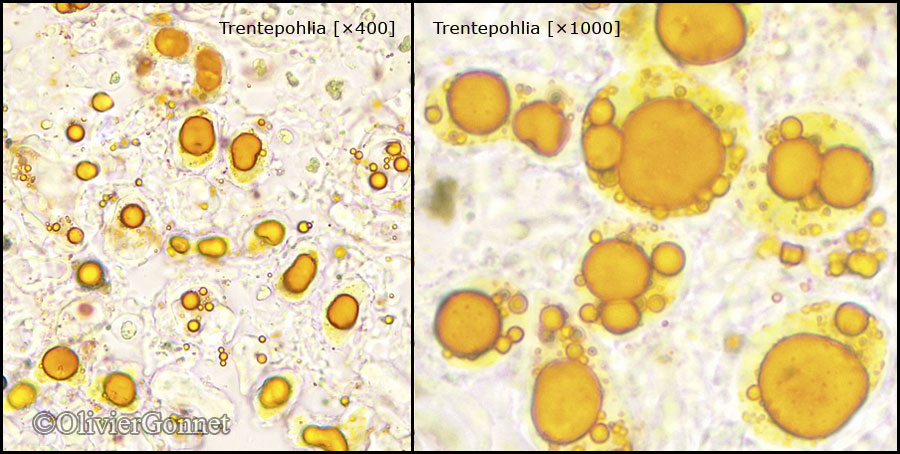
Courtesy Danièle et Olivier Gonnet - Source: https://www.afl-lichenologie.fr/Photos_AFL/Photos_AFL_S/Text_S/Schismatomma_pericleum.htm
France, 13/9/2019 - Divonne-les-Bains, La petite Grand, alt. 1400 m - Ain

Marta Gonzalez Garcia - Centro de Estudios Micologicos Asturianos
Spain, Carballeda de Granda (Gijón-Asturias), 3-I-2024, en corteza de Quercus robur, leg. & det. M. González, MGG-69.
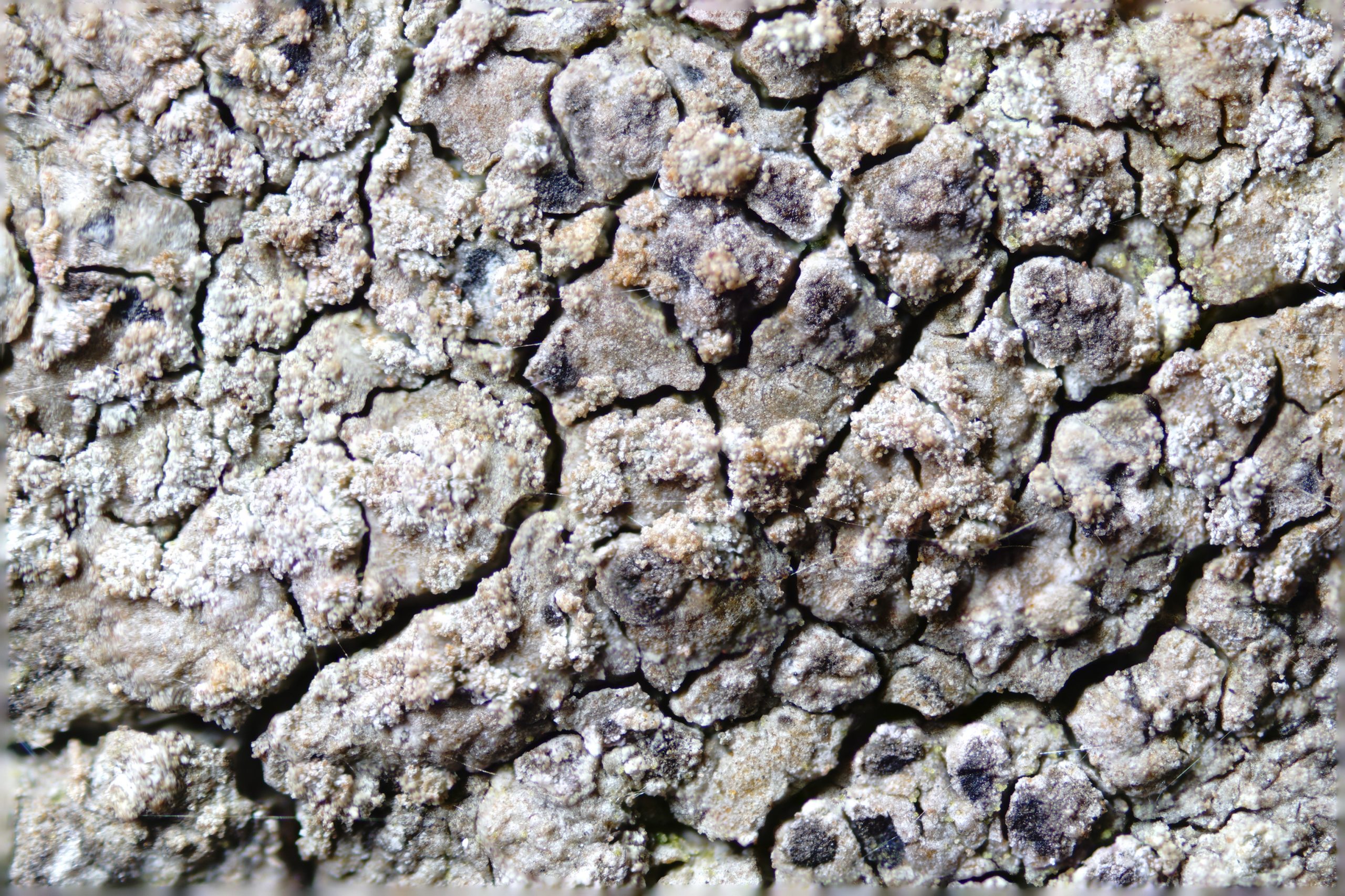
Marta Gonzalez Garcia - Centro de Estudios Micologicos Asturianos
Spain, Carballeda de Granda (Gijón-Asturias), 3-I-2024, en corteza de Quercus robur, leg. & det. M. González, MGG-69.
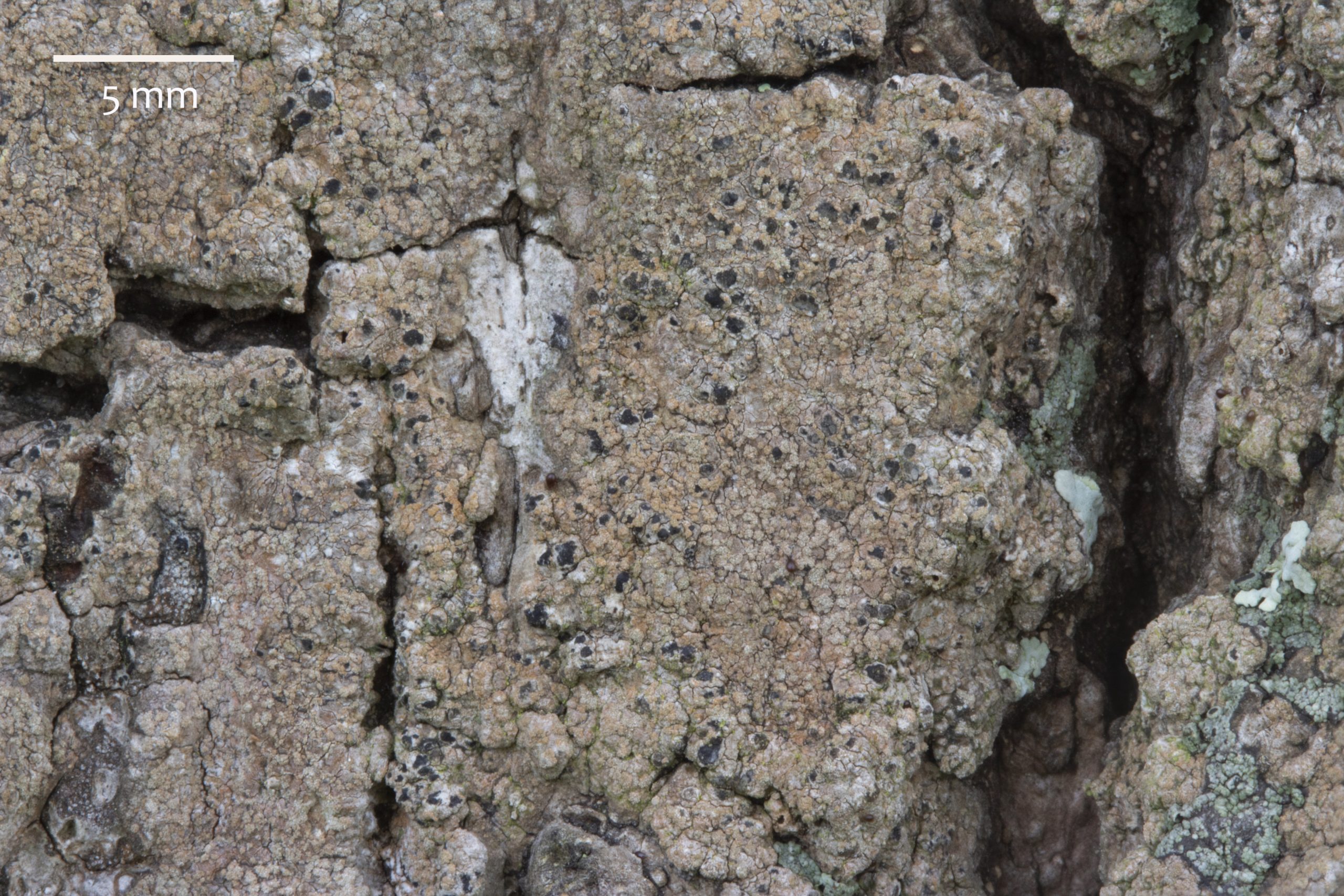
Marta Gonzalez Garcia - Centro de Estudios Micologicos Asturianos
Spain, Carballeda de Granda (Gijón-Asturias), 3-I-2024, en corteza de Quercus robur, leg. & det. M. González, MGG-69.
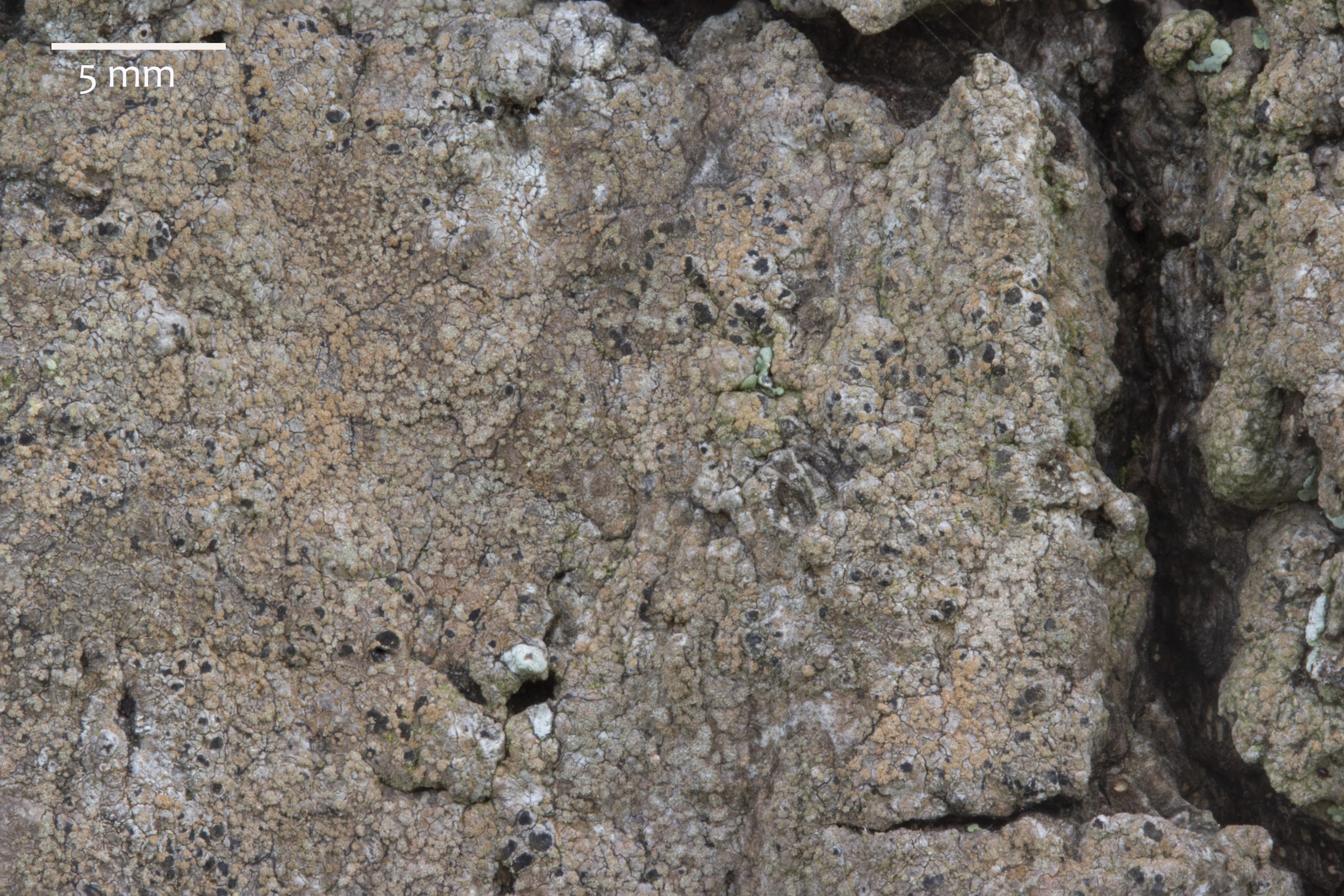
Marta Gonzalez Garcia - Centro de Estudios Micologicos Asturianos
Spain, Carballeda de Granda (Gijón-Asturias), 3-I-2024, en corteza de Quercus robur, leg. & det. M. González, MGG-69.

Marta Gonzalez Garcia - Centro de Estudios Micologicos Asturianos
Spain, Carballeda de Granda (Gijón-Asturias), 3-I-2024, en corteza de Quercus robur, leg. & det. M. González, MGG-69.
UV

Marta Gonzalez Garcia - Centro de Estudios Micologicos Asturianos
Spain, Carballeda de Granda (Gijón-Asturias), 3-I-2024, en corteza de Quercus robur, leg. & det. M. González, MGG-69.

Marta Gonzalez Garcia - Centro de Estudios Micologicos Asturianos
Spain, Carballeda de Granda (Gijón-Asturias), 3-I-2024, en corteza de Quercus robur, leg. & det. M. González, MGG-69.

Marta Gonzalez Garcia - Centro de Estudios Micologicos Asturianos
Spain, Carballeda de Granda (Gijón-Asturias), 3-I-2024, en corteza de Quercus robur, leg. & det. M. González, MGG-69.

Marta Gonzalez Garcia - Centro de Estudios Micologicos Asturianos
Spain, Carballeda de Granda (Gijón-Asturias), 3-I-2024, en corteza de Quercus robur, leg. & det. M. González, MGG-69.

Marta Gonzalez Garcia - Centro de Estudios Micologicos Asturianos
Spain, Carballeda de Granda (Gijón-Asturias), 3-I-2024, en corteza de Quercus robur, leg. & det. M. González, MGG-69.

Marta Gonzalez Garcia - Centro de Estudios Micologicos Asturianos
Spain, Carballeda de Granda (Gijón-Asturias), 3-I-2024, en corteza de Quercus robur, leg. & det. M. González, MGG-69.

Domenico Puntillo - CC BY 4.0
Italy, Calabria, Vallone Viperaro (Magisano, Sila Piccola), m. 1210, Leg. C. Gangale & D. Puntillo 21.11.2014 su scorza di Quercus petraea