
Scoliciosporum chlorococcum (Stenh.) Vězda
Folia Geobot. Phytotaxon., 13: 414, 1978. Basionym: Biatora hypnophila var. chlorococcum Graewe ex Stenh. - Öfvers. K. Svensk. Vetensk.-Akad. Förh., 19: 473, 1863.
Synonyms: Bacidia chlorococca (Stenh.) Lettau; Bacidia interspersula (Nyl.) Zahlbr.; Bacidia salicicola Wheldon & Travis; Bilimbia chlorococca (Stenh.) Th. Fr.
Description: Thallus crustose, thin, finely granular, dirty green, greenish grey to greenish black, sometimes eroded and exposing the medulla, giving the thallus a sorediate appearance. Apothecia biatorine, 0.2-0.3 mm across, soon convex and immarginate, at first brown, then often black, usually glossy. Proper exciple thin, of radiating, branched and anastomosing hyphae; epithecium brown, K-, N-, rarely with a greenish tinge and then K-, N+ purple; hymenium colourless, I+ blue; paraphyses strongly branched and anastomosing up to the upper part, immersed in a gelatinous matrix and resembling excipular hyphae; hypothecium colourless. Asci 8-spored, broadly clavate, surrounded by a gelatinous, amyloid sheet, with a well-developed, amyloid tholus containing a widely cylindrical axial body and a poorly developed, bluntly conical ocular chamber, more or less Lecanora-type. Ascospores (4-)7-septate, hyaline, fusiform, thinner at one end, straight or slightly curved, (20-)25-30(-40) x 4-5 μm. Photobiont chlorococcoid, the cells 7-14(-20) μm wide. Spot tests: thallus K-, C-, KC-, P-, UV-. Chemistry: without lichen substances.
Growth form: Crustose
Substrata: bark and rocks
Photobiont: green algae other than Trentepohlia
Reproductive strategy: mainly sexual
Commonnes-rarity: (info)
Alpine belt: absent
Subalpine belt: extremely rare
Montane belt: rather common
Dry submediterranean belt: rather rare
Humid submediterranean belt: rather rare
Padanian area: very rare
pH of the substrata:
1 2 3 4 5

Solar irradiation:
1 2 3 4 5
Aridity:
1 2 3 4 5
Eutrophication:
1 2 3 4 5
Poleotolerance:
0 1 2 3
Altitudinal distribution:
1 2 3 4 5 6
Rarity
absent
extremely rare
very rare
rare
rather rare
rather common
common
very common
extremely common
Loading data...
Occurrence data
Predictive map
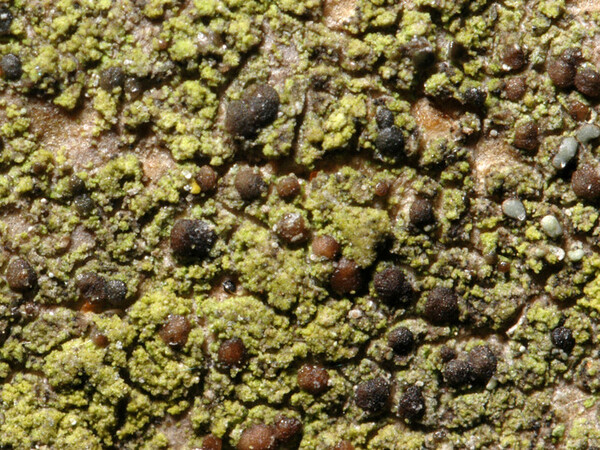
Leif Stridvall - Source: http://www.stridvall.se/la/galleries.php (Courtesy: Anita Stridvall)
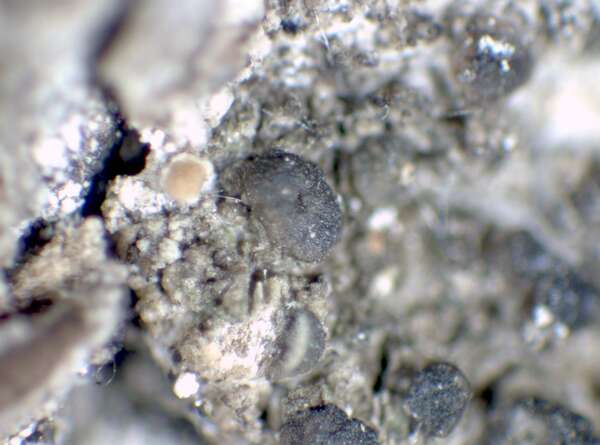
P.L. Nimis; Owner: Department of Life Sciences, University of Trieste
Herbarium: TSB (14466)
2001/11/30
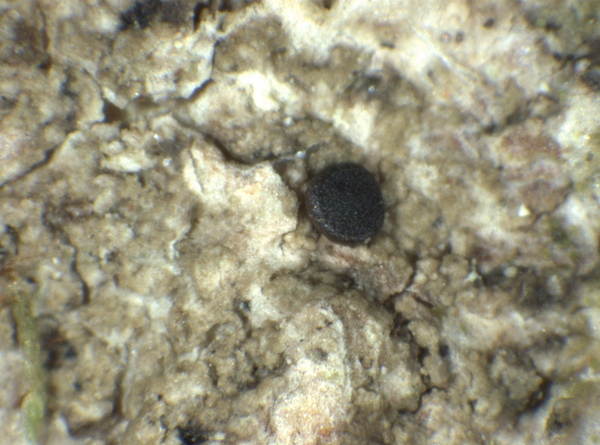
P.L.Nimis; Owner: Department of Life Sciences, University of Trieste
Herbarium: TSB (368791)
2008.02.25
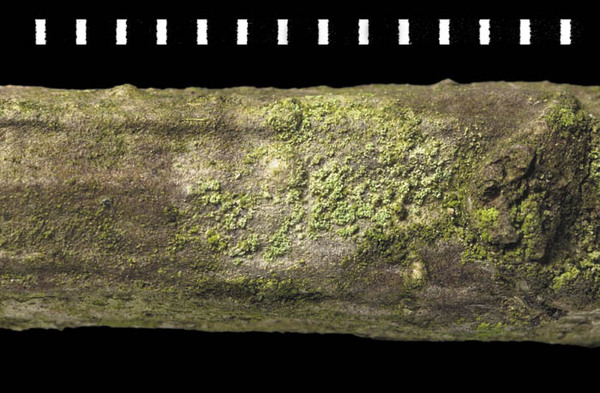
Harry Taylor; Owner: Natural History Museum London
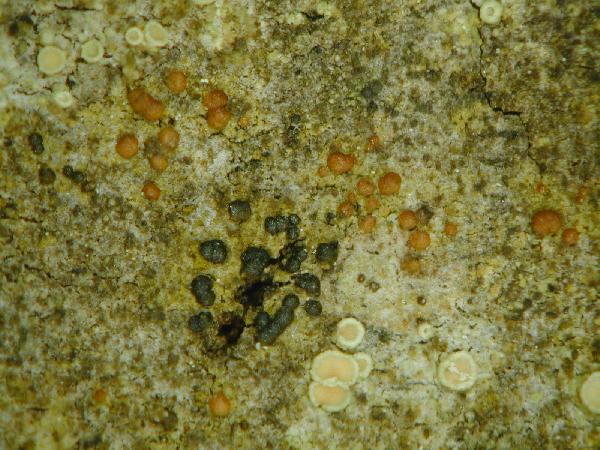
Wolfgang von Brackel - CC BY-4.0
Germany, Bavaria, Grafenwöhr
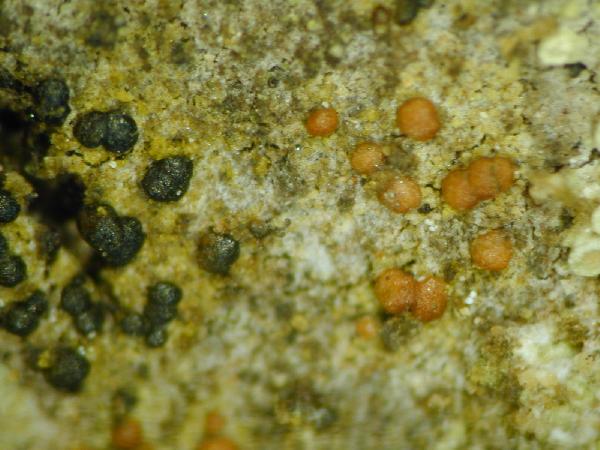
Wolfgang von Brackel - CC BY-4.0
Germany, Bavaria, Grafenwöhr
Growth form: Crustose
Substrata: bark and rocks
Photobiont: green algae other than Trentepohlia
Reproductive strategy: mainly sexual
Commonnes-rarity: (info)
Alpine belt: absent
Subalpine belt: extremely rare
Montane belt: rather common
Dry submediterranean belt: rather rare
Humid submediterranean belt: rather rare
Padanian area: very rare
pH of the substrata:
| 1 | 2 | 3 | 4 | 5 |
Solar irradiation:
| 1 | 2 | 3 | 4 | 5 |
Aridity:
| 1 | 2 | 3 | 4 | 5 |
Eutrophication:
| 1 | 2 | 3 | 4 | 5 |
Poleotolerance:
| 0 | 1 | 2 | 3 |
Altitudinal distribution:
| 1 | 2 | 3 | 4 | 5 | 6 |
Rarity
absent
extremely rare
very rare
rare
rather rare
rather common
common
very common
extremely common
Loading data...
Occurrence data
Predictive map
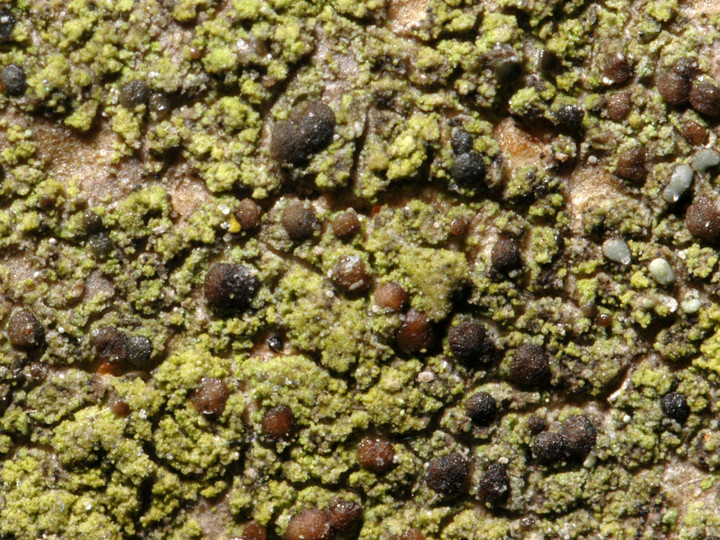
Leif Stridvall - Source: http://www.stridvall.se/la/galleries.php (Courtesy: Anita Stridvall)
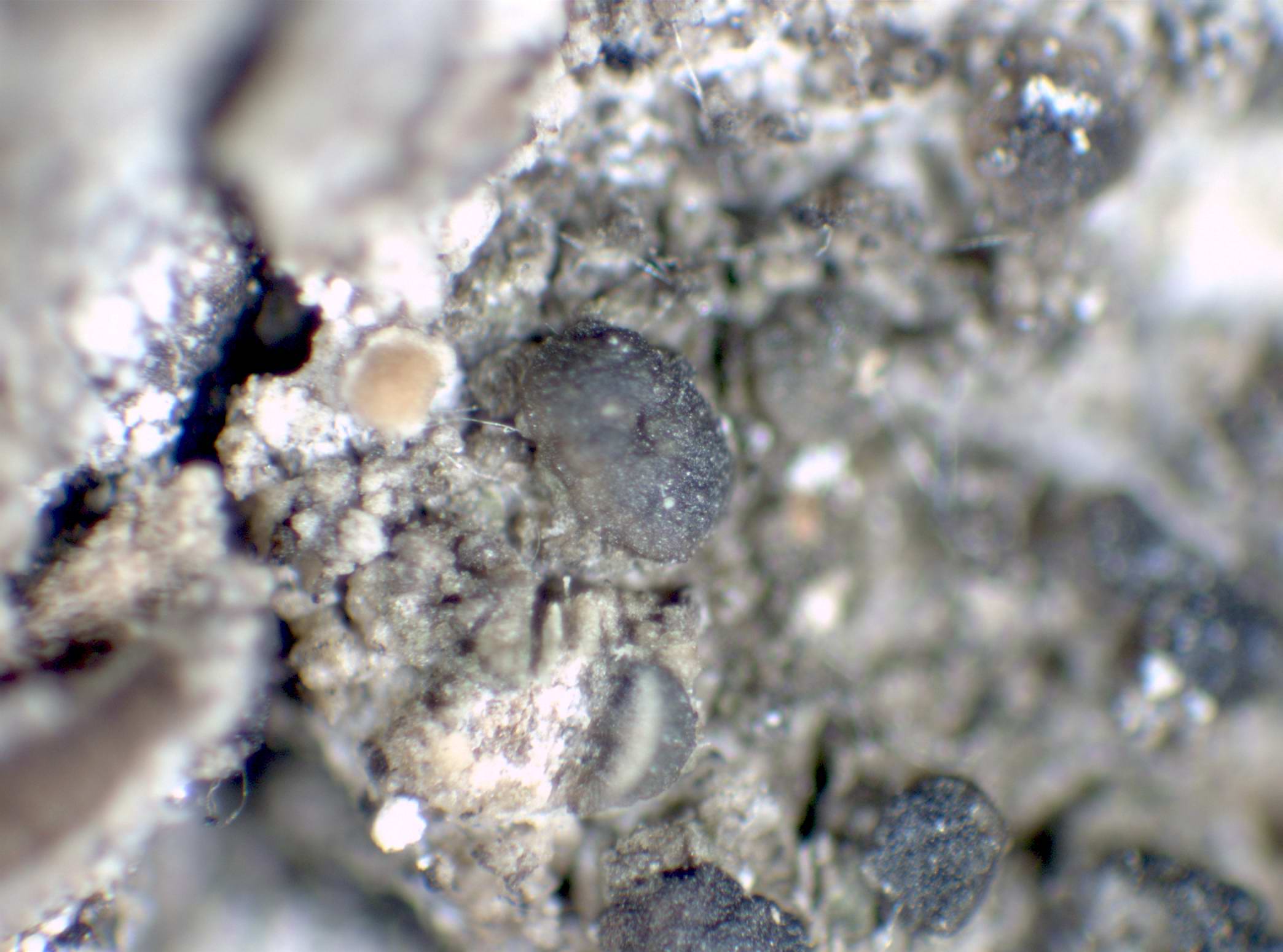
P.L. Nimis; Owner: Department of Life Sciences, University of Trieste
Herbarium: TSB (14466)
2001/11/30
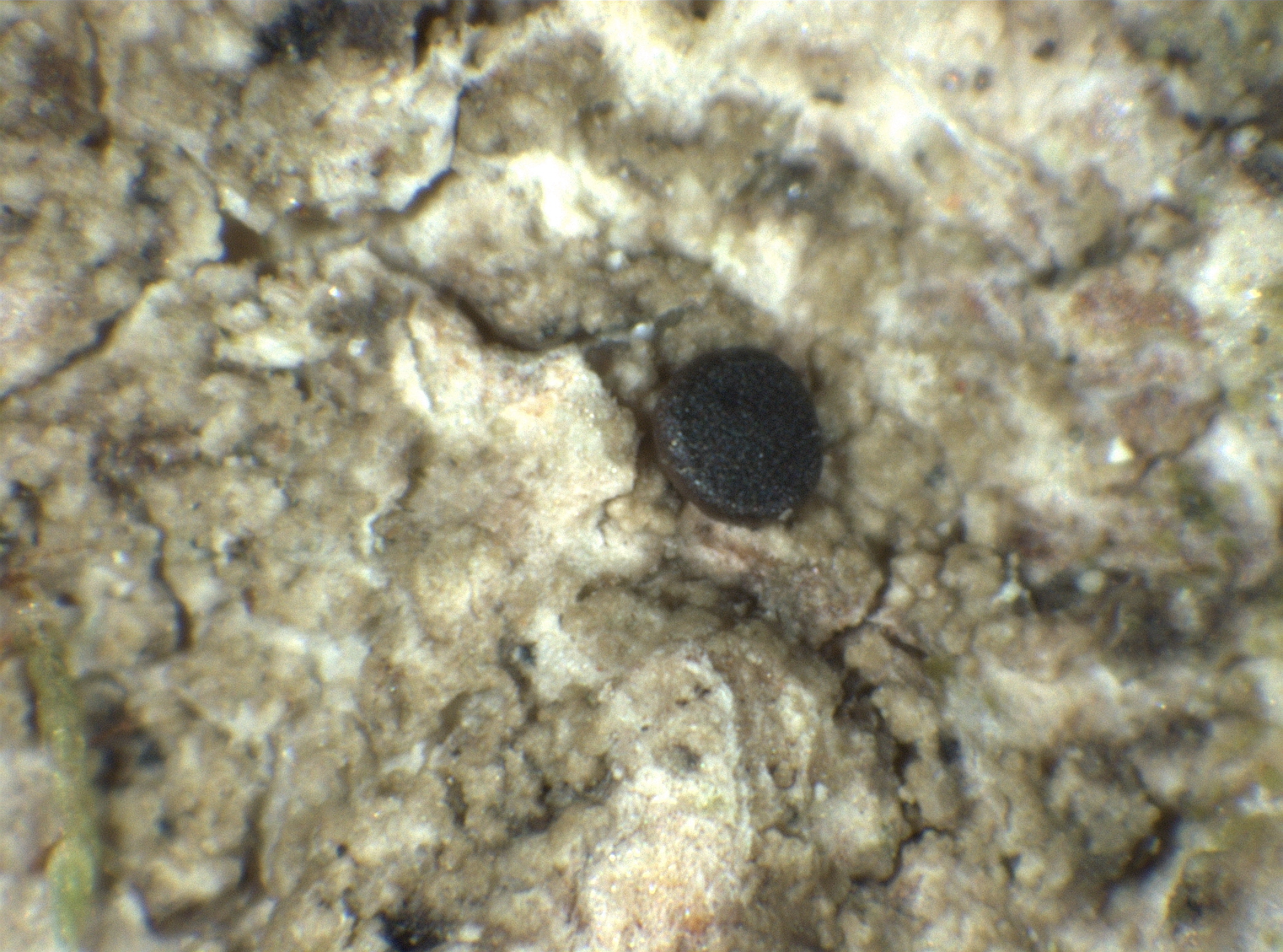
P.L.Nimis; Owner: Department of Life Sciences, University of Trieste
Herbarium: TSB (368791)
2008.02.25
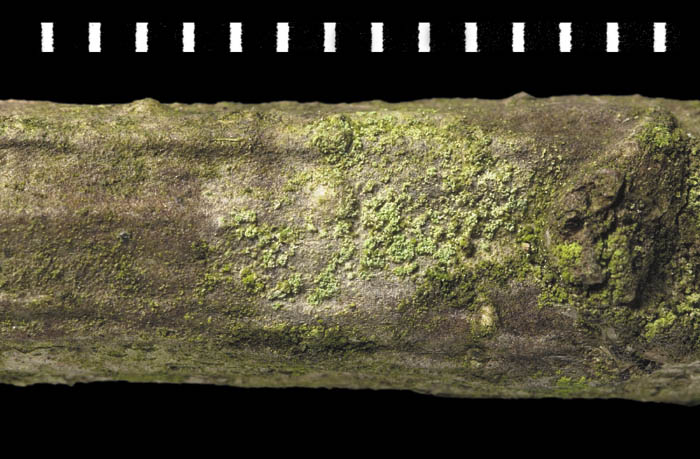
Harry Taylor; Owner: Natural History Museum London
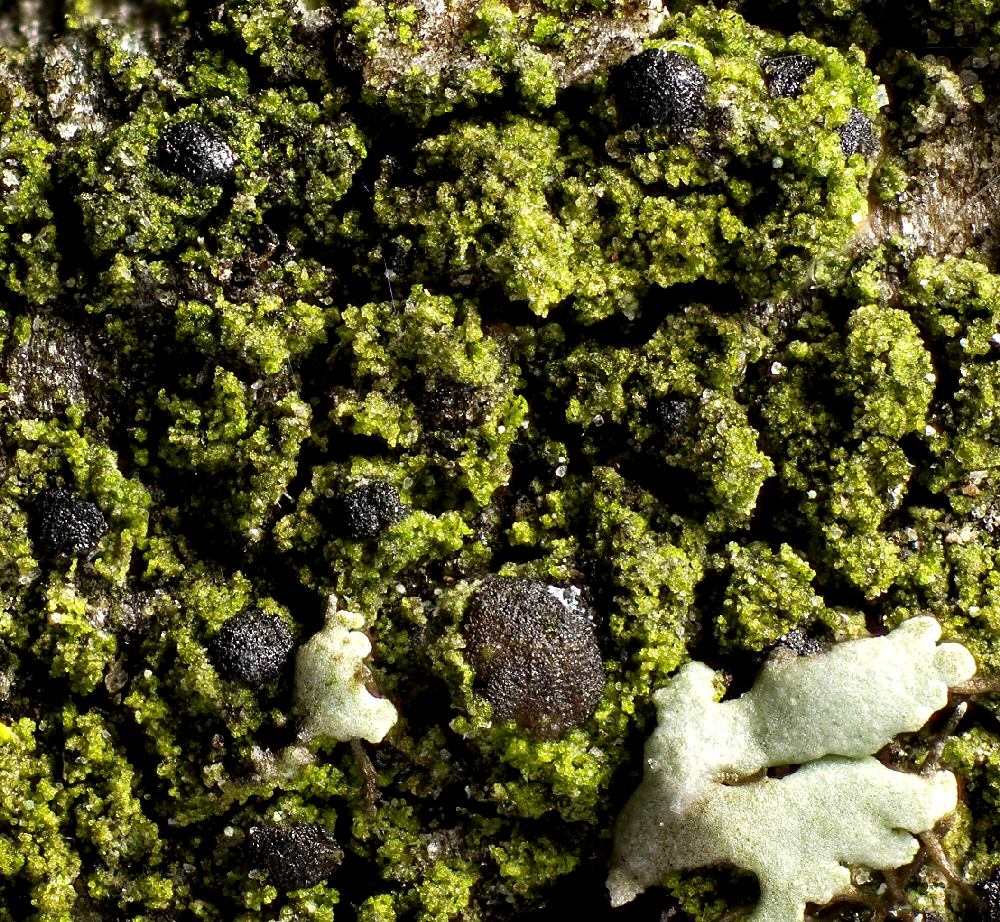

Wolfgang von Brackel - CC BY-4.0
Germany, Bavaria, Grafenwöhr








