Scytinium intermedium (Arnold) Otálora, P.M. Jørg. & Wedin
Fungal Divers., 64, 1: 290, 2013. Basionym: Leptogium minutissimum var. intermedium Arnold - Flora, 50: 122, 1867.
Synonyms: Leptogium intermedium (Arnold) Arnold; Leptogium minutissimum auct. non (Flörke) Fr.
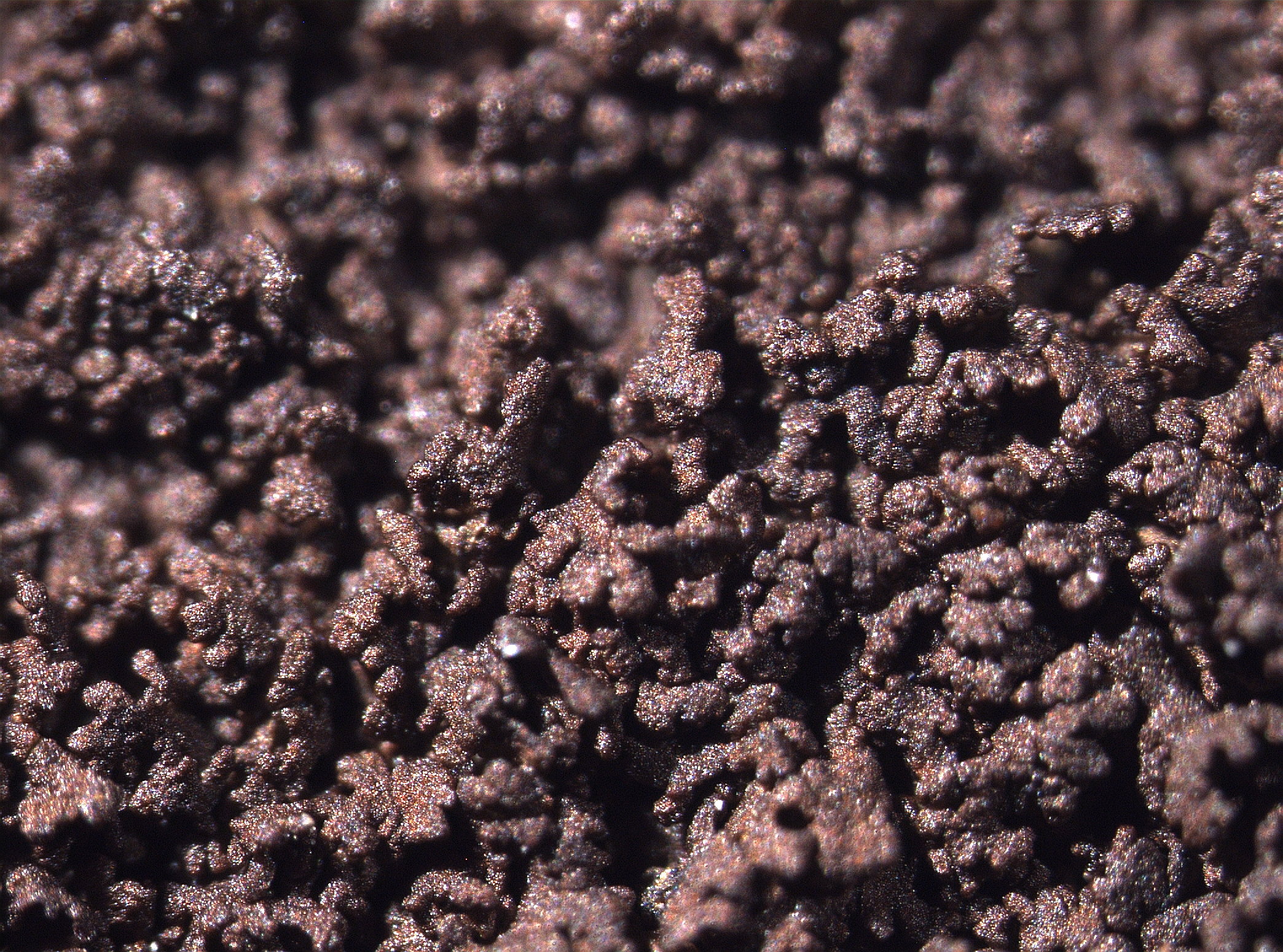
Description: Thallus squamulose, slightly gelatinous when wet, bluish grey to dark brown, often paler in the basal, less exposed parts, 50-100 µm thick, loosely attached, forming up to 3 cm wide patches. Squamules smooth to slightly wrinkled, (0.2-)0.5-1 mm broad, elongate, ascending, contiguous to imbricate, with a usually down-turned, entire or shallowly incised margin; lower surface paler blue-grey, with scattered tufts of white hapters. Upper and lower pseudocortex of a single layer of angular, more or less isodiametrical, 5-8 µm wide cells, the layer inbetween well-separated from cortex, largely cellular, with densely packed, elongate hyphae and loosely arranged chains of Nostoc. Apothecia lecanorine, sessile, strongly constricted at base, 0.5-1(-1.5) mm across, with a brown, concave, smooth disc and a thick thalline margin. Thalline exciple 40-60 µm wide; proper exciple euparaplectenchymatous, 5-10 µm wide; epithecium pale brown; hymenium colourless, 90-180 µm high, I+ blue; paraphyses coherent, mostly simple, c. 1 µm thick at mid-level, the apical cells slightly swollen; hypothecium colourless. Asci 8-spored, narrowly clavate, the apex strongly thickened, the apical dome K/I+ pale blue, with a downwardly projecting K/I+ deep blue tubular structure. Ascospores submuriform, hyaline, broadly ellipsoid, 20-35 x 8-13 µm. Photobiont cyanobacterial (Nostoc, the cells in short chains). Spot tests: all negative. Chemistry: without lichen substances.
Growth form: Squamulose
Photobiont: cyanobacteria, filamentous (e.g. Nostoc, Scytonema)
Reproductive strategy: mainly sexual
Poorly known taxon in need of further study
Commonnes-rarity: (info)
Alpine belt: absent
Subalpine belt: extremely rare
Montane belt: extremely rare
Dry submediterranean belt: very rare
Humid submediterranean belt: very rare
Padanian area: absent
pH of the substrata:
1 2 3 4 5

Solar irradiation:
1 2 3 4 5
Aridity:
1 2 3 4 5
Eutrophication:
1 2 3 4 5
Poleotolerance:
0 1 2 3
Altitudinal distribution:
1 2 3 4 5 6
Rarity
absent
extremely rare
very rare
rare
rather rare
rather common
common
very common
extremely common
Loading data...
Occurrence data
Predictive map
P.L. Nimis CC BY-SA 04
TSB 41638
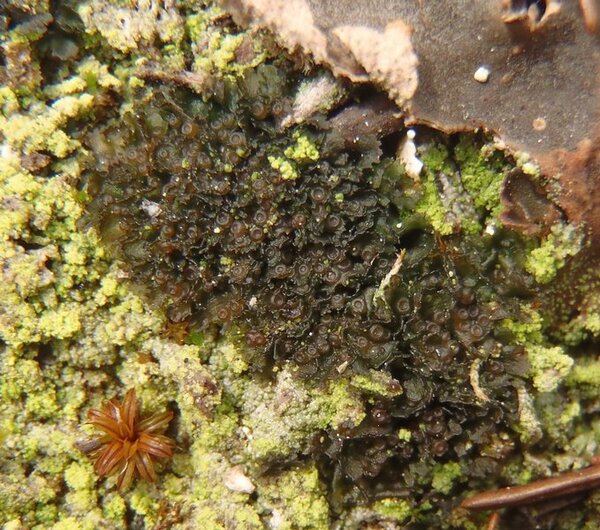
Curtis Randall Björk – CC BY-SA 4.0
British Columbia, Cariboo Region, Marble Range Date: 2014-06-04 Terricolous on limestone ridge
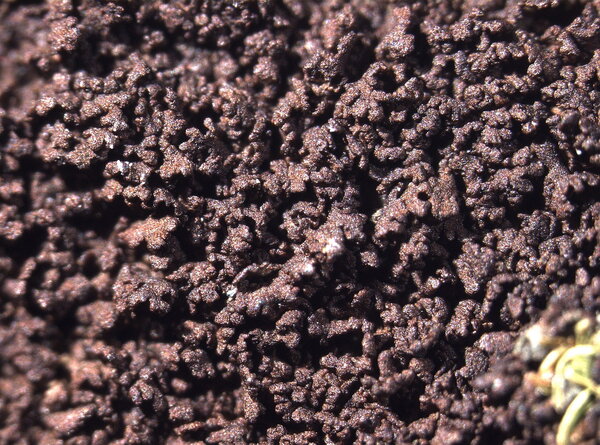
Pier Luigi Nimis CC BY-SA 4.0
TSB 41638
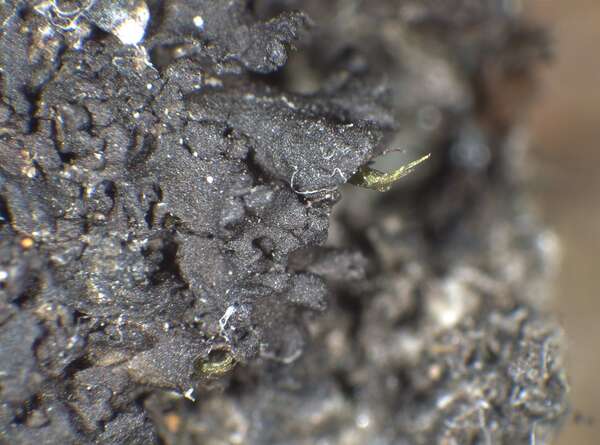
P.L. Nimis; Owner: Department of Life Sciences, University of Trieste
Herbarium: TSB (17844)
2003/03/06
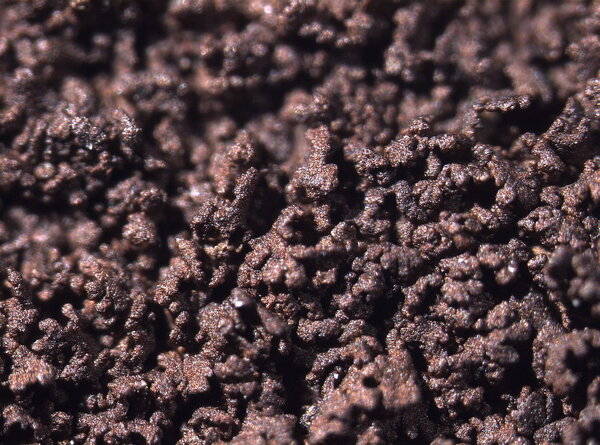
Pier Luigi Nimis CC BY-SA 4.0
TSB 41638
Growth form: Squamulose
Photobiont: cyanobacteria, filamentous (e.g. Nostoc, Scytonema)
Reproductive strategy: mainly sexual
Poorly known taxon in need of further study
Commonnes-rarity: (info)
Alpine belt: absent
Subalpine belt: extremely rare
Montane belt: extremely rare
Dry submediterranean belt: very rare
Humid submediterranean belt: very rare
Padanian area: absent
pH of the substrata:
| 1 | 2 | 3 | 4 | 5 |
Solar irradiation:
| 1 | 2 | 3 | 4 | 5 |
Aridity:
| 1 | 2 | 3 | 4 | 5 |
Eutrophication:
| 1 | 2 | 3 | 4 | 5 |
Poleotolerance:
| 0 | 1 | 2 | 3 |
Altitudinal distribution:
| 1 | 2 | 3 | 4 | 5 | 6 |
Rarity
absent
extremely rare
very rare
rare
rather rare
rather common
common
very common
extremely common
Loading data...
Occurrence data
Predictive map
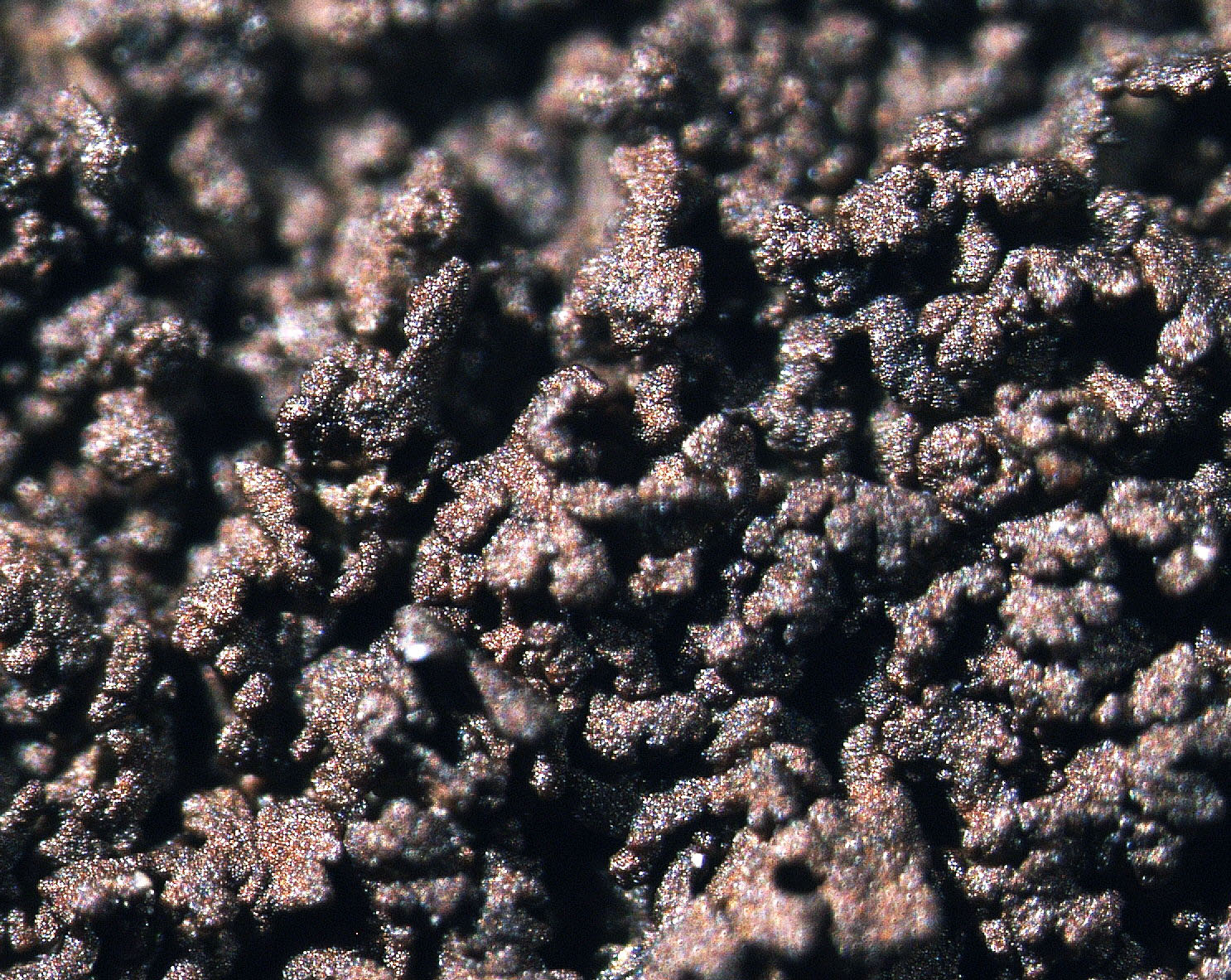
P.L. Nimis CC BY-SA 04
TSB 41638
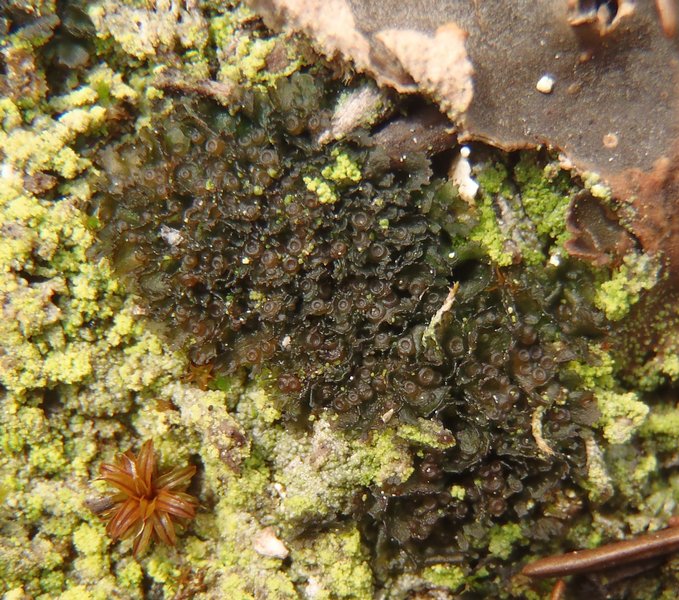
Curtis Randall Björk – CC BY-SA 4.0
British Columbia, Cariboo Region, Marble Range Date: 2014-06-04 Terricolous on limestone ridge
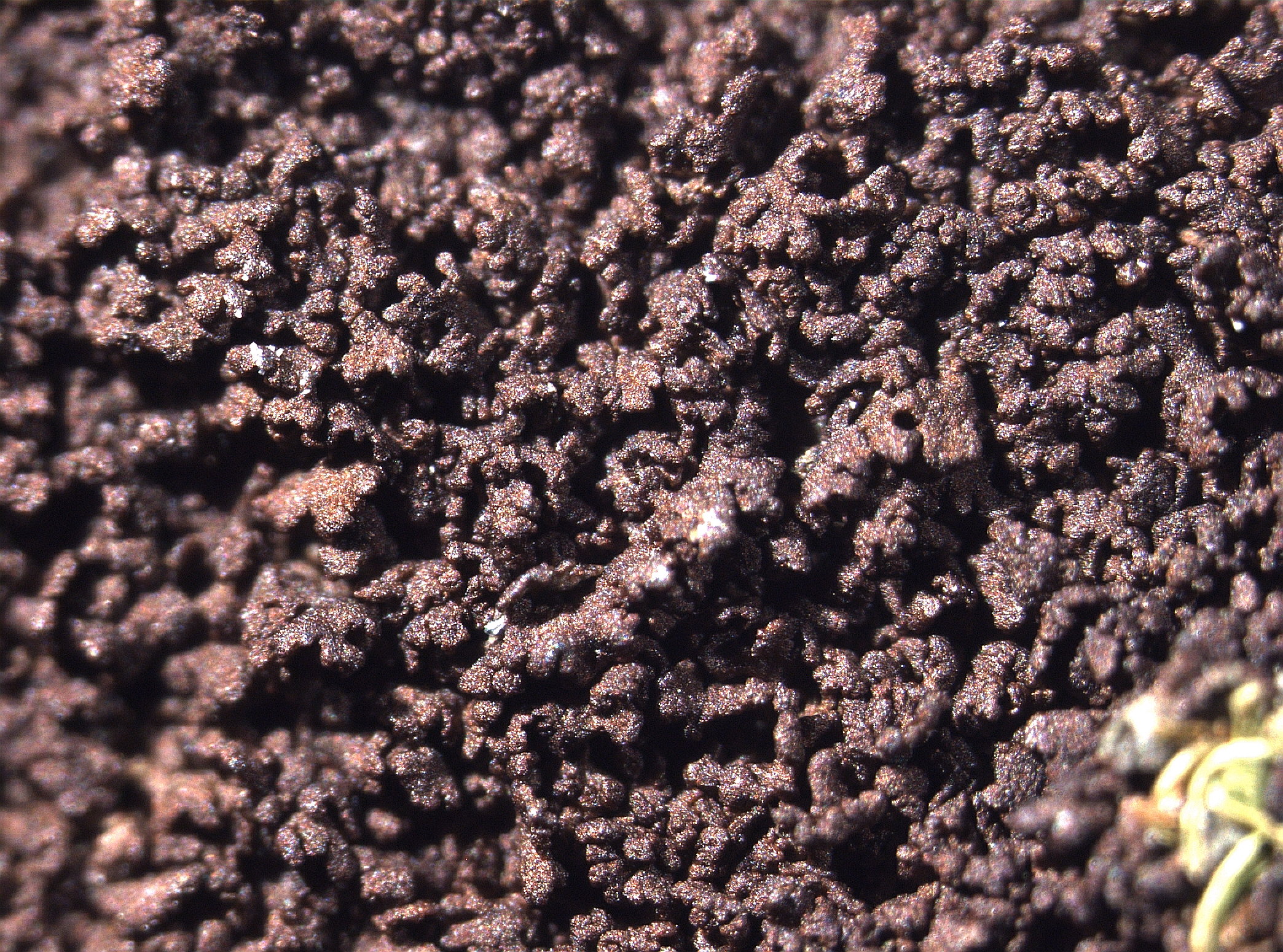
Pier Luigi Nimis CC BY-SA 4.0
TSB 41638
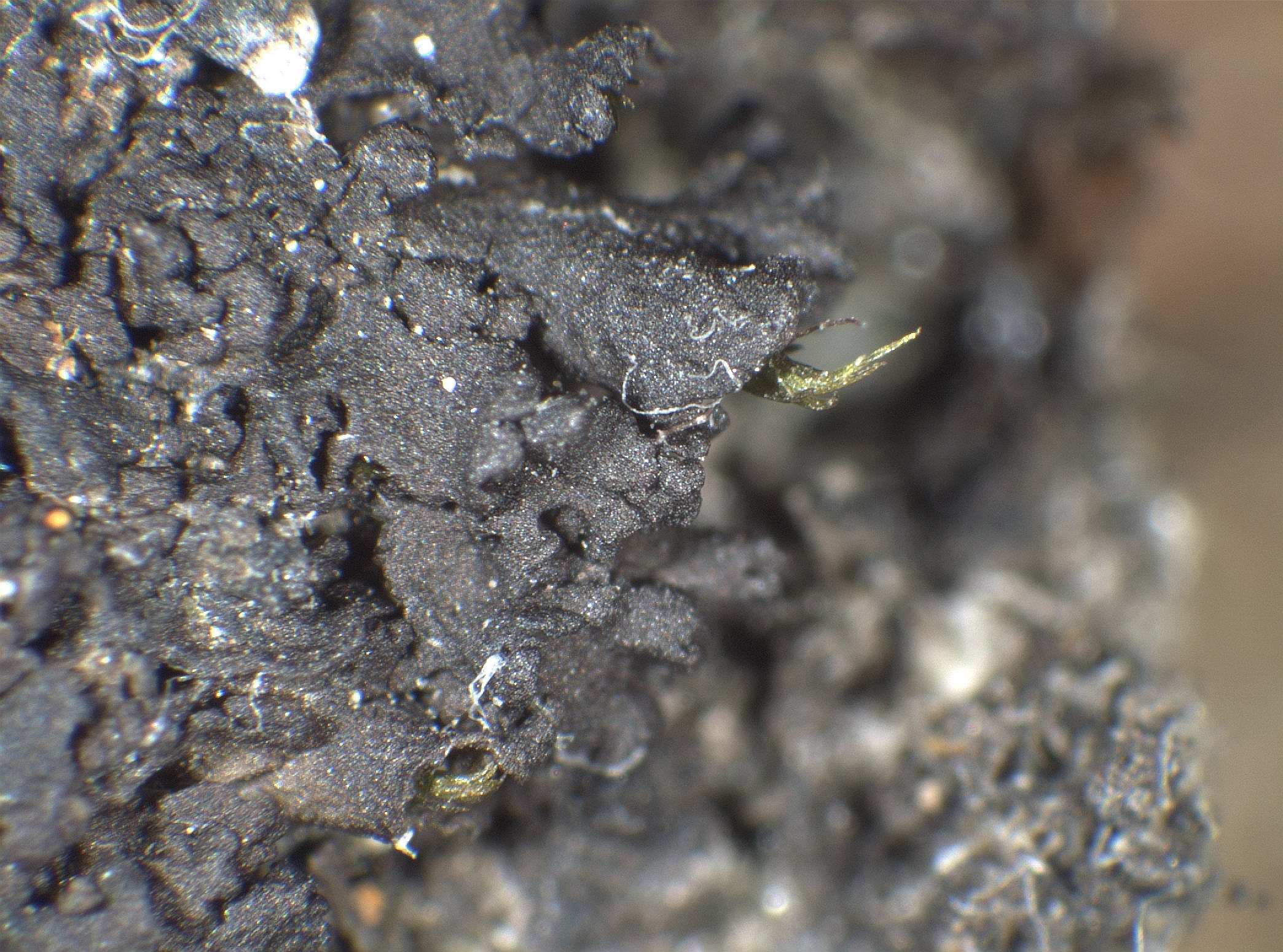
P.L. Nimis; Owner: Department of Life Sciences, University of Trieste
Herbarium: TSB (17844)
2003/03/06