Solorina spongiosa (Ach.) Anzi
Comm. Soc. Crittog. Ital., 1, 3: 136, 1862.. Basionym: Collema spongiosum Ach. - Lichenogr. Univ.: 661, 1810.
Synonyms: Pseudosolorina spongiosa (Sm.) T. Zheng & Li S. Wang; Solorina limbata (Sommerf.) Mudd; Solorina saccata f. limbata (Sommerf.) Nyl.; Solorina saccata var. spongiosa (Ach.) Nyl.
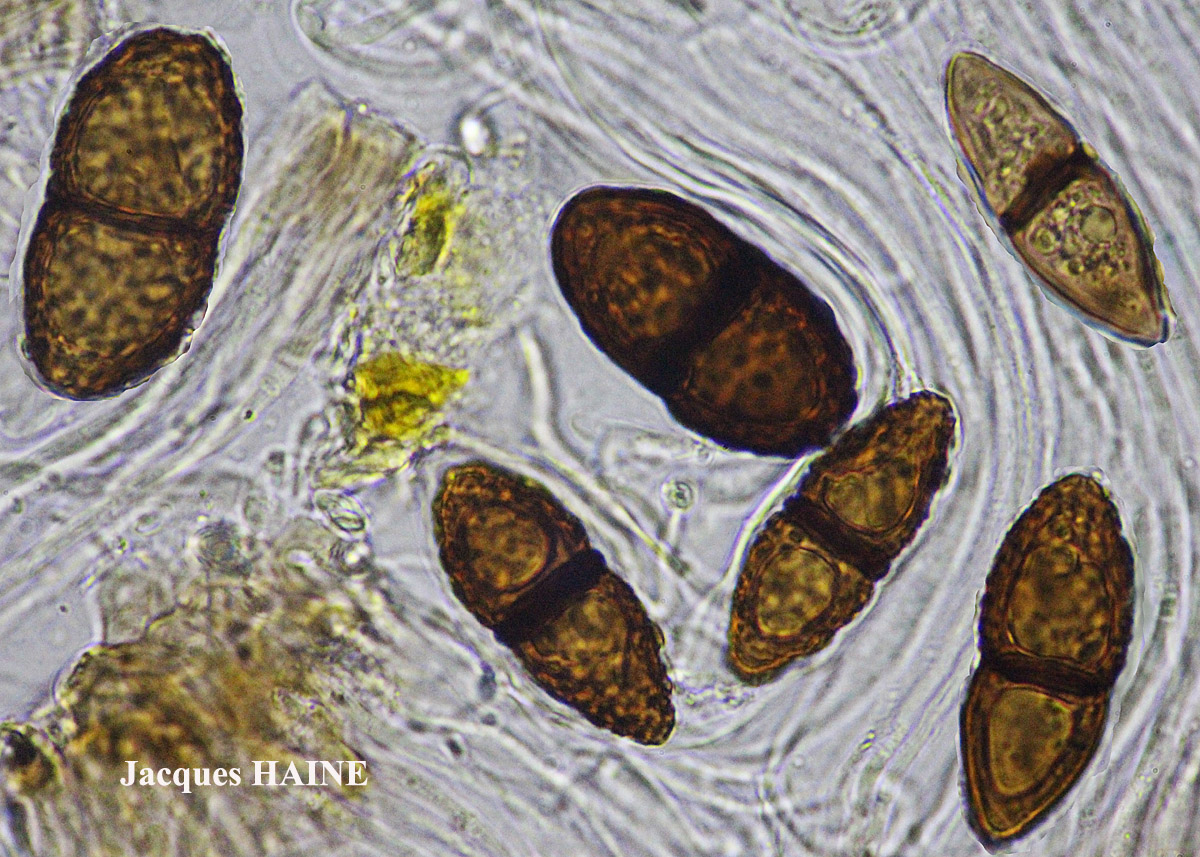
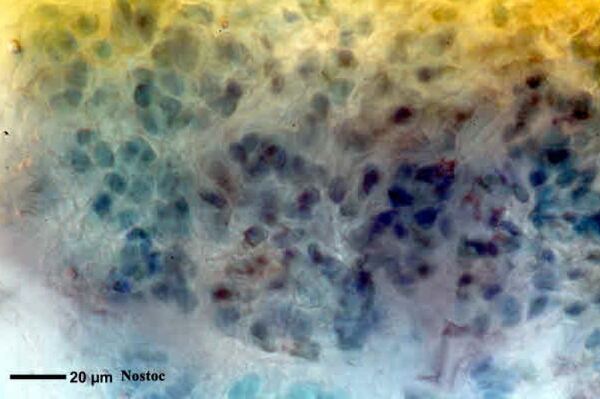
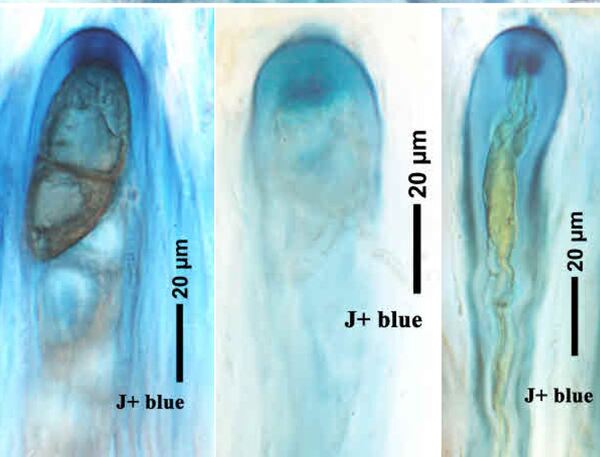
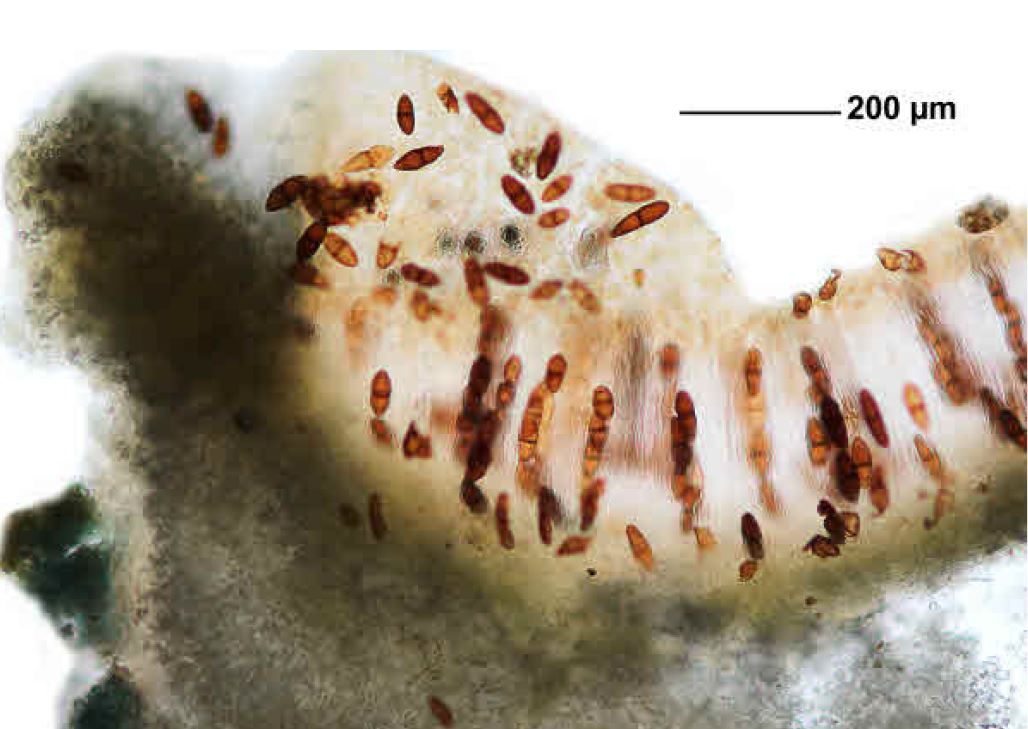
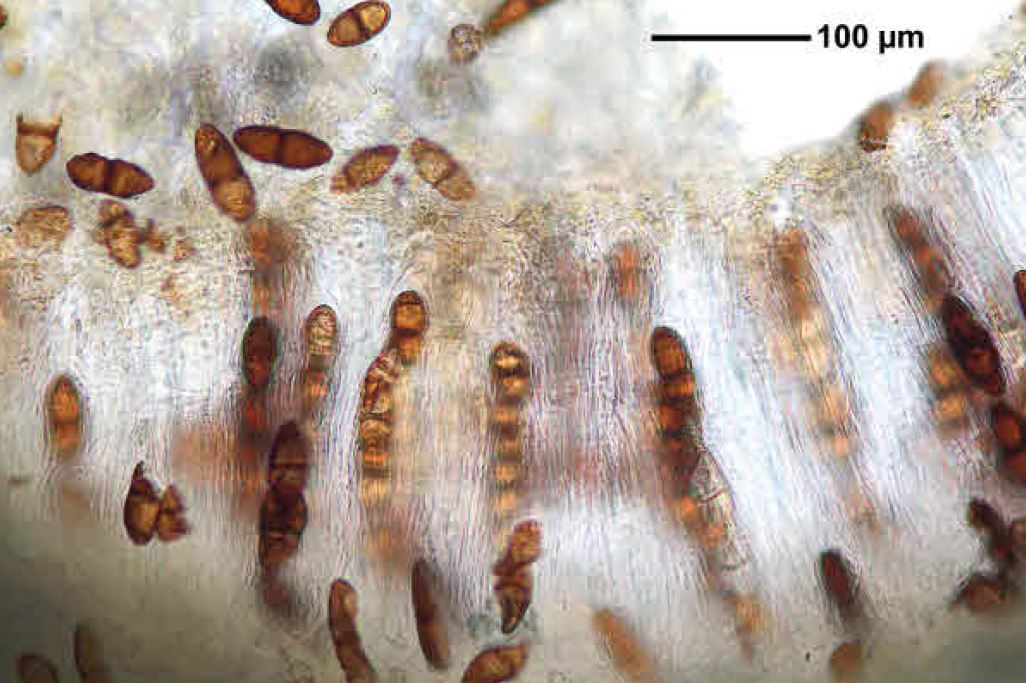
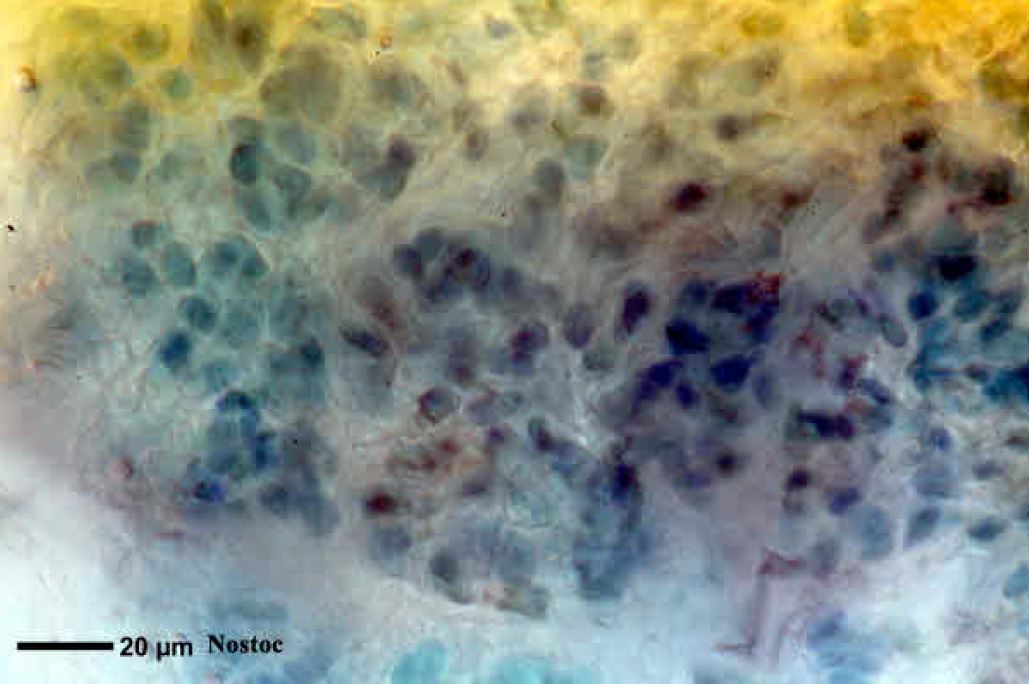
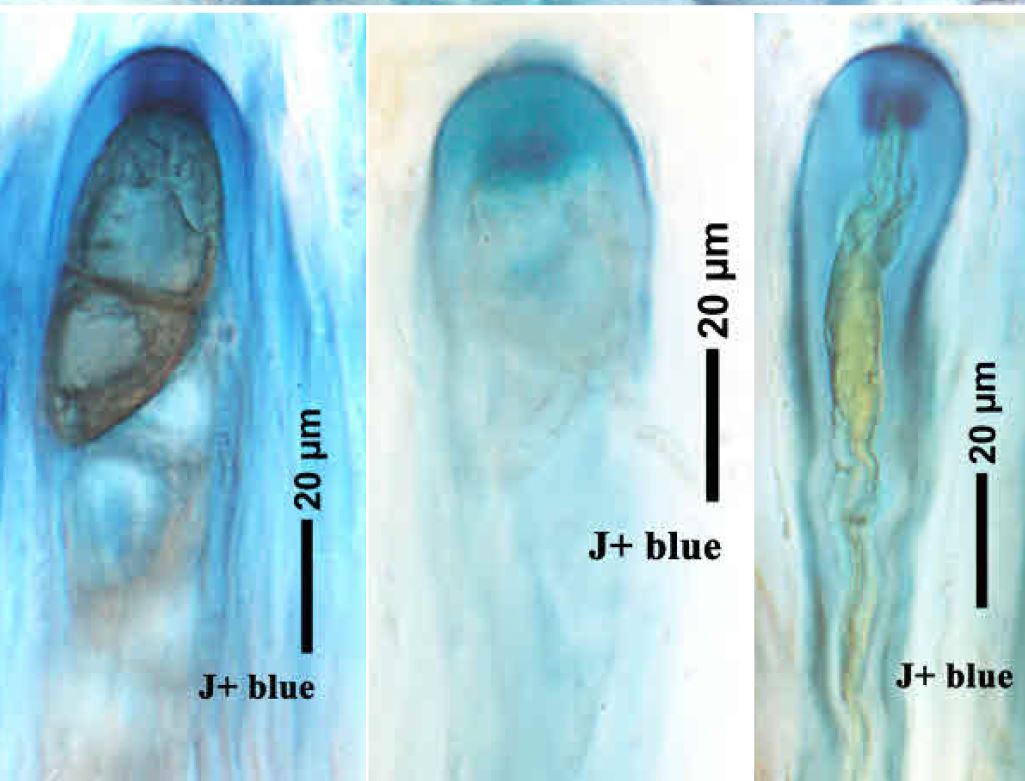
Description: Thallus foliose to subcrustose, poorly developed, often reduced to a thin, continuous or lacerate, 0.5-1 mm wide collar around the apothecia, sitting on a dark layer of coralloid to nodulose, partially external cephalodia containing Nostoc, which become subgelatinous when wet. Upper surface of the green thallus pale grey, often white pruinose, bright green when wet; lower surface white, tomentose. Upper cortex paraplectenchymatous; medulla white; lower cortex absent; cephalodia ecorticate. Apothecia frequent, without a thalline margin, semi-immersed, to 10(-15) mm across, with a brown to black, urceolate disc, without a thalline margin. Proper exciple poorly developed; epithecium brownish, hymenium colourless, 160-200 µm high; paraphyses coherent, not anastomosing, simple, the apical cells hardly swollen; hypothecium colourless. Asci (2-)4-spored clavate, fissitunicate, the apex of the endoascus with a K/I+ blue ring-shaped structure, Peltigera-type. Ascospores 1-septate, constricted at septa, brown, ellipsoid, (25-)30-50(-55) x 18-24(-28) μm, with a thick, ornamented wall with deep angular pits. Photobiont chlorococcoid (Coccomyxa) in the thalline rim of apothecia, and Nostoc in the cephalodia. Spot tests: upper cortex and medulla K-, C-, KC-, P-, UV-. Chemistry: without lichen substances.
Growth form: Foliose, broad lobed
Substrata: soil, terricolous mosses, and plant debris
Photobiont: green algae other than Trentepohlia (primary); cyanobacteria, filamentous (e.g. Nostoc, Scytonema) (secundary, e.g. in cephalodia)
Reproductive strategy: mainly sexual
Commonnes-rarity: (info)
Alpine belt: common
Subalpine belt: very rare
Montane belt: absent
Dry submediterranean belt: absent
Humid submediterranean belt: absent
Padanian area: absent
pH of the substrata:
1 2 3 4 5

Solar irradiation:
1 2 3 4 5
Aridity:
1 2 3 4 5
Eutrophication:
1 2 3 4 5
Poleotolerance:
0 1 2 3
Altitudinal distribution:
1 2 3 4 5 6
Rarity
absent
extremely rare
very rare
rare
rather rare
rather common
common
very common
extremely common
Loading data...
Occurrence data
Predictive map
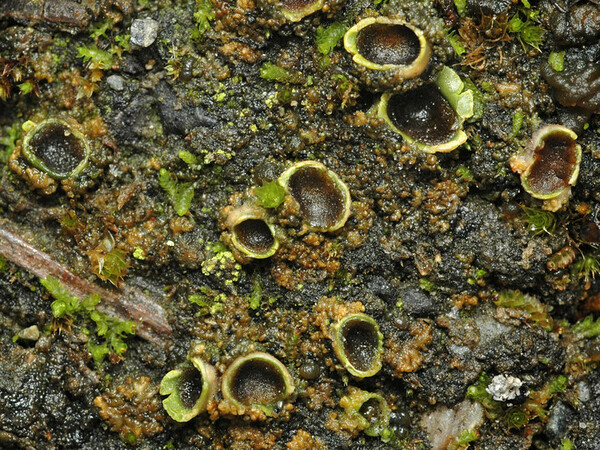
Leif Stridvall - Source: http://www.stridvall.se/la/galleries.php
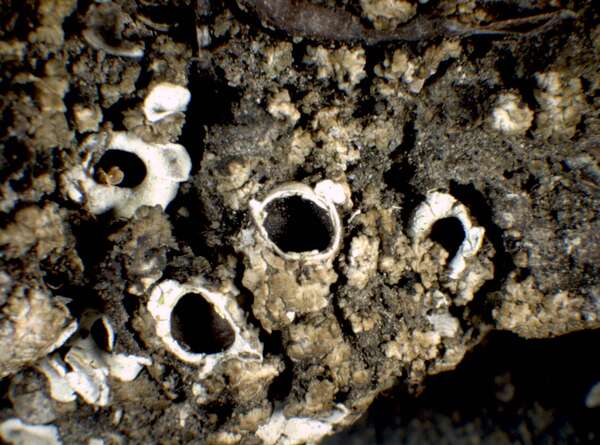
P.L. Nimis; Owner: Department of Life Sciences, University of Trieste
Herbarium: TSB (33101)
2001/12/11
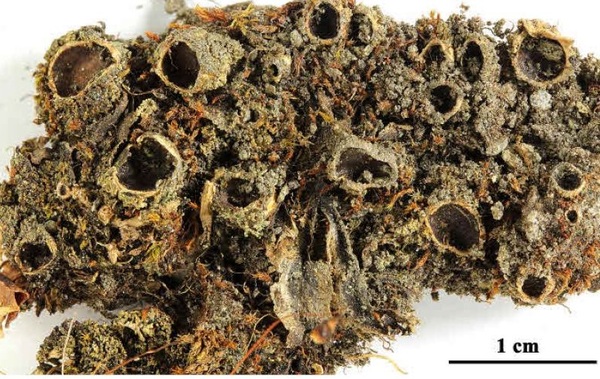
Felix Schumm – CC BY-SA 4.0
[5653], Österreich, Osttirol, Glocknergruppe, Ködnitztal bei Kals, zwischen Lucknerhaus und Lucknerhütte und geringfügig weiter, ca. 2120 m, Wegböschung, TK: 9841. Leg. F. Schumm (Blam-Exkusrion) 04.09.1998, det. F. Schumm.
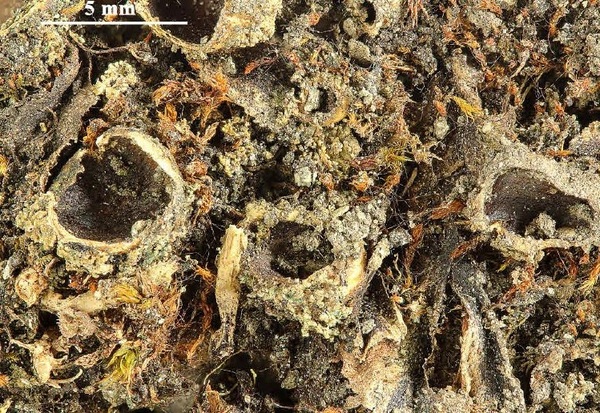
Felix Schumm – CC BY-SA 4.0
[5653], Österreich, Osttirol, Glocknergruppe, Ködnitztal bei Kals, zwischen Lucknerhaus und Lucknerhütte und geringfügig weiter, ca. 2120 m, Wegböschung, TK: 9841. Leg. F. Schumm (Blam-Exkusrion) 04.09.1998, det. F. Schumm.
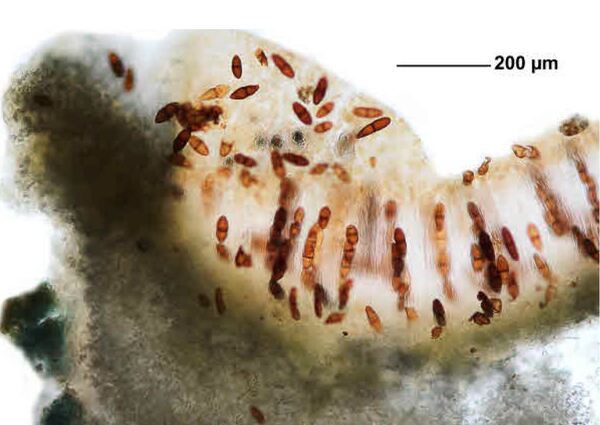
Felix Schumm – CC BY-SA 4.0
[5653], Österreich, Osttirol, Glocknergruppe, Ködnitztal bei Kals, zwischen Lucknerhaus und Lucknerhütte und geringfügig weiter, ca. 2120 m, Wegböschung, TK: 9841. Leg. F. Schumm (Blam-Exkusrion) 04.09.1998, det. F. Schumm.
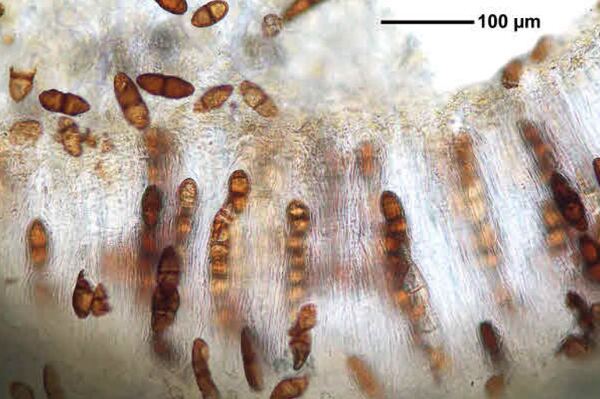
Felix Schumm – CC BY-SA 4.0
[5653], Österreich, Osttirol, Glocknergruppe, Ködnitztal bei Kals, zwischen Lucknerhaus und Lucknerhütte und geringfügig weiter, ca. 2120 m, Wegböschung, TK: 9841. Leg. F. Schumm (Blam-Exkusrion) 04.09.1998, det. F. Schumm.
Felix Schumm – CC BY-SA 4.0
[5653], Österreich, Osttirol, Glocknergruppe, Ködnitztal bei Kals, zwischen Lucknerhaus und Lucknerhütte und geringfügig weiter, ca. 2120 m, Wegböschung, TK: 9841. Leg. F. Schumm (Blam-Exkusrion) 04.09.1998, det. F. Schumm.
Felix Schumm – CC BY-SA 4.0
[5653], Österreich, Osttirol, Glocknergruppe, Ködnitztal bei Kals, zwischen Lucknerhaus und Lucknerhütte und geringfügig weiter, ca. 2120 m, Wegböschung, TK: 9841. Leg. F. Schumm (Blam-Exkusrion) 04.09.1998, det. F. Schumm.
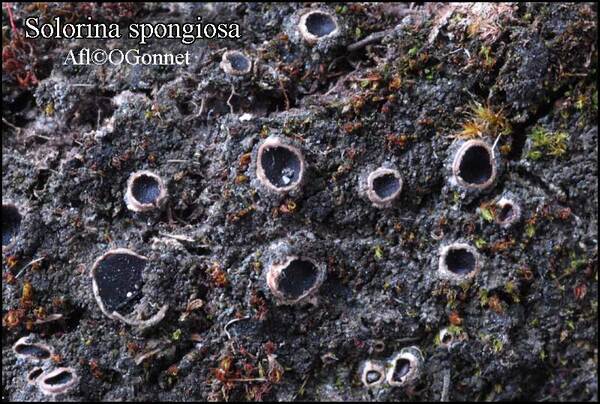
Courtesy Danièle et Olivier Gonnet - Source: https://www.afl-lichenologie.fr/Photos_AFL/Photos_AFL_S/Solorina_spongiosa.htm
France, parmi les mousses sur rocher - 2200 m - août 2012 - Haute-Savoie
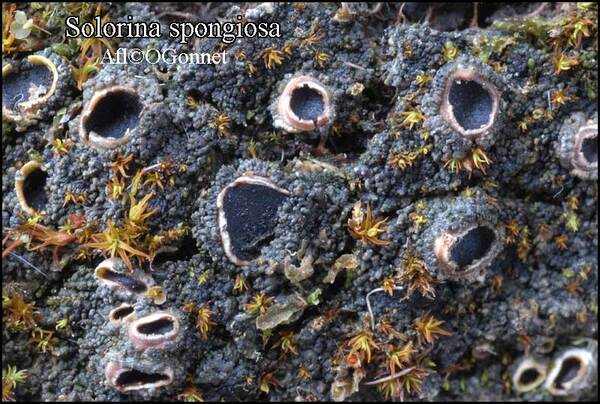
Courtesy Danièle et Olivier Gonnet - Source: https://www.afl-lichenologie.fr/Photos_AFL/Photos_AFL_S/Solorina_spongiosa.htm
France, parmi les mousses sur rocher - 2200 m - août 2012 - Haute-Savoie
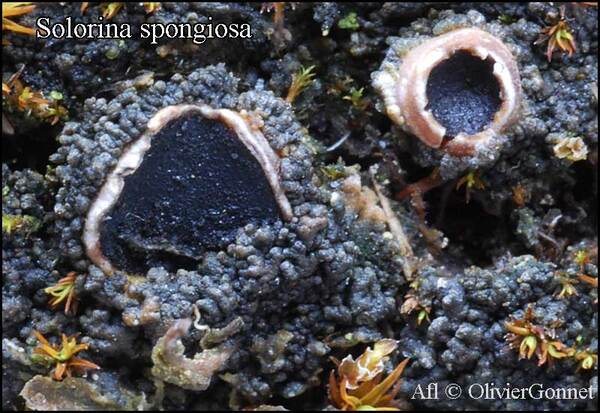
Courtesy Danièle et Olivier Gonnet - Source: https://www.afl-lichenologie.fr/Photos_AFL/Photos_AFL_S/Solorina_spongiosa.htm
France, parmi les mousses sur rocher - 2200 m - août 2012 - Haute-Savoie
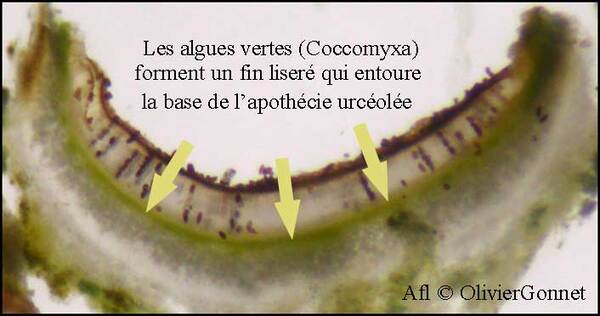
Courtesy Danièle et Olivier Gonnet - Source: https://www.afl-lichenologie.fr/Photos_AFL/Photos_AFL_S/Solorina_spongiosa.htm
France, parmi les mousses sur rocher - 2200 m - août 2012 - Haute-Savoie
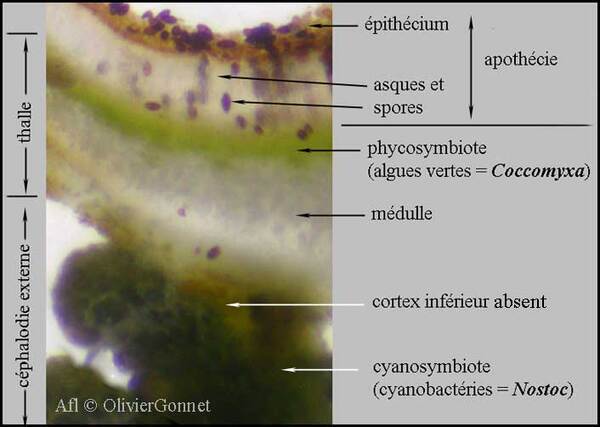
Courtesy Danièle et Olivier Gonnet - Source: https://www.afl-lichenologie.fr/Photos_AFL/Photos_AFL_S/Solorina_spongiosa.htm
France, parmi les mousses sur rocher - 2200 m - août 2012 - Haute-Savoie
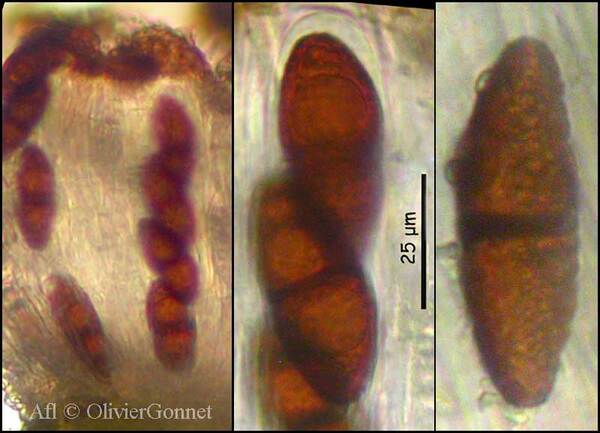
Courtesy Danièle et Olivier Gonnet - Source: https://www.afl-lichenologie.fr/Photos_AFL/Photos_AFL_S/Solorina_spongiosa.htm
France, parmi les mousses sur rocher - 2200 m - août 2012 - Haute-Savoie
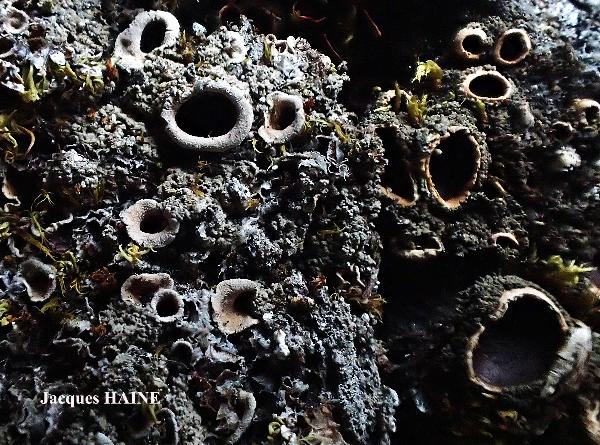
Jacques Haine - Source:http://www.lichensmaritimes.org/index.php?task=fiche&lichen=1339&lang=en
France, Mont Cenis
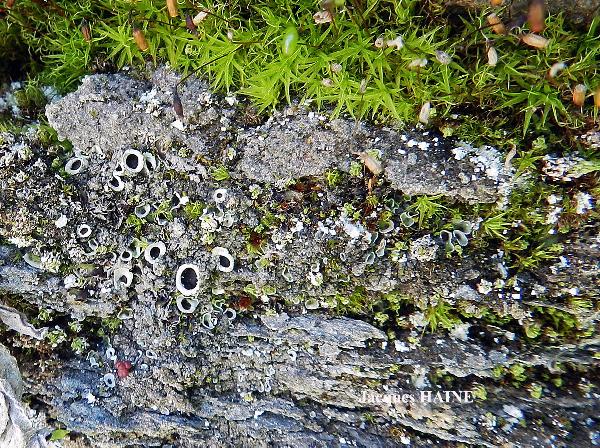
Jacques Haine - Source:http://www.lichensmaritimes.org/index.php?task=fiche&lichen=1339&lang=en
France, Mont Cenis
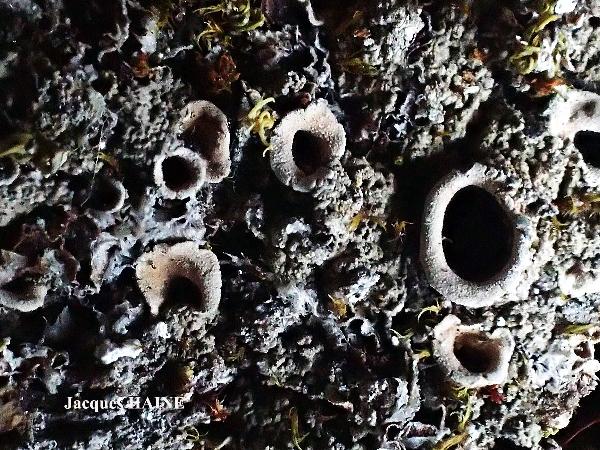
Jacques Haine - Source:http://www.lichensmaritimes.org/index.php?task=fiche&lichen=1339&lang=en
France, Mont Cenis
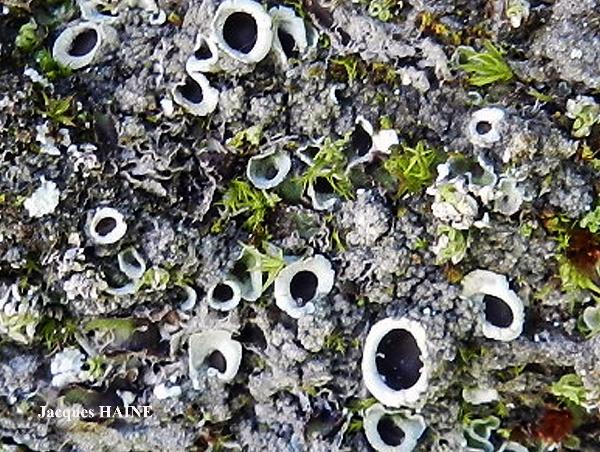
Jacques Haine - Source:http://www.lichensmaritimes.org/index.php?task=fiche&lichen=1339&lang=en
France, Mont Cenis
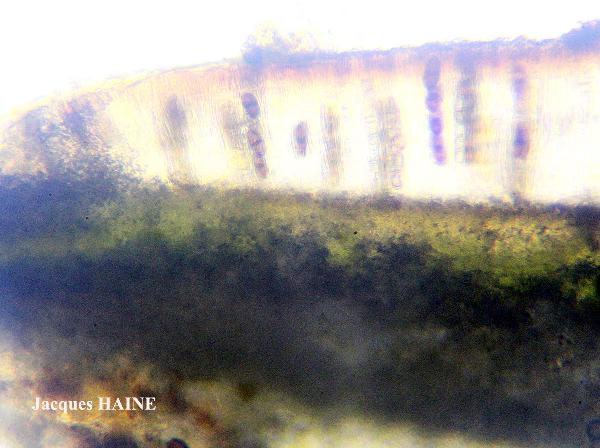
Jacques Haine - Source:http://www.lichensmaritimes.org/index.php?task=fiche&lichen=1339&lang=en
France, Mont Cenis
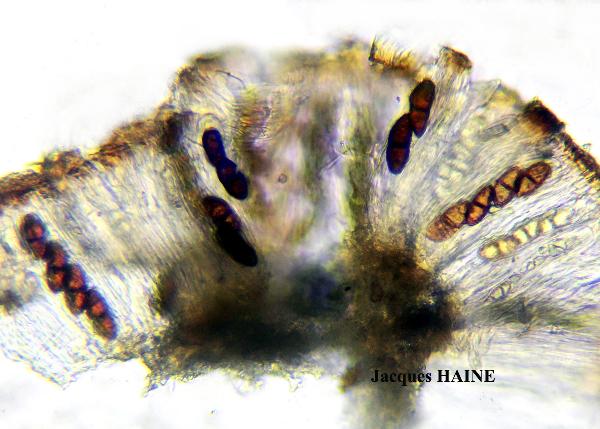
Jacques Haine - Source:http://www.lichensmaritimes.org/index.php?task=fiche&lichen=1339&lang=en
France, Mont Cenis
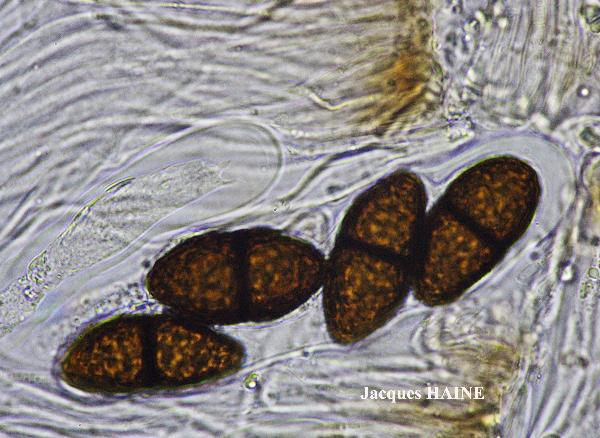
Jacques Haine - Source:http://www.lichensmaritimes.org/index.php?task=fiche&lichen=1339&lang=en
France, Mont Cenis
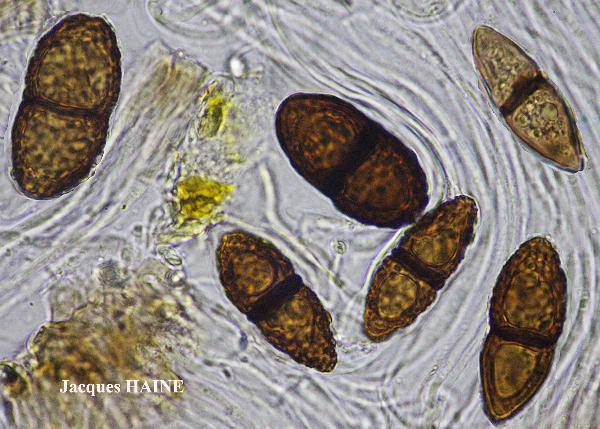
Jacques Haine - Source:http://www.lichensmaritimes.org/index.php?task=fiche&lichen=1339&lang=en
France, Mont Cenis
Growth form: Foliose, broad lobed
Substrata: soil, terricolous mosses, and plant debris
Photobiont: green algae other than Trentepohlia (primary); cyanobacteria, filamentous (e.g. Nostoc, Scytonema) (secundary, e.g. in cephalodia)
Reproductive strategy: mainly sexual
Commonnes-rarity: (info)
Alpine belt: common
Subalpine belt: very rare
Montane belt: absent
Dry submediterranean belt: absent
Humid submediterranean belt: absent
Padanian area: absent
pH of the substrata:
| 1 | 2 | 3 | 4 | 5 |
Solar irradiation:
| 1 | 2 | 3 | 4 | 5 |
Aridity:
| 1 | 2 | 3 | 4 | 5 |
Eutrophication:
| 1 | 2 | 3 | 4 | 5 |
Poleotolerance:
| 0 | 1 | 2 | 3 |
Altitudinal distribution:
| 1 | 2 | 3 | 4 | 5 | 6 |
Rarity
absent
extremely rare
very rare
rare
rather rare
rather common
common
very common
extremely common
Loading data...
Occurrence data
Predictive map
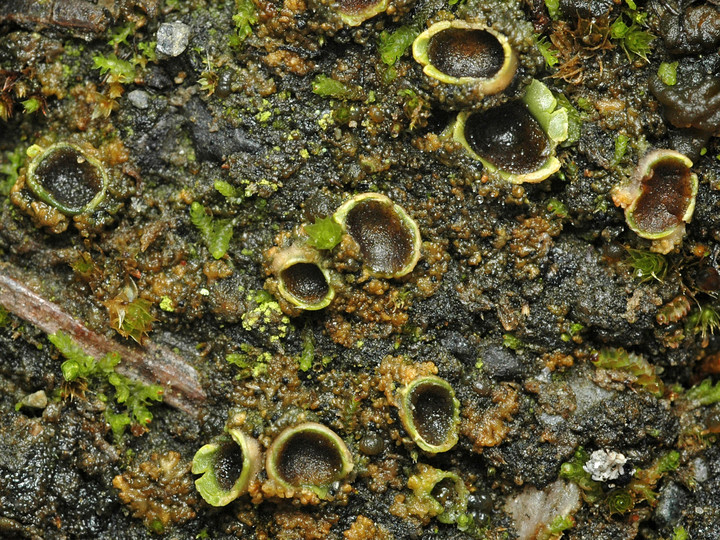
Leif Stridvall - Source: http://www.stridvall.se/la/galleries.php
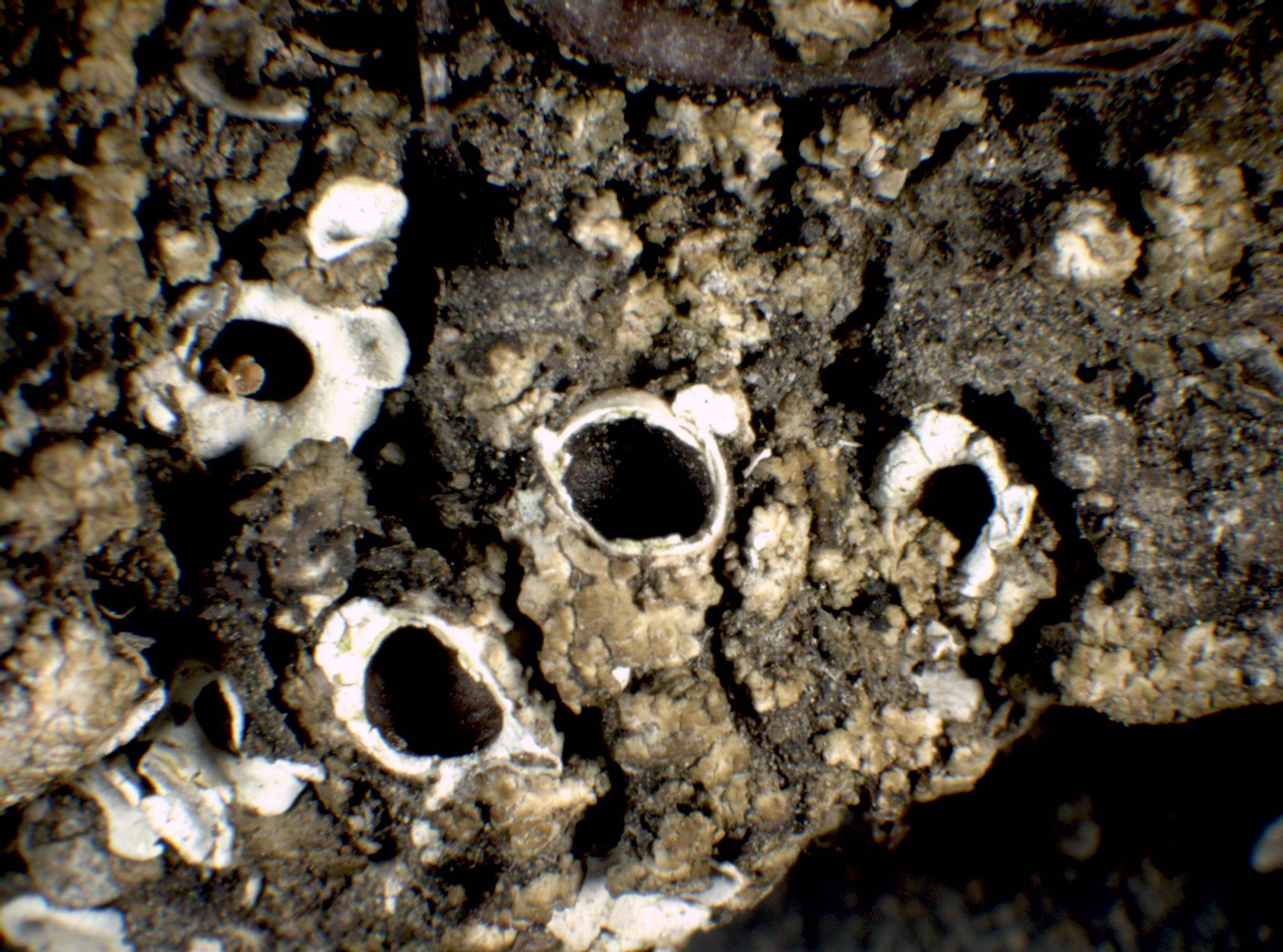
P.L. Nimis; Owner: Department of Life Sciences, University of Trieste
Herbarium: TSB (33101)
2001/12/11
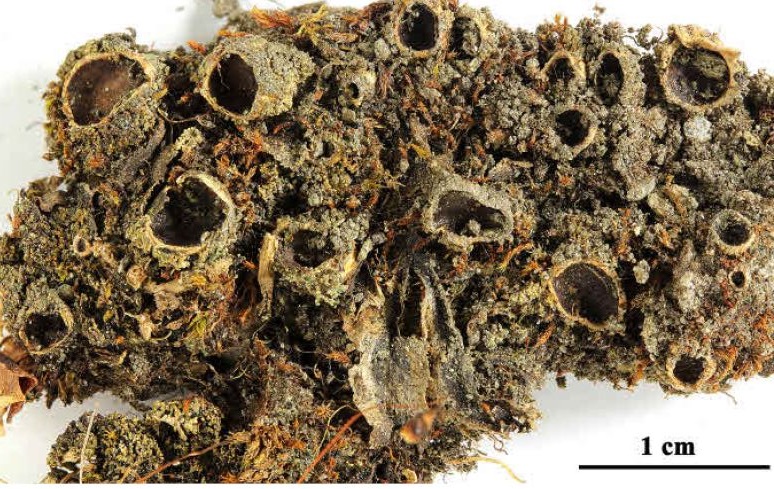
Felix Schumm – CC BY-SA 4.0
[5653], Österreich, Osttirol, Glocknergruppe, Ködnitztal bei Kals, zwischen Lucknerhaus und Lucknerhütte und geringfügig weiter, ca. 2120 m, Wegböschung, TK: 9841. Leg. F. Schumm (Blam-Exkusrion) 04.09.1998, det. F. Schumm.
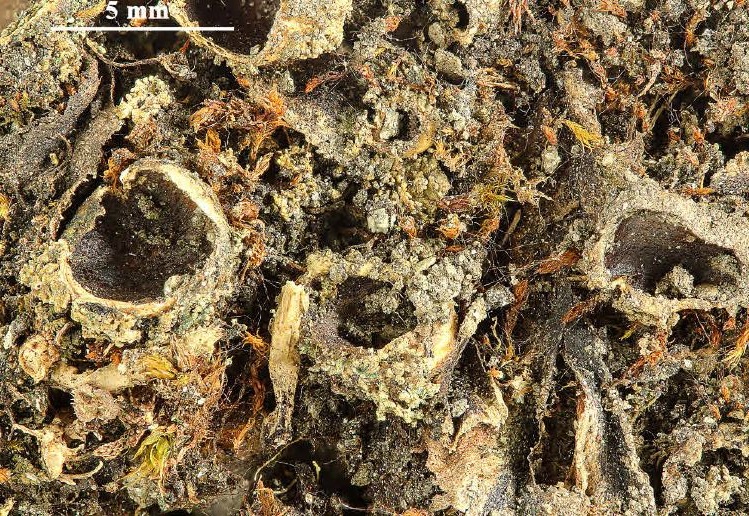
Felix Schumm – CC BY-SA 4.0
[5653], Österreich, Osttirol, Glocknergruppe, Ködnitztal bei Kals, zwischen Lucknerhaus und Lucknerhütte und geringfügig weiter, ca. 2120 m, Wegböschung, TK: 9841. Leg. F. Schumm (Blam-Exkusrion) 04.09.1998, det. F. Schumm.
Felix Schumm – CC BY-SA 4.0
[5653], Österreich, Osttirol, Glocknergruppe, Ködnitztal bei Kals, zwischen Lucknerhaus und Lucknerhütte und geringfügig weiter, ca. 2120 m, Wegböschung, TK: 9841. Leg. F. Schumm (Blam-Exkusrion) 04.09.1998, det. F. Schumm.
Felix Schumm – CC BY-SA 4.0
[5653], Österreich, Osttirol, Glocknergruppe, Ködnitztal bei Kals, zwischen Lucknerhaus und Lucknerhütte und geringfügig weiter, ca. 2120 m, Wegböschung, TK: 9841. Leg. F. Schumm (Blam-Exkusrion) 04.09.1998, det. F. Schumm.
Felix Schumm – CC BY-SA 4.0
[5653], Österreich, Osttirol, Glocknergruppe, Ködnitztal bei Kals, zwischen Lucknerhaus und Lucknerhütte und geringfügig weiter, ca. 2120 m, Wegböschung, TK: 9841. Leg. F. Schumm (Blam-Exkusrion) 04.09.1998, det. F. Schumm.
Felix Schumm – CC BY-SA 4.0
[5653], Österreich, Osttirol, Glocknergruppe, Ködnitztal bei Kals, zwischen Lucknerhaus und Lucknerhütte und geringfügig weiter, ca. 2120 m, Wegböschung, TK: 9841. Leg. F. Schumm (Blam-Exkusrion) 04.09.1998, det. F. Schumm.
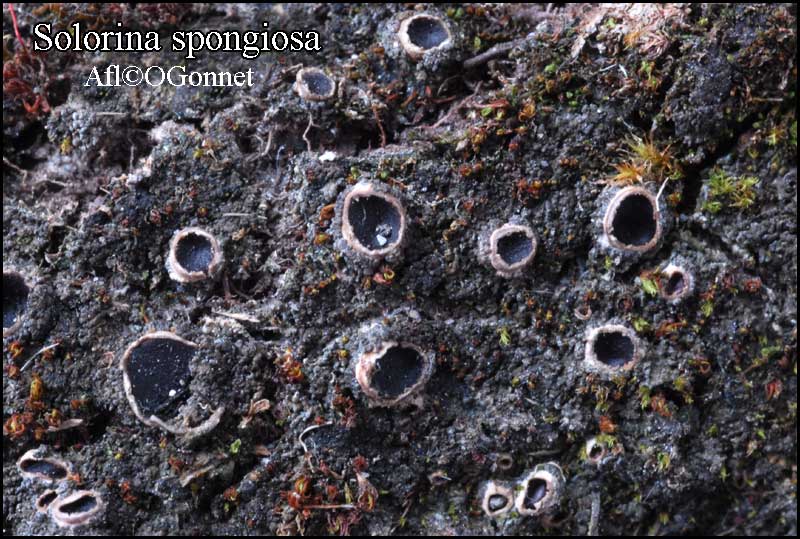
Courtesy Danièle et Olivier Gonnet - Source: https://www.afl-lichenologie.fr/Photos_AFL/Photos_AFL_S/Solorina_spongiosa.htm
France, parmi les mousses sur rocher - 2200 m - août 2012 - Haute-Savoie
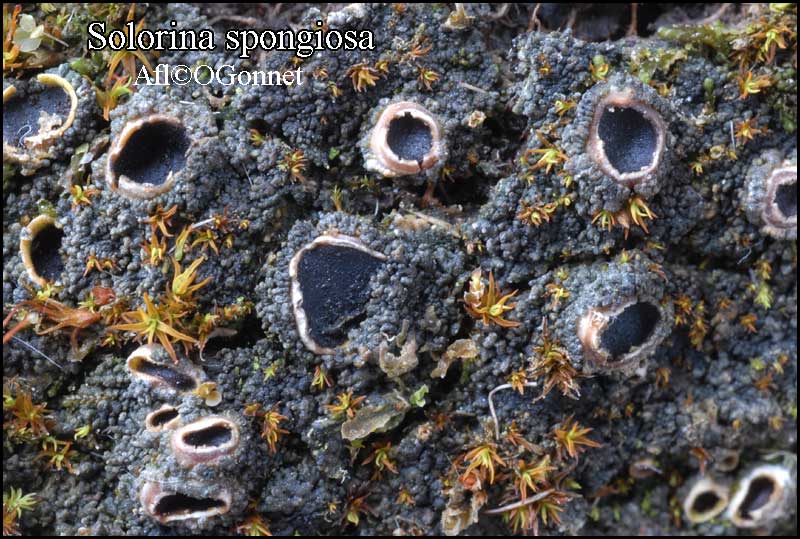
Courtesy Danièle et Olivier Gonnet - Source: https://www.afl-lichenologie.fr/Photos_AFL/Photos_AFL_S/Solorina_spongiosa.htm
France, parmi les mousses sur rocher - 2200 m - août 2012 - Haute-Savoie
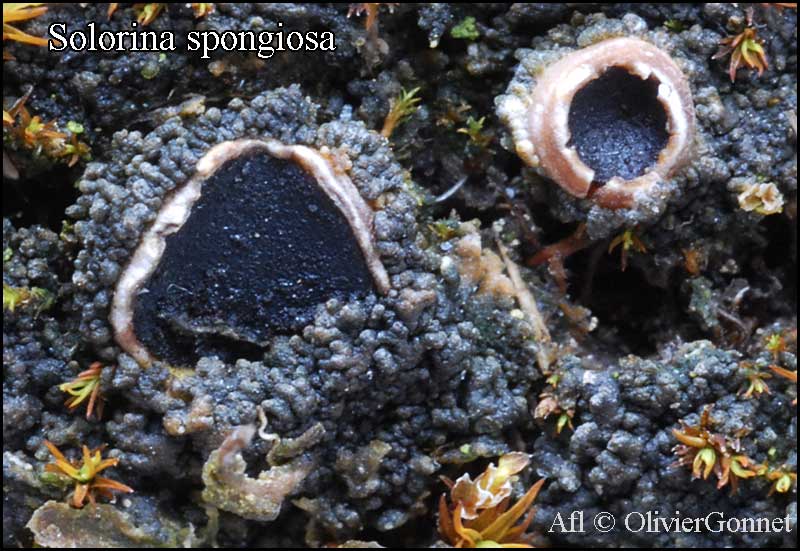
Courtesy Danièle et Olivier Gonnet - Source: https://www.afl-lichenologie.fr/Photos_AFL/Photos_AFL_S/Solorina_spongiosa.htm
France, parmi les mousses sur rocher - 2200 m - août 2012 - Haute-Savoie
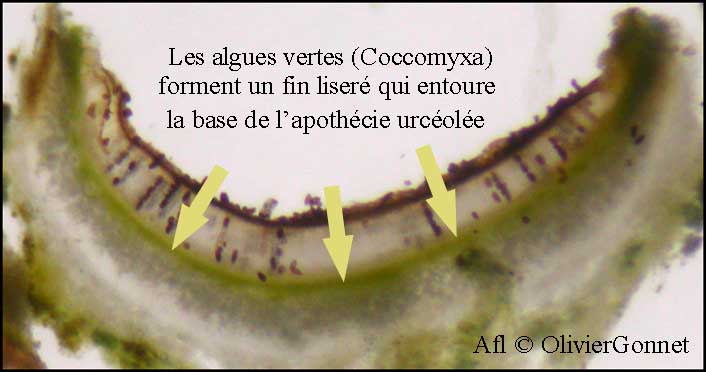
Courtesy Danièle et Olivier Gonnet - Source: https://www.afl-lichenologie.fr/Photos_AFL/Photos_AFL_S/Solorina_spongiosa.htm
France, parmi les mousses sur rocher - 2200 m - août 2012 - Haute-Savoie
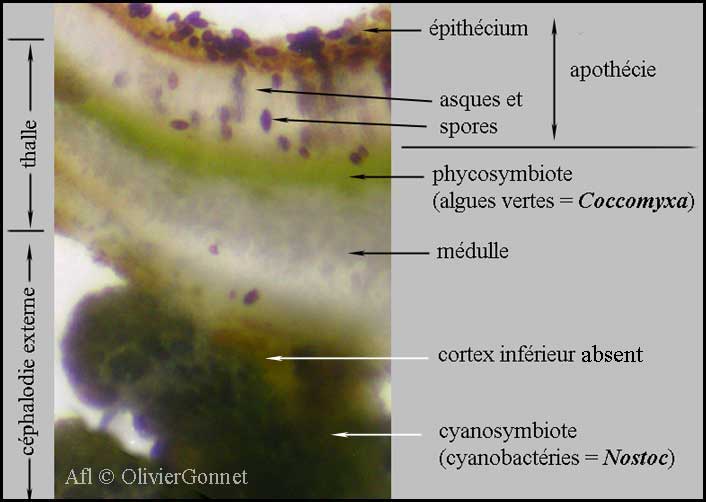
Courtesy Danièle et Olivier Gonnet - Source: https://www.afl-lichenologie.fr/Photos_AFL/Photos_AFL_S/Solorina_spongiosa.htm
France, parmi les mousses sur rocher - 2200 m - août 2012 - Haute-Savoie
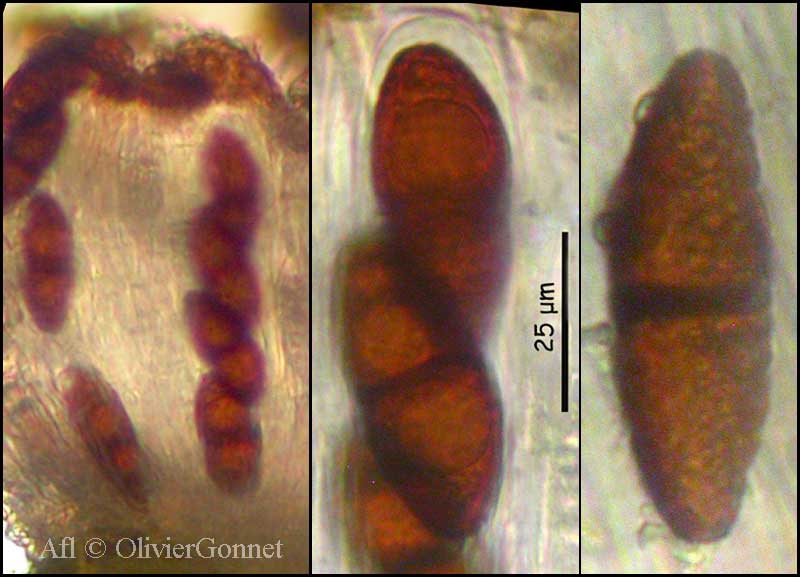
Courtesy Danièle et Olivier Gonnet - Source: https://www.afl-lichenologie.fr/Photos_AFL/Photos_AFL_S/Solorina_spongiosa.htm
France, parmi les mousses sur rocher - 2200 m - août 2012 - Haute-Savoie
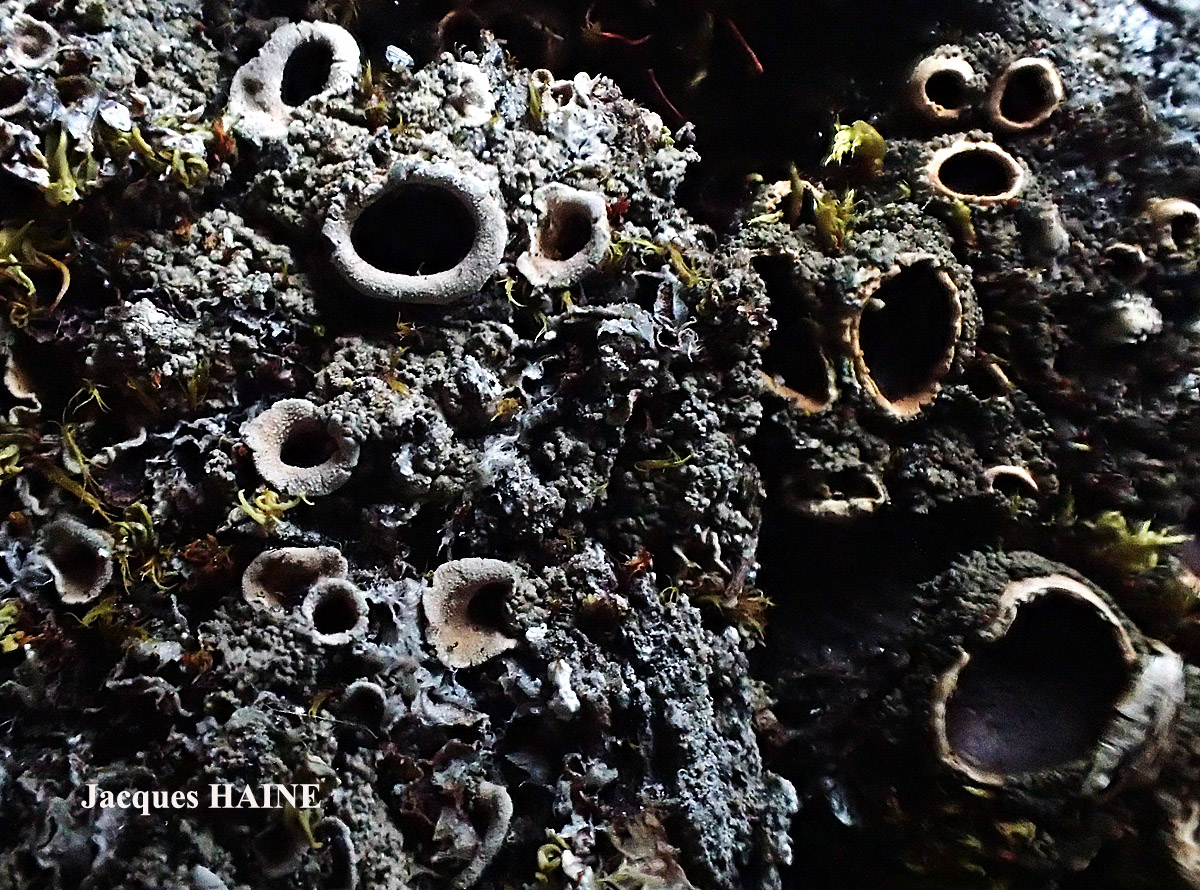
Jacques Haine - Source:http://www.lichensmaritimes.org/index.php?task=fiche&lichen=1339&lang=en
France, Mont Cenis
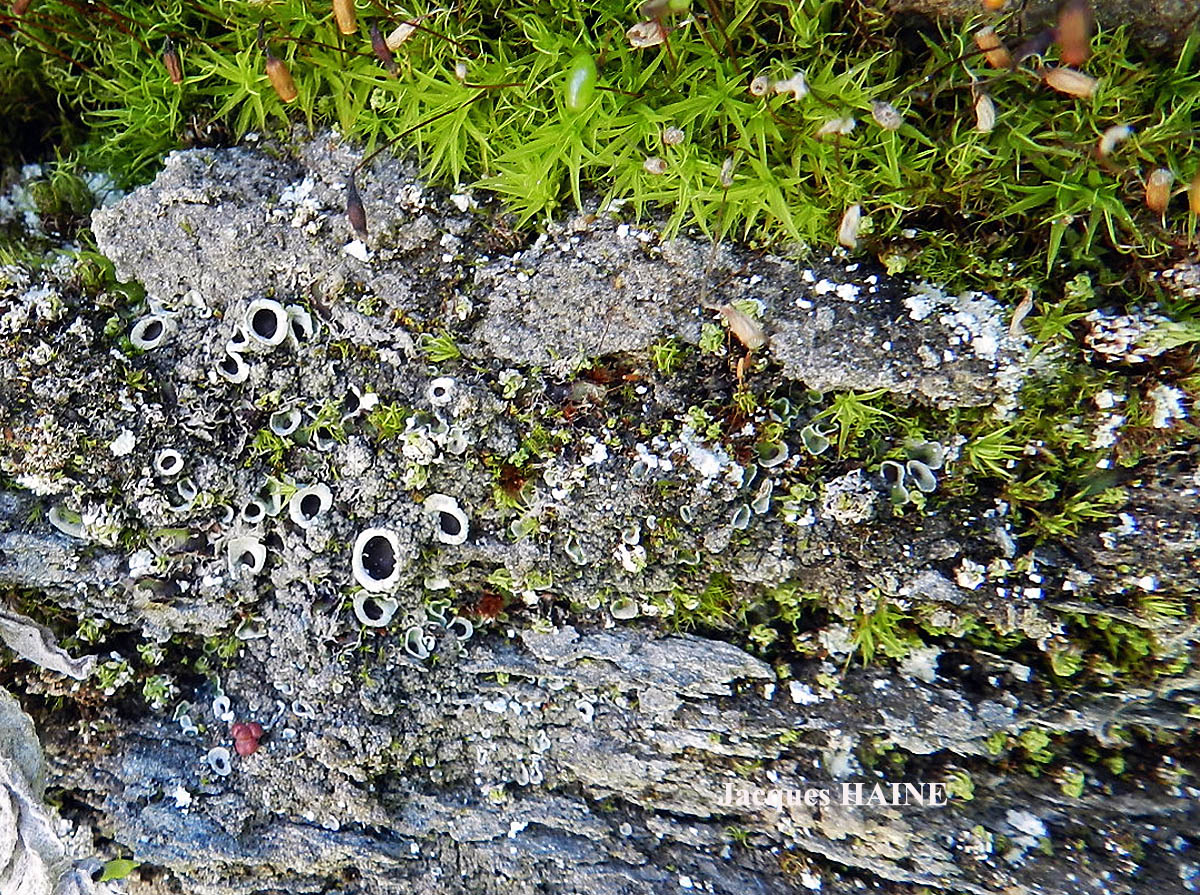
Jacques Haine - Source:http://www.lichensmaritimes.org/index.php?task=fiche&lichen=1339&lang=en
France, Mont Cenis
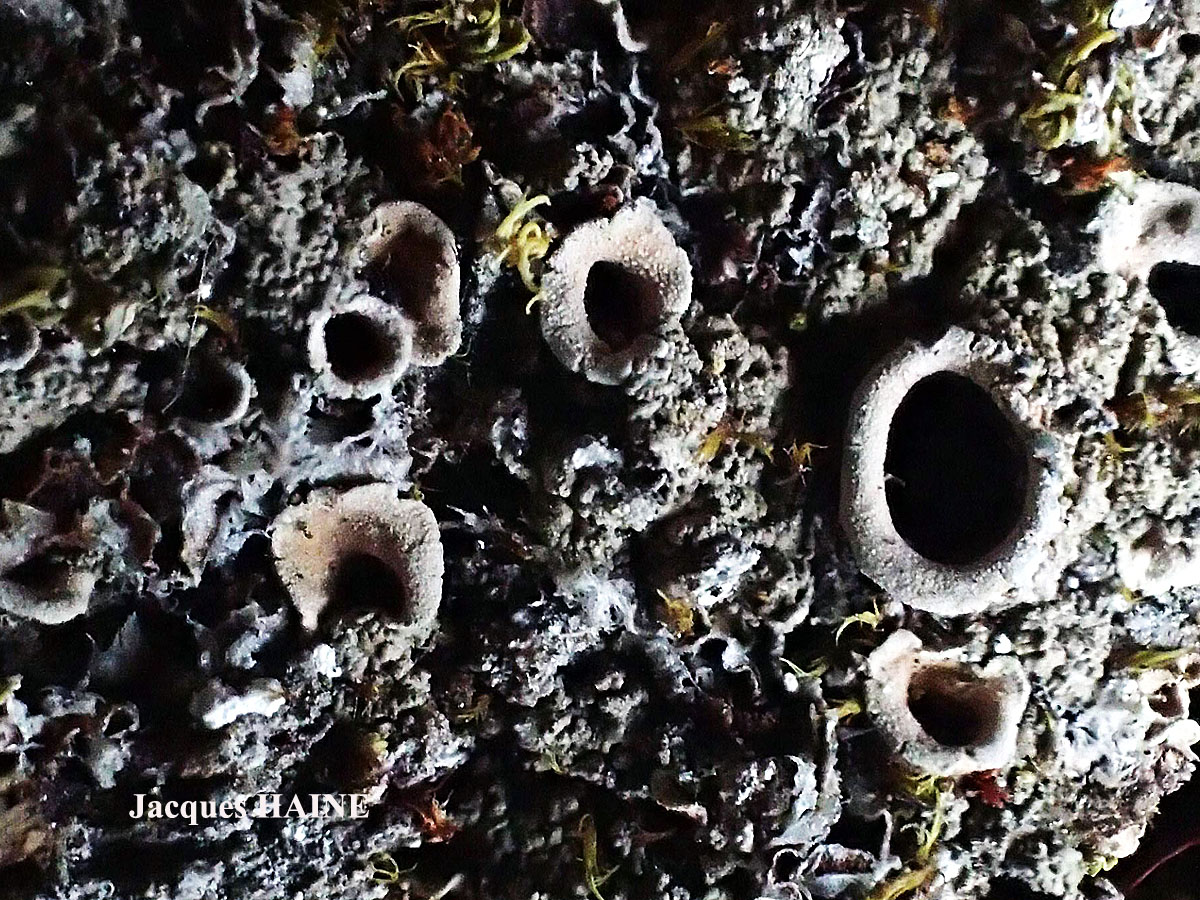
Jacques Haine - Source:http://www.lichensmaritimes.org/index.php?task=fiche&lichen=1339&lang=en
France, Mont Cenis
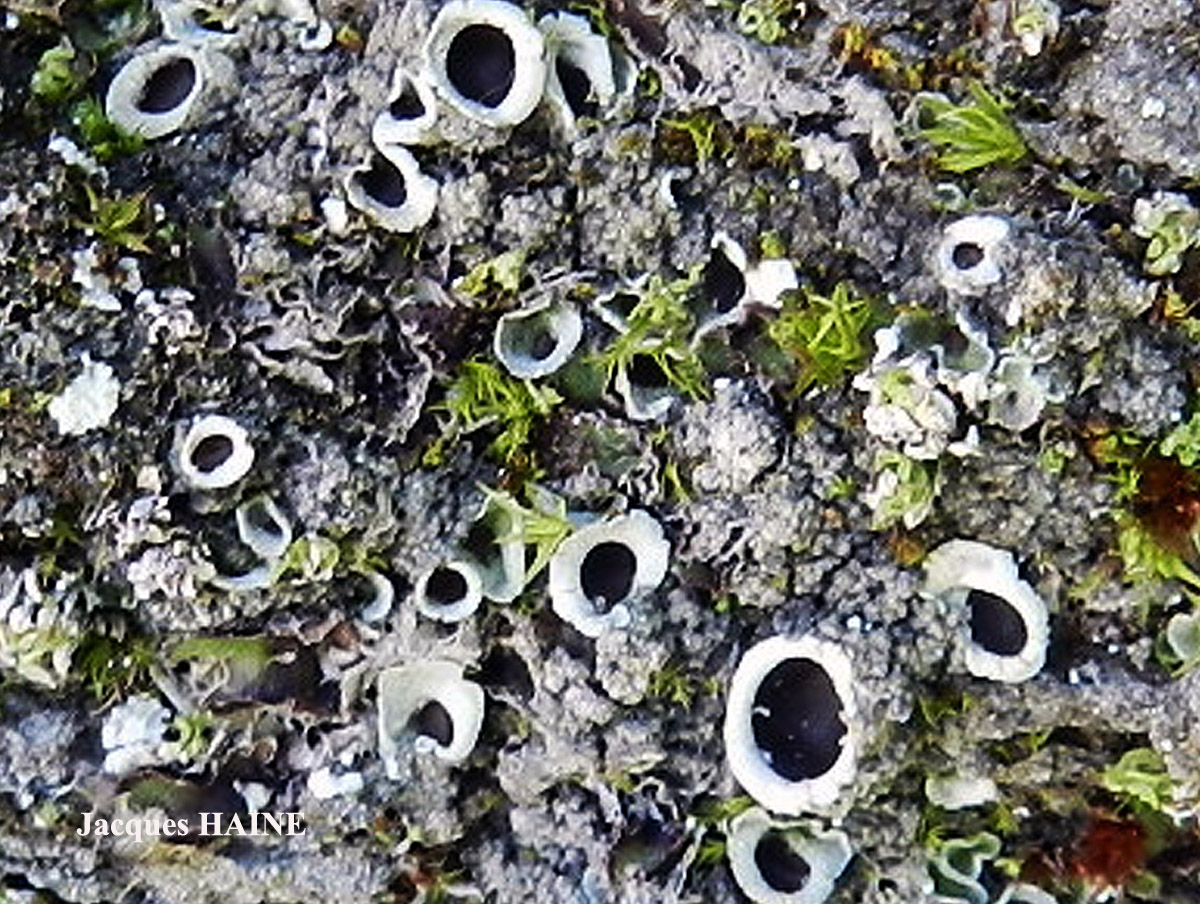
Jacques Haine - Source:http://www.lichensmaritimes.org/index.php?task=fiche&lichen=1339&lang=en
France, Mont Cenis
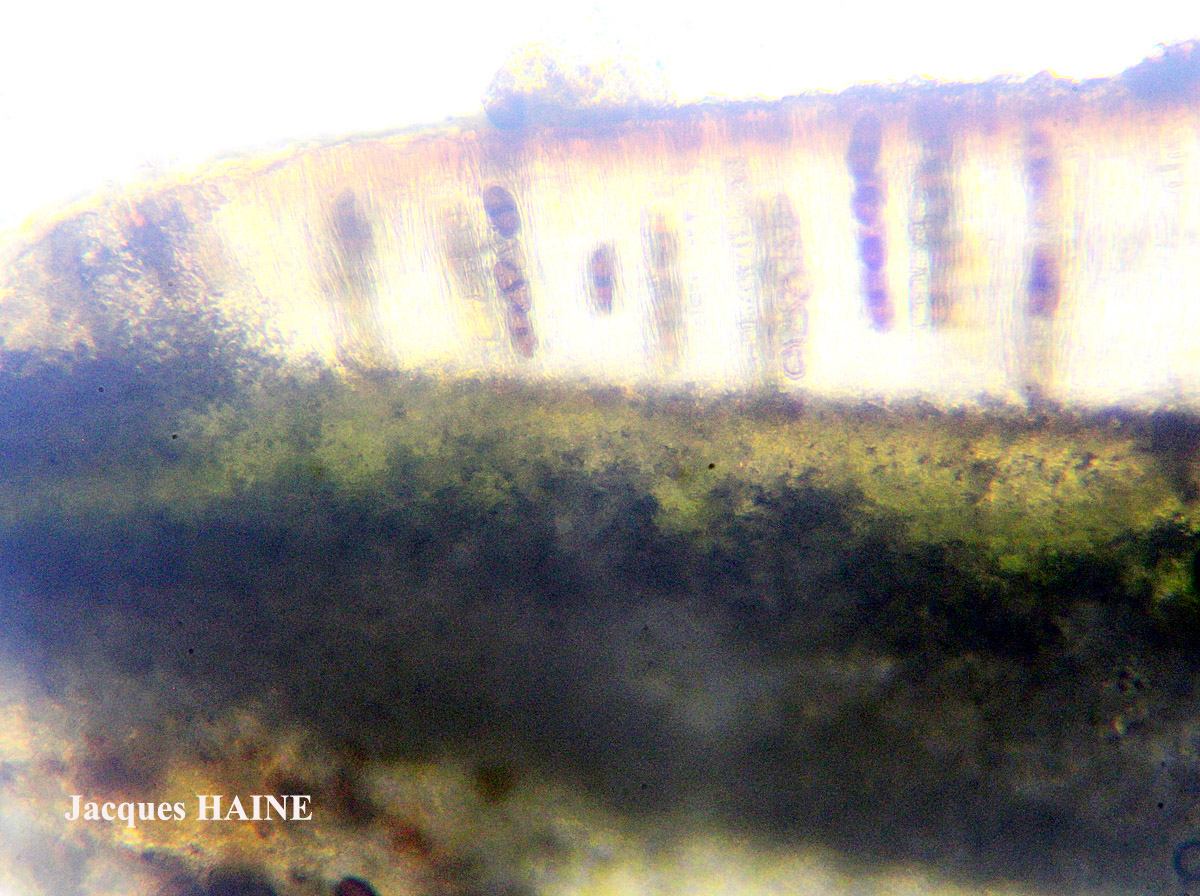
Jacques Haine - Source:http://www.lichensmaritimes.org/index.php?task=fiche&lichen=1339&lang=en
France, Mont Cenis
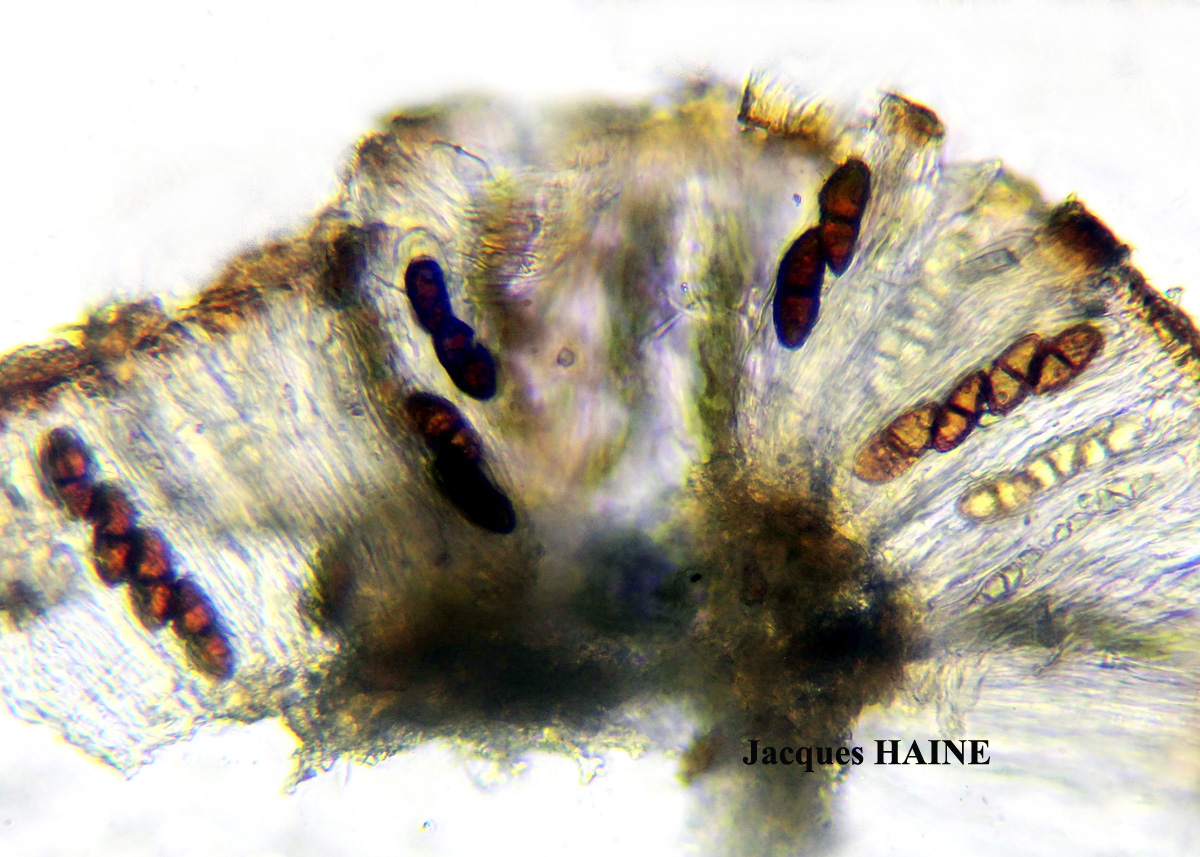
Jacques Haine - Source:http://www.lichensmaritimes.org/index.php?task=fiche&lichen=1339&lang=en
France, Mont Cenis
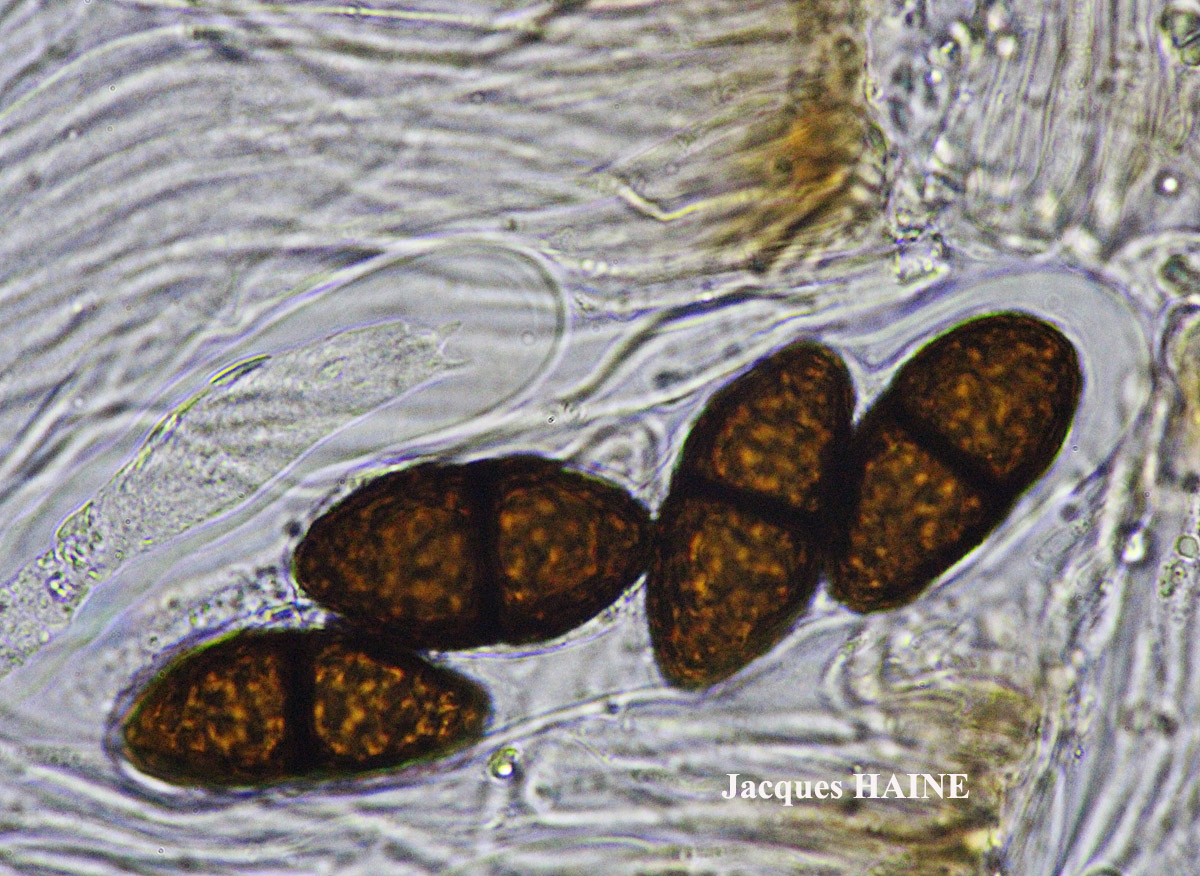
Jacques Haine - Source:http://www.lichensmaritimes.org/index.php?task=fiche&lichen=1339&lang=en
France, Mont Cenis