Sporastatia testudinea (Ach.) A. Massal.
Geneac. Lich.: 9, 1854. Basionym: Lecidea cechumena var. testudinea Ach. - K. Vetensk.-Akad. Nya Handl., 29: 232, 1808.
Synonyms: Acarospora testudinea (Ach.) A. Massal.; Biatorella morio auct. non (Duby) Flagey; Biatorella testudinea (Ach.) A. Massal.; Biatorella testudinea var. coracina (Schaer.) Th. Fr.; Lecidea coracina Sommerf. nom. illegit.; Lecidea morio auct. non (Duby) Fr.; Lecidea morio var. coracina Schaer.; Sporastatia morio auct. non (Duby) Körb.; Sporastatia morio var. testudinea (Ach.) Körb.; Sporastatia testudinea var. coracina (Schaer.) Stein; Sporastatia testudinea var. pallens (Fr.) Stein
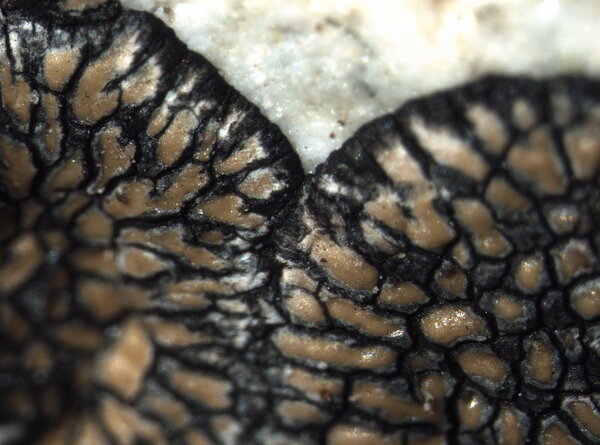
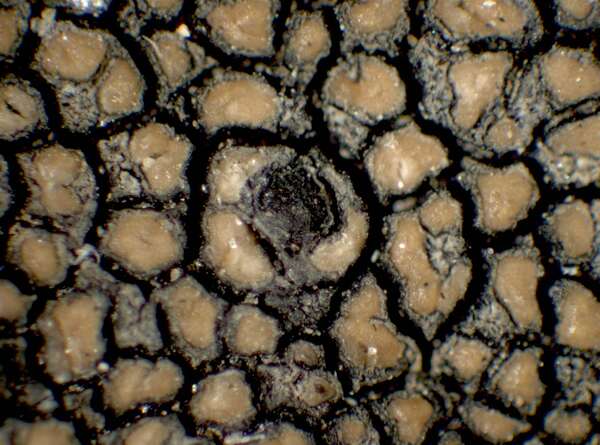
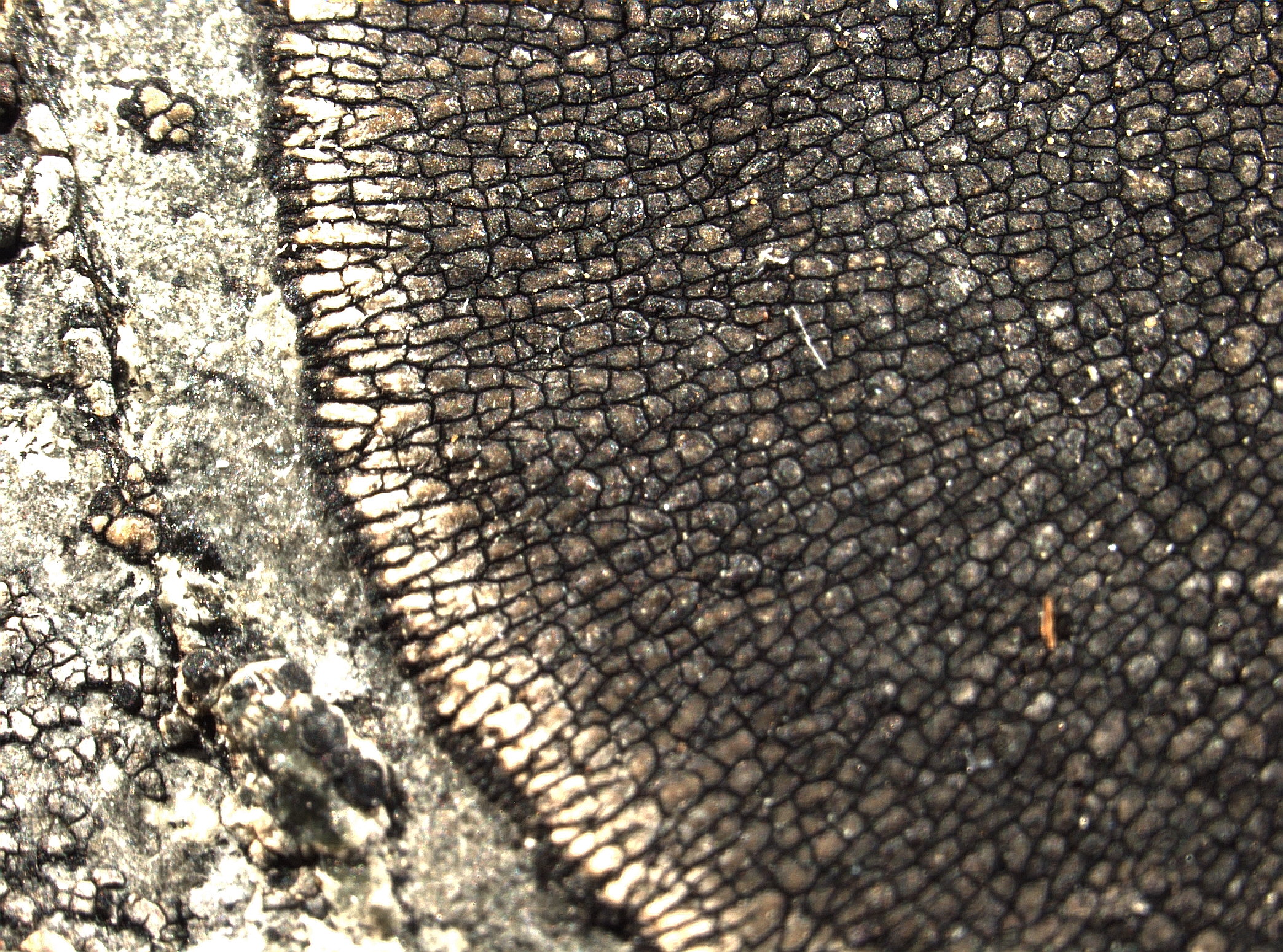
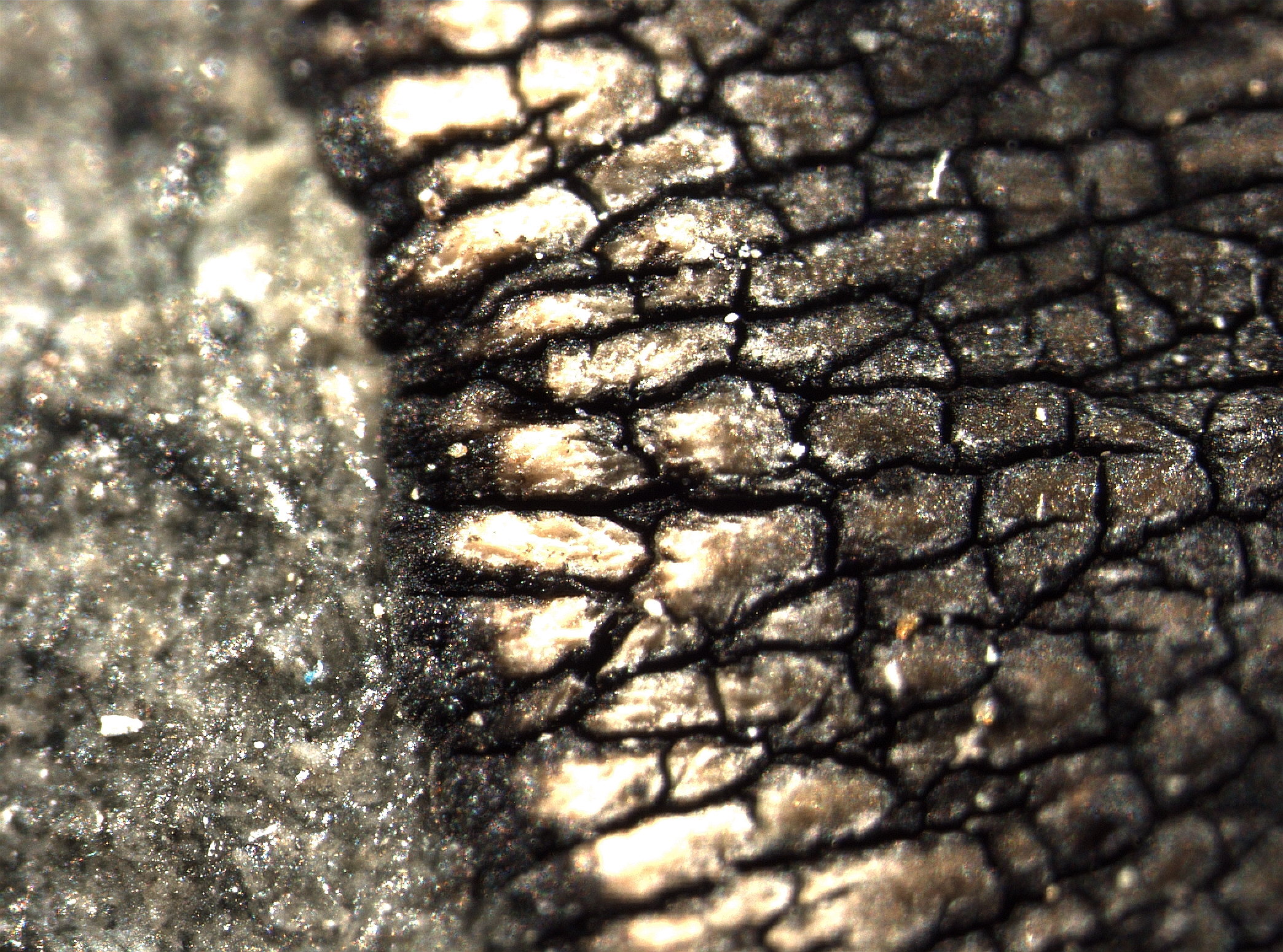
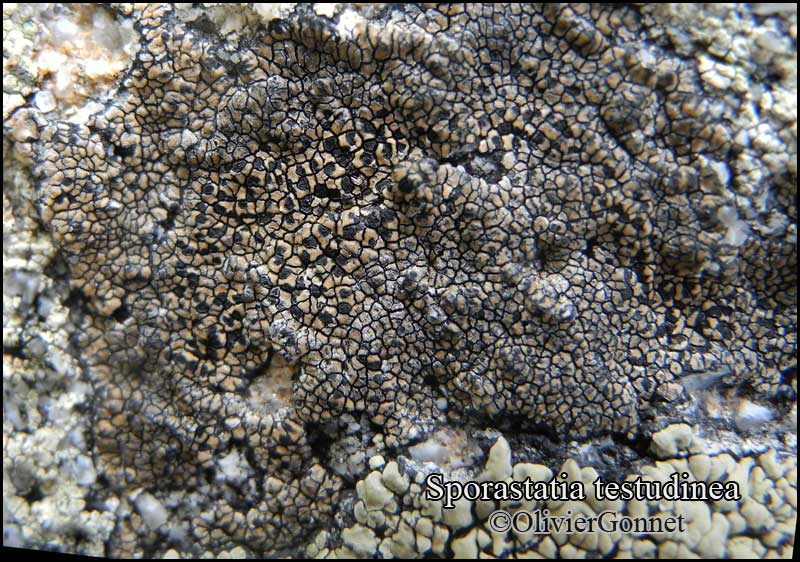
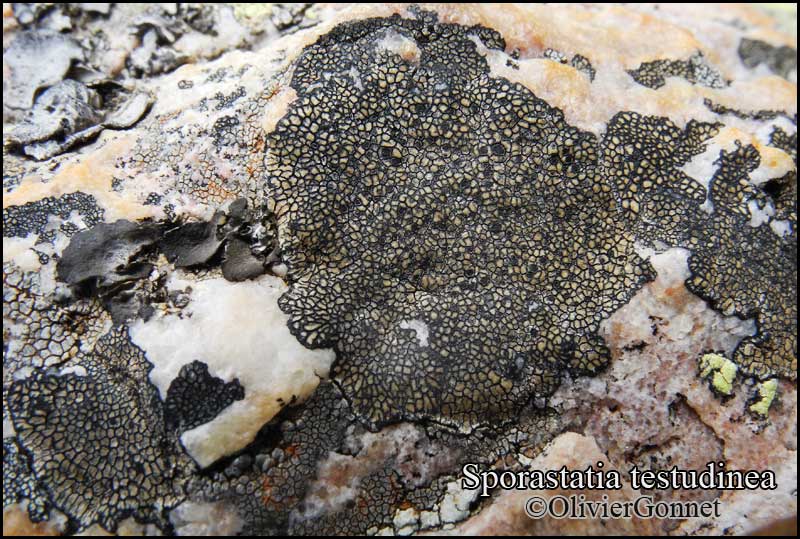
Description: Thallus crustose episubstratic, finely areolate, yellowish brown, brown or almost black, somewhat glossy, usually slightly paler in marginal parts, forming up to 4(-8) cm wide patches delimited by a black prothallus. Areoles developing on a black hypothallus, sharply angular, smooth, 0.3-0.6(-1) mm wide, flat or slightly convex, the marginal ones clearly rectangular-elongate and radiating. Cortex pale grey in lower part, pale brown in upper part, covered with a thick, colourless epinecral layer; algal layer discontinuous; medulla white to grey, of interwoven thick-walled hyphae inspersed with granules, I-. Apothecia lecideine, black to black-brown, developing between the areoles, level with thallus and separated by a crack, (0.2-)0.3-0.6(-1) mm across, with a smooth to fissured disc and a thin, persistent proper margin. Proper exciple dark brown, 20-50 µm thick, K+ reddish; epithecium 20-30 µm high, dark blue-green, K+ reddish, N+ red; hymenium colourless, 75-110 µm high, I+ dark blue; paraphyses 1.7-2 µm thick at mid-level, the apical cells 2.5-3.5 µm wide; hypothecium pale grey to yellow-brown, 35-100 µm thick, I+ dark blue. Asci 100-150-spored, broadly clavate, the apical dome uniformly K/I+ blue. Ascospores 1-celled, hyaline, broadly ellipsoid to subglobose, 2.5-4 x 2-3.5 µm. Pycnidia rare, black, immersed. Conidia simple, hyaline, 3-4(-6) x 1-1.5 µm. Photobiont chlorococcoid. Spot tests: cortex and medulla K-, C+ red, KC+ red, P-. Chemistry: 5-O-methylhiascic acid (major), gyrophoric acid (minor), lecanoric acid (trace) (Øvstedal & al. 2009, Hafellner & al. 2014, Obermayer in litt.).
Growth form: Crustose
Substrata: rocks
Photobiont: green algae other than Trentepohlia
Reproductive strategy: mainly sexual
Commonnes-rarity: (info)
Alpine belt: extremely common
Subalpine belt: very common
Montane belt: extremely rare
Dry submediterranean belt: absent
Humid submediterranean belt: absent
Padanian area: absent
pH of the substrata:
1 2 3 4 5

Solar irradiation:
1 2 3 4 5
Aridity:
1 2 3 4 5
Eutrophication:
1 2 3 4 5
Poleotolerance:
0 1 2 3
Altitudinal distribution:
1 2 3 4 5 6
Rarity
absent
extremely rare
very rare
rare
rather rare
rather common
common
very common
extremely common
Loading data...
Occurrence data
Predictive map
 Current prediction (1981-2010)
 Future prediction (2071-2100) SSP 1-2.6
 Future prediction (2071-2100) SSP 5-8.5Predictive maps according to Francesconi et al. 2025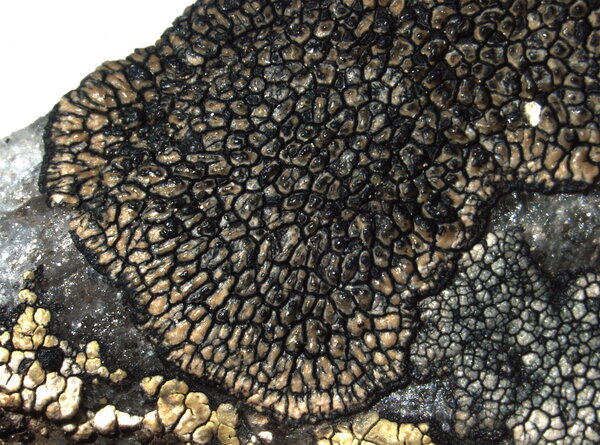
Pier Luigi Nimis CC BY-SA 4.0
TSB 38596
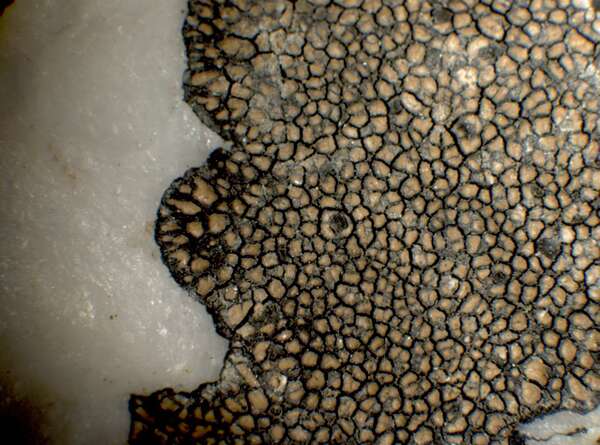
P.L. Nimis; Owner: Department of Life Sciences, University of Trieste
Herbarium: TSB (13494)
2001/11/30
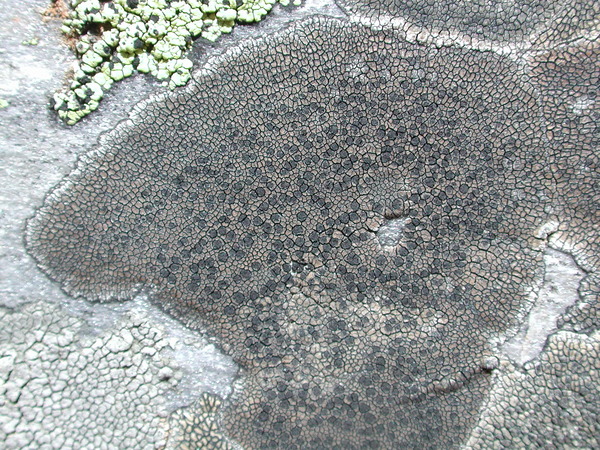
Juri Nascimbene - CC BY-SA 4.0
Stelvio National Park, Reg. Trentino-Alto Adige Prov. Trento, Italy.
07.2005
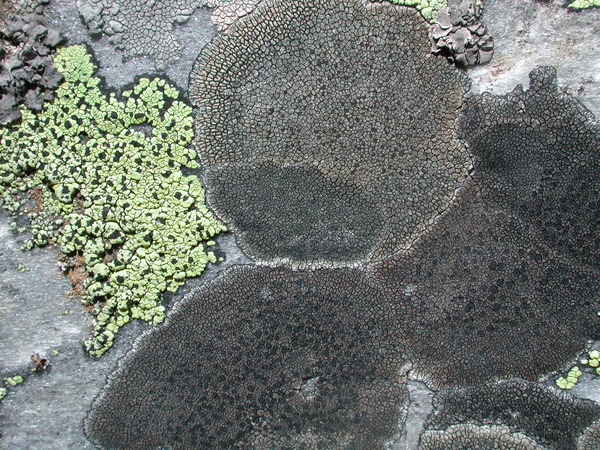
Juri Nascimbene - CC BY-SA 4.0
Stelvio National Park, Reg. Trentino-Alto Adige Prov. Trento, Italy.
07.2005
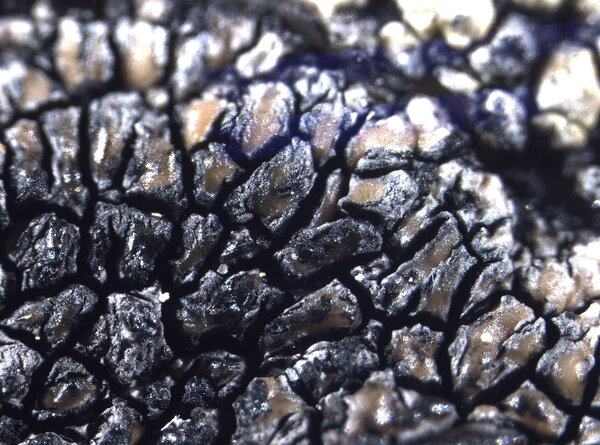
Pier Luigi Nimis CC BY-SA 4.0
TSB 41721
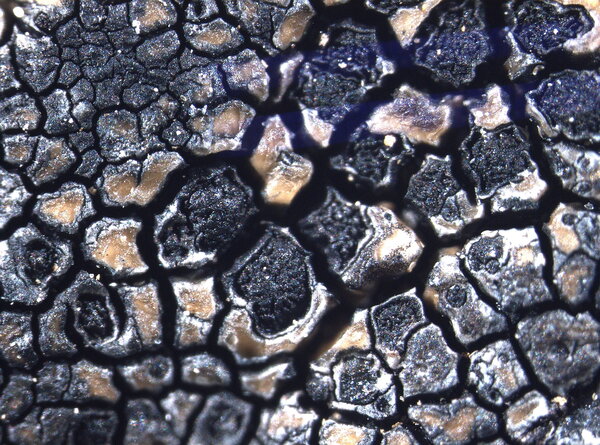
Pier Luigi Nimis CC BY-SA 4.0
TSB 41724
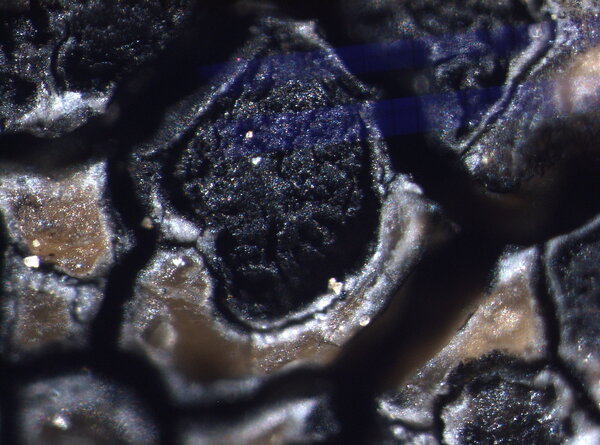
Pier Luigi Nimis CC BY-SA 4.0
TSB 41724
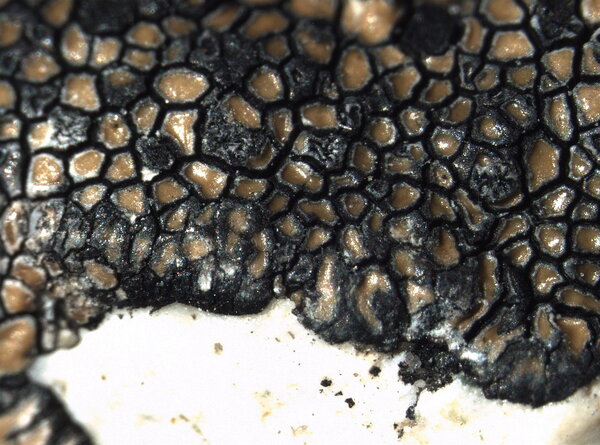
Pier Luigi Nimis CC BY-SA 4.0
TSB 38504
Pier Luigi Nimis CC BY-SA 4.0
TSB 38504
P.L. Nimis; Owner: Department of Life Sciences, University of Trieste
Herbarium: TSB (13494)
2001/11/30
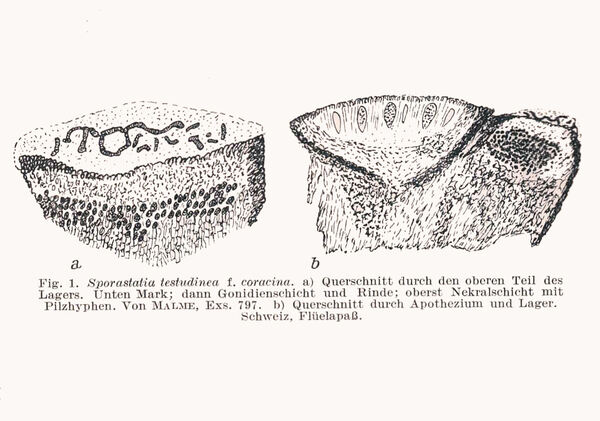
Magnusson A. H. (1935) Acarosporaceae, Thelocarpaceae. - In: Rabenhorst G. L.: Kryptogamen-Flora von Deutschland, Österreich, und der Schweiz-. 2nd- IX. Die Flechten. Abt. 5- 1. Gebr. Borntraeger. Leipzig, pp. 1-318. – Public Domain
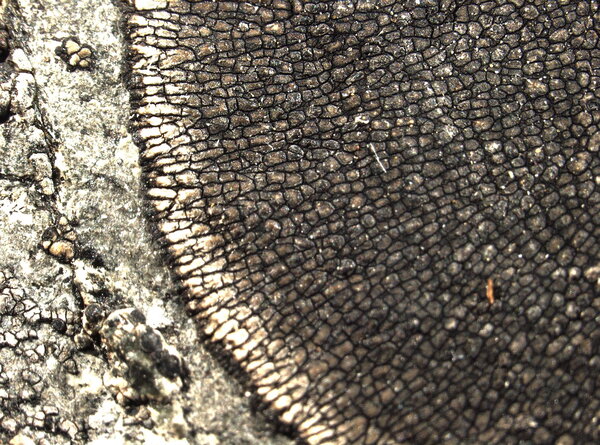
Pier Luigi Nimis - CC BY-SA 4.0
TSB 44050
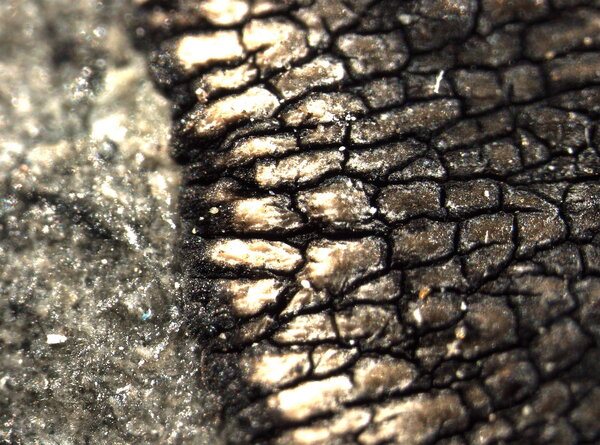
Pier Luigi Nimis - CC BY-SA 4.0
TSB 44050
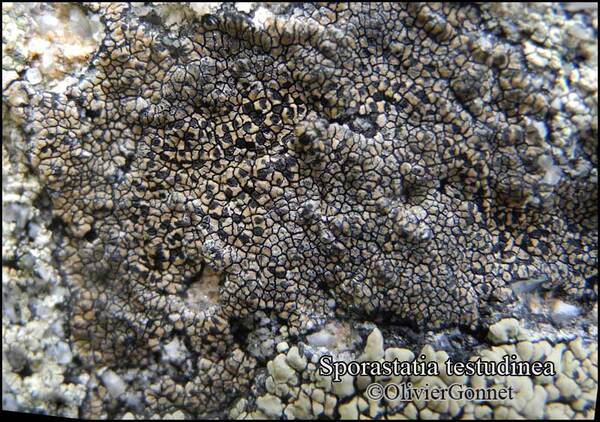
Courtesy Danièle et Olivier Gonnet - Source: https://www.afl-lichenologie.fr/Photos_AFL/Photos_AFL_S/Text_S/Sporastatia_testudinea.htm
France, Col de la Cayolle - 23/7/2014 - session AFL dans le Mercatour - Alpes-de-Haute-Provence - (04) -
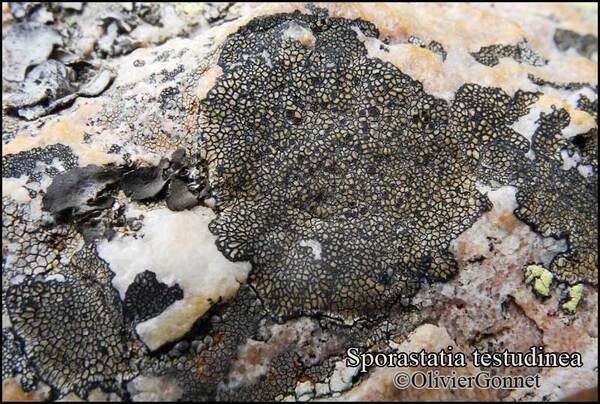
Courtesy Danièle et Olivier Gonnet - Source: https://www.afl-lichenologie.fr/Photos_AFL/Photos_AFL_S/Text_S/Sporastatia_testudinea.htm
France, Col de la Cayolle - 23/7/2014 - session AFL dans le Mercatour - Alpes-de-Haute-Provence - (04) -
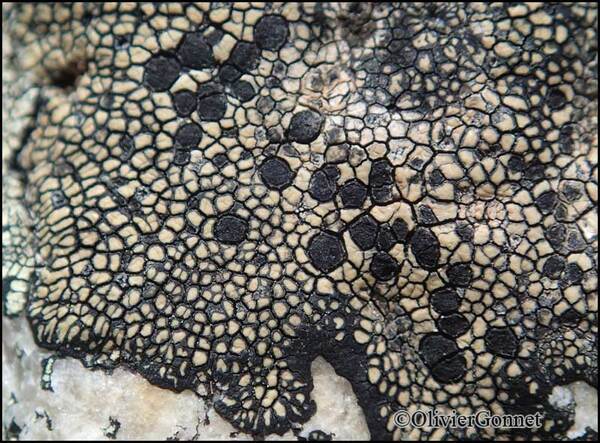
Courtesy Danièle et Olivier Gonnet - Source: https://www.afl-lichenologie.fr/Photos_AFL/Photos_AFL_S/Text_S/Sporastatia_testudinea.htm
France, Col de la Cayolle - 23/7/2014 - session AFL dans le Mercatour - Alpes-de-Haute-Provence - (04) -
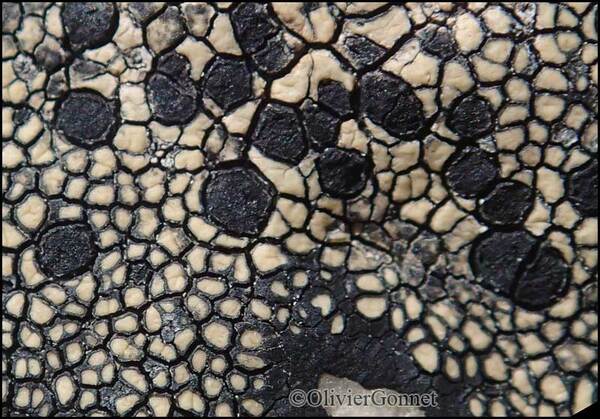
Courtesy Danièle et Olivier Gonnet - Source: https://www.afl-lichenologie.fr/Photos_AFL/Photos_AFL_S/Text_S/Sporastatia_testudinea.htm
France, Col de la Cayolle - 23/7/2014 - session AFL dans le Mercatour - Alpes-de-Haute-Provence - (04) -
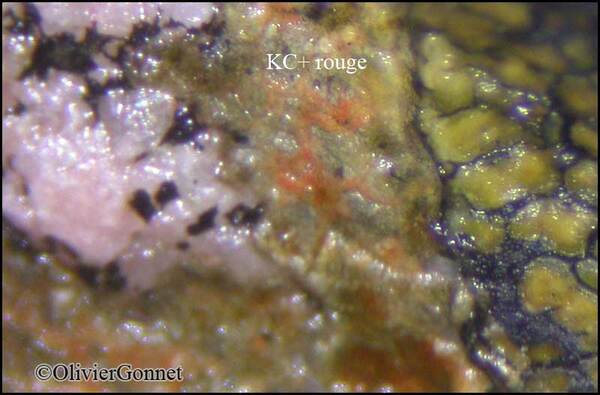
Courtesy Danièle et Olivier Gonnet - Source: https://www.afl-lichenologie.fr/Photos_AFL/Photos_AFL_S/Text_S/Sporastatia_testudinea.htm
France, Col de la Cayolle - 23/7/2014 - session AFL dans le Mercatour - Alpes-de-Haute-Provence - (04) -
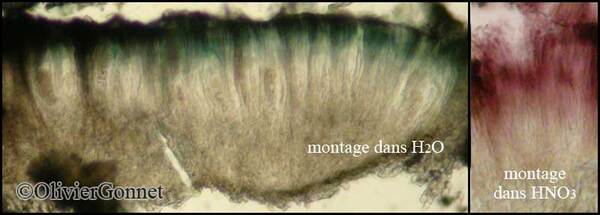
Courtesy Danièle et Olivier Gonnet - Source: https://www.afl-lichenologie.fr/Photos_AFL/Photos_AFL_S/Text_S/Sporastatia_testudinea.htm
France, Col de la Cayolle - 23/7/2014 - session AFL dans le Mercatour - Alpes-de-Haute-Provence - (04) -
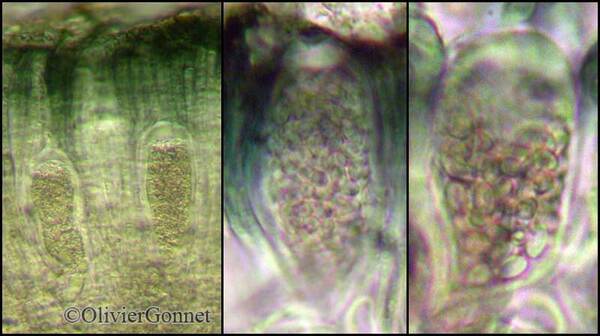
Courtesy Danièle et Olivier Gonnet - Source: https://www.afl-lichenologie.fr/Photos_AFL/Photos_AFL_S/Text_S/Sporastatia_testudinea.htm
France, Col de la Cayolle - 23/7/2014 - session AFL dans le Mercatour - Alpes-de-Haute-Provence - (04) -
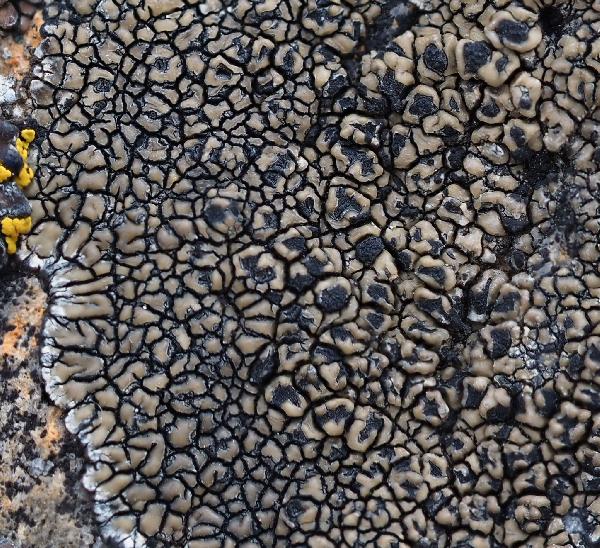
Marko Doboš
Tatvan/Bitlis, Türkiye
Growth form: Crustose
Substrata: rocks
Photobiont: green algae other than Trentepohlia
Reproductive strategy: mainly sexual
Commonnes-rarity: (info)
Alpine belt: extremely common
Subalpine belt: very common
Montane belt: extremely rare
Dry submediterranean belt: absent
Humid submediterranean belt: absent
Padanian area: absent
pH of the substrata:
| 1 | 2 | 3 | 4 | 5 |
Solar irradiation:
| 1 | 2 | 3 | 4 | 5 |
Aridity:
| 1 | 2 | 3 | 4 | 5 |
Eutrophication:
| 1 | 2 | 3 | 4 | 5 |
Poleotolerance:
| 0 | 1 | 2 | 3 |
Altitudinal distribution:
| 1 | 2 | 3 | 4 | 5 | 6 |
Rarity
absent
extremely rare
very rare
rare
rather rare
rather common
common
very common
extremely common
Loading data...
Occurrence data
Predictive map
Current prediction (1981-2010)Future prediction (2071-2100) SSP 1-2.6Future prediction (2071-2100) SSP 5-8.5Predictive maps according to Francesconi et al. 2025
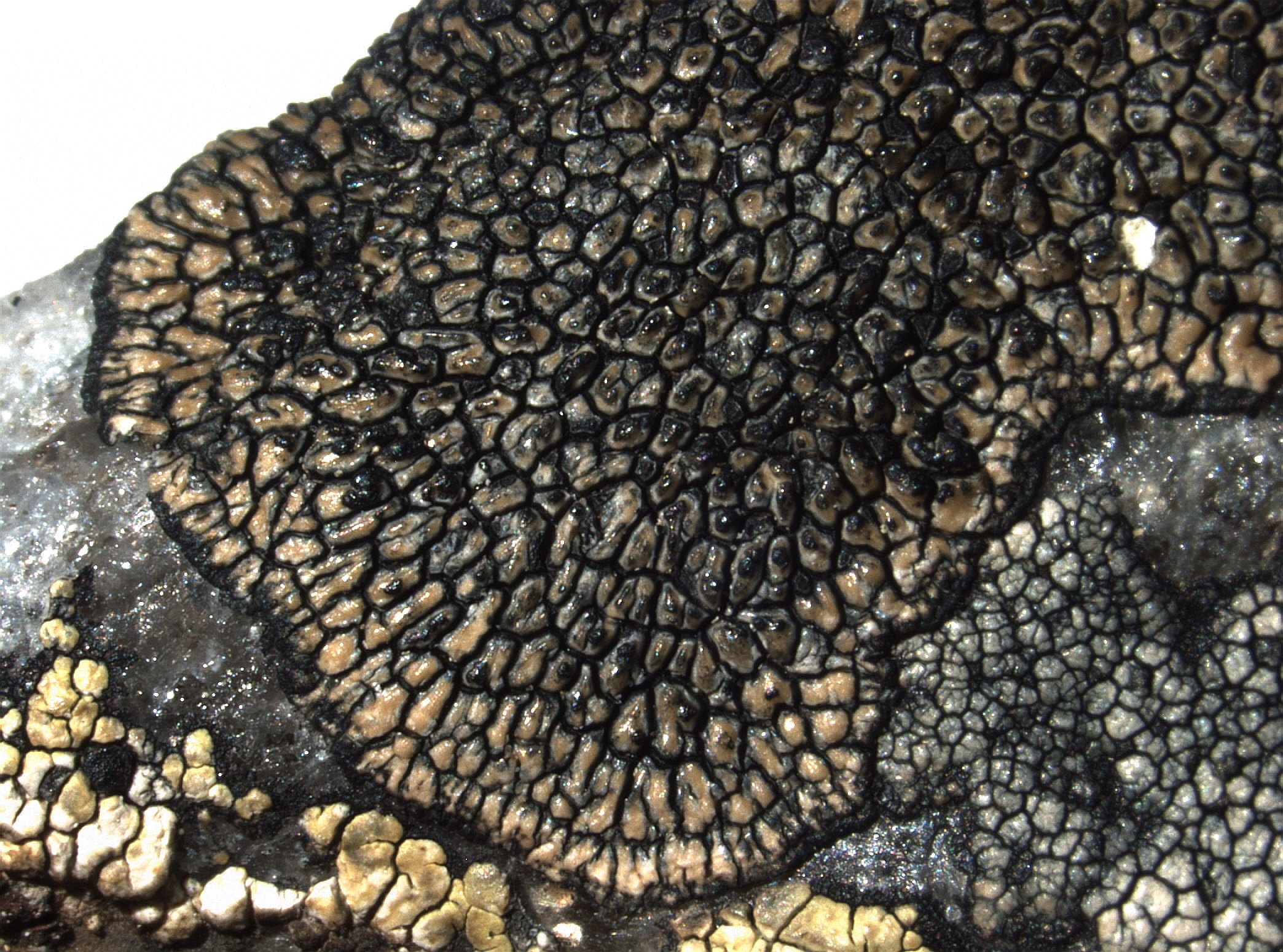
Pier Luigi Nimis CC BY-SA 4.0
TSB 38596
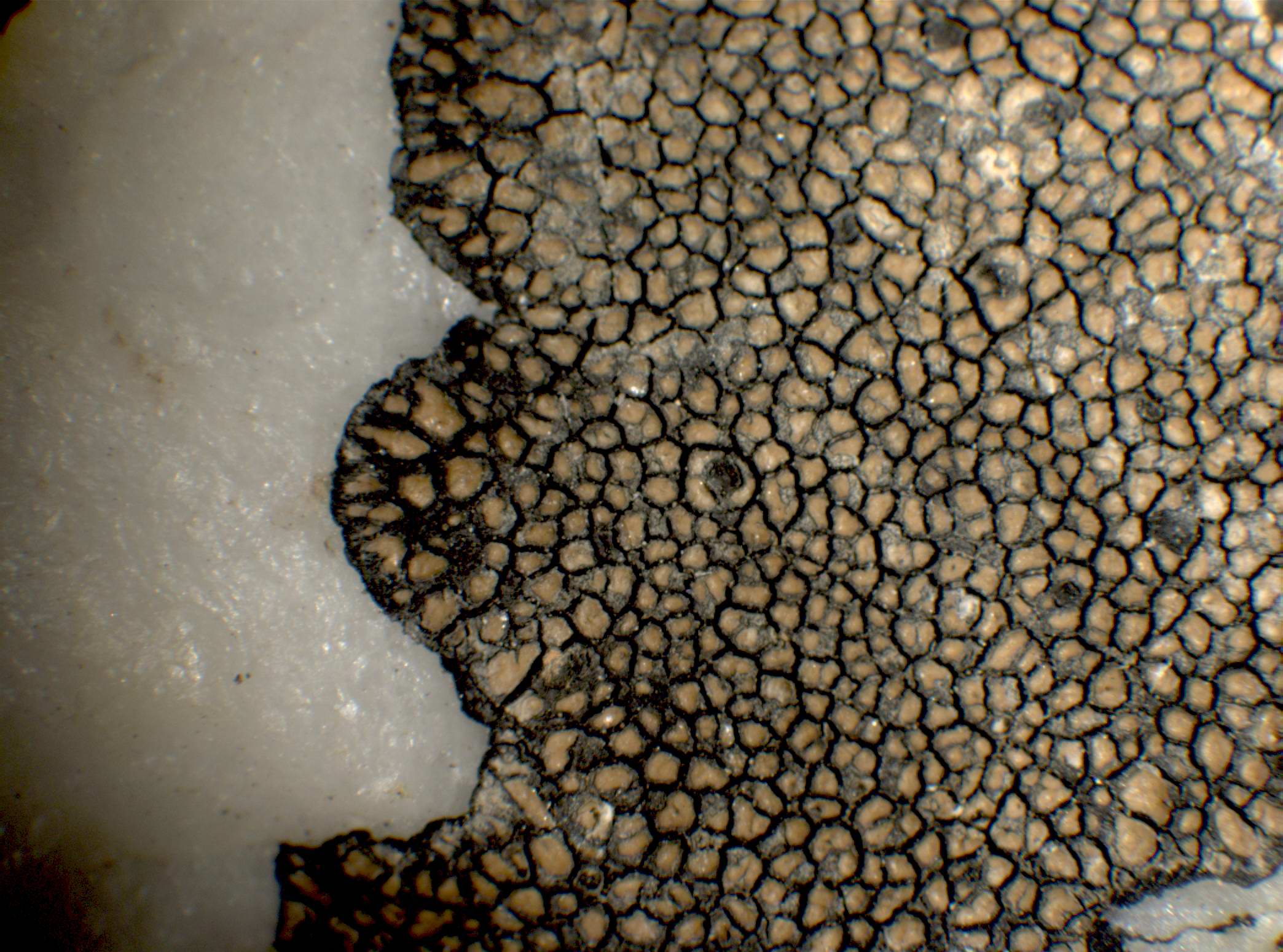
P.L. Nimis; Owner: Department of Life Sciences, University of Trieste
Herbarium: TSB (13494)
2001/11/30
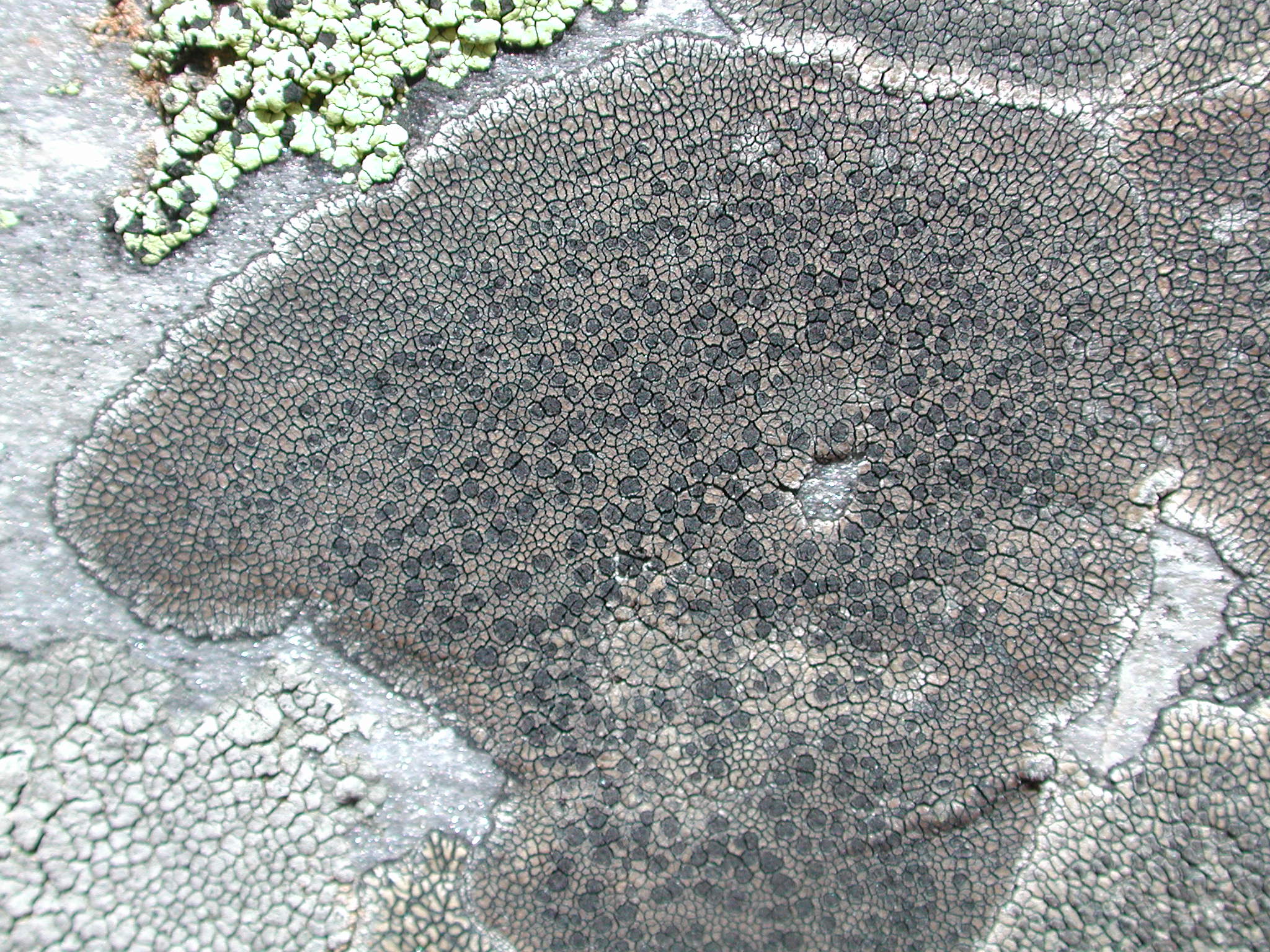
Juri Nascimbene - CC BY-SA 4.0
Stelvio National Park, Reg. Trentino-Alto Adige Prov. Trento, Italy.
07.2005
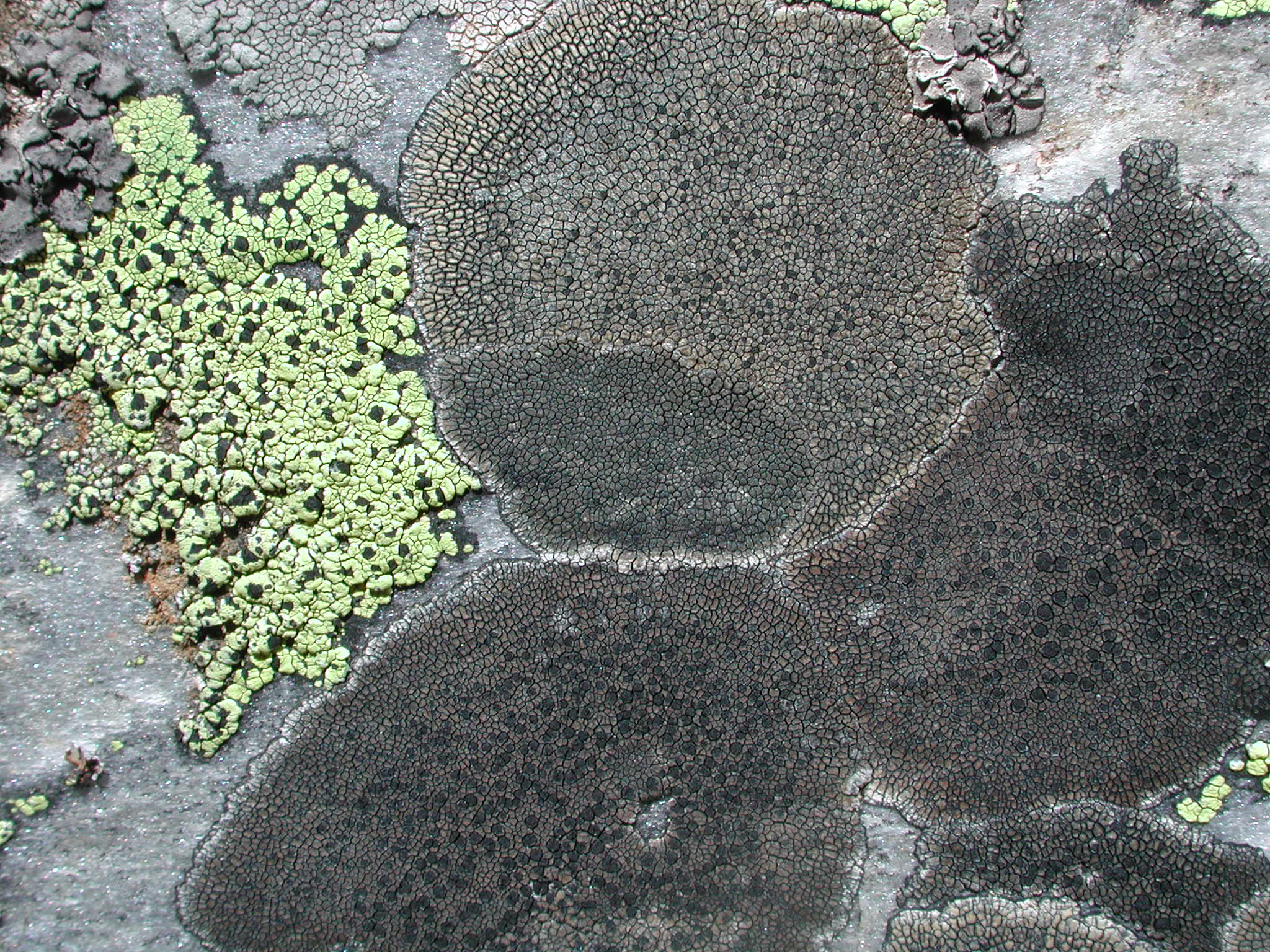
Juri Nascimbene - CC BY-SA 4.0
Stelvio National Park, Reg. Trentino-Alto Adige Prov. Trento, Italy.
07.2005
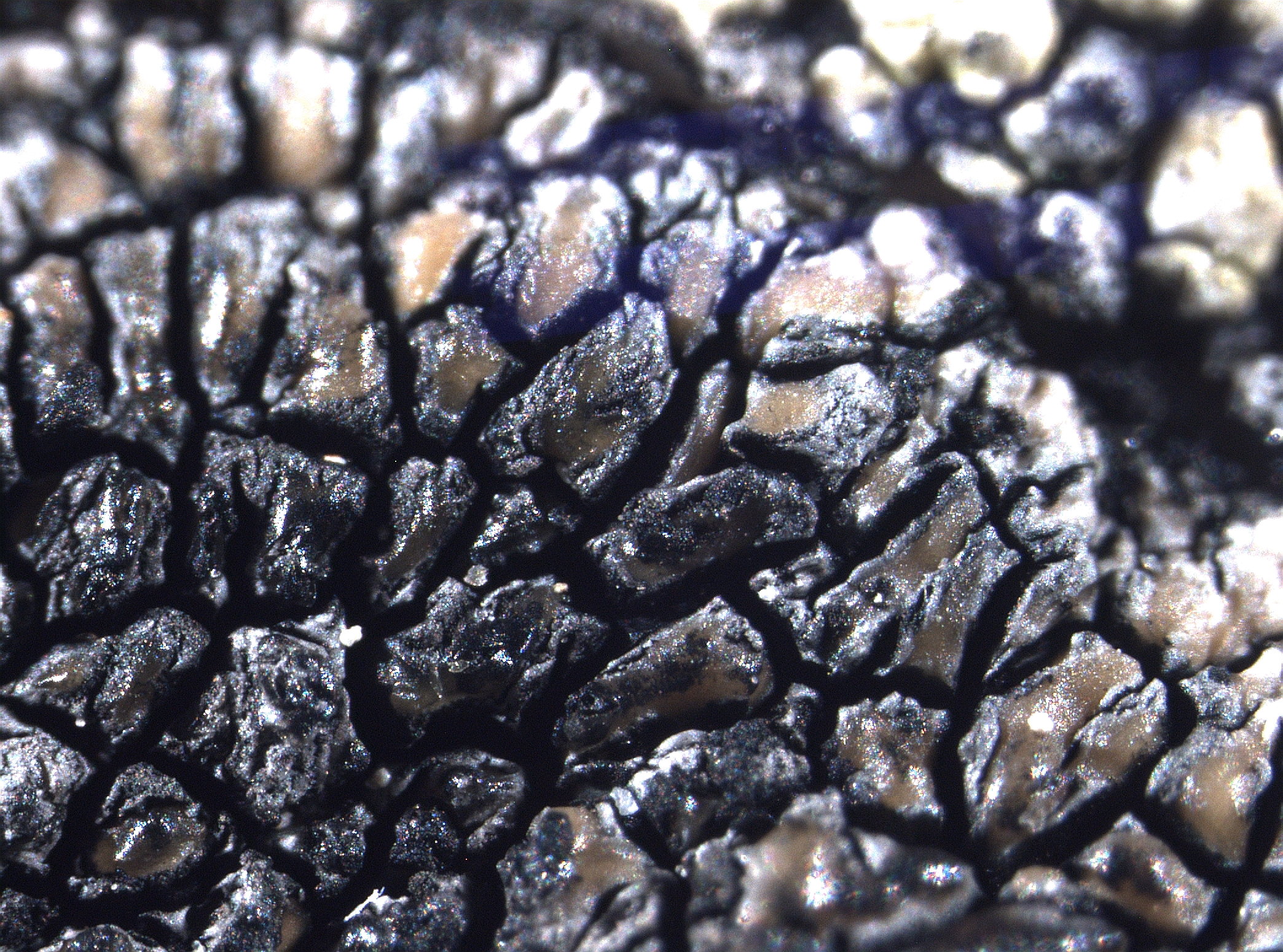
Pier Luigi Nimis CC BY-SA 4.0
TSB 41721
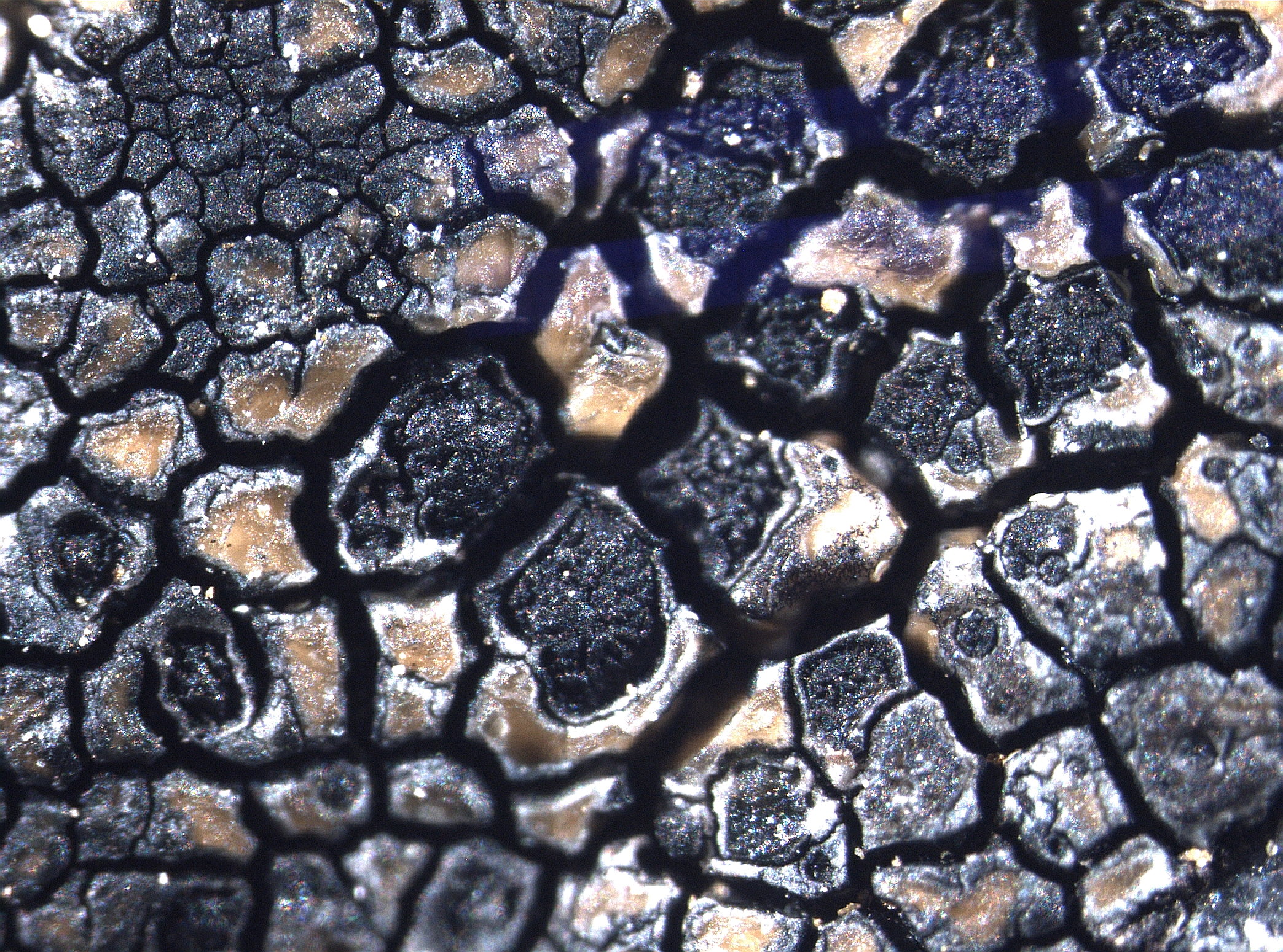
Pier Luigi Nimis CC BY-SA 4.0
TSB 41724
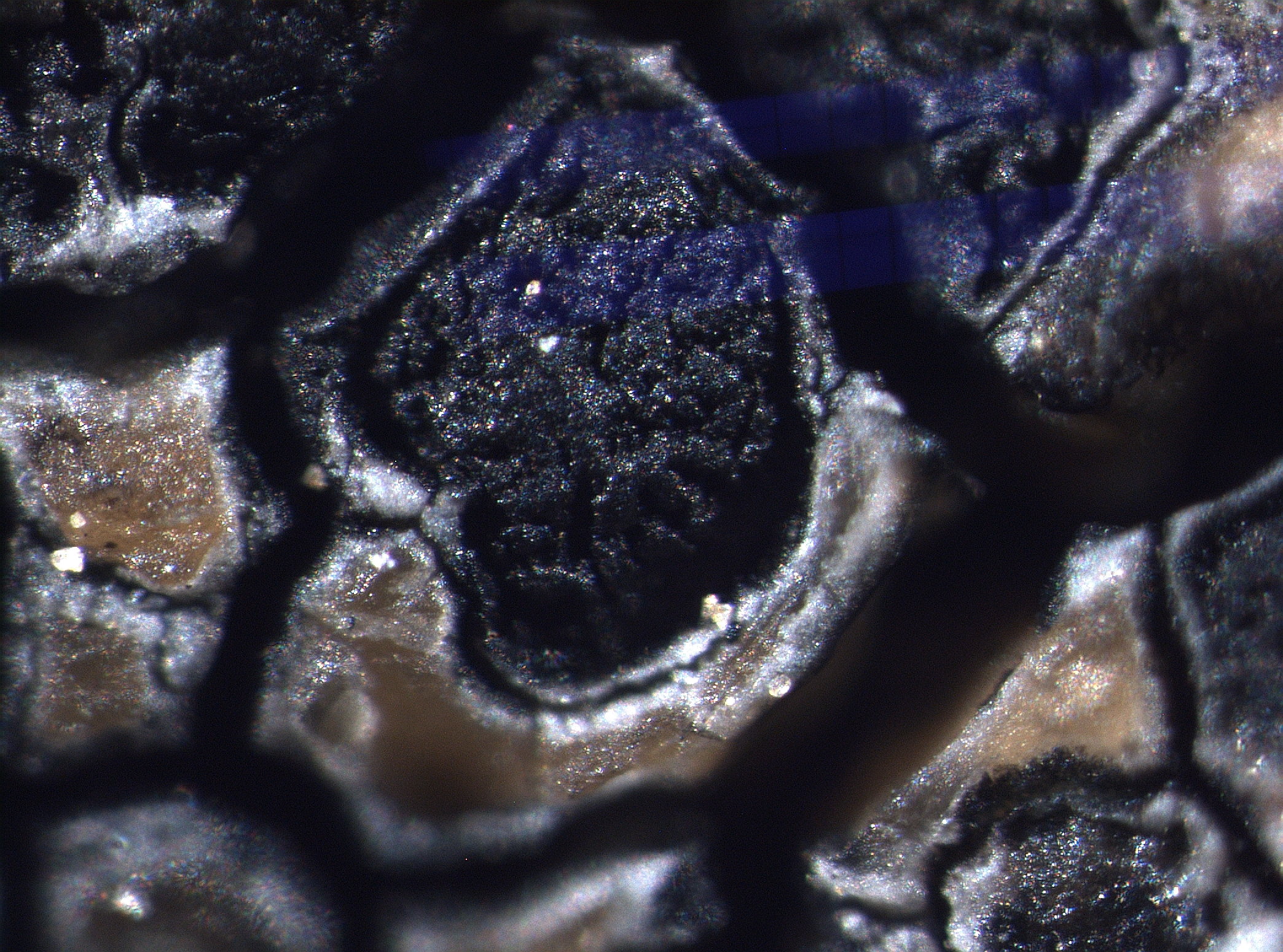
Pier Luigi Nimis CC BY-SA 4.0
TSB 41724
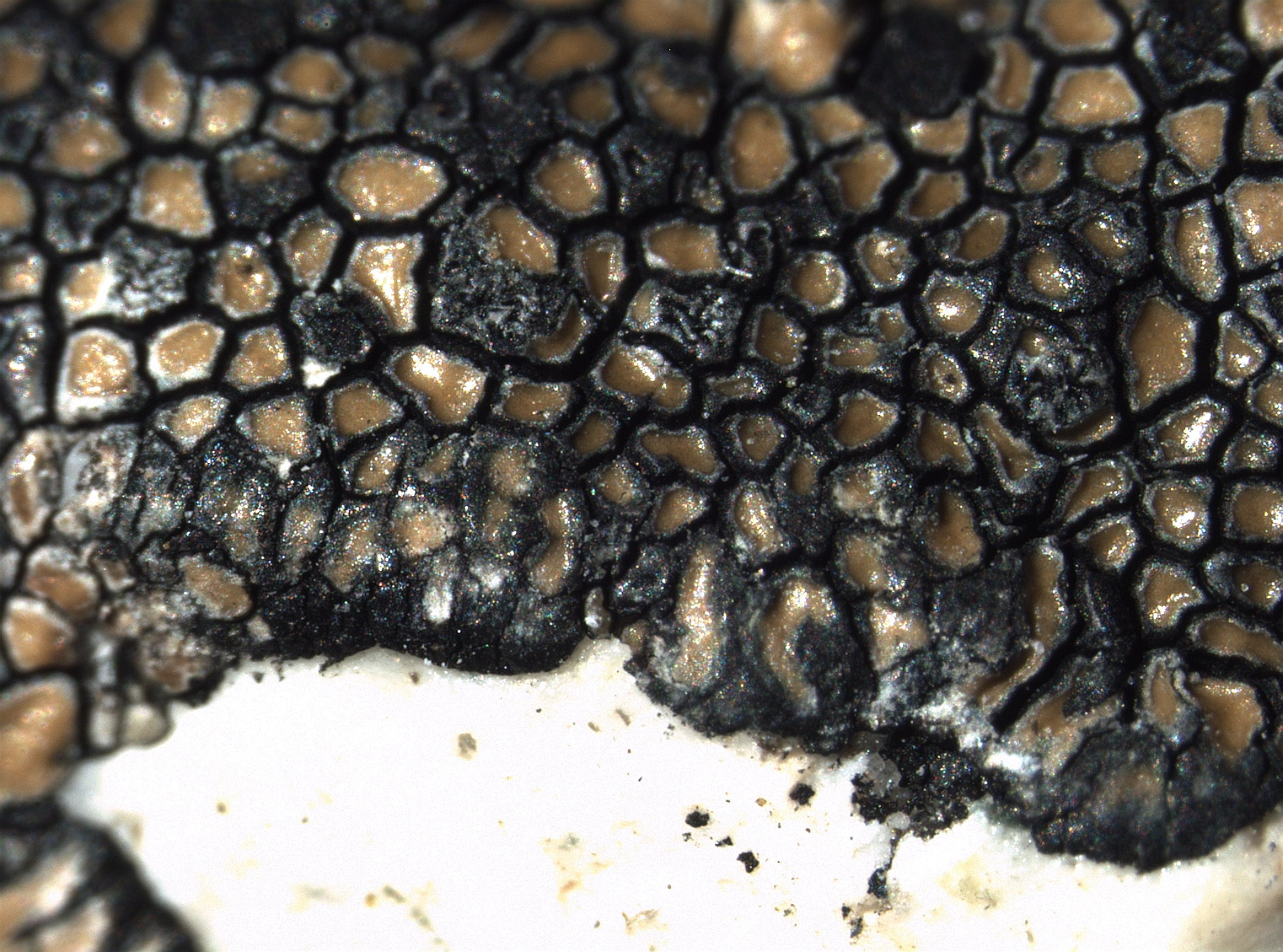
Pier Luigi Nimis CC BY-SA 4.0
TSB 38504
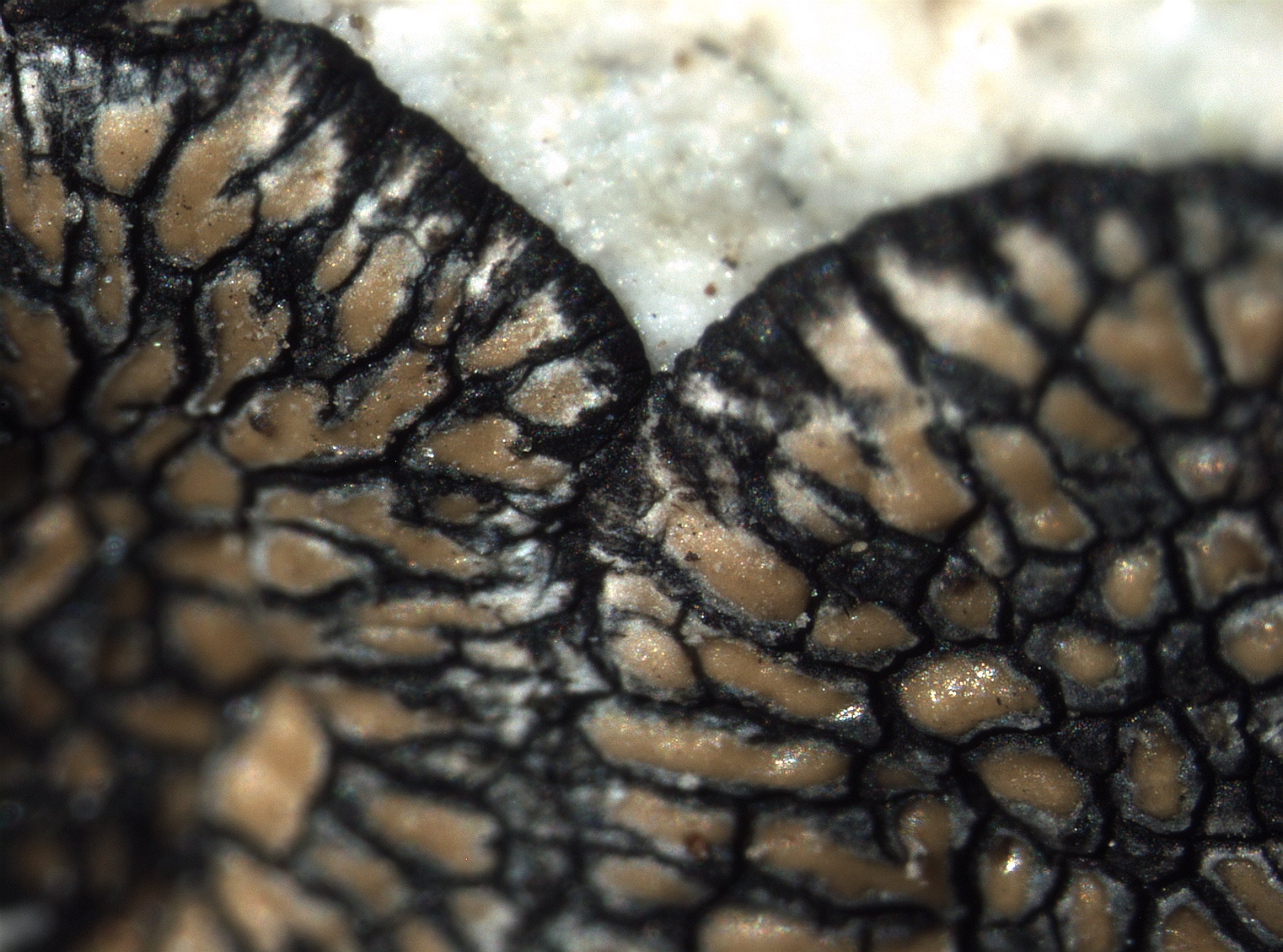
Pier Luigi Nimis CC BY-SA 4.0
TSB 38504
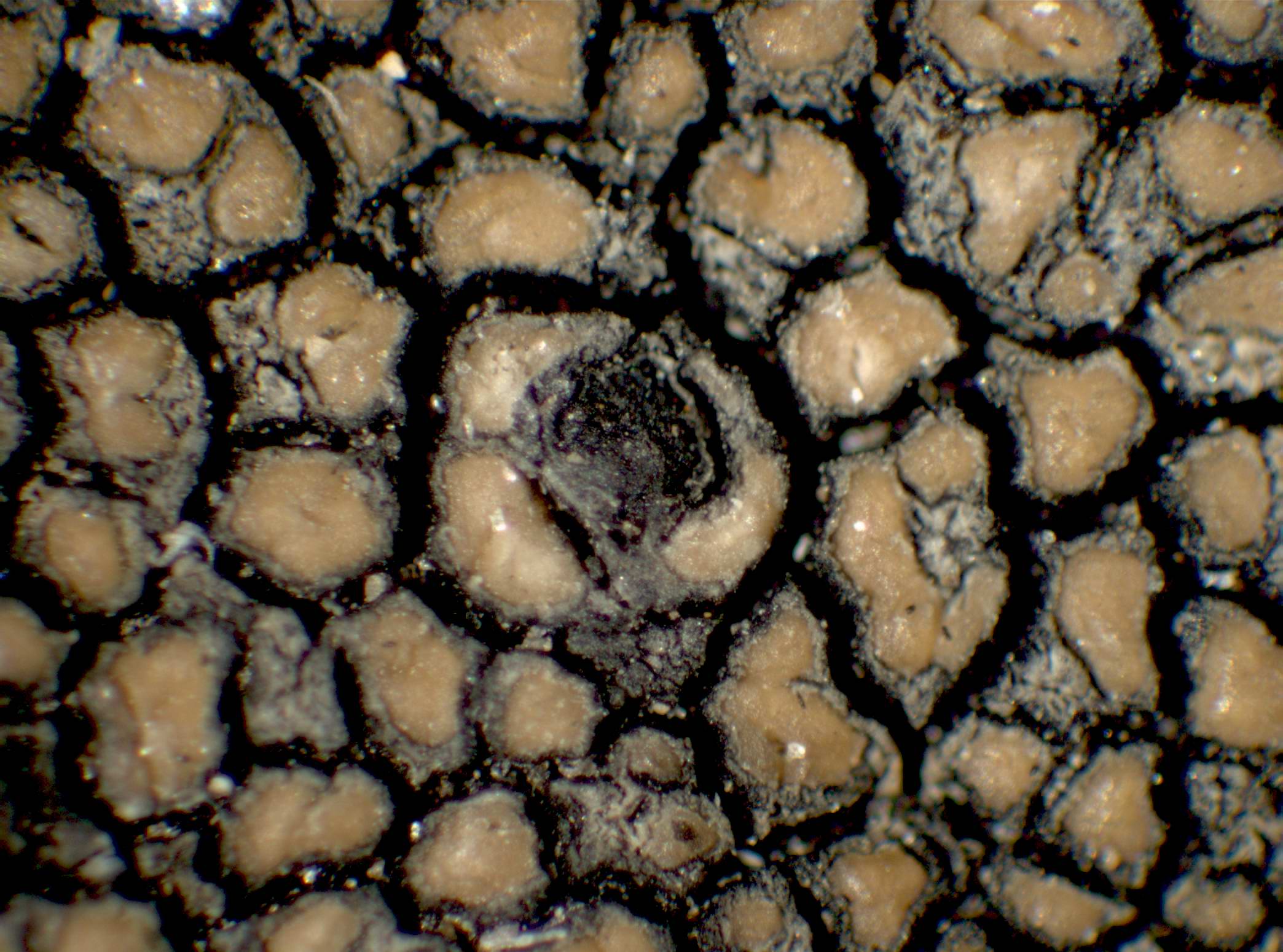
P.L. Nimis; Owner: Department of Life Sciences, University of Trieste
Herbarium: TSB (13494)
2001/11/30
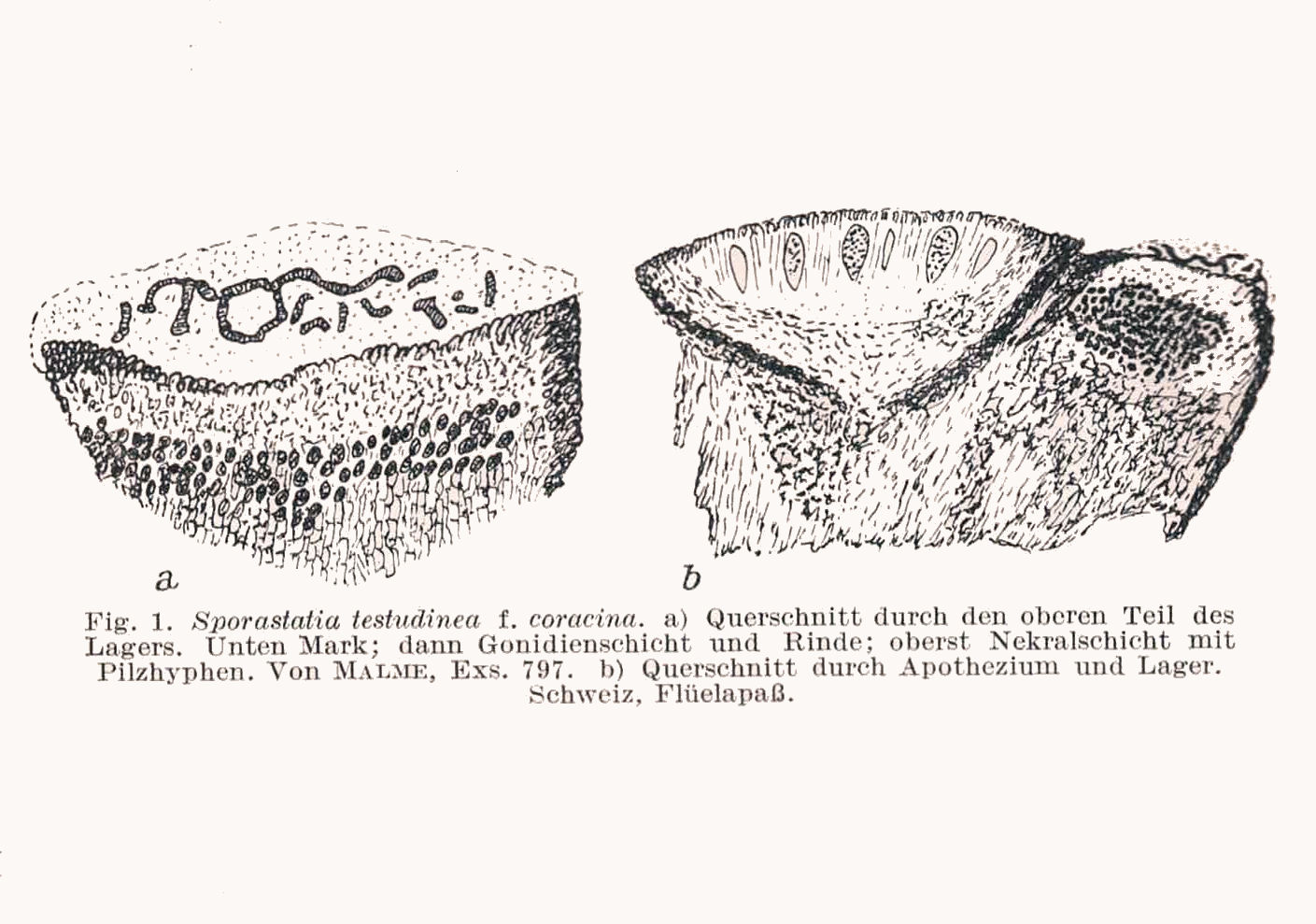
Magnusson A. H. (1935) Acarosporaceae, Thelocarpaceae. - In: Rabenhorst G. L.: Kryptogamen-Flora von Deutschland, Österreich, und der Schweiz-. 2nd- IX. Die Flechten. Abt. 5- 1. Gebr. Borntraeger. Leipzig, pp. 1-318. – Public Domain
Pier Luigi Nimis - CC BY-SA 4.0
TSB 44050
Pier Luigi Nimis - CC BY-SA 4.0
TSB 44050
Courtesy Danièle et Olivier Gonnet - Source: https://www.afl-lichenologie.fr/Photos_AFL/Photos_AFL_S/Text_S/Sporastatia_testudinea.htm
France, Col de la Cayolle - 23/7/2014 - session AFL dans le Mercatour - Alpes-de-Haute-Provence - (04) -
Courtesy Danièle et Olivier Gonnet - Source: https://www.afl-lichenologie.fr/Photos_AFL/Photos_AFL_S/Text_S/Sporastatia_testudinea.htm
France, Col de la Cayolle - 23/7/2014 - session AFL dans le Mercatour - Alpes-de-Haute-Provence - (04) -
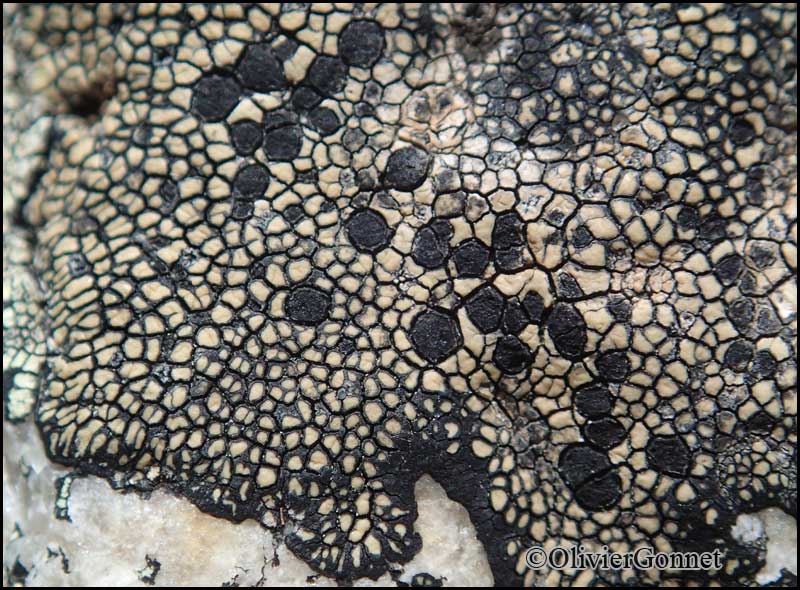
Courtesy Danièle et Olivier Gonnet - Source: https://www.afl-lichenologie.fr/Photos_AFL/Photos_AFL_S/Text_S/Sporastatia_testudinea.htm
France, Col de la Cayolle - 23/7/2014 - session AFL dans le Mercatour - Alpes-de-Haute-Provence - (04) -
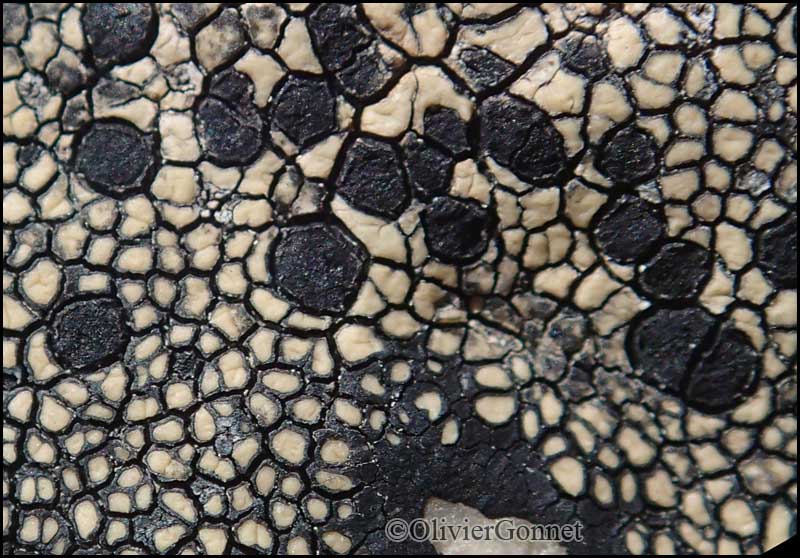
Courtesy Danièle et Olivier Gonnet - Source: https://www.afl-lichenologie.fr/Photos_AFL/Photos_AFL_S/Text_S/Sporastatia_testudinea.htm
France, Col de la Cayolle - 23/7/2014 - session AFL dans le Mercatour - Alpes-de-Haute-Provence - (04) -
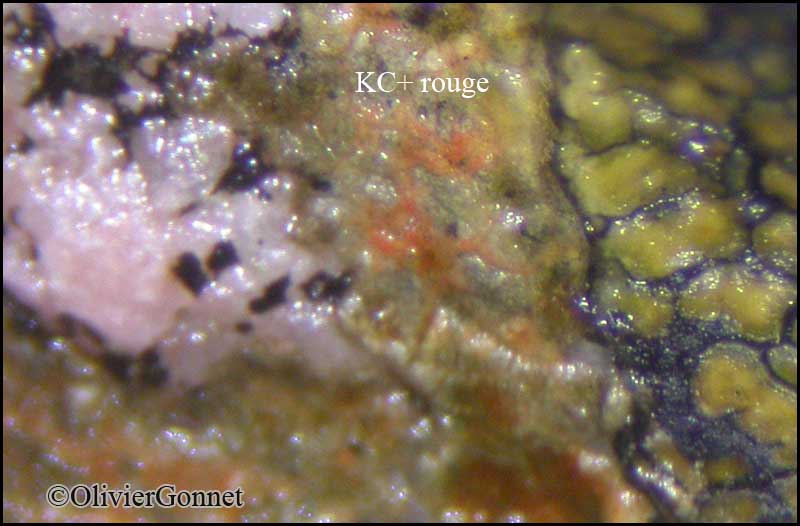
Courtesy Danièle et Olivier Gonnet - Source: https://www.afl-lichenologie.fr/Photos_AFL/Photos_AFL_S/Text_S/Sporastatia_testudinea.htm
France, Col de la Cayolle - 23/7/2014 - session AFL dans le Mercatour - Alpes-de-Haute-Provence - (04) -
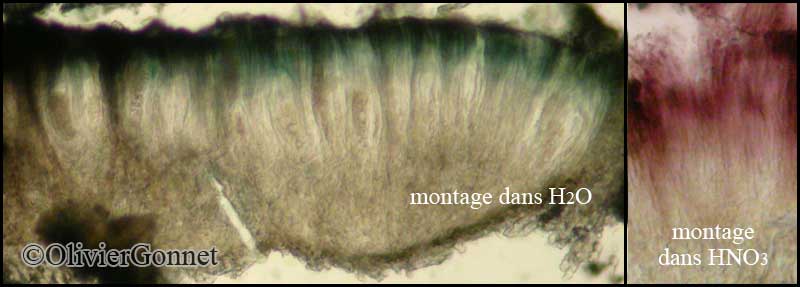
Courtesy Danièle et Olivier Gonnet - Source: https://www.afl-lichenologie.fr/Photos_AFL/Photos_AFL_S/Text_S/Sporastatia_testudinea.htm
France, Col de la Cayolle - 23/7/2014 - session AFL dans le Mercatour - Alpes-de-Haute-Provence - (04) -
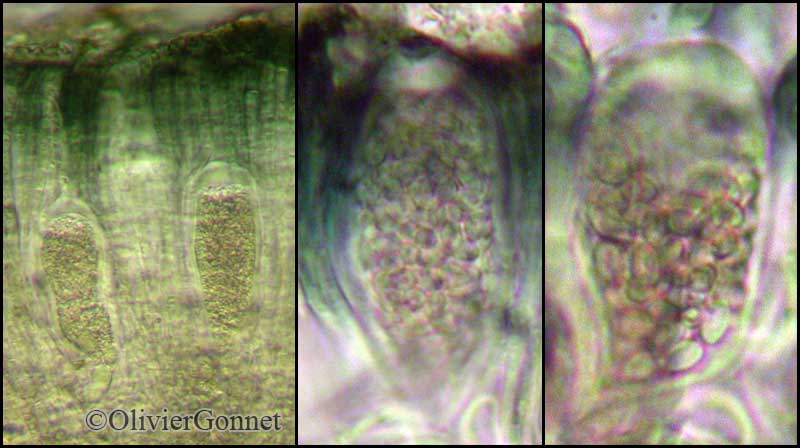
Courtesy Danièle et Olivier Gonnet - Source: https://www.afl-lichenologie.fr/Photos_AFL/Photos_AFL_S/Text_S/Sporastatia_testudinea.htm
France, Col de la Cayolle - 23/7/2014 - session AFL dans le Mercatour - Alpes-de-Haute-Provence - (04) -