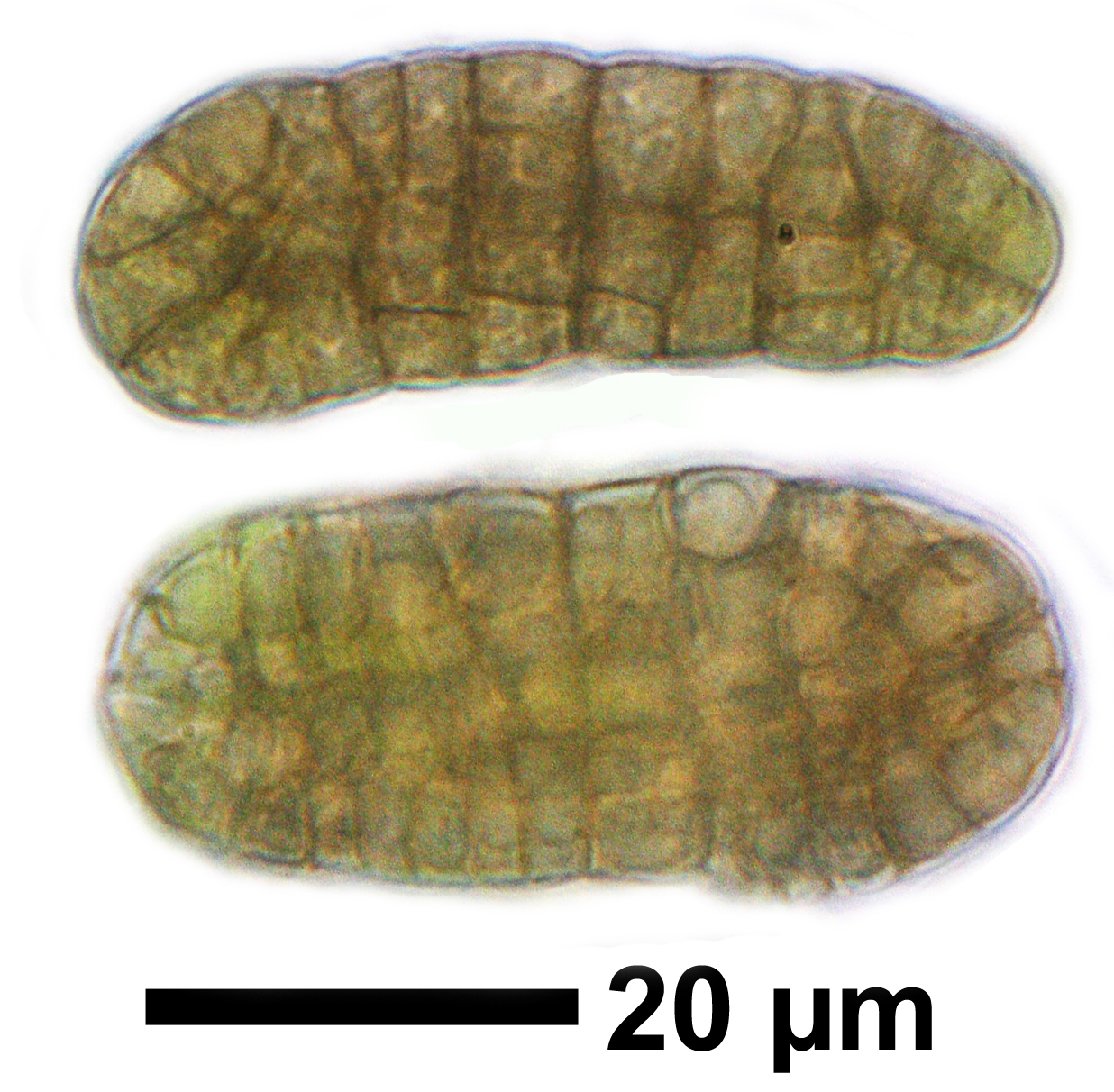
Staurothele frustulenta Vain.
Acta Soc. Fauna Fl. Fenn., 49, 2: 93, 1921.
Synonyms: Polyblastia spadicea (Wallr.) Jatta; Staurothele catalepta auct. p.p. non (Ach.) Blomb. & Forssell; Staurothele elegans (Wallr.) Zwackh; Stigmatomma spadiceum (Wallr.) Körb.
Description: Thallus crustose, episubstratic, thick, grey to chestnut brown, rarely dark brown, sometimes pale grey-pruinose, areolate and often secondarily cracked into small groups of convex areoles, rarely delimited by a white to brownish prothallus; fertile areoles distinctly larger than the sterile ones. Perithecia black, 0.2-0.45 mm across (in section), mostly one per areole, either completely immersed, or slightly projecting and with the basal parts covered by a thalline layer. Involucrellum mostly apical and poorly developed, dark brown to black, rarely reaching to base-level; exciple colourless or pale brown, darker around the ostiole; hymenial gel I+ red (I+ blue at very low concentrations of iodine), K/I+ blue; hymenial algae globose-cuboid, 2-5 μm wide; hamathecium of periphyses and periphysoids, interascal filaments absent. Asci 2-spored, verrucarioid, clavate, the wall thickened above, with an ocular chamber, after dehiscence with a delicate extruded endotunica, I-, K/I-. Ascospores muriform, pale brown at maturity, oblong-ellipsoid, (29-)33-48(-54) x 12-25 μm, the upper spore wider and often longer than the other. Photobiont chlorococcoid, present in both thallus and hymenium. Spot tests: K-, C-, KC-, P-, UV-. Chemistry: without lichen substances.
Growth form: Crustose
Substrata: rocks
Photobiont: green algae other than Trentepohlia
Reproductive strategy: mainly sexual
Commonnes-rarity: (info)
Alpine belt: absent
Subalpine belt: absent
Montane belt: very rare
Dry submediterranean belt: very rare
Humid submediterranean belt: absent
Padanian area: absent
pH of the substrata:
1 2 3 4 5

Solar irradiation:
1 2 3 4 5
Aridity:
1 2 3 4 5
Eutrophication:
1 2 3 4 5
Poleotolerance:
0 1 2 3
Altitudinal distribution:
1 2 3 4 5 6
Rarity
absent
extremely rare
very rare
rare
rather rare
rather common
common
very common
extremely common
Loading data...
Occurrence data
Predictive map
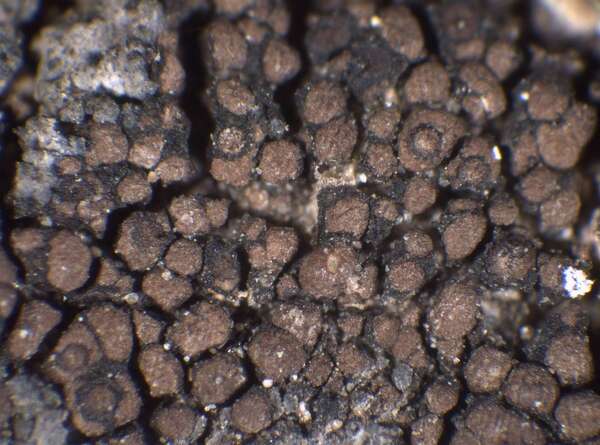
P.L. Nimis; Owner: Department of Life Sciences, University of Trieste
Herbarium: TSB (29885)
2002/12/04
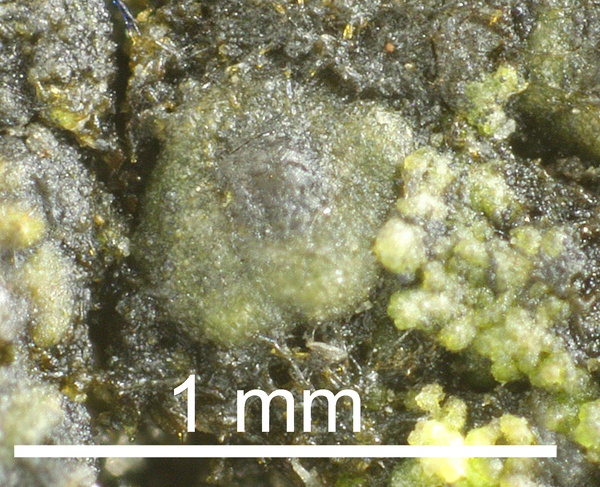
Felix Schumm CC BY-SA 4.0
[16494], Germany, Baden-Württemberg, Rems-Muss-Kreis, Stetten/ Rems, Haldenbachtal, an kalkhaltigem Sandsteinblock, 48,77637° N, 9,33998° E, 311 m. Leg. et det. Schumm 17.05.2010
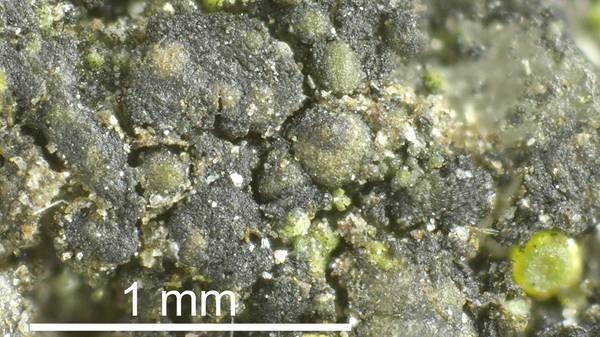
Felix Schumm CC BY-SA 4.0
[16494], Germany, Baden-Württemberg, Rems-Muss-Kreis, Stetten/ Rems, Haldenbachtal, an kalkhaltigem Sandsteinblock, 48,77637° N, 9,33998° E, 311 m. Leg. et det. Schumm 17.05.2010
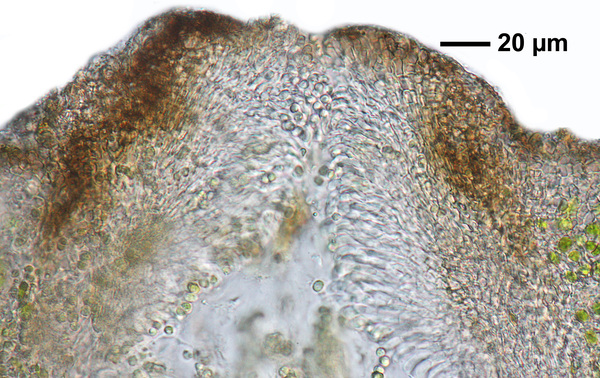
Felix Schumm CC BY-SA 4.0
[16494], Germany, Baden-Württemberg, Rems-Muss-Kreis, Stetten/ Rems, Haldenbachtal, an kalkhaltigem Sandsteinblock, 48,77637° N, 9,33998° E, 311 m. Leg. et det. Schumm 17.05.2010
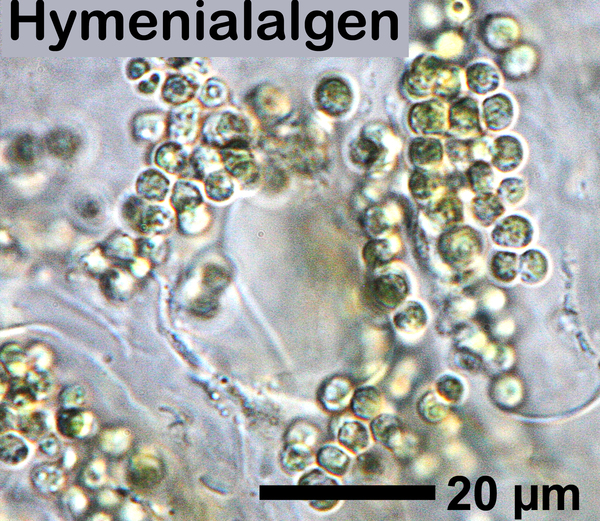
Felix Schumm CC BY-SA 4.0
[16494], Germany, Baden-Württemberg, Rems-Muss-Kreis, Stetten/ Rems, Haldenbachtal, an kalkhaltigem Sandsteinblock, 48,77637° N, 9,33998° E, 311 m. Leg. et det. Schumm 17.05.2010
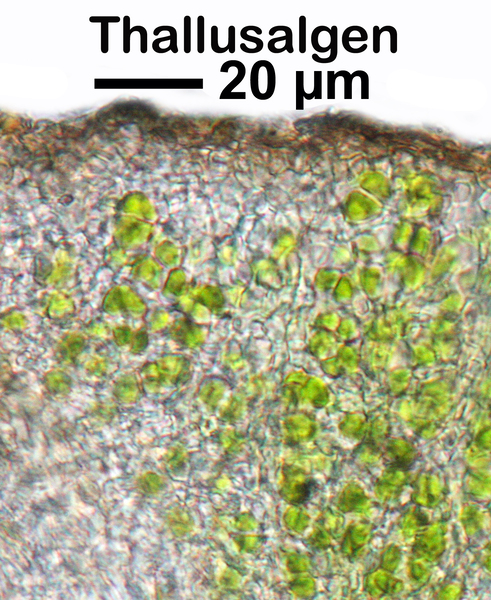
Felix Schumm CC BY-SA 4.0
[16494], Germany, Baden-Württemberg, Rems-Muss-Kreis, Stetten/ Rems, Haldenbachtal, an kalkhaltigem Sandsteinblock, 48,77637° N, 9,33998° E, 311 m. Leg. et det. Schumm 17.05.2010
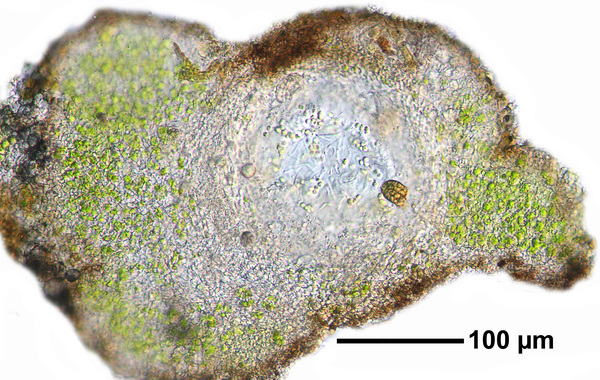
Felix Schumm CC BY-SA 4.0
[16494], Germany, Baden-Württemberg, Rems-Muss-Kreis, Stetten/ Rems, Haldenbachtal, an kalkhaltigem Sandsteinblock, 48,77637° N, 9,33998° E, 311 m. Leg. et det. Schumm 17.05.2010
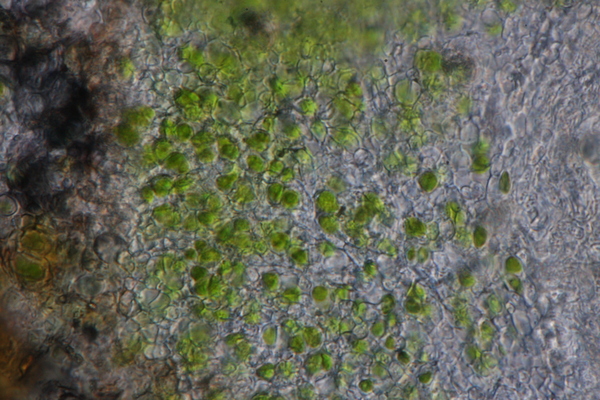
Felix Schumm CC BY-SA 4.0
[16494], Germany, Baden-Württemberg, Rems-Muss-Kreis, Stetten/ Rems, Haldenbachtal, an kalkhaltigem Sandsteinblock, 48,77637° N, 9,33998° E, 311 m. Leg. et det. Schumm 17.05.2010
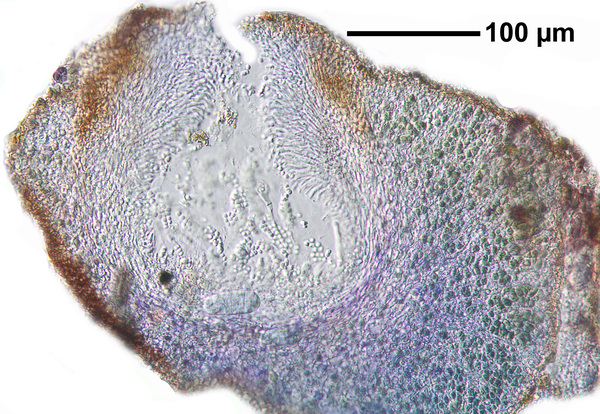
Felix Schumm CC BY-SA 4.0
[16494], Germany, Baden-Württemberg, Rems-Muss-Kreis, Stetten/ Rems, Haldenbachtal, an kalkhaltigem Sandsteinblock, 48,77637° N, 9,33998° E, 311 m. Leg. et det. Schumm 17.05.2010
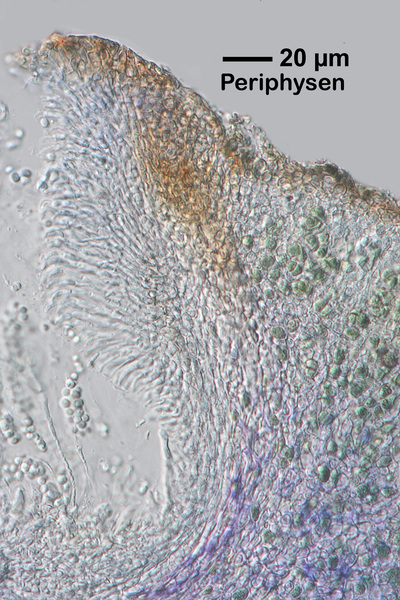
Felix Schumm CC BY-SA 4.0
[16494], Germany, Baden-Württemberg, Rems-Muss-Kreis, Stetten/ Rems, Haldenbachtal, an kalkhaltigem Sandsteinblock, 48,77637° N, 9,33998° E, 311 m. Leg. et det. Schumm 17.05.2010
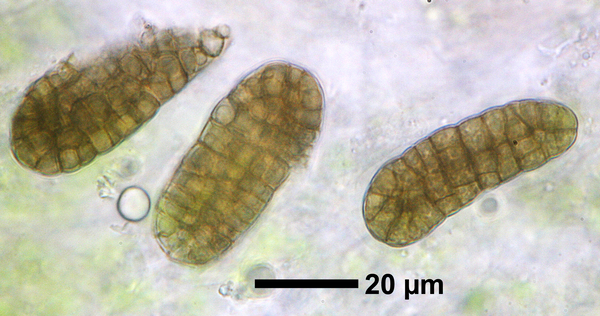
Felix Schumm CC BY-SA 4.0
[16494], Germany, Baden-Württemberg, Rems-Muss-Kreis, Stetten/ Rems, Haldenbachtal, an kalkhaltigem Sandsteinblock, 48,77637° N, 9,33998° E, 311 m. Leg. et det. Schumm 17.05.2010
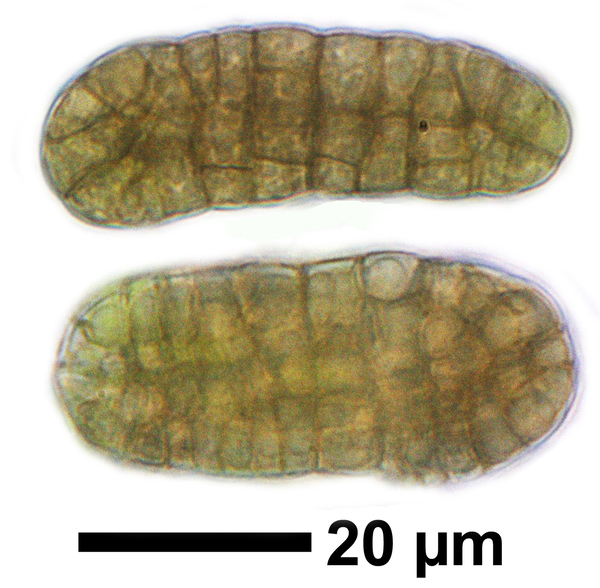
Felix Schumm CC BY-SA 4.0
[16494], Germany, Baden-Württemberg, Rems-Muss-Kreis, Stetten/ Rems, Haldenbachtal, an kalkhaltigem Sandsteinblock, 48,77637° N, 9,33998° E, 311 m. Leg. et det. Schumm 17.05.2010
Growth form: Crustose
Substrata: rocks
Photobiont: green algae other than Trentepohlia
Reproductive strategy: mainly sexual
Commonnes-rarity: (info)
Alpine belt: absent
Subalpine belt: absent
Montane belt: very rare
Dry submediterranean belt: very rare
Humid submediterranean belt: absent
Padanian area: absent
pH of the substrata:
| 1 | 2 | 3 | 4 | 5 |
Solar irradiation:
| 1 | 2 | 3 | 4 | 5 |
Aridity:
| 1 | 2 | 3 | 4 | 5 |
Eutrophication:
| 1 | 2 | 3 | 4 | 5 |
Poleotolerance:
| 0 | 1 | 2 | 3 |
Altitudinal distribution:
| 1 | 2 | 3 | 4 | 5 | 6 |
Rarity
absent
extremely rare
very rare
rare
rather rare
rather common
common
very common
extremely common
Loading data...
Occurrence data
Predictive map
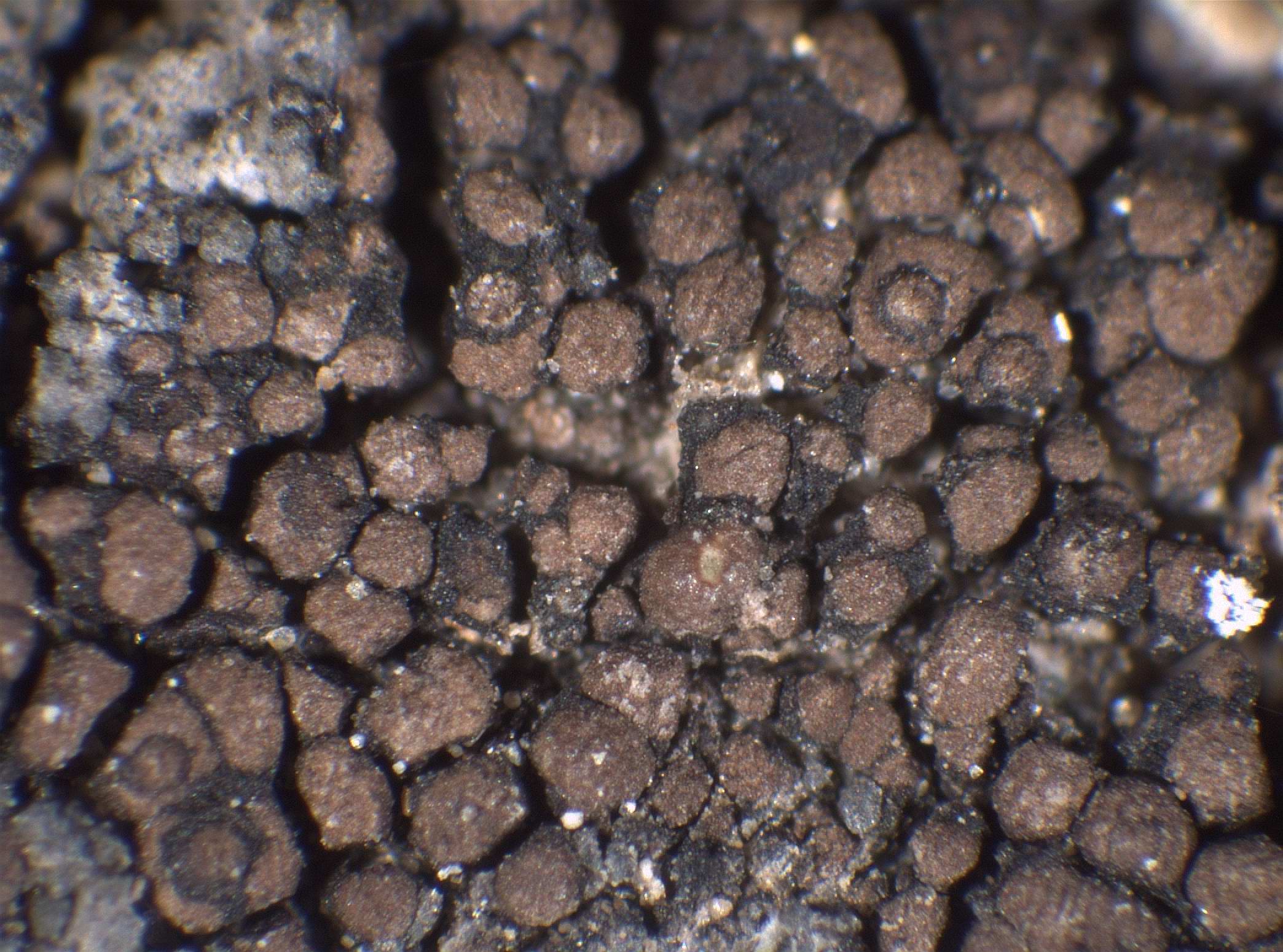
P.L. Nimis; Owner: Department of Life Sciences, University of Trieste
Herbarium: TSB (29885)
2002/12/04
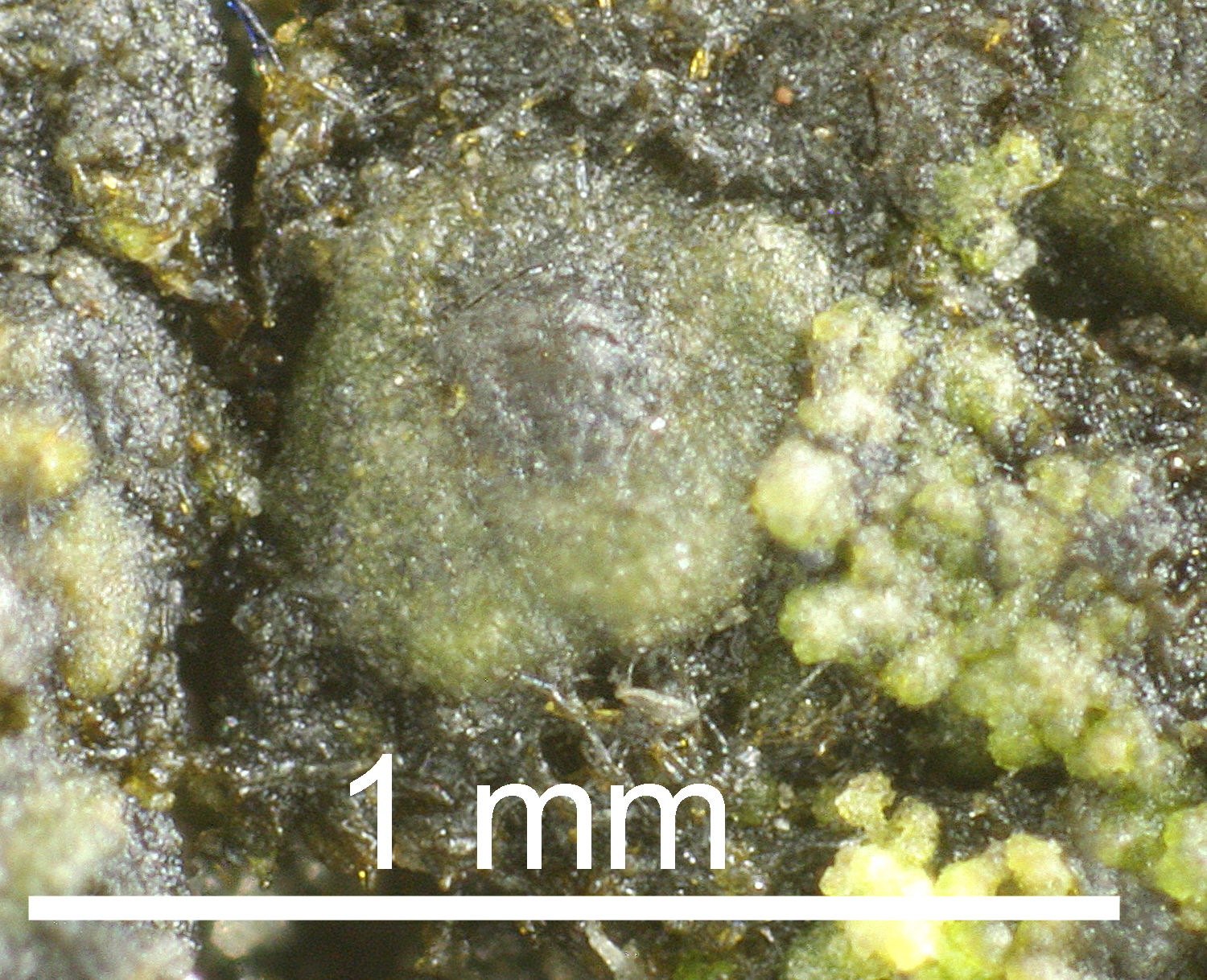
Felix Schumm CC BY-SA 4.0
[16494], Germany, Baden-Württemberg, Rems-Muss-Kreis, Stetten/ Rems, Haldenbachtal, an kalkhaltigem Sandsteinblock, 48,77637° N, 9,33998° E, 311 m. Leg. et det. Schumm 17.05.2010
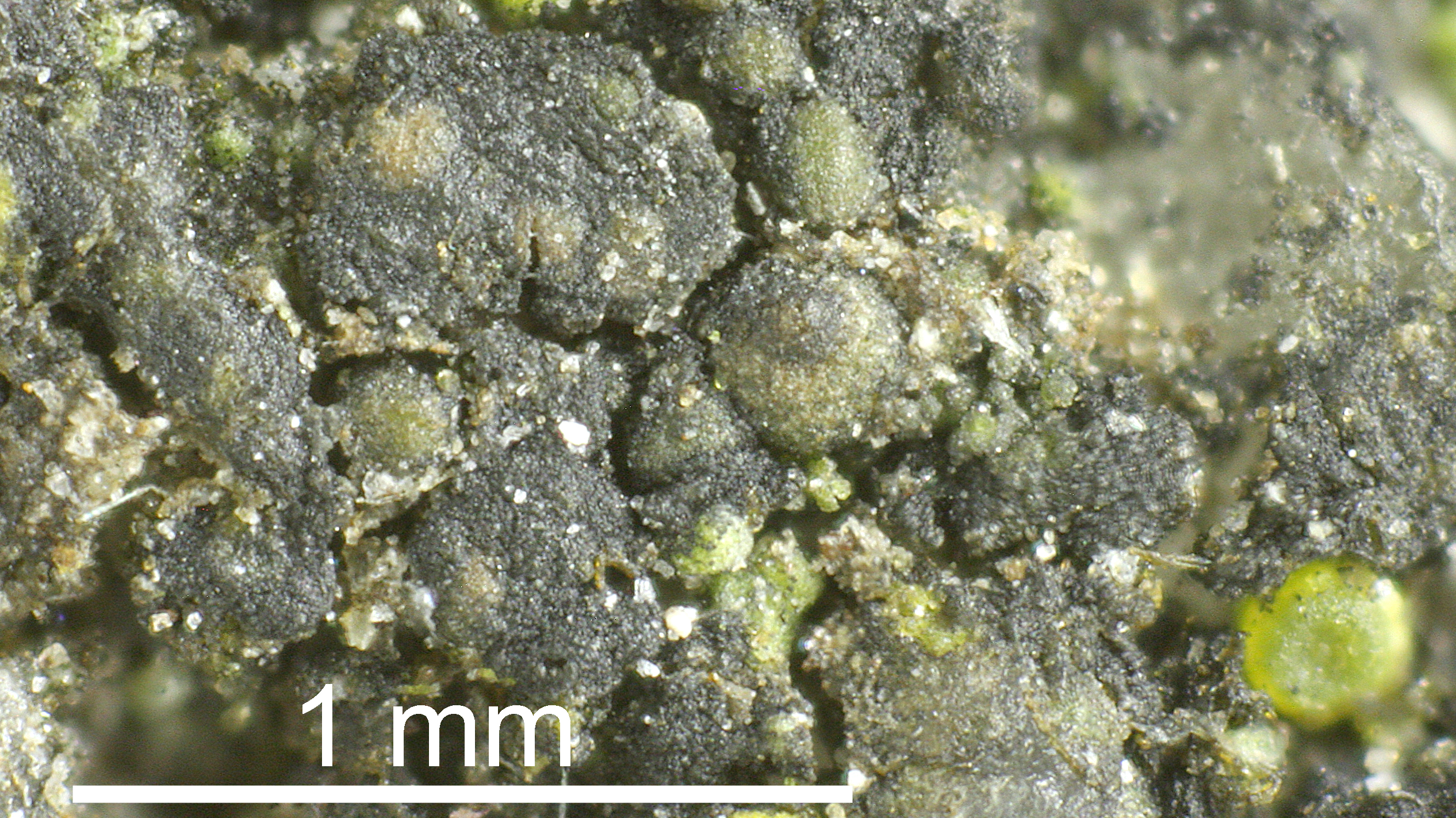
Felix Schumm CC BY-SA 4.0
[16494], Germany, Baden-Württemberg, Rems-Muss-Kreis, Stetten/ Rems, Haldenbachtal, an kalkhaltigem Sandsteinblock, 48,77637° N, 9,33998° E, 311 m. Leg. et det. Schumm 17.05.2010
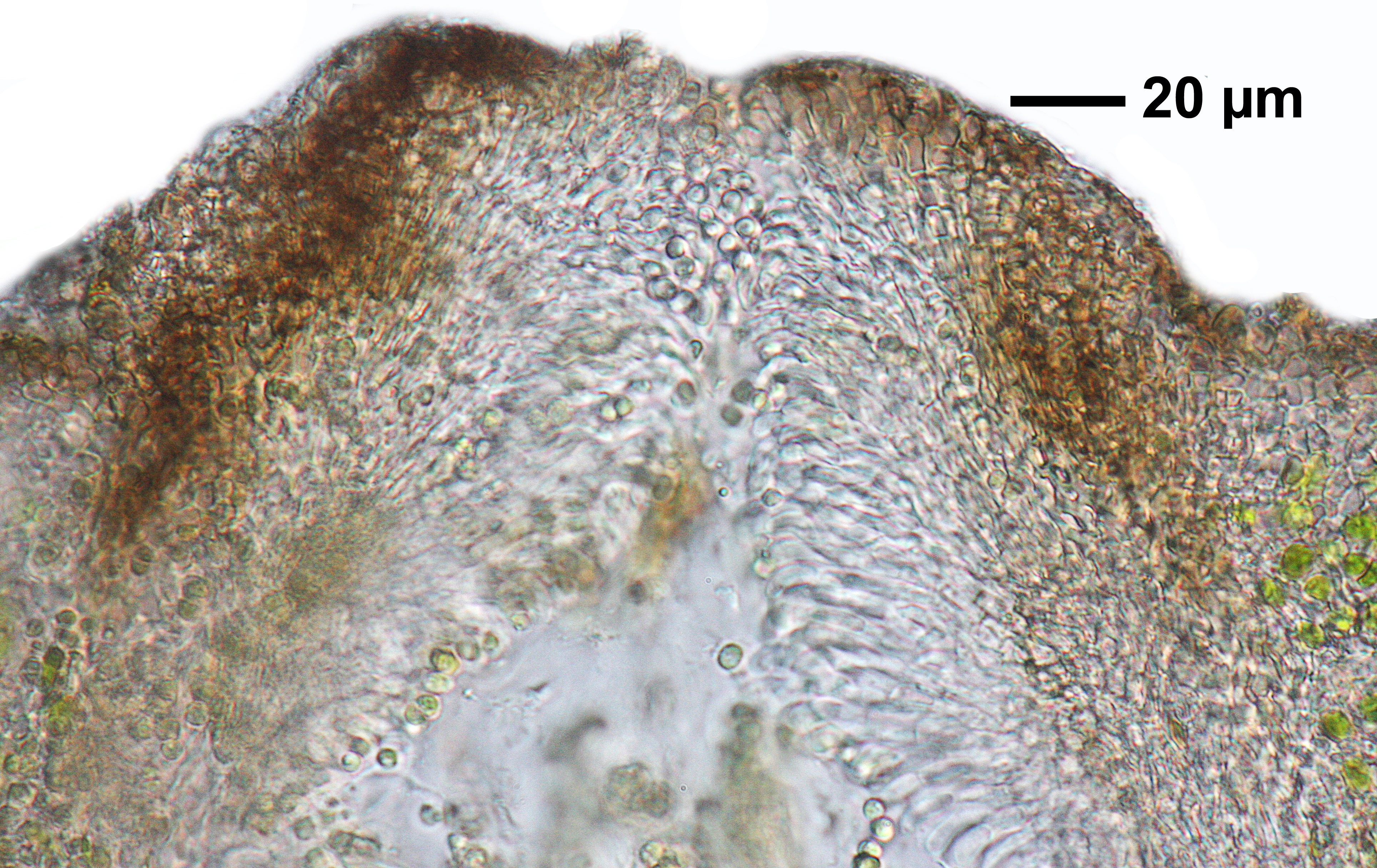
Felix Schumm CC BY-SA 4.0
[16494], Germany, Baden-Württemberg, Rems-Muss-Kreis, Stetten/ Rems, Haldenbachtal, an kalkhaltigem Sandsteinblock, 48,77637° N, 9,33998° E, 311 m. Leg. et det. Schumm 17.05.2010
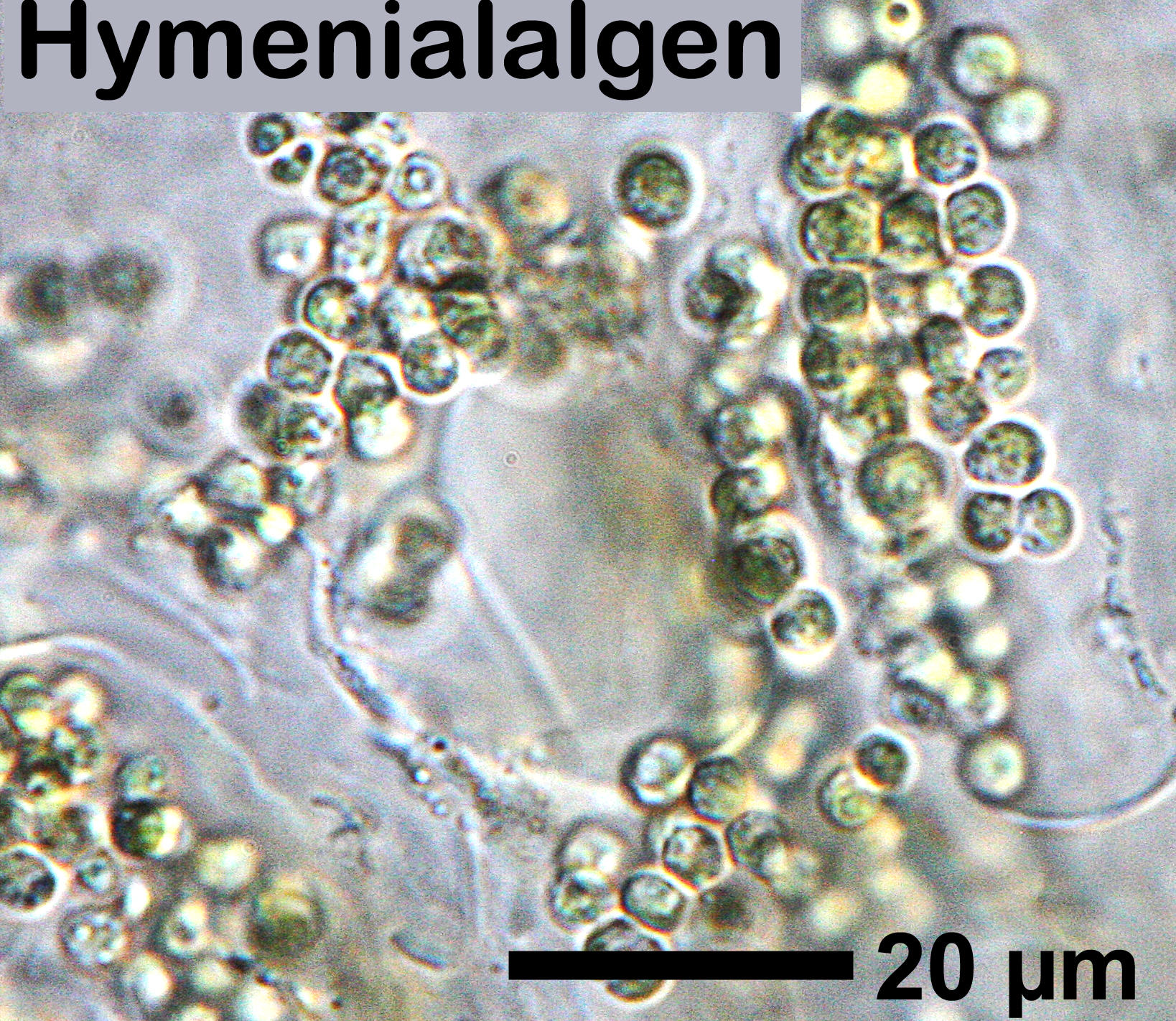
Felix Schumm CC BY-SA 4.0
[16494], Germany, Baden-Württemberg, Rems-Muss-Kreis, Stetten/ Rems, Haldenbachtal, an kalkhaltigem Sandsteinblock, 48,77637° N, 9,33998° E, 311 m. Leg. et det. Schumm 17.05.2010
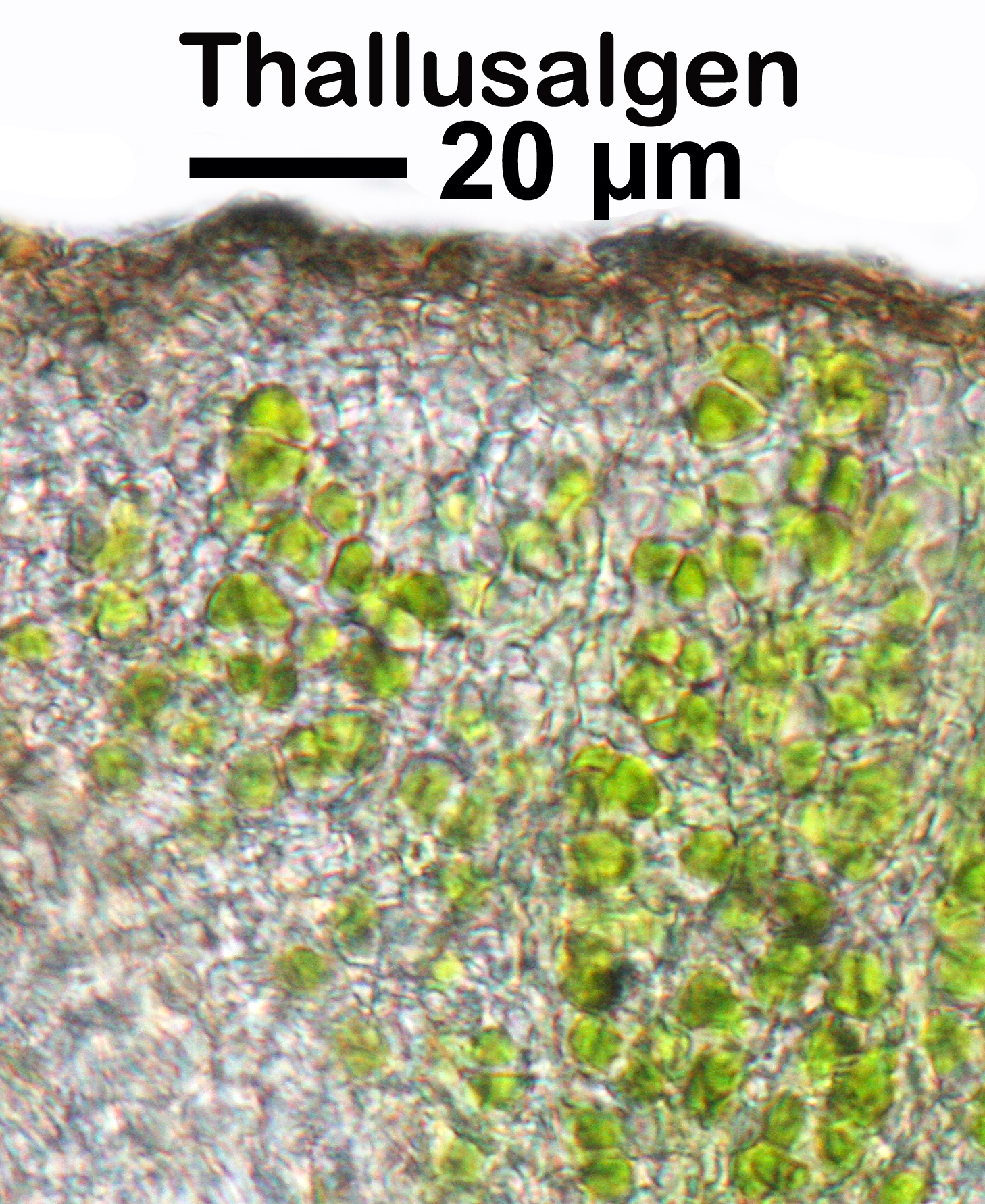
Felix Schumm CC BY-SA 4.0
[16494], Germany, Baden-Württemberg, Rems-Muss-Kreis, Stetten/ Rems, Haldenbachtal, an kalkhaltigem Sandsteinblock, 48,77637° N, 9,33998° E, 311 m. Leg. et det. Schumm 17.05.2010
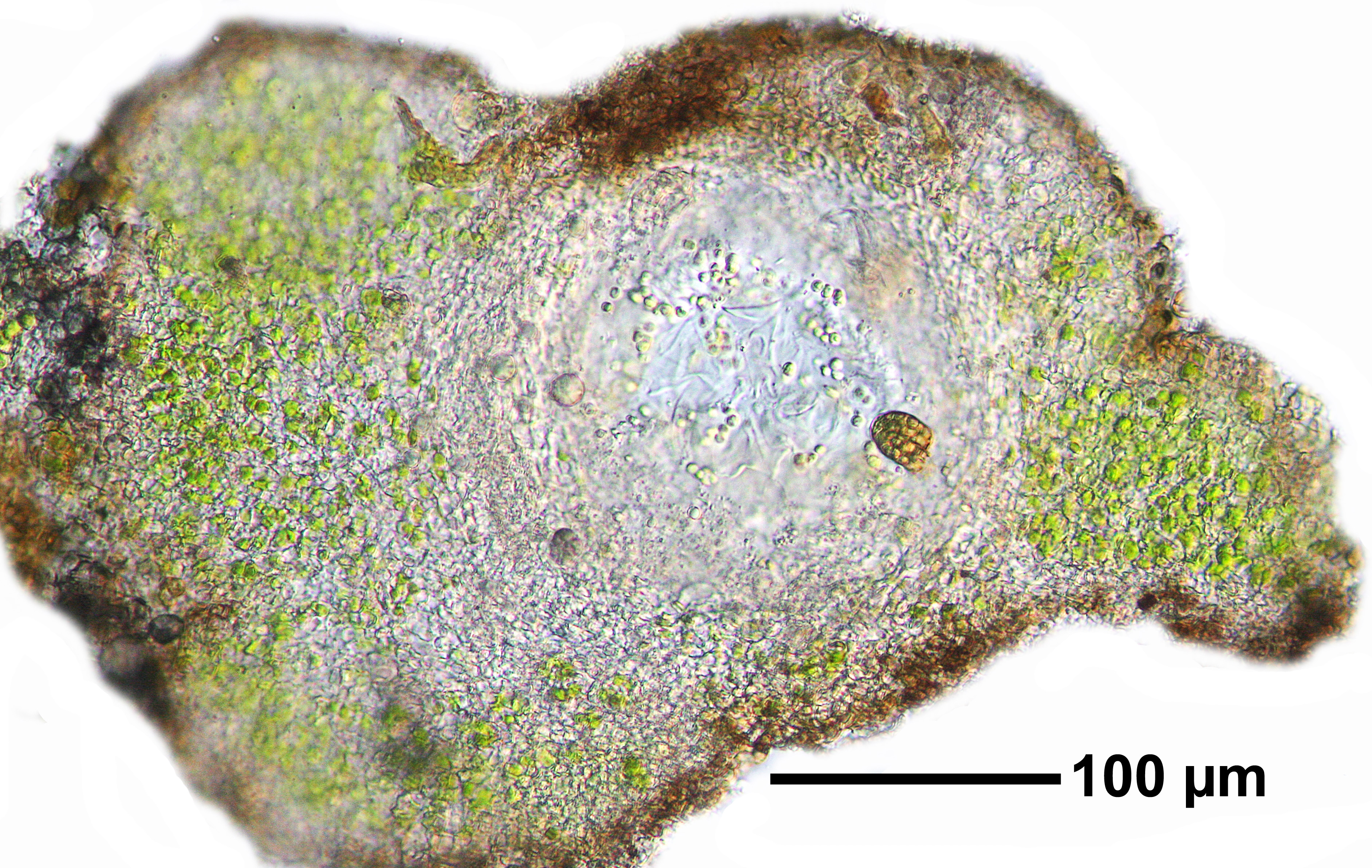
Felix Schumm CC BY-SA 4.0
[16494], Germany, Baden-Württemberg, Rems-Muss-Kreis, Stetten/ Rems, Haldenbachtal, an kalkhaltigem Sandsteinblock, 48,77637° N, 9,33998° E, 311 m. Leg. et det. Schumm 17.05.2010
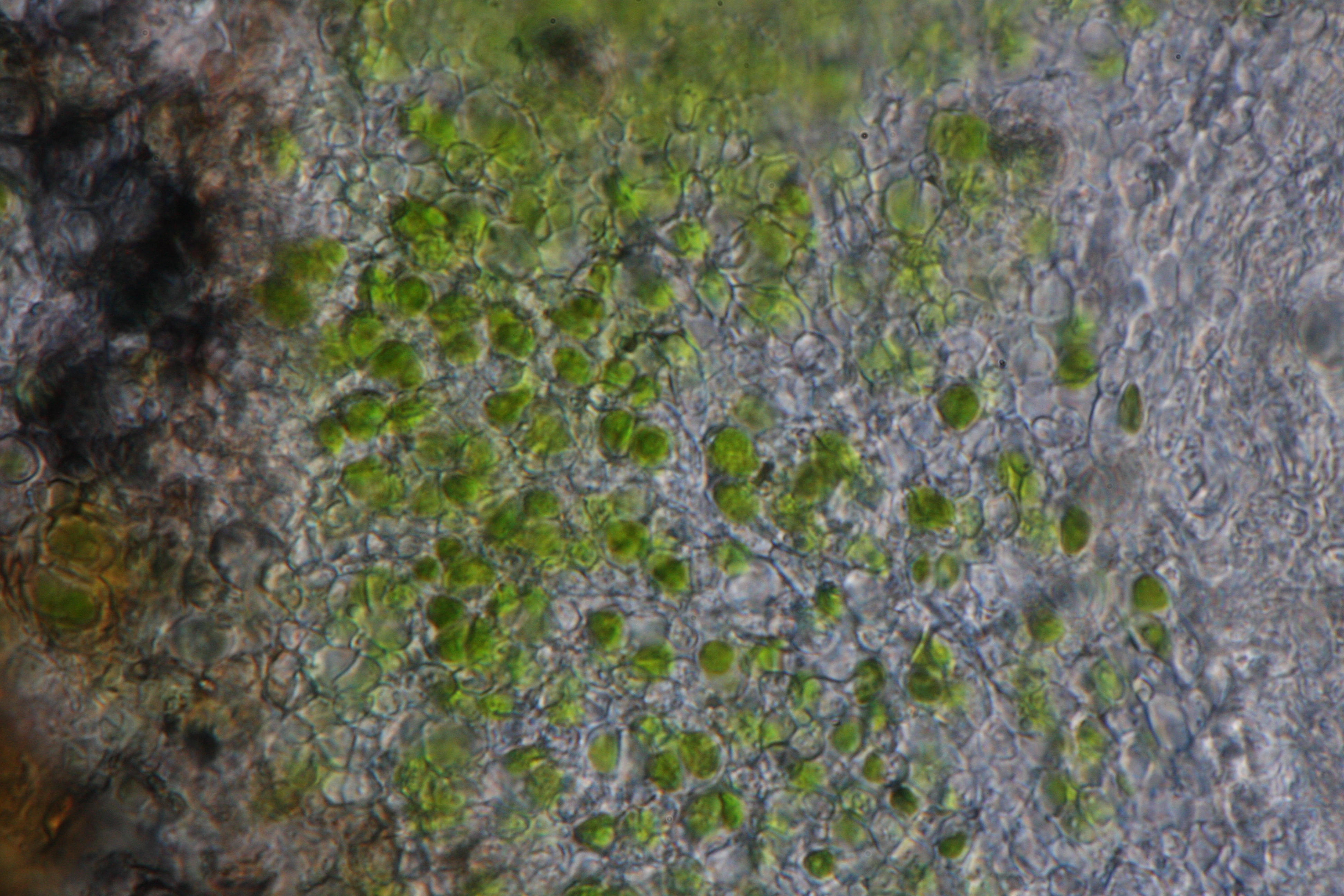
Felix Schumm CC BY-SA 4.0
[16494], Germany, Baden-Württemberg, Rems-Muss-Kreis, Stetten/ Rems, Haldenbachtal, an kalkhaltigem Sandsteinblock, 48,77637° N, 9,33998° E, 311 m. Leg. et det. Schumm 17.05.2010
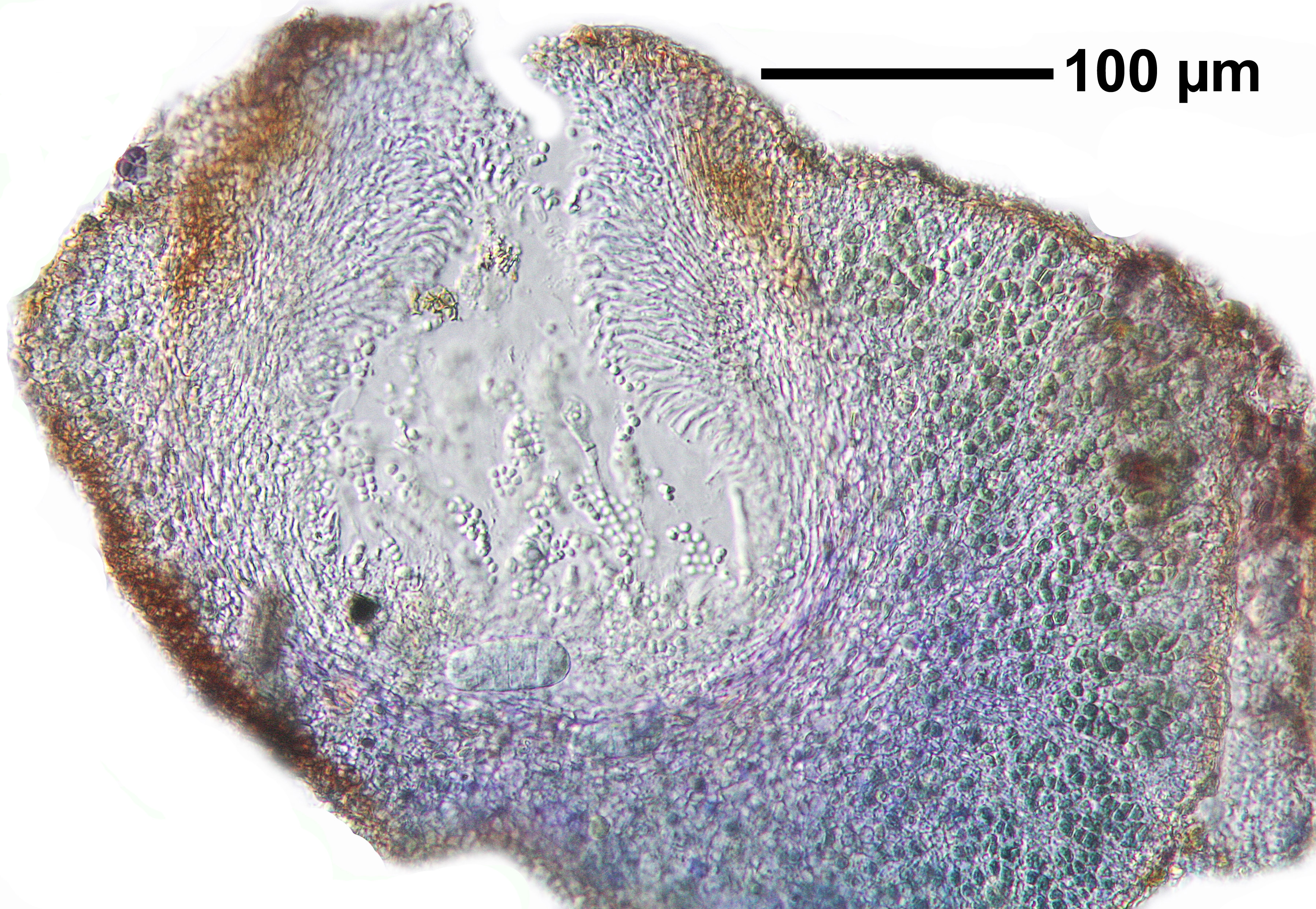
Felix Schumm CC BY-SA 4.0
[16494], Germany, Baden-Württemberg, Rems-Muss-Kreis, Stetten/ Rems, Haldenbachtal, an kalkhaltigem Sandsteinblock, 48,77637° N, 9,33998° E, 311 m. Leg. et det. Schumm 17.05.2010
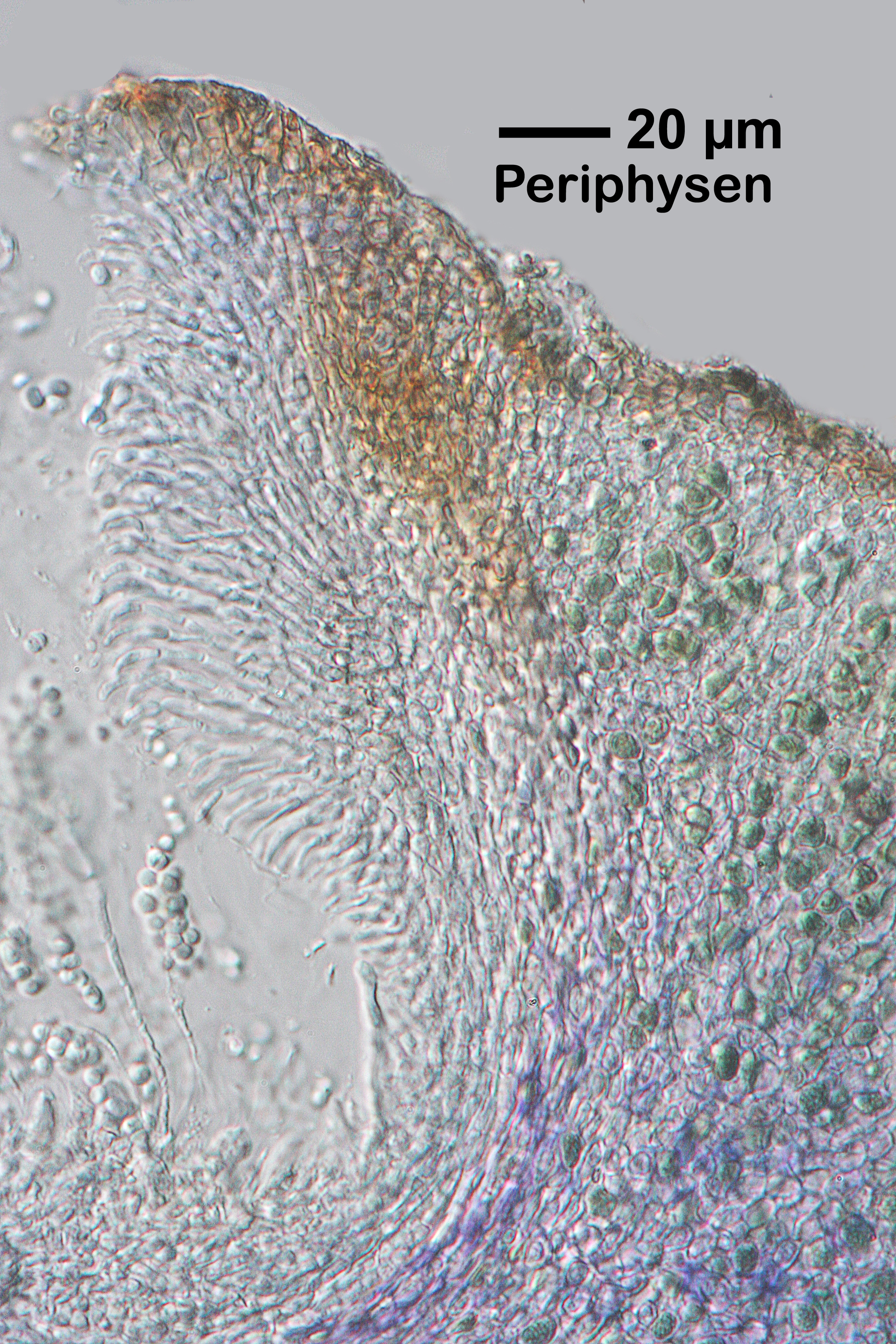
Felix Schumm CC BY-SA 4.0
[16494], Germany, Baden-Württemberg, Rems-Muss-Kreis, Stetten/ Rems, Haldenbachtal, an kalkhaltigem Sandsteinblock, 48,77637° N, 9,33998° E, 311 m. Leg. et det. Schumm 17.05.2010
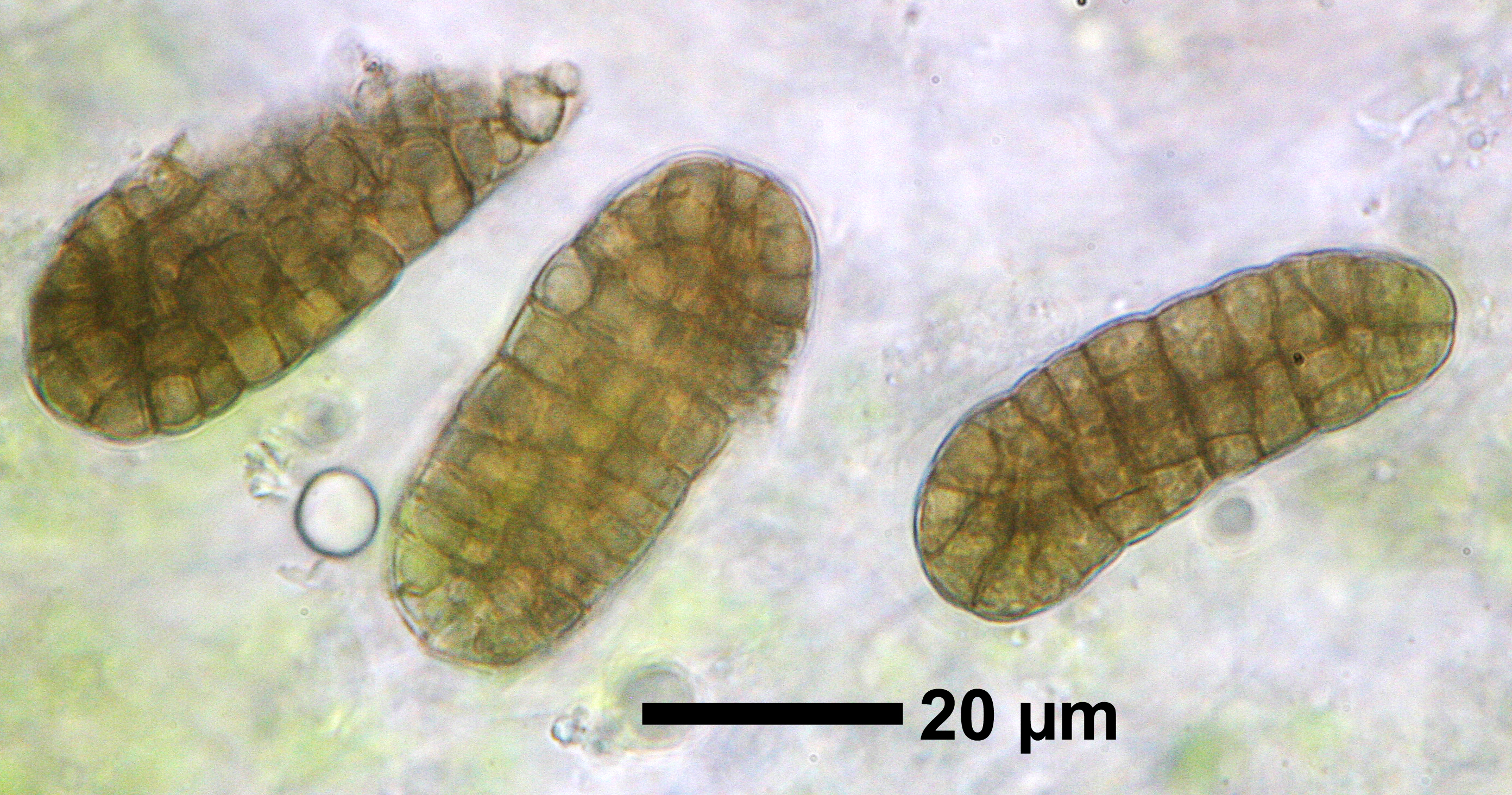
Felix Schumm CC BY-SA 4.0
[16494], Germany, Baden-Württemberg, Rems-Muss-Kreis, Stetten/ Rems, Haldenbachtal, an kalkhaltigem Sandsteinblock, 48,77637° N, 9,33998° E, 311 m. Leg. et det. Schumm 17.05.2010