Stereocaulon dactylophyllum Flörke
Deutsch. Lich., 4: 13, 1819.
Synonyms: Stereocaulon coralloides Th. Fr.; Stereocaulon coralloides var. dactylophyllum (Flörke) Th. Fr.; Stereocaulon curtulum Nyl.
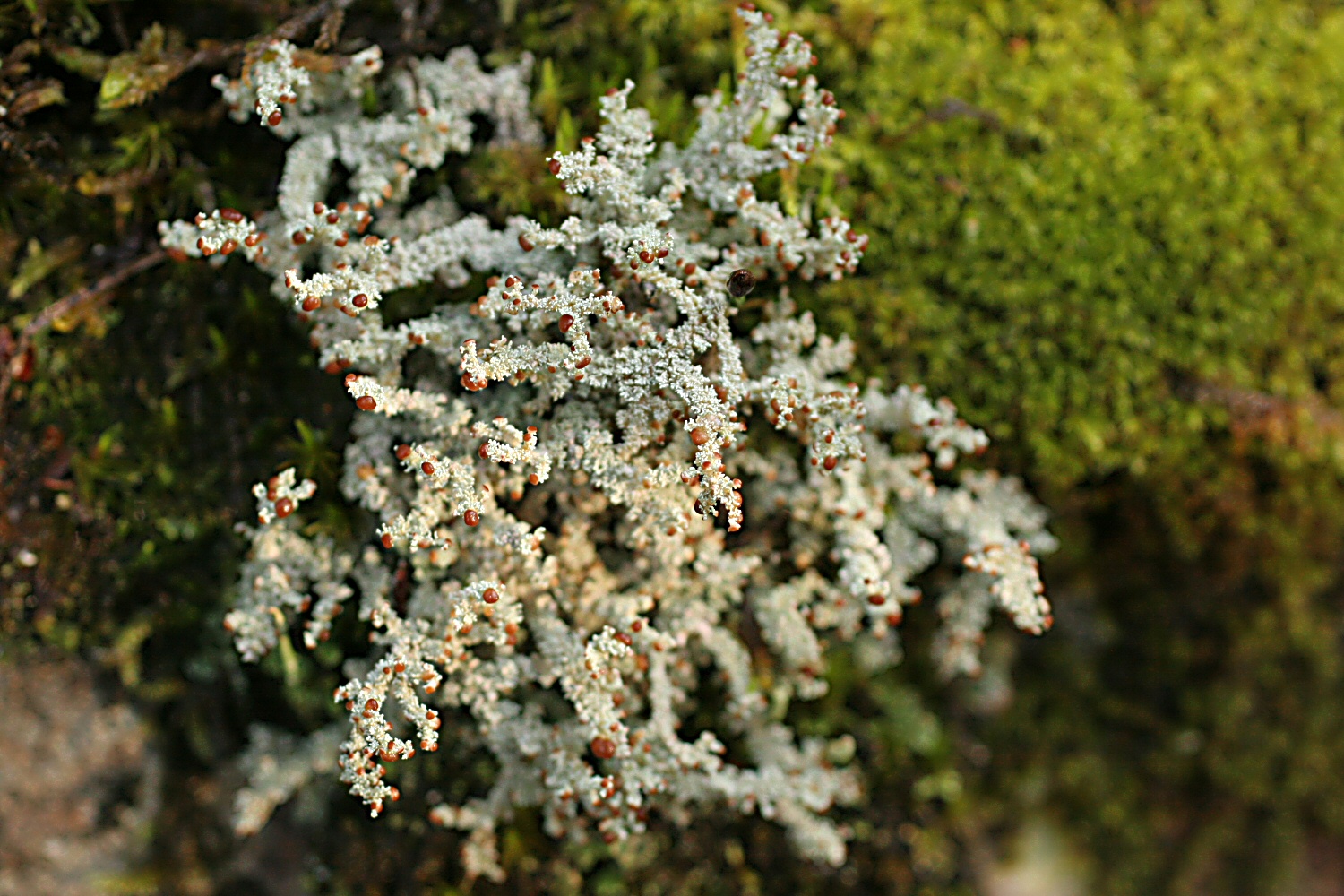
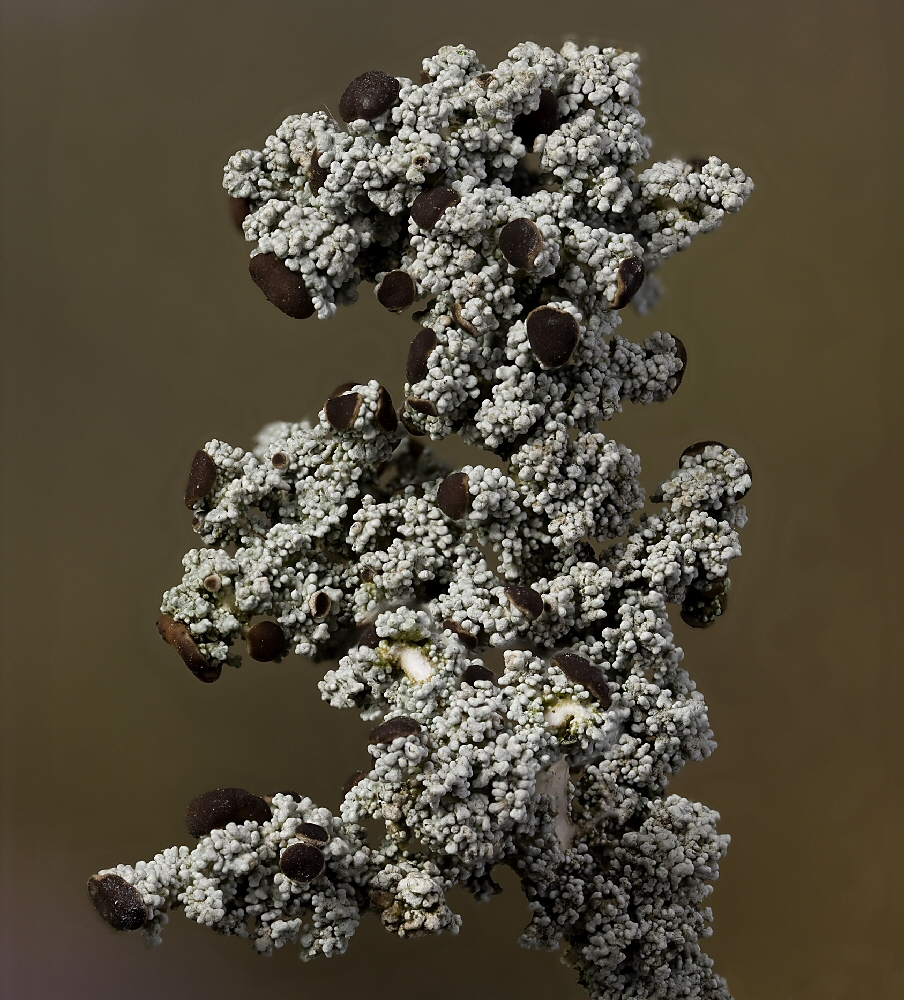
Description: Primary thallus crustose or minutely squamulose, ephemeral, usually absent in mature individuals, secondary thallus fruticose, forming small cushions which are firmly attached to rocks. Pseudopodetia erect or spreading, (1-)2-4(-6) cm tall, grey-greenish when moist, grey when dry, short-tomentose on the upper surface off young branches, otherwise glabrous , with a solid cartilaginous axis of parallel hyphae surrounded by a lax medulla. Phyllocladia cylindrical, branched, becoming coralloid and elongate, not confluent, occasionally forming crust-like masses. Cephalodia rare, to 0.3 mm across, verrucose or granular, brownish grey, partly embedded in the tomentum, containing Stigonema. Apothecia usually numerous at apices of small lateral branches, 1-2 mm across, the disc flat to slightly convex, brown-red when moist, blackish when dry, with a thin but distinct, paler proper margin. Proper exciple brown in outer part, colourless within; epithecium brown, K-; hymenium colourless; paraphyses mostly simple, 1.4-1.8 µm thick, the apical cells to 4 µm wide, with a dark cap; hypothecium colourless. Asci 8-spored, cylindrical-clavate, with a K/I+ blue outer layer and apical dome, and a central, K/I+ darker blue tube, Porpidia-type. Ascospores 3-7-septate, hyaline, 20-40(-45) x 2.5-4(-6) µm. Conidia 1-celled, hyaline, bacilliform, 3.5-5 x 1 µm. Main photobiont chlorococcoid. Spot tests: K+ yellow, C-, KC-, P+ slowly orange, UV-. Chemistry: atranorin and stictic acid, sometimes with traces of norstictic acid.
Growth form: Fruticose
Substrata: rocks
Photobiont: green algae other than Trentepohlia (primary); cyanobacteria, filamentous (e.g. Nostoc, Scytonema) (secundary, e.g. in cephalodia)
Reproductive strategy: mainly sexual
Commonnes-rarity: (info)
Alpine belt: very rare
Subalpine belt: rare
Montane belt: absent
Dry submediterranean belt: absent
Humid submediterranean belt: absent
Padanian area: absent
pH of the substrata:
1 2 3 4 5

Solar irradiation:
1 2 3 4 5
Aridity:
1 2 3 4 5
Eutrophication:
1 2 3 4 5
Poleotolerance:
0 1 2 3
Altitudinal distribution:
1 2 3 4 5 6
Rarity
absent
extremely rare
very rare
rare
rather rare
rather common
common
very common
extremely common
Loading data...
Occurrence data
Predictive map
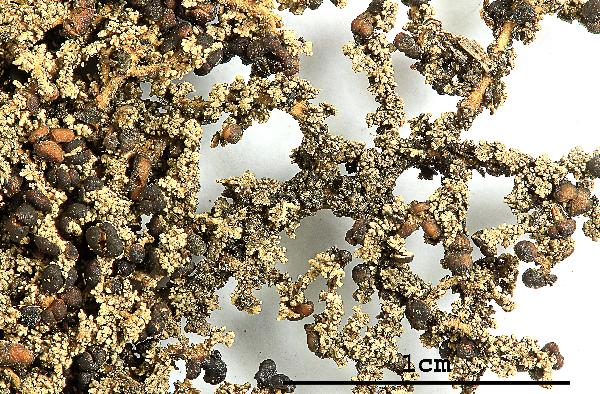
Felix Schumm - CC BY-SA 4.0
[9910], Bohemia austr.-occidentalis., montes Šumava (Gabreta), distr.
Železná Hora, in valle rivi Svarožné, ca. 910 m. Moles saxorum, ad
saxa. Leg. A. V zda, 12.10.1999. Ex Herbario A. Vezda s. nr.
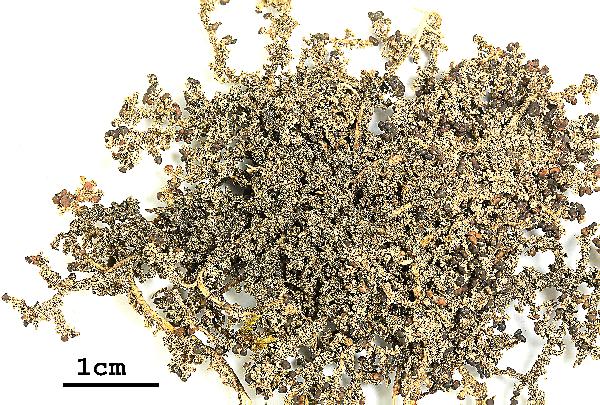
Felix Schumm - CC BY-SA 4.0
[9910], Bohemia austr.-occidentalis., montes Šumava (Gabreta), distr.
Železná Hora, in valle rivi Svarožné, ca. 910 m. Moles saxorum, ad
saxa. Leg. A. V zda, 12.10.1999. Ex Herbario A. Vezda s. nr.
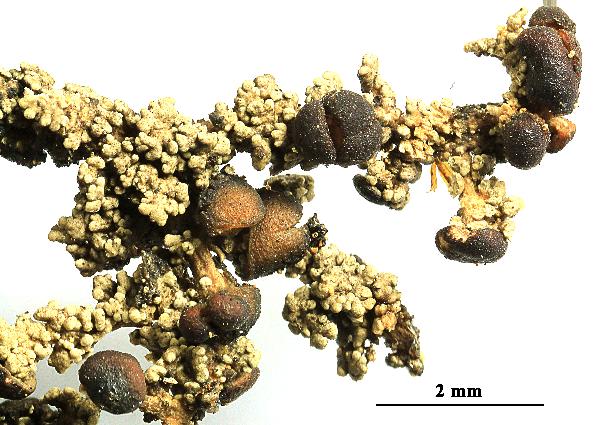
Felix Schumm - CC BY-SA 4.0
[9910], Bohemia austr.-occidentalis., montes Šumava (Gabreta), distr.
Železná Hora, in valle rivi Svarožné, ca. 910 m. Moles saxorum, ad
saxa. Leg. A. V zda, 12.10.1999. Ex Herbario A. Vezda s. nr.
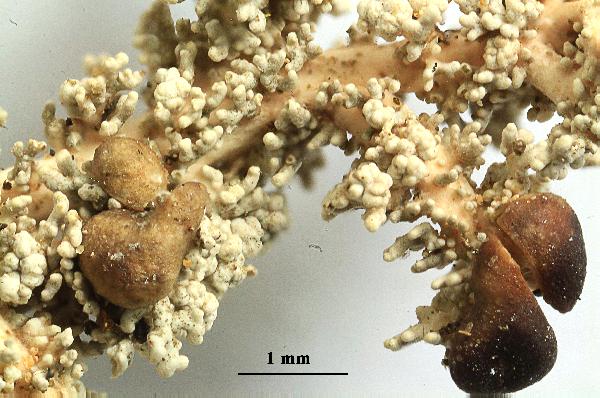
Felix Schumm - CC BY-SA 4.0
21030
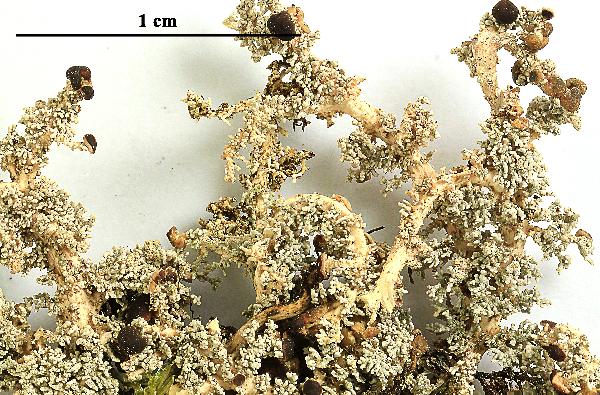
Felix Schumm - CC BY-SA 4.0
21030
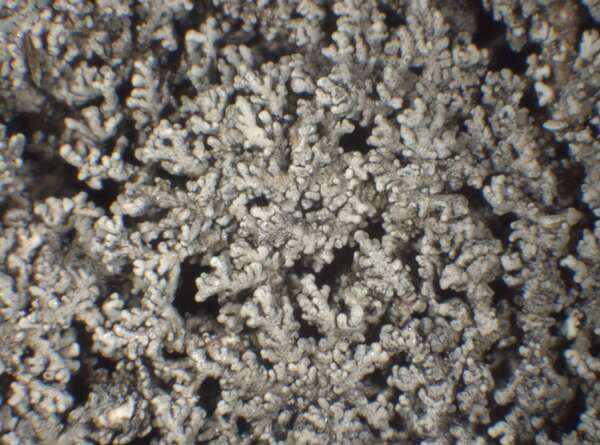
P.L. Nimis; Owner: Department of Life Sciences, University of Trieste
Herbarium: TSB (16214)
2003/03/17
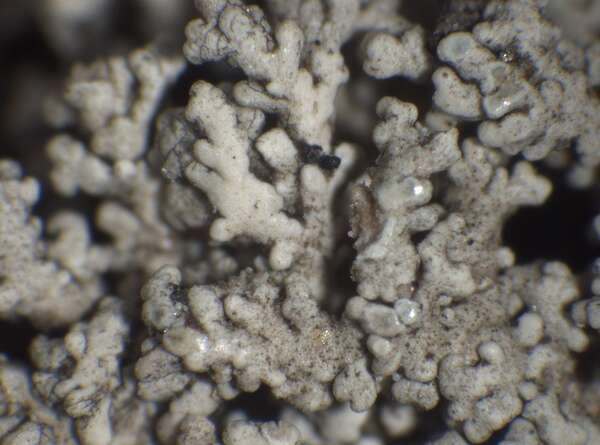
P.L. Nimis; Owner: Department of Life Sciences, University of Trieste
Herbarium: TSB (16214)
2003/03/17
phyllocladia
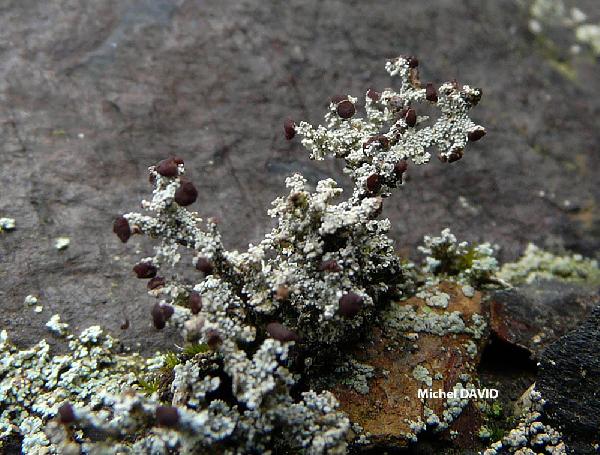
Michel David - Source:http://www.lichensmaritimes.org/index.php?task=fiche&lichen=346&lang=en
France, Morgat
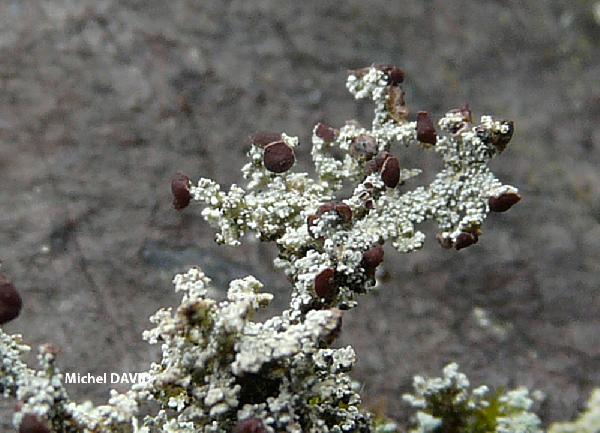
Michel David - Source:http://www.lichensmaritimes.org/index.php?task=fiche&lichen=346&lang=en
France, Morgat
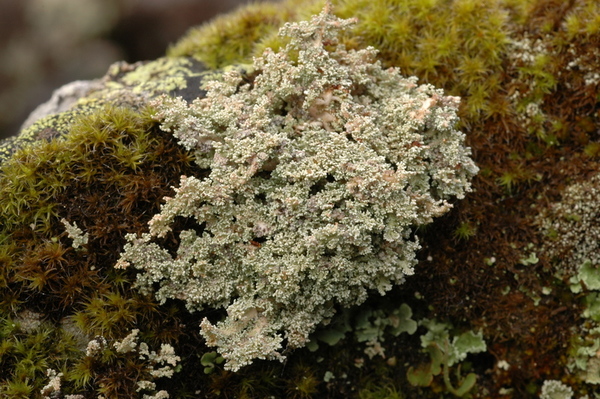
Einar Timdal - Source: http://nhm2.uio.no/lav/web/index.html - CC BY-NC
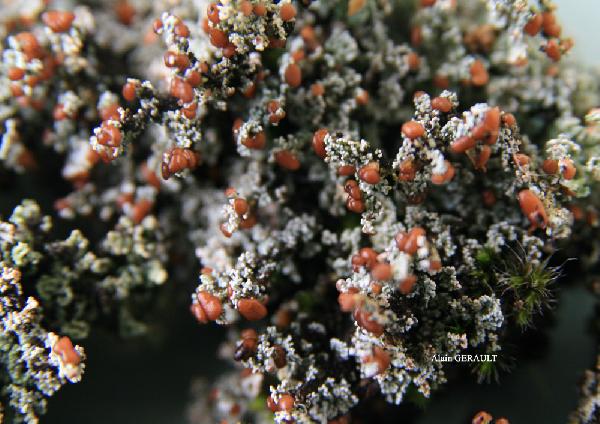
Alain Gerault - Source:http://www.lichensmaritimes.org/index.php?task=fiche&lichen=346&lang=en
France, Brest
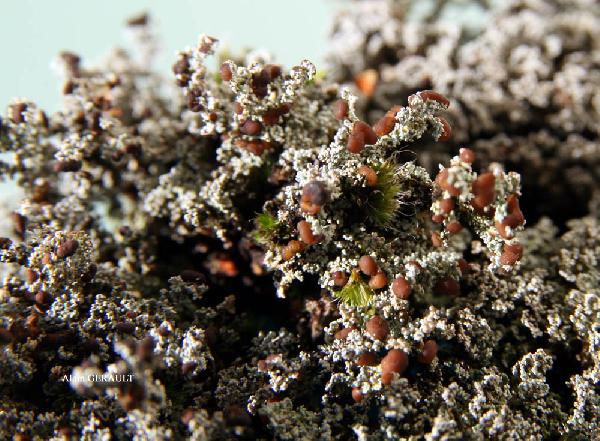
Alain Gerault - Source:http://www.lichensmaritimes.org/index.php?task=fiche&lichen=346&lang=en
France, Brest
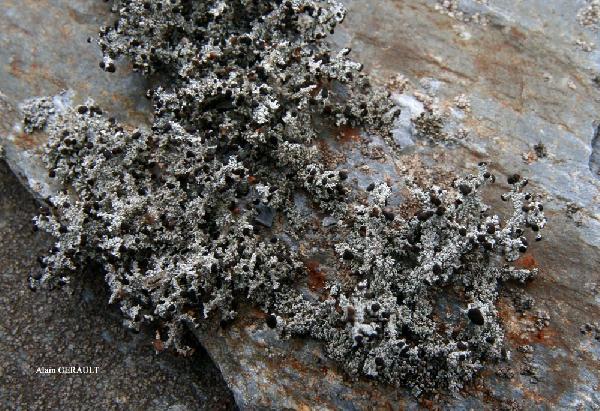
Alain Gerault - Source:http://www.lichensmaritimes.org/index.php?task=fiche&lichen=346&lang=en
France, Commana
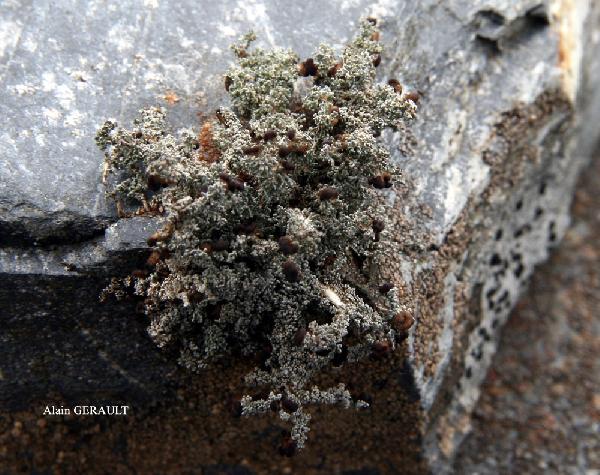
Alain Gerault - Source:http://www.lichensmaritimes.org/index.php?task=fiche&lichen=346&lang=en
France, Commana
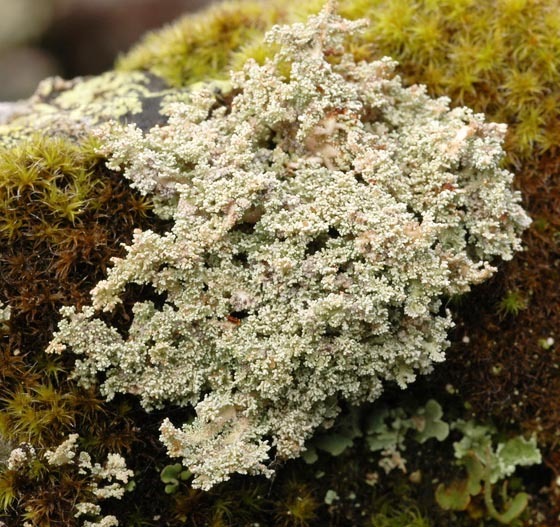
Einar Timdal - Source: http://nhm2.uio.no/lav/web/index.html - CC BY-NC

Wolfgang von Brackel - CC BY-4.0
Germany, Bavaria, Zwercheck

Wolfgang von Brackel - CC BY-4.0
Germany, Bavaria, Bärenriegel
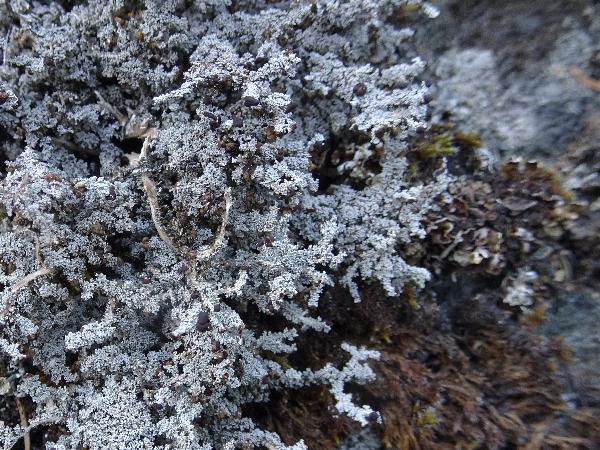
Wolfgang von Brackel - CC BY-4.0
Germany, Bavaria, Bärenriegel
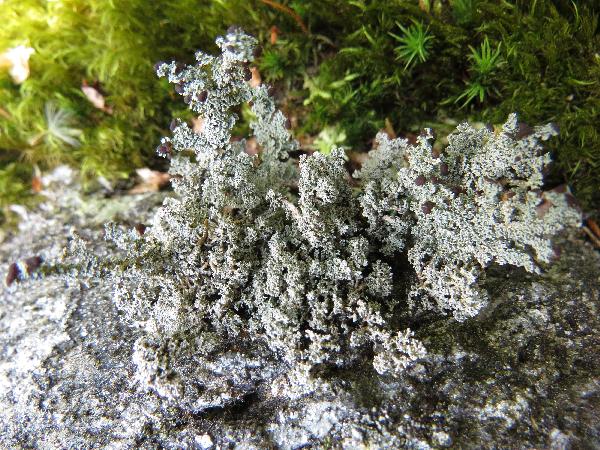
Wolfgang von Brackel - CC BY-4.0
Germany, Bavaria, Büchelbach

Wolfgang von Brackel - CC BY-4.0
Germany, Bavaria, Fahnenriegel

Wolfgang von Brackel - CC BY-4.0
Germany, Bavaria, Lohberger Riegel
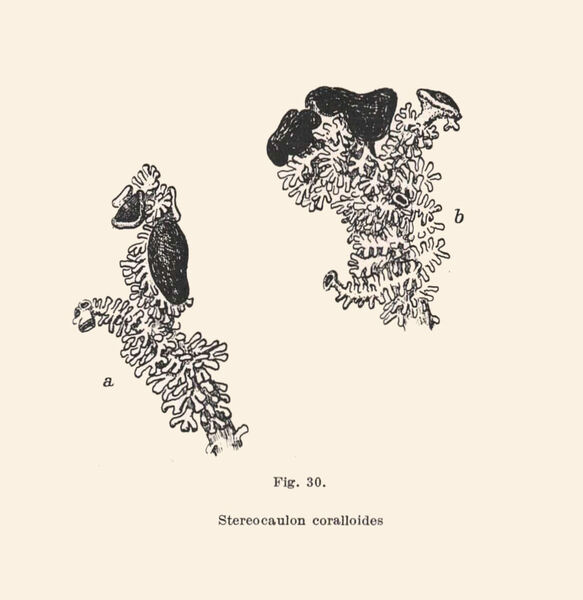
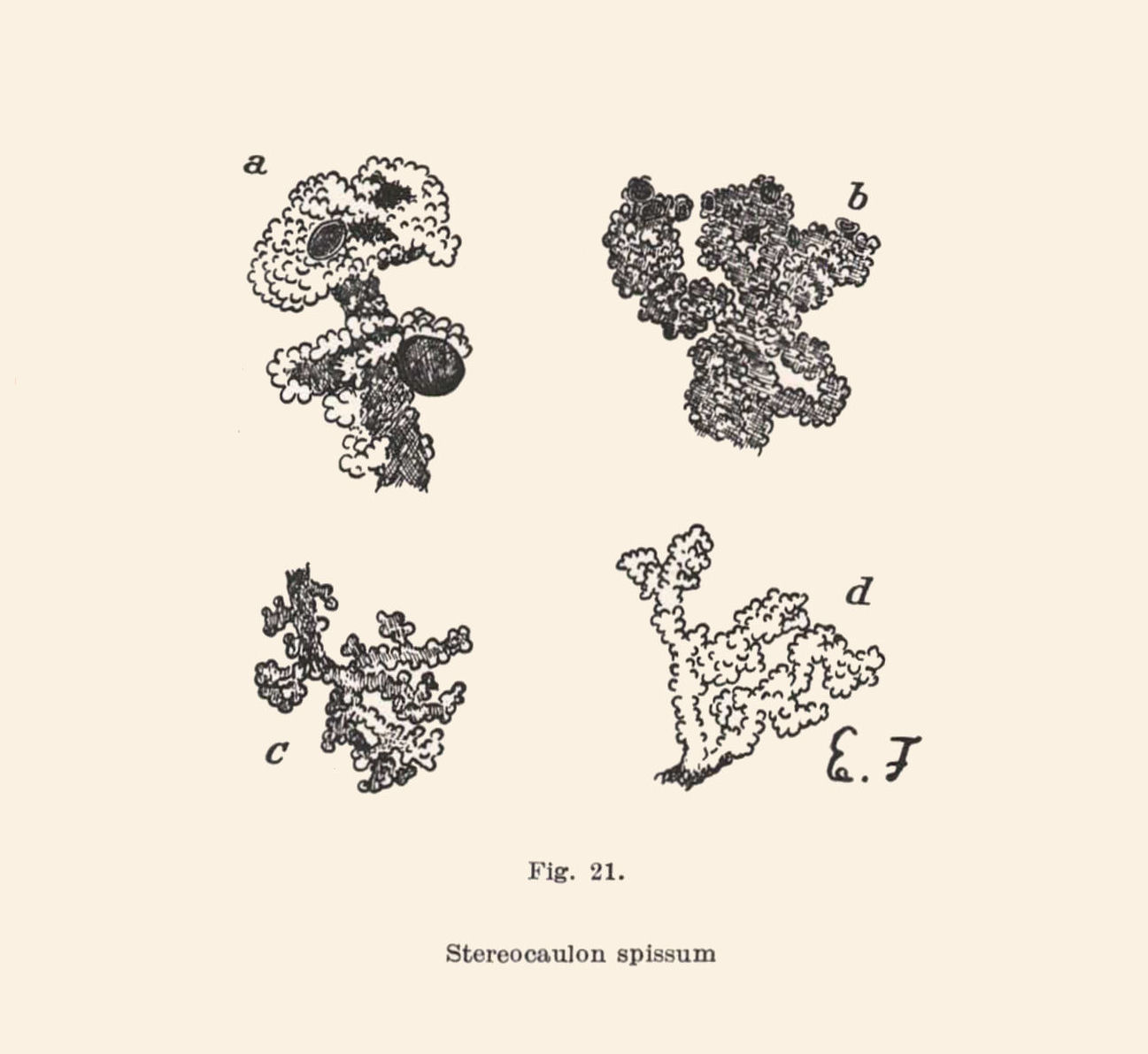
Frey E. 1933. Cladoniaceae (unter Ausschluß ded Gattung Cladonia) und Umbilicariaceae. In: Rabenhrst’s Kryptogamenflora von Deutschland, Österreich und der Schweiz. 15: 1-208.
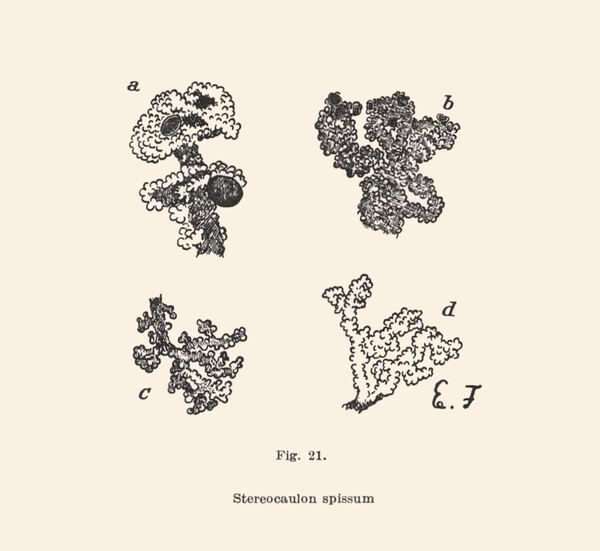
Frey E. 1933. Cladoniaceae (unter Ausschluß ded Gattung Cladonia) und Umbilicariaceae. In: Rabenhrst’s Kryptogamenflora von Deutschland, Österreich und der Schweiz. 15: 1-208.
as S. spissum
Growth form: Fruticose
Substrata: rocks
Photobiont: green algae other than Trentepohlia (primary); cyanobacteria, filamentous (e.g. Nostoc, Scytonema) (secundary, e.g. in cephalodia)
Reproductive strategy: mainly sexual
Commonnes-rarity: (info)
Alpine belt: very rare
Subalpine belt: rare
Montane belt: absent
Dry submediterranean belt: absent
Humid submediterranean belt: absent
Padanian area: absent
pH of the substrata:
| 1 | 2 | 3 | 4 | 5 |
Solar irradiation:
| 1 | 2 | 3 | 4 | 5 |
Aridity:
| 1 | 2 | 3 | 4 | 5 |
Eutrophication:
| 1 | 2 | 3 | 4 | 5 |
Poleotolerance:
| 0 | 1 | 2 | 3 |
Altitudinal distribution:
| 1 | 2 | 3 | 4 | 5 | 6 |
Rarity
absent
extremely rare
very rare
rare
rather rare
rather common
common
very common
extremely common
Loading data...
Occurrence data
Predictive map

Felix Schumm - CC BY-SA 4.0
[9910], Bohemia austr.-occidentalis., montes Šumava (Gabreta), distr. Železná Hora, in valle rivi Svarožné, ca. 910 m. Moles saxorum, ad saxa. Leg. A. V zda, 12.10.1999. Ex Herbario A. Vezda s. nr.

Felix Schumm - CC BY-SA 4.0
[9910], Bohemia austr.-occidentalis., montes Šumava (Gabreta), distr. Železná Hora, in valle rivi Svarožné, ca. 910 m. Moles saxorum, ad saxa. Leg. A. V zda, 12.10.1999. Ex Herbario A. Vezda s. nr.
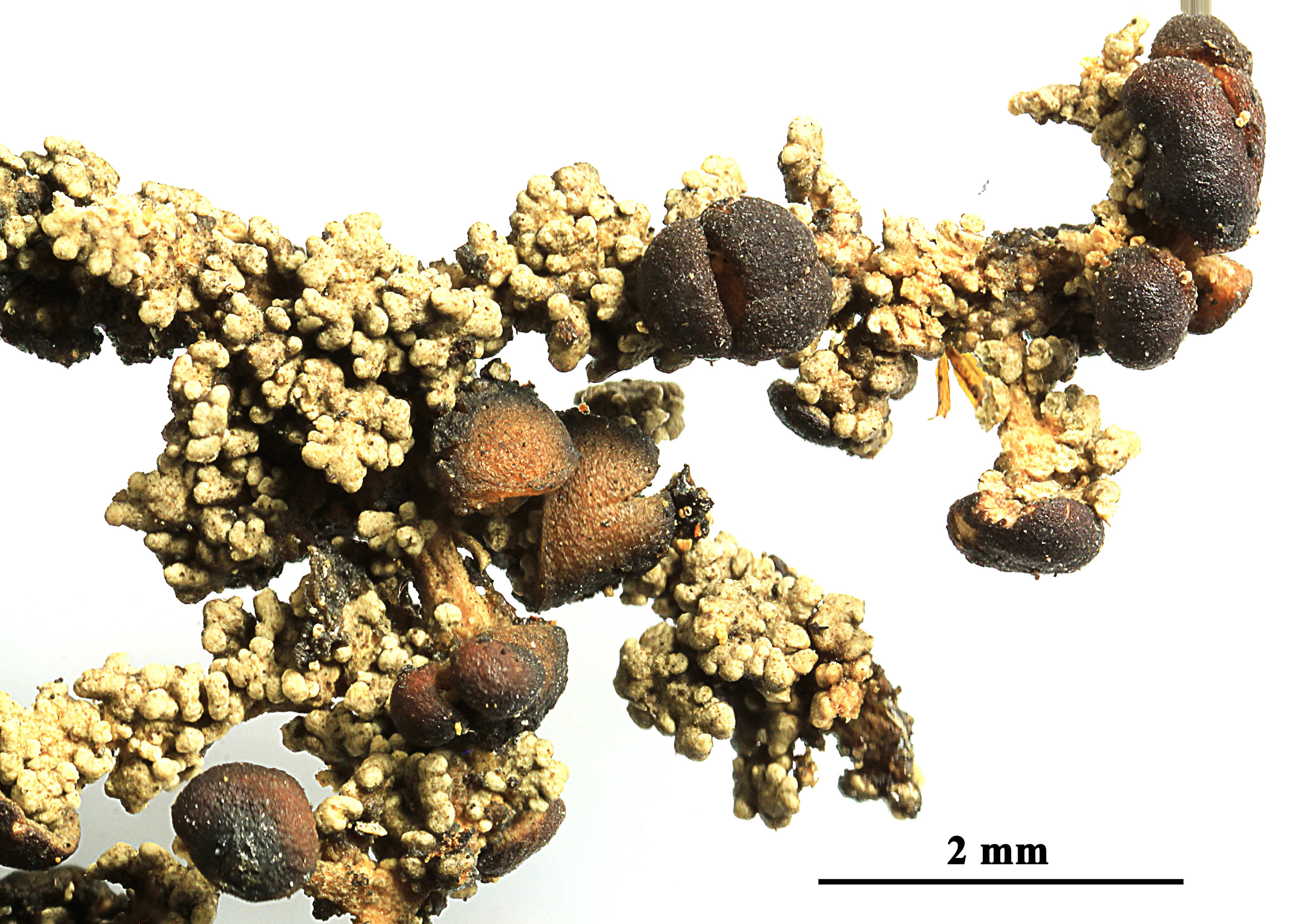
Felix Schumm - CC BY-SA 4.0
[9910], Bohemia austr.-occidentalis., montes Šumava (Gabreta), distr. Železná Hora, in valle rivi Svarožné, ca. 910 m. Moles saxorum, ad saxa. Leg. A. V zda, 12.10.1999. Ex Herbario A. Vezda s. nr.

Felix Schumm - CC BY-SA 4.0
21030

Felix Schumm - CC BY-SA 4.0
21030
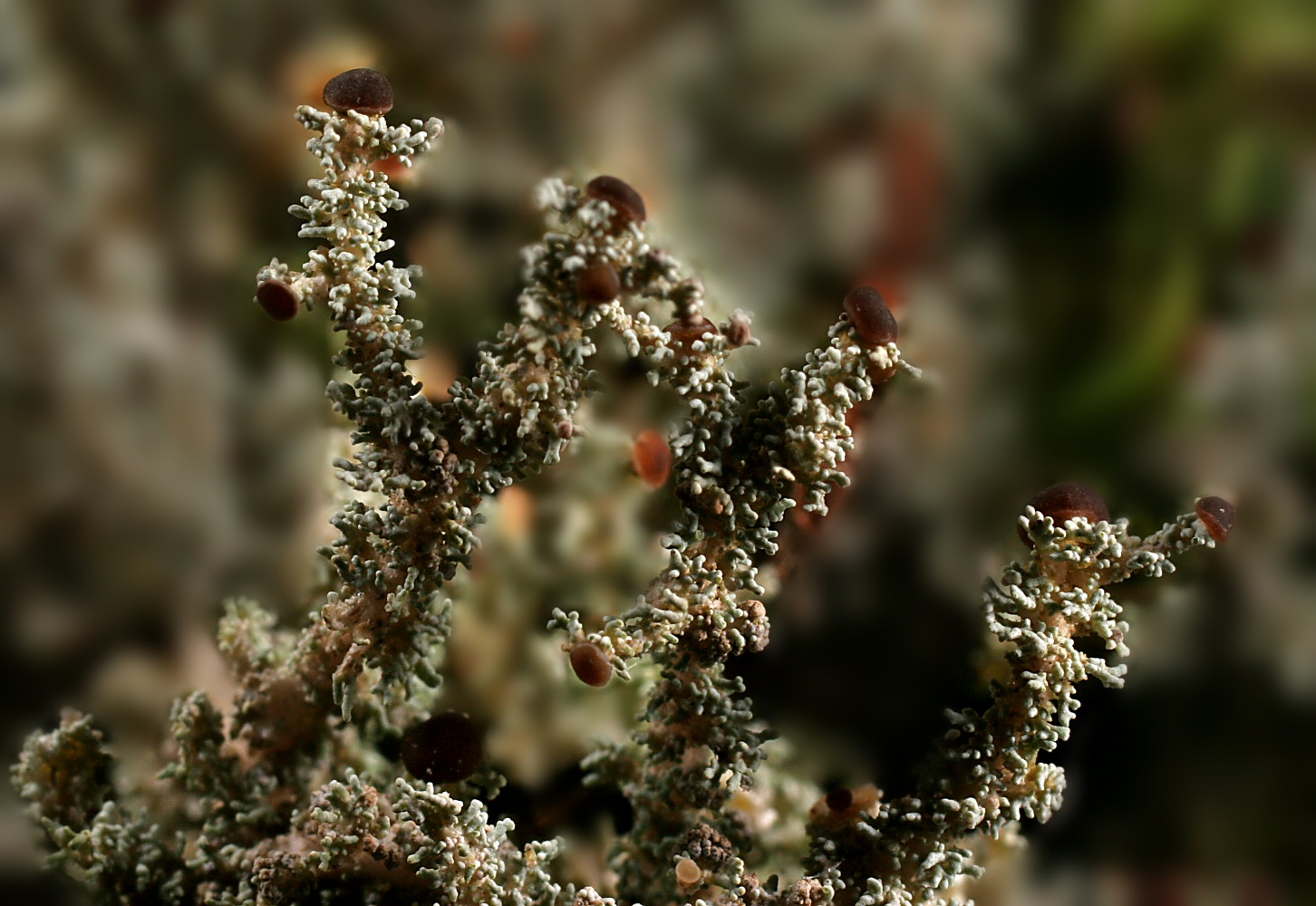
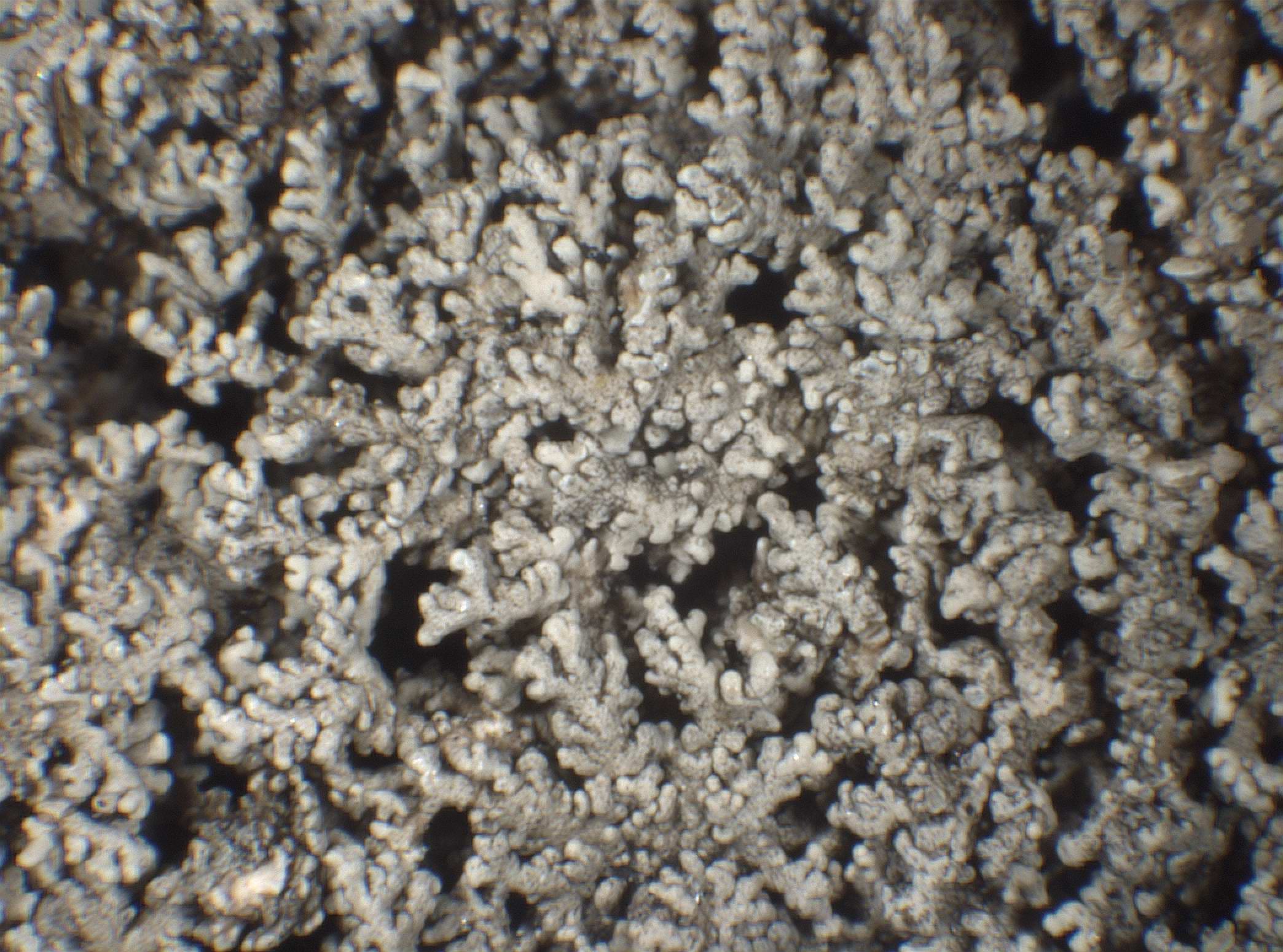
P.L. Nimis; Owner: Department of Life Sciences, University of Trieste
Herbarium: TSB (16214)
2003/03/17
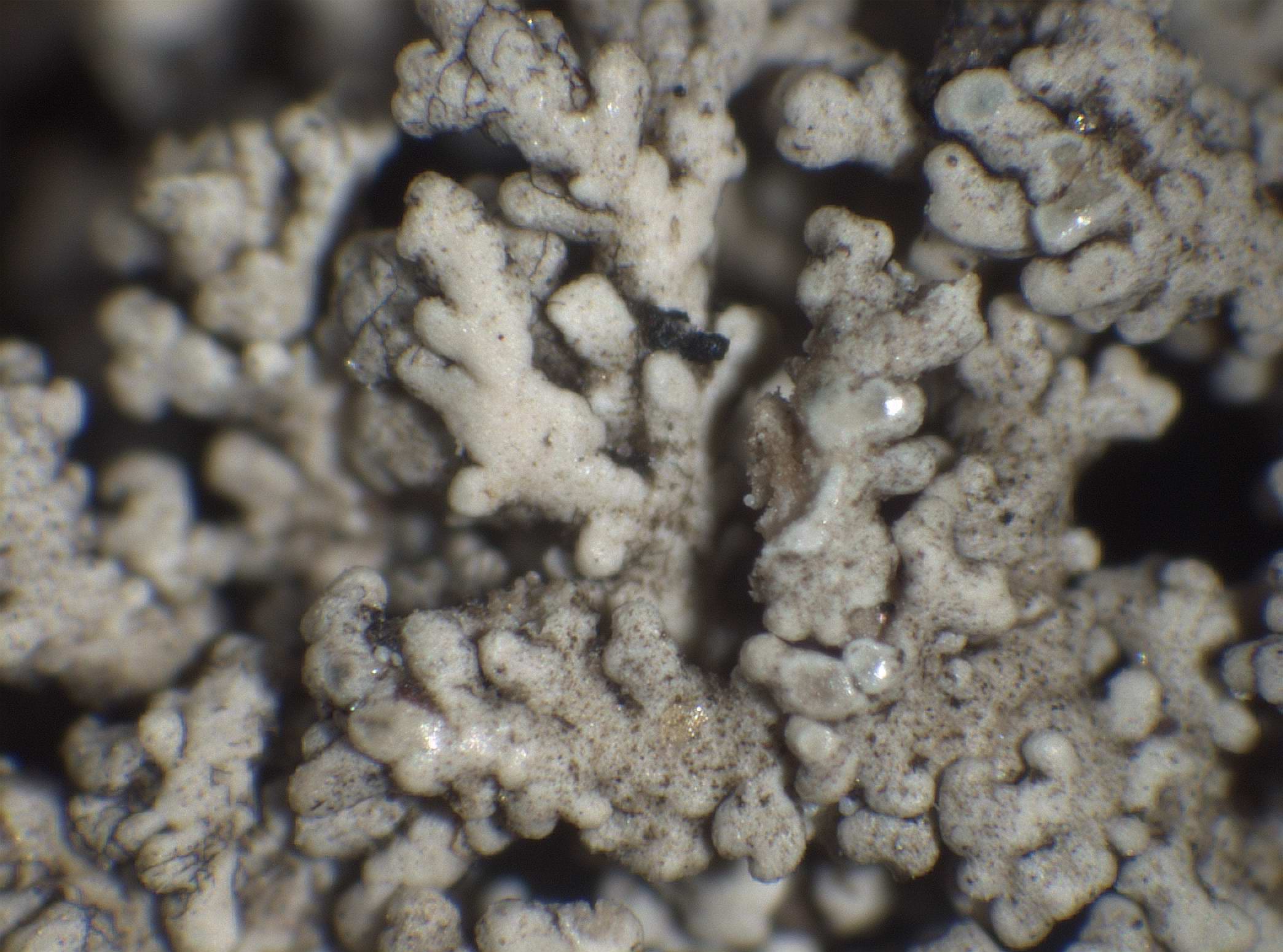
P.L. Nimis; Owner: Department of Life Sciences, University of Trieste
Herbarium: TSB (16214)
2003/03/17
phyllocladia
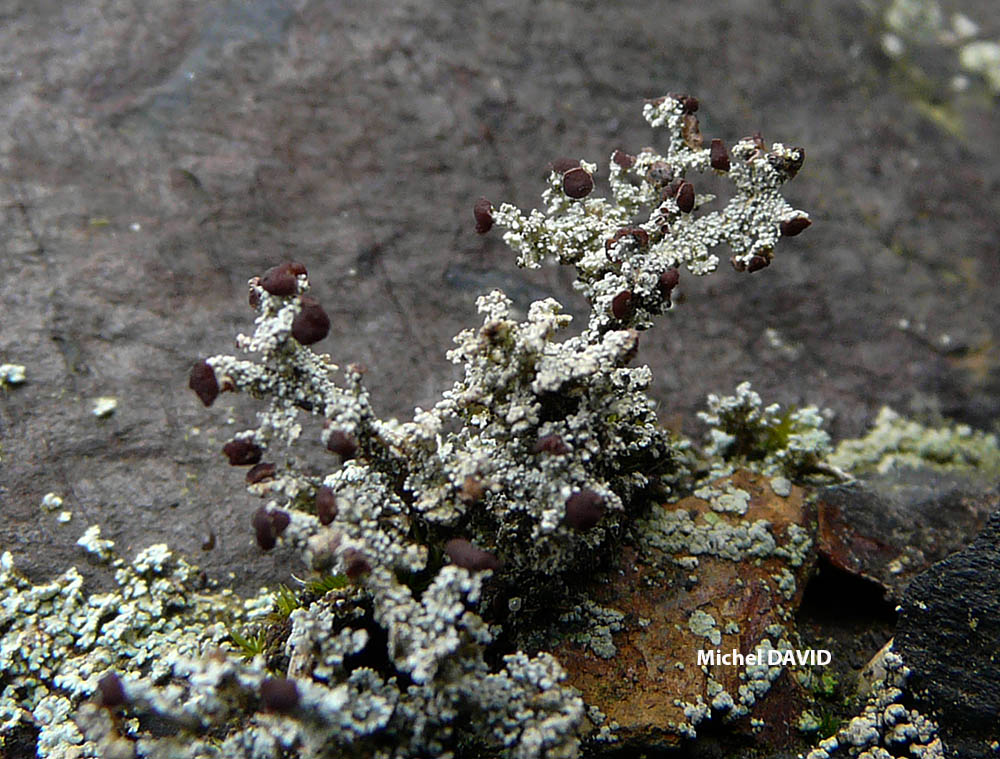
Michel David - Source:http://www.lichensmaritimes.org/index.php?task=fiche&lichen=346&lang=en
France, Morgat
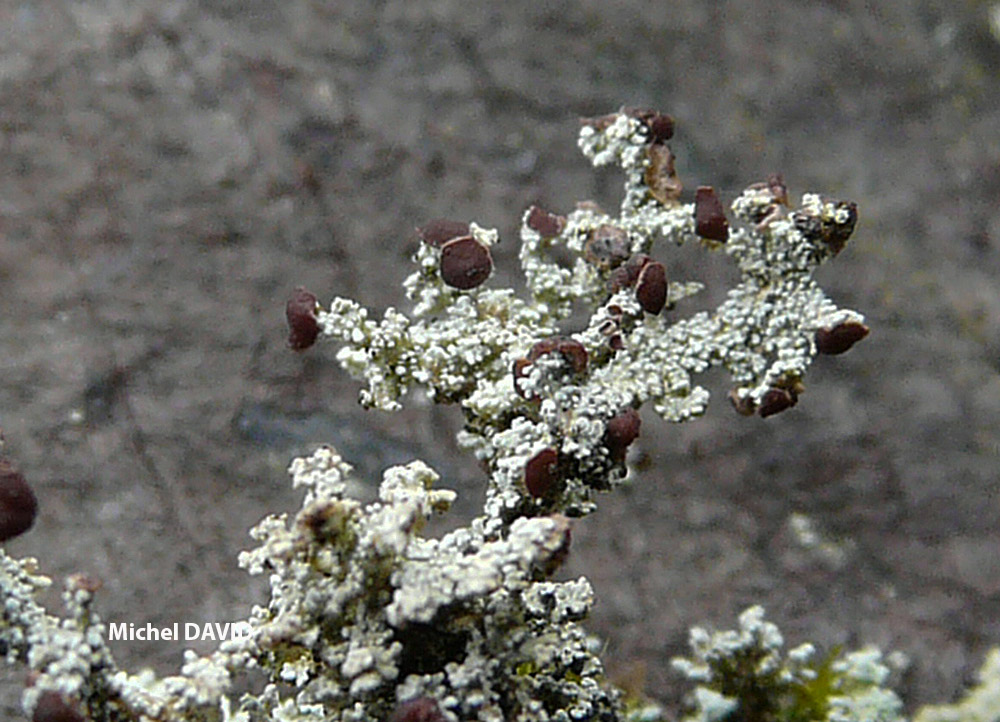
Michel David - Source:http://www.lichensmaritimes.org/index.php?task=fiche&lichen=346&lang=en
France, Morgat
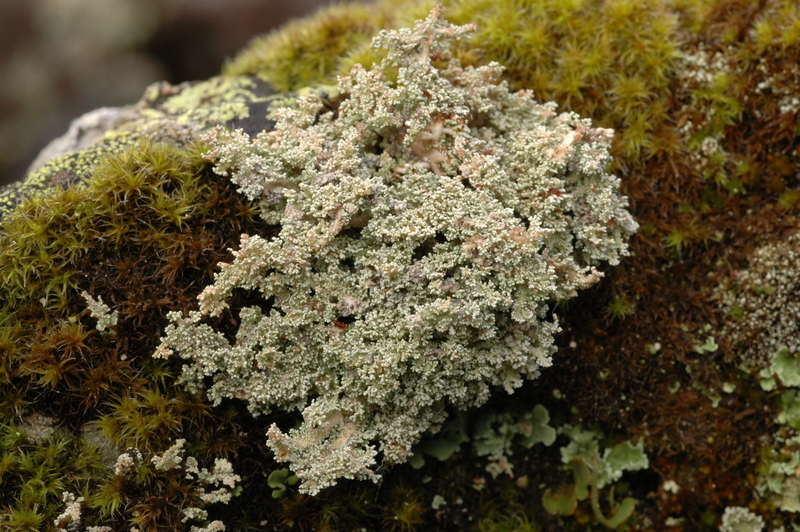
Einar Timdal - Source: http://nhm2.uio.no/lav/web/index.html - CC BY-NC
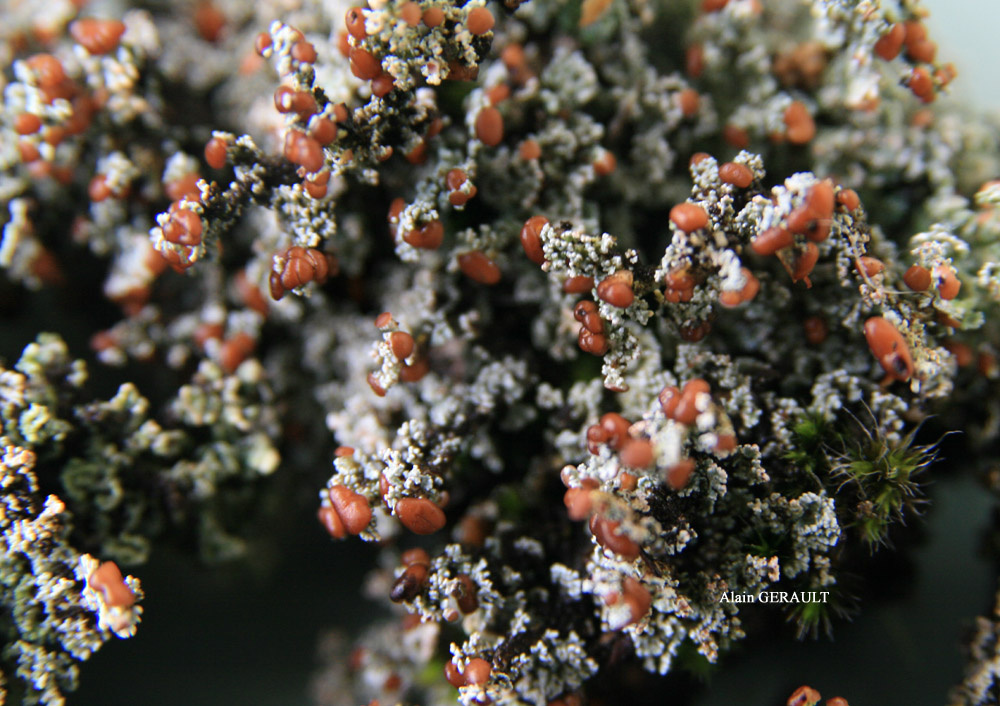
Alain Gerault - Source:http://www.lichensmaritimes.org/index.php?task=fiche&lichen=346&lang=en
France, Brest
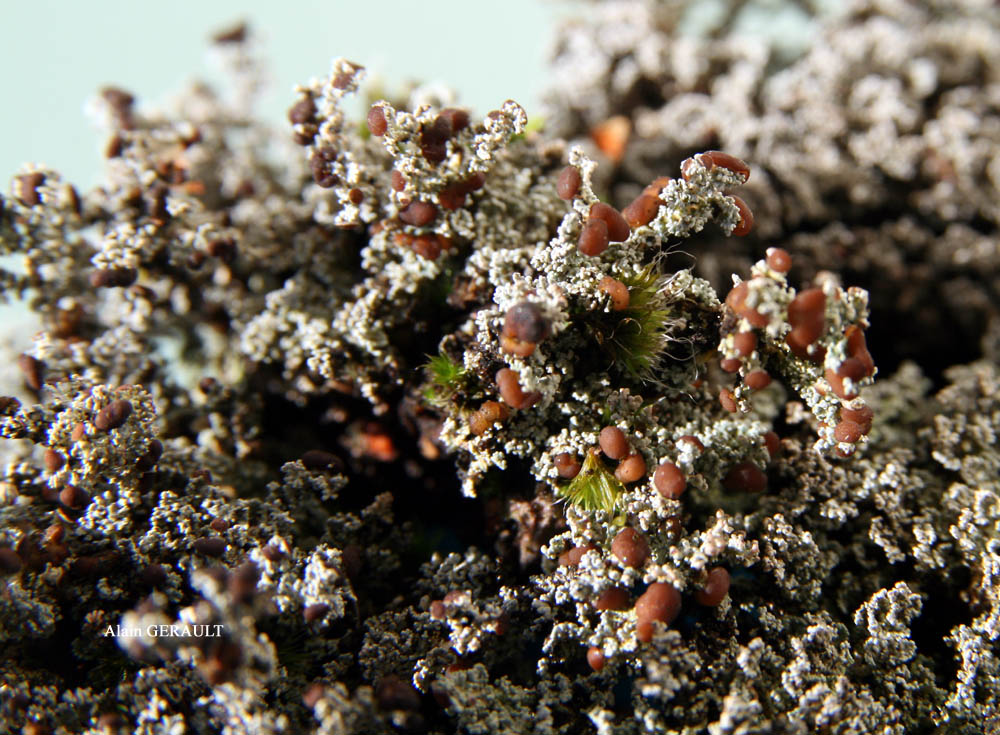
Alain Gerault - Source:http://www.lichensmaritimes.org/index.php?task=fiche&lichen=346&lang=en
France, Brest
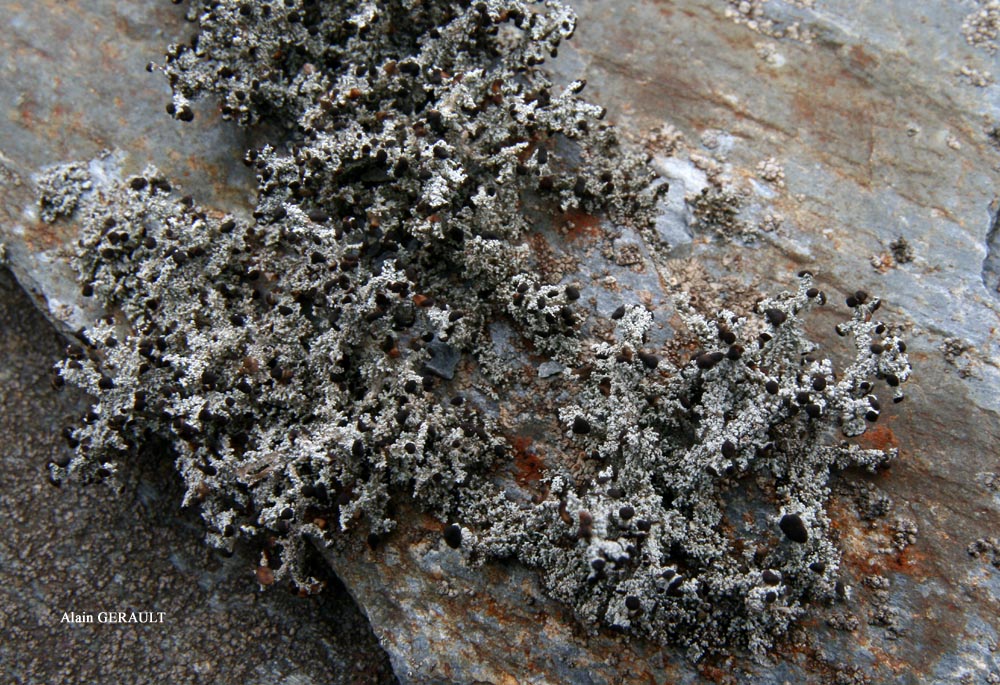
Alain Gerault - Source:http://www.lichensmaritimes.org/index.php?task=fiche&lichen=346&lang=en
France, Commana
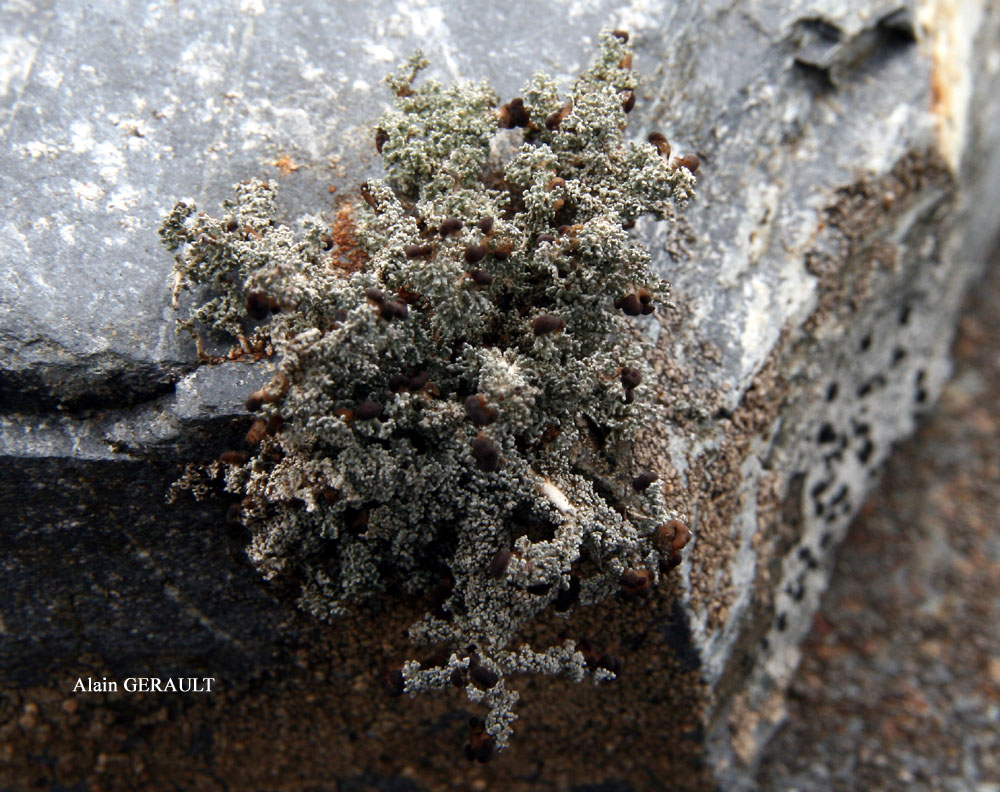
Alain Gerault - Source:http://www.lichensmaritimes.org/index.php?task=fiche&lichen=346&lang=en
France, Commana
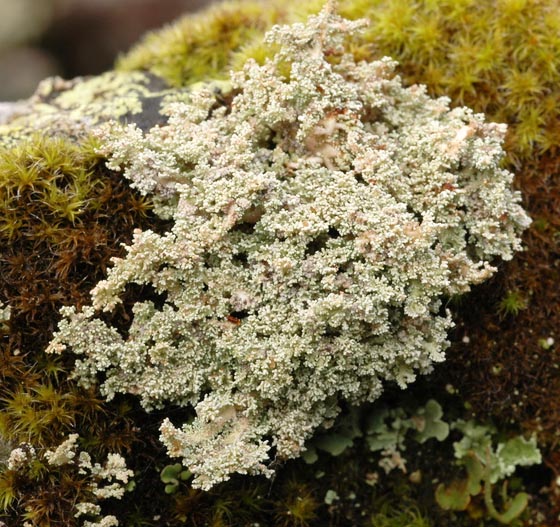
Einar Timdal - Source: http://nhm2.uio.no/lav/web/index.html - CC BY-NC

Wolfgang von Brackel - CC BY-4.0
Germany, Bavaria, Zwercheck

Wolfgang von Brackel - CC BY-4.0
Germany, Bavaria, Bärenriegel

Wolfgang von Brackel - CC BY-4.0
Germany, Bavaria, Bärenriegel

Wolfgang von Brackel - CC BY-4.0
Germany, Bavaria, Büchelbach

Wolfgang von Brackel - CC BY-4.0
Germany, Bavaria, Fahnenriegel

Wolfgang von Brackel - CC BY-4.0
Germany, Bavaria, Lohberger Riegel
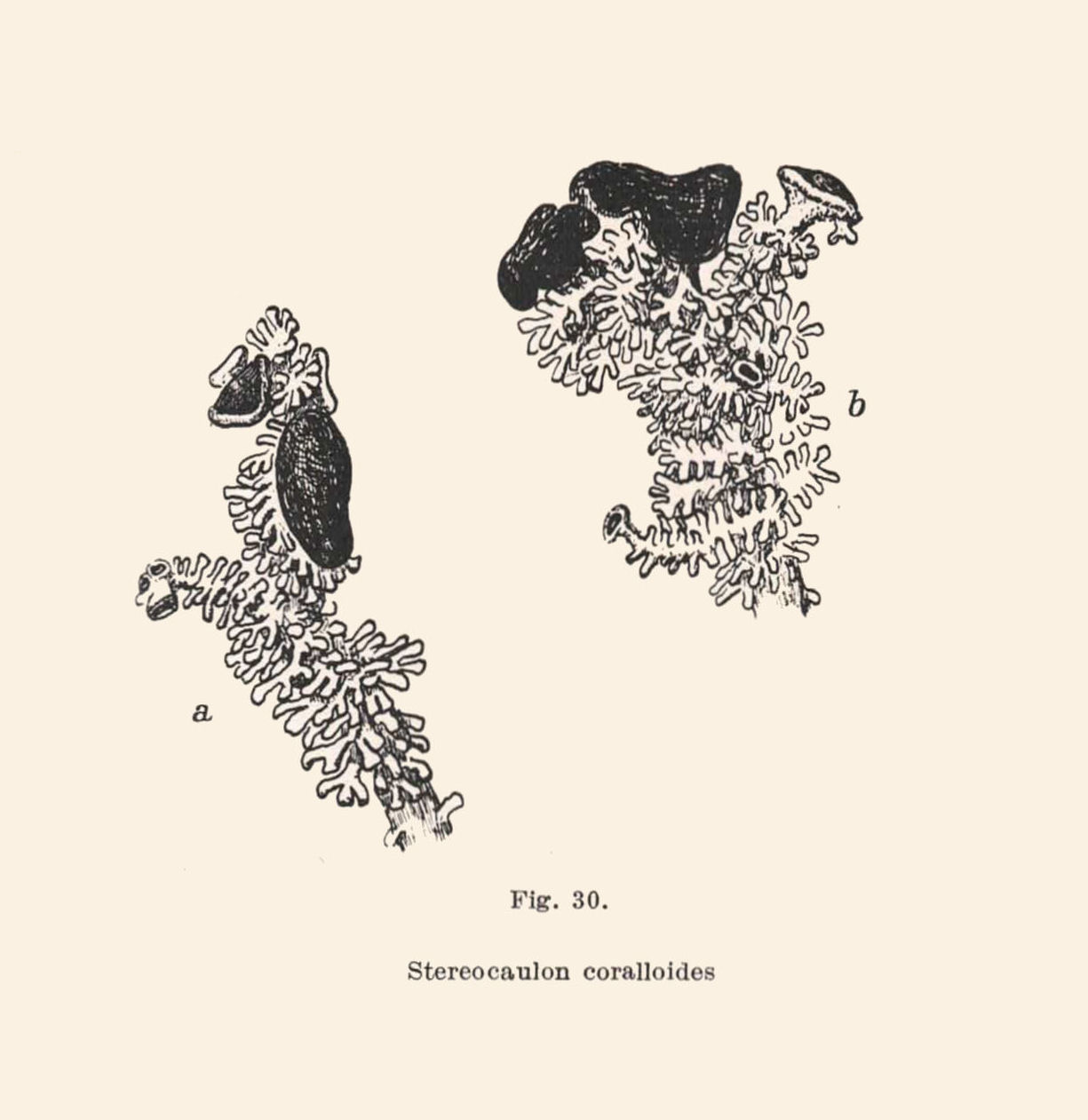
Frey E. 1933. Cladoniaceae (unter Ausschluß ded Gattung Cladonia) und Umbilicariaceae. In: Rabenhrst’s Kryptogamenflora von Deutschland, Österreich und der Schweiz. 15: 1-208.