Sticta fuliginosa (Hoffm.) Ach.
Meth. Lich.: 280, 1803. Basionym: Lobaria fuliginosa Hoffm. - Deutschl. Fl., 2: 109, 1796.
Synonyms: Sticta sylvatica var. fuliginosa (Hoffm.) Hepp; Stictina fuliginosa (Hoffm.) Nyl.
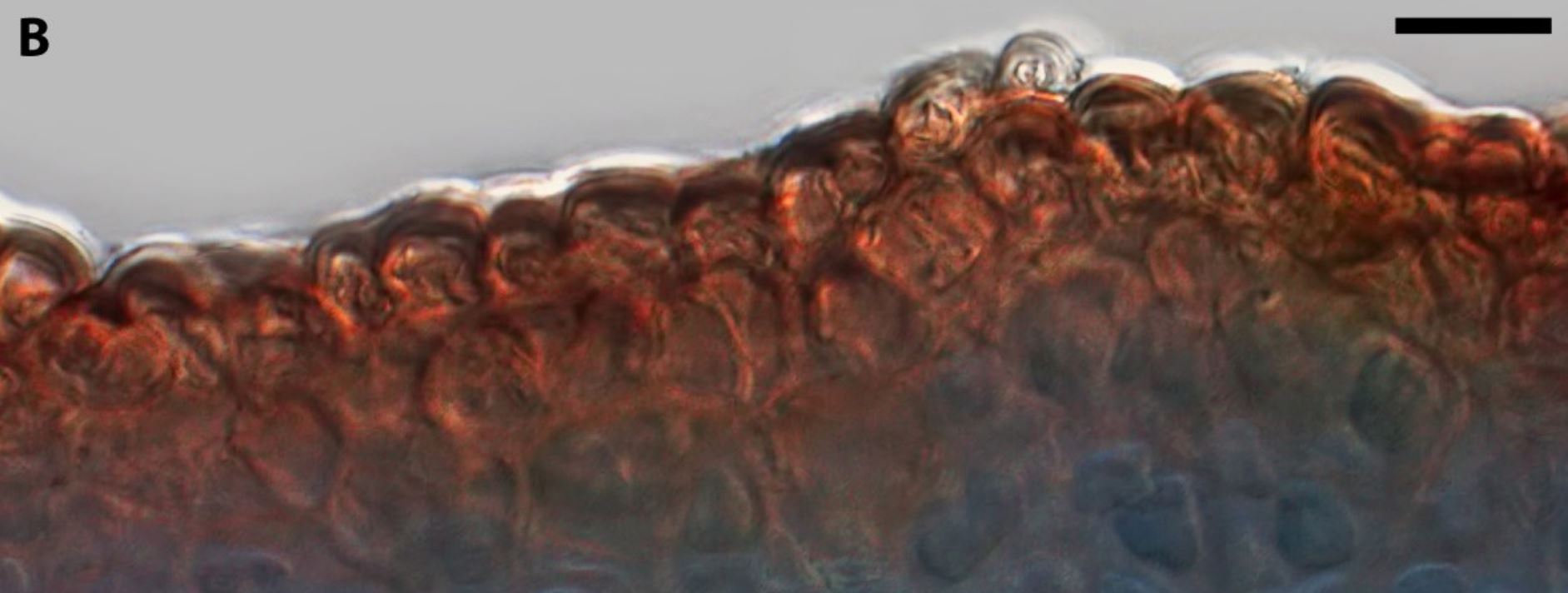
Description: Thallus foliose, heteromerous, dorsiventral, broad-lobed, isidiate, at first developing several palmate, elongate to flabellate lobes not borne on a stipe, later consisting of suborbicular and overlapping 5-7 cm wide lobes. Lobes simple or 1-2-branched, papyraceous and brittle when dry, adnate or ascending, overlapping, the older ones sometimes lacerate or dissected, not typically glossy, usually (sub-)orbicular, the apices flat to slightly revolute. Upper surface usually scrobiculate or foveolate, rarely smooth, grey-brown to brown, the ridges abundantly covered in laminal, at first simple and glossy isidia, which soon develop vertical, coralloid, sometimes substipitate, up to 0.5 mm tall clusters which are darker than thallus. Lower surface ridged to scrobiculate, white or pale orange-brown, darker towards center on old thalli, usually pubescent- to hirsute-tomentose, with abundant (especially towards the margins), round or angular, whitish to cream-colored or brownish, 0.4-1.1(-2) mm wide pseudocyphellae, the outer cells of the membrane never producing papillae. Upper cortex paraplectenchymatous, 12–20(–23) µm thick, composed of 2–3 layers of more or less equally shaped cells (the uppermost cells not distinctly
smaller than the ones below); medulla white, lax to compact, 60-80 μm high; lower cortex paraplectenchymatous, 45-50 μm thick, made of 3-4 rows of isodiametrical cells; primary tomentum agglutinated in fascicles, the hyphae budding into isolated cells acting as conidia; secondary tomentum not present. Apothecia very rare, lecanorine, up'to 3 mm across, with a flat to convex, dark brown to red-brown disc and a thin, sometimes ciliate thalline margin, the cilia to 0.5 mm long. Photobiont cyanobacterial (Nostoc, the cells in compact masses). Spot tests: cortex and medulla K-, C-, KC-, P-, UV-. Chemistry: without lichen substances.
Growth form: Foliose, broad lobed
Substrata: bark and rocks
Photobiont: cyanobacteria, filamentous (e.g. Nostoc, Scytonema)
Reproductive strategy: mainly asexual, by isidia, or isidia-like structures (e.g. schizidia)
Restricted to humid-warm, oceanic areas
Commonnes-rarity: (info)
Alpine belt: absent
Subalpine belt: absent
Montane belt: extremely rare
Dry submediterranean belt: absent
Humid submediterranean belt: extremely rare
Padanian area: absent
pH of the substrata:
1 2 3 4 5

Solar irradiation:
1 2 3 4 5
Aridity:
1 2 3 4 5
Eutrophication:
1 2 3 4 5
Poleotolerance:
0 1 2 3
Altitudinal distribution:
1 2 3 4 5 6
Rarity
absent
extremely rare
very rare
rare
rather rare
rather common
common
very common
extremely common
Loading data...
Occurrence data
Predictive map
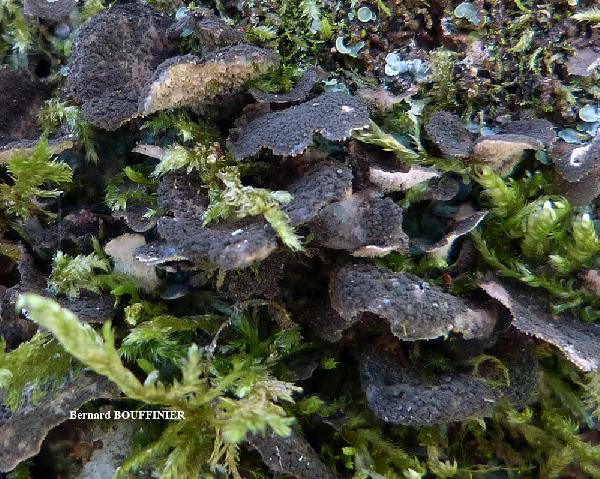
Bernard Bouffinier - Source: http://www.lichensmaritimes.org/index.php?task=fiche&lichen=822&lang=en
France, Stangala
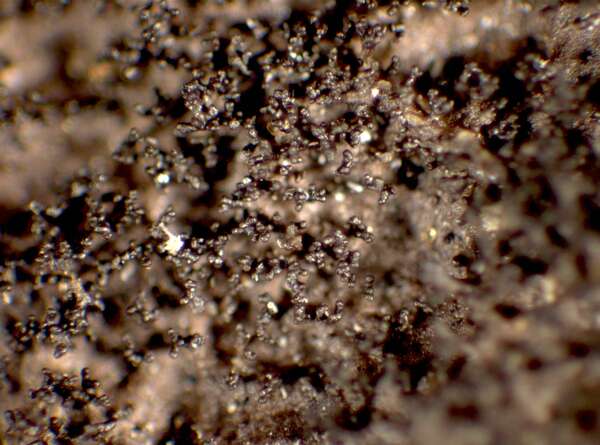
P.L. Nimis; Owner: Department of Life Sciences, University of Trieste
Herbarium: TSB (4261)
2001/12/07
isidia
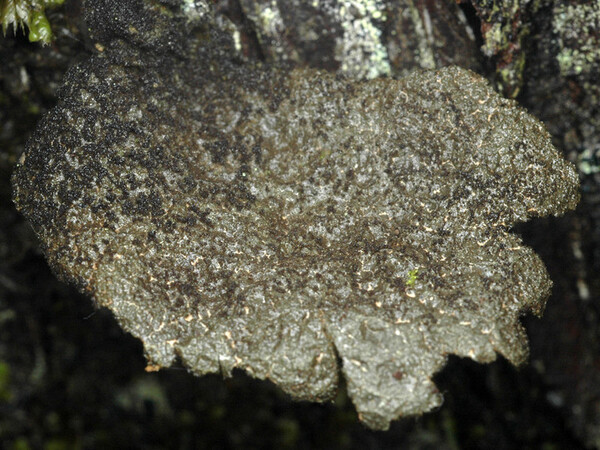
Leif Stridvall - Source: http://www.stridvall.se/la/galleries.php
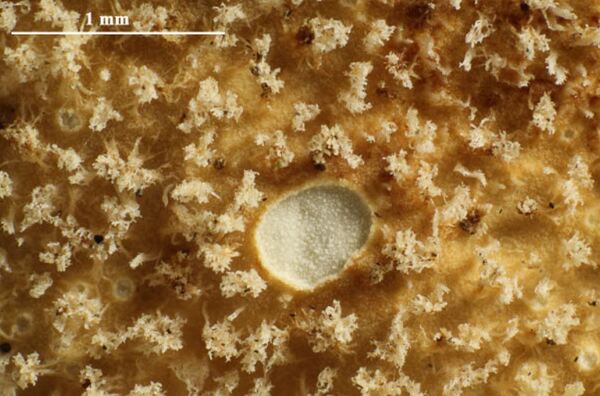
Felix Schumm - CC BY-SA 4.0
[19274], Australia, New South Wales, Polblue Swamp, Barrington Tops State Forest, 50 km WNW of Gloucester, 31°58' S, 151°26' E, 1450 m, on base and trunk of Euycalyptus in open Eucalyptus pauciflora, Leptospermum and Epacridaceae fringed swampy area. Leg. J.A. Elix (22902), 25.04.1990. No lichen substances detected by TLC, anal. J.A. Elix. LICH. AUSTRALASICI EXS. 223.
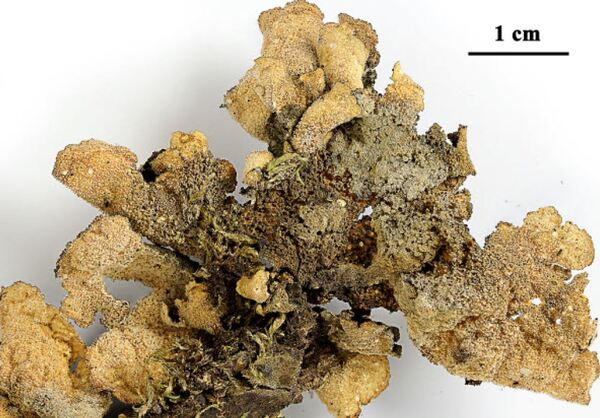
Felix Schumm - CC BY-SA 4.0
[19274], Australia, New South Wales, Polblue Swamp, Barrington Tops State Forest, 50 km WNW of Gloucester, 31°58' S, 151°26' E, 1450 m, on base and trunk of Euycalyptus in open Eucalyptus pauciflora, Leptospermum and Epacridaceae fringed swampy area. Leg. J.A. Elix (22902), 25.04.1990. No lichen substances detected by TLC, anal. J.A. Elix. LICH. AUSTRALASICI EXS. 223.
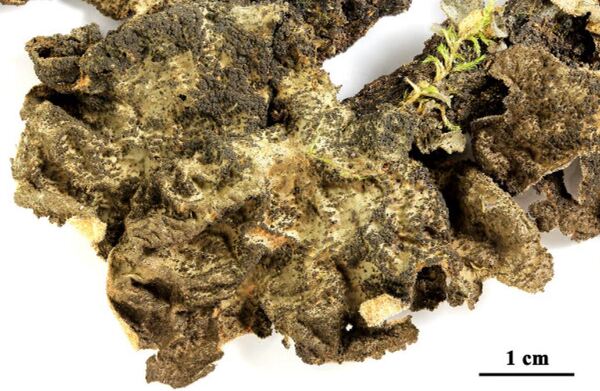
Felix Schumm - CC BY-SA 4.0
[19274], Australia, New South Wales, Polblue Swamp, Barrington Tops State Forest, 50 km WNW of Gloucester, 31°58' S, 151°26' E, 1450 m, on base and trunk of Euycalyptus in open Eucalyptus pauciflora, Leptospermum and Epacridaceae fringed swampy area. Leg. J.A. Elix (22902), 25.04.1990. No lichen substances detected by TLC, anal. J.A. Elix. LICH. AUSTRALASICI EXS. 223.
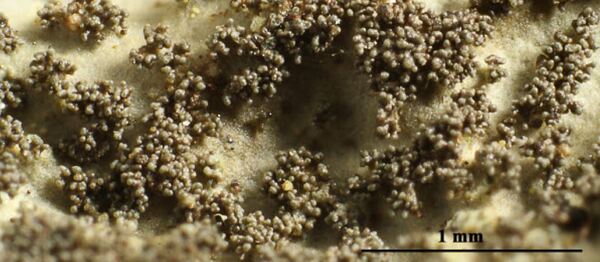
Felix Schumm - CC BY-SA 4.0
[19274], Australia, New South Wales, Polblue Swamp, Barrington Tops State Forest, 50 km WNW of Gloucester, 31°58' S, 151°26' E, 1450 m, on base and trunk of Euycalyptus in open Eucalyptus pauciflora, Leptospermum and Epacridaceae fringed swampy area. Leg. J.A. Elix (22902), 25.04.1990. No lichen substances detected by TLC, anal. J.A. Elix. LICH. AUSTRALASICI EXS. 223.
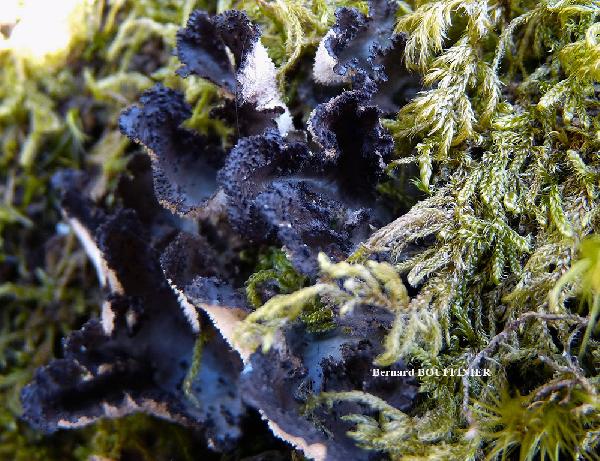
Bernard Bouffinier - Source: http://www.lichensmaritimes.org/index.php?task=fiche&lichen=822&lang=en
France, St. Herbot
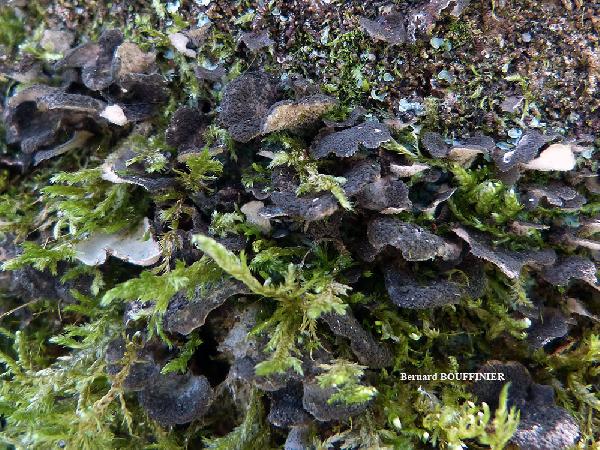
Bernard Bouffinier - Source: http://www.lichensmaritimes.org/index.php?task=fiche&lichen=822&lang=en
France, Stangala
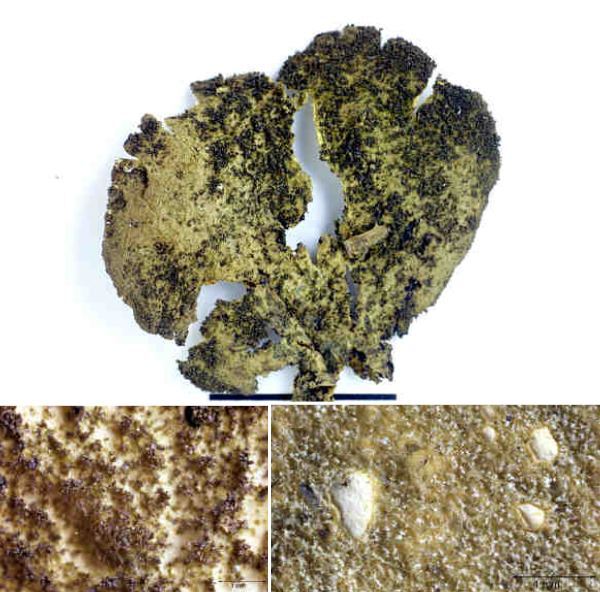
Felix Schumm – CC BY-SA 4.0
Image from: F. Schumm (2008) - Flechten Madeiras, der Kanaren und Azoren. Beck, OHG - ISBN: 978-3-00-023700-3
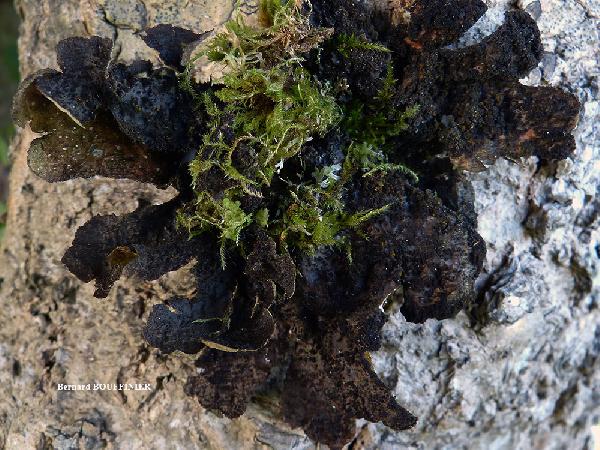
Bernard Bouffinier - Source: http://www.lichensmaritimes.org/index.php?task=fiche&lichen=822&lang=en
France, Stangala
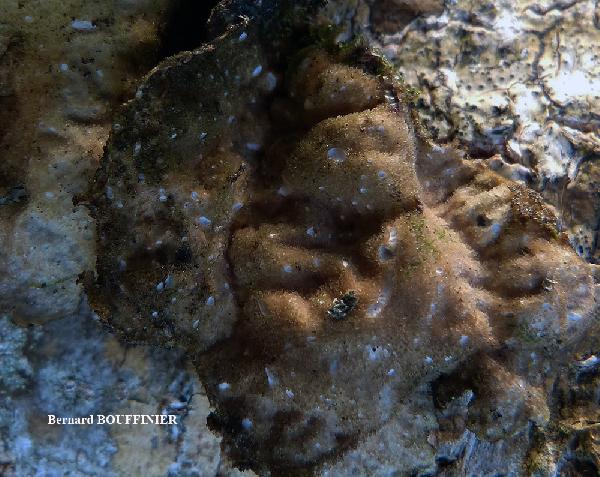
Bernard Bouffinier - Source: http://www.lichensmaritimes.org/index.php?task=fiche&lichen=822&lang=en
France, Stangala
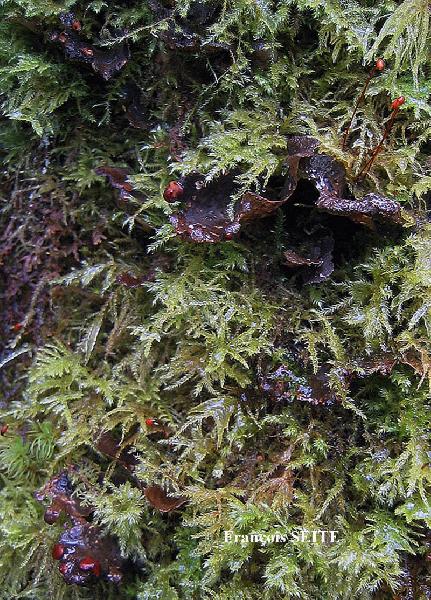
François Seite - Source: http://www.lichensmaritimes.org/index.php?task=fiche&lichen=822&lang=en
France, Huelgoat
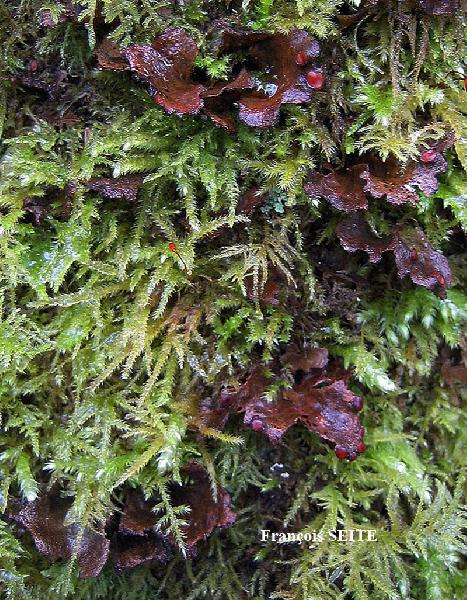
François Seite - Source: http://www.lichensmaritimes.org/index.php?task=fiche&lichen=822&lang=en
France, Huelgoat
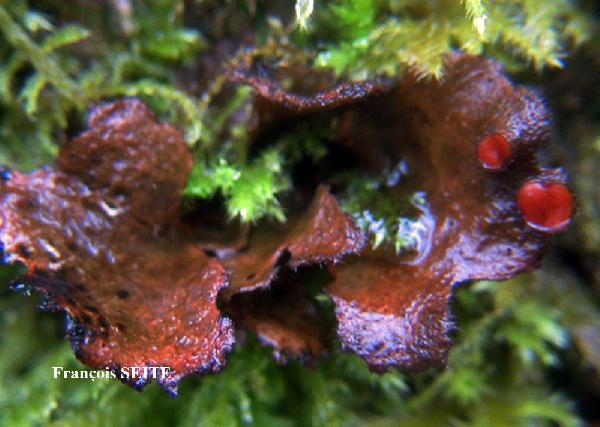
François Seite - Source: http://www.lichensmaritimes.org/index.php?task=fiche&lichen=822&lang=en
France, Huelgoat
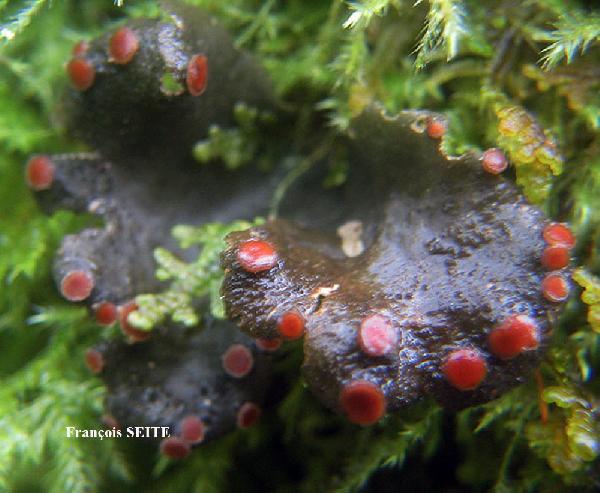
François Seite - Source: http://www.lichensmaritimes.org/index.php?task=fiche&lichen=822&lang=en
France, Huelgoat
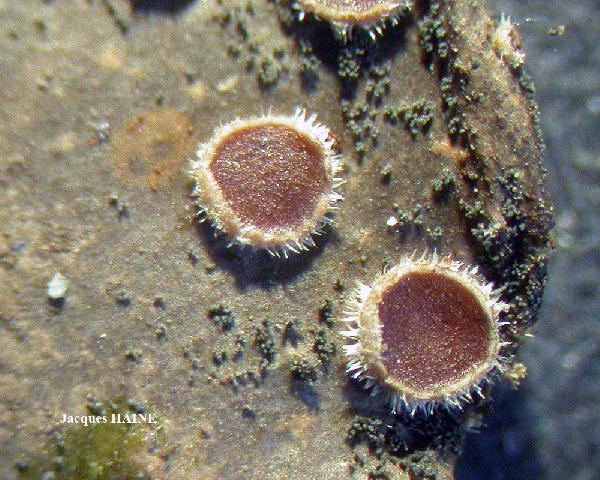
Jacques Haine - Source: http://www.lichensmaritimes.org/index.php?task=fiche&lichen=822&lang=en
France, Huelgoat
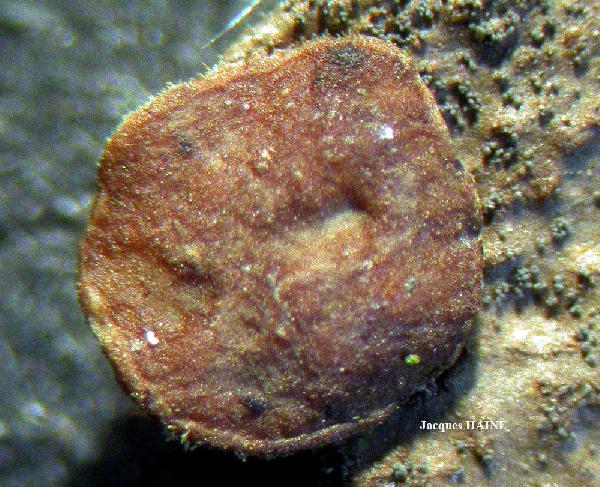
Jacques Haine - Source: http://www.lichensmaritimes.org/index.php?task=fiche&lichen=822&lang=en
France, Huelgoat
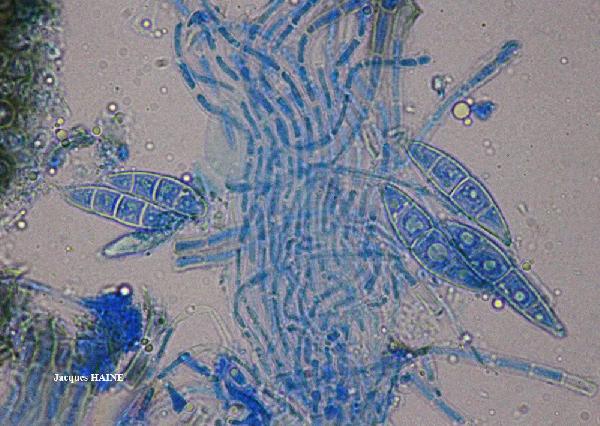
Jacques Haine - Source: http://www.lichensmaritimes.org/index.php?task=fiche&lichen=822&lang=en
France, Huelgoat
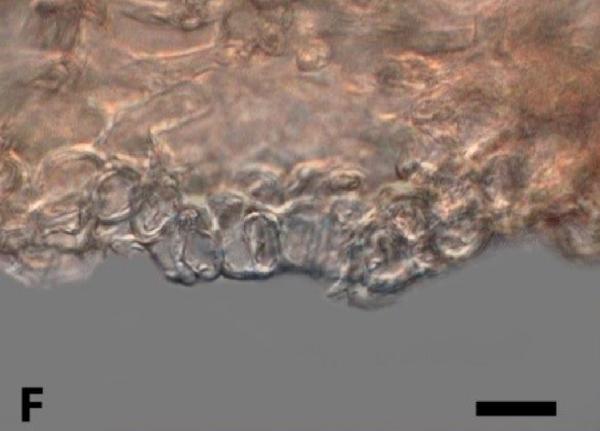
Source: Ekman, S., Tønsberg, T. & Jørgensen, P. M. 2019. The Sticta fuliginosa group in Norway and Sweden.Graphis Scripta 31 (4): 23–33. Oslo. ISSN 2002-4495. - CC BY-4.0
Sections through cyphellae in Sticta. S. fuliginosa, cyphella surface cells without papillae. Scale: 10 μm. Photo of UPS L-112259
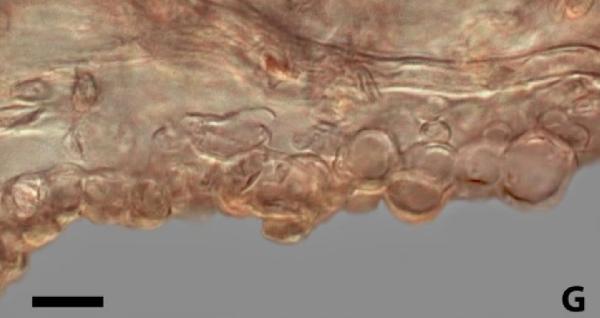
Source: Ekman, S., Tønsberg, T. & Jørgensen, P. M. 2019. The Sticta fuliginosa group in Norway and Sweden.Graphis Scripta 31 (4): 23–33. Oslo. ISSN 2002-4495. - CC BY-4.0
Sections through cyphellae in Sticta. S. fuliginosa, cyphella surface cells without papillae. Scale: 10 μm. Photo of UPS L-157159
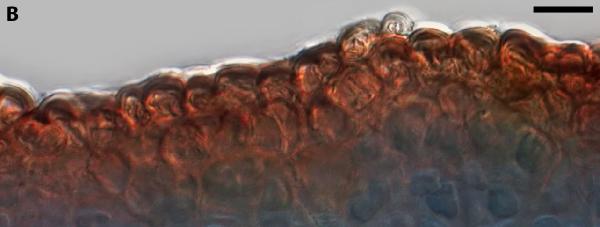
Source: Ekman, S., Tønsberg, T. & Jørgensen, P. M. 2019. The Sticta fuliginosa group in Norway and Sweden.Graphis Scripta 31 (4): 23–33. Oslo. ISSN 2002-4495. - CC BY-4.0
Sections through upper cortex in Sticta. S. fuliginosa. Scales: 10 μm. Photo of UPS L-15715
Growth form: Foliose, broad lobed
Substrata: bark and rocks
Photobiont: cyanobacteria, filamentous (e.g. Nostoc, Scytonema)
Reproductive strategy: mainly asexual, by isidia, or isidia-like structures (e.g. schizidia)
Restricted to humid-warm, oceanic areas
Commonnes-rarity: (info)
Alpine belt: absent
Subalpine belt: absent
Montane belt: extremely rare
Dry submediterranean belt: absent
Humid submediterranean belt: extremely rare
Padanian area: absent
pH of the substrata:
| 1 | 2 | 3 | 4 | 5 |
Solar irradiation:
| 1 | 2 | 3 | 4 | 5 |
Aridity:
| 1 | 2 | 3 | 4 | 5 |
Eutrophication:
| 1 | 2 | 3 | 4 | 5 |
Poleotolerance:
| 0 | 1 | 2 | 3 |
Altitudinal distribution:
| 1 | 2 | 3 | 4 | 5 | 6 |
Rarity
absent
extremely rare
very rare
rare
rather rare
rather common
common
very common
extremely common
Loading data...
Occurrence data
Predictive map
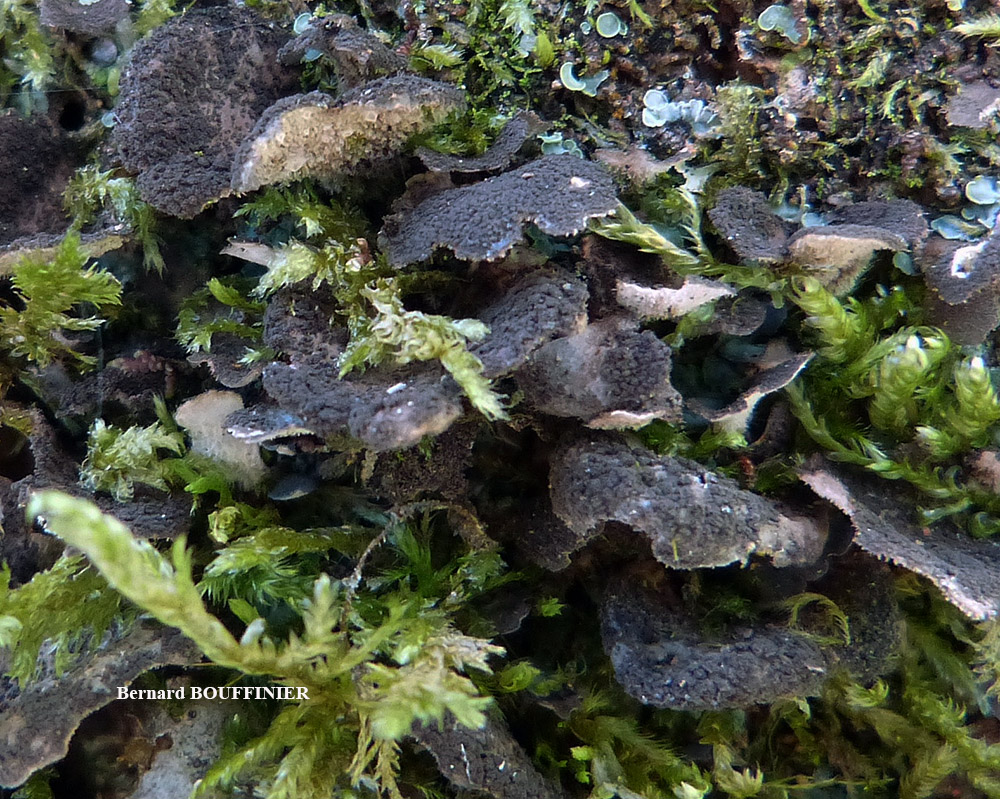
Bernard Bouffinier - Source: http://www.lichensmaritimes.org/index.php?task=fiche&lichen=822&lang=en
France, Stangala
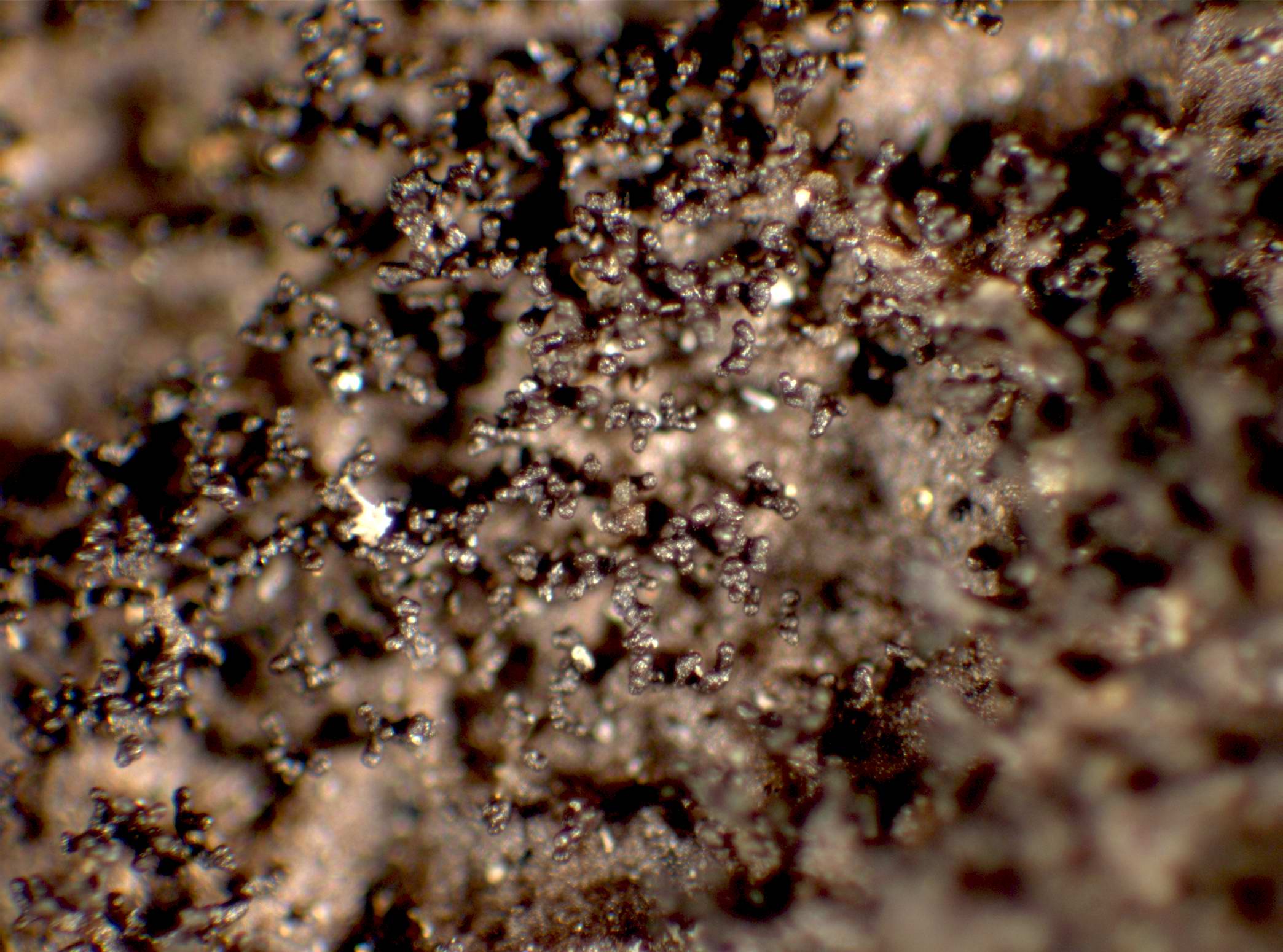
P.L. Nimis; Owner: Department of Life Sciences, University of Trieste
Herbarium: TSB (4261)
2001/12/07
isidia
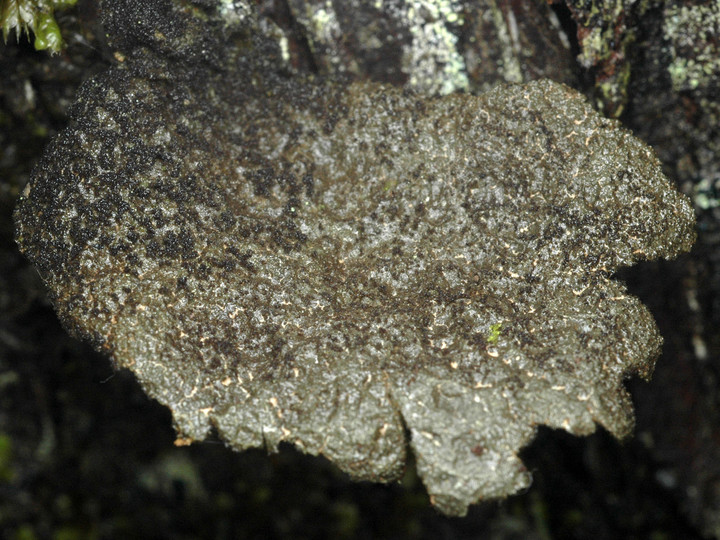
Leif Stridvall - Source: http://www.stridvall.se/la/galleries.php
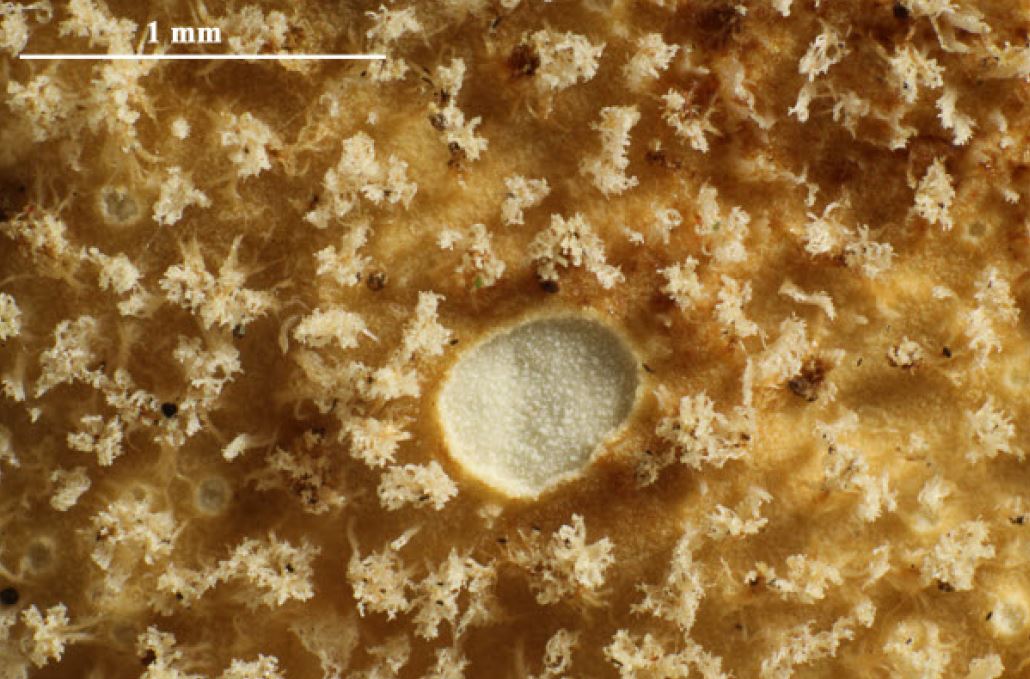
Felix Schumm - CC BY-SA 4.0
[19274], Australia, New South Wales, Polblue Swamp, Barrington Tops State Forest, 50 km WNW of Gloucester, 31°58' S, 151°26' E, 1450 m, on base and trunk of Euycalyptus in open Eucalyptus pauciflora, Leptospermum and Epacridaceae fringed swampy area. Leg. J.A. Elix (22902), 25.04.1990. No lichen substances detected by TLC, anal. J.A. Elix. LICH. AUSTRALASICI EXS. 223.
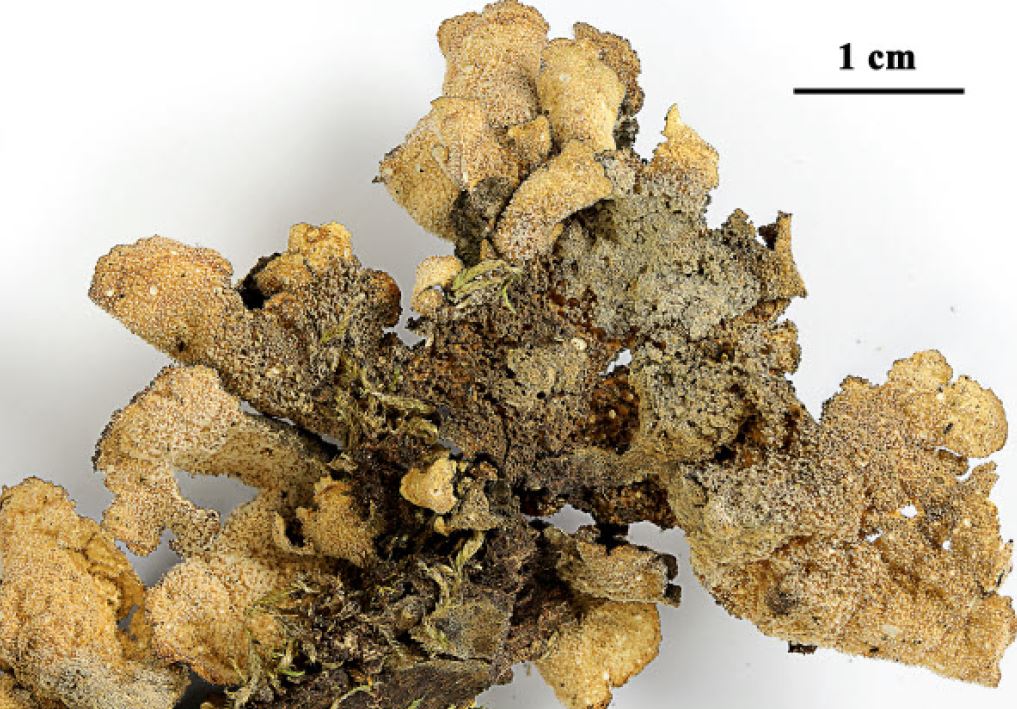
Felix Schumm - CC BY-SA 4.0
[19274], Australia, New South Wales, Polblue Swamp, Barrington Tops State Forest, 50 km WNW of Gloucester, 31°58' S, 151°26' E, 1450 m, on base and trunk of Euycalyptus in open Eucalyptus pauciflora, Leptospermum and Epacridaceae fringed swampy area. Leg. J.A. Elix (22902), 25.04.1990. No lichen substances detected by TLC, anal. J.A. Elix. LICH. AUSTRALASICI EXS. 223.
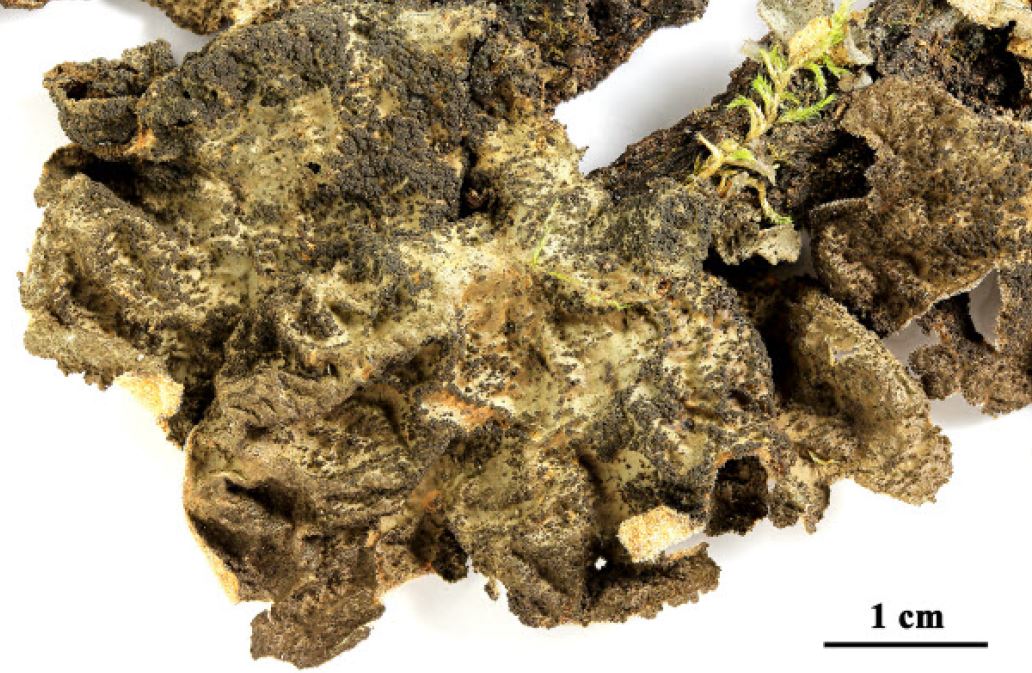
Felix Schumm - CC BY-SA 4.0
[19274], Australia, New South Wales, Polblue Swamp, Barrington Tops State Forest, 50 km WNW of Gloucester, 31°58' S, 151°26' E, 1450 m, on base and trunk of Euycalyptus in open Eucalyptus pauciflora, Leptospermum and Epacridaceae fringed swampy area. Leg. J.A. Elix (22902), 25.04.1990. No lichen substances detected by TLC, anal. J.A. Elix. LICH. AUSTRALASICI EXS. 223.
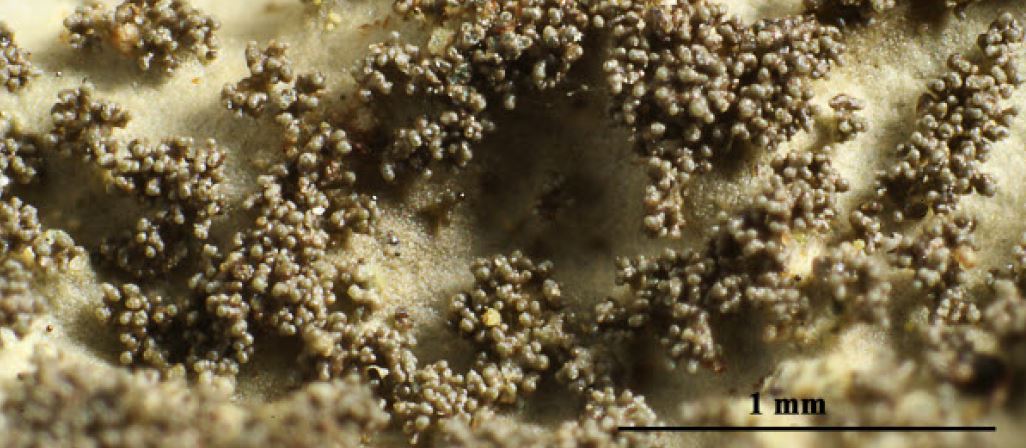
Felix Schumm - CC BY-SA 4.0
[19274], Australia, New South Wales, Polblue Swamp, Barrington Tops State Forest, 50 km WNW of Gloucester, 31°58' S, 151°26' E, 1450 m, on base and trunk of Euycalyptus in open Eucalyptus pauciflora, Leptospermum and Epacridaceae fringed swampy area. Leg. J.A. Elix (22902), 25.04.1990. No lichen substances detected by TLC, anal. J.A. Elix. LICH. AUSTRALASICI EXS. 223.
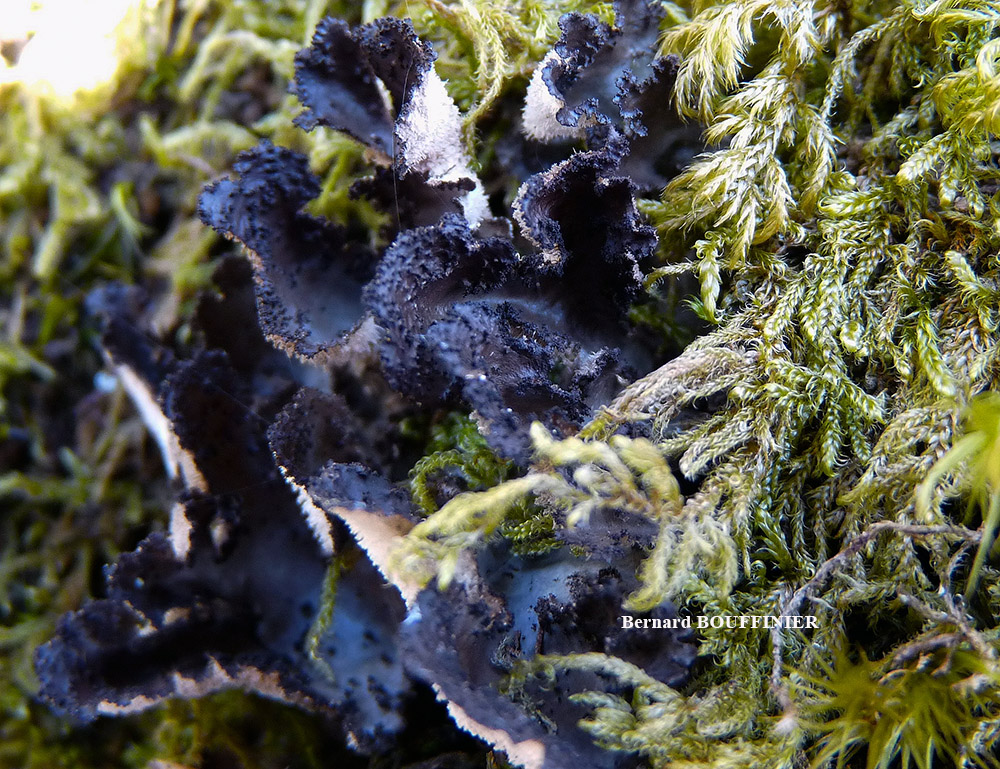
Bernard Bouffinier - Source: http://www.lichensmaritimes.org/index.php?task=fiche&lichen=822&lang=en
France, St. Herbot
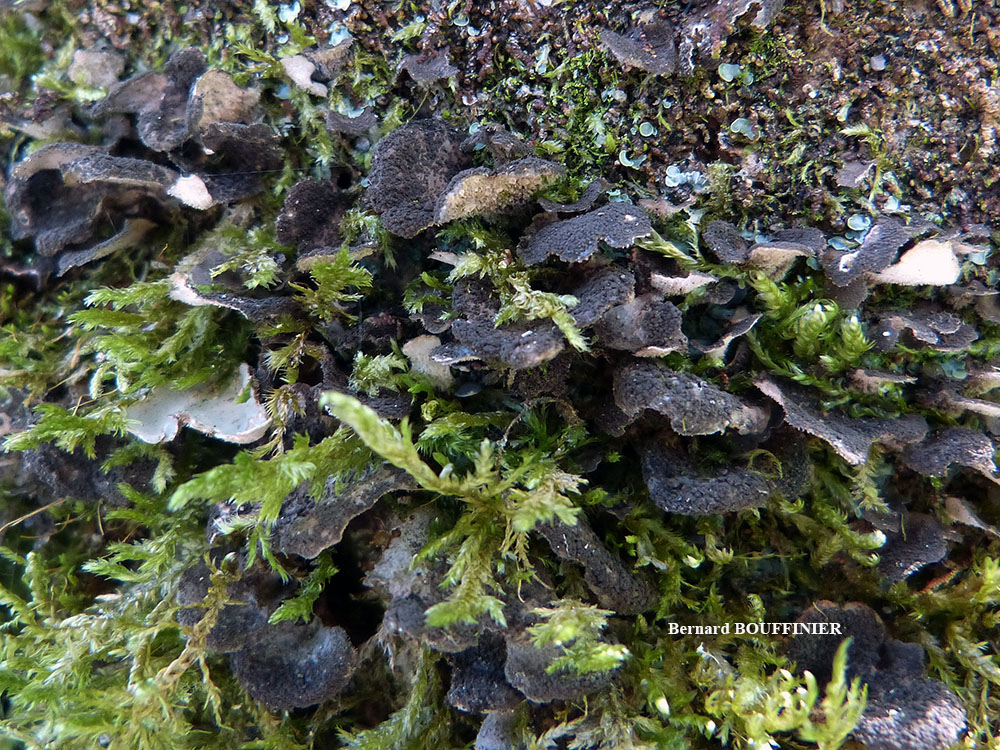
Bernard Bouffinier - Source: http://www.lichensmaritimes.org/index.php?task=fiche&lichen=822&lang=en
France, Stangala
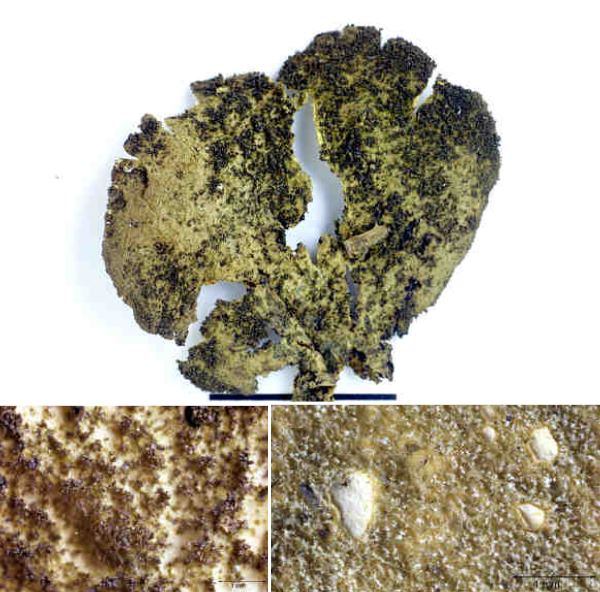
Felix Schumm – CC BY-SA 4.0
Image from: F. Schumm (2008) - Flechten Madeiras, der Kanaren und Azoren. Beck, OHG - ISBN: 978-3-00-023700-3
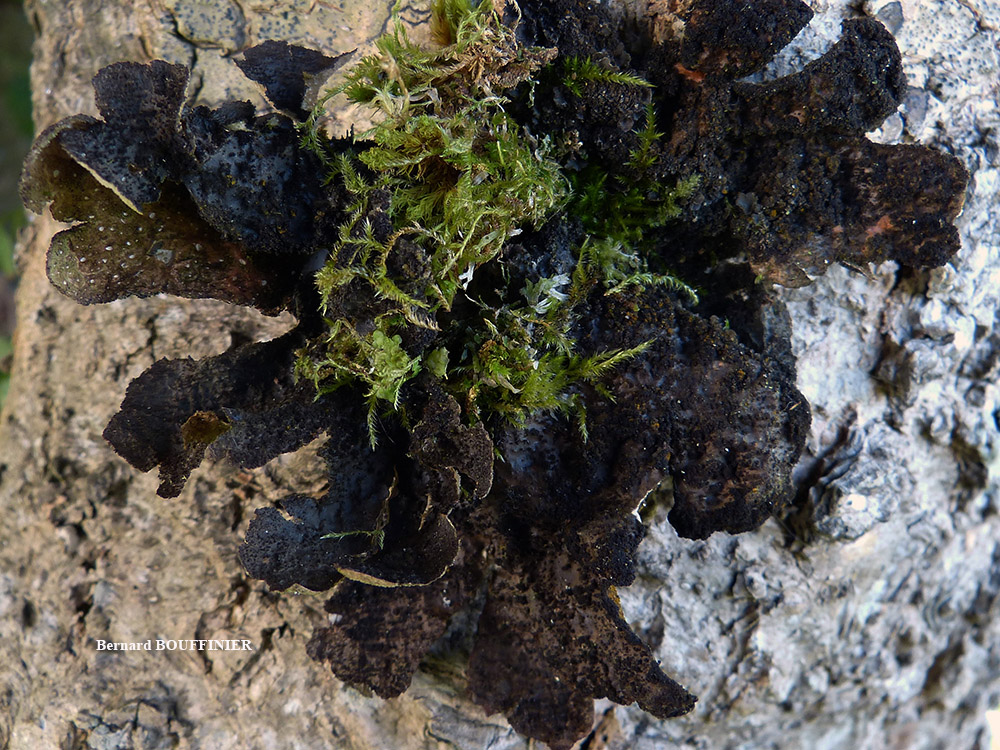
Bernard Bouffinier - Source: http://www.lichensmaritimes.org/index.php?task=fiche&lichen=822&lang=en
France, Stangala
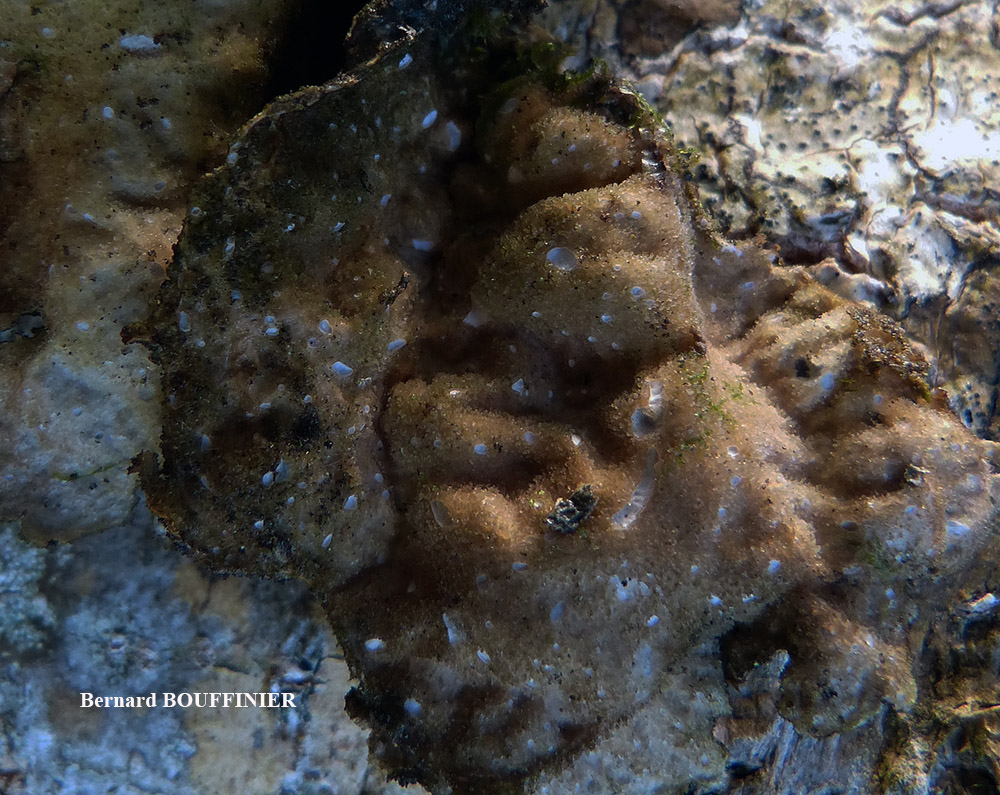
Bernard Bouffinier - Source: http://www.lichensmaritimes.org/index.php?task=fiche&lichen=822&lang=en
France, Stangala
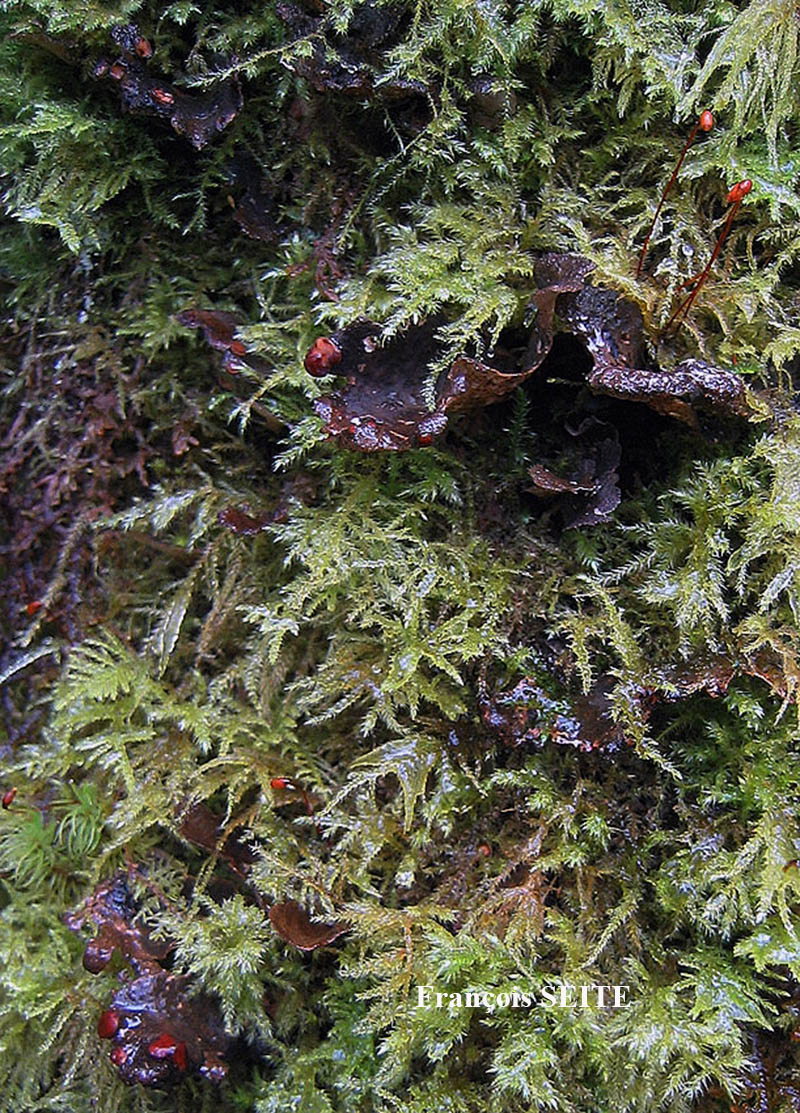
François Seite - Source: http://www.lichensmaritimes.org/index.php?task=fiche&lichen=822&lang=en
France, Huelgoat
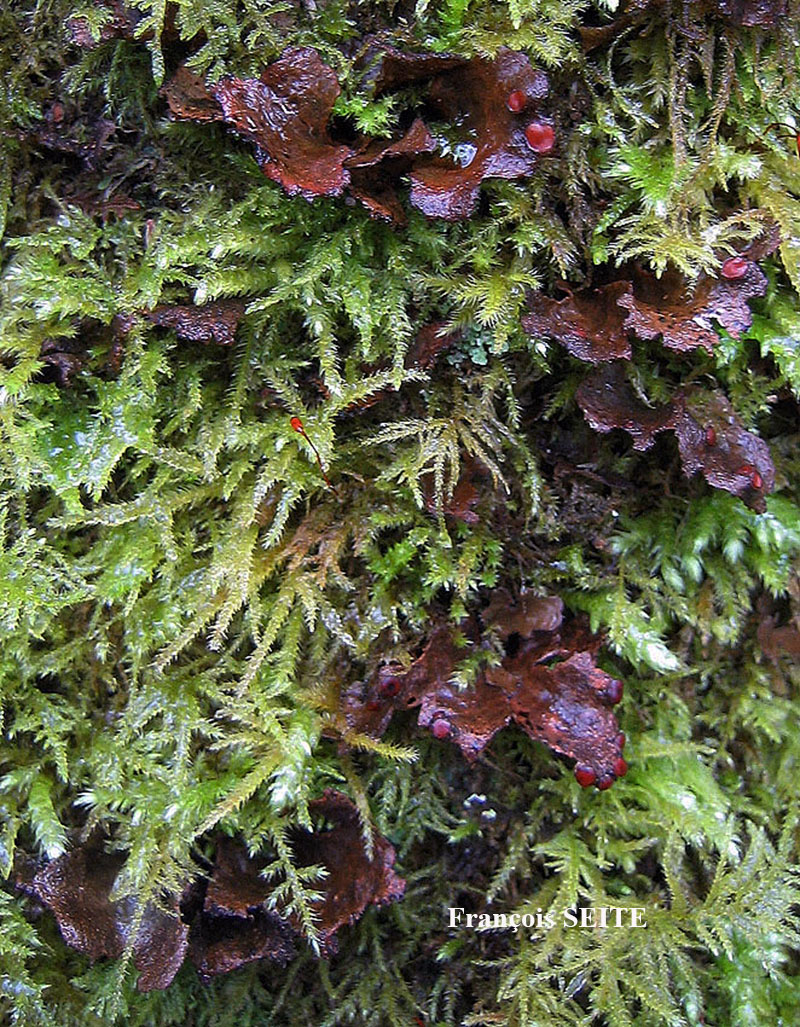
François Seite - Source: http://www.lichensmaritimes.org/index.php?task=fiche&lichen=822&lang=en
France, Huelgoat
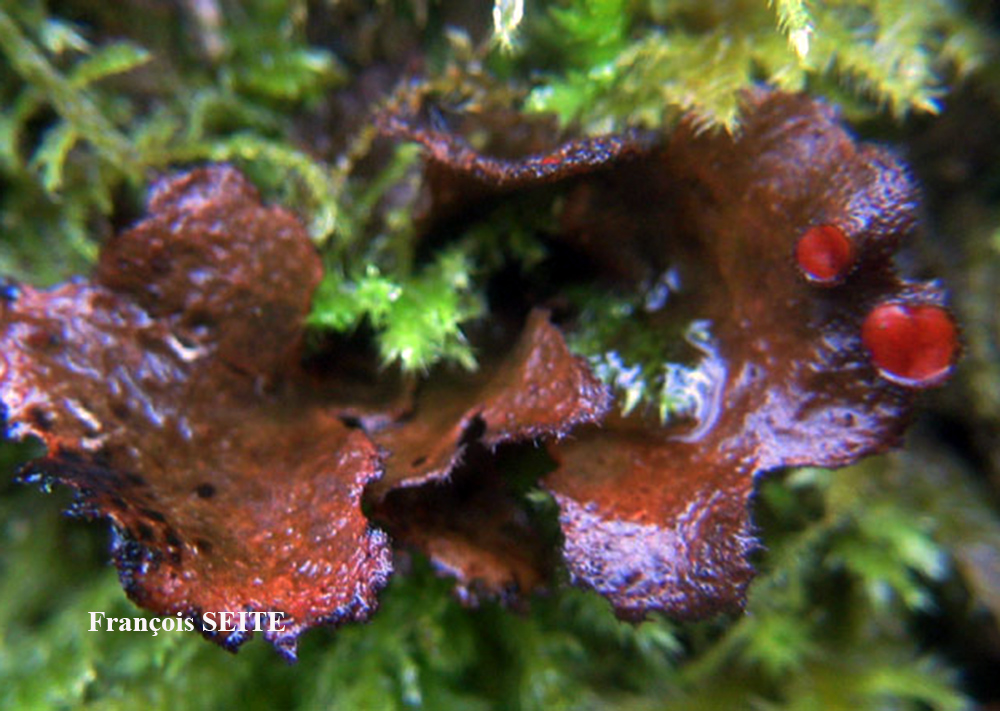
François Seite - Source: http://www.lichensmaritimes.org/index.php?task=fiche&lichen=822&lang=en
France, Huelgoat
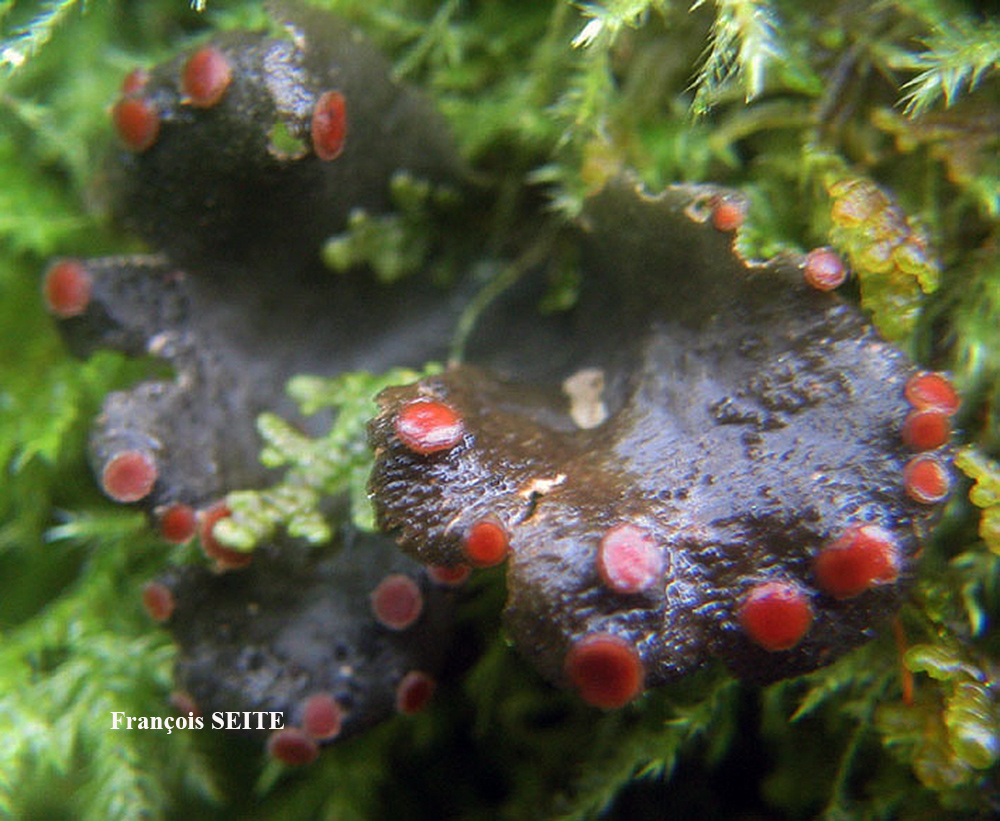
François Seite - Source: http://www.lichensmaritimes.org/index.php?task=fiche&lichen=822&lang=en
France, Huelgoat
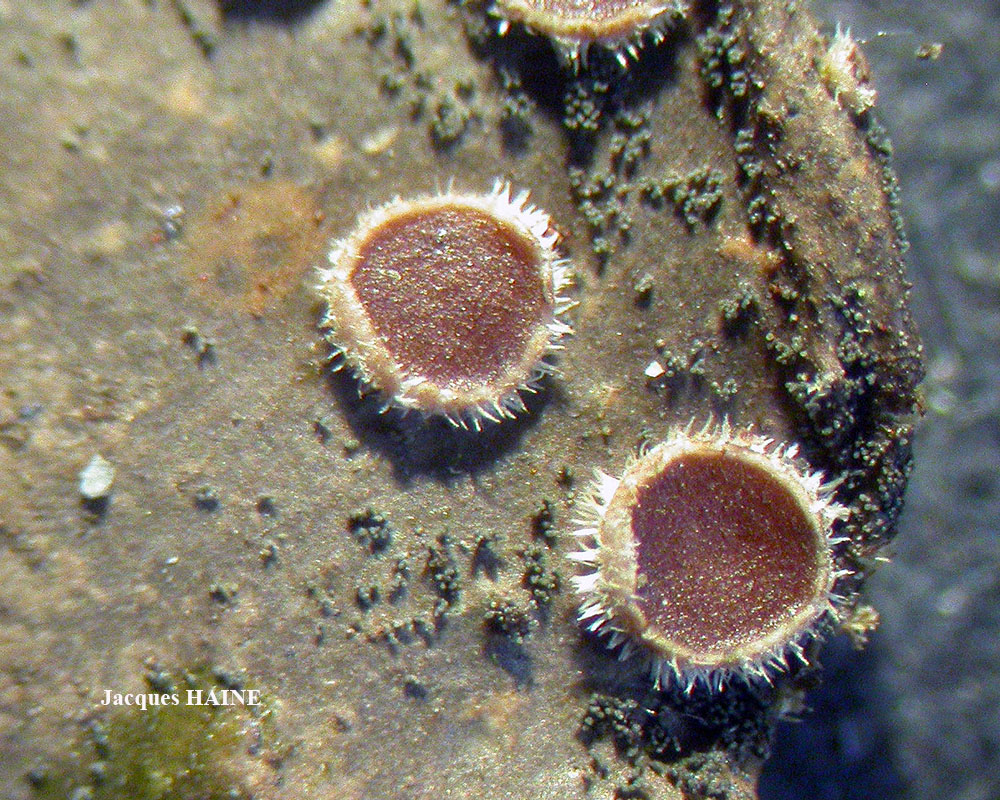
Jacques Haine - Source: http://www.lichensmaritimes.org/index.php?task=fiche&lichen=822&lang=en
France, Huelgoat
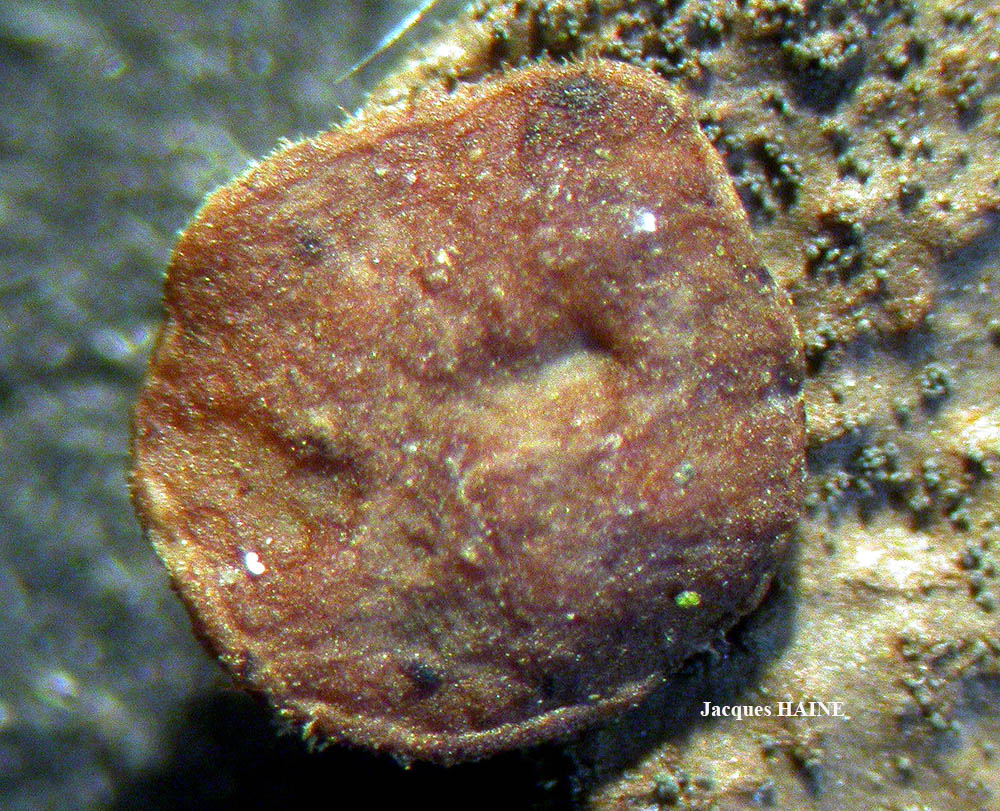
Jacques Haine - Source: http://www.lichensmaritimes.org/index.php?task=fiche&lichen=822&lang=en
France, Huelgoat
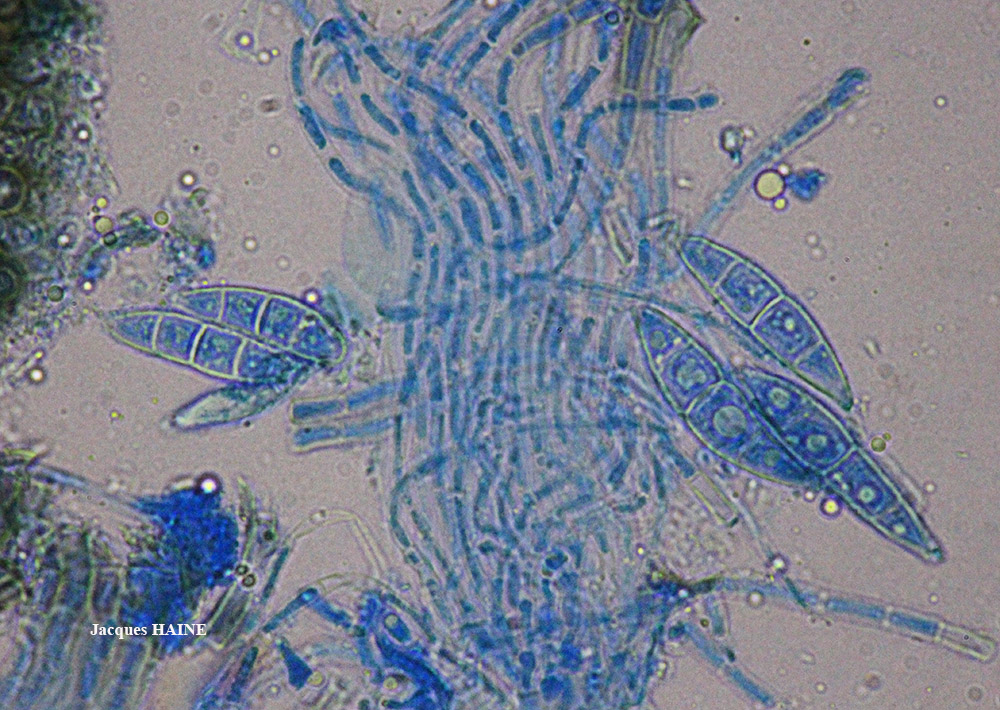
Jacques Haine - Source: http://www.lichensmaritimes.org/index.php?task=fiche&lichen=822&lang=en
France, Huelgoat

Source: Ekman, S., Tønsberg, T. & Jørgensen, P. M. 2019. The Sticta fuliginosa group in Norway and Sweden.Graphis Scripta 31 (4): 23–33. Oslo. ISSN 2002-4495. - CC BY-4.0
Sections through cyphellae in Sticta. S. fuliginosa, cyphella surface cells without papillae. Scale: 10 μm. Photo of UPS L-112259

Source: Ekman, S., Tønsberg, T. & Jørgensen, P. M. 2019. The Sticta fuliginosa group in Norway and Sweden.Graphis Scripta 31 (4): 23–33. Oslo. ISSN 2002-4495. - CC BY-4.0
Sections through cyphellae in Sticta. S. fuliginosa, cyphella surface cells without papillae. Scale: 10 μm. Photo of UPS L-157159