Sticta sylvatica (Huds.) Ach.
Meth. Lich.: 281, 1803. Basionym: Lichen sylvaticus Huds. - Fl. Angl.: 453, 1762.
Synonyms: Stictina sylvatica (Huds.) Nyl.
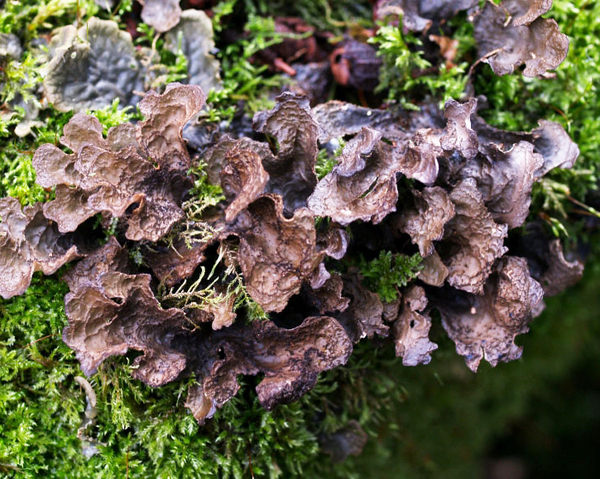
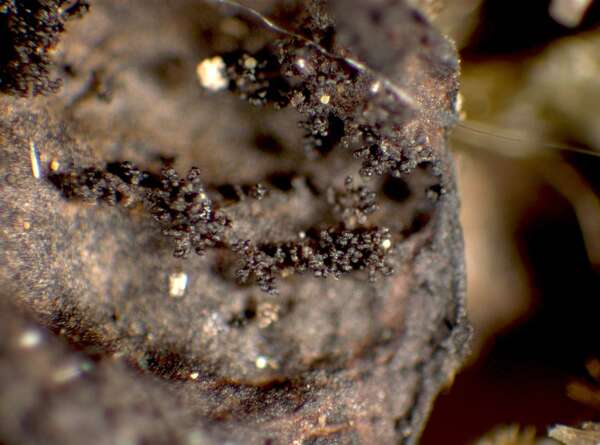
Description: Thallus foliose, heteromerous, dorsiventral, broad-lobed, isidiate, subcoriaceous but brittle when dry, 1-5 cm in diam., but often forming 10-20 cm wide colonies with several intermingled and overlapping thalli. Young lobes not stipitate; mature lobes strap-shaped, 0.4-0.8 cm wide, 1-3(-5) times dichotomously branched, glossy, involute, usually with ascending, rounded to irregularly dissected margins, forming slightly concave, fan-shaped forms. Upper surface usually dark brown when wet, paler and sometimes bluish grey when dry, foveolate or scrobiculate with shallowly reticulated ridges. Isidia developing mainly on lobe margins or on ridges of the upper surface, sometimes covering large parts of the thallus, at fist globose, but soon developing up to 0.5 mm high and wide, coralloid masses, very brittle and easily detached, dark brown to black. Lower surface uneven or slightly foveolate, dark brown, black at least in basal parts, tomentose throughout, with rounded to slightly irregular, 0.8-1.1 mm wide, erumpent and slightly involute pseudocyphellae, the pore 0.5-0.7 mm in diam., the membrane white, made of 1-2 layers of rounded or rarely irregular cells which rarely may produce c. 4 μm wide papillae. Upper cortex paraplectenchymatous, 30-40 μm thick, of 4-5 layers of isodiametrical cells, the uppermost layer distinct, made of a single row of smaller, c. 5-8 μm wide cells with thicker walls; medulla white, lax, 50-60 μm thick; lower cortex paraplectenchymatous, 20-30 μm thick, with 2-4 layers of isodiametrical, thick-walled cells. Primary tomentum formed of bunches of 0.1-0.4 mm long, cylindrical hyphae, adglutinated except at the tips, the apical cells distinctly shorter, slightly moniliform and probably producing vegetative diaspores. Apothecia and pycnidia absent. Photobiont cyanobacterial (Nostoc, the cells forming an almost continuous layer). Spot tests: cortex and medulla K-, C-, KC-, P-, UV-. Chemistry: without lichen substances.
Growth form: Foliose, broad lobed
Substrata: bark and rocks
Photobiont: cyanobacteria, filamentous (e.g. Nostoc, Scytonema)
Reproductive strategy: mainly asexual, by isidia, or isidia-like structures (e.g. schizidia)
Restricted to humid-warm, oceanic areas
Commonnes-rarity: (info)
Alpine belt: absent
Subalpine belt: absent
Montane belt: very rare
Dry submediterranean belt: absent
Humid submediterranean belt: absent
Padanian area: absent
pH of the substrata:
1 2 3 4 5

Solar irradiation:
1 2 3 4 5
Aridity:
1 2 3 4 5
Eutrophication:
1 2 3 4 5
Poleotolerance:
0 1 2 3
Altitudinal distribution:
1 2 3 4 5 6
Rarity
absent
extremely rare
very rare
rare
rather rare
rather common
common
very common
extremely common
Loading data...
Occurrence data
Predictive map
Andres Saag; Owner: University of Tartu
P.L. Nimis; Owner: Department of Life Sciences, University of Trieste
Herbarium: TSB (9135)
2001/12/07
isidia
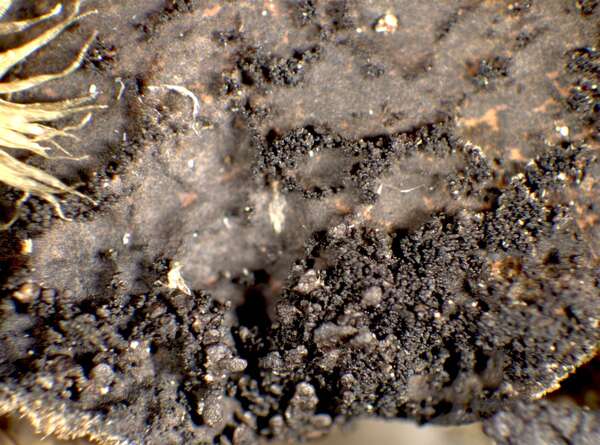
P.L. Nimis; Owner: Department of Life Sciences, University of Trieste
Herbarium: TSB (9135)
2001/12/07
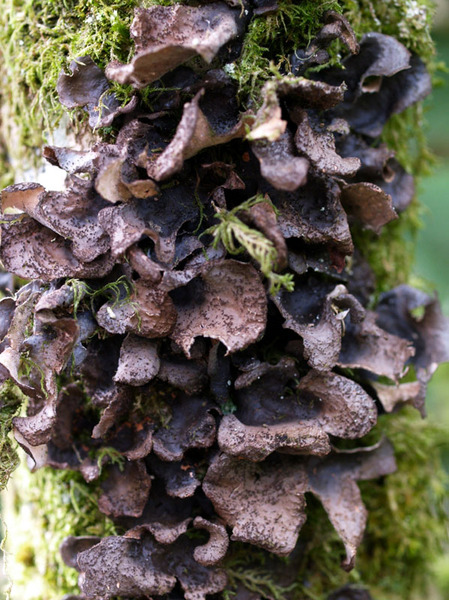
Andres Saag; Owner: University of Tartu
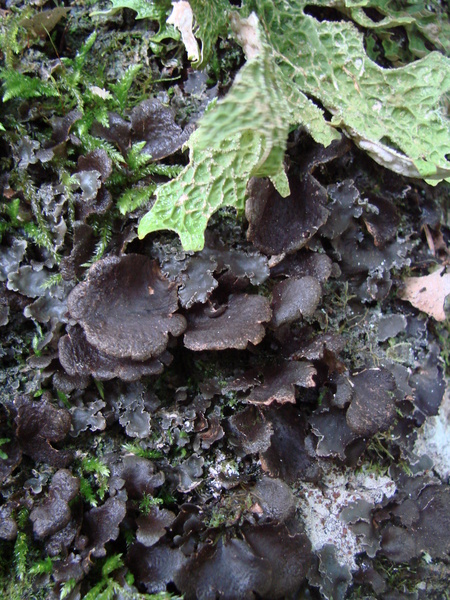
Jessica Bonazzi; Owner: Department of Life Sciences, University of Trieste
Friuli-Venezia Giulia, UD, Lago di Sauris, Bosco della Stua, ca. 1000 m
2008.27.08
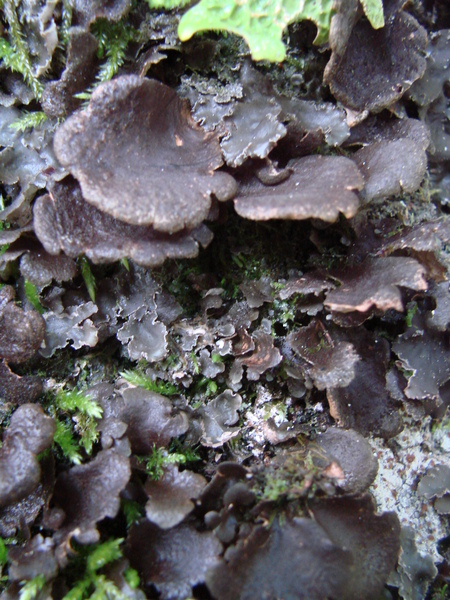
Jessica Bonazzi; Owner: Department of Life Sciences, University of Trieste
Friuli-Venezia Giulia, UD, Lago di Sauris, Bosco della Stua, ca. 1000 m
2008.27.08
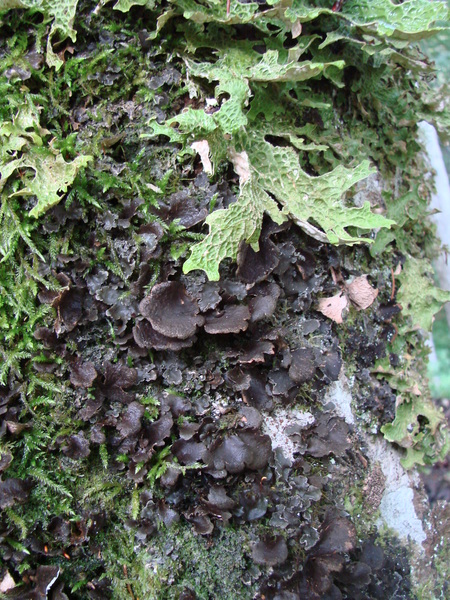
Jessica Bonazzi; Owner: Department of Life Sciences, University of Trieste
Friuli-Venezia Giulia, UD, Lago di Sauris, Bosco della Stua, ca. 1000 m
2008.27.08
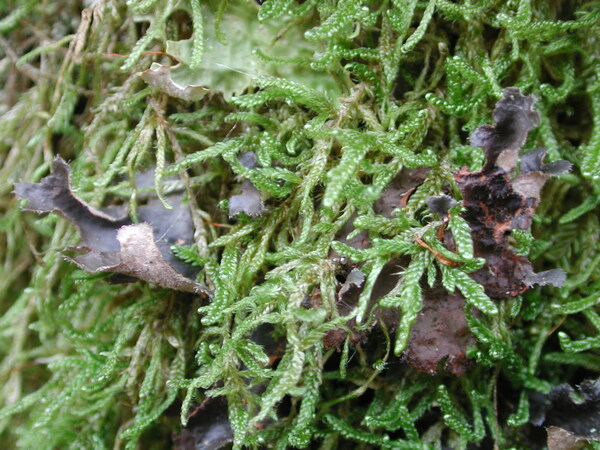
Juri Nascimbene
Altopiano del Canwsiglio, Regione Veneto, Prov. Treviso, Italy
2005
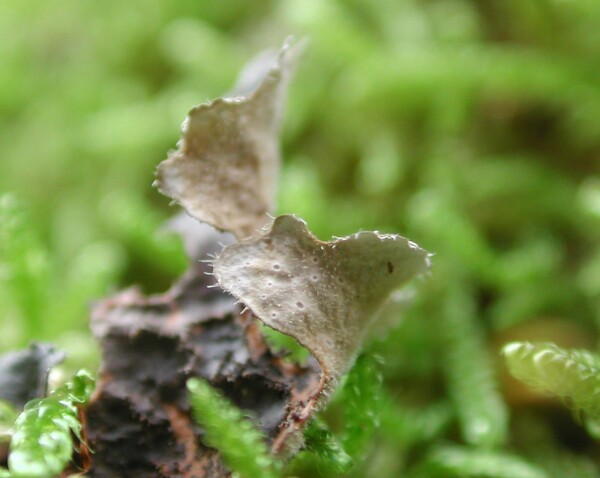
Juri Nascimbene
Altopiano del Canwsiglio, Regione Veneto, Prov. Treviso, Italy
2005
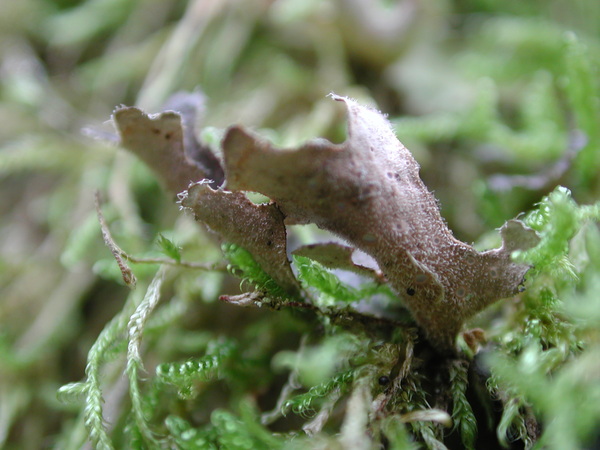
Juri Nascimbene
Altopiano del Canwsiglio, Regione Veneto, Prov. Treviso, Italy
2005
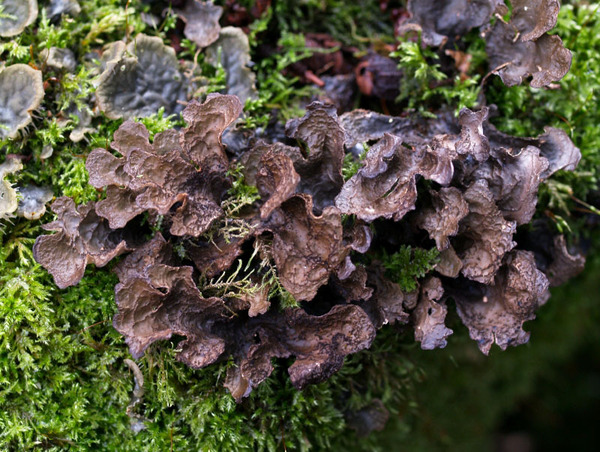
Andres Saag; Owner: University of Tartu
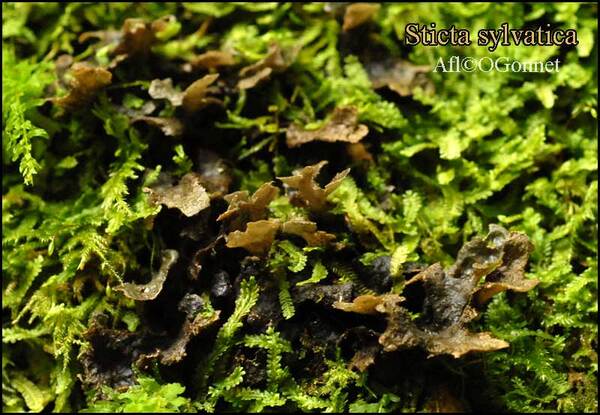
Courtesy Danièle et Olivier Gonnet - Source: https://www.afl-lichenologie.fr/Photos_AFL/Photos_AFL_S/Sticta_sylvatica.htm
France, session AFL 2007 - Finistère
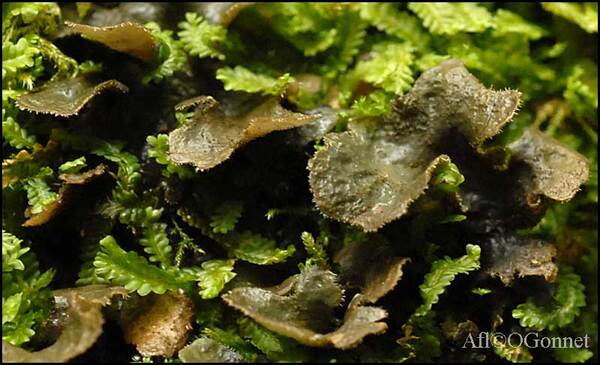
Courtesy Danièle et Olivier Gonnet - Source: https://www.afl-lichenologie.fr/Photos_AFL/Photos_AFL_S/Sticta_sylvatica.htm
France, session AFL 2007 - Finistère
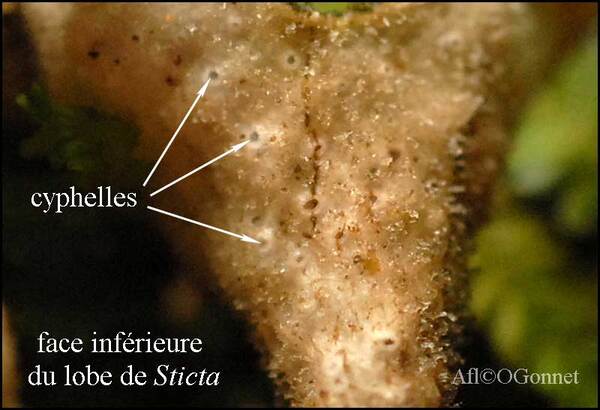
Courtesy Danièle et Olivier Gonnet - Source: https://www.afl-lichenologie.fr/Photos_AFL/Photos_AFL_S/Sticta_sylvatica.htm
France, session AFL 2007 - Finistère
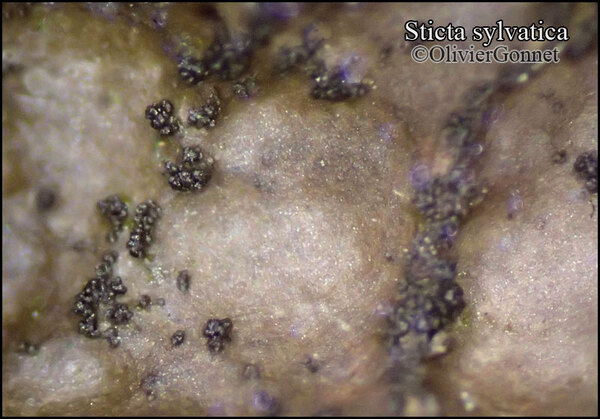
Courtesy Danièle et Olivier Gonnet - Source: https://www.afl-lichenologie.fr/Photos_AFL/Photos_AFL_S/Sticta_sylvatica.htm
France, session AFL 2007 - Finistère
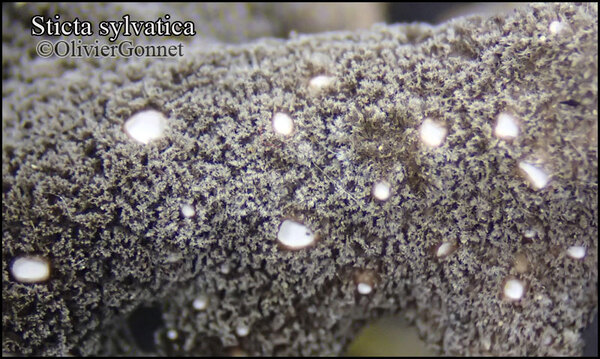
Courtesy Danièle et Olivier Gonnet - Source: https://www.afl-lichenologie.fr/Photos_AFL/Photos_AFL_S/Sticta_sylvatica.htm
France, session AFL 2007 - Finistère
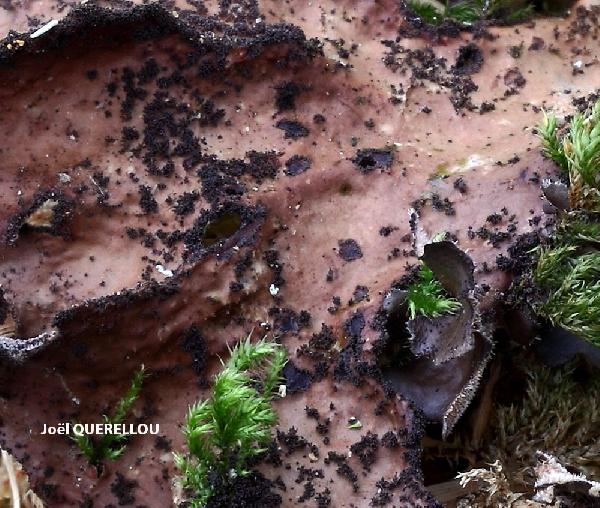
Joël Querellou - Source: http://www.lichensmaritimes.org/index.php?task=fiche&lichen=352&lang=en
France, St. Herbot
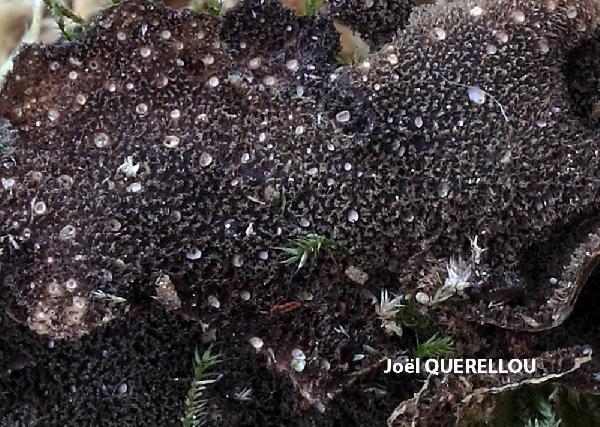
Joël Querellou - Source: http://www.lichensmaritimes.org/index.php?task=fiche&lichen=352&lang=en
France, St. Herbot
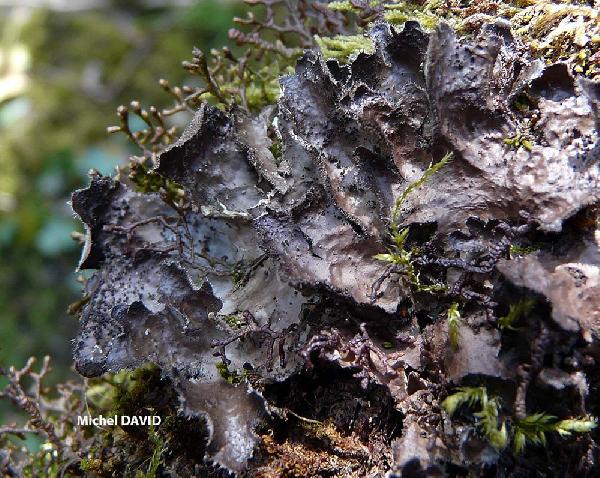
Michel David - Source: http://www.lichensmaritimes.org/index.php?task=fiche&lichen=352&lang=en
France, St. Herbot
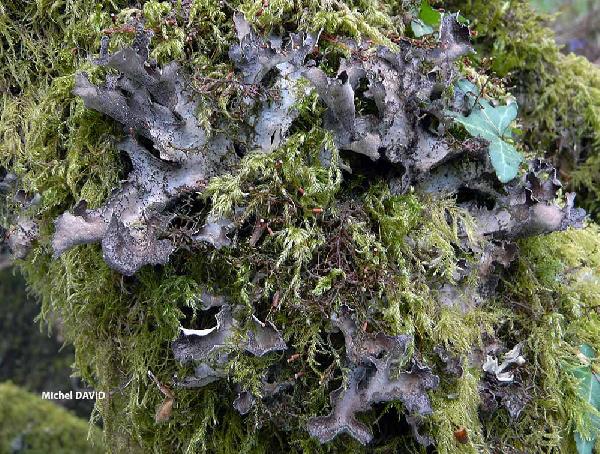
Michel David - Source: http://www.lichensmaritimes.org/index.php?task=fiche&lichen=352&lang=en
France, St. Herbot
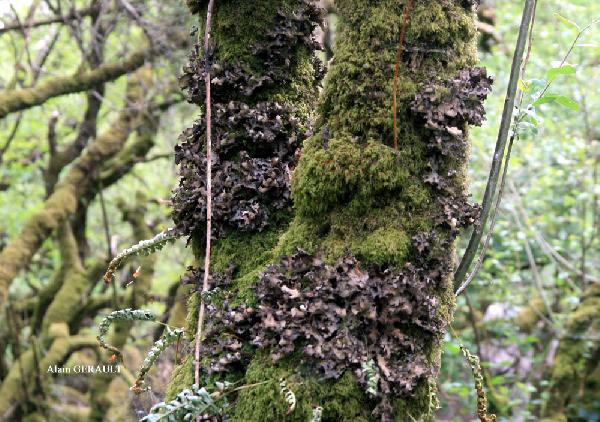
Alain Gerault - Source: http://www.lichensmaritimes.org/index.php?task=fiche&lichen=352&lang=en
France, St. Herbot
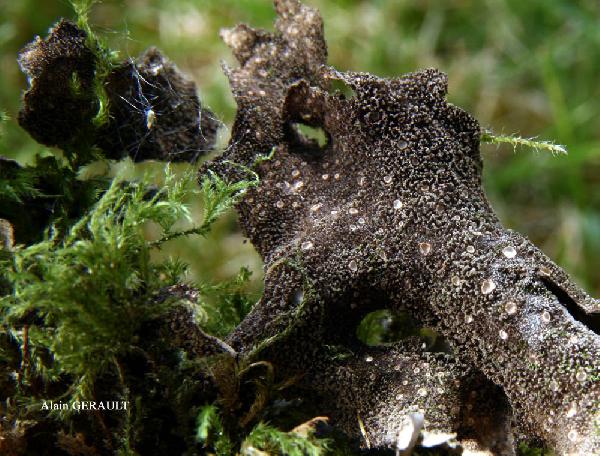
Alain Gerault - Source: http://www.lichensmaritimes.org/index.php?task=fiche&lichen=352&lang=en
France, St. Herbot
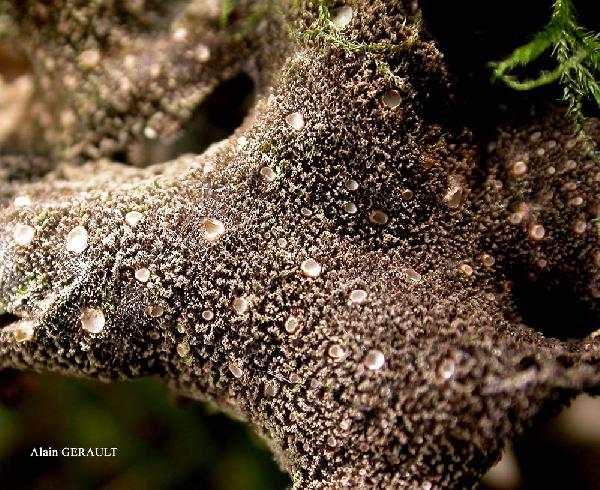
Alain Gerault - Source: http://www.lichensmaritimes.org/index.php?task=fiche&lichen=352&lang=en
France, St. Herbot
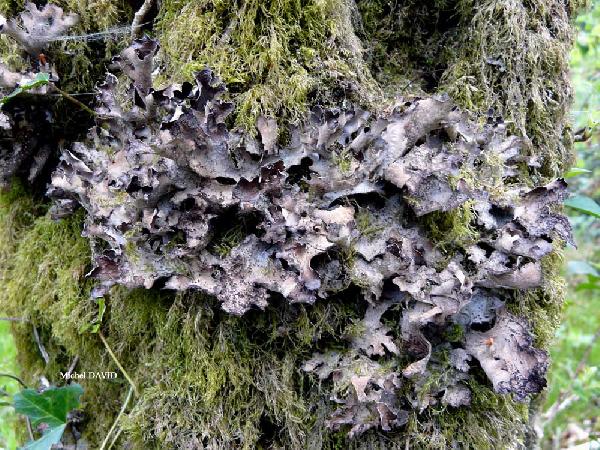
Michel David - Source: http://www.lichensmaritimes.org/index.php?task=fiche&lichen=352&lang=en
France, St. Herbot
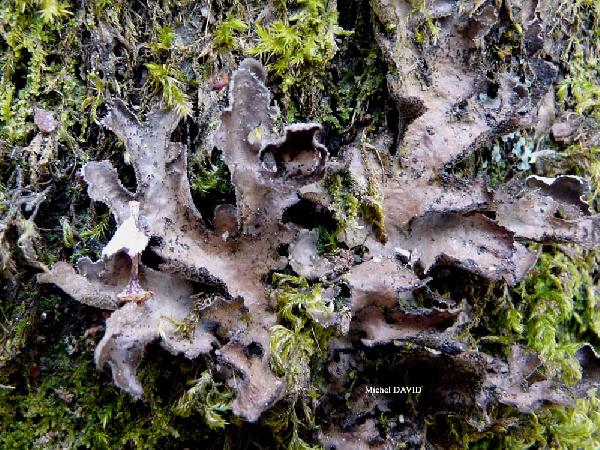
Michel David - Source: http://www.lichensmaritimes.org/index.php?task=fiche&lichen=352&lang=en
France, St. Herbot
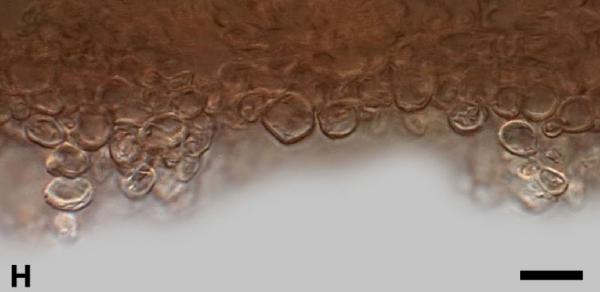
Source: Ekman, S., Tønsberg, T. & Jørgensen, P. M. 2019. The Sticta fuliginosa group in Norway and Sweden.Graphis Scripta 31 (4): 23–33. Oslo. ISSN 2002-4495. - CC BY-4.0
Sections through cyphellae in Sticta. S. sylvatica, cyphella surface cells with a tendency to bud new cells but without papillae
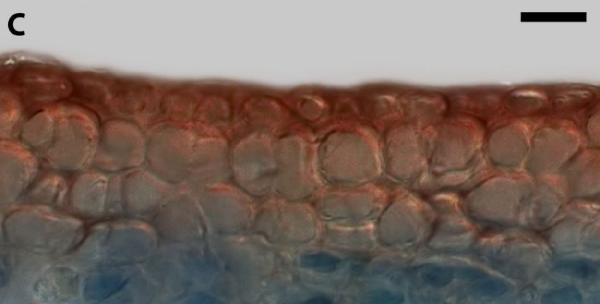
Source: Ekman, S., Tønsberg, T. & Jørgensen, P. M. 2019. The Sticta fuliginosa group in Norway and Sweden.Graphis Scripta 31 (4): 23–33. Oslo. ISSN 2002-4495. - CC BY-4.0
Sections through upper cortex in Sticta. S. sylvatica. Scales: 10 μm. Photo of GB 0159196
Growth form: Foliose, broad lobed
Substrata: bark and rocks
Photobiont: cyanobacteria, filamentous (e.g. Nostoc, Scytonema)
Reproductive strategy: mainly asexual, by isidia, or isidia-like structures (e.g. schizidia)
Restricted to humid-warm, oceanic areas
Commonnes-rarity: (info)
Alpine belt: absent
Subalpine belt: absent
Montane belt: very rare
Dry submediterranean belt: absent
Humid submediterranean belt: absent
Padanian area: absent
pH of the substrata:
| 1 | 2 | 3 | 4 | 5 |
Solar irradiation:
| 1 | 2 | 3 | 4 | 5 |
Aridity:
| 1 | 2 | 3 | 4 | 5 |
Eutrophication:
| 1 | 2 | 3 | 4 | 5 |
Poleotolerance:
| 0 | 1 | 2 | 3 |
Altitudinal distribution:
| 1 | 2 | 3 | 4 | 5 | 6 |
Rarity
absent
extremely rare
very rare
rare
rather rare
rather common
common
very common
extremely common
Loading data...
Occurrence data
Predictive map
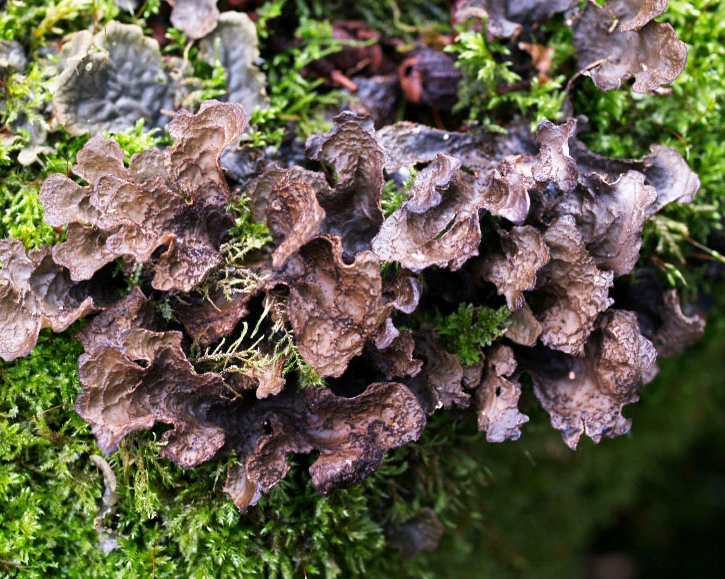
Andres Saag; Owner: University of Tartu
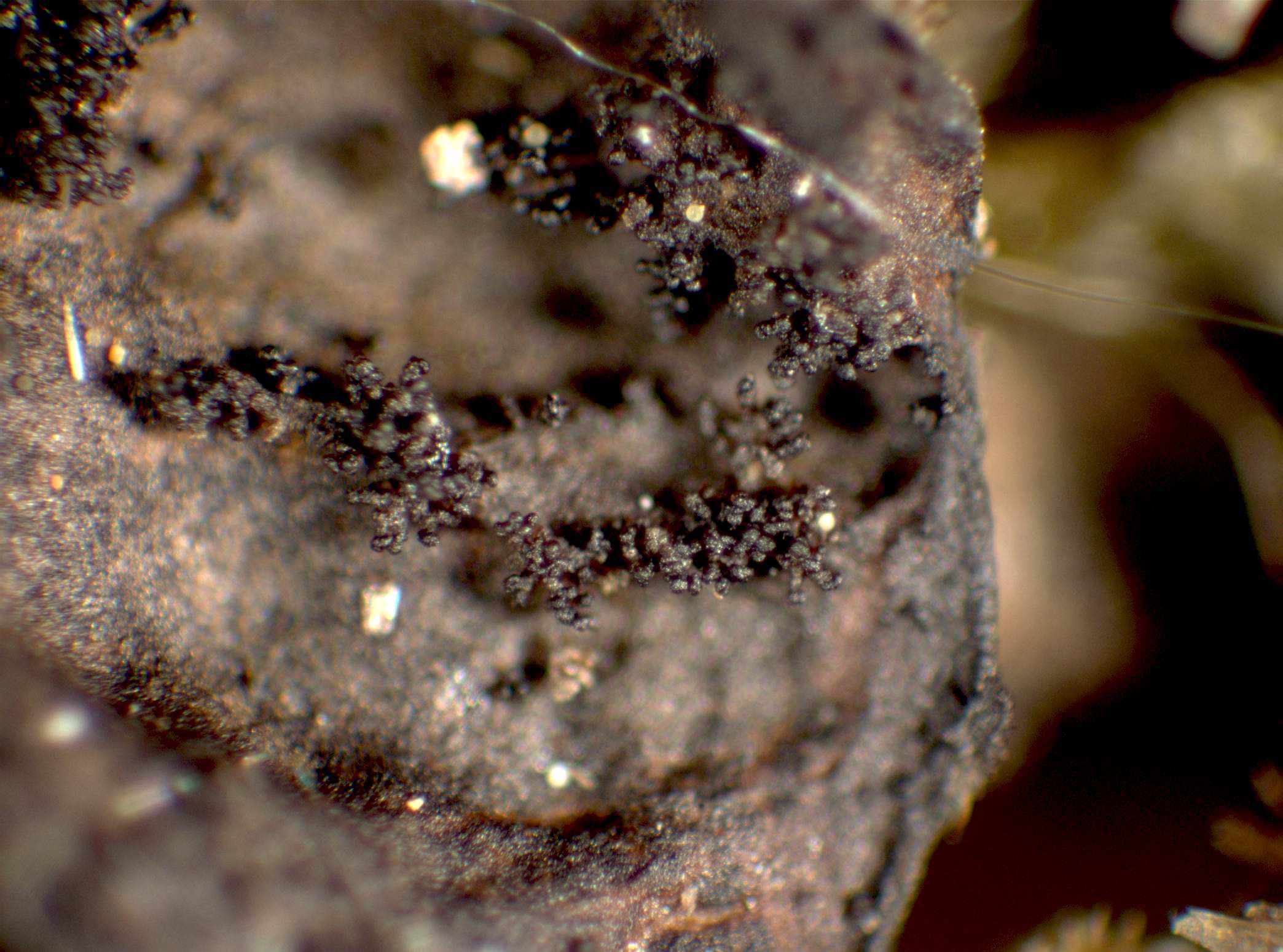
P.L. Nimis; Owner: Department of Life Sciences, University of Trieste
Herbarium: TSB (9135)
2001/12/07
isidia
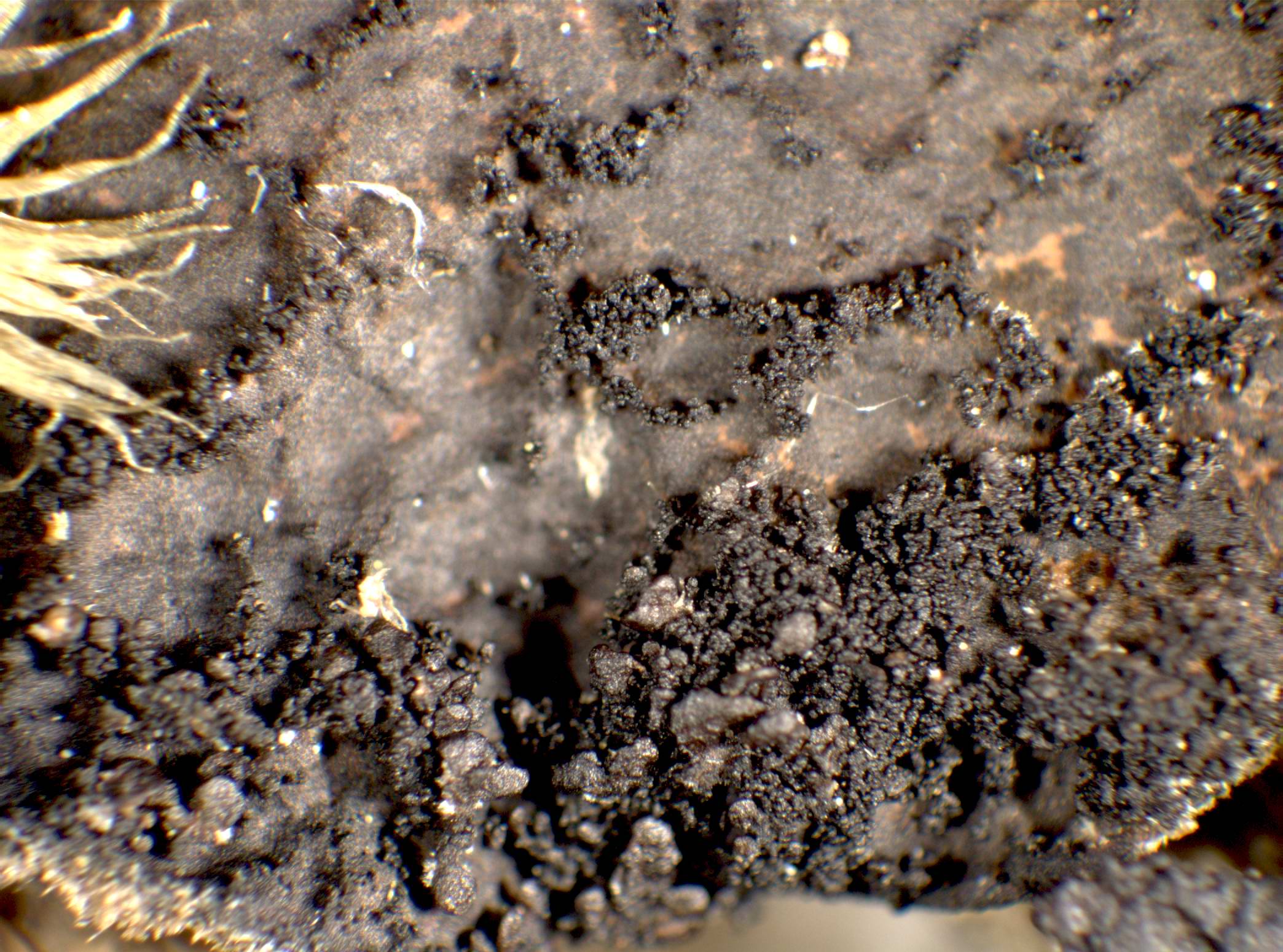
P.L. Nimis; Owner: Department of Life Sciences, University of Trieste
Herbarium: TSB (9135)
2001/12/07
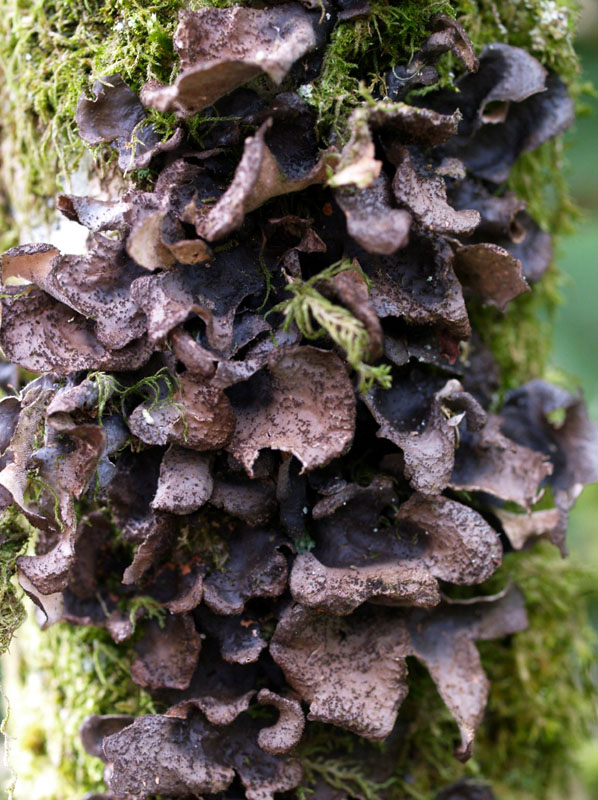
Andres Saag; Owner: University of Tartu
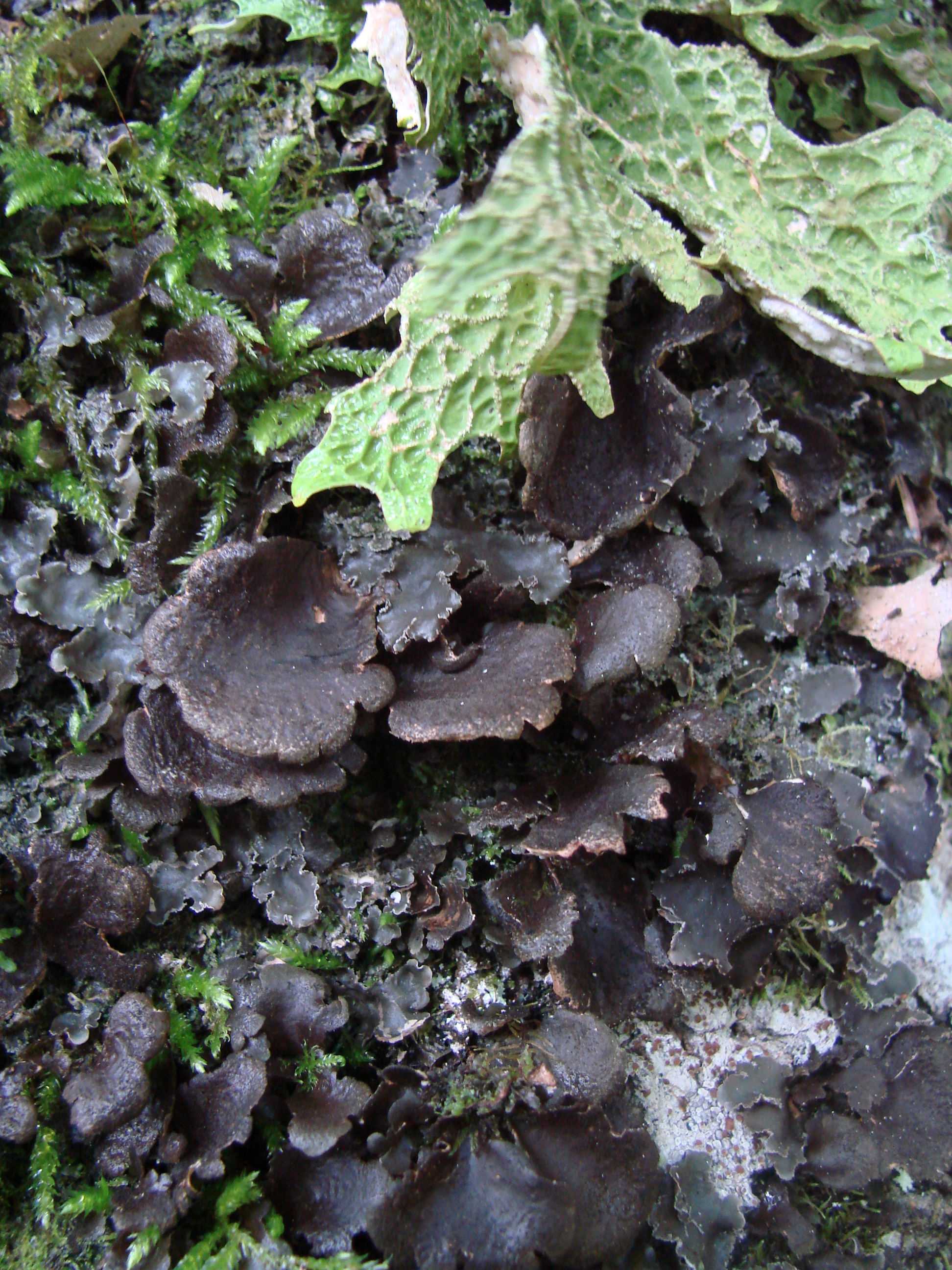
Jessica Bonazzi; Owner: Department of Life Sciences, University of Trieste
Friuli-Venezia Giulia, UD, Lago di Sauris, Bosco della Stua, ca. 1000 m
2008.27.08
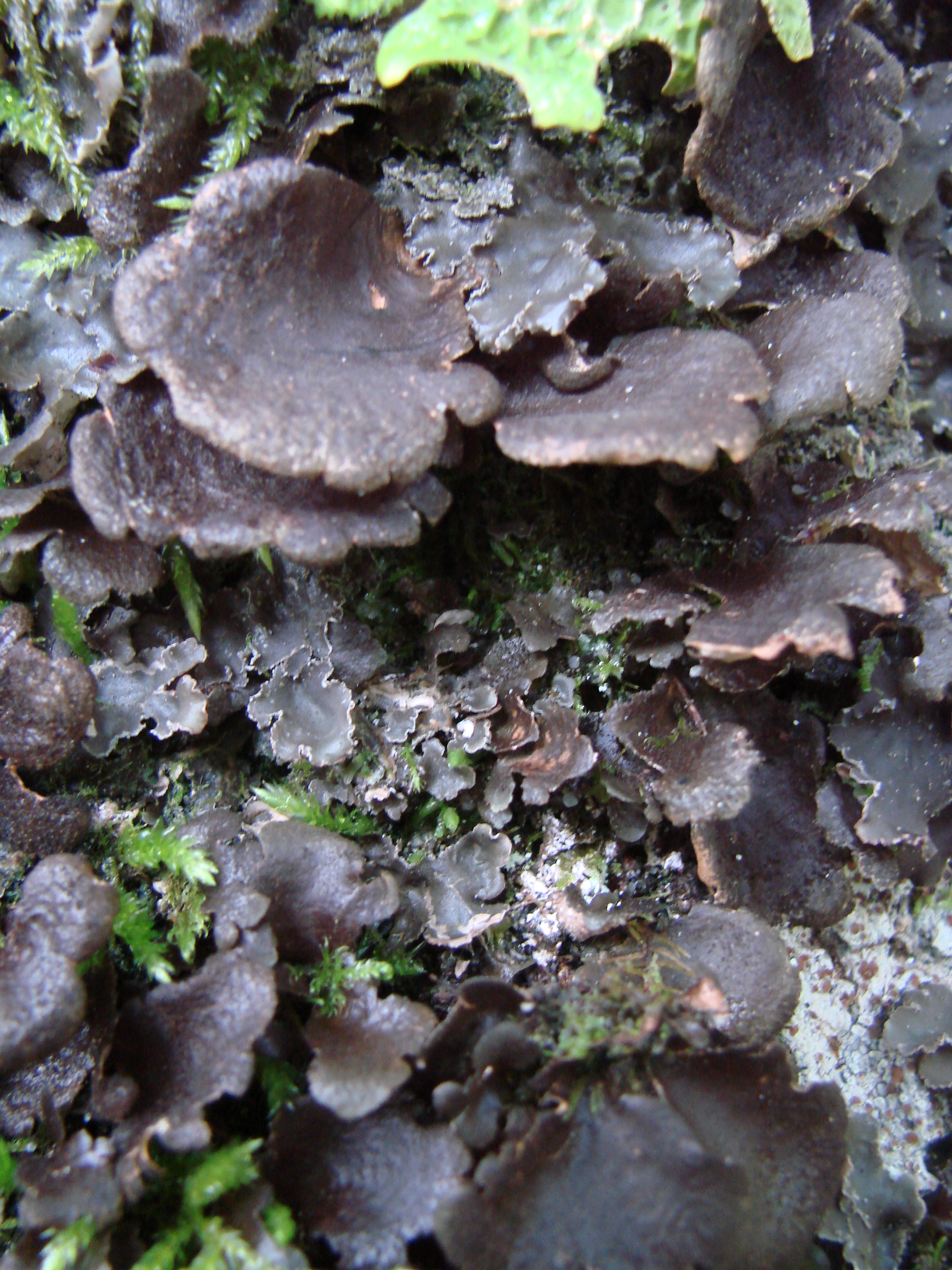
Jessica Bonazzi; Owner: Department of Life Sciences, University of Trieste
Friuli-Venezia Giulia, UD, Lago di Sauris, Bosco della Stua, ca. 1000 m
2008.27.08
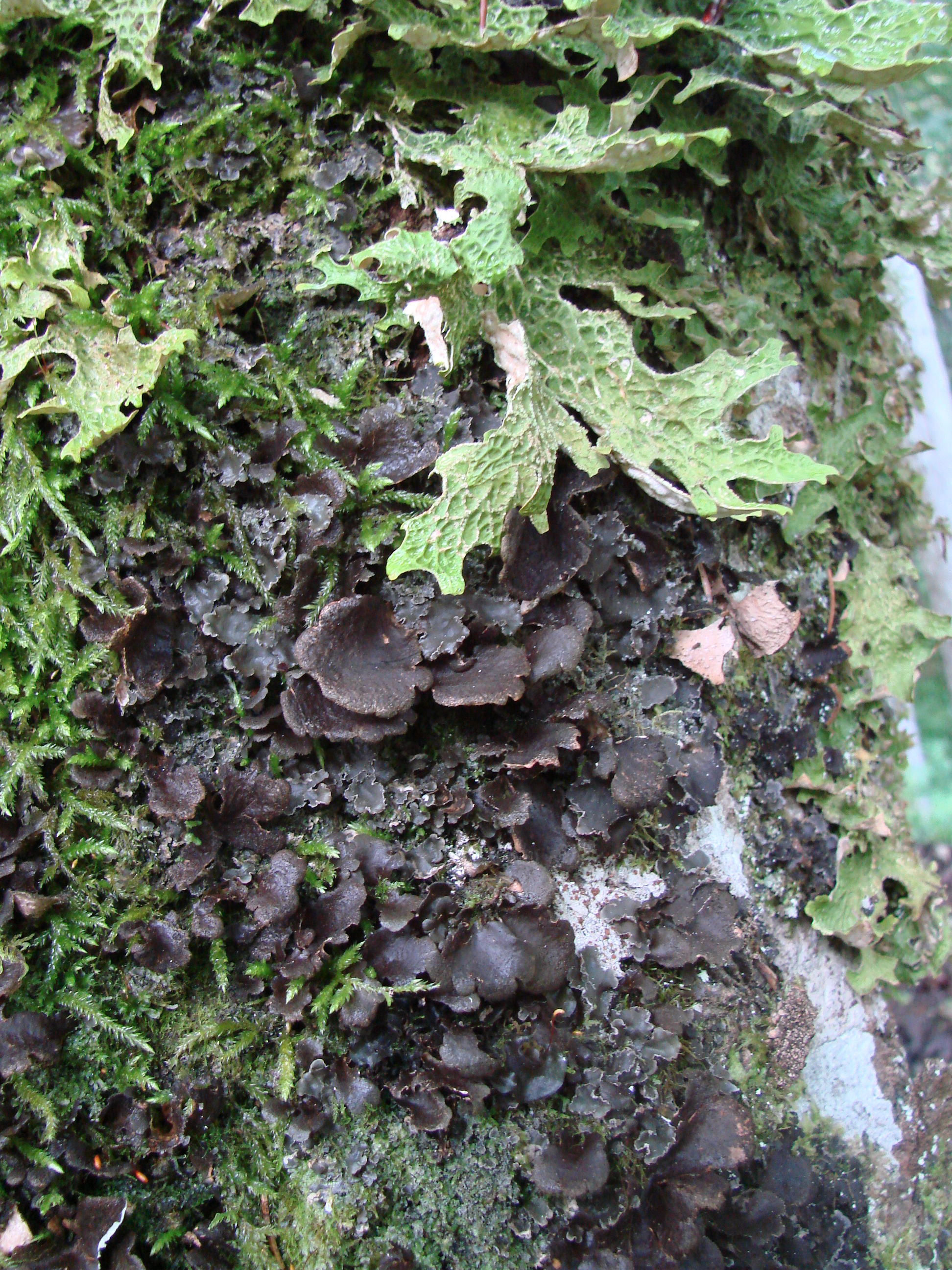
Jessica Bonazzi; Owner: Department of Life Sciences, University of Trieste
Friuli-Venezia Giulia, UD, Lago di Sauris, Bosco della Stua, ca. 1000 m
2008.27.08
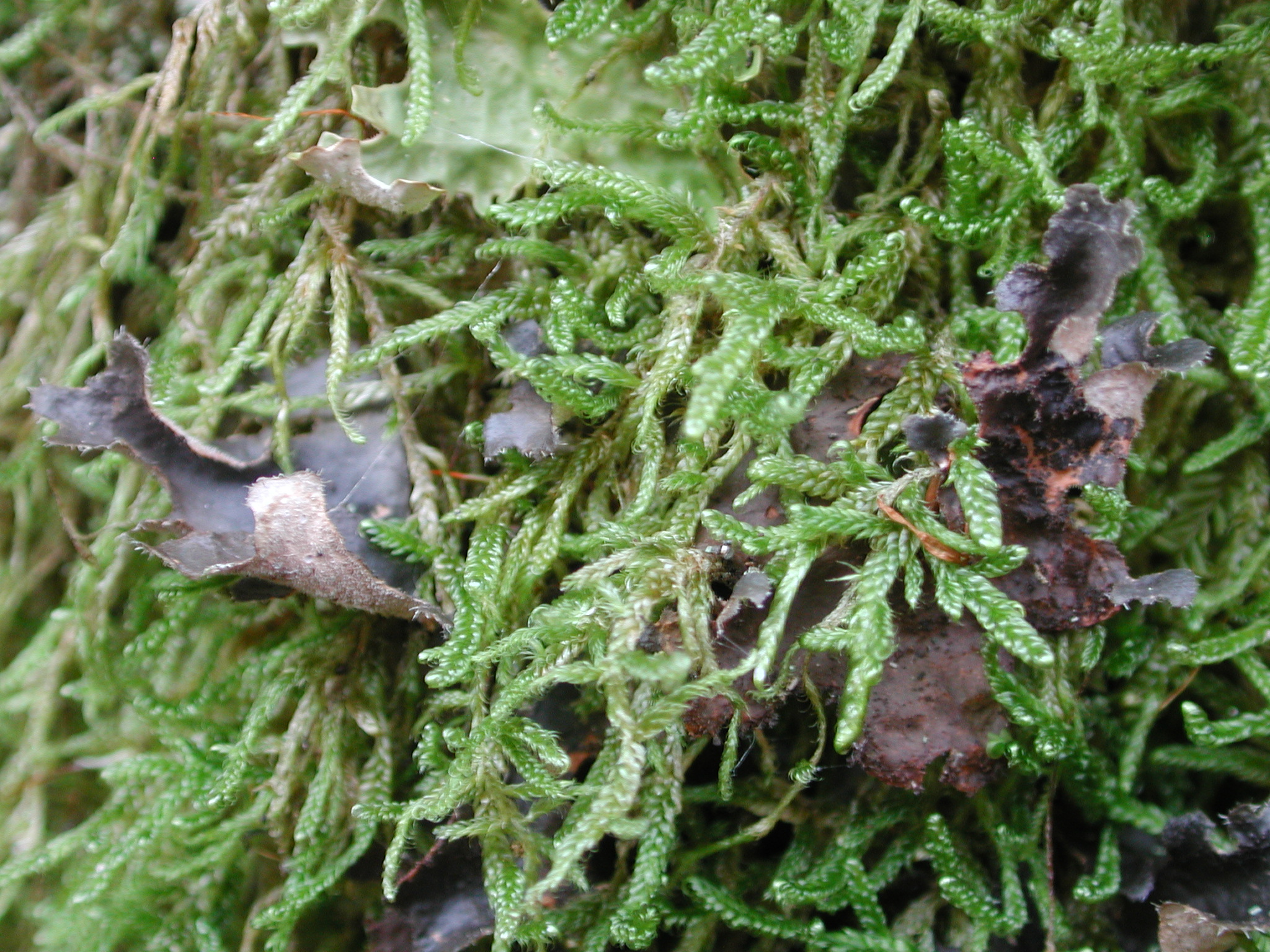
Juri Nascimbene
Altopiano del Canwsiglio, Regione Veneto, Prov. Treviso, Italy
2005
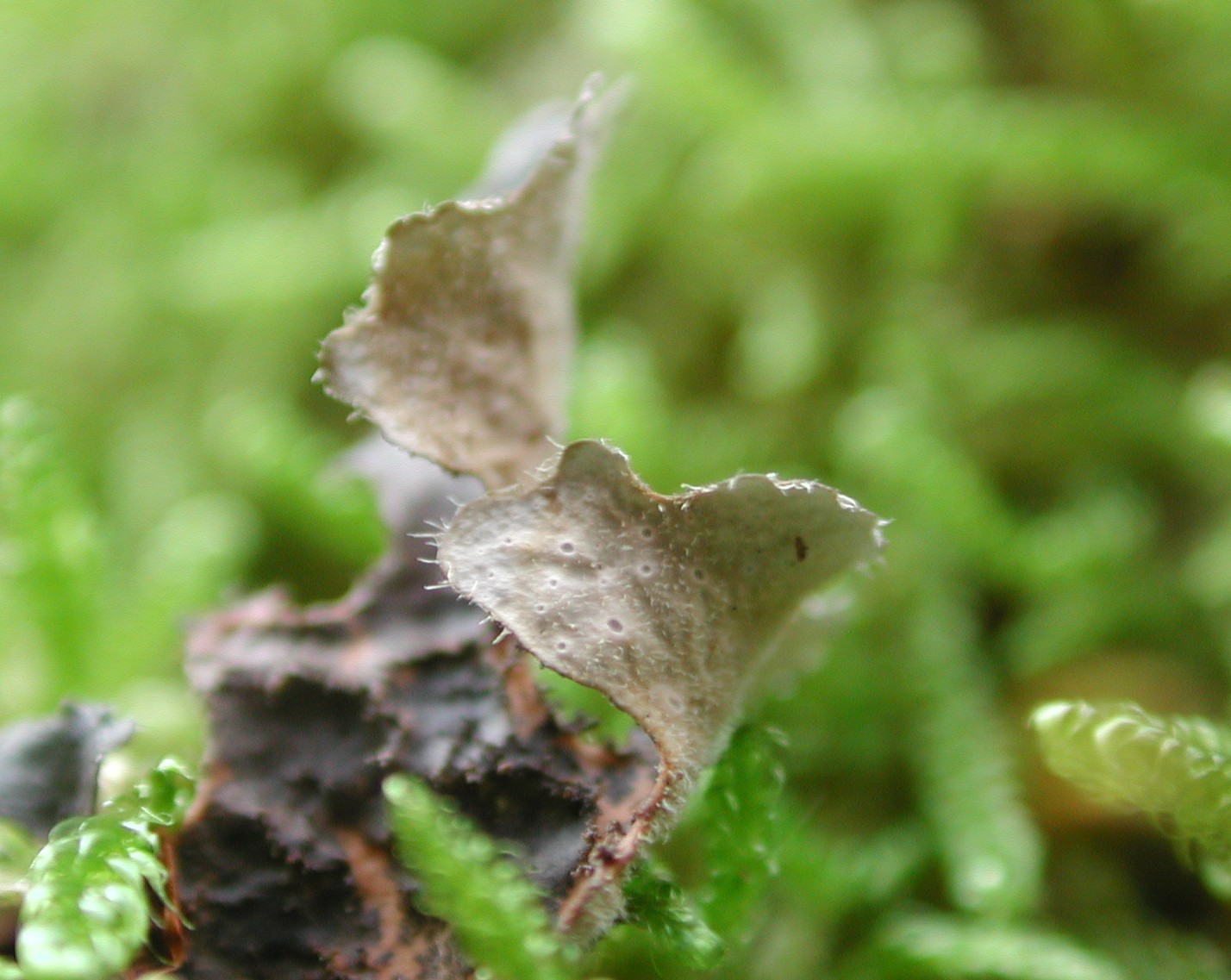
Juri Nascimbene
Altopiano del Canwsiglio, Regione Veneto, Prov. Treviso, Italy
2005
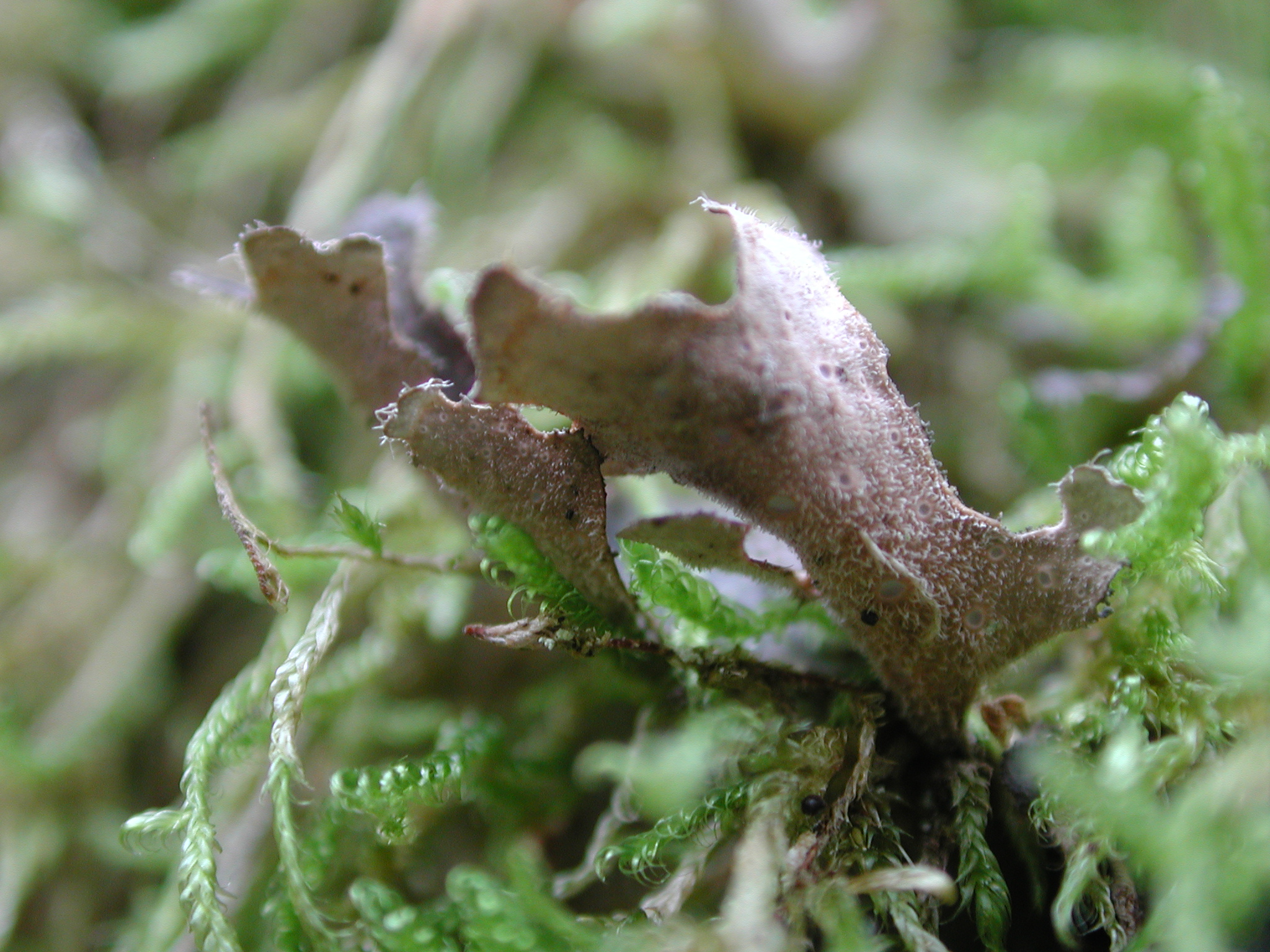
Juri Nascimbene
Altopiano del Canwsiglio, Regione Veneto, Prov. Treviso, Italy
2005
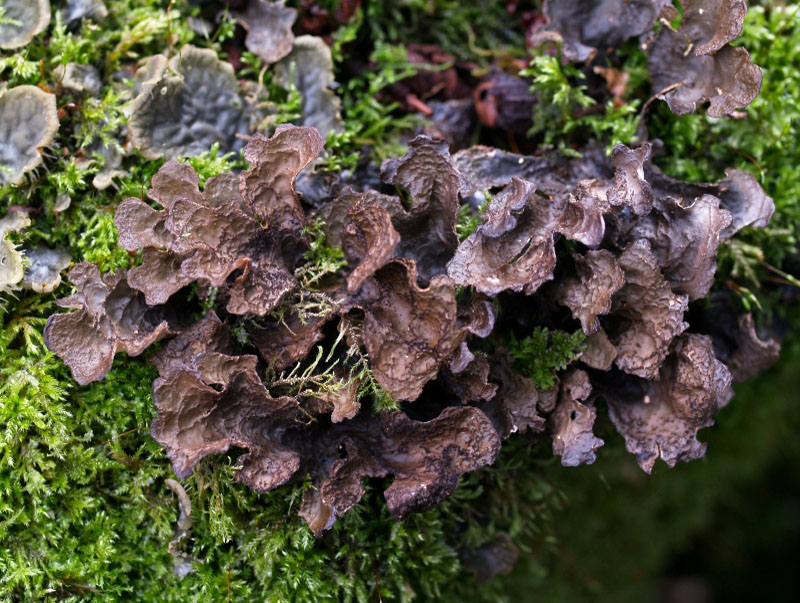
Andres Saag; Owner: University of Tartu
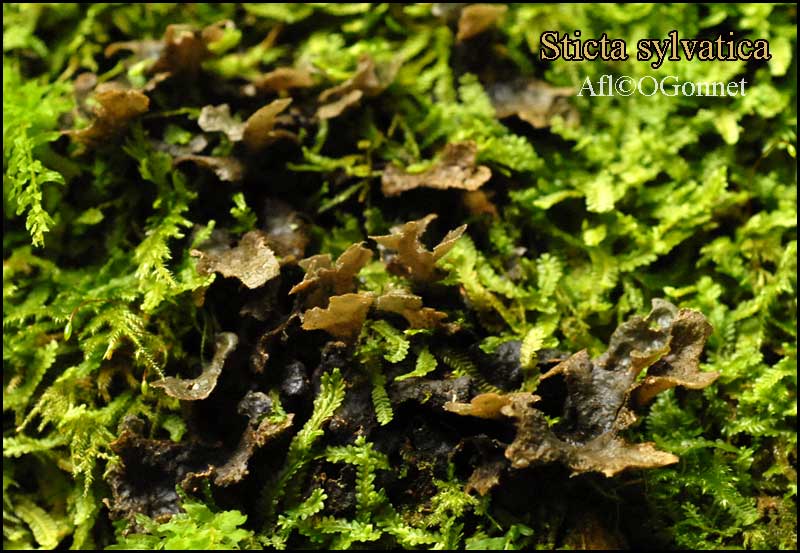
Courtesy Danièle et Olivier Gonnet - Source: https://www.afl-lichenologie.fr/Photos_AFL/Photos_AFL_S/Sticta_sylvatica.htm
France, session AFL 2007 - Finistère
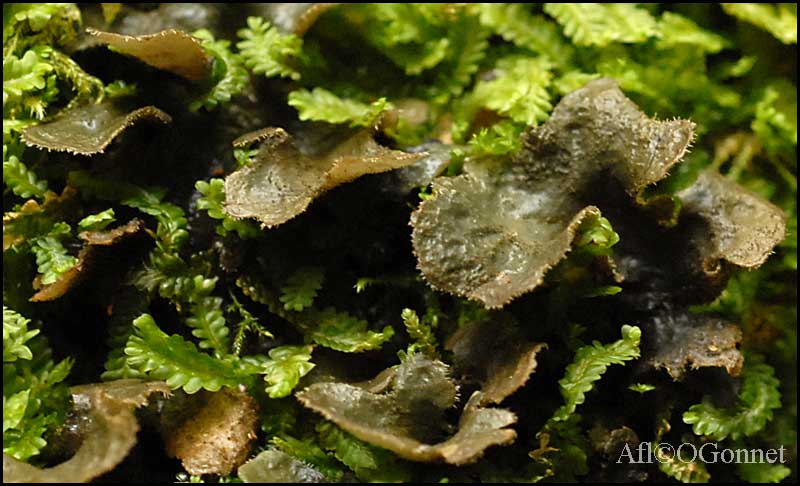
Courtesy Danièle et Olivier Gonnet - Source: https://www.afl-lichenologie.fr/Photos_AFL/Photos_AFL_S/Sticta_sylvatica.htm
France, session AFL 2007 - Finistère
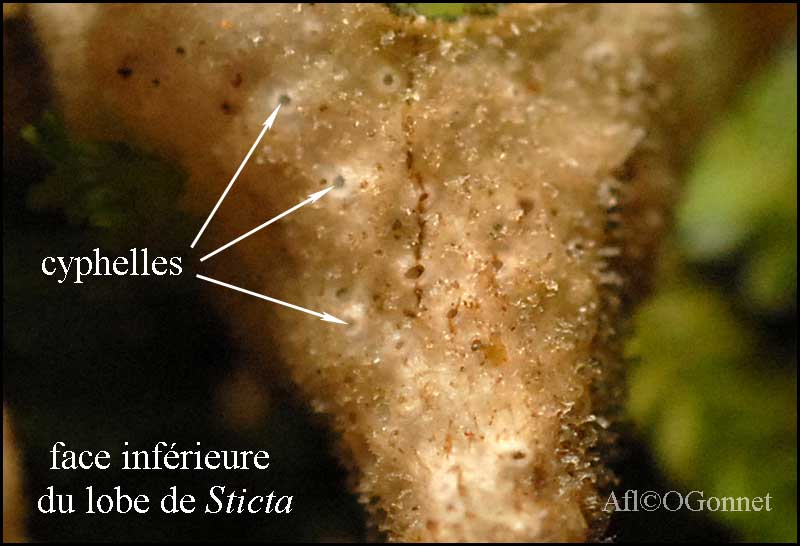
Courtesy Danièle et Olivier Gonnet - Source: https://www.afl-lichenologie.fr/Photos_AFL/Photos_AFL_S/Sticta_sylvatica.htm
France, session AFL 2007 - Finistère
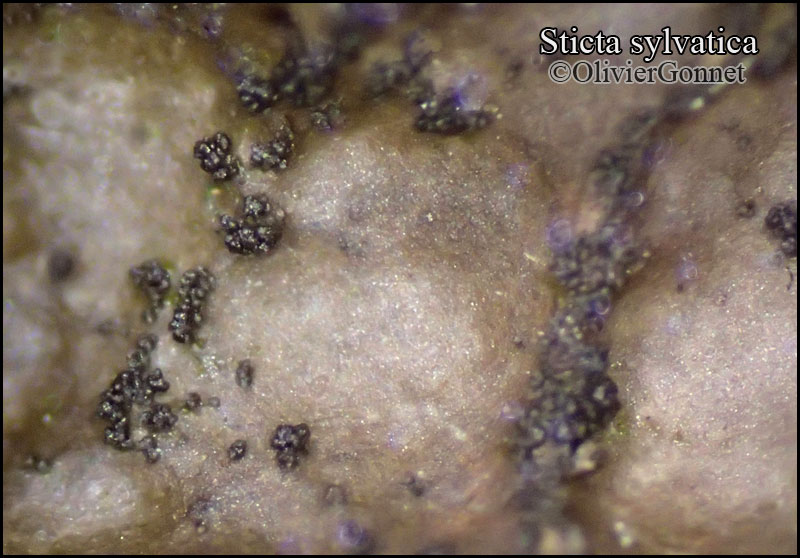
Courtesy Danièle et Olivier Gonnet - Source: https://www.afl-lichenologie.fr/Photos_AFL/Photos_AFL_S/Sticta_sylvatica.htm
France, session AFL 2007 - Finistère
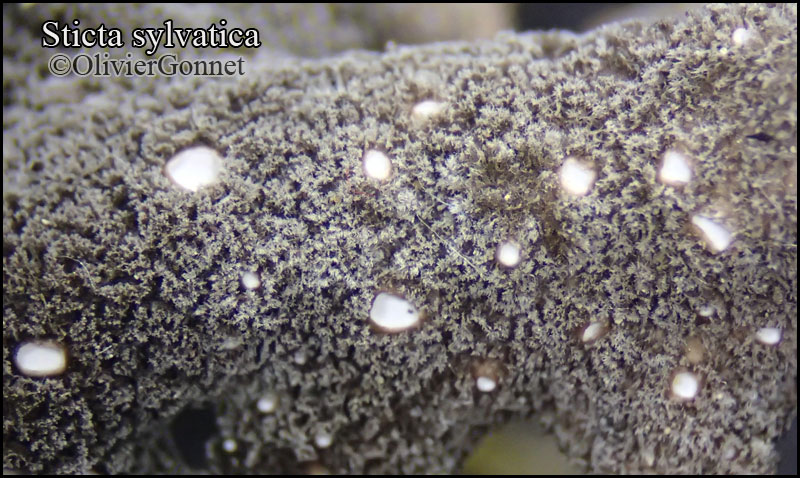
Courtesy Danièle et Olivier Gonnet - Source: https://www.afl-lichenologie.fr/Photos_AFL/Photos_AFL_S/Sticta_sylvatica.htm
France, session AFL 2007 - Finistère
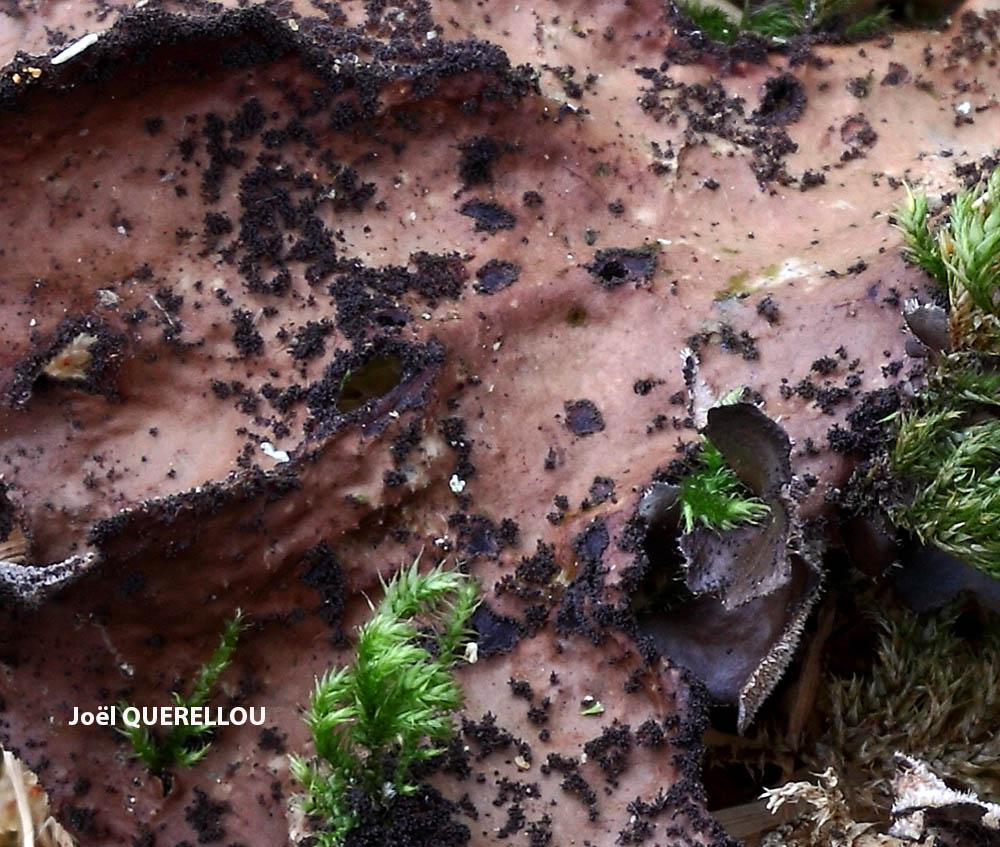
Joël Querellou - Source: http://www.lichensmaritimes.org/index.php?task=fiche&lichen=352&lang=en
France, St. Herbot
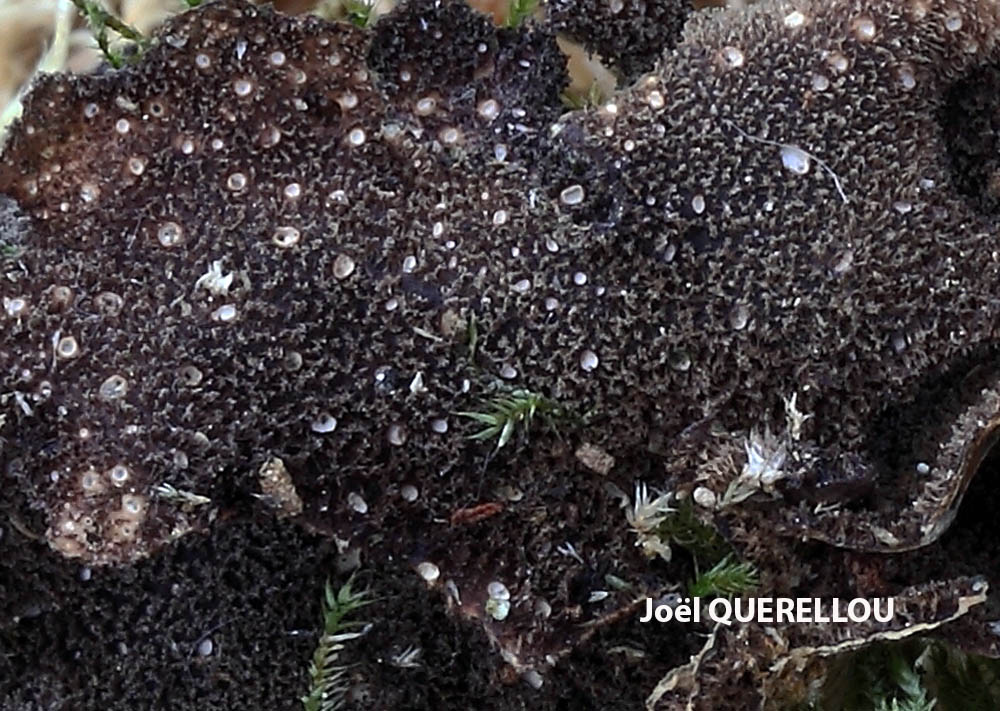
Joël Querellou - Source: http://www.lichensmaritimes.org/index.php?task=fiche&lichen=352&lang=en
France, St. Herbot
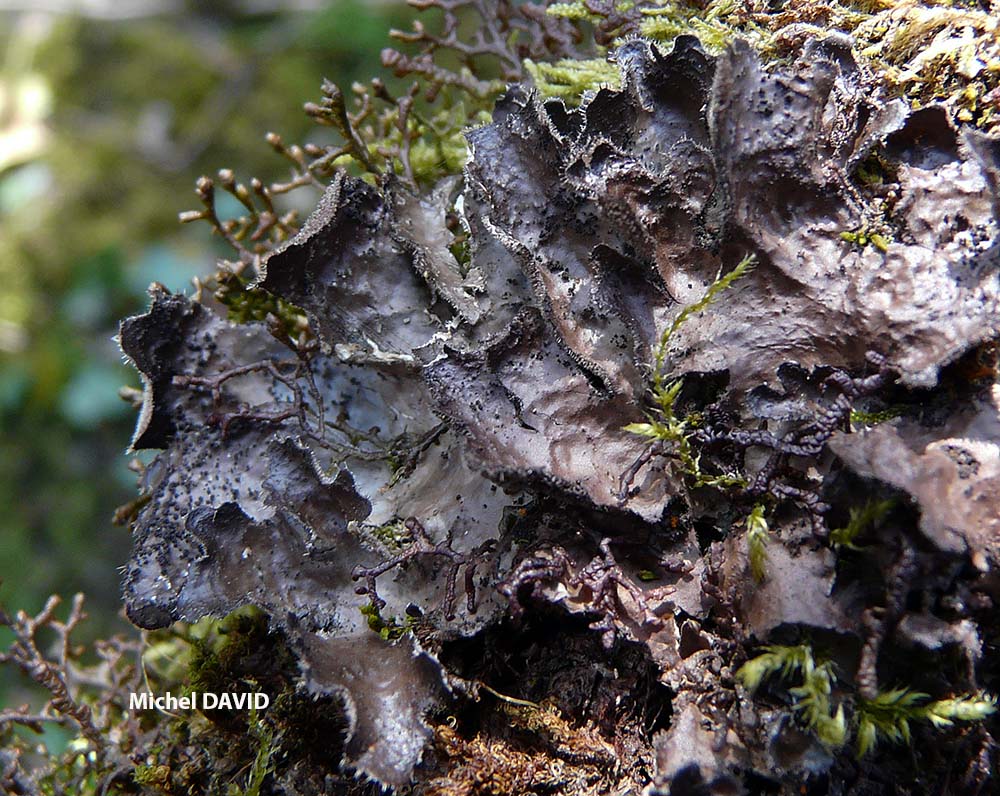
Michel David - Source: http://www.lichensmaritimes.org/index.php?task=fiche&lichen=352&lang=en
France, St. Herbot
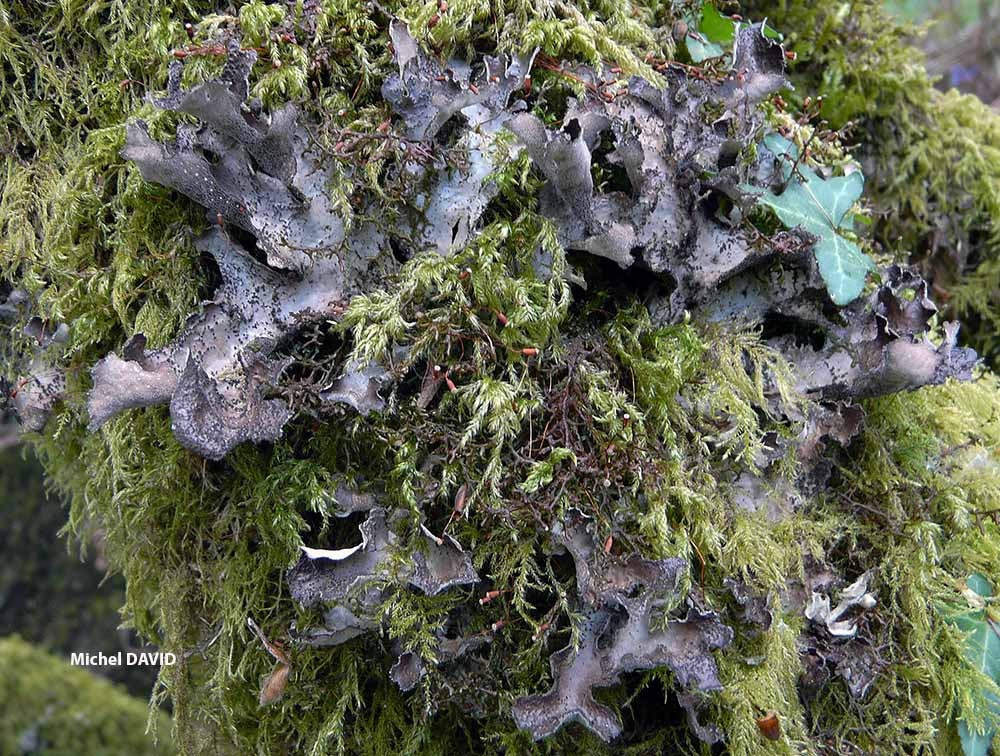
Michel David - Source: http://www.lichensmaritimes.org/index.php?task=fiche&lichen=352&lang=en
France, St. Herbot
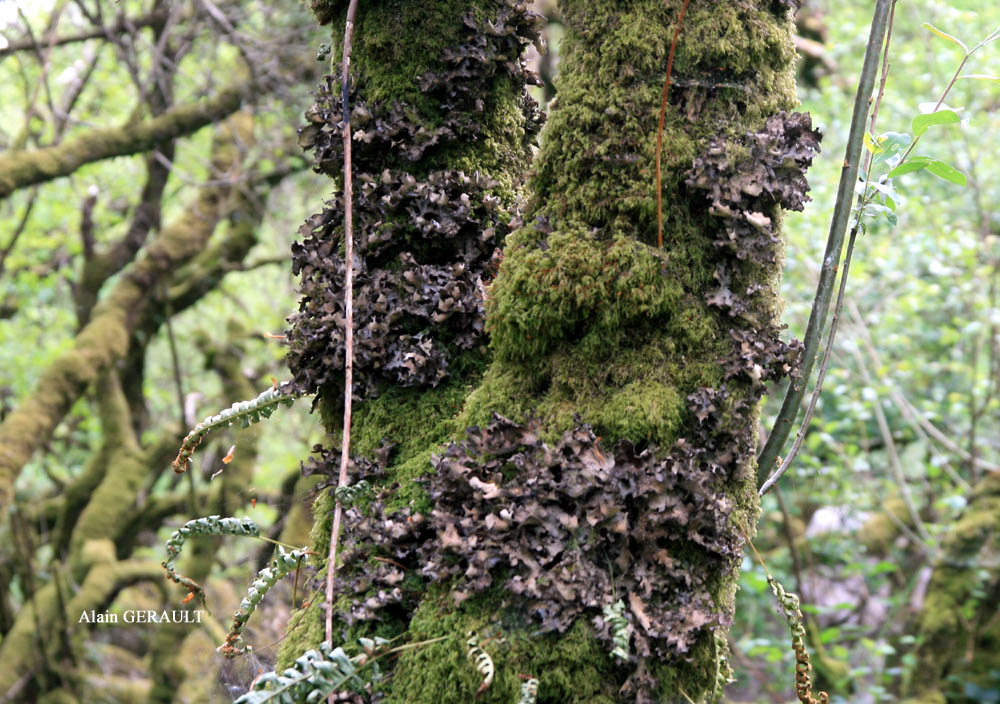
Alain Gerault - Source: http://www.lichensmaritimes.org/index.php?task=fiche&lichen=352&lang=en
France, St. Herbot
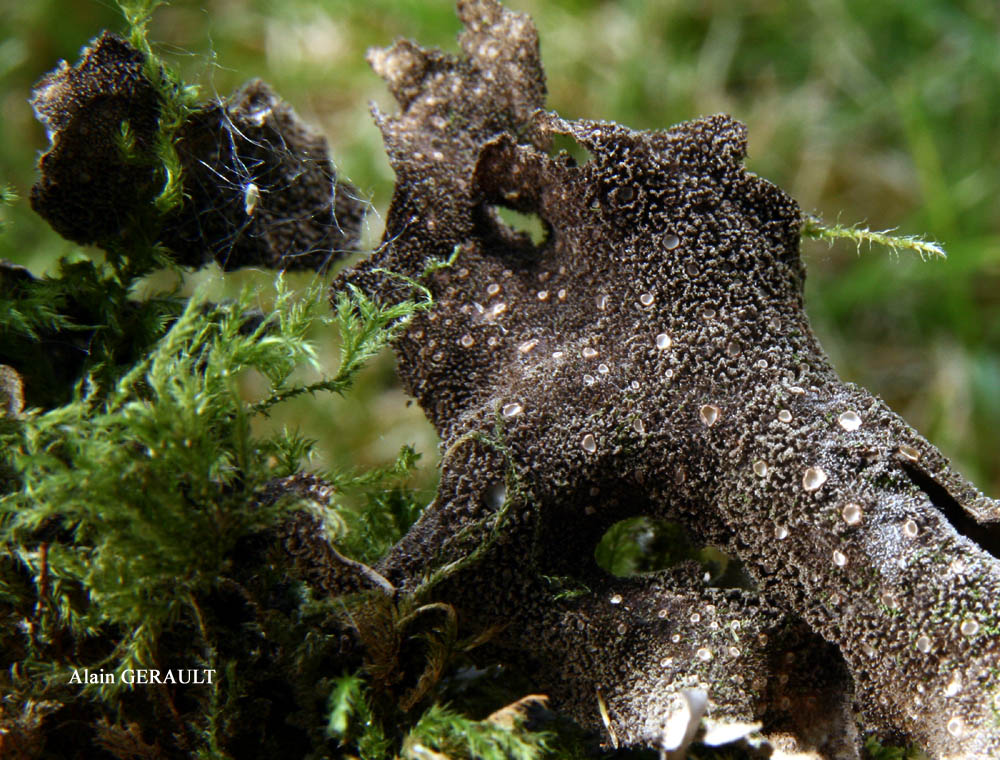
Alain Gerault - Source: http://www.lichensmaritimes.org/index.php?task=fiche&lichen=352&lang=en
France, St. Herbot
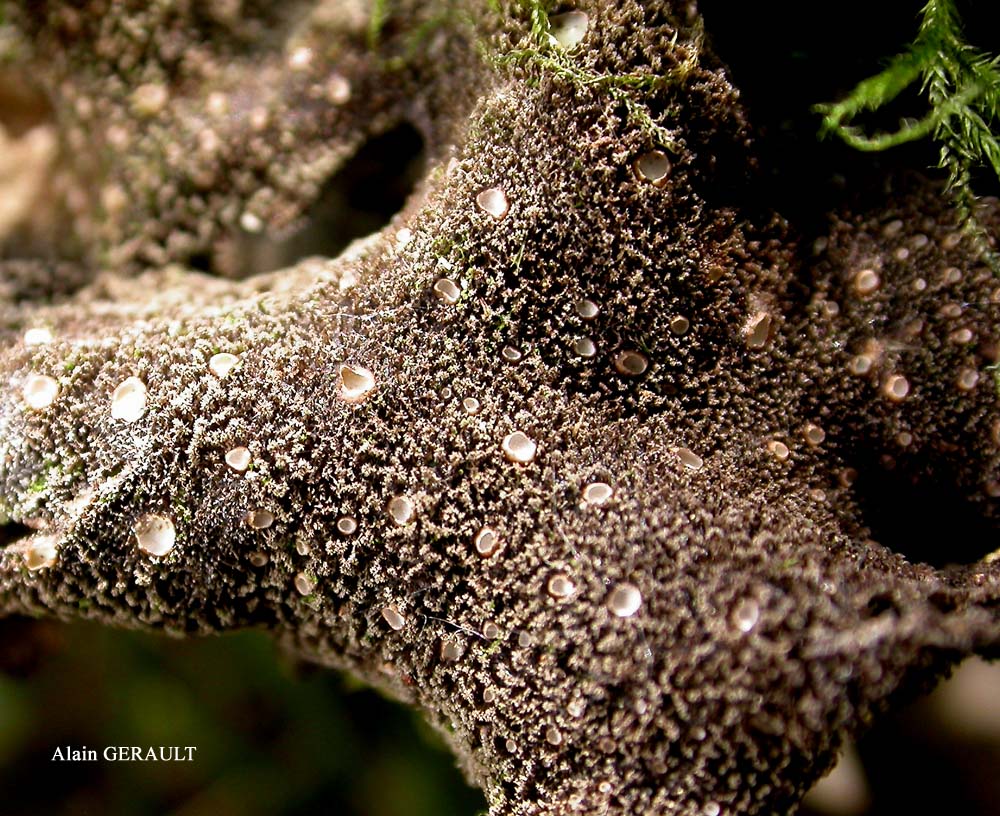
Alain Gerault - Source: http://www.lichensmaritimes.org/index.php?task=fiche&lichen=352&lang=en
France, St. Herbot
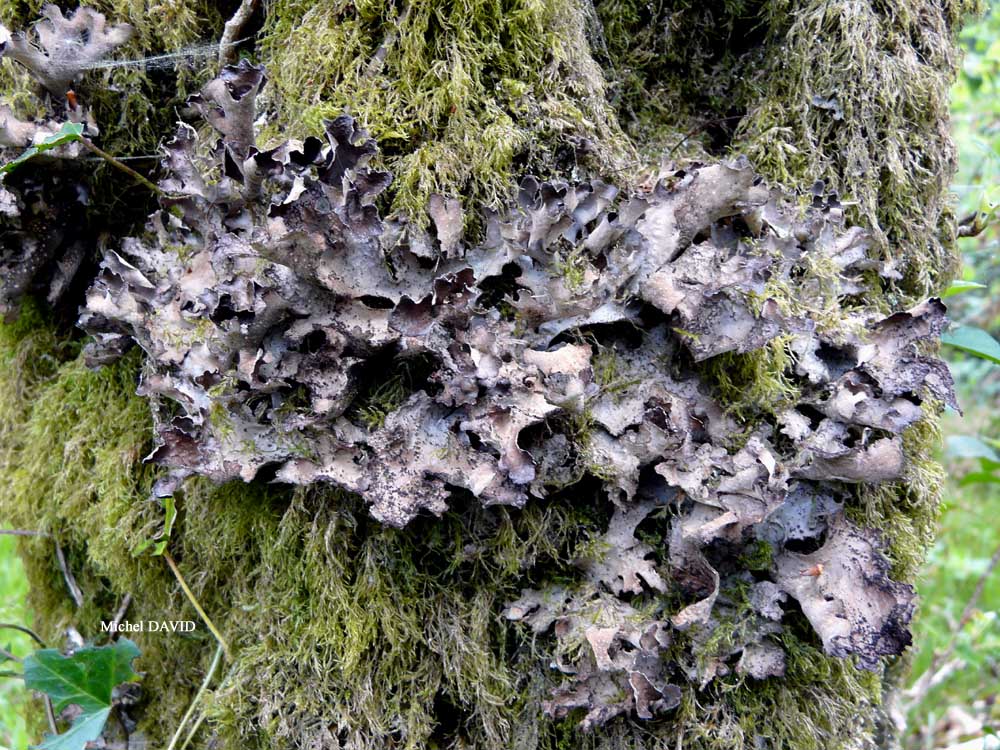
Michel David - Source: http://www.lichensmaritimes.org/index.php?task=fiche&lichen=352&lang=en
France, St. Herbot
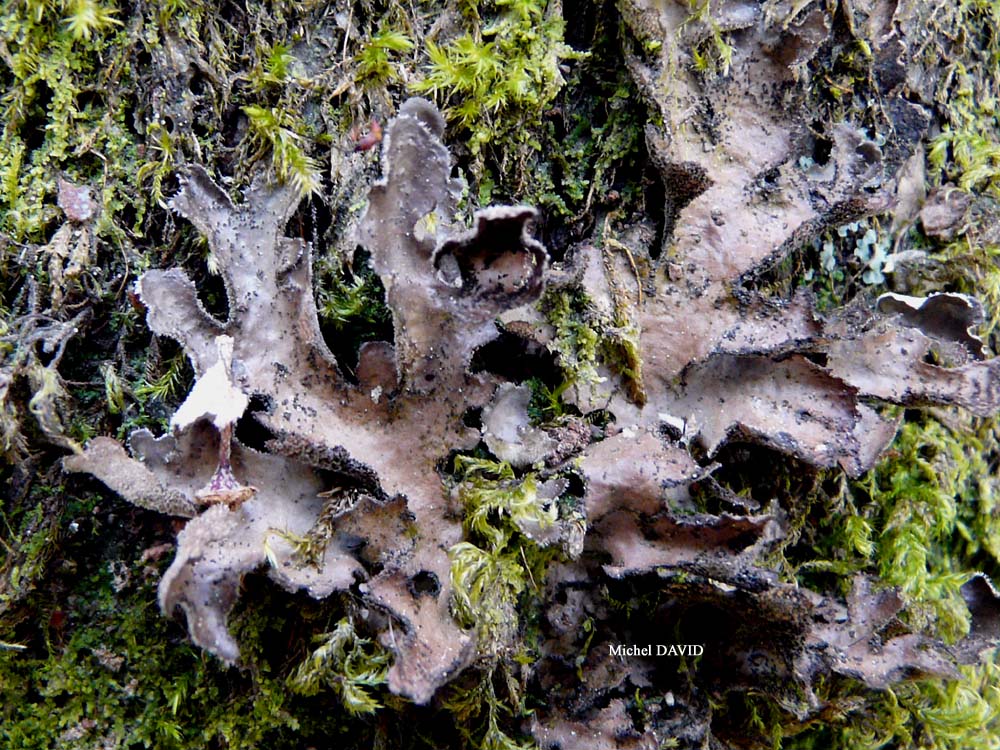
Michel David - Source: http://www.lichensmaritimes.org/index.php?task=fiche&lichen=352&lang=en
France, St. Herbot

Source: Ekman, S., Tønsberg, T. & Jørgensen, P. M. 2019. The Sticta fuliginosa group in Norway and Sweden.Graphis Scripta 31 (4): 23–33. Oslo. ISSN 2002-4495. - CC BY-4.0
Sections through cyphellae in Sticta. S. sylvatica, cyphella surface cells with a tendency to bud new cells but without papillae