Swinscowia glabra (A. Massal.) S.H. Jiang, Lücking & Sérus.
in Hongsanan &al., Fungal Divers.: 10.1007/s13225-020-00462-6, 138, 2020. Basionym: Sagedia glabra A. Massal. - Ric. Auton. Lich. Crost.: 161, 1852.
Synonyms: Arthopyrenia glabra (A. Massal.) J. Nowak & Tobol.; Porina glabra (A. Massal.) Zahlbr.; Pyrenula netrospora Nägeli; Sagedia candida Anzi; Sagedia phyllireae Jatta; Spermatodium glabrum (A. Massal.) Trevis.; Strigula glabra (A. Massal.) V. Wirth
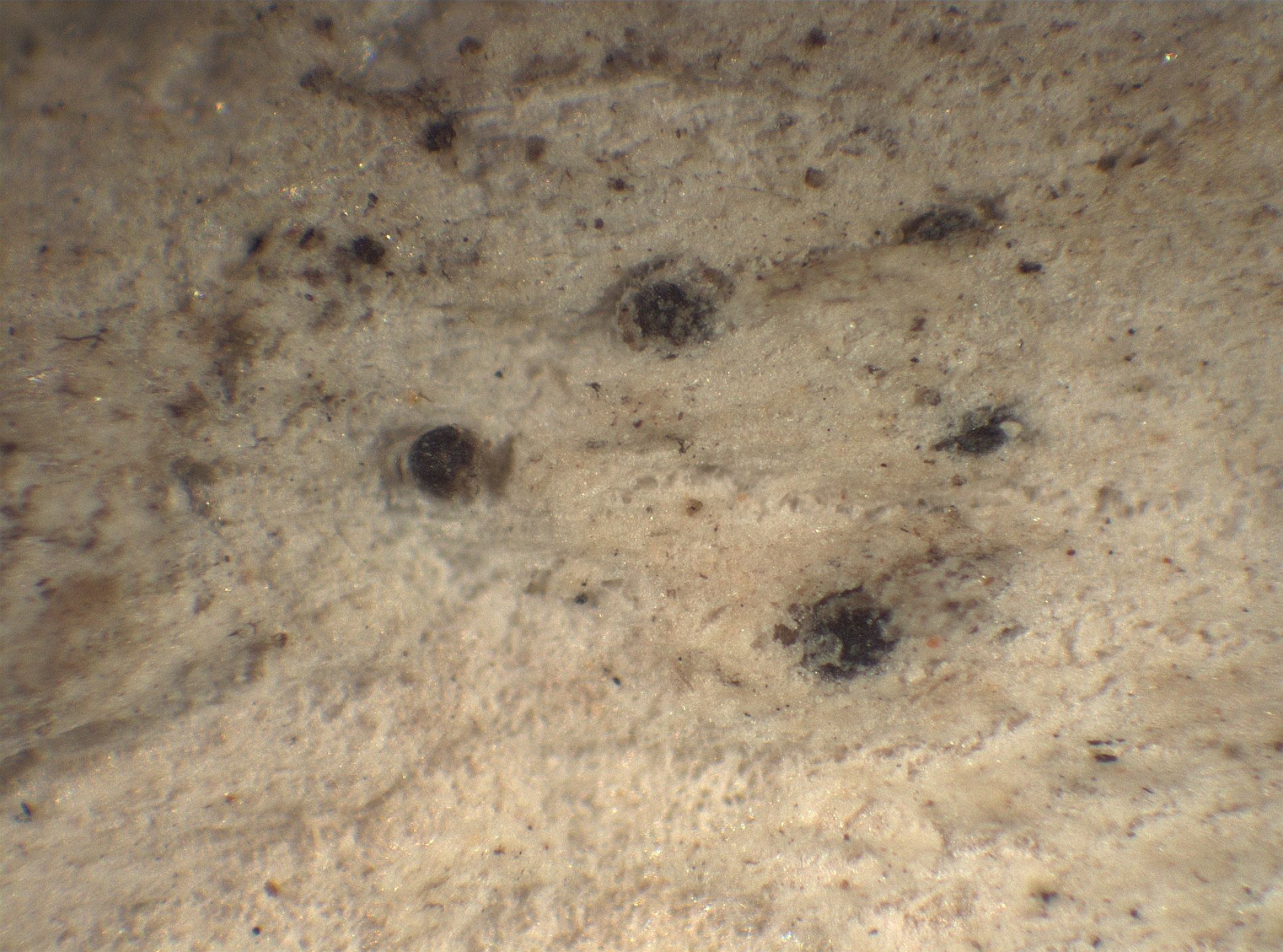
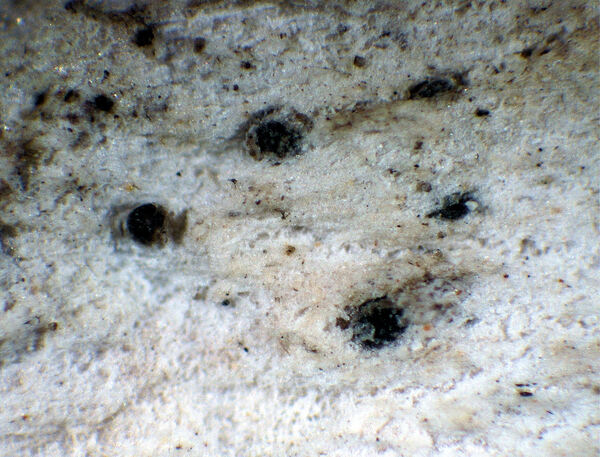
Description: Thallus crustose, endosubstratic or very thinly episubstratic, whitish to pale grey, often bearing macropycnidia only. Perithecia rather rare, black, 0.3-0.6 mm across, only the lower fourth immersed in the thallus, round to usually elliptical, flattened at the top. Involucrellum blackish brown, extending to the base of the perithecium, markedly larger than the exciple, the latter colourless to brownish; hamathecium of paraphysoids which are mostly simple, and only rarely branched and anastomosing, except when adjacent to exciple. Asci 8-spored, narrowly clavate, bitunicate-fissitunicate, shortly stalked at base, the apex thickened into a tholus, with a narrow ocular chamber, I-. Ascospores (3-)6-7-transversally septate (rarely with a single longitudinal septum), hyaline, fusiform, 20-27 x (3-)4-5(-6.5) μm, uniseriate to sub-biseriate in the asci, not restricted at septa. Macropycnidia 0.1-0.25 mm across, half-projecting, black, rounded and somewhat flattened, resembling perithecia; macroconidia subapically inserted on the conidiogenous cell, (3-)5-7(-8)-septate, cylindrical, (18.5-)22-26(-28) x 3.5-4.5 μm, rounded at apex and with a gelatinous appendage. Photobiont trentepohlioid. Spot tests: thallus K-, C-, KC-, P-, UV-. Chemistry: without lichen substances.
Growth form: Crustose
Substrata: bark
Photobiont: Trentepohlia
Reproductive strategy: mainly sexual
Commonnes-rarity: (info)
Alpine belt: absent
Subalpine belt: absent
Montane belt: very rare
Dry submediterranean belt: very rare
Humid submediterranean belt: very rare
Padanian area: absent
pH of the substrata:
1 2 3 4 5

Solar irradiation:
1 2 3 4 5
Aridity:
1 2 3 4 5
Eutrophication:
1 2 3 4 5
Poleotolerance:
0 1 2 3
Altitudinal distribution:
1 2 3 4 5 6
Rarity
absent
extremely rare
very rare
rare
rather rare
rather common
common
very common
extremely common
Loading data...
Occurrence data
Predictive map
E. Pittao CC BY-SA 4.0
TSB 17244
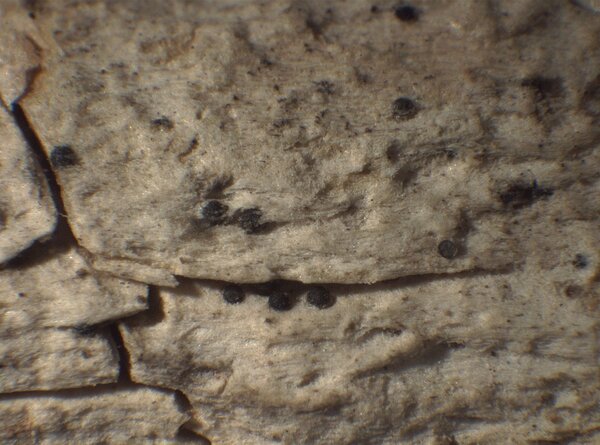
E. Pittao; Owner: Department of Life Sciences, University of Trieste
Herbarium: TSB (17244)
2008.03.10
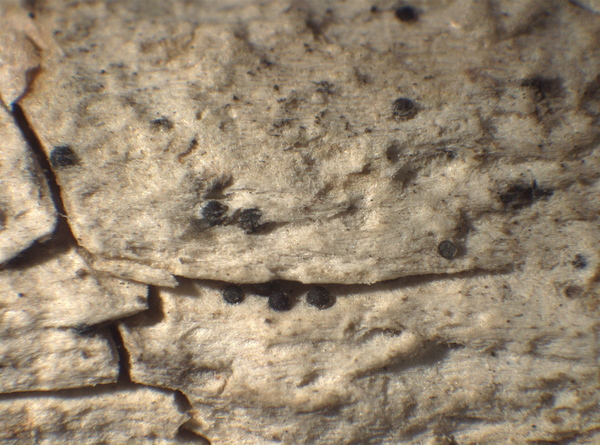
E. Pittao; Owner: Department of Life Sciences, University of Trieste
Herbarium: TSB (17244)
2008.03.10
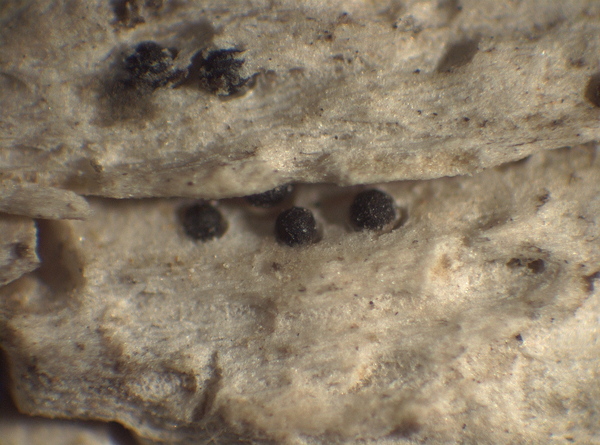
E. Pittao; Owner: Department of Life Sciences, University of Trieste
Herbarium: TSB (17244)
2008.03.10
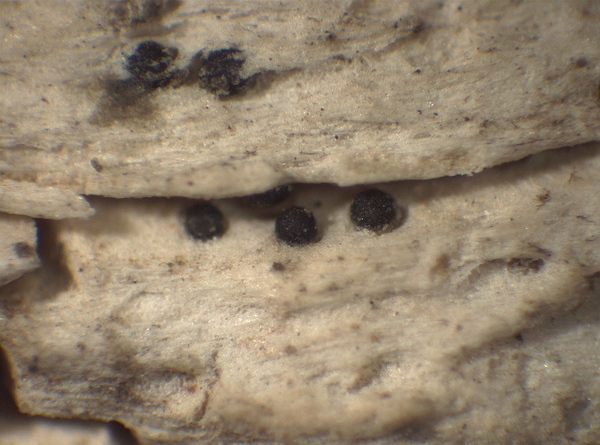
E. Pittao; Owner: Department of Life Sciences, University of Trieste
Herbarium: TSB (17244)
2008.03.10
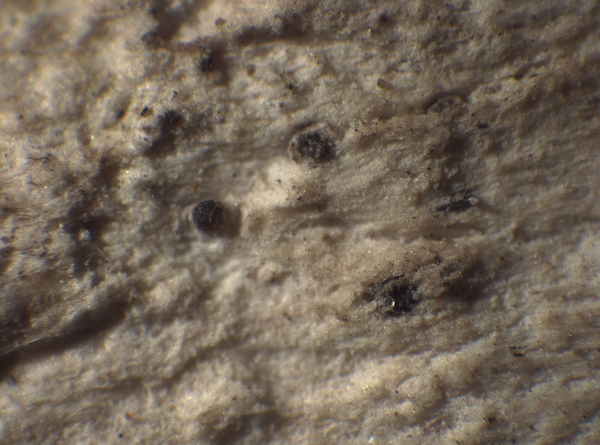
E. Pittao; Owner: Department of Life Sciences, University of Trieste
Herbarium: TSB (17244)
2008.03.10
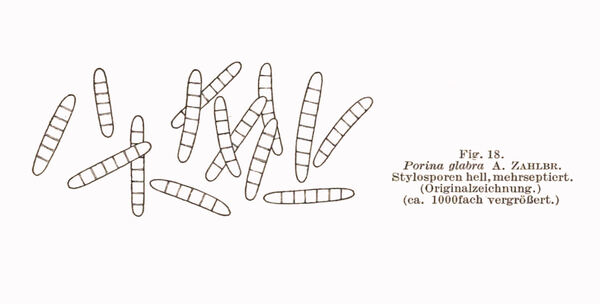
Source: Keissler K. von 1938. Pyrenulaceae, Mycoporaceae, Coniocarpineae. In: Rabenhorst G L: Kryptogamen-Flora von Deutschland, Österreich und der Schweiz. 2nd, IX, Die Flechten, Abt. 1, 2. Gebr. Borntraeger, Leipzig, pp. 1-846.
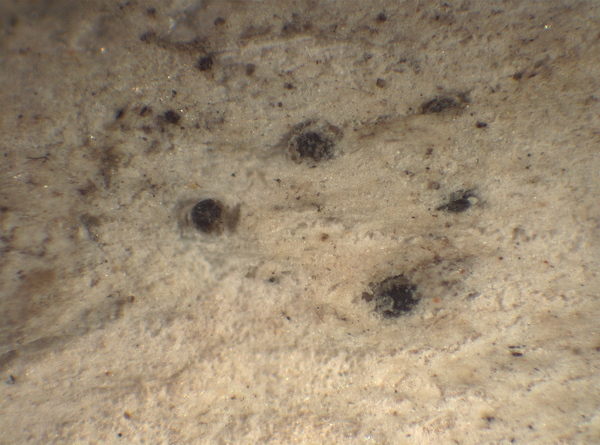
E. Pittao; Owner: Department of Life Sciences, University of Trieste
Herbarium: TSB (17244)
2008.03.10
Growth form: Crustose
Substrata: bark
Photobiont: Trentepohlia
Reproductive strategy: mainly sexual
Commonnes-rarity: (info)
Alpine belt: absent
Subalpine belt: absent
Montane belt: very rare
Dry submediterranean belt: very rare
Humid submediterranean belt: very rare
Padanian area: absent
pH of the substrata:
| 1 | 2 | 3 | 4 | 5 |
Solar irradiation:
| 1 | 2 | 3 | 4 | 5 |
Aridity:
| 1 | 2 | 3 | 4 | 5 |
Eutrophication:
| 1 | 2 | 3 | 4 | 5 |
Poleotolerance:
| 0 | 1 | 2 | 3 |
Altitudinal distribution:
| 1 | 2 | 3 | 4 | 5 | 6 |
Rarity
absent
extremely rare
very rare
rare
rather rare
rather common
common
very common
extremely common
Loading data...
Occurrence data
Predictive map
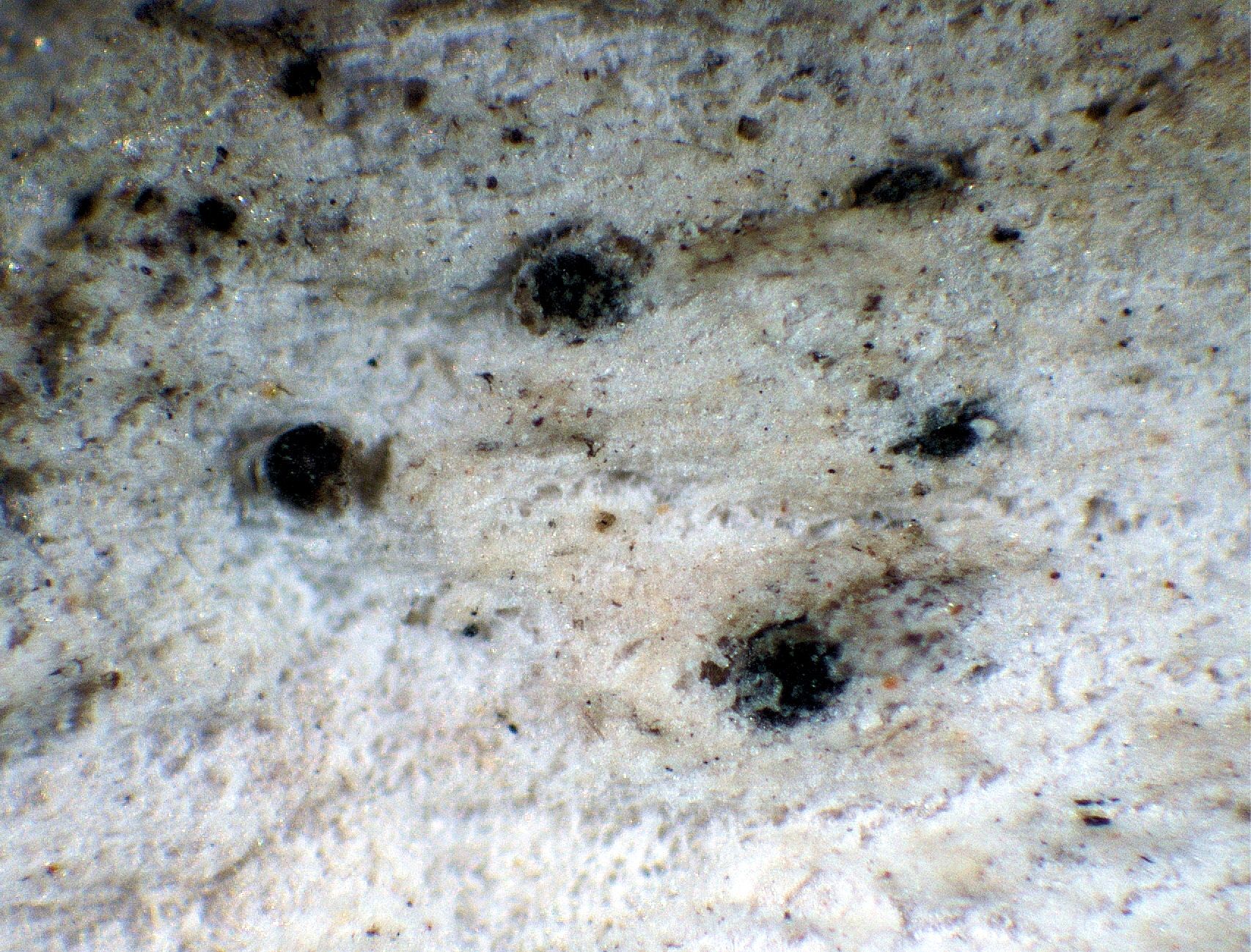
E. Pittao CC BY-SA 4.0
TSB 17244
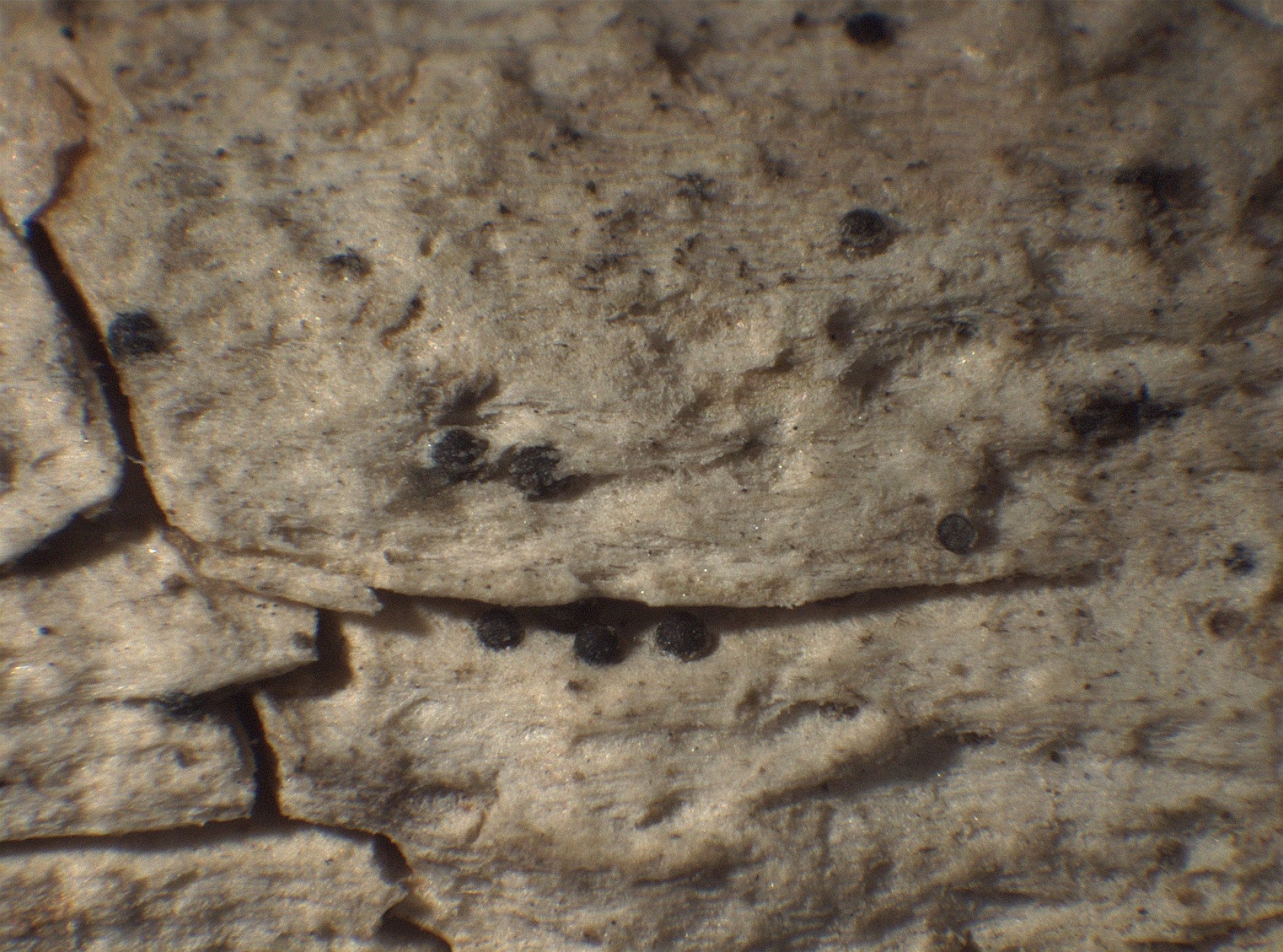
E. Pittao; Owner: Department of Life Sciences, University of Trieste
Herbarium: TSB (17244)
2008.03.10
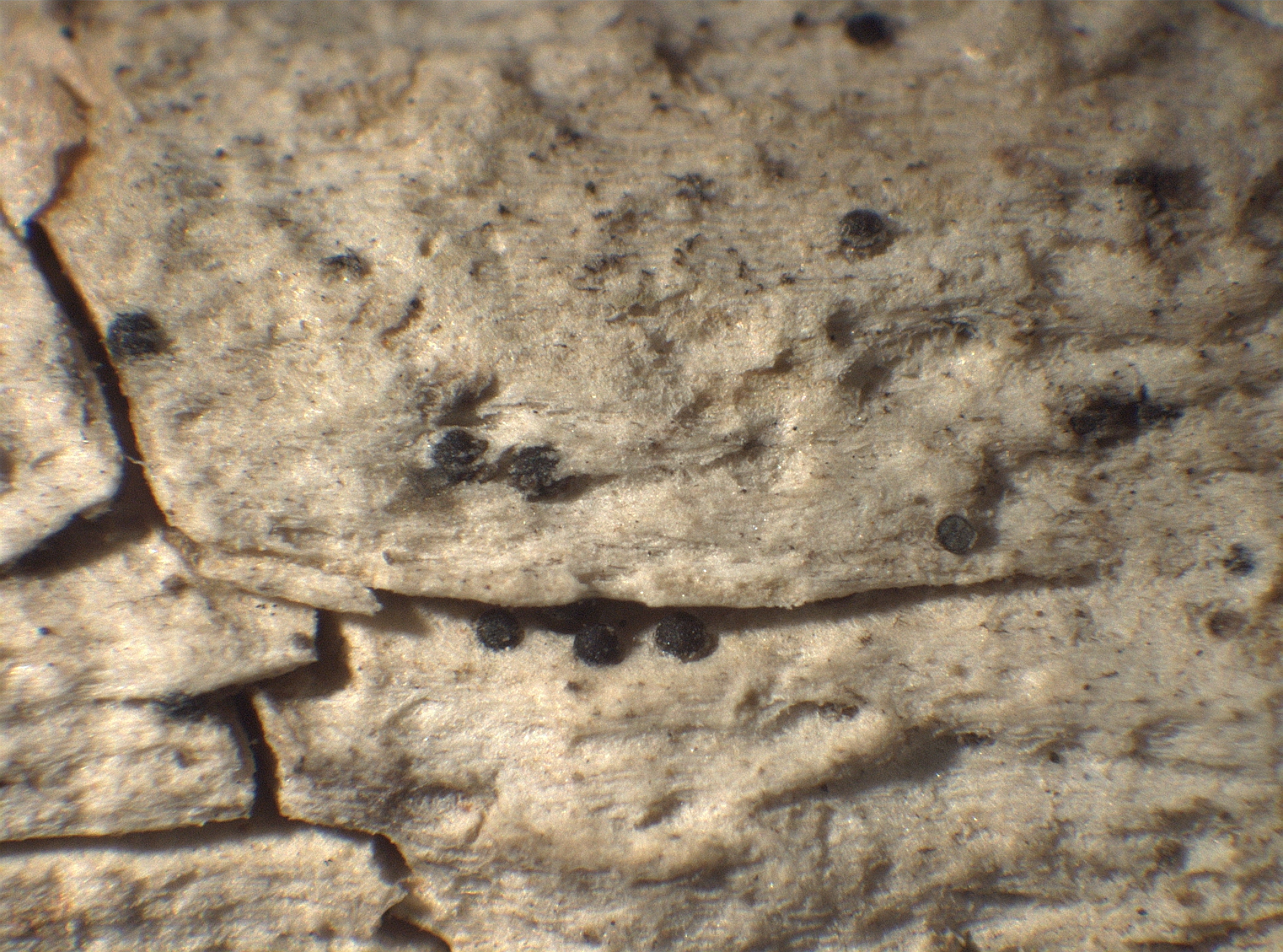
E. Pittao; Owner: Department of Life Sciences, University of Trieste
Herbarium: TSB (17244)
2008.03.10
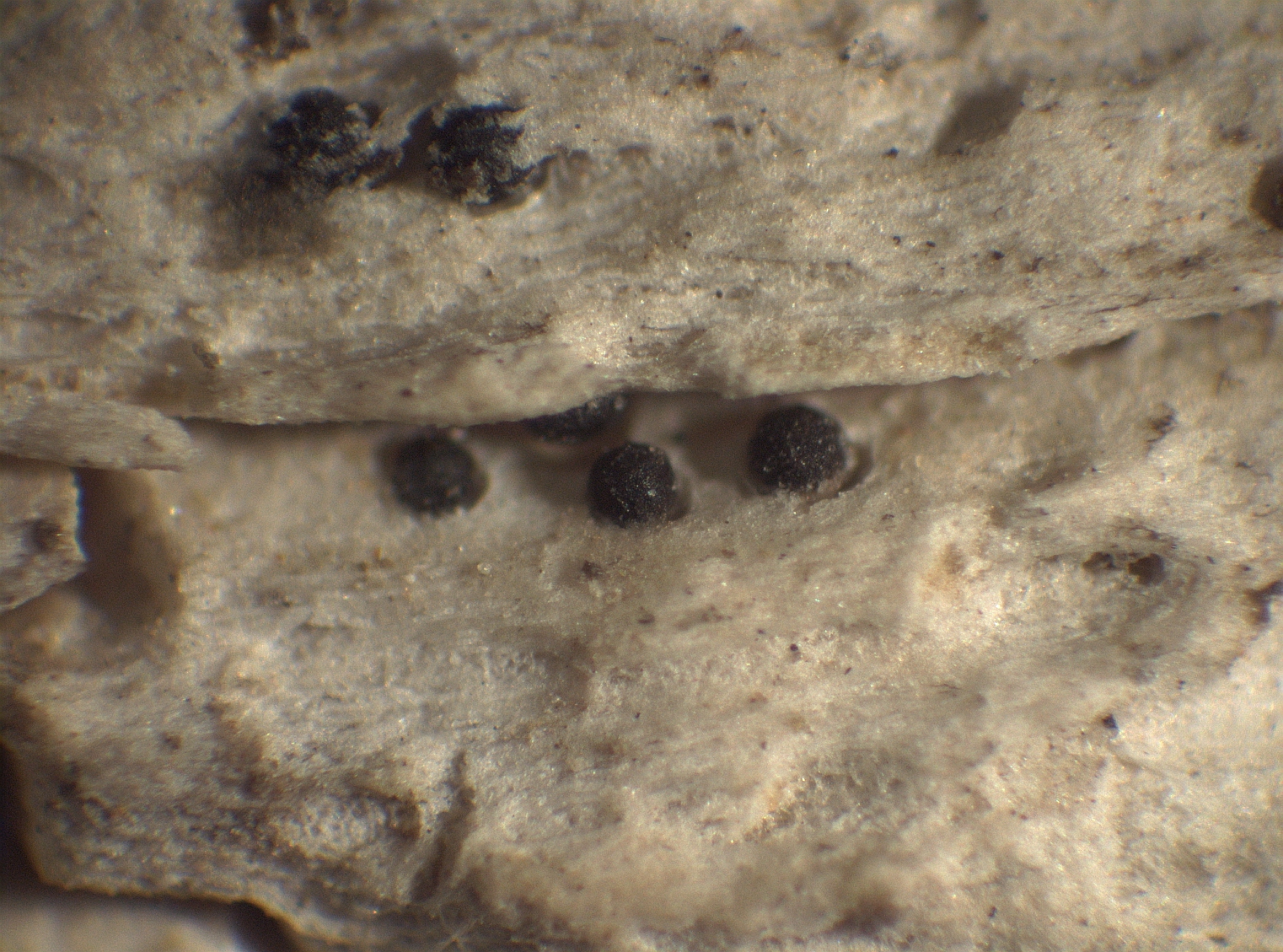
E. Pittao; Owner: Department of Life Sciences, University of Trieste
Herbarium: TSB (17244)
2008.03.10
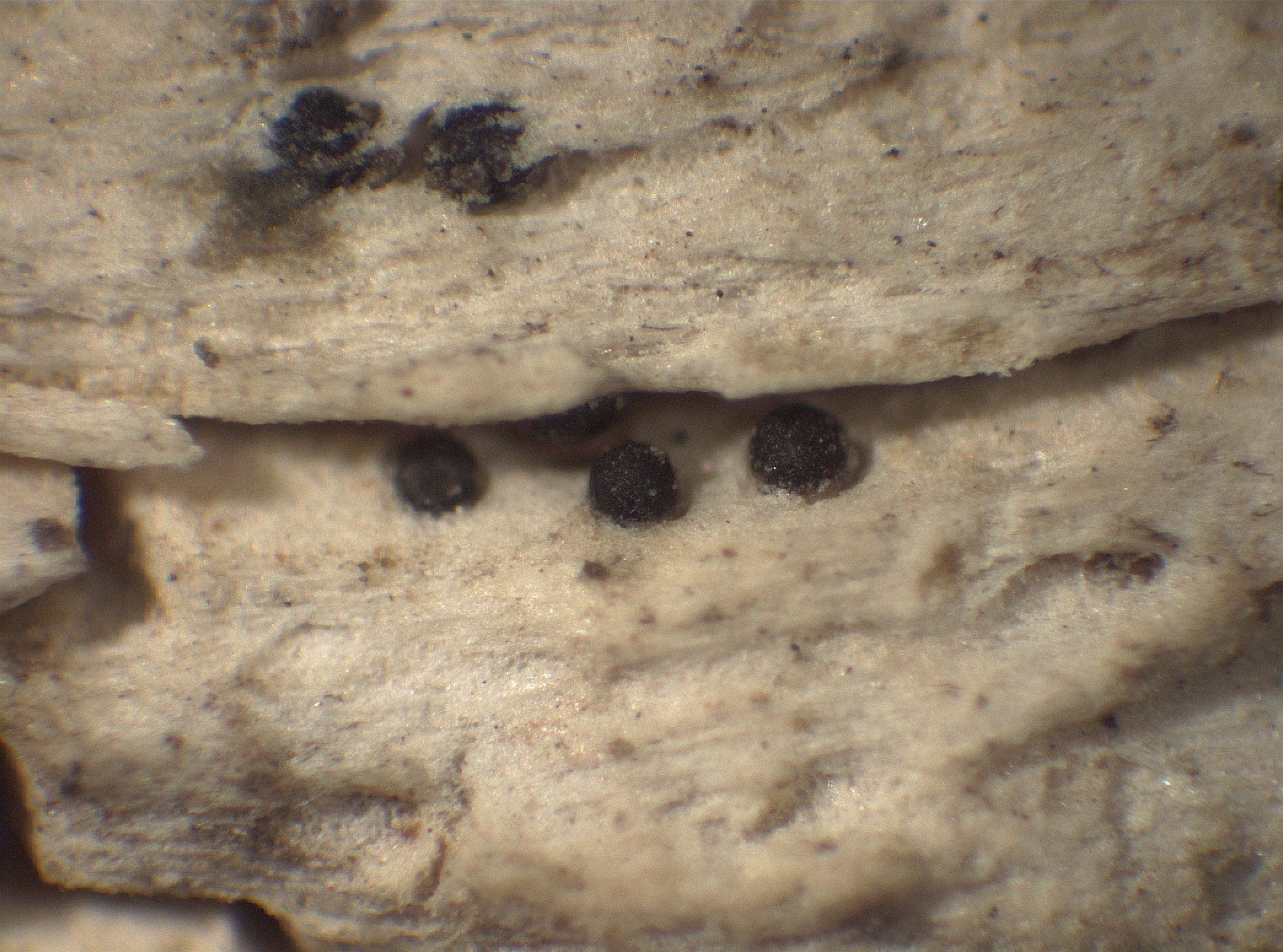
E. Pittao; Owner: Department of Life Sciences, University of Trieste
Herbarium: TSB (17244)
2008.03.10
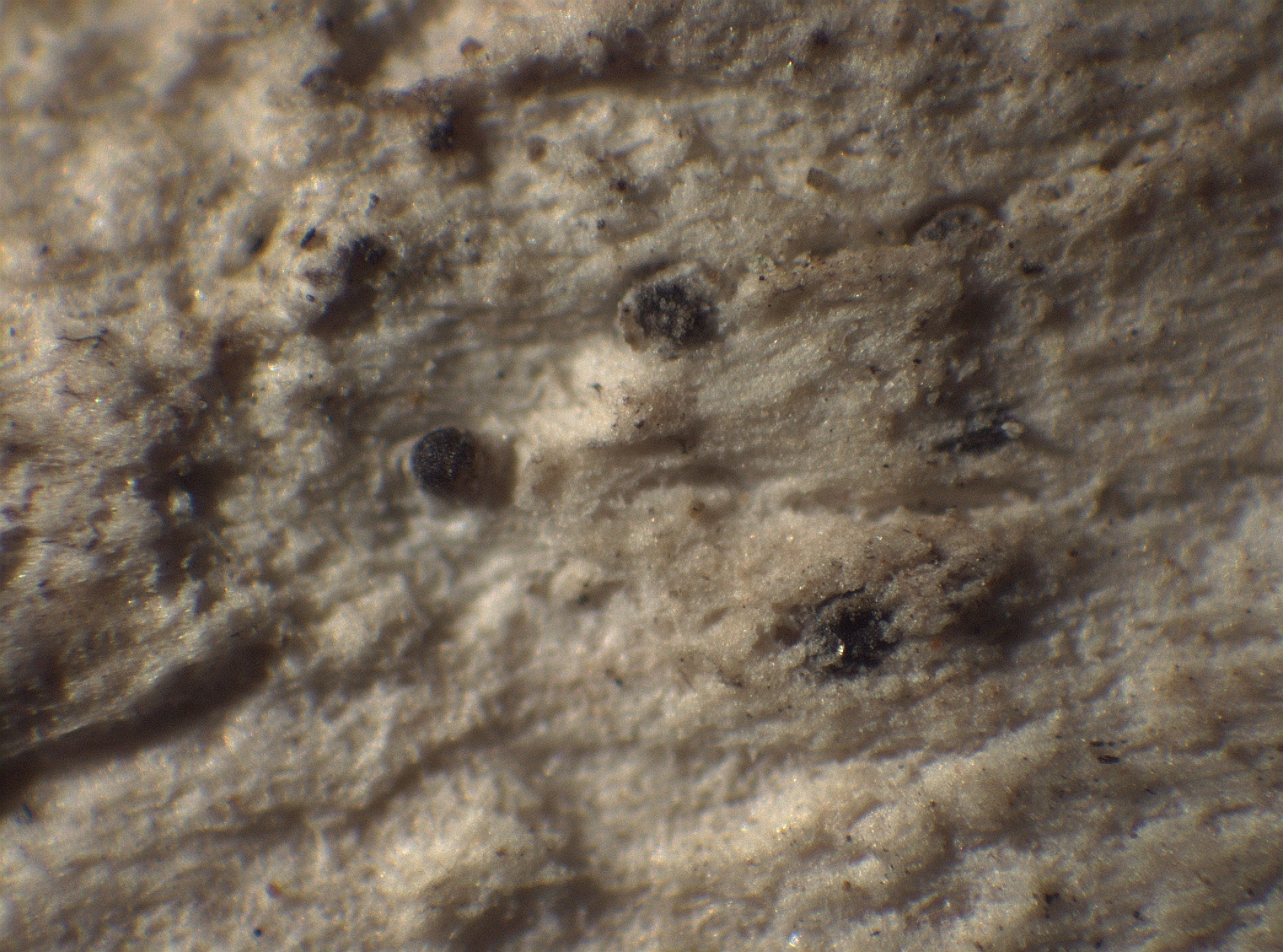
E. Pittao; Owner: Department of Life Sciences, University of Trieste
Herbarium: TSB (17244)
2008.03.10
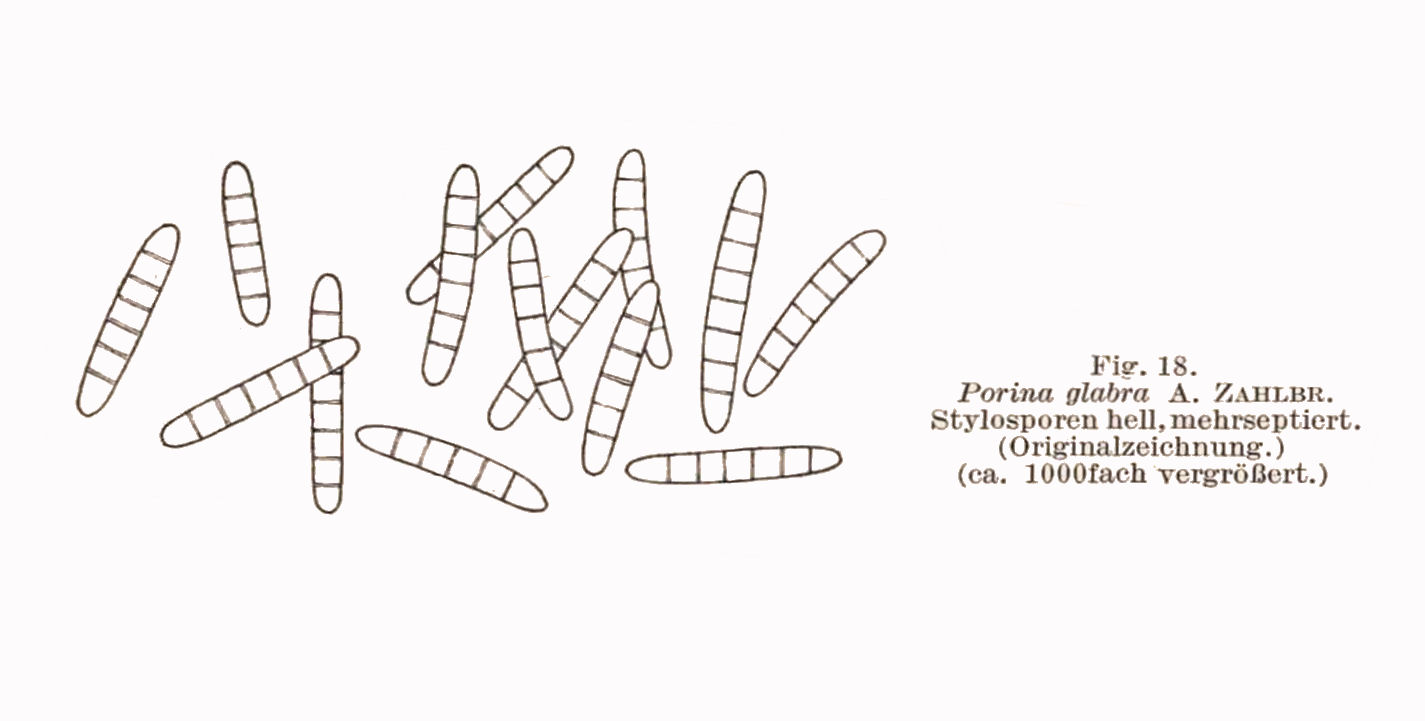
Source: Keissler K. von 1938. Pyrenulaceae, Mycoporaceae, Coniocarpineae. In: Rabenhorst G L: Kryptogamen-Flora von Deutschland, Österreich und der Schweiz. 2nd, IX, Die Flechten, Abt. 1, 2. Gebr. Borntraeger, Leipzig, pp. 1-846.