Thamnolia vermicularis (Sw.) Schaerer subsp. vermicularis chem. squamatic acid
Lichen vermicularis Sw,, Meth. Musc.: 37, 1781
Synonyms: Thamnolia subuliformis (Ehrh.) W.L. Culb.; Thamnolia subvermicularis Asahina; Thamnolia vermicularis var. subuliformis (Ehrh.) Schaer.
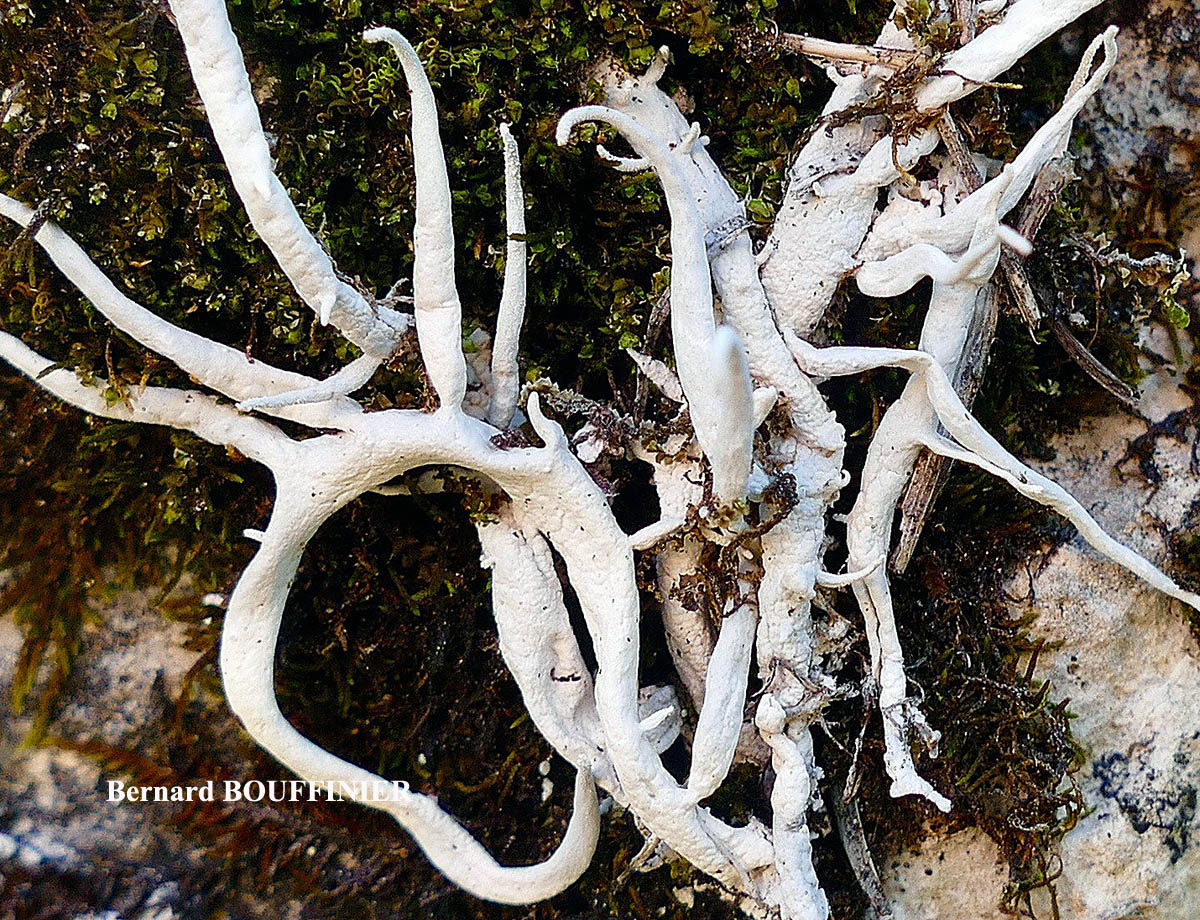
Description: Thallus fruticose, pure white, remaining white in the herbarium, erect or decumbent, often forming tufts. Thallus units 1-2(-3) mm thick (rarely to 8 mm), worm-like, usually to 5 (rarely to 10) cm tall, more or less cylindrical, with pointed apices, smooth, non squamulose, simple or rarely sparingly branched in upper part. Cortex of longitudinally arranged hyphae; medulla thin, soon becoming hollow. Apothecia not known. Pycnidia poorly evident, immersed, initially covered by cortical tissue, flask-shaped to broadly globose, the wall colourless throughout, uni- or rarely bilocular, densely filled with long, parallel conidiophores comprising erect chains of intercalary conidiogenous cells with bayonet-like processes near the upper cell septum. Conidia bacilliform, slightly tapering at one end, 3-5 x 1-2 µm. Photobiont chlorococcoid. Spot tests: K+ yellowish, C-, KC-, P+ yellow, UV+ yellowish white. Chemistry: baeomycesic and squamatic acids.
Growth form: Fruticose
Substrata: soil, terricolous mosses, and plant debris
Photobiont: green algae other than Trentepohlia
Reproductive strategy: mainly asexual, by thallus fragmentation
Commonnes-rarity: (info)
Alpine belt: very rare
Subalpine belt: extremely rare
Montane belt: absent
Dry submediterranean belt: absent
Humid submediterranean belt: absent
Padanian area: absent
pH of the substrata:
1 2 3 4 5

Solar irradiation:
1 2 3 4 5
Aridity:
1 2 3 4 5
Eutrophication:
1 2 3 4 5
Poleotolerance:
0 1 2 3
Altitudinal distribution:
1 2 3 4 5 6
Rarity
absent
extremely rare
very rare
rare
rather rare
rather common
common
very common
extremely common
Loading data...
Occurrence data
Predictive map
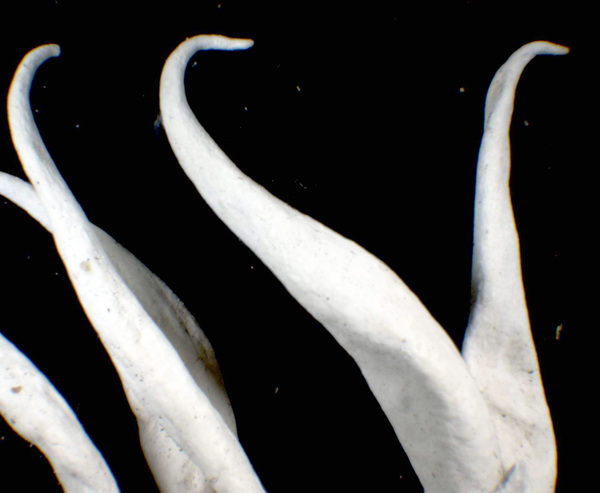
P.L. Nimis CC BY-SA 04
TSB 11383
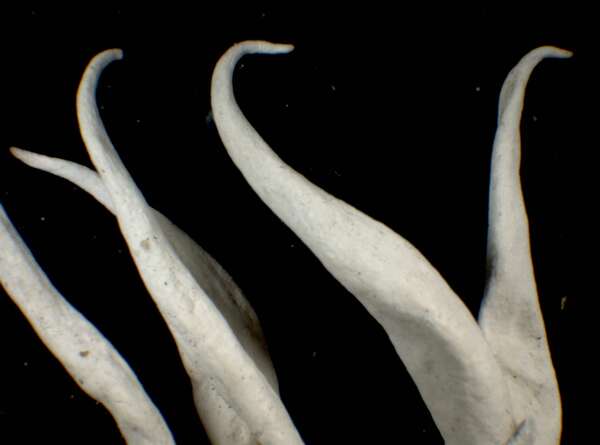
P.L. Nimis; Owner: Department of Life Sciences, University of Trieste
Herbarium: TSB (11383)
2001/12/11
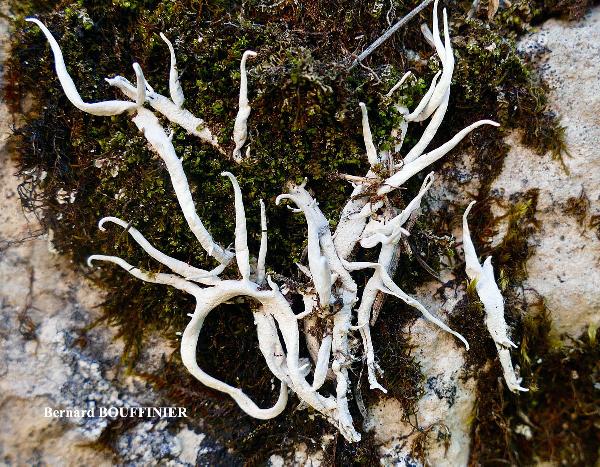
Bernard Bouffinier - Source: http://www.lichensmaritimes.org/index.php?task=fiche&lichen=937&lang=en
France, Comus 1200 m
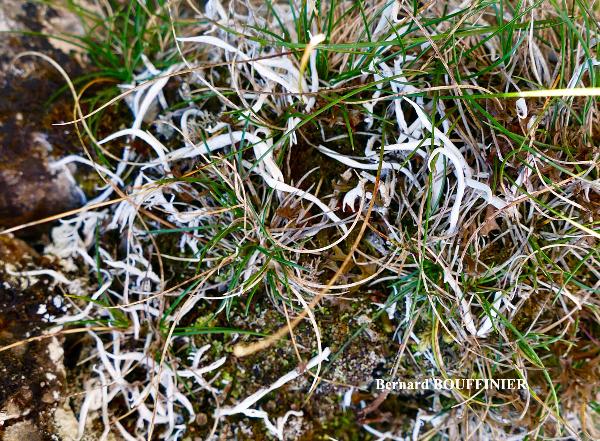
Bernard Bouffinier - Source: http://www.lichensmaritimes.org/index.php?task=fiche&lichen=937&lang=en
France, Comus 1200 m
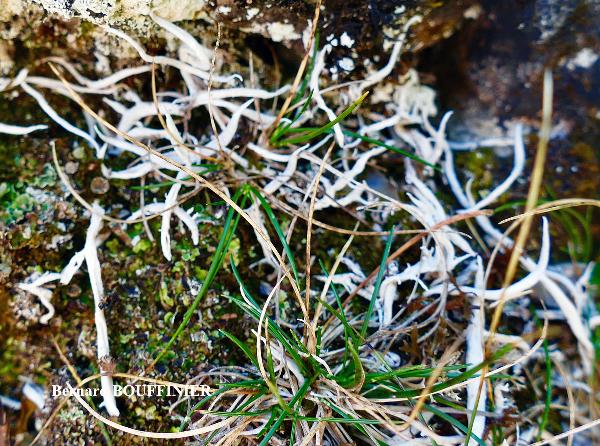
Bernard Bouffinier - Source: http://www.lichensmaritimes.org/index.php?task=fiche&lichen=937&lang=en
France, Comus 1200 m
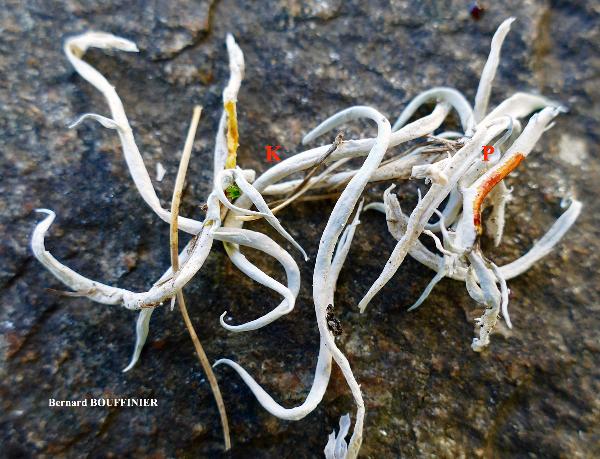
Bernard Bouffinier - Source: http://www.lichensmaritimes.org/index.php?task=fiche&lichen=937&lang=en
France, Comus 1200 m
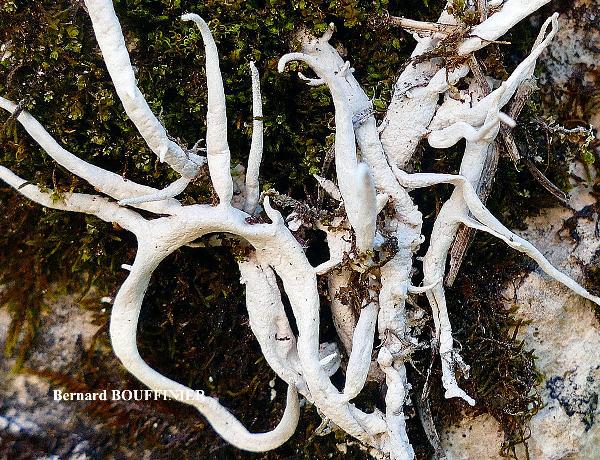
Bernard Bouffinier - Source: http://www.lichensmaritimes.org/index.php?task=fiche&lichen=937&lang=en
France, Comus 1200 m
Growth form: Fruticose
Substrata: soil, terricolous mosses, and plant debris
Photobiont: green algae other than Trentepohlia
Reproductive strategy: mainly asexual, by thallus fragmentation
Commonnes-rarity: (info)
Alpine belt: very rare
Subalpine belt: extremely rare
Montane belt: absent
Dry submediterranean belt: absent
Humid submediterranean belt: absent
Padanian area: absent
pH of the substrata:
| 1 | 2 | 3 | 4 | 5 |
Solar irradiation:
| 1 | 2 | 3 | 4 | 5 |
Aridity:
| 1 | 2 | 3 | 4 | 5 |
Eutrophication:
| 1 | 2 | 3 | 4 | 5 |
Poleotolerance:
| 0 | 1 | 2 | 3 |
Altitudinal distribution:
| 1 | 2 | 3 | 4 | 5 | 6 |
Rarity
absent
extremely rare
very rare
rare
rather rare
rather common
common
very common
extremely common
Loading data...
Occurrence data
Predictive map
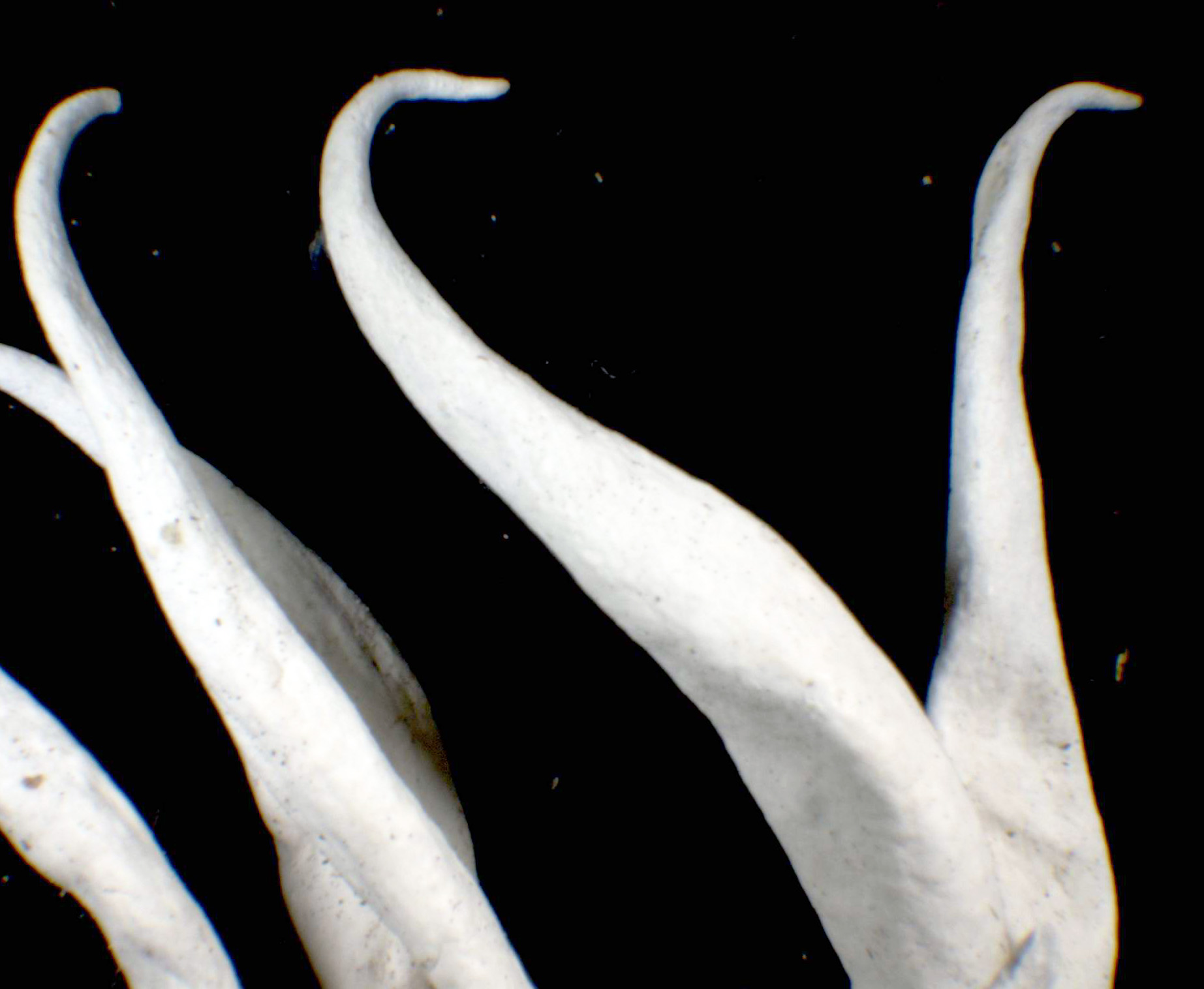
P.L. Nimis CC BY-SA 04
TSB 11383
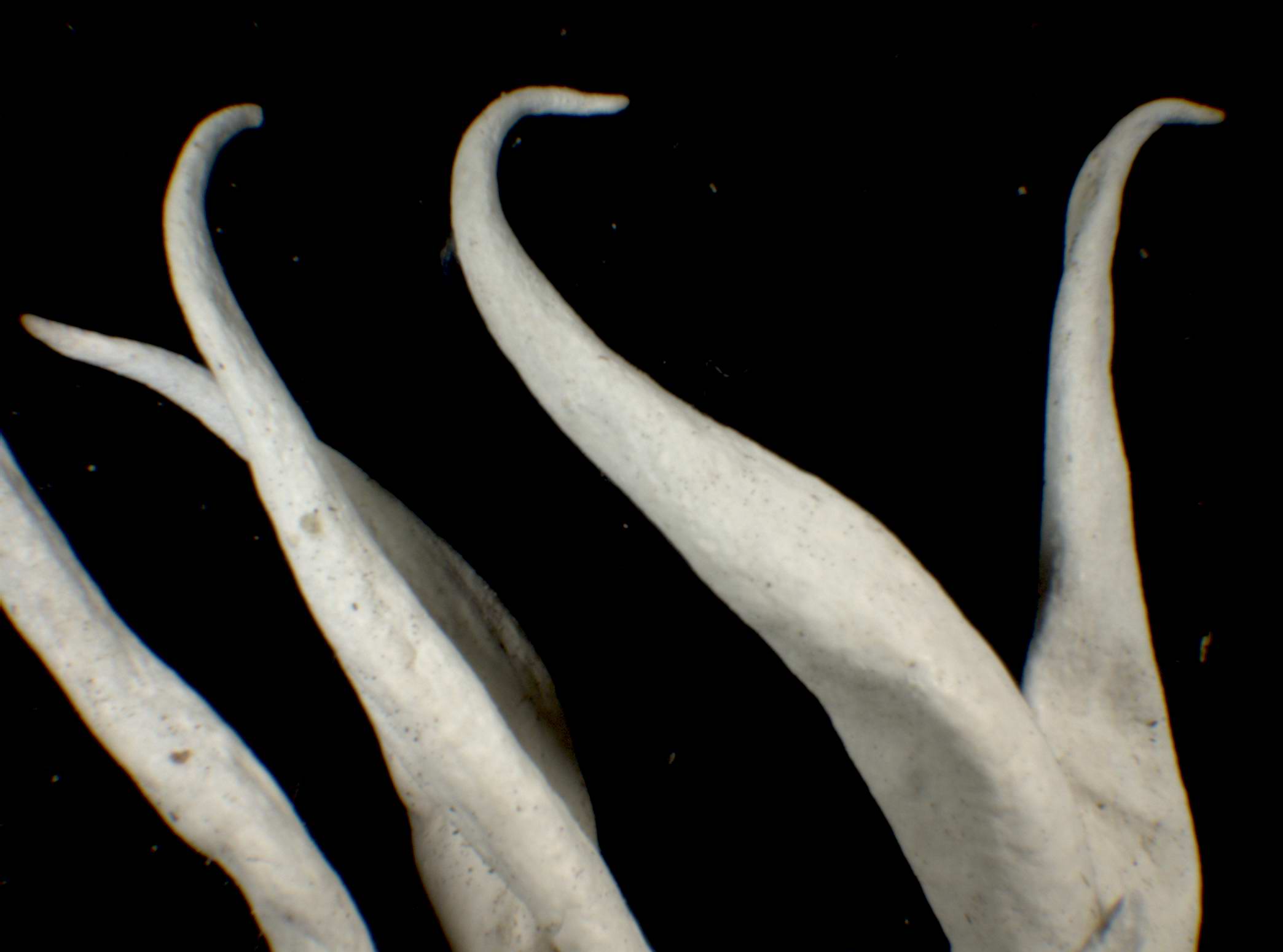
P.L. Nimis; Owner: Department of Life Sciences, University of Trieste
Herbarium: TSB (11383)
2001/12/11
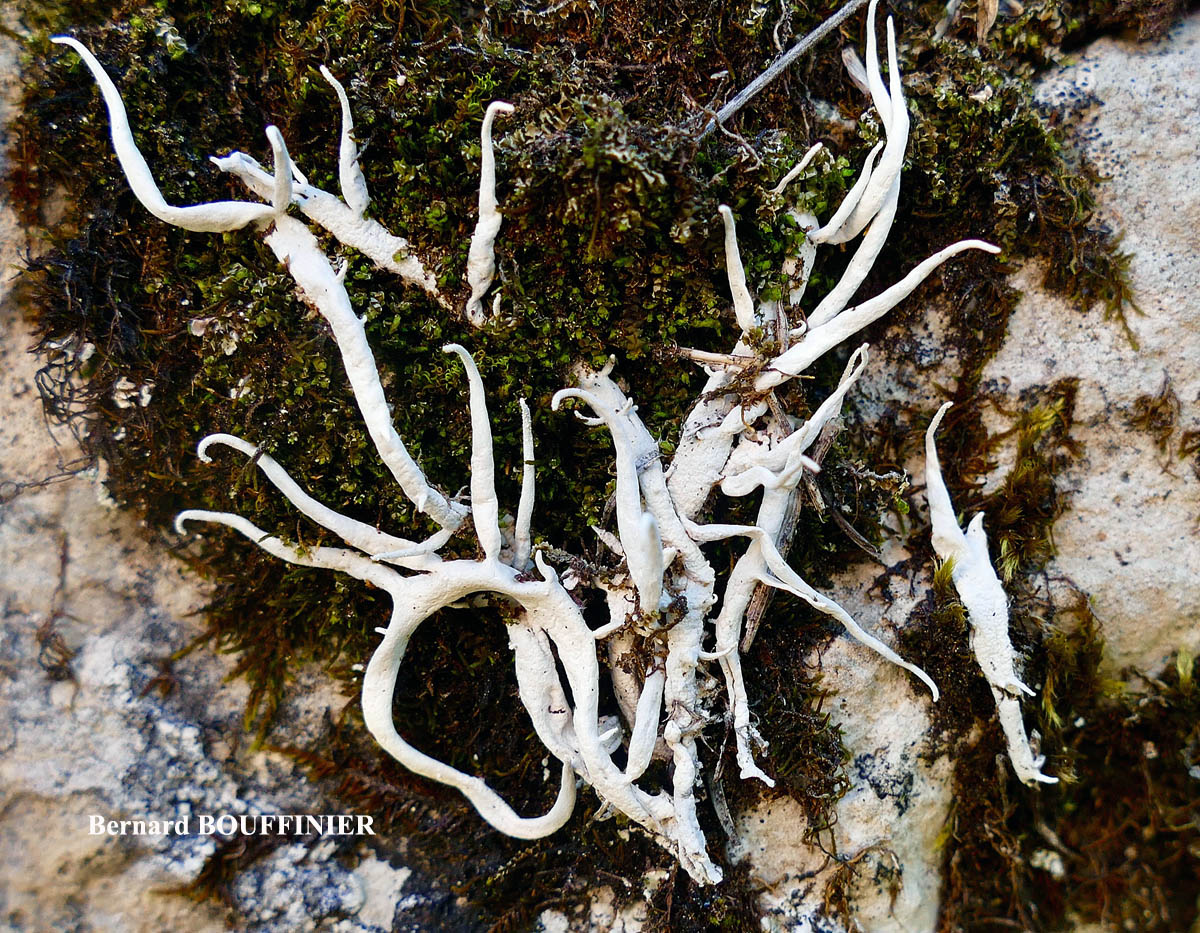
Bernard Bouffinier - Source: http://www.lichensmaritimes.org/index.php?task=fiche&lichen=937&lang=en
France, Comus 1200 m
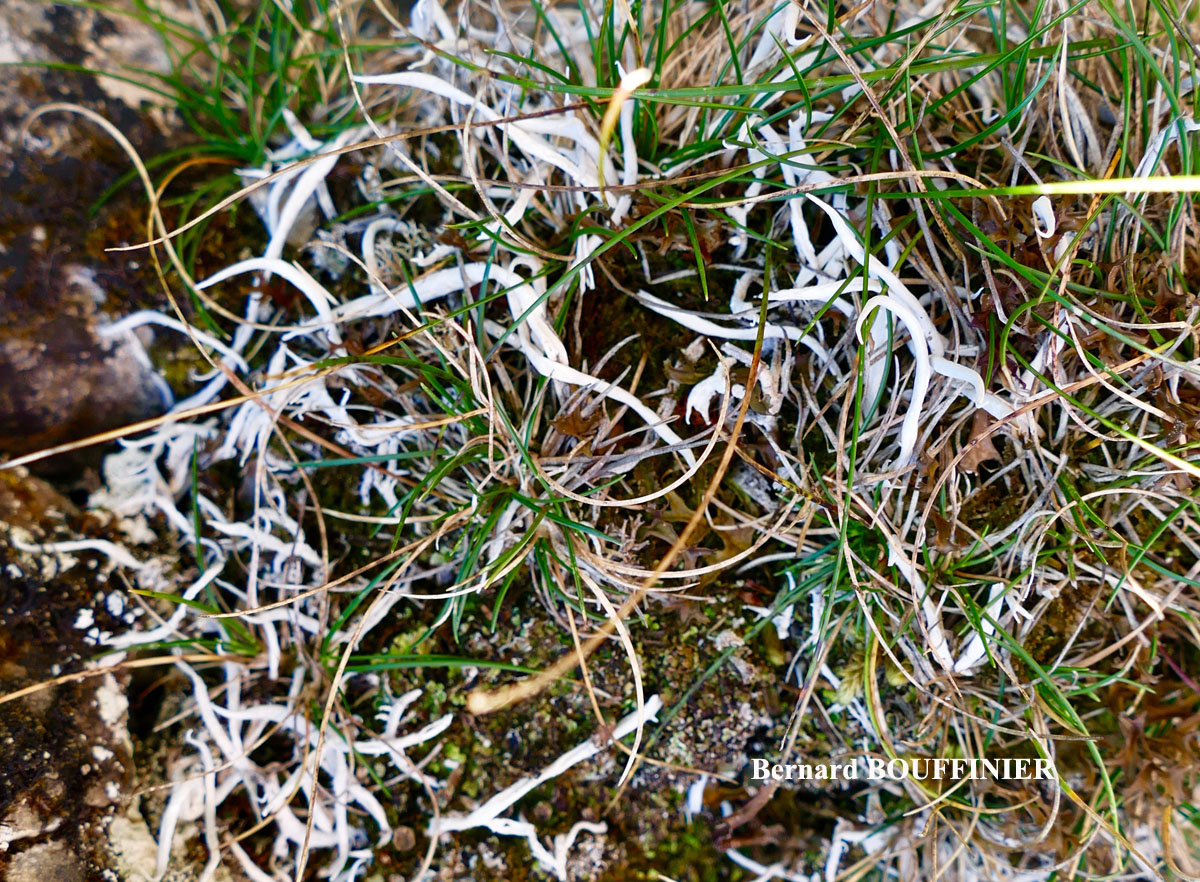
Bernard Bouffinier - Source: http://www.lichensmaritimes.org/index.php?task=fiche&lichen=937&lang=en
France, Comus 1200 m
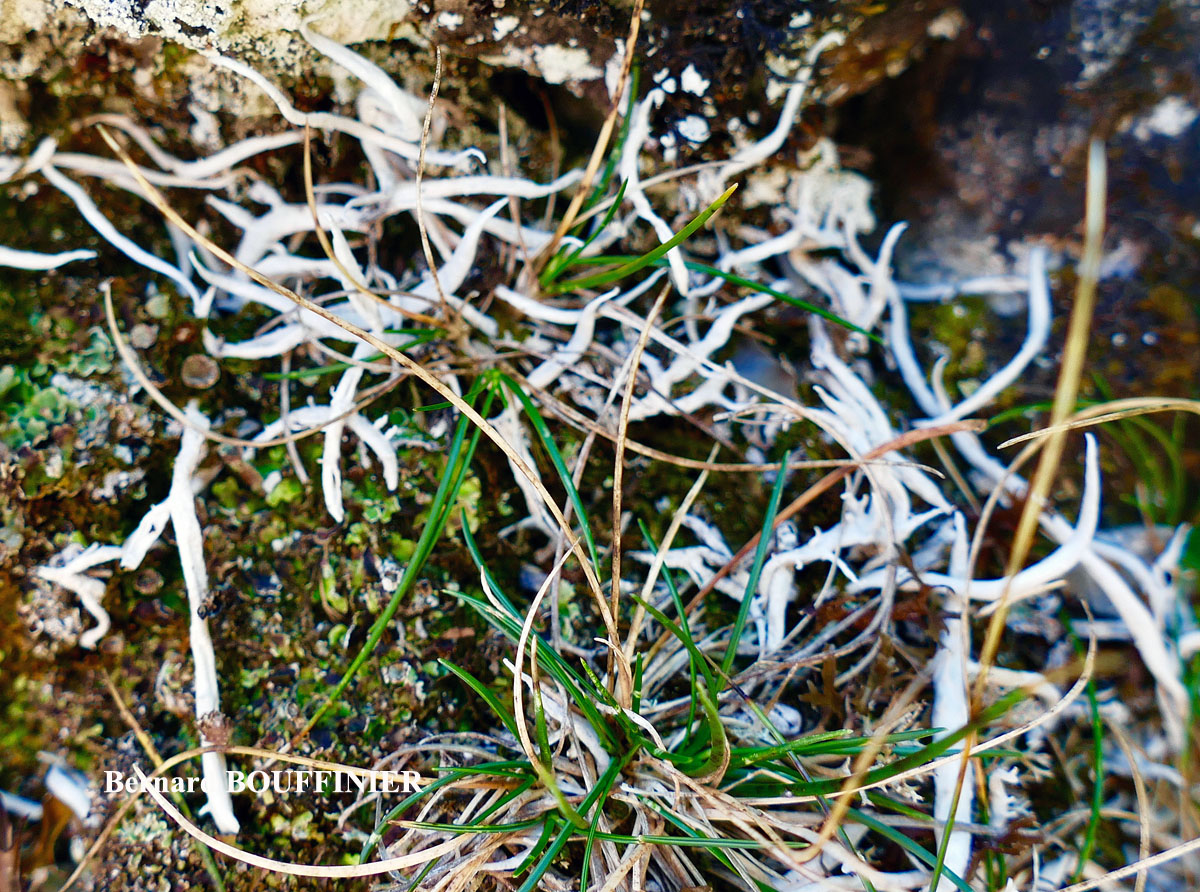
Bernard Bouffinier - Source: http://www.lichensmaritimes.org/index.php?task=fiche&lichen=937&lang=en
France, Comus 1200 m
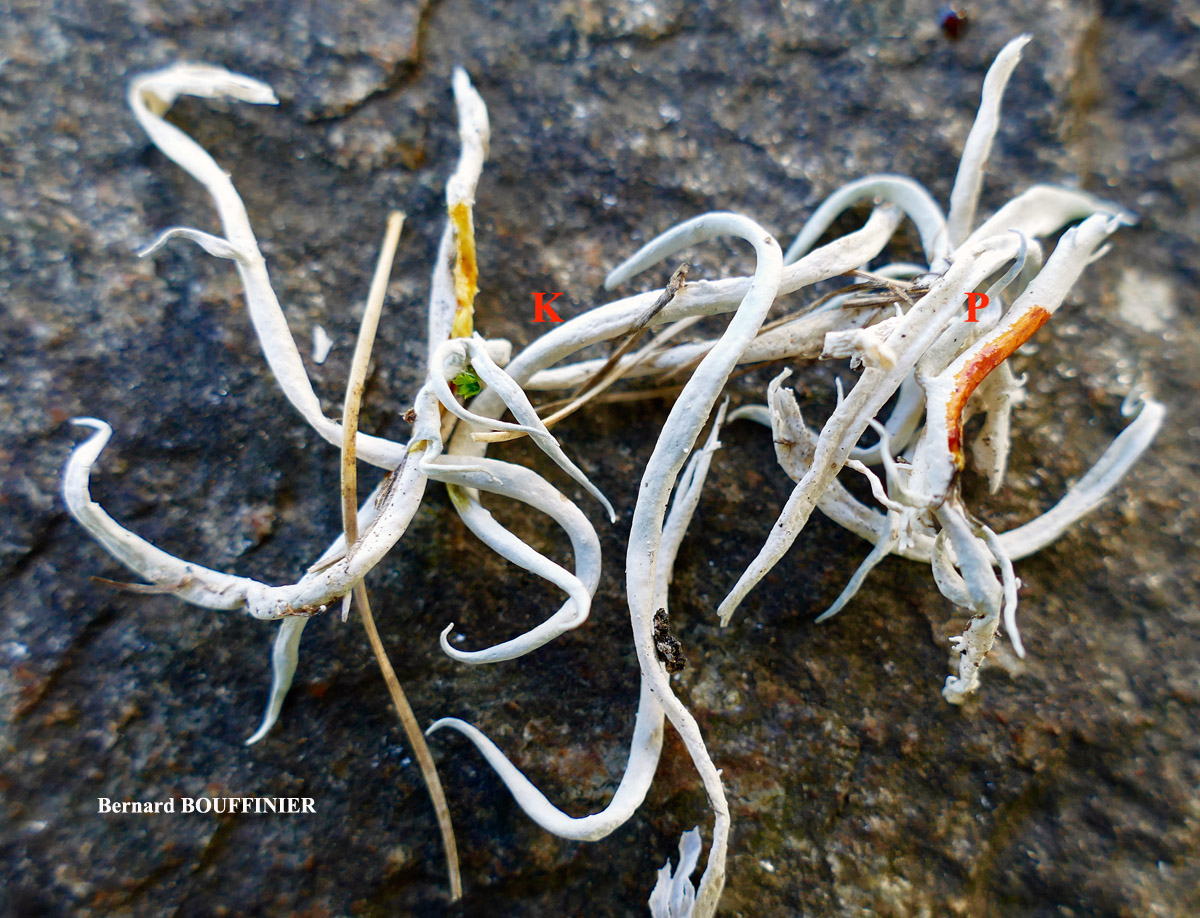
Bernard Bouffinier - Source: http://www.lichensmaritimes.org/index.php?task=fiche&lichen=937&lang=en
France, Comus 1200 m