Thalloidima sedifolium (Scop.) Kistenich, Timdal, Bendiksby & S.Ekman
Taxon, 67: 897, 2018.. Basionym: Lichen sedifolius Scop. - Fl. Carniol., ed. 2, 2: 395, 1772.
Synonyms: Biatorina vesicularis (Hoffm.) Jatta; Lecidea glebosa Ach.; Lecidea subtabacina Nyl.; Lecidea vesicularis (Hoffm.) Ach.; Lichen radicatus Vill.; Patellaria vesicularis Hoffm.; Psora vesicularis (Hoffm.) Hoffm.; Thalloidima coeruleonigricans auct. non (Lightf.) Poetsch; Thalloidima coeruleonigricans var. carolitanum Bagl. ex Arnold; Thalloidima vesiculare (Hoffm.) A. Massal.; Toninia arenaria Räsänen; Toninia carolitana (Bagl. ex Arnold) Nimis & Poelt; Toninia coeruleonigricans auct. non (Lightf.) Th. Fr.; Toninia muricola B. de Lesd.; Toninia ochracea Werner?; Toninia sedifolia (Scop.) Timdal; Toninia subtabacina (Nyl.) H. Olivier; Toninia vesicularis (Hoffm.) Mong.; Verrucaria grisea Willd.
Description: Thallus squamulose, olivaceous green to dark brown, often partially white-pruinose, smooth or with very shallow fissures in the cortex, the squamules up to 1.5 mm wide, weakly convex to bullate, scattered to contiguous or irregularly imbricate, round or weakly lobed; lower surface pale. Upper cortex 20-60 μm thick, including an up to 20 μm thick epinecral layer, often containing crystals of calcium oxalates; algal layer continuous; medulla white, lacking crystals. Apothecia frequent, lecideine, sessile, strongly constricted at base, up to 2.5 mm across, with a black, epruinose or rarely bluish-pruinose, more or less flat, smooth disc and a distinct, smooth, concolorous proper margin. Proper exciple dark red-brown, sometimes with a grey rim reacting K+ and N+ violet; epithecium grey, K+ and N+ violet, often with crystals; hymenium colourless, 60-70 µm high; paraphyses not conglutinated, simple or sparingly branched and anastomosing in upper part, thin-walled, the apical cell distinctly swollen, with a gelatinous pigment cap; hypothecium dull red-brown. Asci 8-spored, clavate, surrounded by a gelatinous I+ blue coat, with a well-developed I+ blue tholus, a I+ darker blue tube and a well-developed ocular chamber, Bacidia-type. Ascospores 1-septate, hyaline, fusiform, (11-)12-24(-30) x (2.5-)3-4 μm. Photobiont chlorococcoid. Spot tests: thallus K-, C-, KC-, P-, UV-. Chemistry: thallus without lichen substances; apothecia with the Sedifolia-grey pigment.
Growth form: Squamulose
Substrata: soil, terricolous mosses, and plant debris
Photobiont: green algae other than Trentepohlia
Reproductive strategy: mainly sexual
Commonnes-rarity: (info)
Alpine belt: very rare
Subalpine belt: very rare
Montane belt: rather common
Dry submediterranean belt: very common
Humid submediterranean belt: very common
Padanian area: extremely rare
pH of the substrata:
1 2 3 4 5

Solar irradiation:
1 2 3 4 5
Aridity:
1 2 3 4 5
Eutrophication:
1 2 3 4 5
Poleotolerance:
0 1 2 3
Altitudinal distribution:
1 2 3 4 5 6
Rarity
absent
extremely rare
very rare
rare
rather rare
rather common
common
very common
extremely common
Loading data...
Occurrence data
Predictive map
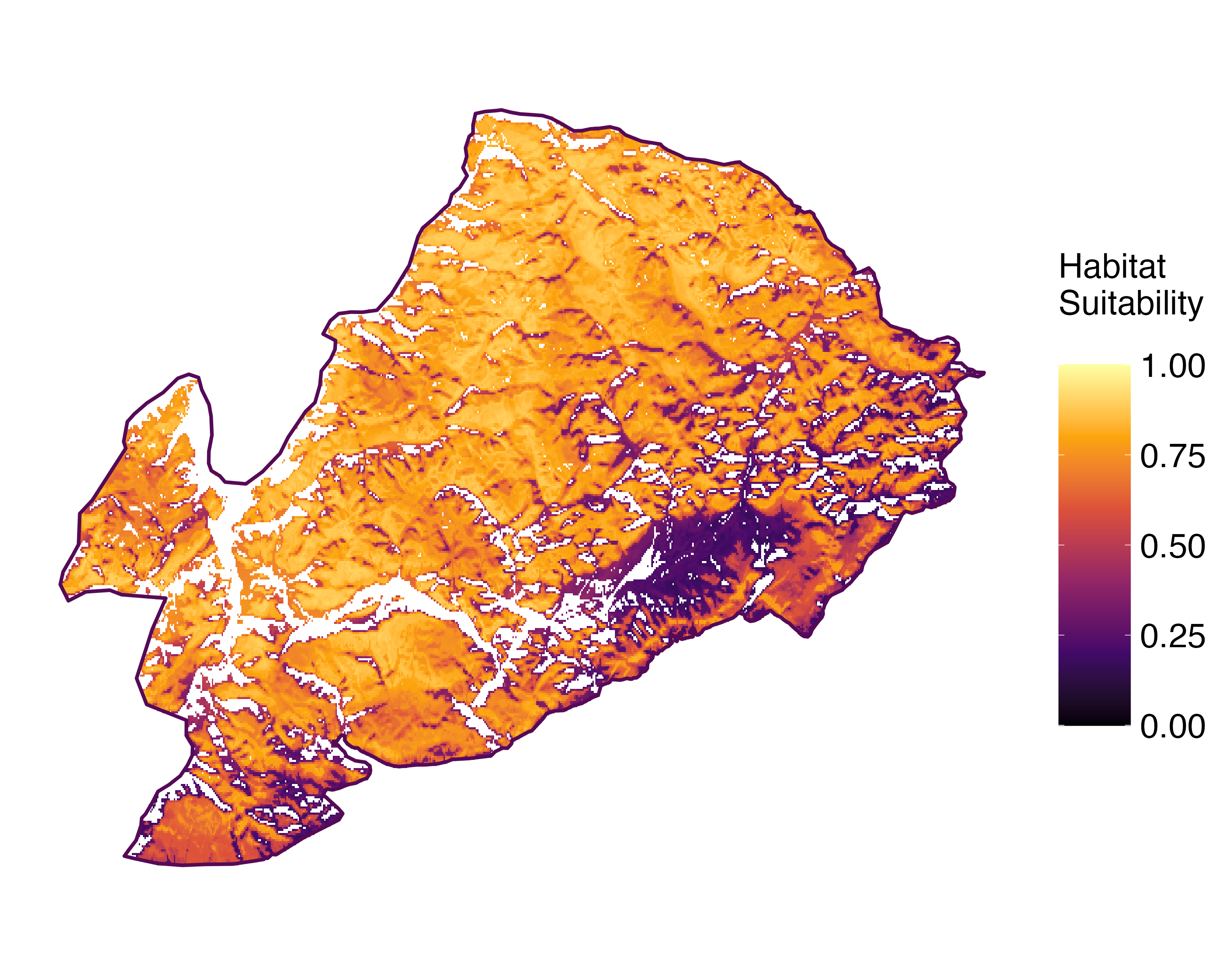 Current prediction (1981-2010)
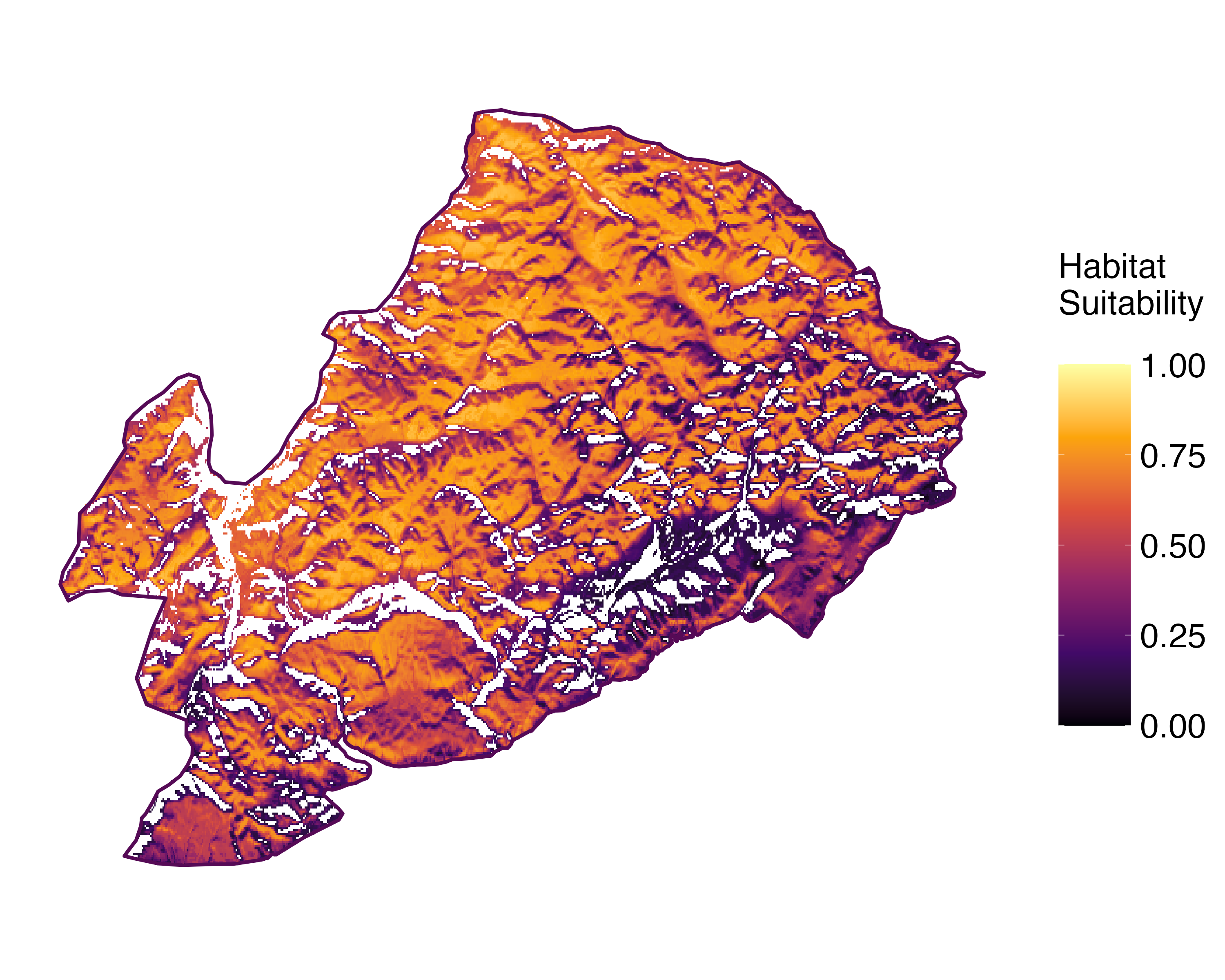 Future prediction (2071-2100) SSP 1-2.6
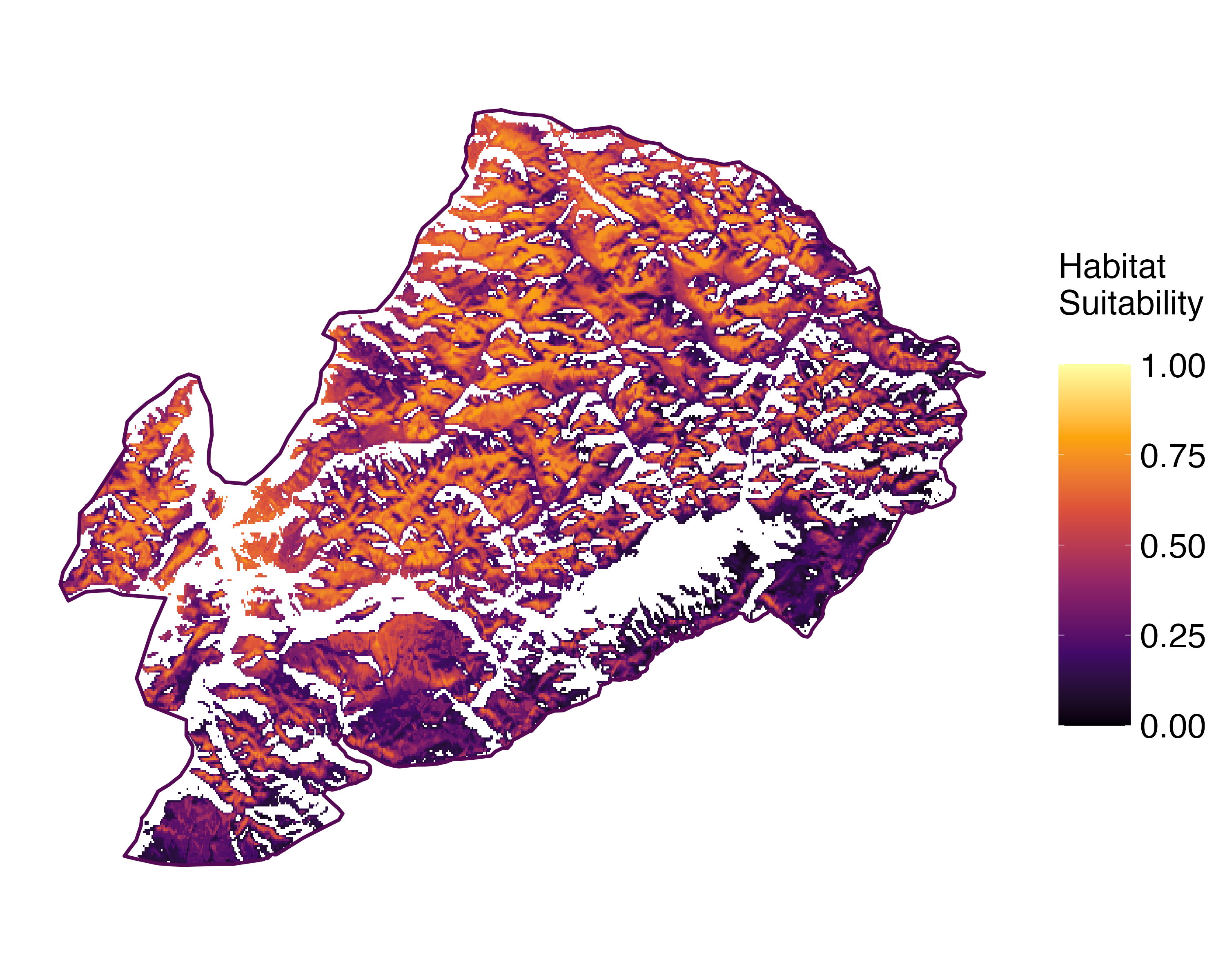 Future prediction (2071-2100) SSP 5-8.5Predictive maps according to Francesconi et al. 2025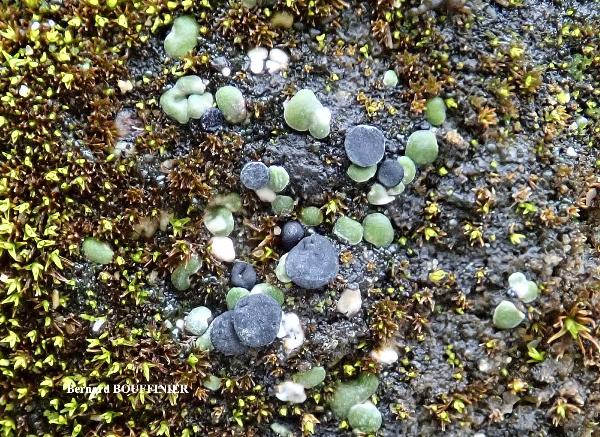
Bernard Bouffinier - Source: http://www.lichensmaritimes.org/index.php?task=fiche&lichen=221&lang=en
France, La Palue
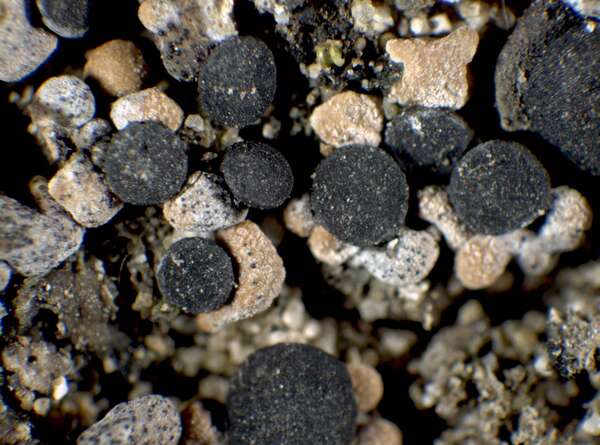
P.L. Nimis; Owner: Department of Life Sciences, University of Trieste
Herbarium: TSB (3955)
2001/12/01
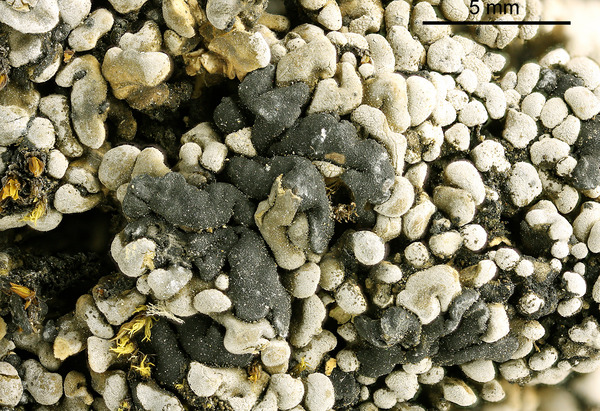
Felix Schumm CC BY-SA 4.0
[1520], Germany, Baden-Württemberg, Schwäbische Alb, Kreis Heidenheim, in Erdspalten auf Kalkfelsen im Zwerchstubental, ca. 600 m.Leg et det. Schumm 10.08.1963
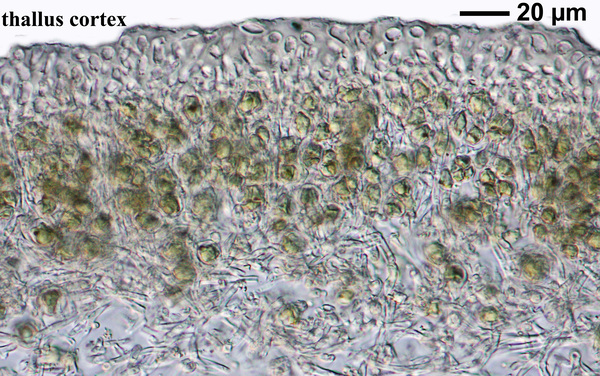
Felix Schumm CC BY-SA 4.0
[1520], Germany, Baden-Württemberg, Schwäbische Alb, Kreis Heidenheim, in Erdspalten auf Kalkfelsen im Zwerchstubental, ca. 600 m.Leg et det. Schumm 10.08.1963
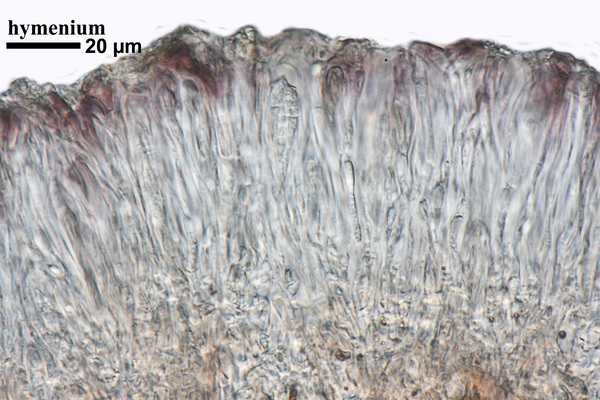
Felix Schumm CC BY-SA 4.0
[1520], Germany, Baden-Württemberg, Schwäbische Alb, Kreis Heidenheim, in Erdspalten auf Kalkfelsen im Zwerchstubental, ca. 600 m.Leg et det. Schumm 10.08.1963
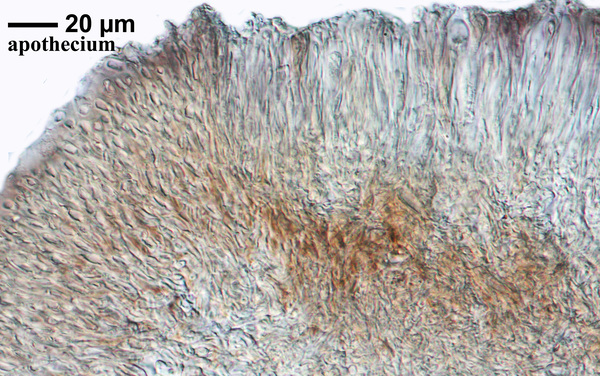
Felix Schumm CC BY-SA 4.0
[1520], Germany, Baden-Württemberg, Schwäbische Alb, Kreis Heidenheim, in Erdspalten auf Kalkfelsen im Zwerchstubental, ca. 600 m.Leg et det. Schumm 10.08.1963
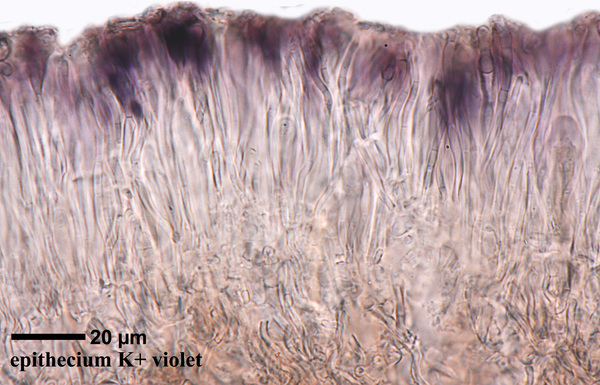
Felix Schumm CC BY-SA 4.0
[1520], Germany, Baden-Württemberg, Schwäbische Alb, Kreis Heidenheim, in Erdspalten auf Kalkfelsen im Zwerchstubental, ca. 600 m.Leg et det. Schumm 10.08.1963
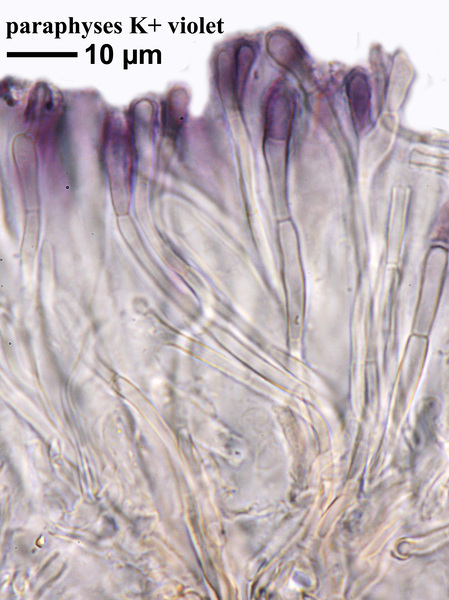
Felix Schumm CC BY-SA 4.0
[1520], Germany, Baden-Württemberg, Schwäbische Alb, Kreis Heidenheim, in Erdspalten auf Kalkfelsen im Zwerchstubental, ca. 600 m.Leg et det. Schumm 10.08.1963
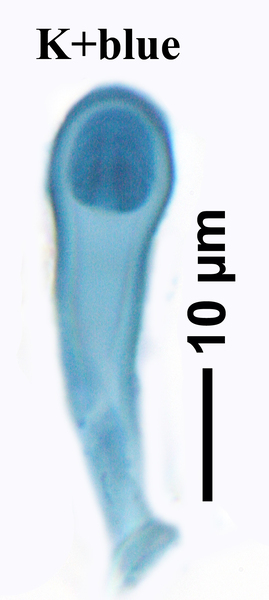
Felix Schumm CC BY-SA 4.0
[1520], Germany, Baden-Württemberg, Schwäbische Alb, Kreis Heidenheim, in Erdspalten auf Kalkfelsen im Zwerchstubental, ca. 600 m.Leg et det. Schumm 10.08.1963
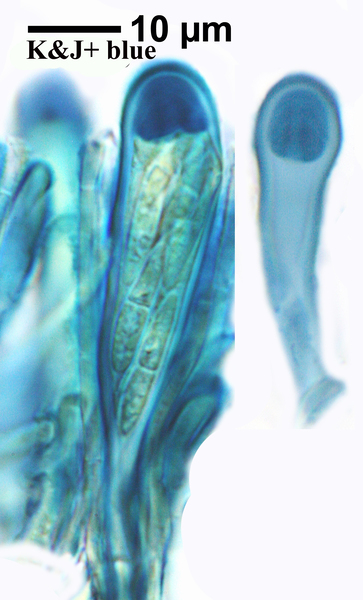
Felix Schumm CC BY-SA 4.0
[1520], Germany, Baden-Württemberg, Schwäbische Alb, Kreis Heidenheim, in Erdspalten auf Kalkfelsen im Zwerchstubental, ca. 600 m.Leg et det. Schumm 10.08.1963
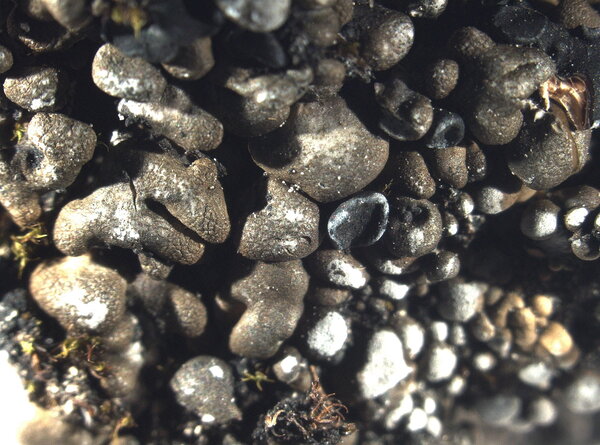
Pier Luigi Nimis - CC BY-SA 4.0
TSB 38716
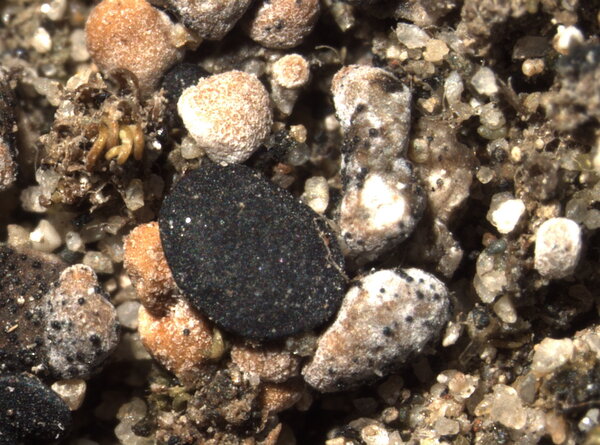
P.L. Nimis CC BY-SA 04
TSB 3955
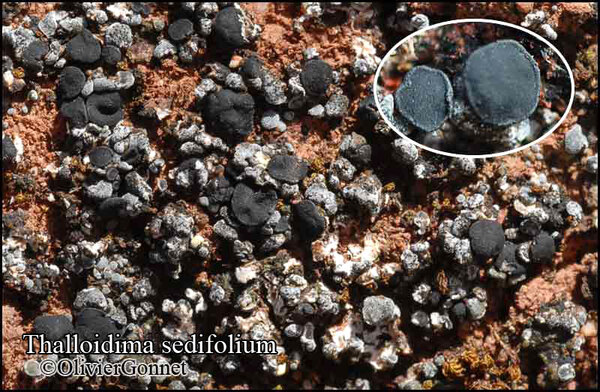
Courtesy Danièle et Olivier Gonnet - Source: https://www.afl-lichenologie.fr/Photos_AFL/Photos_AFL_T/Textes_T2/Thalloidima_sedifolium.htm
France, sur sol calcaire - session AFL 2010 - Hérault
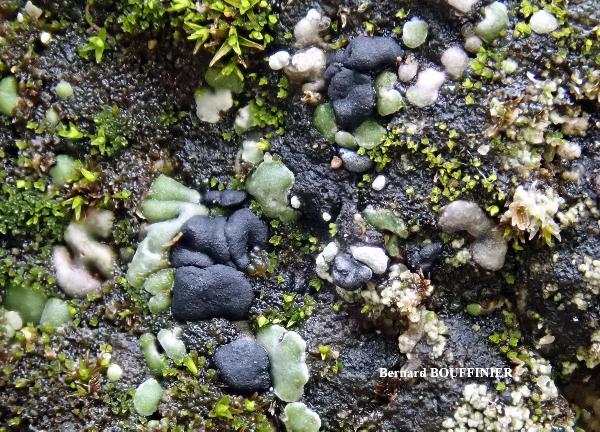
Bernard Bouffinier - Source: http://www.lichensmaritimes.org/index.php?task=fiche&lichen=221&lang=en
France, La Palue
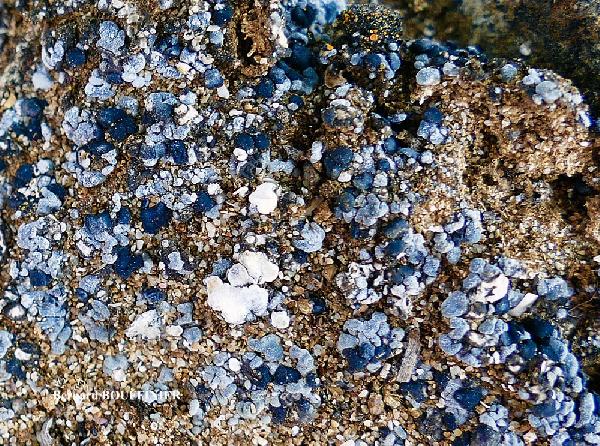
Bernard Bouffinier - Source: http://www.lichensmaritimes.org/index.php?task=fiche&lichen=221&lang=en
France, Pointe de Kerdra
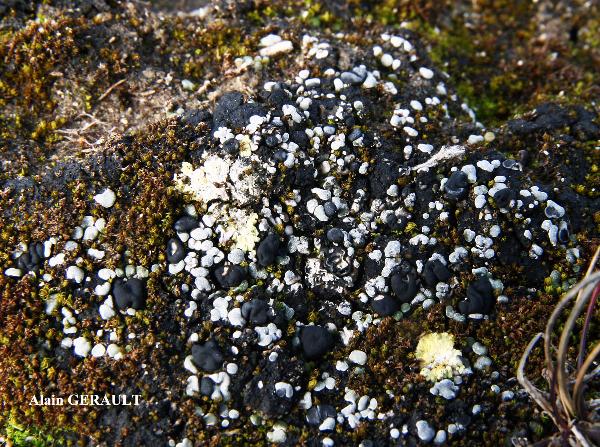
Alain Gerault - Source: http://www.lichensmaritimes.org/index.php?task=fiche&lichen=221&lang=en
France, La Palue
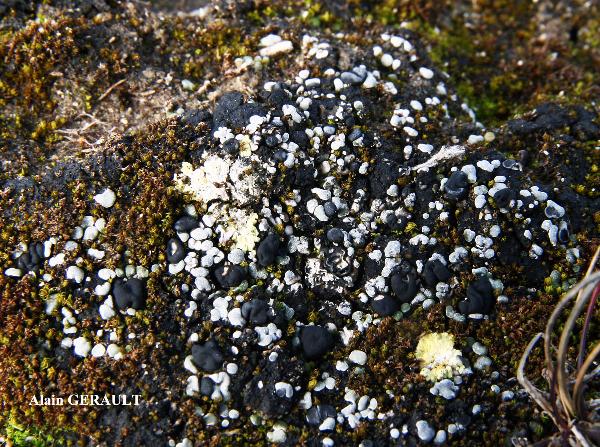
Alain Gerault - Source: http://www.lichensmaritimes.org/index.php?task=fiche&lichen=221&lang=en
France, La Palue
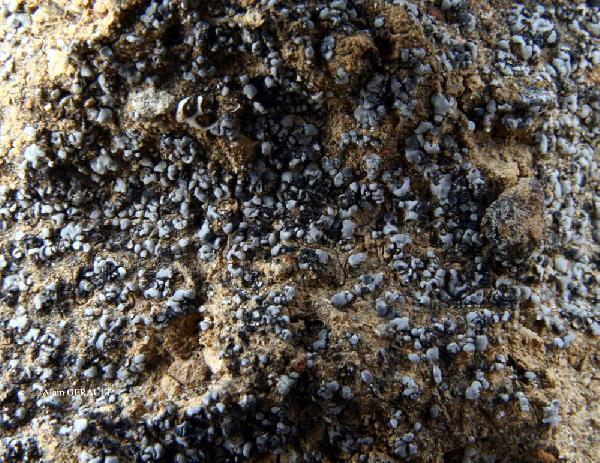
Alain Gerault - Source: http://www.lichensmaritimes.org/index.php?task=fiche&lichen=221&lang=en
France, Lostmarc'h
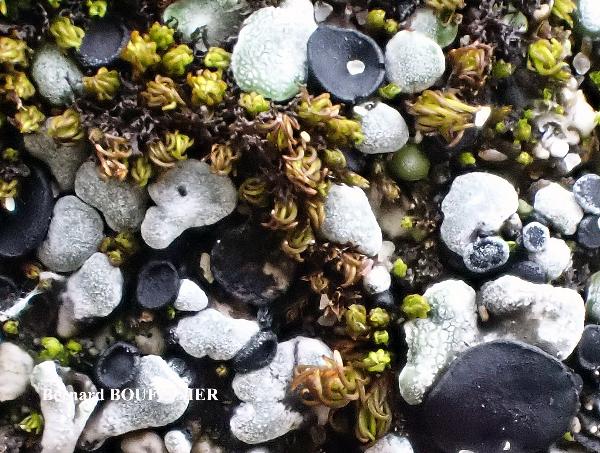
Bernard Bouffinier - Source: http://www.lichensmaritimes.org/index.php?task=fiche&lichen=221&lang=en
France, La Palue
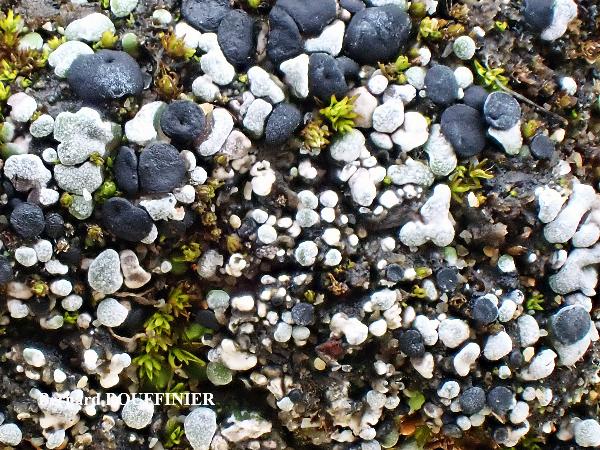
Bernard Bouffinier - Source: http://www.lichensmaritimes.org/index.php?task=fiche&lichen=221&lang=en
France, La Palue
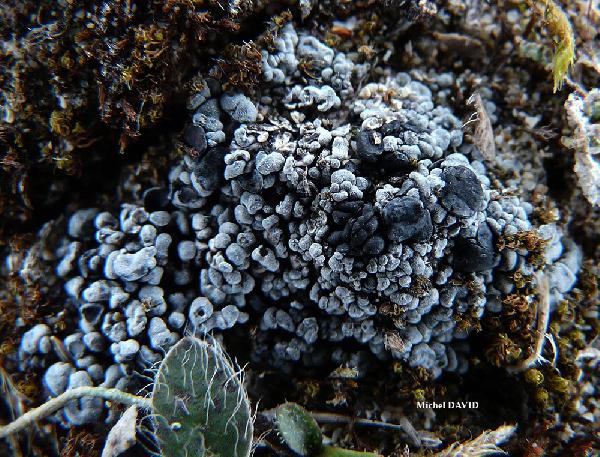
Michel David - Source: http://www.lichensmaritimes.org/index.php?task=fiche&lichen=221&lang=en
France, La Palue
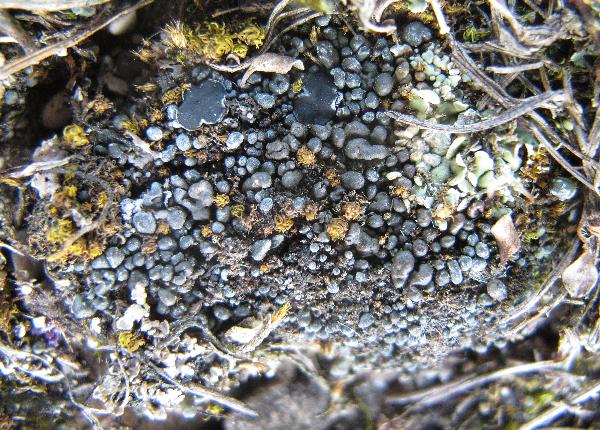
Wolfgang von Brackel - CC BY-4.0
Germany, Bavaria, Panzerwiese
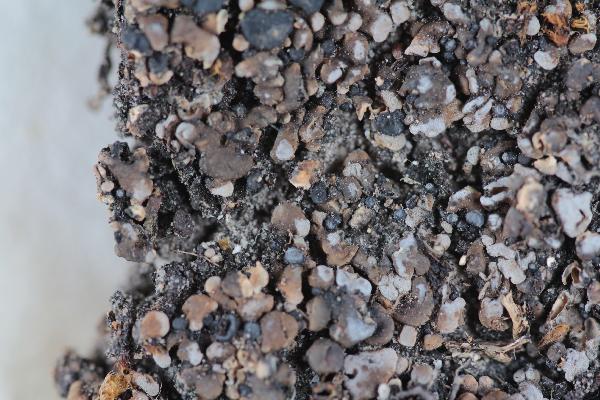
Collezione lichenologica Abramo Massalongo del Museo di Storia Naturale G. Ligabue di Venezia - Autori: Seggi, Linda; Trabucco, Raffaella Proprietà: Fondazione Musei Civici di Venezia - CC BY-NC
Italy, Veneto, Ad terram in Prov. Veron. 1855
as Thalloidima vesiculare
Growth form: Squamulose
Substrata: soil, terricolous mosses, and plant debris
Photobiont: green algae other than Trentepohlia
Reproductive strategy: mainly sexual
Commonnes-rarity: (info)
Alpine belt: very rare
Subalpine belt: very rare
Montane belt: rather common
Dry submediterranean belt: very common
Humid submediterranean belt: very common
Padanian area: extremely rare
pH of the substrata:
| 1 | 2 | 3 | 4 | 5 |
Solar irradiation:
| 1 | 2 | 3 | 4 | 5 |
Aridity:
| 1 | 2 | 3 | 4 | 5 |
Eutrophication:
| 1 | 2 | 3 | 4 | 5 |
Poleotolerance:
| 0 | 1 | 2 | 3 |
Altitudinal distribution:
| 1 | 2 | 3 | 4 | 5 | 6 |
Rarity
absent
extremely rare
very rare
rare
rather rare
rather common
common
very common
extremely common
Loading data...
Occurrence data
Predictive map
Current prediction (1981-2010)Future prediction (2071-2100) SSP 1-2.6Future prediction (2071-2100) SSP 5-8.5Predictive maps according to Francesconi et al. 2025
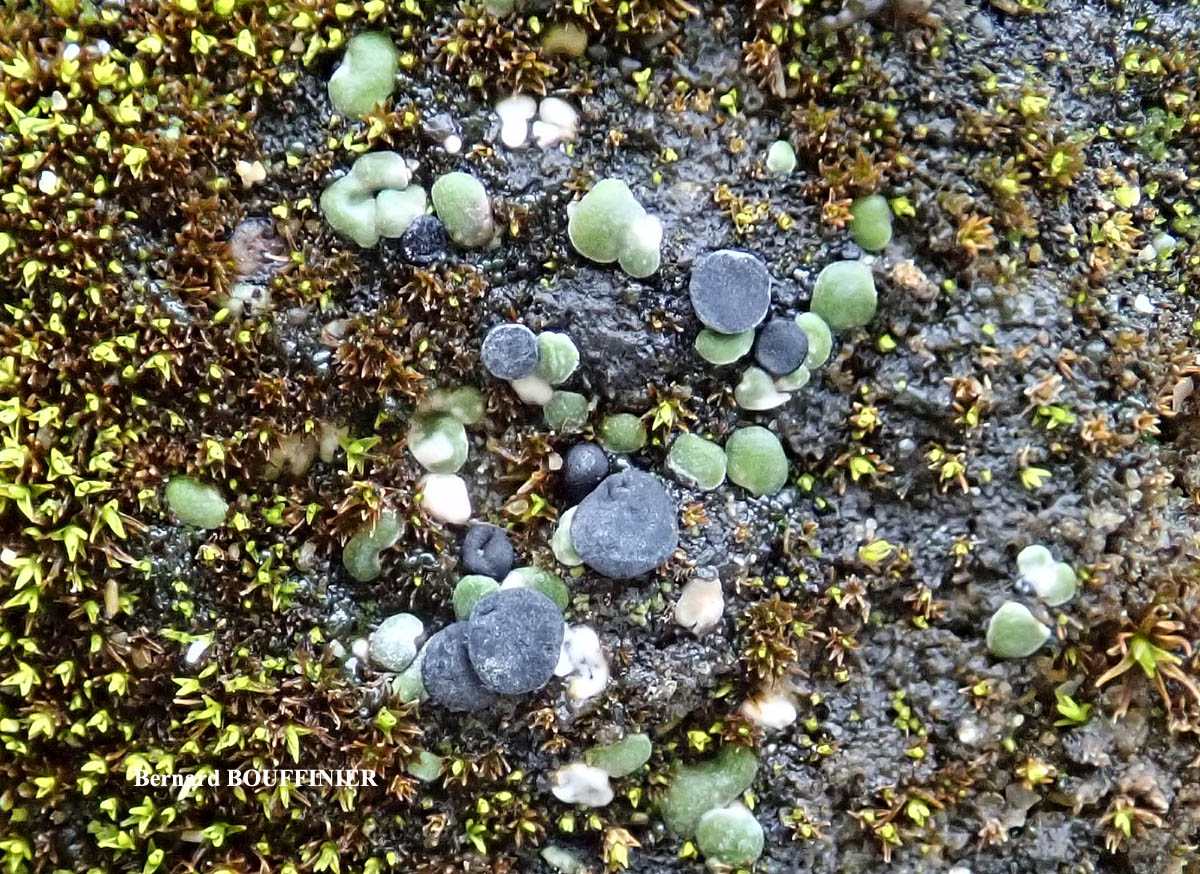
Bernard Bouffinier - Source: http://www.lichensmaritimes.org/index.php?task=fiche&lichen=221&lang=en
France, La Palue
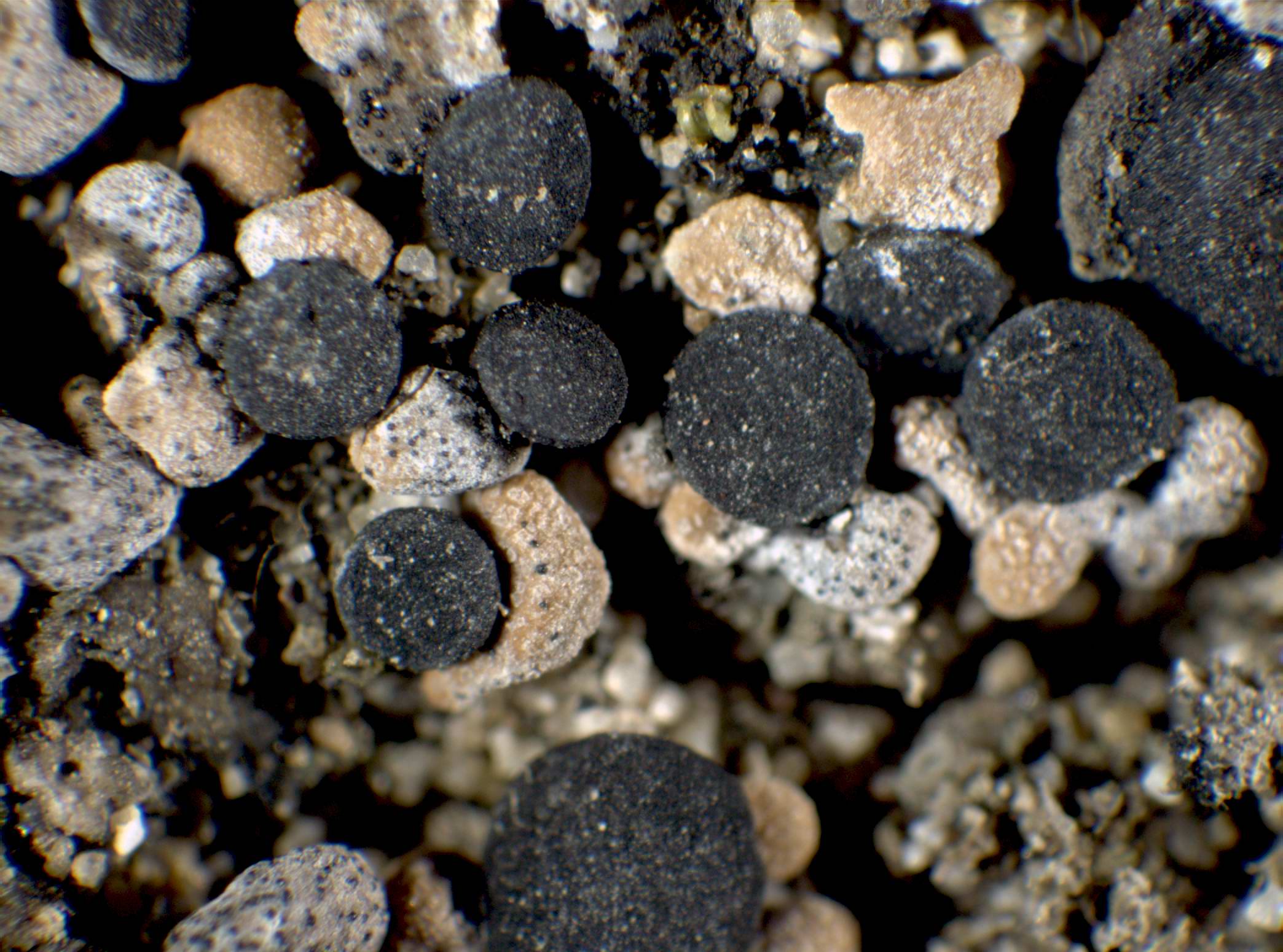
P.L. Nimis; Owner: Department of Life Sciences, University of Trieste
Herbarium: TSB (3955)
2001/12/01
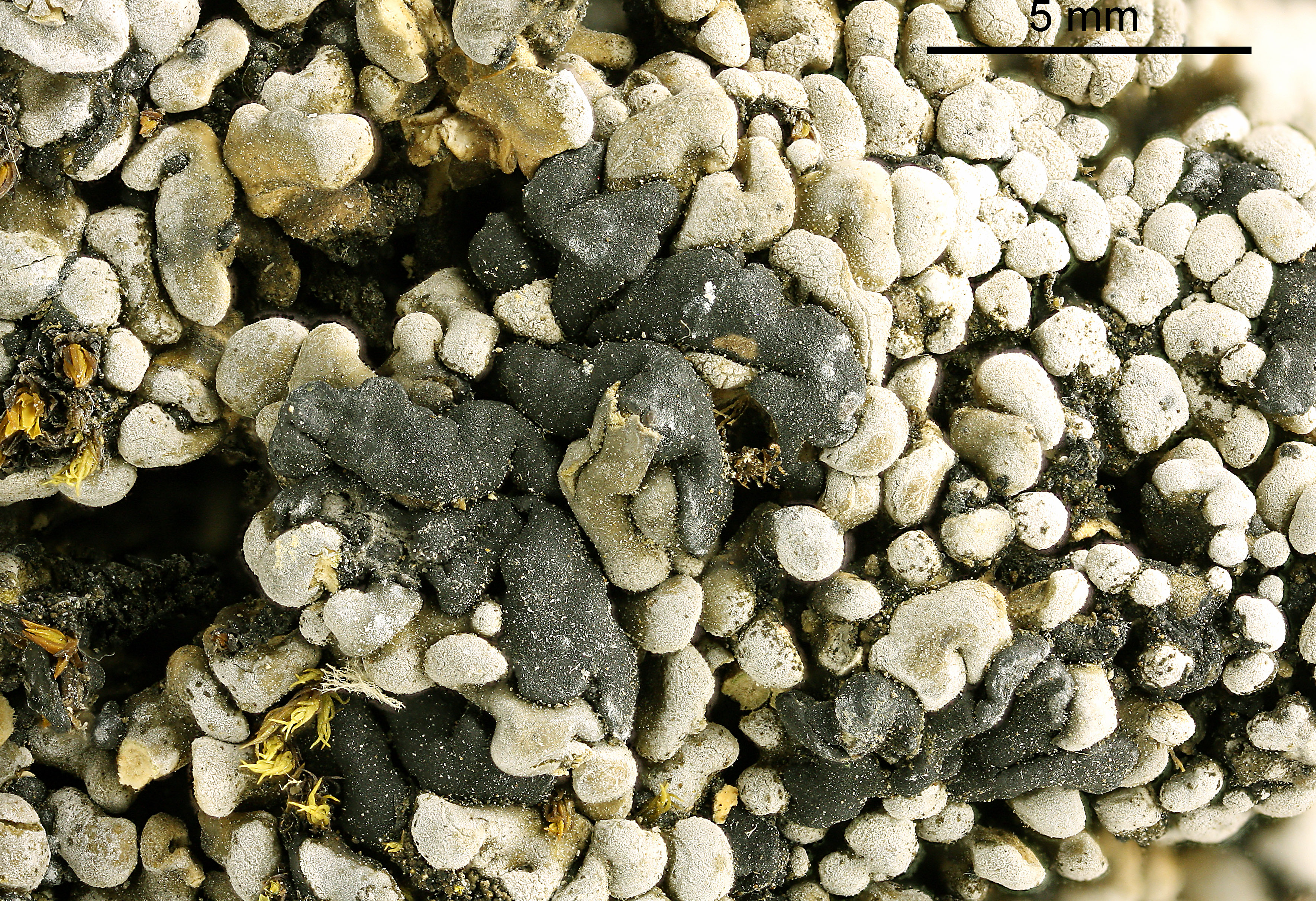
Felix Schumm CC BY-SA 4.0
[1520], Germany, Baden-Württemberg, Schwäbische Alb, Kreis Heidenheim, in Erdspalten auf Kalkfelsen im Zwerchstubental, ca. 600 m.Leg et det. Schumm 10.08.1963
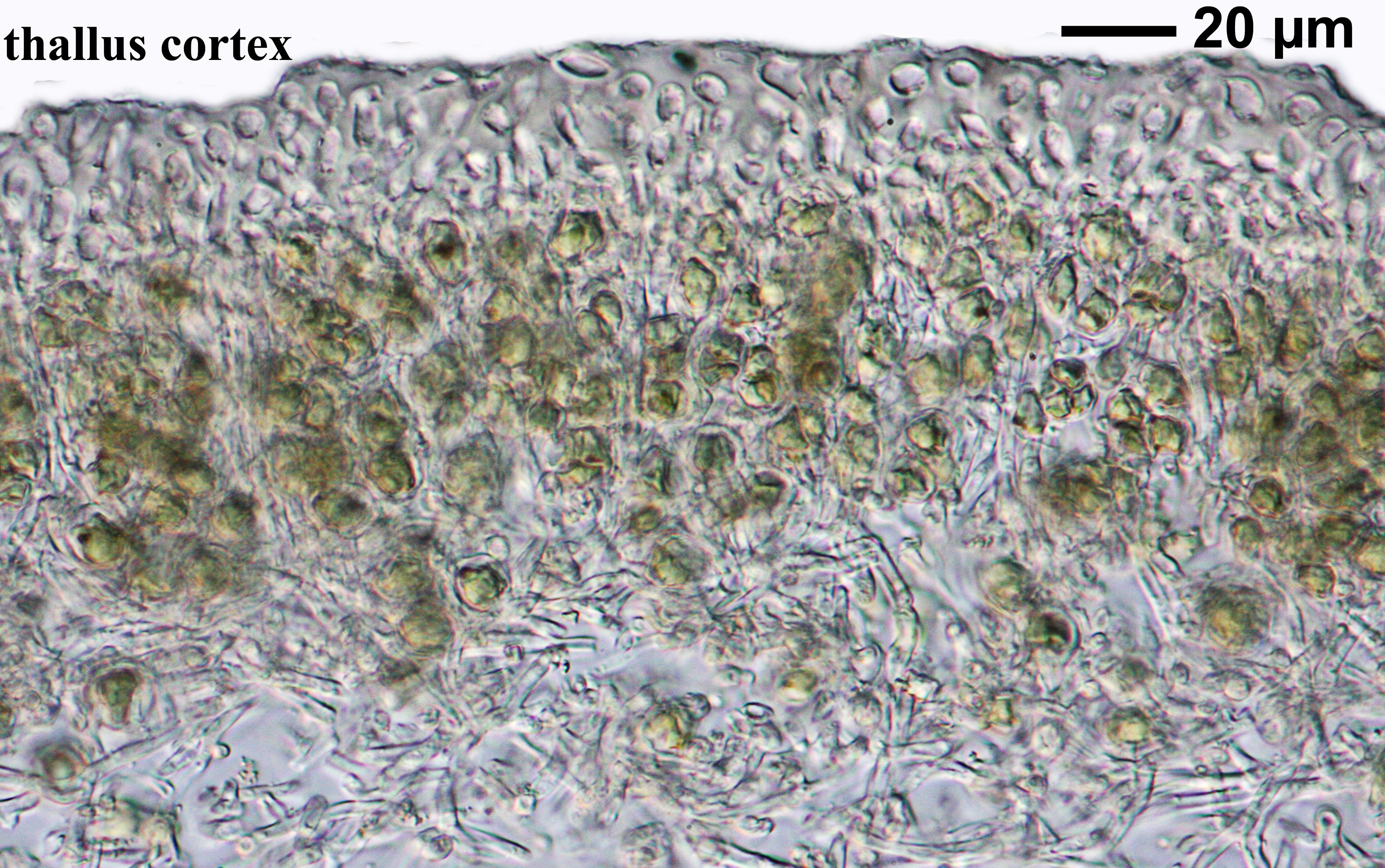
Felix Schumm CC BY-SA 4.0
[1520], Germany, Baden-Württemberg, Schwäbische Alb, Kreis Heidenheim, in Erdspalten auf Kalkfelsen im Zwerchstubental, ca. 600 m.Leg et det. Schumm 10.08.1963
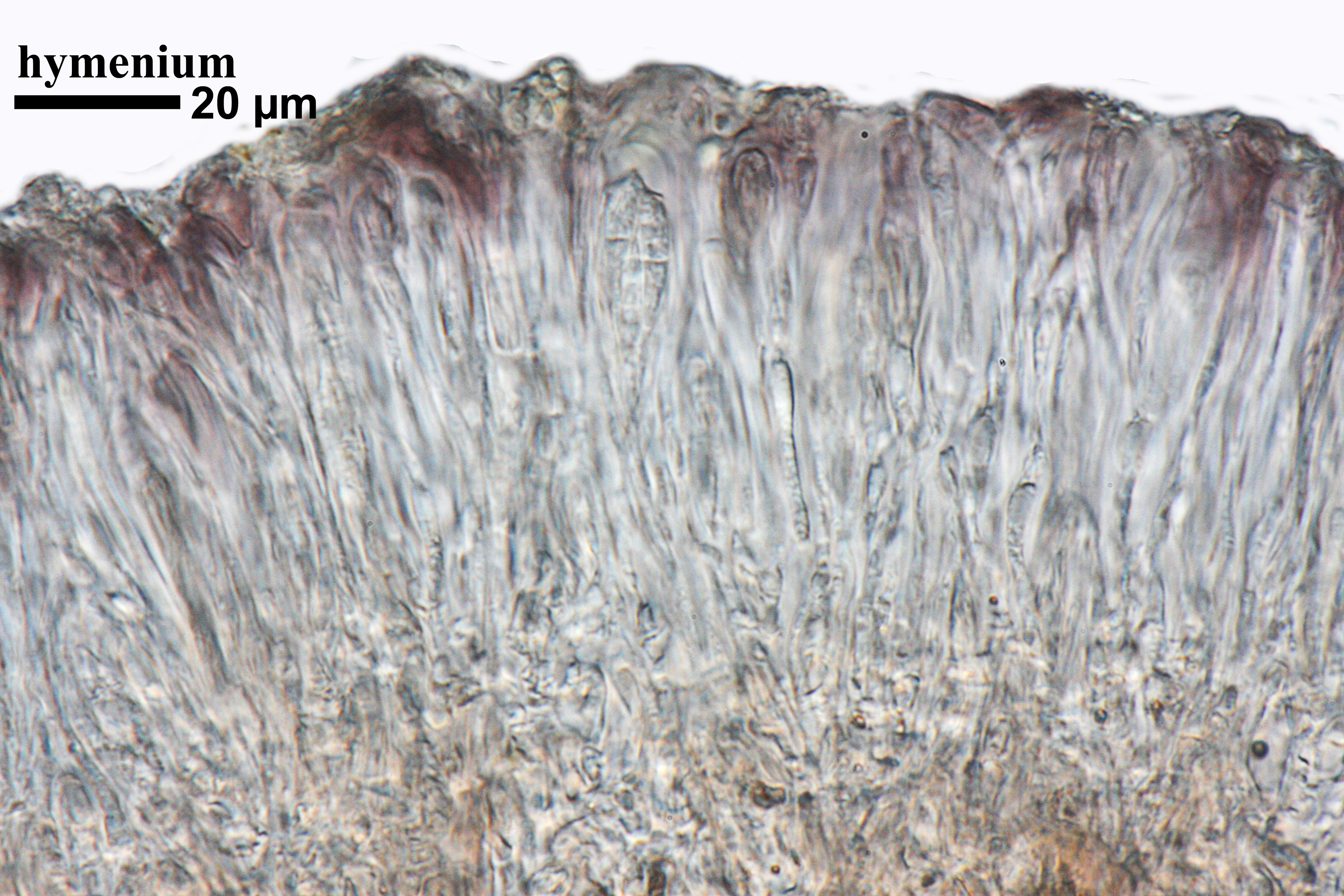
Felix Schumm CC BY-SA 4.0
[1520], Germany, Baden-Württemberg, Schwäbische Alb, Kreis Heidenheim, in Erdspalten auf Kalkfelsen im Zwerchstubental, ca. 600 m.Leg et det. Schumm 10.08.1963
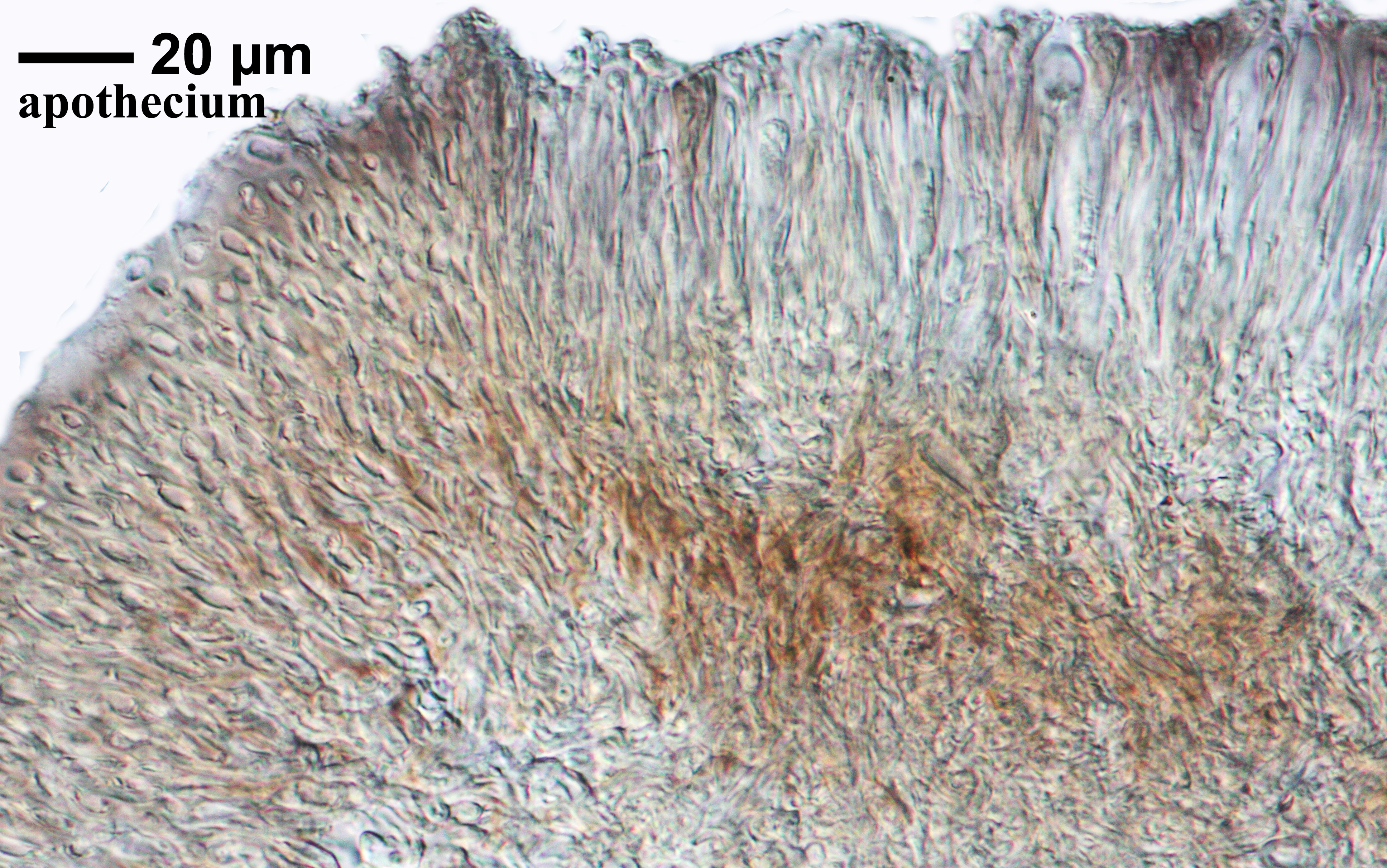
Felix Schumm CC BY-SA 4.0
[1520], Germany, Baden-Württemberg, Schwäbische Alb, Kreis Heidenheim, in Erdspalten auf Kalkfelsen im Zwerchstubental, ca. 600 m.Leg et det. Schumm 10.08.1963
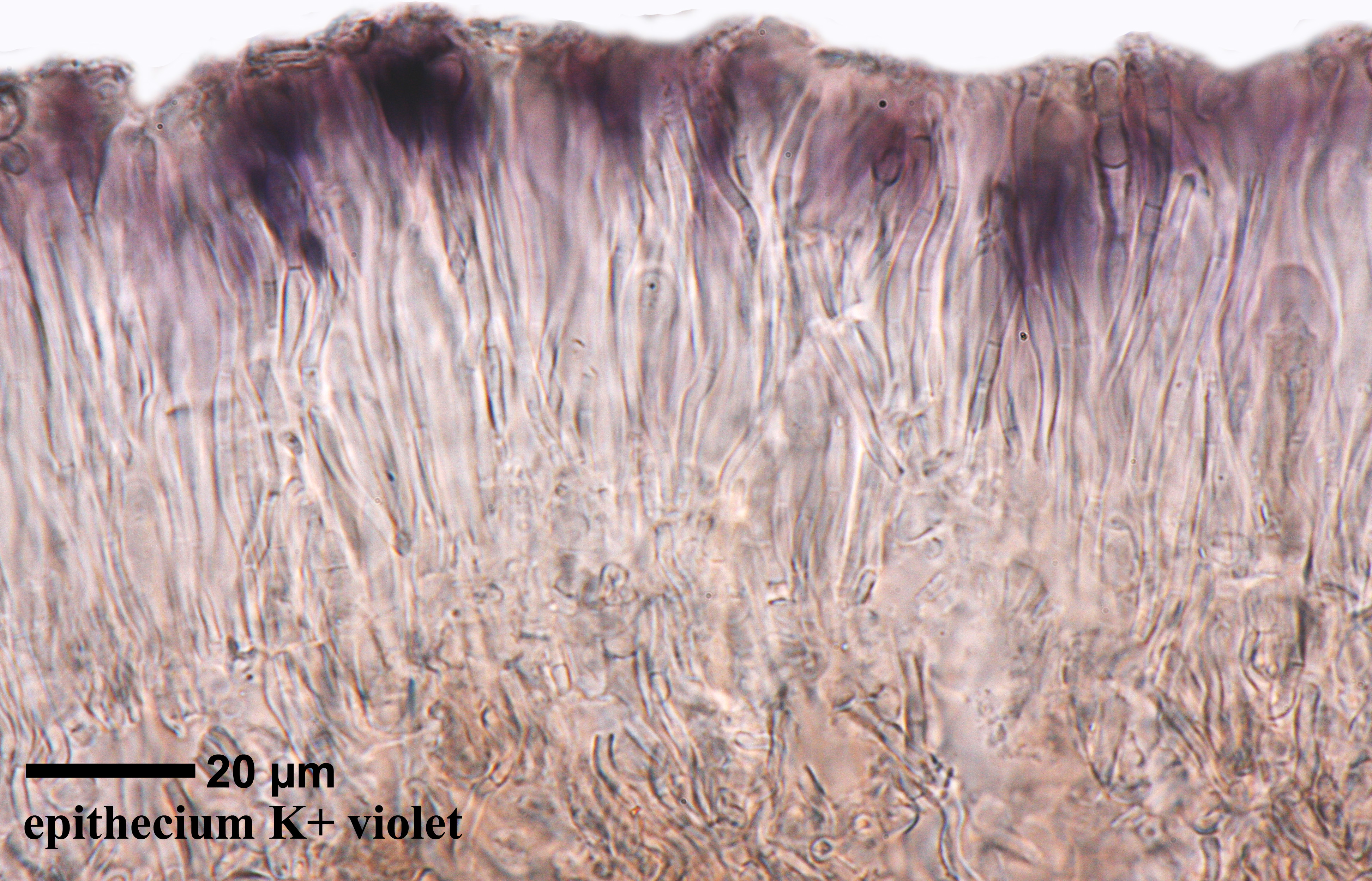
Felix Schumm CC BY-SA 4.0
[1520], Germany, Baden-Württemberg, Schwäbische Alb, Kreis Heidenheim, in Erdspalten auf Kalkfelsen im Zwerchstubental, ca. 600 m.Leg et det. Schumm 10.08.1963
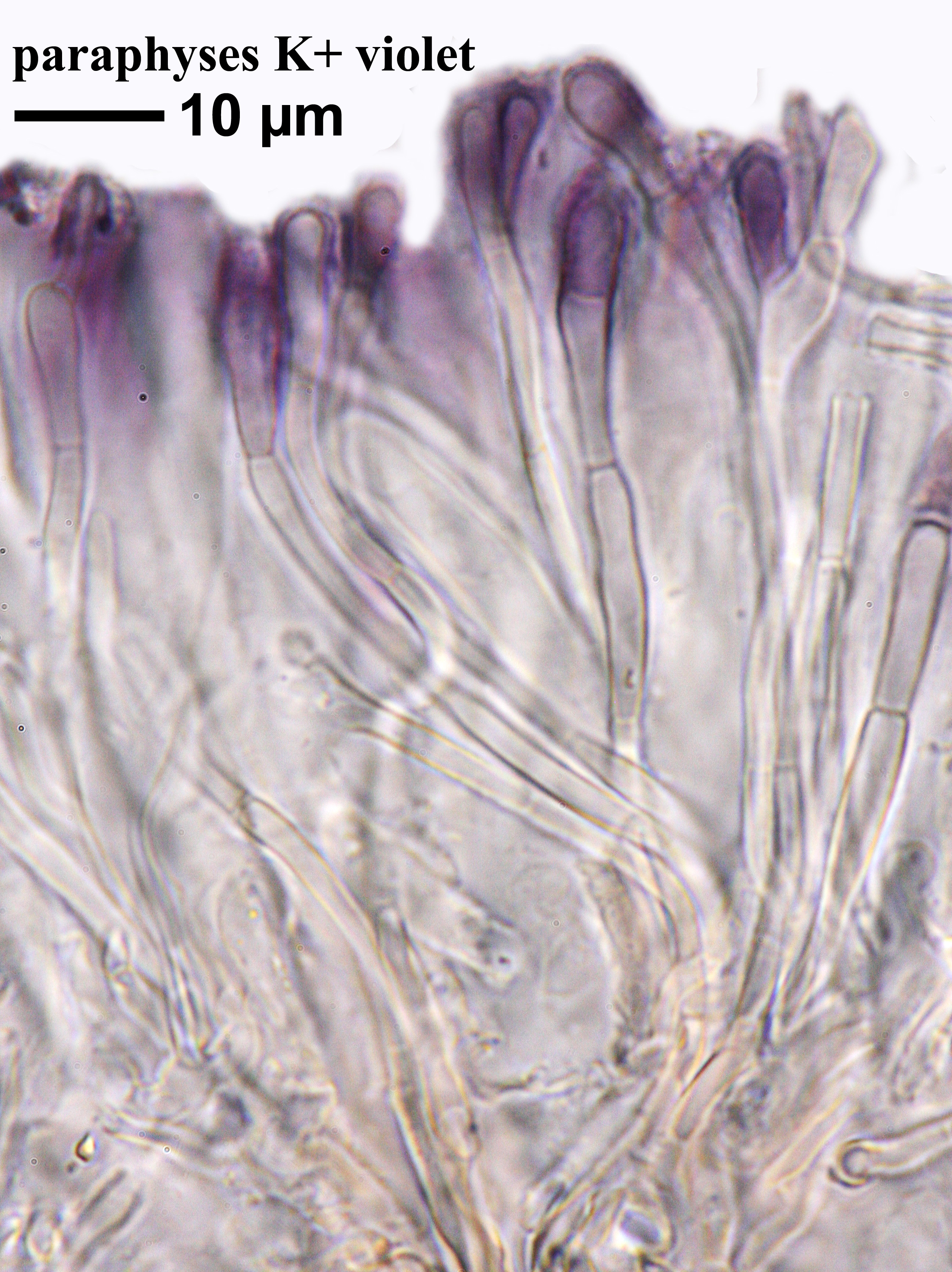
Felix Schumm CC BY-SA 4.0
[1520], Germany, Baden-Württemberg, Schwäbische Alb, Kreis Heidenheim, in Erdspalten auf Kalkfelsen im Zwerchstubental, ca. 600 m.Leg et det. Schumm 10.08.1963
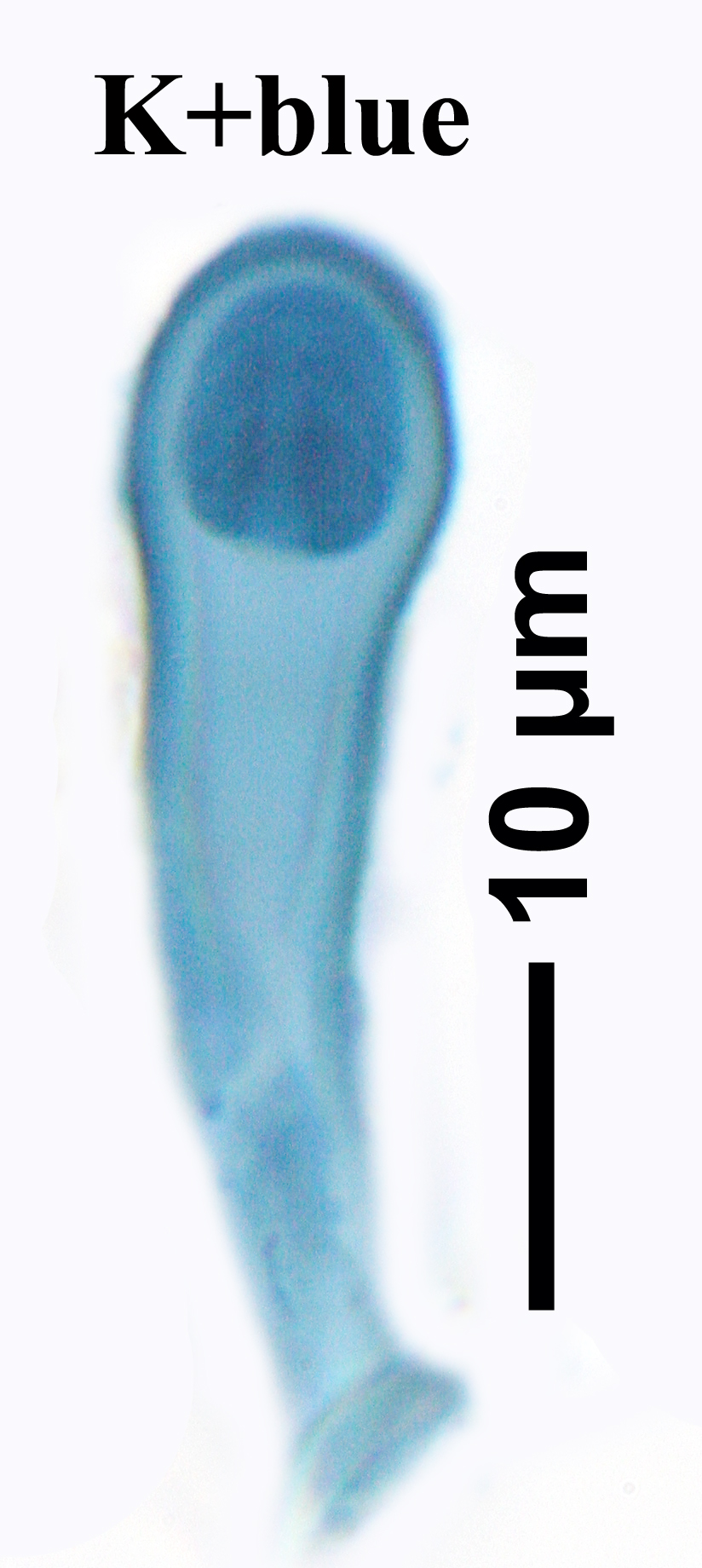
Felix Schumm CC BY-SA 4.0
[1520], Germany, Baden-Württemberg, Schwäbische Alb, Kreis Heidenheim, in Erdspalten auf Kalkfelsen im Zwerchstubental, ca. 600 m.Leg et det. Schumm 10.08.1963
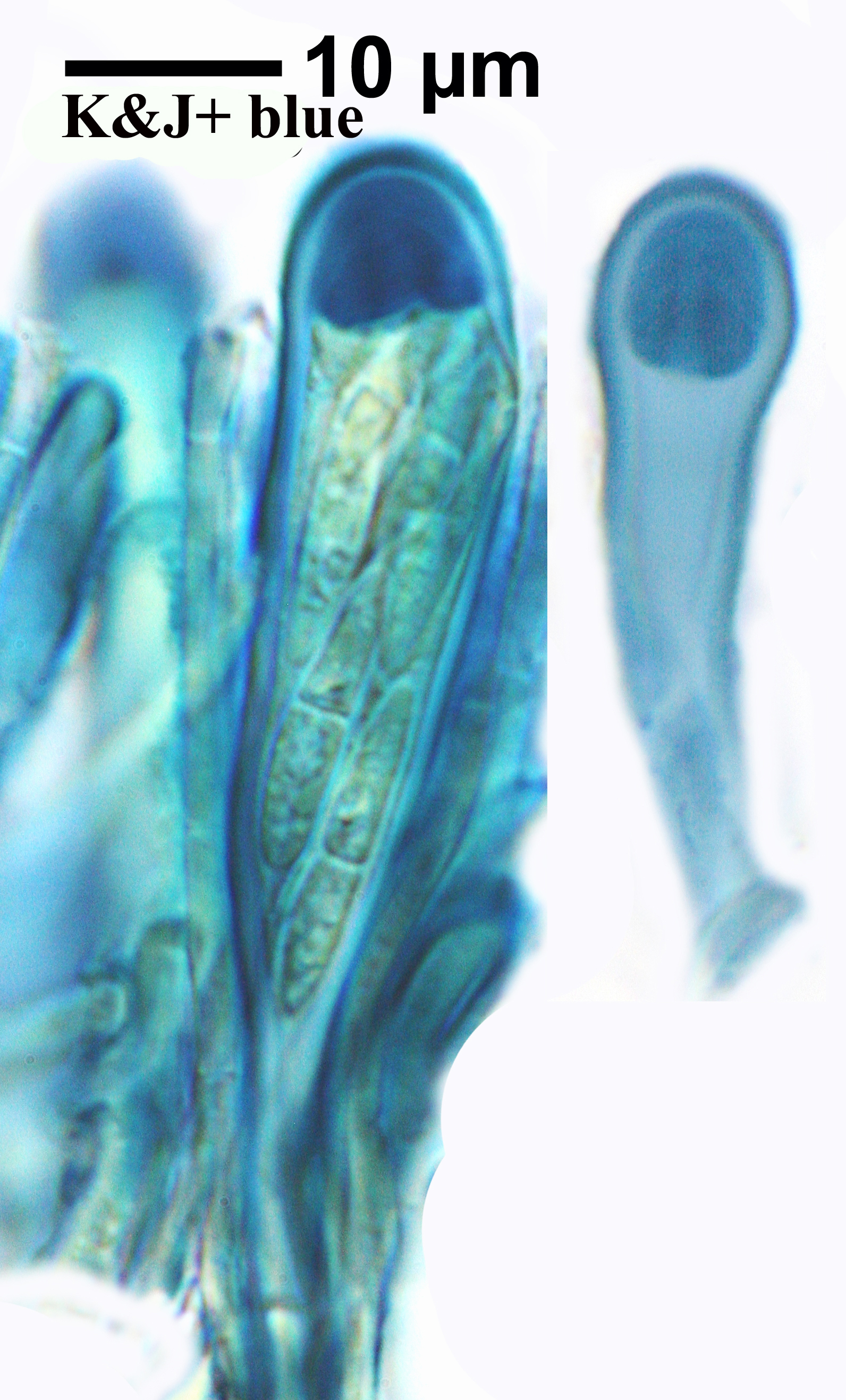
Felix Schumm CC BY-SA 4.0
[1520], Germany, Baden-Württemberg, Schwäbische Alb, Kreis Heidenheim, in Erdspalten auf Kalkfelsen im Zwerchstubental, ca. 600 m.Leg et det. Schumm 10.08.1963
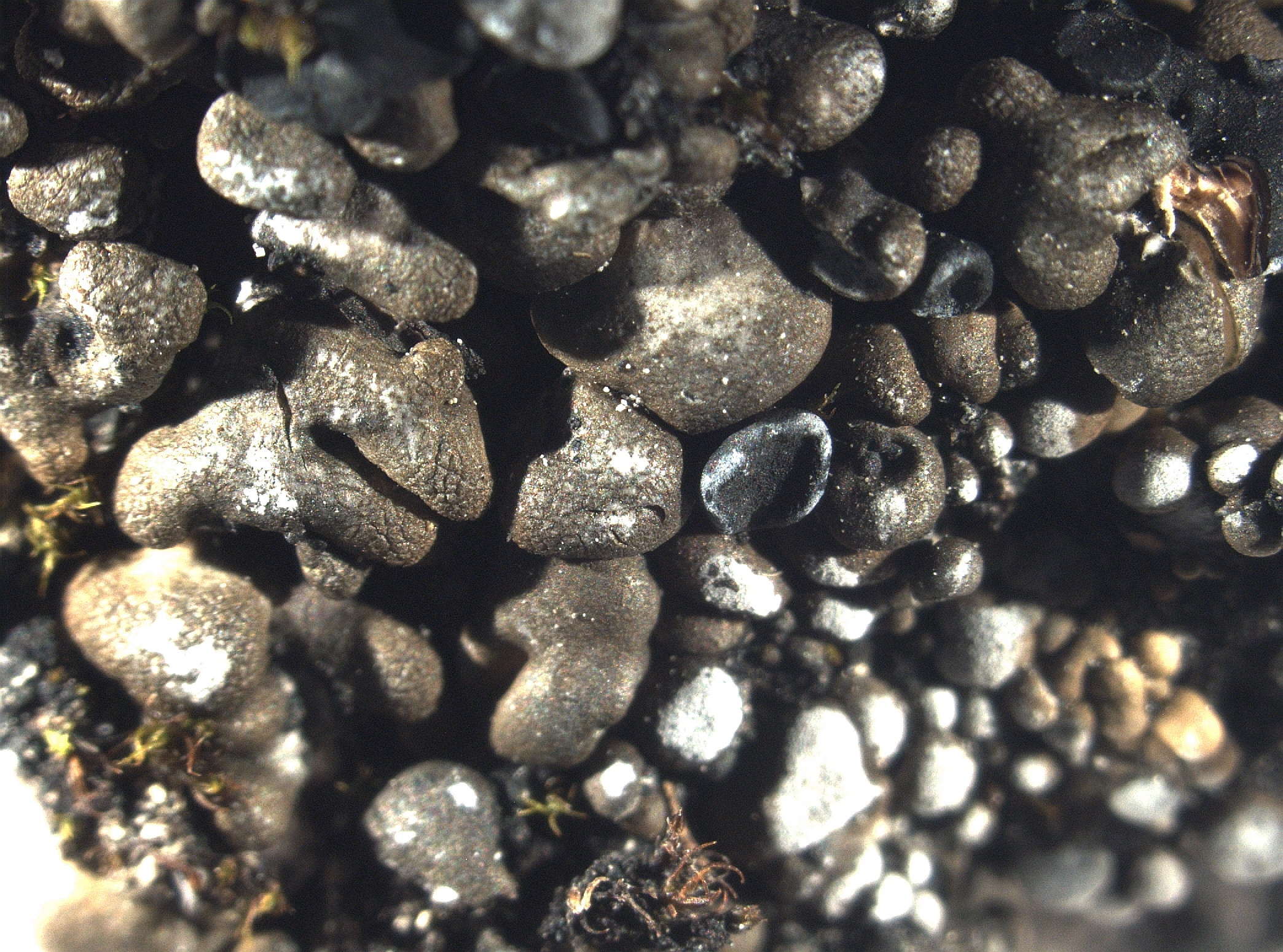
Pier Luigi Nimis - CC BY-SA 4.0
TSB 38716
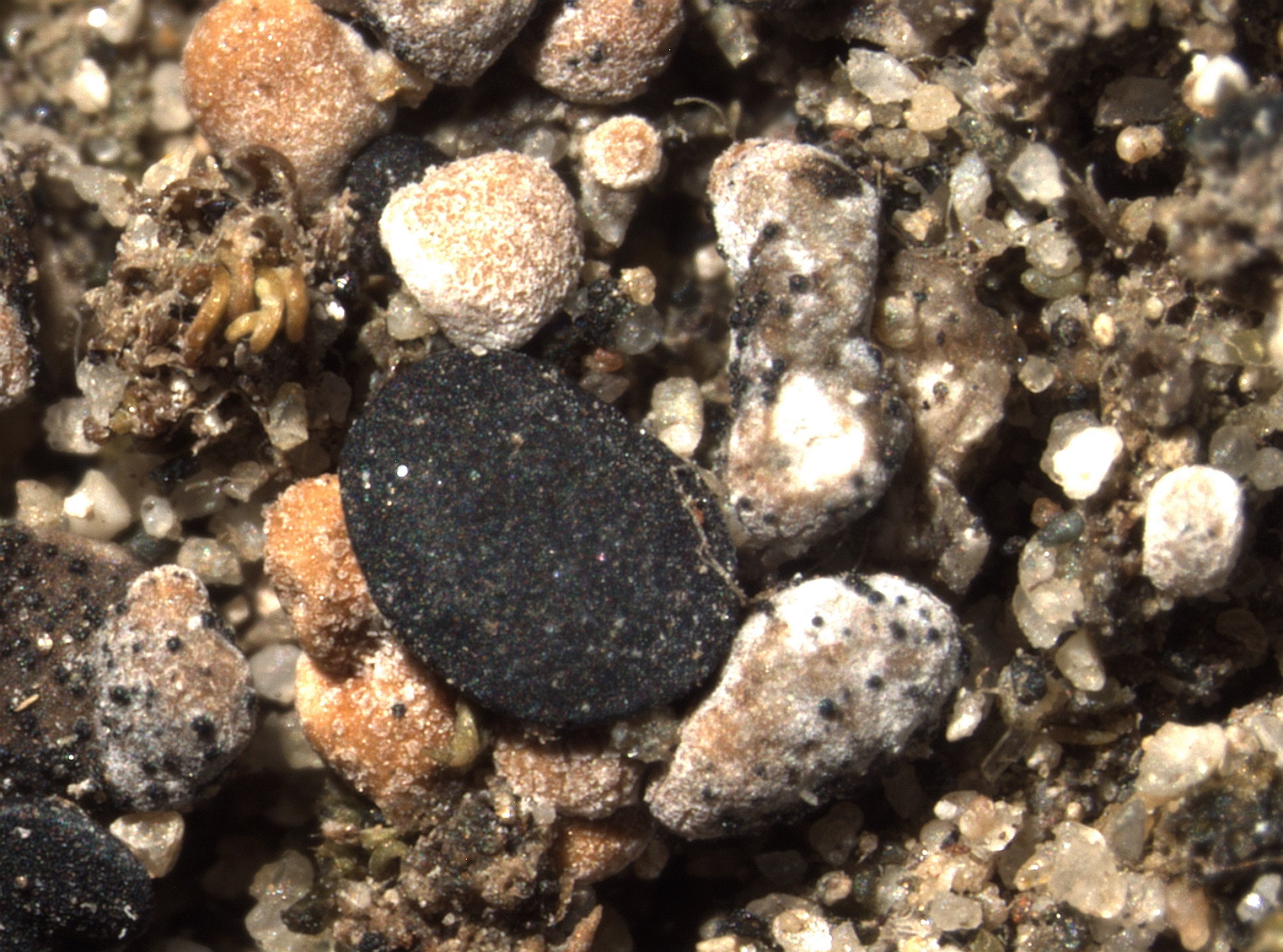
P.L. Nimis CC BY-SA 04
TSB 3955
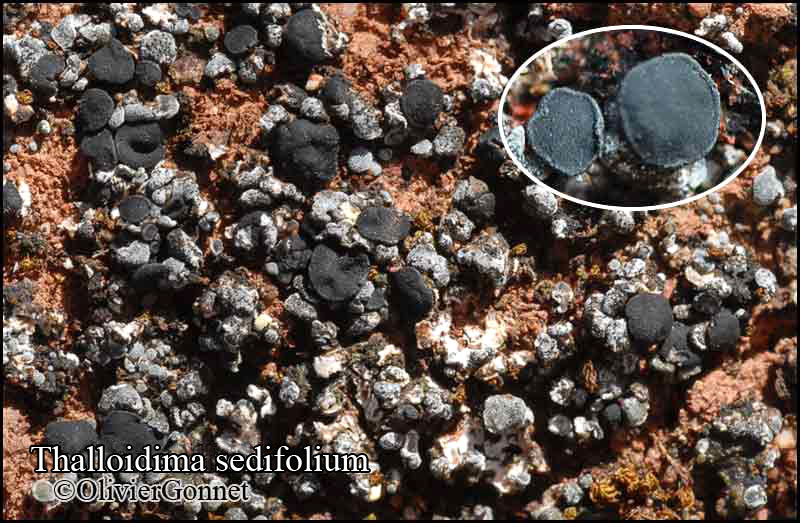
Courtesy Danièle et Olivier Gonnet - Source: https://www.afl-lichenologie.fr/Photos_AFL/Photos_AFL_T/Textes_T2/Thalloidima_sedifolium.htm
France, sur sol calcaire - session AFL 2010 - Hérault
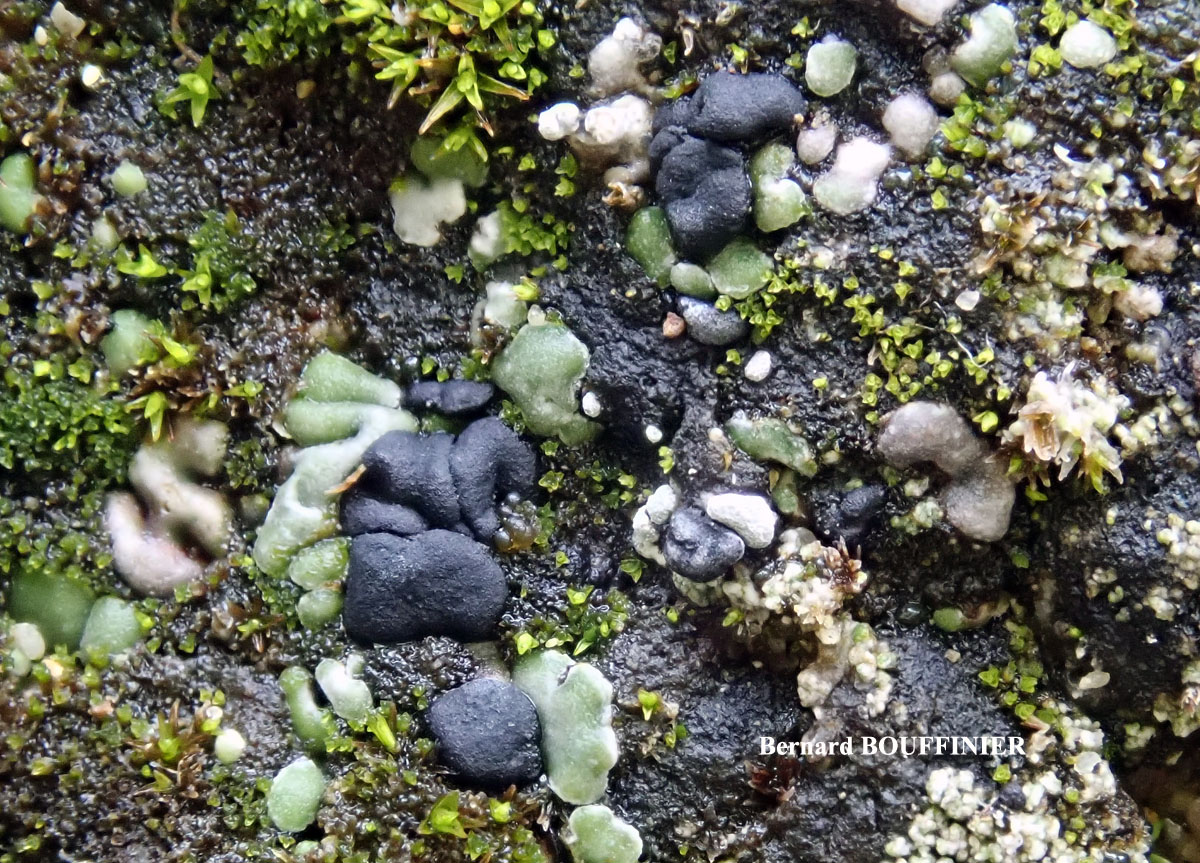
Bernard Bouffinier - Source: http://www.lichensmaritimes.org/index.php?task=fiche&lichen=221&lang=en
France, La Palue
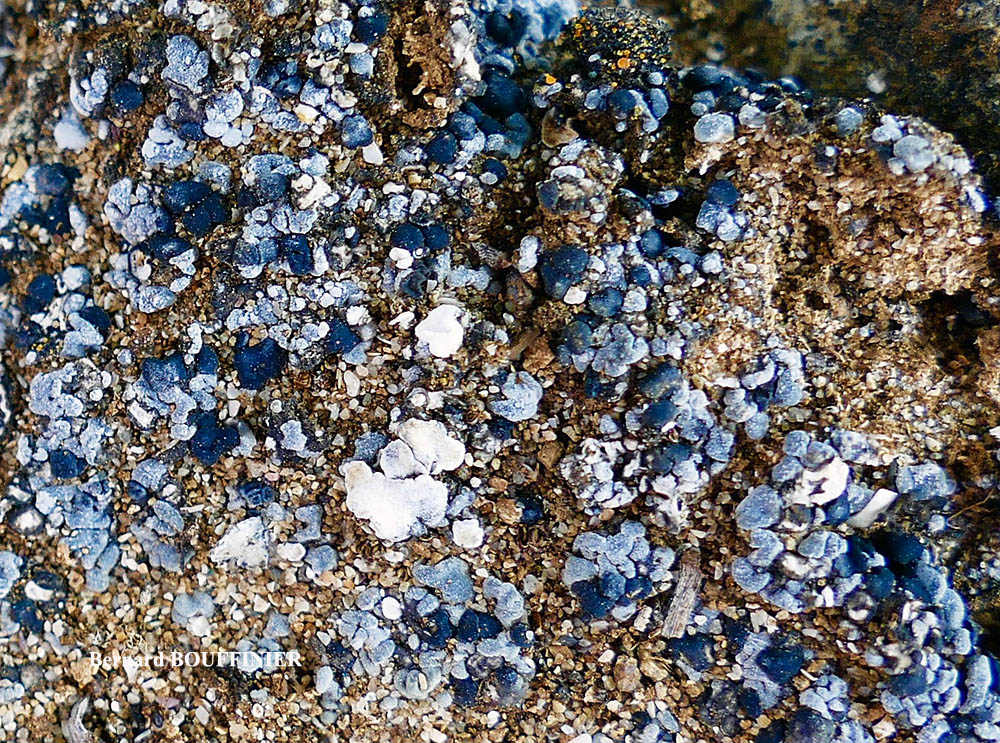
Bernard Bouffinier - Source: http://www.lichensmaritimes.org/index.php?task=fiche&lichen=221&lang=en
France, Pointe de Kerdra
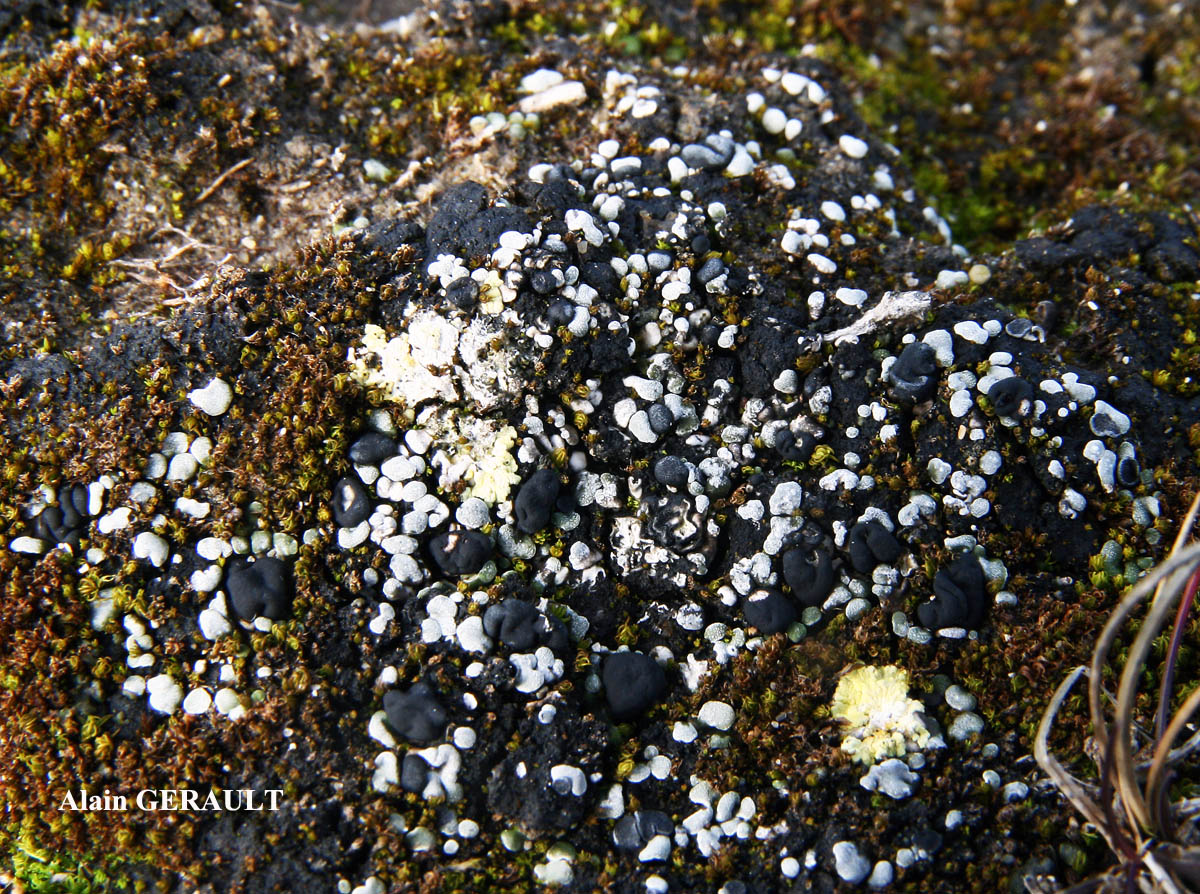
Alain Gerault - Source: http://www.lichensmaritimes.org/index.php?task=fiche&lichen=221&lang=en
France, La Palue
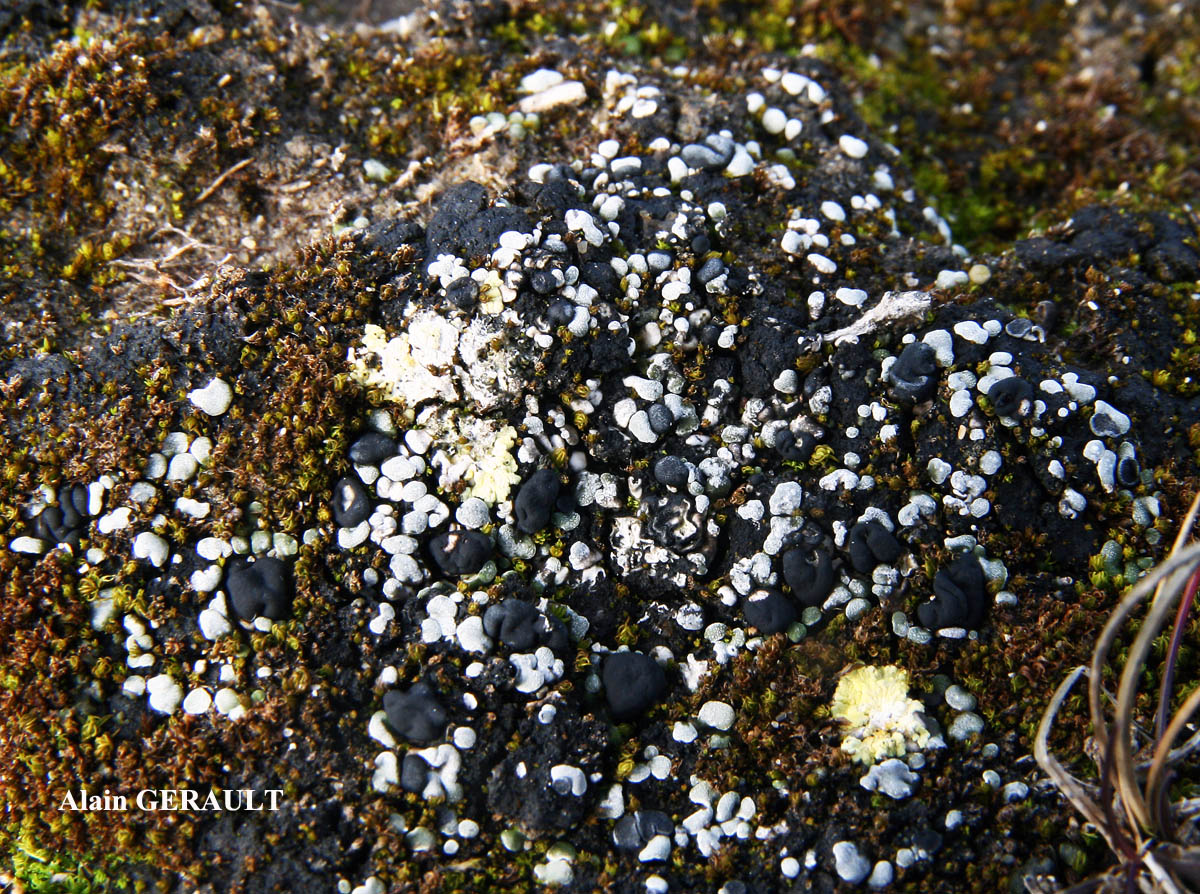
Alain Gerault - Source: http://www.lichensmaritimes.org/index.php?task=fiche&lichen=221&lang=en
France, La Palue
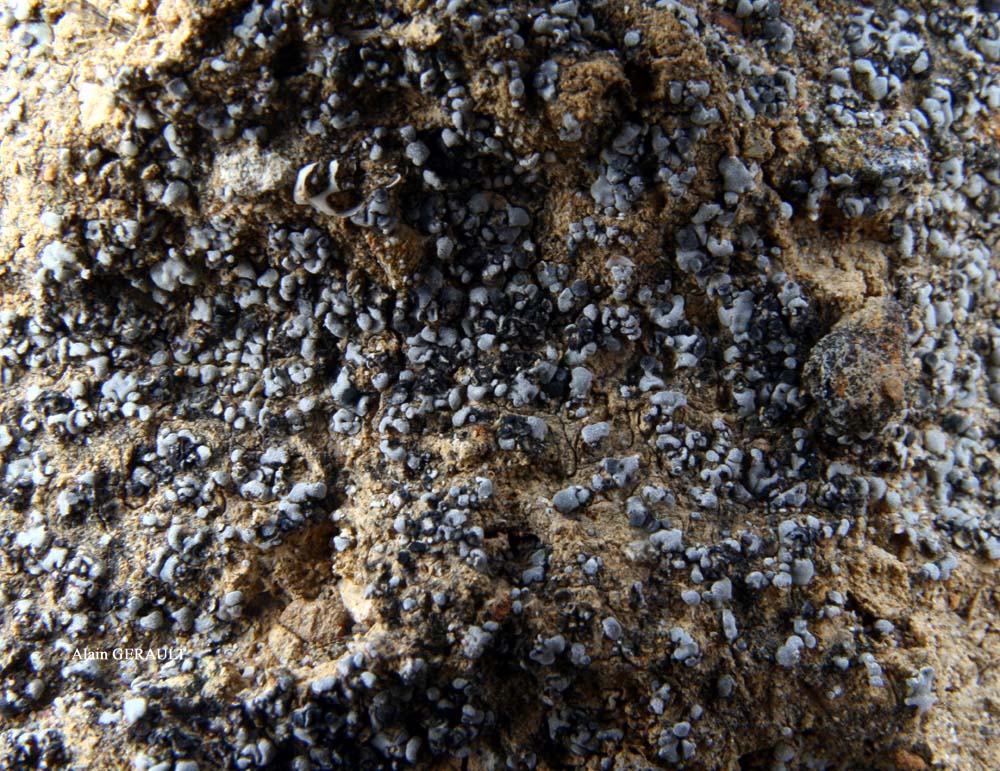
Alain Gerault - Source: http://www.lichensmaritimes.org/index.php?task=fiche&lichen=221&lang=en
France, Lostmarc'h
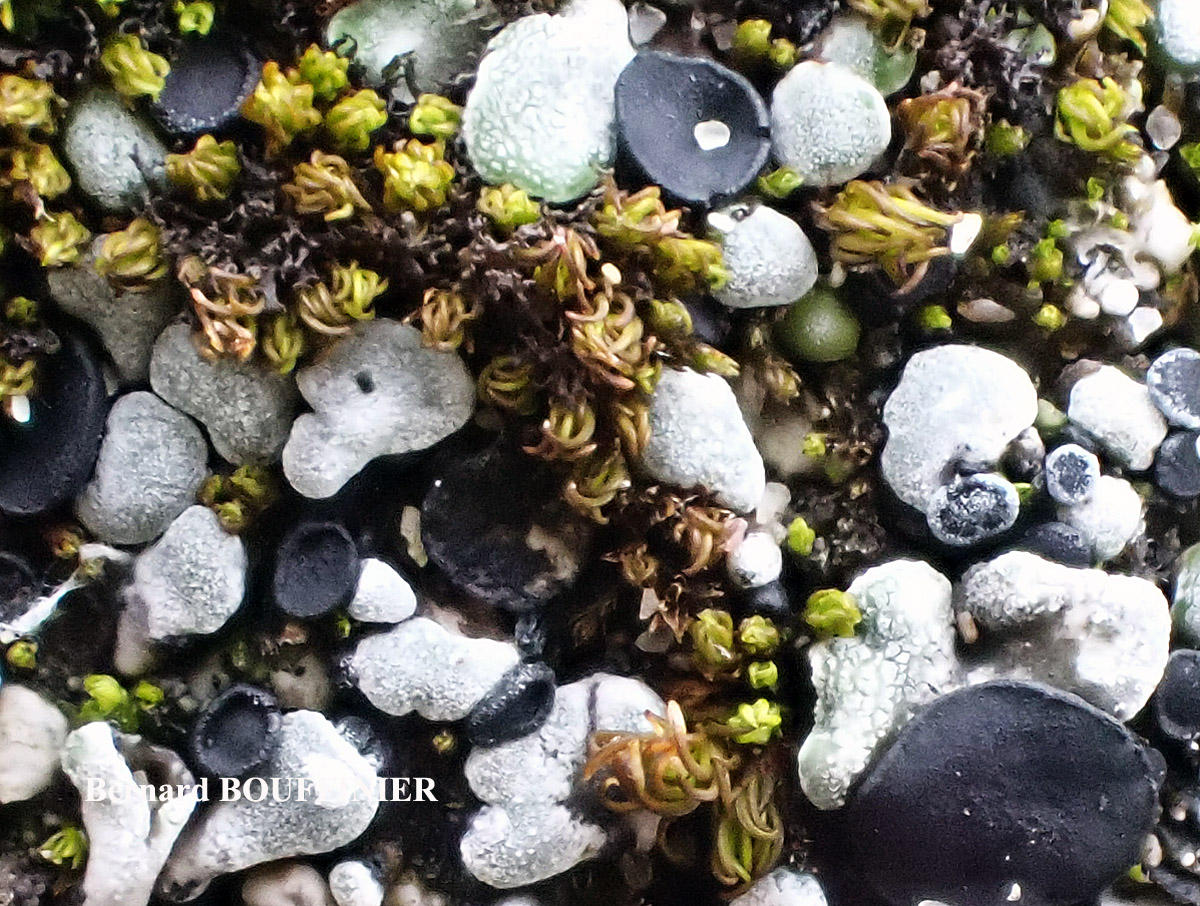
Bernard Bouffinier - Source: http://www.lichensmaritimes.org/index.php?task=fiche&lichen=221&lang=en
France, La Palue
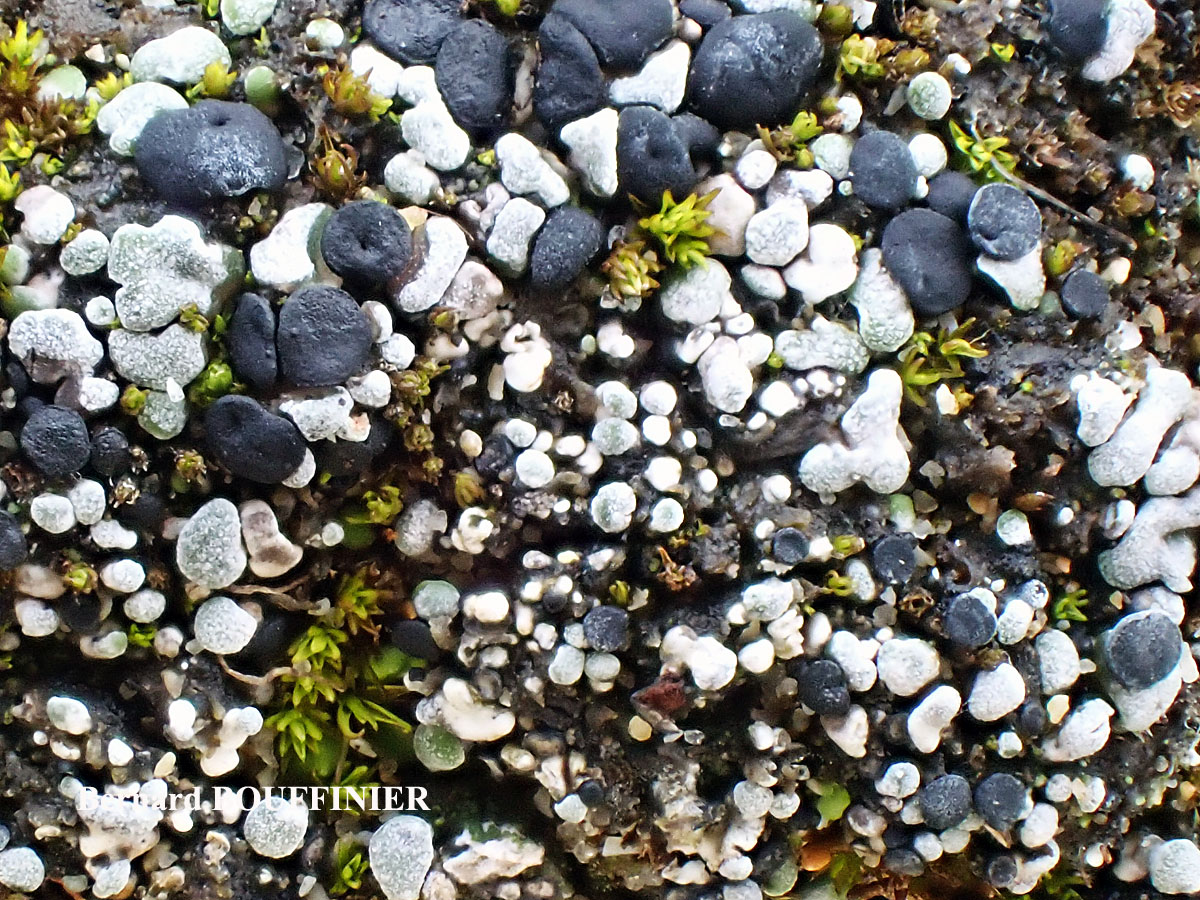
Bernard Bouffinier - Source: http://www.lichensmaritimes.org/index.php?task=fiche&lichen=221&lang=en
France, La Palue
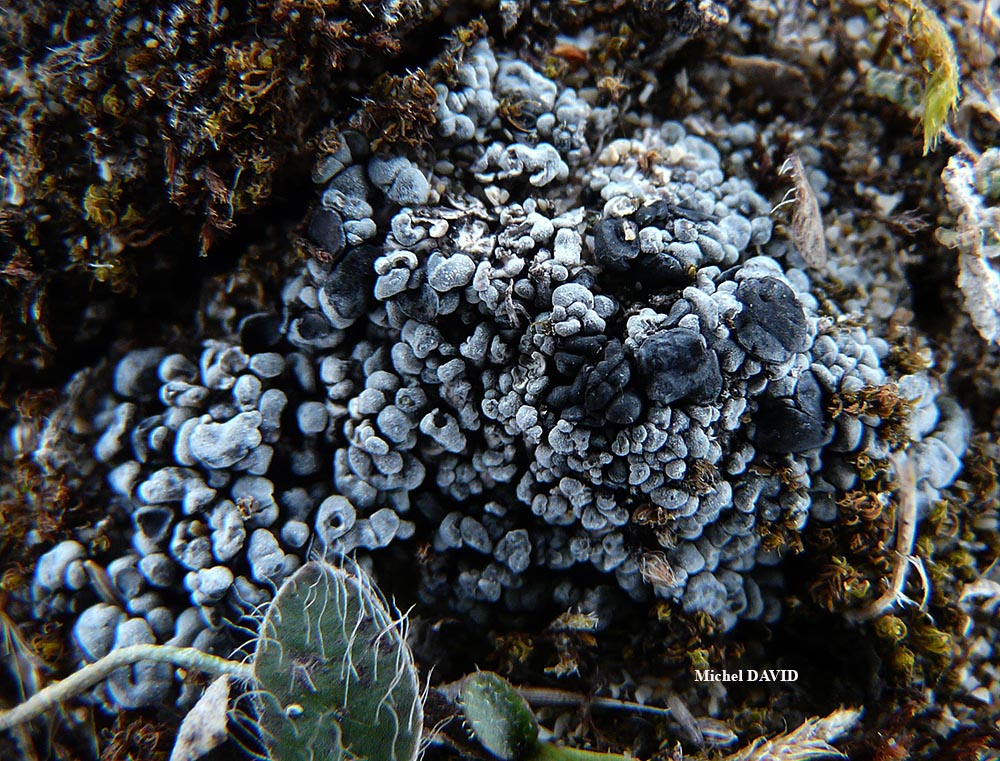
Michel David - Source: http://www.lichensmaritimes.org/index.php?task=fiche&lichen=221&lang=en
France, La Palue
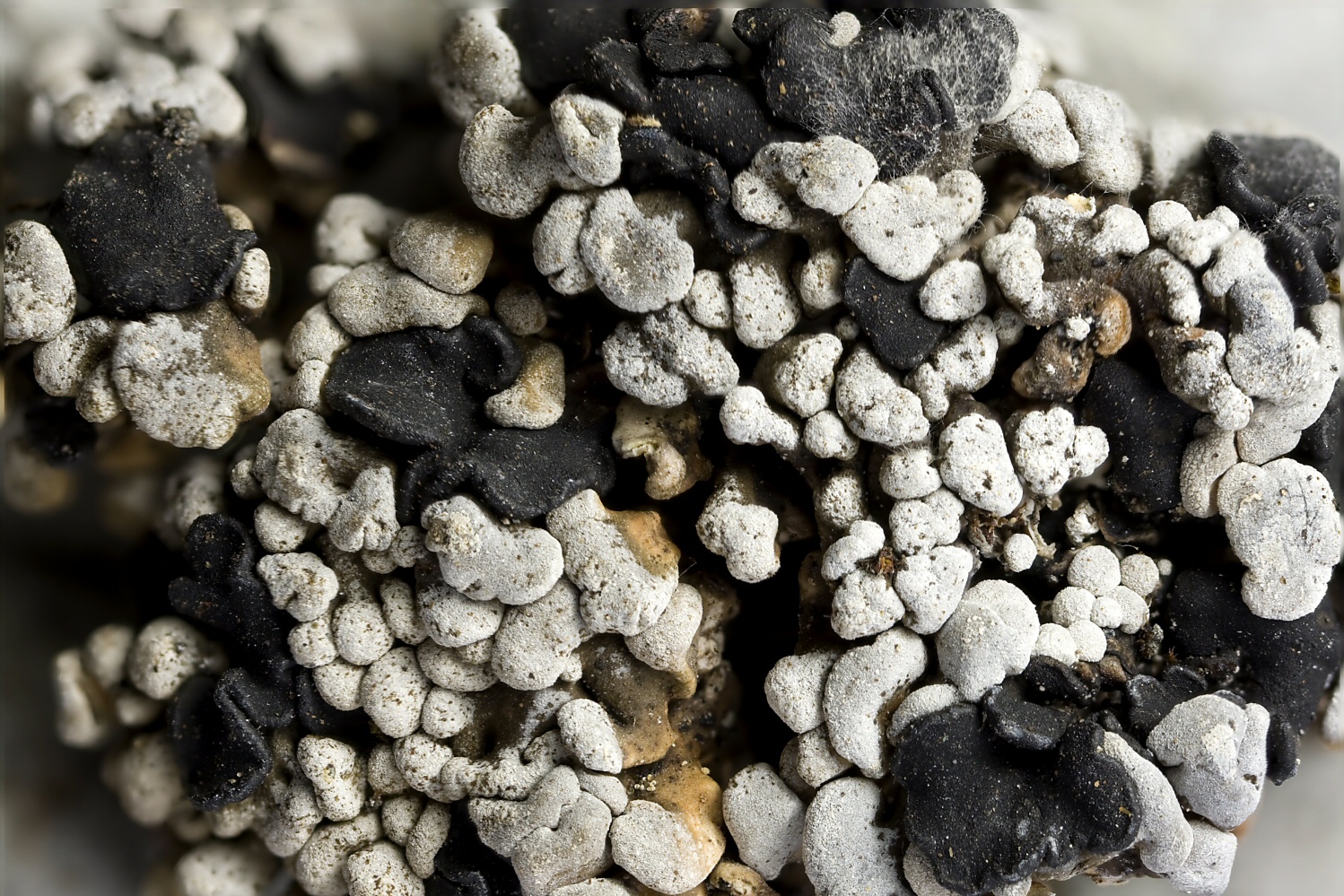

Wolfgang von Brackel - CC BY-4.0
Germany, Bavaria, Panzerwiese