Thalloidima tauricum Szatala
Borbasia, 4: 79, 1942.
Synonyms: Toninia clemens H. Baumg. nom. inval.; Toninia schafeevii Tomin; Toninia taurica (Szatala) Oxner
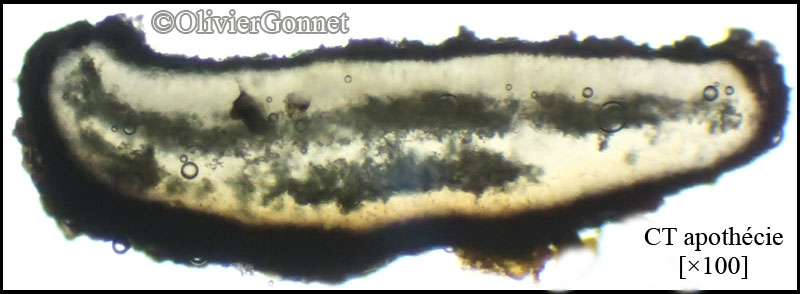
Description: Thallus squamulose, olivaceous brown, epruinose, somehow glossy, with regular, evident fissures in the cortex, the squamules 2-3(-4) mm wide, contiguous to imbricate, orbicular or irregularly lobed, convex to bullate; lower surface pale brown to black. Upper cortex 80-200 μm thick, including an up to 150 μm thick epinecral layer, lacking crystals; algal layer continuous; medulla white, lacking crystals; lower cortex thinner than the upper one, often without an epinecral layer. Apothecia frequent, lecideine, sessile, strongly constricted at base, up to 3 mm across, with a black, but usually densely bluish-pruinose, weakly concave to weakly convex, smooth disc and a distinct, persistent, smooth, faintly pruinose to epruinose proper margin. Proper exciple grey in outer part, colourless within, the pigmented parts K+ and N+ violet; epithecium grey, K+ and N+ violet; hymenium colourless, 60-70 μm high; paraphyses coherent, simple or sparingly branched and anastomosing in upper part, thin-walled, the apical cell distinctly swollen, with a gelatinous pigment cap; hypothecium pale brown to colourless. Asci 8-spored, clavate, surrounded by a gelatinous I+ blue coat, with a well-developed I+ blue tholus with a I+ darker blue tube and a well-developed ocular chamber, Bacidia-type. Ascospores 1-septate, hyaline, fusiform, 16.5-24.5 x 3-4.5 µm. Pycnidia dark, immersed. Conidia thread-like. Photobiont chlorococcoid. Spot tests: thallus K-, C-, KC-, P-, UV-. Chemistry: thallus without lichen substances; apothecia with the Sedifolia-grey pigment.
Growth form: Squamulose
Substrata: soil, terricolous mosses, and plant debris
Photobiont: green algae other than Trentepohlia
Reproductive strategy: mainly sexual
Commonnes-rarity: (info)
Alpine belt: rare
Subalpine belt: rather rare
Montane belt: rare
Dry submediterranean belt: very rare
Humid submediterranean belt: very rare
Padanian area: absent
pH of the substrata:
1 2 3 4 5

Solar irradiation:
1 2 3 4 5
Aridity:
1 2 3 4 5
Eutrophication:
1 2 3 4 5
Poleotolerance:
0 1 2 3
Altitudinal distribution:
1 2 3 4 5 6
Rarity
absent
extremely rare
very rare
rare
rather rare
rather common
common
very common
extremely common
Loading data...
Occurrence data
Predictive map
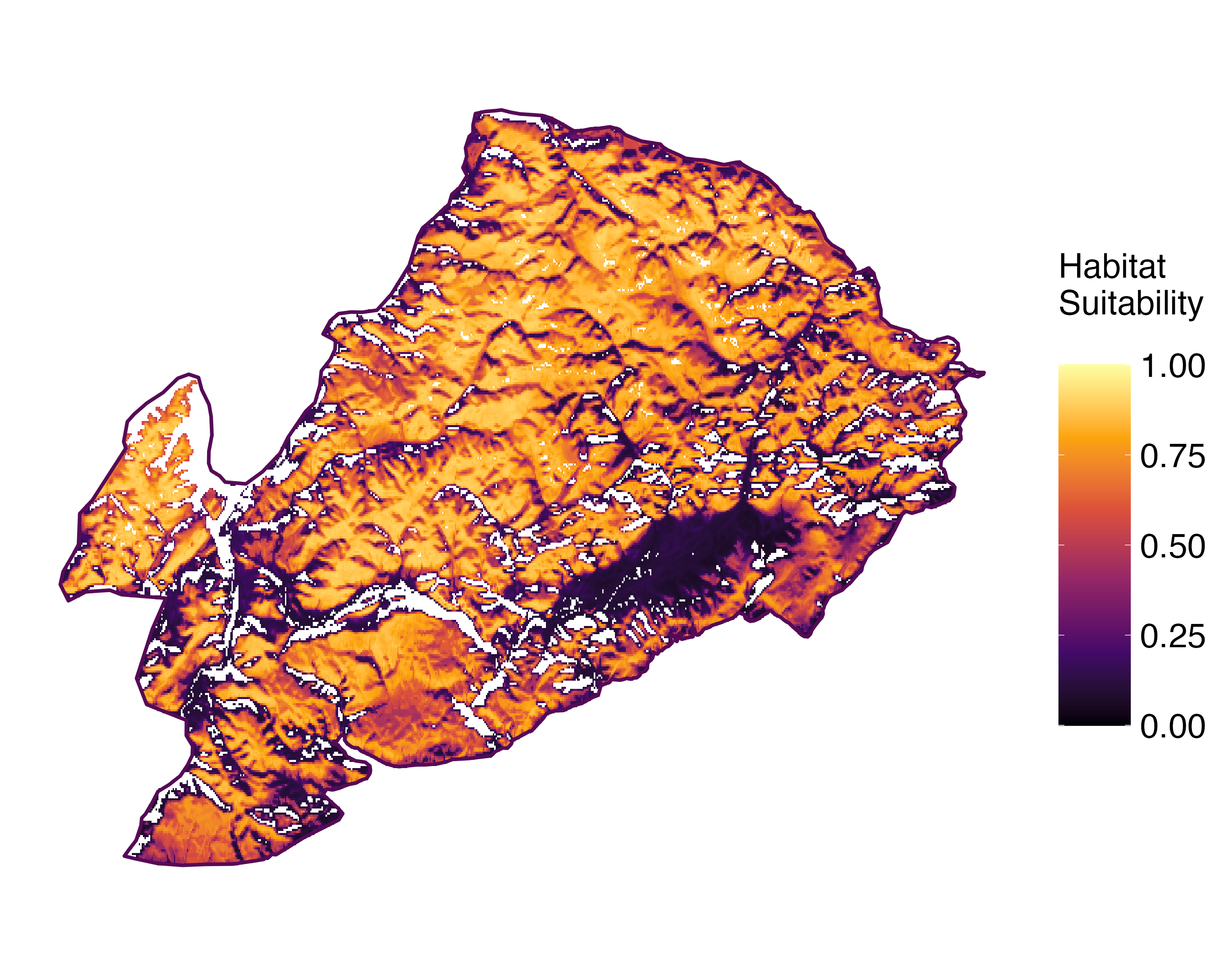 Current prediction (1981-2010)
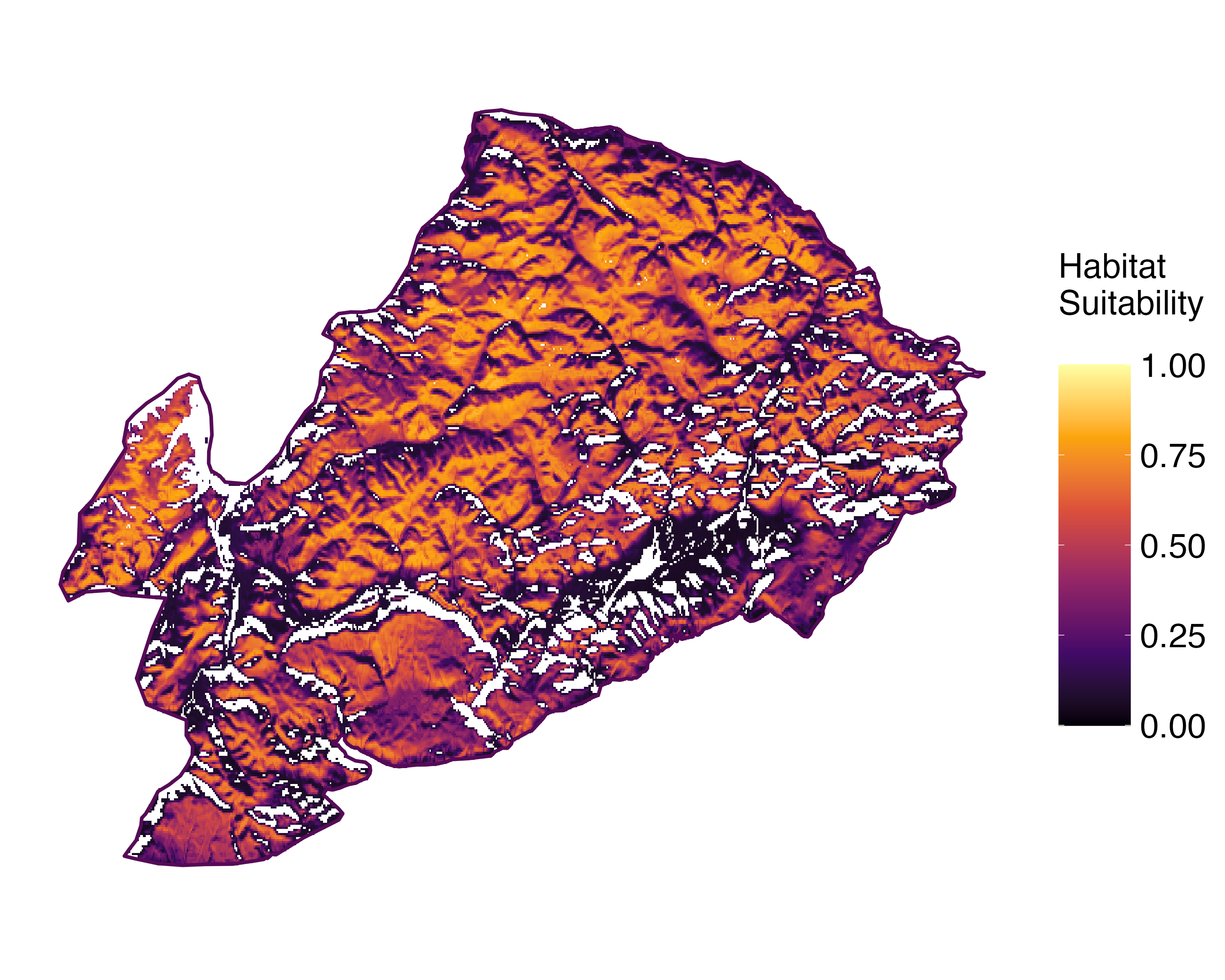 Future prediction (2071-2100) SSP 1-2.6
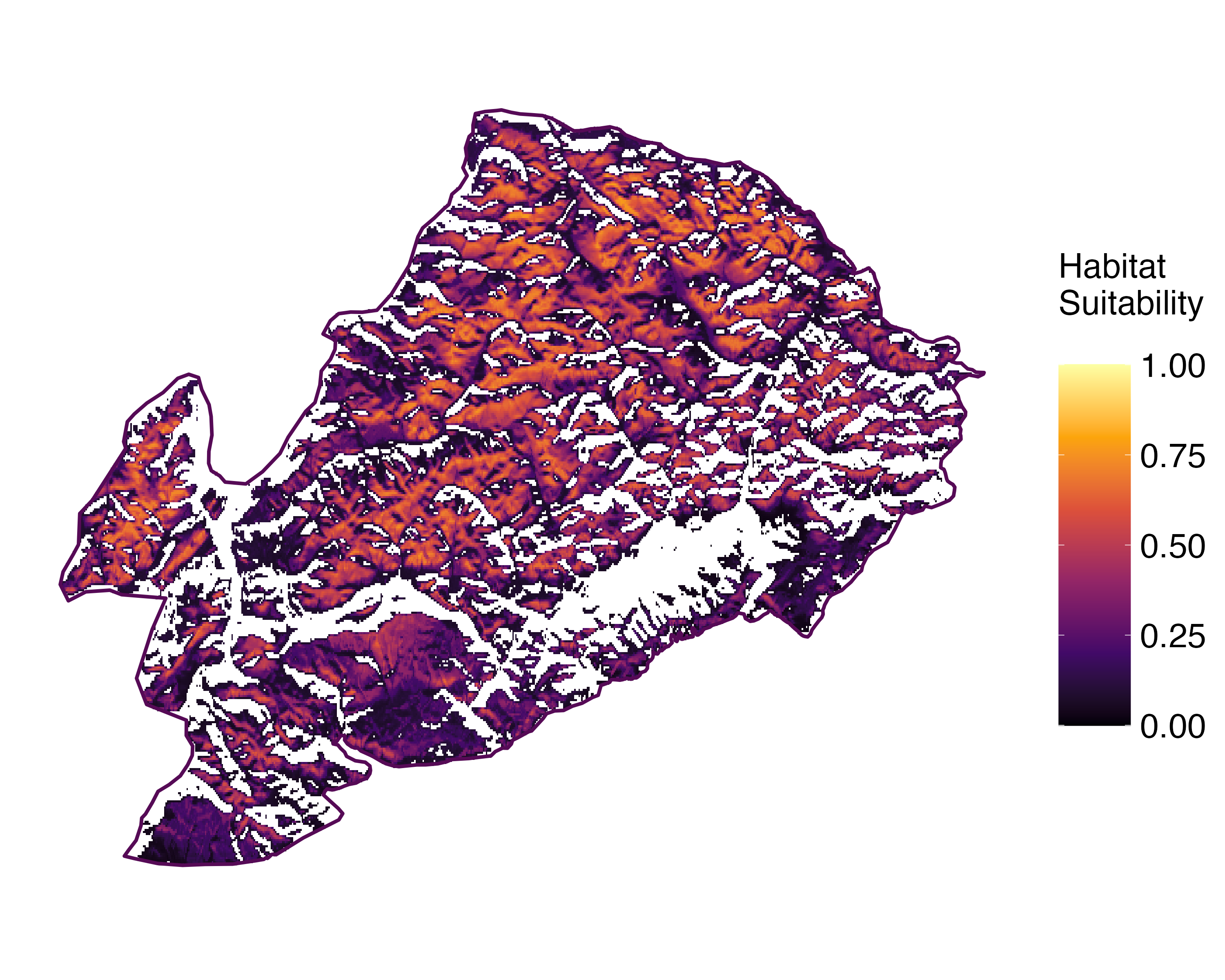 Future prediction (2071-2100) SSP 5-8.5Predictive maps according to Francesconi et al. 2025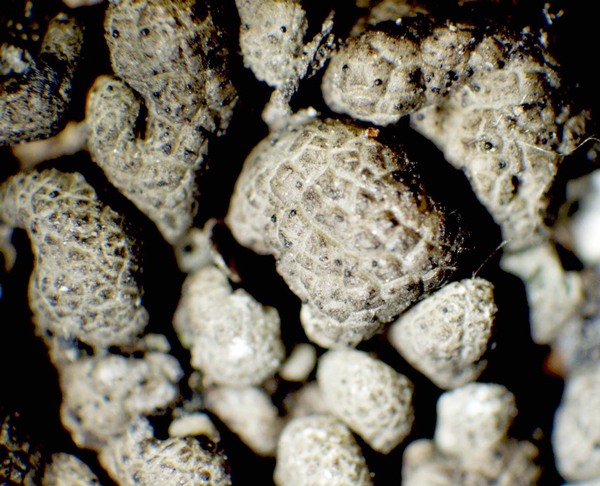
P.L. Nimis CC BY-SA 04
TSB 34625
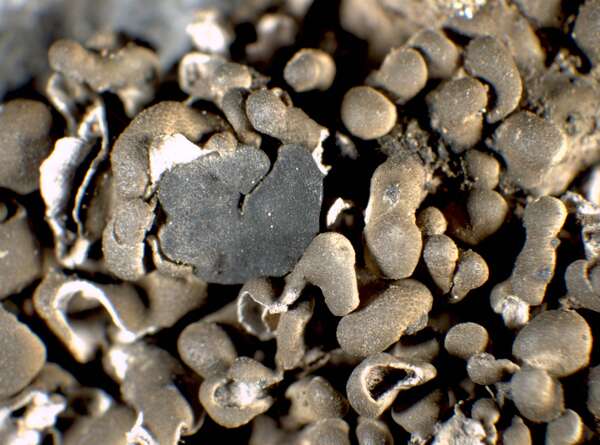
P.L. Nimis; Owner: Department of Life Sciences, University of Trieste
Herbarium: TSB (13391)
2001/12/01
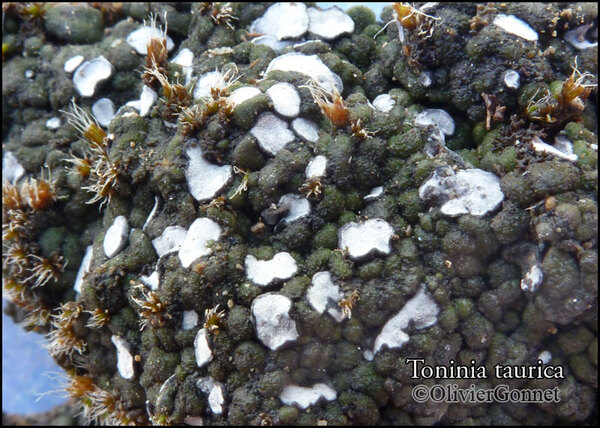
Courtesy Danièle et Olivier Gonnet - Source: https://www.afl-lichenologie.fr/Photos_AFL/Photos_AFL_T/Textes_T2/Thalloidima_tauricum.htm
France, session AFL 2015 dans le Lot
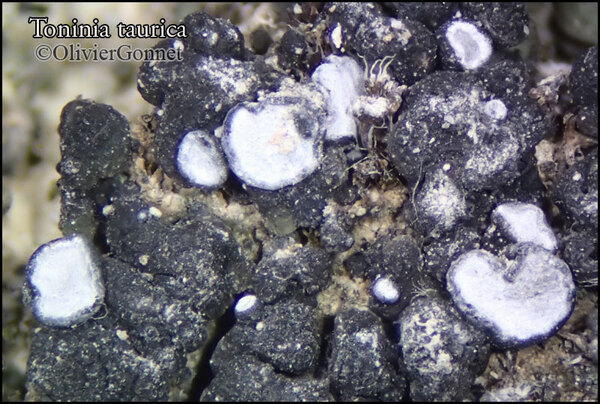
Courtesy Danièle et Olivier Gonnet - Source: https://www.afl-lichenologie.fr/Photos_AFL/Photos_AFL_T/Textes_T2/Thalloidima_tauricum.htm
France, session AFL 2015 dans le Lot
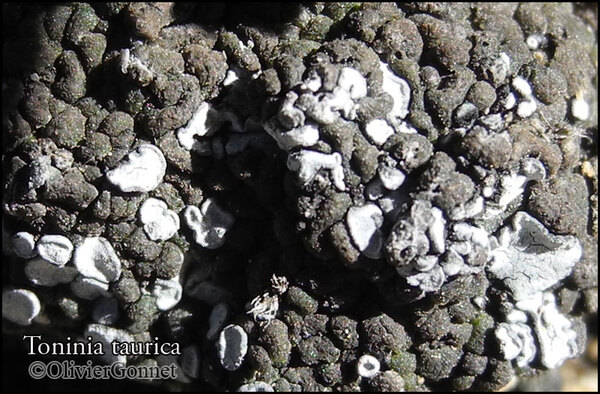
Courtesy Danièle et Olivier Gonnet - Source: https://www.afl-lichenologie.fr/Photos_AFL/Photos_AFL_T/Textes_T2/Thalloidima_tauricum.htm
France, session AFL 2015 dans le Lot
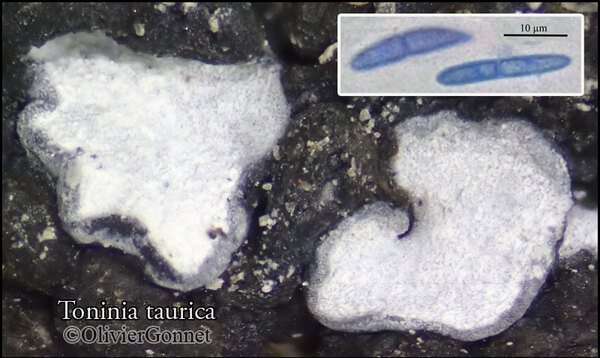
Courtesy Danièle et Olivier Gonnet - Source: https://www.afl-lichenologie.fr/Photos_AFL/Photos_AFL_T/Textes_T2/Thalloidima_tauricum.htm
France, session AFL 2015 dans le Lot
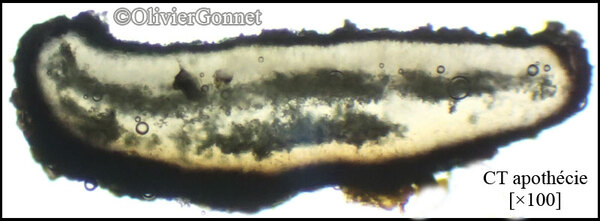
Courtesy Danièle et Olivier Gonnet - Source: https://www.afl-lichenologie.fr/Photos_AFL/Photos_AFL_T/Textes_T2/Thalloidima_tauricum.htm
France, session AFL 2015 dans le Lot
Growth form: Squamulose
Substrata: soil, terricolous mosses, and plant debris
Photobiont: green algae other than Trentepohlia
Reproductive strategy: mainly sexual
Commonnes-rarity: (info)
Alpine belt: rare
Subalpine belt: rather rare
Montane belt: rare
Dry submediterranean belt: very rare
Humid submediterranean belt: very rare
Padanian area: absent
pH of the substrata:
| 1 | 2 | 3 | 4 | 5 |
Solar irradiation:
| 1 | 2 | 3 | 4 | 5 |
Aridity:
| 1 | 2 | 3 | 4 | 5 |
Eutrophication:
| 1 | 2 | 3 | 4 | 5 |
Poleotolerance:
| 0 | 1 | 2 | 3 |
Altitudinal distribution:
| 1 | 2 | 3 | 4 | 5 | 6 |
Rarity
absent
extremely rare
very rare
rare
rather rare
rather common
common
very common
extremely common
Loading data...
Occurrence data
Predictive map
Current prediction (1981-2010)Future prediction (2071-2100) SSP 1-2.6Future prediction (2071-2100) SSP 5-8.5Predictive maps according to Francesconi et al. 2025
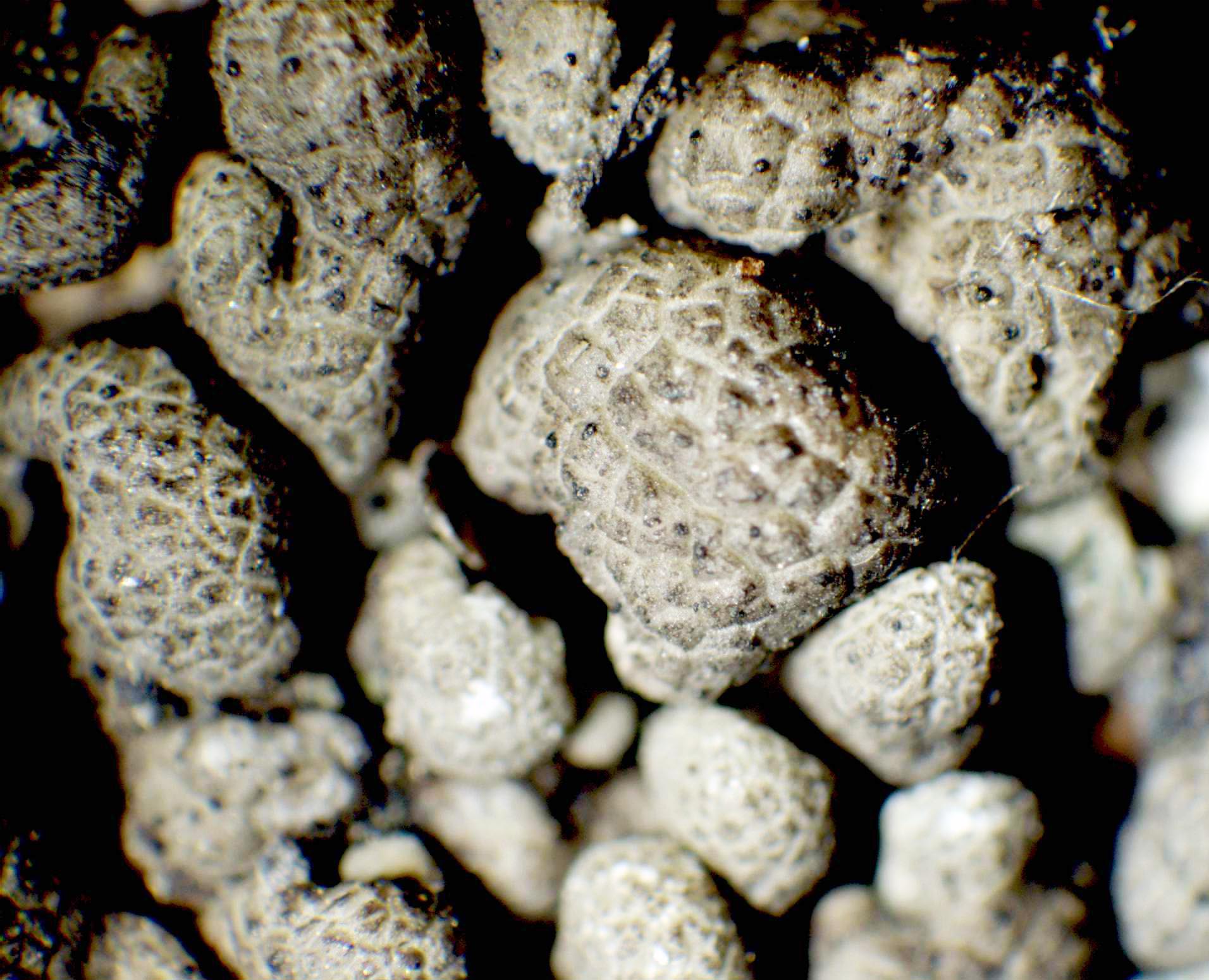
P.L. Nimis CC BY-SA 04
TSB 34625
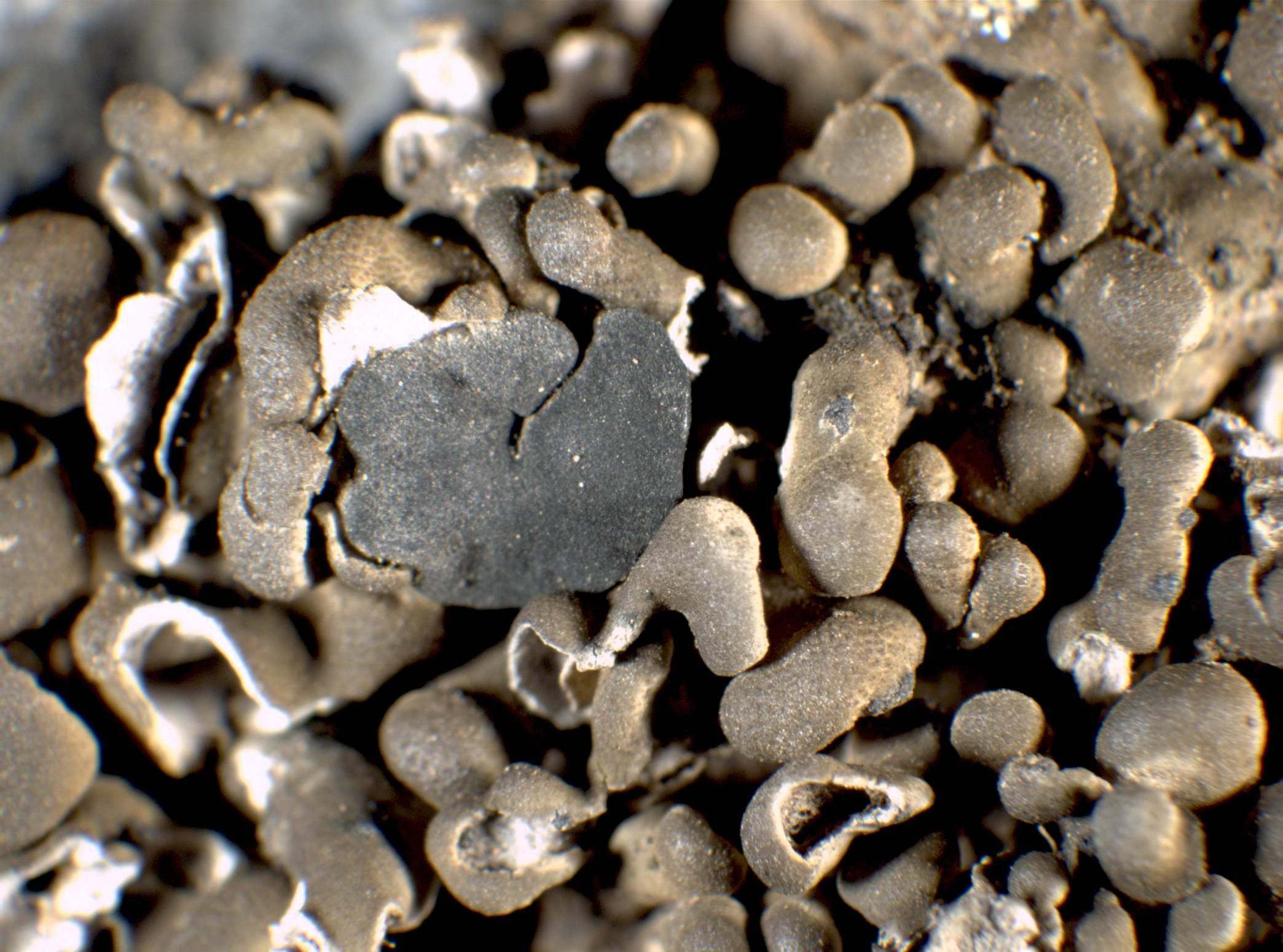
P.L. Nimis; Owner: Department of Life Sciences, University of Trieste
Herbarium: TSB (13391)
2001/12/01
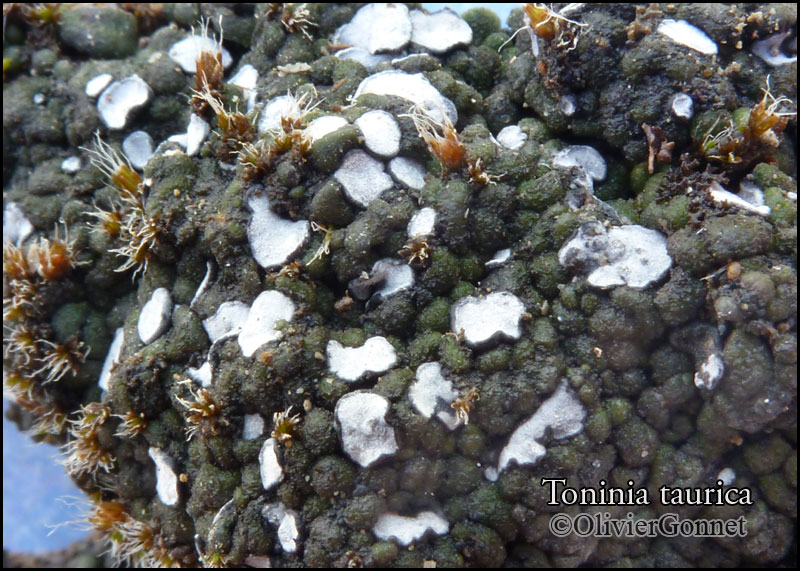
Courtesy Danièle et Olivier Gonnet - Source: https://www.afl-lichenologie.fr/Photos_AFL/Photos_AFL_T/Textes_T2/Thalloidima_tauricum.htm
France, session AFL 2015 dans le Lot
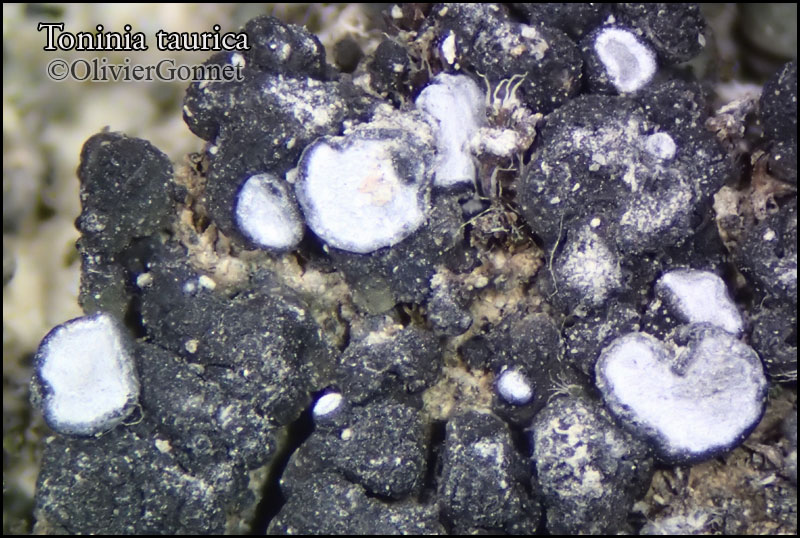
Courtesy Danièle et Olivier Gonnet - Source: https://www.afl-lichenologie.fr/Photos_AFL/Photos_AFL_T/Textes_T2/Thalloidima_tauricum.htm
France, session AFL 2015 dans le Lot
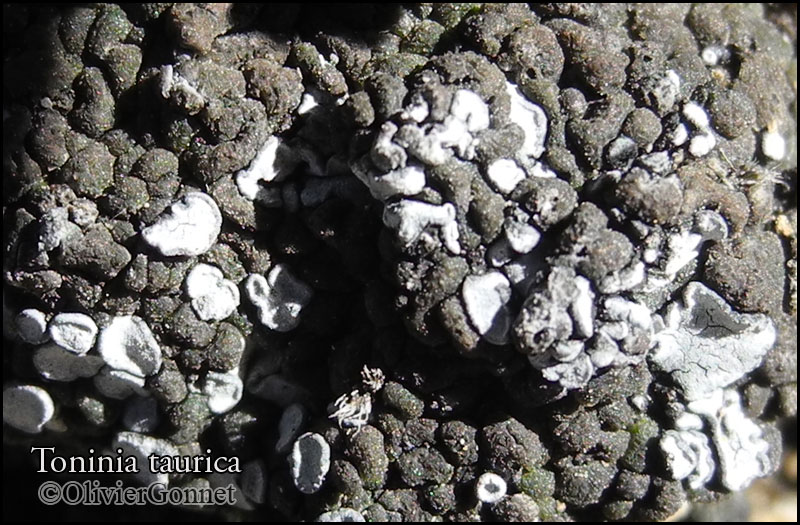
Courtesy Danièle et Olivier Gonnet - Source: https://www.afl-lichenologie.fr/Photos_AFL/Photos_AFL_T/Textes_T2/Thalloidima_tauricum.htm
France, session AFL 2015 dans le Lot
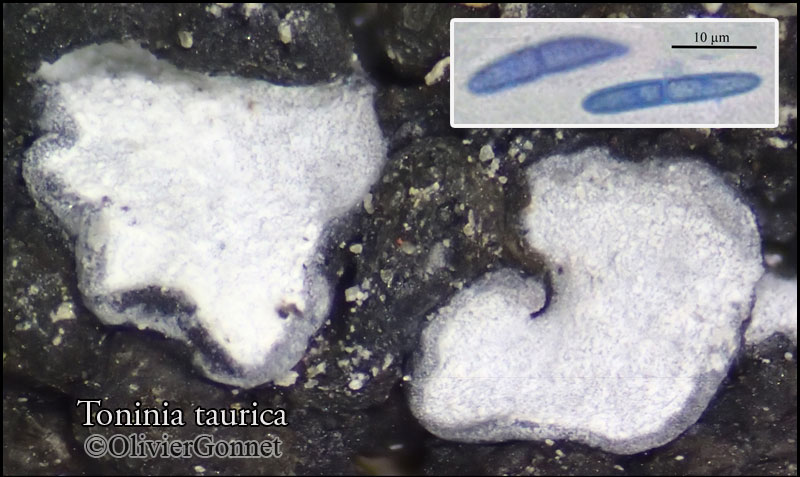
Courtesy Danièle et Olivier Gonnet - Source: https://www.afl-lichenologie.fr/Photos_AFL/Photos_AFL_T/Textes_T2/Thalloidima_tauricum.htm
France, session AFL 2015 dans le Lot