Usnea barbata (L.) F.H. Wigg.
Brit. Fl., 1: 206, 1780. Basionym: Lichen barbatus L. - Sp. Pl., 2: 1155, 1753.
Synonyms: Usnea alpina Motyka; Usnea catenulata Motyka; Usnea caucasica Vain.; Usnea cembricola Motyka; Usnea erikssonii Motyka; Usnea ferox Motyka; Usnea freyi Motyka; Usnea graciosa Motyka; Usnea implexa (Lam.) Motyka; Usnea leucosticta Vain.; Usnea maxima Motyka; Usnea pendulina Motyka; Usnea plicata (L.) F.H. Wigg.; Usnea prostrata Vain.; Usnea rugulosa Vain.; Usnea scabrata Nyl.; Usnea scabrata var. cembricola (Motyka) Clauzade & Cl. Roux?; Usnea scrobiculata Motyka; Usnea subscabrata (Vain.) Motyka; Usnea tenax Motyka; Usnea tortuosa De Not.
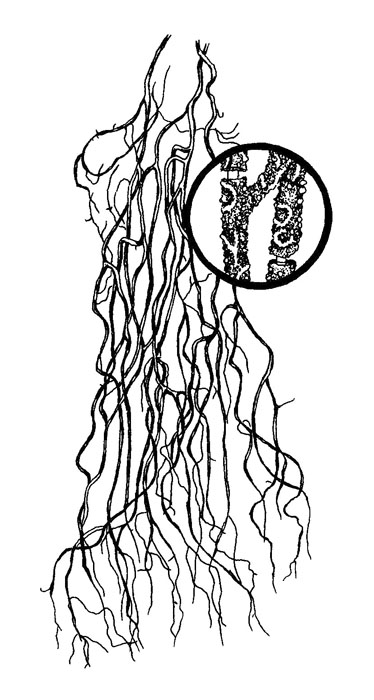
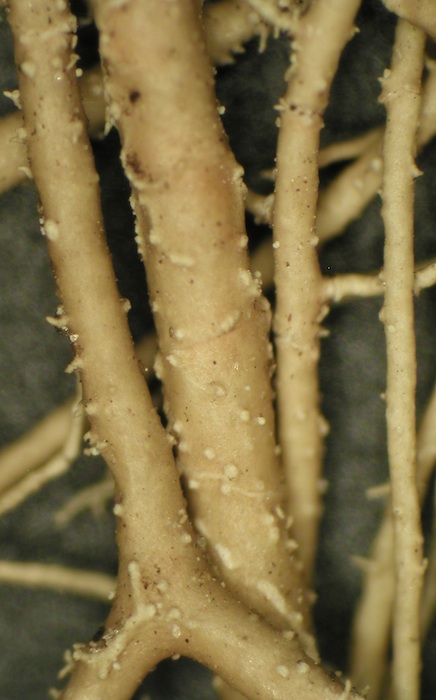
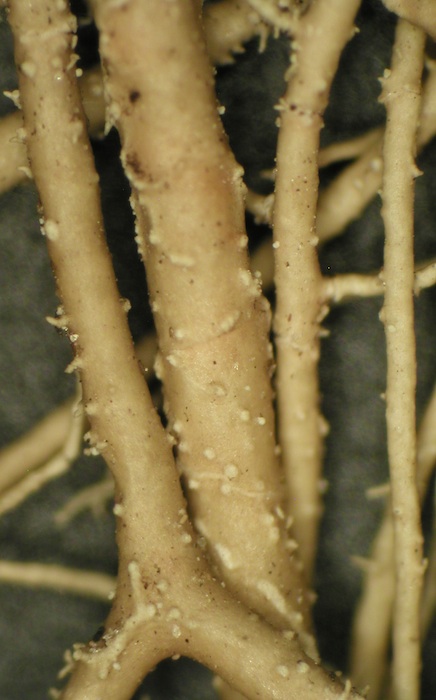
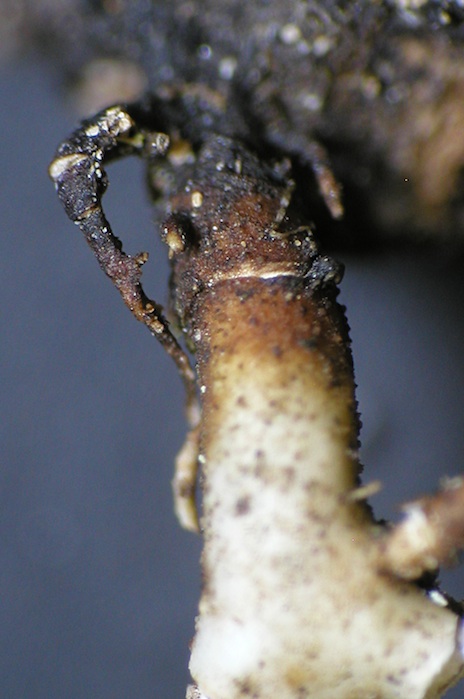
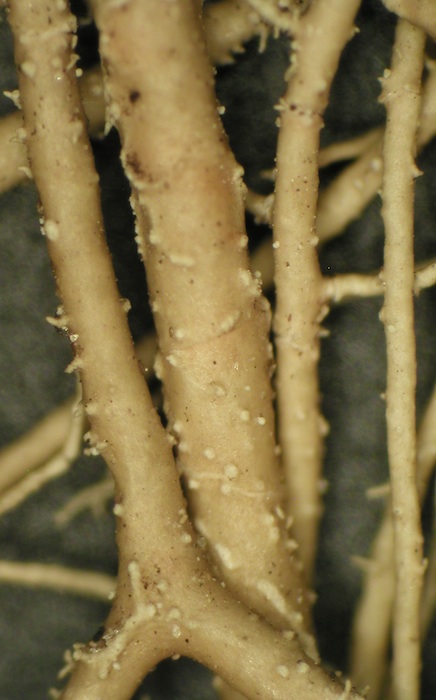
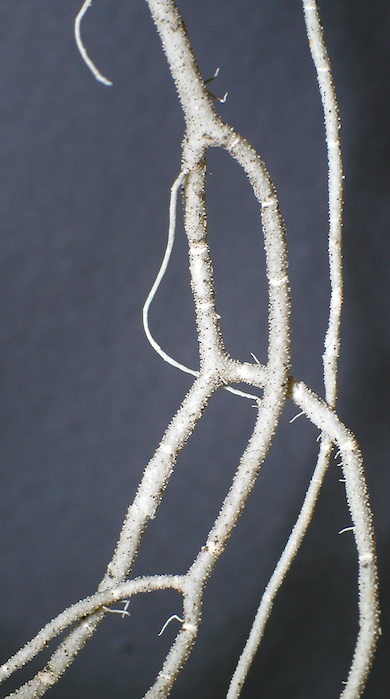
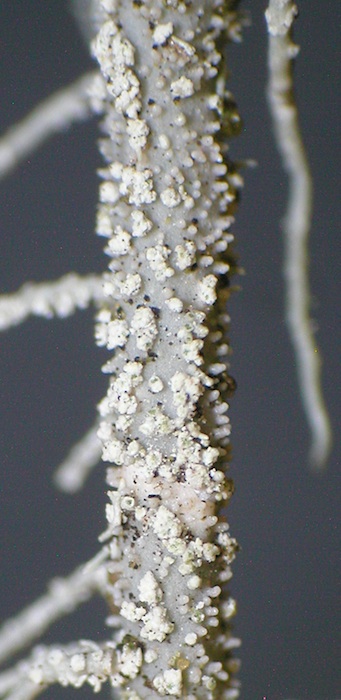
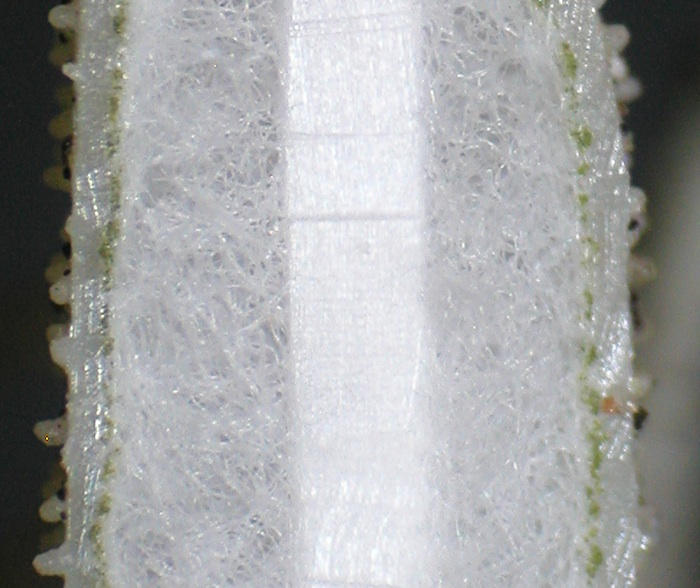
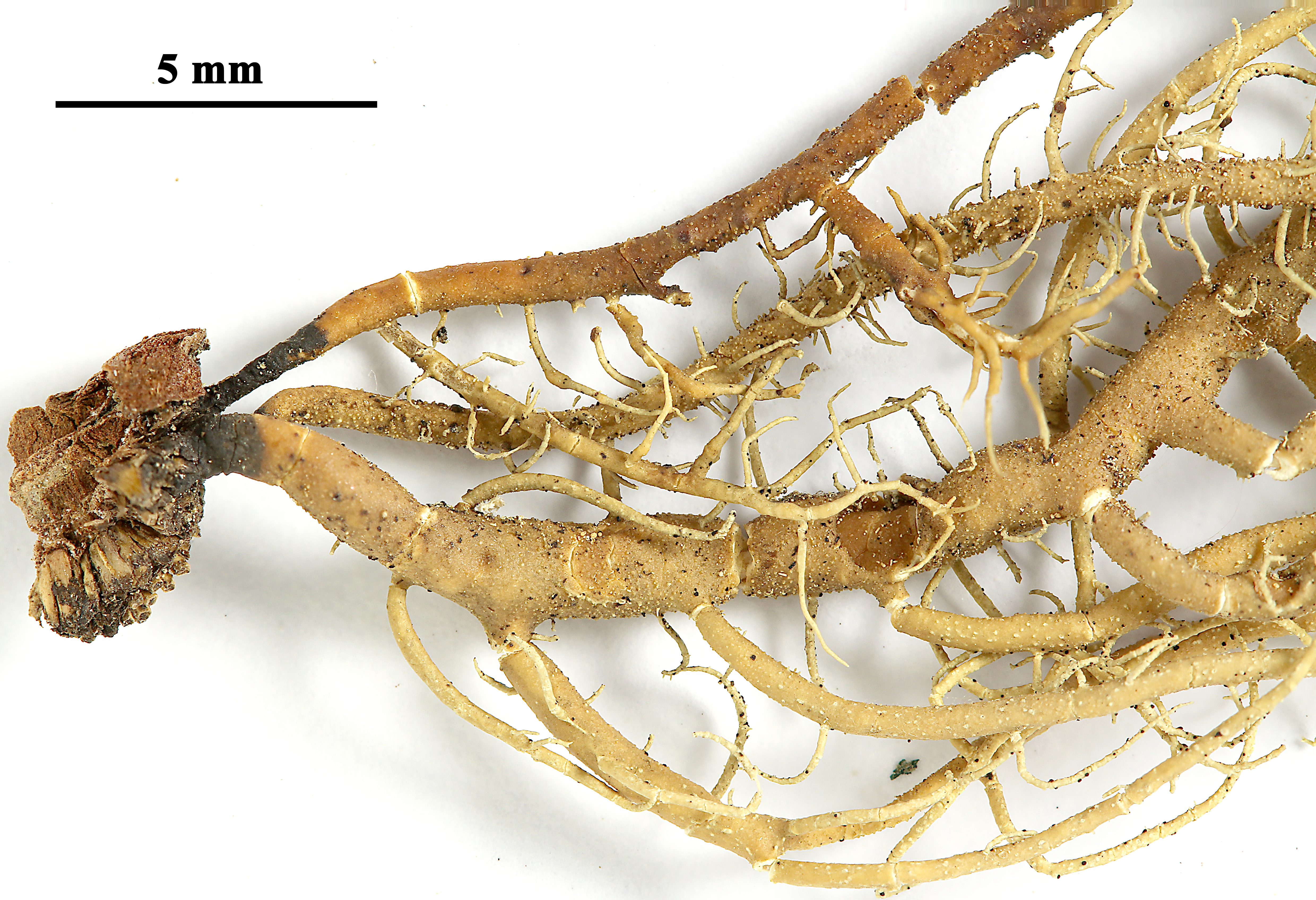
Description: Thallus fruticose-filamentous, greenish, pendulous, 25-40(-60) cm long, with parallel branches, the main ones isotomic-dichotomous, the lateral ones anisotomic-dichotomous. Main branches uneven in thickness, angulose, often with foveolae, depressions and/or ridges, with or without papillae, tubercles and fibrils, partly divided into irregular segments by annular cracks, with the largest segment not close to the basal part, the base ochraceous to blackened; lateral branches not constricted at attachment point, with or without fibrils. Soralia few to abundant, punctiform, irregular, <50% of the branch diam., developing on the top of eroded papillae, tubercles or ridges, with or without isidiomorphs. Cortex matt to more or less shiny in longitudinal section, thin (4-7% of total branch thickness); medulla white, loose to dense, rather thick (24-33%); central axis white, moderately thin (24-38%); ratio axis/medulla ranging between 0.7 and 1.5. Apothecia usually absent. Photobiont chlorococcoid. Spot tests and chemistry: cortex K-, C-, KC-, P-; medulla and soralia with two chemotypes: 1) K+ yellow to orange-red, C-, KC-, P+ yellow-orange, 2) K-, C-, KC, P-, without lichen substances; a rare chemotype with psoromic acid (K+ yellow then red, P+ orange) was described from the Iberian Peninsula.
Growth form: Fruticose filamentous
Substrata: bark
Photobiont: green algae other than Trentepohlia
Reproductive strategy: mainly sexual
Poorly known taxon in need of further study
Commonnes-rarity: (info)
Alpine belt: absent
Subalpine belt: rather rare
Montane belt: very rare
Dry submediterranean belt: absent
Humid submediterranean belt: absent
Padanian area: absent
pH of the substrata:
1 2 3 4 5

Solar irradiation:
1 2 3 4 5
Aridity:
1 2 3 4 5
Eutrophication:
1 2 3 4 5
Poleotolerance:
0 1 2 3
Altitudinal distribution:
1 2 3 4 5 6
Rarity
absent
extremely rare
very rare
rare
rather rare
rather common
common
very common
extremely common
Loading data...
Occurrence data
Predictive map
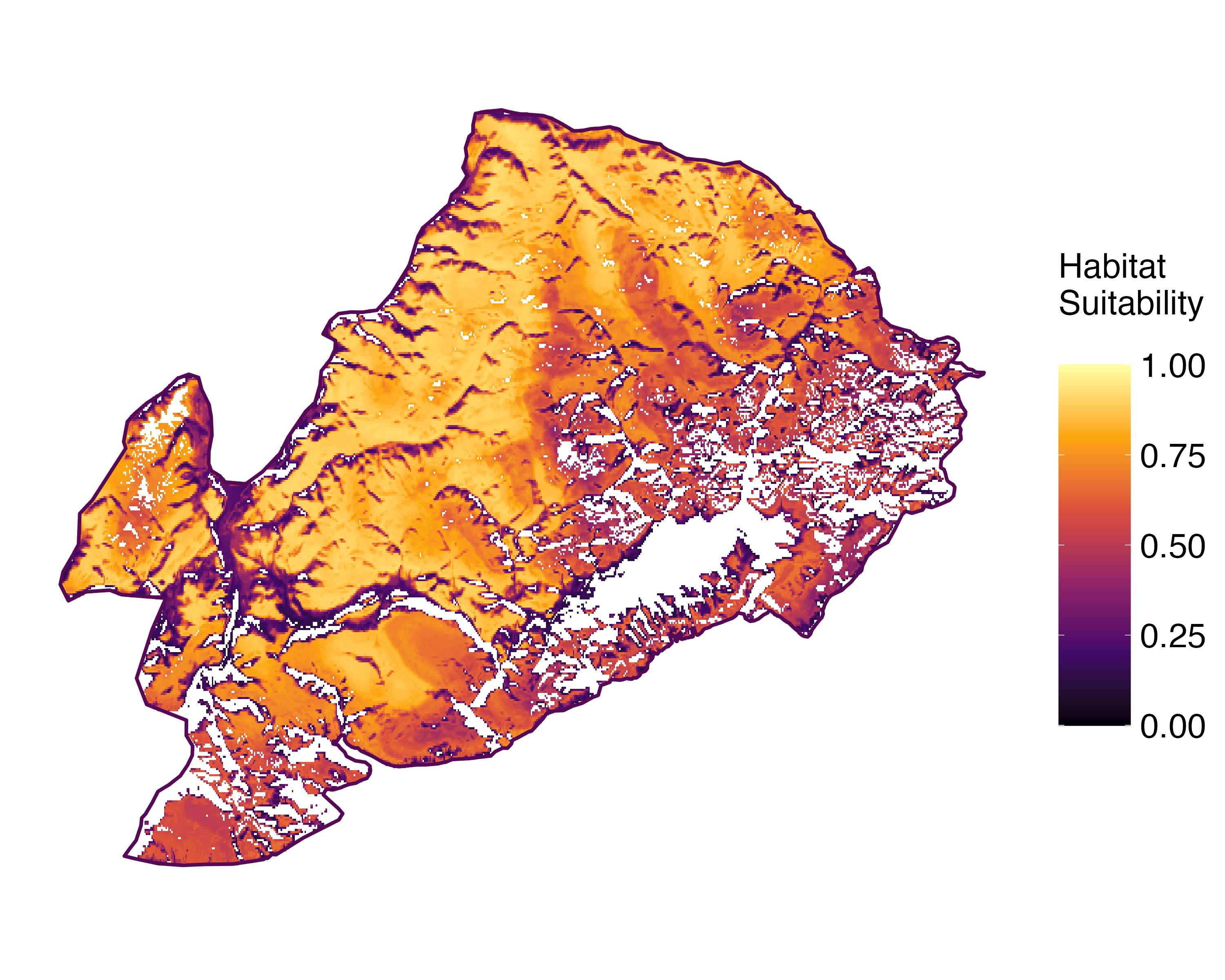 Current prediction (1981-2010)
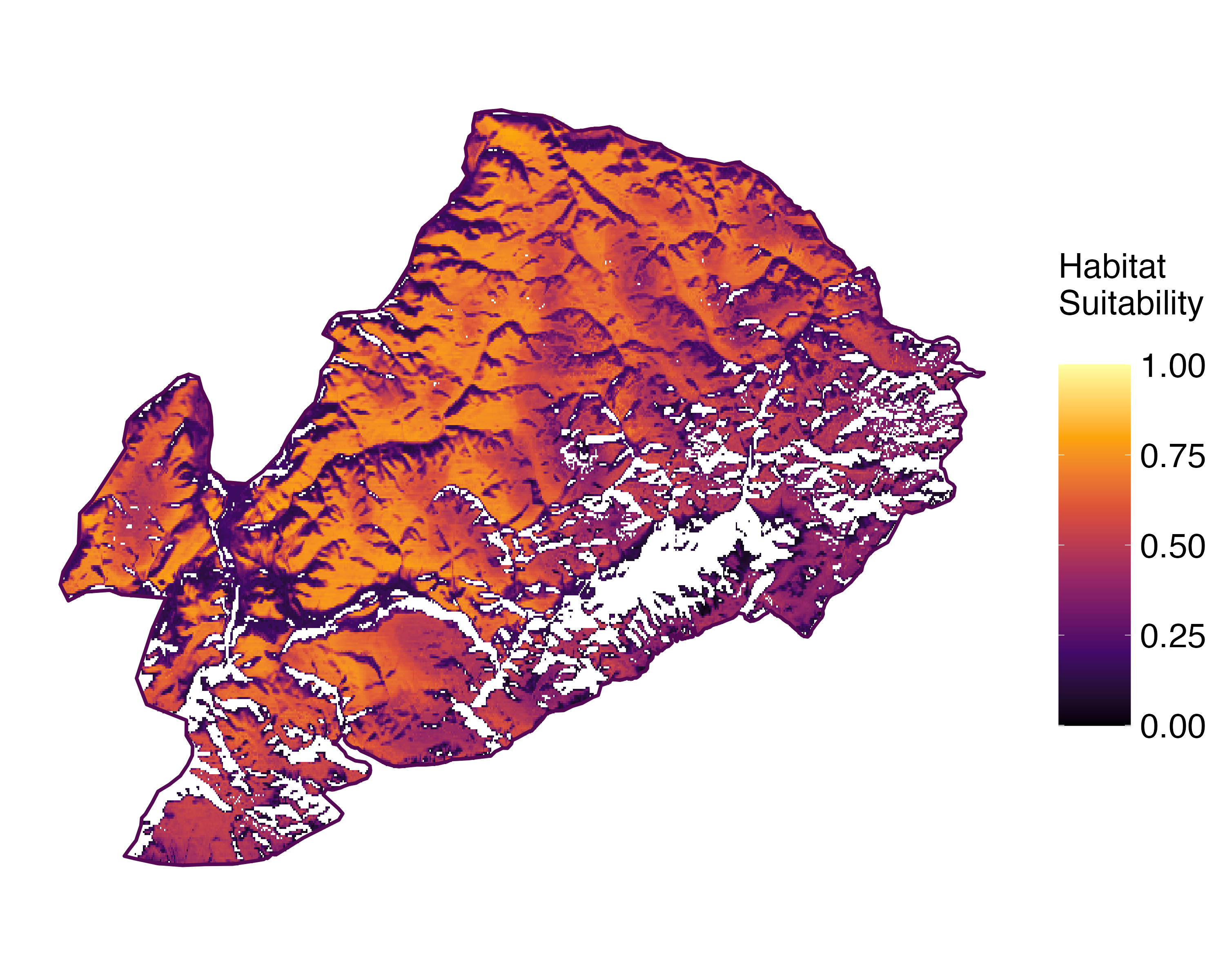 Future prediction (2071-2100) SSP 1-2.6
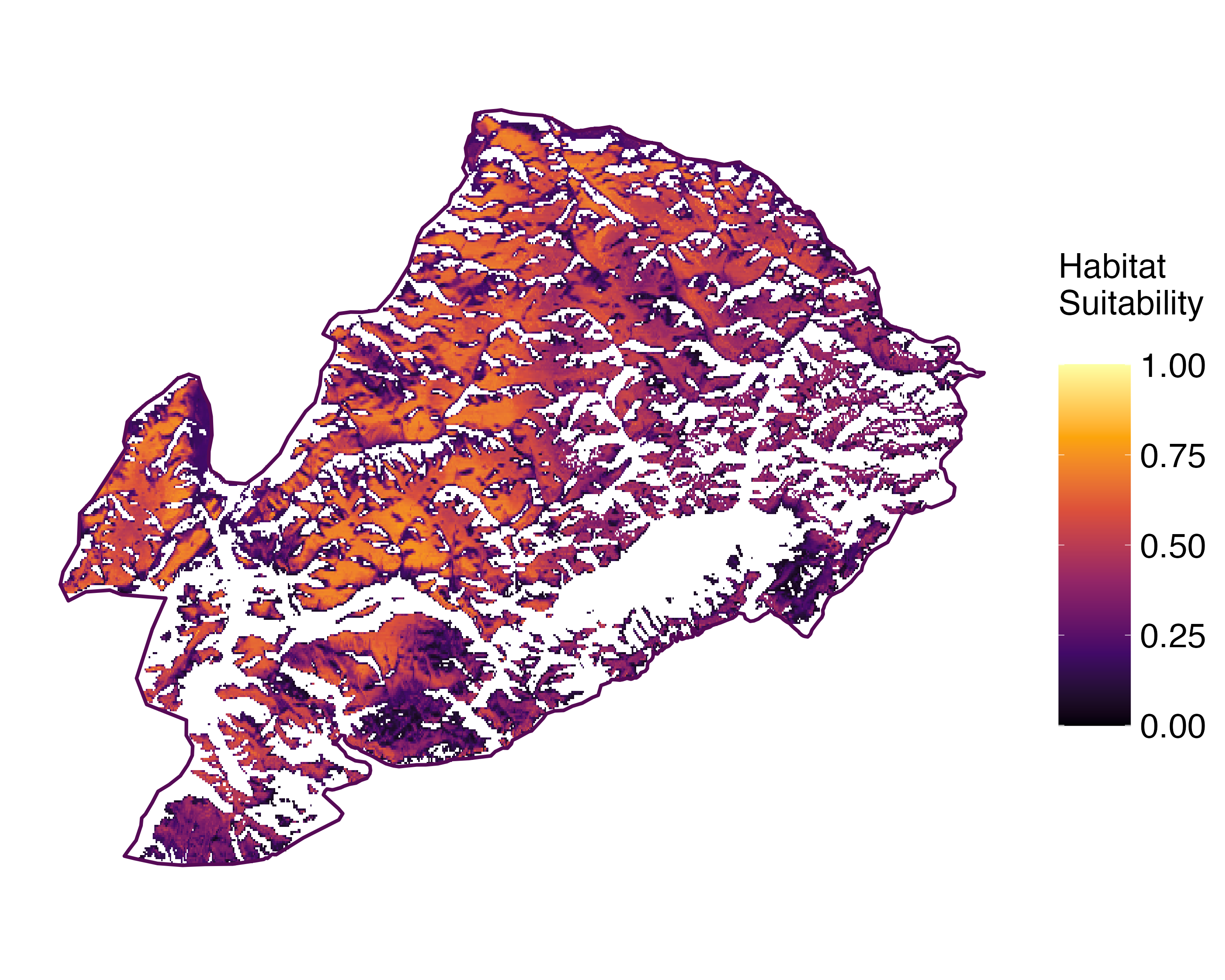 Future prediction (2071-2100) SSP 5-8.5Predictive maps according to Francesconi et al. 2025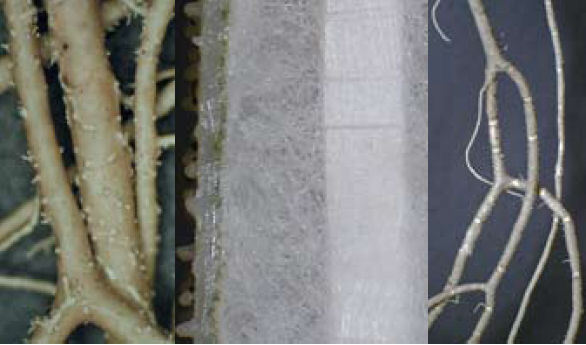
Tiiu Tõrra; Owner: Tiiu Tõrra - Institute of Ecology and Earth Sciences, University of Tartu, Estonia
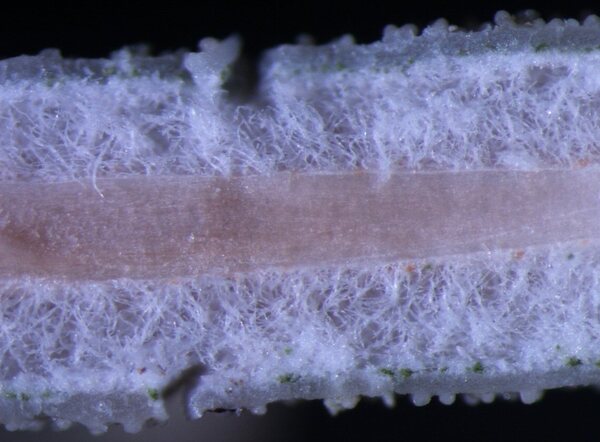
Tiiu Tõrra; Owner: University of Tartu
Estonia.
Herbarium: TU (32767)
2007/04/24
Loose medulla
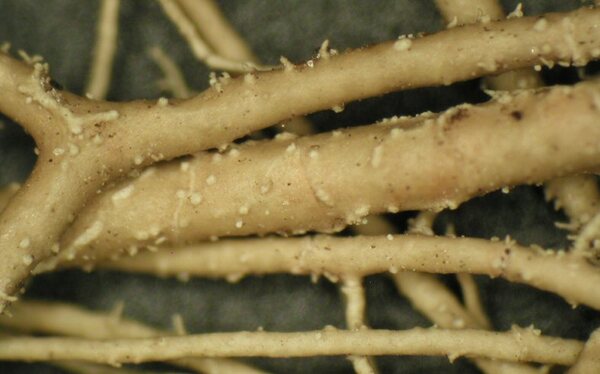
Tiiu Tõrra; Owner: University of Tartu
Estonia.
Herbarium: TU (31464)
2005/09/08
Branches with uneven thickness and ridges
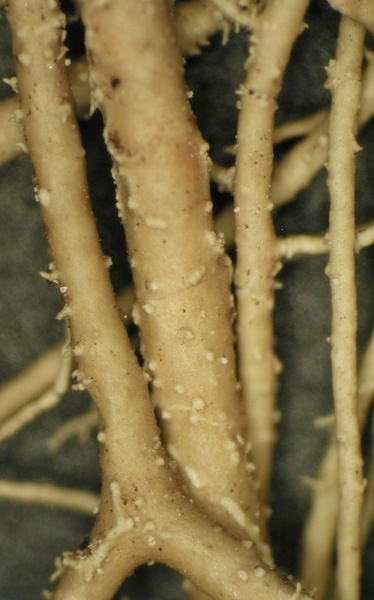
Tiiu Tõrra; Owner: Tiiu Tõrra - Institute of Ecology and Earth Sciences, University of Tartu, Estonia
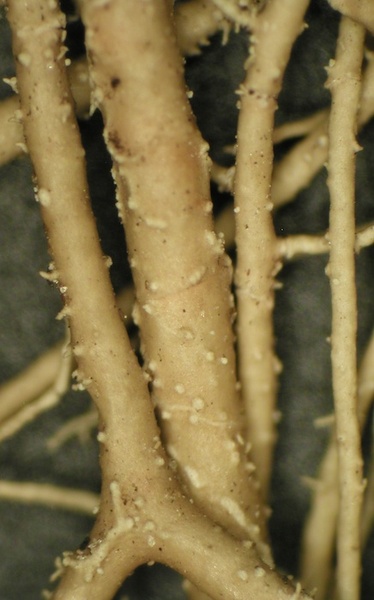
Tiiu Tõrra; Owner: Tiiu Tõrra - Institute of Ecology and Earth Sciences, University of Tartu, Estonia
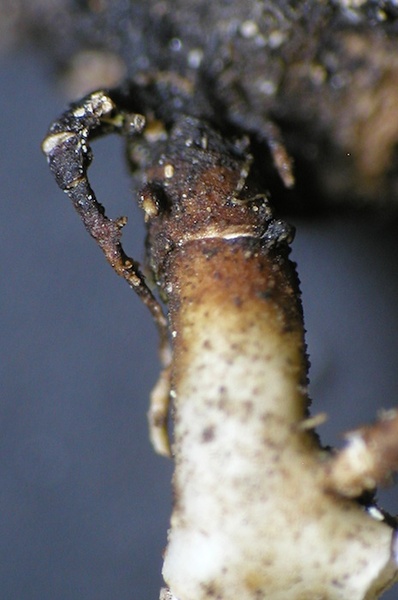
Tiiu Tõrra; Owner: Tiiu Tõrra - Institute of Ecology and Earth Sciences, University of Tartu, Estonia
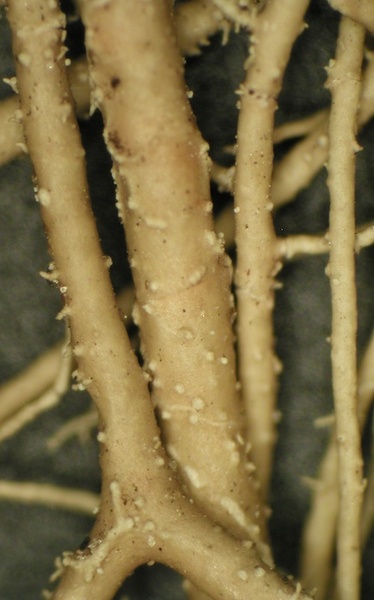
Tiiu Tõrra; Owner: Tiiu Tõrra - Institute of Ecology and Earth Sciences, University of Tartu, Estonia
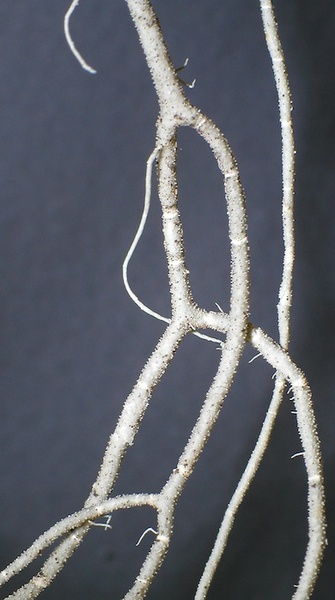
Tiiu Tõrra; Owner: Tiiu Tõrra - Institute of Ecology and Earth Sciences, University of Tartu, Estonia
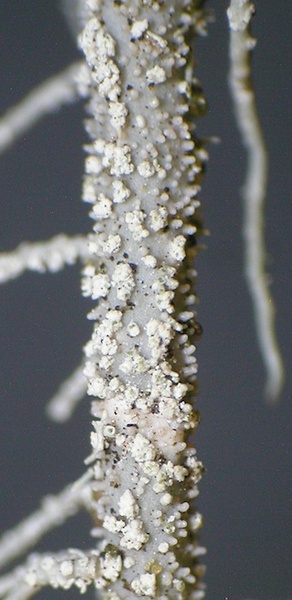
Tiiu Tõrra; Owner: Tiiu Tõrra - Institute of Ecology and Earth Sciences, University of Tartu, Estonia
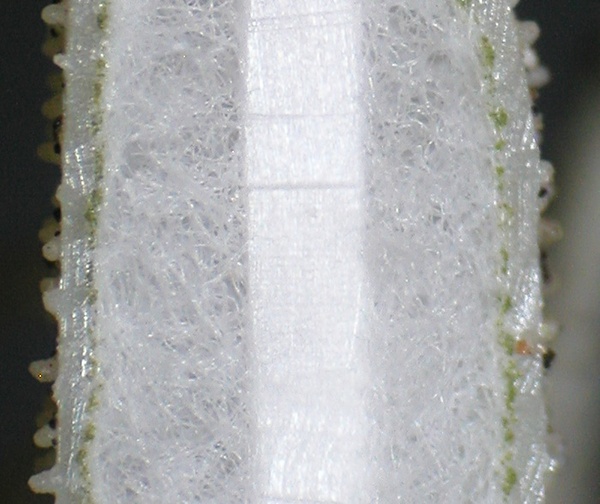
Tiiu Tõrra; Owner: Tiiu Tõrra - Institute of Ecology and Earth Sciences, University of Tartu, Estonia
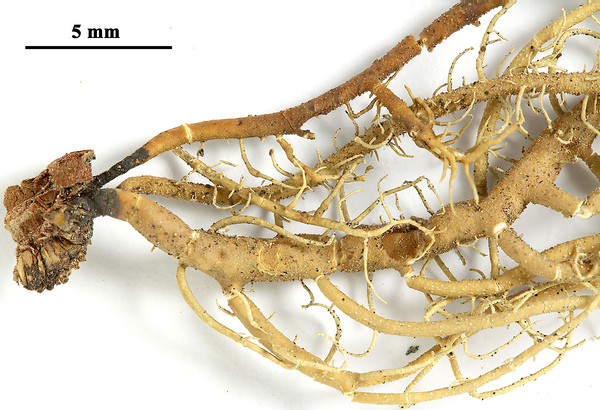
Felix Schumm - CC BY-SA 4.0
[1765], Italien, Südtirol, Reschen, bei der Kapelle, an Larix, ca. 1750 m. Leg. E. Putzler 3.8.1962, det. F. Schumm.
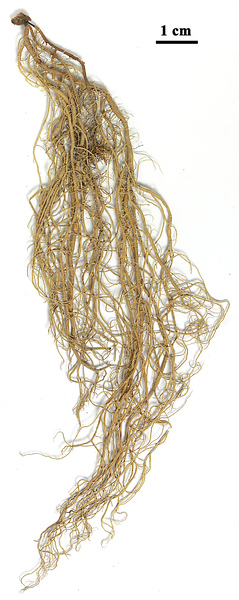
Felix Schumm - CC BY-SA 4.0
[1765], Italien, Südtirol, Reschen, bei der Kapelle, an Larix, ca. 1750 m. Leg. E. Putzler 3.8.1962, det. F. Schumm.
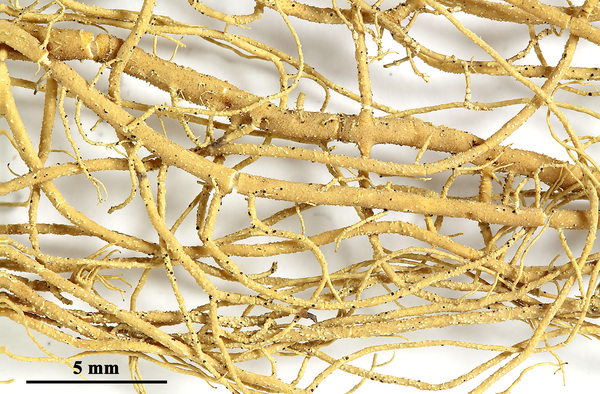
Felix Schumm - CC BY-SA 4.0
[1765], Italien, Südtirol, Reschen, bei der Kapelle, an Larix, ca. 1750 m. Leg. E. Putzler 3.8.1962, det. F. Schumm.
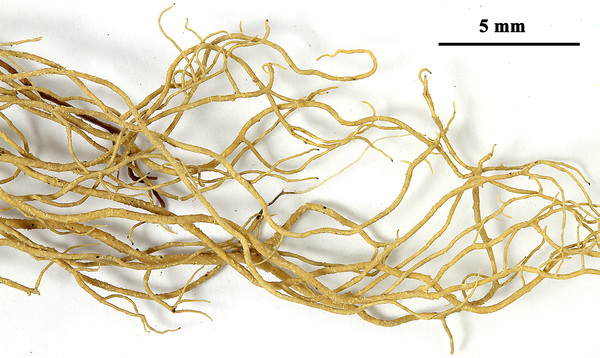
Felix Schumm - CC BY-SA 4.0
[1765], Italien, Südtirol, Reschen, bei der Kapelle, an Larix, ca. 1750 m. Leg. E. Putzler 3.8.1962, det. F. Schumm.
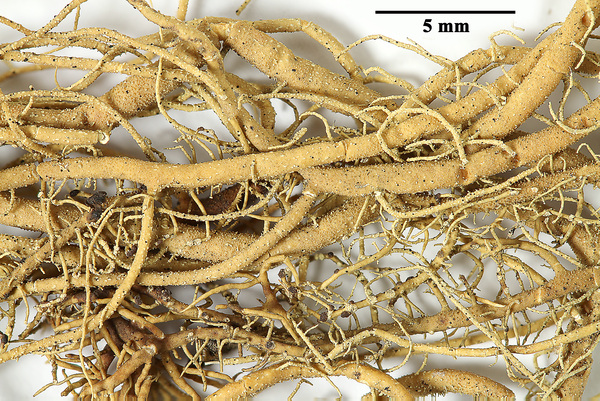
Felix Schumm - CC BY-SA 4.0
[1765], Italien, Südtirol, Reschen, bei der Kapelle, an Larix, ca. 1750 m. Leg. E. Putzler 3.8.1962, det. F. Schumm.
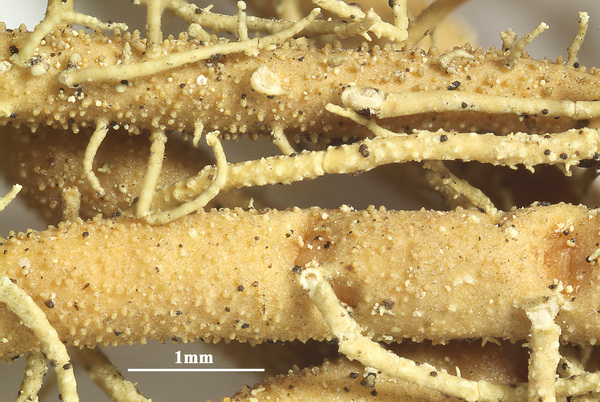
Felix Schumm - CC BY-SA 4.0
[1765], Italien, Südtirol, Reschen, bei der Kapelle, an Larix, ca. 1750 m. Leg. E. Putzler 3.8.1962, det. F. Schumm.
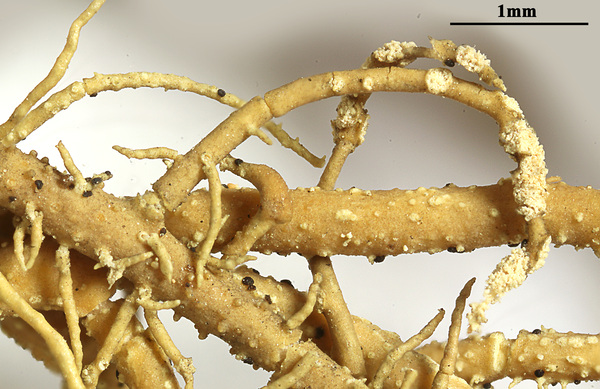
Felix Schumm - CC BY-SA 4.0
[1765], Italien, Südtirol, Reschen, bei der Kapelle, an Larix, ca. 1750 m. Leg. E. Putzler 3.8.1962, det. F. Schumm.
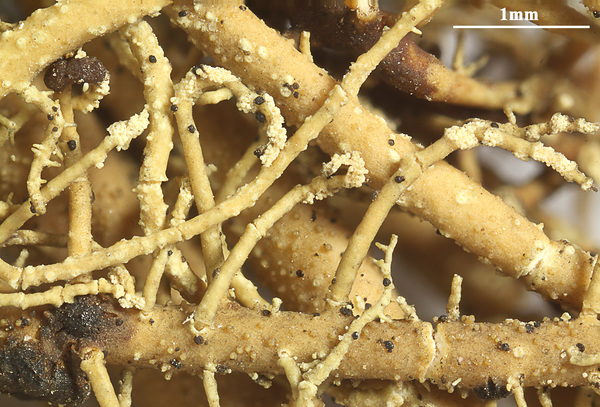
Felix Schumm - CC BY-SA 4.0
[1765], Italien, Südtirol, Reschen, bei der Kapelle, an Larix, ca. 1750 m. Leg. E. Putzler 3.8.1962, det. F. Schumm.
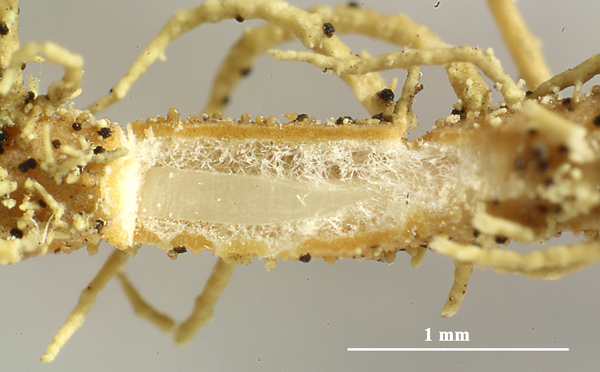
Felix Schumm - CC BY-SA 4.0
[1765], Italien, Südtirol, Reschen, bei der Kapelle, an Larix, ca. 1750 m. Leg. E. Putzler 3.8.1962, det. F. Schumm.
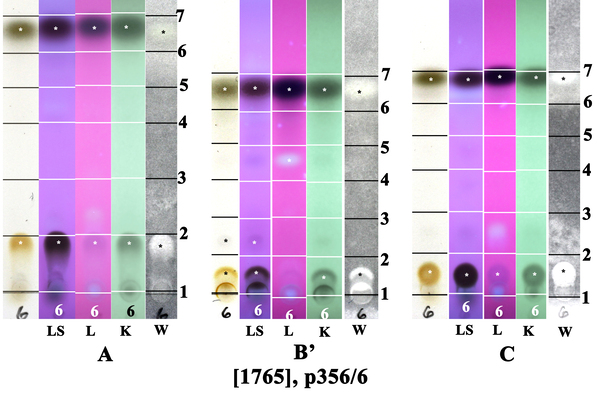
Felix Schumm - CC BY-SA 4.0
[1765], Italien, Südtirol, Reschen, bei der Kapelle, an Larix, ca. 1750 m. Leg. E. Putzler 3.8.1962, det. F. Schumm.
us: usnic acid, sa: salazinic acid, conf. J.A. Elix
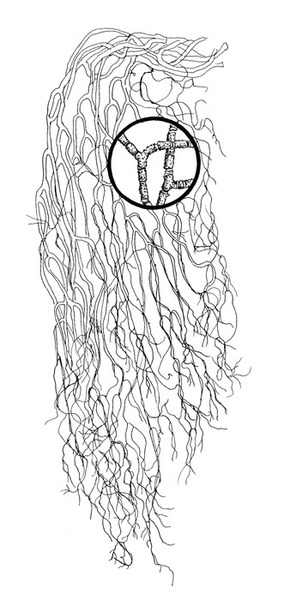
Triin Aimla; Owner: University of Tartu
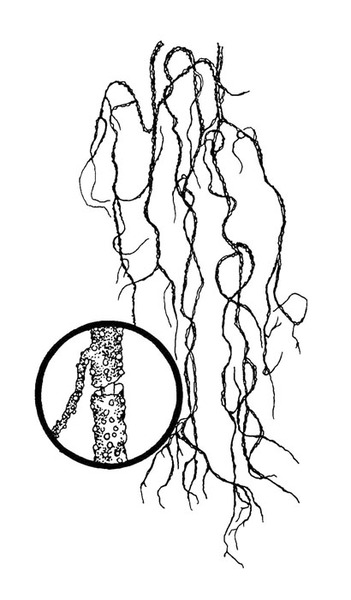
Triin Aimla; Owner: University of Tartu
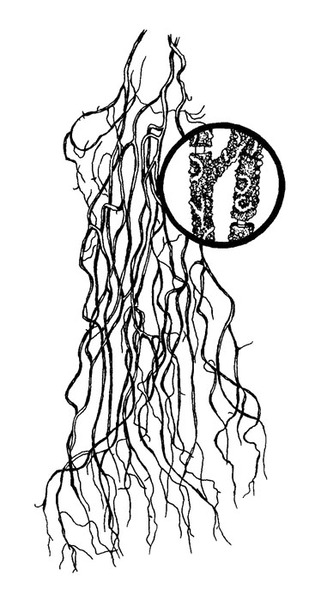
Triin Aimla; Owner: University of Tartu
Growth form: Fruticose filamentous
Substrata: bark
Photobiont: green algae other than Trentepohlia
Reproductive strategy: mainly sexual
Poorly known taxon in need of further study
Commonnes-rarity: (info)
Alpine belt: absent
Subalpine belt: rather rare
Montane belt: very rare
Dry submediterranean belt: absent
Humid submediterranean belt: absent
Padanian area: absent
pH of the substrata:
| 1 | 2 | 3 | 4 | 5 |
Solar irradiation:
| 1 | 2 | 3 | 4 | 5 |
Aridity:
| 1 | 2 | 3 | 4 | 5 |
Eutrophication:
| 1 | 2 | 3 | 4 | 5 |
Poleotolerance:
| 0 | 1 | 2 | 3 |
Altitudinal distribution:
| 1 | 2 | 3 | 4 | 5 | 6 |
Rarity
absent
extremely rare
very rare
rare
rather rare
rather common
common
very common
extremely common
Loading data...
Occurrence data
Predictive map
Current prediction (1981-2010)Future prediction (2071-2100) SSP 1-2.6Future prediction (2071-2100) SSP 5-8.5Predictive maps according to Francesconi et al. 2025
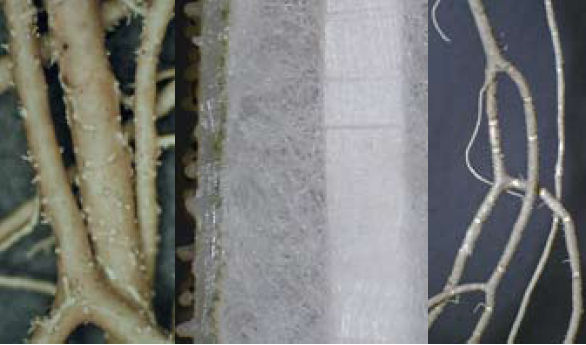
Tiiu Tõrra; Owner: Tiiu Tõrra - Institute of Ecology and Earth Sciences, University of Tartu, Estonia
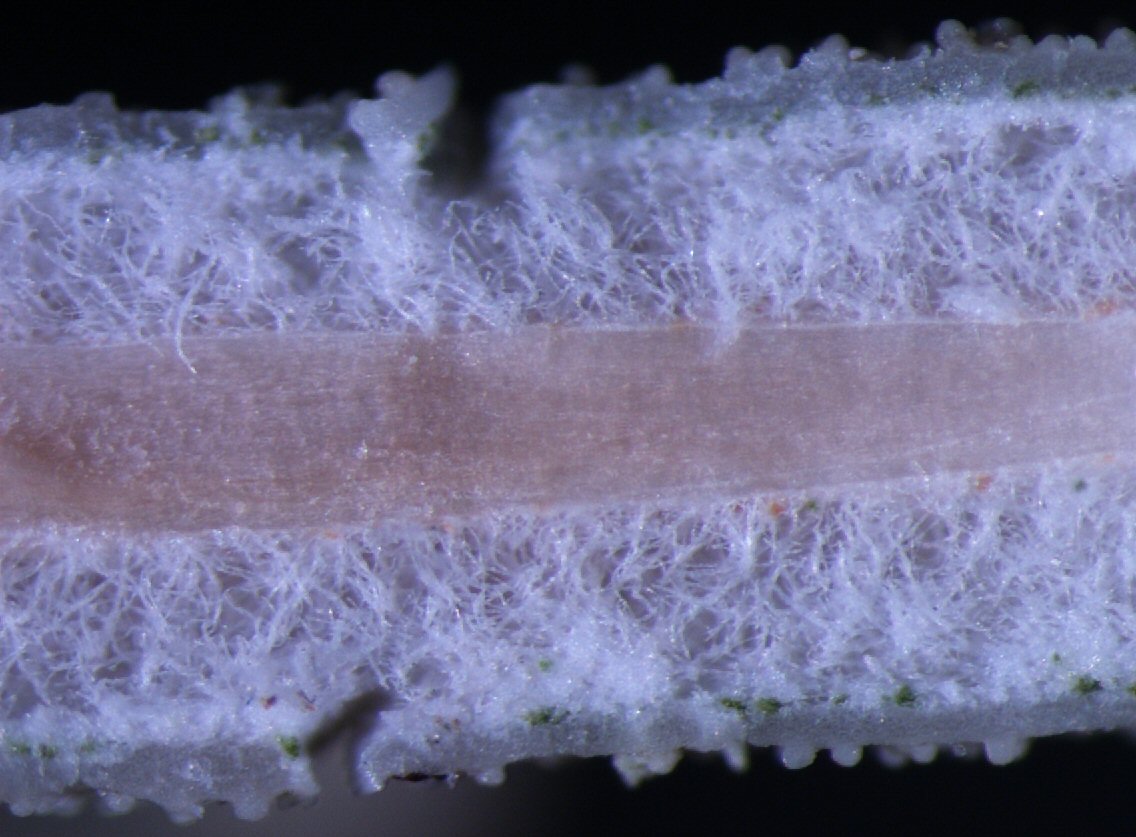
Tiiu Tõrra; Owner: University of Tartu
Estonia.
Herbarium: TU (32767)
2007/04/24
Loose medulla
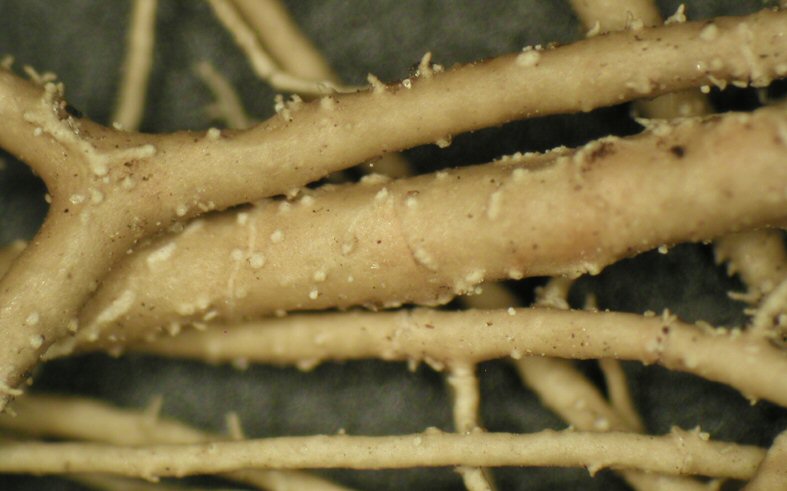
Tiiu Tõrra; Owner: University of Tartu
Estonia.
Herbarium: TU (31464)
2005/09/08
Branches with uneven thickness and ridges
Tiiu Tõrra; Owner: Tiiu Tõrra - Institute of Ecology and Earth Sciences, University of Tartu, Estonia
Tiiu Tõrra; Owner: Tiiu Tõrra - Institute of Ecology and Earth Sciences, University of Tartu, Estonia
Tiiu Tõrra; Owner: Tiiu Tõrra - Institute of Ecology and Earth Sciences, University of Tartu, Estonia
Tiiu Tõrra; Owner: Tiiu Tõrra - Institute of Ecology and Earth Sciences, University of Tartu, Estonia
Tiiu Tõrra; Owner: Tiiu Tõrra - Institute of Ecology and Earth Sciences, University of Tartu, Estonia
Tiiu Tõrra; Owner: Tiiu Tõrra - Institute of Ecology and Earth Sciences, University of Tartu, Estonia
Tiiu Tõrra; Owner: Tiiu Tõrra - Institute of Ecology and Earth Sciences, University of Tartu, Estonia
Felix Schumm - CC BY-SA 4.0
[1765], Italien, Südtirol, Reschen, bei der Kapelle, an Larix, ca. 1750 m. Leg. E. Putzler 3.8.1962, det. F. Schumm.
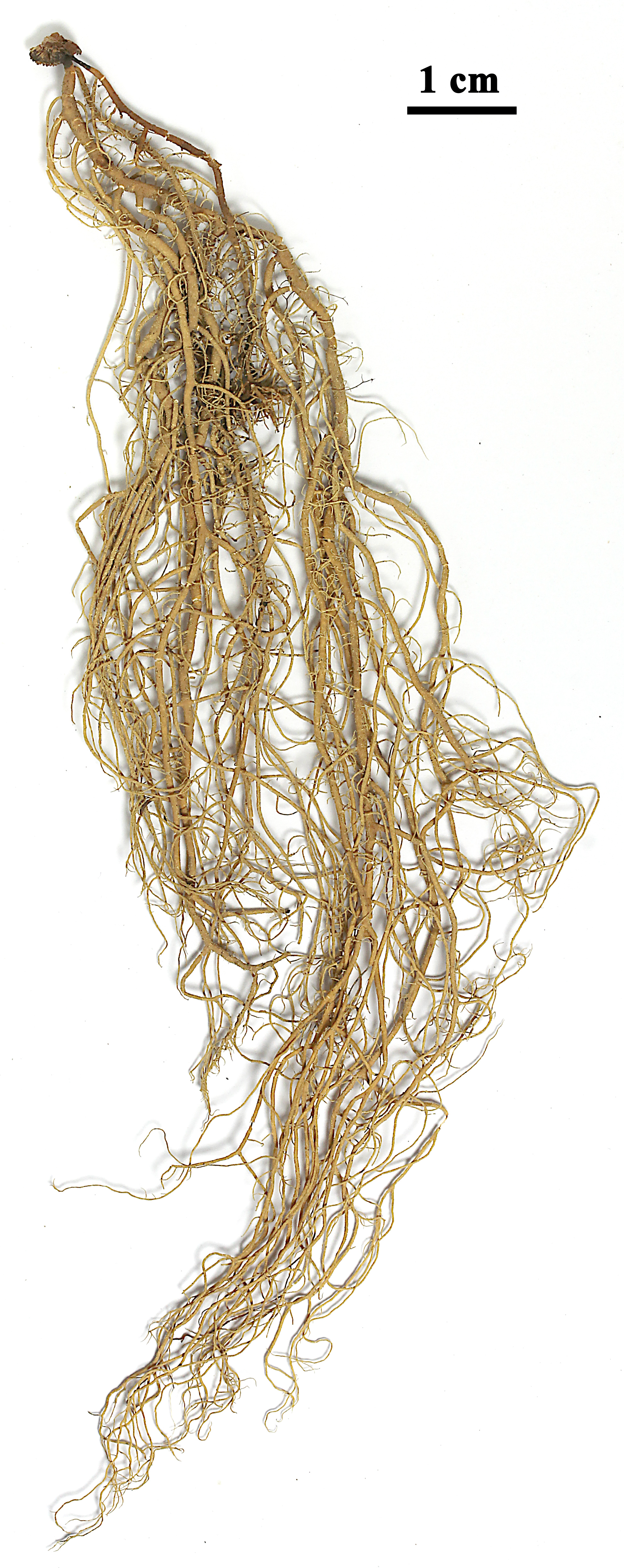
Felix Schumm - CC BY-SA 4.0
[1765], Italien, Südtirol, Reschen, bei der Kapelle, an Larix, ca. 1750 m. Leg. E. Putzler 3.8.1962, det. F. Schumm.
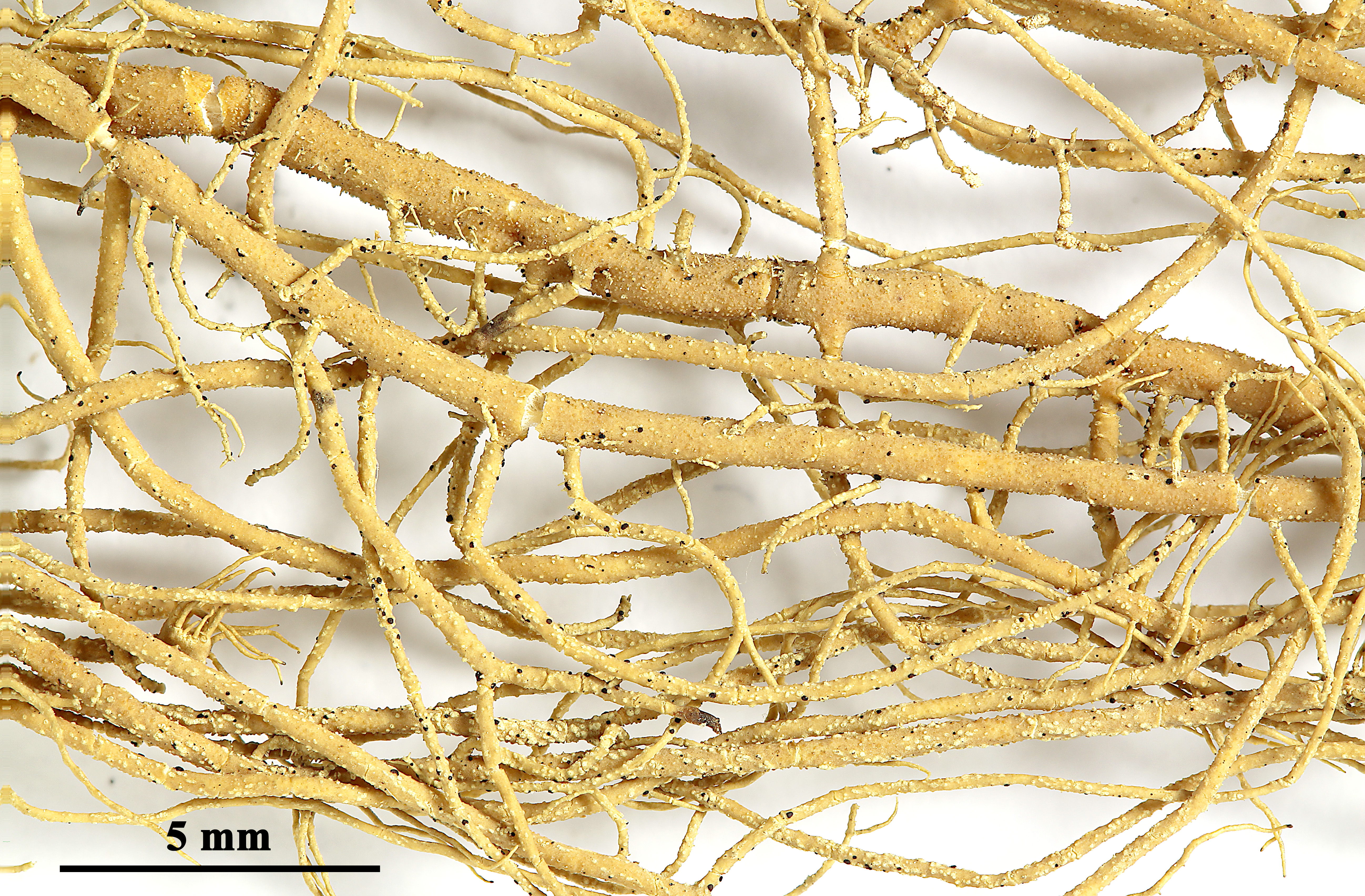
Felix Schumm - CC BY-SA 4.0
[1765], Italien, Südtirol, Reschen, bei der Kapelle, an Larix, ca. 1750 m. Leg. E. Putzler 3.8.1962, det. F. Schumm.
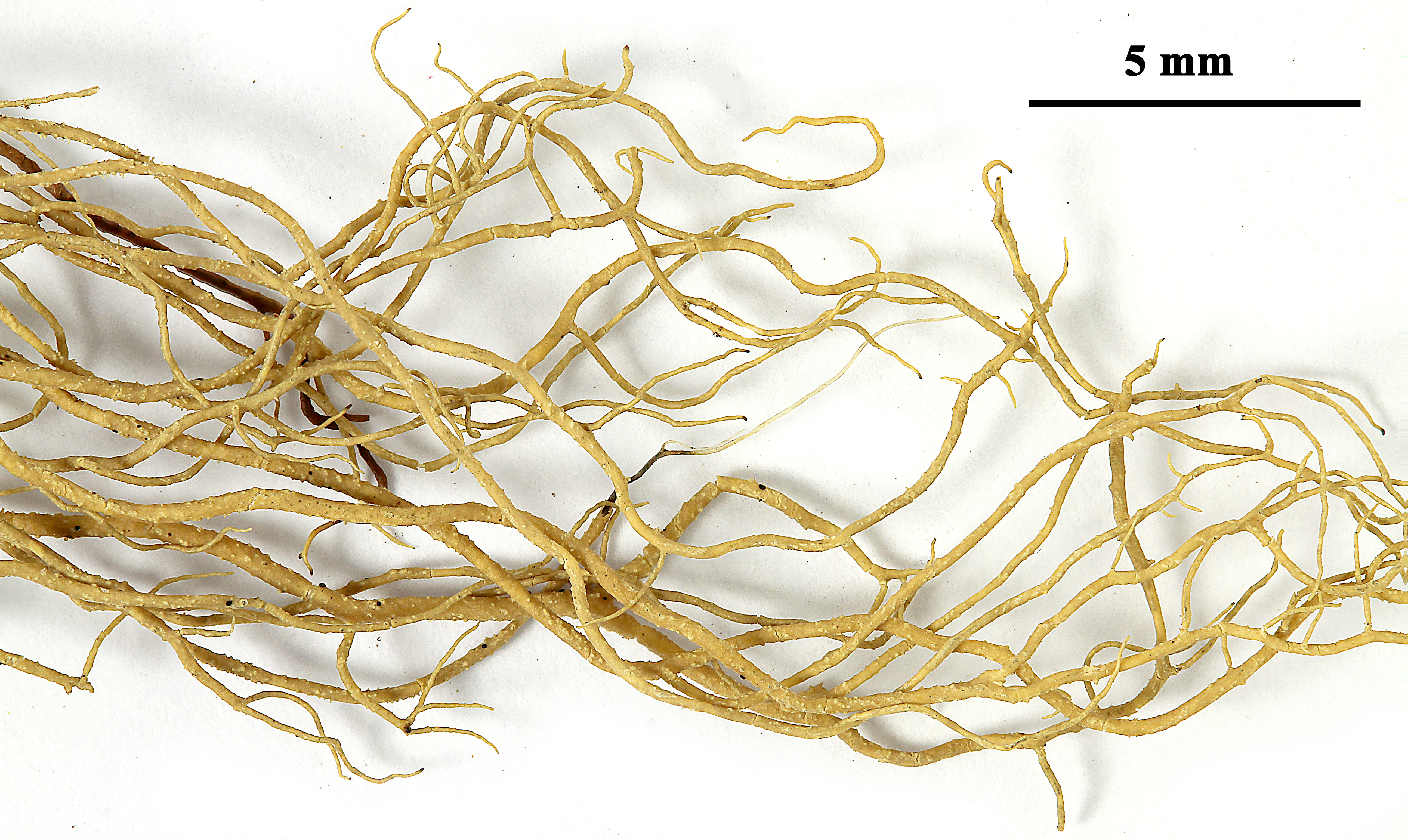
Felix Schumm - CC BY-SA 4.0
[1765], Italien, Südtirol, Reschen, bei der Kapelle, an Larix, ca. 1750 m. Leg. E. Putzler 3.8.1962, det. F. Schumm.
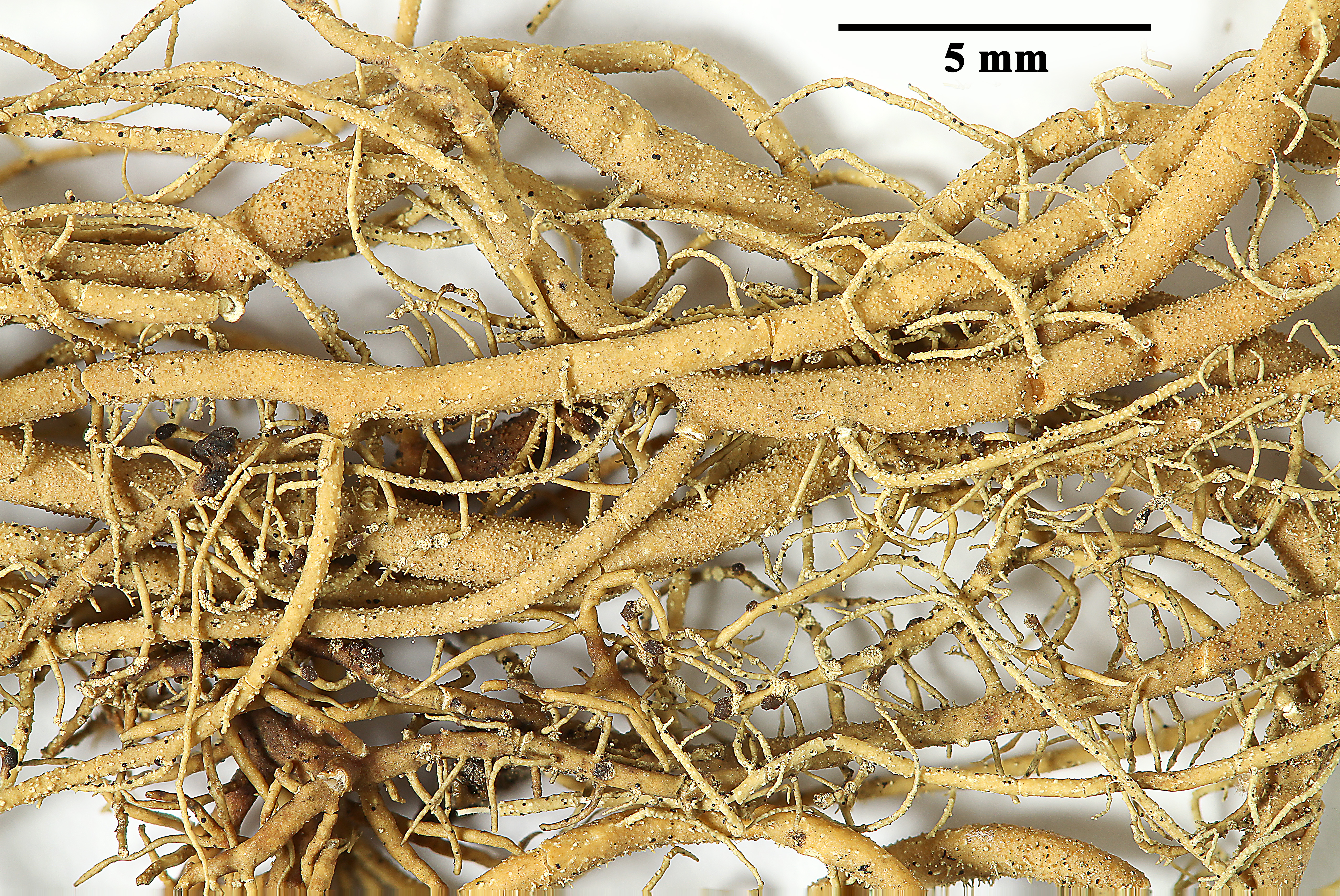
Felix Schumm - CC BY-SA 4.0
[1765], Italien, Südtirol, Reschen, bei der Kapelle, an Larix, ca. 1750 m. Leg. E. Putzler 3.8.1962, det. F. Schumm.
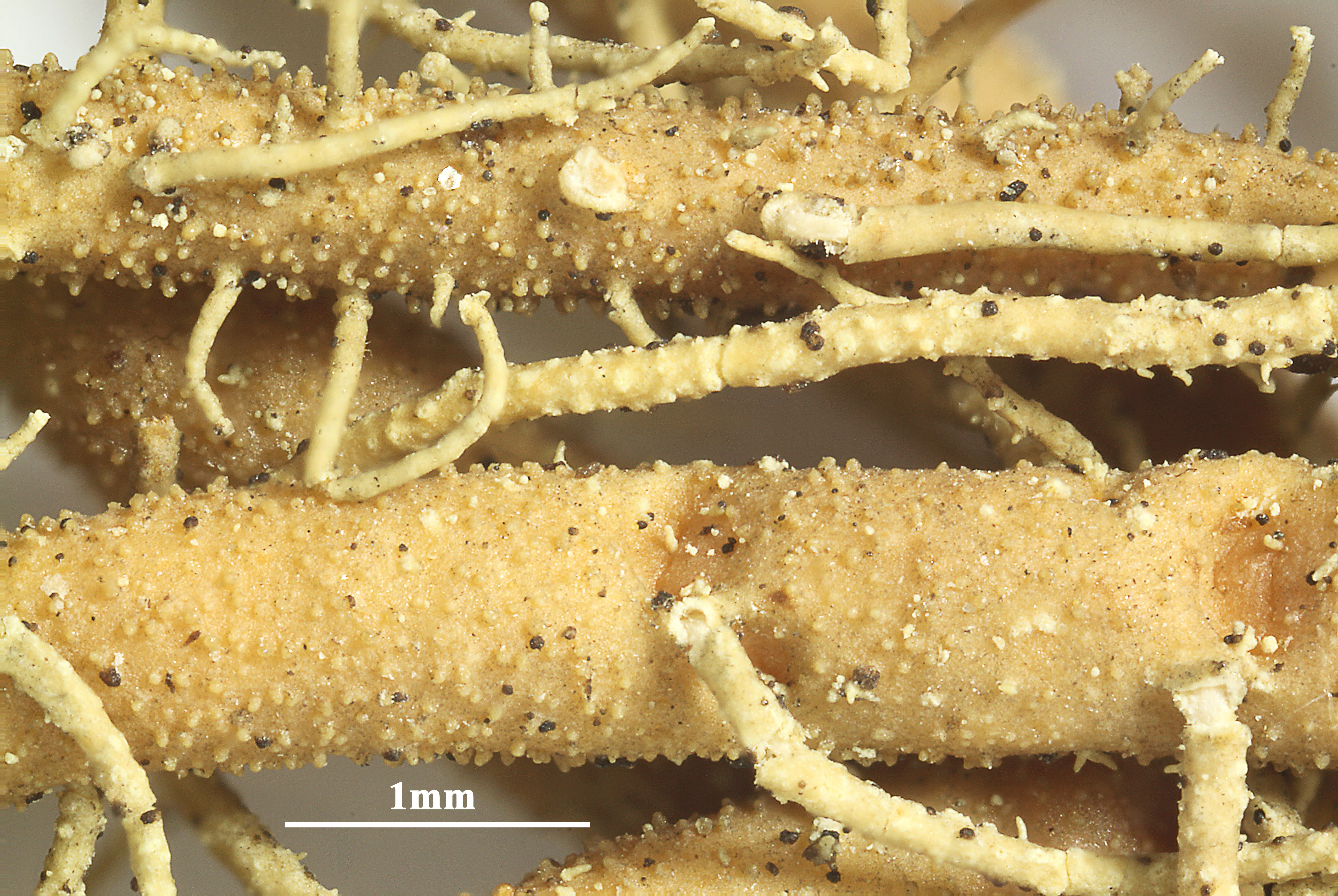
Felix Schumm - CC BY-SA 4.0
[1765], Italien, Südtirol, Reschen, bei der Kapelle, an Larix, ca. 1750 m. Leg. E. Putzler 3.8.1962, det. F. Schumm.
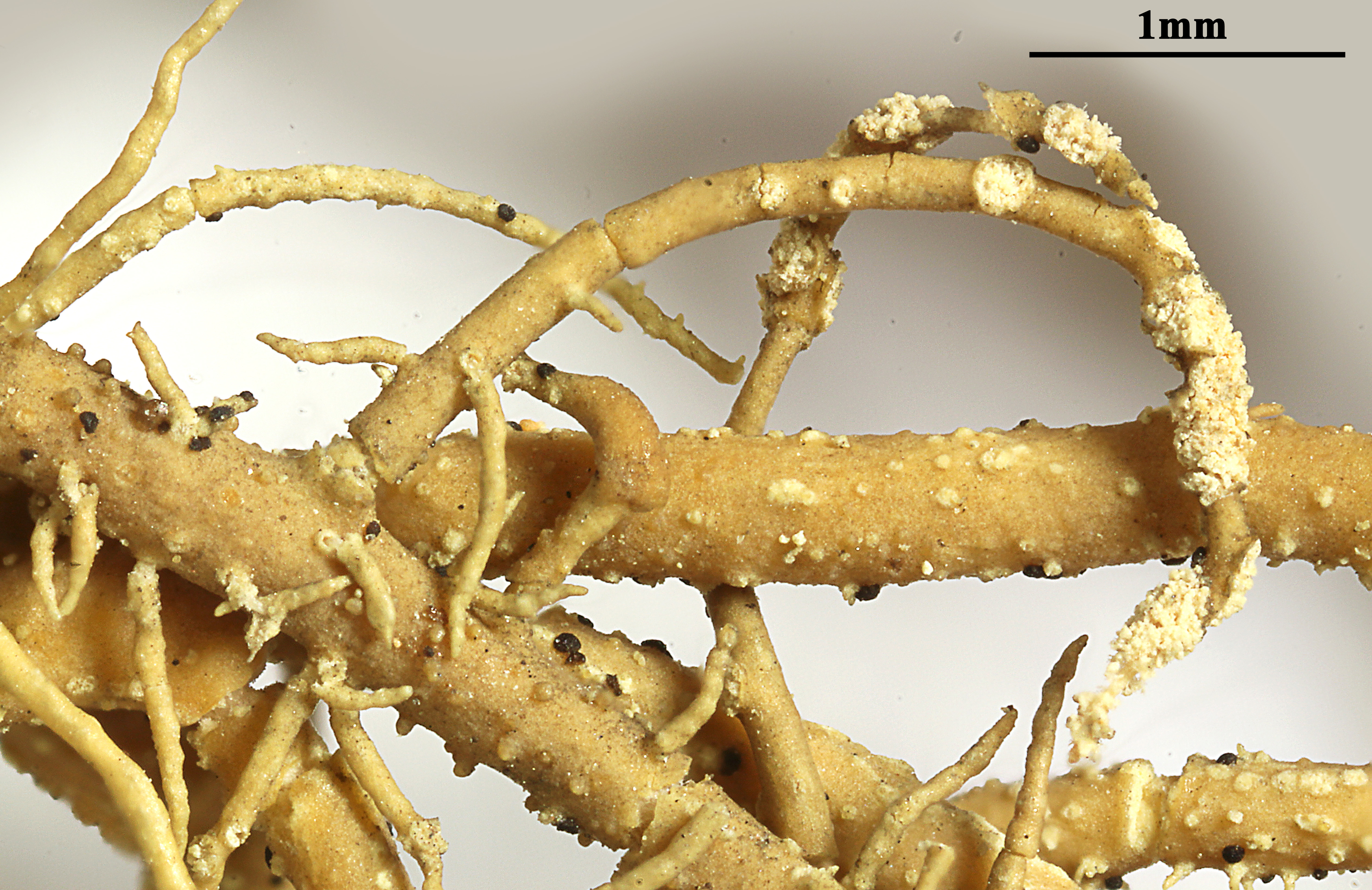
Felix Schumm - CC BY-SA 4.0
[1765], Italien, Südtirol, Reschen, bei der Kapelle, an Larix, ca. 1750 m. Leg. E. Putzler 3.8.1962, det. F. Schumm.
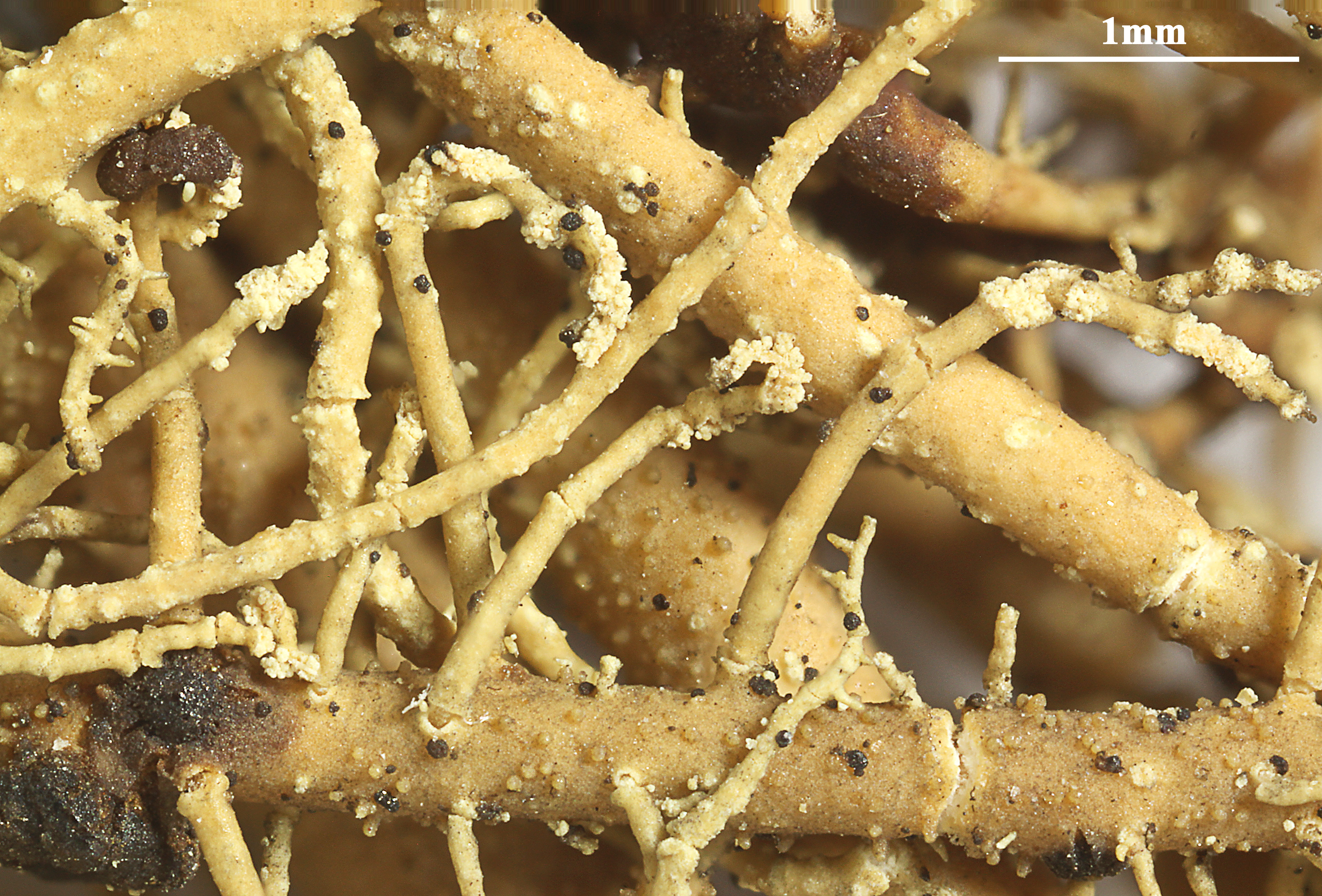
Felix Schumm - CC BY-SA 4.0
[1765], Italien, Südtirol, Reschen, bei der Kapelle, an Larix, ca. 1750 m. Leg. E. Putzler 3.8.1962, det. F. Schumm.
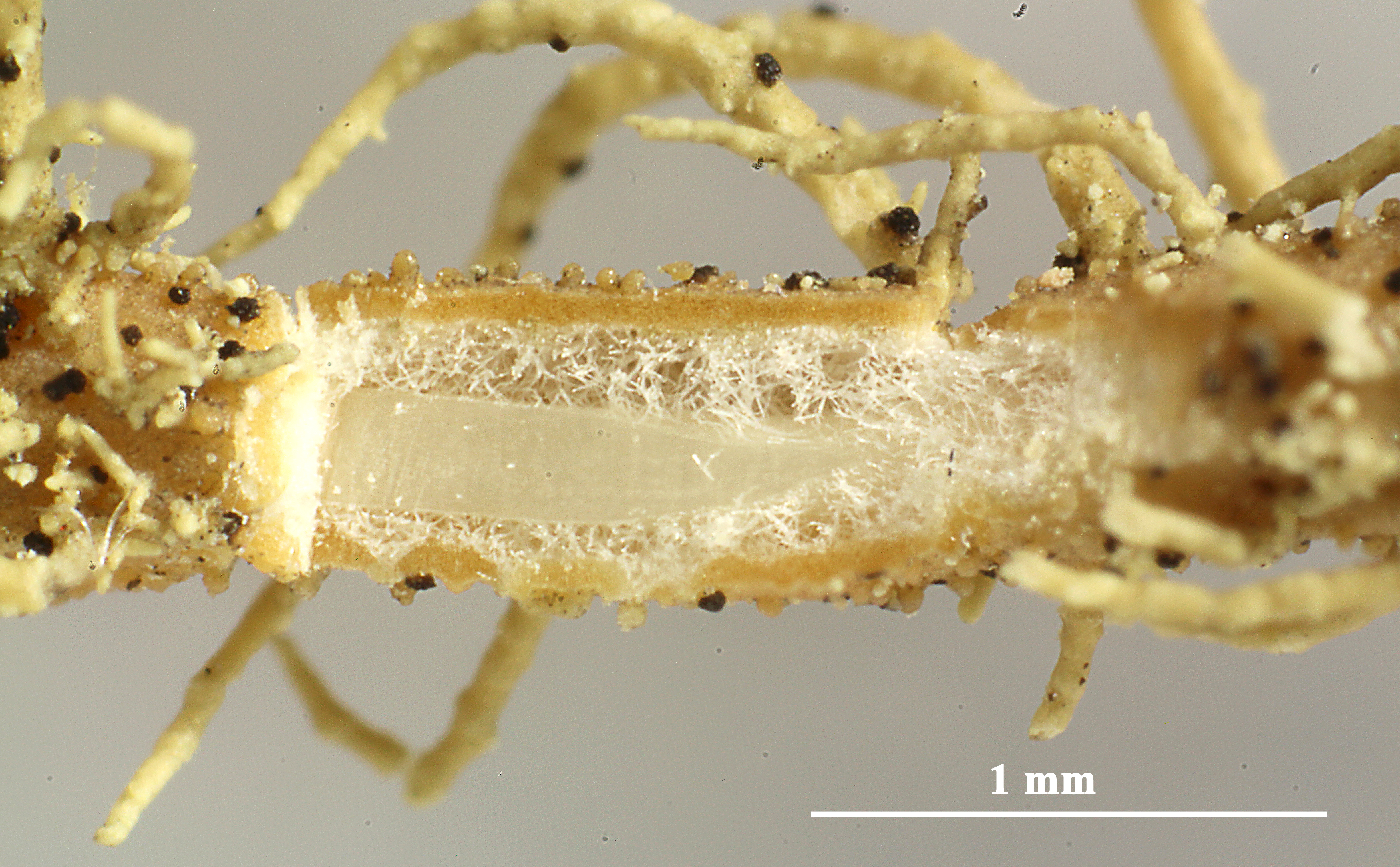
Felix Schumm - CC BY-SA 4.0
[1765], Italien, Südtirol, Reschen, bei der Kapelle, an Larix, ca. 1750 m. Leg. E. Putzler 3.8.1962, det. F. Schumm.
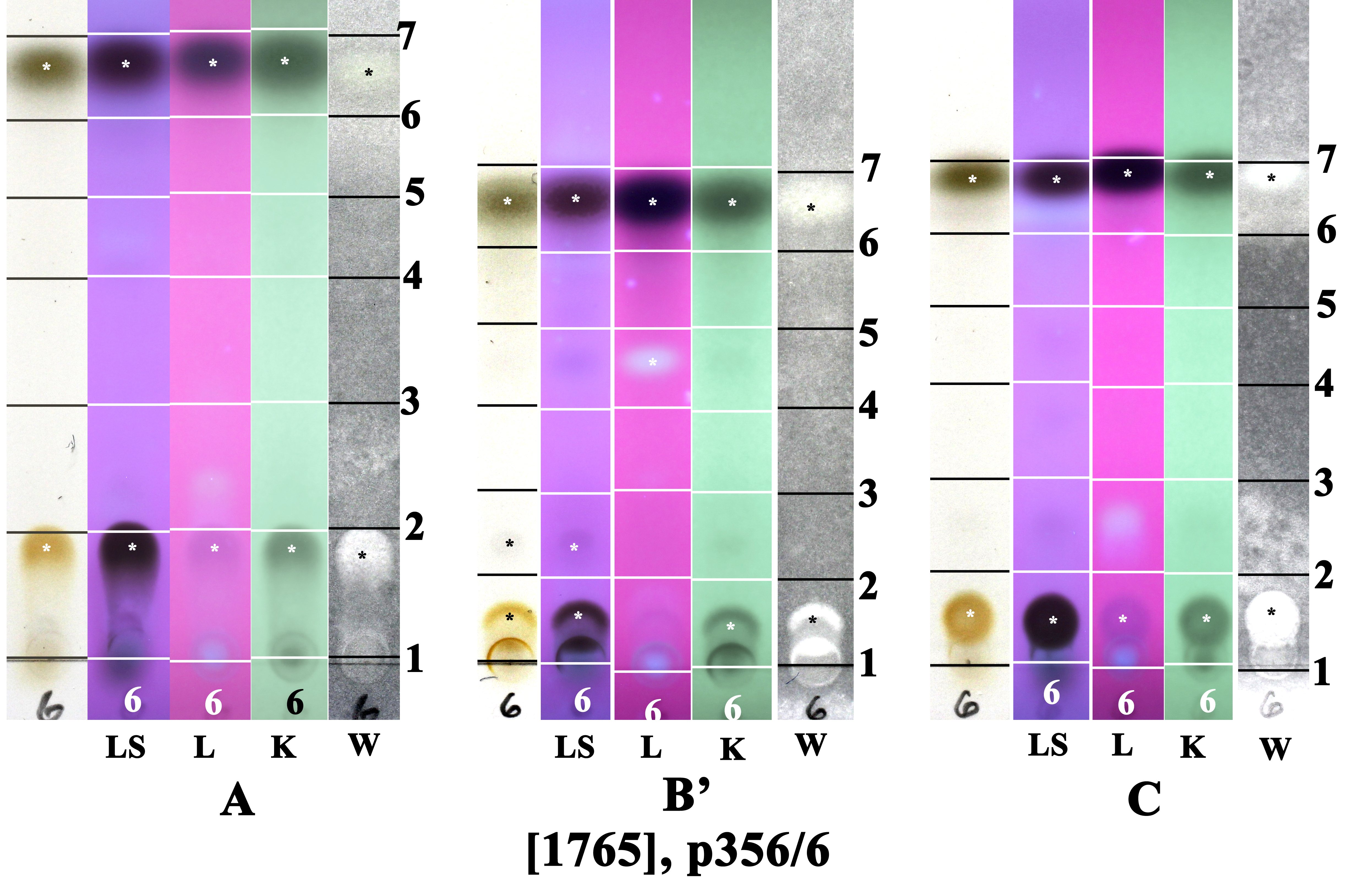
Felix Schumm - CC BY-SA 4.0
[1765], Italien, Südtirol, Reschen, bei der Kapelle, an Larix, ca. 1750 m. Leg. E. Putzler 3.8.1962, det. F. Schumm.
us: usnic acid, sa: salazinic acid, conf. J.A. Elix
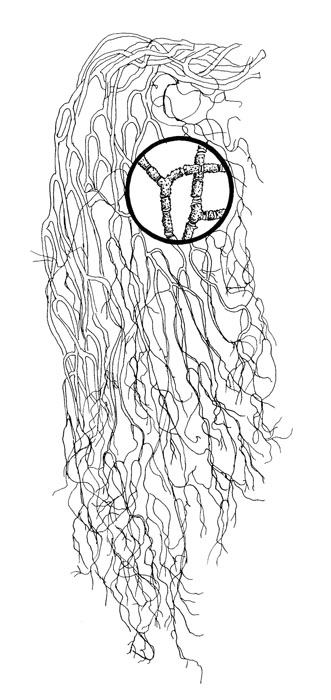
Triin Aimla; Owner: University of Tartu
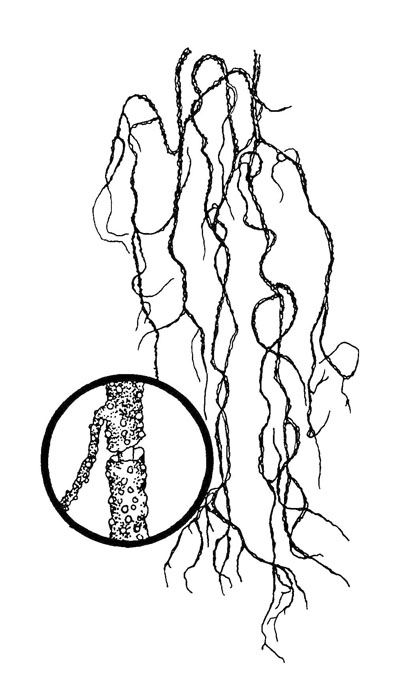
Triin Aimla; Owner: University of Tartu