Usnea ceratina Ach.
Lichenogr. Univ.: 619, 1810.
Synonyms:
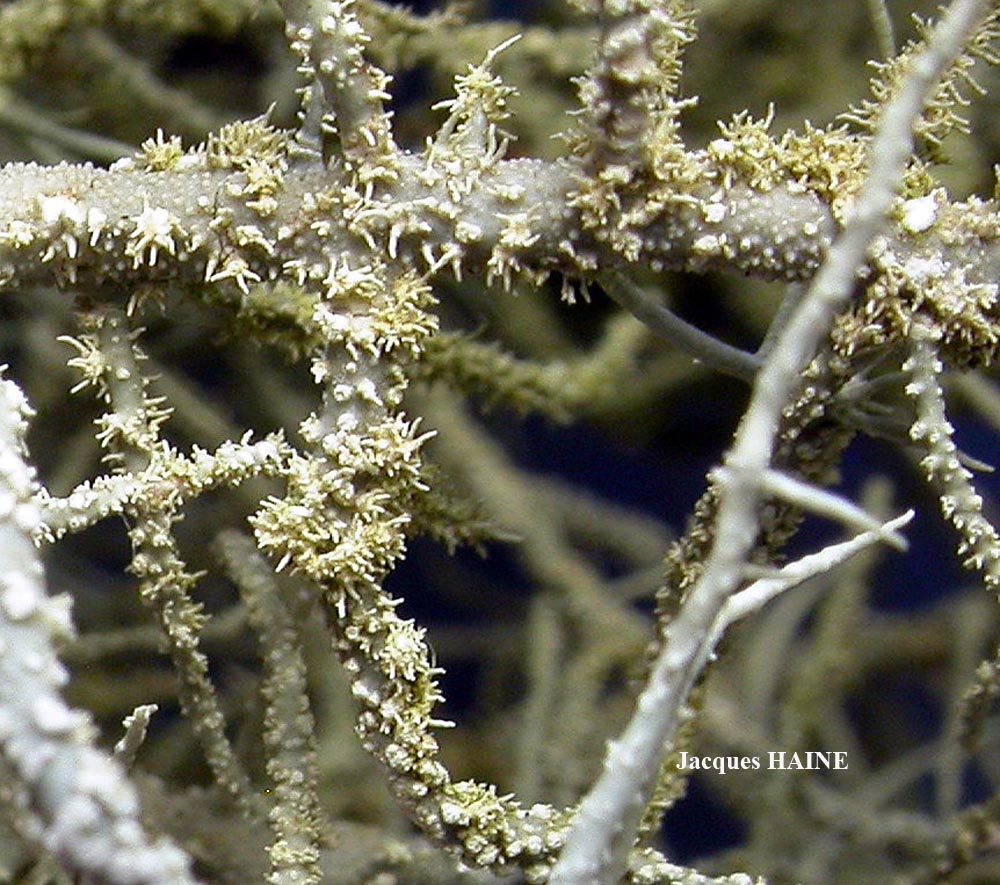
Description: Thallus fruticose-filamentous, rigid, greenish to greenish grey, shrubby when young, then pendulous, 20-30(-50) cm long, branching mainly isotomic-dichotomously with divergent to parallel branches. Main branches cylindrical or irregular, ochre-coloured or greenish grey at base, with numerous annular cracks, the segments cylindrical to more or less sausage-like, terete to subangular, usually without foveoles or transverse furrows; fibrils and papillae sparse to numerous, the fibrils perpendicular to the main branches, up to 1 cm long; lateral branches not constricted at attachment point, with wart-like tubercles which become white at the top and bear stipitate, ulcerose soralia and/or isidiomorphs. Soralia originating from the top of tubercles or occasionally on large fibrils, at first punctiform (<1/2 of branch diameter), finally sometimes completely covering the terminal branches; isidiomorphs rare to numerous, 0.1–0.2 mm long, clustered in the soralia. Cortex hard, vitreous in longitudinal section, 6-11% of total branch thickness; medulla dense to compact, 18-28%, pink (rarely white or yellowish); central axis pink to almost red, sometimes white or pale yellow, 26-48%; ratio axis/medulla ranging between 1.1 and 2.7. Apothecia usually absent. Photobiont chlorococcoid. Spot tests: cortex K-, C-, KC-, P-; medulla K-, C+ yellow, CK+ yellow-orange, P-. Chemistry: cortex with usnic acid; medulla with diffractaic acid (major), and variable amounts of barbatic and 4-O-demethylbarbatic acids, rarely with squamatic acid.
Growth form: Fruticose filamentous
Substrata: bark
Photobiont: green algae other than Trentepohlia
Reproductive strategy: mainly asexual, by thallus fragmentation
Commonnes-rarity: (info)
Alpine belt: absent
Subalpine belt: rather rare
Montane belt: rather common
Dry submediterranean belt: extremely rare
Humid submediterranean belt: very rare
Padanian area: absent
pH of the substrata:
1 2 3 4 5

Solar irradiation:
1 2 3 4 5
Aridity:
1 2 3 4 5
Eutrophication:
1 2 3 4 5
Poleotolerance:
0 1 2 3
Altitudinal distribution:
1 2 3 4 5 6
Rarity
absent
extremely rare
very rare
rare
rather rare
rather common
common
very common
extremely common
Loading data...
Occurrence data
Predictive map
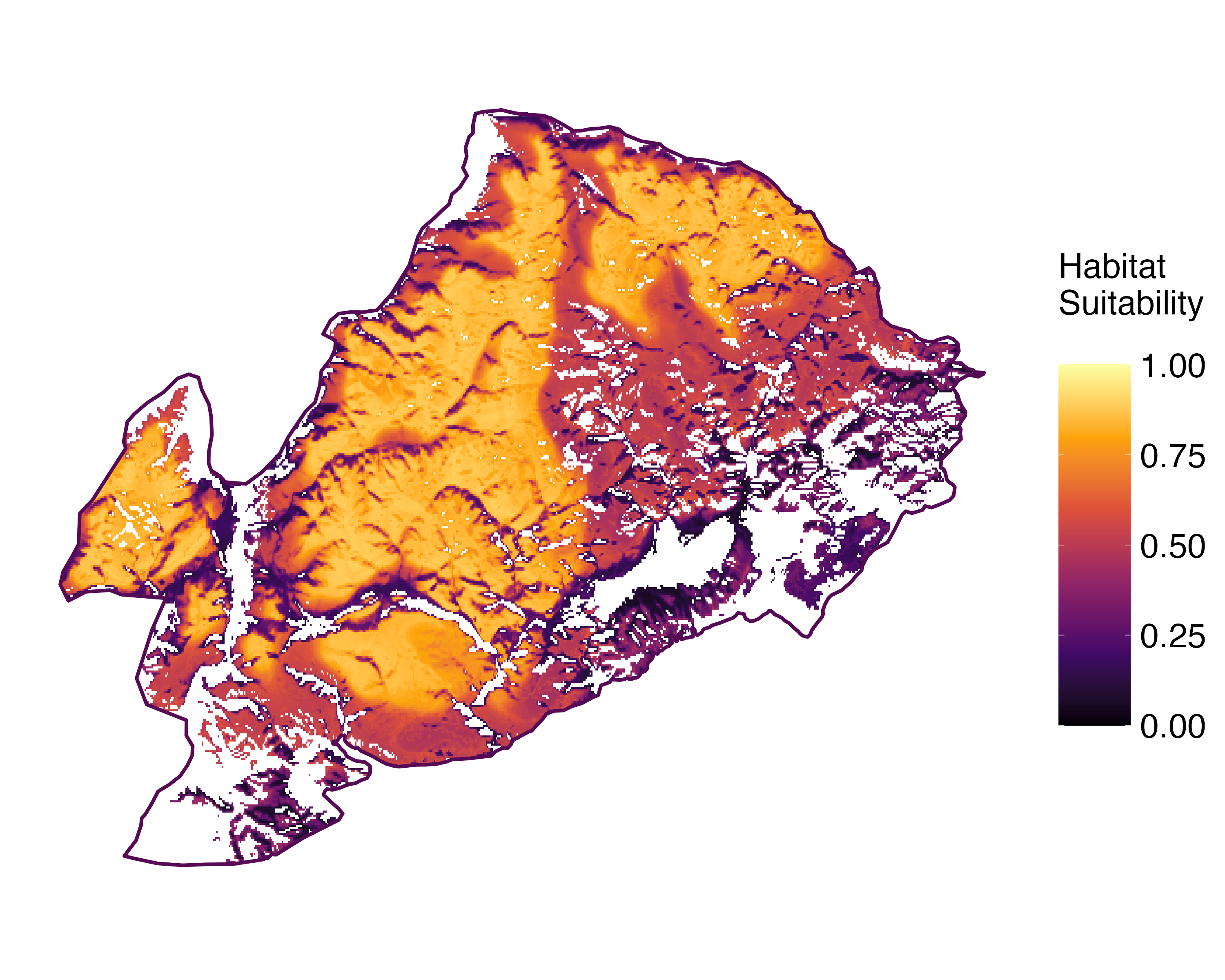 Current prediction (1981-2010)
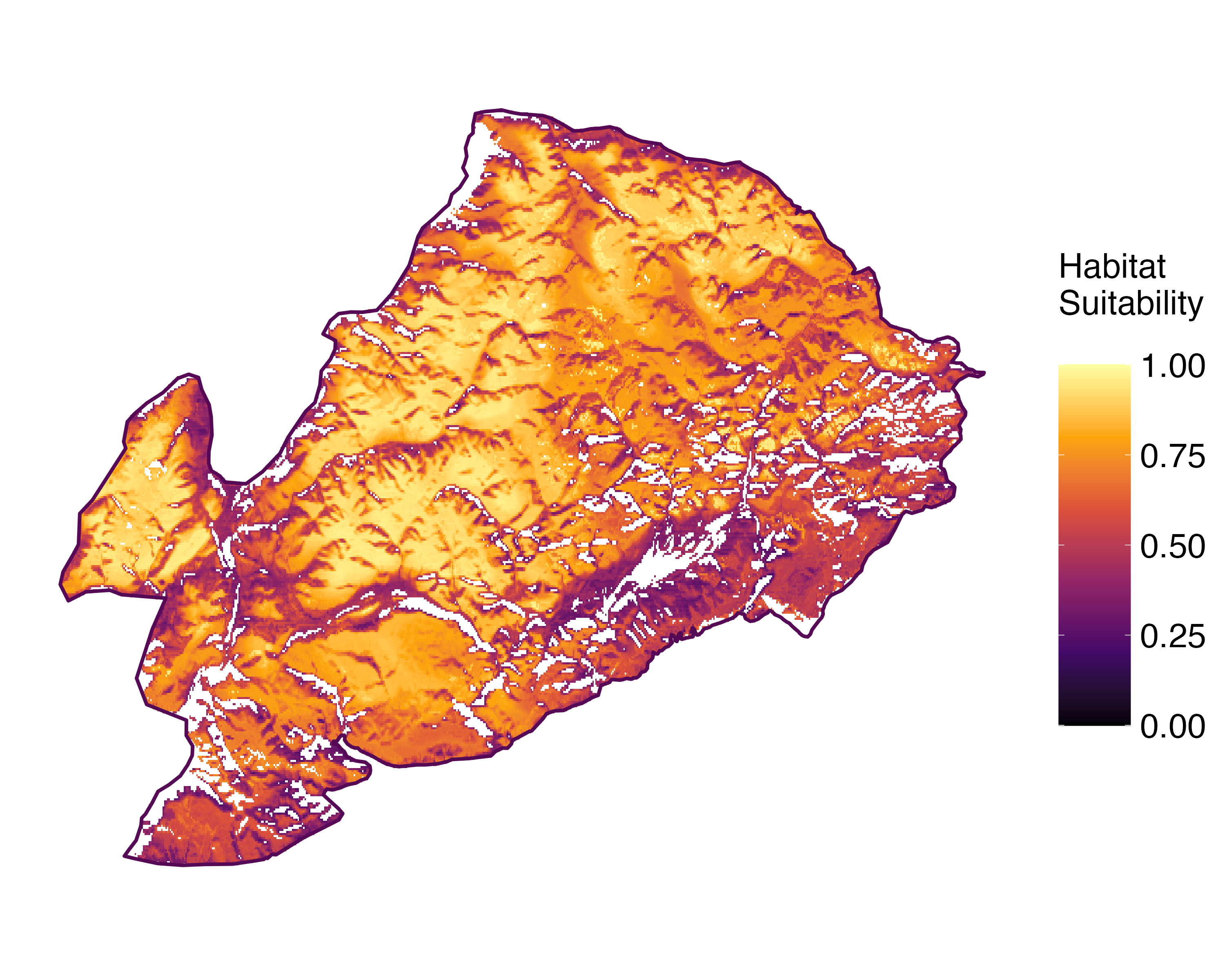 Future prediction (2071-2100) SSP 1-2.6
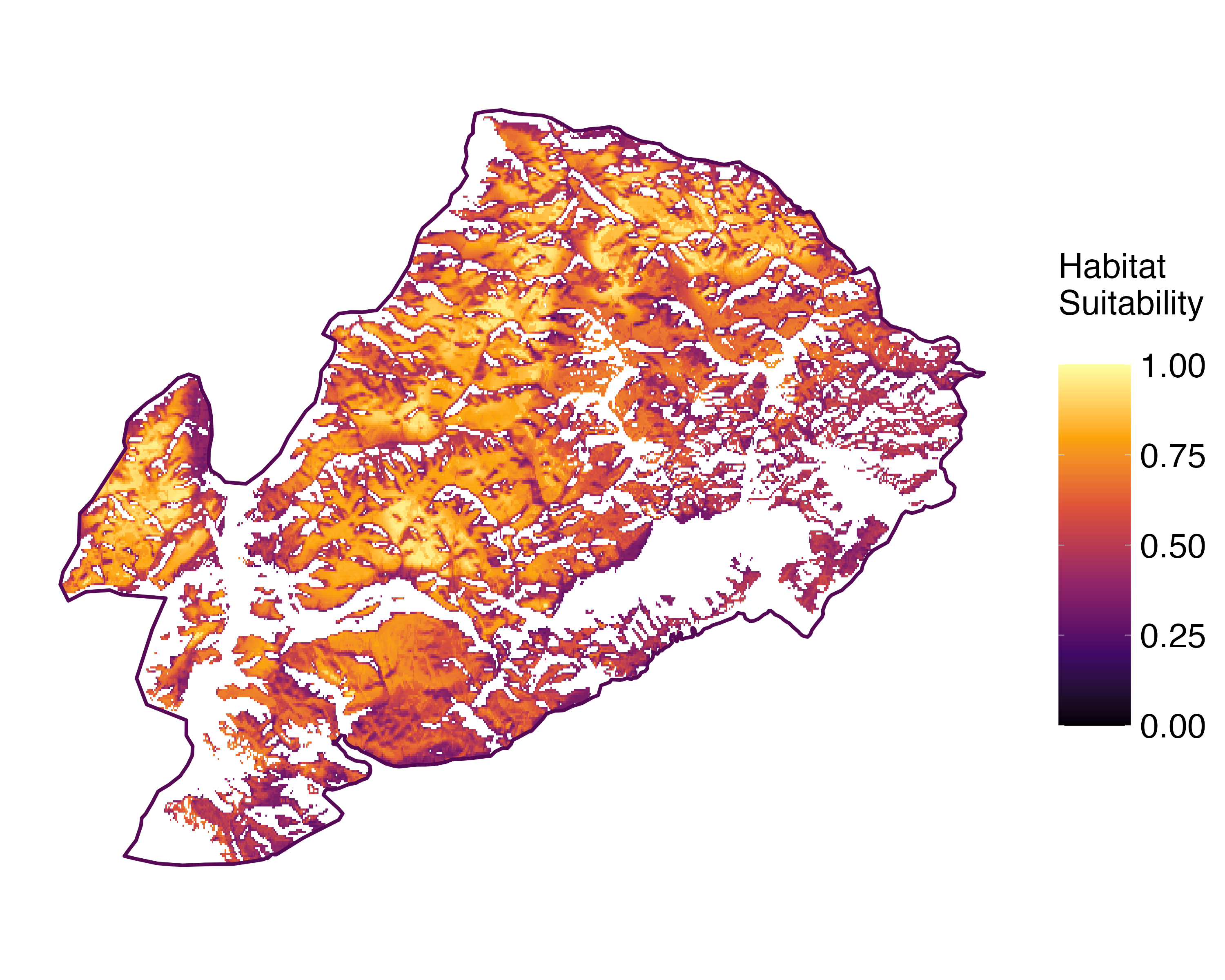 Future prediction (2071-2100) SSP 5-8.5Predictive maps according to Francesconi et al. 2025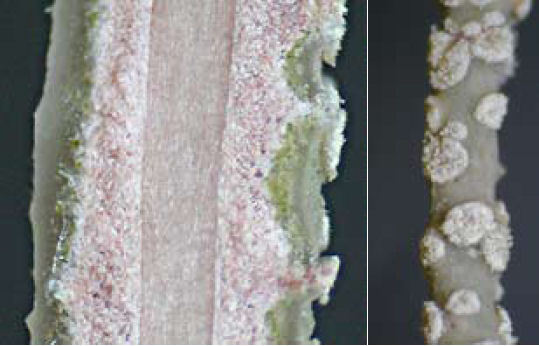
Tiiu Tõrra; Owner: Tiiu Tõrra - Institute of Ecology and Earth Sciences, University of Tartu, Estonia
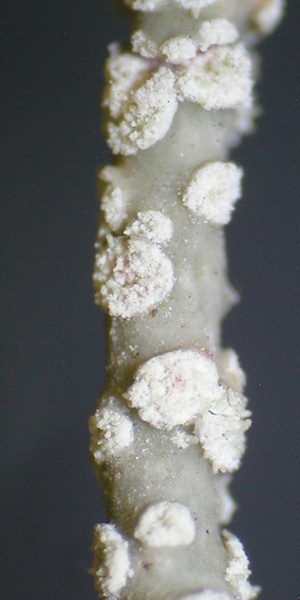
Tiiu Tõrra; Owner: Tiiu Tõrra - Institute of Ecology and Earth Sciences, University of Tartu, Estonia
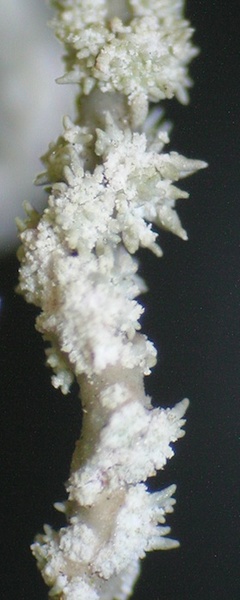
Tiiu Tõrra; Owner: Tiiu Tõrra - Institute of Ecology and Earth Sciences, University of Tartu, Estonia
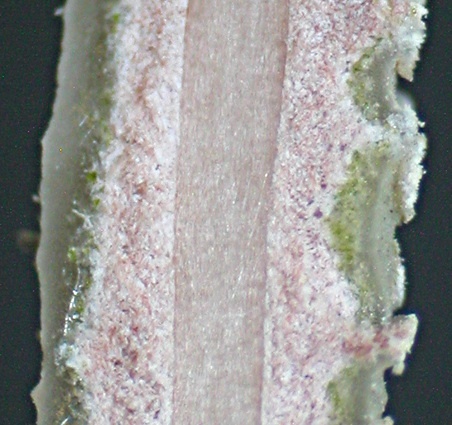
Tiiu Tõrra; Owner: Tiiu Tõrra - Institute of Ecology and Earth Sciences, University of Tartu, Estonia
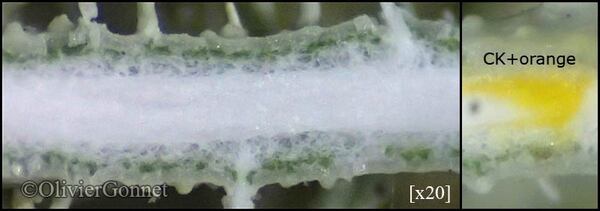
Courtesy Danièle et Olivier Gonnet - Source: hhttps://www.afl-lichenologie.fr/Photos_AFL/Photos_AFL_U/Usnea_ceratina.htm
France, 25/5/2015 - session AFL dans le Lot - Saint-Soz
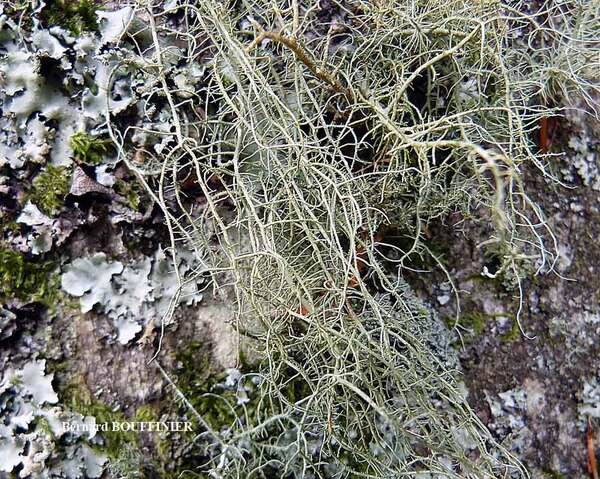
Bernard Bouffinier - Source: http://www.lichensmaritimes.org/index.php?task=fiche&lichen=603&lang=en
France, Scaër
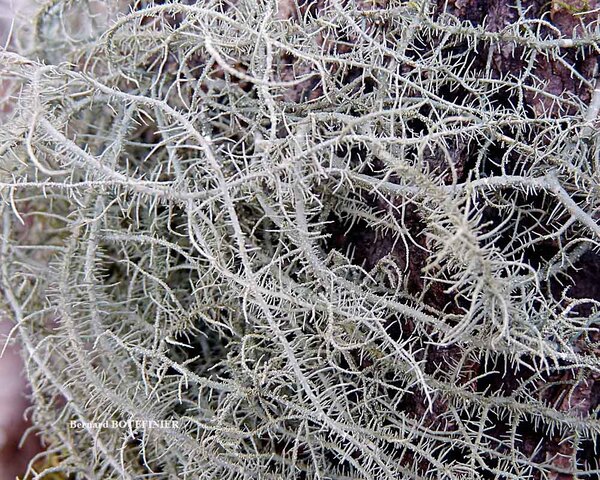
Bernard Bouffinier - Source: http://www.lichensmaritimes.org/index.php?task=fiche&lichen=603&lang=en
France, Forêt du Cranou
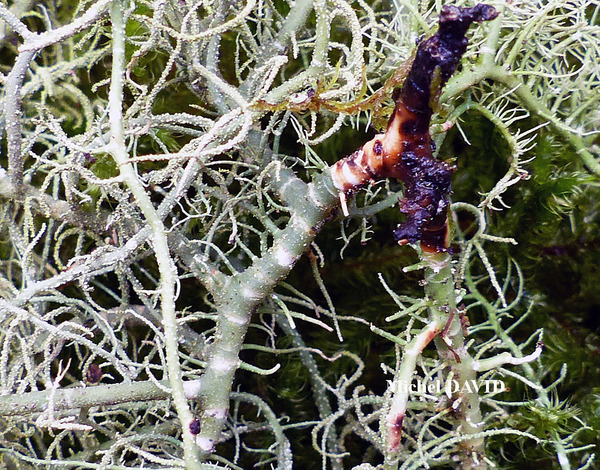
Michel David - Source: http://www.lichensmaritimes.org/index.php?task=fiche&lichen=603&lang=en
France, Forêt du Cranou
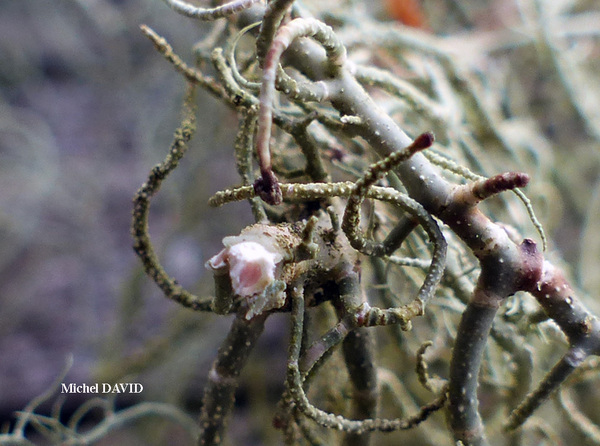
Michel David - Source: http://www.lichensmaritimes.org/index.php?task=fiche&lichen=603&lang=en
France, Forêt du Cranou
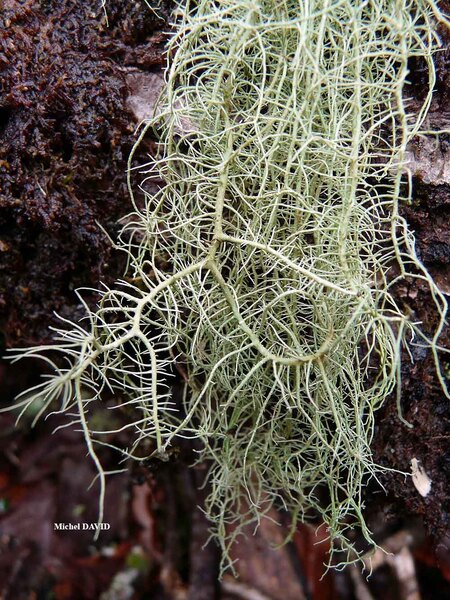
Michel David - Source: http://www.lichensmaritimes.org/index.php?task=fiche&lichen=603&lang=en
France, Forêt du Cranou
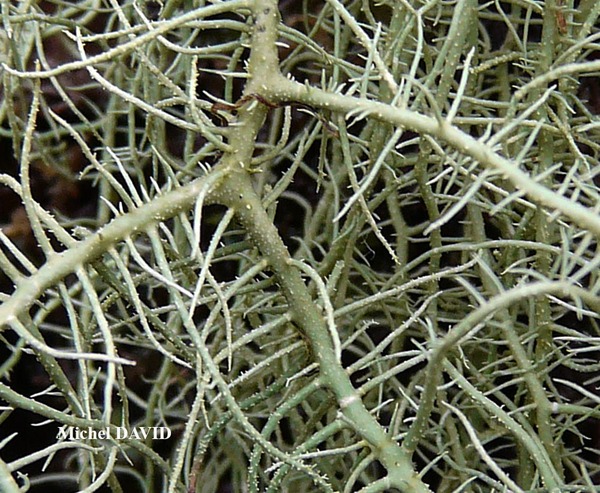
Michel David - Source: http://www.lichensmaritimes.org/index.php?task=fiche&lichen=603&lang=en
France, Forêt du Cranou
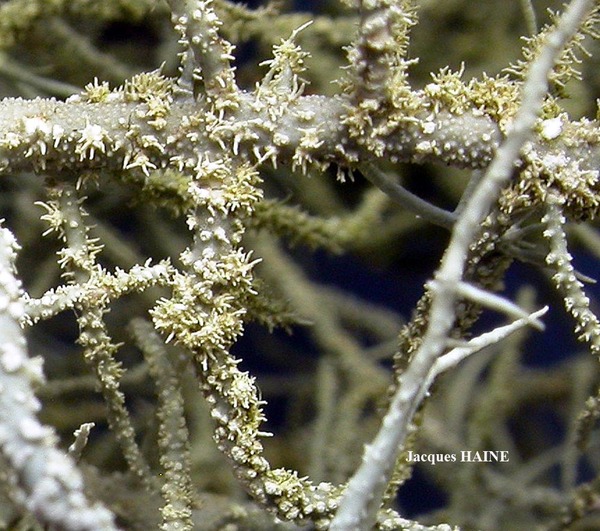
Jacques Haine - Source: http://www.lichensmaritimes.org/index.php?task=fiche&lichen=603&lang=en
France, Ardennes
Growth form: Fruticose filamentous
Substrata: bark
Photobiont: green algae other than Trentepohlia
Reproductive strategy: mainly asexual, by thallus fragmentation
Commonnes-rarity: (info)
Alpine belt: absent
Subalpine belt: rather rare
Montane belt: rather common
Dry submediterranean belt: extremely rare
Humid submediterranean belt: very rare
Padanian area: absent
pH of the substrata:
| 1 | 2 | 3 | 4 | 5 |
Solar irradiation:
| 1 | 2 | 3 | 4 | 5 |
Aridity:
| 1 | 2 | 3 | 4 | 5 |
Eutrophication:
| 1 | 2 | 3 | 4 | 5 |
Poleotolerance:
| 0 | 1 | 2 | 3 |
Altitudinal distribution:
| 1 | 2 | 3 | 4 | 5 | 6 |
Rarity
absent
extremely rare
very rare
rare
rather rare
rather common
common
very common
extremely common
Loading data...
Occurrence data
Predictive map
Current prediction (1981-2010)Future prediction (2071-2100) SSP 1-2.6Future prediction (2071-2100) SSP 5-8.5Predictive maps according to Francesconi et al. 2025
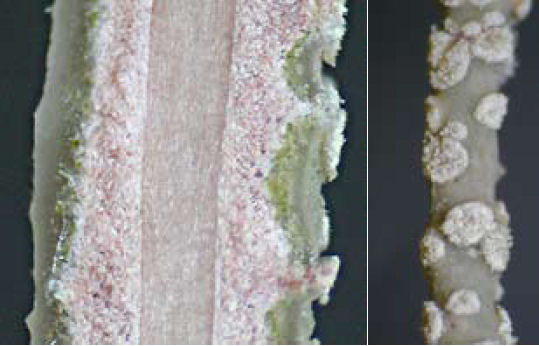
Tiiu Tõrra; Owner: Tiiu Tõrra - Institute of Ecology and Earth Sciences, University of Tartu, Estonia
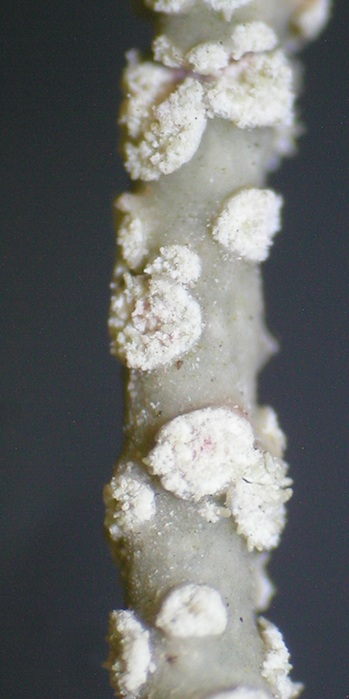
Tiiu Tõrra; Owner: Tiiu Tõrra - Institute of Ecology and Earth Sciences, University of Tartu, Estonia
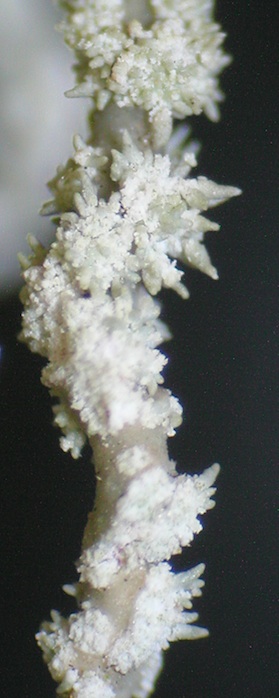
Tiiu Tõrra; Owner: Tiiu Tõrra - Institute of Ecology and Earth Sciences, University of Tartu, Estonia
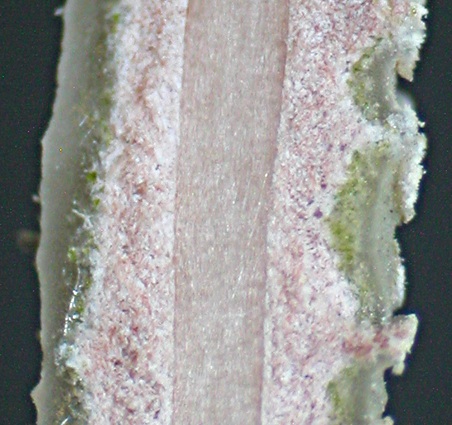
Tiiu Tõrra; Owner: Tiiu Tõrra - Institute of Ecology and Earth Sciences, University of Tartu, Estonia
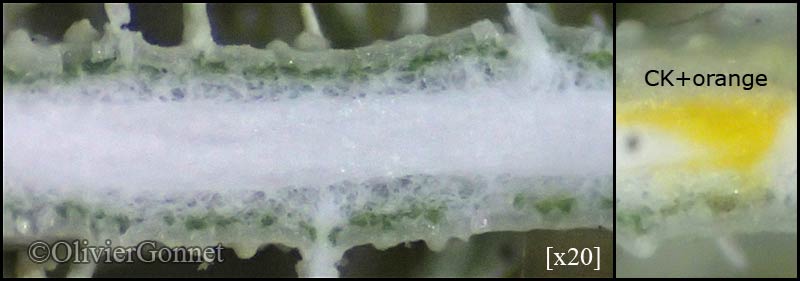
Courtesy Danièle et Olivier Gonnet - Source: hhttps://www.afl-lichenologie.fr/Photos_AFL/Photos_AFL_U/Usnea_ceratina.htm
France, 25/5/2015 - session AFL dans le Lot - Saint-Soz
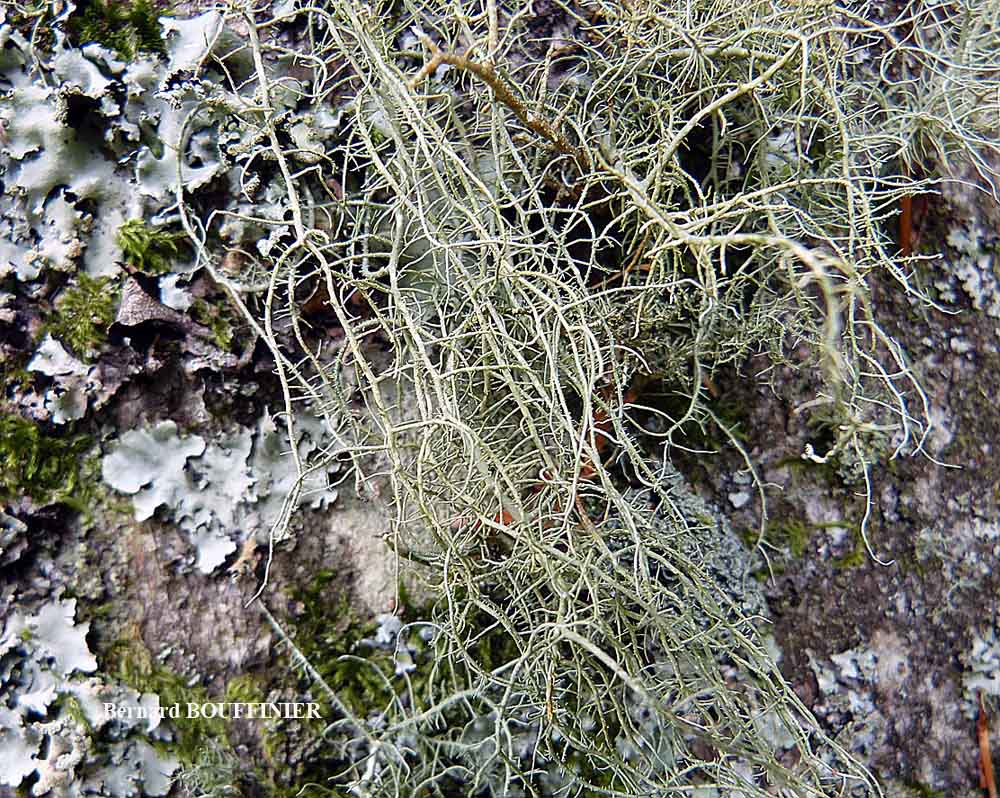
Bernard Bouffinier - Source: http://www.lichensmaritimes.org/index.php?task=fiche&lichen=603&lang=en
France, Scaër
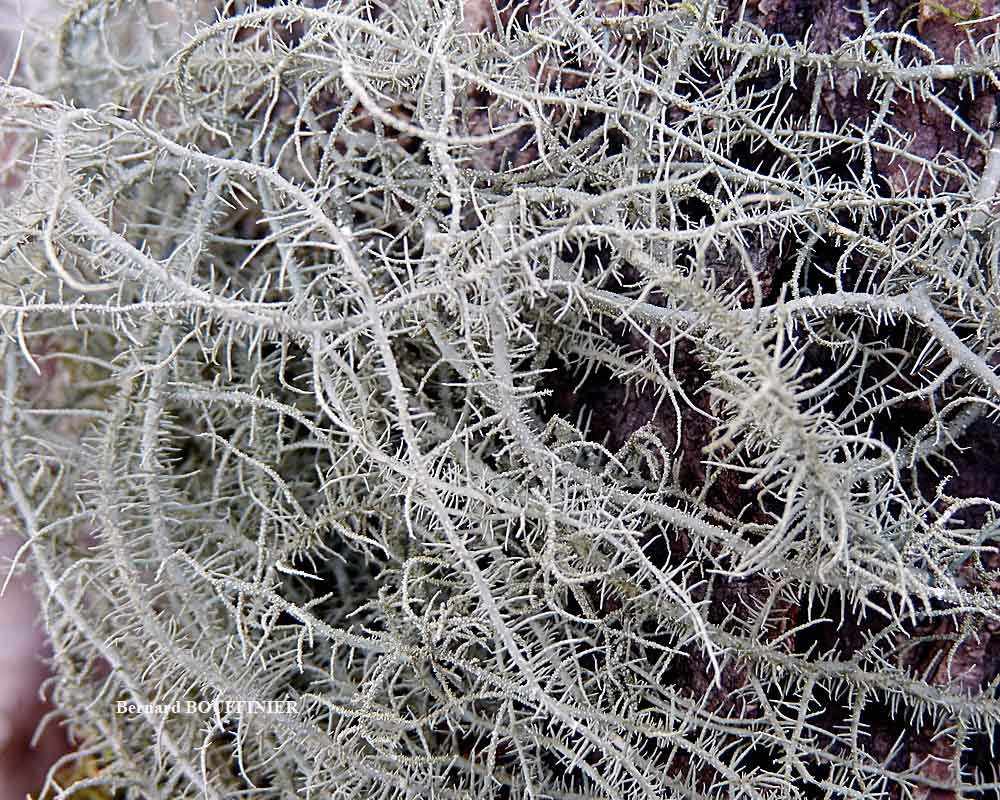
Bernard Bouffinier - Source: http://www.lichensmaritimes.org/index.php?task=fiche&lichen=603&lang=en
France, Forêt du Cranou
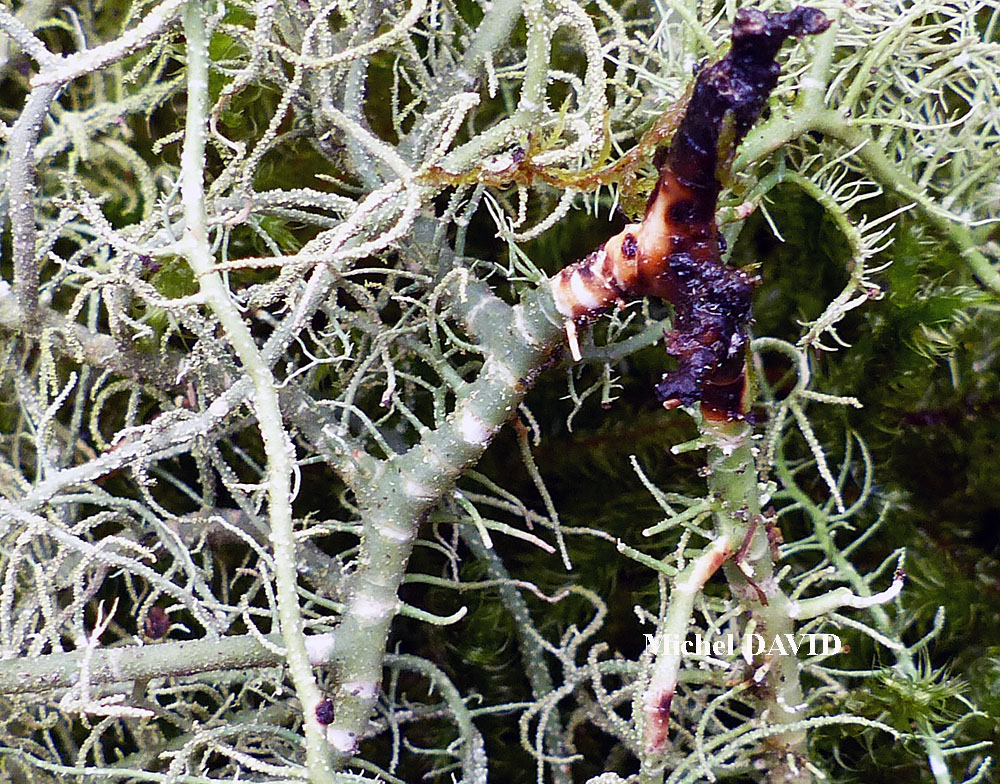
Michel David - Source: http://www.lichensmaritimes.org/index.php?task=fiche&lichen=603&lang=en
France, Forêt du Cranou
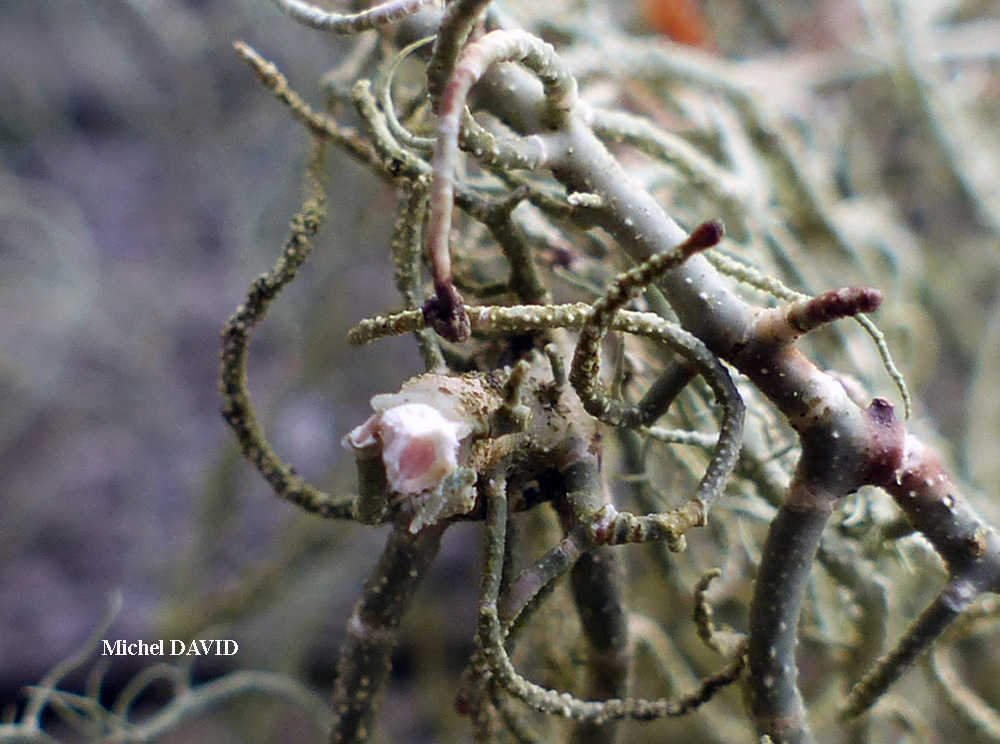
Michel David - Source: http://www.lichensmaritimes.org/index.php?task=fiche&lichen=603&lang=en
France, Forêt du Cranou
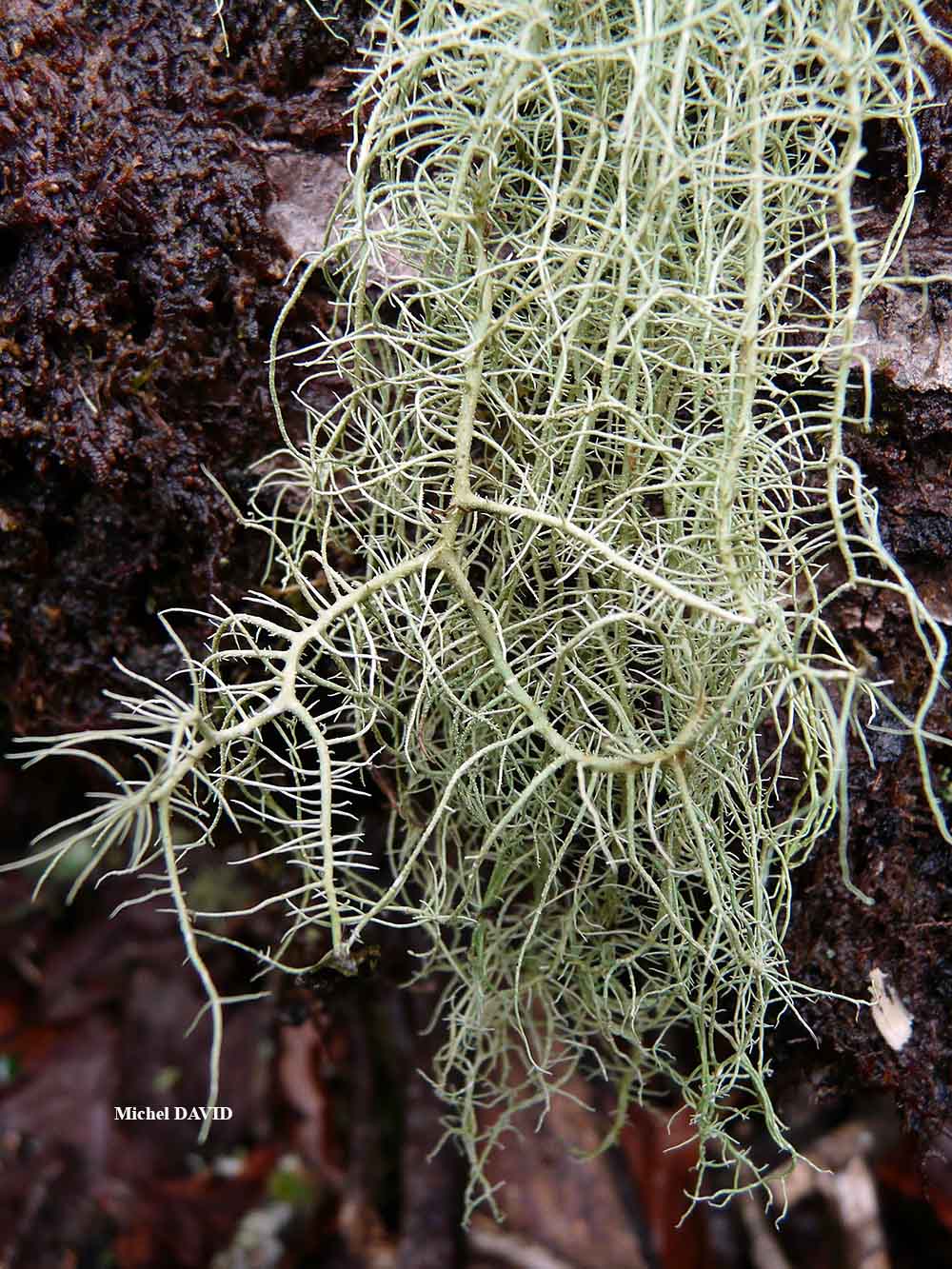
Michel David - Source: http://www.lichensmaritimes.org/index.php?task=fiche&lichen=603&lang=en
France, Forêt du Cranou
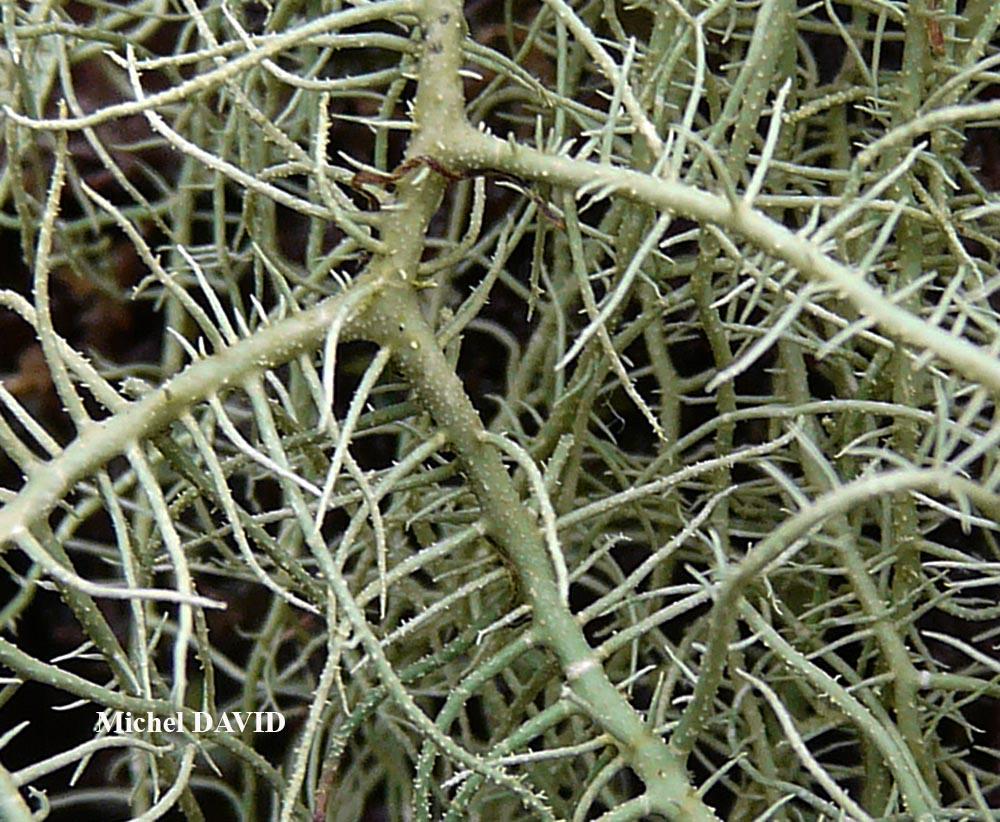
Michel David - Source: http://www.lichensmaritimes.org/index.php?task=fiche&lichen=603&lang=en
France, Forêt du Cranou