Usnea longissima Ach.
Lichenogr. Univ.: 626, 1810.
Synonyms: Dolichousnea longissima (Ach.) Articus
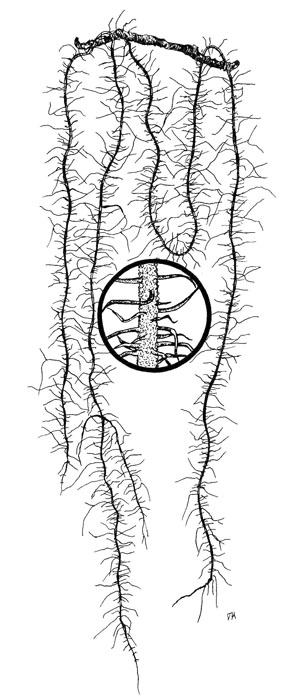
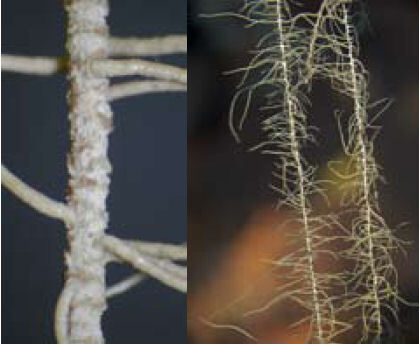
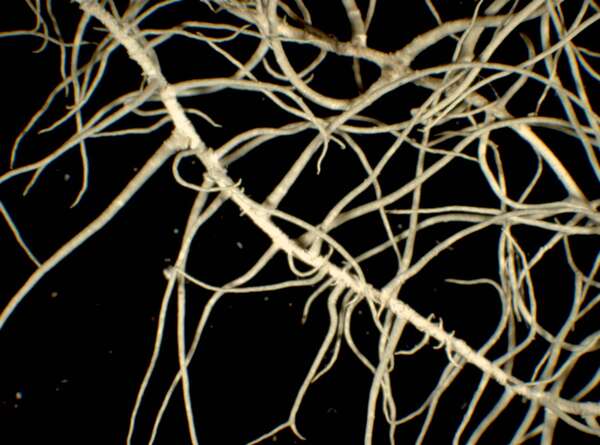
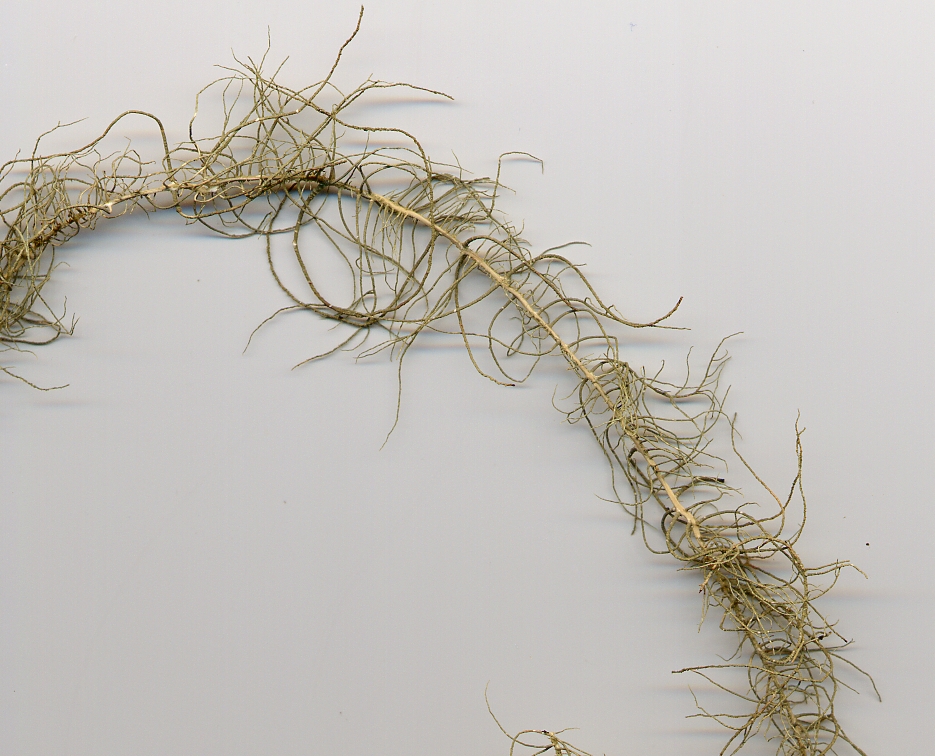
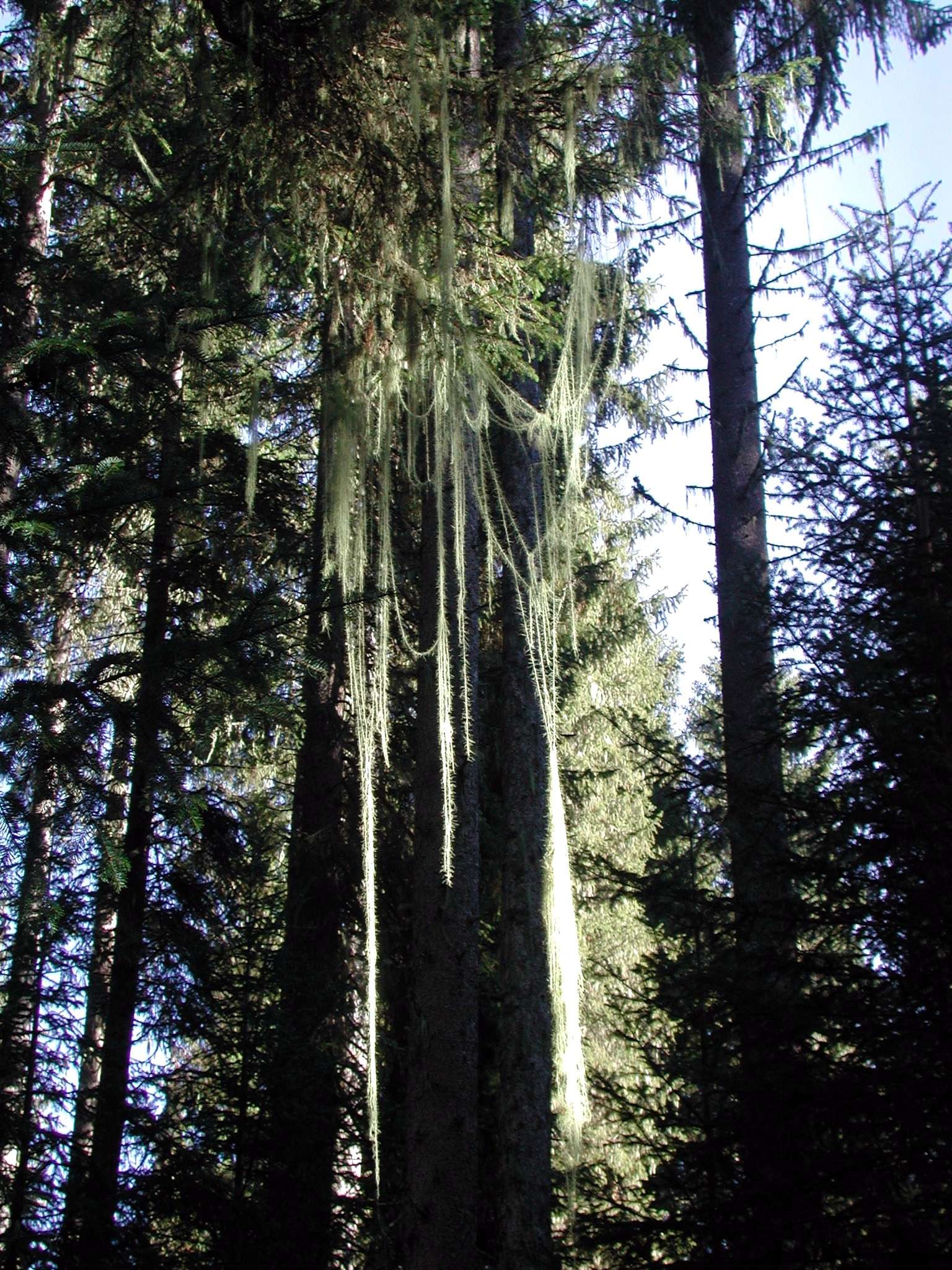
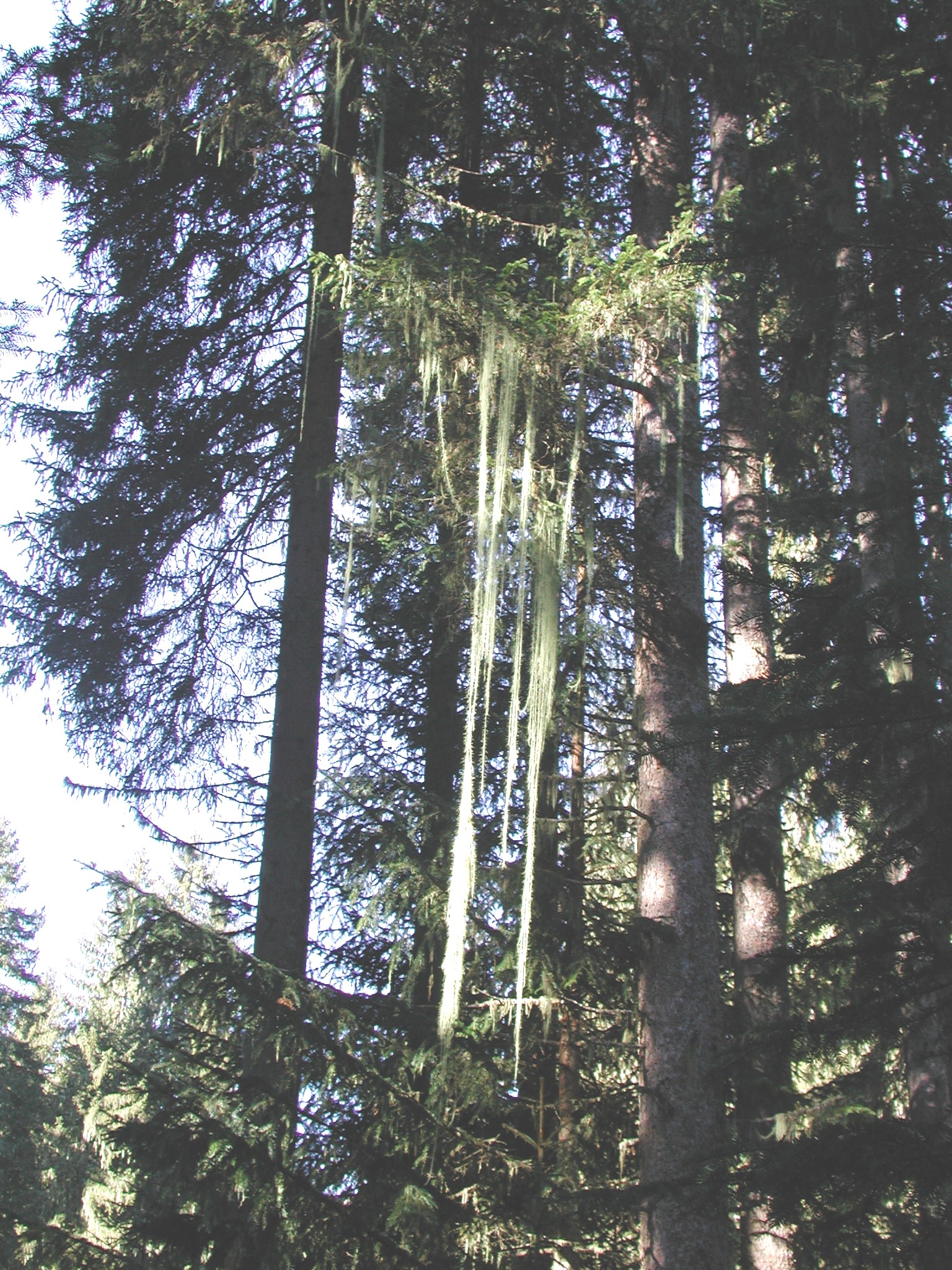
Description: Thallus fruticose-filamentous, greenish, long-pendulous (up to 3 m long), branching sparsely with strongly parallel, more or less isodiametrical main branches, the base blackened but usually difficult to observe, as the thalli tend to fragment and form several attachment points on tree branches. Main branches cylindrical, 4-5 mm thick, sparingly isotomic-dichotomously divided (with parallel branches) or most frequently simple, with numerous, perpendicular, 2-5 cm long fibrils; lateral branches scarce, not constricted at attachment point, very thin and resembling fibrils. Papillae absent; isidiomorphs and soralia rarely present on side branches. Cortex thin (2-5% of total thickness), at first with annular cracks, but soon disintegrating on the primary branches, exposing the thin (6-12%), compact, white medulla; central axis very thick (69-86%), at first white but becoming pink to almost red or brown in decorticated branches, reacting I+ blue; ratio axis/medulla 4-15. Apothecia usually absent. Photobiont chlorococcoid. Spot tests: cortex and medulla K-, C-, KC-. P-; medulla I+ blue. Chemistry: cortex with usnic acid; medulla with diffractaic and evernic acids; other chemotypes have been reported from other parts of the world.
Growth form: Fruticose filamentous
Substrata: bark
Photobiont: green algae other than Trentepohlia
Reproductive strategy: mainly asexual, by thallus fragmentation
Commonnes-rarity: (info)
Alpine belt: absent
Subalpine belt: extremely rare
Montane belt: extremely rare
Dry submediterranean belt: absent
Humid submediterranean belt: absent
Padanian area: absent
pH of the substrata:
1 2 3 4 5

Solar irradiation:
1 2 3 4 5
Aridity:
1 2 3 4 5
Eutrophication:
1 2 3 4 5
Poleotolerance:
0 1 2 3
Altitudinal distribution:
1 2 3 4 5 6
Rarity
absent
extremely rare
very rare
rare
rather rare
rather common
common
very common
extremely common
Loading data...
Occurrence data
Predictive map
Tiiu Tõrra; Owner: Tiiu Tõrra - Institute of Ecology and Earth Sciences, University of Tartu, Estonia
P.L. Nimis; Owner: Department of Life Sciences, University of Trieste
Herbarium: TSB (5317)
2001/12/12
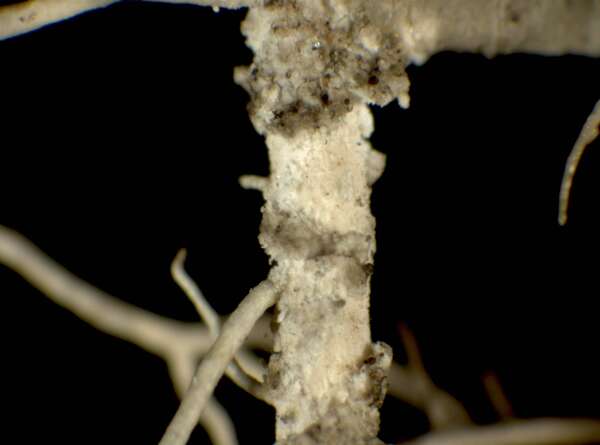
P.L. Nimis; Owner: Department of Life Sciences, University of Trieste
Herbarium: TSB (5317)
2001/12/12
main branch
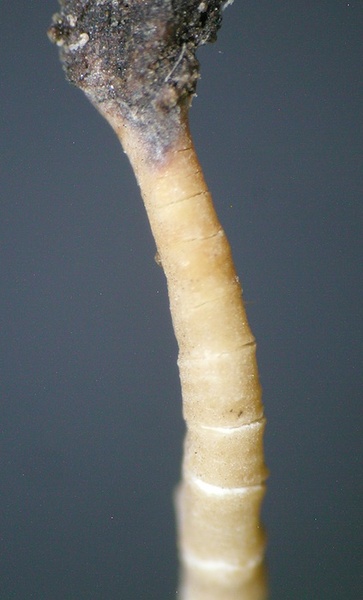
Tiiu Tõrra; Owner: Tiiu Tõrra - Institute of Ecology and Earth Sciences, University of Tartu, Estonia
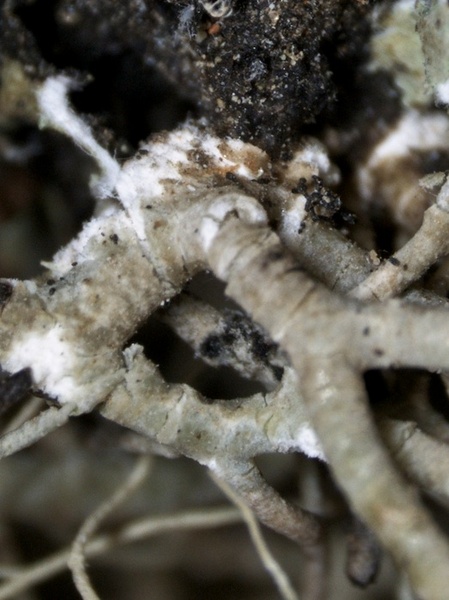
Tiiu Tõrra; Owner: Tiiu Tõrra - Institute of Ecology and Earth Sciences, University of Tartu, Estonia
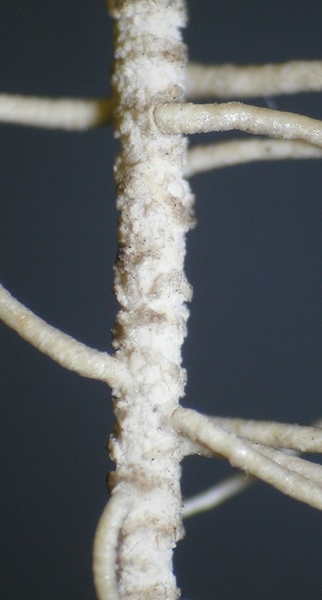
Tiiu Tõrra; Owner: Tiiu Tõrra - Institute of Ecology and Earth Sciences, University of Tartu, Estonia
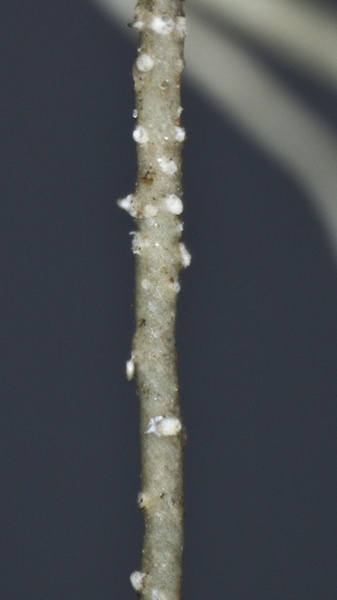
Tiiu Tõrra; Owner: Tiiu Tõrra - Institute of Ecology and Earth Sciences, University of Tartu, Estonia
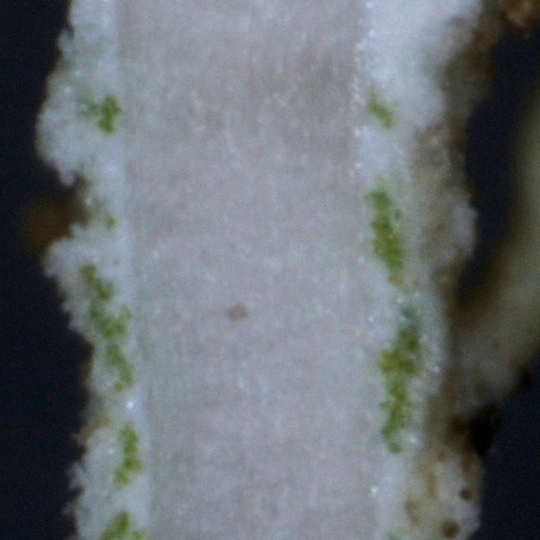
Tiiu Tõrra; Owner: Tiiu Tõrra - Institute of Ecology and Earth Sciences, University of Tartu, Estonia
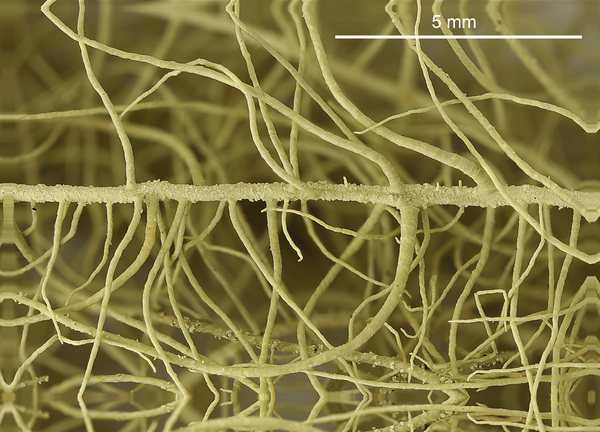
Felix Schumm - CC BY-SA 4.0
[1925], Österreich, Kärnten, Reißeckgebiet, Zandlacher Boden an Nadelbäumen; leg. W. Repetzky 1970.
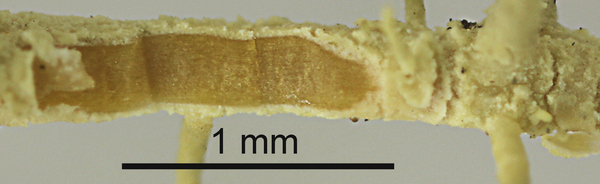
Felix Schumm - CC BY-SA 4.0
[1925], Österreich, Kärnten, Reißeckgebiet, Zandlacher Boden an Nadelbäumen; leg. W. Repetzky 1970.
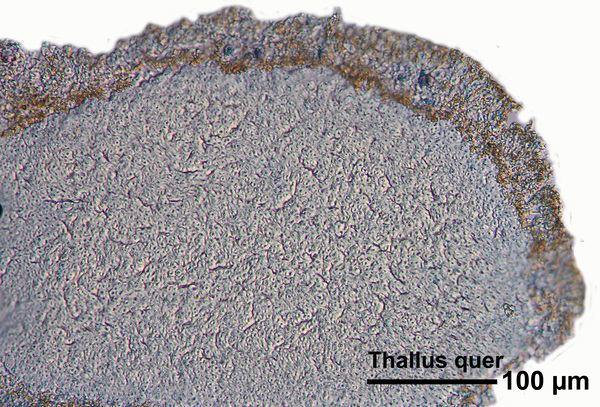
Felix Schumm - CC BY-SA 4.0
[1925], Österreich, Kärnten, Reißeckgebiet, Zandlacher Boden an Nadelbäumen; leg. W. Repetzky 1970.
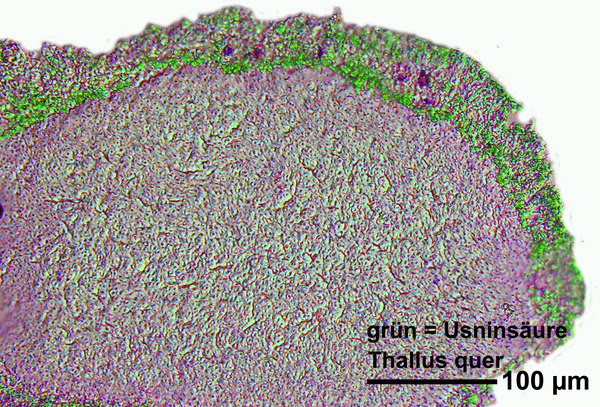
Felix Schumm - CC BY-SA 4.0
[1925], Österreich, Kärnten, Reißeckgebiet, Zandlacher Boden an Nadelbäumen; leg. W. Repetzky 1970.
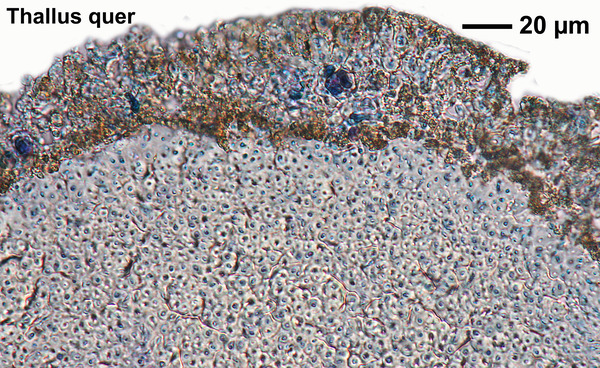
Felix Schumm - CC BY-SA 4.0
[1925], Österreich, Kärnten, Reißeckgebiet, Zandlacher Boden an Nadelbäumen; leg. W. Repetzky 1970.
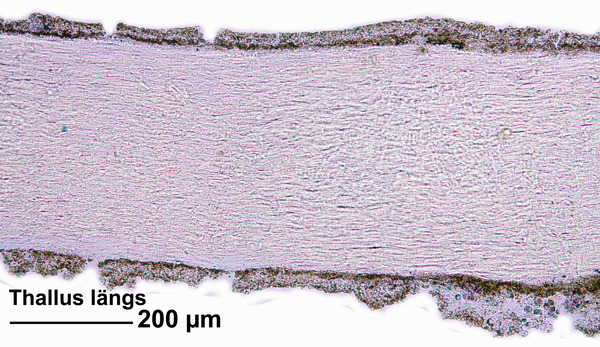
Felix Schumm - CC BY-SA 4.0
[1925], Österreich, Kärnten, Reißeckgebiet, Zandlacher Boden an Nadelbäumen; leg. W. Repetzky 1970.
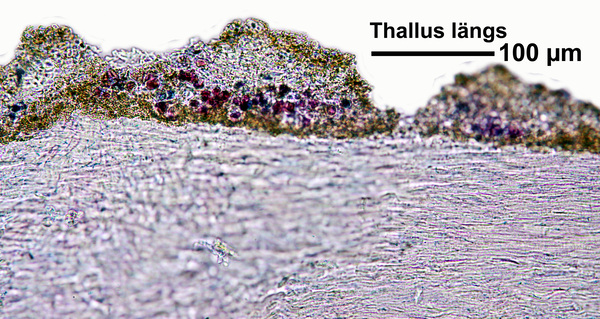
Felix Schumm - CC BY-SA 4.0
[1925], Österreich, Kärnten, Reißeckgebiet, Zandlacher Boden an Nadelbäumen; leg. W. Repetzky 1970.
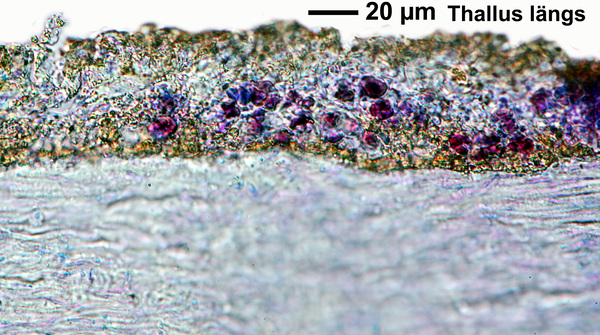
Felix Schumm - CC BY-SA 4.0
[1925], Österreich, Kärnten, Reißeckgebiet, Zandlacher Boden an Nadelbäumen; leg. W. Repetzky 1970.
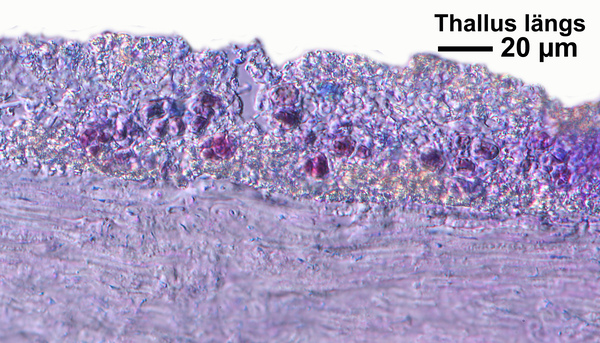
Felix Schumm - CC BY-SA 4.0
[1925], Österreich, Kärnten, Reißeckgebiet, Zandlacher Boden an Nadelbäumen; leg. W. Repetzky 1970.
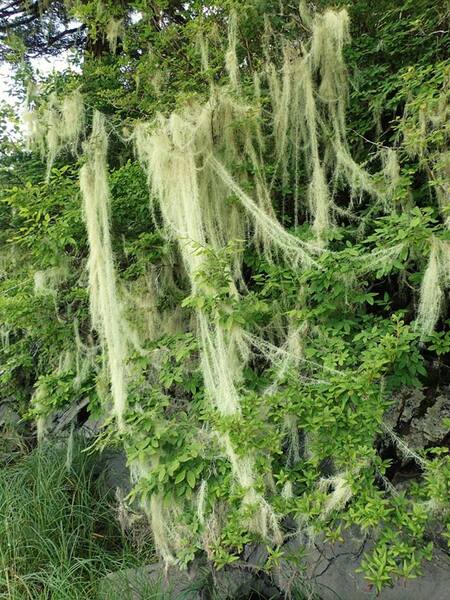
Curtis Randall Björk, - CC BY-SA 4.0
Skeena Estuary, British Columbia, Canada
August 2017
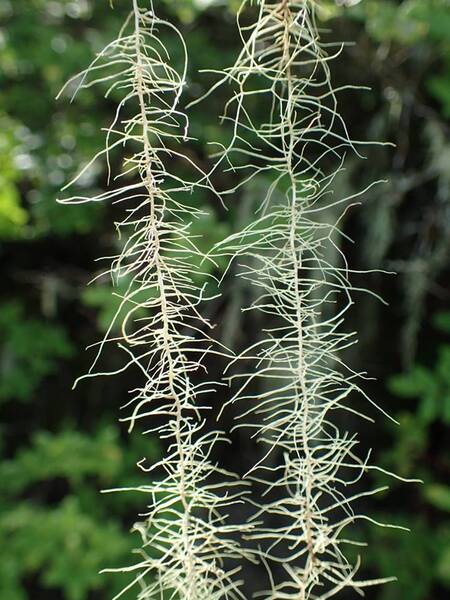
Curtis Randall Björk, - CC BY-SA 4.0
Skeena Estuary, British Columbia, Canada
August 2017
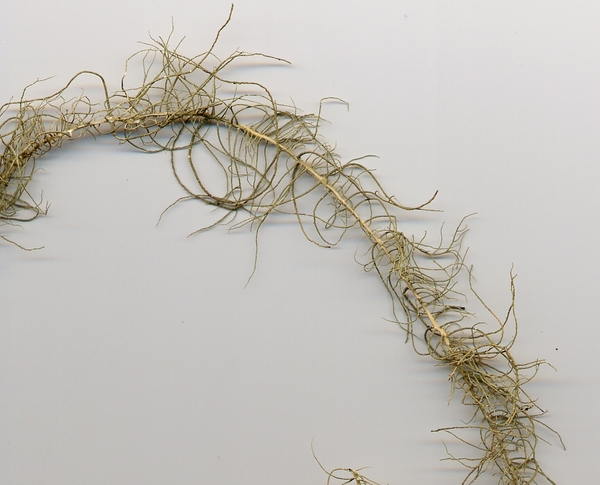
Juri Nascimbene - CC BY-SA 4.0
Italy, Veneto, Belluno, Val Visdende, Cadore
2007
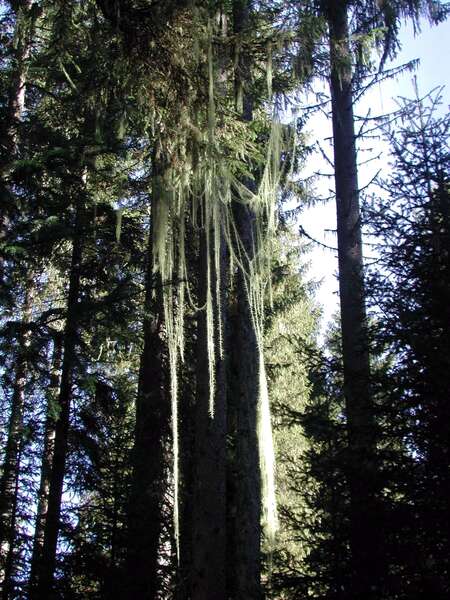
Juri Nascimbene - CC BY-SA 4.0
Italy, Veneto, Belluno, Val Visdende, Cadore
2007
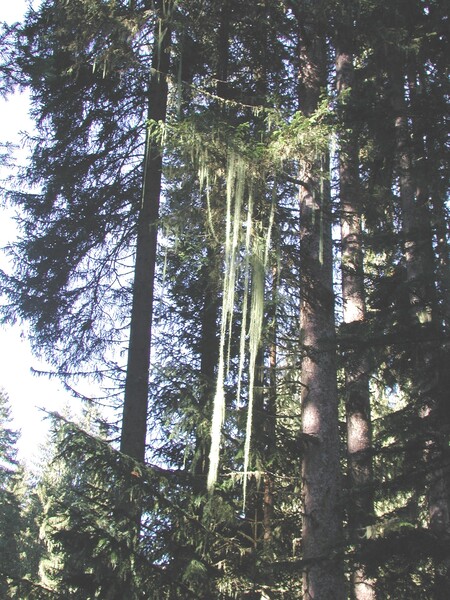
Juri Nascimbene - CC BY-SA 4.0
Italy, Veneto, Belluno, Val Visdende, Cadore
2007
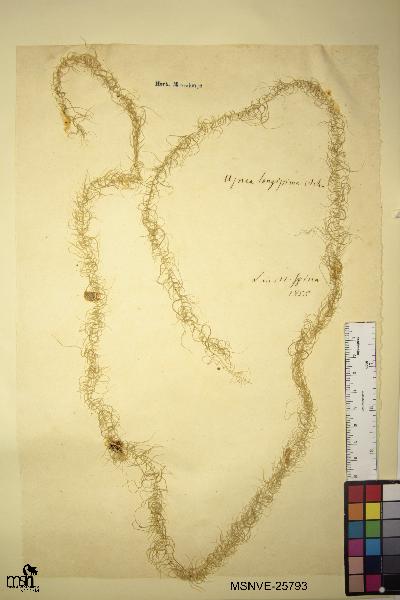
Collezione lichenologica Abramo Massalongo del Museo di Storia Naturale G. Ligabue di Venezia - Autori: Seggi, Linda; Trabucco, Raffaella Proprietà: Fondazione Musei Civici di Venezia - CC BY-NC
Italy, Veneto, in M. Spina 1855
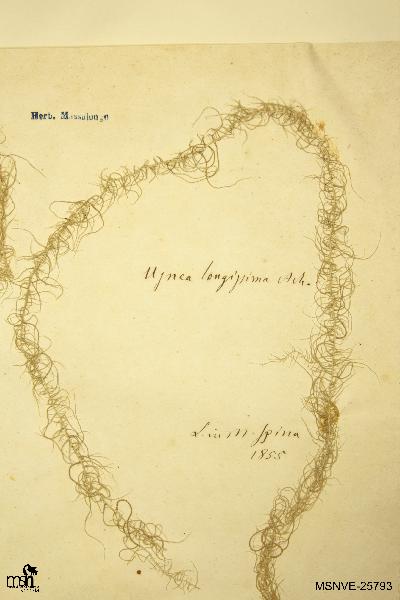
Collezione lichenologica Abramo Massalongo del Museo di Storia Naturale G. Ligabue di Venezia - Autori: Seggi, Linda; Trabucco, Raffaella Proprietà: Fondazione Musei Civici di Venezia - CC BY-NC
Italy, Veneto, in M. Spina 1855
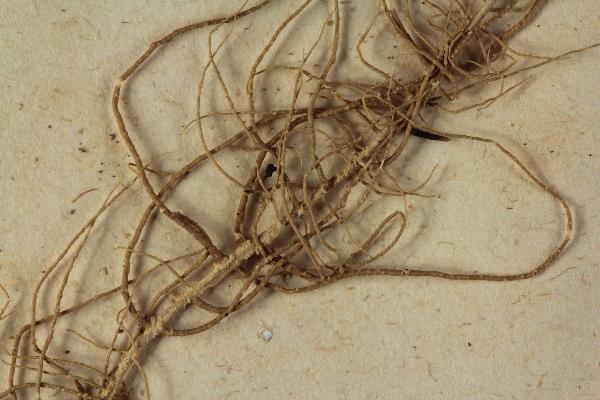
Collezione lichenologica Abramo Massalongo del Museo di Storia Naturale G. Ligabue di Venezia - Autori: Seggi, Linda; Trabucco, Raffaella Proprietà: Fondazione Musei Civici di Venezia - CC BY-NC
Italy, Veneto, in M. Spina 1855
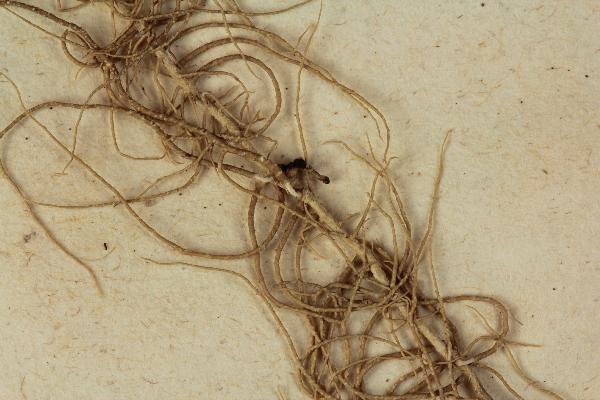
Collezione lichenologica Abramo Massalongo del Museo di Storia Naturale G. Ligabue di Venezia - Autori: Seggi, Linda; Trabucco, Raffaella Proprietà: Fondazione Musei Civici di Venezia - CC BY-NC
Italy, Veneto, in M. Spina 1855
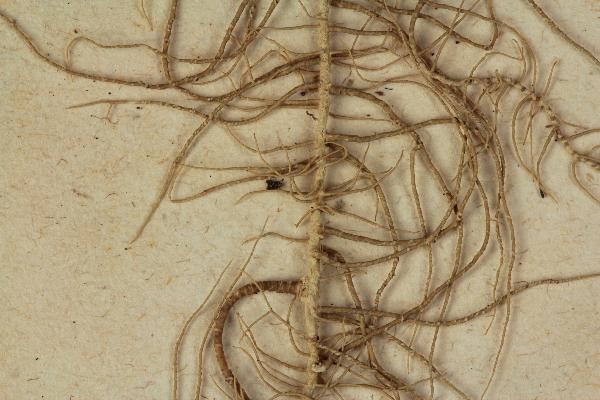
Collezione lichenologica Abramo Massalongo del Museo di Storia Naturale G. Ligabue di Venezia - Autori: Seggi, Linda; Trabucco, Raffaella Proprietà: Fondazione Musei Civici di Venezia - CC BY-NC
Italy, Veneto, in M. Spina 1855
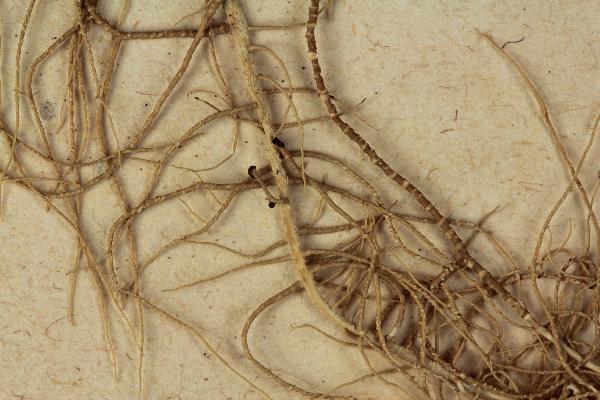
Collezione lichenologica Abramo Massalongo del Museo di Storia Naturale G. Ligabue di Venezia - Autori: Seggi, Linda; Trabucco, Raffaella Proprietà: Fondazione Musei Civici di Venezia - CC BY-NC
Italy, Veneto, in M. Spina 1855
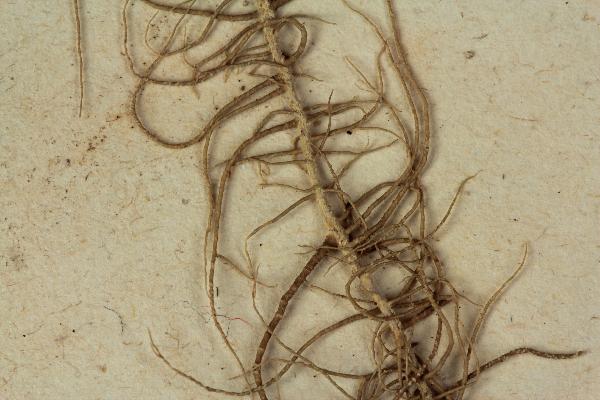
Collezione lichenologica Abramo Massalongo del Museo di Storia Naturale G. Ligabue di Venezia - Autori: Seggi, Linda; Trabucco, Raffaella Proprietà: Fondazione Musei Civici di Venezia - CC BY-NC
Italy, Veneto, in M. Spina 1855
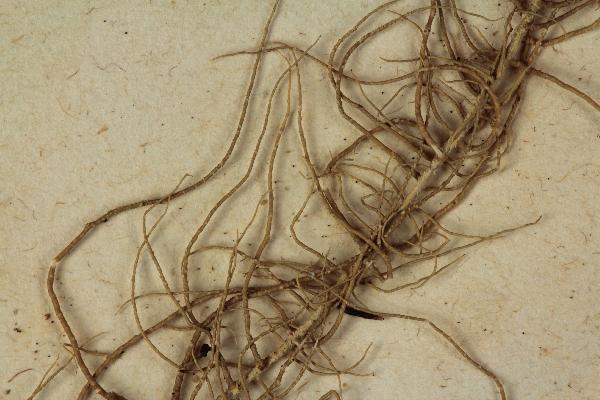
Collezione lichenologica Abramo Massalongo del Museo di Storia Naturale G. Ligabue di Venezia - Autori: Seggi, Linda; Trabucco, Raffaella Proprietà: Fondazione Musei Civici di Venezia - CC BY-NC
Italy, Veneto, in M. Spina 1855
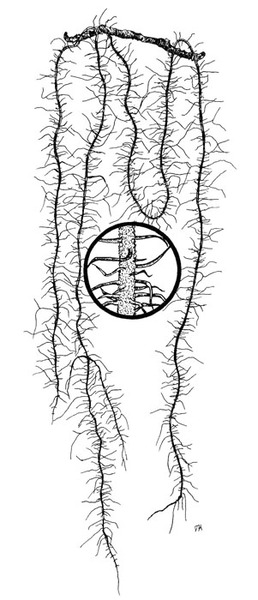
Triin Aimla; Owner: University of Tartu
Growth form: Fruticose filamentous
Substrata: bark
Photobiont: green algae other than Trentepohlia
Reproductive strategy: mainly asexual, by thallus fragmentation
Commonnes-rarity: (info)
Alpine belt: absent
Subalpine belt: extremely rare
Montane belt: extremely rare
Dry submediterranean belt: absent
Humid submediterranean belt: absent
Padanian area: absent
pH of the substrata:
| 1 | 2 | 3 | 4 | 5 |
Solar irradiation:
| 1 | 2 | 3 | 4 | 5 |
Aridity:
| 1 | 2 | 3 | 4 | 5 |
Eutrophication:
| 1 | 2 | 3 | 4 | 5 |
Poleotolerance:
| 0 | 1 | 2 | 3 |
Altitudinal distribution:
| 1 | 2 | 3 | 4 | 5 | 6 |
Rarity
absent
extremely rare
very rare
rare
rather rare
rather common
common
very common
extremely common
Loading data...
Occurrence data
Predictive map
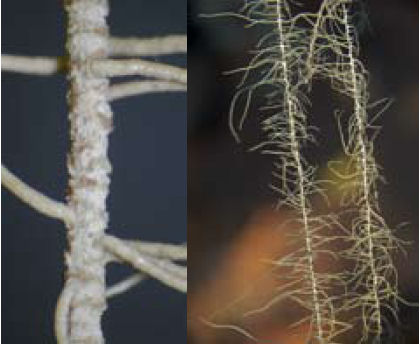
Tiiu Tõrra; Owner: Tiiu Tõrra - Institute of Ecology and Earth Sciences, University of Tartu, Estonia
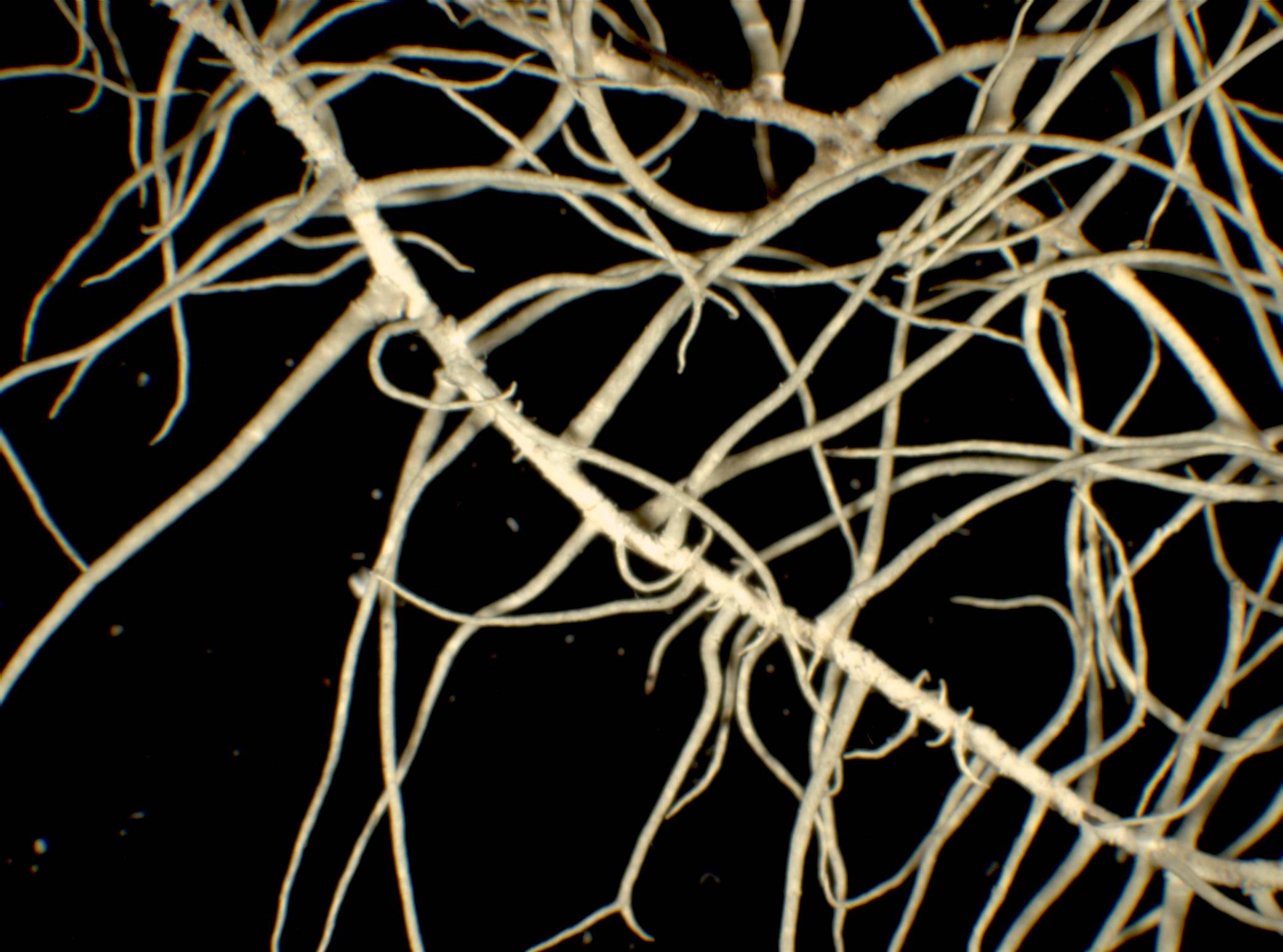
P.L. Nimis; Owner: Department of Life Sciences, University of Trieste
Herbarium: TSB (5317)
2001/12/12
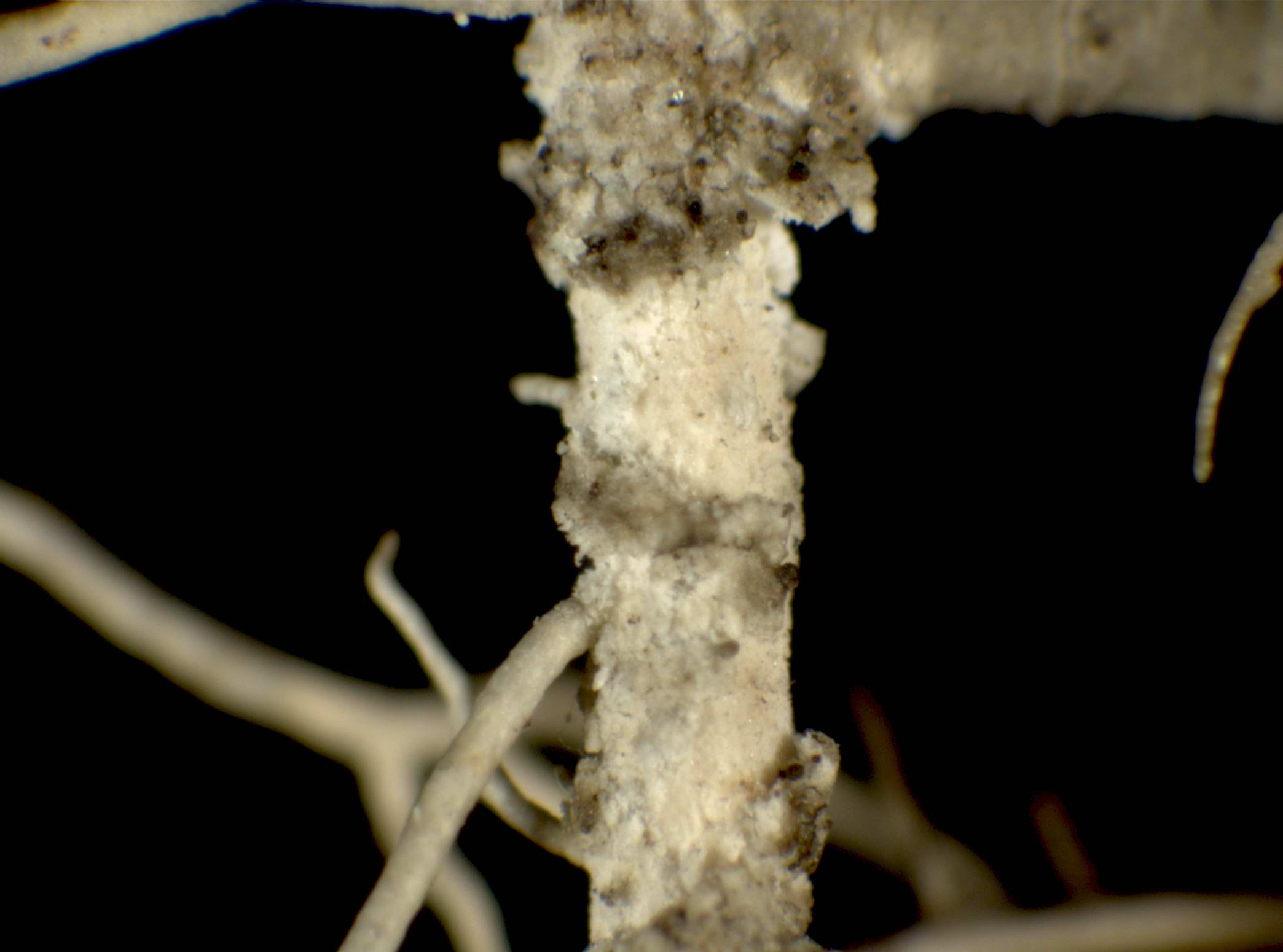
P.L. Nimis; Owner: Department of Life Sciences, University of Trieste
Herbarium: TSB (5317)
2001/12/12
main branch
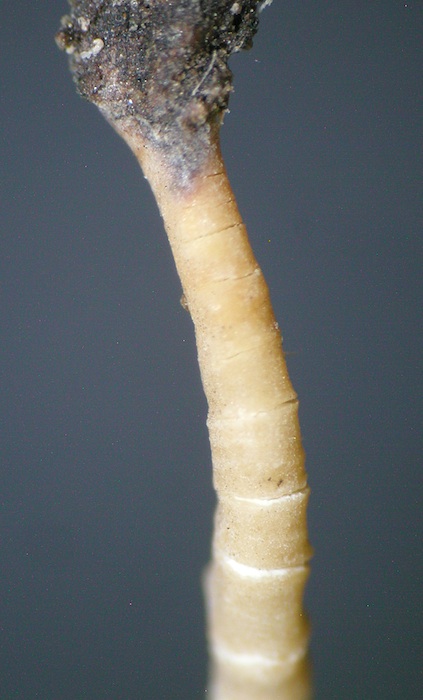
Tiiu Tõrra; Owner: Tiiu Tõrra - Institute of Ecology and Earth Sciences, University of Tartu, Estonia
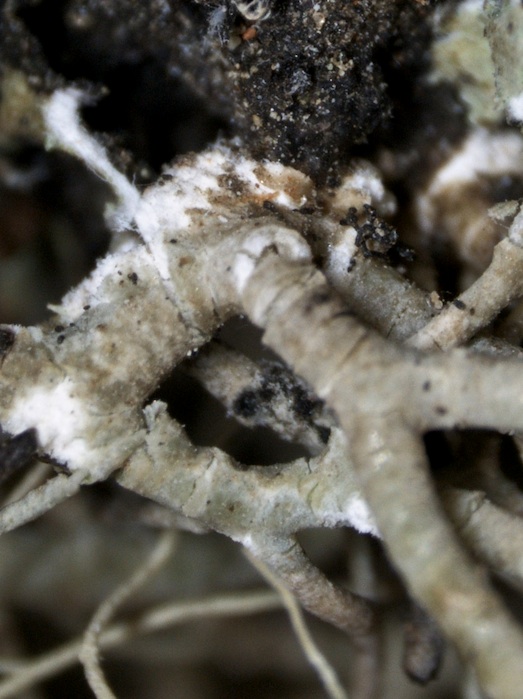
Tiiu Tõrra; Owner: Tiiu Tõrra - Institute of Ecology and Earth Sciences, University of Tartu, Estonia
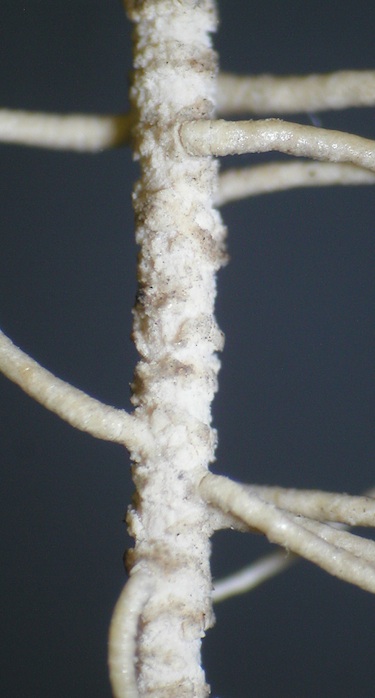
Tiiu Tõrra; Owner: Tiiu Tõrra - Institute of Ecology and Earth Sciences, University of Tartu, Estonia
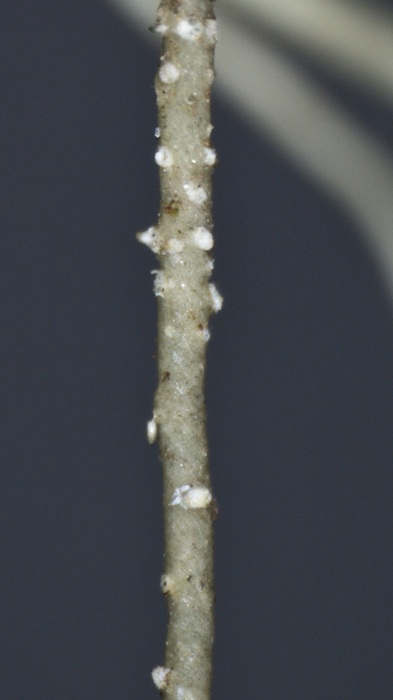
Tiiu Tõrra; Owner: Tiiu Tõrra - Institute of Ecology and Earth Sciences, University of Tartu, Estonia
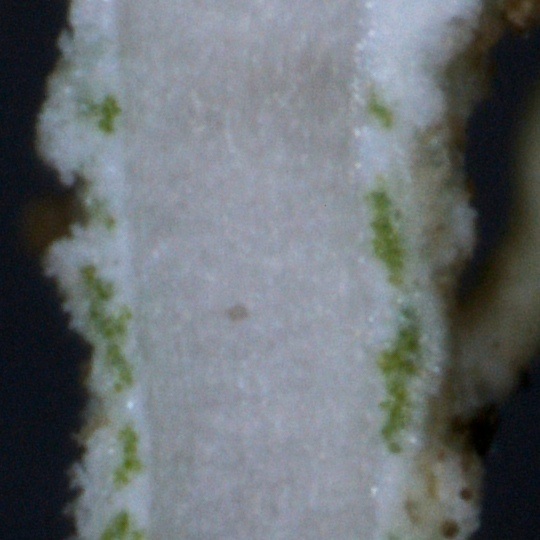
Tiiu Tõrra; Owner: Tiiu Tõrra - Institute of Ecology and Earth Sciences, University of Tartu, Estonia
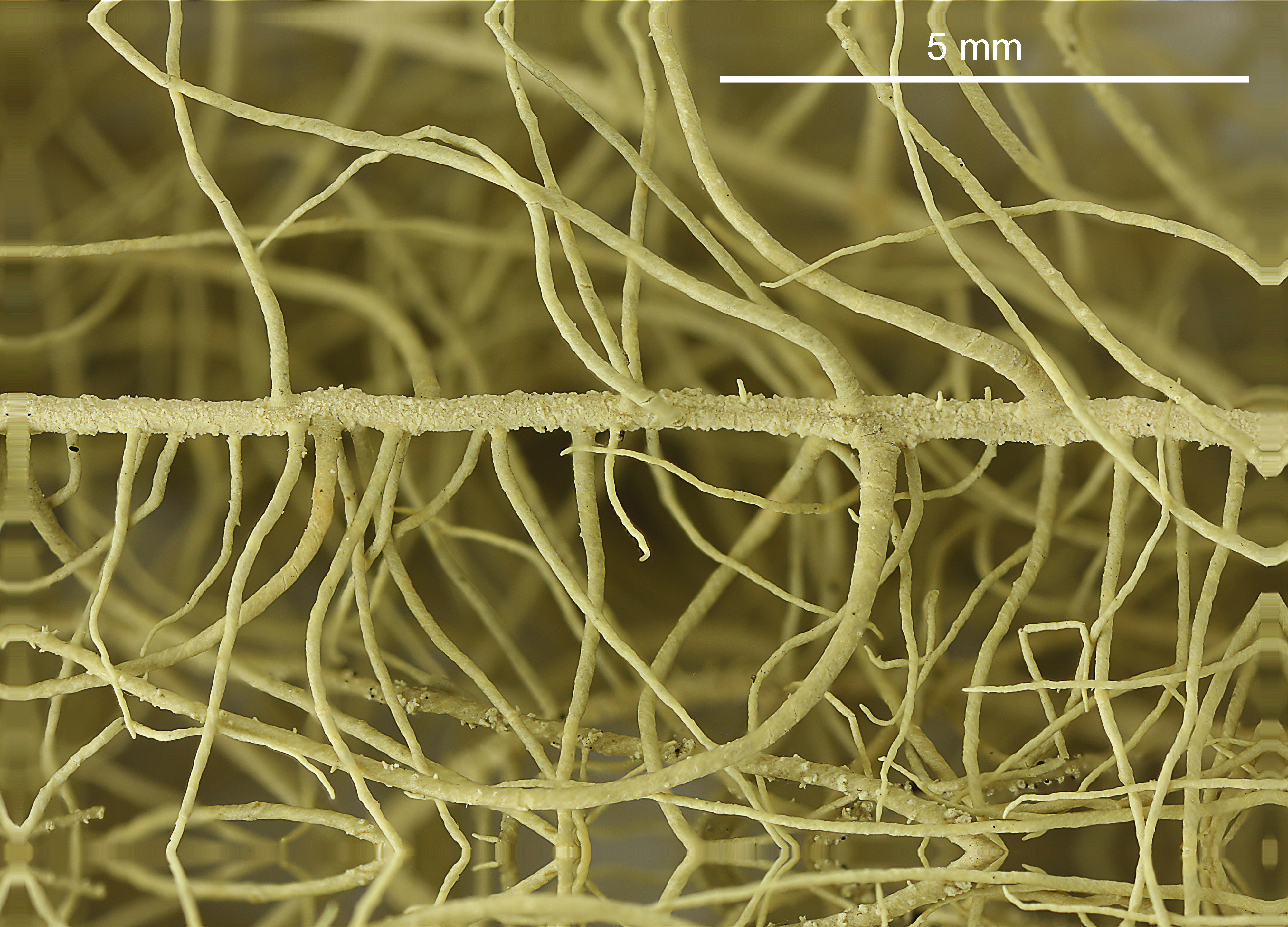
Felix Schumm - CC BY-SA 4.0
[1925], Österreich, Kärnten, Reißeckgebiet, Zandlacher Boden an Nadelbäumen; leg. W. Repetzky 1970.
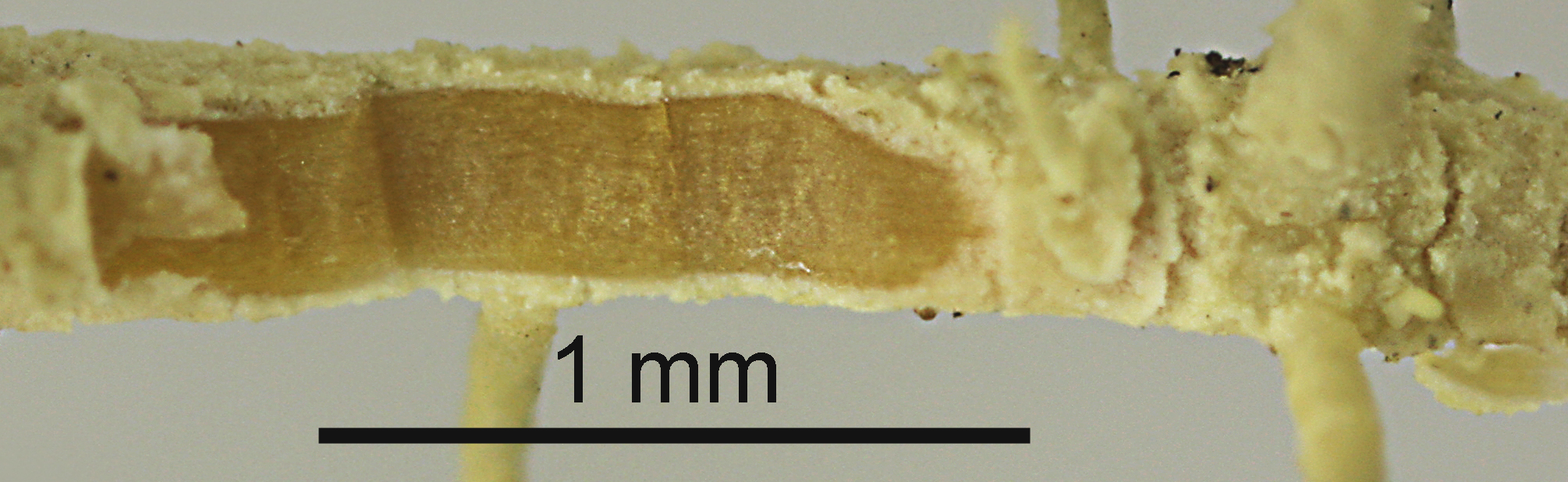
Felix Schumm - CC BY-SA 4.0
[1925], Österreich, Kärnten, Reißeckgebiet, Zandlacher Boden an Nadelbäumen; leg. W. Repetzky 1970.
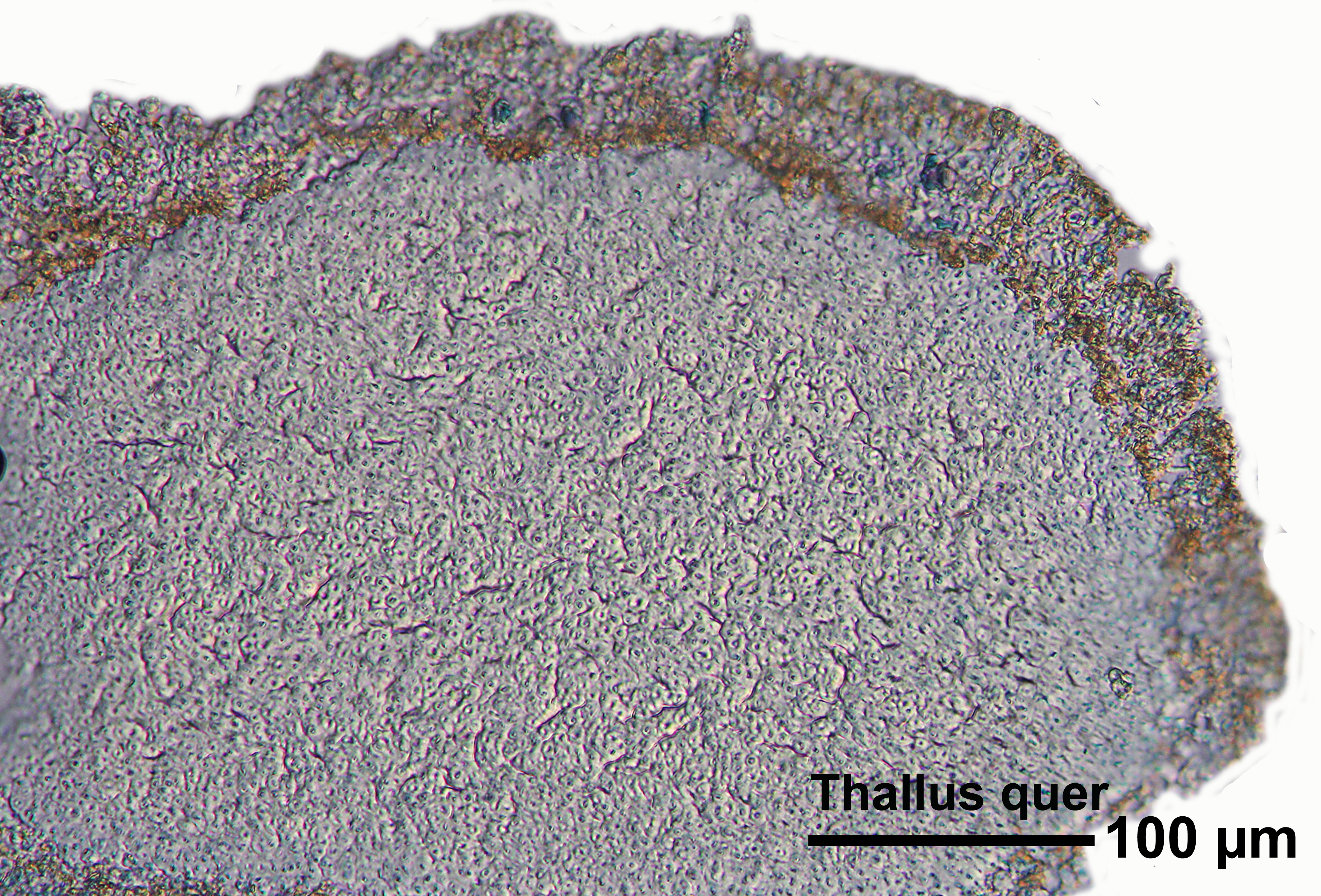
Felix Schumm - CC BY-SA 4.0
[1925], Österreich, Kärnten, Reißeckgebiet, Zandlacher Boden an Nadelbäumen; leg. W. Repetzky 1970.
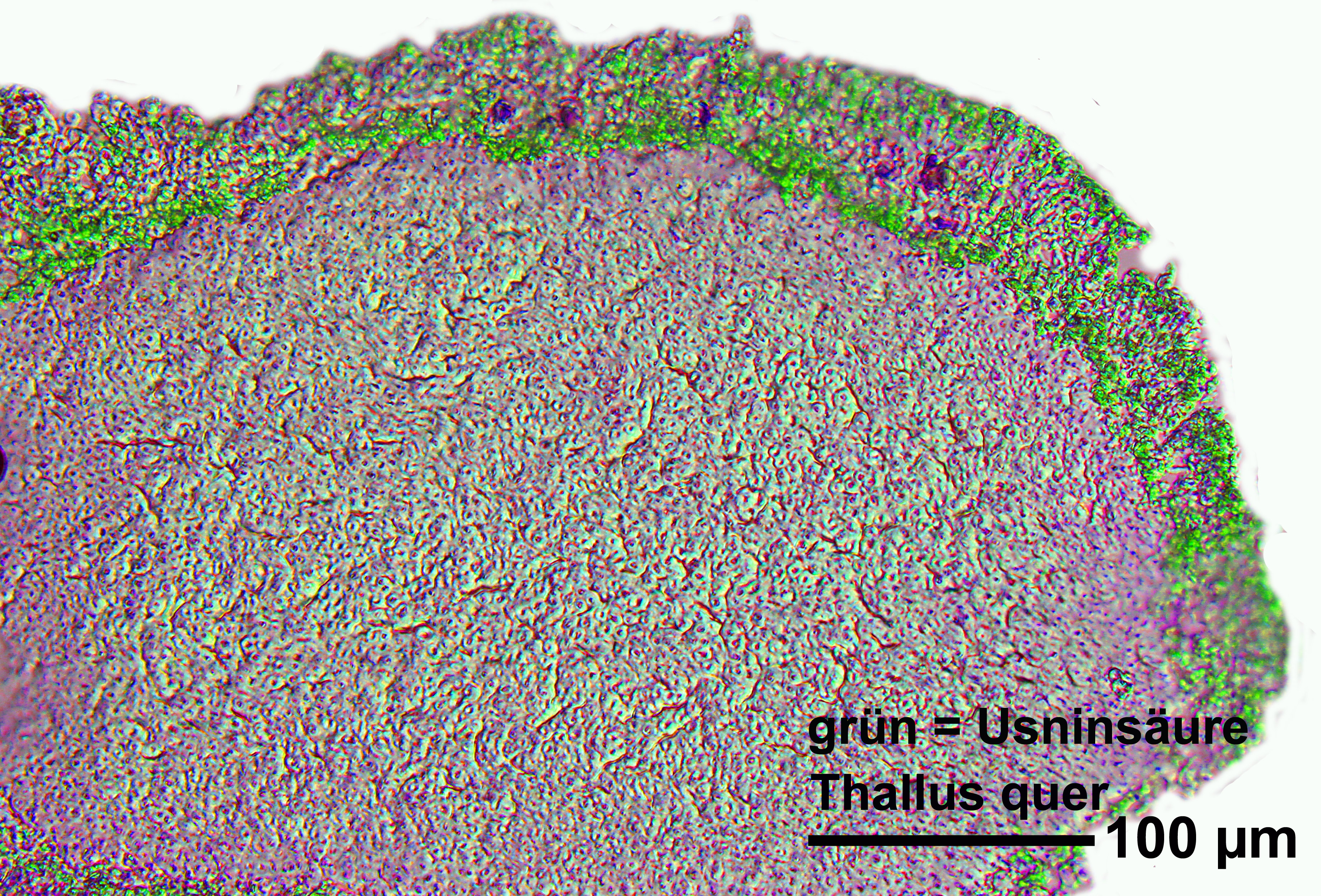
Felix Schumm - CC BY-SA 4.0
[1925], Österreich, Kärnten, Reißeckgebiet, Zandlacher Boden an Nadelbäumen; leg. W. Repetzky 1970.
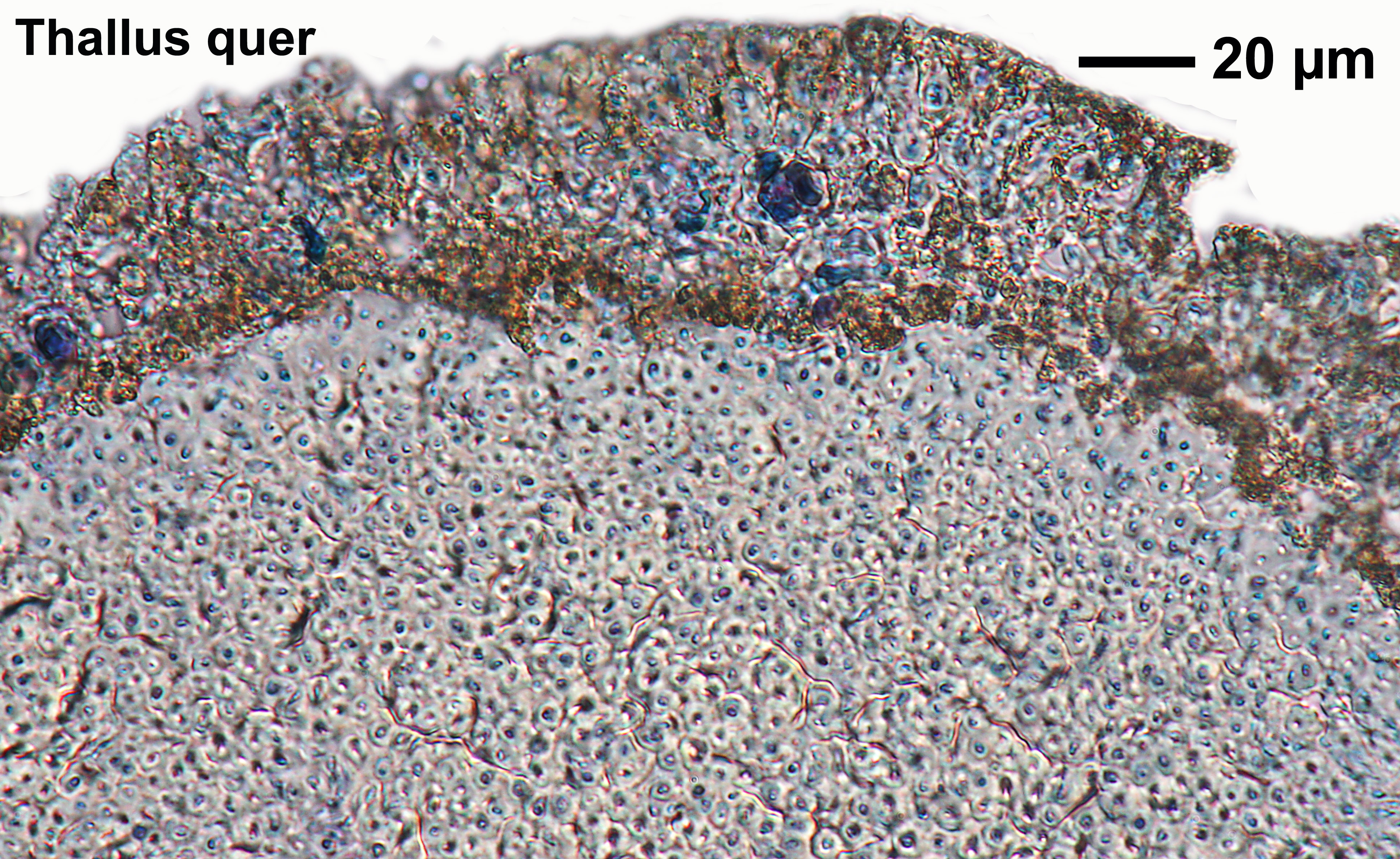
Felix Schumm - CC BY-SA 4.0
[1925], Österreich, Kärnten, Reißeckgebiet, Zandlacher Boden an Nadelbäumen; leg. W. Repetzky 1970.
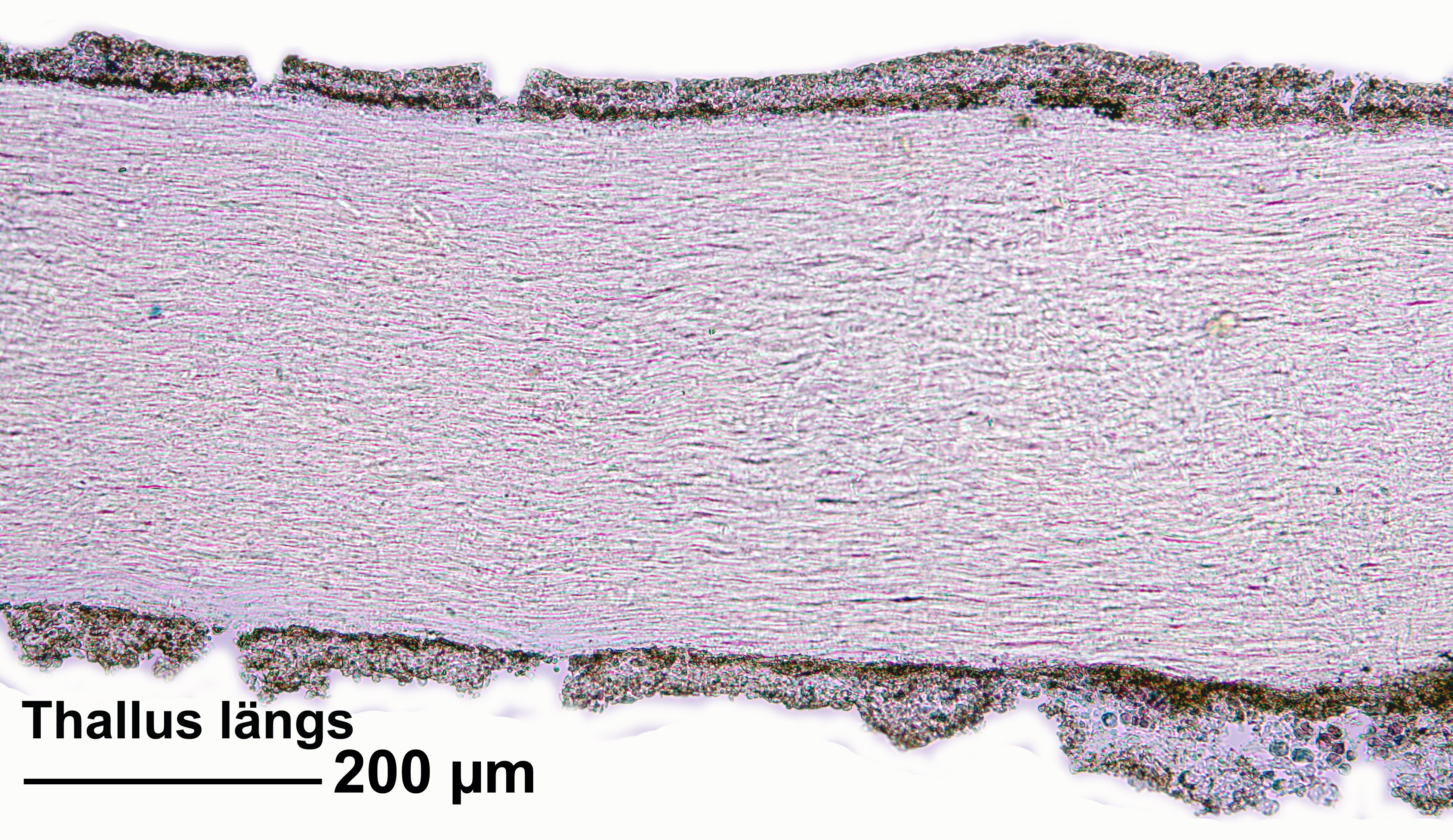
Felix Schumm - CC BY-SA 4.0
[1925], Österreich, Kärnten, Reißeckgebiet, Zandlacher Boden an Nadelbäumen; leg. W. Repetzky 1970.
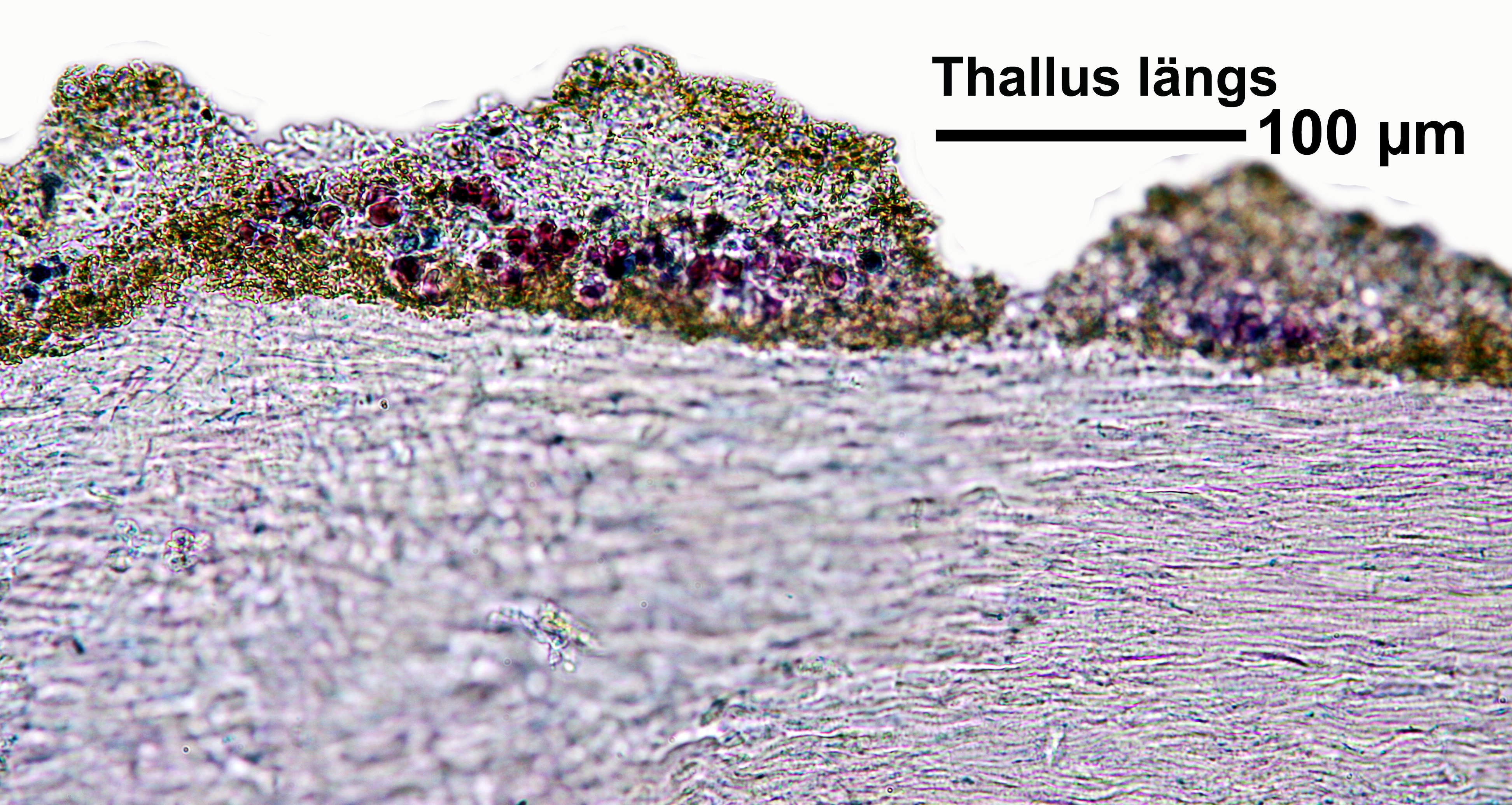
Felix Schumm - CC BY-SA 4.0
[1925], Österreich, Kärnten, Reißeckgebiet, Zandlacher Boden an Nadelbäumen; leg. W. Repetzky 1970.
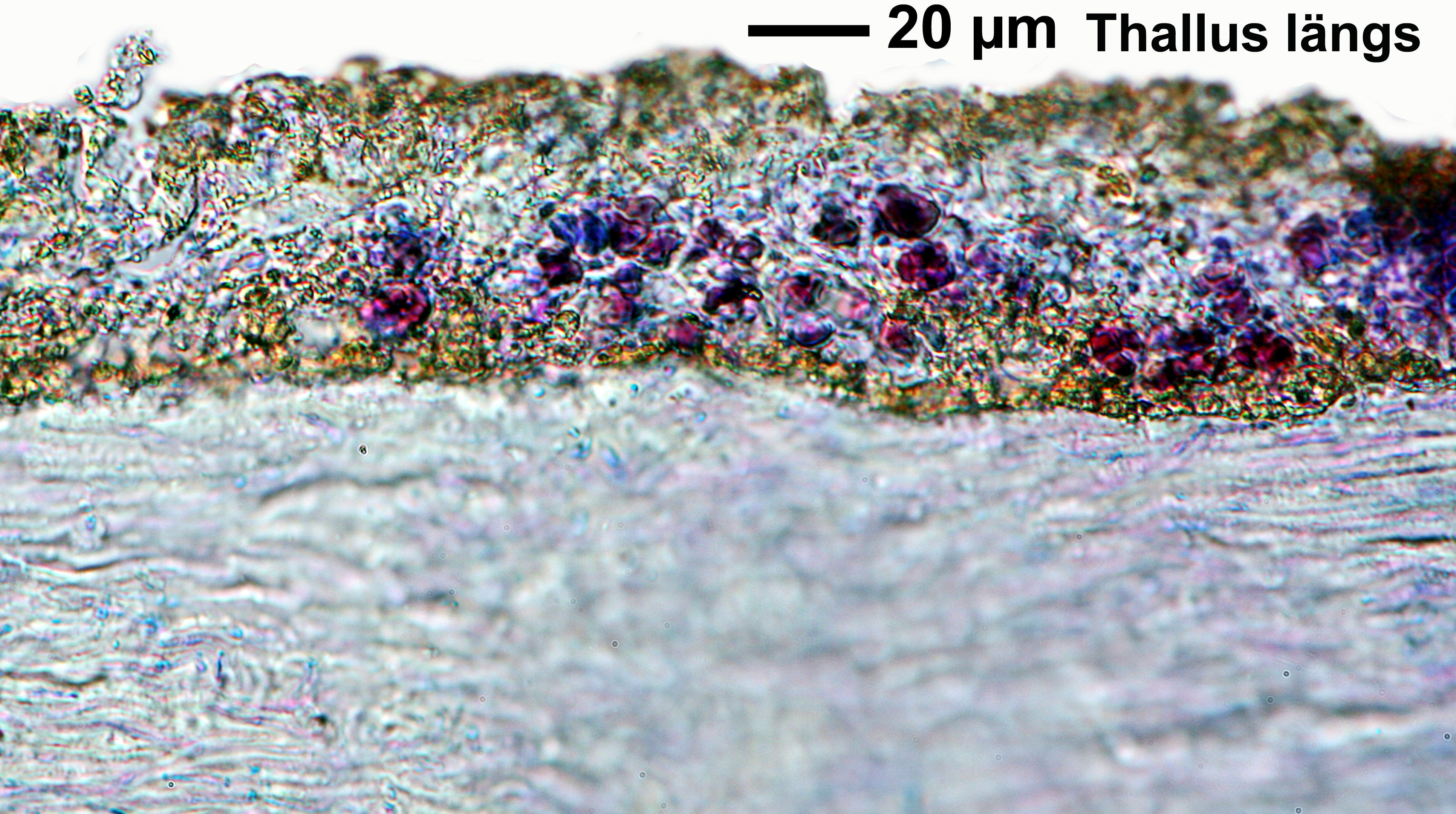
Felix Schumm - CC BY-SA 4.0
[1925], Österreich, Kärnten, Reißeckgebiet, Zandlacher Boden an Nadelbäumen; leg. W. Repetzky 1970.
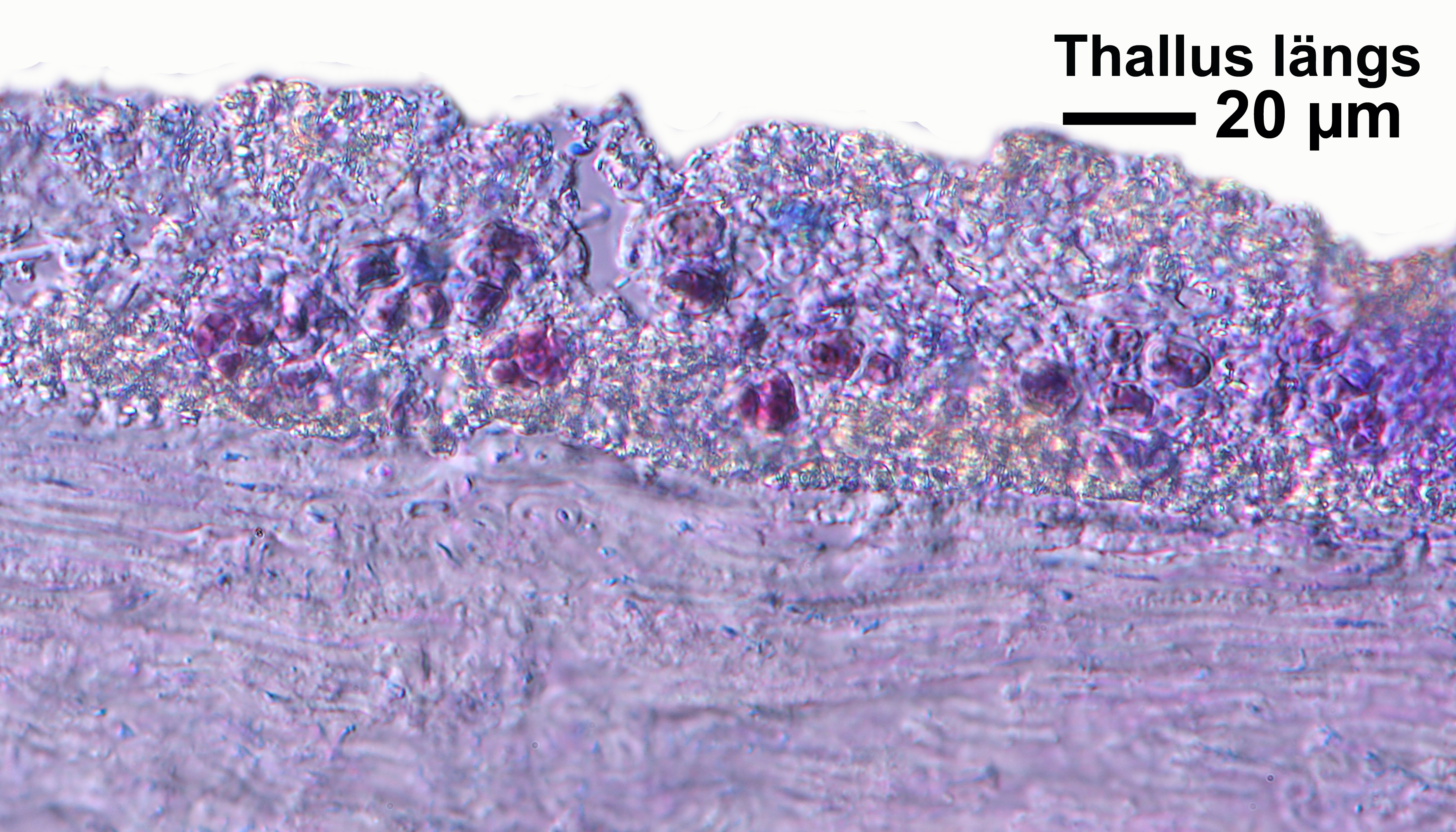
Felix Schumm - CC BY-SA 4.0
[1925], Österreich, Kärnten, Reißeckgebiet, Zandlacher Boden an Nadelbäumen; leg. W. Repetzky 1970.
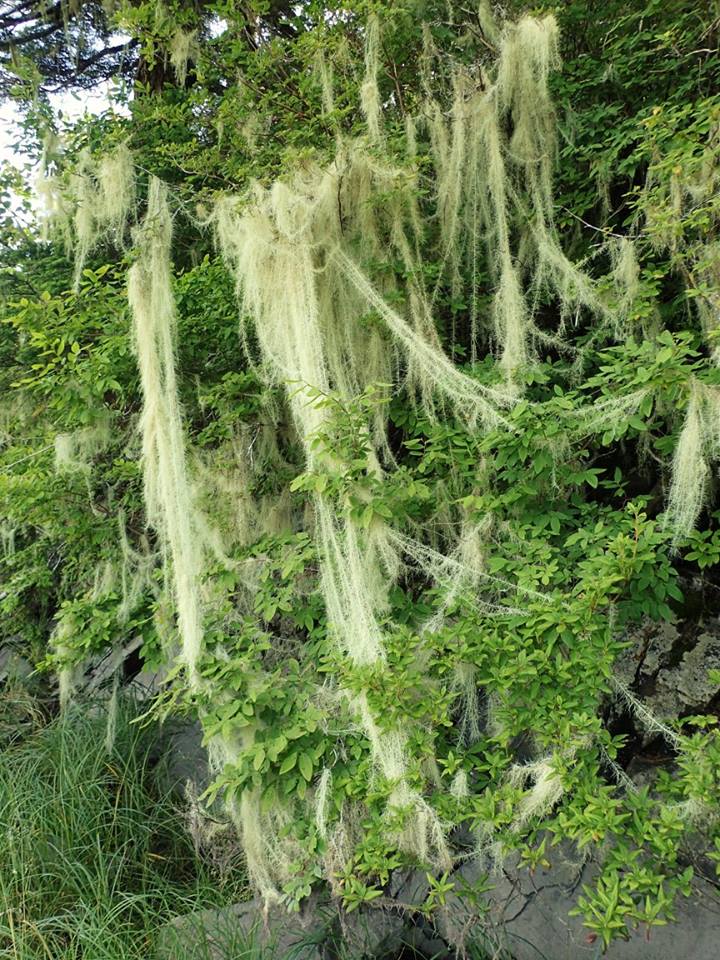
Curtis Randall Björk, - CC BY-SA 4.0
Skeena Estuary, British Columbia, Canada
August 2017
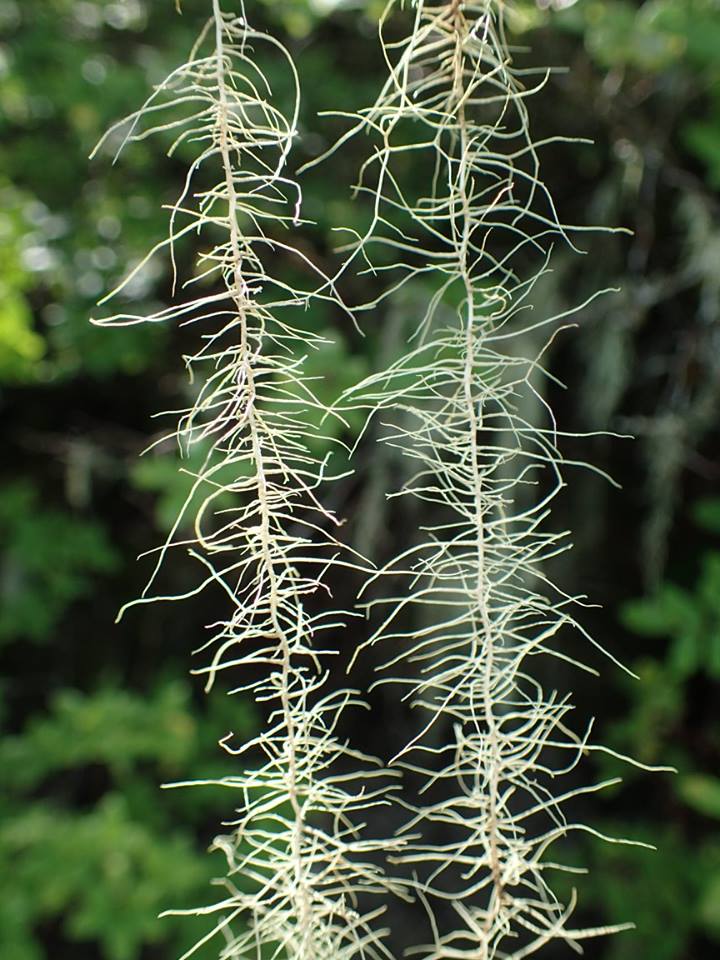
Curtis Randall Björk, - CC BY-SA 4.0
Skeena Estuary, British Columbia, Canada
August 2017
Juri Nascimbene - CC BY-SA 4.0
Italy, Veneto, Belluno, Val Visdende, Cadore
2007
Juri Nascimbene - CC BY-SA 4.0
Italy, Veneto, Belluno, Val Visdende, Cadore
2007
Juri Nascimbene - CC BY-SA 4.0
Italy, Veneto, Belluno, Val Visdende, Cadore
2007
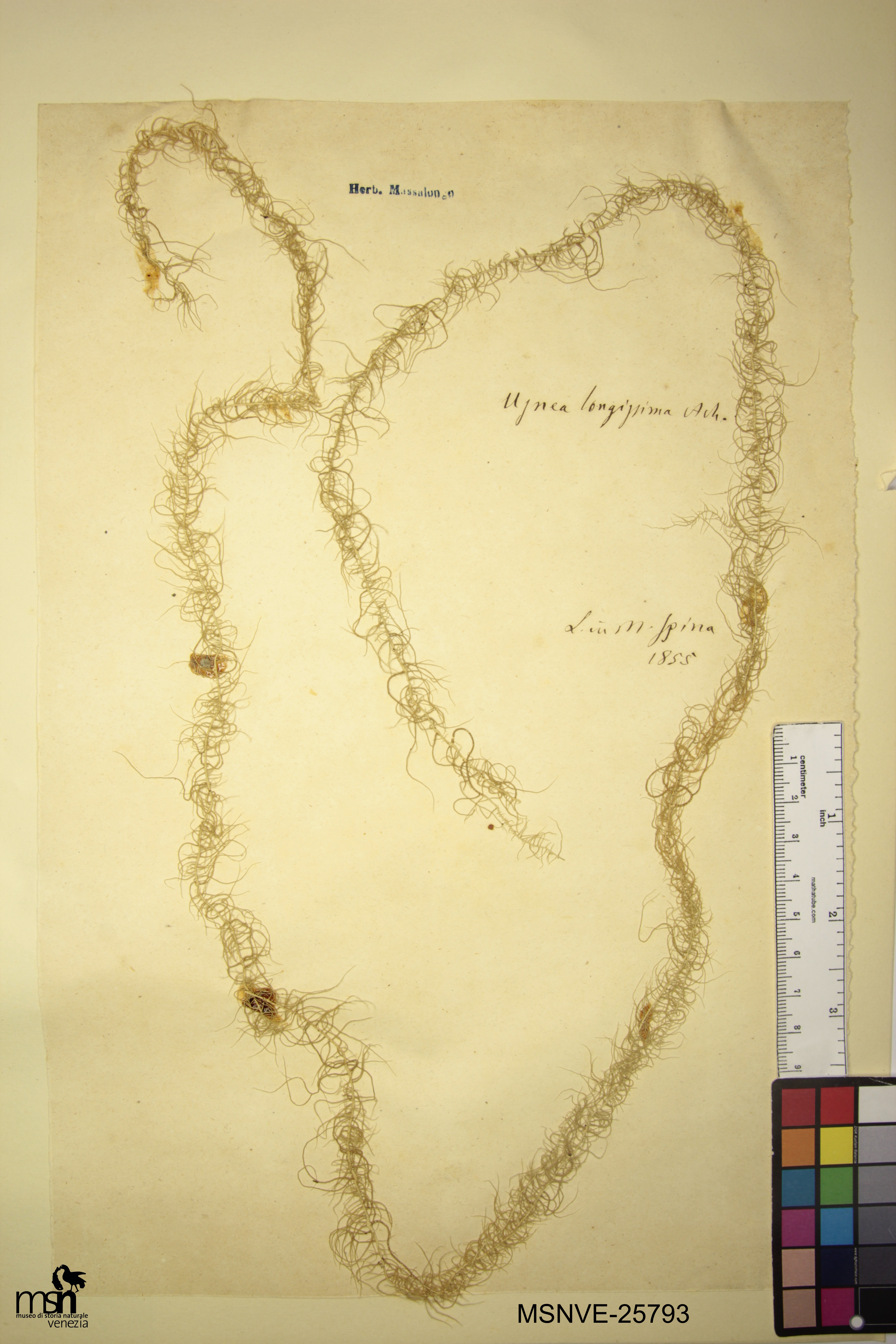
Collezione lichenologica Abramo Massalongo del Museo di Storia Naturale G. Ligabue di Venezia - Autori: Seggi, Linda; Trabucco, Raffaella Proprietà: Fondazione Musei Civici di Venezia - CC BY-NC
Italy, Veneto, in M. Spina 1855
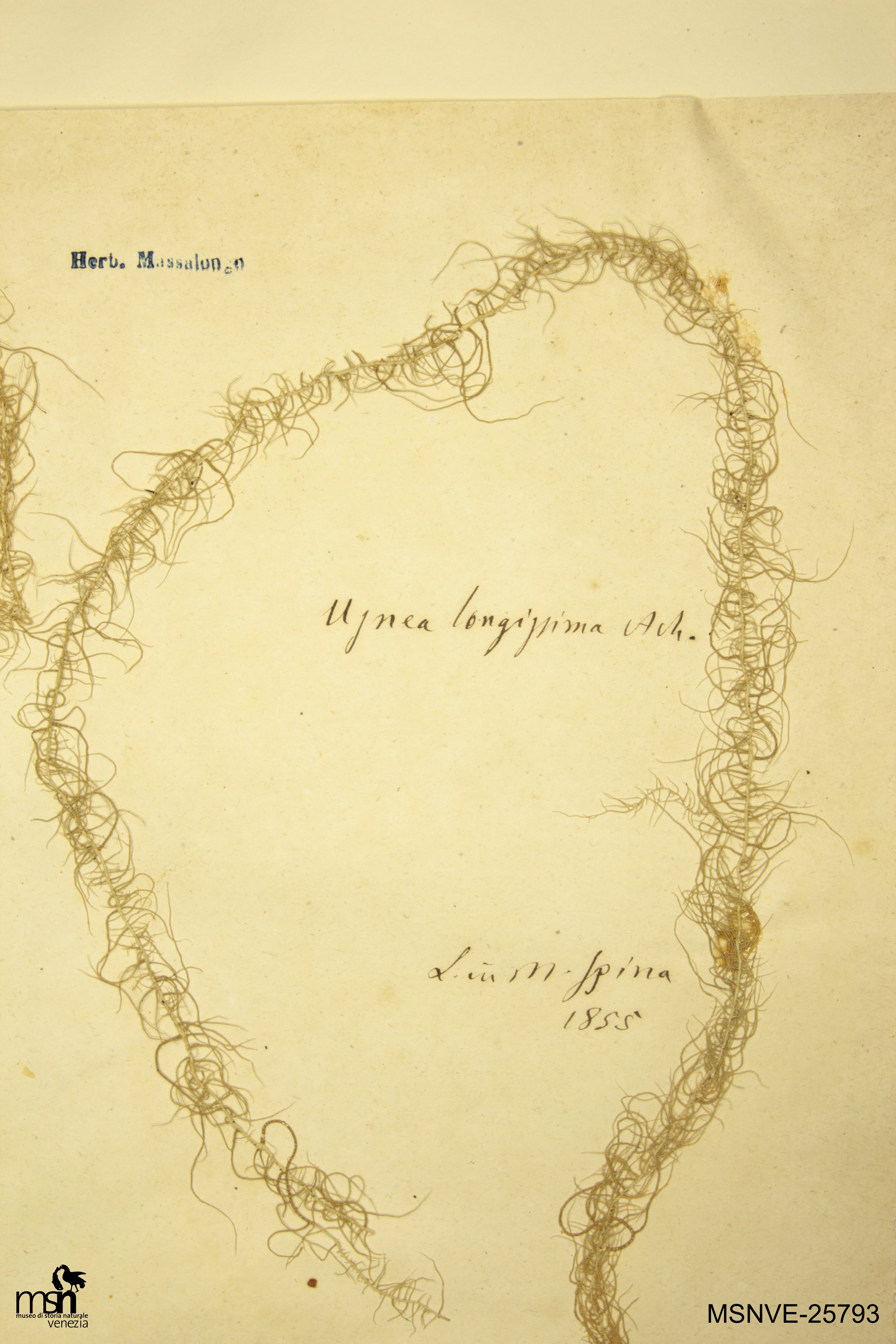
Collezione lichenologica Abramo Massalongo del Museo di Storia Naturale G. Ligabue di Venezia - Autori: Seggi, Linda; Trabucco, Raffaella Proprietà: Fondazione Musei Civici di Venezia - CC BY-NC
Italy, Veneto, in M. Spina 1855
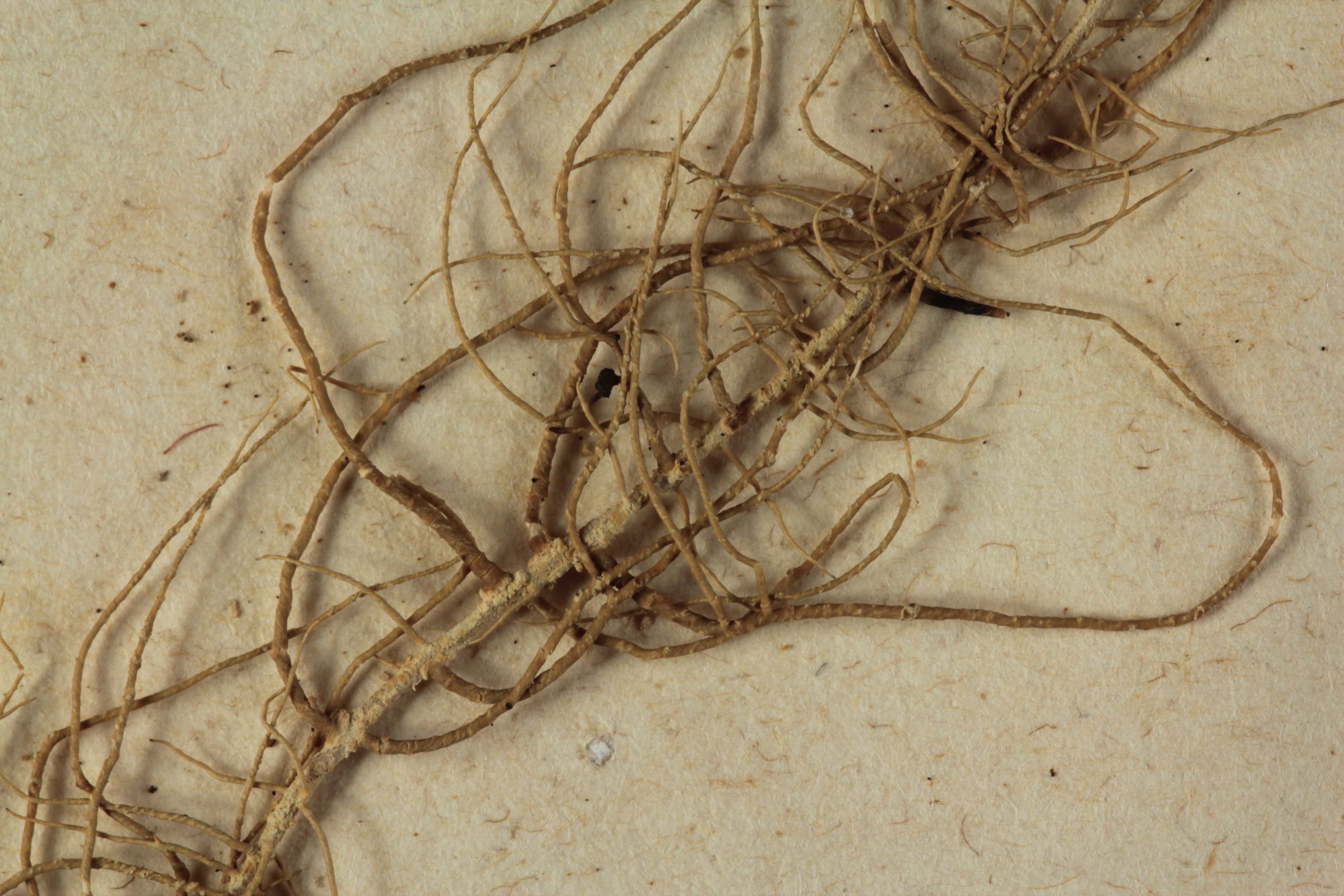
Collezione lichenologica Abramo Massalongo del Museo di Storia Naturale G. Ligabue di Venezia - Autori: Seggi, Linda; Trabucco, Raffaella Proprietà: Fondazione Musei Civici di Venezia - CC BY-NC
Italy, Veneto, in M. Spina 1855
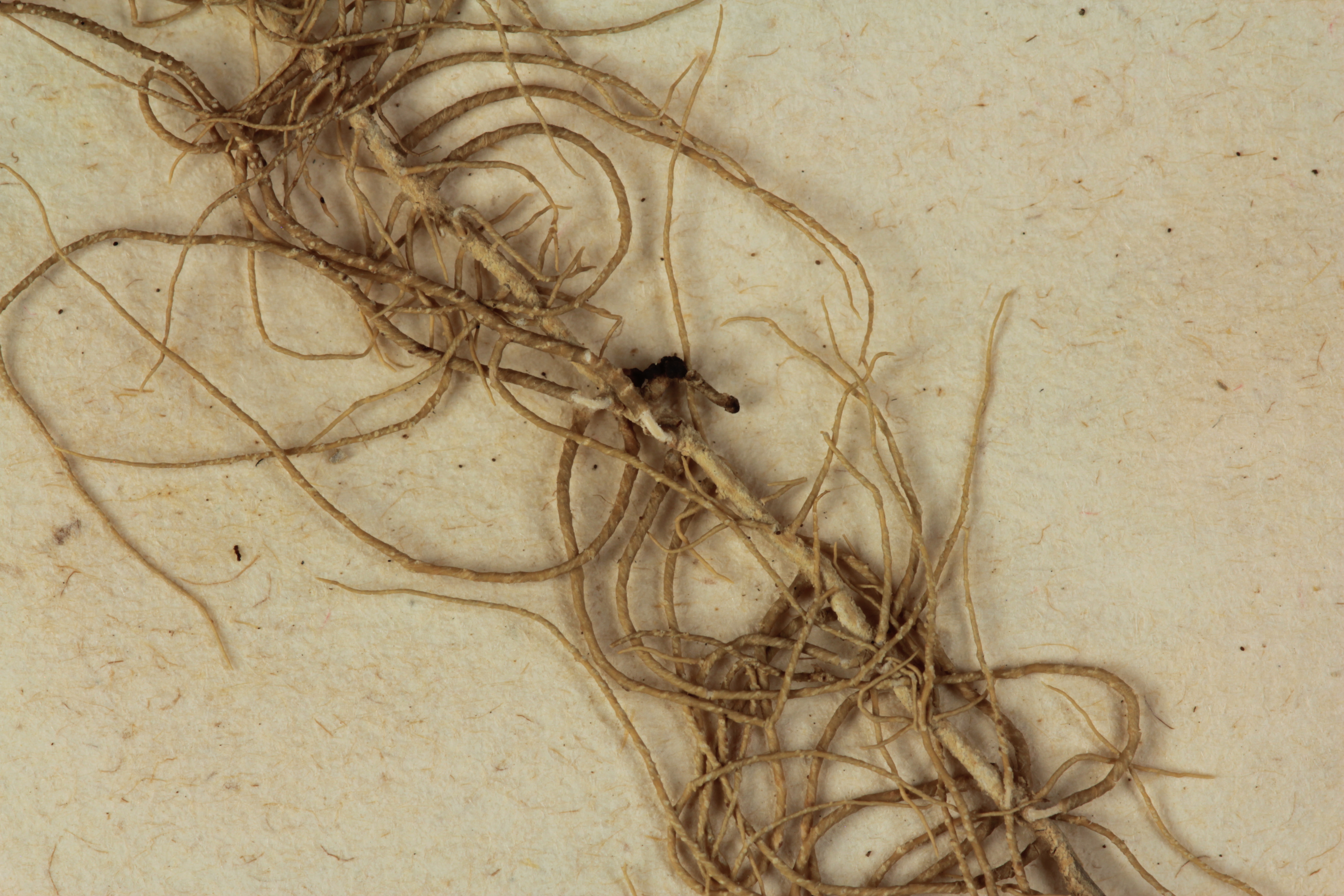
Collezione lichenologica Abramo Massalongo del Museo di Storia Naturale G. Ligabue di Venezia - Autori: Seggi, Linda; Trabucco, Raffaella Proprietà: Fondazione Musei Civici di Venezia - CC BY-NC
Italy, Veneto, in M. Spina 1855

Collezione lichenologica Abramo Massalongo del Museo di Storia Naturale G. Ligabue di Venezia - Autori: Seggi, Linda; Trabucco, Raffaella Proprietà: Fondazione Musei Civici di Venezia - CC BY-NC
Italy, Veneto, in M. Spina 1855

Collezione lichenologica Abramo Massalongo del Museo di Storia Naturale G. Ligabue di Venezia - Autori: Seggi, Linda; Trabucco, Raffaella Proprietà: Fondazione Musei Civici di Venezia - CC BY-NC
Italy, Veneto, in M. Spina 1855

Collezione lichenologica Abramo Massalongo del Museo di Storia Naturale G. Ligabue di Venezia - Autori: Seggi, Linda; Trabucco, Raffaella Proprietà: Fondazione Musei Civici di Venezia - CC BY-NC
Italy, Veneto, in M. Spina 1855

Collezione lichenologica Abramo Massalongo del Museo di Storia Naturale G. Ligabue di Venezia - Autori: Seggi, Linda; Trabucco, Raffaella Proprietà: Fondazione Musei Civici di Venezia - CC BY-NC
Italy, Veneto, in M. Spina 1855