Usnea substerilis Motyka
Wyd. Muz. Slask. Katowic., 3, 2: 24, 1930.
Synonyms: Usnea sorediifera Motyka nom.illegit. non (Arnold) Lynge; Usnea sorediifera var. substerilis (Motyka) Keissl.; Usnea stuppea (Räsänen) Motyka
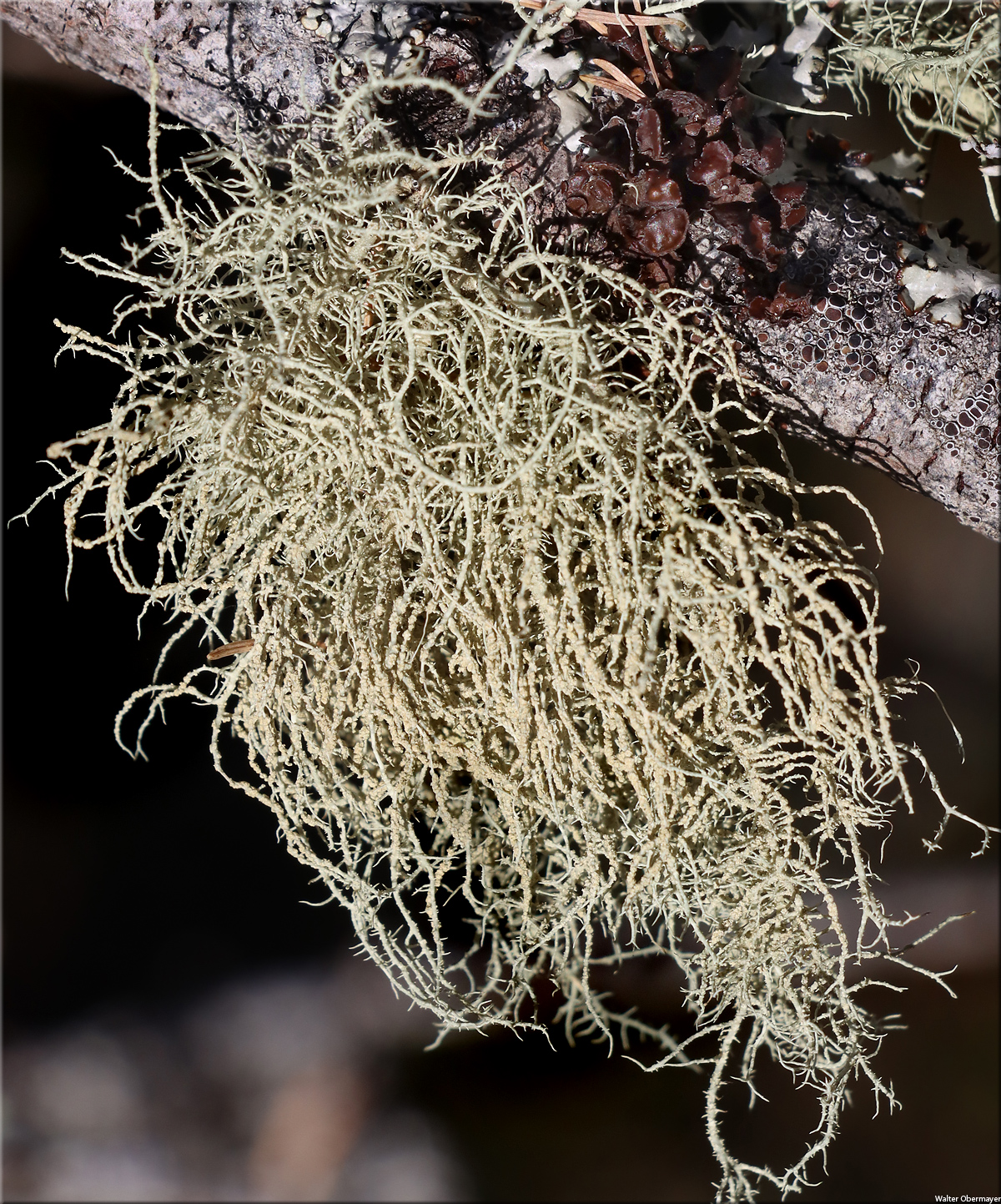
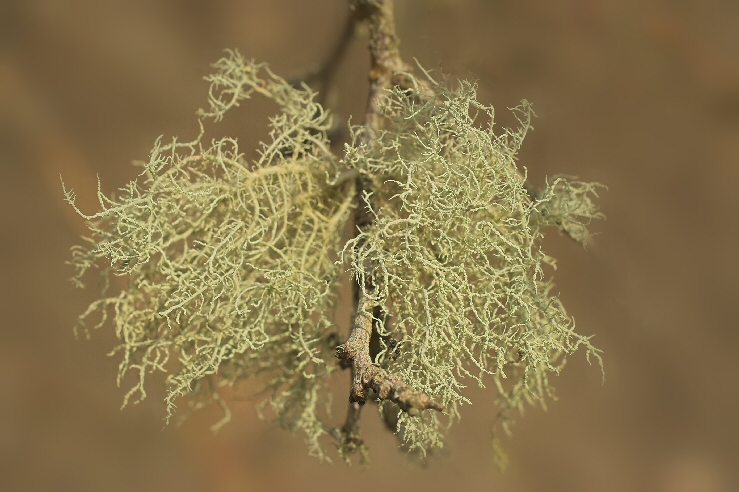
Description: Thallus fruticose-filamentous, greenish, shrubby to subpendulous, usually forming dense, short tufts, up to 12 cm long, richly and mainly sympodially, anisotomic-dichotomously branching, with divergent branches. Main branches of uneven thickness, irregularly deformed, with or without foveoles and transverse furrows, often with annular cracks showing medullary rings, the base greenish to black; secondary branches not constricted at attachment point. Papillae usually numerous, especially on main branches, verrucose to cylindrical; fibrils present, short (< 3 mm), usually unevenly distributed, sometimes abundant also terminally. Soralia conspicuous, irregular to more or less circular in outline, slightly excavate to slightly tuberculate, but remaining superficial, larger or at least as large as the branches when mature, sometimes encircling their ends, more or less widely spaced, usually not confluent, arising initially on the cortex; isidiomorphs rare, only found on young soralia, never on mature ones. Cortex moderately thin to moderately thick (4-9.5% of total thickness of the branch), matt in longitudinal section medulla moderately thin to moderately thick (19-29%), dense to compact, white; central axis moderately thin to moderately thick (28-46%); ratio axis/medulla 0.8-2.8. Apothecia extremely rare. Photobiont chlorococcoid. Spot tests and chemistry: cortex K- C-, KC-, P-, with usnic acid; medulla with 2 main chemotypes: 1) K+ yellow turning orange-red, C-, KC-, P+ orange-yellow, with salazinic acid (major), plus different accessory substances (protocetraric, barbatic, 4-O-demethylbarbatic acids) 2) K-, P-, without lichen substances. Chemotype 1) is by far the most frequent.
Growth form: Fruticose filamentous
Substrata: bark
Photobiont: green algae other than Trentepohlia
Reproductive strategy: mainly asexual, by soredia, or soredia-like structures (e.g. blastidia)
Commonnes-rarity: (info)
Alpine belt: absent
Subalpine belt: rather common
Montane belt: rather rare
Dry submediterranean belt: absent
Humid submediterranean belt: absent
Padanian area: absent
pH of the substrata:
1 2 3 4 5

Solar irradiation:
1 2 3 4 5
Aridity:
1 2 3 4 5
Eutrophication:
1 2 3 4 5
Poleotolerance:
0 1 2 3
Altitudinal distribution:
1 2 3 4 5 6
Rarity
absent
extremely rare
very rare
rare
rather rare
rather common
common
very common
extremely common
Loading data...
Occurrence data
Predictive map
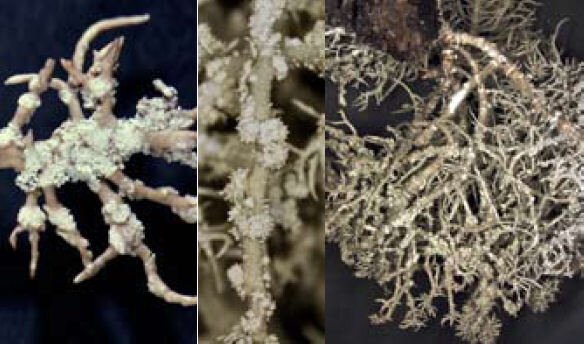
Tiiu Tõrra; Owner: Tiiu Tõrra - Institute of Ecology and Earth Sciences, University of Tartu, Estonia
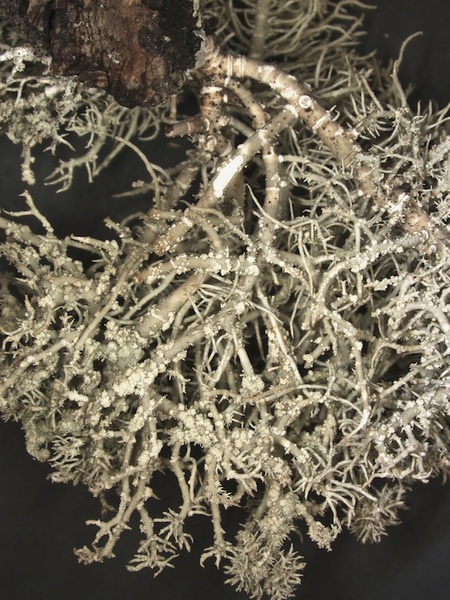
Tiiu Tõrra; Owner: Tiiu Tõrra - Institute of Ecology and Earth Sciences, University of Tartu, Estonia
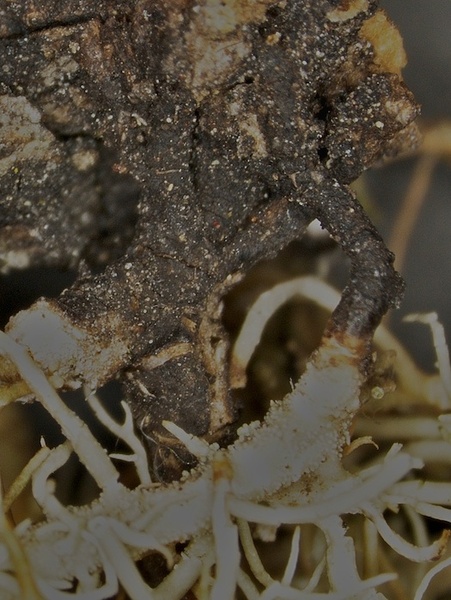
Tiiu Tõrra; Owner: Tiiu Tõrra - Institute of Ecology and Earth Sciences, University of Tartu, Estonia
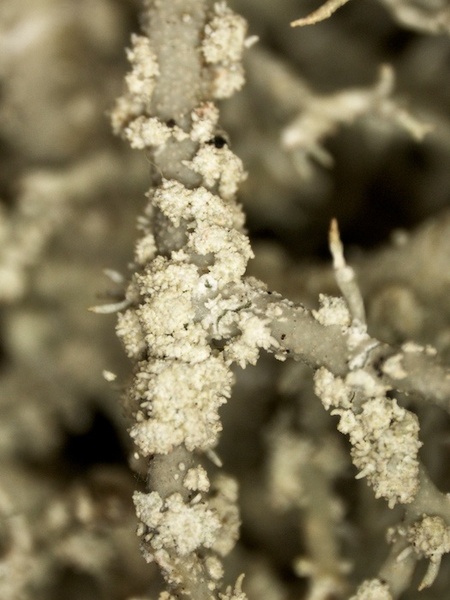
Tiiu Tõrra; Owner: Tiiu Tõrra - Institute of Ecology and Earth Sciences, University of Tartu, Estonia
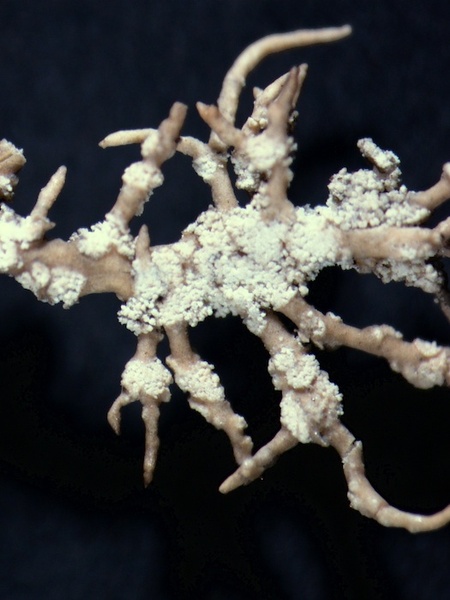
Tiiu Tõrra; Owner: Tiiu Tõrra - Institute of Ecology and Earth Sciences, University of Tartu, Estonia
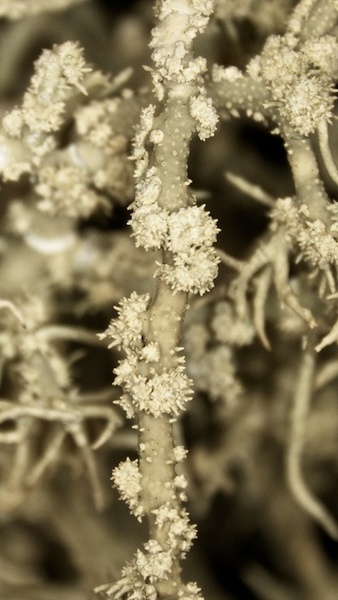
Tiiu Tõrra; Owner: Tiiu Tõrra - Institute of Ecology and Earth Sciences, University of Tartu, Estonia
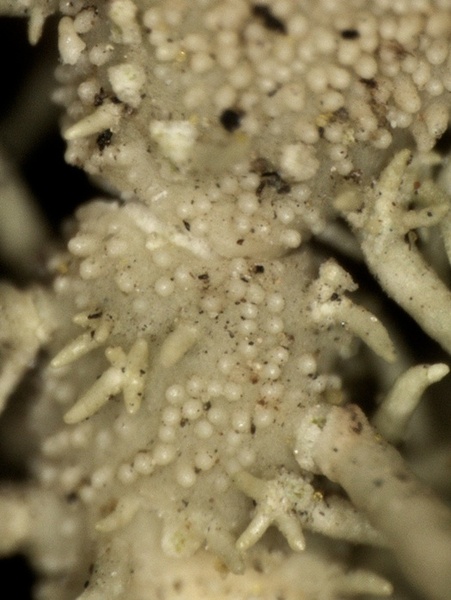
Tiiu Tõrra; Owner: Tiiu Tõrra - Institute of Ecology and Earth Sciences, University of Tartu, Estonia
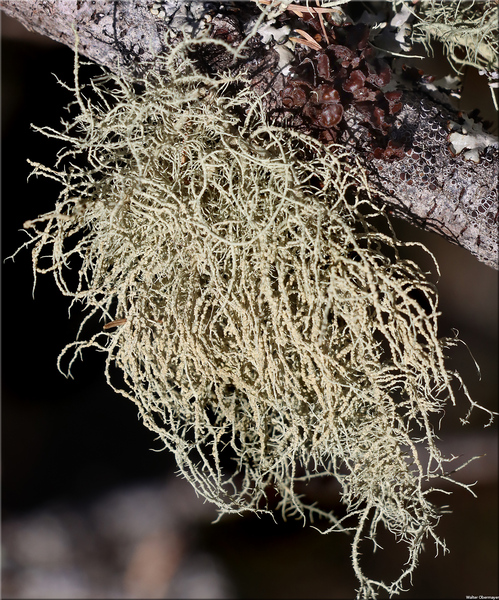
Walter Obermayer CC BY-SA 4.0 - Source: Lichens of Noricum - http://lichens-of-noricum.uni-graz.at/
Growth form: Fruticose filamentous
Substrata: bark
Photobiont: green algae other than Trentepohlia
Reproductive strategy: mainly asexual, by soredia, or soredia-like structures (e.g. blastidia)
Commonnes-rarity: (info)
Alpine belt: absent
Subalpine belt: rather common
Montane belt: rather rare
Dry submediterranean belt: absent
Humid submediterranean belt: absent
Padanian area: absent
pH of the substrata:
| 1 | 2 | 3 | 4 | 5 |
Solar irradiation:
| 1 | 2 | 3 | 4 | 5 |
Aridity:
| 1 | 2 | 3 | 4 | 5 |
Eutrophication:
| 1 | 2 | 3 | 4 | 5 |
Poleotolerance:
| 0 | 1 | 2 | 3 |
Altitudinal distribution:
| 1 | 2 | 3 | 4 | 5 | 6 |
Rarity
absent
extremely rare
very rare
rare
rather rare
rather common
common
very common
extremely common
Loading data...
Occurrence data
Predictive map
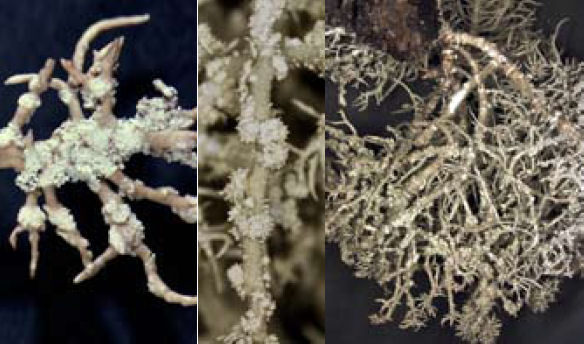
Tiiu Tõrra; Owner: Tiiu Tõrra - Institute of Ecology and Earth Sciences, University of Tartu, Estonia
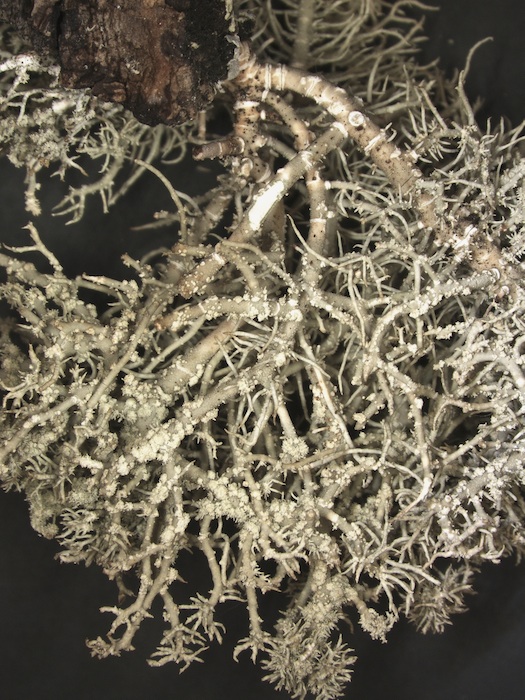
Tiiu Tõrra; Owner: Tiiu Tõrra - Institute of Ecology and Earth Sciences, University of Tartu, Estonia
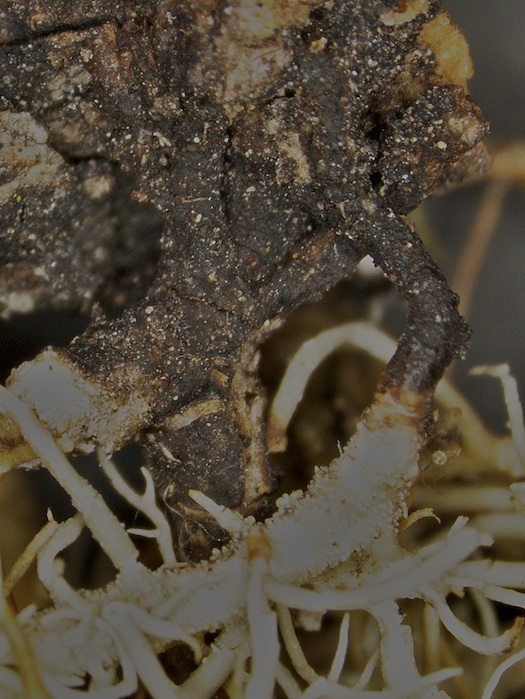
Tiiu Tõrra; Owner: Tiiu Tõrra - Institute of Ecology and Earth Sciences, University of Tartu, Estonia
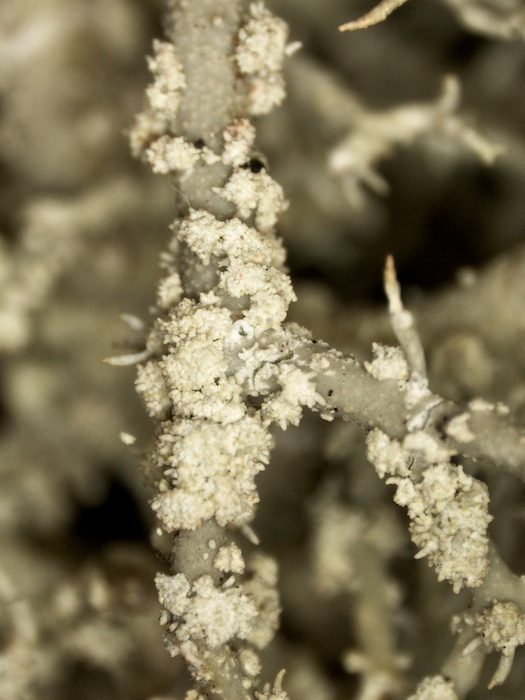
Tiiu Tõrra; Owner: Tiiu Tõrra - Institute of Ecology and Earth Sciences, University of Tartu, Estonia
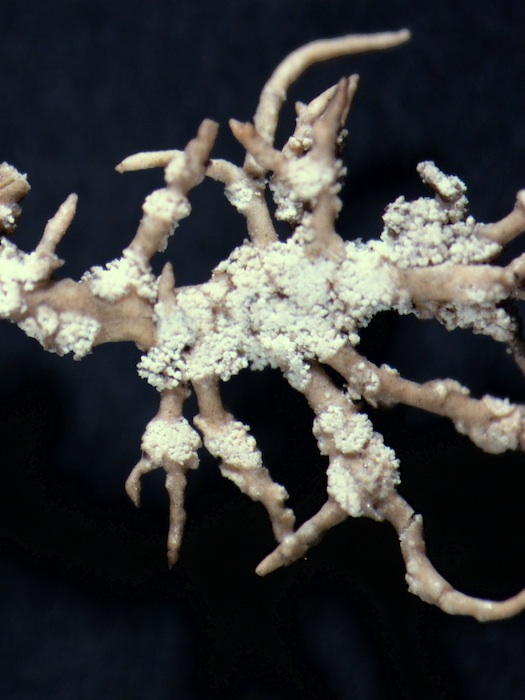
Tiiu Tõrra; Owner: Tiiu Tõrra - Institute of Ecology and Earth Sciences, University of Tartu, Estonia
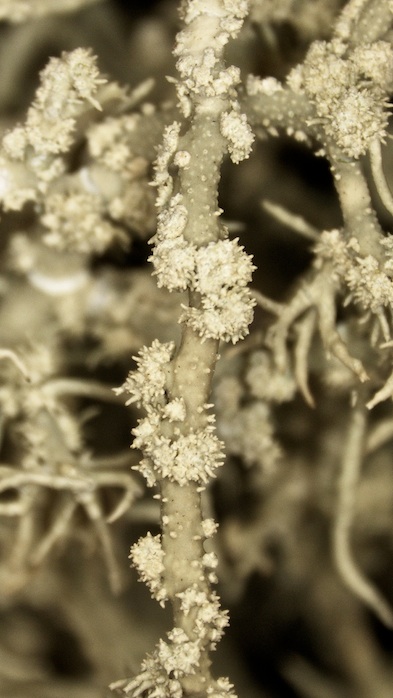
Tiiu Tõrra; Owner: Tiiu Tõrra - Institute of Ecology and Earth Sciences, University of Tartu, Estonia
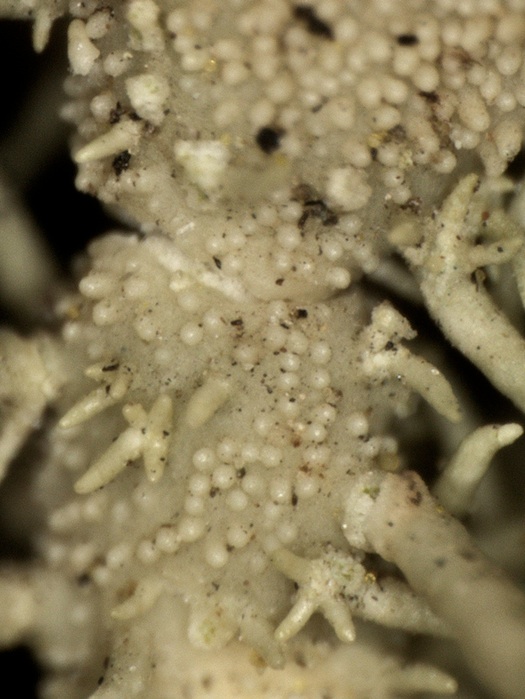
Tiiu Tõrra; Owner: Tiiu Tõrra - Institute of Ecology and Earth Sciences, University of Tartu, Estonia