Verrucaria aquatilis Mudd
Man. Brit. Lich.: 285, 1861.
Synonyms: Bachmannia maurula (Müll. Arg.) Zschacke; Verrucaria aquatilis var. aerimontana Servít; Verrucaria atroviridis Servít ex J. Nowak & Tobol.; Verrucaria maurula Müll. Arg.; Verrucaria retecta Zschacke; Verrucaria vitricola Nyl.?
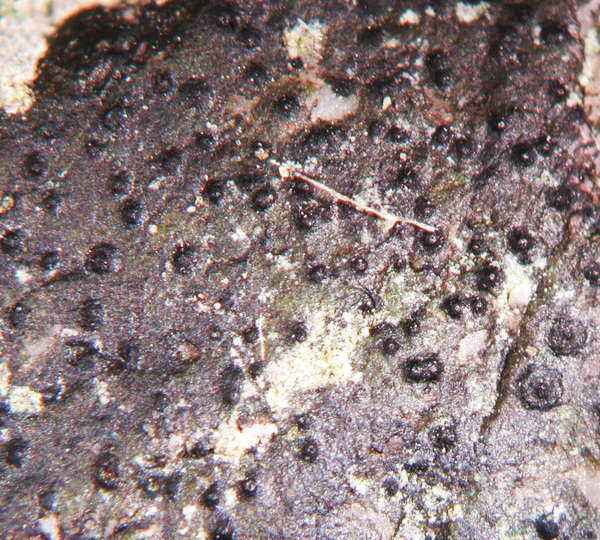
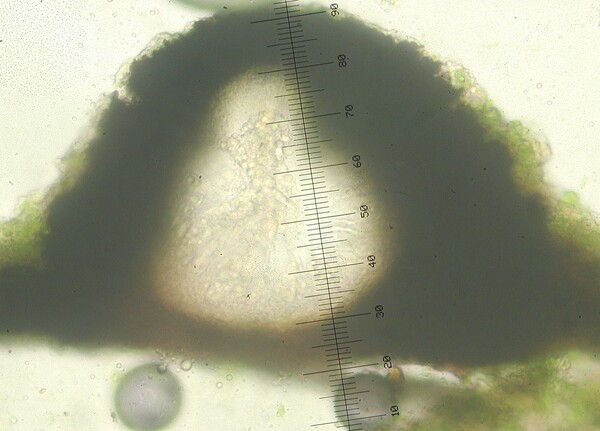
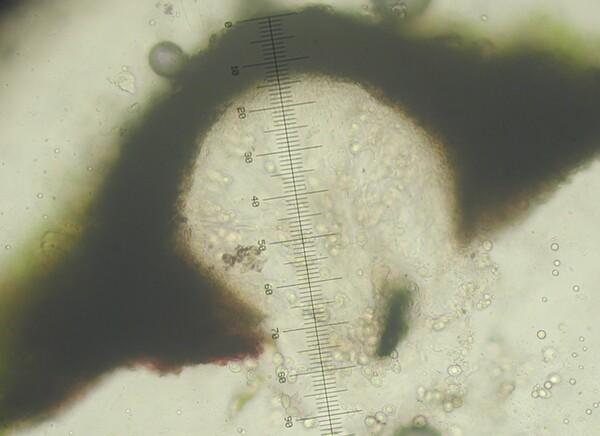
Description: Thallus crustose, episubstratic, 10-55 μm thick, black, blackish-green or brown-black when dry, black to dark green when wet, continuous or indistinctly and irregularly rimose, subgelatinous when wet, without a clear prothallus. Cortex with a greenish brown to dull brown pigment; medulla white or patchily pigmented, without a black basal layer. Perithecia (0.1-)0.2-0.3 mm across, forming low conical-hemispherical projections, covered at least when young by a thalline layer, the ostiole inconspicuous. Involucrellum conical, 140-430 μm in diam., extending laterally within the thallus, often reaching to base-level, the pigment red-brown, K+ grey; exciple 80-130 x 80-150 μm, the wall colourless or very pale brown, except the part around the ostiole which is often dull blue-grey or blue-green; hamathecium of periphysoids, interascal filaments absent; hymenial gel hemiamyloid, I+ red (I+ blue at very low concentrations of I), K/I+ blue. Asci 8-spored, clavate, I-, fissitunicate, the wall thickened above, with an ocular chamber, dehiscent by extrusion of an endotunica to form a delicate rostrum, Verrucaria-type. Ascospores 1-celled, hyaline, broadly ellipsoid, (4-)6-9(-11) x (4-)5-7(-9.3) μm. Photobiont chlorococcoid (Dilabifilum), the cells irregularly dispersed or rarely arranged in vertical columns. Spot tests: K-, C-, KC-, P-, UV-. Chemistry: without lichen substances.
Growth form: Crustose
Substrata: rocks
Photobiont: green algae other than Trentepohlia
Reproductive strategy: mainly sexual
Periodically submerged (e.g. in creeks)
Commonnes-rarity: (info)
Alpine belt: absent
Subalpine belt: very rare
Montane belt: rare
Dry submediterranean belt: extremely rare
Humid submediterranean belt: absent
Padanian area: absent
pH of the substrata:
1 2 3 4 5

Solar irradiation:
1 2 3 4 5
Aridity:
1 2 3 4 5
Eutrophication:
1 2 3 4 5
Poleotolerance:
0 1 2 3
Altitudinal distribution:
1 2 3 4 5 6
Rarity
absent
extremely rare
very rare
rare
rather rare
rather common
common
very common
extremely common
Loading data...
Occurrence data
Predictive map
J. Nascimbene CC BY-SA 4.0
Juri Nascimbene - CC BY-SA 4.0
Italy, Veneto, Belluno, Vincheto di Celarda, Feltre
2007
Juri Nascimbene - CC BY-SA 4.0
Italy, Veneto, Belluno, Vincheto di Celarda, Feltre
2007
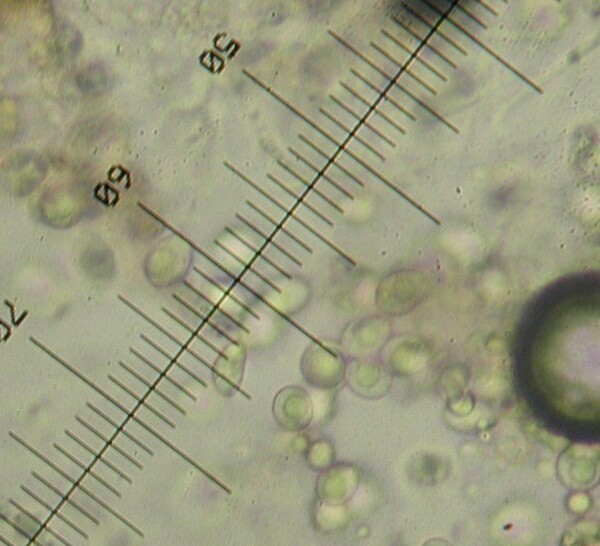
Juri Nascimbene - CC BY-SA 4.0
Italy, Veneto, Belluno, Vincheto di Celarda, Feltre
2007
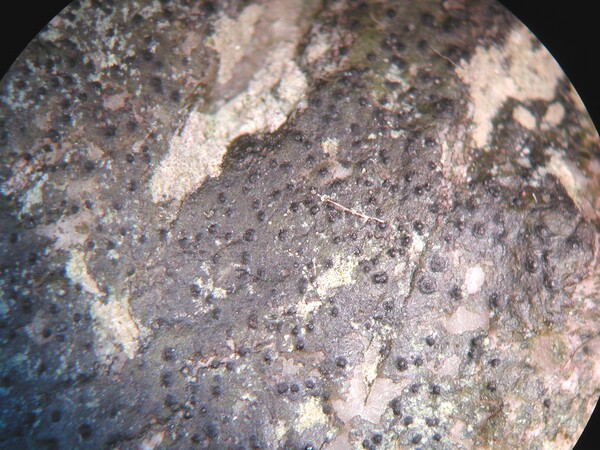
Juri Nascimbene - CC BY-SA 4.0
Italy, Veneto, Belluno, Vincheto di Celarda, Feltre
2007
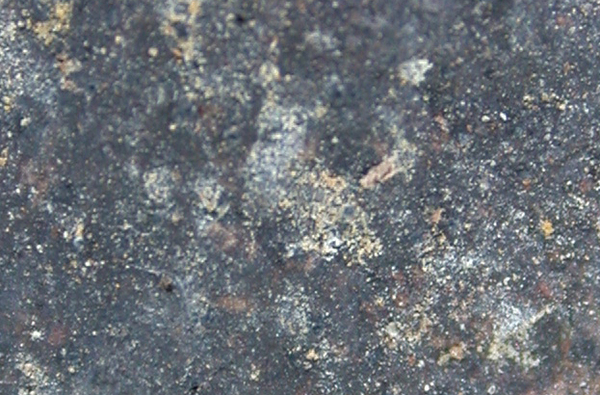
Author: André Aptroot - Source: http://www.tropicallichens.net/ CC BY-SA-NC
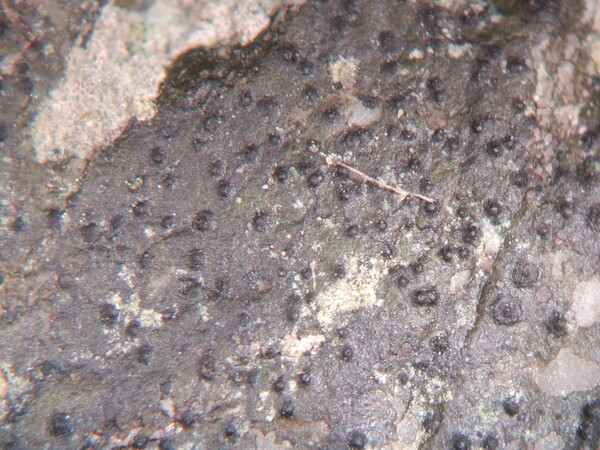
Juri Nascimbene - CC BY-SA 4.0
Italy, Veneto, Belluno, Vincheto di Celarda, Feltre
2007
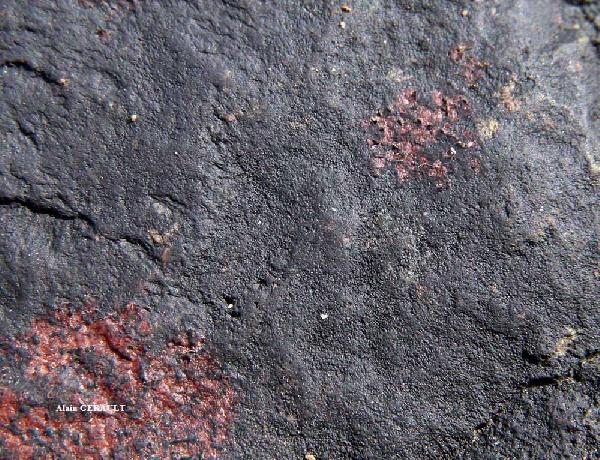
Alain Gerault - Source: http://www.lichensmaritimes.org/index.php?task=fiche&lichen=526&lang=en
France, Landevennec
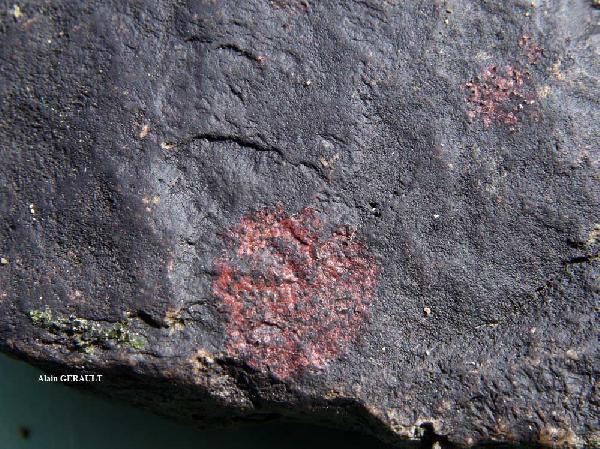
Alain Gerault - Source: http://www.lichensmaritimes.org/index.php?task=fiche&lichen=526&lang=en
France, Landevennec
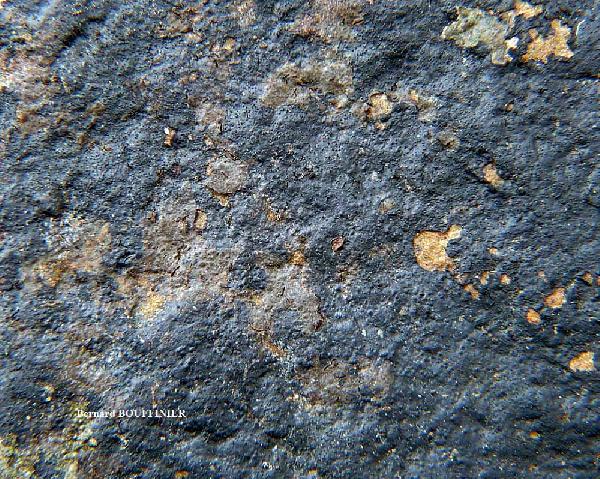
Bernard Bouffinier - Source: http://www.lichensmaritimes.org/index.php?task=fiche&lichen=526&lang=en
France, Landevennec
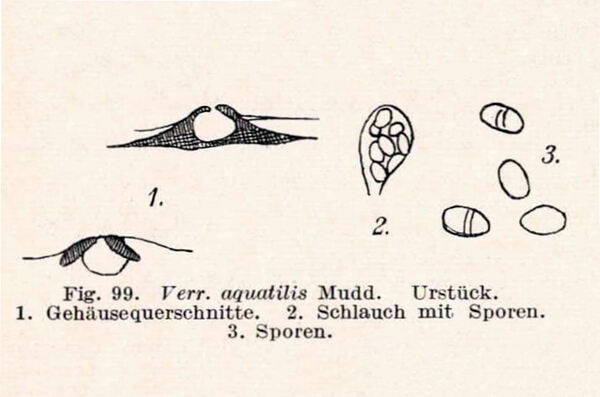
Zschacke, H. (1934) Epigloeaceae, Verrucariaceae und Dermatocarpaceae. In: Dr. L. Rabenhorst‘s Kryptogamen-Flora, Band 9, Abt. 1, Teil 1. Akademische Verlagsgesellschaft, Leipzig, 695 pp. - Public Domain
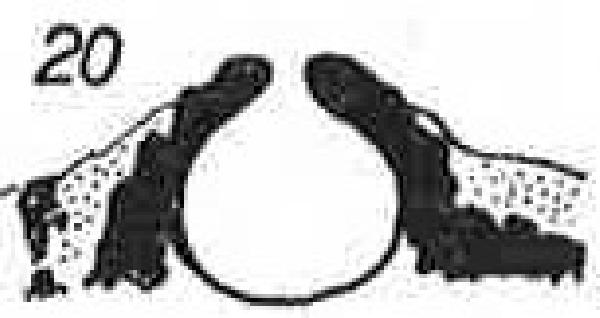
Source: Servít M. 1954a. Lichenes familiae Verrucariacearum. Prag, 249 pp.
Growth form: Crustose
Substrata: rocks
Photobiont: green algae other than Trentepohlia
Reproductive strategy: mainly sexual
Periodically submerged (e.g. in creeks)
Commonnes-rarity: (info)
Alpine belt: absent
Subalpine belt: very rare
Montane belt: rare
Dry submediterranean belt: extremely rare
Humid submediterranean belt: absent
Padanian area: absent
pH of the substrata:
| 1 | 2 | 3 | 4 | 5 |
Solar irradiation:
| 1 | 2 | 3 | 4 | 5 |
Aridity:
| 1 | 2 | 3 | 4 | 5 |
Eutrophication:
| 1 | 2 | 3 | 4 | 5 |
Poleotolerance:
| 0 | 1 | 2 | 3 |
Altitudinal distribution:
| 1 | 2 | 3 | 4 | 5 | 6 |
Rarity
absent
extremely rare
very rare
rare
rather rare
rather common
common
very common
extremely common
Loading data...
Occurrence data
Predictive map
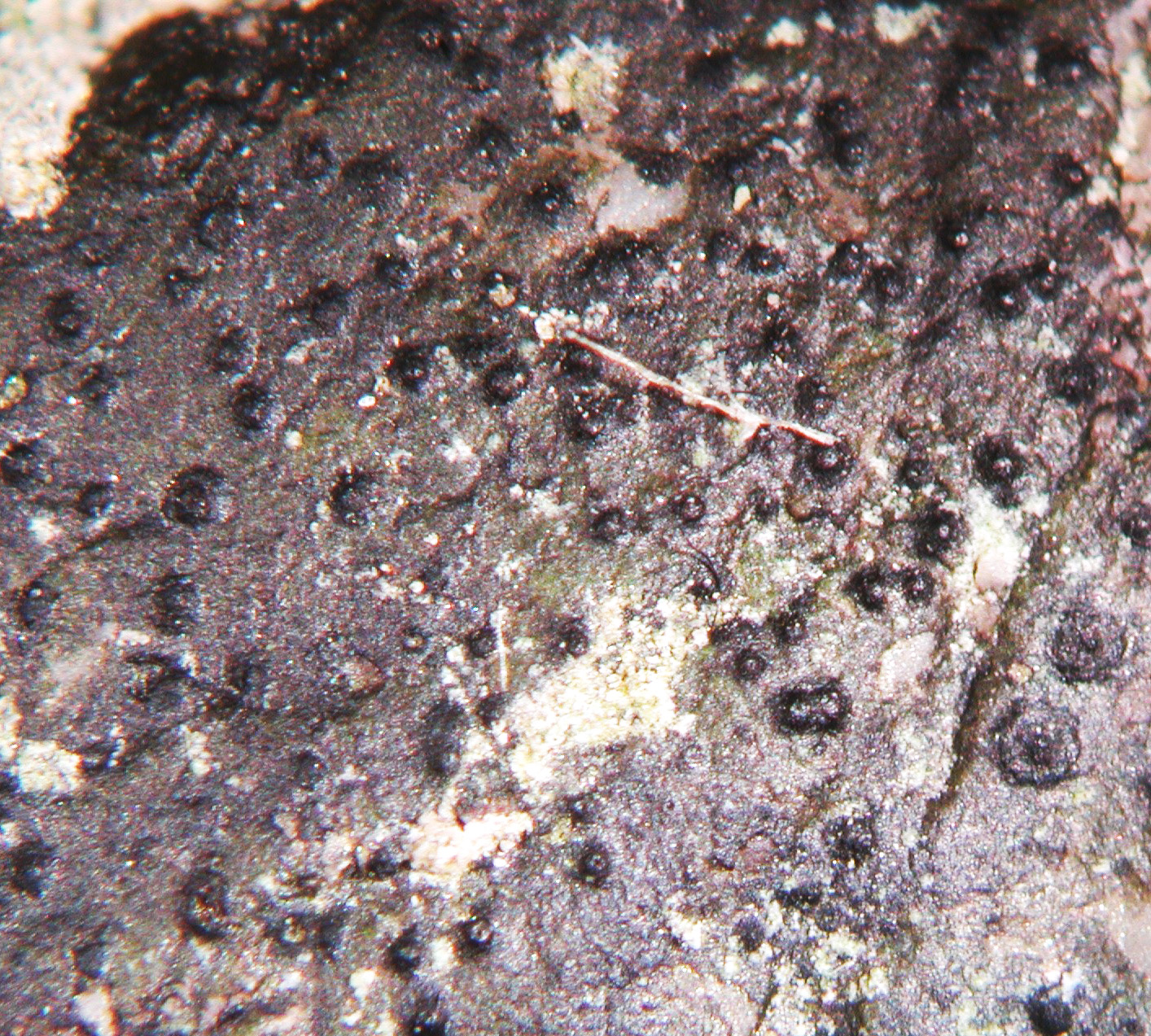
J. Nascimbene CC BY-SA 4.0
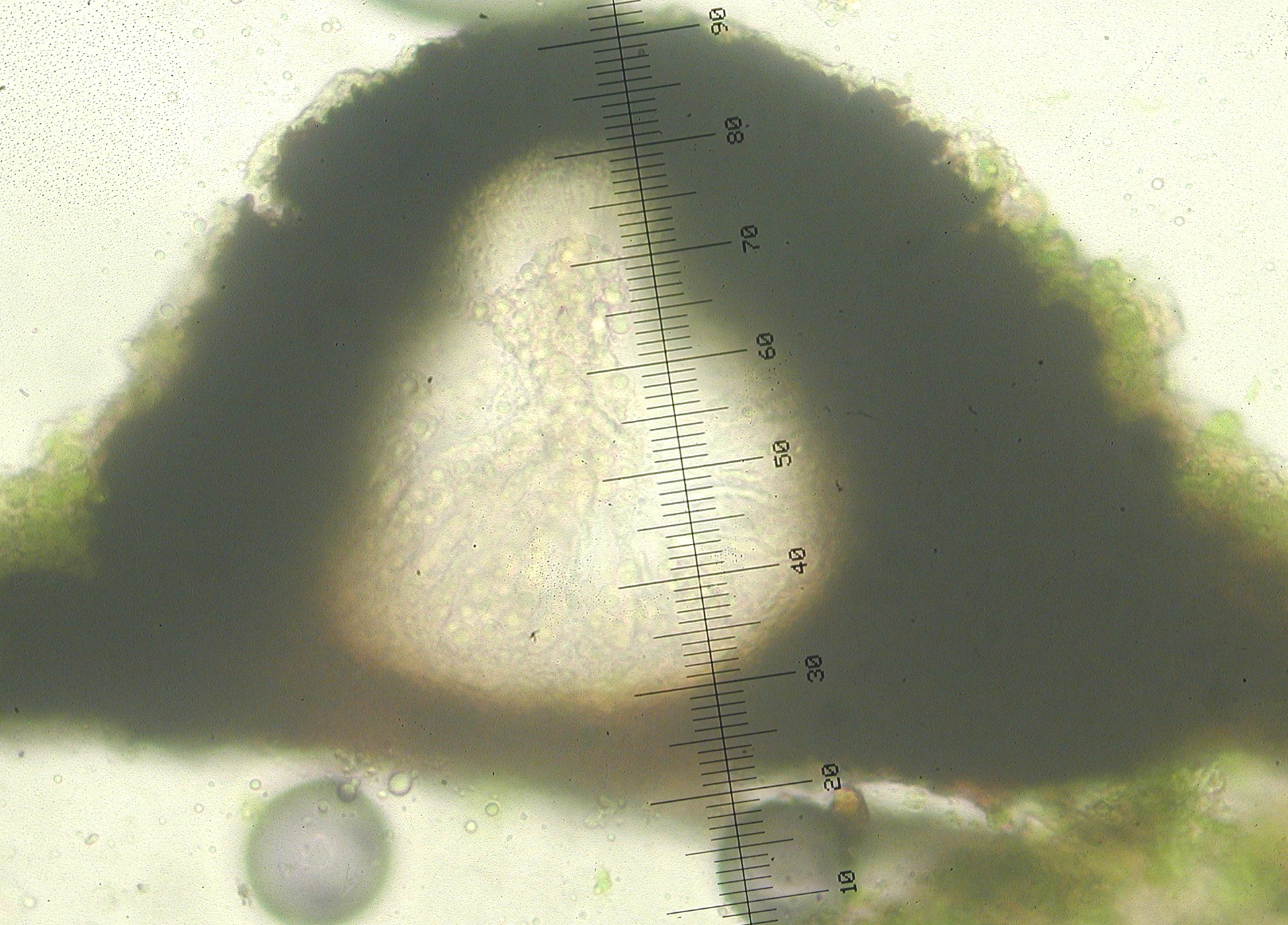
Juri Nascimbene - CC BY-SA 4.0
Italy, Veneto, Belluno, Vincheto di Celarda, Feltre
2007
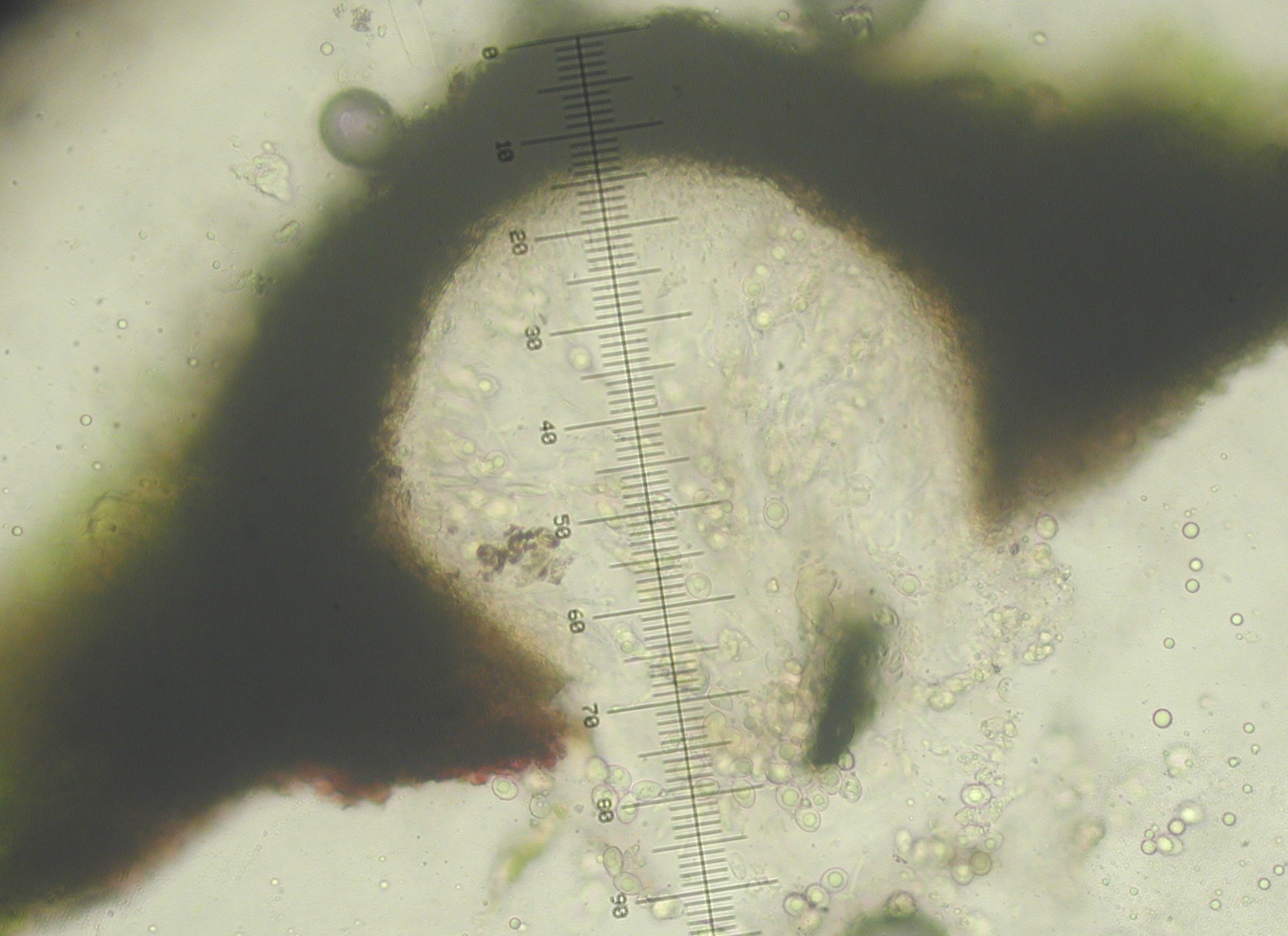
Juri Nascimbene - CC BY-SA 4.0
Italy, Veneto, Belluno, Vincheto di Celarda, Feltre
2007
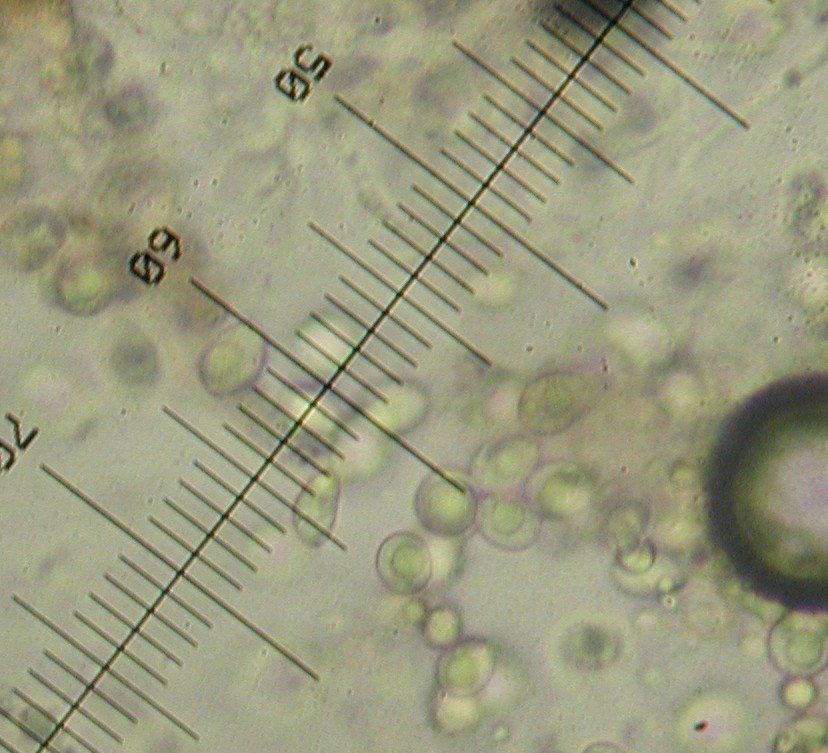
Juri Nascimbene - CC BY-SA 4.0
Italy, Veneto, Belluno, Vincheto di Celarda, Feltre
2007
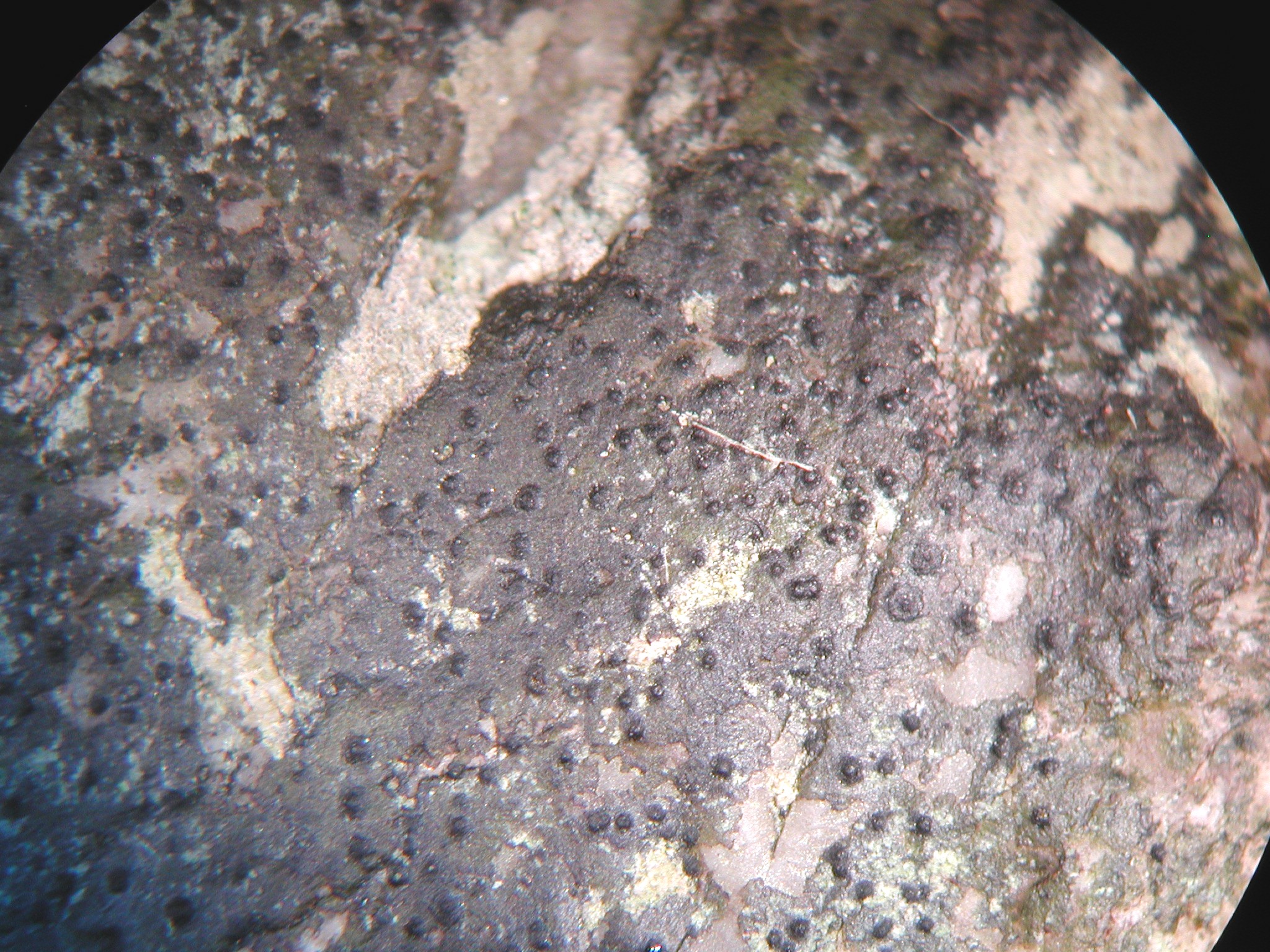
Juri Nascimbene - CC BY-SA 4.0
Italy, Veneto, Belluno, Vincheto di Celarda, Feltre
2007
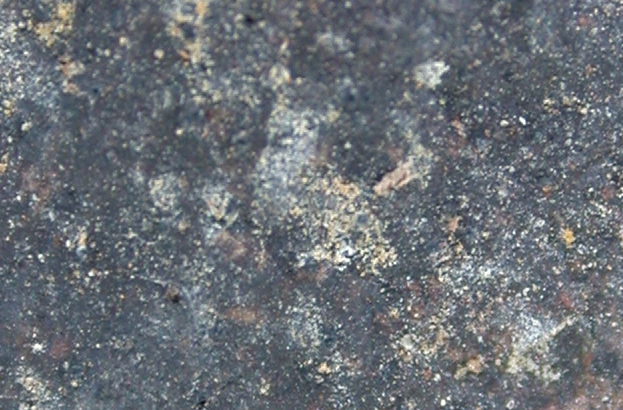
Author: André Aptroot - Source: http://www.tropicallichens.net/ CC BY-SA-NC
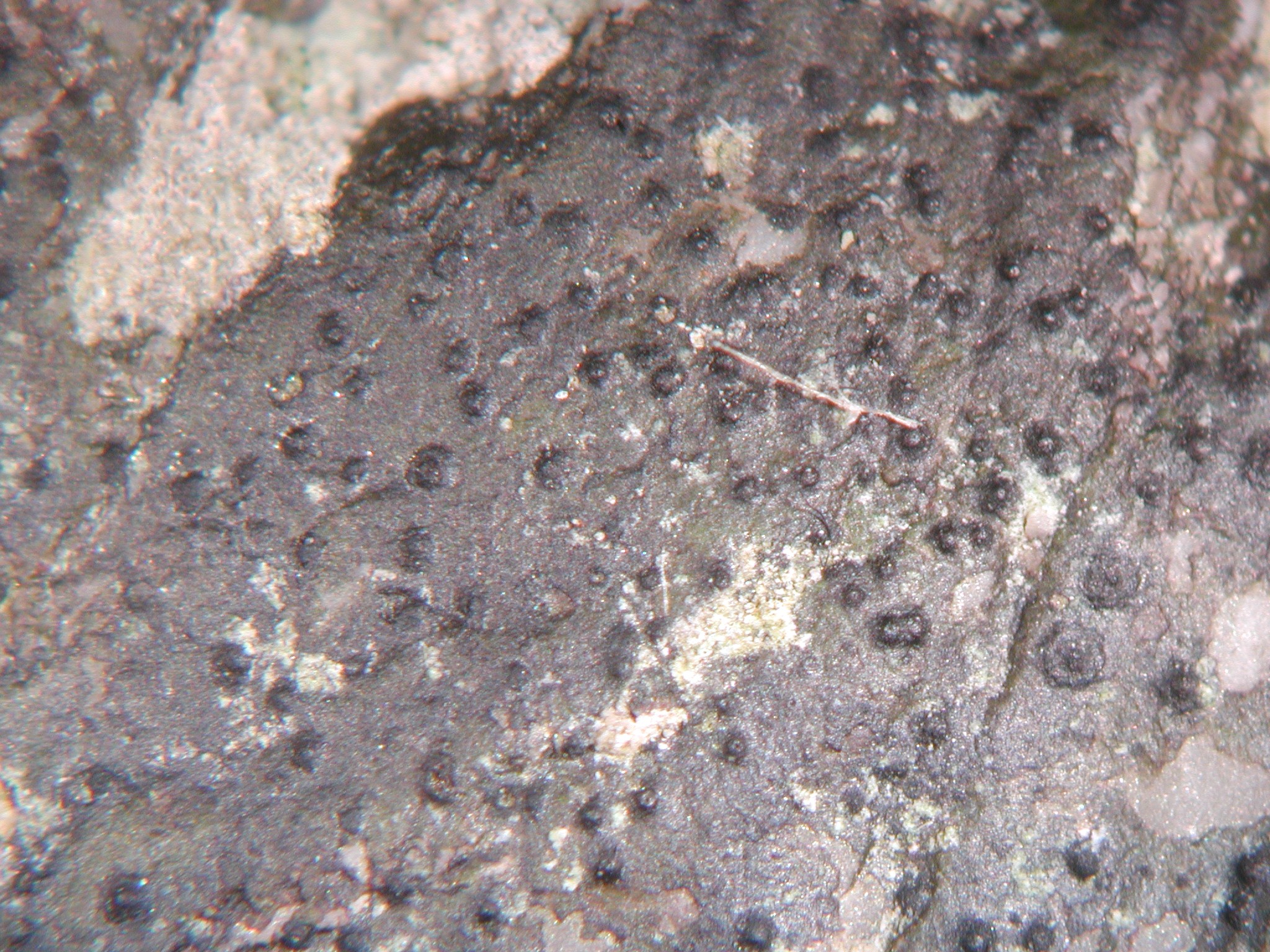
Juri Nascimbene - CC BY-SA 4.0
Italy, Veneto, Belluno, Vincheto di Celarda, Feltre
2007
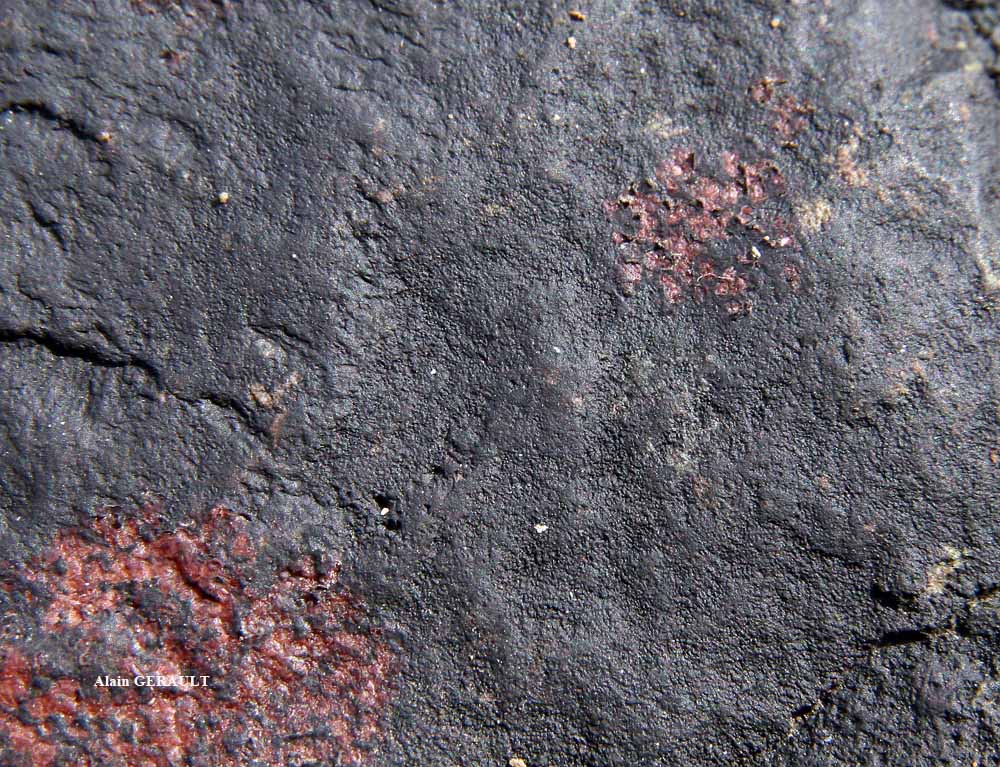
Alain Gerault - Source: http://www.lichensmaritimes.org/index.php?task=fiche&lichen=526&lang=en
France, Landevennec
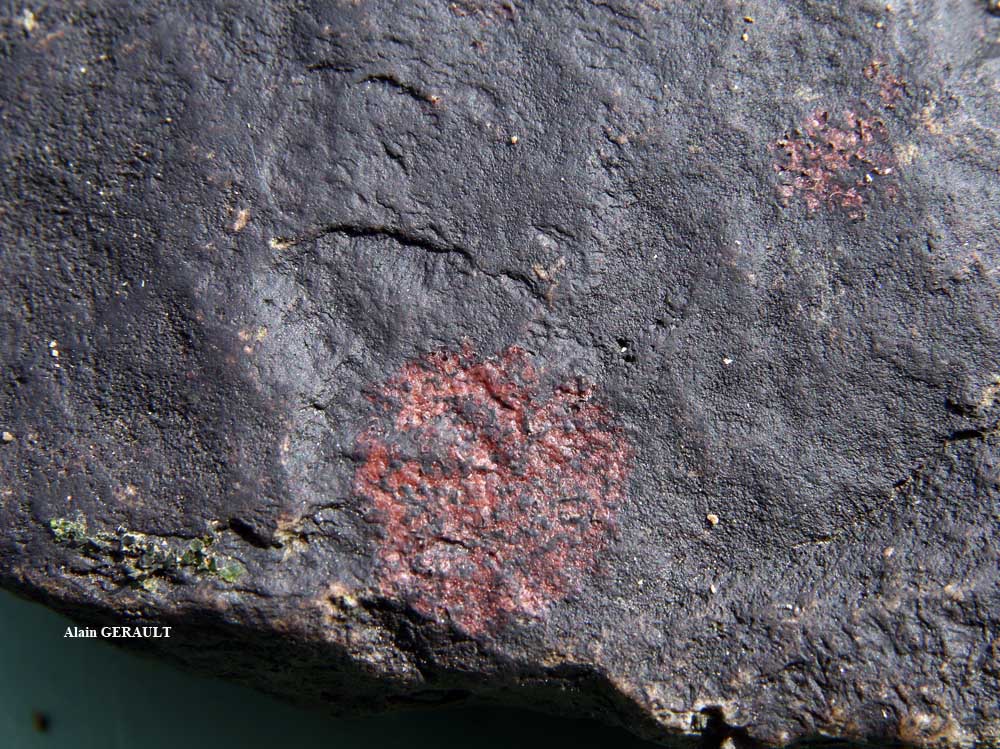
Alain Gerault - Source: http://www.lichensmaritimes.org/index.php?task=fiche&lichen=526&lang=en
France, Landevennec
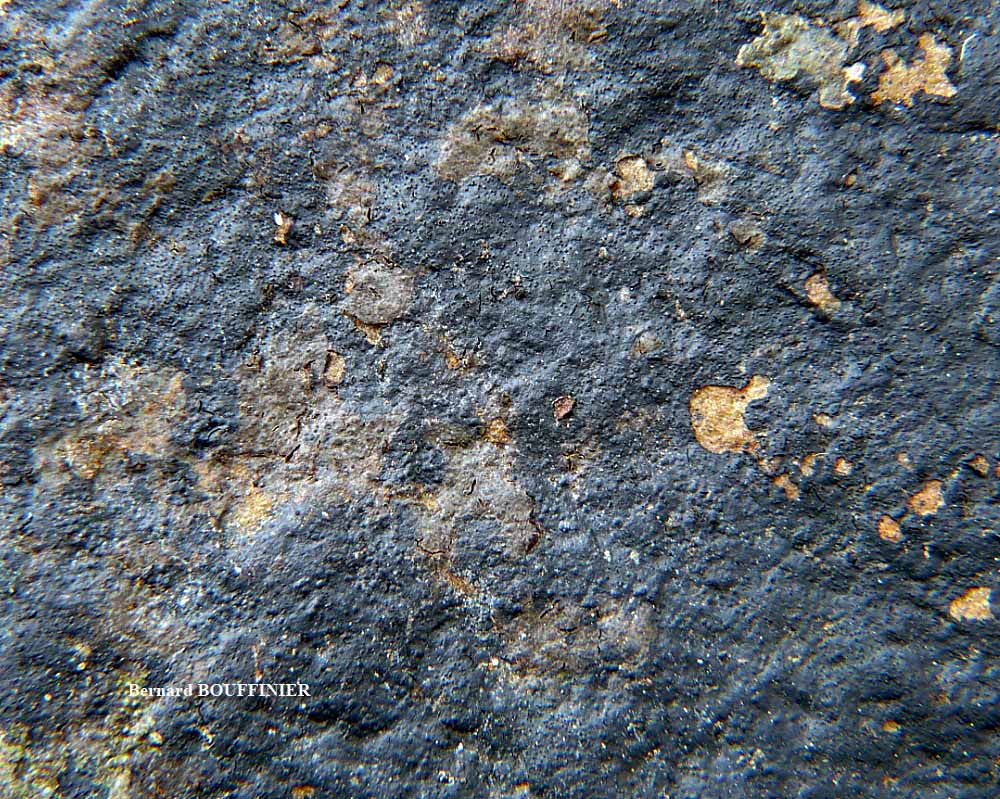
Bernard Bouffinier - Source: http://www.lichensmaritimes.org/index.php?task=fiche&lichen=526&lang=en
France, Landevennec
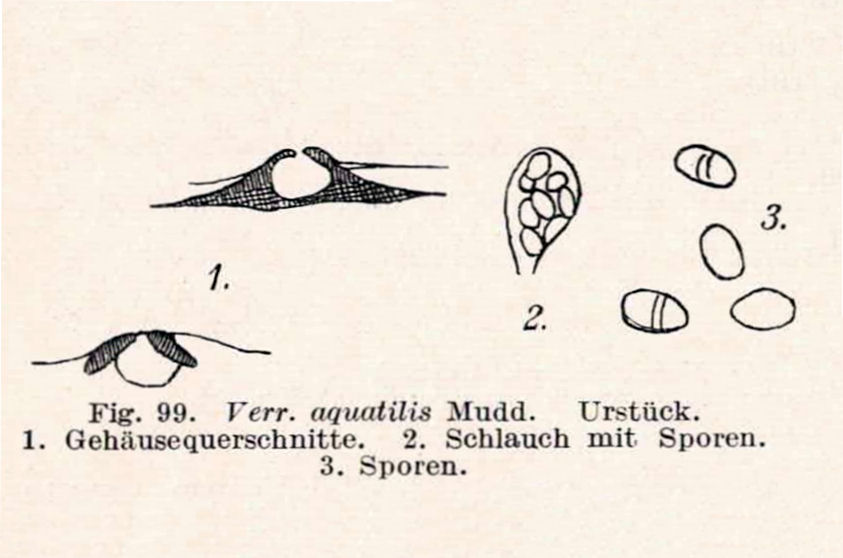
Zschacke, H. (1934) Epigloeaceae, Verrucariaceae und Dermatocarpaceae. In: Dr. L. Rabenhorst‘s Kryptogamen-Flora, Band 9, Abt. 1, Teil 1. Akademische Verlagsgesellschaft, Leipzig, 695 pp. - Public Domain