Verrucaria caerulea DC.
in Lamarck & de Candolle, Fl. Franç., éd. 3, 2: 318, 1805.
Synonyms: Involucrothele bormiensis (Servít) Servít; Involucrothele plumbea (Ach.) Servít; Thelidium plumbeum (Ach.) Servít; Verrucaria amylacea f. compacta Arnold; Verrucaria bormiensis Servít; Verrucaria fusca f. benacensis Arnold; Verrucaria fusca f. caesia Anzi; Verrucaria glaucina Ach. non auct.; Verrucaria plumbea Ach.; Verrucaria truncatula Nyl.
Description: Thallus crustose, episubstratic, (0.1-)0.2-0.3 mm thick, often forming suborbicular patches which are raised above adjacent endolithic species, closely and finely rimose to rimose-areolate, pale grey, usually covered in a bluish-white, compact pruina, often well-delimited by a dark prothalline line. Cortex poorly differentiated, with a pale brown pigment in sun-forms, overlain by a thick epinecral layer; medulla white, paraplectenchymatous, filled with crystals, not forming a dark basal layer. Perithecia black, 0.2-0.3 mm across, 3/4 to completely immersed in the thallus, the apex flat to shallowly convex, 0.1-0.2 mm wide. Involucrellum appressed to exciple, c. 50 μm thick, dimidiate or extending to base-level; exciple 0.15-0.2 mm across, the wall colourless or lightly pigmented in lower part, rarely black; hamathecium of up to 20-30 μm long periphysoids, interascal filaments absent; hymenial gel hemiamyloid, I+ red (I+ blue at very low concentrations of I), K/I + blue. Asci 8-spored, broadly clavate, bitunicate-fissitunicate, thick-walled above when young, with a small ocular chamber, Verrucaria-type, 45-55 x 14-18 μm. Ascospores 1-celled, hyaline, ellipsoid, (12-)13-17(-22) x 5-7(-9) μm. Photobiont chlorococcoid. Spot tests: thallus K-, C-, KC-, P-, UV-. Chemistry: without lichen substances.
Growth form: Crustose
Substrata: rocks
Photobiont: green algae other than Trentepohlia
Reproductive strategy: mainly sexual
Commonnes-rarity: (info)
Alpine belt: extremely rare
Subalpine belt: very rare
Montane belt: rather rare
Dry submediterranean belt: very rare
Humid submediterranean belt: very rare
Padanian area: absent
pH of the substrata:
1 2 3 4 5

Solar irradiation:
1 2 3 4 5
Aridity:
1 2 3 4 5
Eutrophication:
1 2 3 4 5
Poleotolerance:
0 1 2 3
Altitudinal distribution:
1 2 3 4 5 6
Rarity
absent
extremely rare
very rare
rare
rather rare
rather common
common
very common
extremely common
Loading data...
Occurrence data
Predictive map
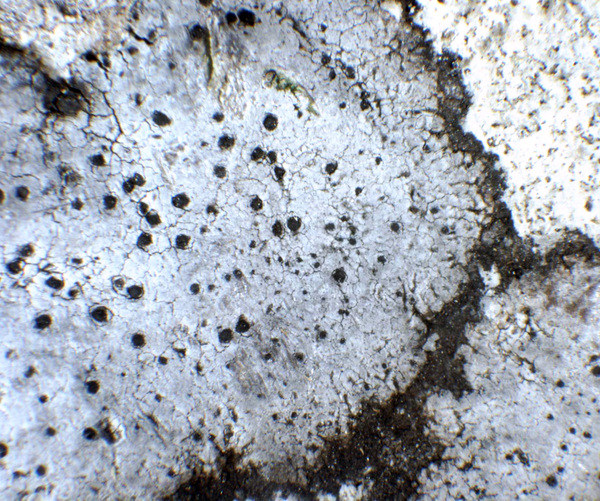
P.L. Nimis CC BY-SA 04
TSB 24510
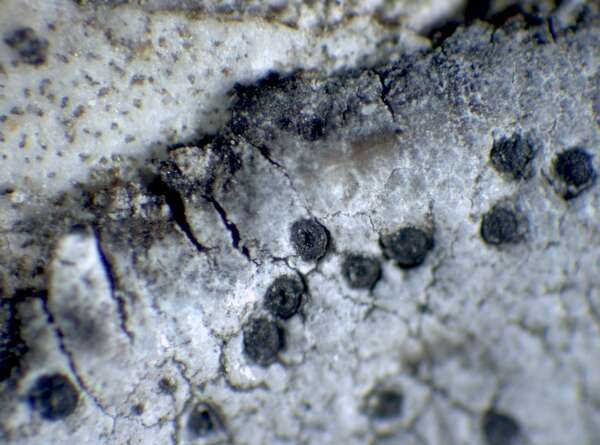
P.L. Nimis; Owner: Department of Life Sciences, University of Trieste
Herbarium: TSB (24510)
2001/12/03
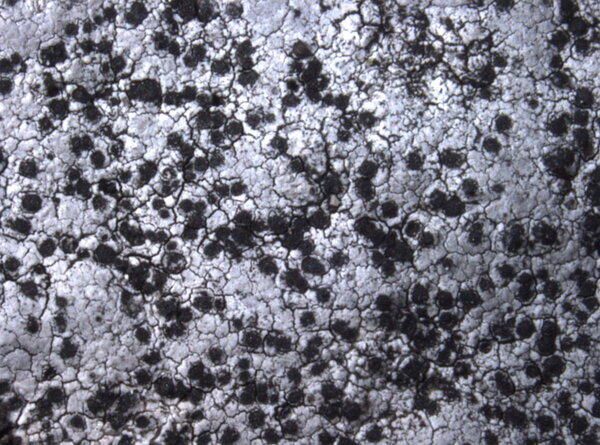
Pier Luigi Nimis - CC BY-SA 4.0
TSB 37850
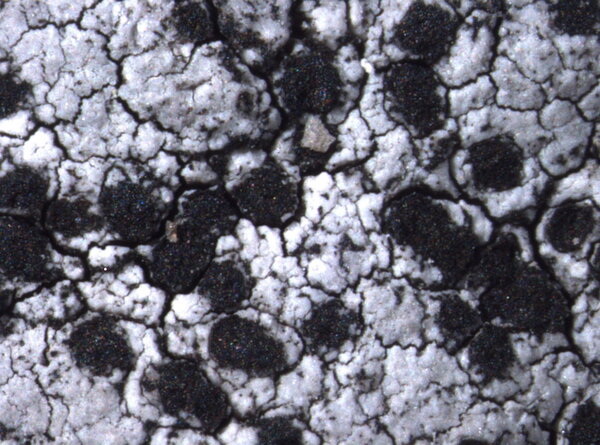
Pier Luigi Nimis - CC BY-SA 4.0
TSB 37850
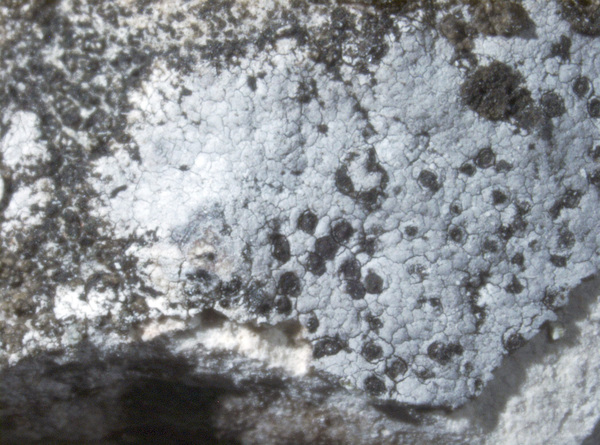
P.L. Nimis CC BY-SA 04
TSB 41191
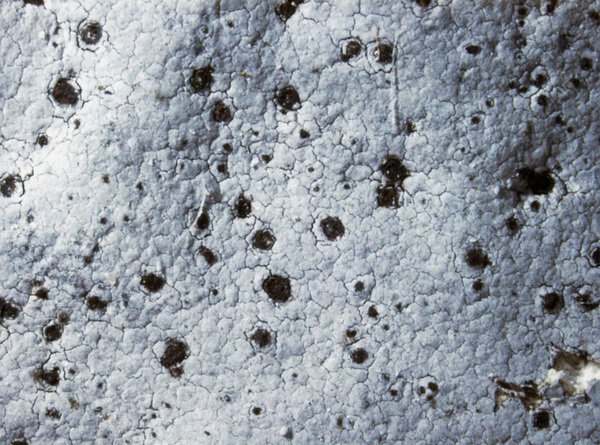
P.L. Nimis CC BY-SA 04
TSB 41191
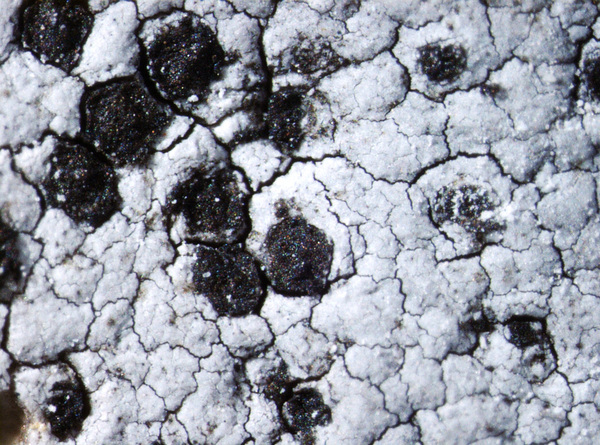
P.L. Nimis CC BY-SA 04
TSB 41191
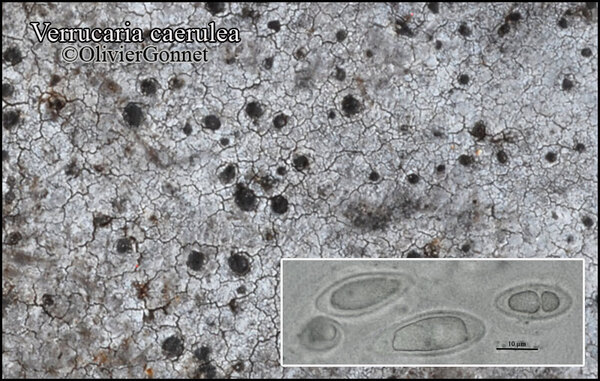
Courtesy Danièle et Olivier Gonnet - Source: https://www.afl-lichenologie.fr/Photos_AFL/Photos_AFL_V/Texte_V/Verrucaria_caerulea.htm
France, 19/9/2015 - Col vert - Vercors - Isère
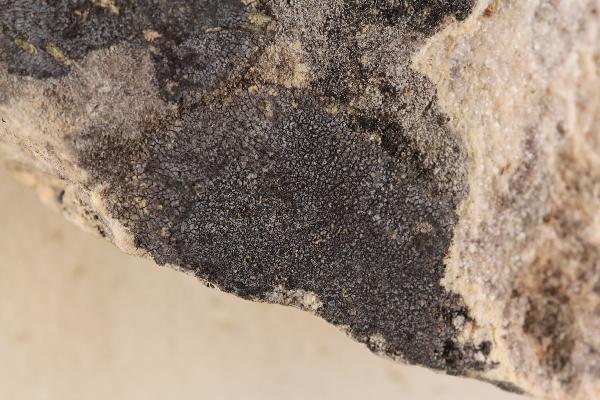
Collezione lichenologica Abramo Massalongo del Museo di Storia Naturale G. Ligabue di Venezia - Autori: Seggi, Linda; Trabucco, Raffaella Proprietà: Fondazione Musei Civici di Venezia - CC BY-NC
Italy, Veneto, In opp. Campofontana M. Alba. 1855
as Verrucaria plumbea
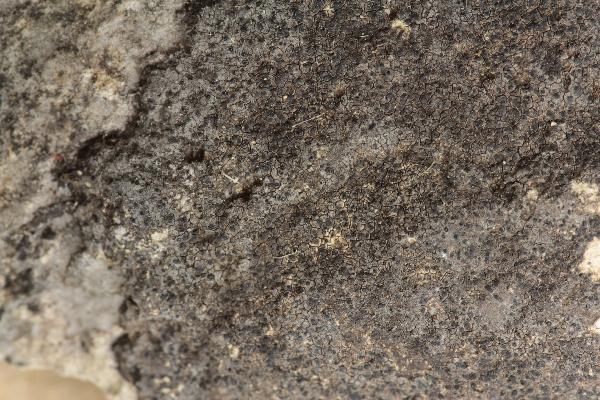
Collezione lichenologica Abramo Massalongo del Museo di Storia Naturale G. Ligabue di Venezia - Autori: Seggi, Linda; Trabucco, Raffaella Proprietà: Fondazione Musei Civici di Venezia - CC BY-NC
Italy, Veneto, in M. Rubbio
as Verrucaria plumbea
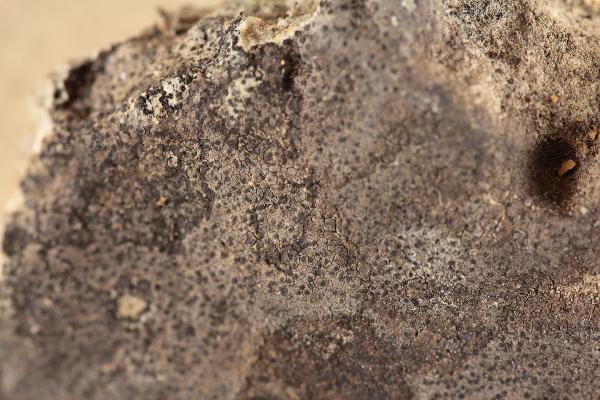
Collezione lichenologica Abramo Massalongo del Museo di Storia Naturale G. Ligabue di Venezia - Autori: Seggi, Linda; Trabucco, Raffaella Proprietà: Fondazione Musei Civici di Venezia - CC BY-NC
Italy, Veneto, in op. Tregnago 1855
as Verrucaria plumbea
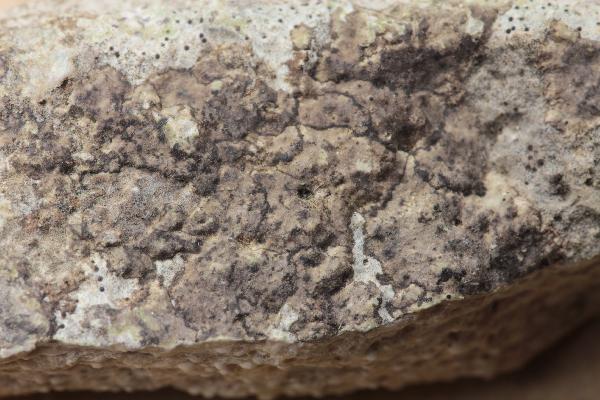
Collezione lichenologica Abramo Massalongo del Museo di Storia Naturale G. Ligabue di Venezia - Autori: Seggi, Linda; Trabucco, Raffaella Proprietà: Fondazione Musei Civici di Venezia - CC BY-NC
Italy, Veneto, in M. Rocca Garda
as Verrucaria plumbea var. fusca
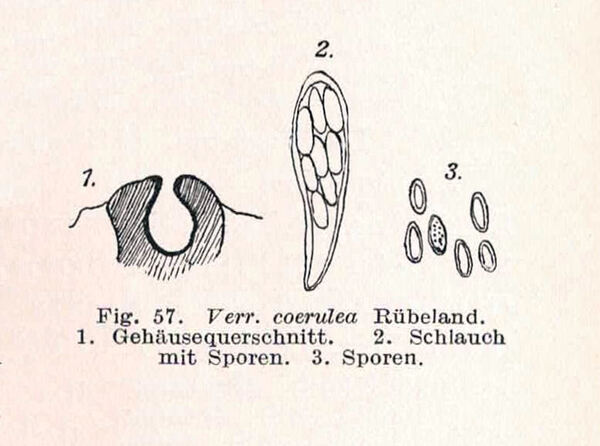
Zschacke, H. (1934) Epigloeaceae, Verrucariaceae und Dermatocarpaceae. In: Dr. L. Rabenhorst‘s Kryptogamen-Flora, Band 9, Abt. 1, Teil 1. Akademische Verlagsgesellschaft, Leipzig, 695 pp. - Public Domain
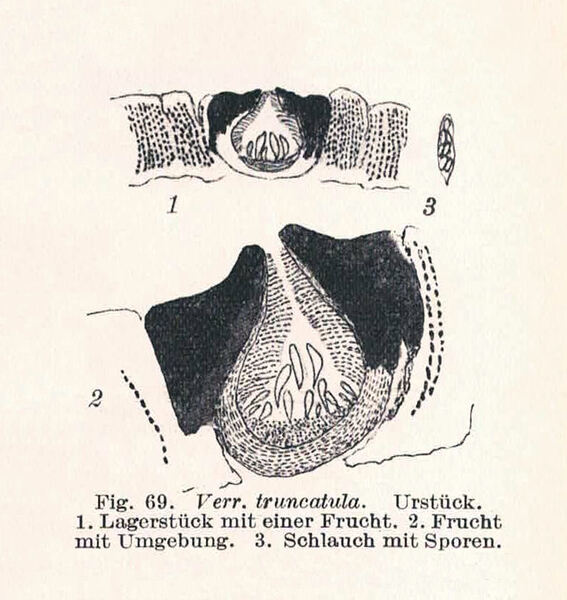
Zschacke, H. (1934) Epigloeaceae, Verrucariaceae und Dermatocarpaceae. In: Dr. L. Rabenhorst‘s Kryptogamen-Flora, Band 9, Abt. 1, Teil 1. Akademische Verlagsgesellschaft, Leipzig, 695 pp. - Public Domain
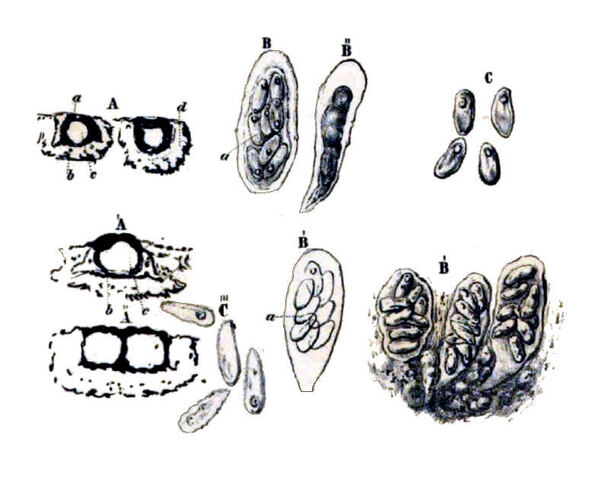
G. Gibelli, in S. Garovaglio, 1865 Tentamen Dispositionis Methodicae Lichenum In Longobardia Nascentium. Mediolanum
as Verrucaria plumbea
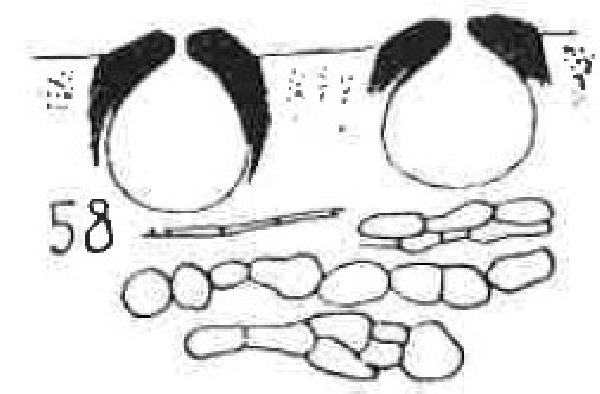
Source: Servít M. 1950b. The new lichens of the Pyrenocarpae-group III. Studia Bot. Cechoslov. 11, (1-2): 7-41.
as Thelidium plumbeum
Growth form: Crustose
Substrata: rocks
Photobiont: green algae other than Trentepohlia
Reproductive strategy: mainly sexual
Commonnes-rarity: (info)
Alpine belt: extremely rare
Subalpine belt: very rare
Montane belt: rather rare
Dry submediterranean belt: very rare
Humid submediterranean belt: very rare
Padanian area: absent
pH of the substrata:
| 1 | 2 | 3 | 4 | 5 |
Solar irradiation:
| 1 | 2 | 3 | 4 | 5 |
Aridity:
| 1 | 2 | 3 | 4 | 5 |
Eutrophication:
| 1 | 2 | 3 | 4 | 5 |
Poleotolerance:
| 0 | 1 | 2 | 3 |
Altitudinal distribution:
| 1 | 2 | 3 | 4 | 5 | 6 |
Rarity
absent
extremely rare
very rare
rare
rather rare
rather common
common
very common
extremely common
Loading data...
Occurrence data
Predictive map
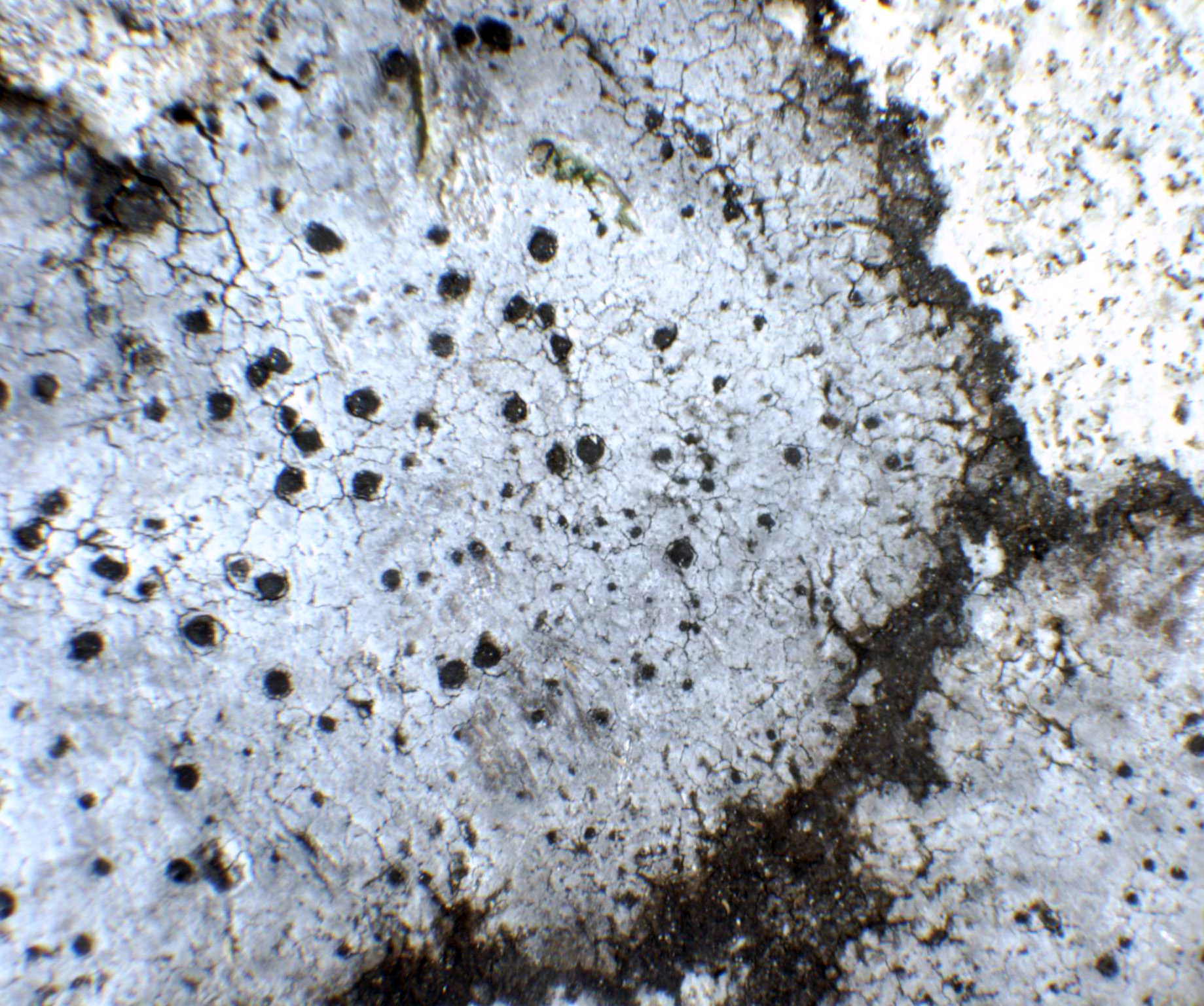
P.L. Nimis CC BY-SA 04
TSB 24510
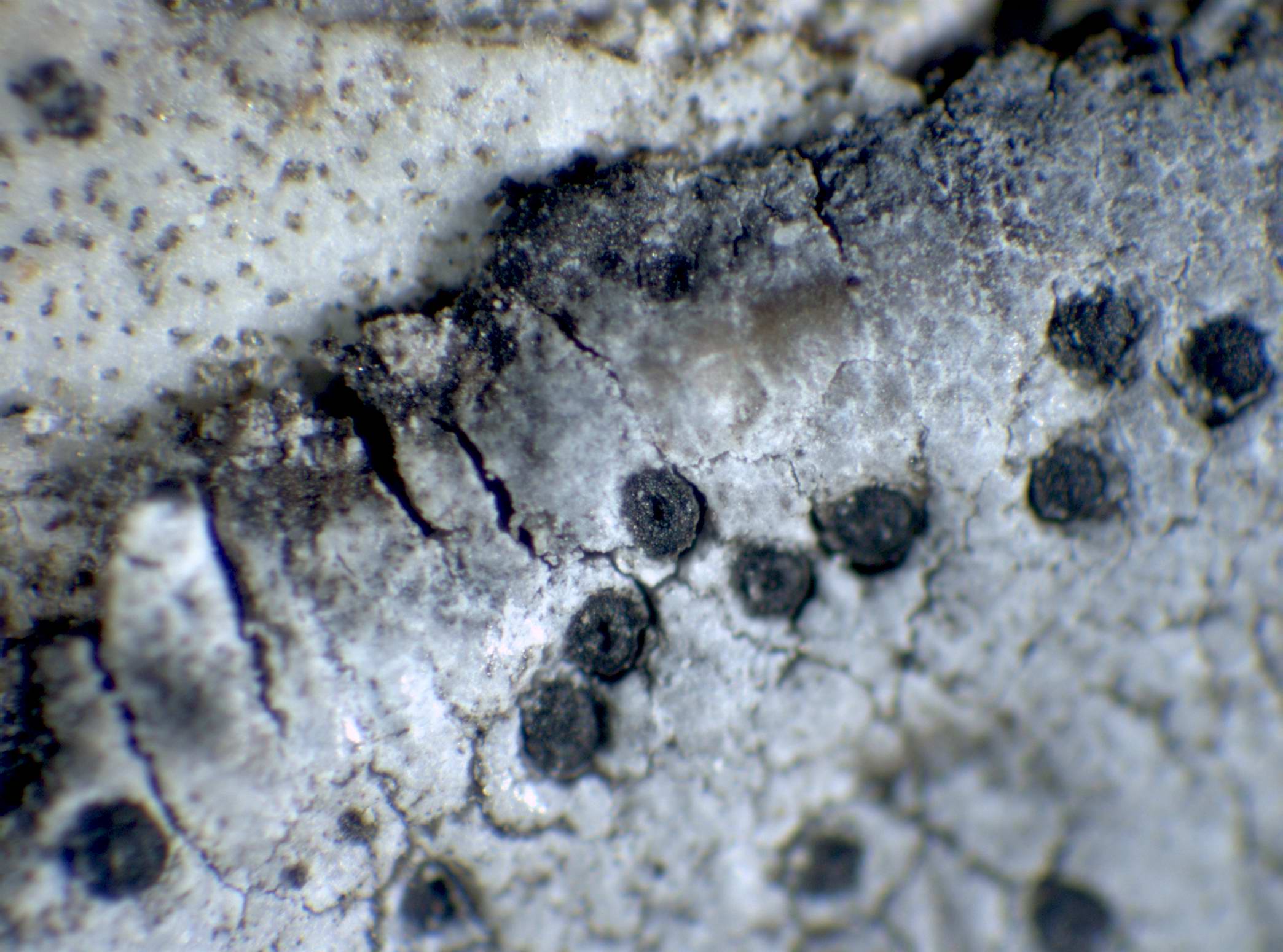
P.L. Nimis; Owner: Department of Life Sciences, University of Trieste
Herbarium: TSB (24510)
2001/12/03
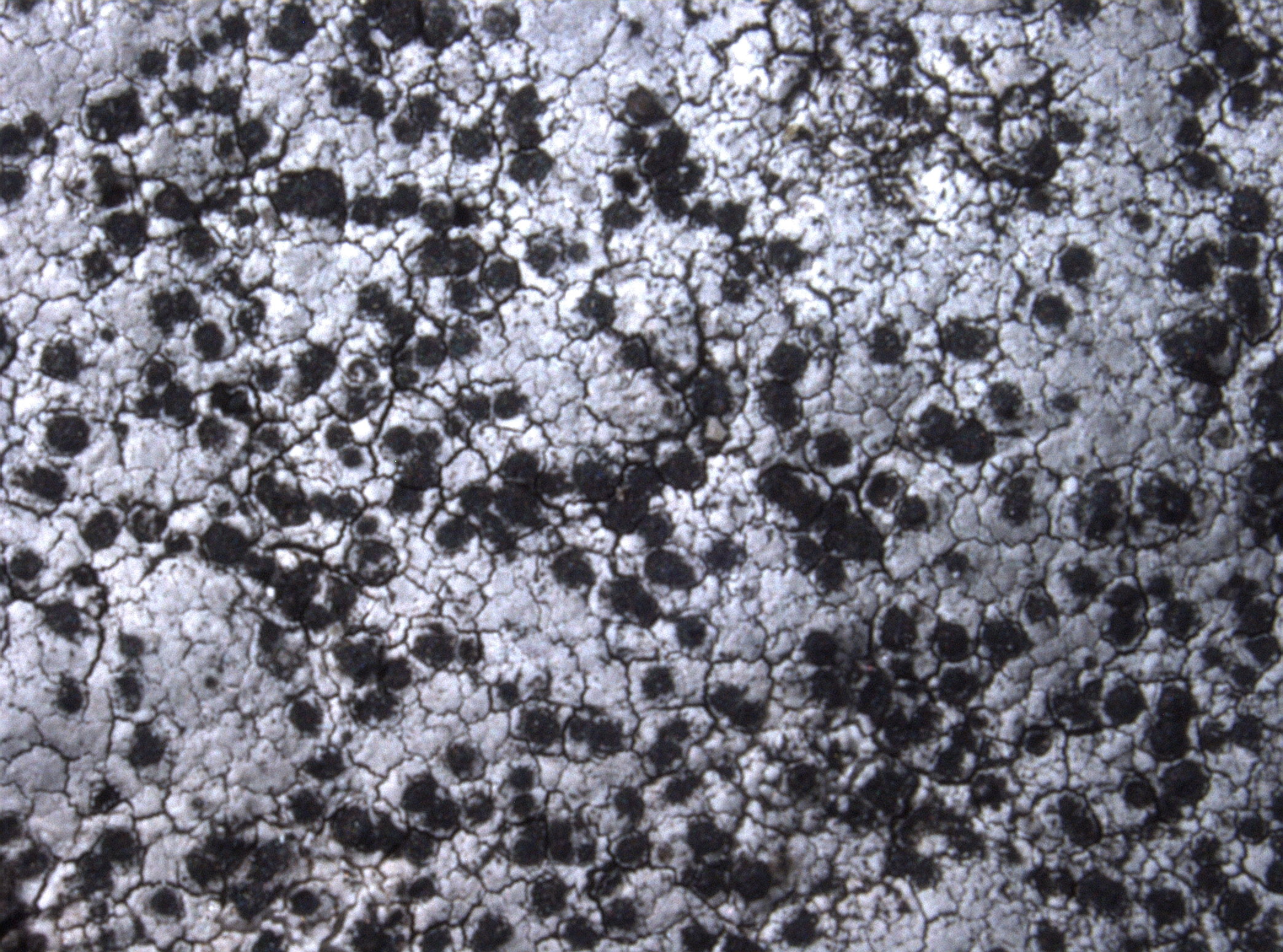
Pier Luigi Nimis - CC BY-SA 4.0
TSB 37850
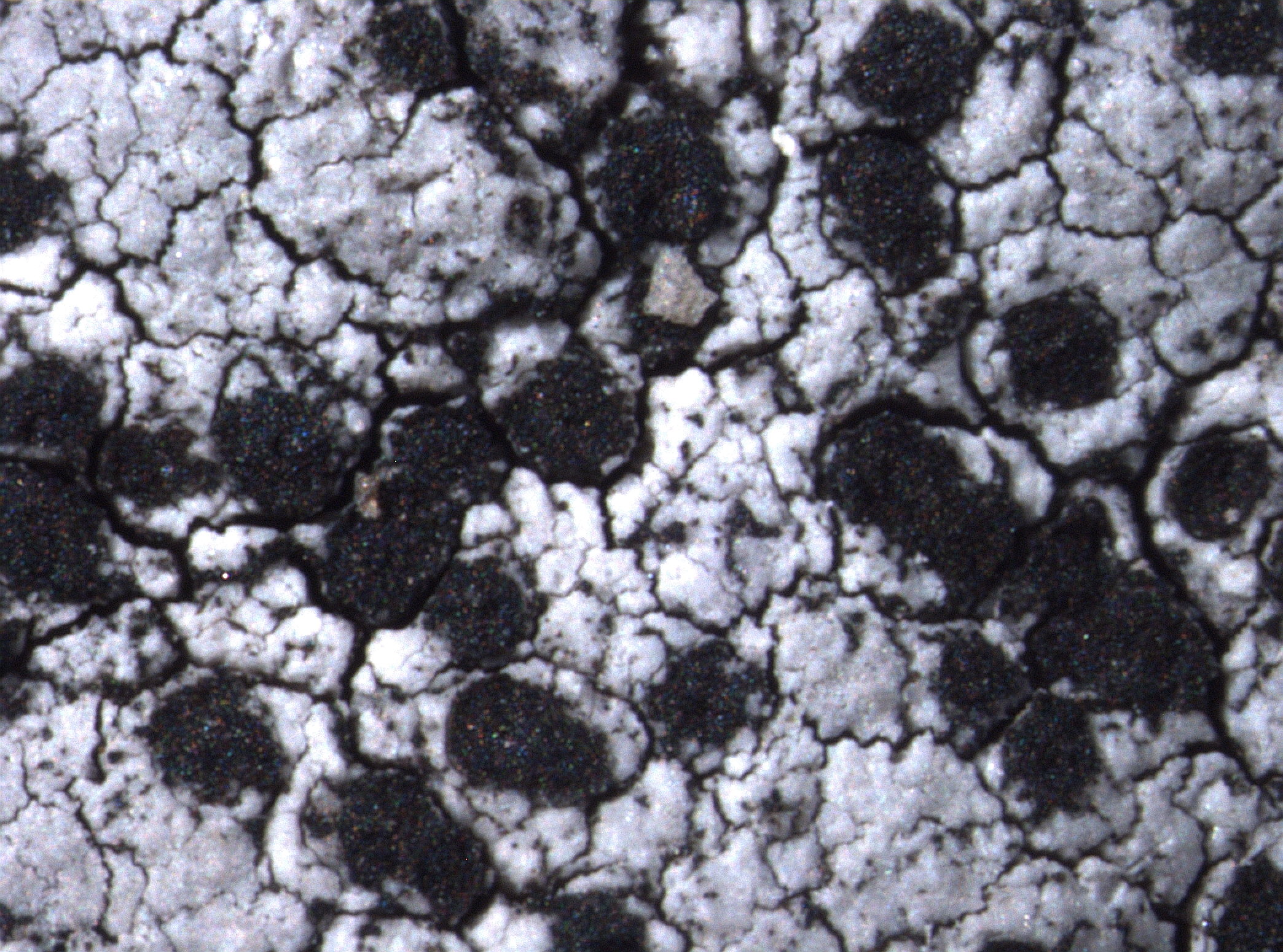
Pier Luigi Nimis - CC BY-SA 4.0
TSB 37850
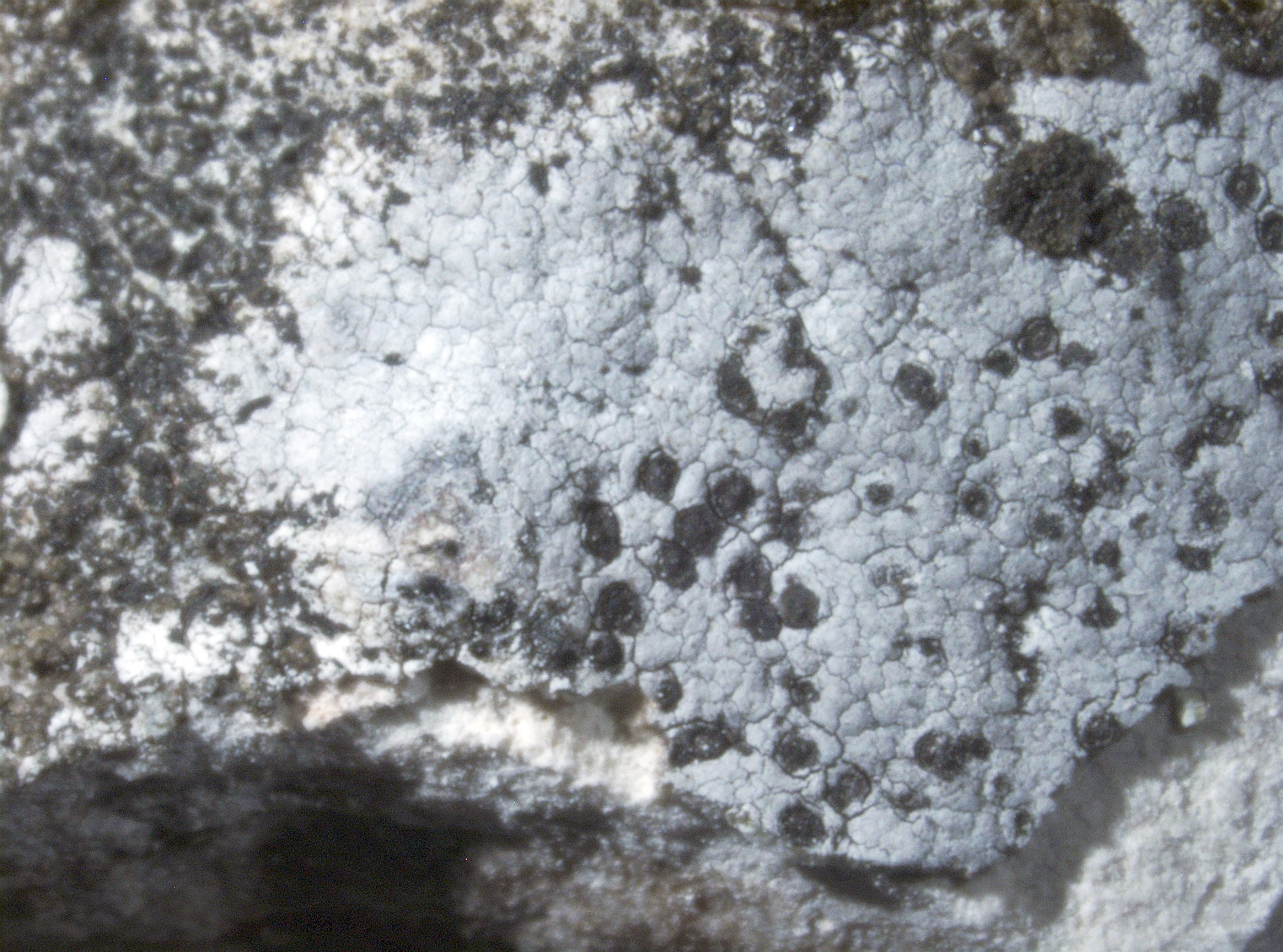
P.L. Nimis CC BY-SA 04
TSB 41191
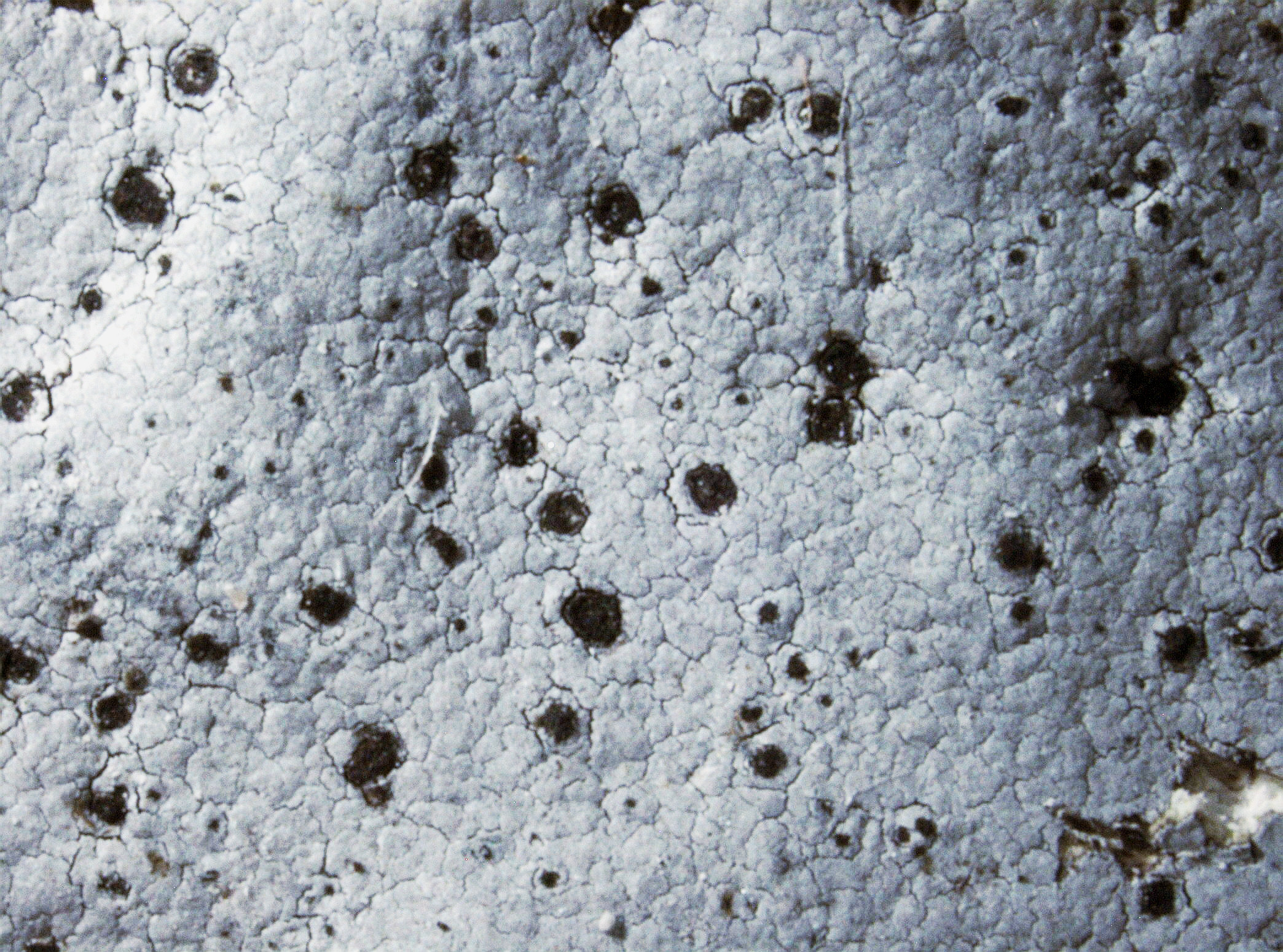
P.L. Nimis CC BY-SA 04
TSB 41191
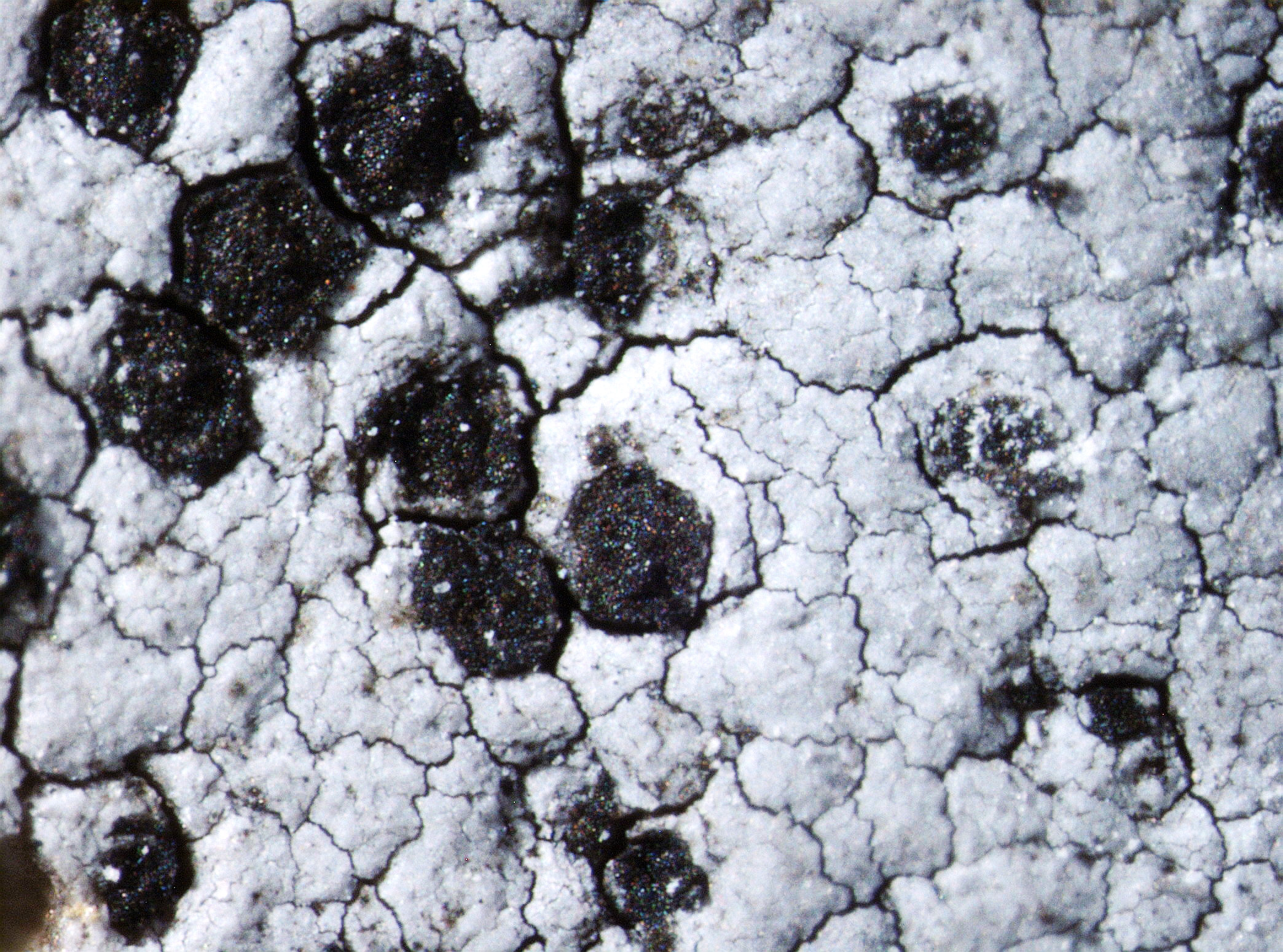
P.L. Nimis CC BY-SA 04
TSB 41191
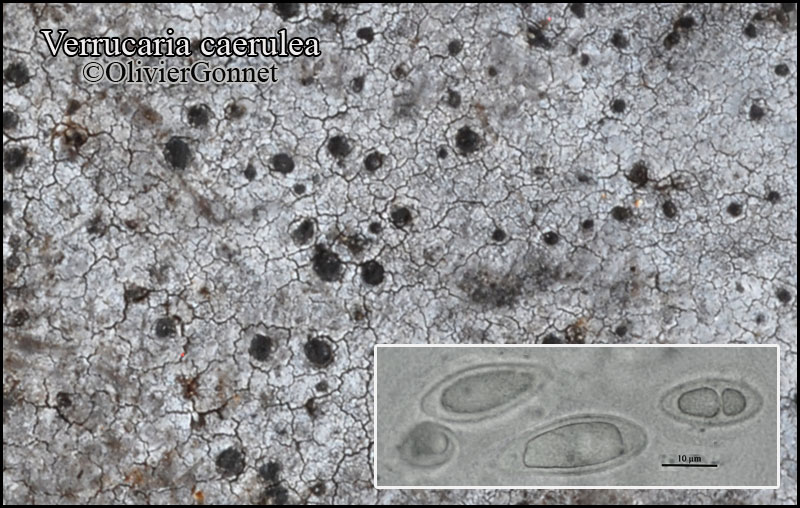
Courtesy Danièle et Olivier Gonnet - Source: https://www.afl-lichenologie.fr/Photos_AFL/Photos_AFL_V/Texte_V/Verrucaria_caerulea.htm
France, 19/9/2015 - Col vert - Vercors - Isère

Collezione lichenologica Abramo Massalongo del Museo di Storia Naturale G. Ligabue di Venezia - Autori: Seggi, Linda; Trabucco, Raffaella Proprietà: Fondazione Musei Civici di Venezia - CC BY-NC
Italy, Veneto, In opp. Campofontana M. Alba. 1855
as Verrucaria plumbea

Collezione lichenologica Abramo Massalongo del Museo di Storia Naturale G. Ligabue di Venezia - Autori: Seggi, Linda; Trabucco, Raffaella Proprietà: Fondazione Musei Civici di Venezia - CC BY-NC
Italy, Veneto, in M. Rubbio
as Verrucaria plumbea

Collezione lichenologica Abramo Massalongo del Museo di Storia Naturale G. Ligabue di Venezia - Autori: Seggi, Linda; Trabucco, Raffaella Proprietà: Fondazione Musei Civici di Venezia - CC BY-NC
Italy, Veneto, in op. Tregnago 1855
as Verrucaria plumbea

Collezione lichenologica Abramo Massalongo del Museo di Storia Naturale G. Ligabue di Venezia - Autori: Seggi, Linda; Trabucco, Raffaella Proprietà: Fondazione Musei Civici di Venezia - CC BY-NC
Italy, Veneto, in M. Rocca Garda
as Verrucaria plumbea var. fusca
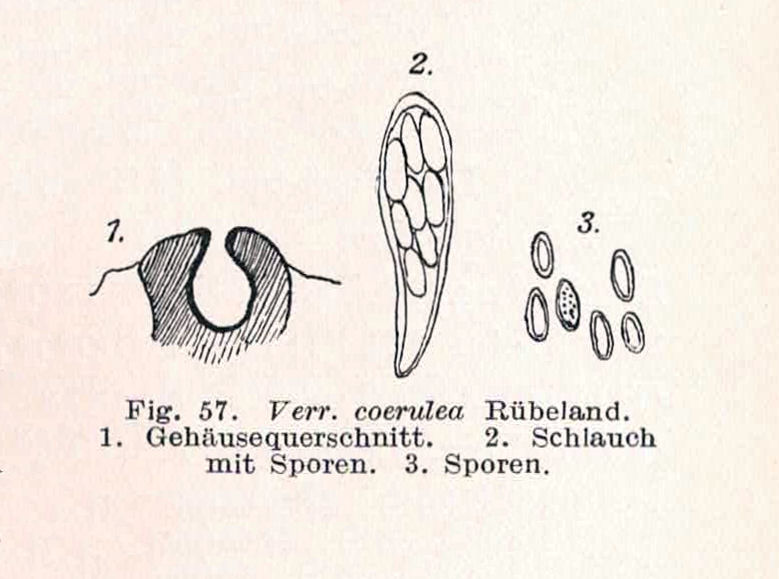
Zschacke, H. (1934) Epigloeaceae, Verrucariaceae und Dermatocarpaceae. In: Dr. L. Rabenhorst‘s Kryptogamen-Flora, Band 9, Abt. 1, Teil 1. Akademische Verlagsgesellschaft, Leipzig, 695 pp. - Public Domain
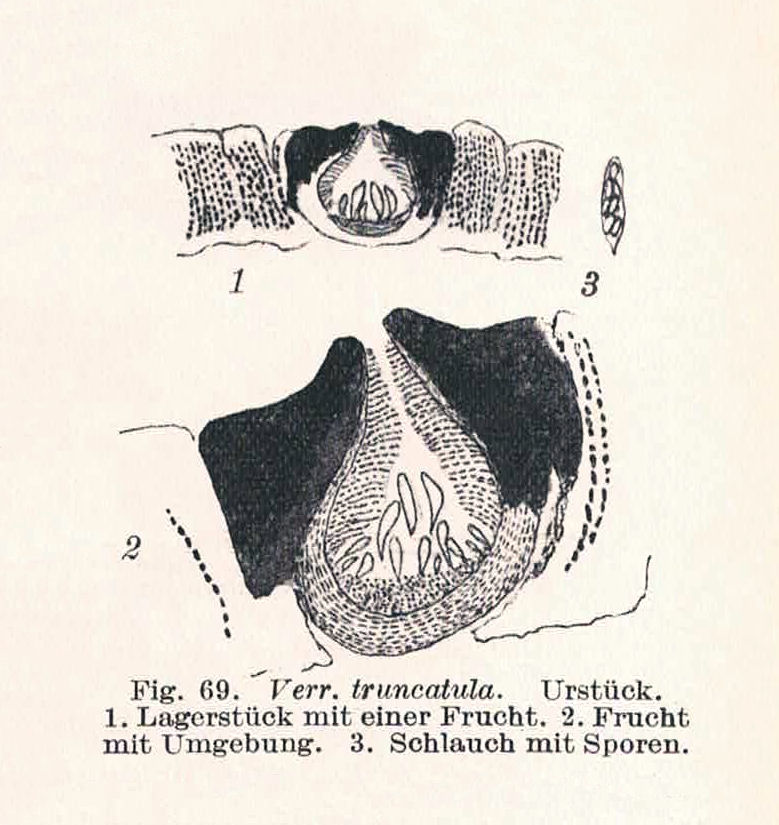
Zschacke, H. (1934) Epigloeaceae, Verrucariaceae und Dermatocarpaceae. In: Dr. L. Rabenhorst‘s Kryptogamen-Flora, Band 9, Abt. 1, Teil 1. Akademische Verlagsgesellschaft, Leipzig, 695 pp. - Public Domain
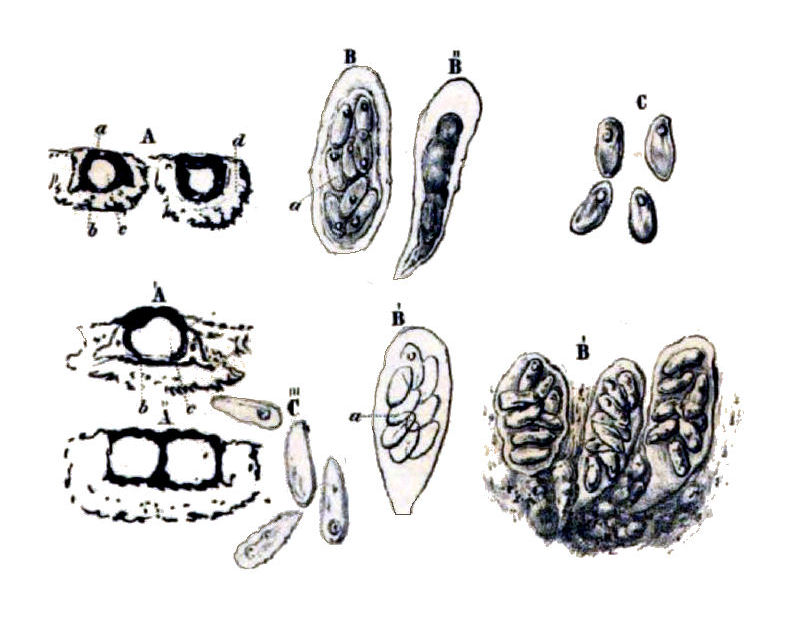
G. Gibelli, in S. Garovaglio, 1865 Tentamen Dispositionis Methodicae Lichenum In Longobardia Nascentium. Mediolanum
as Verrucaria plumbea