Verrucaria dolomitica (A. Massal.) Kremp.
Denkschr. kgl. bayer. bot. Ges., Abt. 2, 4: 238, 1861. Basionym: Amphoridium dolomiticum A. Massal. - Symmicta Lich.: 80, 1855.
Synonyms:
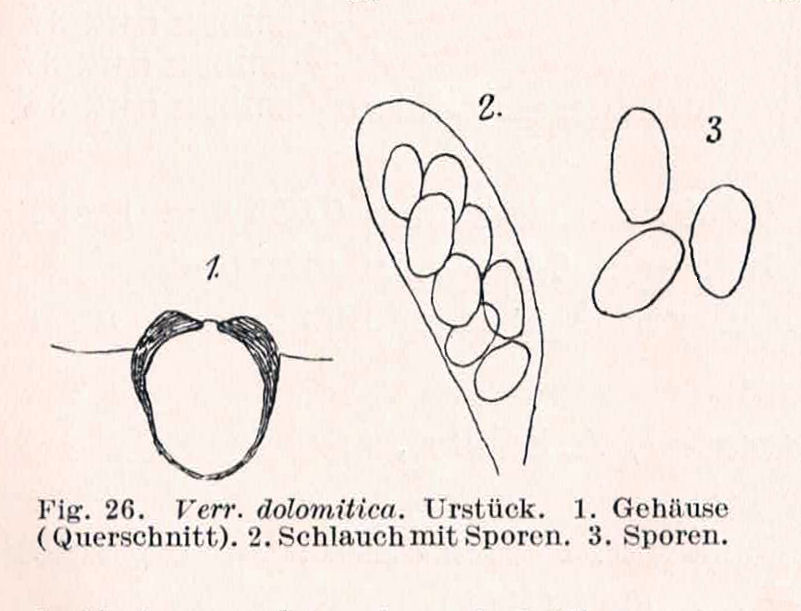
Description: Thallus crustose, endosubstratic or thinly episubstratic and slightly rimose in the surroundings of the perithecia, pale grey to cream-coloured, delimited by a brown-black line. Perithecia black, 70-100/cm2, 0.26-0.54 mm across, 1/2 to 3/4 immersed in the rock, leaving deep pits when they fall off, the ostiole paler, flat to depressed. Involucrellum apical, c. 50-80 µm thick, appressed to exciple; exciple globose, c. 0.24-0.42 mm across, the wall medium to dark brown; hamathecium of branched periphysoids measuring 40-50 x c. 2 µm, interascal filaments absent; hymenial gel hemiamyloid, I+ red (I+ blue at very low concentrations of I), K/I+ blue. Asci 8-spored, subcylindrical to oblong-clavate, I-, fissitunicate, the wall thickened above, Verrucaria-type. Ascospores 1-celled, hyaline, ellipsoid, (26-)27-38 x (11-)13-17(-18) µm. Photobiont chlorococcoid. Spot tests: K-, C-, KC-, P-, UV-. Chemistry: without lichen substances.
-
Growth form: Crustose
Substrata: rocks
Photobiont: green algae other than Trentepohlia
Reproductive strategy: mainly sexual
Poorly known taxon in need of further study
Commonnes-rarity: (info)
Alpine belt: rare
Subalpine belt: rather rare
Montane belt: rather rare
Dry submediterranean belt: extremely rare
Humid submediterranean belt: extremely rare
Padanian area: absent
pH of the substrata:
1 2 3 4 5

Solar irradiation:
1 2 3 4 5
Aridity:
1 2 3 4 5
Eutrophication:
1 2 3 4 5
Poleotolerance:
0 1 2 3
Altitudinal distribution:
1 2 3 4 5 6
Rarity
absent
extremely rare
very rare
rare
rather rare
rather common
common
very common
extremely common
Loading data...
Occurrence data
Predictive map
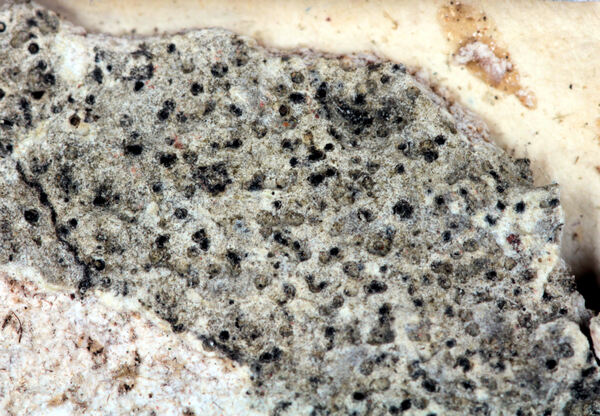
Photo by Maria Zardini, Museo di Storia Naturale di Venezia CC BY-SA 4.0 d rupes circa Rubbio et Asiago Septem Communium. Trevisan Lichenotheca Veneta 185
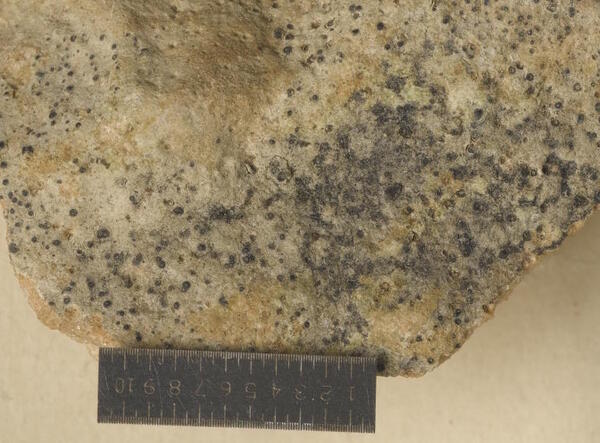
© The Trustees of the Natural History Museum, London - BM001107073 -
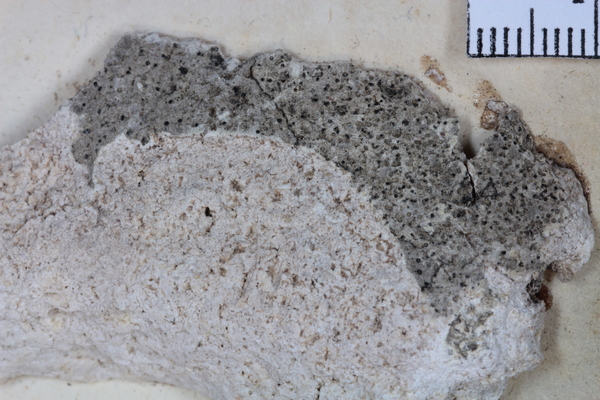
Photo by Maria Zardini, Museo di Storia Naturale di Venezia CC BY-SA 4.0
d rupes circa Rubbio et Asiago Septem Communium.
Trevisan Lichenotheca Veneta 185
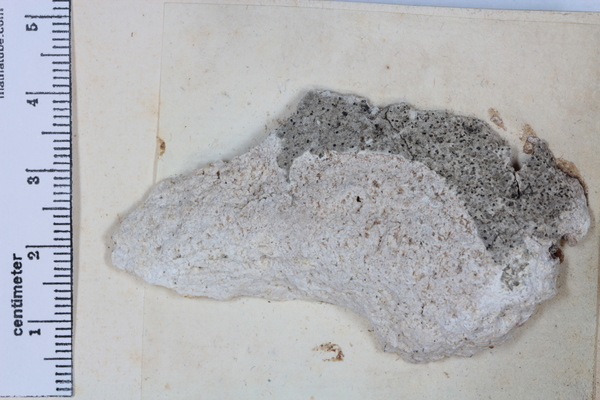
Photo by Maria Zardini, Museo di Storia Naturale di Venezia CC BY-SA 4.0
d rupes circa Rubbio et Asiago Septem Communium.
Trevisan Lichenotheca Veneta 185
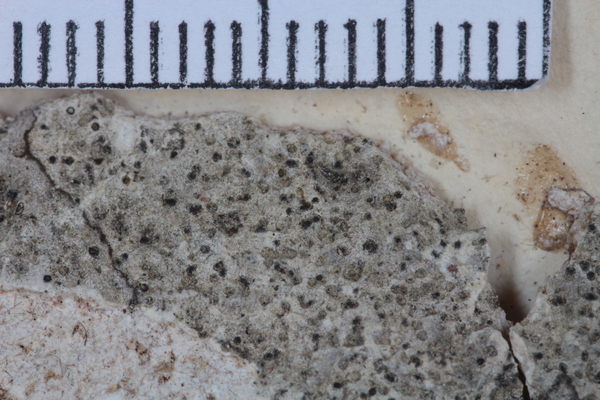
Photo by Maria Zardini, Museo di Storia Naturale di Venezia CC BY-SA 4.0
d rupes circa Rubbio et Asiago Septem Communium.
Trevisan Lichenotheca Veneta 185

Collezione lichenologica Abramo Massalongo del Museo di Storia Naturale G. Ligabue di Venezia - Autori: Seggi, Linda; Trabucco, Raffaella Proprietà: Fondazione Musei Civici di Venezia - CC BY-NC
Italy, Veneto, ad saxa dolomitica in oppido Giazza
isotype
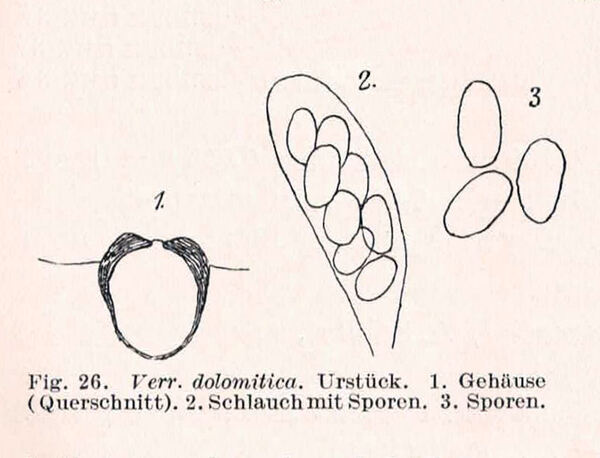
Zschacke, H. (1934) Epigloeaceae, Verrucariaceae und Dermatocarpaceae. In: Dr. L. Rabenhorst‘s Kryptogamen-Flora, Band 9, Abt. 1, Teil 1. Akademische Verlagsgesellschaft, Leipzig, 695 pp. - Public Domain
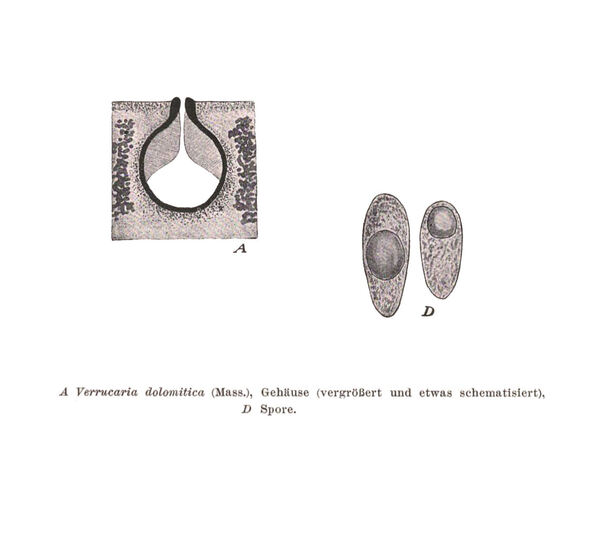
Zahlbruckner A. 1926. Lichenes (Flechten). In: Engler A. (ed.): Die natürlichen Pflanzenfamilien. 2nd ed., vol 8, W. Engelmann, Leipzig, 270 pp.
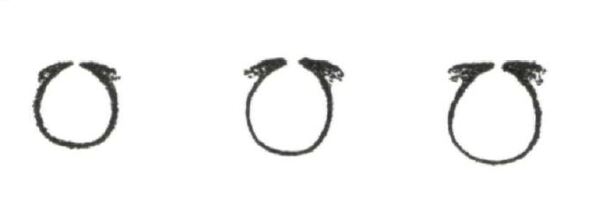
Source: • Breuss O. 2004. Neue Flechtenfunde, vorwiegend pyrenocarper Arten, aus Oberösterreich. Öst. Z. Pilzk., 13: 267-275.
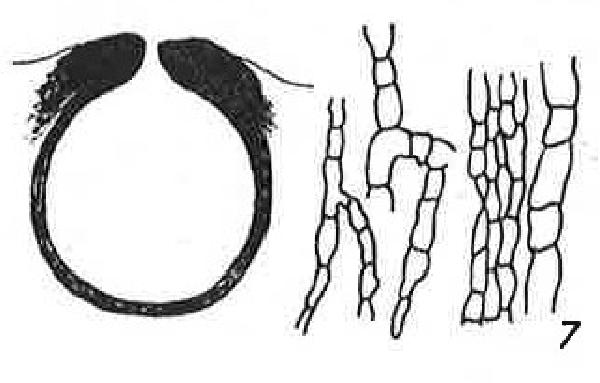
Source: Servít M. 1954a. Lichenes familiae Verrucariacearum. Prag, 249 pp.
as Amphoridium dolomiticum
Growth form: Crustose
Substrata: rocks
Photobiont: green algae other than Trentepohlia
Reproductive strategy: mainly sexual
Poorly known taxon in need of further study
Commonnes-rarity: (info)
Alpine belt: rare
Subalpine belt: rather rare
Montane belt: rather rare
Dry submediterranean belt: extremely rare
Humid submediterranean belt: extremely rare
Padanian area: absent
pH of the substrata:
| 1 | 2 | 3 | 4 | 5 |
Solar irradiation:
| 1 | 2 | 3 | 4 | 5 |
Aridity:
| 1 | 2 | 3 | 4 | 5 |
Eutrophication:
| 1 | 2 | 3 | 4 | 5 |
Poleotolerance:
| 0 | 1 | 2 | 3 |
Altitudinal distribution:
| 1 | 2 | 3 | 4 | 5 | 6 |
Rarity
absent
extremely rare
very rare
rare
rather rare
rather common
common
very common
extremely common
Loading data...
Occurrence data
Predictive map
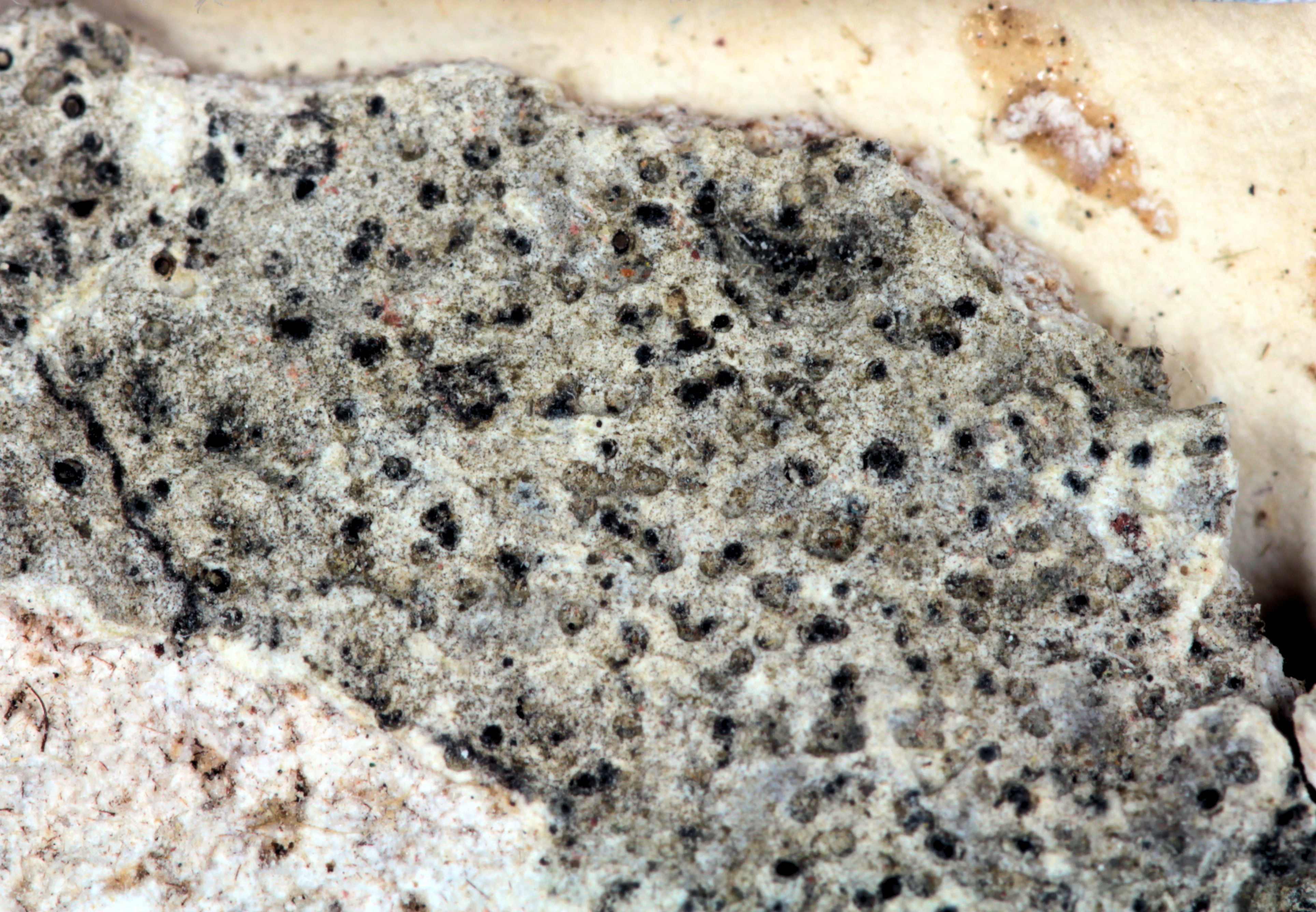
Photo by Maria Zardini, Museo di Storia Naturale di Venezia CC BY-SA 4.0 d rupes circa Rubbio et Asiago Septem Communium. Trevisan Lichenotheca Veneta 185
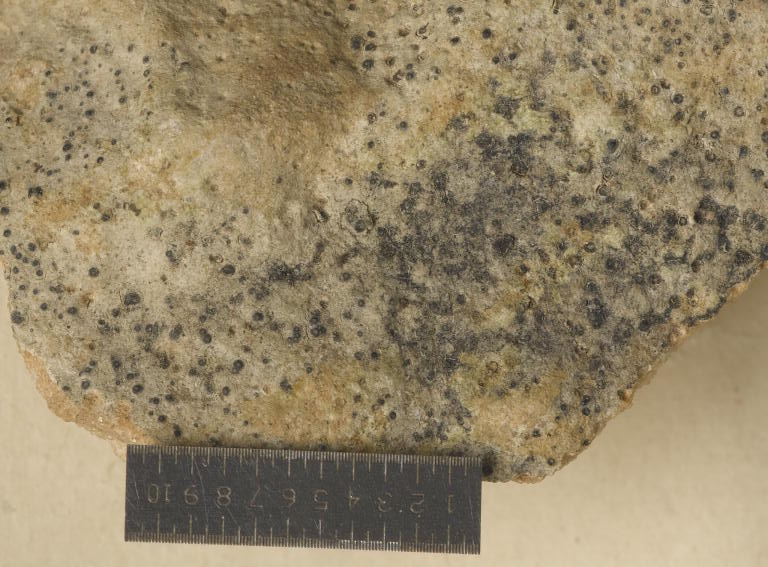
© The Trustees of the Natural History Museum, London - BM001107073 -
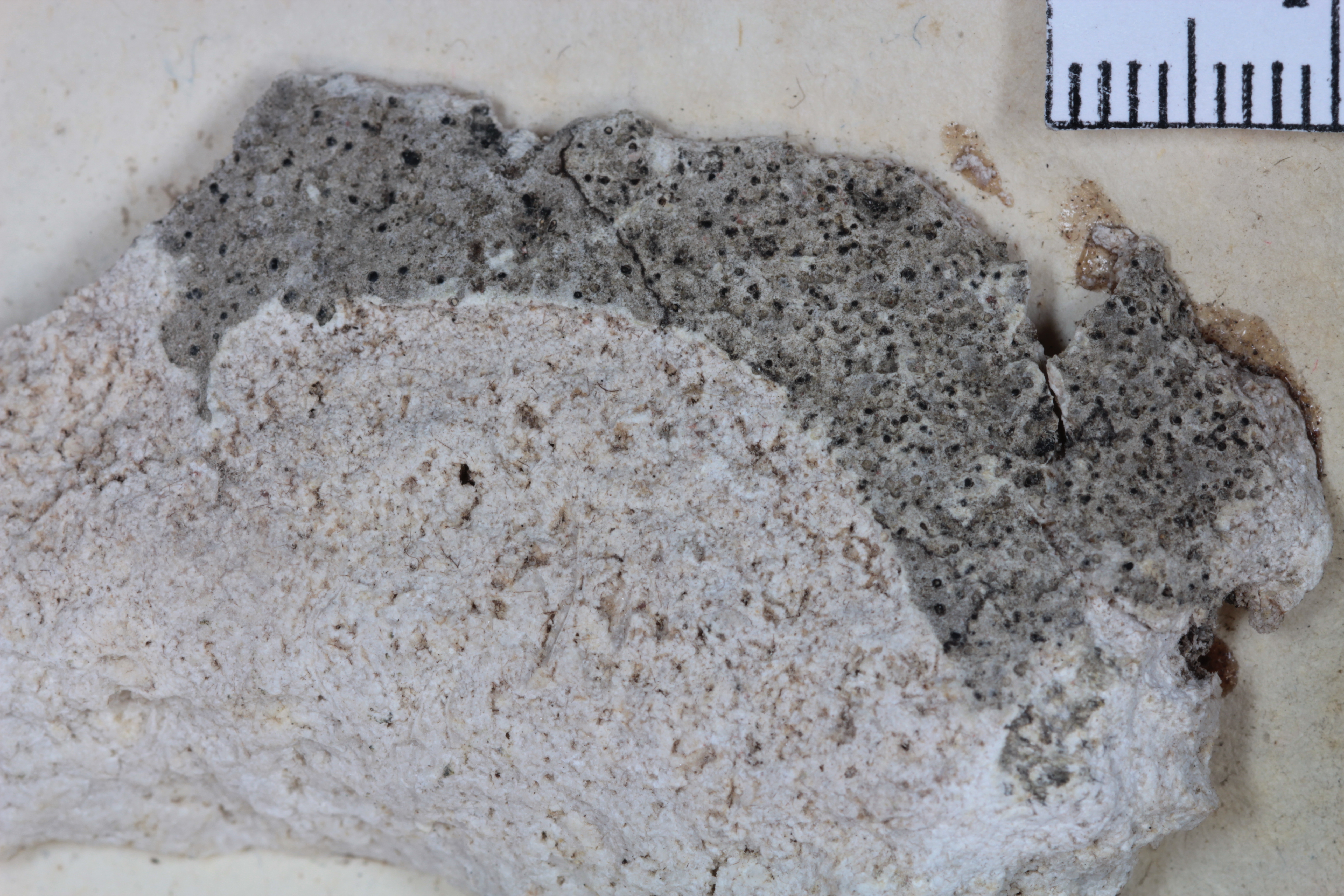
Photo by Maria Zardini, Museo di Storia Naturale di Venezia CC BY-SA 4.0
d rupes circa Rubbio et Asiago Septem Communium.
Trevisan Lichenotheca Veneta 185
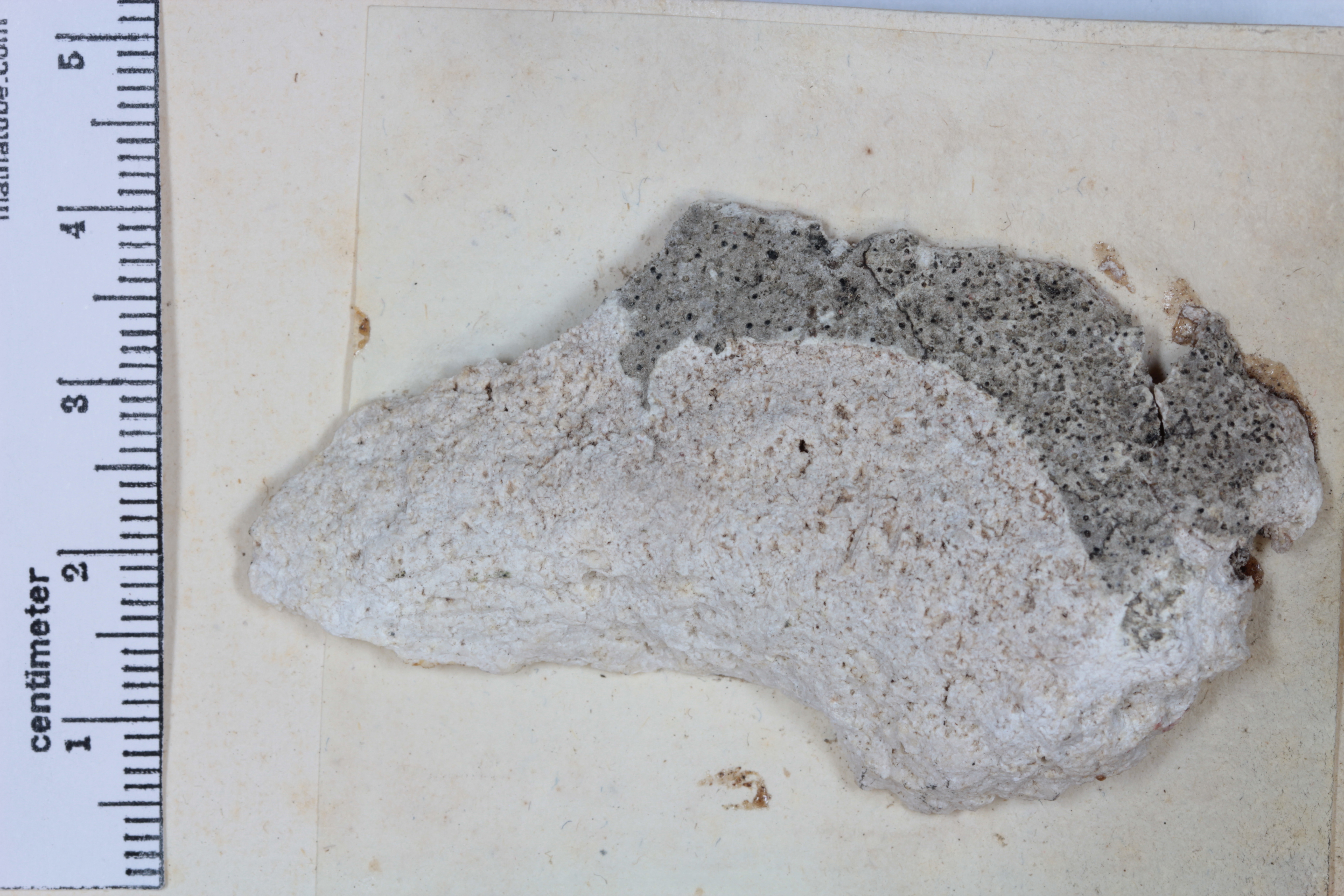
Photo by Maria Zardini, Museo di Storia Naturale di Venezia CC BY-SA 4.0
d rupes circa Rubbio et Asiago Septem Communium.
Trevisan Lichenotheca Veneta 185
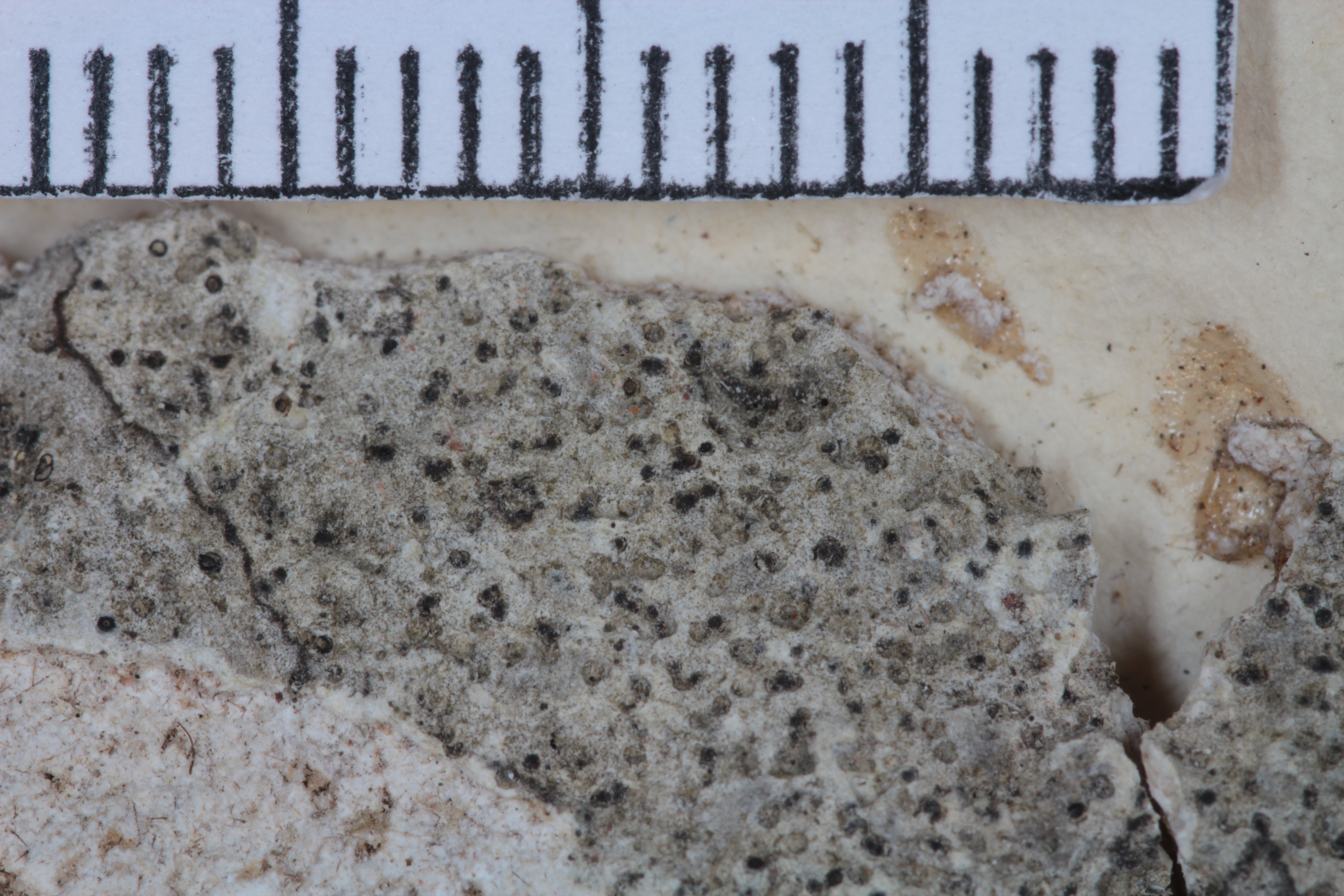
Photo by Maria Zardini, Museo di Storia Naturale di Venezia CC BY-SA 4.0
d rupes circa Rubbio et Asiago Septem Communium.
Trevisan Lichenotheca Veneta 185

Collezione lichenologica Abramo Massalongo del Museo di Storia Naturale G. Ligabue di Venezia - Autori: Seggi, Linda; Trabucco, Raffaella Proprietà: Fondazione Musei Civici di Venezia - CC BY-NC
Italy, Veneto, ad saxa dolomitica in oppido Giazza
isotype
Zschacke, H. (1934) Epigloeaceae, Verrucariaceae und Dermatocarpaceae. In: Dr. L. Rabenhorst‘s Kryptogamen-Flora, Band 9, Abt. 1, Teil 1. Akademische Verlagsgesellschaft, Leipzig, 695 pp. - Public Domain
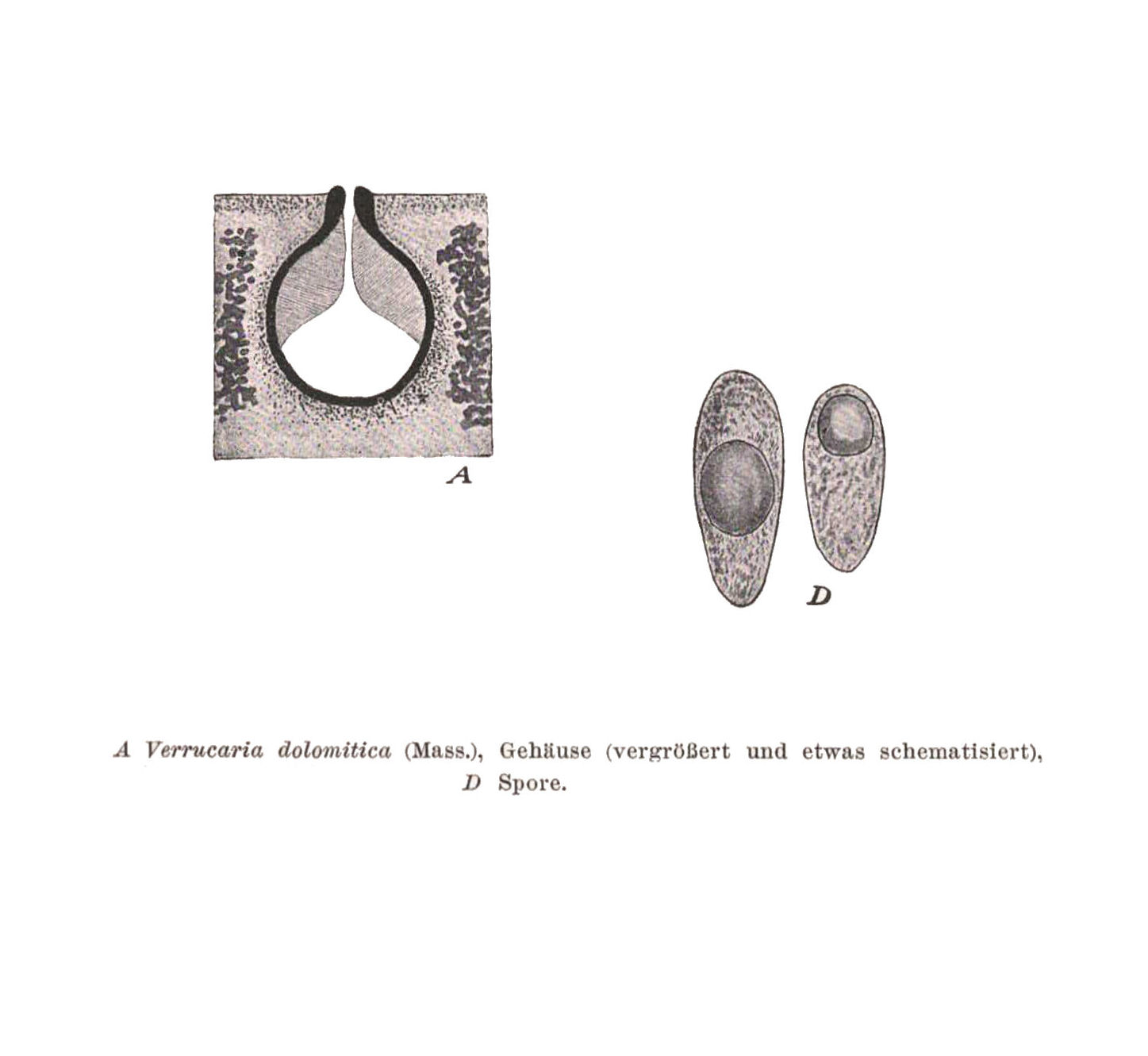
Zahlbruckner A. 1926. Lichenes (Flechten). In: Engler A. (ed.): Die natürlichen Pflanzenfamilien. 2nd ed., vol 8, W. Engelmann, Leipzig, 270 pp.
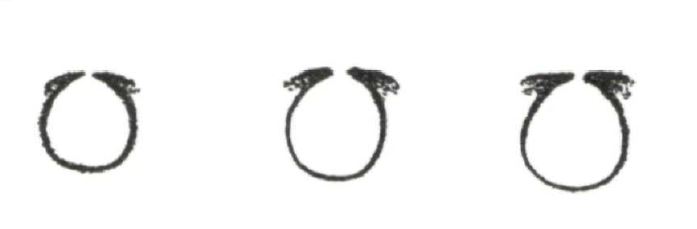
Source: • Breuss O. 2004. Neue Flechtenfunde, vorwiegend pyrenocarper Arten, aus Oberösterreich. Öst. Z. Pilzk., 13: 267-275.