Verrucaria tectorum (A. Massal.) Körb.
Parerga Lichenol., 4: 368, 1863 (1865). Basionym: Lithocia tectorum A. Massal. - Symmicta Lich.: 91, 1855.
Synonyms: Verrucaria nigrescens f. tectorum (A. Massal.) Coppins & Aptroot; Verrucaria viridula f. tectorum (A. Massal.) J.R. Laundon
Description: Thallus crustose, episubstratic, cracked-areolate, well-delimited, chestnut brown to black-brown, epruinose, 0.1-0.3 mm thick, the areoles 0.2-1 mm wide, subdivided into often superimposed smaller units by shallow cracks, flat to slightly convex, the margins densely covered by dark, corticate blastidia (best visible in the wet state). Cortex paraplectenchymatous, 5-10 µm thick, brown; algal layer 50-150 µm thick; medulla more or less brown-pigmented, but not forming a carbonaceous black basal layer. Perithecia very small, entirely immersed or slightly projecting with the up to 0.2 mm wide apical part. Involucrellum appressed to exciple, extending to base-level and merging with the dark basal layer; exciple subglobose, 0.2(-0.3) mm across, the wall dark brown; hamathecium of c. 25 µm long periphysoids, interascal filaments absent; hymenial gel hemiamyloid, I+ red (I+ blue at very low concentrations of I), K/I+ blue. Asci 8-spored, clavate, I-, fissitunicate, the wall thickened above, with an ocular chamber, dehiscent by extrusion of an endotunica to form a delicate rostrum, Verrucaria-type. Ascospores 1-celled, hyaline, ellipsoid, 17-23 × 10-11 μm. Pycnidia fully immersed, c. 70 μm across. Conidia short-cylindrical, 1-2 μm wide. Photobiont chlorococcoid. Spot tests: K-, C-, KC-, P-, UV-. Chemistry: without lichen substances.
Growth form: Crustose
Substrata: rocks
Photobiont: green algae other than Trentepohlia
Reproductive strategy: mainly asexual, by isidia, or isidia-like structures (e.g. schizidia)
Pioneer species
Commonnes-rarity: (info)
Alpine belt: rather common
Subalpine belt: common
Montane belt: extremely common
Dry submediterranean belt: extremely common
Humid submediterranean belt: extremely common
Padanian area: common
pH of the substrata:
1 2 3 4 5

Solar irradiation:
1 2 3 4 5
Aridity:
1 2 3 4 5
Eutrophication:
1 2 3 4 5
Poleotolerance:
0 1 2 3
Altitudinal distribution:
1 2 3 4 5 6
Rarity
absent
extremely rare
very rare
rare
rather rare
rather common
common
very common
extremely common
Loading data...
Occurrence data
Predictive map
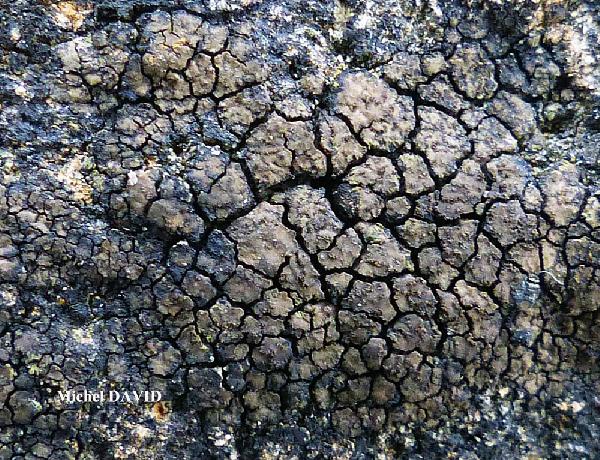
Michel David - Source: http://www.lichensmaritimes.org/index.php?task=fiche&lichen=973&lang=en
France, L'Aber
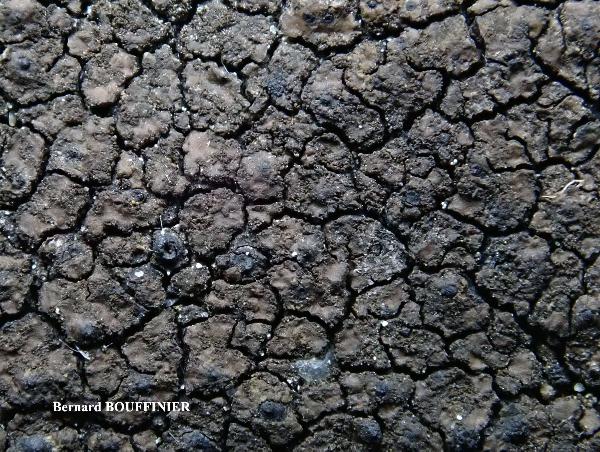
Bernard Bouffinier - Source: http://www.lichensmaritimes.org/index.php?task=fiche&lichen=973&lang=en
France, Landevennec
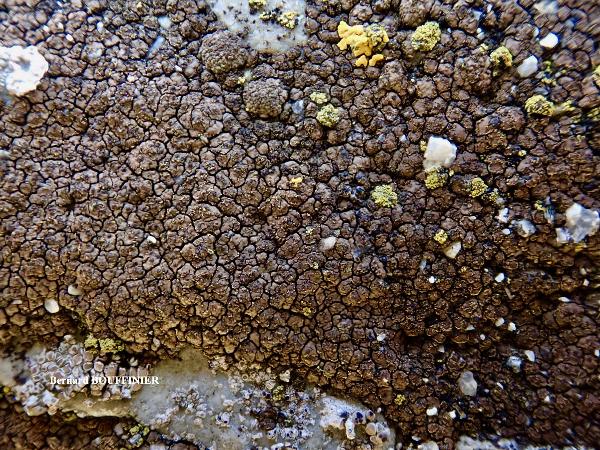
Bernard Bouffinier - Source: http://www.lichensmaritimes.org/index.php?task=fiche&lichen=973&lang=en
France, Rostellec
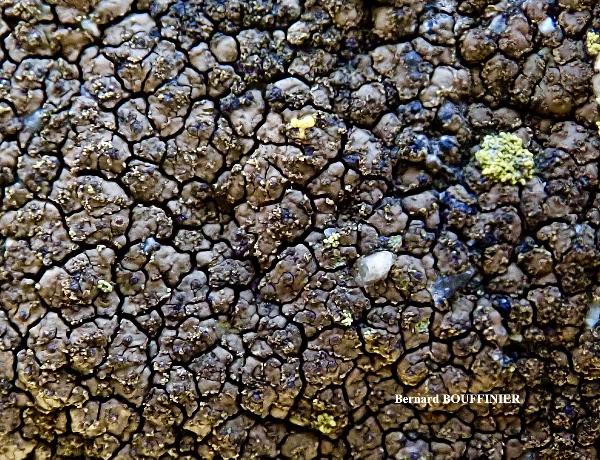
Bernard Bouffinier - Source: http://www.lichensmaritimes.org/index.php?task=fiche&lichen=973&lang=en
France, Rostellec
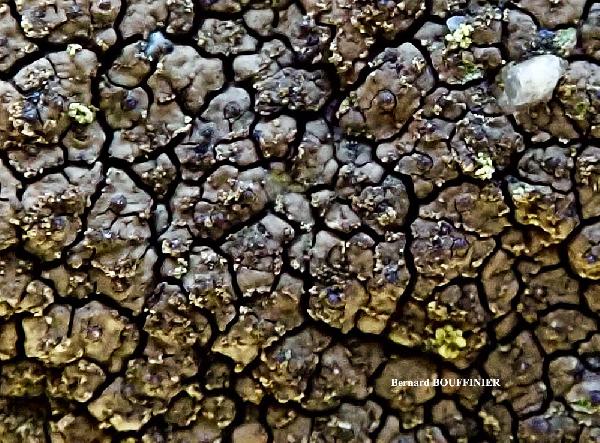
Bernard Bouffinier - Source: http://www.lichensmaritimes.org/index.php?task=fiche&lichen=973&lang=en
France, Rostellec
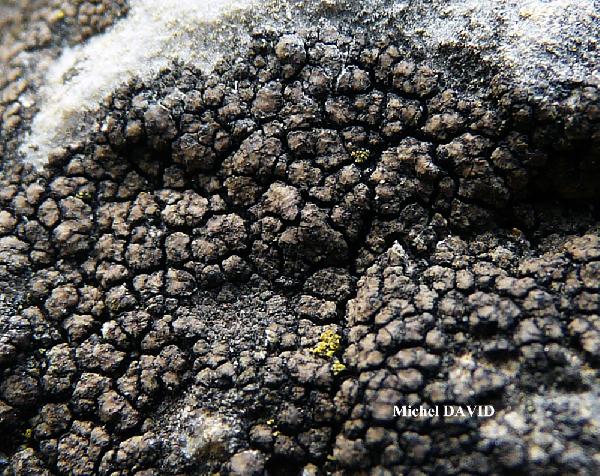
Michel David - Source: http://www.lichensmaritimes.org/index.php?task=fiche&lichen=973&lang=en
France, L'Aber
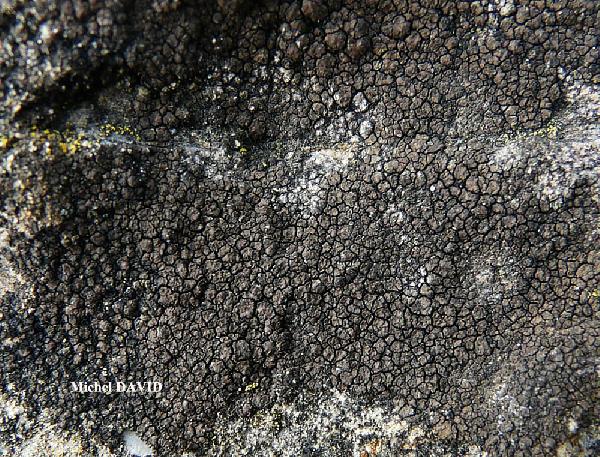
Michel David - Source: http://www.lichensmaritimes.org/index.php?task=fiche&lichen=973&lang=en
France, L'Aber
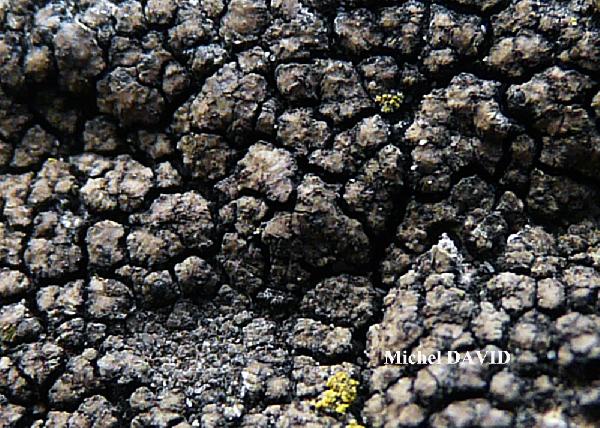
Michel David - Source: http://www.lichensmaritimes.org/index.php?task=fiche&lichen=973&lang=en
France, L'Aber
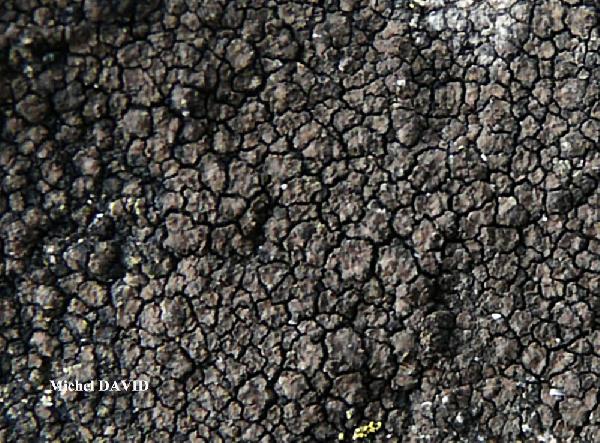
Michel David - Source: http://www.lichensmaritimes.org/index.php?task=fiche&lichen=973&lang=en
France, L'Aber
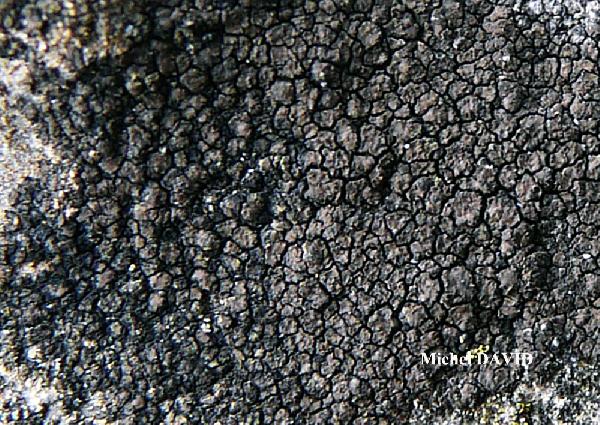
Michel David - Source: http://www.lichensmaritimes.org/index.php?task=fiche&lichen=973&lang=en
France, L'Aber
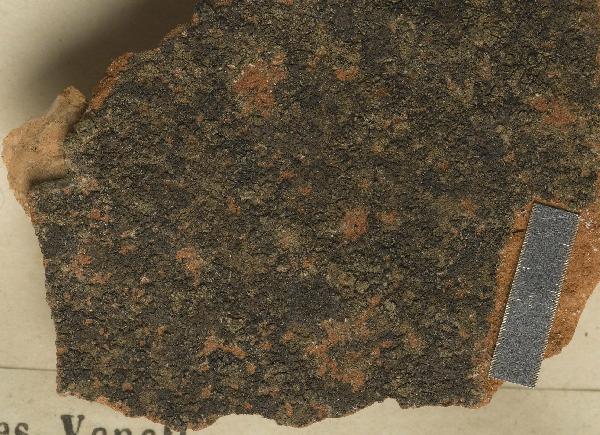
Source: https://www.europeana.eu/en/item/854/NHMUKXBOTXBM001107163
Verrucaria tectorum (A.Massal.) Körb. - The Trustees of the Natural History Museum, London, United Kingdom - CC BY. - isotype
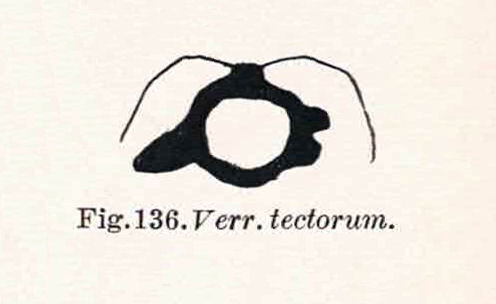
Zschacke, H. (1934) Epigloeaceae, Verrucariaceae und Dermatocarpaceae. In: Dr. L. Rabenhorst‘s Kryptogamen-Flora, Band 9, Abt. 1, Teil 1. Akademische Verlagsgesellschaft, Leipzig, 695 pp. - Public Domain
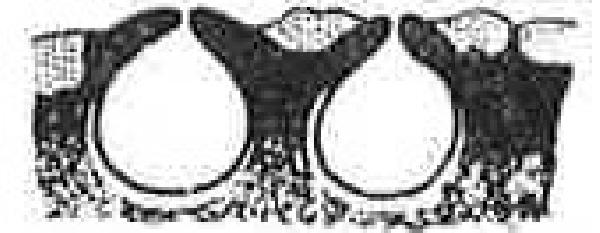
Source: Servít M. 1954a. Lichenes familiae Verrucariacearum. Prag, 249 pp.
Growth form: Crustose
Substrata: rocks
Photobiont: green algae other than Trentepohlia
Reproductive strategy: mainly asexual, by isidia, or isidia-like structures (e.g. schizidia)
Pioneer species
Commonnes-rarity: (info)
Alpine belt: rather common
Subalpine belt: common
Montane belt: extremely common
Dry submediterranean belt: extremely common
Humid submediterranean belt: extremely common
Padanian area: common
pH of the substrata:
| 1 | 2 | 3 | 4 | 5 |
Solar irradiation:
| 1 | 2 | 3 | 4 | 5 |
Aridity:
| 1 | 2 | 3 | 4 | 5 |
Eutrophication:
| 1 | 2 | 3 | 4 | 5 |
Poleotolerance:
| 0 | 1 | 2 | 3 |
Altitudinal distribution:
| 1 | 2 | 3 | 4 | 5 | 6 |
Rarity
absent
extremely rare
very rare
rare
rather rare
rather common
common
very common
extremely common
Loading data...
Occurrence data
Predictive map
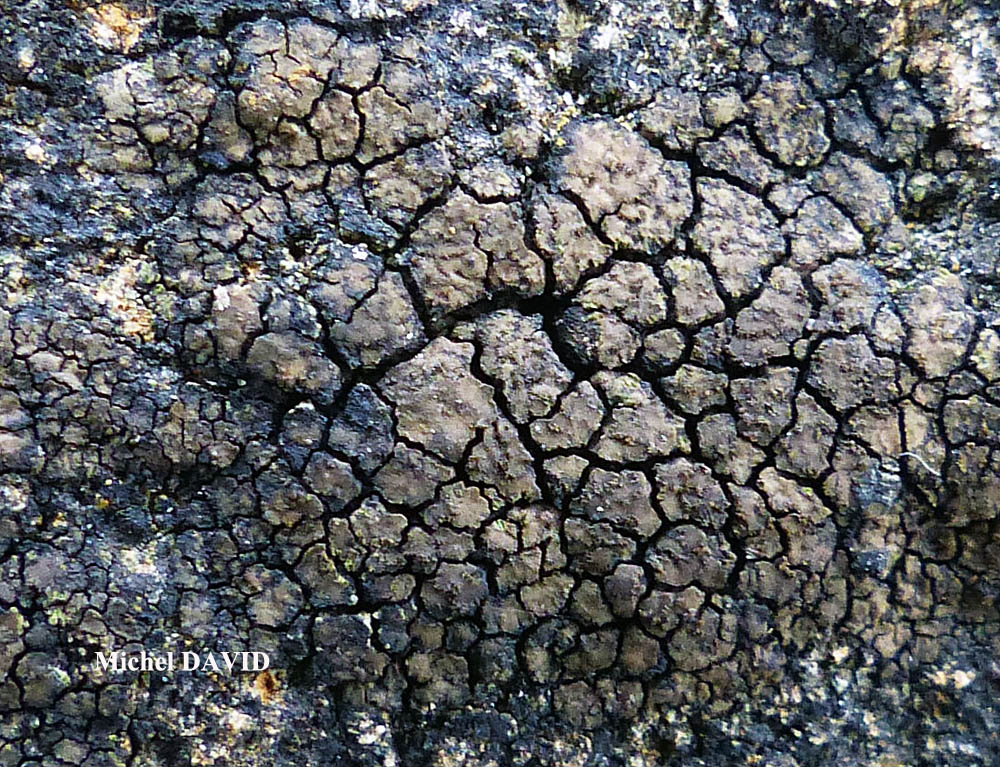
Michel David - Source: http://www.lichensmaritimes.org/index.php?task=fiche&lichen=973&lang=en
France, L'Aber
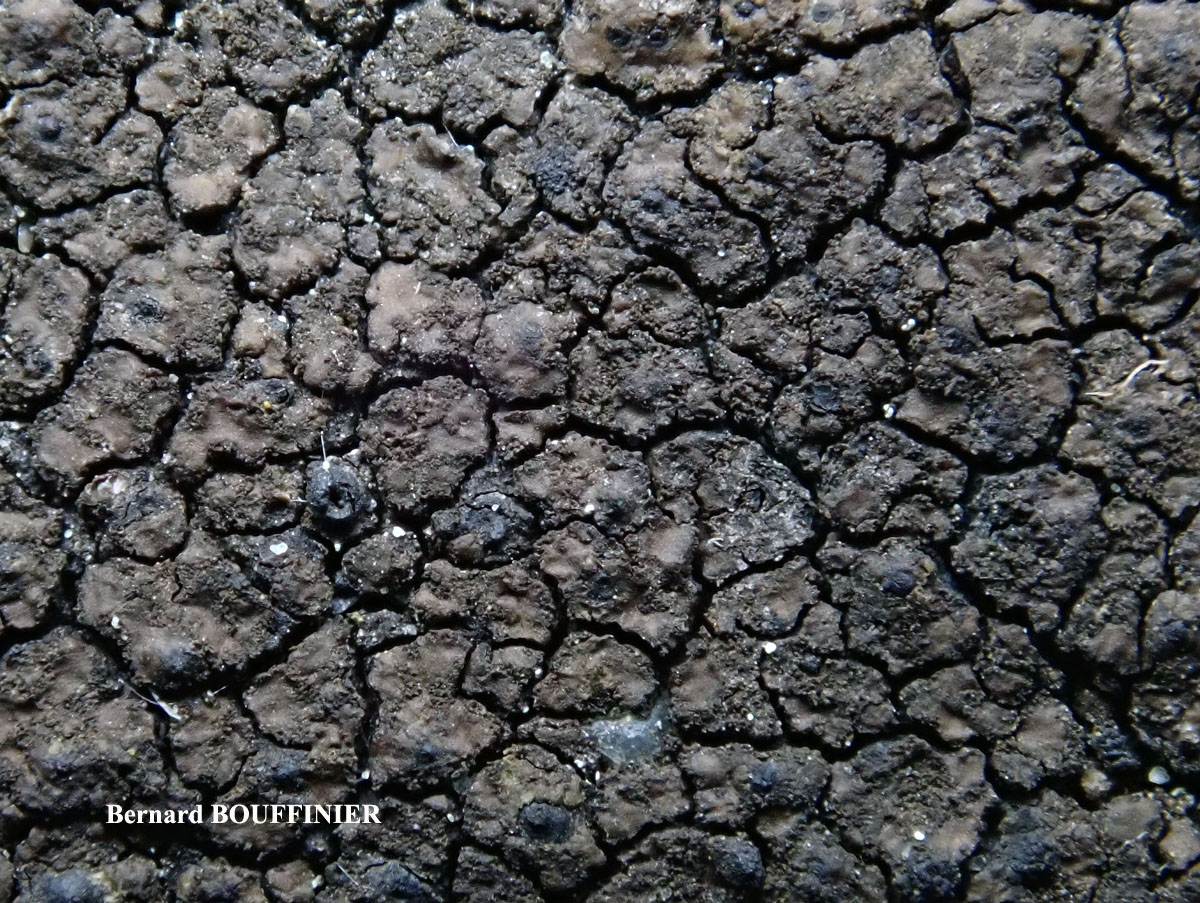
Bernard Bouffinier - Source: http://www.lichensmaritimes.org/index.php?task=fiche&lichen=973&lang=en
France, Landevennec
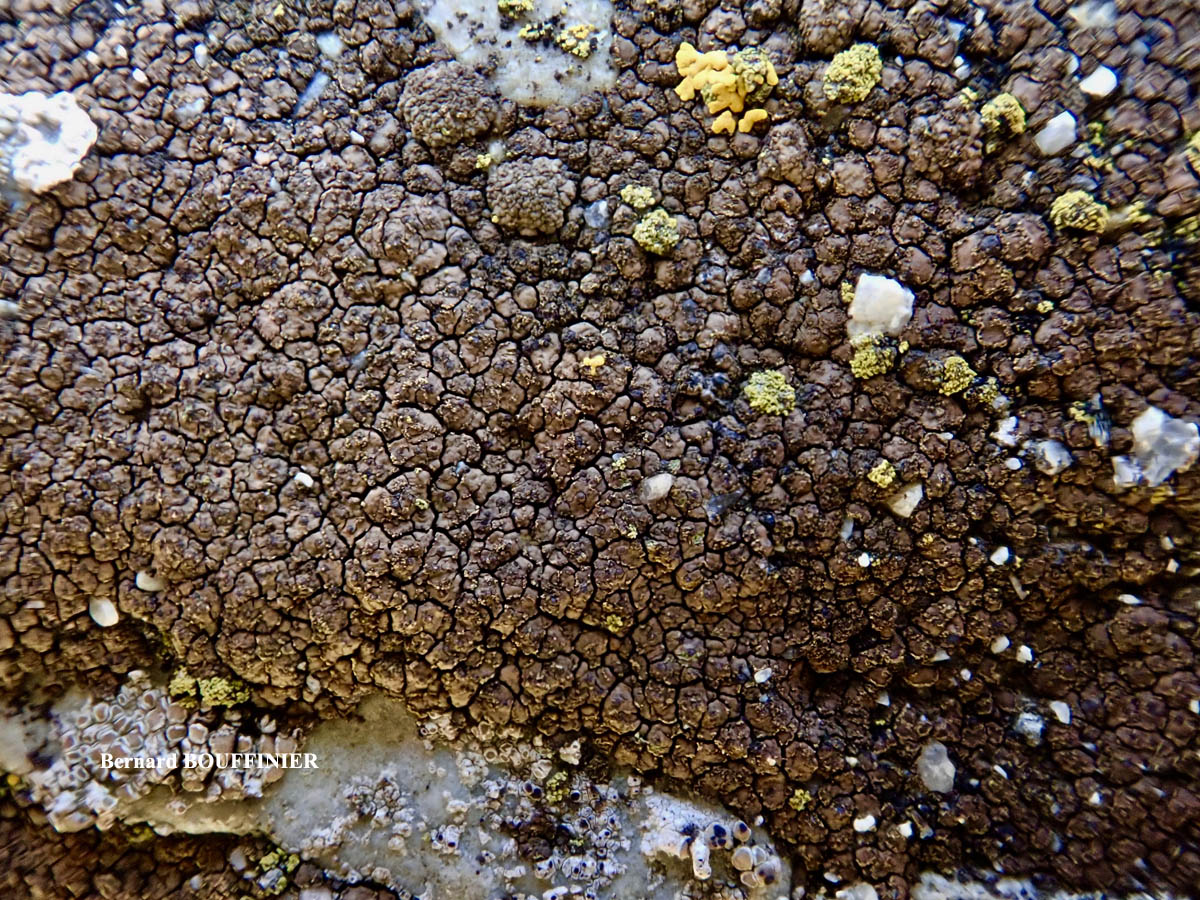
Bernard Bouffinier - Source: http://www.lichensmaritimes.org/index.php?task=fiche&lichen=973&lang=en
France, Rostellec
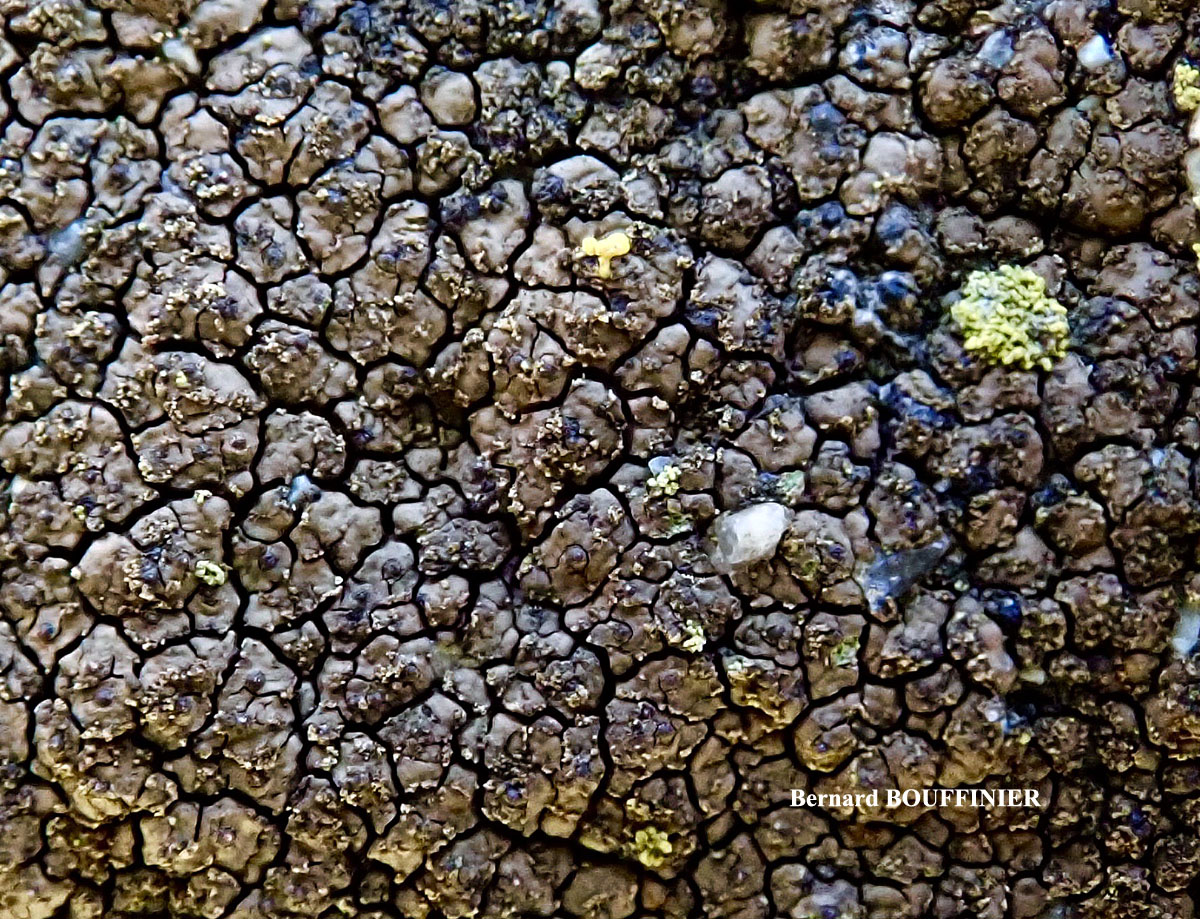
Bernard Bouffinier - Source: http://www.lichensmaritimes.org/index.php?task=fiche&lichen=973&lang=en
France, Rostellec
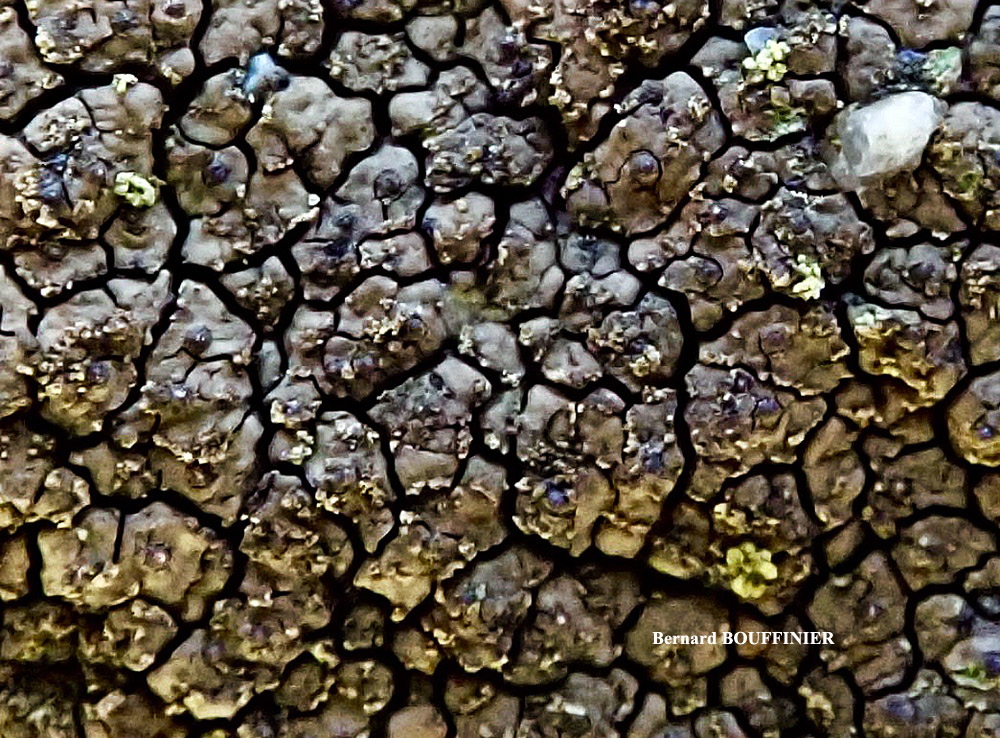
Bernard Bouffinier - Source: http://www.lichensmaritimes.org/index.php?task=fiche&lichen=973&lang=en
France, Rostellec
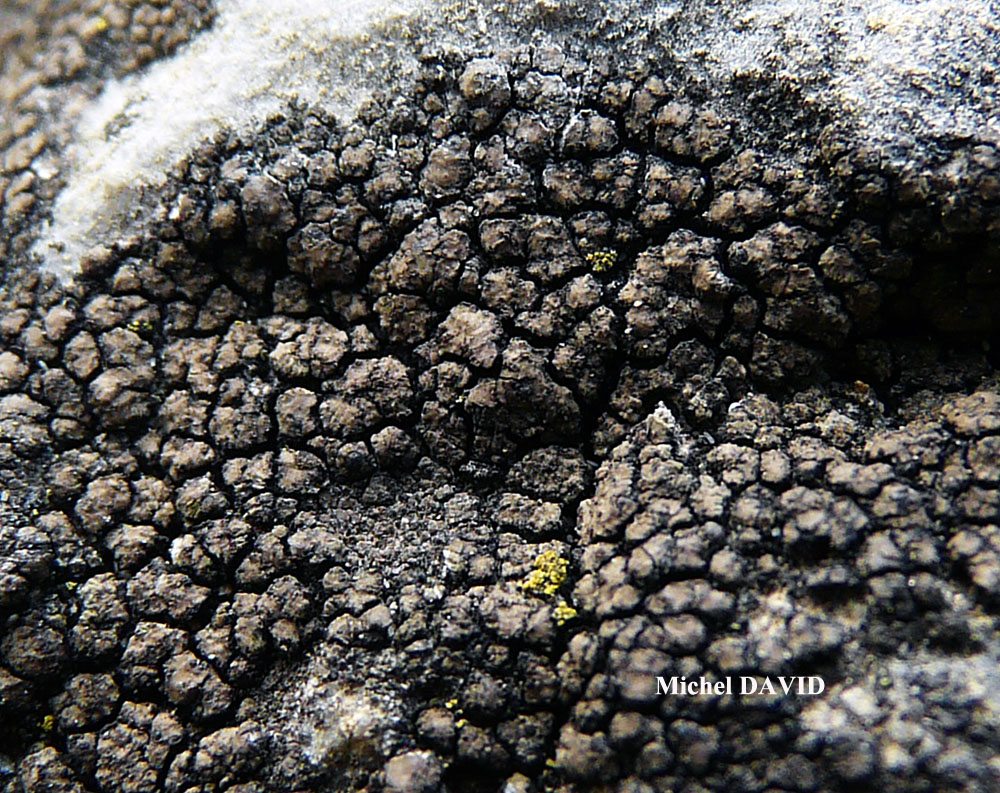
Michel David - Source: http://www.lichensmaritimes.org/index.php?task=fiche&lichen=973&lang=en
France, L'Aber
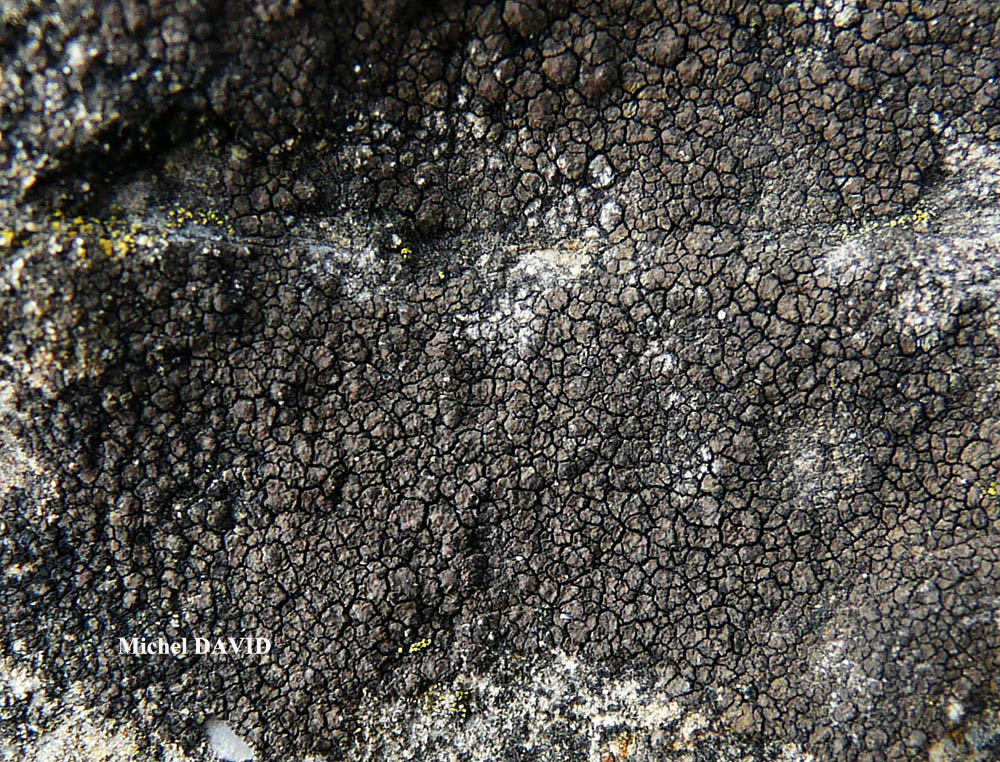
Michel David - Source: http://www.lichensmaritimes.org/index.php?task=fiche&lichen=973&lang=en
France, L'Aber
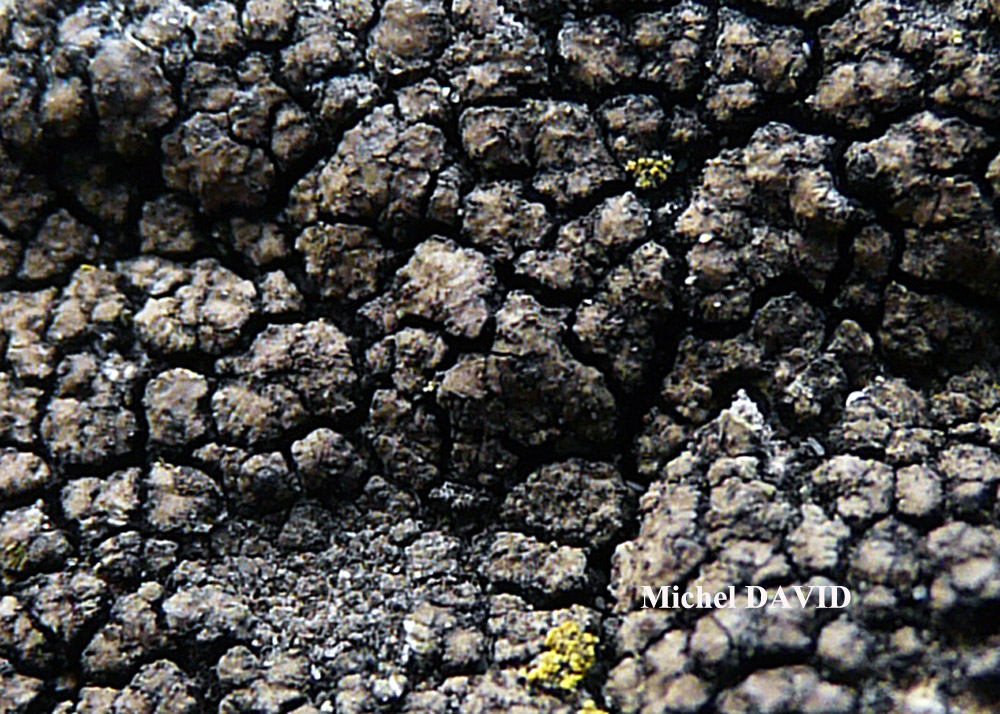
Michel David - Source: http://www.lichensmaritimes.org/index.php?task=fiche&lichen=973&lang=en
France, L'Aber
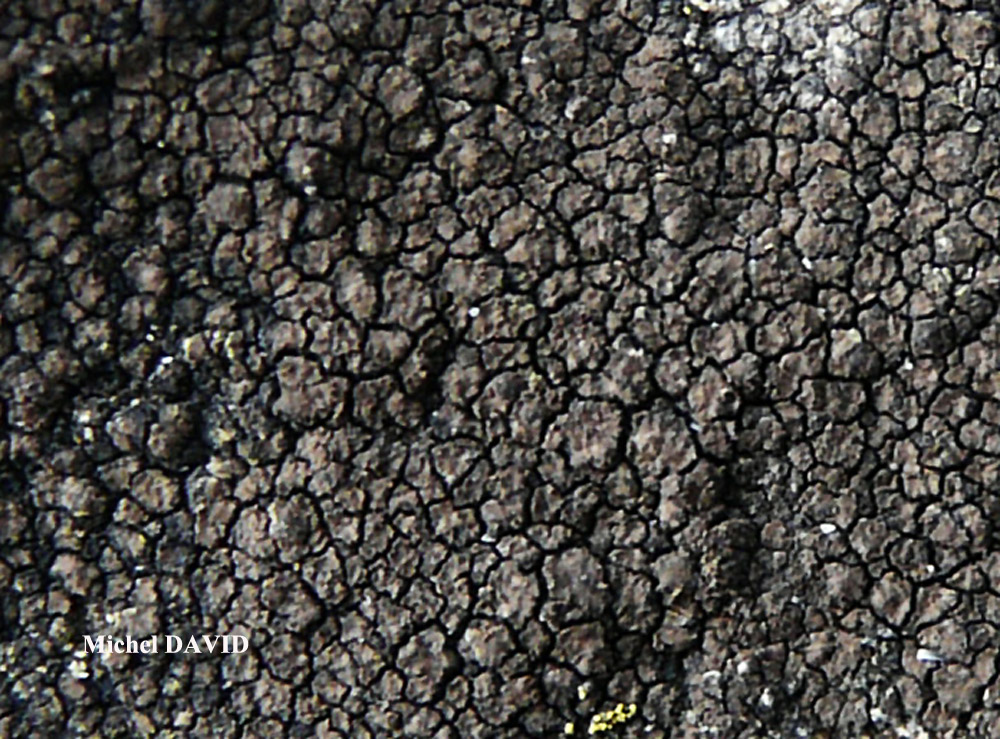
Michel David - Source: http://www.lichensmaritimes.org/index.php?task=fiche&lichen=973&lang=en
France, L'Aber
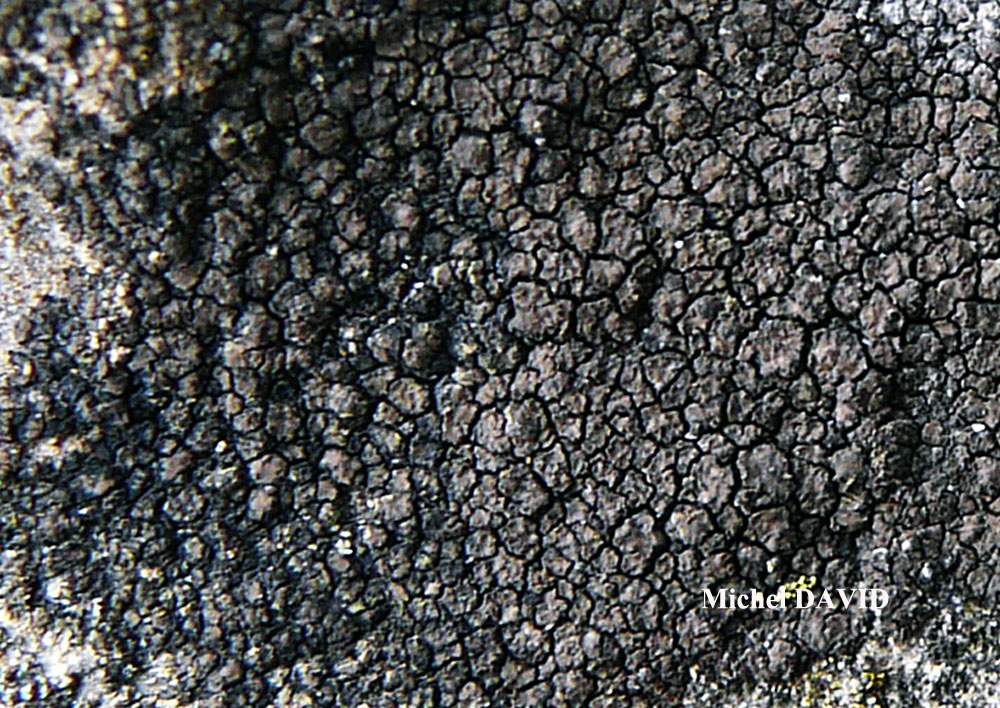
Michel David - Source: http://www.lichensmaritimes.org/index.php?task=fiche&lichen=973&lang=en
France, L'Aber

Source: https://www.europeana.eu/en/item/854/NHMUKXBOTXBM001107163
Verrucaria tectorum (A.Massal.) Körb. - The Trustees of the Natural History Museum, London, United Kingdom - CC BY. - isotype
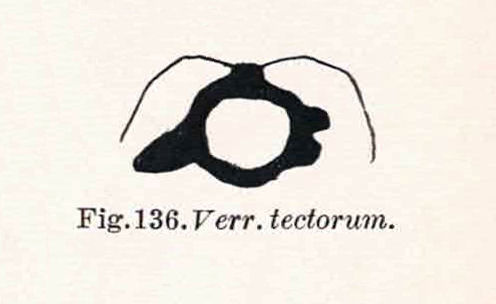
Zschacke, H. (1934) Epigloeaceae, Verrucariaceae und Dermatocarpaceae. In: Dr. L. Rabenhorst‘s Kryptogamen-Flora, Band 9, Abt. 1, Teil 1. Akademische Verlagsgesellschaft, Leipzig, 695 pp. - Public Domain