Verrucula biatorinaria (Zehetl.) Nav.-Ros. & Cl. Roux
in Navarro-Rosinés & al., Bull. Soc. linn. Provence, 58: 153, 2007. Basionym: Verrucaria biatorinaria Zehetl. - Nova Hedwigia, 29: 721, 1978.
Synonyms:
Description: Thallus crustose, areolate-subsquamulose or verrucose-areolate, forming 3-20(-30) mm wide patches on the thalli of Calogaya biatorina. Areoles crowded, rounded or irregularly polygonal, (0.3-)0.6-1.6(-2) mm wide, 0.4-0.8 mm thick, flat to convex, attached by the central part and sometimes substipitate, grey brown with black margins and lower surface, usually epruinose. Cortex 8-15 µm thick, of 1-3 layers of pale brown cells, rarely covered with a thin, discontinuous epinecral layer; medulla white, dense, filled by crystals and substrate particles, I-. Perithecia black, 0.15-0.3 mm across, globose, immersed in the areoles. Involucrellum absent; exciple 15-20 µm thick, paraplectenchymatous, colourless except around the ostiole; hymenium colourless, I+ reddish; hamathecium of periphyses along the ostiolar channel and periphysoids in upper part of the perithecium, the paraphyses disappearing early; periphysoids 18-27 x 2,5-4 μm. Asci 8-spored, clavate, bitunicate, with a thin tholus reacting I-, Verrucaria-type. Ascospores 1-celled, hyaline, ellipsoid, (8.5-)11-13.5(-16) x 6-9.5 μm, (1.3-)1.4-2(-2.5) times as long as wide. Pycnidia black, globose, immersed, Dermatocarpon-type, the wall colourless except at the brown apex. Conidia simple, bacilliform, 4.5-6 x 1-1.5 μm. Photobiont chlorococcoid. Spot tests: K-, C-, KC-, P-, UV-. Chemistry: without lichen substances.
Growth form: Crustose
Substrata: rocks
Photobiont: green algae other than Trentepohlia
Reproductive strategy: mainly sexual
paras Calogaya biatorina
Commonnes-rarity: (info)
Alpine belt: rare
Subalpine belt: rather rare
Montane belt: very rare
Dry submediterranean belt: absent
Humid submediterranean belt: absent
Padanian area: absent
pH of the substrata:
1 2 3 4 5

Solar irradiation:
1 2 3 4 5
Aridity:
1 2 3 4 5
Eutrophication:
1 2 3 4 5
Poleotolerance:
0 1 2 3
Altitudinal distribution:
1 2 3 4 5 6
Rarity
absent
extremely rare
very rare
rare
rather rare
rather common
common
very common
extremely common
Loading data...
Occurrence data
Predictive map
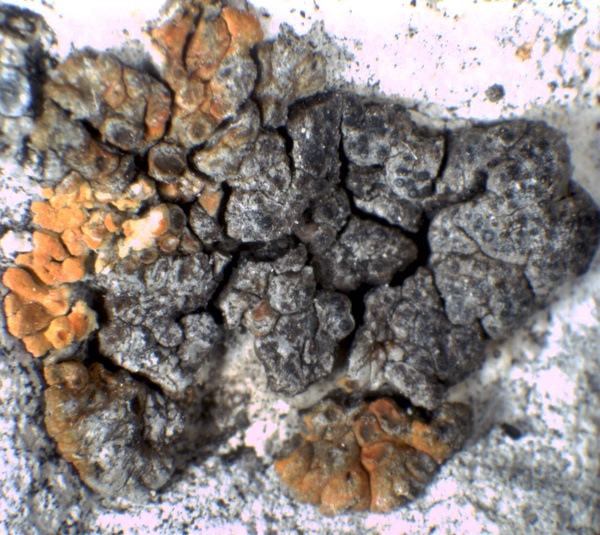
P.L. Nimis CC BY-SA 04
TSB 21536
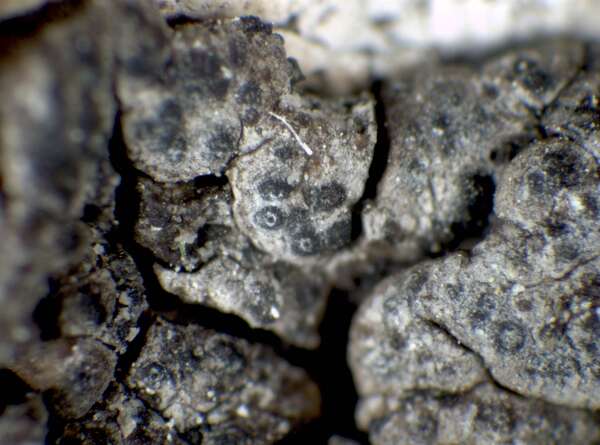
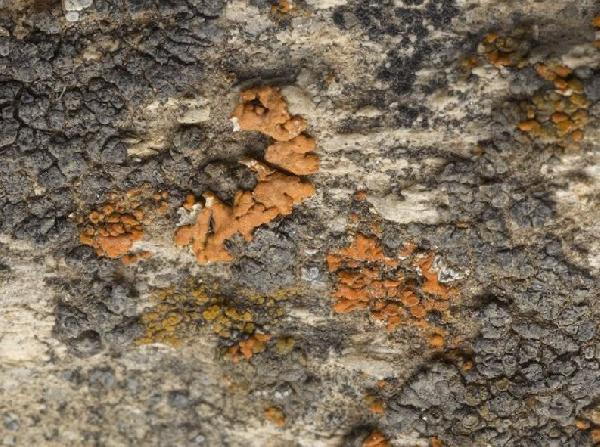
P.L. Nimis; Owner: Department of Life Sciences, University of Trieste
Herbarium: TSB (21536)
2001/12/03
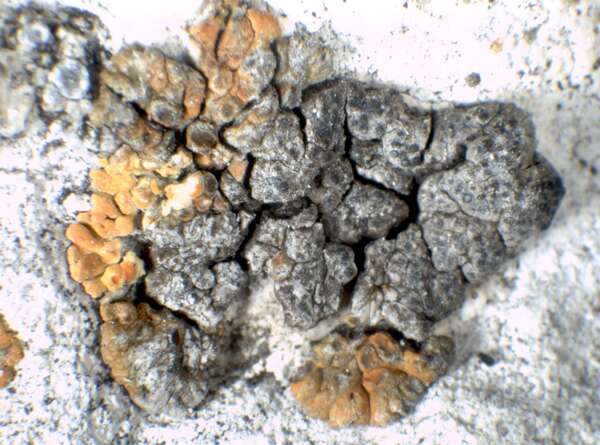
P.L. Nimis; Owner: Department of Life Sciences, University of Trieste
Herbarium: TSB (21536)
2001/12/03
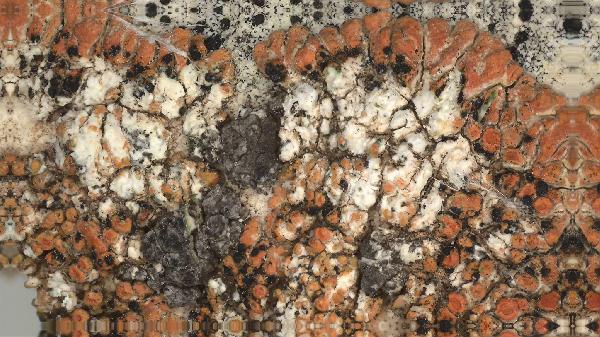
Detail from: https://gzu.jacq.org/GZU000276251
GZU000276251 - Collector Clauzade,G. s.n.
Date 1965-07-23
Location France
Label Hautes Alpes: S Col du Lautaret, E de la butte de Serre-Orel ; Alt. 2100 m
Habitat auf Caloplaca biatorina
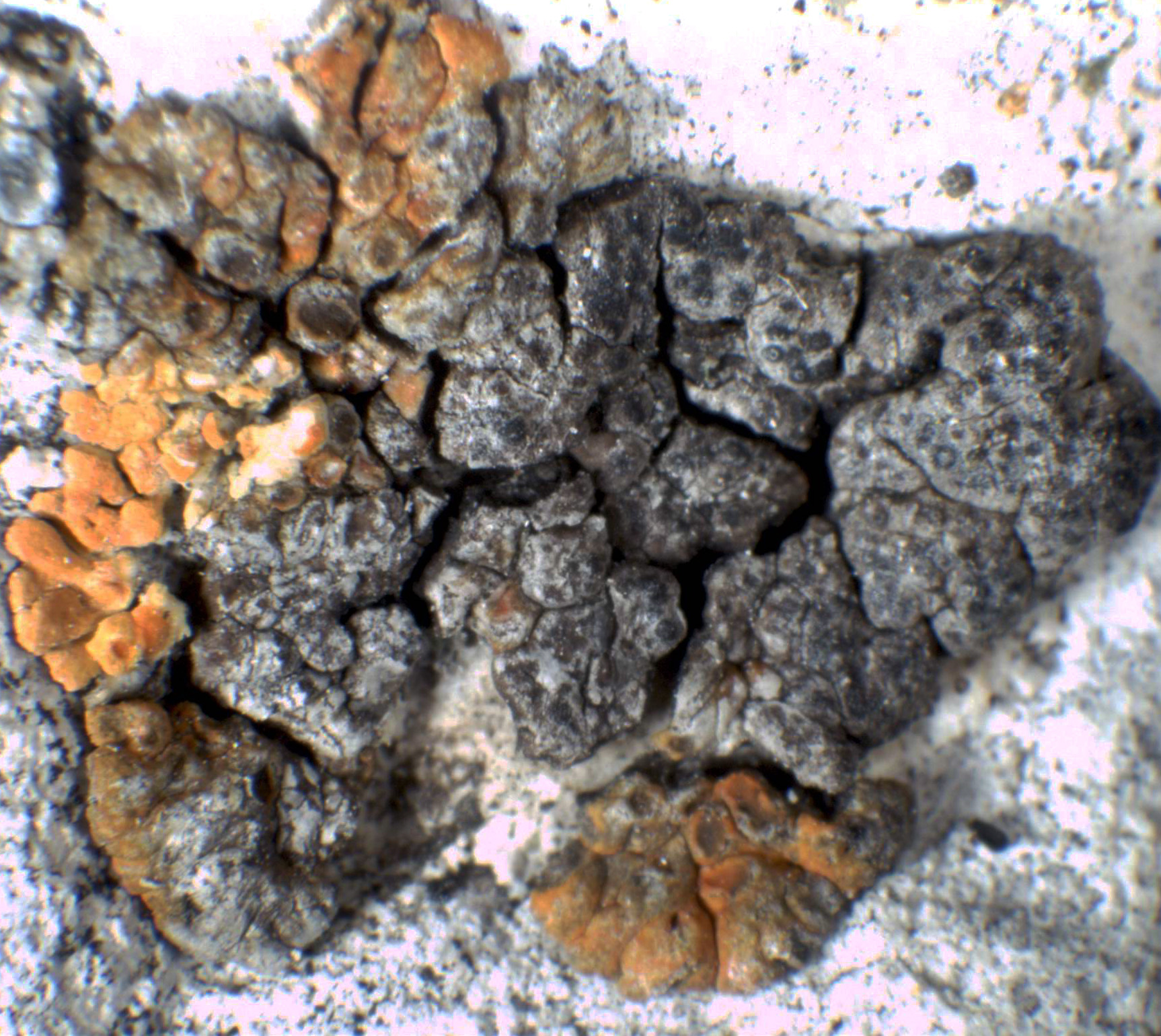
Sebastiano Dose - CC BY 4.0
Armenia, Vayots Dzor Province, municipality of Areni, along the road H40 going up to the ridge above the Noravank Gorge; on siliceous limestone (Kieselkalk). 39°42’15” N/ 45°12’09” E, ca. 1420 m. 28.09.2024. leg. Dose, Nimis & Muggia TSB 45038
Growth form: Crustose
Substrata: rocks
Photobiont: green algae other than Trentepohlia
Reproductive strategy: mainly sexual
paras Calogaya biatorina
Commonnes-rarity: (info)
Alpine belt: rare
Subalpine belt: rather rare
Montane belt: very rare
Dry submediterranean belt: absent
Humid submediterranean belt: absent
Padanian area: absent
pH of the substrata:
| 1 | 2 | 3 | 4 | 5 |
Solar irradiation:
| 1 | 2 | 3 | 4 | 5 |
Aridity:
| 1 | 2 | 3 | 4 | 5 |
Eutrophication:
| 1 | 2 | 3 | 4 | 5 |
Poleotolerance:
| 0 | 1 | 2 | 3 |
Altitudinal distribution:
| 1 | 2 | 3 | 4 | 5 | 6 |
Rarity
absent
extremely rare
very rare
rare
rather rare
rather common
common
very common
extremely common
Loading data...
Occurrence data
Predictive map
P.L. Nimis CC BY-SA 04
TSB 21536
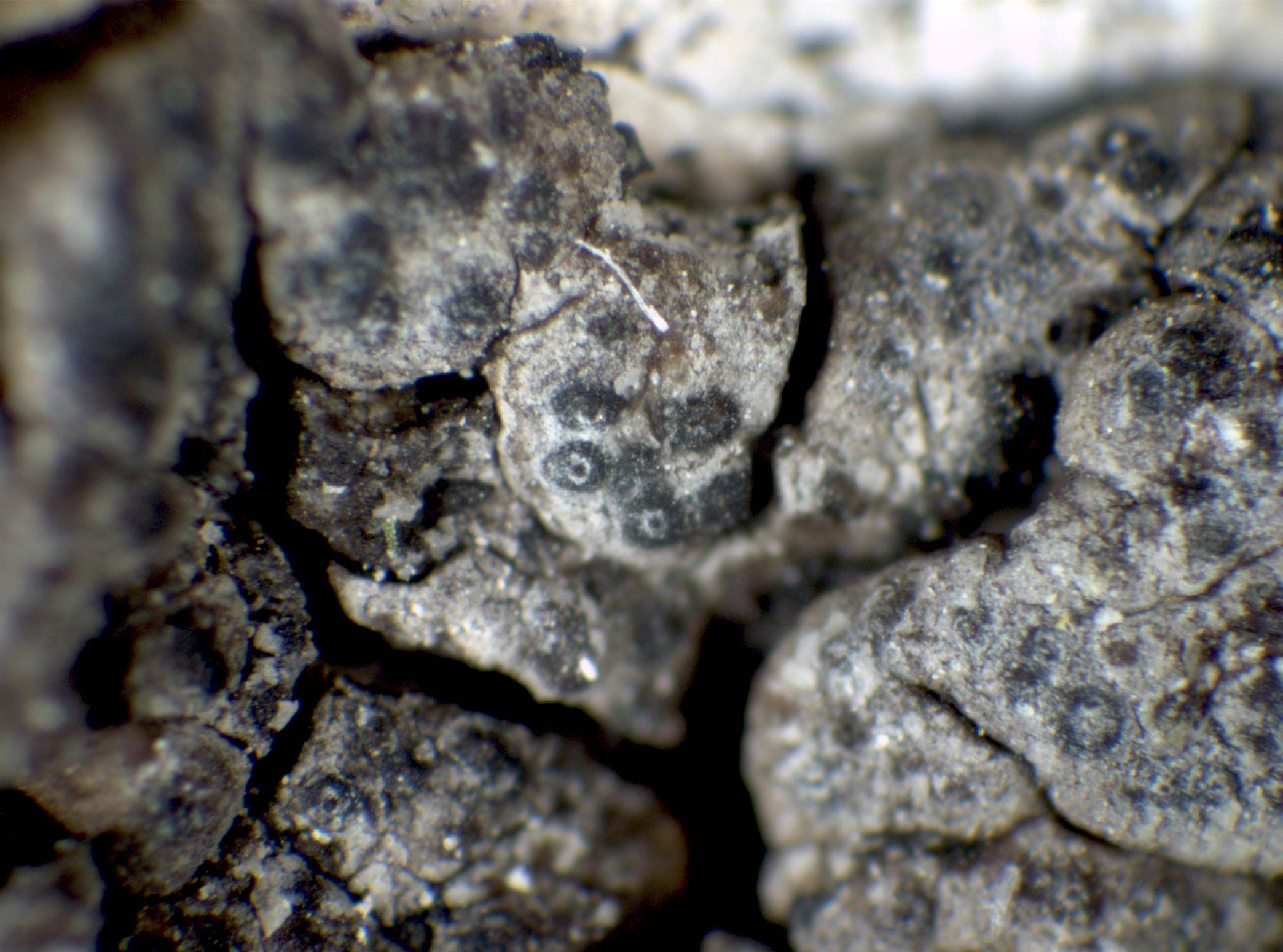
P.L. Nimis; Owner: Department of Life Sciences, University of Trieste
Herbarium: TSB (21536)
2001/12/03
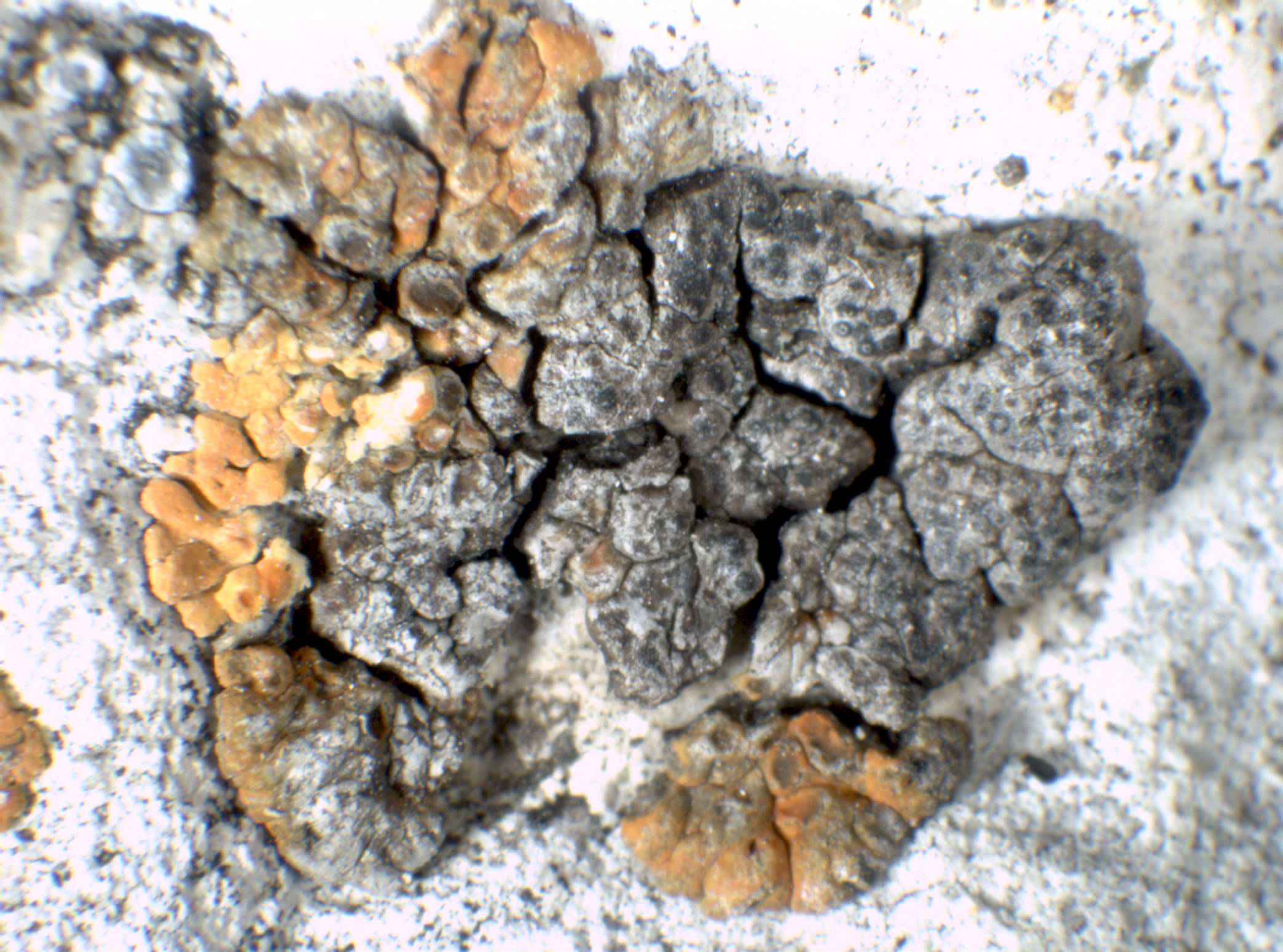
P.L. Nimis; Owner: Department of Life Sciences, University of Trieste
Herbarium: TSB (21536)
2001/12/03
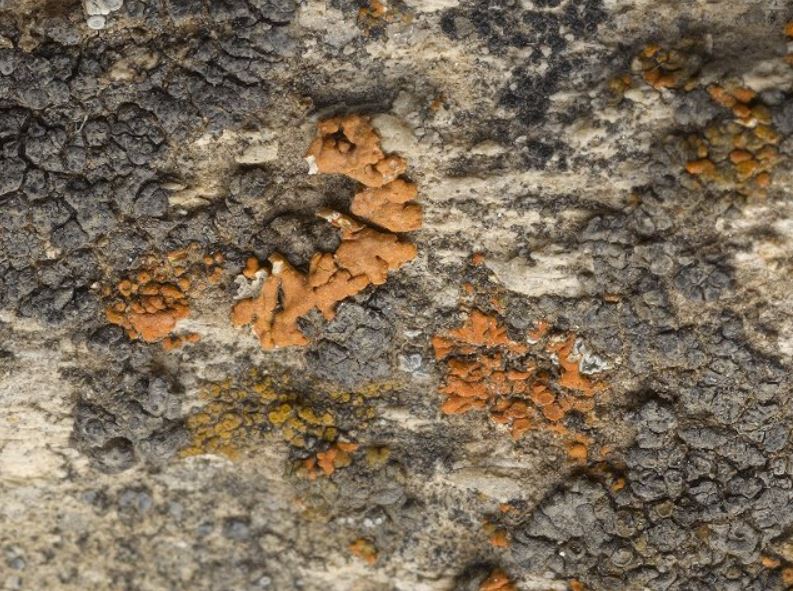
Detail from: https://gzu.jacq.org/GZU000276251
GZU000276251 - Collector Clauzade,G. s.n. Date 1965-07-23 Location France Label Hautes Alpes: S Col du Lautaret, E de la butte de Serre-Orel ; Alt. 2100 m Habitat auf Caloplaca biatorina