Xanthomendoza fallax (Hepp) Søchting, Kärnefelt & S.Y. Kondr.
Mitt. Inst. allg. Bot. Hamburg, 30-32: 237, 2002.. Basionym: Placodium fallax Hepp - Flecht. Eur., XI. no. 633. 1860.
Synonyms: Lecanora candelaria var. substellaris Ach.; Physcia controversa auct. ital. p.p. ; Physcia fallax Hepp ex Arnold nom. illegit. ; Xanthoria fallax Hepp ex Arnold; Xanthoria substellaris (Ach.) Vain.
Description: Thallus foliose, heteromerous, dorsiventral, yellowish red to orange-brown, adnate to loosely adnate, lobed, forming regular to irregular, 1-2 cm wide rosettes which often coalesce to cover much larger surfaces. Lobes flattened, 2.5-5 mm long, the marginal ones 0.3-0.6 mm wide, smooth, with marginal soredia. Lower surface white to yellow, somewhat wrinkled, with white rhizines. Upper and lower cortex paraplectenchymatous; medulla white. Apothecia lecanorine, very rare, 0.5-0.7 mm across, laminal, stipitate, the margin initially smooth but often becoming sorediate. Thalline exciple paraplectenchymatous; proper exciple a strongly gelatinized plectenchyma with unoriented, short-celled hyphae; epithecium orange-brown, K+ purple-red; hymenium colourless; paraphyses simple or sparingly branched; hypothecium colourless. Asci 4-6-spored, clavate, functionally unitunicate, apically thickened with a broad internal beak, the inner part of apex and external cap I+ blue, Teloschistes-type. Ascospores 2-celled, polarilocular, hyaline, ellipsoid, (10.5-)12-16 x 6.5-8 µm, the equatorial thickening (“septum”) 3.5-5(-6) µm. Pycnidia common, immersed to projecting, darker orange than thallus. Conidia short-bacilliform. Spot tests: thallus and soredia K+ purple-red, C-, KC-, P-, UV+ orange. Chemistry: parietin (major), fallacinal (major), emodin, teloschistin (major) and parietinic acid (chemosyndrome A3 of Søchting 1997).
Growth form: Foliose, narrow lobed
Photobiont: green algae other than Trentepohlia
Reproductive strategy: mainly asexual, by soredia, or soredia-like structures (e.g. blastidia)
Subcontinental: restricted to areas with a dry-subcontinental climate (e.g. dry Alpine valleys, parts of Mediterranean Italy)
Commonnes-rarity: (info)
Alpine belt: absent
Subalpine belt: absent
Montane belt: very rare
Dry submediterranean belt: very rare
Humid submediterranean belt: extremely rare
Padanian area: absent
pH of the substrata:
1 2 3 4 5

Solar irradiation:
1 2 3 4 5
Aridity:
1 2 3 4 5
Eutrophication:
1 2 3 4 5
Poleotolerance:
0 1 2 3
Altitudinal distribution:
1 2 3 4 5 6
Rarity
absent
extremely rare
very rare
rare
rather rare
rather common
common
very common
extremely common
Loading data...
Occurrence data
Predictive map
 Current prediction (1981-2010)
 Future prediction (2071-2100) SSP 1-2.6
 Future prediction (2071-2100) SSP 5-8.5Predictive maps according to Francesconi et al. 2025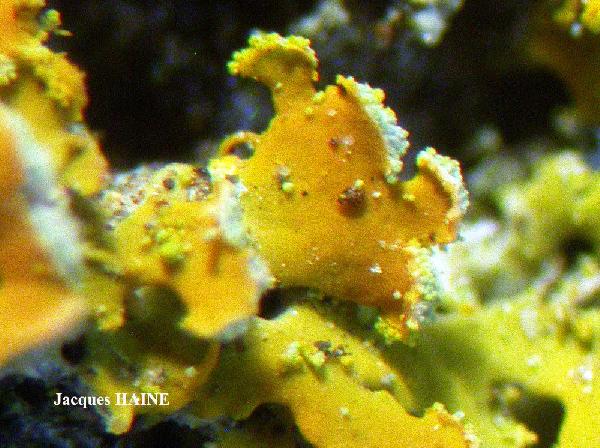
Jacques Haine - Source: http://www.lichensmaritimes.org/index.php?task=fiche&lichen=1040&lang=en
France, Drôme
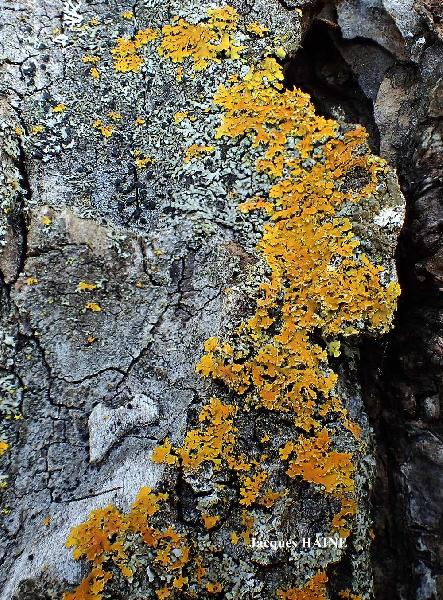
Jacques Haine - Source: http://www.lichensmaritimes.org/index.php?task=fiche&lichen=1040&lang=en
France, Drôme
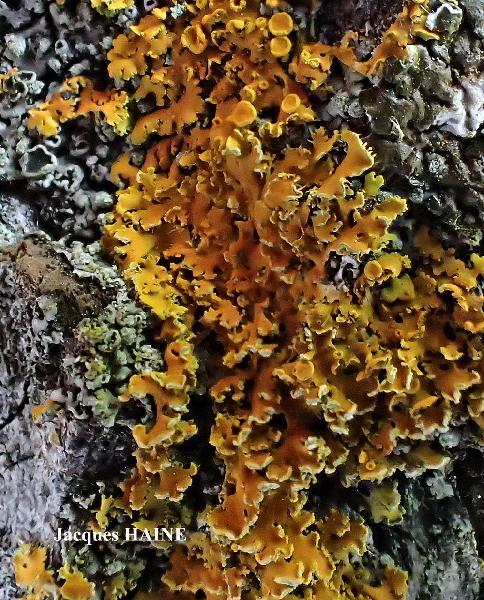
Jacques Haine - Source: http://www.lichensmaritimes.org/index.php?task=fiche&lichen=1040&lang=en
France, Drôme
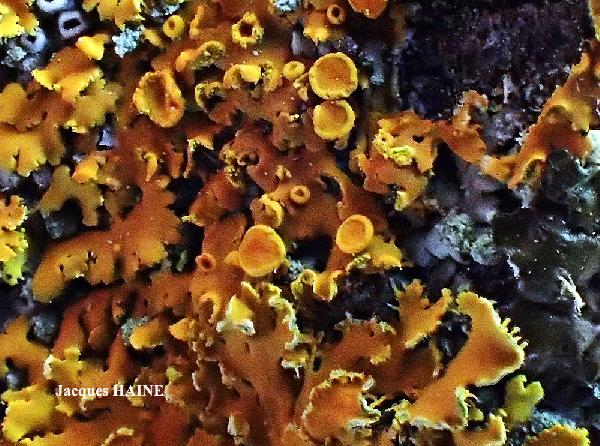
Jacques Haine - Source: http://www.lichensmaritimes.org/index.php?task=fiche&lichen=1040&lang=en
France, Drôme
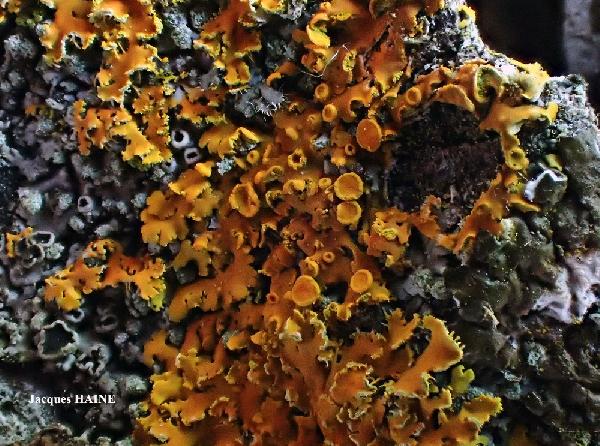
Jacques Haine - Source: http://www.lichensmaritimes.org/index.php?task=fiche&lichen=1040&lang=en
France, Drôme
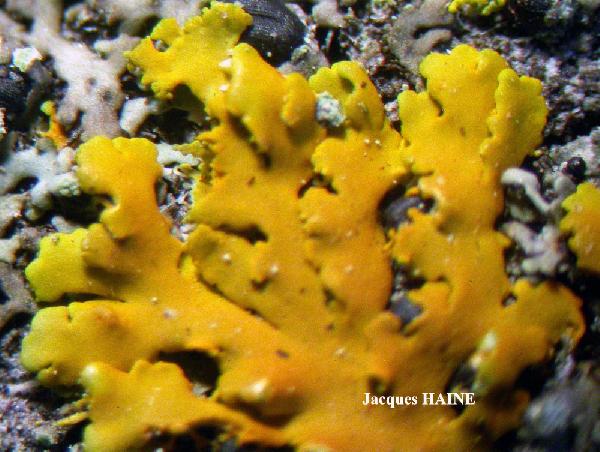
Jacques Haine - Source: http://www.lichensmaritimes.org/index.php?task=fiche&lichen=1040&lang=en
France, Drôme
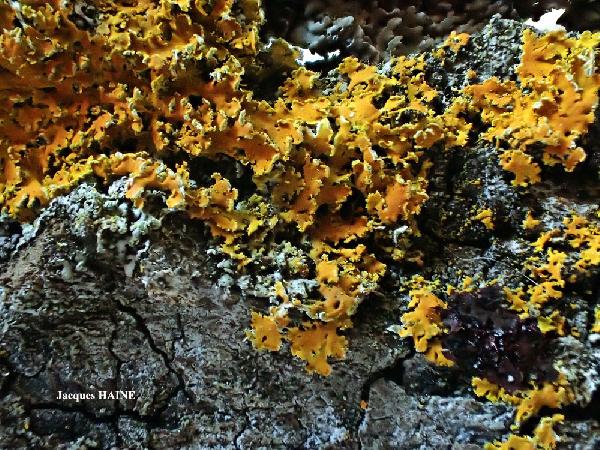
Jacques Haine - Source: http://www.lichensmaritimes.org/index.php?task=fiche&lichen=1040&lang=en
France, Drôme
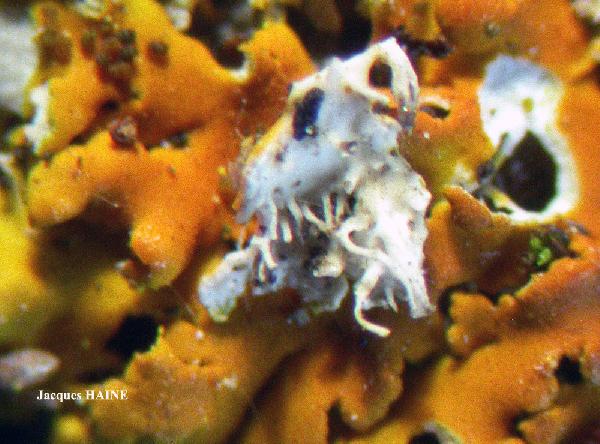
Jacques Haine - Source: http://www.lichensmaritimes.org/index.php?task=fiche&lichen=1040&lang=en
France, Drôme
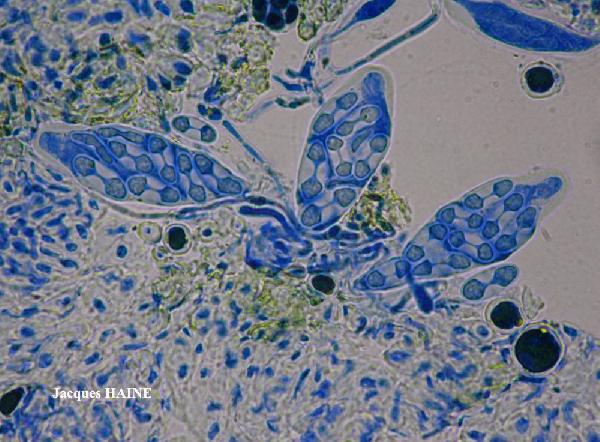
Jacques Haine - Source: http://www.lichensmaritimes.org/index.php?task=fiche&lichen=1040&lang=en
France, Drôme
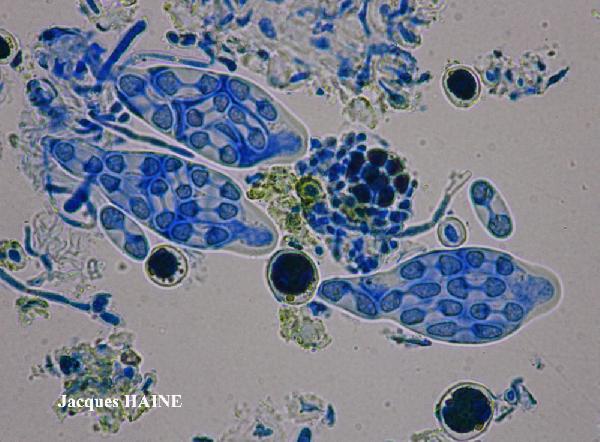
Jacques Haine - Source: http://www.lichensmaritimes.org/index.php?task=fiche&lichen=1040&lang=en
France, Drôme
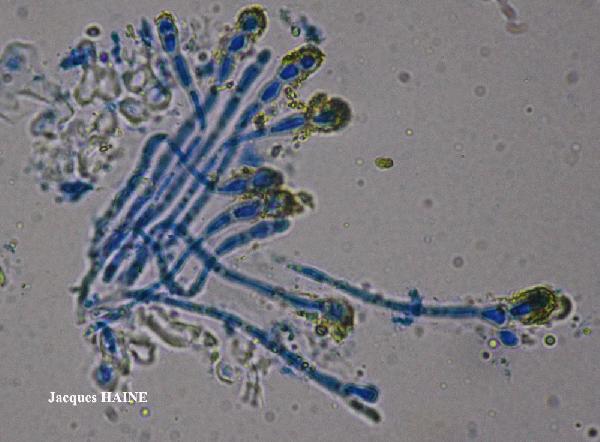
Jacques Haine - Source: http://www.lichensmaritimes.org/index.php?task=fiche&lichen=1040&lang=en
France, Drôme
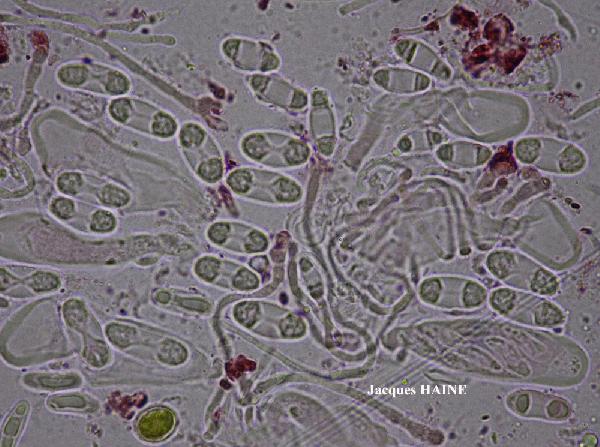
Jacques Haine - Source: http://www.lichensmaritimes.org/index.php?task=fiche&lichen=1040&lang=en
France, Drôme
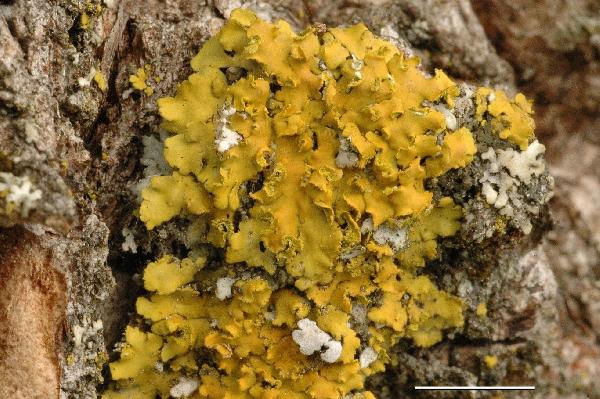
Source: Lindblom, L., Blom, H. H. & Timdal, E. 2019. The genus Xanthomendoza in Norway. Graphis Scripta 31 (7): 54–75. Oslo. ISSN 2002-4495 - CC BY-4.0
Xanthomendoza fallax. Field photograph of O-L-136166, Norway, Telemark, Skien. Scale bar: 2 mm.
Photo: E. Timdal 2005-05-07
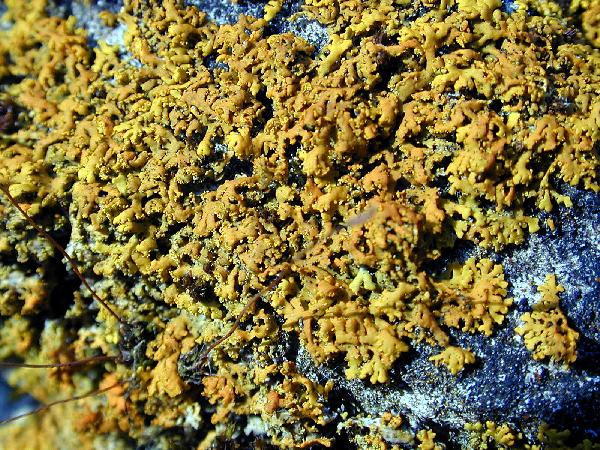
Wolfgang von Brackel - CC BY-4.0
Germany, Bavaria, Hohenfels
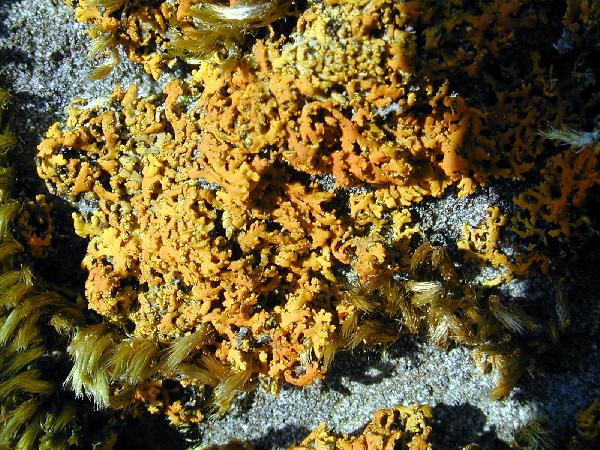
Wolfgang von Brackel - CC BY-4.0
Germany, Bavaria, Hohenfels
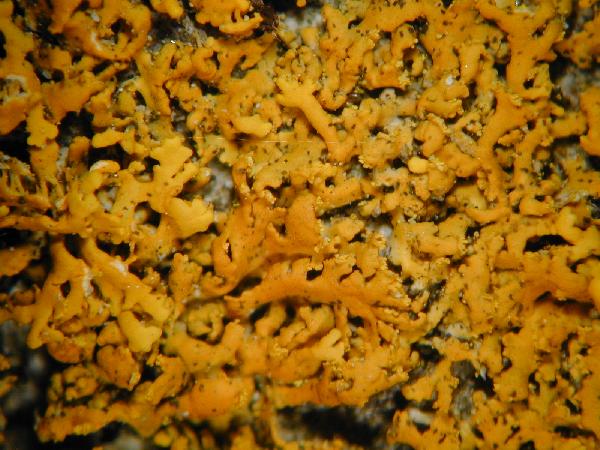
Wolfgang von Brackel - CC BY-4.0
Germany, Bavaria, Hohenfels
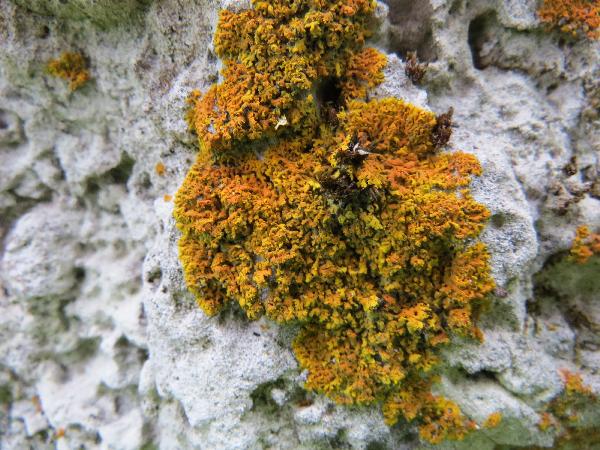
Wolfgang von Brackel - CC BY-4.0
Germany, Bavaria, Lauterachtal
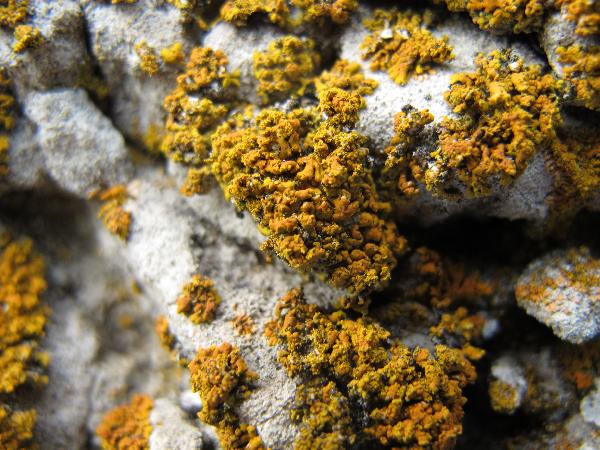
Wolfgang von Brackel - CC BY-4.0
Germany, Bavaria, Lauterachtal
Growth form: Foliose, narrow lobed
Photobiont: green algae other than Trentepohlia
Reproductive strategy: mainly asexual, by soredia, or soredia-like structures (e.g. blastidia)
Subcontinental: restricted to areas with a dry-subcontinental climate (e.g. dry Alpine valleys, parts of Mediterranean Italy)
Commonnes-rarity: (info)
Alpine belt: absent
Subalpine belt: absent
Montane belt: very rare
Dry submediterranean belt: very rare
Humid submediterranean belt: extremely rare
Padanian area: absent
pH of the substrata:
| 1 | 2 | 3 | 4 | 5 |
Solar irradiation:
| 1 | 2 | 3 | 4 | 5 |
Aridity:
| 1 | 2 | 3 | 4 | 5 |
Eutrophication:
| 1 | 2 | 3 | 4 | 5 |
Poleotolerance:
| 0 | 1 | 2 | 3 |
Altitudinal distribution:
| 1 | 2 | 3 | 4 | 5 | 6 |
Rarity
absent
extremely rare
very rare
rare
rather rare
rather common
common
very common
extremely common
Loading data...
Occurrence data
Predictive map
Current prediction (1981-2010)Future prediction (2071-2100) SSP 1-2.6Future prediction (2071-2100) SSP 5-8.5Predictive maps according to Francesconi et al. 2025
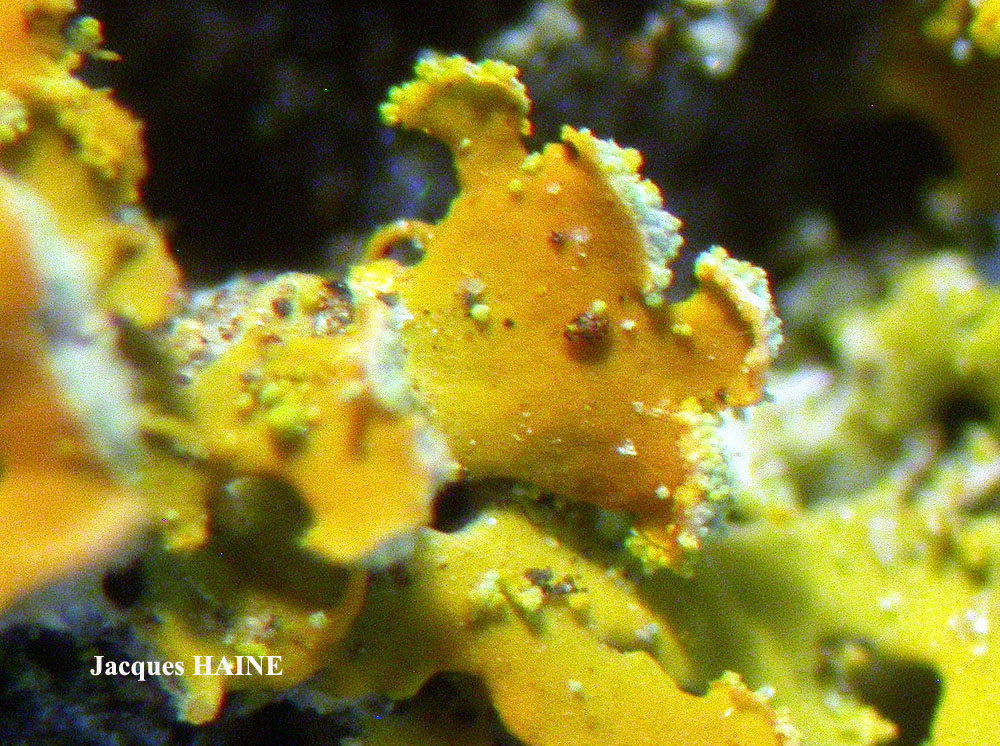
Jacques Haine - Source: http://www.lichensmaritimes.org/index.php?task=fiche&lichen=1040&lang=en
France, Drôme
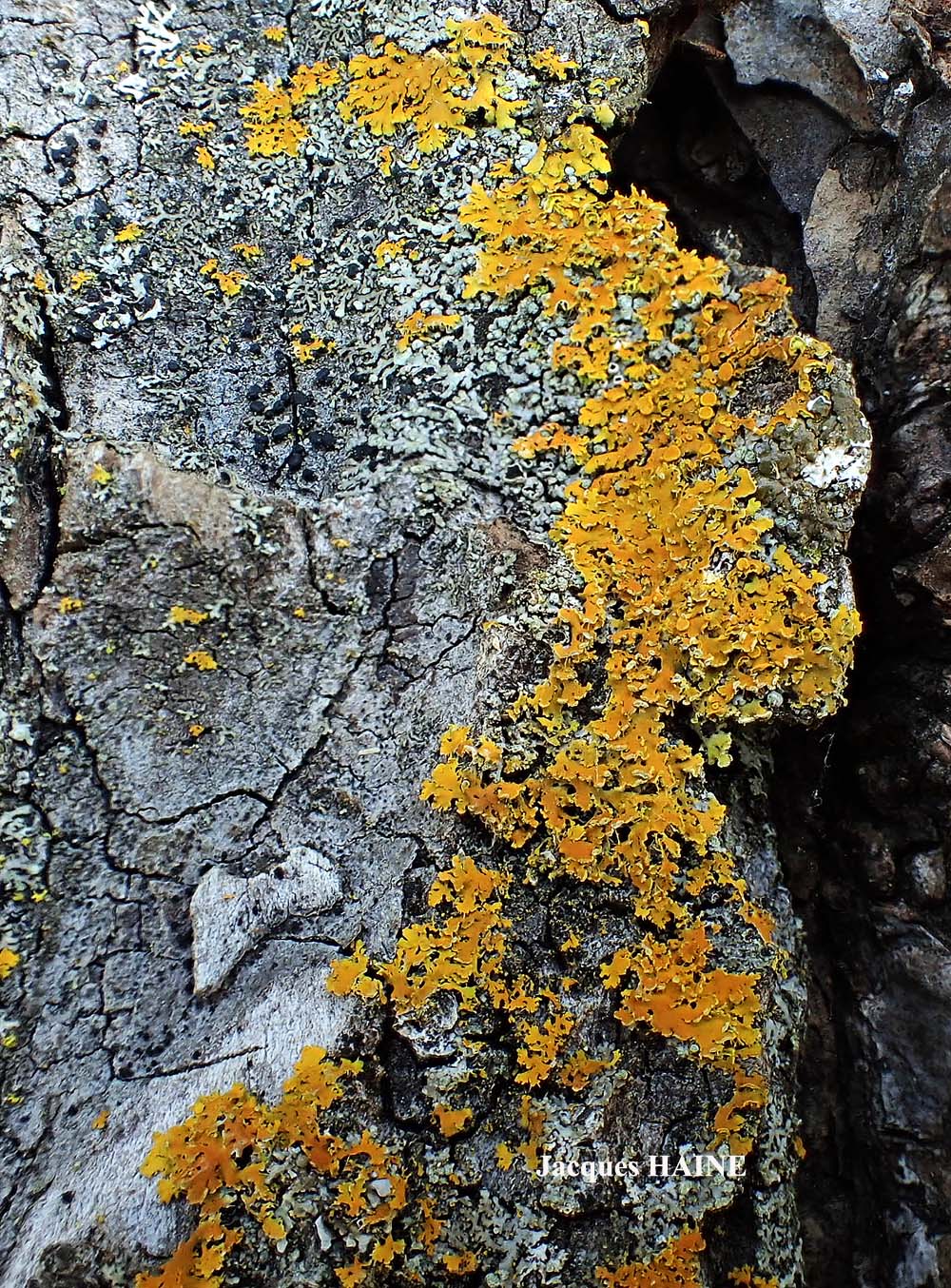
Jacques Haine - Source: http://www.lichensmaritimes.org/index.php?task=fiche&lichen=1040&lang=en
France, Drôme
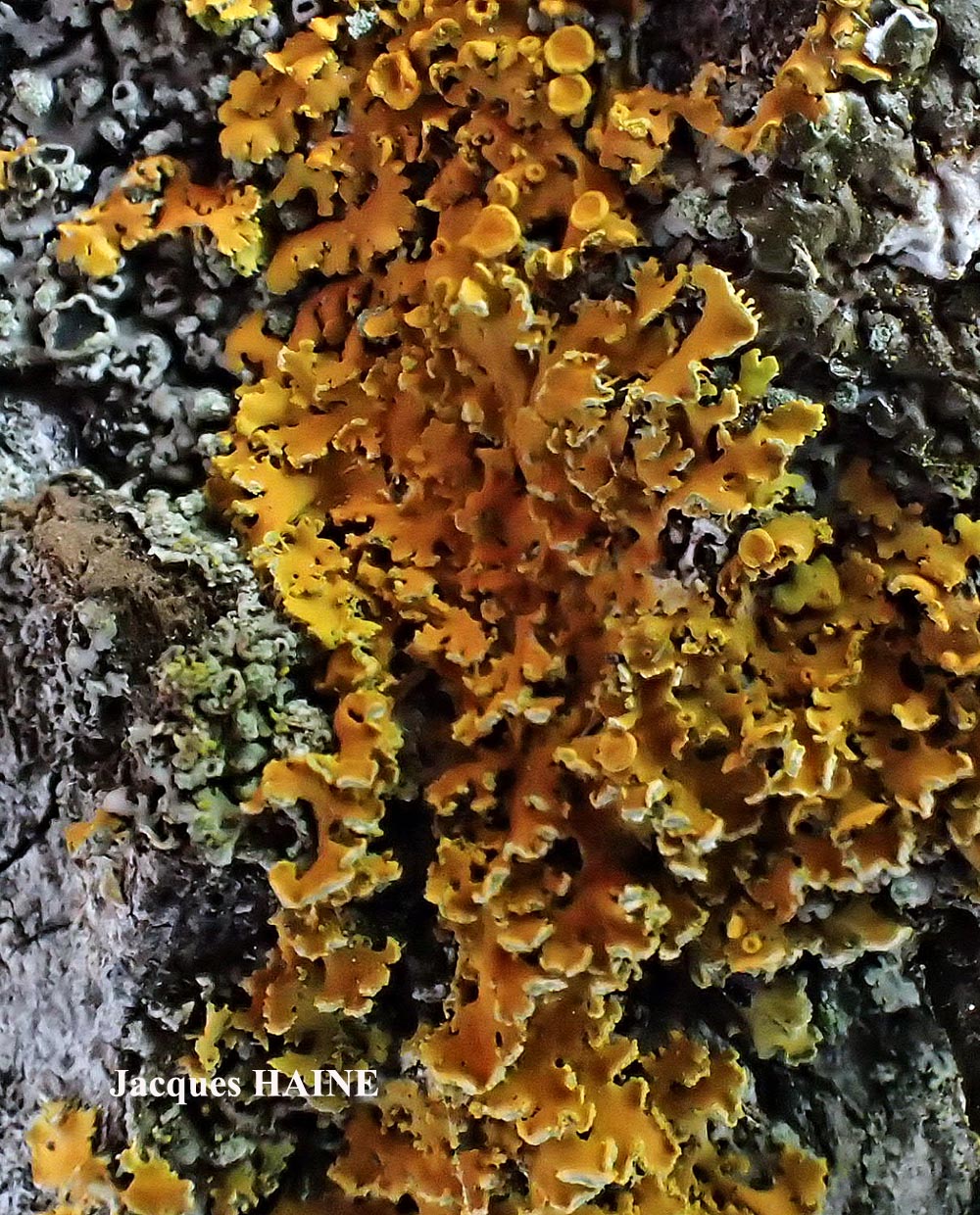
Jacques Haine - Source: http://www.lichensmaritimes.org/index.php?task=fiche&lichen=1040&lang=en
France, Drôme
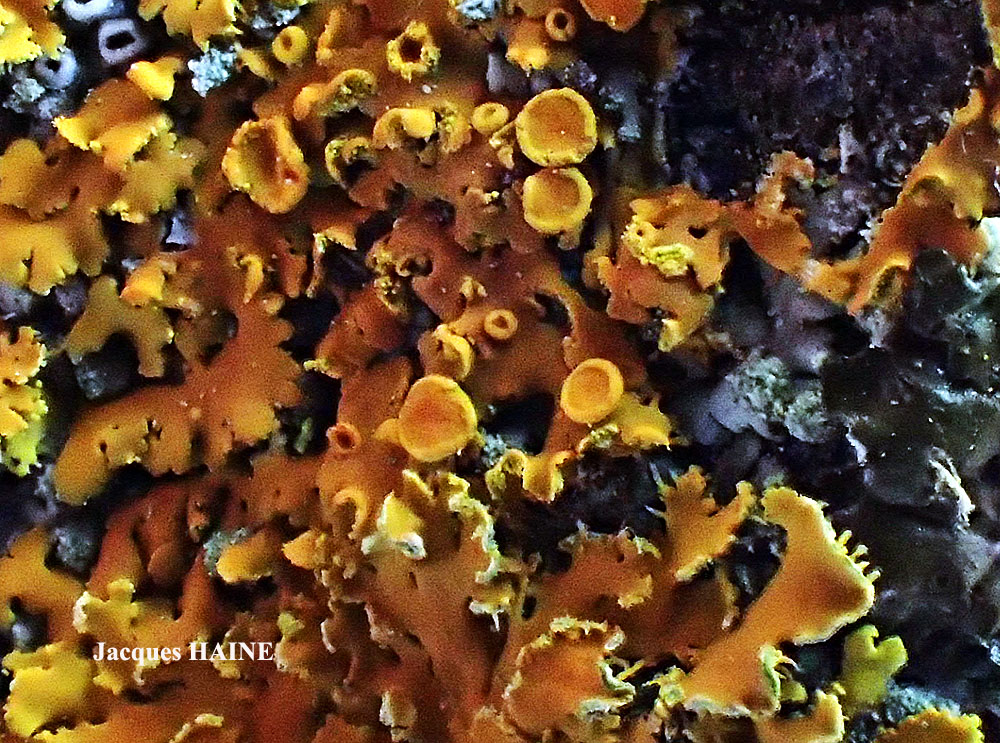
Jacques Haine - Source: http://www.lichensmaritimes.org/index.php?task=fiche&lichen=1040&lang=en
France, Drôme
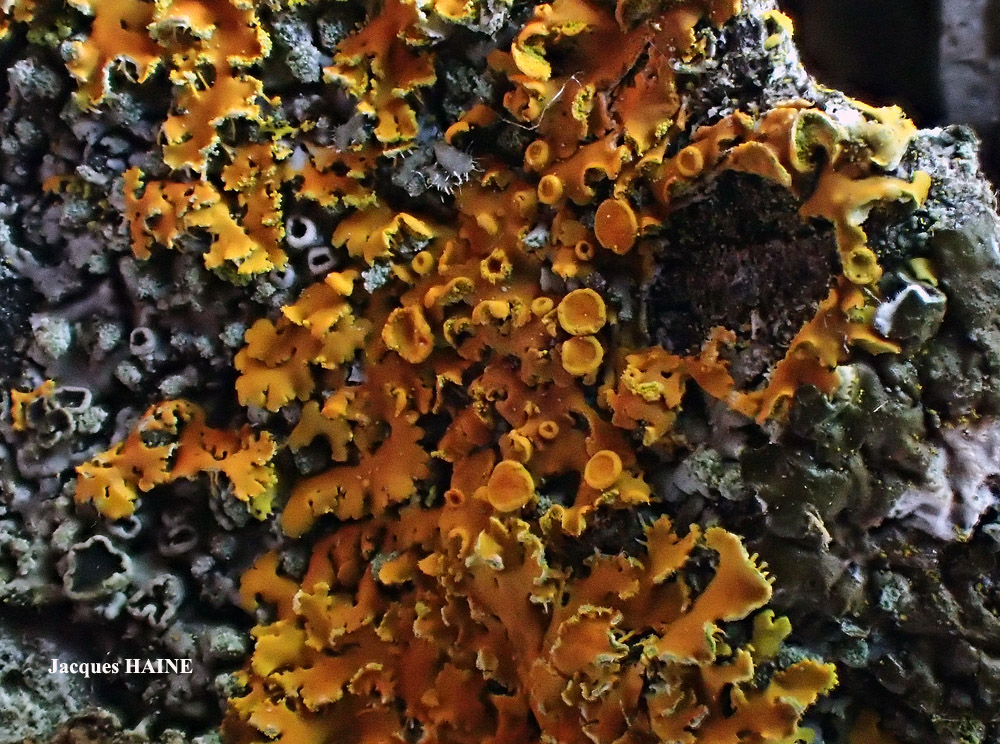
Jacques Haine - Source: http://www.lichensmaritimes.org/index.php?task=fiche&lichen=1040&lang=en
France, Drôme
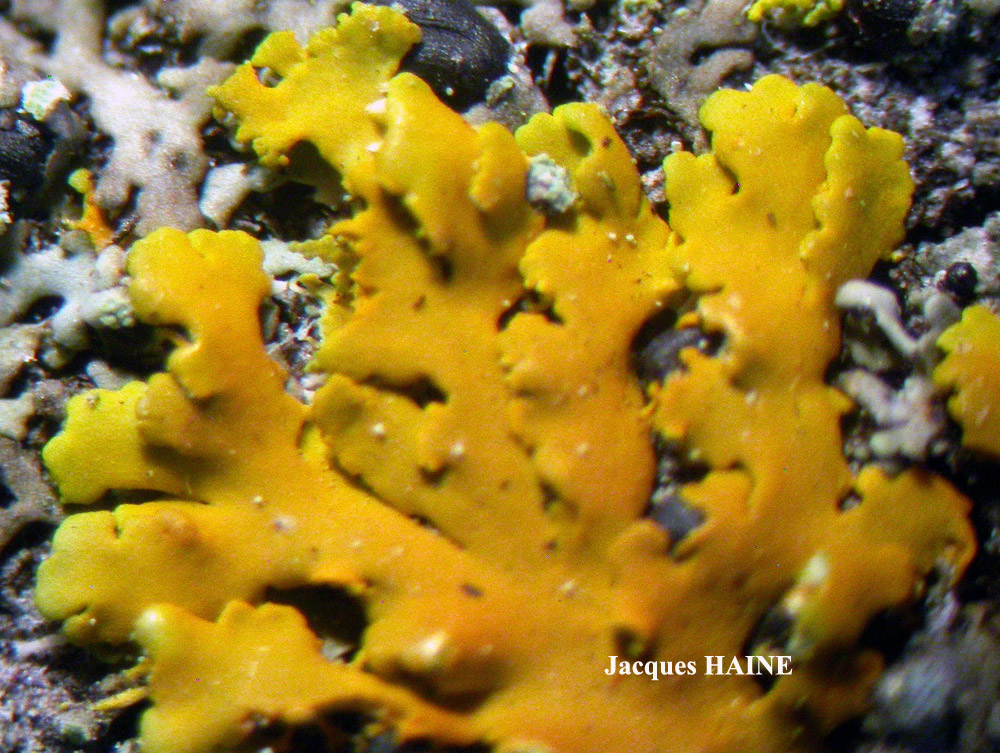
Jacques Haine - Source: http://www.lichensmaritimes.org/index.php?task=fiche&lichen=1040&lang=en
France, Drôme
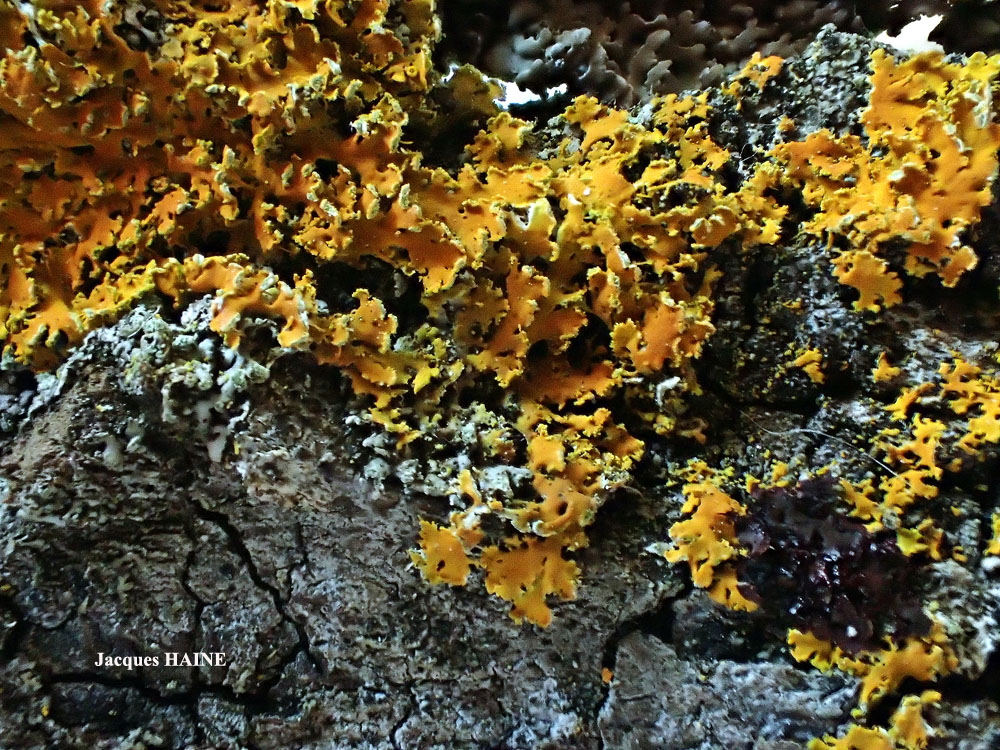
Jacques Haine - Source: http://www.lichensmaritimes.org/index.php?task=fiche&lichen=1040&lang=en
France, Drôme
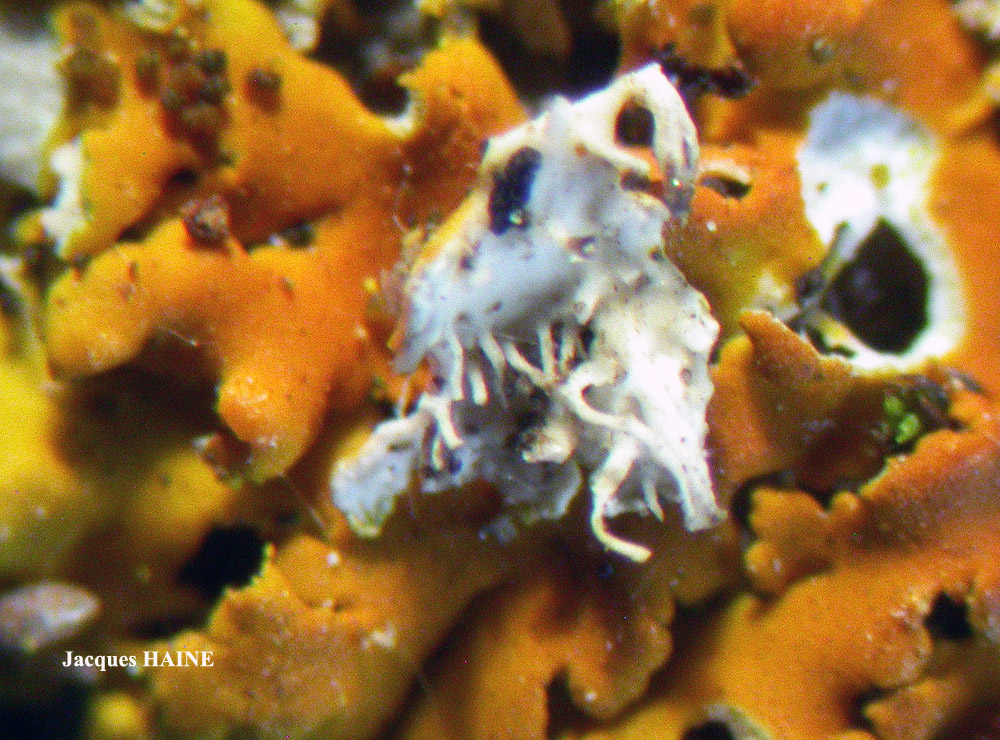
Jacques Haine - Source: http://www.lichensmaritimes.org/index.php?task=fiche&lichen=1040&lang=en
France, Drôme
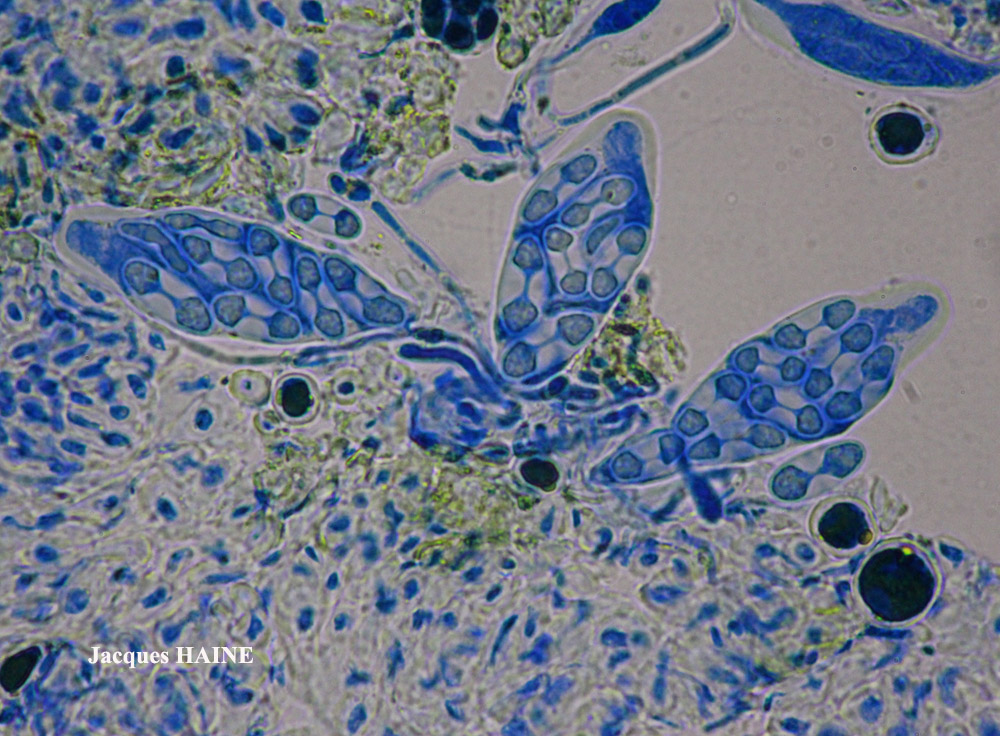
Jacques Haine - Source: http://www.lichensmaritimes.org/index.php?task=fiche&lichen=1040&lang=en
France, Drôme
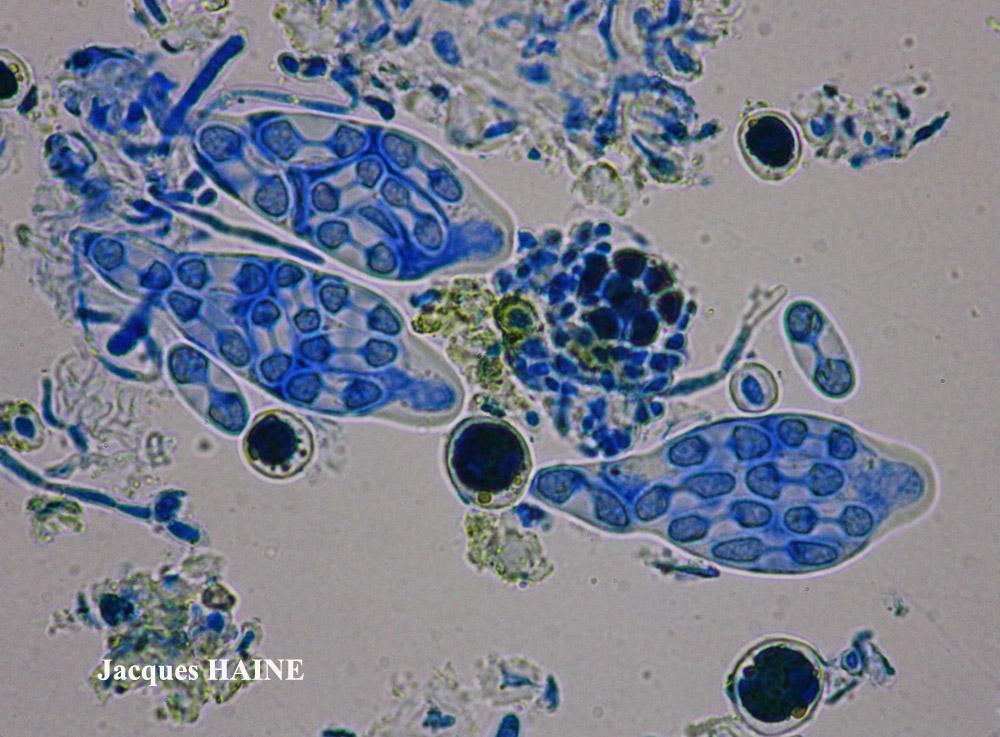
Jacques Haine - Source: http://www.lichensmaritimes.org/index.php?task=fiche&lichen=1040&lang=en
France, Drôme
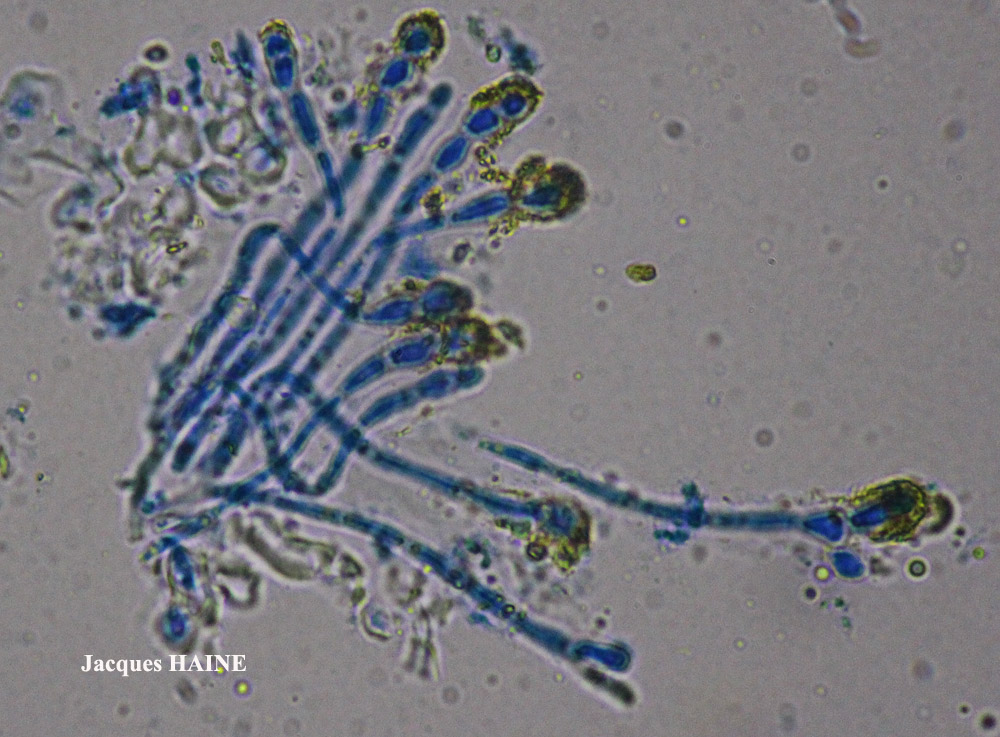
Jacques Haine - Source: http://www.lichensmaritimes.org/index.php?task=fiche&lichen=1040&lang=en
France, Drôme
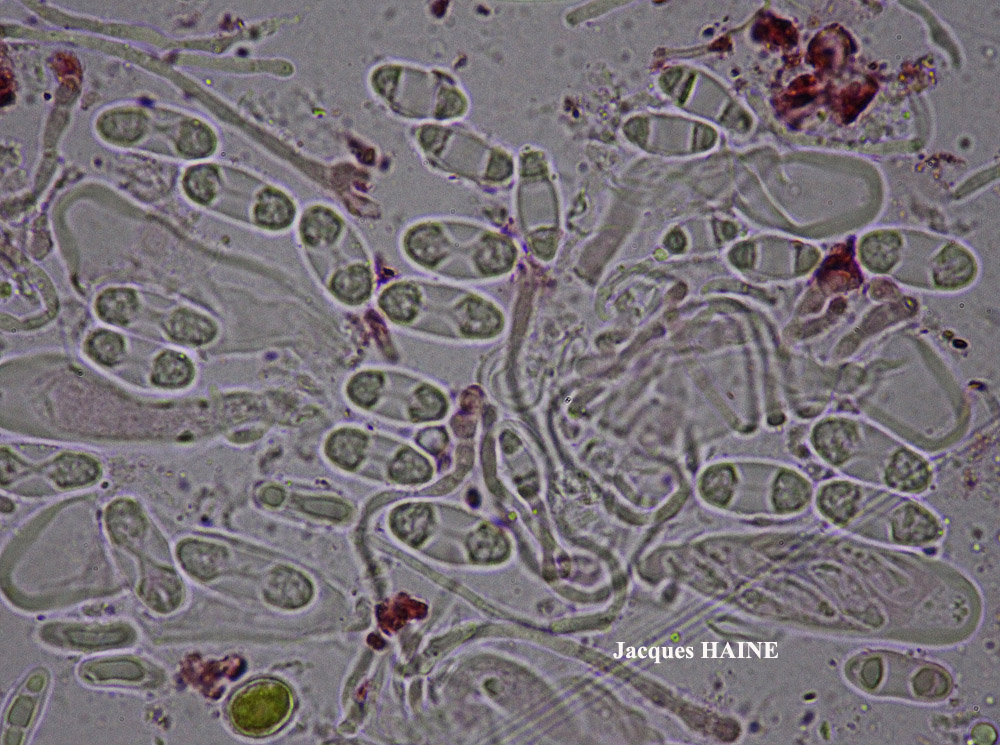
Jacques Haine - Source: http://www.lichensmaritimes.org/index.php?task=fiche&lichen=1040&lang=en
France, Drôme

Source: Lindblom, L., Blom, H. H. & Timdal, E. 2019. The genus Xanthomendoza in Norway. Graphis Scripta 31 (7): 54–75. Oslo. ISSN 2002-4495 - CC BY-4.0
Xanthomendoza fallax. Field photograph of O-L-136166, Norway, Telemark, Skien. Scale bar: 2 mm. Photo: E. Timdal 2005-05-07

Wolfgang von Brackel - CC BY-4.0
Germany, Bavaria, Hohenfels

Wolfgang von Brackel - CC BY-4.0
Germany, Bavaria, Hohenfels
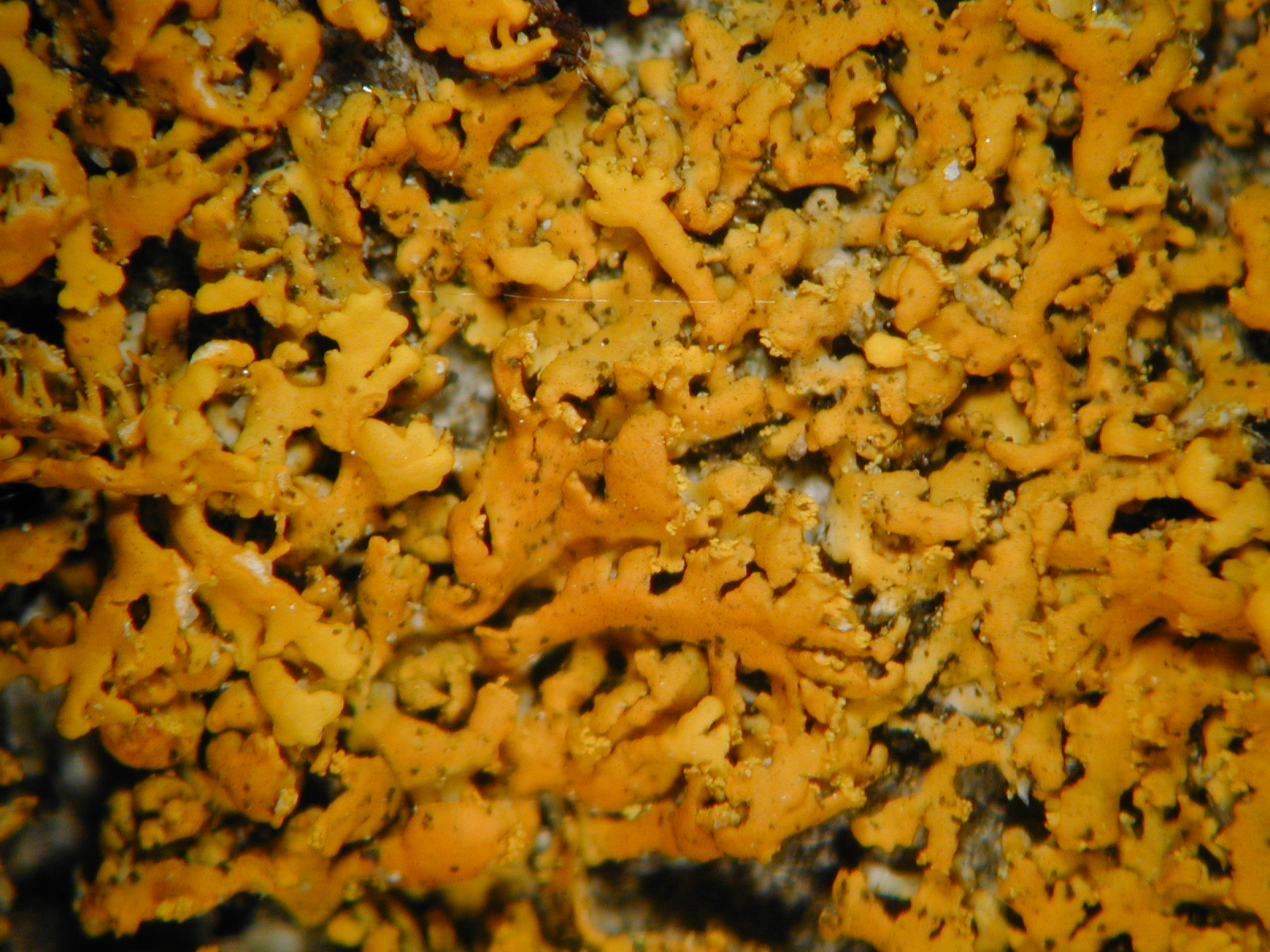
Wolfgang von Brackel - CC BY-4.0
Germany, Bavaria, Hohenfels

Wolfgang von Brackel - CC BY-4.0
Germany, Bavaria, Lauterachtal