Xanthoparmelia luteonotata (J. Steiner) O. Blanco, A. Crespo, Elix, D. Hawksw. & Lumbsch
Taxon, 53: 968, 2004. Basionym: Parmelia luteonotata J. Steiner - Verh. zool.-bot. Ges. Wien, 12: 472, 1902.
Synonyms: Neofuscelia luteonotata (J. Steiner) Essl.; Parmelia pulla subsp. luteonotata (J. Steiner) Clauzade & Cl. Roux
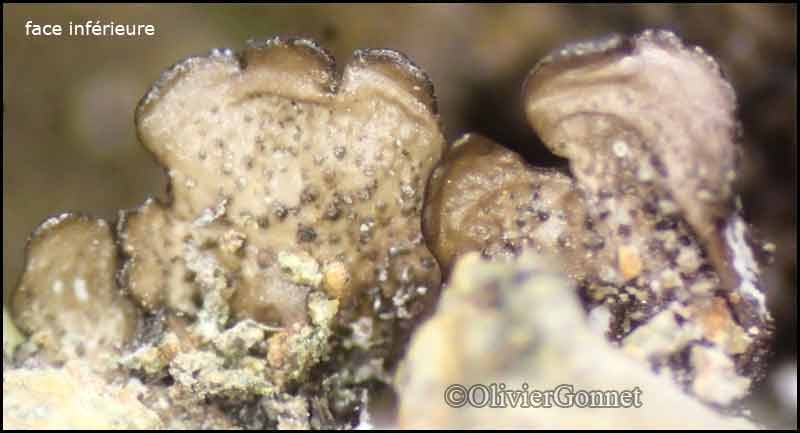
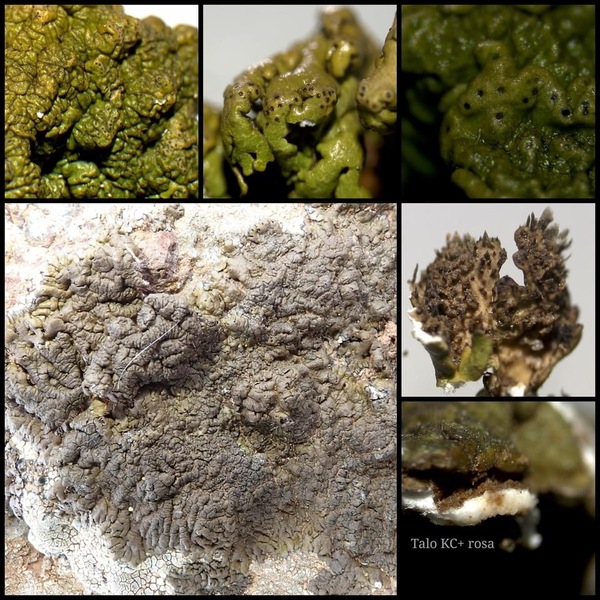
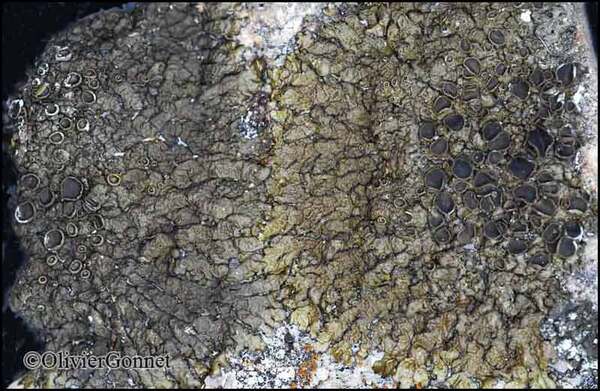
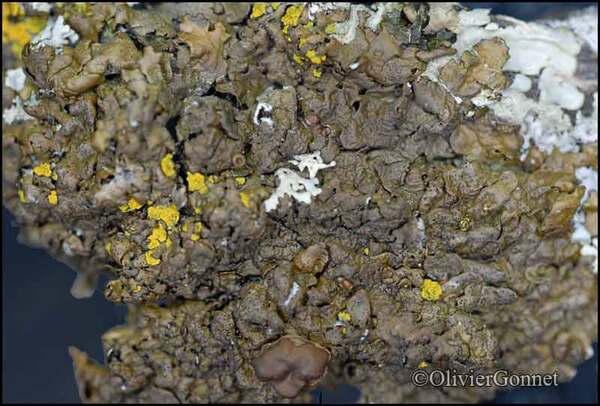
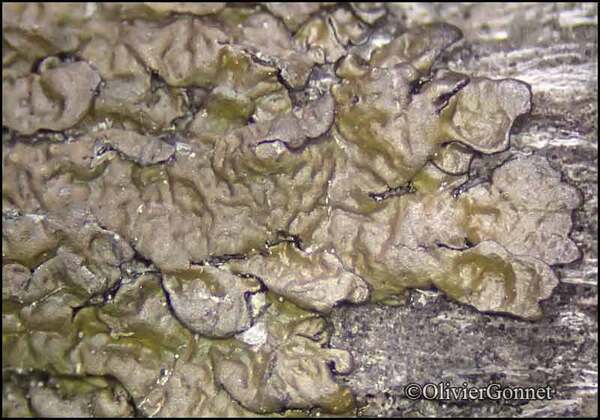
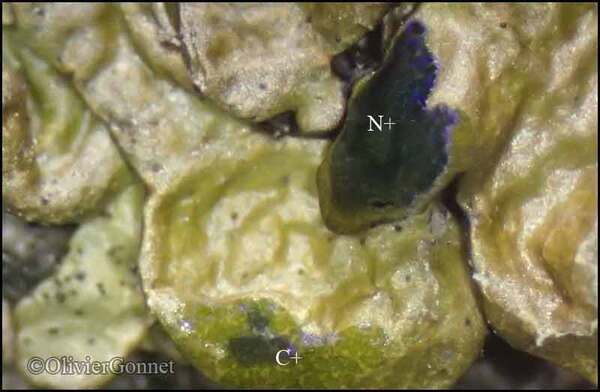
Description: Thallus foliose, heteromerous, dorsiventral, loosely to moderately adnate, forming up to 10 cm wide, sometimes coalescing rosettes. Lobes (0.5-)1-3 mm wide, sublinear to irregular, discrete to imbricate, rarely developing subfruticose branches, the upper surface brown to dark brown, uneven and rugose, the lower surface tan to pale brown, moderately to densely rhizinate; rhizines simple, to 0.5 mm long. Upper cortex paraplectenchymatous, with a pored epicortex, the cell walls with Xanthoparmelia-type lichenan; medulla white; lower cortex paraplectenchymatous. Apothecia usually numerous, lecanorine, sessile to stipitate, to 4 mm across, with a brown disc and a smooth thalline margin. Epithecium brown; hymenium colourless; paraphyses simple; hypothecium colourless. Asci 8-spored, clavate, the K/I+ blue tholus penetrated by a faintly amyloid apical cushion with parallel or diverging flanks, the wall K/I-, surrounded by a K/I+ blue outer layer, Lecanora-type. Ascospores 1-celled, hyaline, ellipsoid, 8-11 x 4-7 µm. Pycnidia common, immersed. Conidia weakly dumbbell-shaped 4-7 x c. 1 µm. Photobiont chlorococcoid. Spot tests: upper cortex K-, C-, KC-, P-, N+ blue green, UV-; medulla K-, C-, KC- or KC+ pink, P-, UV+ white. Chemistry: medulla with divaricatic or stenosporic acids, with or without gyrophoric acid as an accessory substance.
Growth form: Foliose, broad lobed
Substrata: rocks
Photobiont: green algae other than Trentepohlia
Reproductive strategy: mainly sexual
Commonnes-rarity: (info)
Alpine belt: absent
Subalpine belt: absent
Montane belt: very rare
Dry submediterranean belt: absent
Humid submediterranean belt: very rare
Padanian area: absent
pH of the substrata:
1 2 3 4 5

Solar irradiation:
1 2 3 4 5
Aridity:
1 2 3 4 5
Eutrophication:
1 2 3 4 5
Poleotolerance:
0 1 2 3
Altitudinal distribution:
1 2 3 4 5 6
Rarity
absent
extremely rare
very rare
rare
rather rare
rather common
common
very common
extremely common
Loading data...
Occurrence data
Predictive map
Manuel Gil
Spain, Canary Islands, Lanzarote
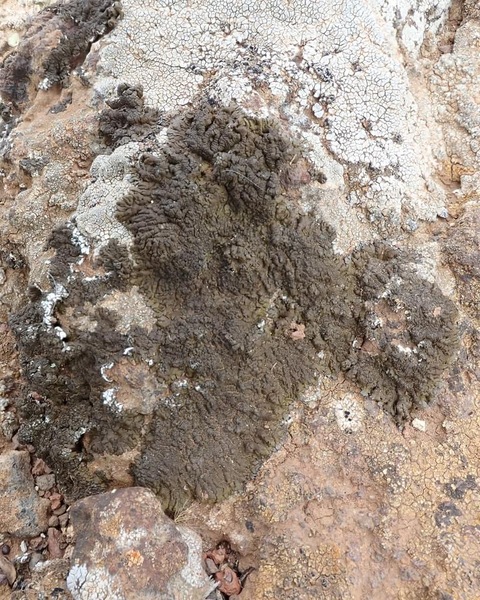
Manuel Gil
Spain, Canary Islands, Lanzarote
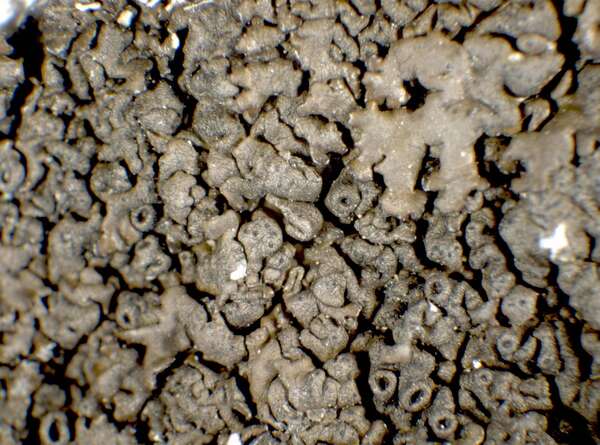
P.L. Nimis; Owner: Department of Life Sciences, University of Trieste
Herbarium: TSB (10508)
2001/12/05
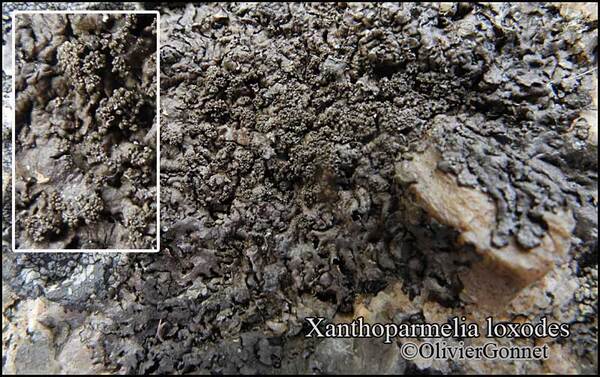
Courtesy Danièle et Olivier Gonnet - Source: https://www.afl-lichenologie.fr/Photos_AFL/Photos_AFL_X/Textes_X1/Xanthoparmelia_luteonotata.htm
France, octobre 2018 - Ajaccio, Corse
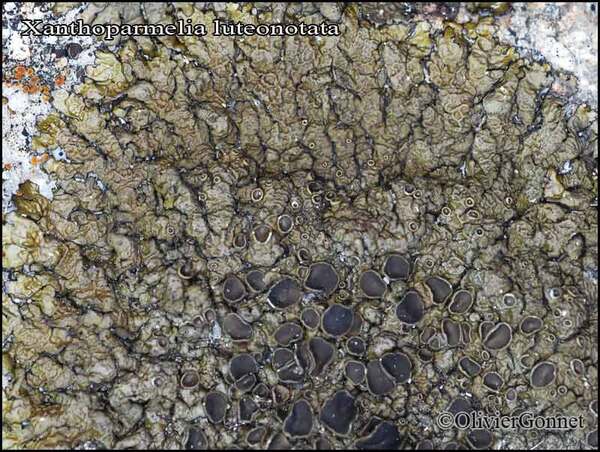
Courtesy Danièle et Olivier Gonnet - Source: https://www.afl-lichenologie.fr/Photos_AFL/Photos_AFL_X/Textes_X1/Xanthoparmelia_luteonotata.htm
France, octobre 2018 - Ajaccio, Corse
Courtesy Danièle et Olivier Gonnet - Source: https://www.afl-lichenologie.fr/Photos_AFL/Photos_AFL_X/Textes_X1/Xanthoparmelia_luteonotata.htm
France, octobre 2018 - Ajaccio, Corse
Courtesy Danièle et Olivier Gonnet - Source: https://www.afl-lichenologie.fr/Photos_AFL/Photos_AFL_X/Textes_X1/Xanthoparmelia_luteonotata.htm
France, octobre 2018 - Ajaccio, Corse
Courtesy Danièle et Olivier Gonnet - Source: https://www.afl-lichenologie.fr/Photos_AFL/Photos_AFL_X/Textes_X1/Xanthoparmelia_luteonotata.htm
France, octobre 2018 - Ajaccio, Corse
Courtesy Danièle et Olivier Gonnet - Source: https://www.afl-lichenologie.fr/Photos_AFL/Photos_AFL_X/Textes_X1/Xanthoparmelia_luteonotata.htm
France, octobre 2018 - Ajaccio, Corse
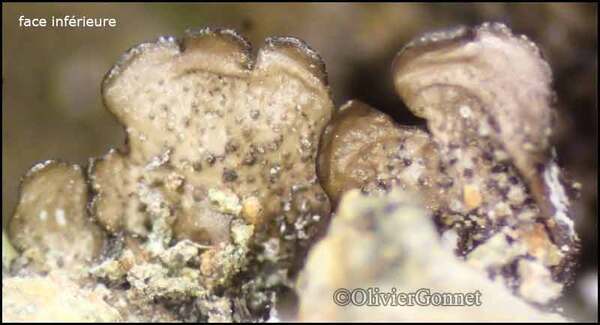
Courtesy Danièle et Olivier Gonnet - Source: https://www.afl-lichenologie.fr/Photos_AFL/Photos_AFL_X/Textes_X1/Xanthoparmelia_luteonotata.htm
France, octobre 2018 - Ajaccio, Corse
Growth form: Foliose, broad lobed
Substrata: rocks
Photobiont: green algae other than Trentepohlia
Reproductive strategy: mainly sexual
Commonnes-rarity: (info)
Alpine belt: absent
Subalpine belt: absent
Montane belt: very rare
Dry submediterranean belt: absent
Humid submediterranean belt: very rare
Padanian area: absent
pH of the substrata:
| 1 | 2 | 3 | 4 | 5 |
Solar irradiation:
| 1 | 2 | 3 | 4 | 5 |
Aridity:
| 1 | 2 | 3 | 4 | 5 |
Eutrophication:
| 1 | 2 | 3 | 4 | 5 |
Poleotolerance:
| 0 | 1 | 2 | 3 |
Altitudinal distribution:
| 1 | 2 | 3 | 4 | 5 | 6 |
Rarity
absent
extremely rare
very rare
rare
rather rare
rather common
common
very common
extremely common
Loading data...
Occurrence data
Predictive map
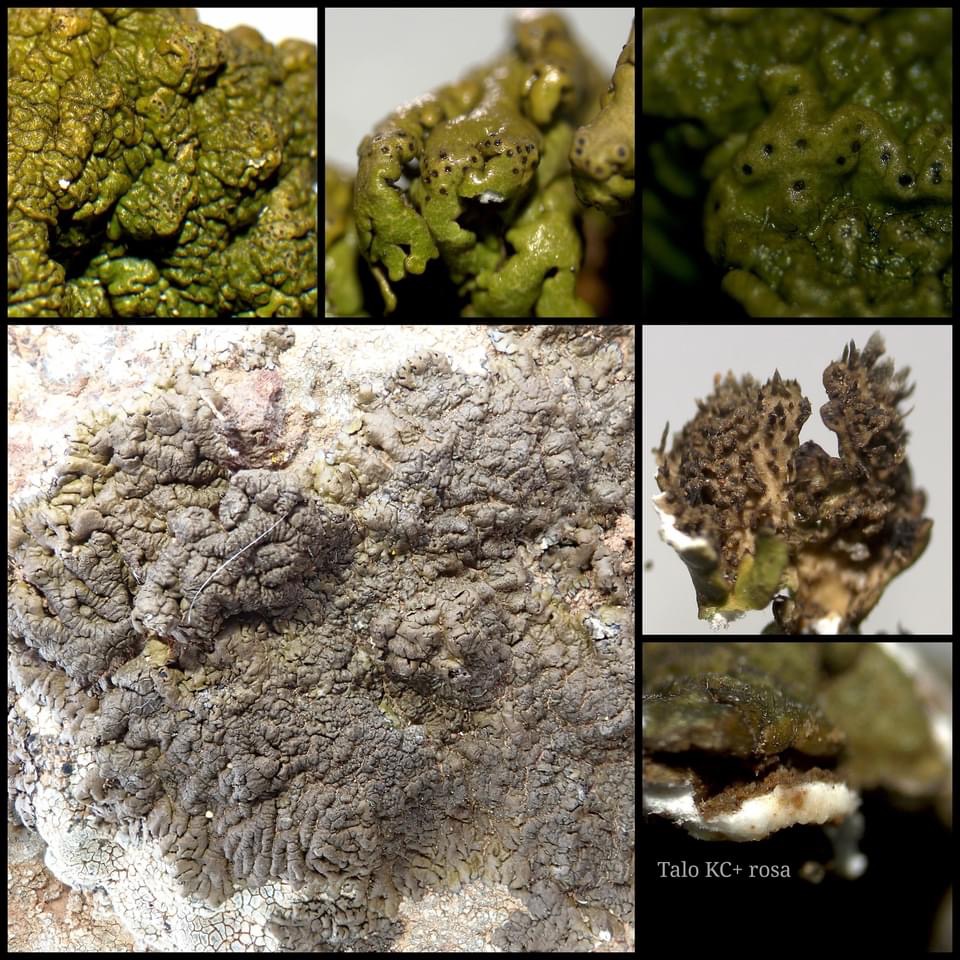
Manuel Gil
Spain, Canary Islands, Lanzarote
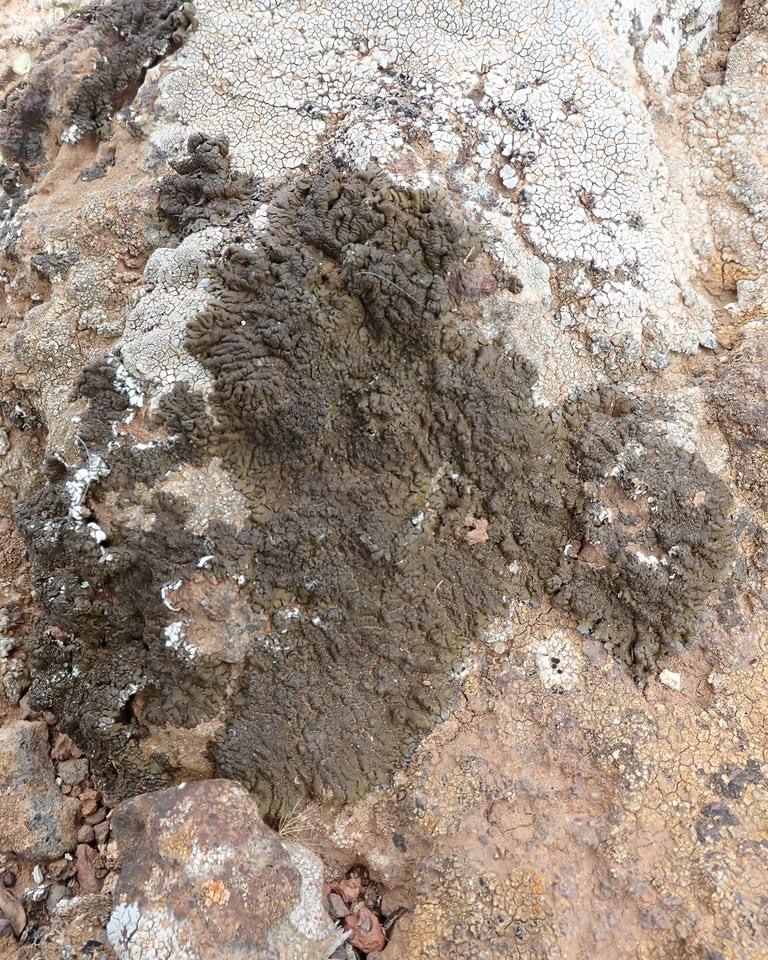
Manuel Gil
Spain, Canary Islands, Lanzarote
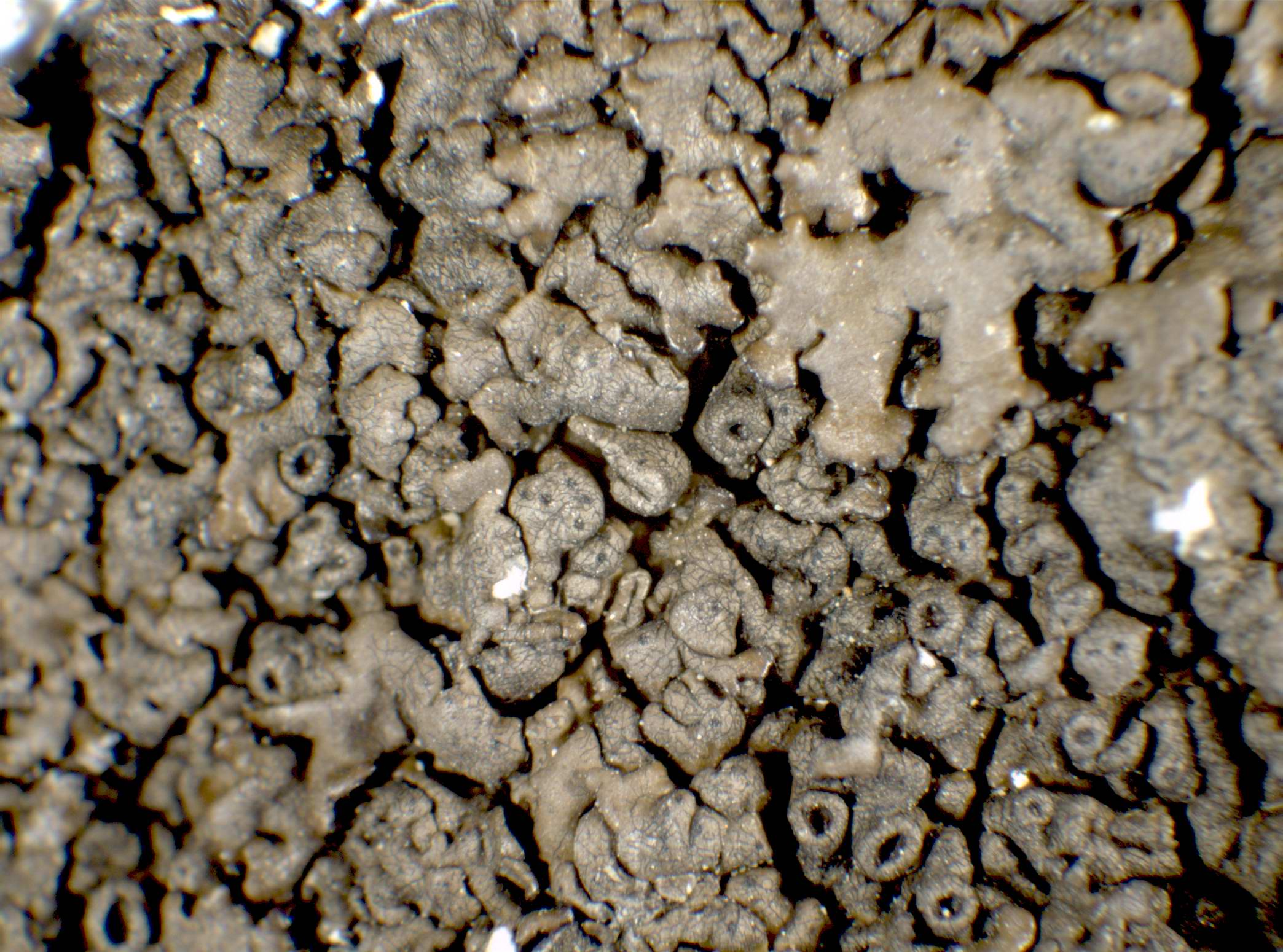
P.L. Nimis; Owner: Department of Life Sciences, University of Trieste
Herbarium: TSB (10508)
2001/12/05
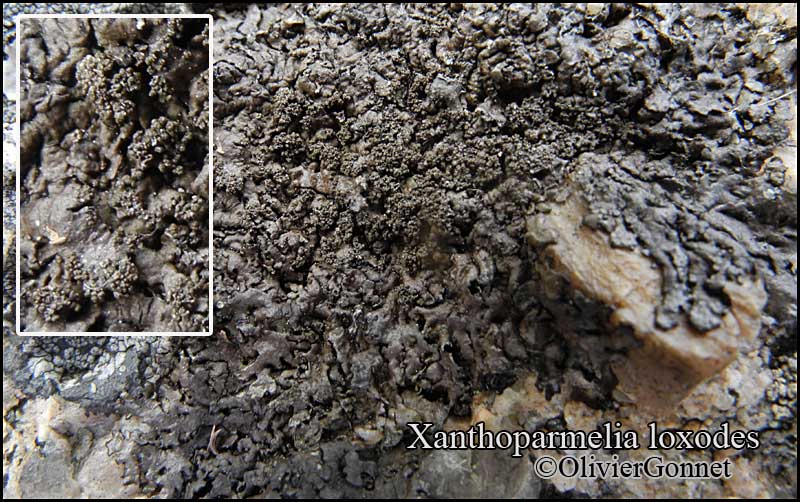
Courtesy Danièle et Olivier Gonnet - Source: https://www.afl-lichenologie.fr/Photos_AFL/Photos_AFL_X/Textes_X1/Xanthoparmelia_luteonotata.htm
France, octobre 2018 - Ajaccio, Corse
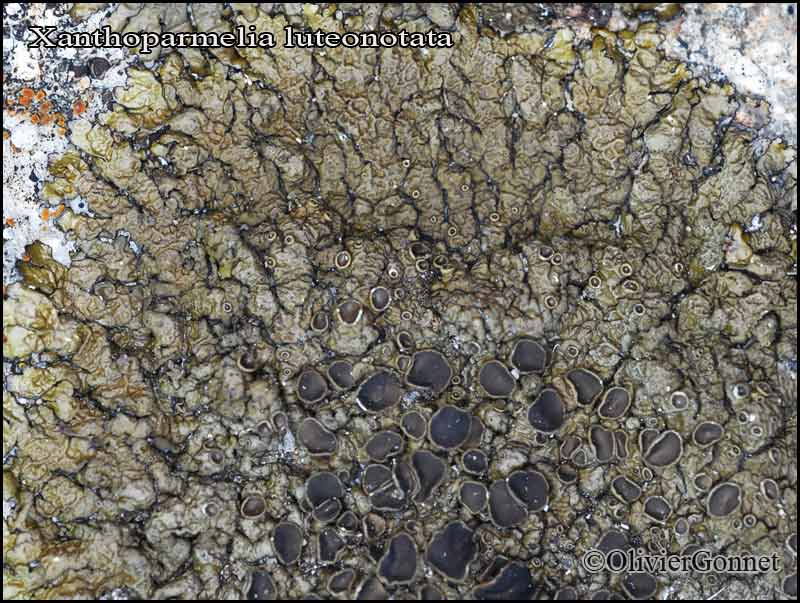
Courtesy Danièle et Olivier Gonnet - Source: https://www.afl-lichenologie.fr/Photos_AFL/Photos_AFL_X/Textes_X1/Xanthoparmelia_luteonotata.htm
France, octobre 2018 - Ajaccio, Corse
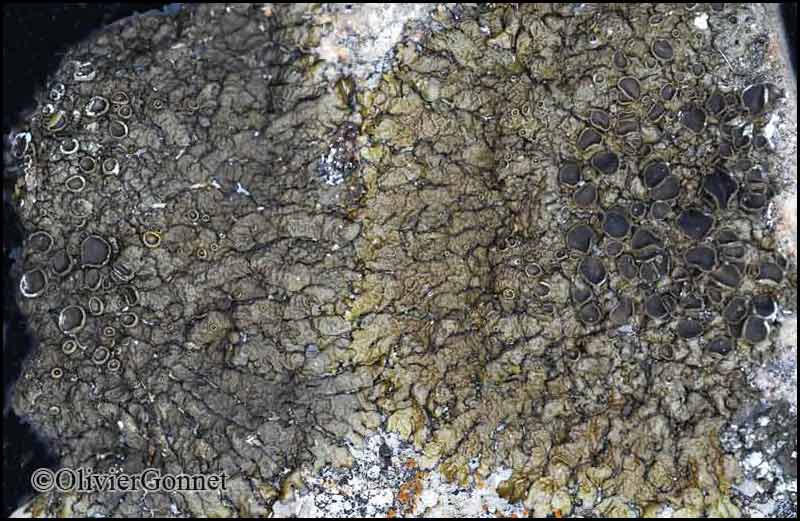
Courtesy Danièle et Olivier Gonnet - Source: https://www.afl-lichenologie.fr/Photos_AFL/Photos_AFL_X/Textes_X1/Xanthoparmelia_luteonotata.htm
France, octobre 2018 - Ajaccio, Corse
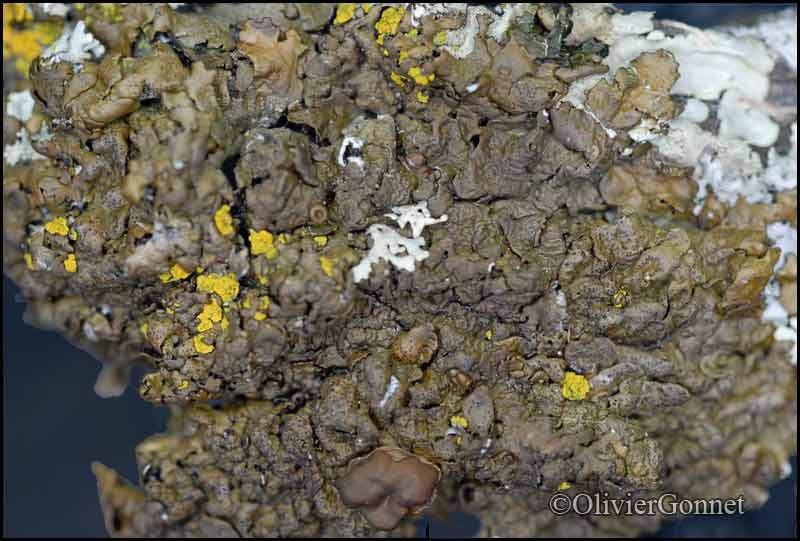
Courtesy Danièle et Olivier Gonnet - Source: https://www.afl-lichenologie.fr/Photos_AFL/Photos_AFL_X/Textes_X1/Xanthoparmelia_luteonotata.htm
France, octobre 2018 - Ajaccio, Corse
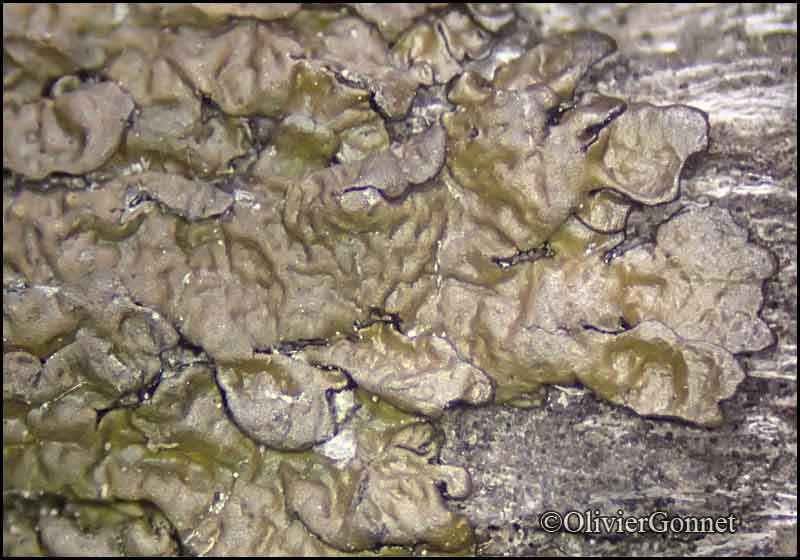
Courtesy Danièle et Olivier Gonnet - Source: https://www.afl-lichenologie.fr/Photos_AFL/Photos_AFL_X/Textes_X1/Xanthoparmelia_luteonotata.htm
France, octobre 2018 - Ajaccio, Corse
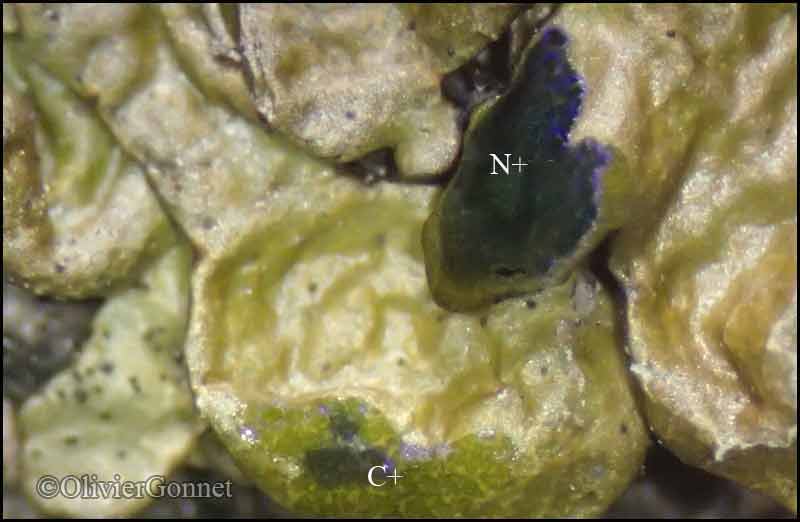
Courtesy Danièle et Olivier Gonnet - Source: https://www.afl-lichenologie.fr/Photos_AFL/Photos_AFL_X/Textes_X1/Xanthoparmelia_luteonotata.htm
France, octobre 2018 - Ajaccio, Corse