Xanthoparmelia protomatrae (Gyeln.) Hale
Phytologia, 28: 488, 1974. Basionym: Parmelia protomatrae Gyeln. - Feddes Rep., 29: 155, 1931.
Synonyms: Parmelia conspersa f. matrae Gyeln.; Parmelia mitrovicensis Gyeln.; Parmelia nigrescens Gyeln. non Stirt. nec (Huds.) Ach.; Parmelia protomatrae f. angustifolia Gyeln.; Parmelia protomatrae f. crustaeformis Gyeln.; Parmelia serbica Gyeln.; Parmelia subconspersa var. varazzana Gyeln.; Xanthoparmelia somloënsis var. protomatrae R. Sant. comb. inval.
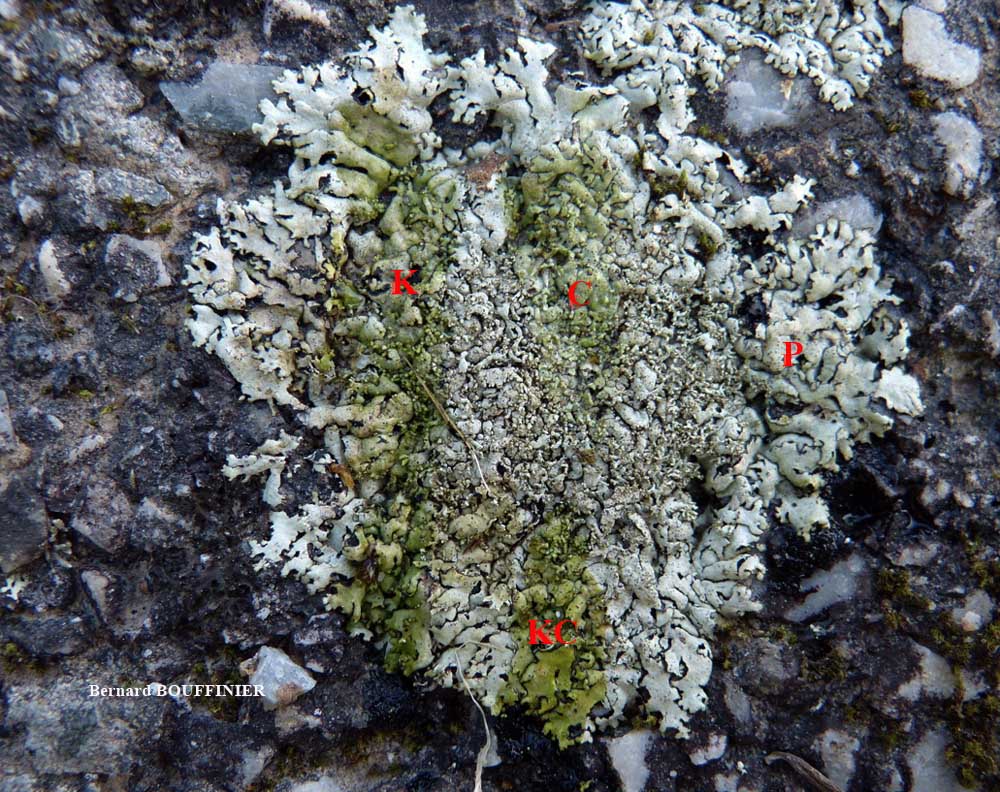
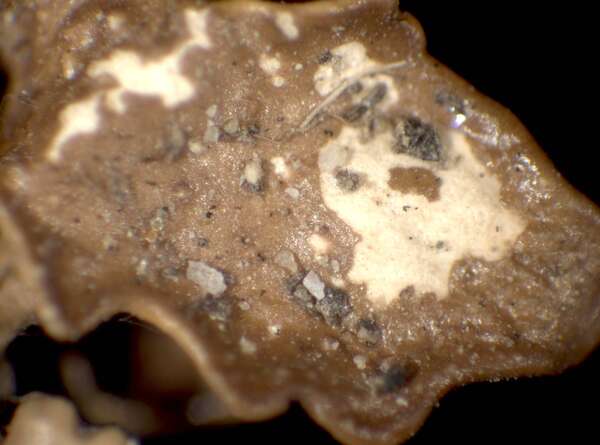
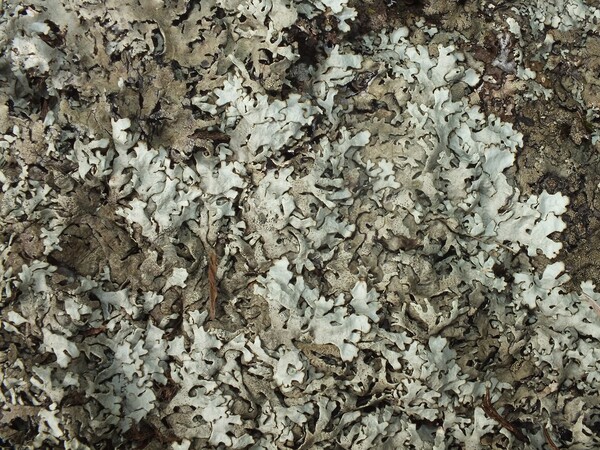
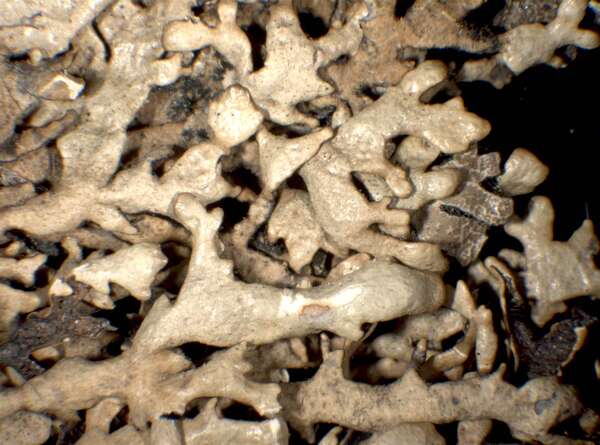
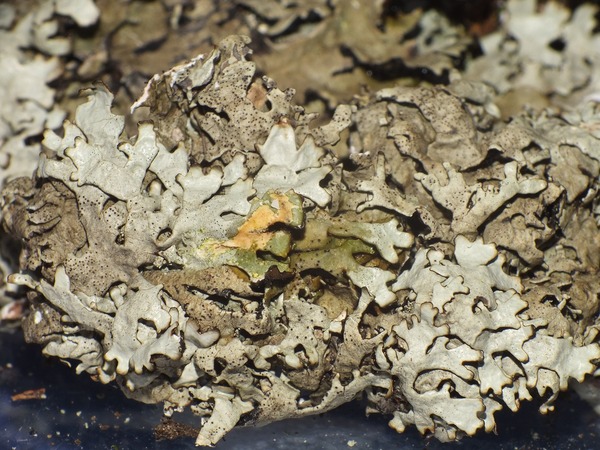
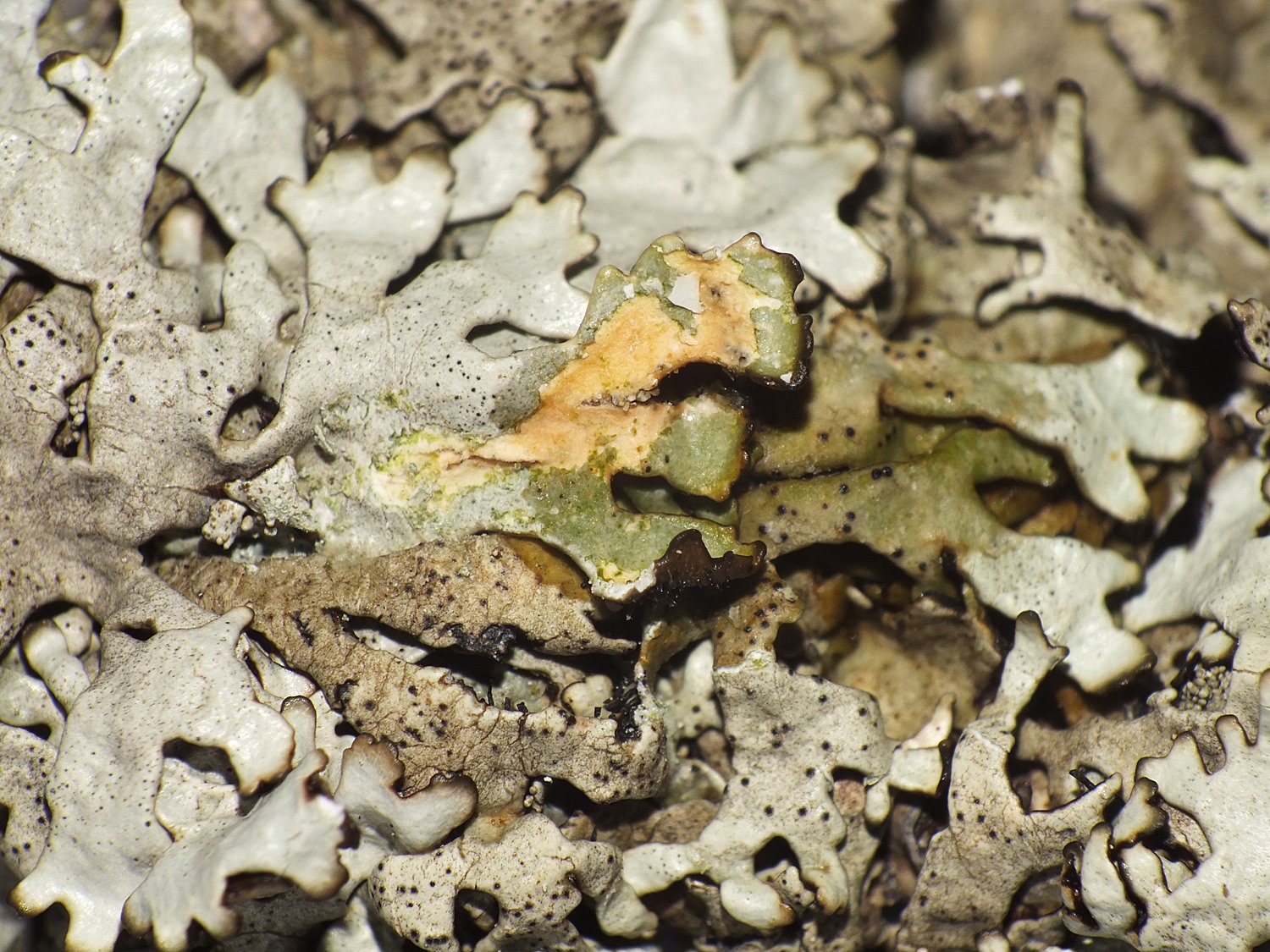
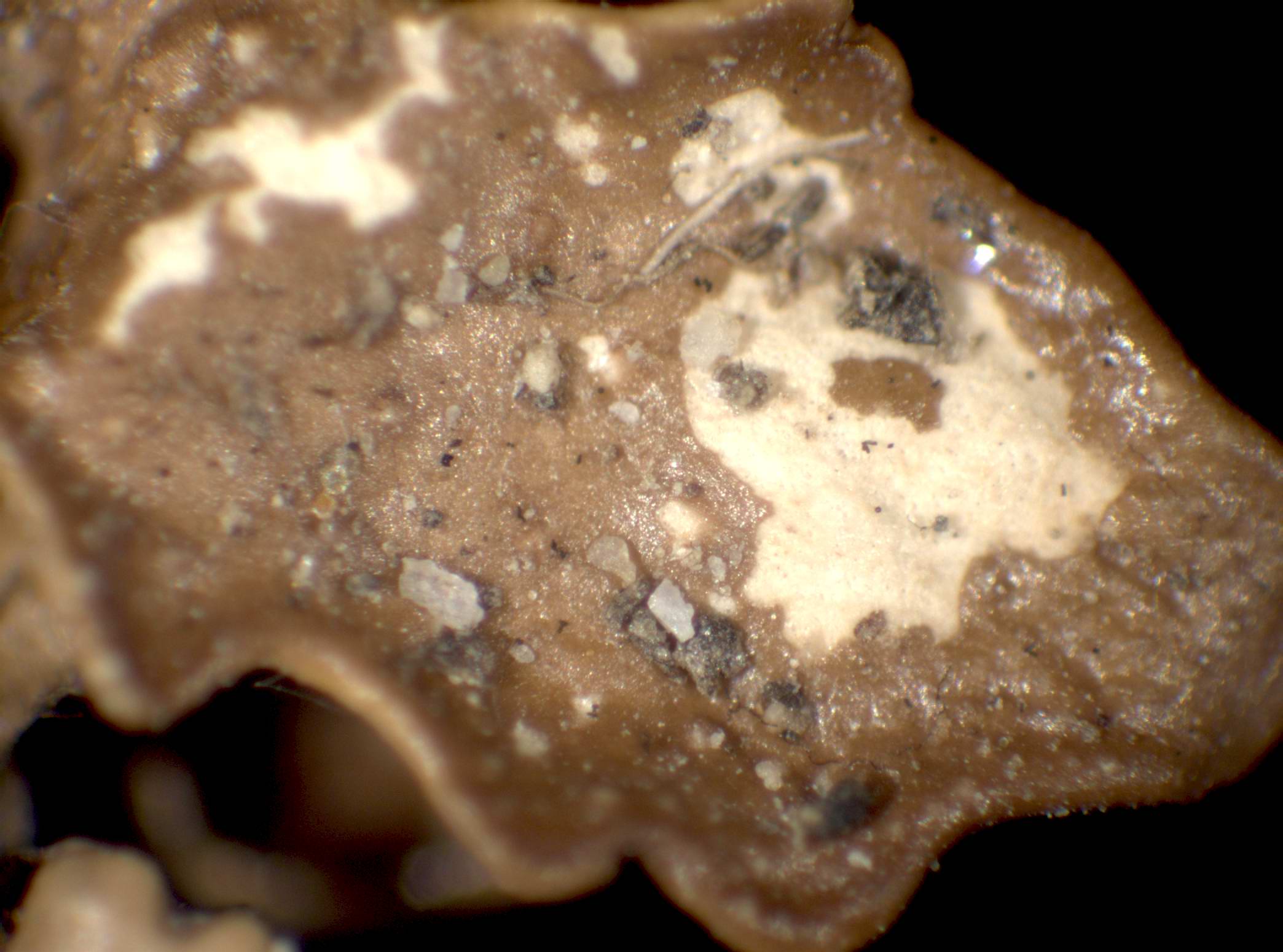
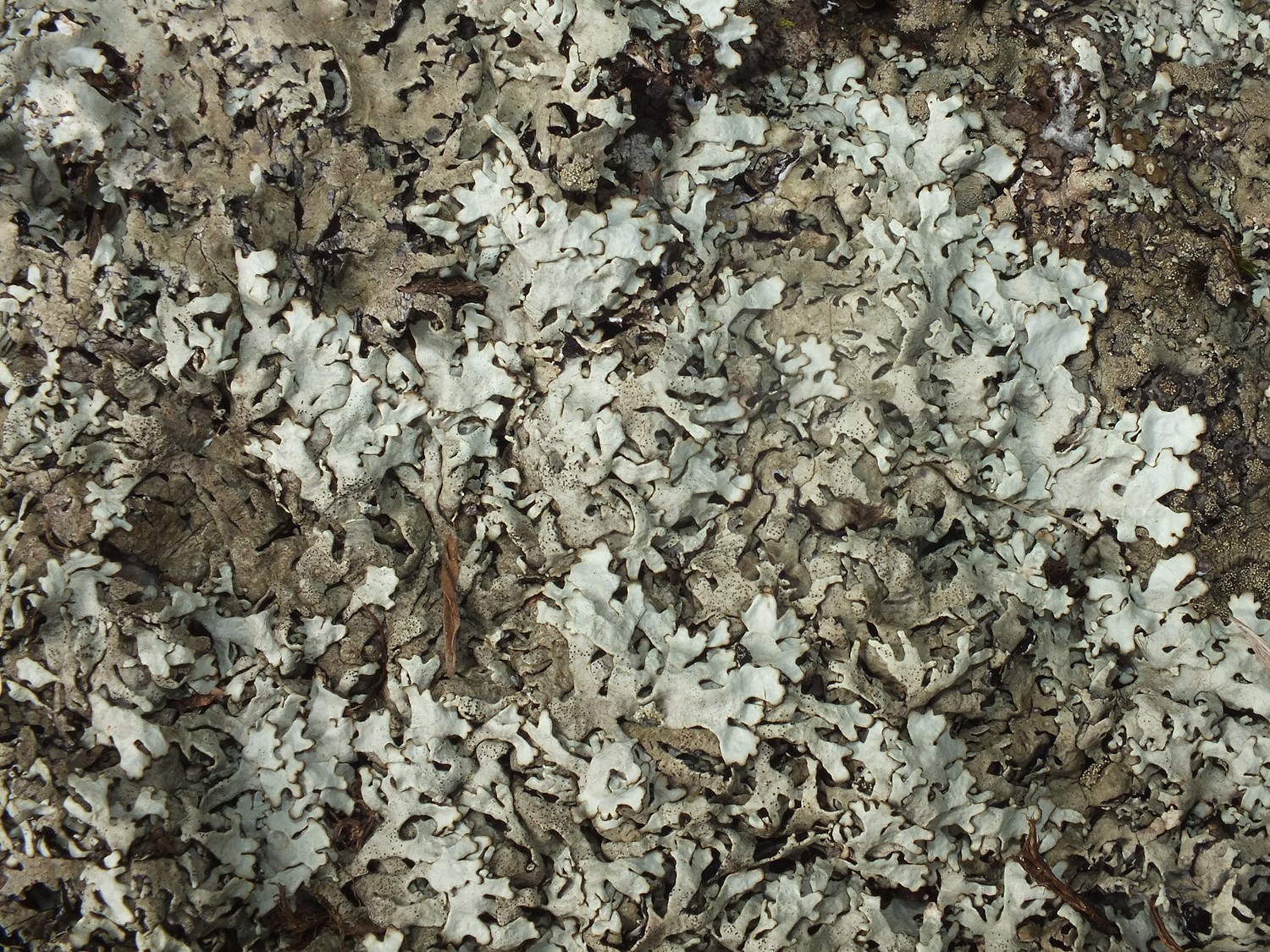
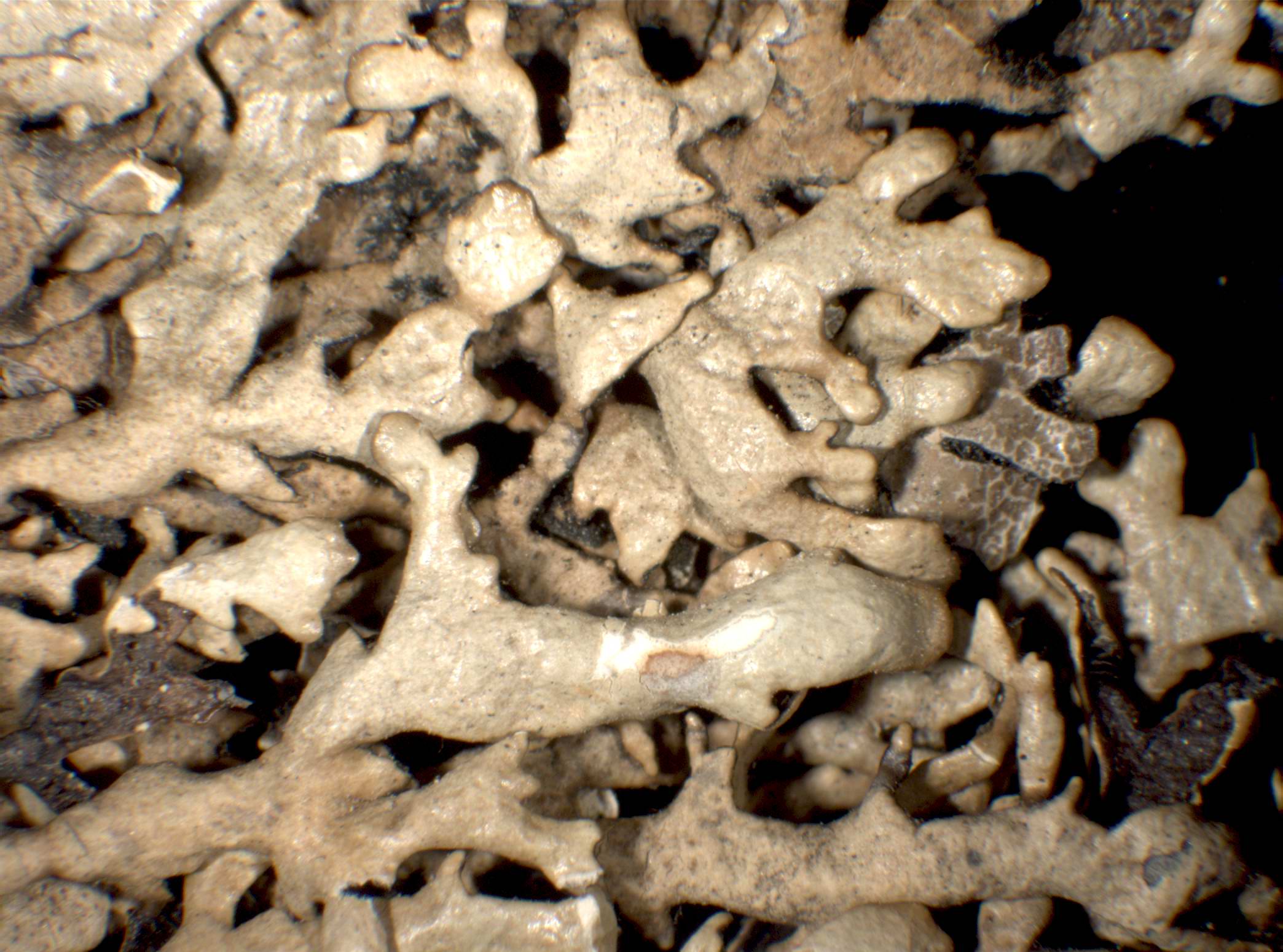
Description: Thallus foliose, heteromerous, dorsiventral, loosely adnate, forming regular to irregular, up to 8 cm wide rosettes. Lobes flat to slightly convex, contiguous to imbricate, sublinear, dichotomously branched, becoming laciniate in central parts, 1-6 mm wide, the upper surface yellowish-green, smooth, shiny, epruinose, partly white-maculate, the lower surface pale to dark brown, with mostly simple rhizines. Upper cortex paraplectenchymatous, with a pored epicortex, the cell walls with Xanthoparmelia-type lichenan; medulla white; lower cortex paraqplectenchymatous. Apothecia frequent, lecanorine, substipitate, to 6 mm across, with a brown disc and a smooth thalline margin. Epithecium brown; hymenium colourless; paraphyses simple; hypothecium colourless. Asci 8-spored, clavate, the K/I+ blue tholus penetrated by a faintly amyloid apical cushion with parallel or diverging flanks, the wall K/I-, surrounded by a K/I+ blue outer layer, Lecanora-type. Ascospores 1-celled, hyaline, ellipsoid, 7-9 x 4.5-6 µm. Pycnidia common, black, immersed. Conidia weakly dumbbell-shaped, 5-7 x c. 1 µm. Spot tests: upper cortex K-, C-, KC- or KC+ pale yellow, P-; medulla K- or K+ brownish, C-, KC-, P+ rust-red, UV-. Chemistry: upper cortex with usnic acid; medulla with fumarprotocetraric acid and small amounts of protocetraric and quaesitic acids.
Growth form: Foliose, broad lobed
Substrata: rocks
Photobiont: green algae other than Trentepohlia
Reproductive strategy: mainly sexual
Commonnes-rarity: (info)
Alpine belt: very rare
Subalpine belt: very rare
Montane belt: rare
Dry submediterranean belt: rare
Humid submediterranean belt: rather common
Padanian area: absent
pH of the substrata:
1 2 3 4 5

Solar irradiation:
1 2 3 4 5
Aridity:
1 2 3 4 5
Eutrophication:
1 2 3 4 5
Poleotolerance:
0 1 2 3
Altitudinal distribution:
1 2 3 4 5 6
Rarity
absent
extremely rare
very rare
rare
rather rare
rather common
common
very common
extremely common
Loading data...
Occurrence data
Predictive map
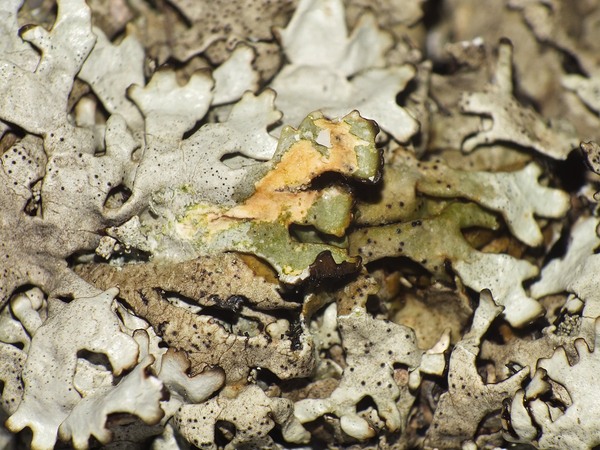
Giulio Pandeli
Italy
TSB 42043
P.L. Nimis; Owner: Department of Life Sciences, University of Trieste
Herbarium: TSB (6841)
2002/02/13
undersurface
Giulio Pandeli
Italy
TSB 42043
P.L. Nimis; Owner: Department of Life Sciences, University of Trieste
Herbarium: TSB (6841)
2002/02/13
Giulio Pandeli
Italy
TSB 42043
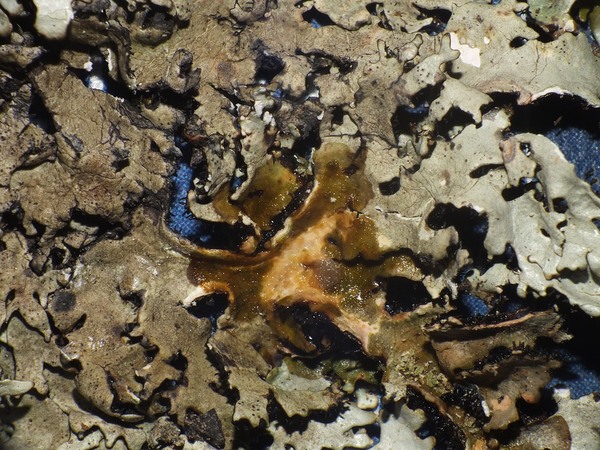
Giulio Pandeli
Italy
TSB 42043
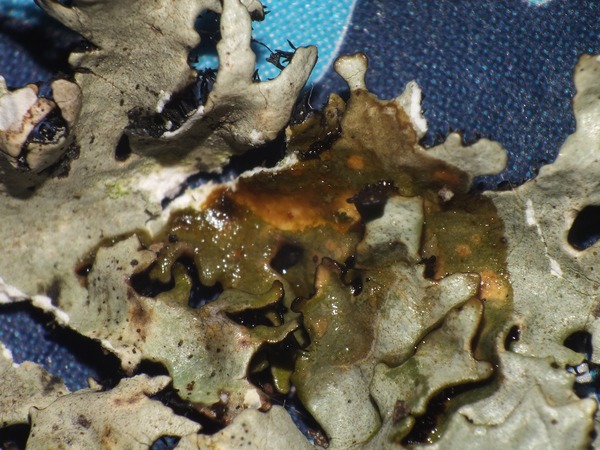
Giulio Pandeli
Italy
TSB 42043
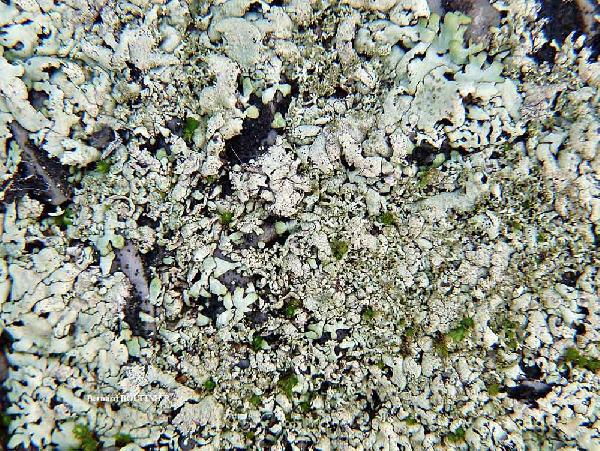
Bernard Bouffinier - Source: http://www.lichensmaritimes.org/index.php?task=fiche&lichen=563&lang=en
France, Crozon
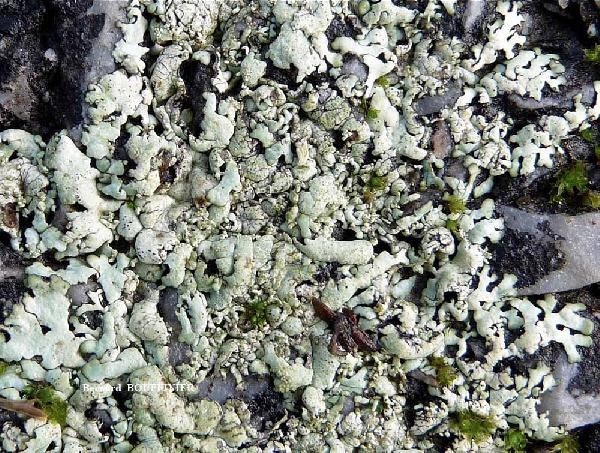
Bernard Bouffinier - Source: http://www.lichensmaritimes.org/index.php?task=fiche&lichen=563&lang=en
France, Crozon
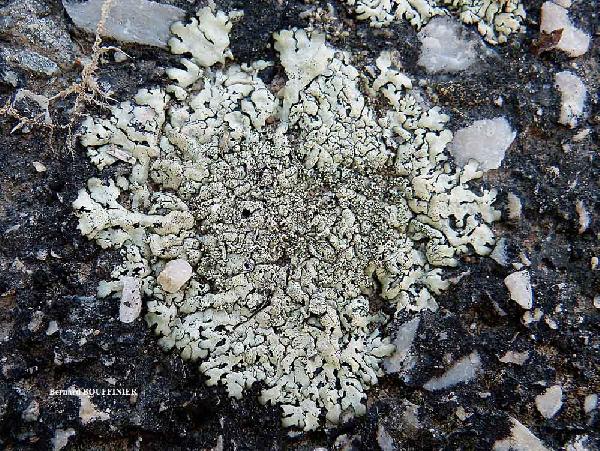
Bernard Bouffinier - Source: http://www.lichensmaritimes.org/index.php?task=fiche&lichen=563&lang=en
France, Crozon
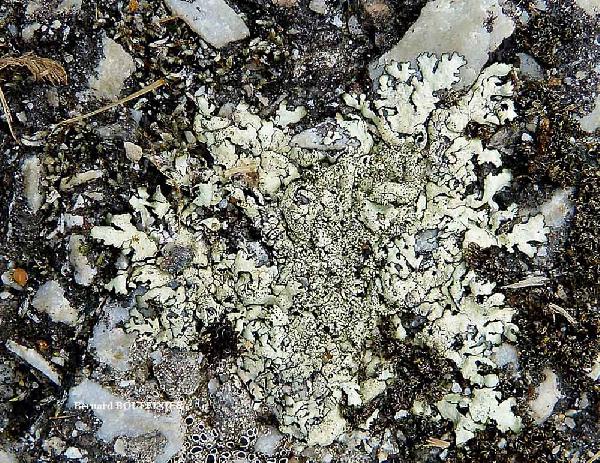
Bernard Bouffinier - Source: http://www.lichensmaritimes.org/index.php?task=fiche&lichen=563&lang=en
France, Crozon
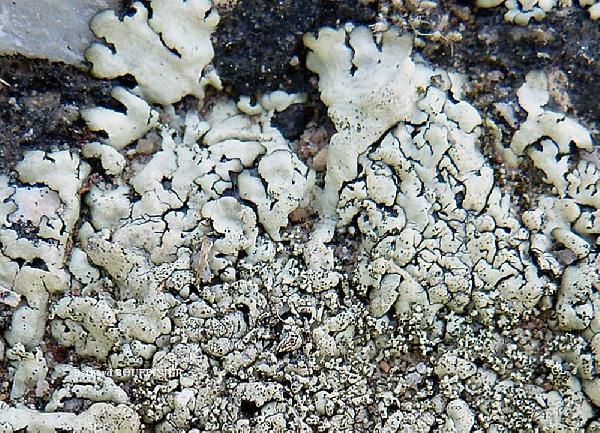
Bernard Bouffinier - Source: http://www.lichensmaritimes.org/index.php?task=fiche&lichen=563&lang=en
France, Crozon
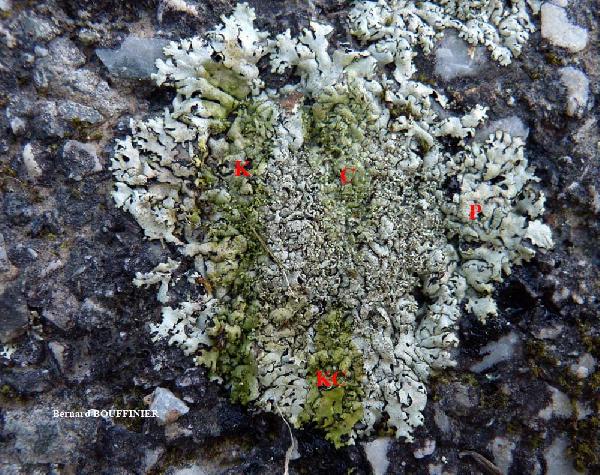
Bernard Bouffinier - Source: http://www.lichensmaritimes.org/index.php?task=fiche&lichen=563&lang=en
France, Crozon
Growth form: Foliose, broad lobed
Substrata: rocks
Photobiont: green algae other than Trentepohlia
Reproductive strategy: mainly sexual
Commonnes-rarity: (info)
Alpine belt: very rare
Subalpine belt: very rare
Montane belt: rare
Dry submediterranean belt: rare
Humid submediterranean belt: rather common
Padanian area: absent
pH of the substrata:
| 1 | 2 | 3 | 4 | 5 |
Solar irradiation:
| 1 | 2 | 3 | 4 | 5 |
Aridity:
| 1 | 2 | 3 | 4 | 5 |
Eutrophication:
| 1 | 2 | 3 | 4 | 5 |
Poleotolerance:
| 0 | 1 | 2 | 3 |
Altitudinal distribution:
| 1 | 2 | 3 | 4 | 5 | 6 |
Rarity
absent
extremely rare
very rare
rare
rather rare
rather common
common
very common
extremely common
Loading data...
Occurrence data
Predictive map
Giulio Pandeli
Italy
TSB 42043
P.L. Nimis; Owner: Department of Life Sciences, University of Trieste
Herbarium: TSB (6841)
2002/02/13
undersurface
Giulio Pandeli
Italy
TSB 42043
P.L. Nimis; Owner: Department of Life Sciences, University of Trieste
Herbarium: TSB (6841)
2002/02/13
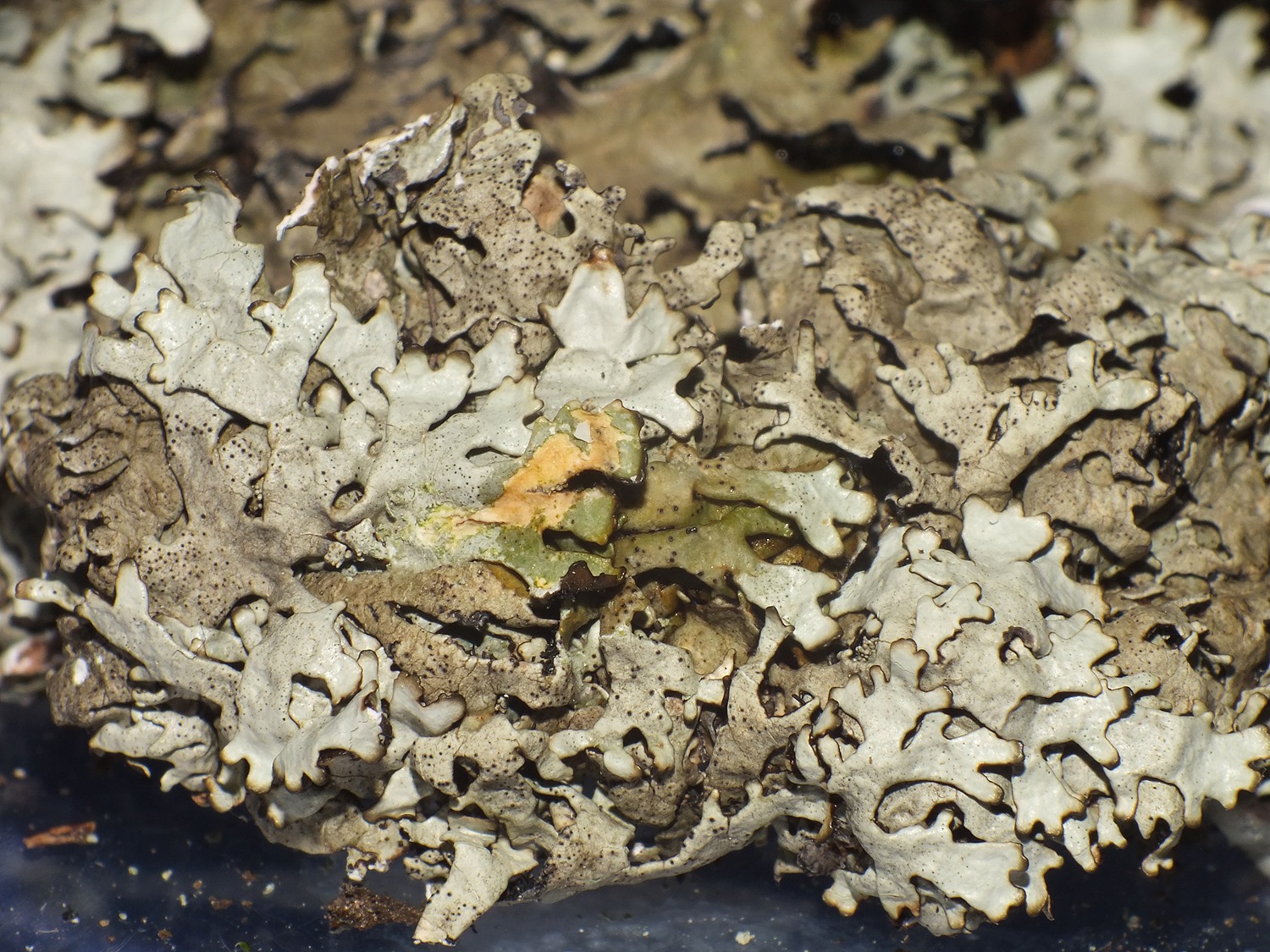
Giulio Pandeli
Italy
TSB 42043
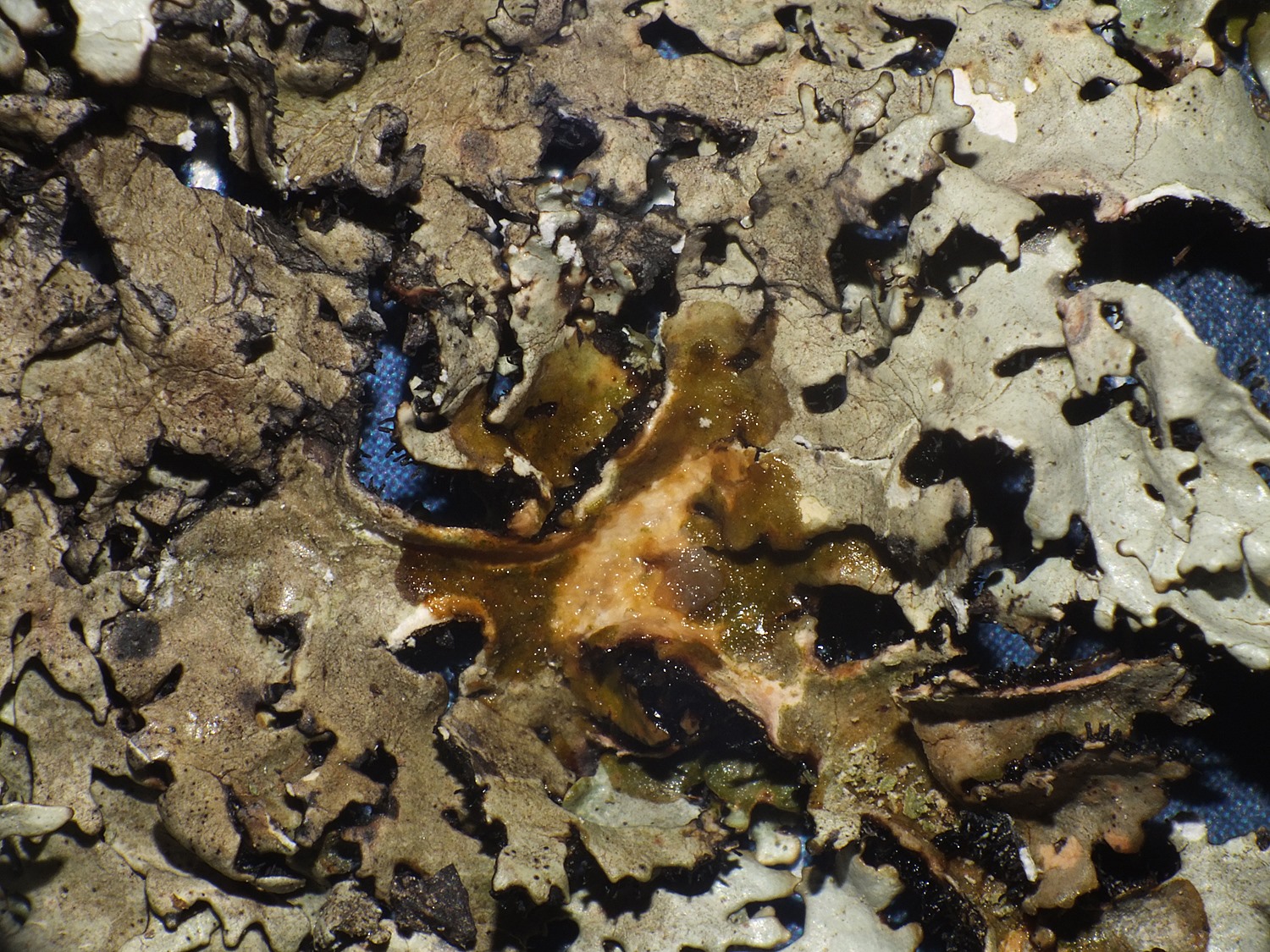
Giulio Pandeli
Italy
TSB 42043
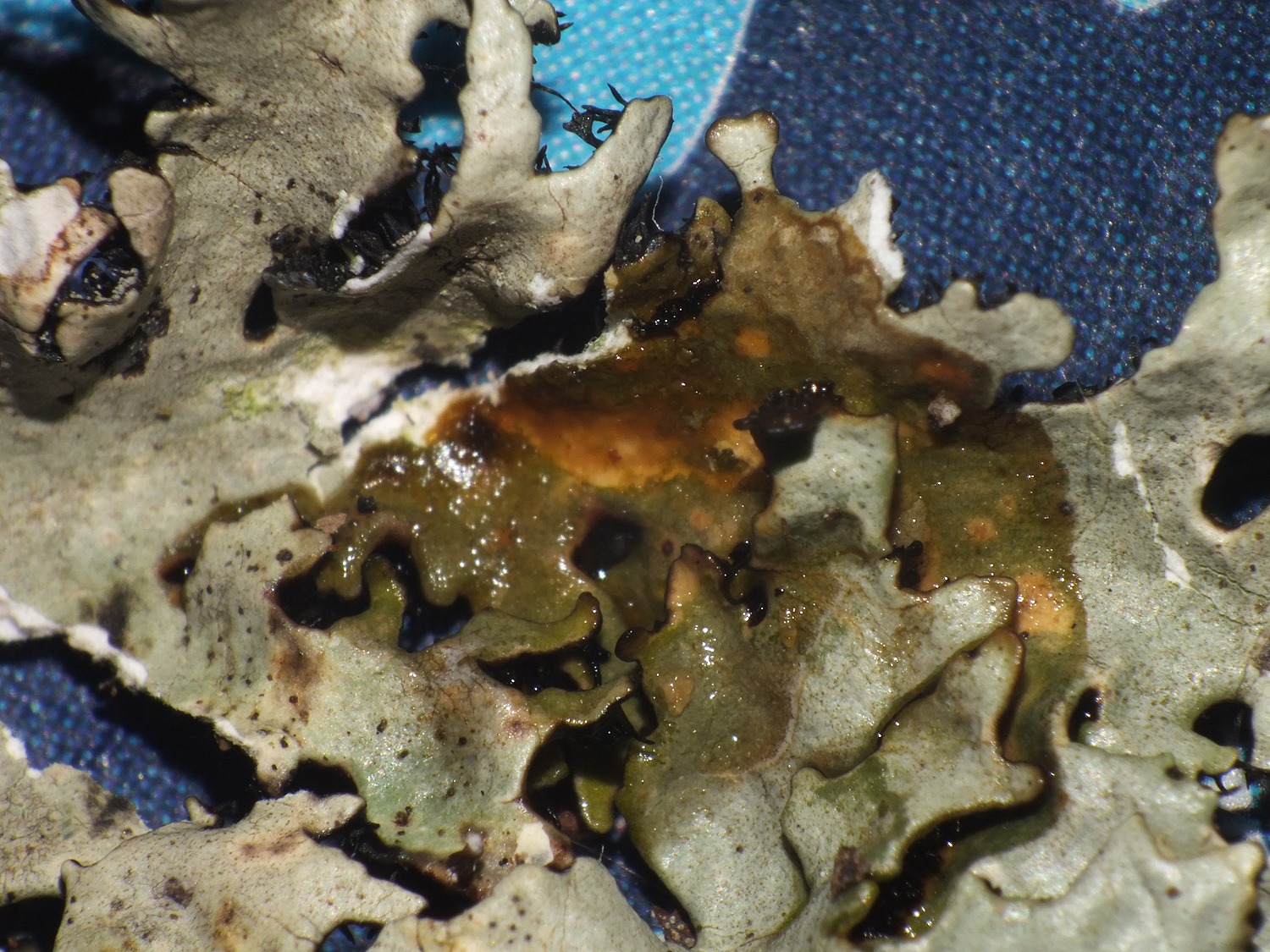
Giulio Pandeli
Italy
TSB 42043
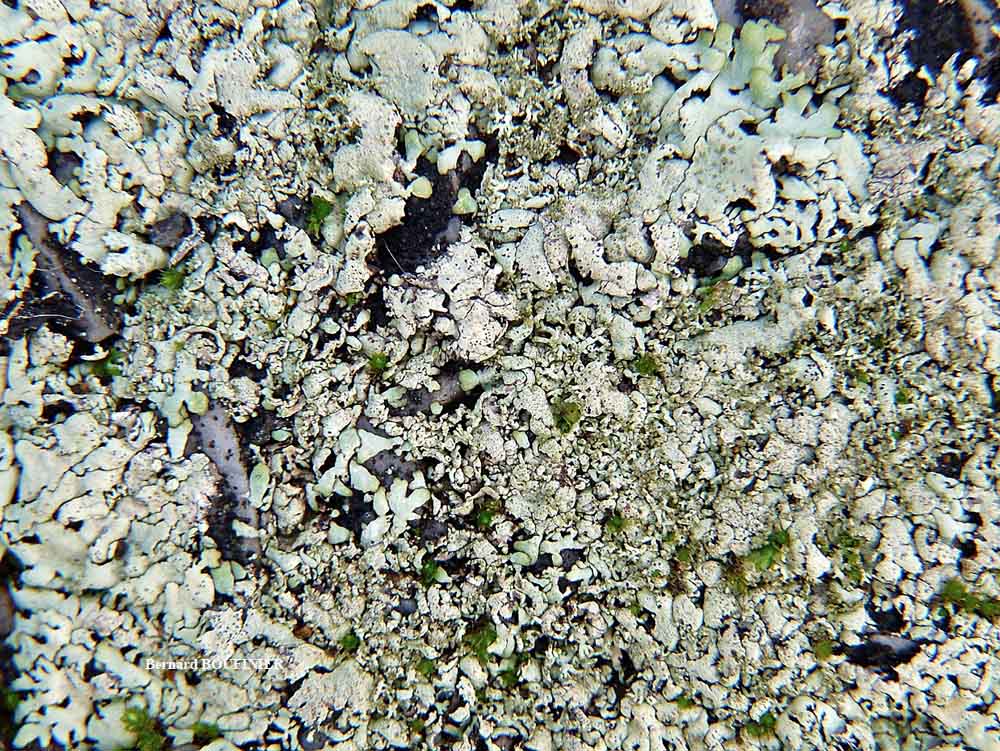
Bernard Bouffinier - Source: http://www.lichensmaritimes.org/index.php?task=fiche&lichen=563&lang=en
France, Crozon
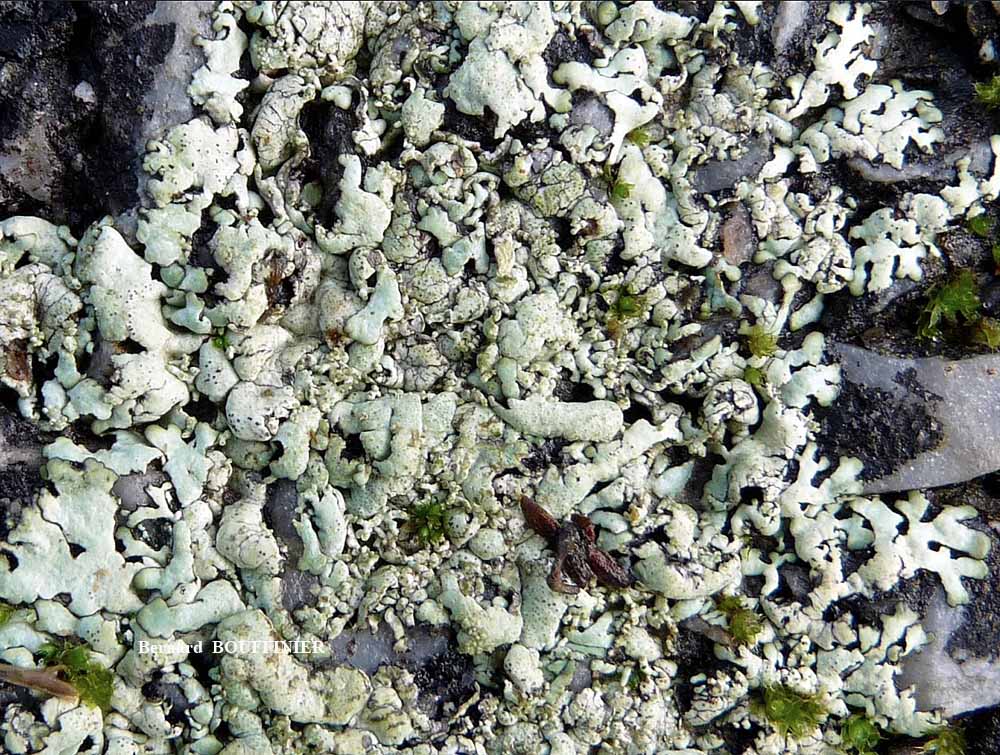
Bernard Bouffinier - Source: http://www.lichensmaritimes.org/index.php?task=fiche&lichen=563&lang=en
France, Crozon
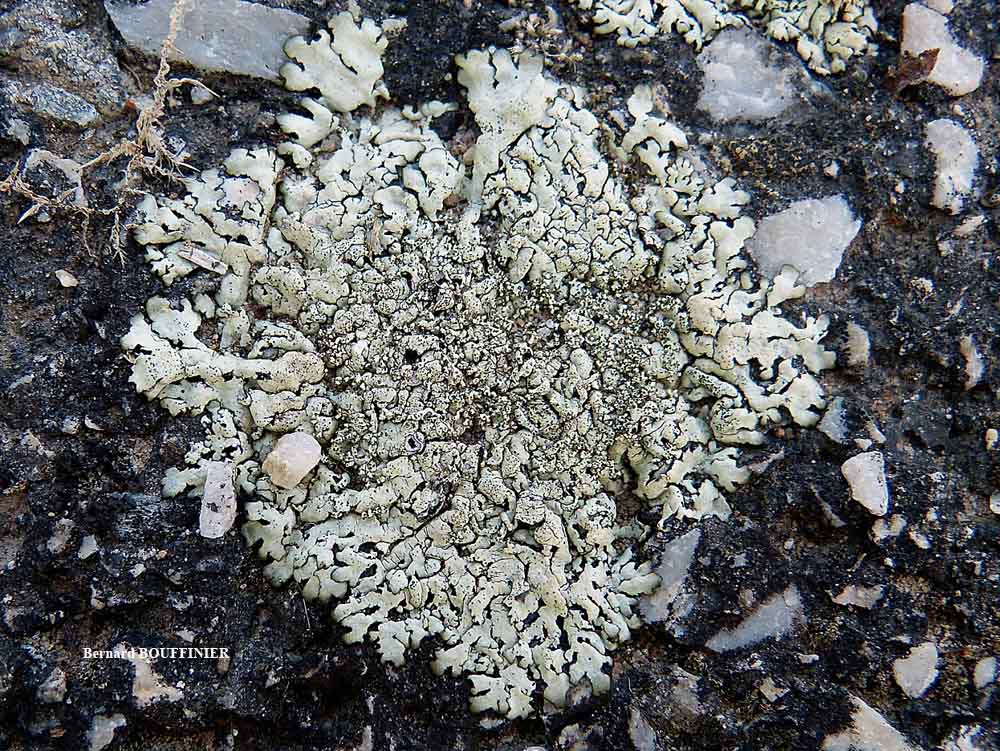
Bernard Bouffinier - Source: http://www.lichensmaritimes.org/index.php?task=fiche&lichen=563&lang=en
France, Crozon
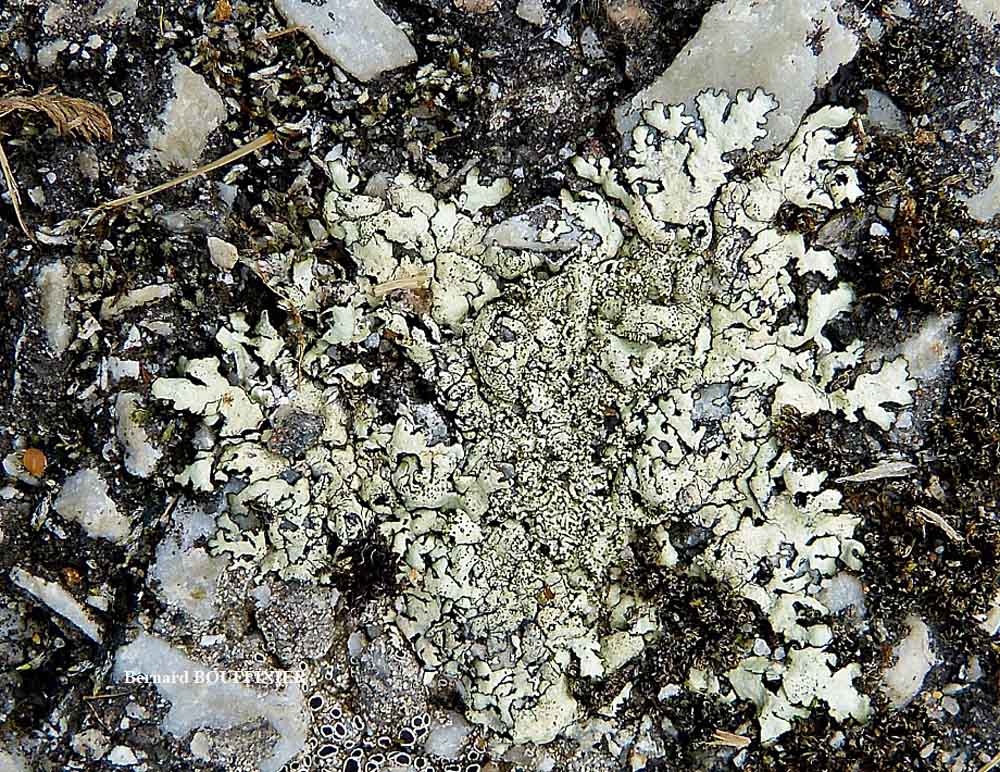
Bernard Bouffinier - Source: http://www.lichensmaritimes.org/index.php?task=fiche&lichen=563&lang=en
France, Crozon
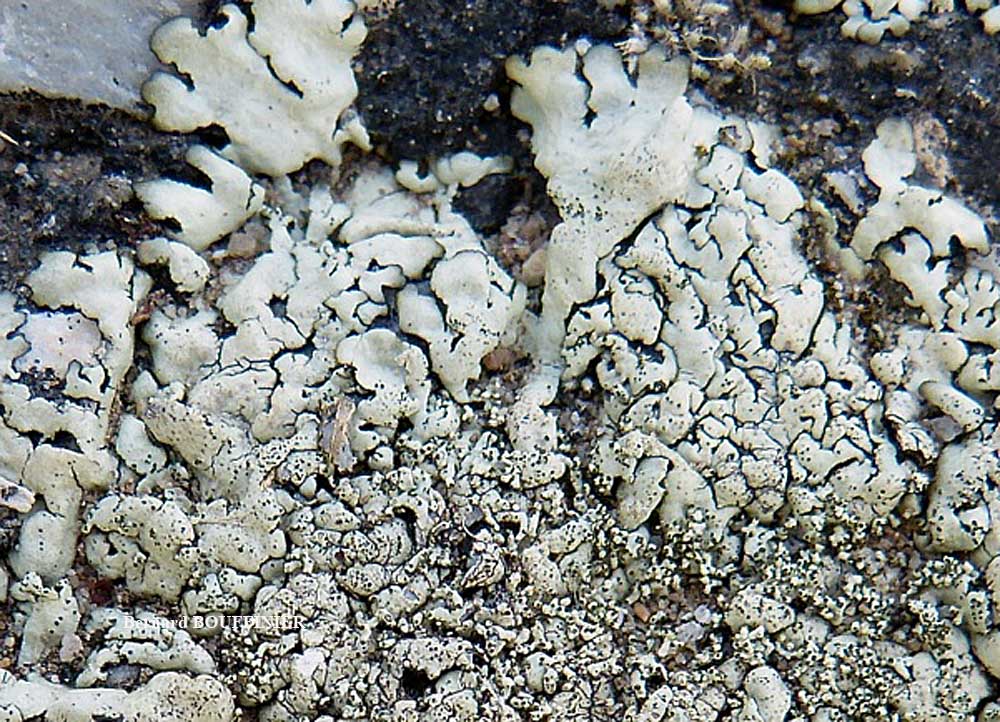
Bernard Bouffinier - Source: http://www.lichensmaritimes.org/index.php?task=fiche&lichen=563&lang=en
France, Crozon