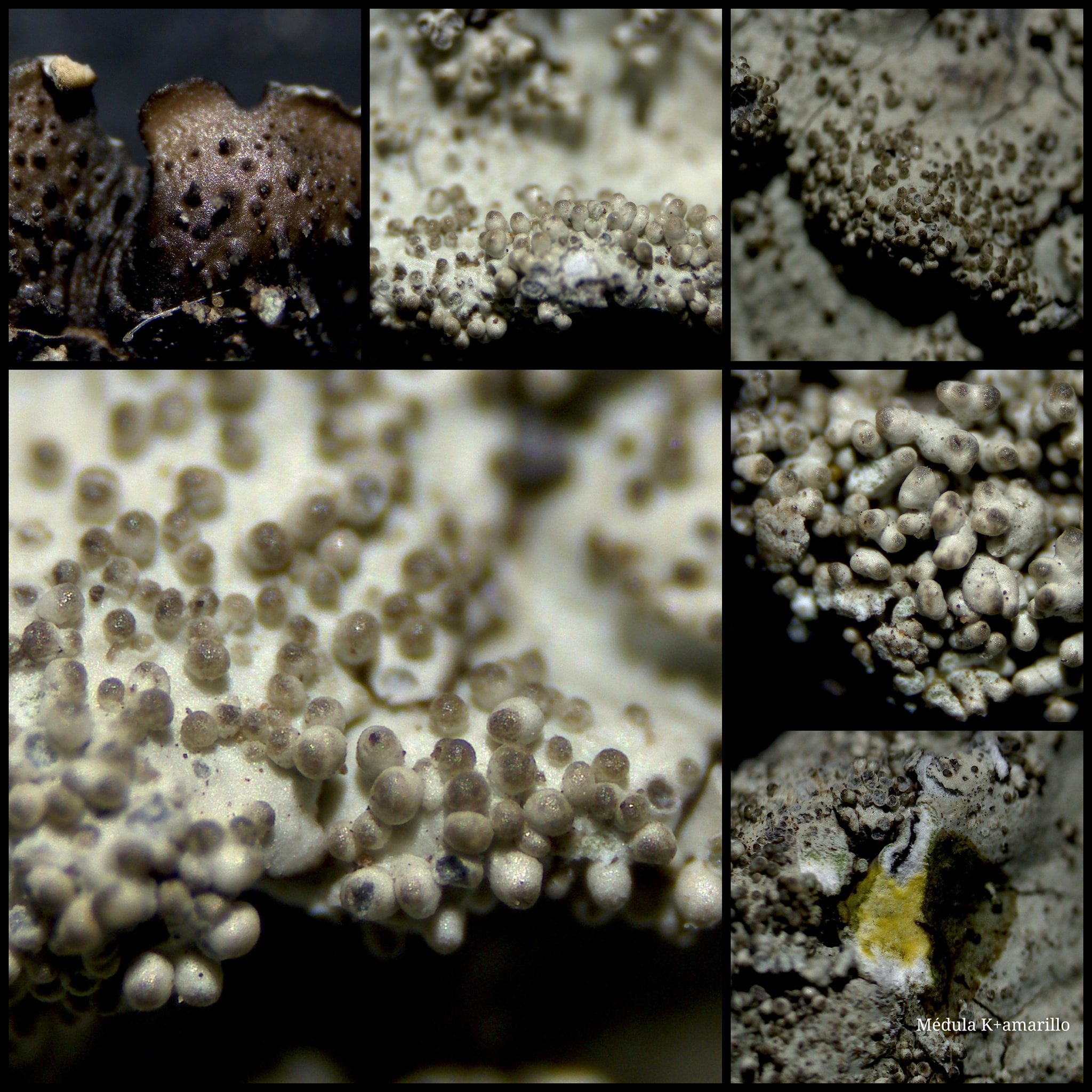
Xanthoparmelia verrucigera (Nyl.) Hale
Smithsonian Contr. Bot., 74: 220, 1990. Basionym: Parmelia verrucigera Nyl. - Flora, 55: 426, 1872.
Synonyms: Parmelia conspersa var. isidiophora Trevis.; Parmelia conspersa var. lusitana (Nyl.) Lettau; Parmelia conspersa var. verrucigera (Nyl.) Boistel; Parmelia isidiigera f. ligustica Gyeln.; Parmelia lusitana Nyl.; Parmelia pseudoservitiana Gyeln.; Parmelia pulvinaris var. mediterranea Gyeln.; Parmelia servitiana Gyeln.; Parmelia tarpatakensis Gyeln.; Xanthoparmelia lusitana (Nyl.) Krog
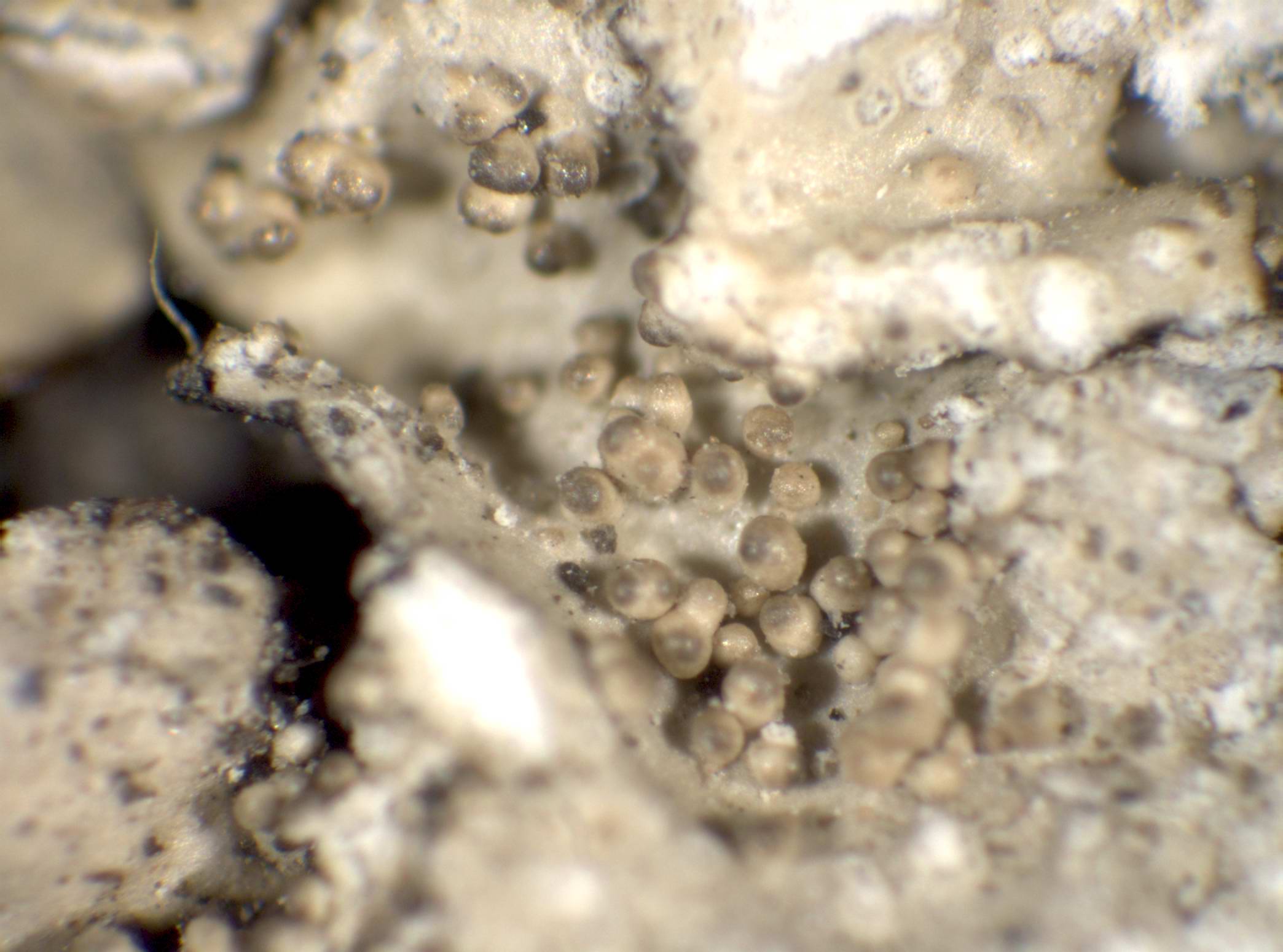
Description: Thallus foliose, heteromerous, dorsiventral, adnate to loosely adnate, forming up to 10 cm wide rosettes, the lobes elongate, flat to slightly convex, separate to weakly imbricate,1-3 mm wide, yellow-green, smooth, shiny, epruinose and emaculate, densely covered in cylindrical, mostly coralloid, branched isidia; lower surface black, with simple to furcate, black rhizines. Upper cortex paraplectenchymatous, with a pored epicortex, the cell walls with Xanthoparmelia-type lichenan; medulla white; lower cortex paraplectenchymatous. Apothecia rare, lecanorine, substipitate, 3-7 mm across, with a brown, epruinose disc and an often isidiate thalline margin. Epithecium brown; hymenium and hypothecium colourless; paraphyses simple. Asci 8-spored, clavate, the K/I+ blue tholus penetrated by a faintly amyloid apical cushion with parallel or diverging flanks, the wall K/I-, surrounded by a K/I+ blue outer layer, Lecanora-type. Ascospores 1-celled, hyaline, ellipsoid, 6-10 x 4-6 µm. Pycnidia immersed, black. Photobiont chlorococcoid. Spot tests: upper cortex K-, C-, KC+ yellowish, P-; medulla K+ persistently yellow, C-, KC-, P+ orange, UV-. Chemistry: upper cortex with usnic acid (major); medulla with stictic, lusitanic and verrucigeric acids.
Growth form: Foliose, broad lobed
Substrata: rocks
Photobiont: green algae other than Trentepohlia
Reproductive strategy: mainly asexual, by isidia, or isidia-like structures (e.g. schizidia)
Commonnes-rarity: (info)
Alpine belt: absent
Subalpine belt: absent
Montane belt: absent
Dry submediterranean belt: very rare
Humid submediterranean belt: absent
Padanian area: absent
pH of the substrata:
1 2 3 4 5

Solar irradiation:
1 2 3 4 5
Aridity:
1 2 3 4 5
Eutrophication:
1 2 3 4 5
Poleotolerance:
0 1 2 3
Altitudinal distribution:
1 2 3 4 5 6
Rarity
absent
extremely rare
very rare
rare
rather rare
rather common
common
very common
extremely common
Loading data...
Occurrence data
Predictive map
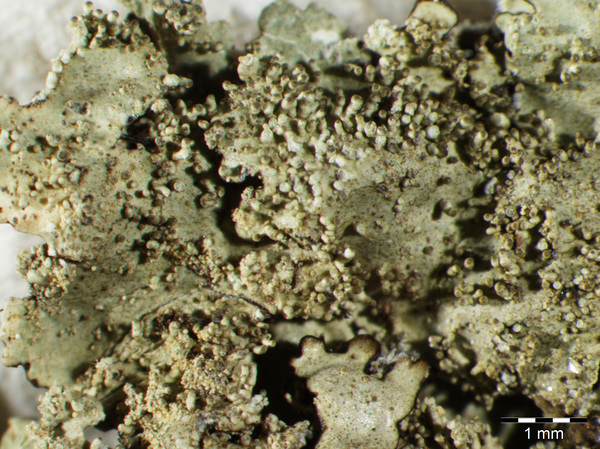
Harrie Sipman – Source http://www.bgbm.fu-berlin.de/sipman/Zschackia/AegeanLichens/CaloplacaAC.htm - As Caloplaca oasis
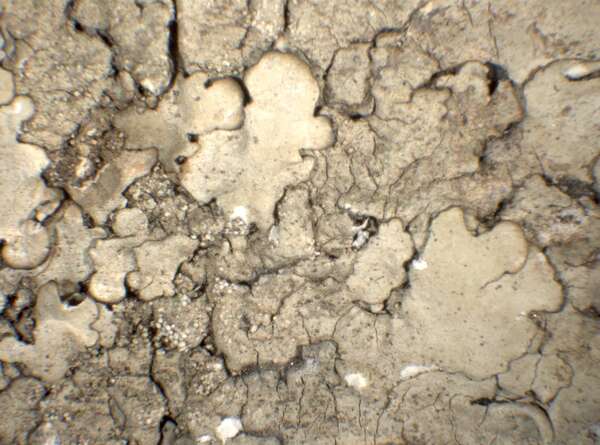
P.L. Nimis; Owner: Department of Life Sciences, University of Trieste
Herbarium: TSB (7653)
2002/02/13
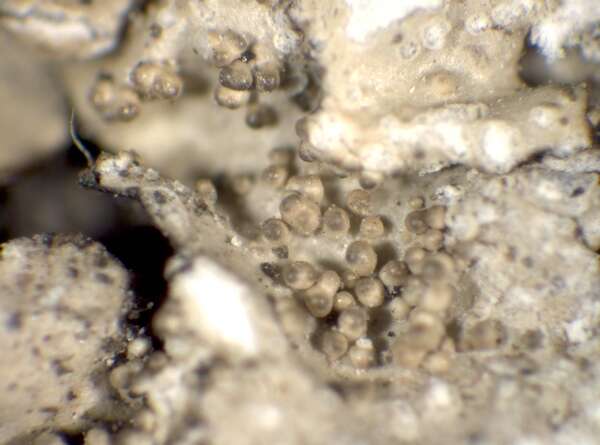
P.L. Nimis; Owner: Department of Life Sciences, University of Trieste
Herbarium: TSB (7491)
2002/02/13
isidia
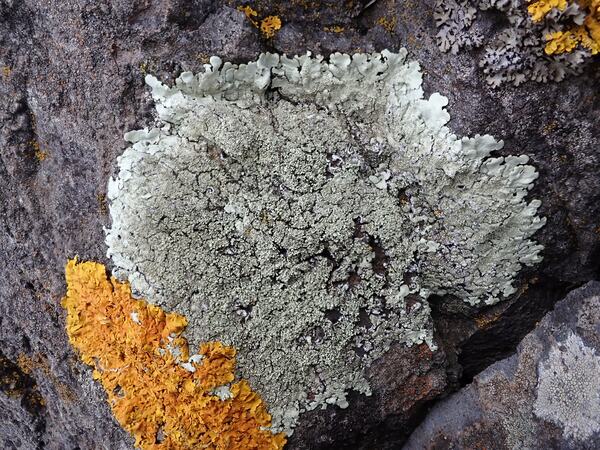
Manuel Gil
Spain, Canary Islands, Tenerife
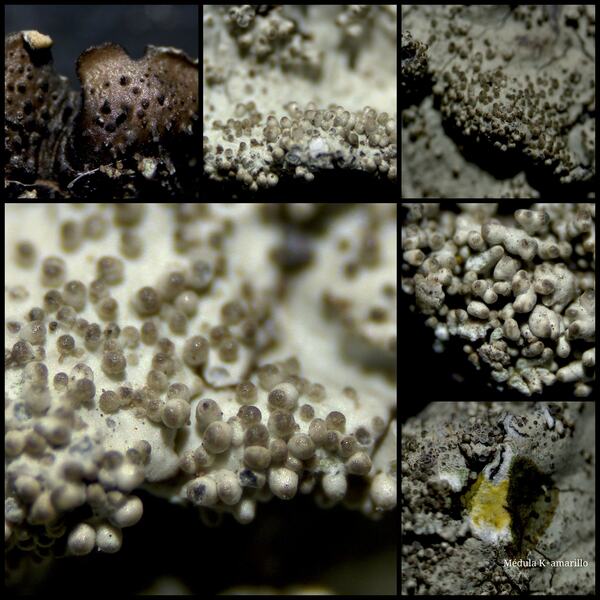
Manuel Gil
Spain, Canary Islands, Tenerife
Growth form: Foliose, broad lobed
Substrata: rocks
Photobiont: green algae other than Trentepohlia
Reproductive strategy: mainly asexual, by isidia, or isidia-like structures (e.g. schizidia)
Commonnes-rarity: (info)
Alpine belt: absent
Subalpine belt: absent
Montane belt: absent
Dry submediterranean belt: very rare
Humid submediterranean belt: absent
Padanian area: absent
pH of the substrata:
| 1 | 2 | 3 | 4 | 5 |
Solar irradiation:
| 1 | 2 | 3 | 4 | 5 |
Aridity:
| 1 | 2 | 3 | 4 | 5 |
Eutrophication:
| 1 | 2 | 3 | 4 | 5 |
Poleotolerance:
| 0 | 1 | 2 | 3 |
Altitudinal distribution:
| 1 | 2 | 3 | 4 | 5 | 6 |
Rarity
absent
extremely rare
very rare
rare
rather rare
rather common
common
very common
extremely common
Loading data...
Occurrence data
Predictive map
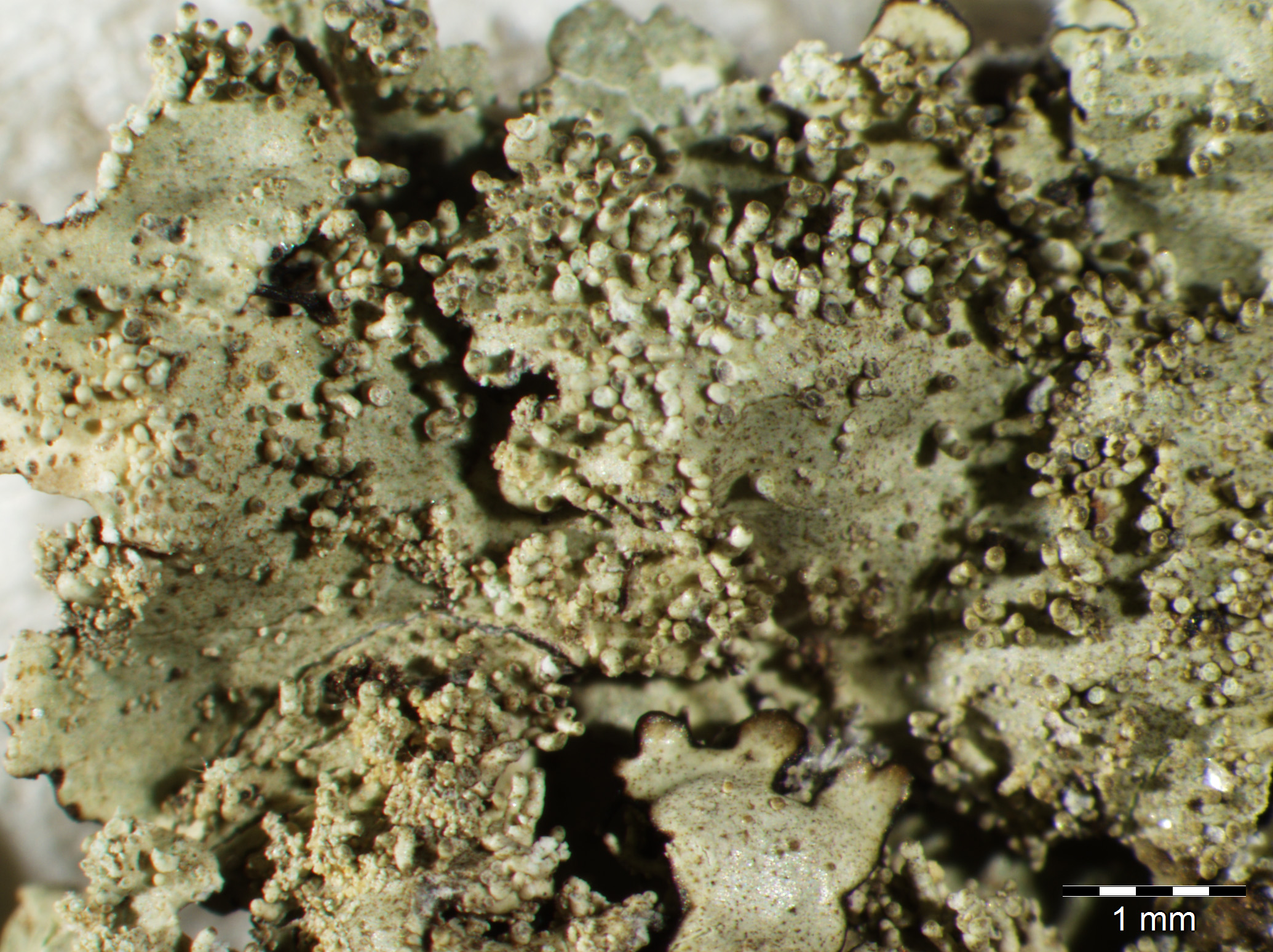
Harrie Sipman – Source http://www.bgbm.fu-berlin.de/sipman/Zschackia/AegeanLichens/CaloplacaAC.htm - As Caloplaca oasis
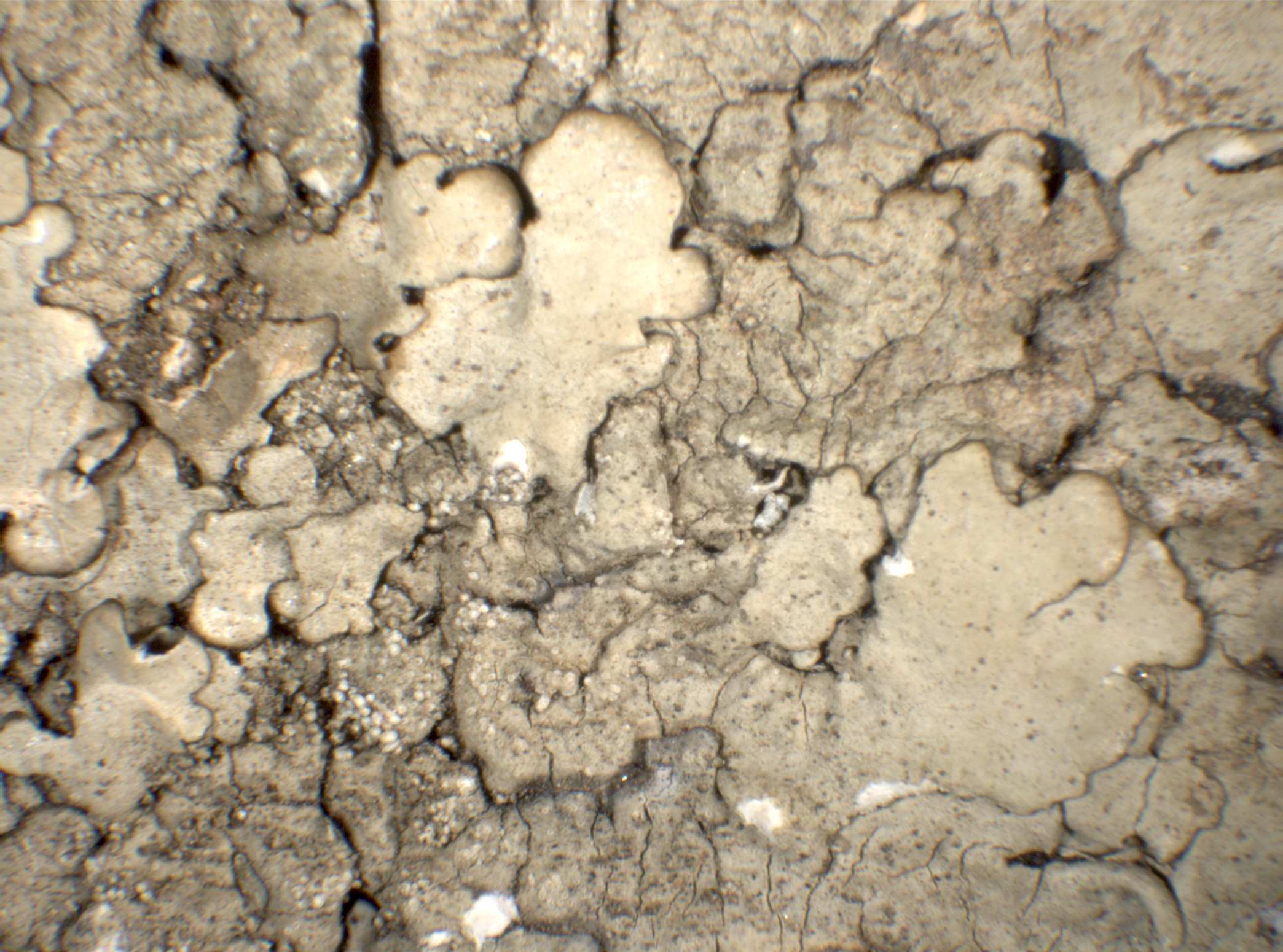
P.L. Nimis; Owner: Department of Life Sciences, University of Trieste
Herbarium: TSB (7653)
2002/02/13
P.L. Nimis; Owner: Department of Life Sciences, University of Trieste
Herbarium: TSB (7491)
2002/02/13
isidia
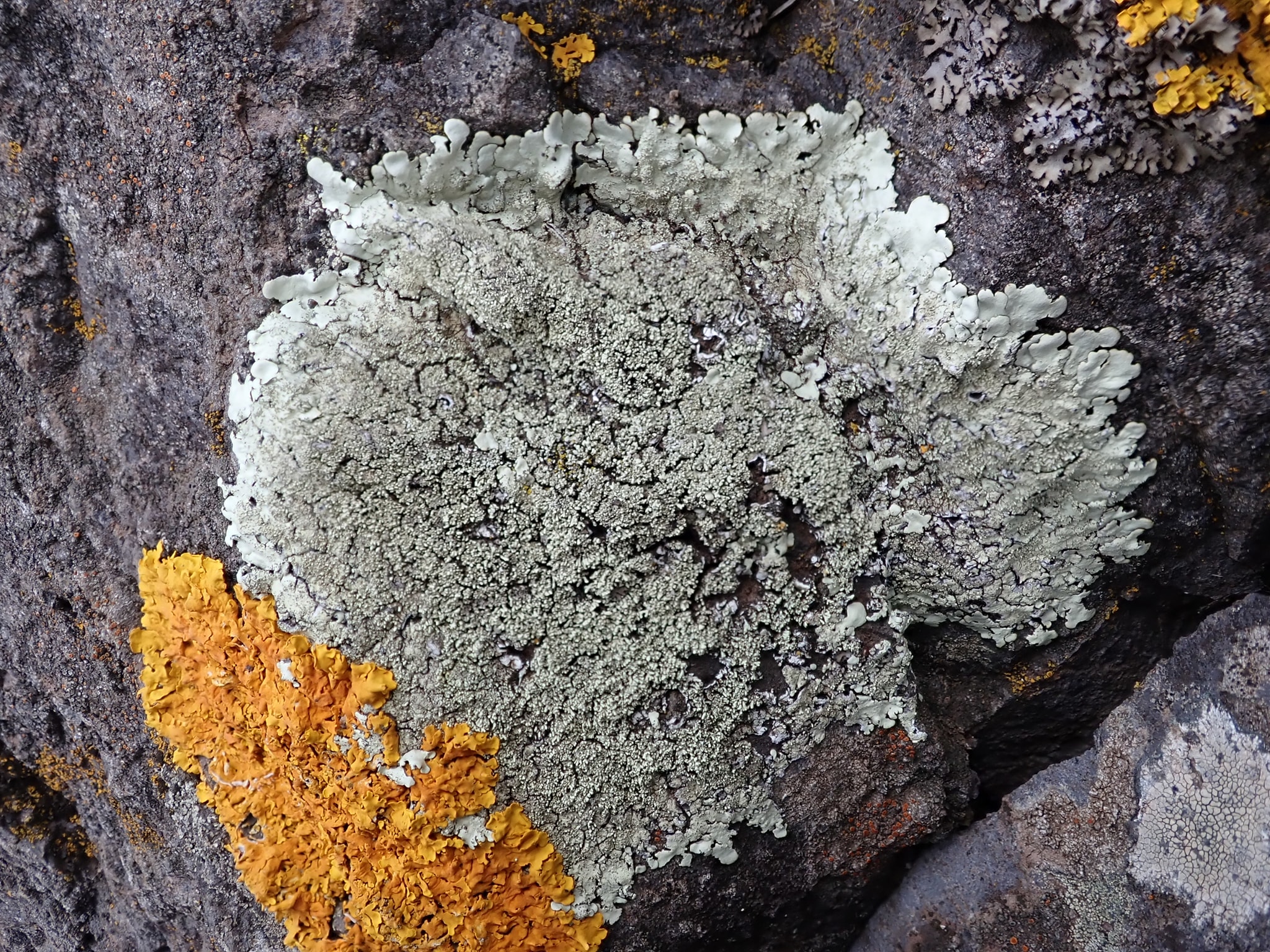
Manuel Gil
Spain, Canary Islands, Tenerife