Bacidina phacodes (Körb.) Vězda
Folia Geobot. Phytotaxon., 25: 432, 1991. Basionym: Bacidia phacodes Körb. - Parerga Lichenol.: 130, 1860.
Synonyms: Bacidia albescens (Stizenb.) Bausch; Bacidia chlorotica (Nyl.) Sandst. non sensu Th. Fr.; Lecidea chlorotica (Rostr.) Hue
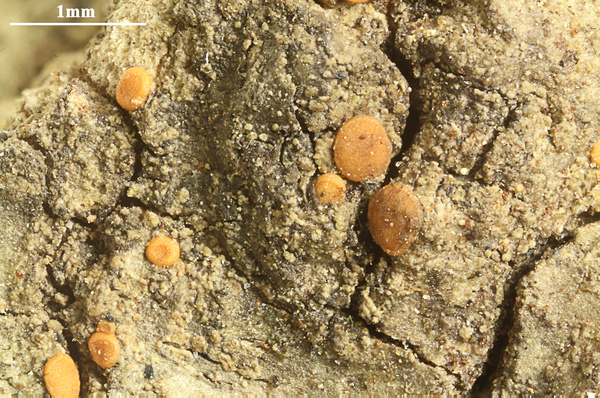
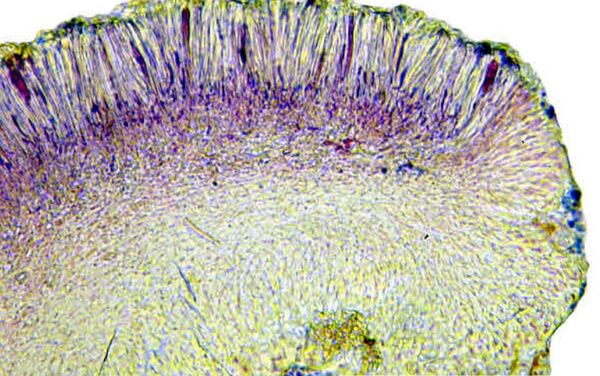
Description: Thallus crustose, white to grey-green, thin to irregularly warted or scurfy, but without goniocysts. Apothecia biatorine, 0.2-0.5 mm across, sessile, often confluent and appearing tuberculate, whitish, cream-coloured to pale orange-brown when dry, translucent when wet, with a flat to strongly convex disc and a usually paler, soon excluded proper margin. Proper exciple > 6 cells thick, colourless, of radiating hyphae; epithecium colourless or pale brownish yellow, scarcely differentiated from the hymenium; hymenium mostly colourless, 35-50 μm high (30–40% of the total apothecium height), hemiamyloid; paraphyses simple, 1-1.5 μm thick at mid-level, the apical cells sometimes clavate and to 3 μm wide; hypothecium colourless. Asci 8-spored, clavate to cylindrical-clavate, the apical dome K/I+ dark blue with a pale, conical-pointed apical cushion (axial mass) never penetrating through the entire d-layer, the wall K/I-, but the thin outer gel K/I+ blue, Bacidia-type. Ascospores 3-7-septate, hyaline, acicular but often gradually tapering at one end, often curved, (20-)25-35(-45) x 1.5-2 μm. Pycnidia rather rare, immersed, the walls colourless. Conidia thread-like, 3-7-septate, straight, (24-)28-50(-60) x 1-1.5(-2) μm. Photobiont chlorococcoid, the cells 7-10 μm in diam. Spot tests: thallus and apothecia K-, C-, KC-, P-, UV-. Chemistry: thallus without lichen substances.
Growth form: Crustose
Photobiont: green algae other than Trentepohlia
Reproductive strategy: mainly sexual
Most common in areas with a humid-warm climate (e.g. most of Tyrrenian Italy)
In underhangs rarely wetted by rain
Commonnes-rarity: (info)
Alpine belt: absent
Subalpine belt: extremely rare
Montane belt: very rare
Dry submediterranean belt: extremely rare
Humid submediterranean belt: rare
Padanian area: absent
pH of the substrata:
1 2 3 4 5

Solar irradiation:
1 2 3 4 5
Aridity:
1 2 3 4 5
Eutrophication:
1 2 3 4 5
Poleotolerance:
0 1 2 3
Altitudinal distribution:
1 2 3 4 5 6
Rarity
absent
extremely rare
very rare
rare
rather rare
rather common
common
very common
extremely common
Loading data...
Occurrence data
Predictive map
Felix Schumm - CC BY-SA 4.0
[20568], U.S.A. California, Monterey County, on Umbellularia californica, floor of canyon at Big Sur. Leg. W. A. Weber & R. Santesson, 2.4.1966. LICHENES EXSICCATI DISTRIBUTED BY THE UNIVERSITY OF COLORADO MUSEUM, BOULDER NO. 182 [as Bacidia albescens (Arn.) Zwackh.]
Felix Schumm – CC BY-SA 4.0
[13625], Germany, Baden-Württemberg, Kreis Göppingen, südwestlich von Adelberg nahe dem Herrenbachstausee, Buhwiesenweg, an Laubbaum im Mischwald, ca. 48°44'N, 9°33'E, 412 m, ZK 7223. Leg. Schumm 08.02.2008, det. Schumm 2008
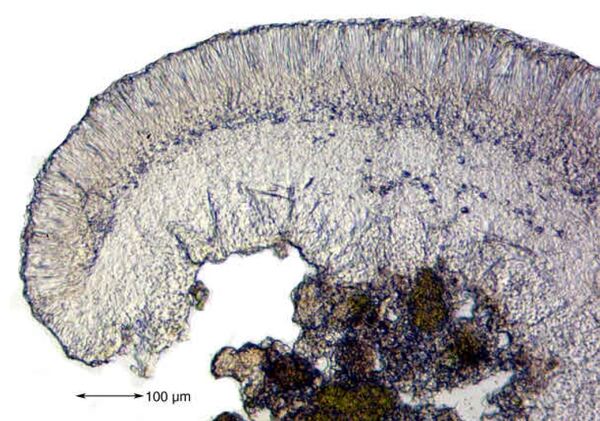
Felix Schumm – CC BY-SA 4.0
[13625], Germany, Baden-Württemberg, Kreis Göppingen, südwestlich von Adelberg nahe dem Herrenbachstausee, Buhwiesenweg, an Laubbaum im Mischwald, ca. 48°44'N, 9°33'E, 412 m, ZK 7223. Leg. Schumm 08.02.2008, det. Schumm 2008
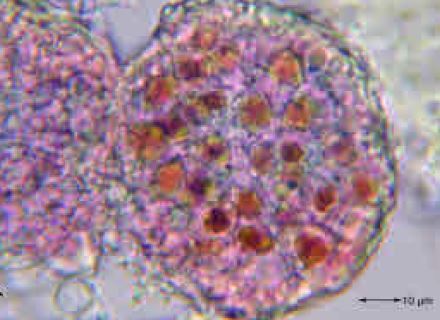
Felix Schumm – CC BY-SA 4.0
[13625], Germany, Baden-Württemberg, Kreis Göppingen, südwestlich von Adelberg nahe dem Herrenbachstausee, Buhwiesenweg, an Laubbaum im Mischwald, ca. 48°44'N, 9°33'E, 412 m, ZK 7223. Leg. Schumm 08.02.2008, det. Schumm 2008
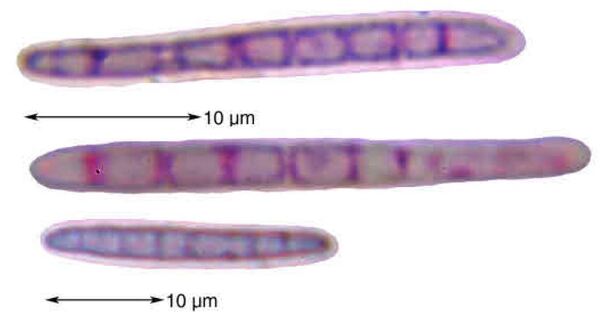
Felix Schumm – CC BY-SA 4.0
[13625], Germany, Baden-Württemberg, Kreis Göppingen, südwestlich von Adelberg nahe dem Herrenbachstausee, Buhwiesenweg, an Laubbaum im Mischwald, ca. 48°44'N, 9°33'E, 412 m, ZK 7223. Leg. Schumm 08.02.2008, det. Schumm 2008
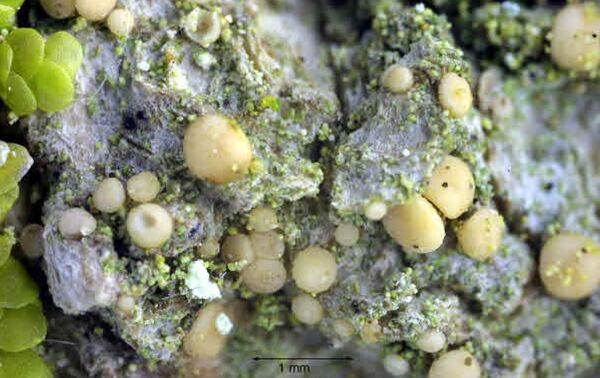
Felix Schumm – CC BY-SA 4.0
[13625], Germany, Baden-Württemberg, Kreis Göppingen, südwestlich von Adelberg nahe dem Herrenbachstausee, Buhwiesenweg, an Laubbaum im Mischwald, ca. 48°44'N, 9°33'E, 412 m, ZK 7223. Leg. Schumm 08.02.2008, det. Schumm 2008
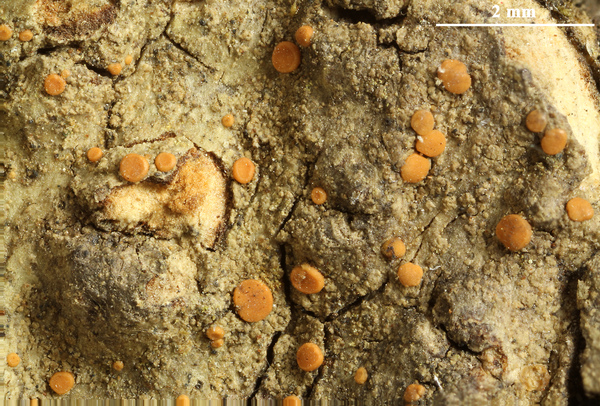
Felix Schumm - CC BY-SA 4.0
[20568], U.S.A. California, Monterey County, on Umbellularia californica, floor of canyon at Big Sur. Leg. W. A. Weber & R. Santesson, 2.4.1966. LICHENES EXSICCATI DISTRIBUTED BY THE UNIVERSITY OF COLORADO MUSEUM, BOULDER NO. 182 [as Bacidia albescens (Arn.) Zwackh.]
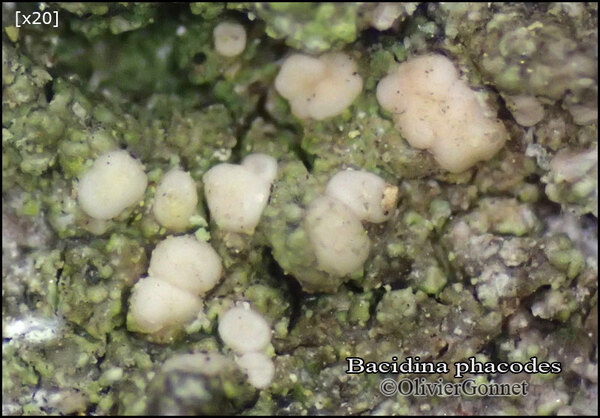
Courtesy: Olivier et Danièle Gonnet - Source: https://www.afl-lichenologie.fr/Photos_AFL/Photos_AFL_B/Bacidina_phacodes.htm
France, session AFL 2015 - Blanzaguet - Lot
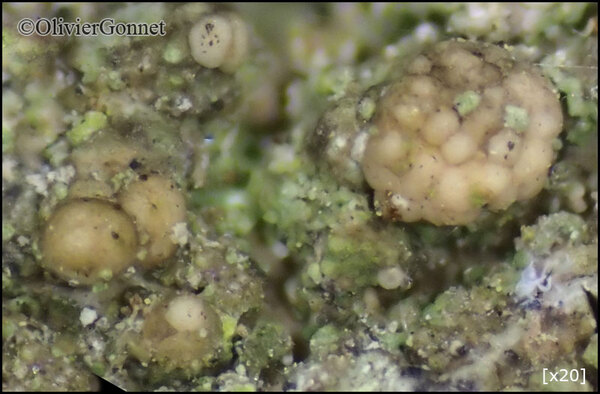
Courtesy: Olivier et Danièle Gonnet - Source: https://www.afl-lichenologie.fr/Photos_AFL/Photos_AFL_B/Bacidina_phacodes.htm
France, session AFL 2015 - Blanzaguet - Lot
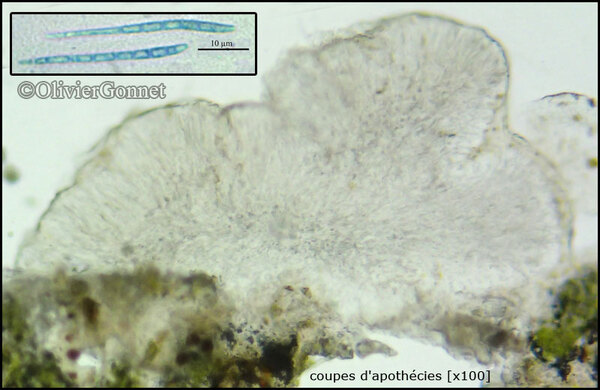
Courtesy: Olivier et Danièle Gonnet - Source: https://www.afl-lichenologie.fr/Photos_AFL/Photos_AFL_B/Bacidina_phacodes.htm
France, session AFL 2015 - Blanzaguet - Lot
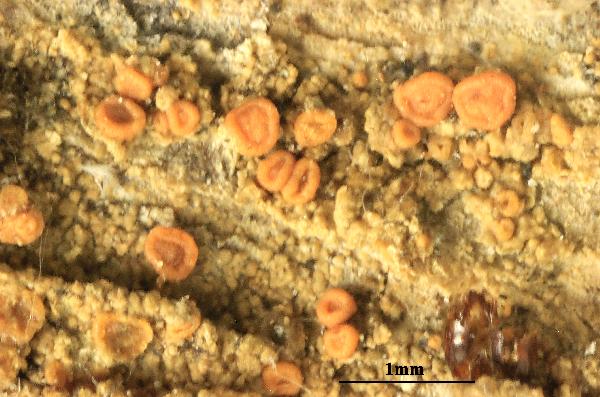
Felix Schumm - CC BY-SA 4.0
[VZ1090}, Gallia. Pyrenaei montes occidentales. Sauveterre-de Béarn.
Insula parva in torrente Cave d'Oloron, 50 m. Ad corticem Hederae
helicis. Leg. J. Vivant, 28.1.1972. EX A. VEZDA: LICHENES SELECTI
EXSICCATI NR. 1090.
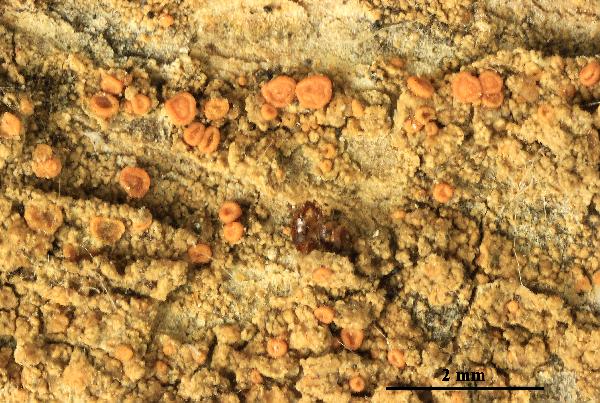
Felix Schumm - CC BY-SA 4.0
[VZ1090}, Gallia. Pyrenaei montes occidentales. Sauveterre-de Béarn.
Insula parva in torrente Cave d'Oloron, 50 m. Ad corticem Hederae
helicis. Leg. J. Vivant, 28.1.1972. EX A. VEZDA: LICHENES SELECTI
EXSICCATI NR. 1090.
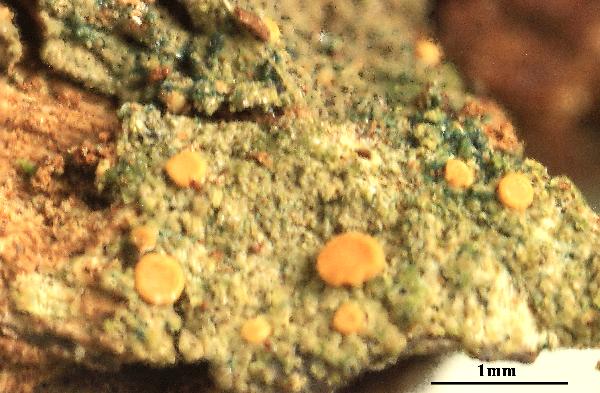
Felix Schumm - CC BY-SA 4.0
[VZ2211], Italia. Sardinia. Prov. Nuoro: Barbagia Seulo, M. Arbu, in
valle rivi S. Girolamo, 900-1100 m. Ad corticem Quercus ilicis. Leg. P.
L. Nimis et A. Vezda., 16.7.1987. EX A. VEZDA: LICHENES SELECTI
EXSICCATI NR. 2211.
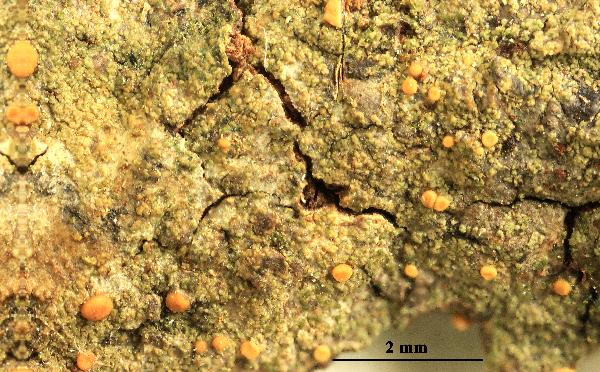
Felix Schumm - CC BY-SA 4.0
[VZ2211], Italia. Sardinia. Prov. Nuoro: Barbagia Seulo, M. Arbu, in
valle rivi S. Girolamo, 900-1100 m. Ad corticem Quercus ilicis. Leg. P.
L. Nimis et A. Vezda., 16.7.1987. EX A. VEZDA: LICHENES SELECTI
EXSICCATI NR. 2211.
Growth form: Crustose
Photobiont: green algae other than Trentepohlia
Reproductive strategy: mainly sexual
Most common in areas with a humid-warm climate (e.g. most of Tyrrenian Italy)
In underhangs rarely wetted by rain
Commonnes-rarity: (info)
Alpine belt: absent
Subalpine belt: extremely rare
Montane belt: very rare
Dry submediterranean belt: extremely rare
Humid submediterranean belt: rare
Padanian area: absent
pH of the substrata:
| 1 | 2 | 3 | 4 | 5 |
Solar irradiation:
| 1 | 2 | 3 | 4 | 5 |
Aridity:
| 1 | 2 | 3 | 4 | 5 |
Eutrophication:
| 1 | 2 | 3 | 4 | 5 |
Poleotolerance:
| 0 | 1 | 2 | 3 |
Altitudinal distribution:
| 1 | 2 | 3 | 4 | 5 | 6 |
Rarity
absent
extremely rare
very rare
rare
rather rare
rather common
common
very common
extremely common
Loading data...
Occurrence data
Predictive map
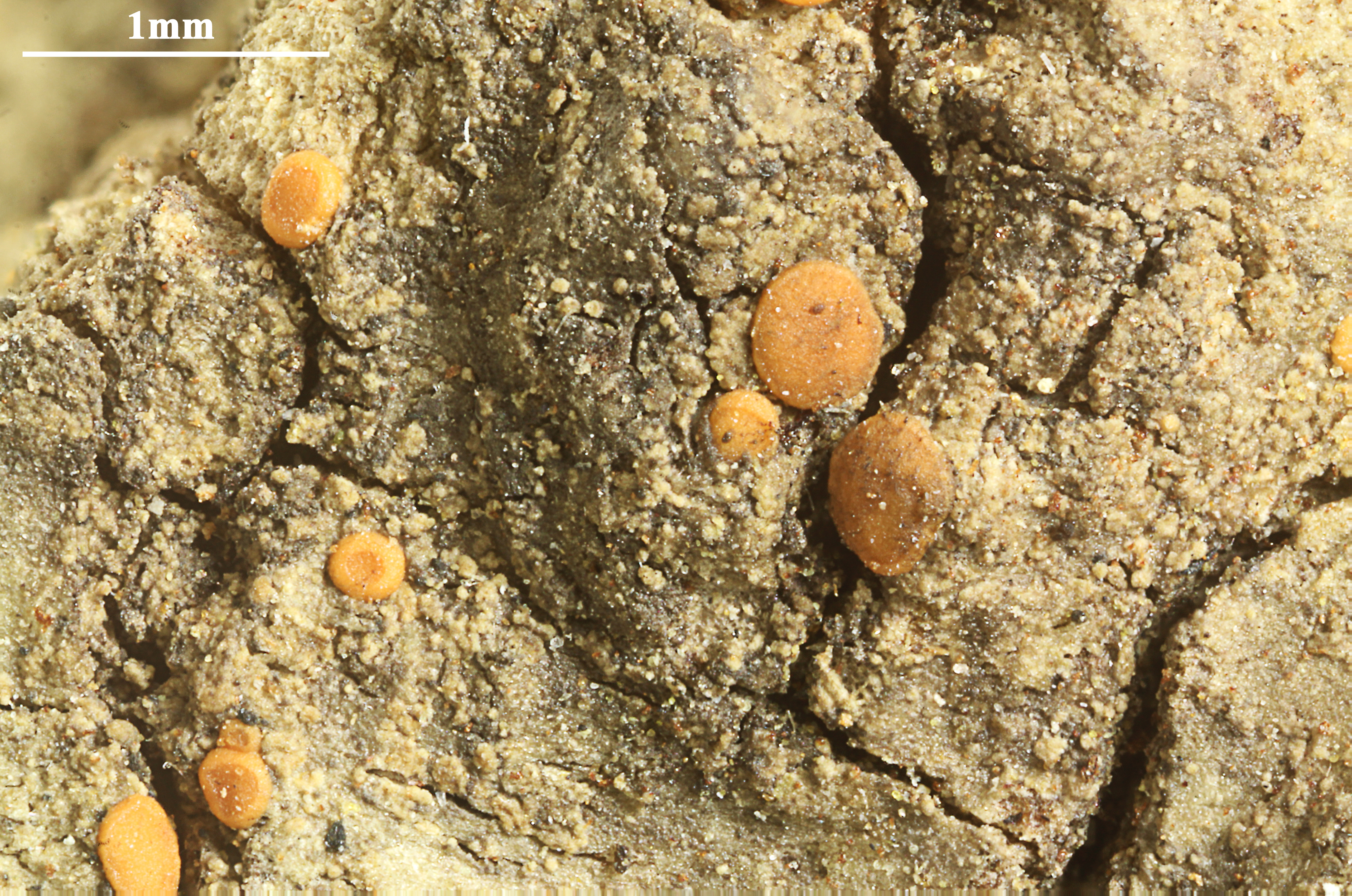
Felix Schumm - CC BY-SA 4.0
[20568], U.S.A. California, Monterey County, on Umbellularia californica, floor of canyon at Big Sur. Leg. W. A. Weber & R. Santesson, 2.4.1966. LICHENES EXSICCATI DISTRIBUTED BY THE UNIVERSITY OF COLORADO MUSEUM, BOULDER NO. 182 [as Bacidia albescens (Arn.) Zwackh.]
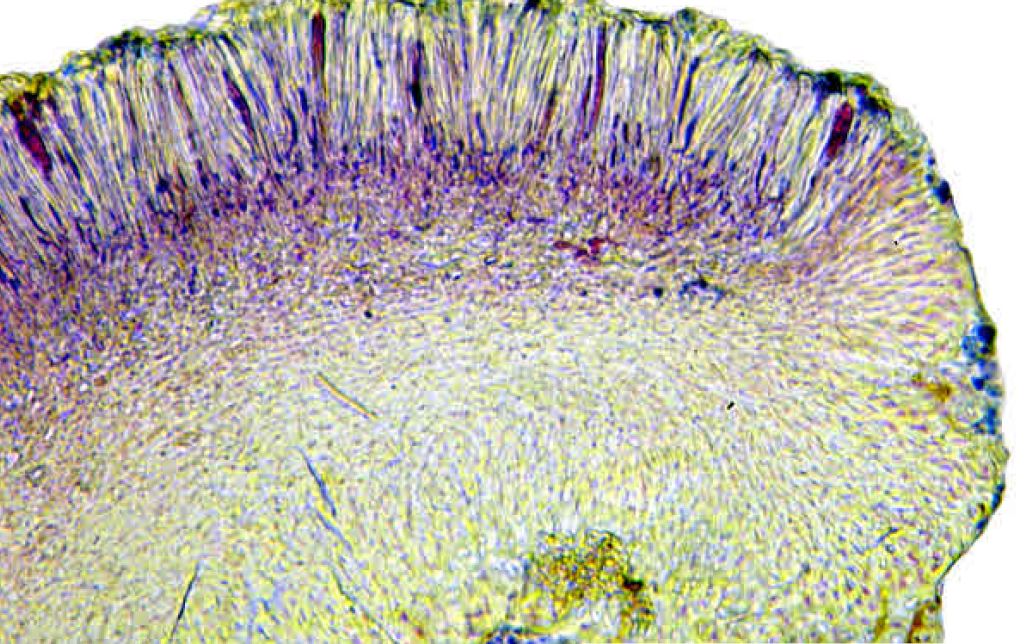
Felix Schumm – CC BY-SA 4.0
[13625], Germany, Baden-Württemberg, Kreis Göppingen, südwestlich von Adelberg nahe dem Herrenbachstausee, Buhwiesenweg, an Laubbaum im Mischwald, ca. 48°44'N, 9°33'E, 412 m, ZK 7223. Leg. Schumm 08.02.2008, det. Schumm 2008
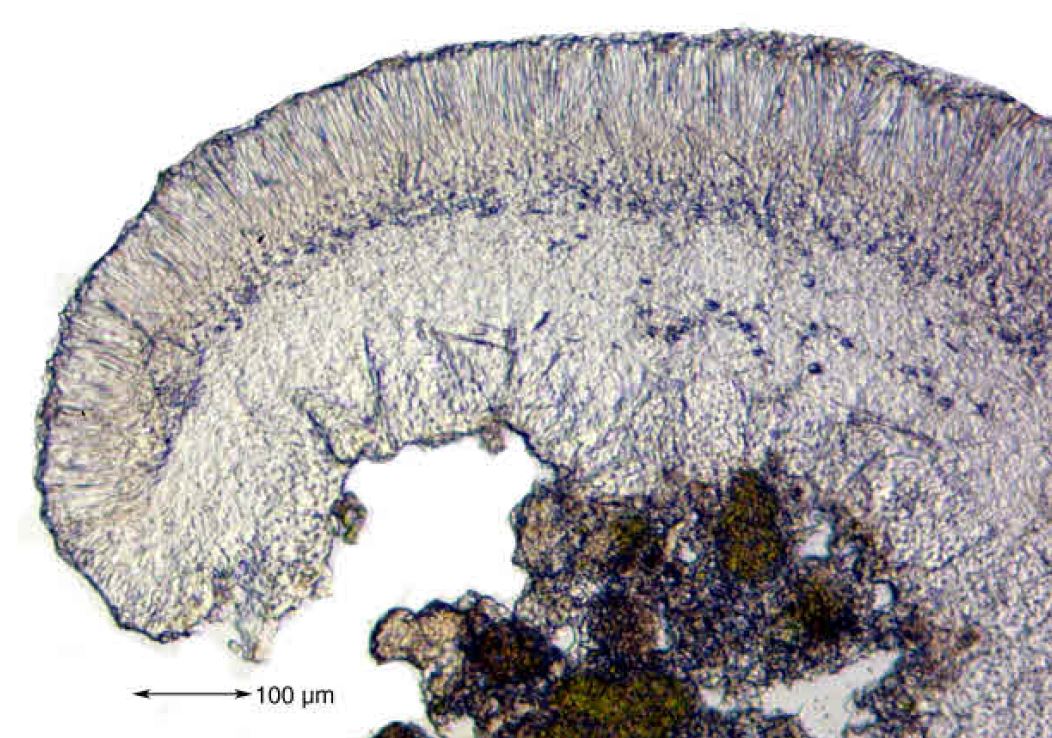
Felix Schumm – CC BY-SA 4.0
[13625], Germany, Baden-Württemberg, Kreis Göppingen, südwestlich von Adelberg nahe dem Herrenbachstausee, Buhwiesenweg, an Laubbaum im Mischwald, ca. 48°44'N, 9°33'E, 412 m, ZK 7223. Leg. Schumm 08.02.2008, det. Schumm 2008
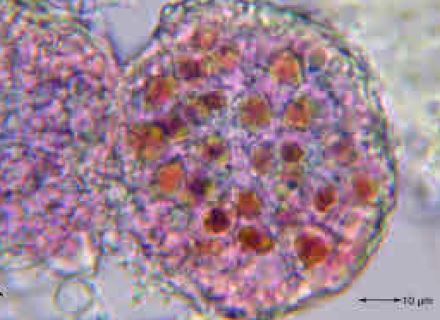
Felix Schumm – CC BY-SA 4.0
[13625], Germany, Baden-Württemberg, Kreis Göppingen, südwestlich von Adelberg nahe dem Herrenbachstausee, Buhwiesenweg, an Laubbaum im Mischwald, ca. 48°44'N, 9°33'E, 412 m, ZK 7223. Leg. Schumm 08.02.2008, det. Schumm 2008
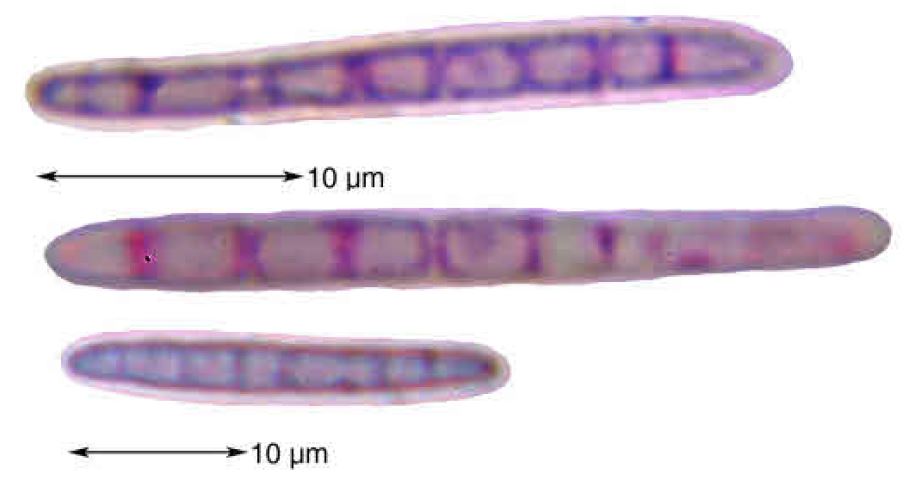
Felix Schumm – CC BY-SA 4.0
[13625], Germany, Baden-Württemberg, Kreis Göppingen, südwestlich von Adelberg nahe dem Herrenbachstausee, Buhwiesenweg, an Laubbaum im Mischwald, ca. 48°44'N, 9°33'E, 412 m, ZK 7223. Leg. Schumm 08.02.2008, det. Schumm 2008
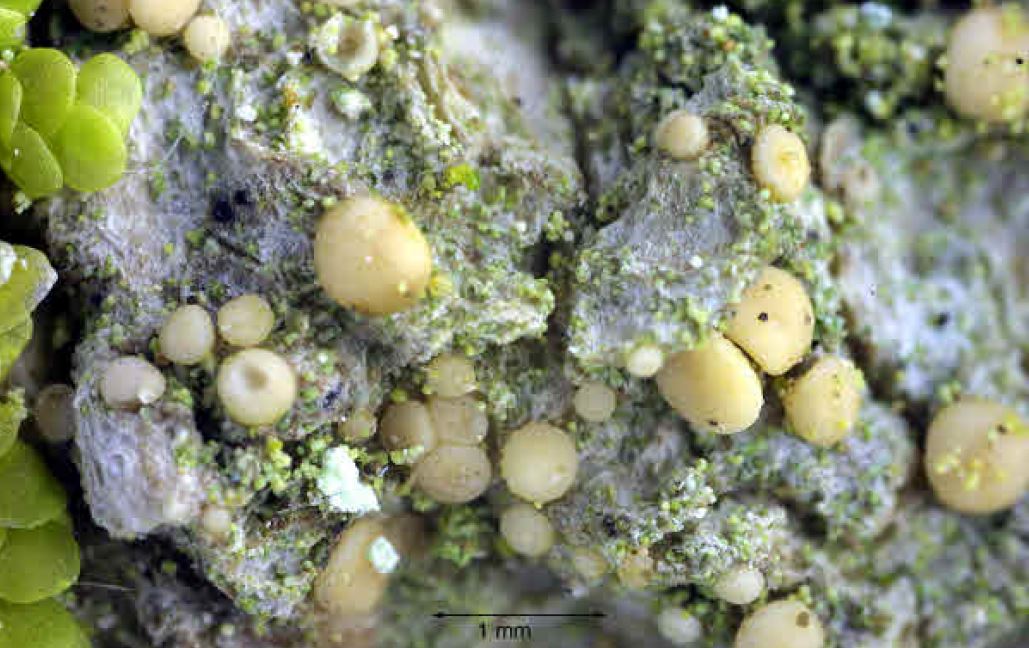
Felix Schumm – CC BY-SA 4.0
[13625], Germany, Baden-Württemberg, Kreis Göppingen, südwestlich von Adelberg nahe dem Herrenbachstausee, Buhwiesenweg, an Laubbaum im Mischwald, ca. 48°44'N, 9°33'E, 412 m, ZK 7223. Leg. Schumm 08.02.2008, det. Schumm 2008
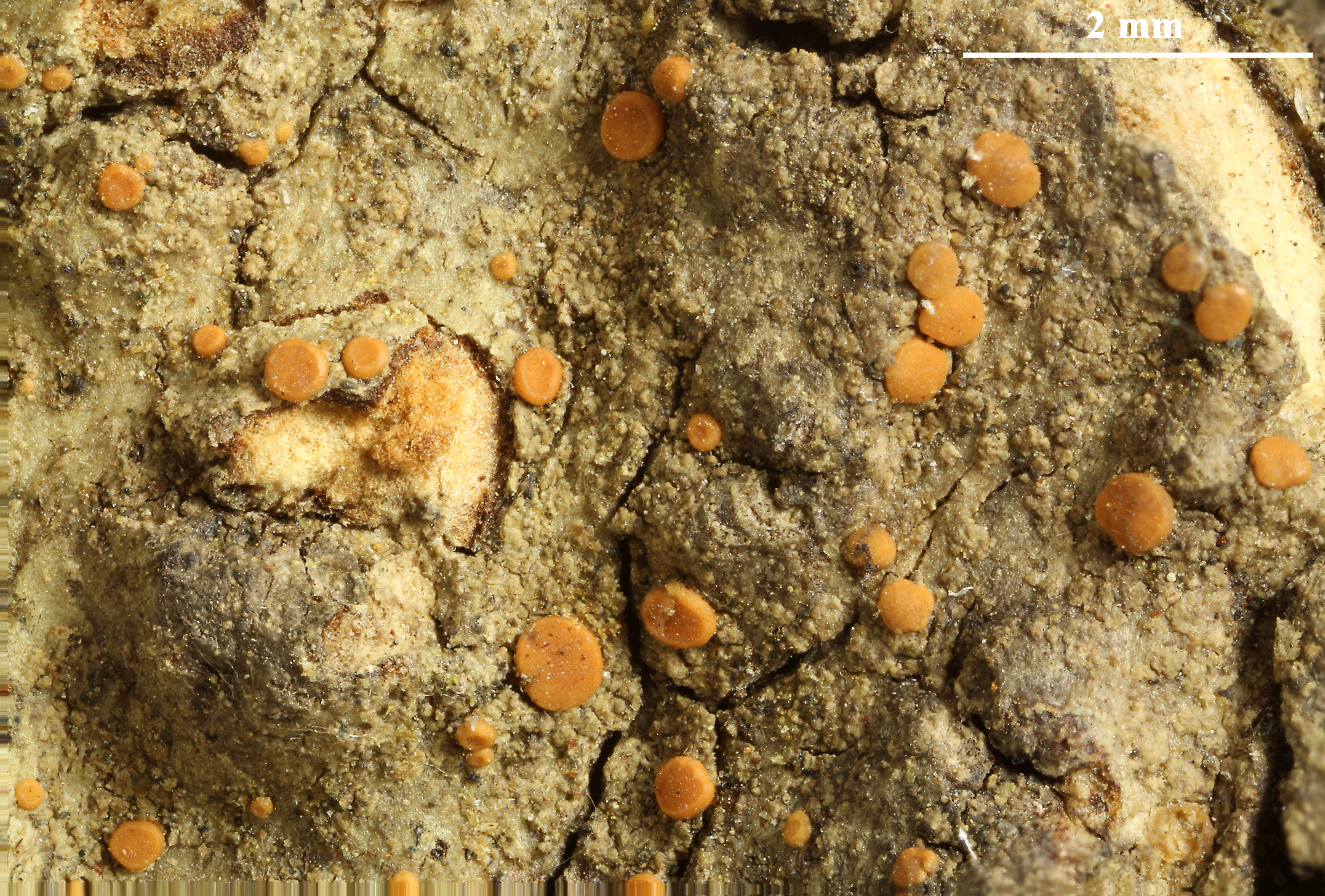
Felix Schumm - CC BY-SA 4.0
[20568], U.S.A. California, Monterey County, on Umbellularia californica, floor of canyon at Big Sur. Leg. W. A. Weber & R. Santesson, 2.4.1966. LICHENES EXSICCATI DISTRIBUTED BY THE UNIVERSITY OF COLORADO MUSEUM, BOULDER NO. 182 [as Bacidia albescens (Arn.) Zwackh.]
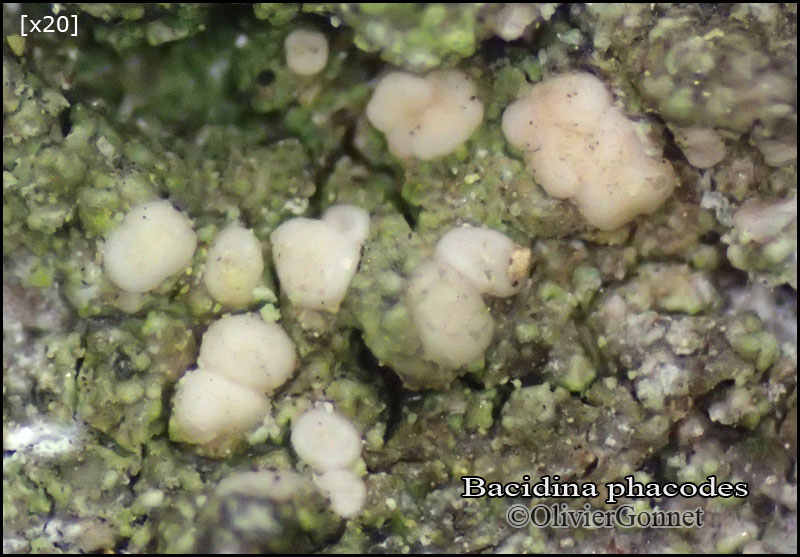
Courtesy: Olivier et Danièle Gonnet - Source: https://www.afl-lichenologie.fr/Photos_AFL/Photos_AFL_B/Bacidina_phacodes.htm
France, session AFL 2015 - Blanzaguet - Lot
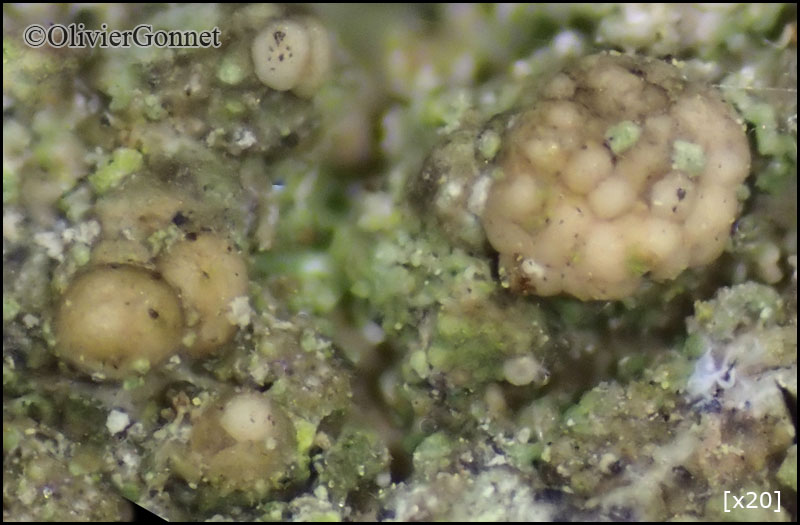
Courtesy: Olivier et Danièle Gonnet - Source: https://www.afl-lichenologie.fr/Photos_AFL/Photos_AFL_B/Bacidina_phacodes.htm
France, session AFL 2015 - Blanzaguet - Lot
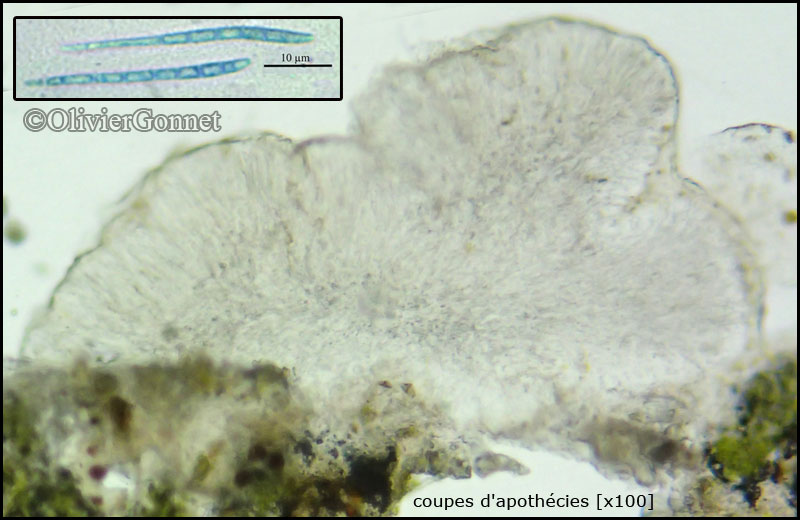
Courtesy: Olivier et Danièle Gonnet - Source: https://www.afl-lichenologie.fr/Photos_AFL/Photos_AFL_B/Bacidina_phacodes.htm
France, session AFL 2015 - Blanzaguet - Lot

Felix Schumm - CC BY-SA 4.0
[VZ1090}, Gallia. Pyrenaei montes occidentales. Sauveterre-de Béarn. Insula parva in torrente Cave d'Oloron, 50 m. Ad corticem Hederae helicis. Leg. J. Vivant, 28.1.1972. EX A. VEZDA: LICHENES SELECTI EXSICCATI NR. 1090.

Felix Schumm - CC BY-SA 4.0
[VZ1090}, Gallia. Pyrenaei montes occidentales. Sauveterre-de Béarn. Insula parva in torrente Cave d'Oloron, 50 m. Ad corticem Hederae helicis. Leg. J. Vivant, 28.1.1972. EX A. VEZDA: LICHENES SELECTI EXSICCATI NR. 1090.

Felix Schumm - CC BY-SA 4.0
[VZ2211], Italia. Sardinia. Prov. Nuoro: Barbagia Seulo, M. Arbu, in valle rivi S. Girolamo, 900-1100 m. Ad corticem Quercus ilicis. Leg. P. L. Nimis et A. Vezda., 16.7.1987. EX A. VEZDA: LICHENES SELECTI EXSICCATI NR. 2211.