Cladonia conista (Nyl.) Robbins
in Allen, Rhodora 32: 92, 1930. Basionym: Cladonia fimbriata f. conista Nyl. - Ann. Sci. Nat., Bot., sér. 4,, 15: 370 1861
Synonyms:
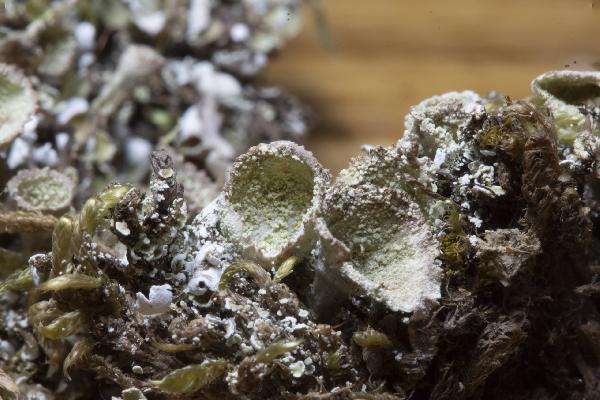
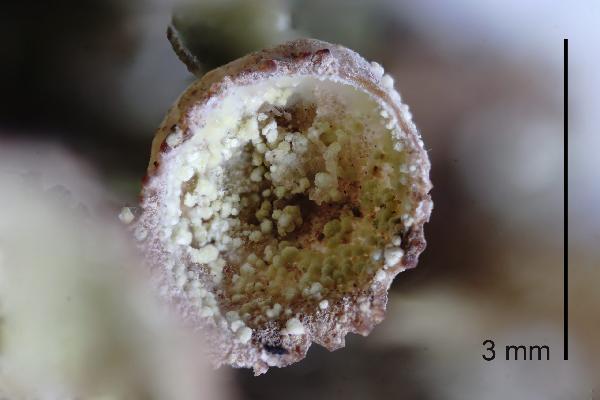
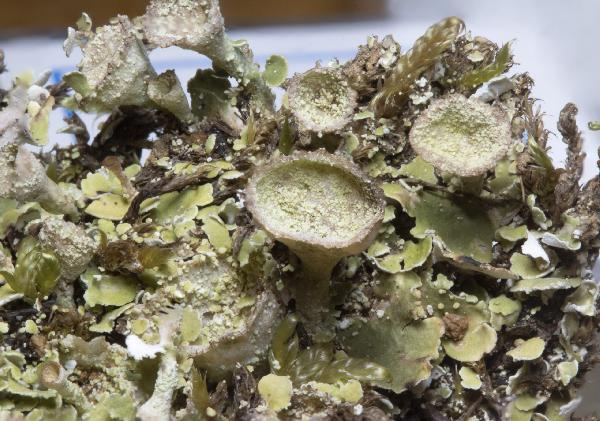
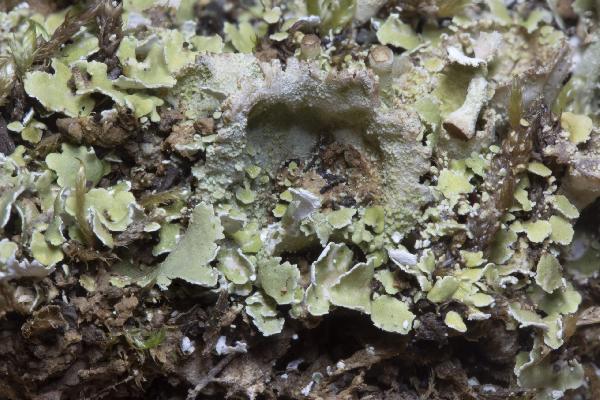
Description: Primary thallus squamulose, persisting, the squamules large, up to 1 cm long, 3-4 mm wide, grey green above, white and slightly veined beneath, rarely sorediate at margins. Podetia goblet-shaped, hollow inside, greyish, 1-2(-3) cm tall, with a broad (to 8 mm), regular cup, flaring to a 2-9 mm long stalk which is usually longer than the diameter of the cups. Surface of podetia continuously and rather smoothly corticate in lower and middle parts, farinose-sorediate in upper parts and in the interior of cups, the soredia 20-45 μm in diam. Apothecia very rare, developing on short proliferations on the margins of cups, brown. Asci 8-spored, clavate, thickened at apex, with a K/I+ blue tholus and a K/I+ strongly blue outer gelatinous sheath, Cladonia-type. Ascospores 1-celled, hyaline, ellipsoid. Pycnidia conical, located at the margin of cups, with a colourless jelly. Conidia hyaline, curved. Photobiont chlorococcoid. Spot tests: K- or K+ yellowish slowly turning brown, C-, KC-, P+ red. Chemistry: fumarprotocetraric and bourgeanic acids.
Growth form: Fruticose
Substrata: soil, terricolous mosses, and plant debris
Photobiont: green algae other than Trentepohlia
Reproductive strategy: mainly asexual, by soredia, or soredia-like structures (e.g. blastidia)
Commonnes-rarity: (info)
Alpine belt: absent
Subalpine belt: absent
Montane belt: very rare
Dry submediterranean belt: very rare
Humid submediterranean belt: absent
Padanian area: absent
pH of the substrata:
1 2 3 4 5

Solar irradiation:
1 2 3 4 5
Aridity:
1 2 3 4 5
Eutrophication:
1 2 3 4 5
Poleotolerance:
0 1 2 3
Altitudinal distribution:
1 2 3 4 5 6
Rarity
absent
extremely rare
very rare
rare
rather rare
rather common
common
very common
extremely common
Loading data...
Occurrence data
Predictive map
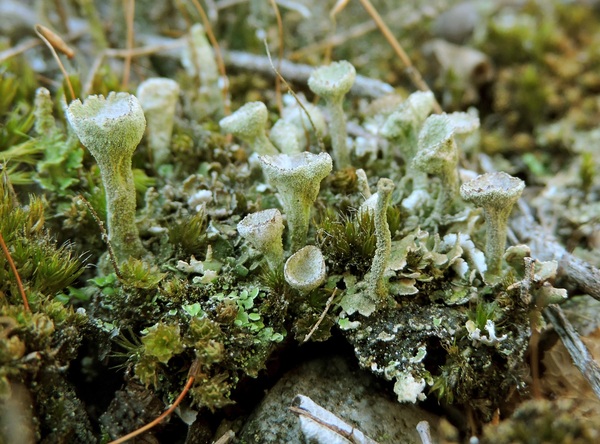
Gabriele Gheza - https://lichenidilombardia.home.blog
Italy, Lombardia, Pavia, Vigevano, valle del Ticino, 75 m
06/2017
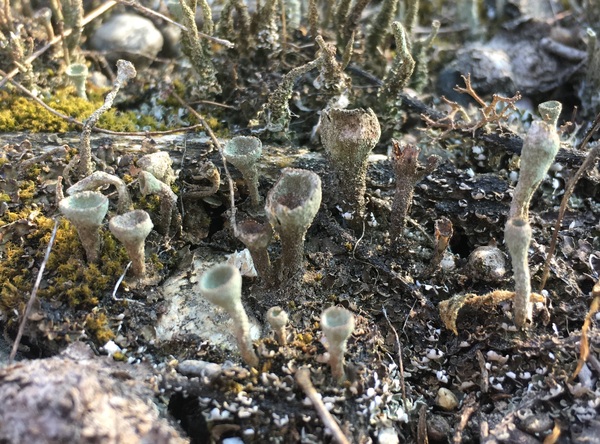
Gabriele Gheza - https://lichenidilombardia.home.blog
Italy, Lombardia, Pavia, Vigevano, valle del Ticino, 75 m
06/2017
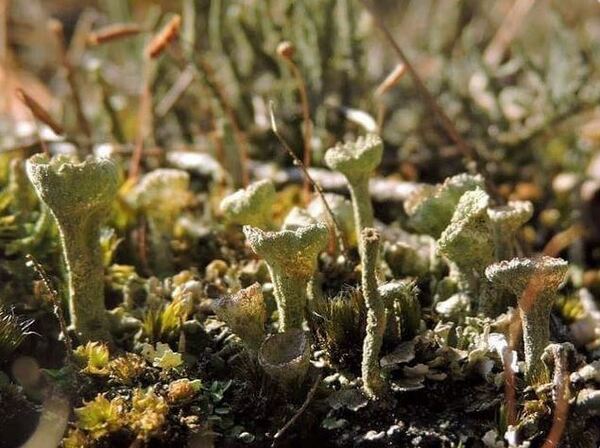
Gabriele Gheza
Italy, Ticino River Natural Park
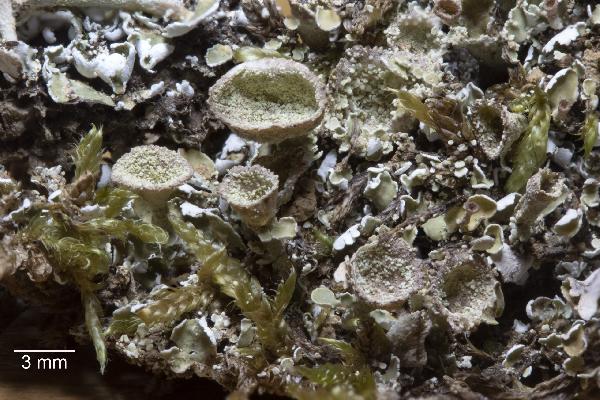
Marta González Garcia - Centro de Estudios Micologicos Asturianos
Spain, Pizzo di Luminaria SP 168, Caronia (Italia), 7-IV-2018, bajo Quercus sp. en sustrato ácido, en un talud junto a la carretera, leg. & det. A. R. Burgaz, MGG-98. Con ácido bourgeánico y fumarprotocetrárico.

Marta González Garcia - Centro de Estudios Micologicos Asturianos
Spain, Pizzo di Luminaria SP 168, Caronia (Italia), 7-IV-2018, bajo Quercus sp. en sustrato ácido, en un talud junto a la carretera, leg. & det. A. R. Burgaz, MGG-98. Con ácido bourgeánico y fumarprotocetrárico.
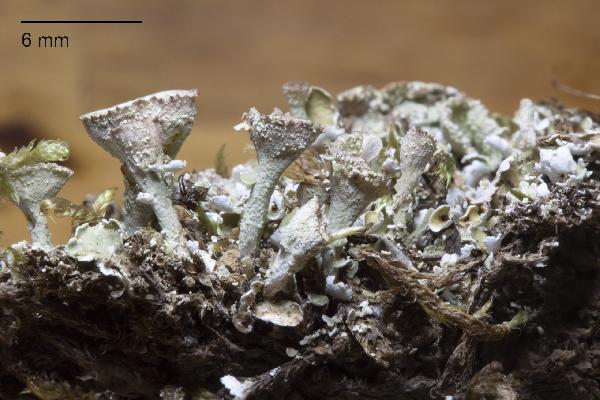
Marta González Garcia - Centro de Estudios Micologicos Asturianos
Spain, Pizzo di Luminaria SP 168, Caronia (Italia), 7-IV-2018, bajo Quercus sp. en sustrato ácido, en un talud junto a la carretera, leg. & det. A. R. Burgaz, MGG-98. Con ácido bourgeánico y fumarprotocetrárico.
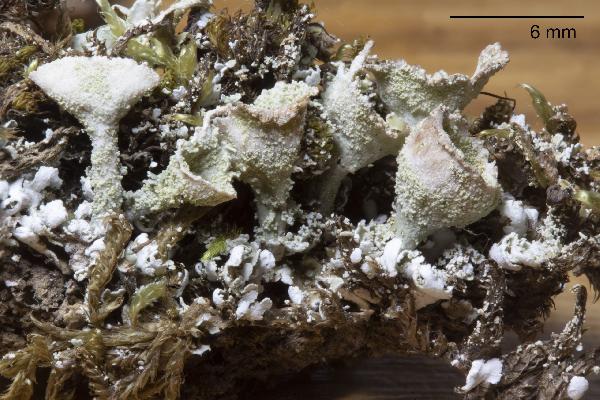
Marta González Garcia - Centro de Estudios Micologicos Asturianos
Spain, Pizzo di Luminaria SP 168, Caronia (Italia), 7-IV-2018, bajo Quercus sp. en sustrato ácido, en un talud junto a la carretera, leg. & det. A. R. Burgaz, MGG-98. Con ácido bourgeánico y fumarprotocetrárico.
Marta González Garcia - Centro de Estudios Micologicos Asturianos
Spain, Pizzo di Luminaria SP 168, Caronia (Italia), 7-IV-2018, bajo Quercus sp. en sustrato ácido, en un talud junto a la carretera, leg. & det. A. R. Burgaz, MGG-98. Con ácido bourgeánico y fumarprotocetrárico.
Marta González Garcia - Centro de Estudios Micologicos Asturianos
Spain, Pizzo di Luminaria SP 168, Caronia (Italia), 7-IV-2018, bajo Quercus sp. en sustrato ácido, en un talud junto a la carretera, leg. & det. A. R. Burgaz, MGG-98. Con ácido bourgeánico y fumarprotocetrárico.
Marta González Garcia - Centro de Estudios Micologicos Asturianos
Spain, Pizzo di Luminaria SP 168, Caronia (Italia), 7-IV-2018, bajo Quercus sp. en sustrato ácido, en un talud junto a la carretera, leg. & det. A. R. Burgaz, MGG-98. Con ácido bourgeánico y fumarprotocetrárico.
Marta González Garcia - Centro de Estudios Micologicos Asturianos
Spain, Pizzo di Luminaria SP 168, Caronia (Italia), 7-IV-2018, bajo Quercus sp. en sustrato ácido, en un talud junto a la carretera, leg. & det. A. R. Burgaz, MGG-98. Con ácido bourgeánico y fumarprotocetrárico.
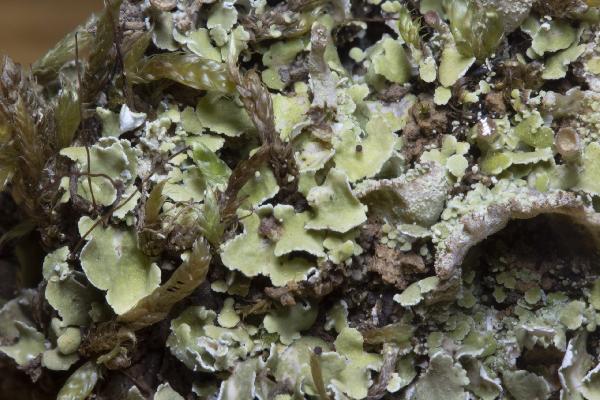
Marta González Garcia - Centro de Estudios Micologicos Asturianos
Spain, Pizzo di Luminaria SP 168, Caronia (Italia), 7-IV-2018, bajo Quercus sp. en sustrato ácido, en un talud junto a la carretera, leg. & det. A. R. Burgaz, MGG-98. Con ácido bourgeánico y fumarprotocetrárico.
Growth form: Fruticose
Substrata: soil, terricolous mosses, and plant debris
Photobiont: green algae other than Trentepohlia
Reproductive strategy: mainly asexual, by soredia, or soredia-like structures (e.g. blastidia)
Commonnes-rarity: (info)
Alpine belt: absent
Subalpine belt: absent
Montane belt: very rare
Dry submediterranean belt: very rare
Humid submediterranean belt: absent
Padanian area: absent
pH of the substrata:
| 1 | 2 | 3 | 4 | 5 |
Solar irradiation:
| 1 | 2 | 3 | 4 | 5 |
Aridity:
| 1 | 2 | 3 | 4 | 5 |
Eutrophication:
| 1 | 2 | 3 | 4 | 5 |
Poleotolerance:
| 0 | 1 | 2 | 3 |
Altitudinal distribution:
| 1 | 2 | 3 | 4 | 5 | 6 |
Rarity
absent
extremely rare
very rare
rare
rather rare
rather common
common
very common
extremely common
Loading data...
Occurrence data
Predictive map

Gabriele Gheza - https://lichenidilombardia.home.blog
Italy, Lombardia, Pavia, Vigevano, valle del Ticino, 75 m
06/2017
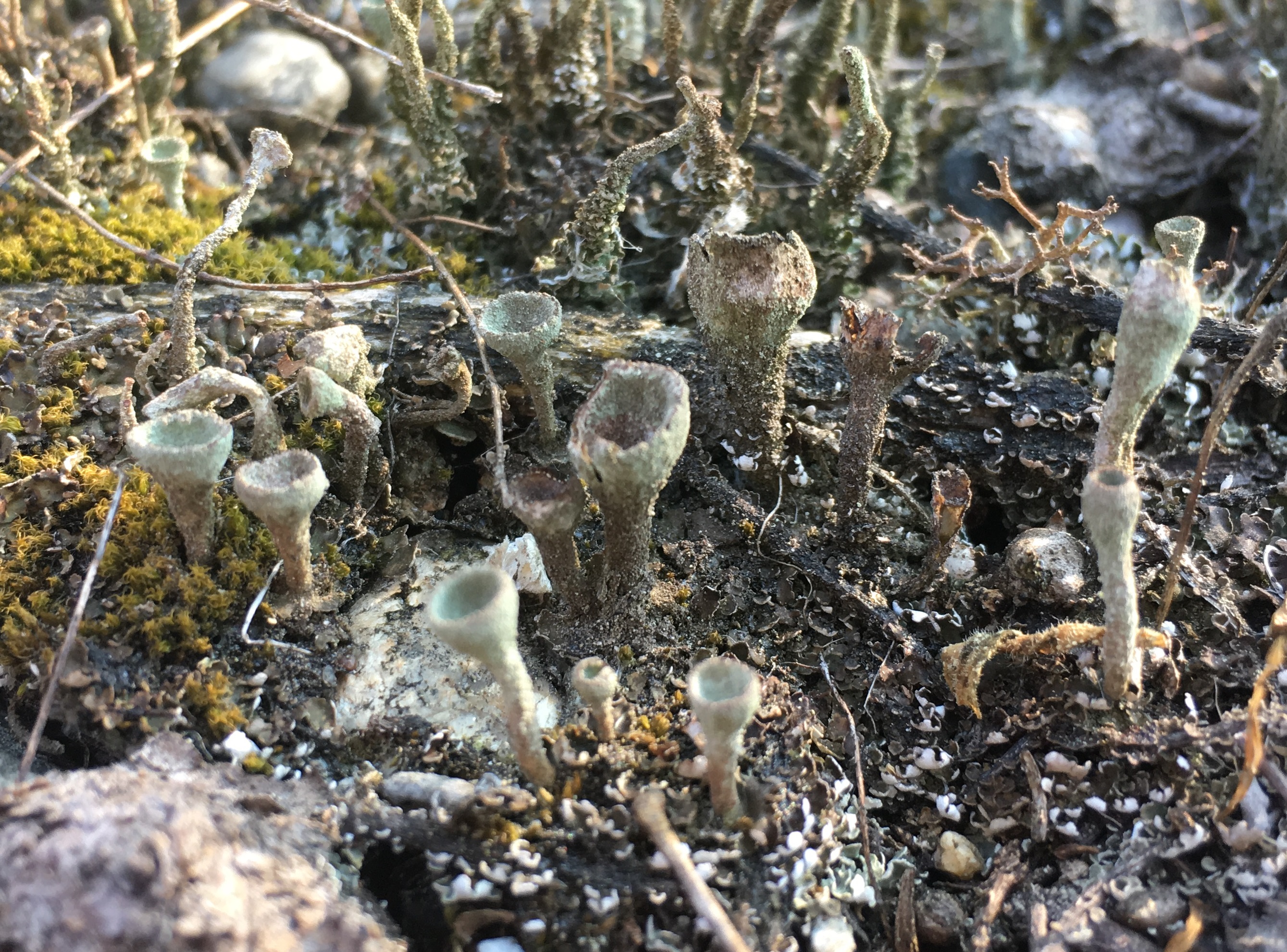
Gabriele Gheza - https://lichenidilombardia.home.blog
Italy, Lombardia, Pavia, Vigevano, valle del Ticino, 75 m
06/2017
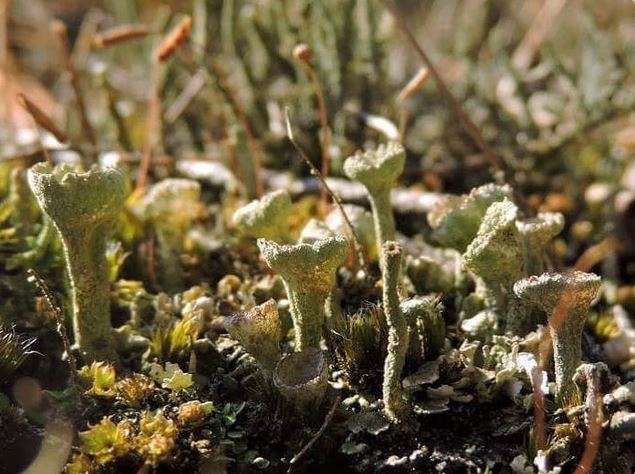
Gabriele Gheza
Italy, Ticino River Natural Park

Marta González Garcia - Centro de Estudios Micologicos Asturianos
Spain, Pizzo di Luminaria SP 168, Caronia (Italia), 7-IV-2018, bajo Quercus sp. en sustrato ácido, en un talud junto a la carretera, leg. & det. A. R. Burgaz, MGG-98. Con ácido bourgeánico y fumarprotocetrárico.

Marta González Garcia - Centro de Estudios Micologicos Asturianos
Spain, Pizzo di Luminaria SP 168, Caronia (Italia), 7-IV-2018, bajo Quercus sp. en sustrato ácido, en un talud junto a la carretera, leg. & det. A. R. Burgaz, MGG-98. Con ácido bourgeánico y fumarprotocetrárico.

Marta González Garcia - Centro de Estudios Micologicos Asturianos
Spain, Pizzo di Luminaria SP 168, Caronia (Italia), 7-IV-2018, bajo Quercus sp. en sustrato ácido, en un talud junto a la carretera, leg. & det. A. R. Burgaz, MGG-98. Con ácido bourgeánico y fumarprotocetrárico.

Marta González Garcia - Centro de Estudios Micologicos Asturianos
Spain, Pizzo di Luminaria SP 168, Caronia (Italia), 7-IV-2018, bajo Quercus sp. en sustrato ácido, en un talud junto a la carretera, leg. & det. A. R. Burgaz, MGG-98. Con ácido bourgeánico y fumarprotocetrárico.

Marta González Garcia - Centro de Estudios Micologicos Asturianos
Spain, Pizzo di Luminaria SP 168, Caronia (Italia), 7-IV-2018, bajo Quercus sp. en sustrato ácido, en un talud junto a la carretera, leg. & det. A. R. Burgaz, MGG-98. Con ácido bourgeánico y fumarprotocetrárico.

Marta González Garcia - Centro de Estudios Micologicos Asturianos
Spain, Pizzo di Luminaria SP 168, Caronia (Italia), 7-IV-2018, bajo Quercus sp. en sustrato ácido, en un talud junto a la carretera, leg. & det. A. R. Burgaz, MGG-98. Con ácido bourgeánico y fumarprotocetrárico.

Marta González Garcia - Centro de Estudios Micologicos Asturianos
Spain, Pizzo di Luminaria SP 168, Caronia (Italia), 7-IV-2018, bajo Quercus sp. en sustrato ácido, en un talud junto a la carretera, leg. & det. A. R. Burgaz, MGG-98. Con ácido bourgeánico y fumarprotocetrárico.

Marta González Garcia - Centro de Estudios Micologicos Asturianos
Spain, Pizzo di Luminaria SP 168, Caronia (Italia), 7-IV-2018, bajo Quercus sp. en sustrato ácido, en un talud junto a la carretera, leg. & det. A. R. Burgaz, MGG-98. Con ácido bourgeánico y fumarprotocetrárico.