Variospora paulii (Poelt) Arup, Søchting & Frödén
in Arup & al., Nordic J. Bot., 31, 1: 76, 2013.. Basionym: Caloplaca paulii Poelt - Mitt. bot. Staats. München, 11: 21, 1954.
Synonyms:
Description: Thallus crustose, episubstratic, consisting of scattered to crowded, yellow-orange, epruinose areoles developing on a thin prothallus, forming irregular to more rarely orbicular rosettes, the central ereoles 0.5-1.5 mm wide, round to lobulate, usually strongly convex and sometimes substipitate, the marginal ones most often larger and shortly radiating, 1-2 mm long, 0.5-1 mm wide. Apothecia zeorine, often crowded, up to 1(-1.5) mm across, with a brownish orange, flat to slightly convex disc, a thalline margine concolourous with thallus, and a thin more brownish orange, finally sometimes almost excluded proper margin. Thalline exciple developed only on the lower side of the apothecial margin, rich in algae in lower part; proper exciple rather thick, merging with the hypothecium; epithecium orange-brown, with a fine epipsamma reacting K+ purple-red; hymenium colourless, 50-70 µm high; paraphyses simple or sparingly branched, the apical cells swollen, 5-6 µm wide: hypothecium colourless. Asci 8-spored, clavate, functionally unitunicate, apically thickened with a broad internal beak, the inner part of apex and external cap I+ blue, Teloschistes-type. Ascospores 2-celled, indistinctly polarilocular, hyaline, long-ellipsoid to spindle-shaped, often with pointed ends and slightly constricted in the middle at maturity, (12.5-)14-18.5 x 5-7.5(-8) µm, the equatorial thickening (“septum”) 1-2(-3) µm. Photobiont chlorococcoid. Spot tests: thallus and apothecia K+ purple-red, C-, KC-, P-. Chemistry: thallus and apothecia with parietin (major), fallacinal, emodin, teloschistin and parietinic acid (minor), corresponding with chemosyndrome A of Søchting (1997).
Growth form: Crustose
Substrata: rocks
Photobiont: green algae other than Trentepohlia
Reproductive strategy: mainly sexual
Commonnes-rarity: (info)
Alpine belt: extremely rare
Subalpine belt: extremely rare
Montane belt: extremely rare
Dry submediterranean belt: absent
Humid submediterranean belt: absent
Padanian area: absent
pH of the substrata:
1 2 3 4 5

Solar irradiation:
1 2 3 4 5
Aridity:
1 2 3 4 5
Eutrophication:
1 2 3 4 5
Poleotolerance:
0 1 2 3
Altitudinal distribution:
1 2 3 4 5 6
Rarity
absent
extremely rare
very rare
rare
rather rare
rather common
common
very common
extremely common
Loading data...
Occurrence data
Predictive map
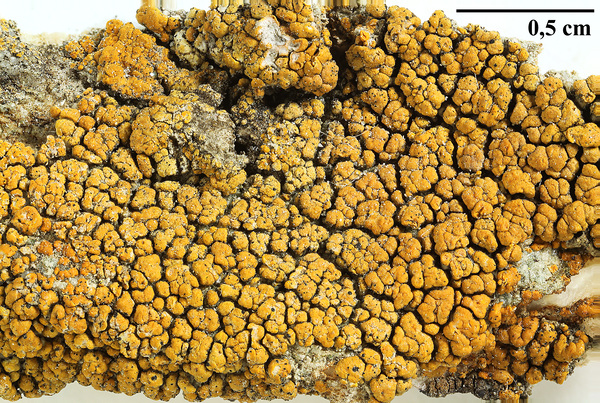
Felix Schumm; Owner: Felix Schumm - CC BY-SA 4.0
[B 60 0104679]; Austria, Ost-Tirol, Central Alps, NE of Kals, near Lucknerhaus in Ködnitztal, along trail Lücknerhütte-Stüdlhütte,on green schist boulders in alpine meadow in valley bottom. 47°03’ N, 12°,40’ E, 2500 m. Leg. H. Sipman, 4.09.1998 (nr. 43644), det. H. Sipman, 1999.
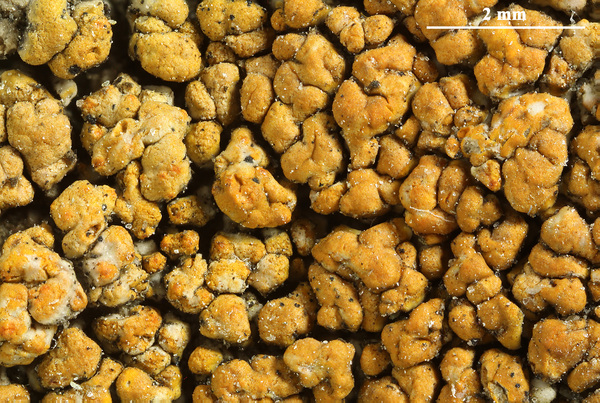
Felix Schumm; Owner: Felix Schumm - CC BY-SA 4.0
[B 60 0104679]; Austria, Ost-Tirol, Central Alps, NE of Kals, near Lucknerhaus in Ködnitztal, along trail Lücknerhütte-Stüdlhütte,on green schist boulders in alpine meadow in valley bottom. 47°03’ N, 12°,40’ E, 2500 m. Leg. H. Sipman, 4.09.1998 (nr. 43644), det. H. Sipman, 1999.
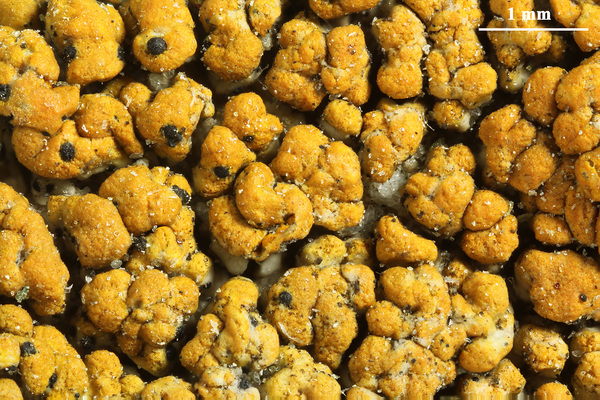
Felix Schumm; Owner: Felix Schumm - CC BY-SA 4.0
[B 60 0104679]; Austria, Ost-Tirol, Central Alps, NE of Kals, near Lucknerhaus in Ködnitztal, along trail Lücknerhütte-Stüdlhütte,on green schist boulders in alpine meadow in valley bottom. 47°03’ N, 12°,40’ E, 2500 m. Leg. H. Sipman, 4.09.1998 (nr. 43644), det. H. Sipman, 1999.
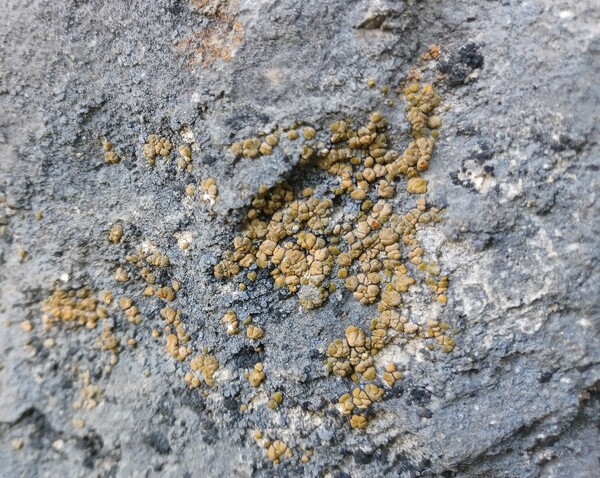
Juri Nascimbene CC BY-SA 4.0
Italy, Trentino Alto Adige, TN, Monte Totoga, Primiero
15.06.2022
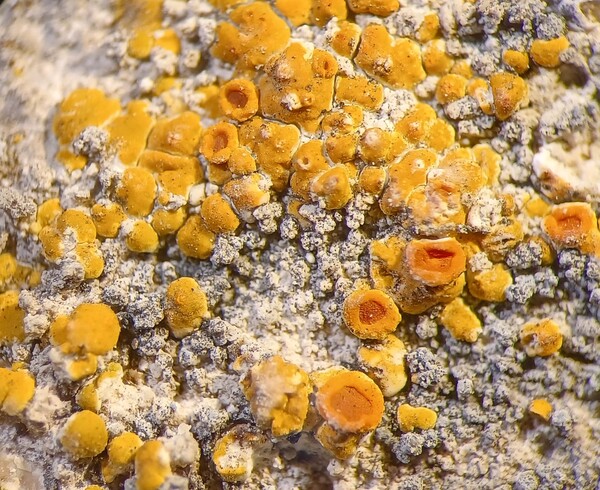
Juri Nascimbene CC BY-SA 4.0
Italy, Trentino Alto Adige, TN, Monte Totoga, Primiero
15.06.2022
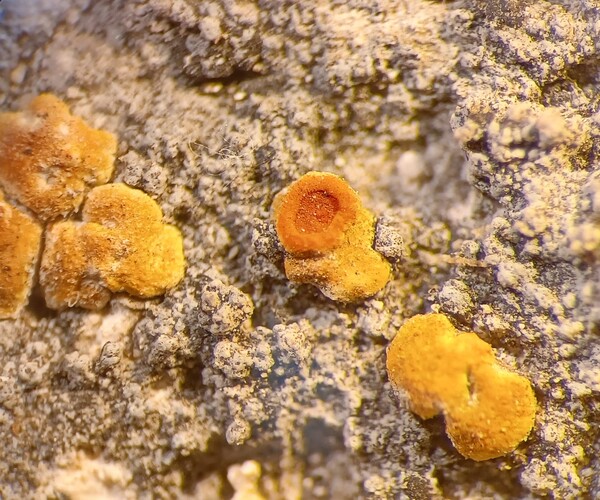
Juri Nascimbene CC BY-SA 4.0
Italy, Trentino Alto Adige, TN, Monte Totoga, Primiero
15.06.2022
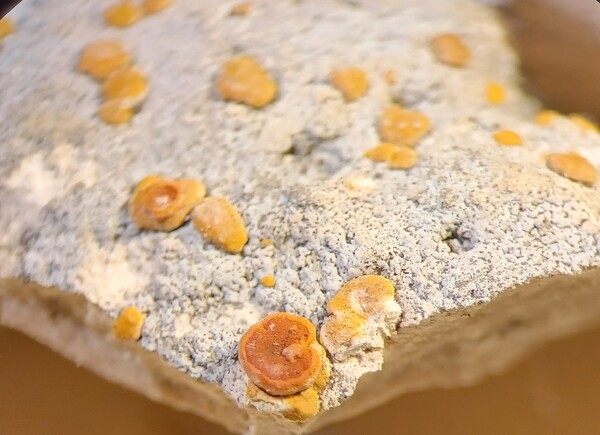
Juri Nascimbene CC BY-SA 4.0
Italy, Trentino Alto Adige, TN, Monte Totoga, Primiero
15.06.2022
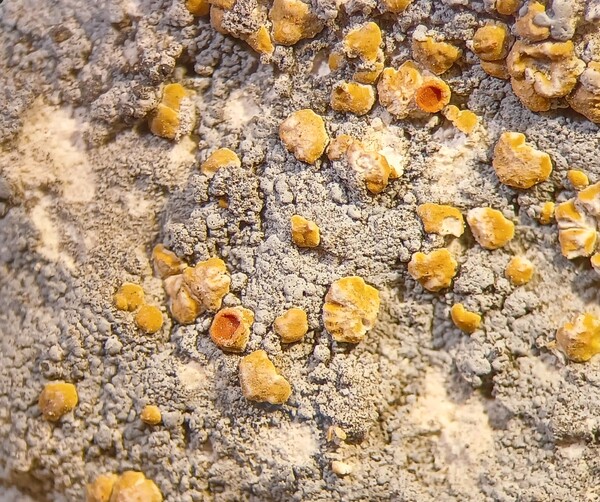
Juri Nascimbene CC BY-SA 4.0
Italy, Trentino Alto Adige, TN, Monte Totoga, Primiero
15.06.2022
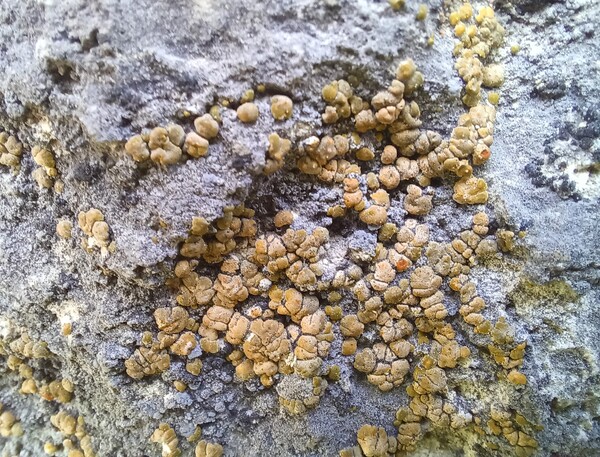
Juri Nascimbene CC BY-SA 4.0
Italy, Trentino Alto Adige, TN, Monte Totoga, Primiero
15.06.2022
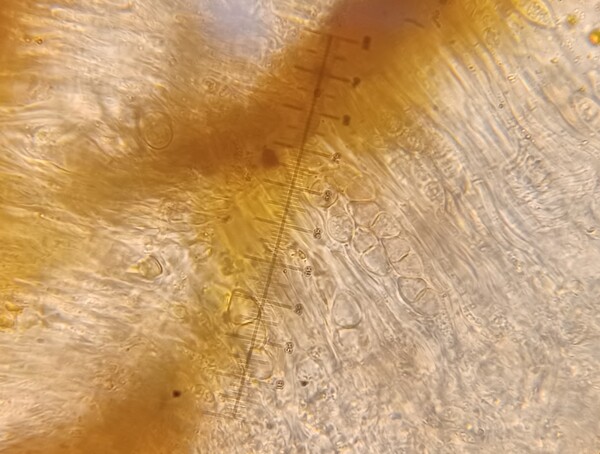
Juri Nascimbene CC BY-SA 4.0
Italy, Trentino Alto Adige, TN, Monte Totoga, Primiero
15.06.2022
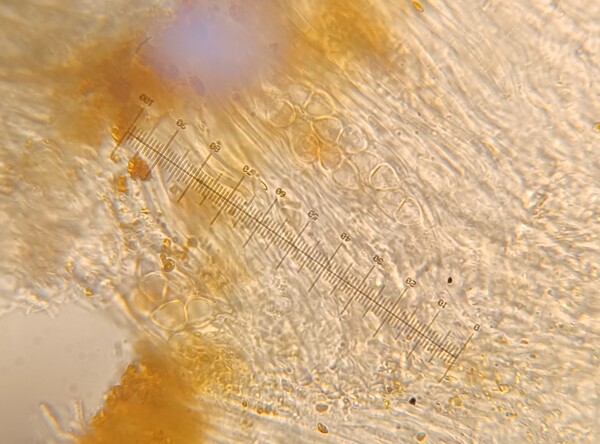
Juri Nascimbene CC BY-SA 4.0
Italy, Trentino Alto Adige, TN, Monte Totoga, Primiero
15.06.2022
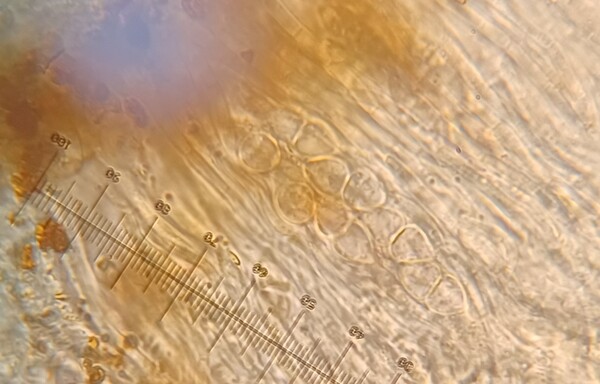
Juri Nascimbene CC BY-SA 4.0
Italy, Trentino Alto Adige, TN, Monte Totoga, Primiero
15.06.2022
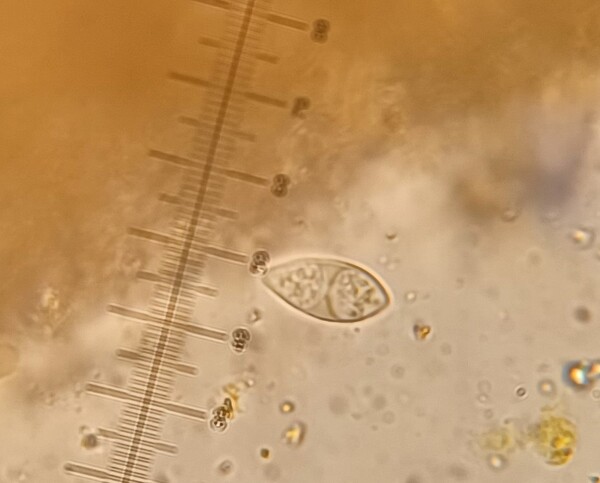
Juri Nascimbene CC BY-SA 4.0
Italy, Trentino Alto Adige, TN, Monte Totoga, Primiero
15.06.2022
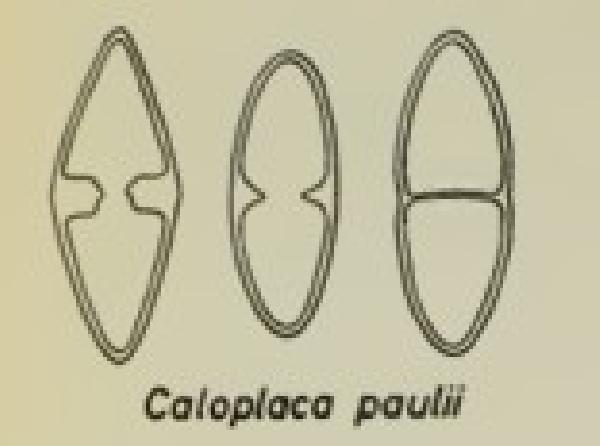
Source: Poelt J. (1965) Mitt. Bot. Staatssamml. München 5: 571-607 Über einige Artengruppen der Flechtengattungen Caloplaca und Fulgensia.
Growth form: Crustose
Substrata: rocks
Photobiont: green algae other than Trentepohlia
Reproductive strategy: mainly sexual
Commonnes-rarity: (info)
Alpine belt: extremely rare
Subalpine belt: extremely rare
Montane belt: extremely rare
Dry submediterranean belt: absent
Humid submediterranean belt: absent
Padanian area: absent
pH of the substrata:
| 1 | 2 | 3 | 4 | 5 |
Solar irradiation:
| 1 | 2 | 3 | 4 | 5 |
Aridity:
| 1 | 2 | 3 | 4 | 5 |
Eutrophication:
| 1 | 2 | 3 | 4 | 5 |
Poleotolerance:
| 0 | 1 | 2 | 3 |
Altitudinal distribution:
| 1 | 2 | 3 | 4 | 5 | 6 |
Rarity
absent
extremely rare
very rare
rare
rather rare
rather common
common
very common
extremely common
Loading data...
Occurrence data
Predictive map
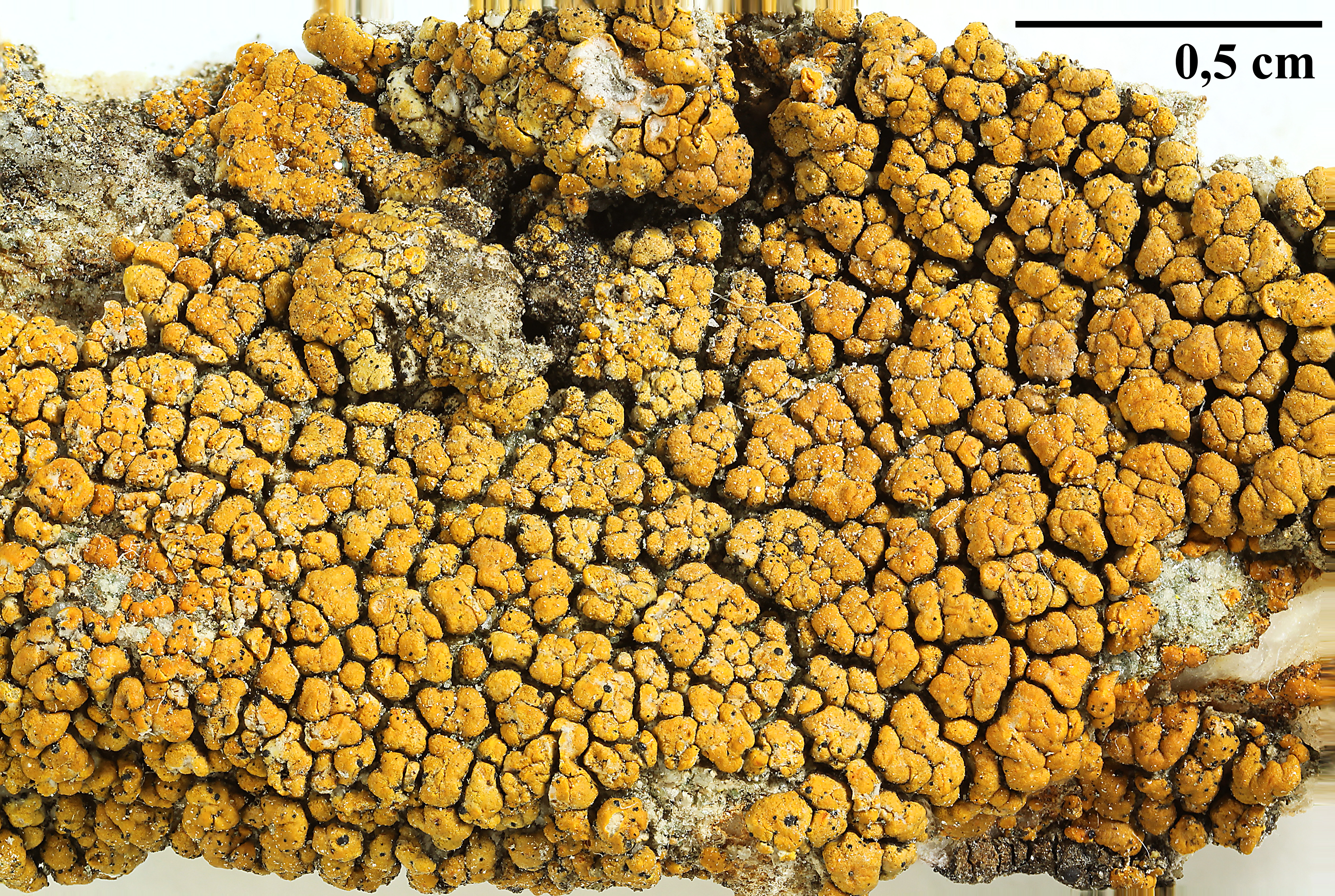
Felix Schumm; Owner: Felix Schumm - CC BY-SA 4.0
[B 60 0104679]; Austria, Ost-Tirol, Central Alps, NE of Kals, near Lucknerhaus in Ködnitztal, along trail Lücknerhütte-Stüdlhütte,on green schist boulders in alpine meadow in valley bottom. 47°03’ N, 12°,40’ E, 2500 m. Leg. H. Sipman, 4.09.1998 (nr. 43644), det. H. Sipman, 1999.
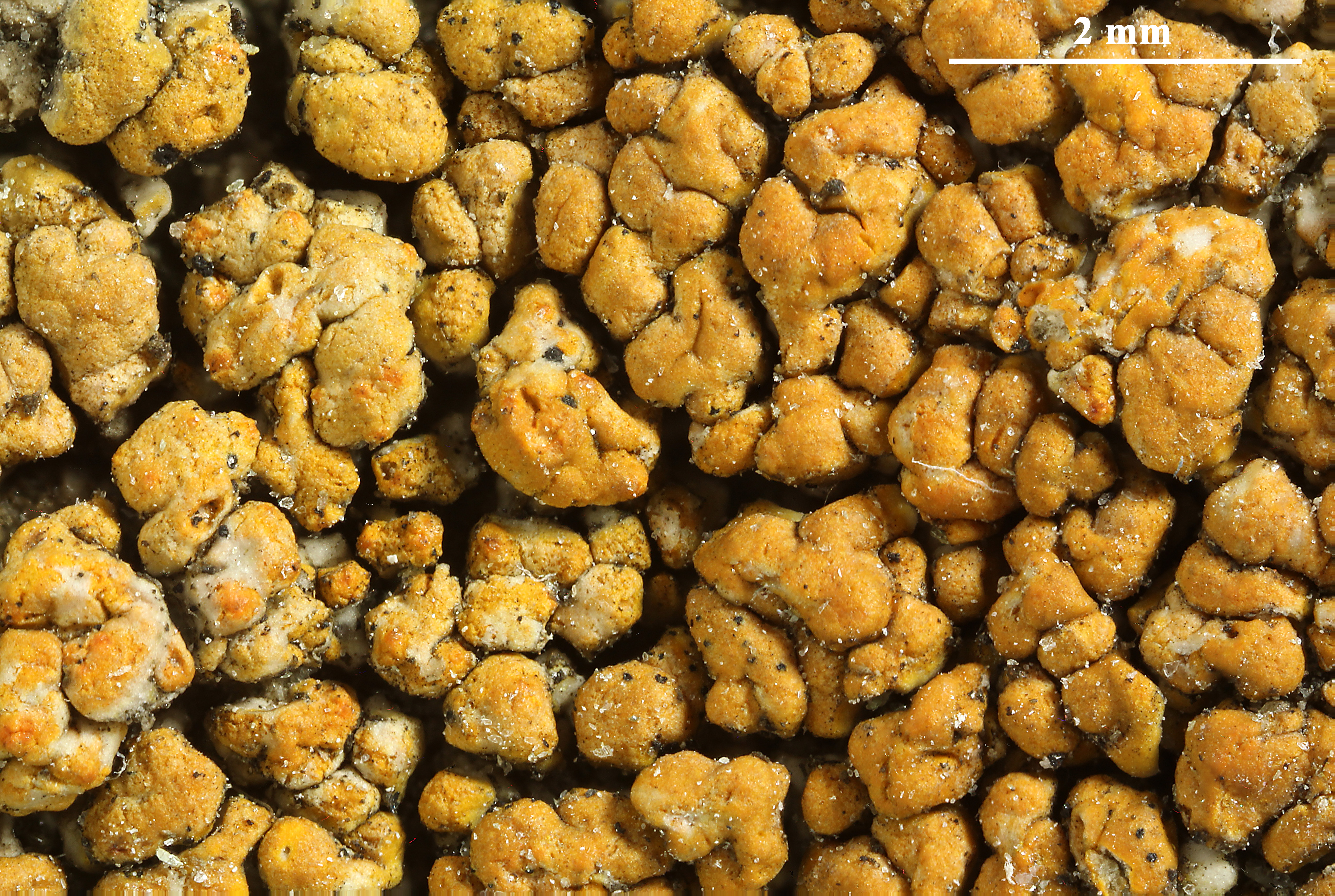
Felix Schumm; Owner: Felix Schumm - CC BY-SA 4.0
[B 60 0104679]; Austria, Ost-Tirol, Central Alps, NE of Kals, near Lucknerhaus in Ködnitztal, along trail Lücknerhütte-Stüdlhütte,on green schist boulders in alpine meadow in valley bottom. 47°03’ N, 12°,40’ E, 2500 m. Leg. H. Sipman, 4.09.1998 (nr. 43644), det. H. Sipman, 1999.
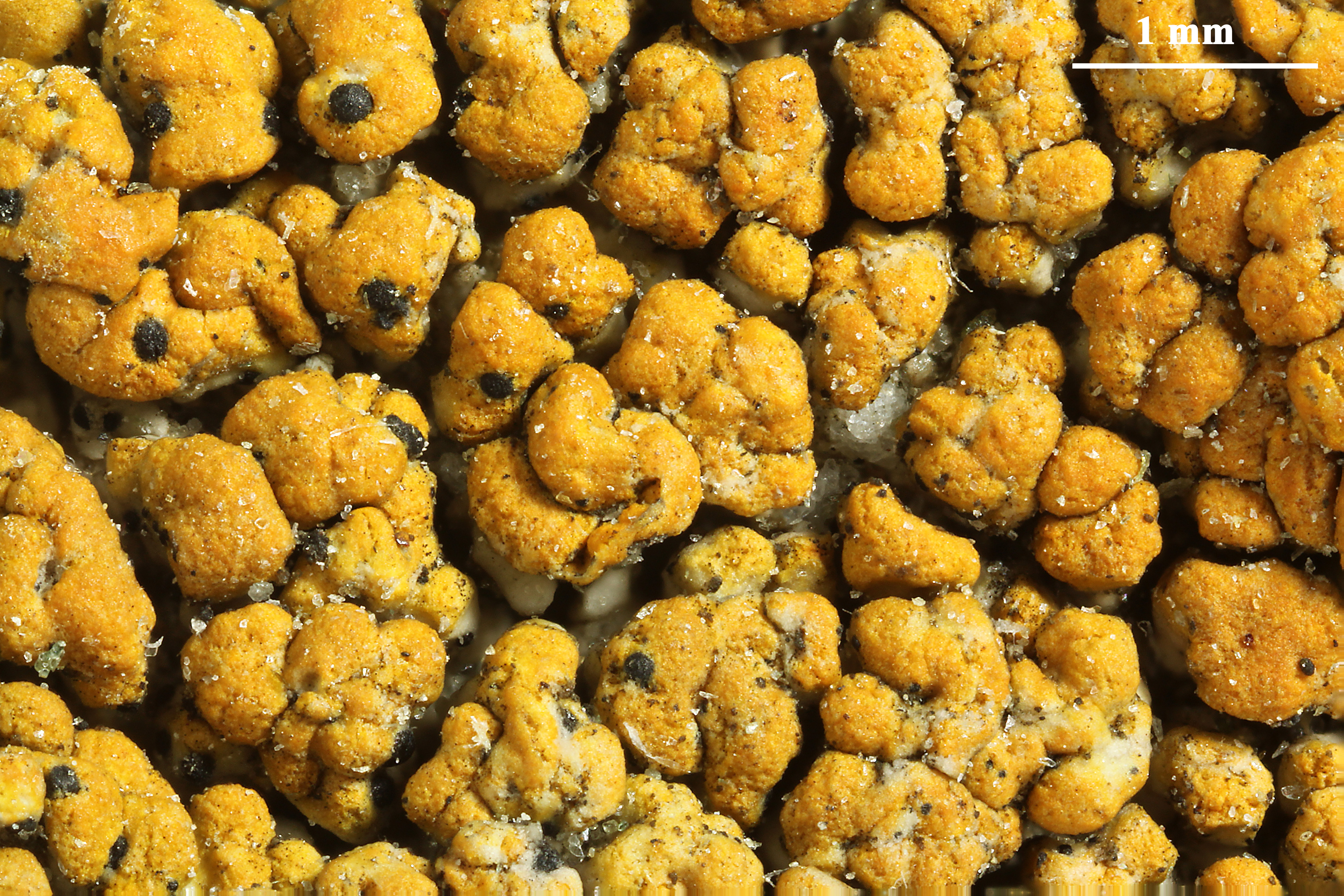
Felix Schumm; Owner: Felix Schumm - CC BY-SA 4.0
[B 60 0104679]; Austria, Ost-Tirol, Central Alps, NE of Kals, near Lucknerhaus in Ködnitztal, along trail Lücknerhütte-Stüdlhütte,on green schist boulders in alpine meadow in valley bottom. 47°03’ N, 12°,40’ E, 2500 m. Leg. H. Sipman, 4.09.1998 (nr. 43644), det. H. Sipman, 1999.
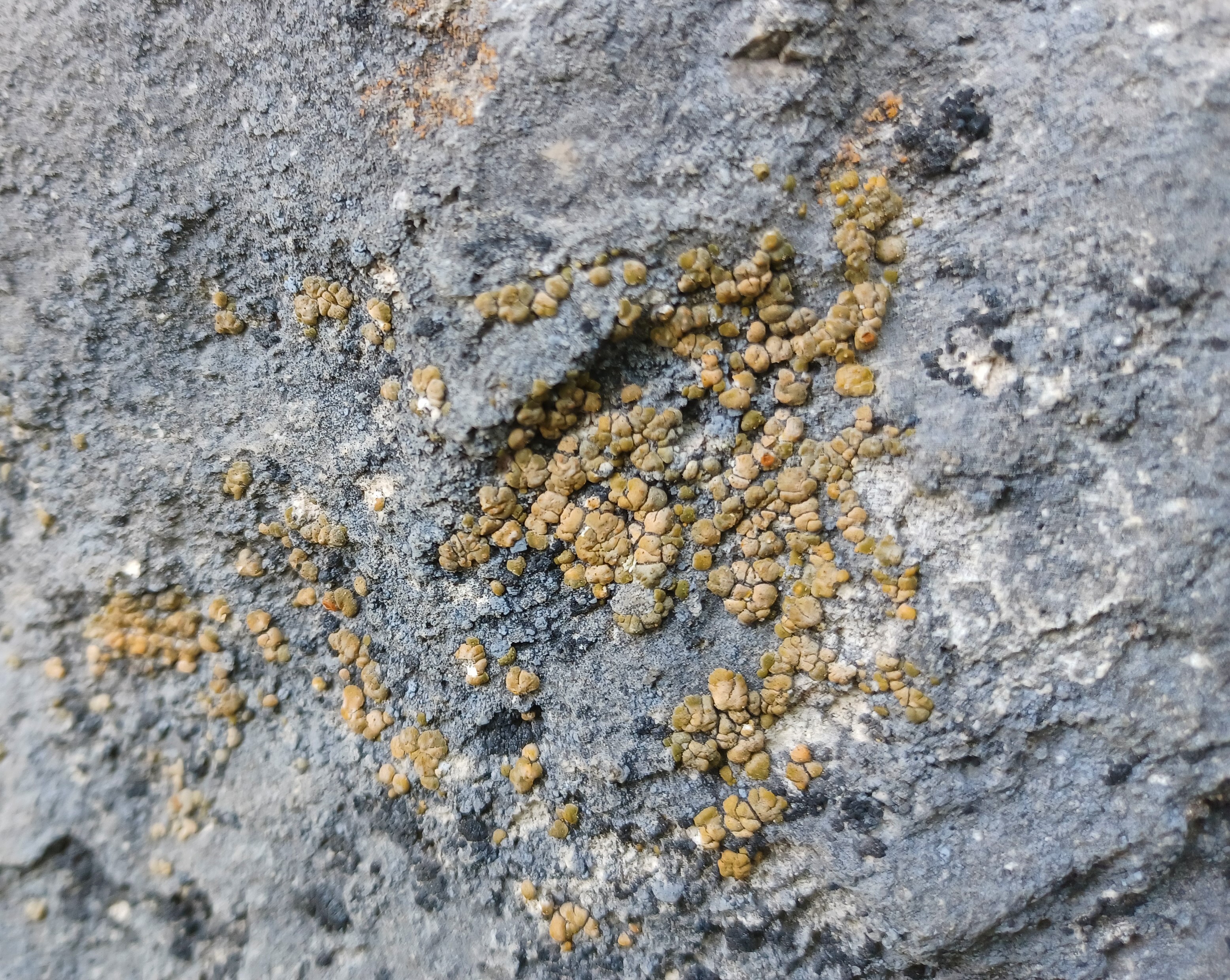
Juri Nascimbene CC BY-SA 4.0
Italy, Trentino Alto Adige, TN, Monte Totoga, Primiero
15.06.2022
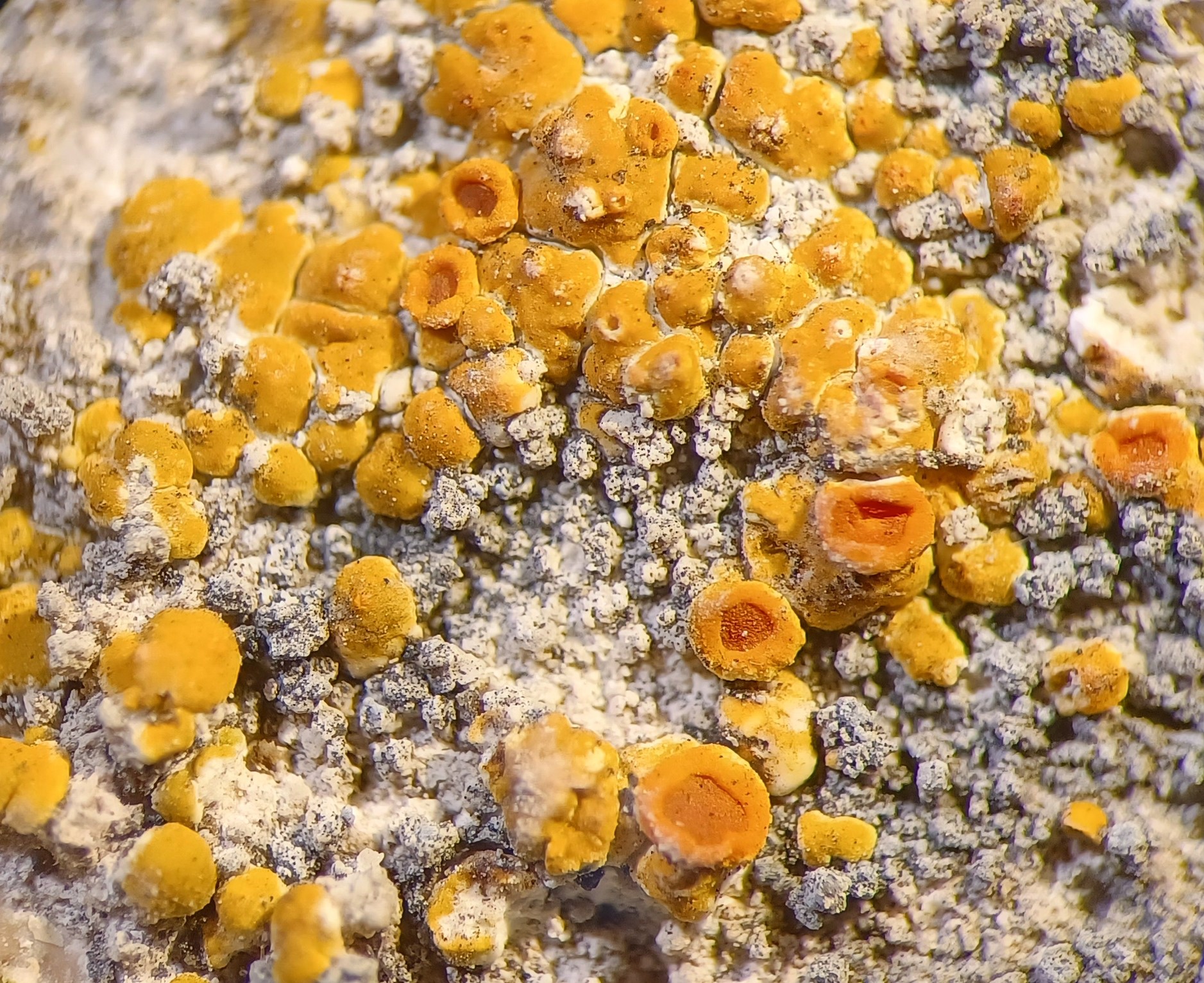
Juri Nascimbene CC BY-SA 4.0
Italy, Trentino Alto Adige, TN, Monte Totoga, Primiero
15.06.2022
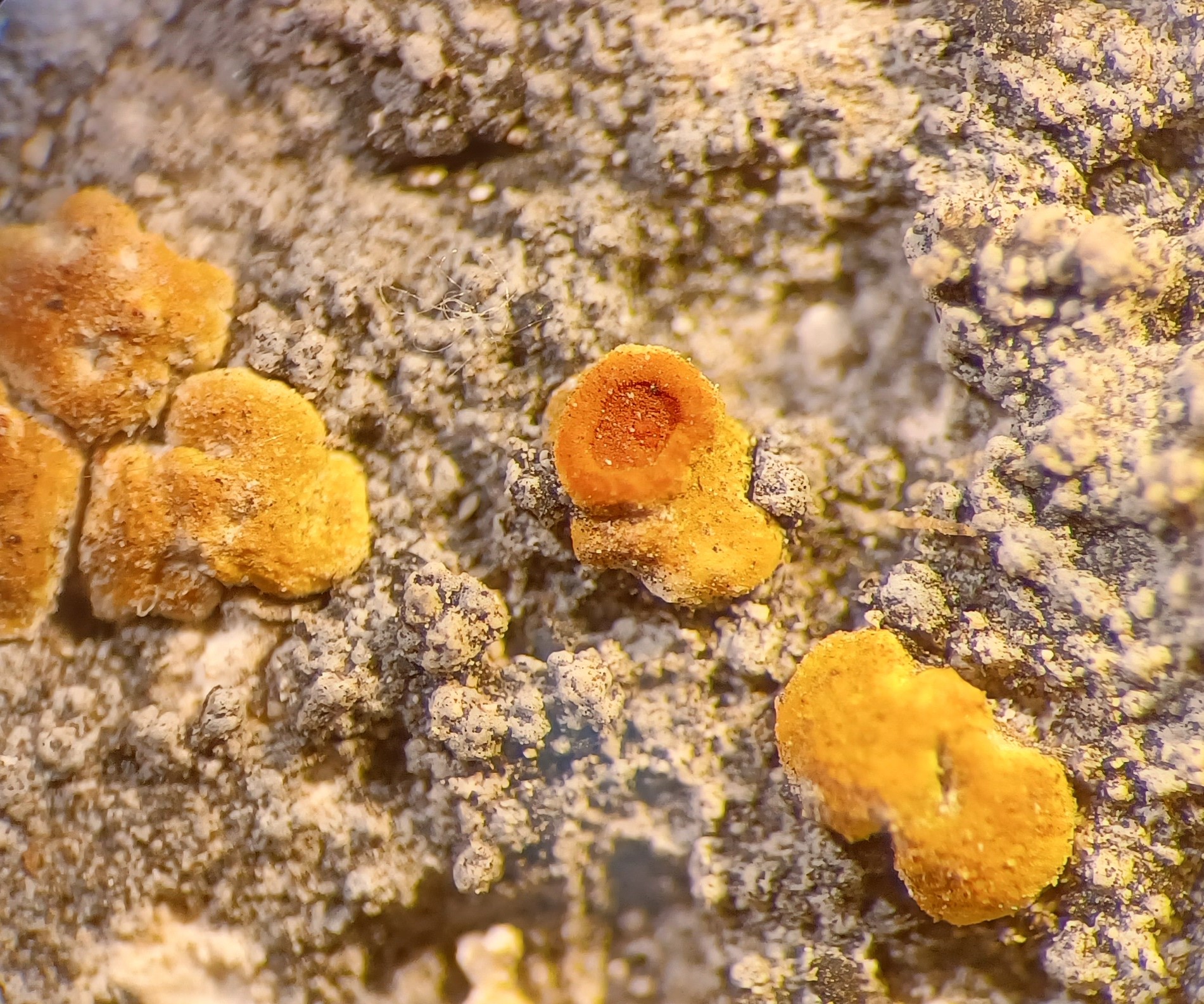
Juri Nascimbene CC BY-SA 4.0
Italy, Trentino Alto Adige, TN, Monte Totoga, Primiero
15.06.2022
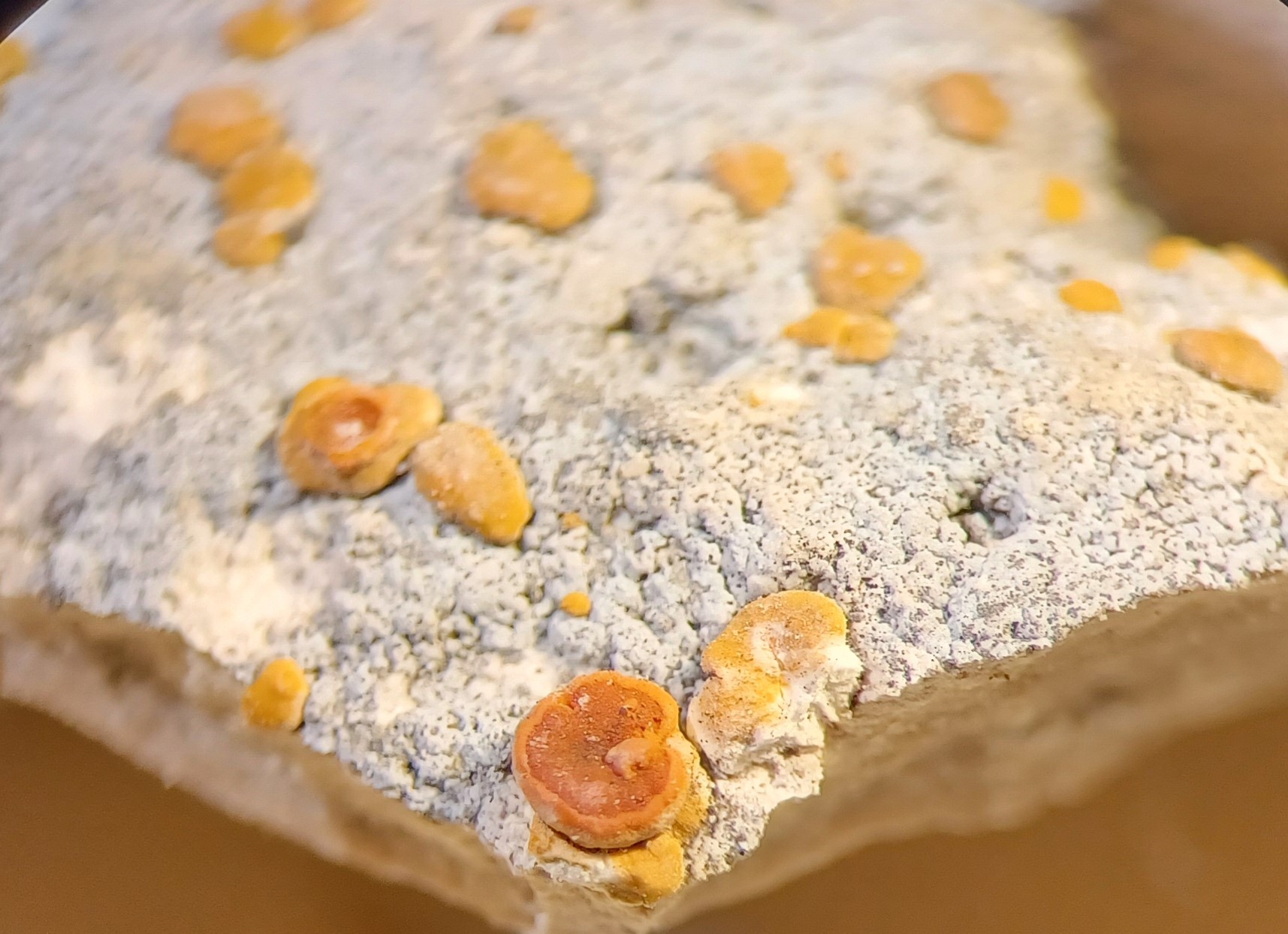
Juri Nascimbene CC BY-SA 4.0
Italy, Trentino Alto Adige, TN, Monte Totoga, Primiero
15.06.2022
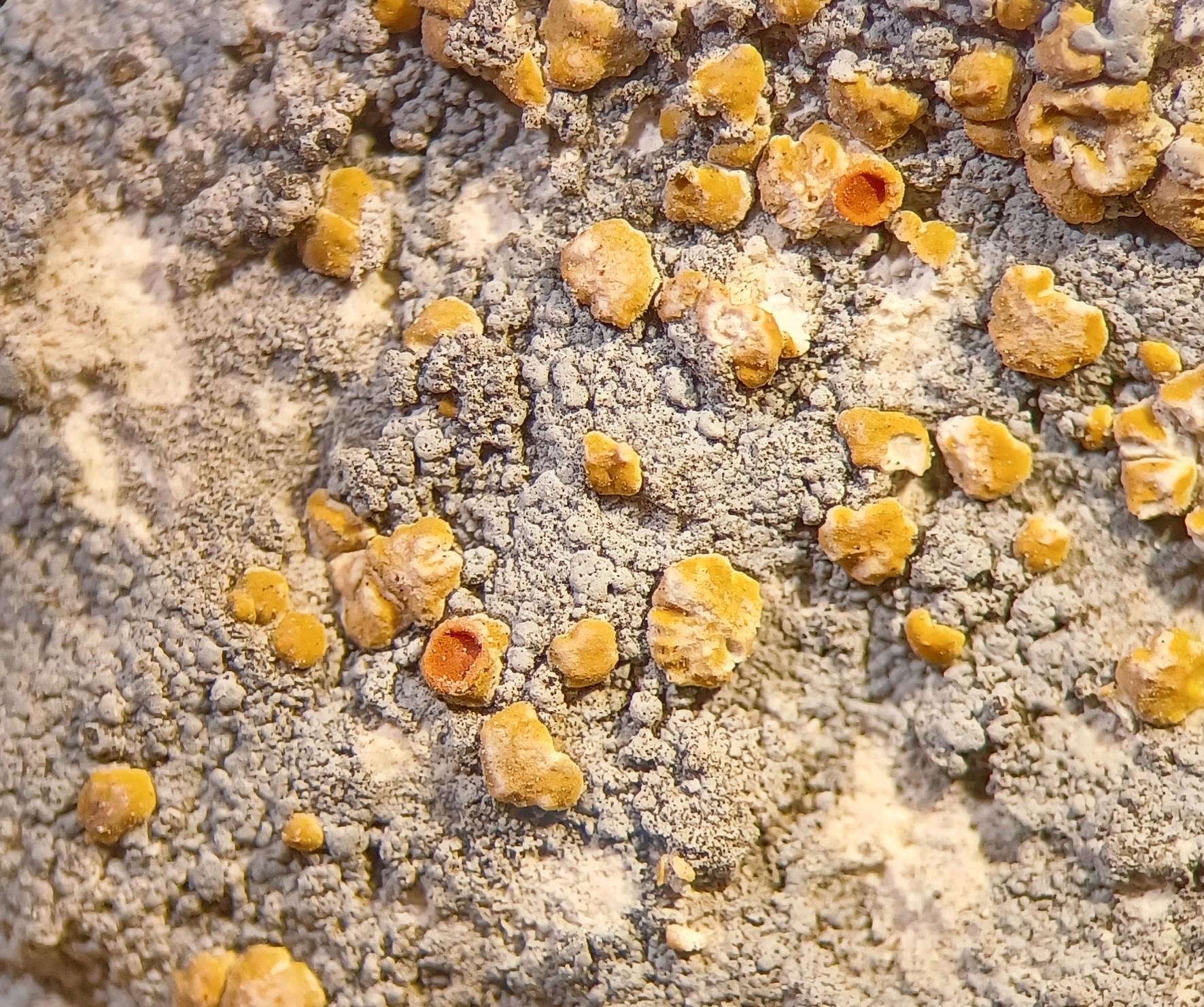
Juri Nascimbene CC BY-SA 4.0
Italy, Trentino Alto Adige, TN, Monte Totoga, Primiero
15.06.2022
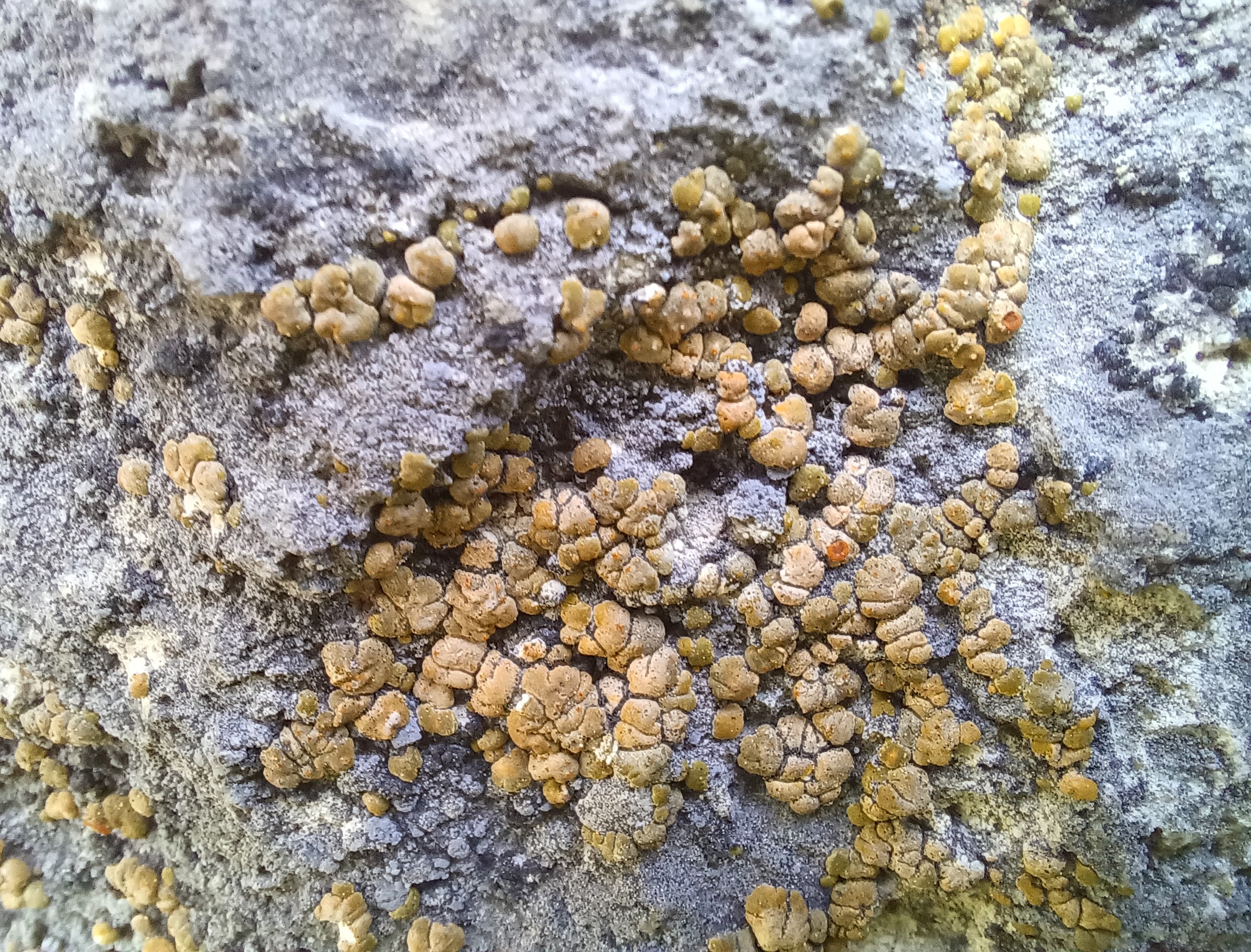
Juri Nascimbene CC BY-SA 4.0
Italy, Trentino Alto Adige, TN, Monte Totoga, Primiero
15.06.2022
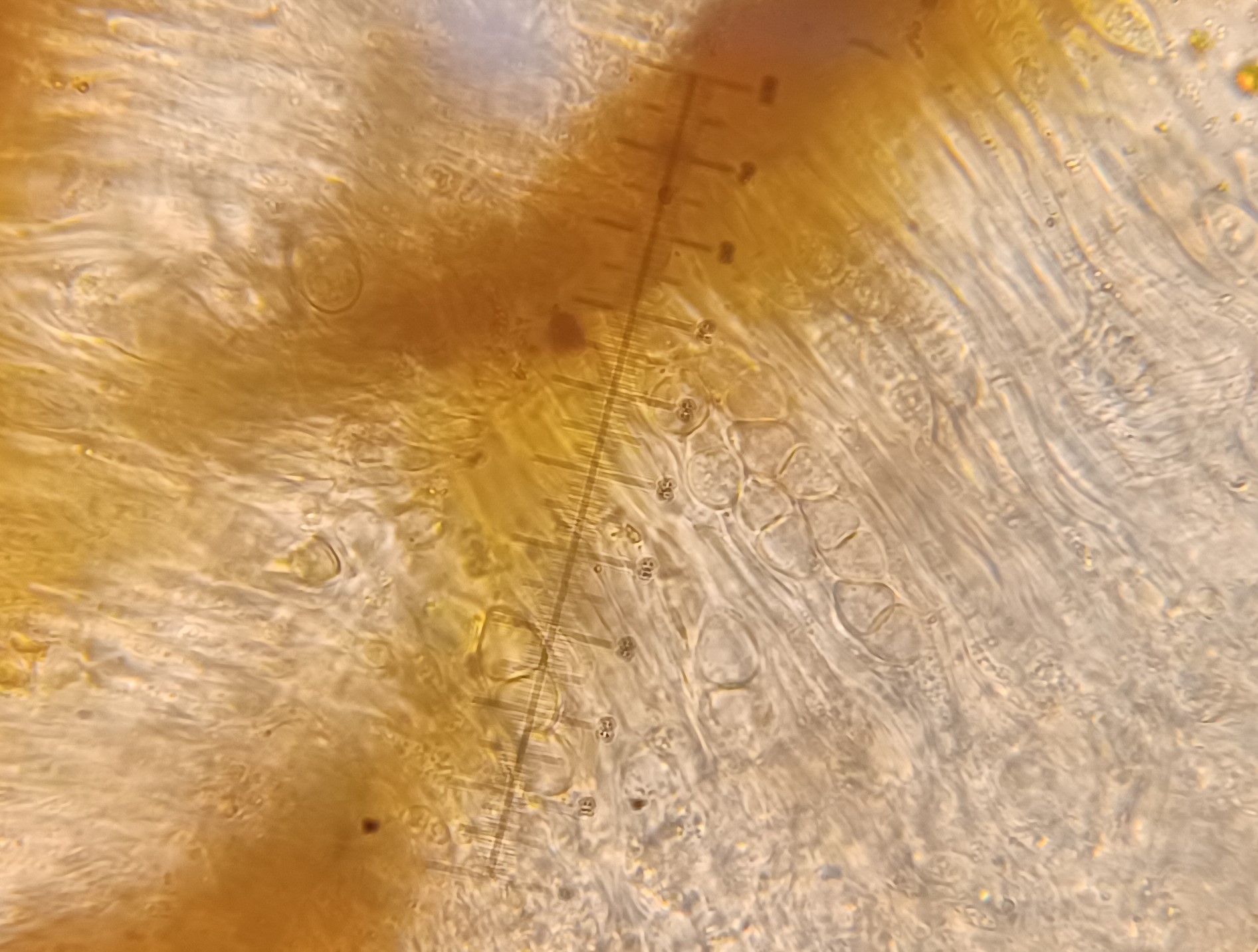
Juri Nascimbene CC BY-SA 4.0
Italy, Trentino Alto Adige, TN, Monte Totoga, Primiero
15.06.2022
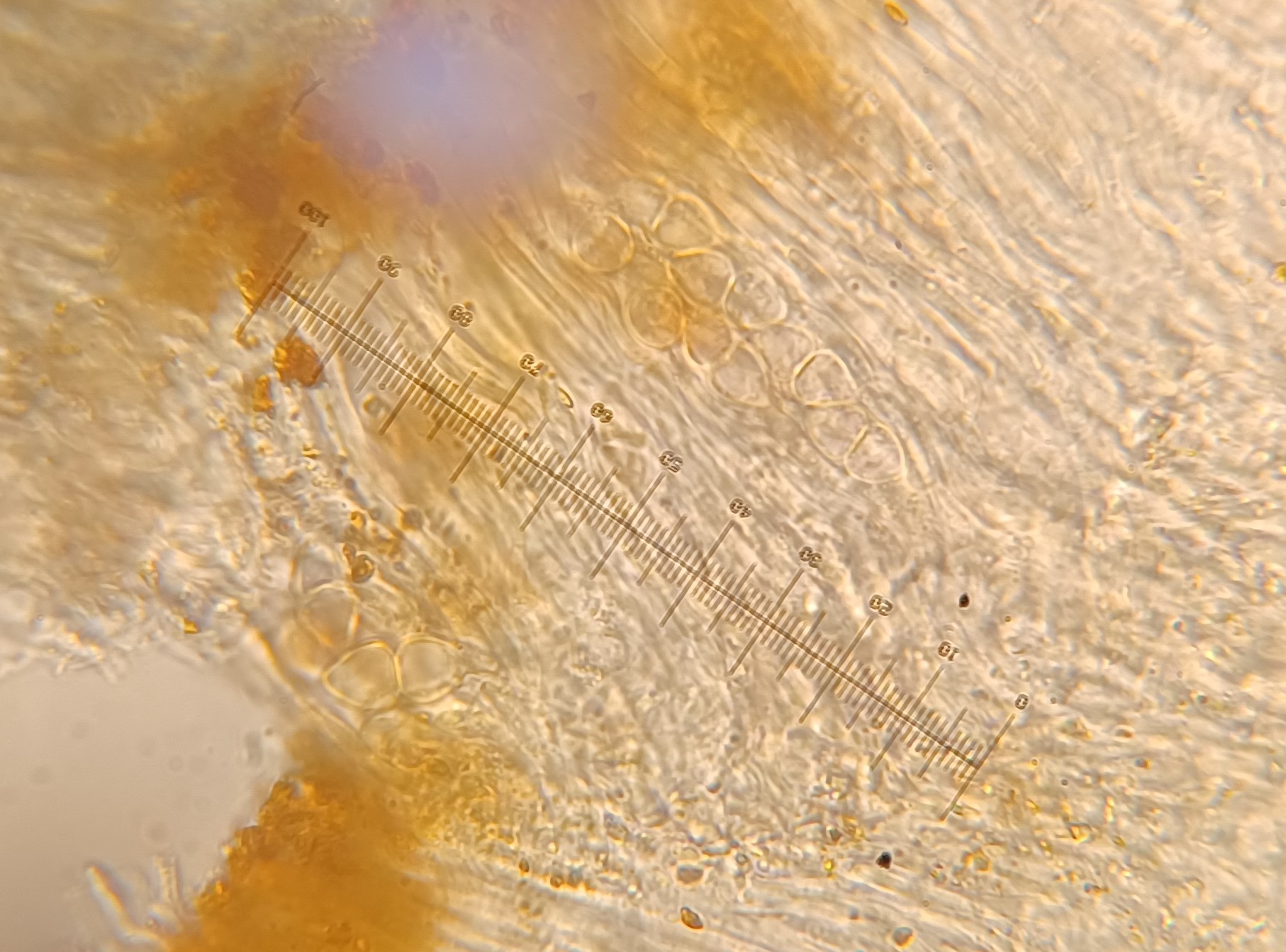
Juri Nascimbene CC BY-SA 4.0
Italy, Trentino Alto Adige, TN, Monte Totoga, Primiero
15.06.2022
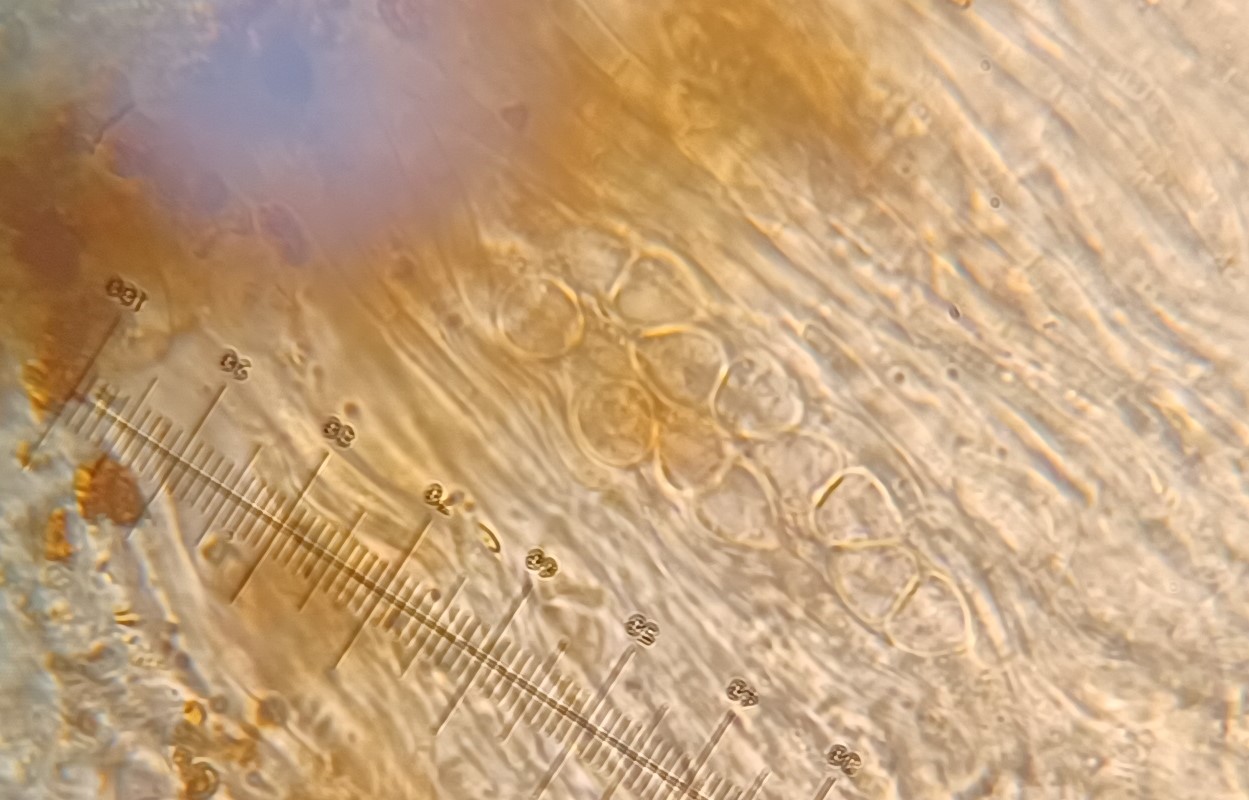
Juri Nascimbene CC BY-SA 4.0
Italy, Trentino Alto Adige, TN, Monte Totoga, Primiero
15.06.2022
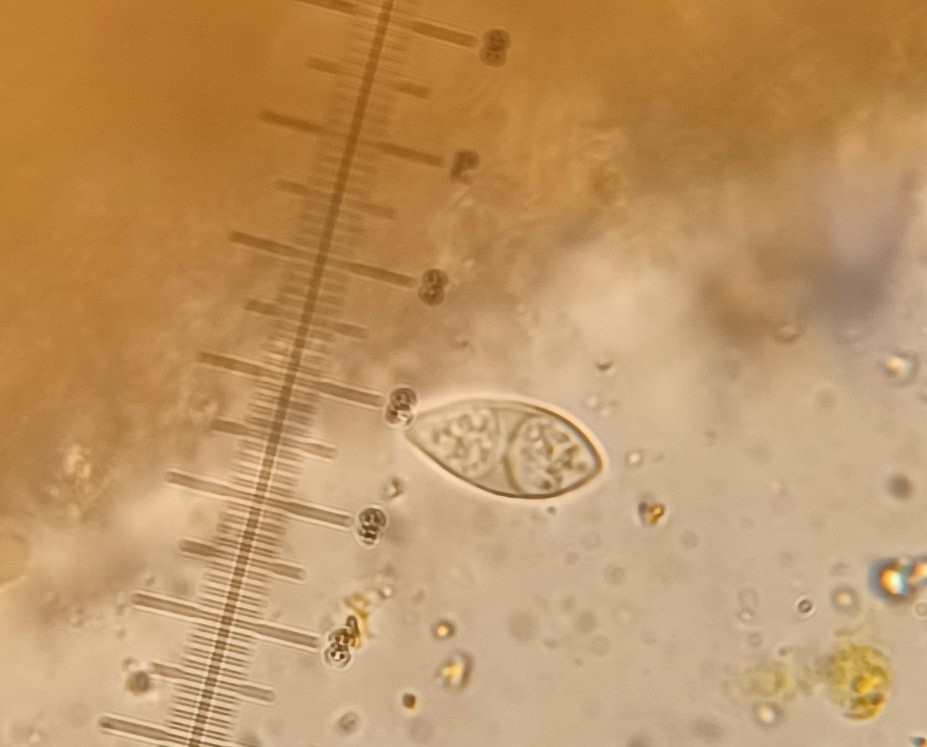
Juri Nascimbene CC BY-SA 4.0
Italy, Trentino Alto Adige, TN, Monte Totoga, Primiero
15.06.2022