Stereocaulon vesuvianum var. nodulosum (Wallr.) I.M. Lamb
in Poelt, Bestimmungss. europ. Flechten: 633, 1969.. Basionym: Patellaria paschalis var. nodulosa Wallr. - Fl. crypt. Germ., 1: 441, 1831.
Synonyms: Stereocaulon denudatum Flörke; Stereocaulon denudatum Flörke var. depressum H. Magn.; Stereocaulon vesuvianum Pers. f. depressum (H. Magn.) I.M. Lamb; Stereocaulon vesuvianum Pers. var. denudatum (Flörke) I.M. Lamb ex Poelt comb. inval.; Stereocaulon vesuvianum Pers. var. depressum (H. Magn.) I.M. Lamb
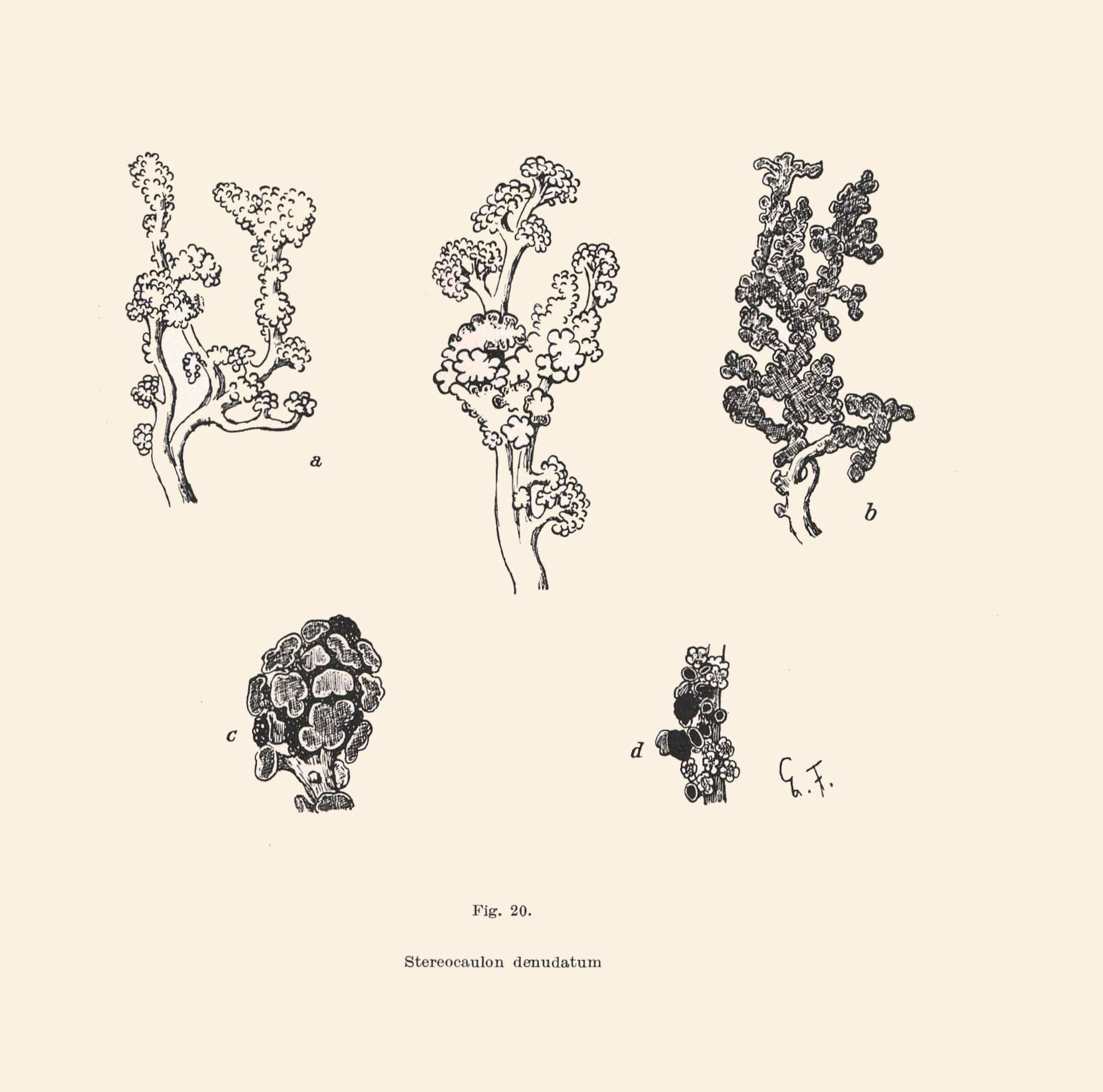
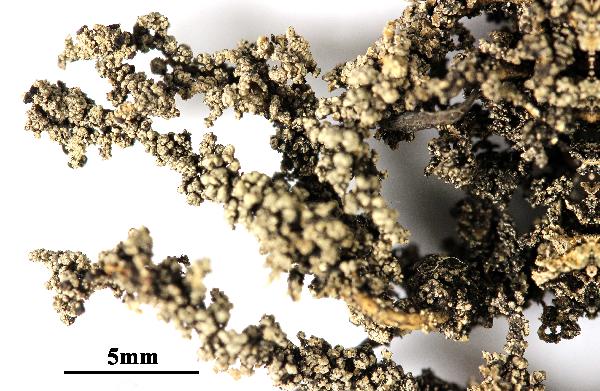
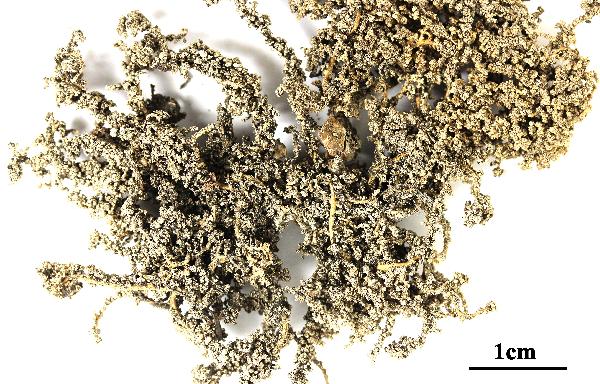
Description: Primary thallus crustose, ephemeral, usually absent in mature individuals, secondary thallus fruticose. Pseudopodetia loosely clustered, 1-4 cm tall, firmly attached, more or less caespitose, erect to decumbent, completely glabrous, whitish or greyish, dark at the base, branched in upper part, most often sorediate, with a solid cartilaginous axis of parallel hyphae surrounded by a lax medulla. Phyllocladia in most cases almost entirely covering the pseudopodetia, small, often verrucose, the largest ones peltate, flattened or concave, at least some of them with a dark olive-coloured central part and paler margins, partly confluent, forming plate-like squamules. Soralia globose, mostly terminal. Cephalodia rare, verruculose, dark olive brown, containing Stigonema. Apothecia very rare, 0.5.1 mm across, on lateral branches, with a dark brown disc. Paraphyses simple, slightly thickened above, with a dark cap; hymenium and hypothecium colourless. Asci 8-spored, clavate to cylindrical, Porpidia-type. Ascospores 3-6-septate, hyaline, fusiform. Spot tests: thallus K+ yellow (rarely K+ yellow turning red), C-, KC-, P+ orange, UV-. Chemistry: atranorin, plus variable amounts of stictic and sometimes norstictic acids.
Growth form: Fruticose
Substrata: rocks
Photobiont: green algae other than Trentepohlia (primary); cyanobacteria, filamentous (e.g. Nostoc, Scytonema) (secundary, e.g. in cephalodia)
Reproductive strategy: mainly sexual
Species of metal-rich rocks
Poorly known taxon in need of further study
Commonnes-rarity: (info)
Alpine belt: absent
Subalpine belt: extremely rare
Montane belt: extremely rare
Dry submediterranean belt: absent
Humid submediterranean belt: absent
Padanian area: absent
pH of the substrata:
1 2 3 4 5

Solar irradiation:
1 2 3 4 5
Aridity:
1 2 3 4 5
Eutrophication:
1 2 3 4 5
Poleotolerance:
0 1 2 3
Altitudinal distribution:
1 2 3 4 5 6
Rarity
absent
extremely rare
very rare
rare
rather rare
rather common
common
very common
extremely common
Loading data...
Occurrence data
Predictive map
Felix Schumm - CC BY 4.0
[VZ1284] Bohemoslovacia. Slovacia, Carpates, Tatra Minor: distr.
Banská Bystria, Špania dolina, 900 m. Ad lapides prope metalla cupri
vetusta. Leg, A. V zda, 14.9.1974, det. M. I. Lamb. - Annot.: Pro
Monogr. Stereoc. Univ. sumptum, no. 10104, M. I. Lamb. - EX A.
VEZDA LICHENES SELECTI EXSICCATI NR. 1284.
Felix Schumm - CC BY 4.0
[VZ1284] Bohemoslovacia. Slovacia, Carpates, Tatra Minor: distr.
Banská Bystria, Špania dolina, 900 m. Ad lapides prope metalla cupri
vetusta. Leg, A. V zda, 14.9.1974, det. M. I. Lamb. - Annot.: Pro
Monogr. Stereoc. Univ. sumptum, no. 10104, M. I. Lamb. - EX A.
VEZDA LICHENES SELECTI EXSICCATI NR. 1284.
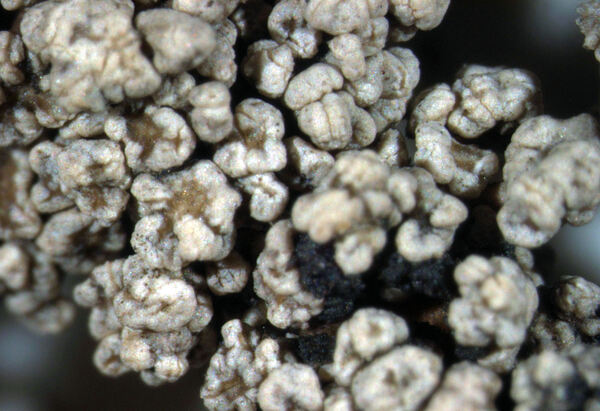
P.L. Nimis CC BY-SA 4.0
TSB 9508
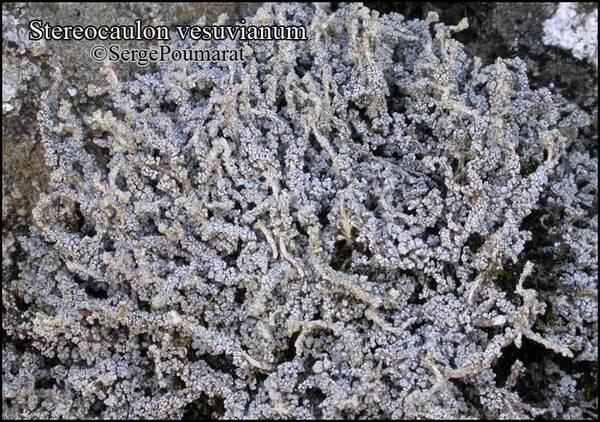
Courtesy Danièle et Olivier Gonnet - Source: https://www.afl-lichenologie.fr/Photos_AFL/Photos_AFL_S/Text_S/Stereocaulon_vesuvianum.htm
France, session AFL 2013 - Puy-de-Dôme
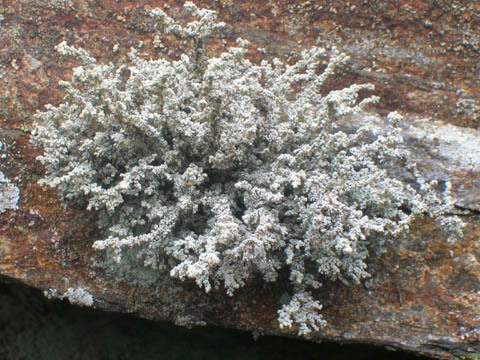
Damien Ertz – Source: http://www.lichenology.info/cgi-bin/baseportal.pl?htx=atlas_frm&newId=2159
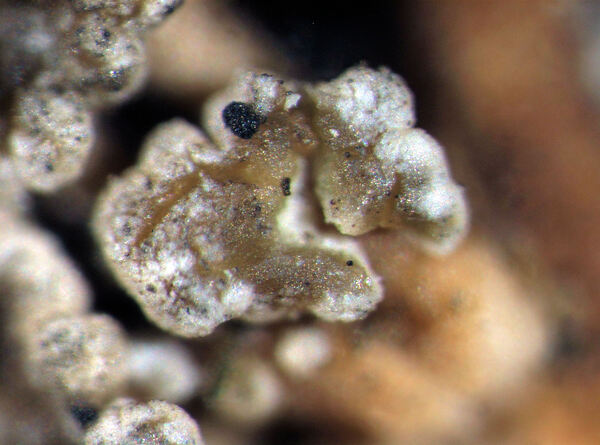
P.L. Nimis CC BY-SA 4.0
TSB 9508
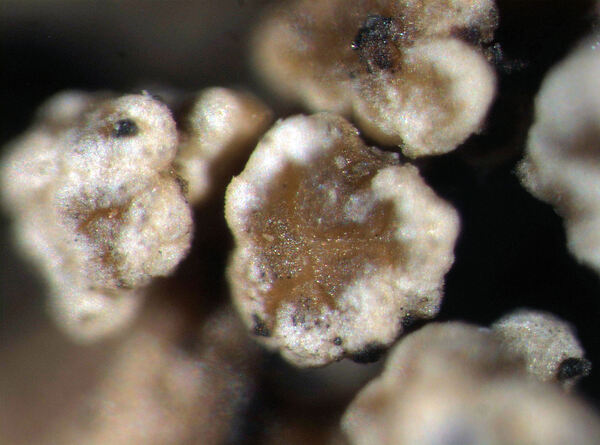
P.L. Nimis CC BY-SA 4.0
TSB 9508
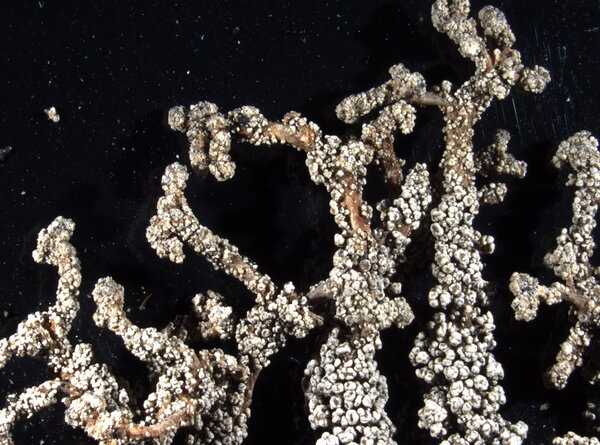
Pier Luigi Nimis CC BY-SA 4.0
TSB 9508
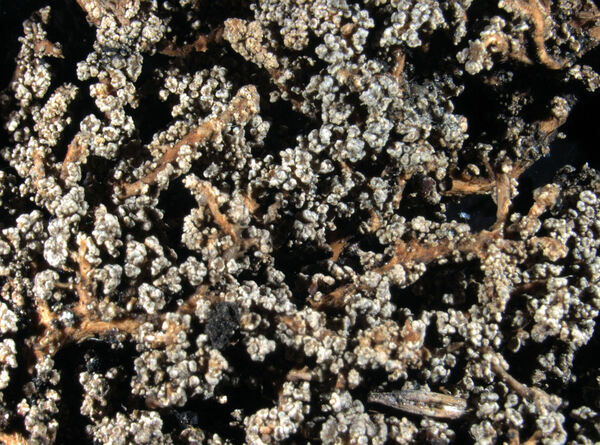
P.L. Nimis CC BY-SA 4.0
TSB 9508
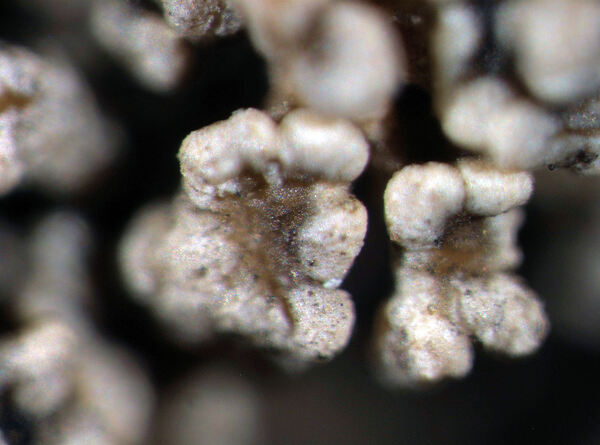
P.L. Nimis CC BY-SA 4.0
TSB 9508
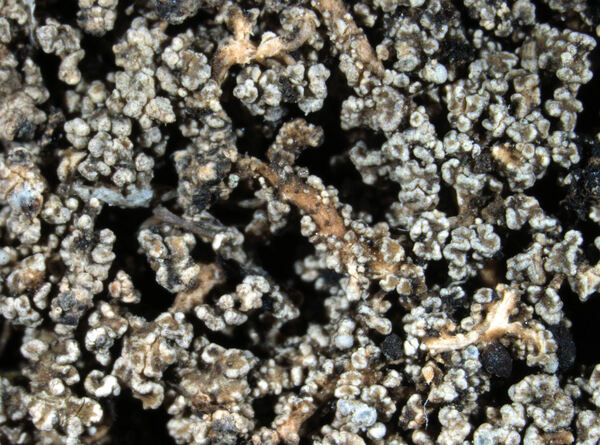
P.L. Nimis CC BY-SA 4.0
TSB 9508
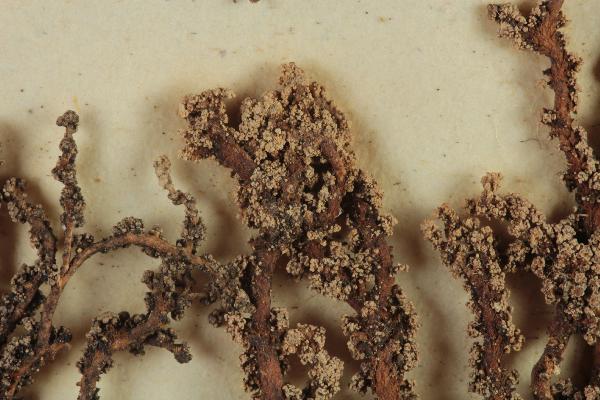
Collezione lichenologica Abramo Massalongo del Museo di Storia Naturale G. Ligabue di Venezia - Autori: Seggi, Linda; Trabucco, Raffaella Proprietà: Fondazione Musei Civici di Venezia - CC BY-NC
in M. Pelmo 1855
as Stereocaulon denudatum
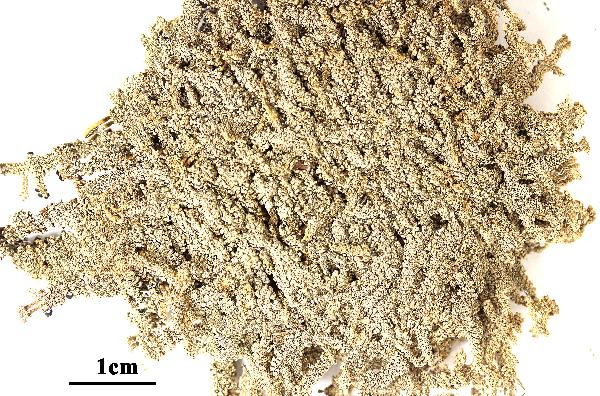
Felix Schumm - CC BY 4.0
[VZ1775], Gallia. Cantal. St. Paul, Puy Violent. Ad saxa basaltica venti
exposita. Leg. R. Schumacker (no. 800720/1) 20.7.1980, det. E. Sérusiaux
- Annot. from E. Sérusiaux: Forme exceptionnellement sorédée;
TlC: atranorine, acides norsticticque, stictique et consticticque, E.
Serusiaux. - EX A. VEZDA LICHENES SELECTI EXSICCATI NR. 1775.
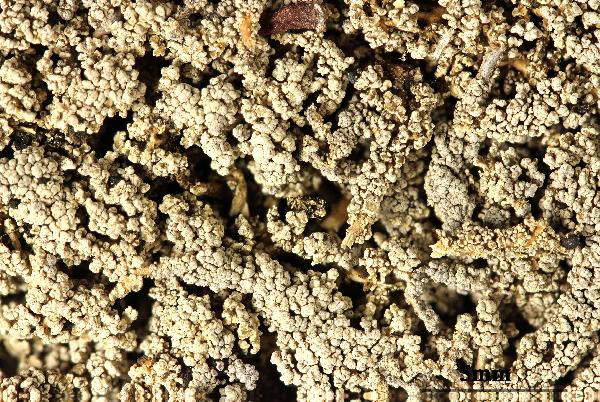
Felix Schumm - CC BY 4.0
[VZ1775], Gallia. Cantal. St. Paul, Puy Violent. Ad saxa basaltica venti
exposita. Leg. R. Schumacker (no. 800720/1) 20.7.1980, det. E. Sérusiaux
- Annot. from E. Sérusiaux: Forme exceptionnellement sorédée;
TlC: atranorine, acides norsticticque, stictique et consticticque, E.
Serusiaux. - EX A. VEZDA LICHENES SELECTI EXSICCATI NR. 1775.
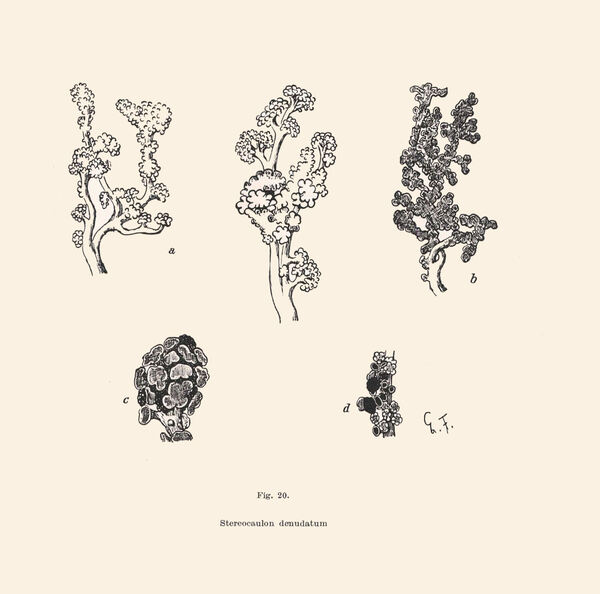
Frey E. 1933. Cladoniaceae (unter Ausschluß ded Gattung Cladonia) und Umbilicariaceae. In: Rabenhrst’s Kryptogamenflora von Deutschland, Österreich und der Schweiz. 15: 1-208.
As S. denudatum
Growth form: Fruticose
Substrata: rocks
Photobiont: green algae other than Trentepohlia (primary); cyanobacteria, filamentous (e.g. Nostoc, Scytonema) (secundary, e.g. in cephalodia)
Reproductive strategy: mainly sexual
Species of metal-rich rocks
Poorly known taxon in need of further study
Commonnes-rarity: (info)
Alpine belt: absent
Subalpine belt: extremely rare
Montane belt: extremely rare
Dry submediterranean belt: absent
Humid submediterranean belt: absent
Padanian area: absent
pH of the substrata:
| 1 | 2 | 3 | 4 | 5 |
Solar irradiation:
| 1 | 2 | 3 | 4 | 5 |
Aridity:
| 1 | 2 | 3 | 4 | 5 |
Eutrophication:
| 1 | 2 | 3 | 4 | 5 |
Poleotolerance:
| 0 | 1 | 2 | 3 |
Altitudinal distribution:
| 1 | 2 | 3 | 4 | 5 | 6 |
Rarity
absent
extremely rare
very rare
rare
rather rare
rather common
common
very common
extremely common
Loading data...
Occurrence data
Predictive map

Felix Schumm - CC BY 4.0
[VZ1284] Bohemoslovacia. Slovacia, Carpates, Tatra Minor: distr. Banská Bystria, Špania dolina, 900 m. Ad lapides prope metalla cupri vetusta. Leg, A. V zda, 14.9.1974, det. M. I. Lamb. - Annot.: Pro Monogr. Stereoc. Univ. sumptum, no. 10104, M. I. Lamb. - EX A. VEZDA LICHENES SELECTI EXSICCATI NR. 1284.

Felix Schumm - CC BY 4.0
[VZ1284] Bohemoslovacia. Slovacia, Carpates, Tatra Minor: distr. Banská Bystria, Špania dolina, 900 m. Ad lapides prope metalla cupri vetusta. Leg, A. V zda, 14.9.1974, det. M. I. Lamb. - Annot.: Pro Monogr. Stereoc. Univ. sumptum, no. 10104, M. I. Lamb. - EX A. VEZDA LICHENES SELECTI EXSICCATI NR. 1284.
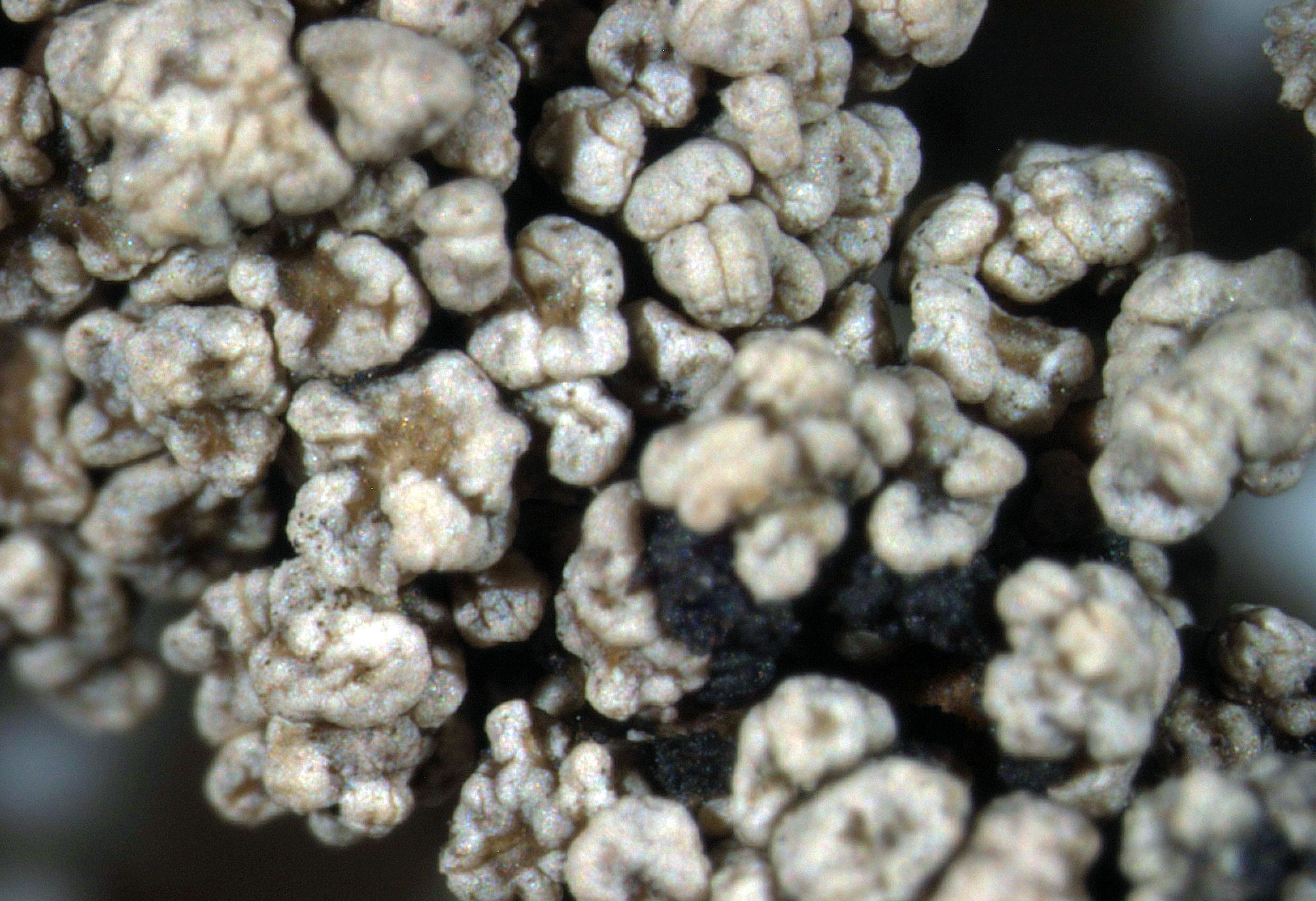
P.L. Nimis CC BY-SA 4.0
TSB 9508
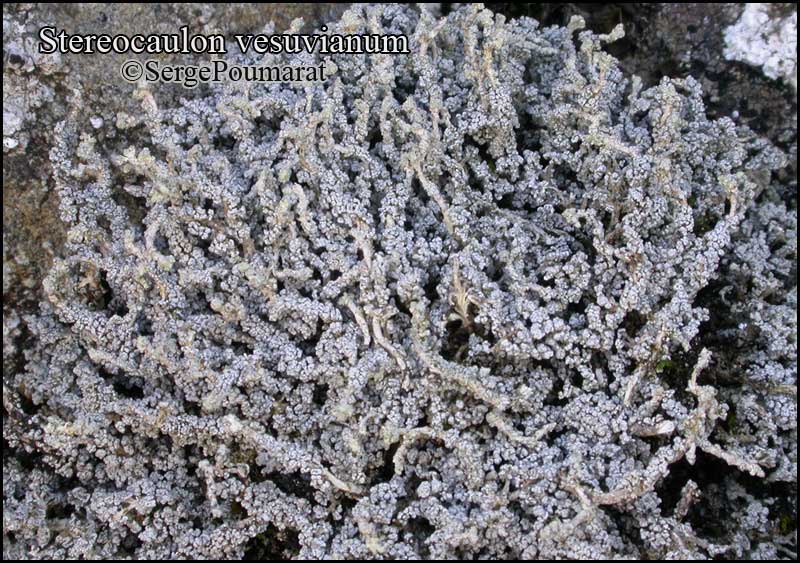
Courtesy Danièle et Olivier Gonnet - Source: https://www.afl-lichenologie.fr/Photos_AFL/Photos_AFL_S/Text_S/Stereocaulon_vesuvianum.htm
France, session AFL 2013 - Puy-de-Dôme
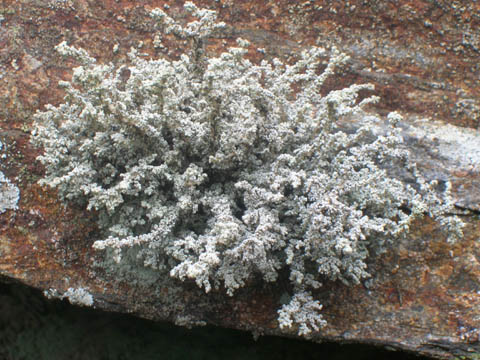
Damien Ertz – Source: http://www.lichenology.info/cgi-bin/baseportal.pl?htx=atlas_frm&newId=2159
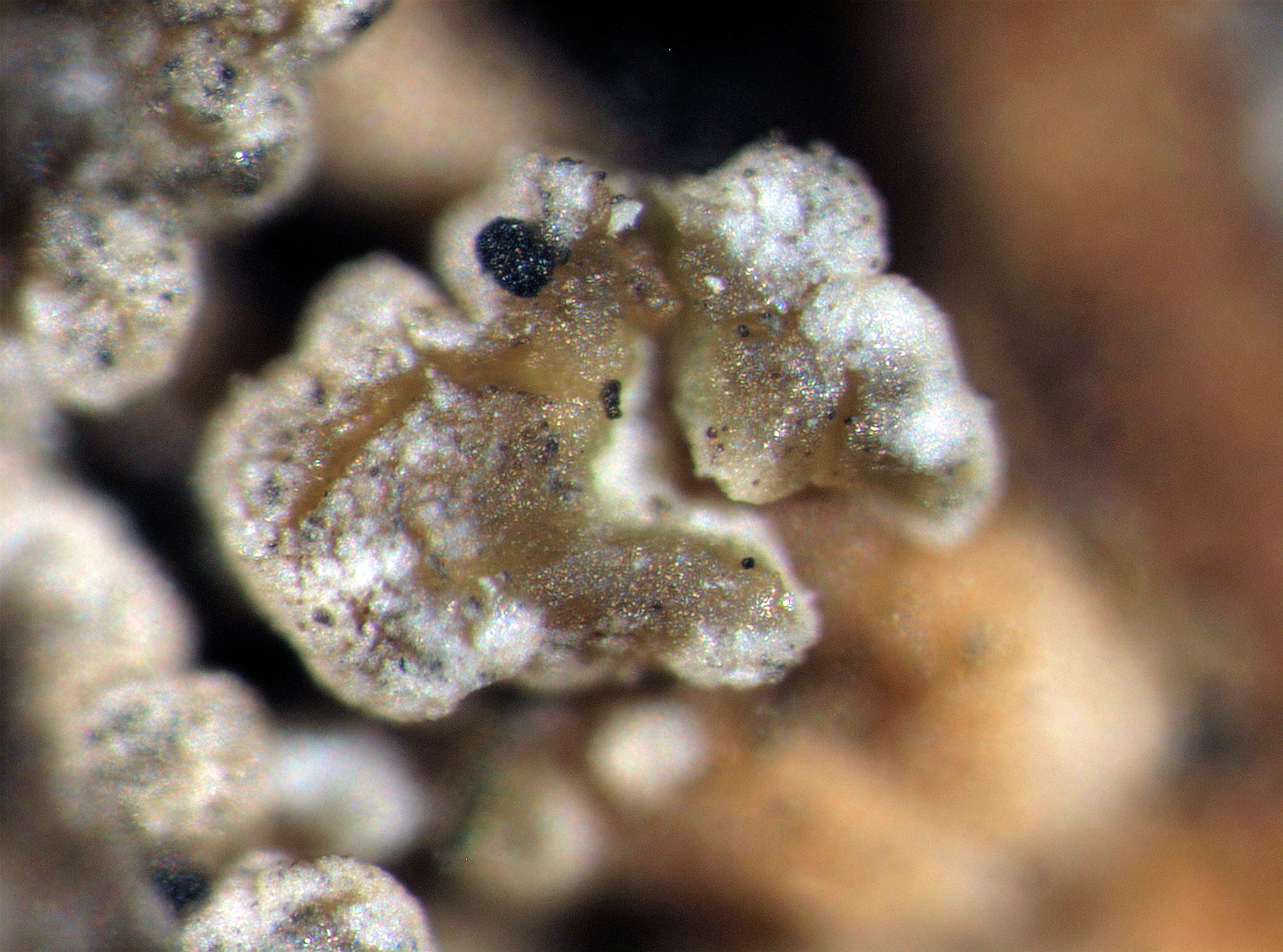
P.L. Nimis CC BY-SA 4.0
TSB 9508
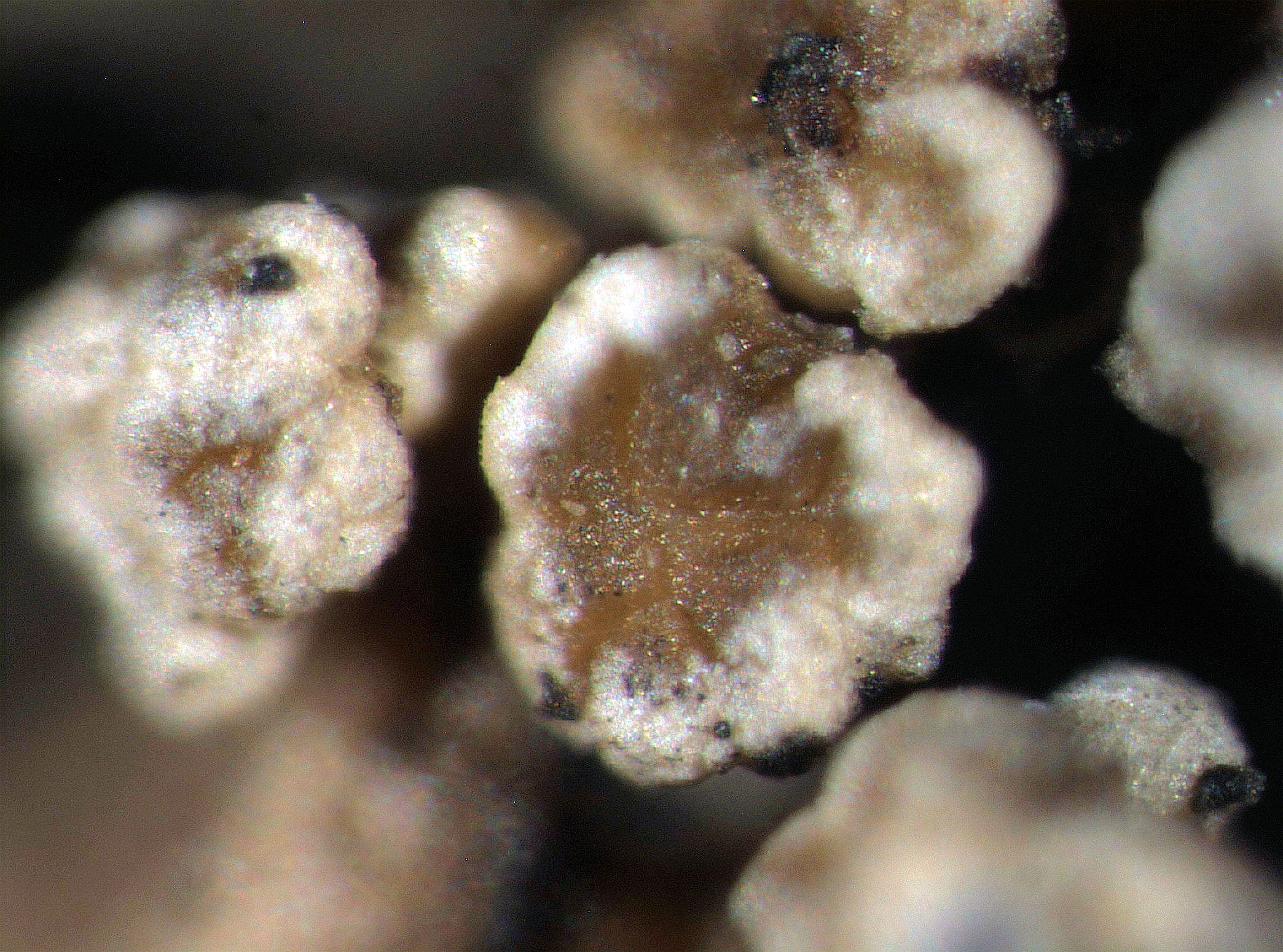
P.L. Nimis CC BY-SA 4.0
TSB 9508
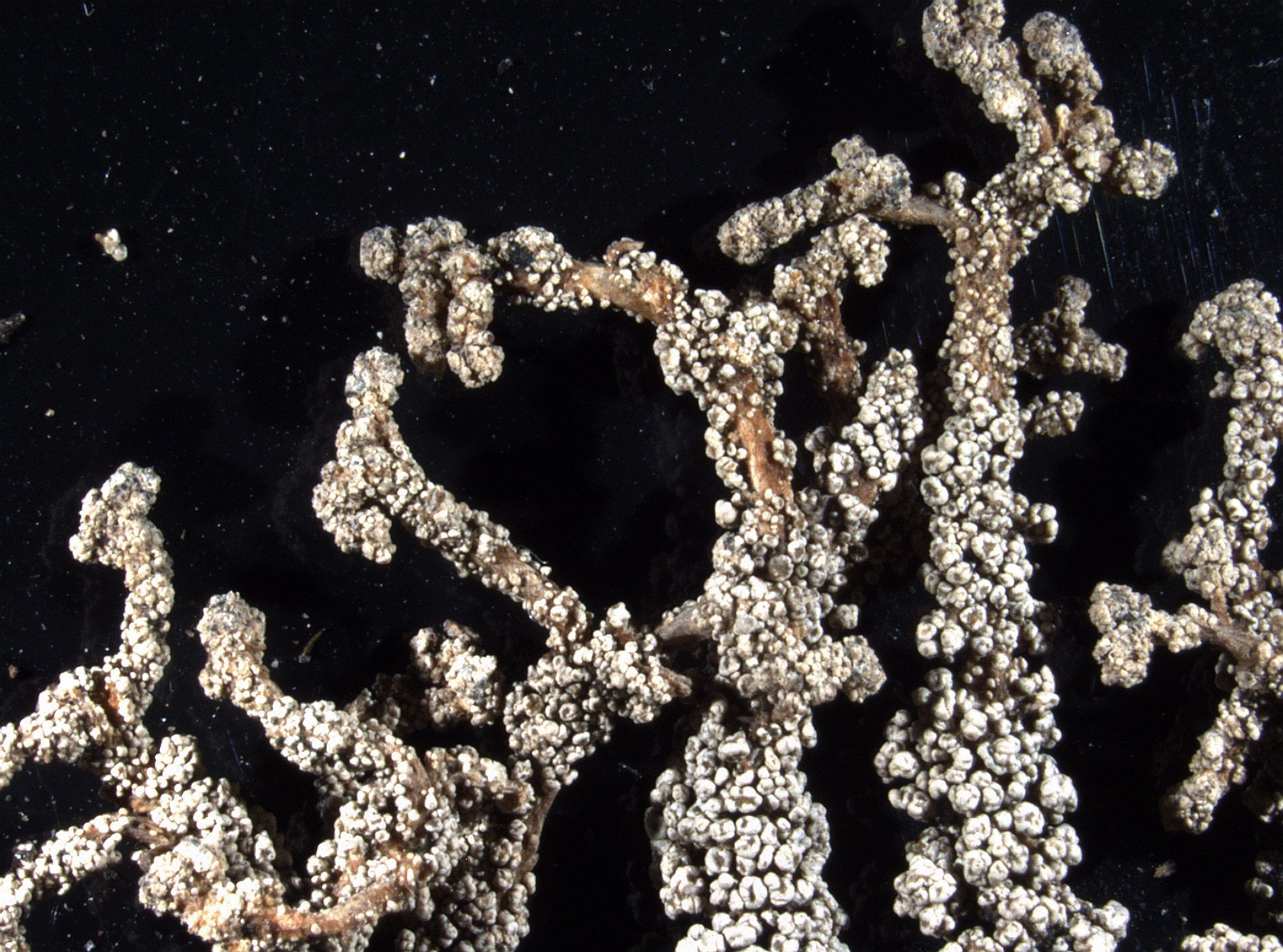
Pier Luigi Nimis CC BY-SA 4.0
TSB 9508
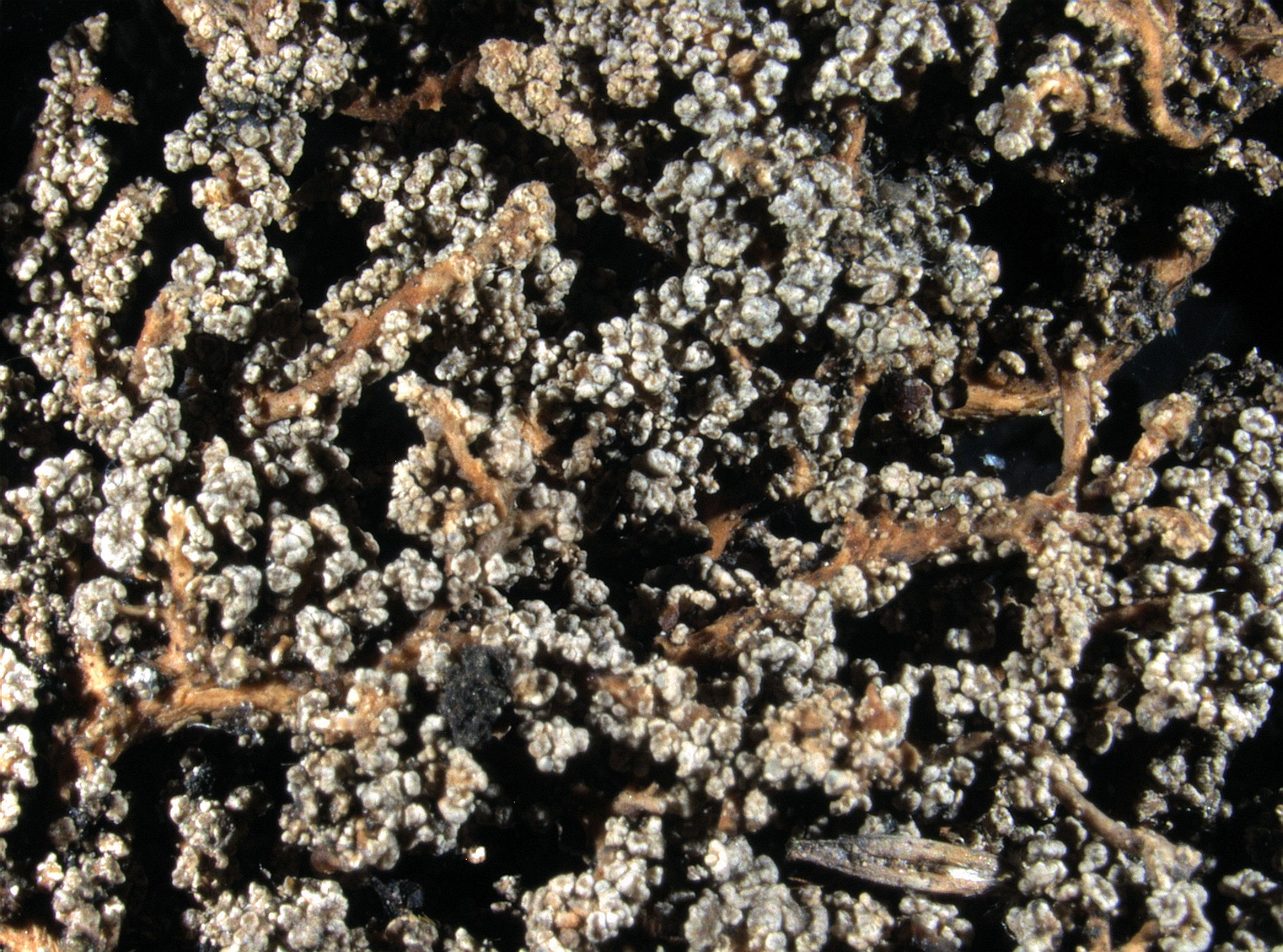
P.L. Nimis CC BY-SA 4.0
TSB 9508
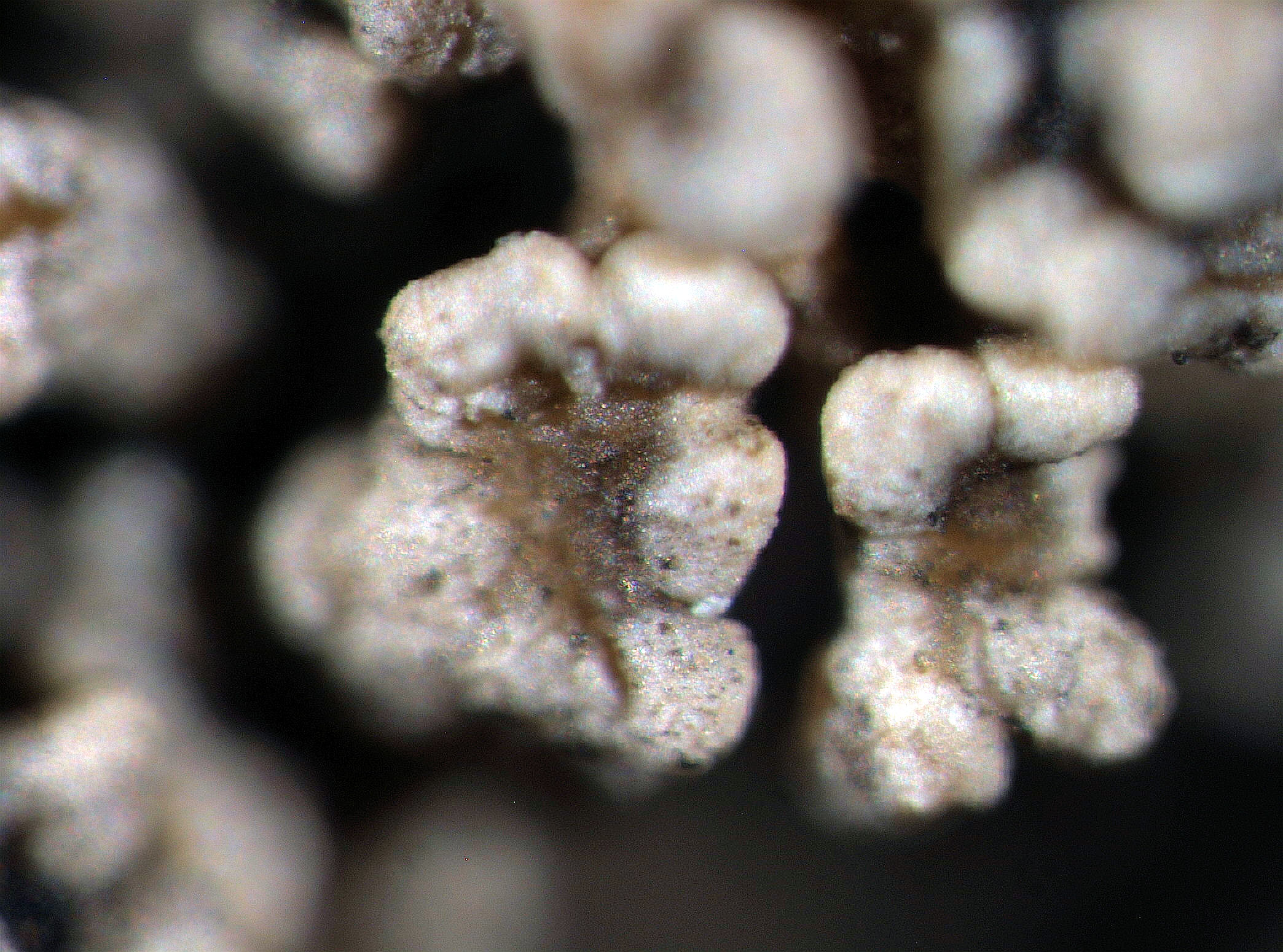
P.L. Nimis CC BY-SA 4.0
TSB 9508
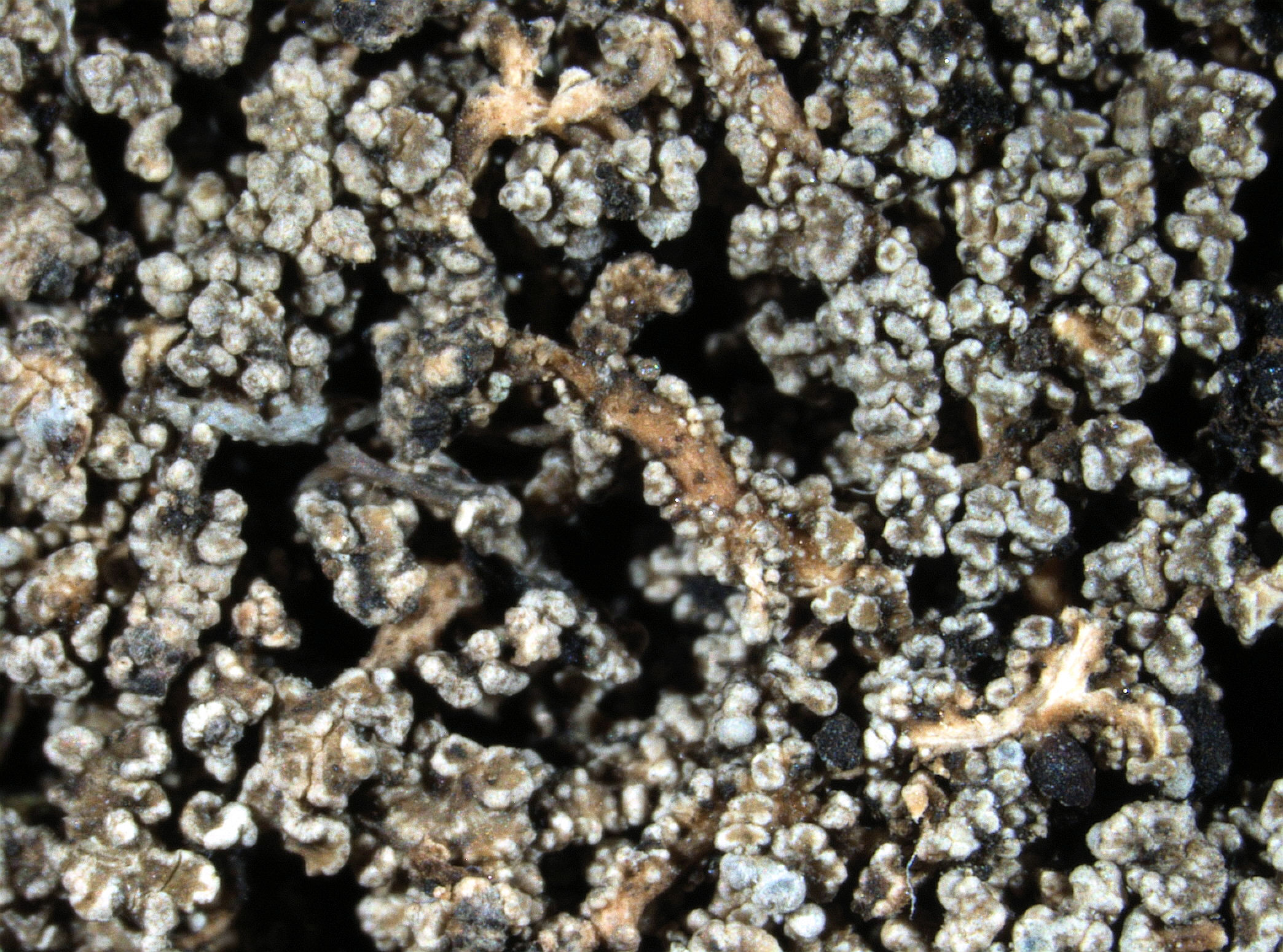
P.L. Nimis CC BY-SA 4.0
TSB 9508

Collezione lichenologica Abramo Massalongo del Museo di Storia Naturale G. Ligabue di Venezia - Autori: Seggi, Linda; Trabucco, Raffaella Proprietà: Fondazione Musei Civici di Venezia - CC BY-NC
in M. Pelmo 1855
as Stereocaulon denudatum

Felix Schumm - CC BY 4.0
[VZ1775], Gallia. Cantal. St. Paul, Puy Violent. Ad saxa basaltica venti exposita. Leg. R. Schumacker (no. 800720/1) 20.7.1980, det. E. Sérusiaux - Annot. from E. Sérusiaux: Forme exceptionnellement sorédée; TlC: atranorine, acides norsticticque, stictique et consticticque, E. Serusiaux. - EX A. VEZDA LICHENES SELECTI EXSICCATI NR. 1775.

Felix Schumm - CC BY 4.0
[VZ1775], Gallia. Cantal. St. Paul, Puy Violent. Ad saxa basaltica venti exposita. Leg. R. Schumacker (no. 800720/1) 20.7.1980, det. E. Sérusiaux - Annot. from E. Sérusiaux: Forme exceptionnellement sorédée; TlC: atranorine, acides norsticticque, stictique et consticticque, E. Serusiaux. - EX A. VEZDA LICHENES SELECTI EXSICCATI NR. 1775.