Bellemerea subcandida (Arnold) Hafellner & Cl. Roux
in Clauzade & Cl. Roux, Bull. Soc. Bot. Centre-Ouest, n. sér. 15: 130, 1984. Basionym: Aspicilia cinereorufescens f. subcandida Arnold - Verh. zool.-bot. Ges. Wien, 47: 223, 1897.
Synonyms: Lecanora subcandida (Arnold) Lettau
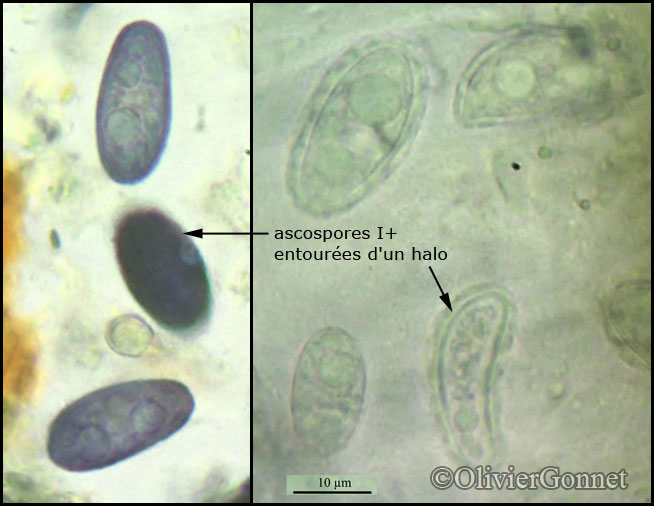
Description: Thallus crustose, episubstratic, rimose-areolate, chalky white to whitish grey, usually not delimited by a distinct prothallus. Cortex filled by crystals visible under polarized light, masking the cortical cells; medulla white, I+ blue; algal layer extending below the hypothecium. Apothecia cryptolecanorine-aspicilioid, immersed in the areoles, 0.3-1.5 mm across, with a flat to slightly convex, brown to black-brown disc (reddish brown when wet), a darker proper margin, and a thin, often rapidly excluded thalline margin. Proper exciple sometimes greenish in outer part, always colourless within; epithecium pale brown, N-; hymenium colourless, I+ blue; paraphyses branched and anastomosing in upper part, c. 2 µm thick, the apical cells not or only slightly swollen, usually with a thin, brown cap; hypothecium colourless, I+ pale blue. Asci 8-spored, clavate, approaching the Porpidia-type, with a less distinct tube structure. Ascospores 1-celled, hyaline, ellipsoid, 11-23 x 6-14 µm, the inner wall I+ blue or rarely I-, with a thin halonate epispore. Pycnidia dark, immersed. Conidia short-bacilliform. Photobiont chlorococcoid. Spot tests: thallus K-, C-, KC-, P-. Chemistry: without lichen substances.
Growth form: Crustose
Substrata: rocks
Photobiont: green algae other than Trentepohlia
Reproductive strategy: mainly sexual
Commonnes-rarity: (info)
Alpine belt: rare
Subalpine belt: extremely rare
Montane belt: absent
Dry submediterranean belt: absent
Humid submediterranean belt: absent
Padanian area: absent
pH of the substrata:
1 2 3 4 5

Solar irradiation:
1 2 3 4 5
Aridity:
1 2 3 4 5
Eutrophication:
1 2 3 4 5
Poleotolerance:
0 1 2 3
Altitudinal distribution:
1 2 3 4 5 6
Rarity
absent
extremely rare
very rare
rare
rather rare
rather common
common
very common
extremely common
Loading data...
Occurrence data
Predictive map
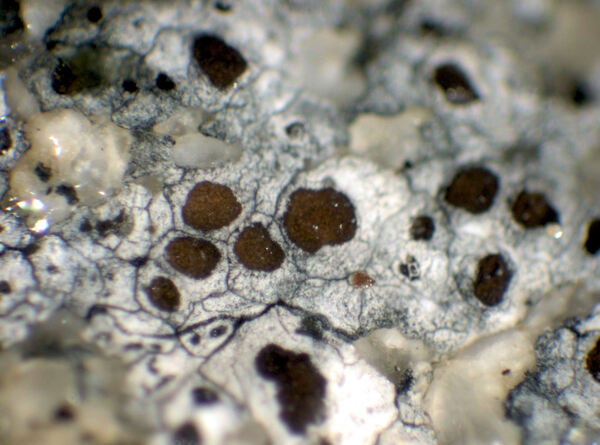
P.L. Nimis CC BY-SA 4.0
TSB 33667
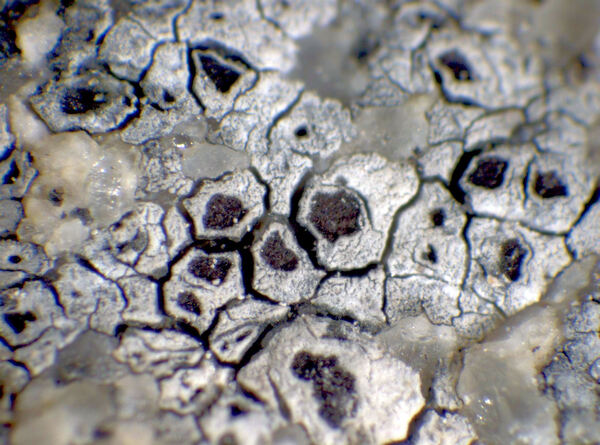
P.L. Nimis CC BY-SA 4.0
TSB 33667
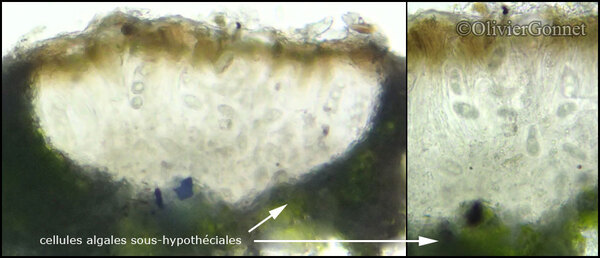
Courtesy: Olivier et Danièle Gonnet - Source: https://www.afl-lichenologie.fr/Photos_AFL/Photos_AFL_B/Bellemerea_subcandida.htm
France, Flaines, les grandes platières - Haute-Savoie
14/9/2015
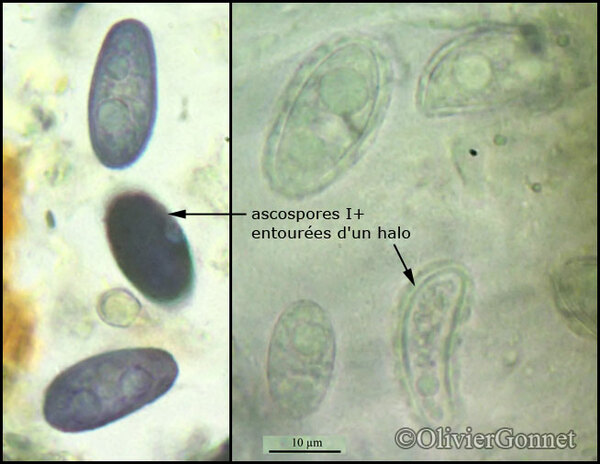
Courtesy: Olivier et Danièle Gonnet - Source: https://www.afl-lichenologie.fr/Photos_AFL/Photos_AFL_B/Bellemerea_subcandida.htm
France, Flaines, les grandes platières - Haute-Savoie
14/9/2015
Growth form: Crustose
Substrata: rocks
Photobiont: green algae other than Trentepohlia
Reproductive strategy: mainly sexual
Commonnes-rarity: (info)
Alpine belt: rare
Subalpine belt: extremely rare
Montane belt: absent
Dry submediterranean belt: absent
Humid submediterranean belt: absent
Padanian area: absent
pH of the substrata:
| 1 | 2 | 3 | 4 | 5 |
Solar irradiation:
| 1 | 2 | 3 | 4 | 5 |
Aridity:
| 1 | 2 | 3 | 4 | 5 |
Eutrophication:
| 1 | 2 | 3 | 4 | 5 |
Poleotolerance:
| 0 | 1 | 2 | 3 |
Altitudinal distribution:
| 1 | 2 | 3 | 4 | 5 | 6 |
Rarity
absent
extremely rare
very rare
rare
rather rare
rather common
common
very common
extremely common
Loading data...
Occurrence data
Predictive map
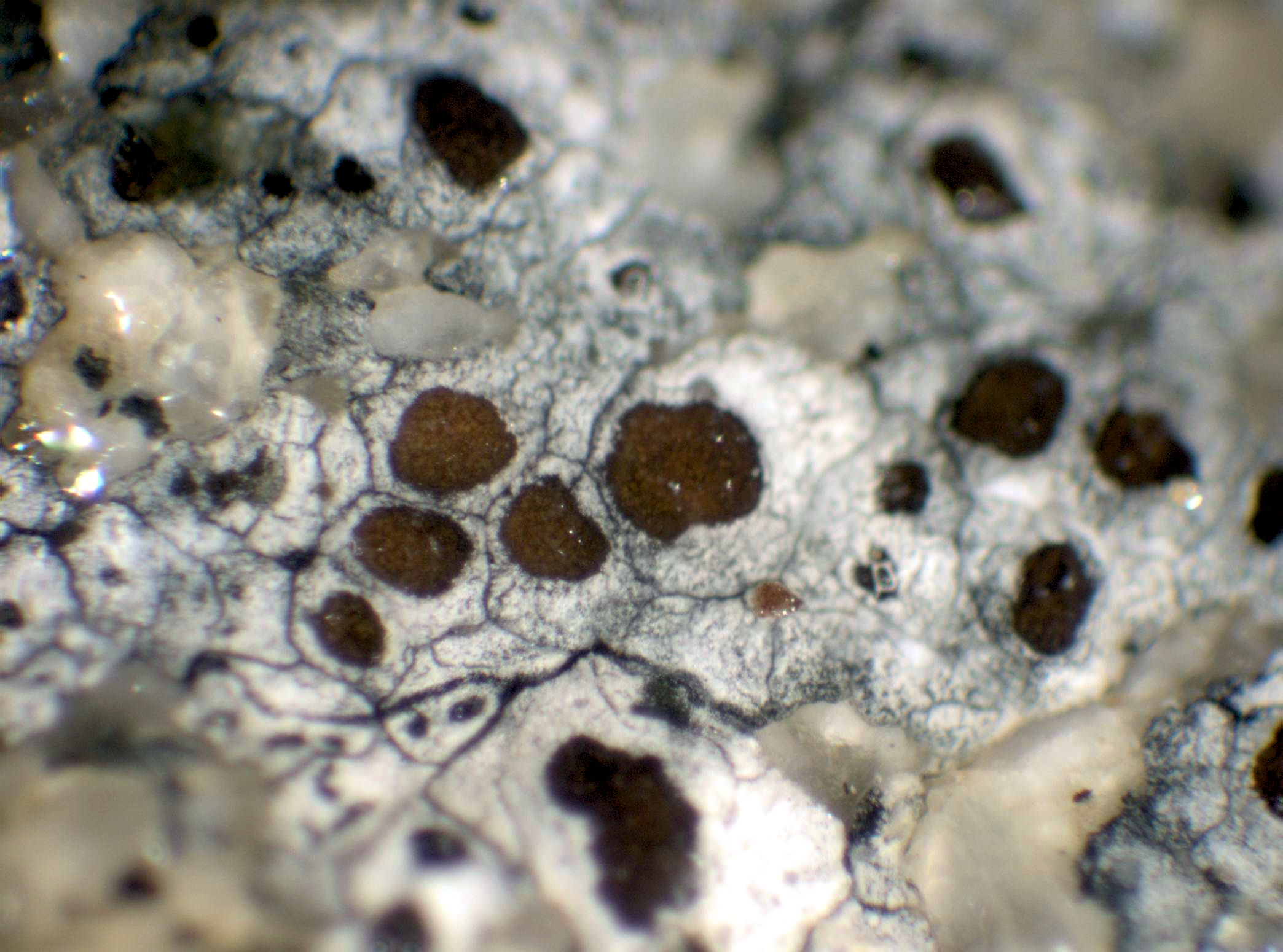
P.L. Nimis CC BY-SA 4.0
TSB 33667
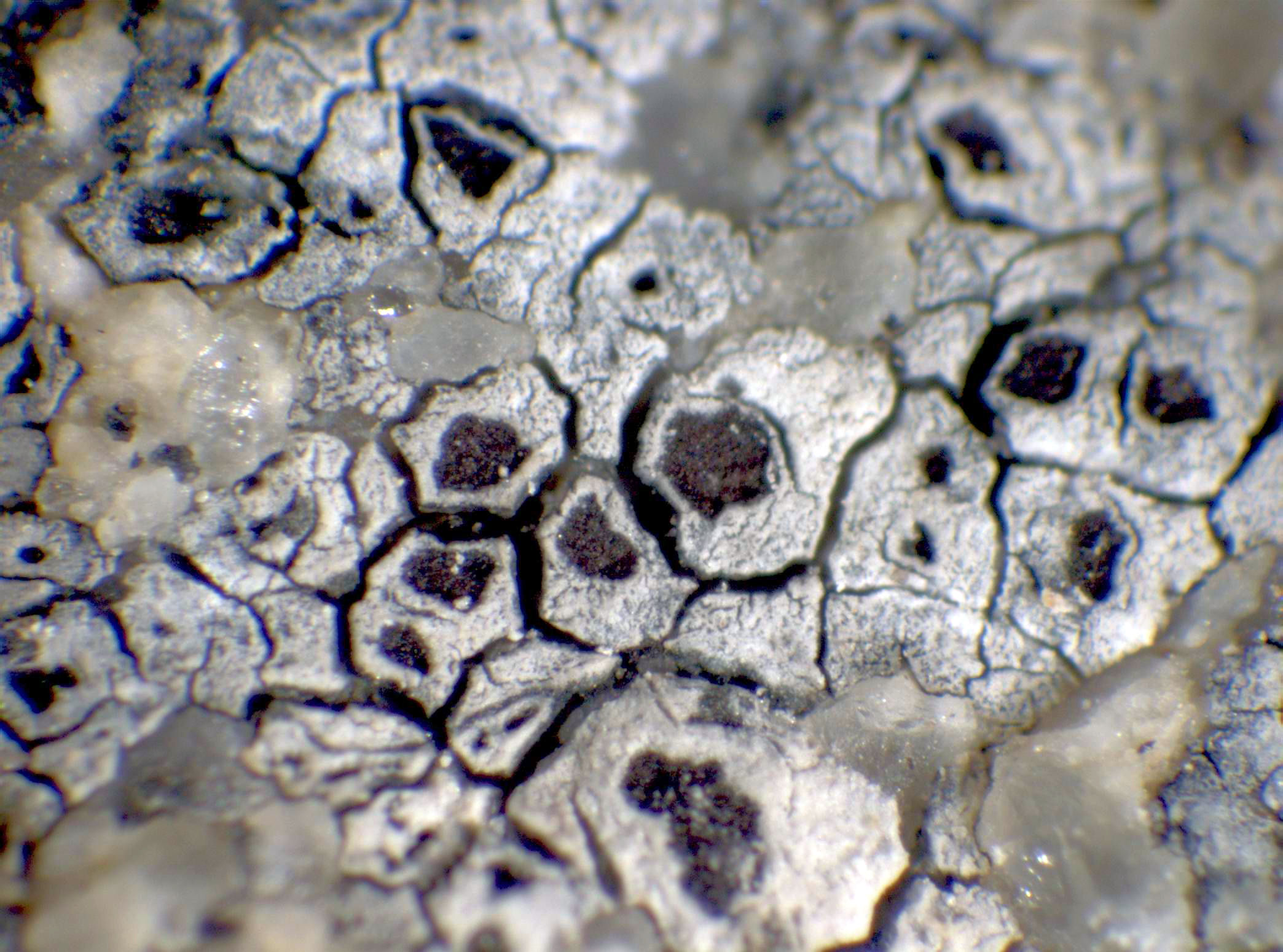
P.L. Nimis CC BY-SA 4.0
TSB 33667
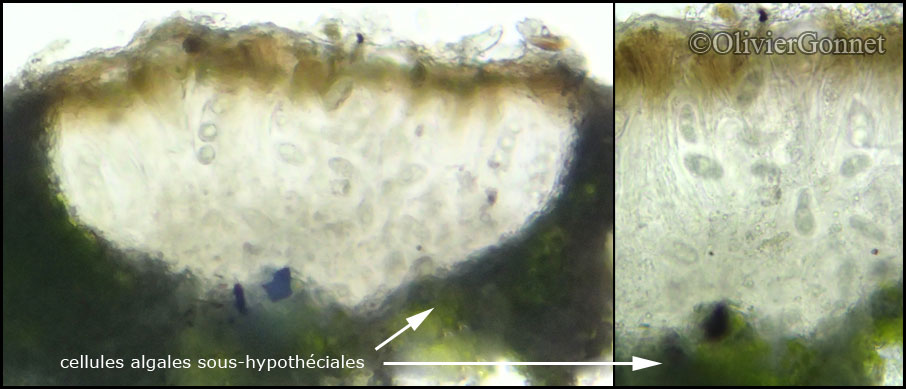
Courtesy: Olivier et Danièle Gonnet - Source: https://www.afl-lichenologie.fr/Photos_AFL/Photos_AFL_B/Bellemerea_subcandida.htm
France, Flaines, les grandes platières - Haute-Savoie
14/9/2015