Cryptodiscus gloeocapsa (Nitschke ex Arnold) Baloch, Gilenstam & Wedin
Fungal Diversity, 38: 61, 2009. Basionym: Bryophagus gloeocapsa Nitschke ex Arnold - Flora, 45: 58, 1862
Synonyms: Gloeolecta bryophaga (Körb. ex Arnold) Vězda; Gloeolecta gloeocapsa (Nitschke ex Arnold) Lettau; Gyalecta gloeocapsa (Nitschke ex Arnold) Zahlbr.
Description: Thallus crustose, very thin when dry, thicker and gelatinous when wet, membranous or film-like, pale brown to pale green, more or less glossy, poorly delimited. Apothecia 0.2-0.5 mm across, scattered or in small clusters, at first immersed and almost perithecioid, later emergent, deeply concave, opening with a broad pore, with a pale yellow-brown to orange-red, rarely dark brown disc, and a paler or concolorous proper margin. Proper exciple 25-70 µm thick, of thin-walled, radially arranged hyphae, paraplectenchymatous in inner part, without crystals; epithecium poorly differentiated from the hymenium; hymenium colourless (brownish in uppermost part), 50-60 µm high, I+ yellow-brown, K/I+ faintly blue; paraphyses coherent, simple, thread-like, not swollen at apex, immersed in a gelatinous matrix; hypothecium colourless. Asci 8-spored, cylindrical, short-stalked, thin-walled, the apex thickened, rounded, K/I+ blue, without any clear apical structures. Ascospores 3-4-septate, not constricted at septa, hyaline, narrowly cylindrical to cylindrical-fusiform, 20-30 x 1.5-2 μm, often tapering at one end, arranged in a fascicle. Pycnidia pyriform, immersed in the thallus. Conidia short-cylindrical. Photobiont chlorococcoid, Gloeocystis-like, the cells globose or elongate, arranged in clusters. Spot tests: K-, C-, KC-, P-, UV-. Chemistry: thallus without lichen substances.
Growth form: Crustose
Substrata: soil, terricolous mosses, and plant debris
Photobiont: green algae other than Trentepohlia
Reproductive strategy: mainly sexual
Pioneer species
Commonnes-rarity: (info)
Alpine belt: extremely rare
Subalpine belt: very rare
Montane belt: very rare
Dry submediterranean belt: absent
Humid submediterranean belt: absent
Padanian area: absent
pH of the substrata:
1 2 3 4 5

Solar irradiation:
1 2 3 4 5
Aridity:
1 2 3 4 5
Eutrophication:
1 2 3 4 5
Poleotolerance:
0 1 2 3
Altitudinal distribution:
1 2 3 4 5 6
Rarity
absent
extremely rare
very rare
rare
rather rare
rather common
common
very common
extremely common
Loading data...
Occurrence data
Predictive map
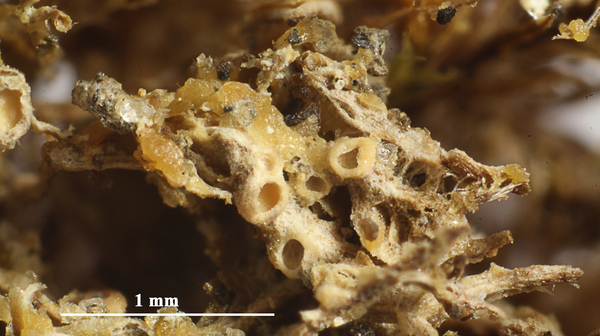
Felix Schumm; Owner: CC BY-SA 4.0
[TSB_18688], Oesterreich, Steiermark, Stubalpe, Bez. Voitsberg, Graben des Drei-Goessnitzbaches S Koeflach, Böschung eines Waldweges, 550-600 m. Leg. J. Poelt, 23.09.1990 (Dupl. ex GZU)
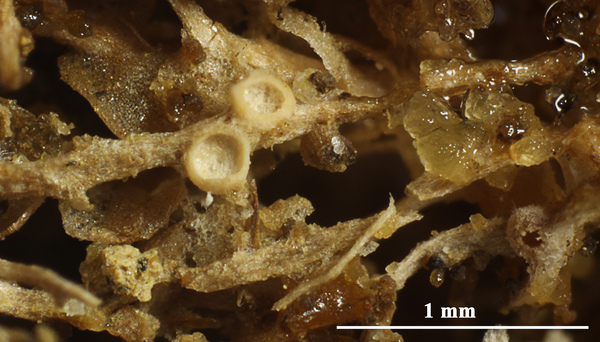
Felix Schumm; Owner: CC BY-SA 4.0
[TSB_18688], Oesterreich, Steiermark, Stubalpe, Bez. Voitsberg, Graben des Drei-Goessnitzbaches S Koeflach, Böschung eines Waldweges, 550-600 m. Leg. J. Poelt, 23.09.1990 (Dupl. ex GZU)
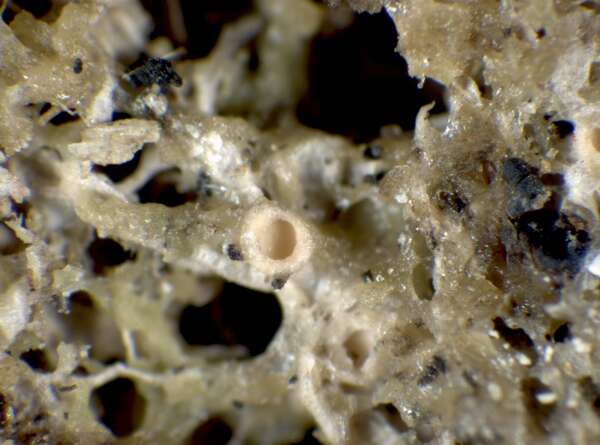
P.L. Nimis; Owner: Department of Life Sciences, University of Trieste
Herbarium: TSB (18688)
2001/12/27
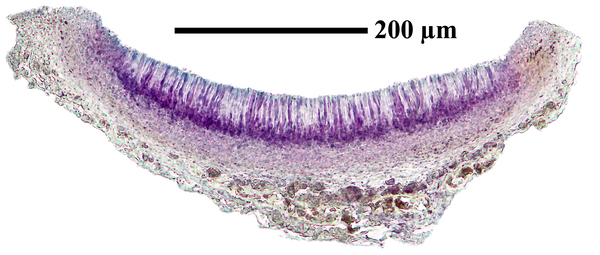
Felix Schumm - CC BY-SA 4.0
[TSB_18688], Oesterreich, Steiermark, Stubalpe, Bez. Voitsberg, Graben des Drei-Goessnitzbaches S Koeflach, Böschung eines Waldweges, 550-600 m. Leg. J. Poelt, 23.09.1990 (Dupl. ex GZU)
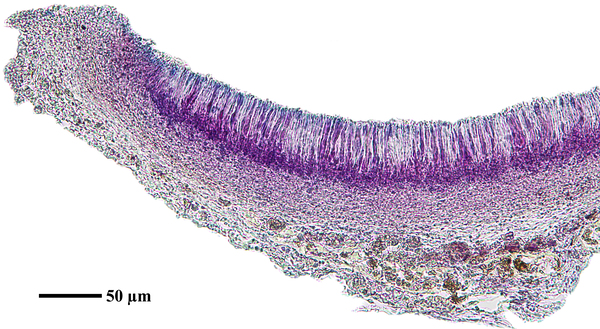
Felix Schumm - CC BY-SA 4.0
[TSB_18688], Oesterreich, Steiermark, Stubalpe, Bez. Voitsberg, Graben des Drei-Goessnitzbaches S Koeflach, Böschung eines Waldweges, 550-600 m. Leg. J. Poelt, 23.09.1990 (Dupl. ex GZU)
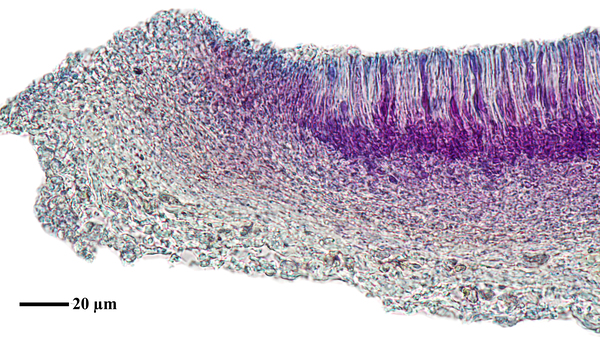
Felix Schumm - CC BY-SA 4.0
[TSB_18688], Oesterreich, Steiermark, Stubalpe, Bez. Voitsberg, Graben des Drei-Goessnitzbaches S Koeflach, Böschung eines Waldweges, 550-600 m. Leg. J. Poelt, 23.09.1990 (Dupl. ex GZU)
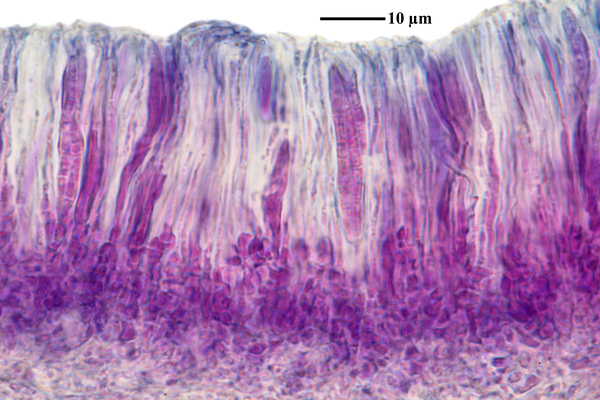
Felix Schumm - CC BY-SA 4.0
[TSB_18688], Oesterreich, Steiermark, Stubalpe, Bez. Voitsberg, Graben des Drei-Goessnitzbaches S Koeflach, Böschung eines Waldweges, 550-600 m. Leg. J. Poelt, 23.09.1990 (Dupl. ex GZU)
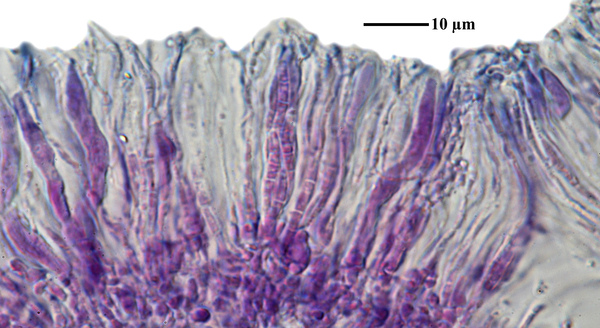
Felix Schumm - CC BY-SA 4.0
[TSB_18688], Oesterreich, Steiermark, Stubalpe, Bez. Voitsberg, Graben des Drei-Goessnitzbaches S Koeflach, Böschung eines Waldweges, 550-600 m. Leg. J. Poelt, 23.09.1990 (Dupl. ex GZU)
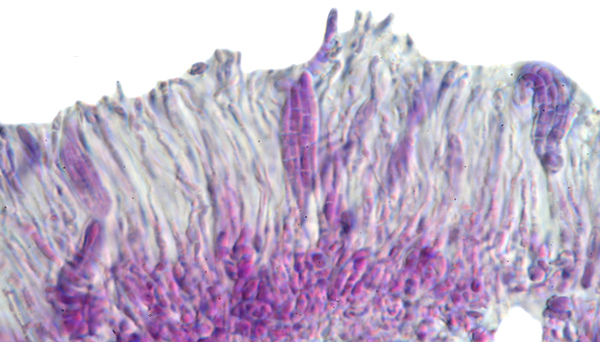
Felix Schumm - CC BY-SA 4.0
[TSB_18688], Oesterreich, Steiermark, Stubalpe, Bez. Voitsberg, Graben des Drei-Goessnitzbaches S Koeflach, Böschung eines Waldweges, 550-600 m. Leg. J. Poelt, 23.09.1990 (Dupl. ex GZU)
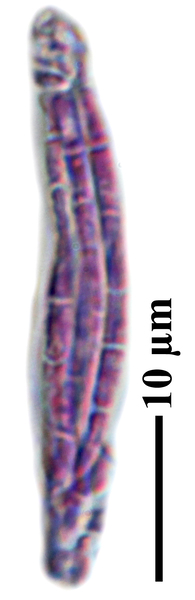
Felix Schumm - CC BY-SA 4.0
[TSB_18688], Oesterreich, Steiermark, Stubalpe, Bez. Voitsberg, Graben des Drei-Goessnitzbaches S Koeflach, Böschung eines Waldweges, 550-600 m. Leg. J. Poelt, 23.09.1990 (Dupl. ex GZU)

Felix Schumm - CC BY-SA 4.0
[TSB_18688], Oesterreich, Steiermark, Stubalpe, Bez. Voitsberg, Graben des Drei-Goessnitzbaches S Koeflach, Böschung eines Waldweges, 550-600 m. Leg. J. Poelt, 23.09.1990 (Dupl. ex GZU)
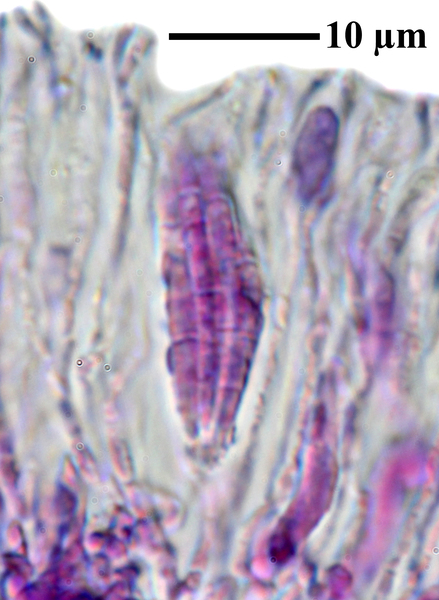
Felix Schumm - CC BY-SA 4.0
[TSB_18688], Oesterreich, Steiermark, Stubalpe, Bez. Voitsberg, Graben des Drei-Goessnitzbaches S Koeflach, Böschung eines Waldweges, 550-600 m. Leg. J. Poelt, 23.09.1990 (Dupl. ex GZU)
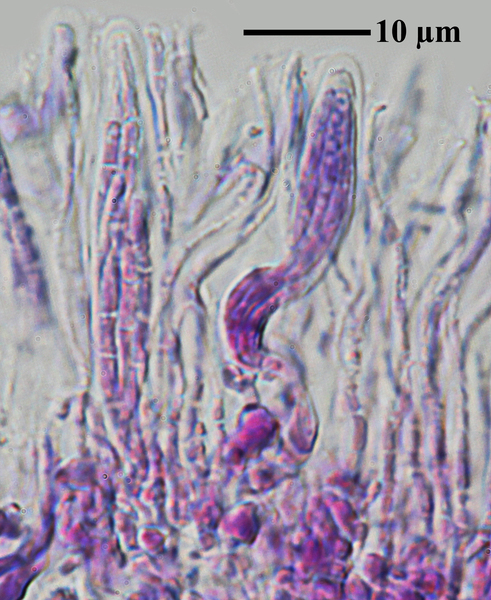
Felix Schumm - CC BY-SA 4.0
[TSB_18688], Oesterreich, Steiermark, Stubalpe, Bez. Voitsberg, Graben des Drei-Goessnitzbaches S Koeflach, Böschung eines Waldweges, 550-600 m. Leg. J. Poelt, 23.09.1990 (Dupl. ex GZU)
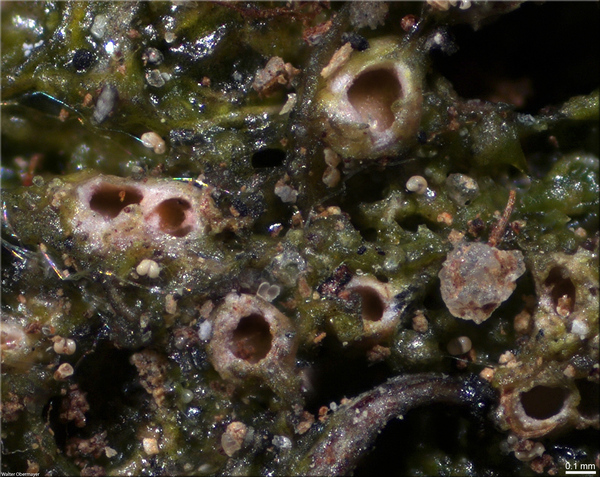
Walter Obermayer CC BY-SA 4.0 - Source: Lichens of Noricum - http://lichens-of-noricum.uni-graz.at/
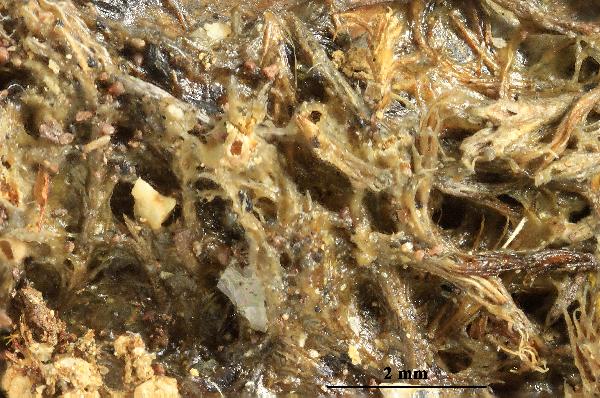
Felix Schumm - CC BY-SA 4.0
[VZR371], Germania. Bavaria, montes Schwarzwald, Haidmühle, secus
viam ad latera merid. montis Dreisesselberg, 1000 m. In fossis viae,
ad terram arenosam. Leg. A. Vezda, J. Kocourková & V. Wirth. EX A.
VEZDA: LICHENES RARIORES EXSICCATI NR. 371.
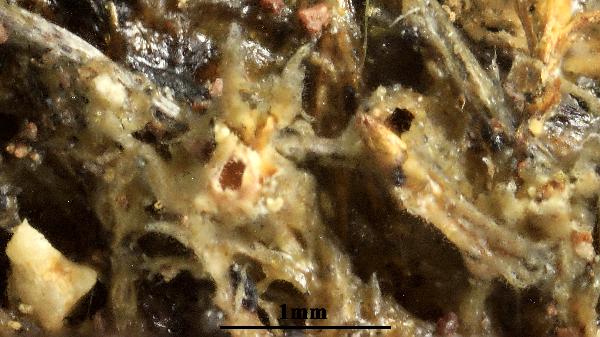
Felix Schumm - CC BY-SA 4.0
[VZR371], Germania. Bavaria, montes Schwarzwald, Haidmühle, secus
viam ad latera merid. montis Dreisesselberg, 1000 m. In fossis viae,
ad terram arenosam. Leg. A. Vezda, J. Kocourková & V. Wirth. EX A.
VEZDA: LICHENES RARIORES EXSICCATI NR. 371.
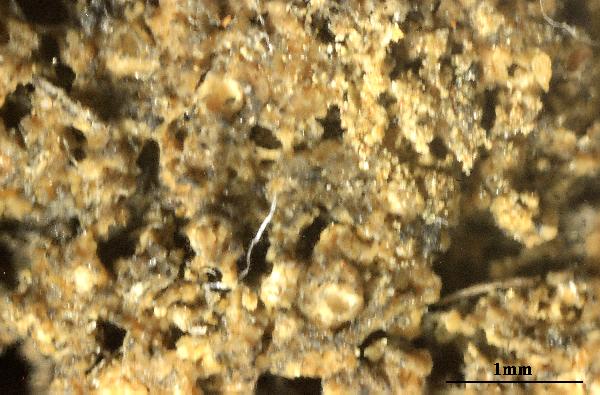
Felix Schumm - CC BY 4.0
[VZ1086], Bohemoslovacia. Moravia, montes Sudetes orientales, in
monte Vysoká hole, 1450 m. Ad terram macram humosam. Leg. A.
Vezda, 8.5.1872. EX A. VEZDA LICHENES SELECTI EXSICCATI NR. 1088. As Gloeolecta bryophaga
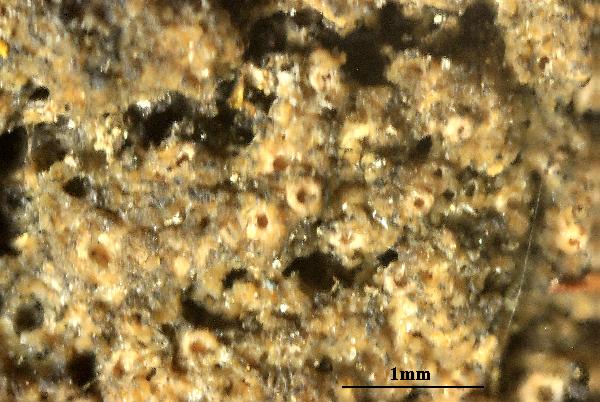
Felix Schumm - CC BY 4.0
[VZ1086], Bohemoslovacia. Moravia, montes Sudetes orientales, in
monte Vysoká hole, 1450 m. Ad terram macram humosam. Leg. A.
Vezda, 8.5.1872. EX A. VEZDA LICHENES SELECTI EXSICCATI NR. 1088. As Gloeolecta bryophaga

Source: Vězda A. (1966) Folia Geobot. Phytotax. 1: 154-175 Flechtensystematische Studien III. Die Gattung Ramonia Stiz. und Gloeolecta. Lett.
as Gloeolecta bryophaga
Growth form: Crustose
Substrata: soil, terricolous mosses, and plant debris
Photobiont: green algae other than Trentepohlia
Reproductive strategy: mainly sexual
Pioneer species
Commonnes-rarity: (info)
Alpine belt: extremely rare
Subalpine belt: very rare
Montane belt: very rare
Dry submediterranean belt: absent
Humid submediterranean belt: absent
Padanian area: absent
pH of the substrata:
| 1 | 2 | 3 | 4 | 5 |
Solar irradiation:
| 1 | 2 | 3 | 4 | 5 |
Aridity:
| 1 | 2 | 3 | 4 | 5 |
Eutrophication:
| 1 | 2 | 3 | 4 | 5 |
Poleotolerance:
| 0 | 1 | 2 | 3 |
Altitudinal distribution:
| 1 | 2 | 3 | 4 | 5 | 6 |
Rarity
absent
extremely rare
very rare
rare
rather rare
rather common
common
very common
extremely common
Loading data...
Occurrence data
Predictive map
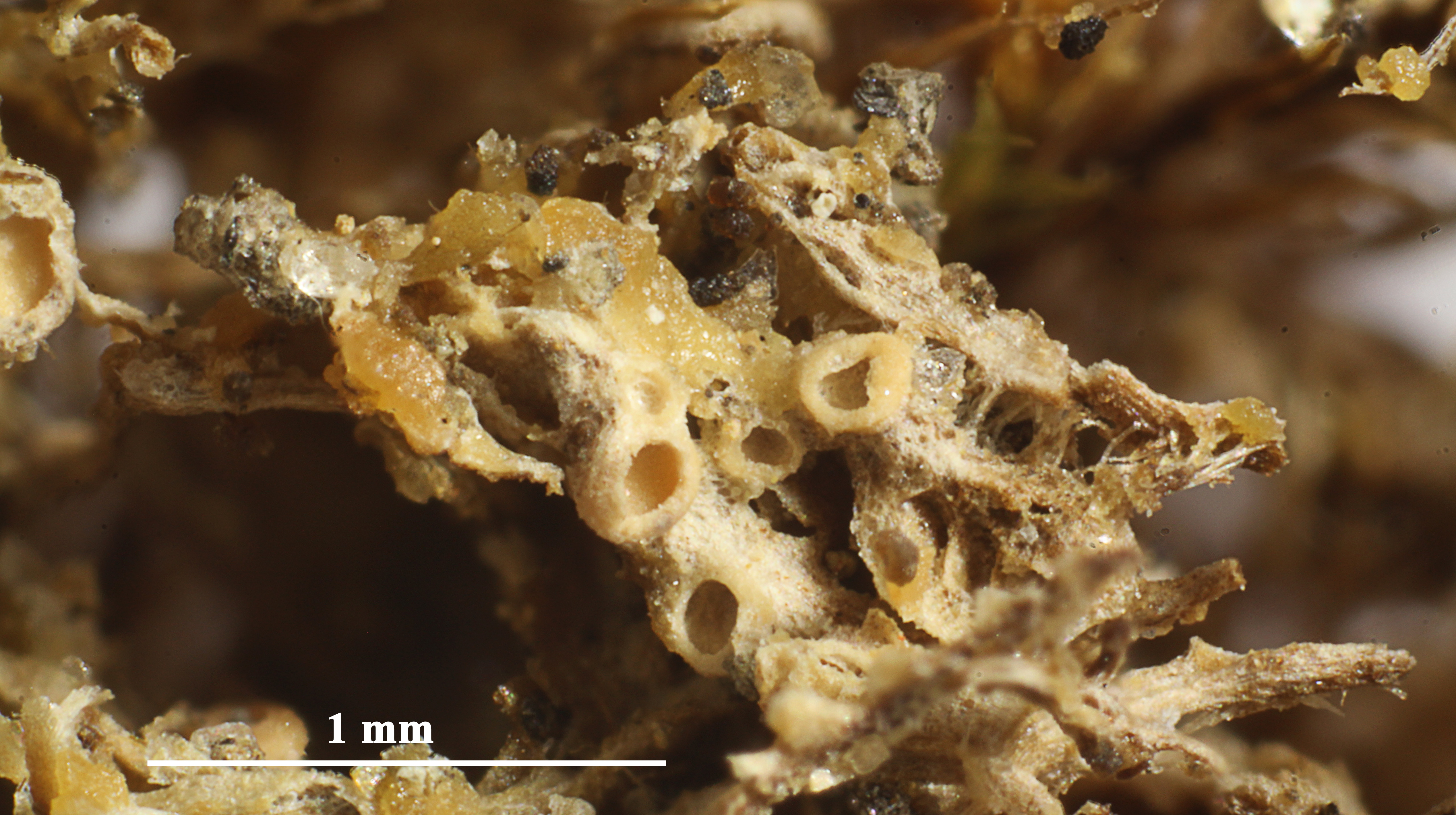
Felix Schumm; Owner: CC BY-SA 4.0
[TSB_18688], Oesterreich, Steiermark, Stubalpe, Bez. Voitsberg, Graben des Drei-Goessnitzbaches S Koeflach, Böschung eines Waldweges, 550-600 m. Leg. J. Poelt, 23.09.1990 (Dupl. ex GZU)

Felix Schumm; Owner: CC BY-SA 4.0
[TSB_18688], Oesterreich, Steiermark, Stubalpe, Bez. Voitsberg, Graben des Drei-Goessnitzbaches S Koeflach, Böschung eines Waldweges, 550-600 m. Leg. J. Poelt, 23.09.1990 (Dupl. ex GZU)
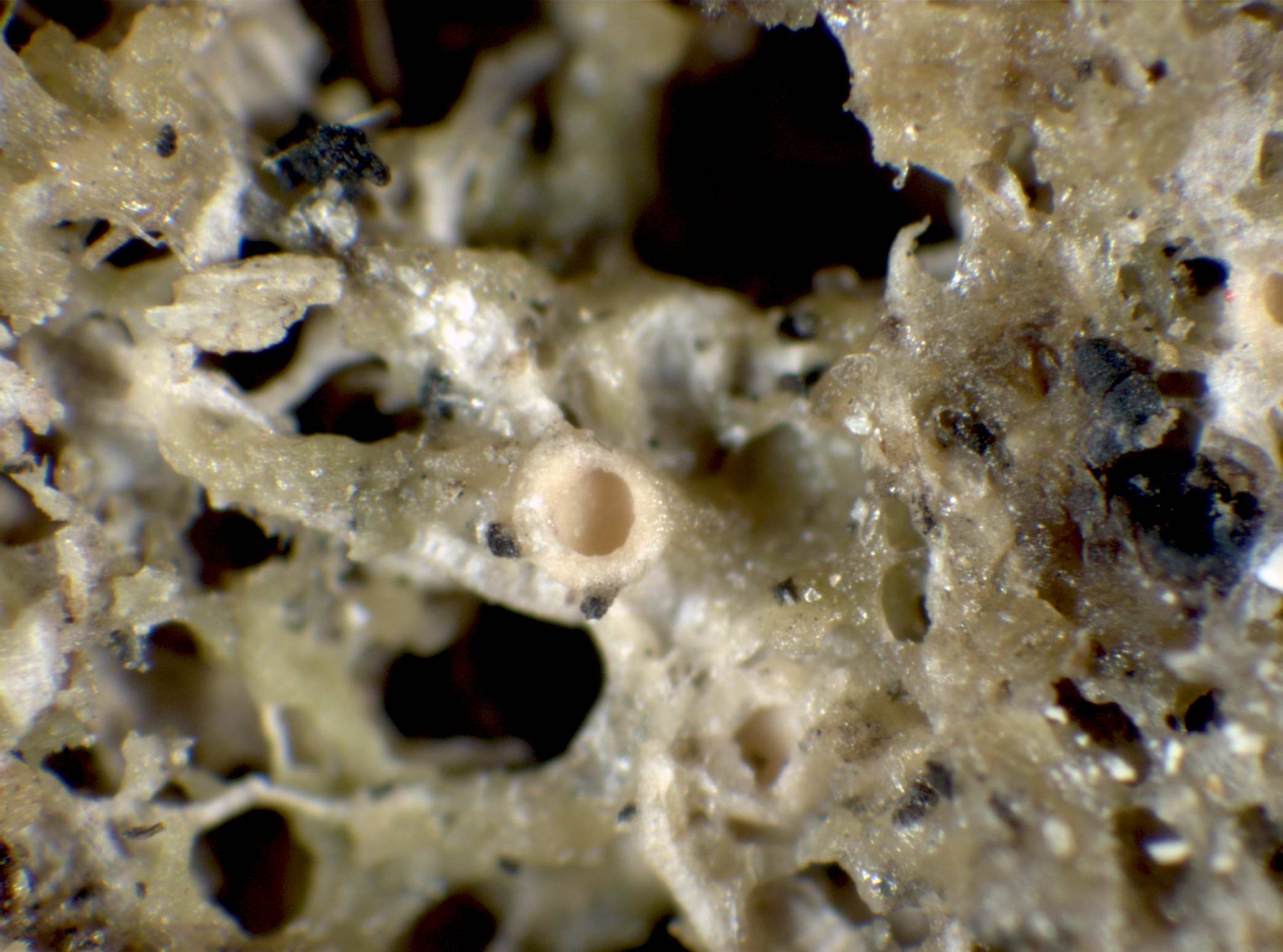
P.L. Nimis; Owner: Department of Life Sciences, University of Trieste
Herbarium: TSB (18688)
2001/12/27
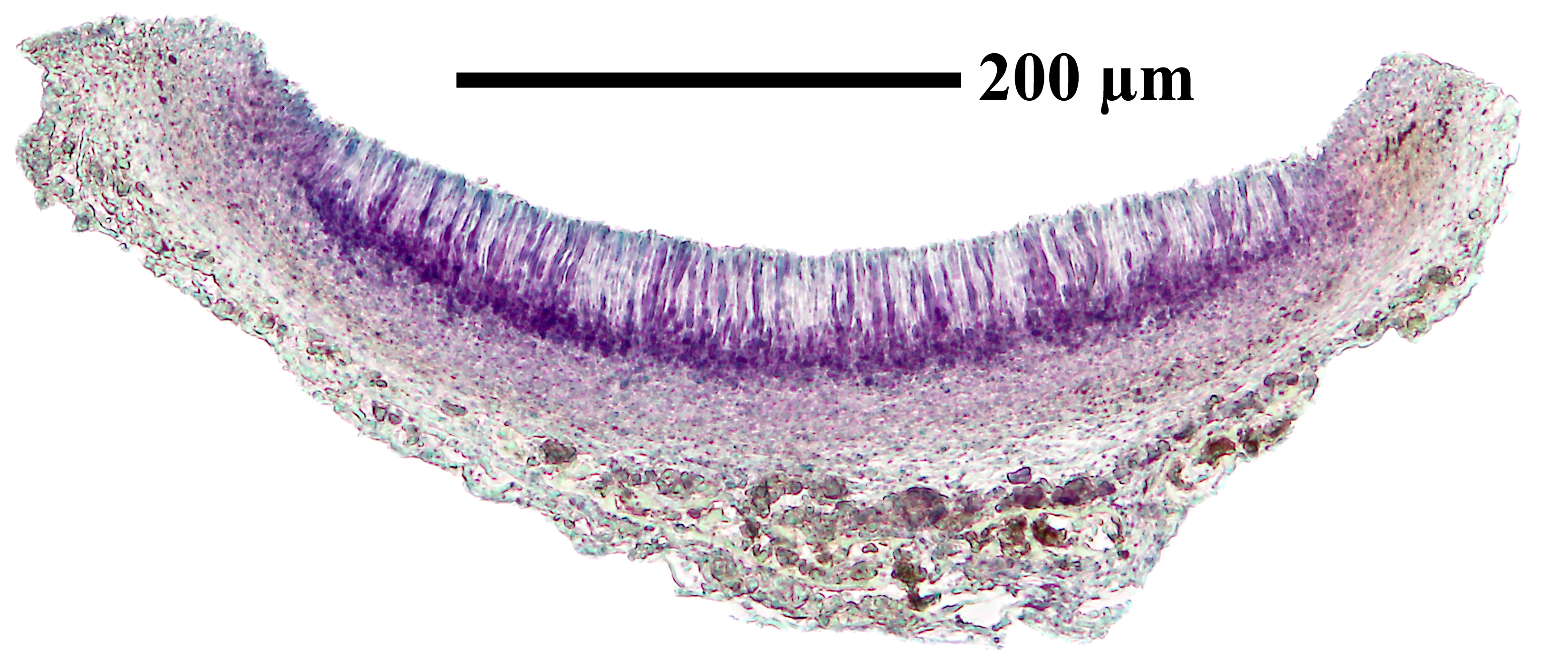
Felix Schumm - CC BY-SA 4.0
[TSB_18688], Oesterreich, Steiermark, Stubalpe, Bez. Voitsberg, Graben des Drei-Goessnitzbaches S Koeflach, Böschung eines Waldweges, 550-600 m. Leg. J. Poelt, 23.09.1990 (Dupl. ex GZU)
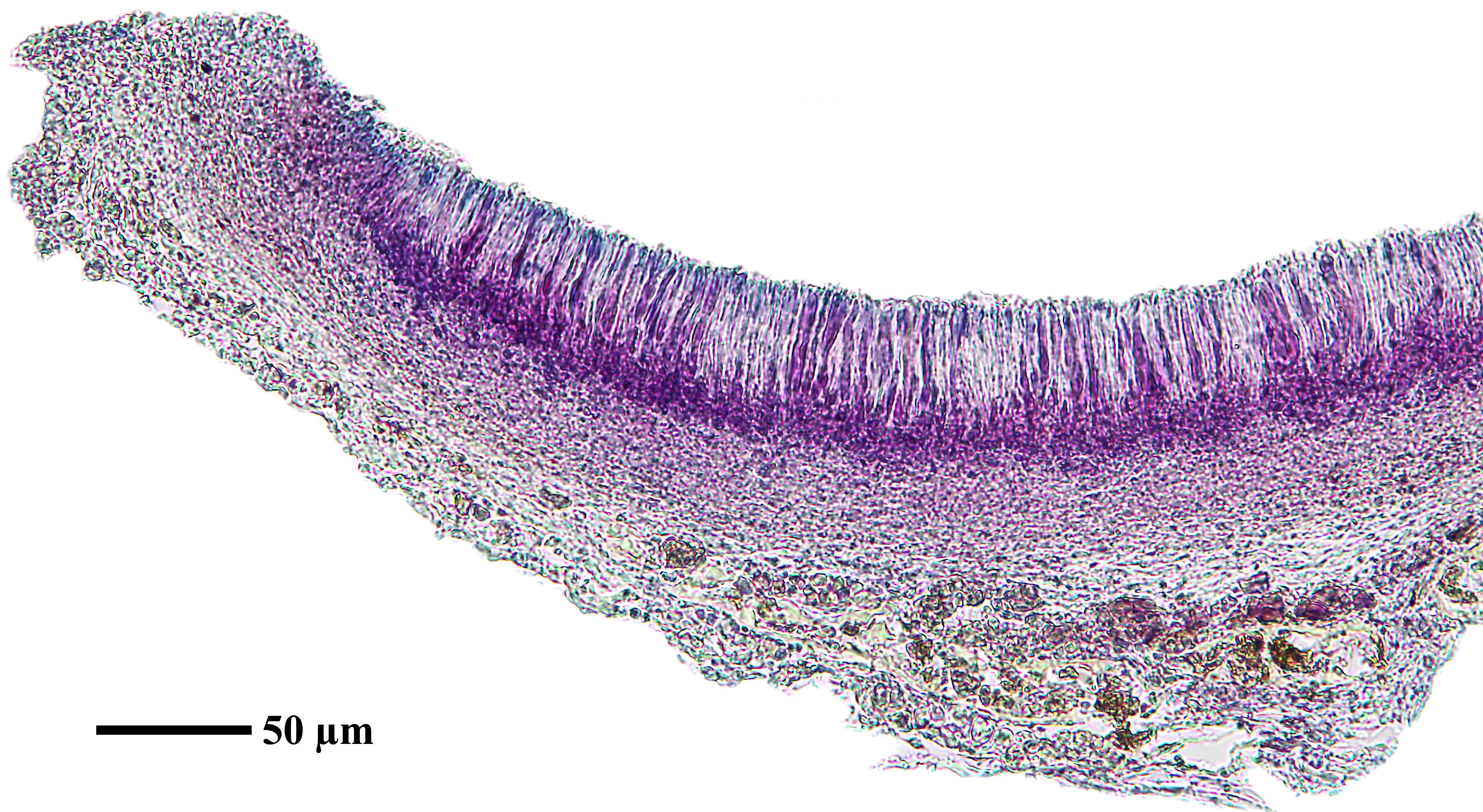
Felix Schumm - CC BY-SA 4.0
[TSB_18688], Oesterreich, Steiermark, Stubalpe, Bez. Voitsberg, Graben des Drei-Goessnitzbaches S Koeflach, Böschung eines Waldweges, 550-600 m. Leg. J. Poelt, 23.09.1990 (Dupl. ex GZU)
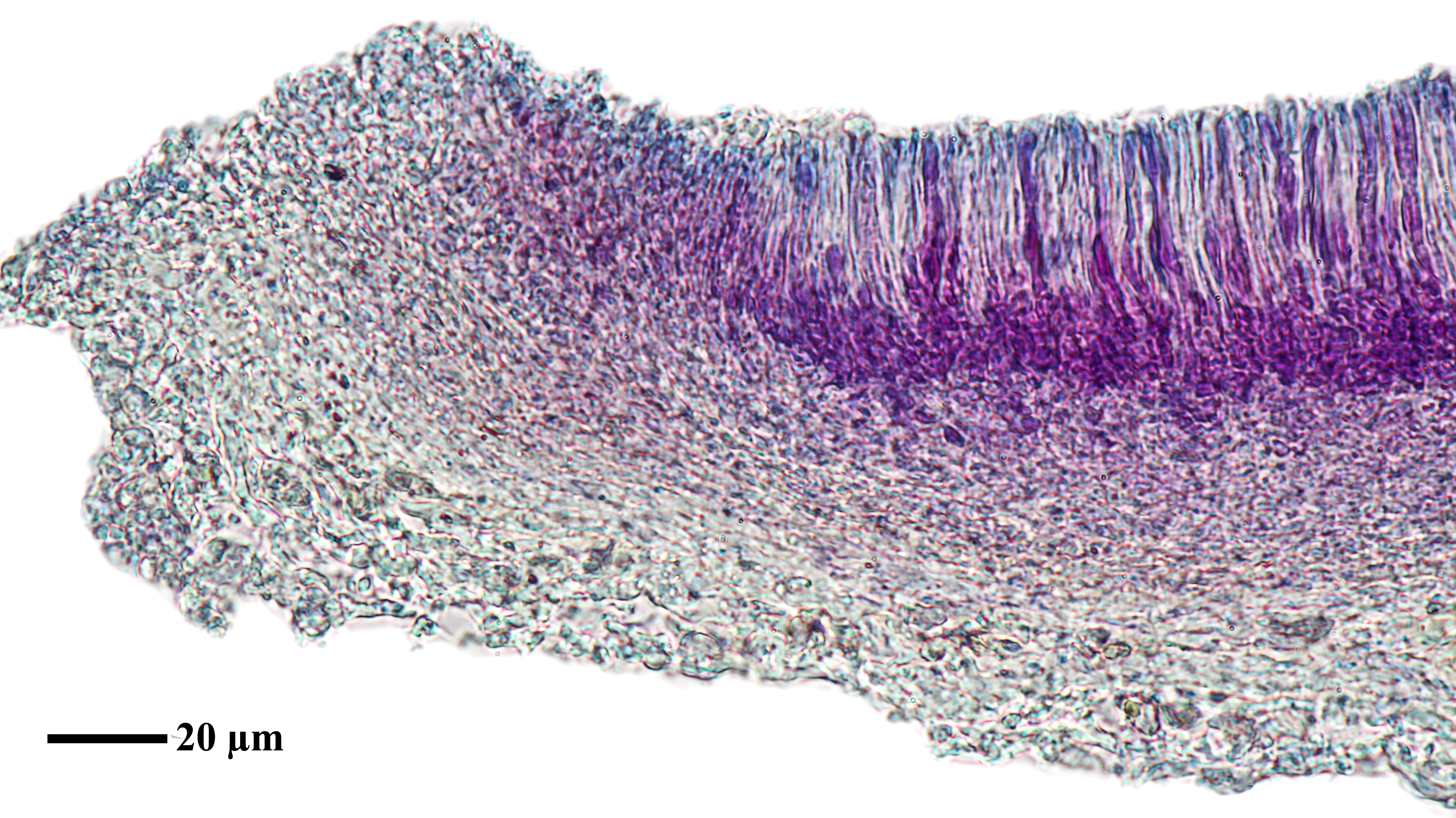
Felix Schumm - CC BY-SA 4.0
[TSB_18688], Oesterreich, Steiermark, Stubalpe, Bez. Voitsberg, Graben des Drei-Goessnitzbaches S Koeflach, Böschung eines Waldweges, 550-600 m. Leg. J. Poelt, 23.09.1990 (Dupl. ex GZU)
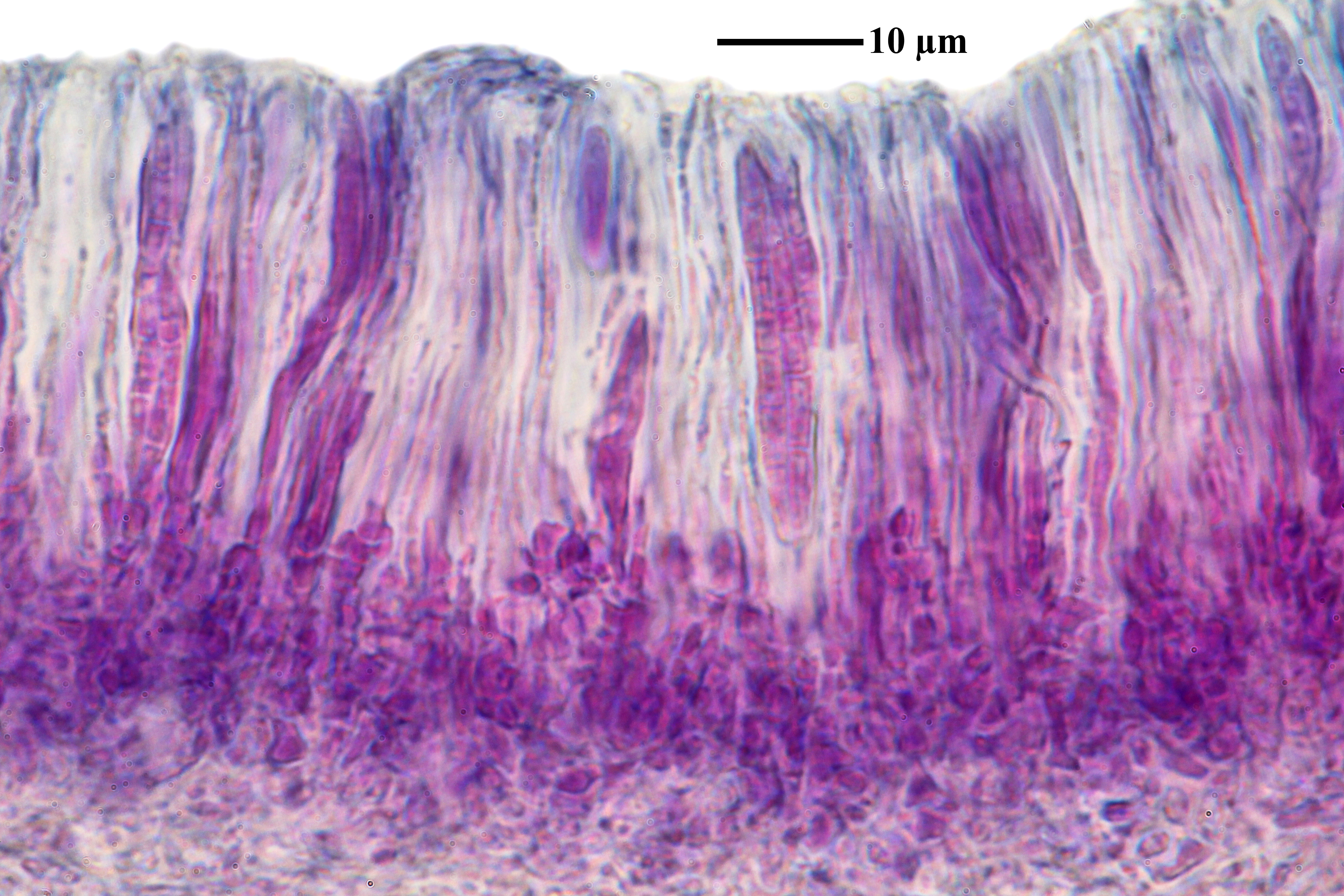
Felix Schumm - CC BY-SA 4.0
[TSB_18688], Oesterreich, Steiermark, Stubalpe, Bez. Voitsberg, Graben des Drei-Goessnitzbaches S Koeflach, Böschung eines Waldweges, 550-600 m. Leg. J. Poelt, 23.09.1990 (Dupl. ex GZU)
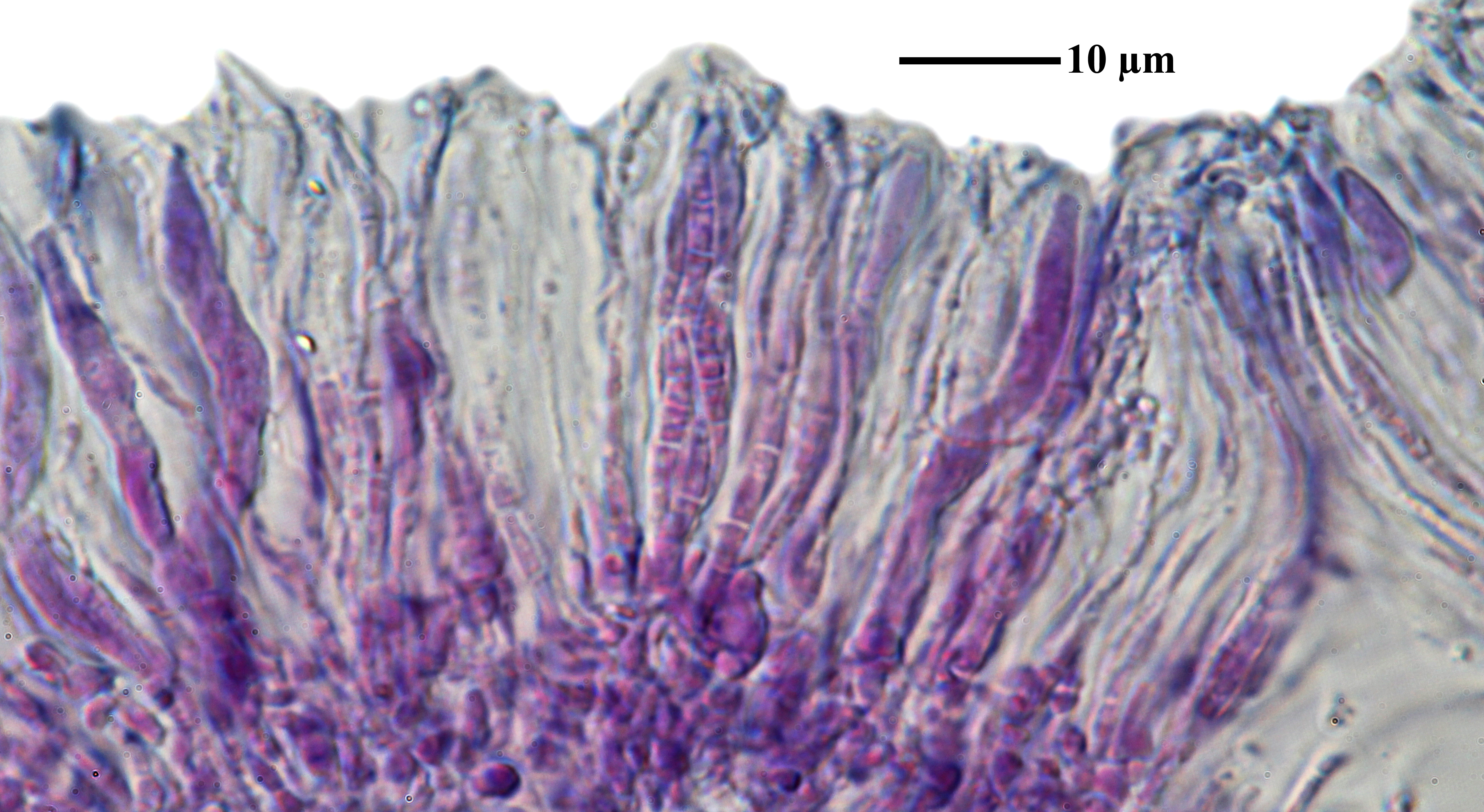
Felix Schumm - CC BY-SA 4.0
[TSB_18688], Oesterreich, Steiermark, Stubalpe, Bez. Voitsberg, Graben des Drei-Goessnitzbaches S Koeflach, Böschung eines Waldweges, 550-600 m. Leg. J. Poelt, 23.09.1990 (Dupl. ex GZU)

Felix Schumm - CC BY-SA 4.0
[TSB_18688], Oesterreich, Steiermark, Stubalpe, Bez. Voitsberg, Graben des Drei-Goessnitzbaches S Koeflach, Böschung eines Waldweges, 550-600 m. Leg. J. Poelt, 23.09.1990 (Dupl. ex GZU)
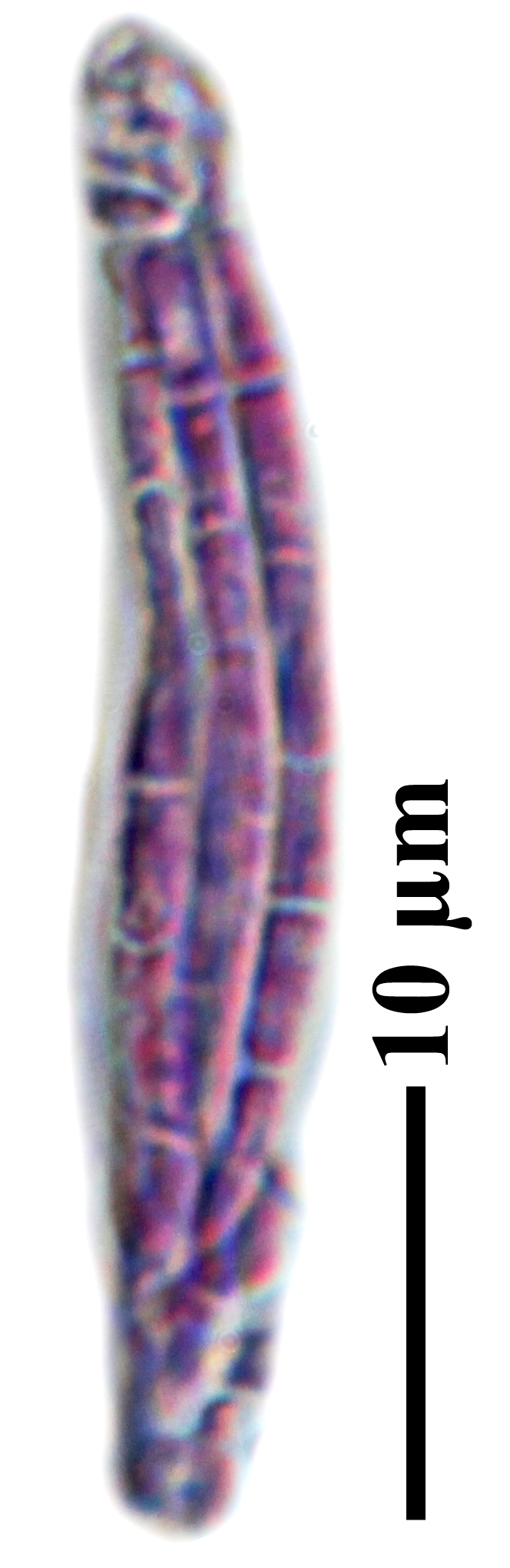
Felix Schumm - CC BY-SA 4.0
[TSB_18688], Oesterreich, Steiermark, Stubalpe, Bez. Voitsberg, Graben des Drei-Goessnitzbaches S Koeflach, Böschung eines Waldweges, 550-600 m. Leg. J. Poelt, 23.09.1990 (Dupl. ex GZU)

Felix Schumm - CC BY-SA 4.0
[TSB_18688], Oesterreich, Steiermark, Stubalpe, Bez. Voitsberg, Graben des Drei-Goessnitzbaches S Koeflach, Böschung eines Waldweges, 550-600 m. Leg. J. Poelt, 23.09.1990 (Dupl. ex GZU)
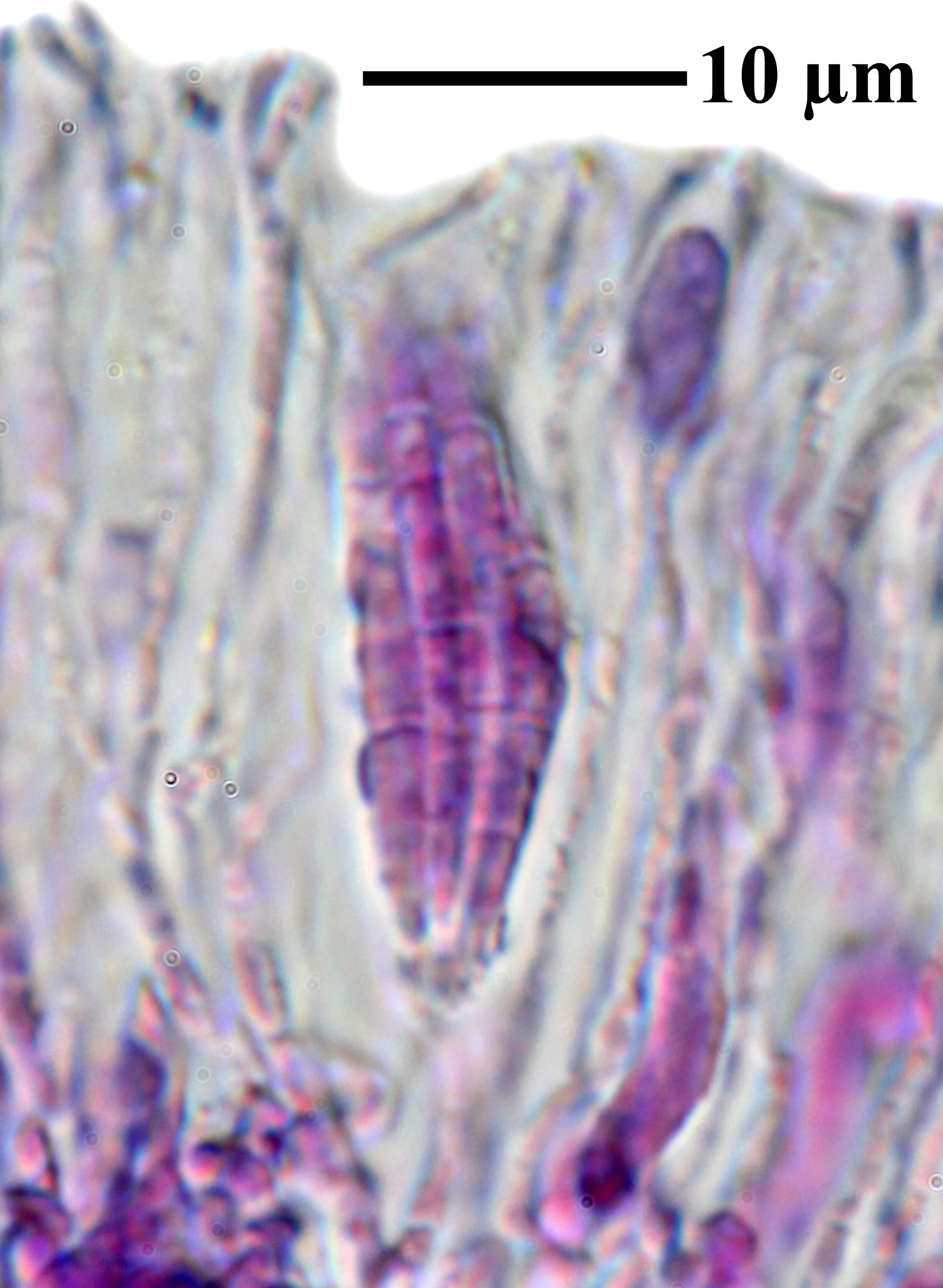
Felix Schumm - CC BY-SA 4.0
[TSB_18688], Oesterreich, Steiermark, Stubalpe, Bez. Voitsberg, Graben des Drei-Goessnitzbaches S Koeflach, Böschung eines Waldweges, 550-600 m. Leg. J. Poelt, 23.09.1990 (Dupl. ex GZU)
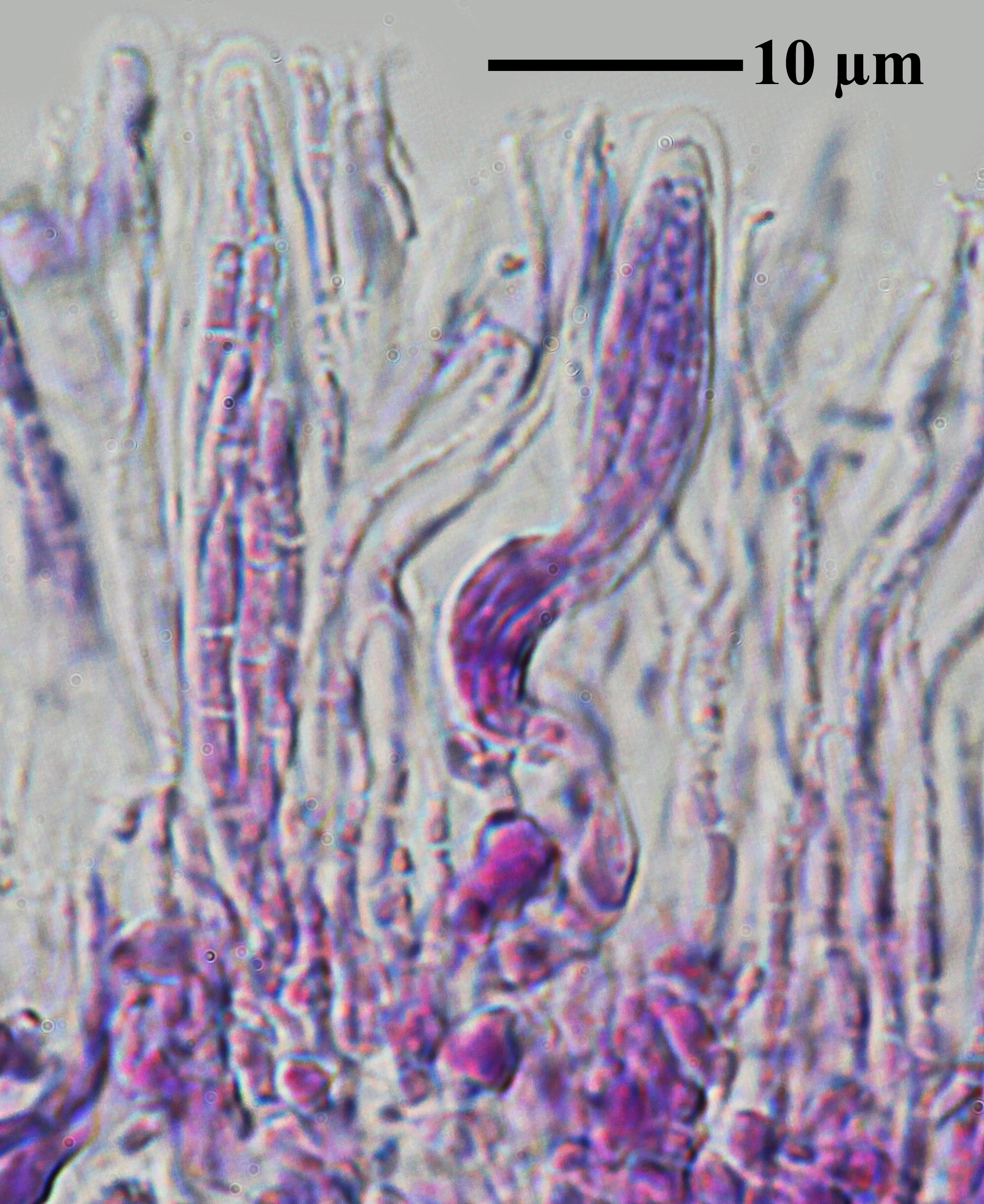
Felix Schumm - CC BY-SA 4.0
[TSB_18688], Oesterreich, Steiermark, Stubalpe, Bez. Voitsberg, Graben des Drei-Goessnitzbaches S Koeflach, Böschung eines Waldweges, 550-600 m. Leg. J. Poelt, 23.09.1990 (Dupl. ex GZU)
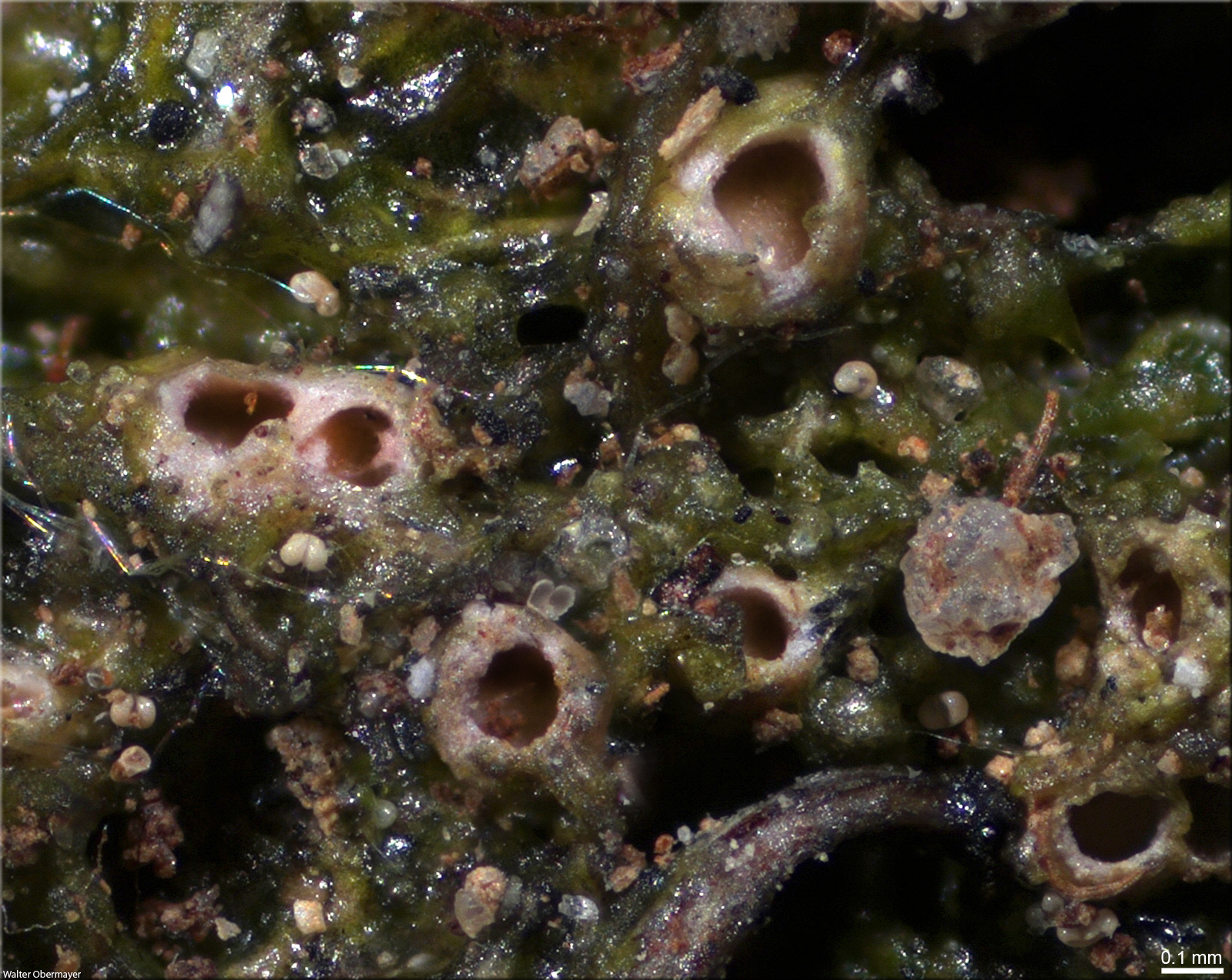
Walter Obermayer CC BY-SA 4.0 - Source: Lichens of Noricum - http://lichens-of-noricum.uni-graz.at/

Felix Schumm - CC BY-SA 4.0
[VZR371], Germania. Bavaria, montes Schwarzwald, Haidmühle, secus viam ad latera merid. montis Dreisesselberg, 1000 m. In fossis viae, ad terram arenosam. Leg. A. Vezda, J. Kocourková & V. Wirth. EX A. VEZDA: LICHENES RARIORES EXSICCATI NR. 371.

Felix Schumm - CC BY-SA 4.0
[VZR371], Germania. Bavaria, montes Schwarzwald, Haidmühle, secus viam ad latera merid. montis Dreisesselberg, 1000 m. In fossis viae, ad terram arenosam. Leg. A. Vezda, J. Kocourková & V. Wirth. EX A. VEZDA: LICHENES RARIORES EXSICCATI NR. 371.
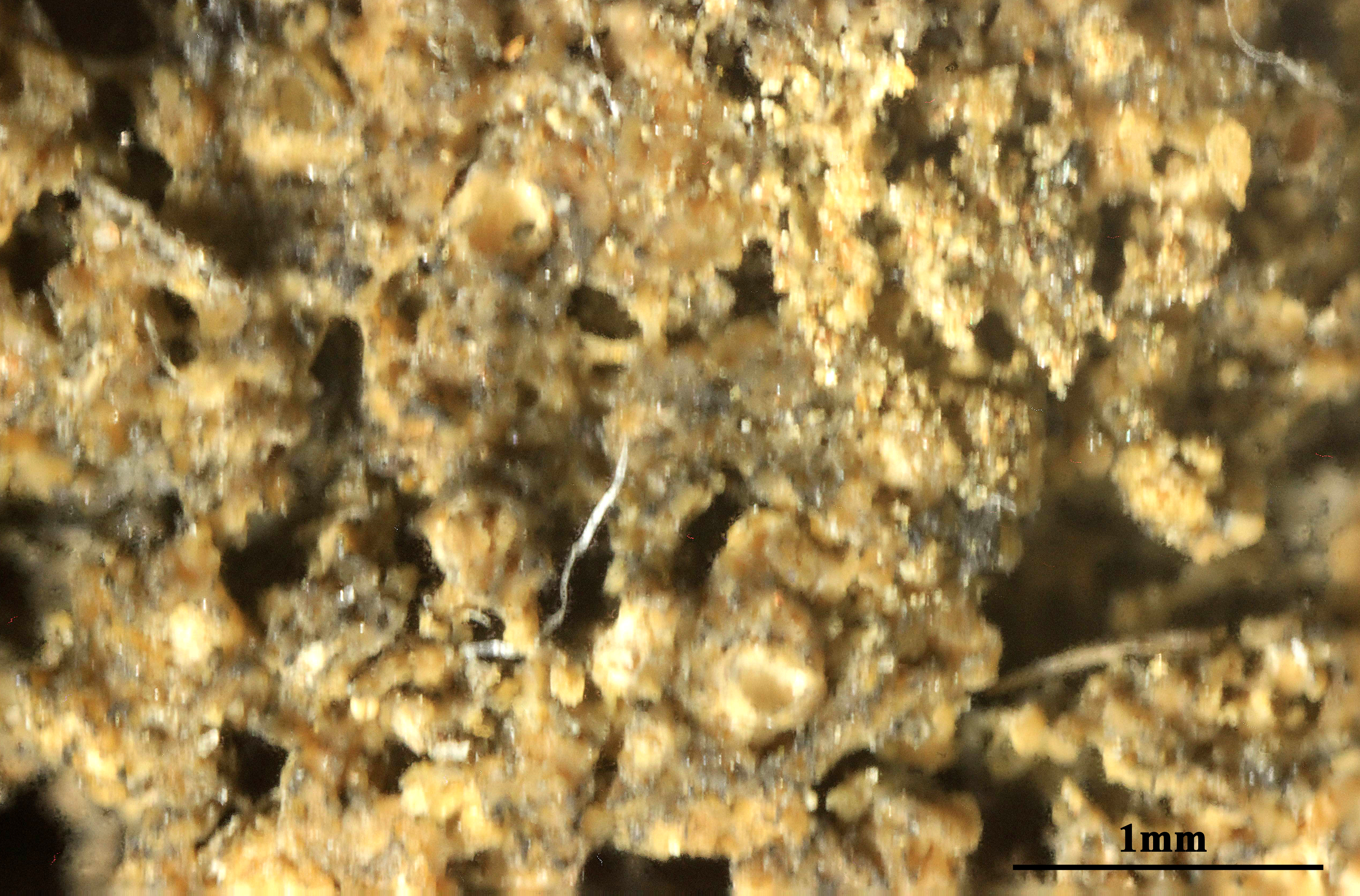
Felix Schumm - CC BY 4.0
[VZ1086], Bohemoslovacia. Moravia, montes Sudetes orientales, in monte Vysoká hole, 1450 m. Ad terram macram humosam. Leg. A. Vezda, 8.5.1872. EX A. VEZDA LICHENES SELECTI EXSICCATI NR. 1088. As Gloeolecta bryophaga

Felix Schumm - CC BY 4.0
[VZ1086], Bohemoslovacia. Moravia, montes Sudetes orientales, in monte Vysoká hole, 1450 m. Ad terram macram humosam. Leg. A. Vezda, 8.5.1872. EX A. VEZDA LICHENES SELECTI EXSICCATI NR. 1088. As Gloeolecta bryophaga