
Bilimbia lobulata (Sommerf.) Hafellner & Coppins
in Veldkamp, Lichenologist, 36: 195, 2004. Basionym: Lecidea lobulata Sommerf. - Kungl. Norske Vidensk. Srifter, 2, 2: 54, 1827.
Synonyms: Bacidia sabulosa (A. Massal.) Lettau; Biatora regeliana Hepp; Bilimbia leucophaea var. perpallescens (Nyl.) A.L. Sm.; Bilimbia milliaria var. terrestris Körb.; Bilimbia regeliana (Hepp) Körb.; Bilimbia sabulosa A. Massal.; Bilimbia syncomista (Flörke) Körb.; Lecidea claudeliana Harm.; Lecidea sabuletorum var. syncomista Flörke; Lecidea subnegans Nyl.; Mycobilimbia lobulata (Sommerf.) Hafellner; Myxobilimbia lobulata (Sommerf.) Hafellner; Toninia claudeliana (Harm.) H. Olivier; Toninia lobulata (Sommerf.) Lynge; Toninia sabulosa (A. Massal.) Samp.; Toninia syncomista (Flörke) Th. Fr.; Toninia syncomista var. regeliana (Hepp) Stein
Description: Thallus small-squamulose to subcrustose and warted-granular, whitish grey to grey, darker in the centre of the squamules, forming up to 4 cm wide patches, the squamules flattened, crenate to lobulate, smooth, contiguous to more or less overlapping, 0.1-0.5(-1) mm wide, forming a compact crust. Upper cortex 5-10 µm thick, overlain by an epinecral layer; algal layer with scattered groups of algae which are often arranged in columns; medulla white, 15-50 µm thick. Apothecia frequent, lecideine, sessile, often aggregated, 0.3-0.8(-1) mm across, with a black to brown-black, epruinose, at first flat but soon turning convex disc and an indistinct, soon excluded proper margin. Proper exciple of radiating hyphae, pale in outer part, red-brown within, K+ intensifying, N+ purple-red, 40–60 μm wide laterally; epithecium greenish grey to blue-green, K-, N+ reddish, c. 10 μm high; hymenium colourless to partially brownish, 70-90 µm high; paraphyses mostly simple, coherent, stout, (1.5-)2-3 μm thick at mid-level, the apical cells up to 5 μm wide; subhymenium 50-75 μm high, mostly colourless in upper part, pinkish brown to dark brown in lower part; hypothecium brown-red in upper part, paler in lower part. Asci 8-spored, cylindrical-clavate, with a K/I+ blue apical dome penetrated by a narrow, K/I– apical cushion surrounded by an indistinct, apically often tapering, wall K/I– but surrounded by an I+ red-brown, K/I+ blue outer layer. Ascospores (0-)1-3-septate, hyaline, fusiform and pointed at one end, (12-)14-25(-28) x 3-5(-7) µm, with a warted, gelatinous perispore which is visible in water and disappears in K. Photobiont chlorococcoid. Spot tests: cortex and medulla K-, C-, KC-, P-, UV-. Chemistry: thallus with zeorin.
Growth form: Crustose
Substrata: soil, terricolous mosses, and plant debris
Photobiont: green algae other than Trentepohlia
Reproductive strategy: mainly sexual
Commonnes-rarity: (info)
Alpine belt: common
Subalpine belt: very common
Montane belt: rather rare
Dry submediterranean belt: very rare
Humid submediterranean belt: very rare
Padanian area: absent
pH of the substrata:
1 2 3 4 5

Solar irradiation:
1 2 3 4 5
Aridity:
1 2 3 4 5
Eutrophication:
1 2 3 4 5
Poleotolerance:
0 1 2 3
Altitudinal distribution:
1 2 3 4 5 6
Rarity
absent
extremely rare
very rare
rare
rather rare
rather common
common
very common
extremely common
Loading data...
Occurrence data
Predictive map
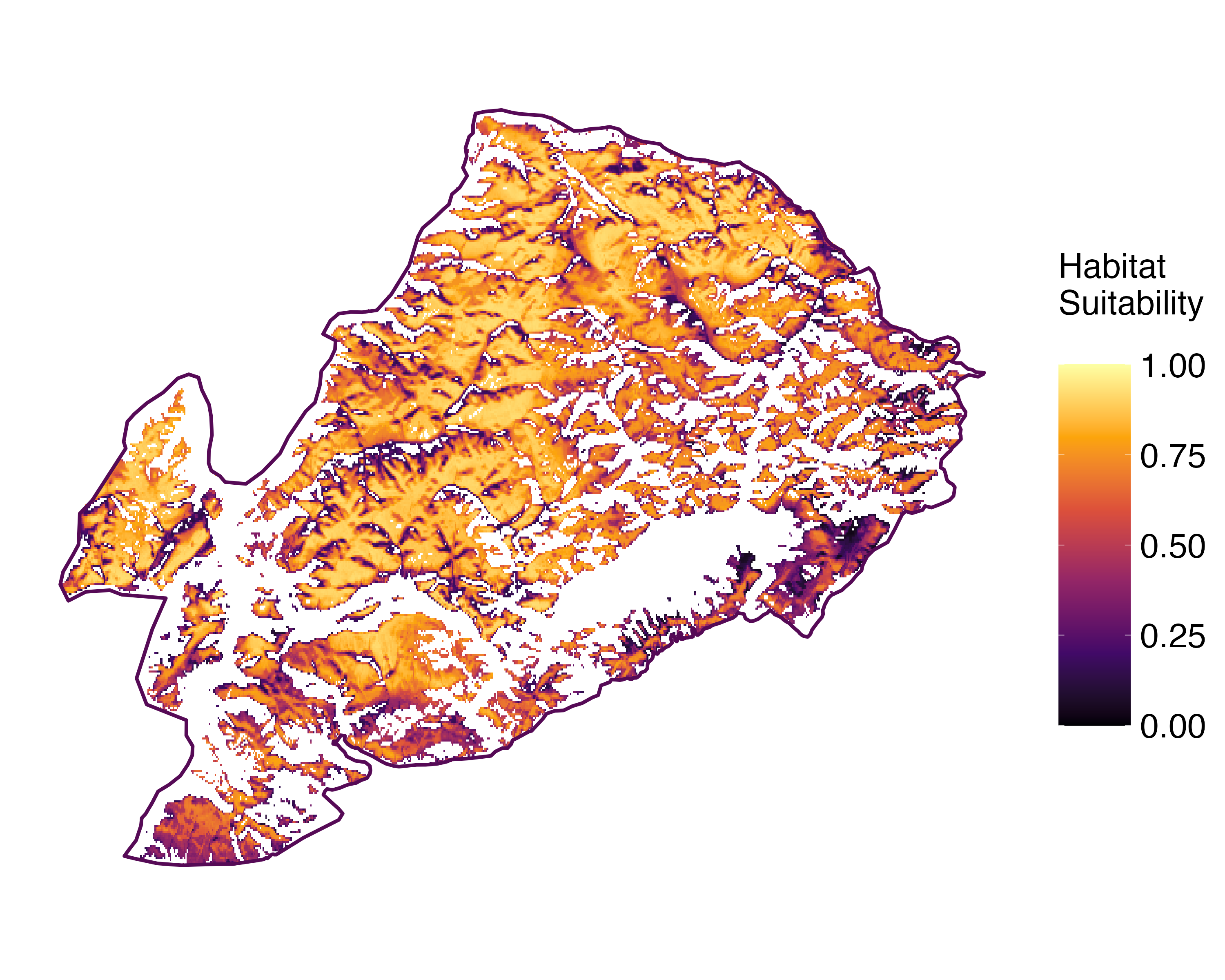 Current prediction (1981-2010)
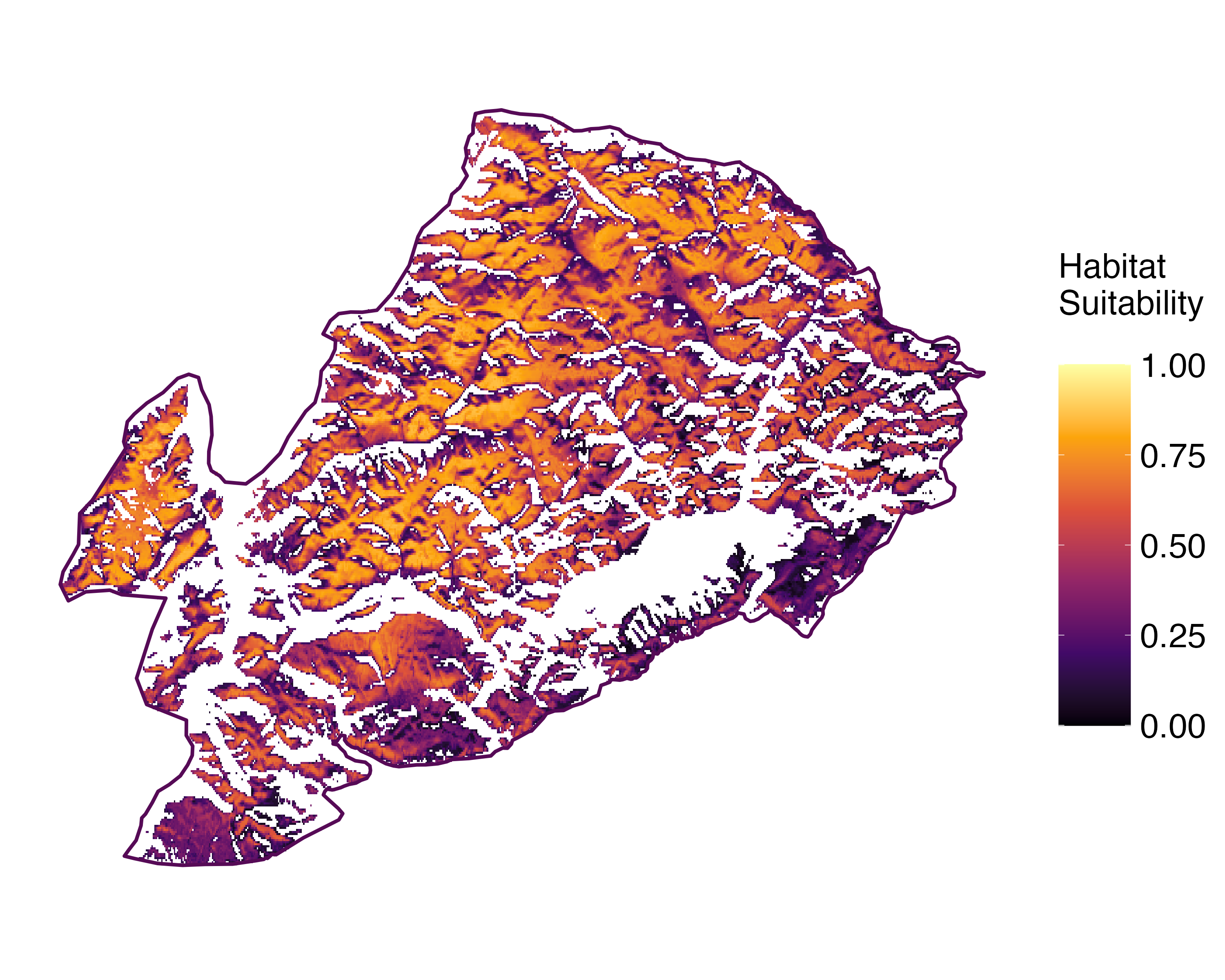 Future prediction (2071-2100) SSP 1-2.6
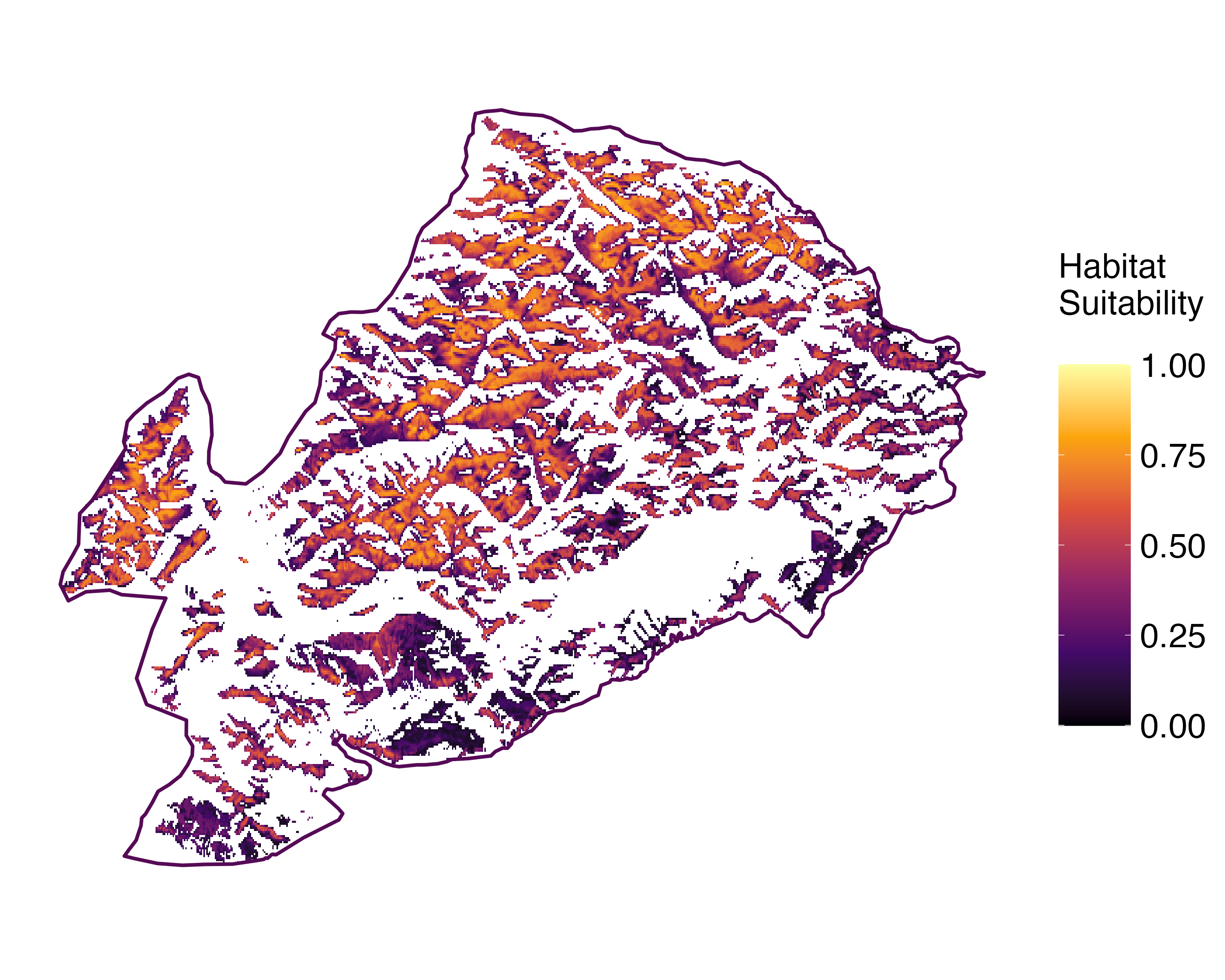 Future prediction (2071-2100) SSP 5-8.5Predictive maps according to Francesconi et al. 2025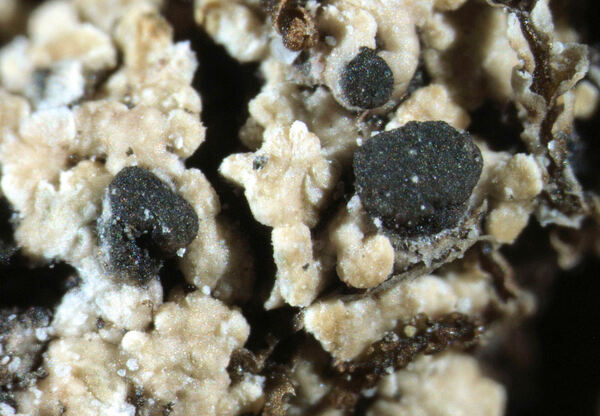
P.L. Nimis CC BY-SA 4.0
TSB 38711
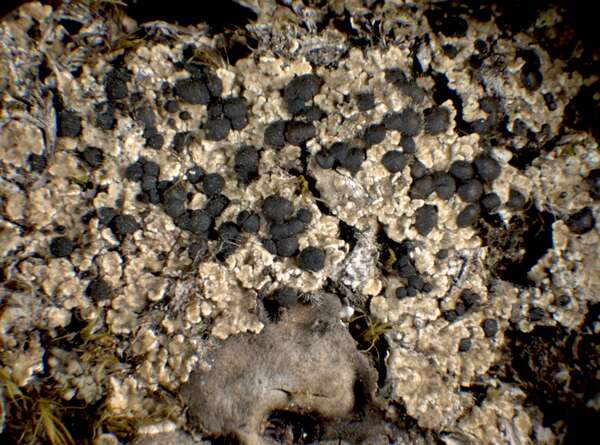
P.L. Nimis; Owner: Department of Life Sciences, University of Trieste
Herbarium: TSB (24036)
2001/12/10
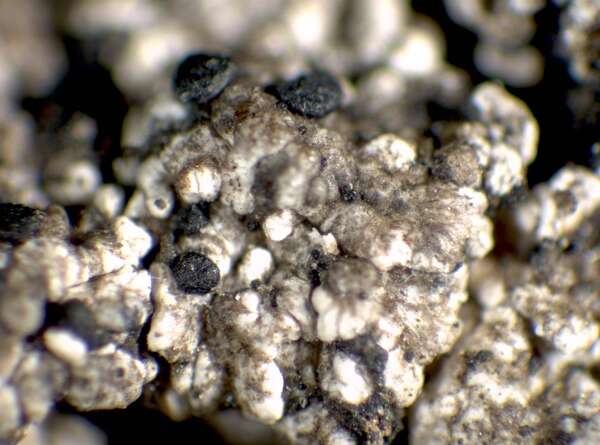
P.L. Nimis; Owner: Department of Life Sciences, University of Trieste
Herbarium: TSB (23752)
2001/12/10
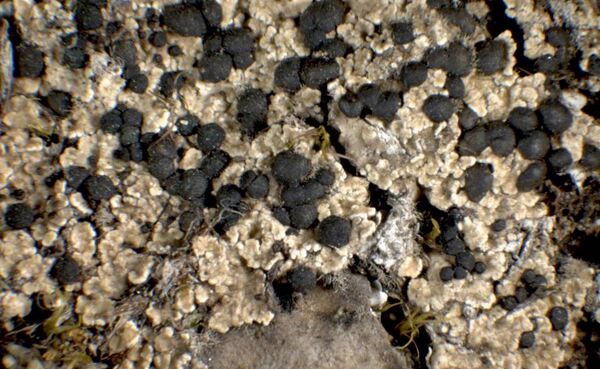
Pier Luigi Nimis; Owner: Department of Life Sciences, University of Trieste
Herbarium: TSB (24036)
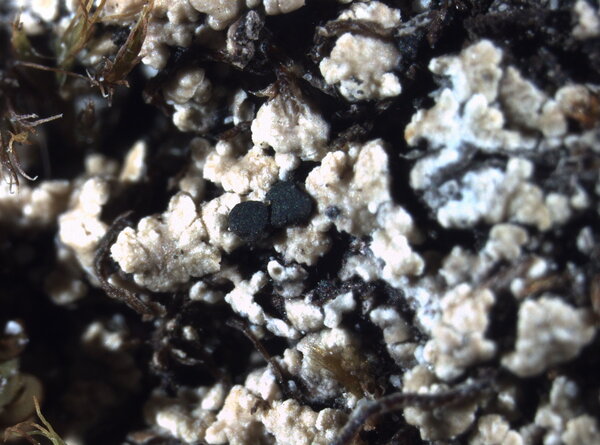
Pier Luigi Nimis - CC BY-SA 4.0
TSB 38711
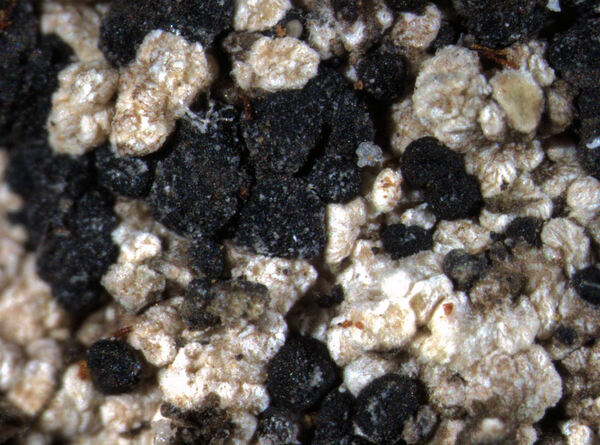
P.L. Nimis CC BY-SA 4.0
TSB 37345
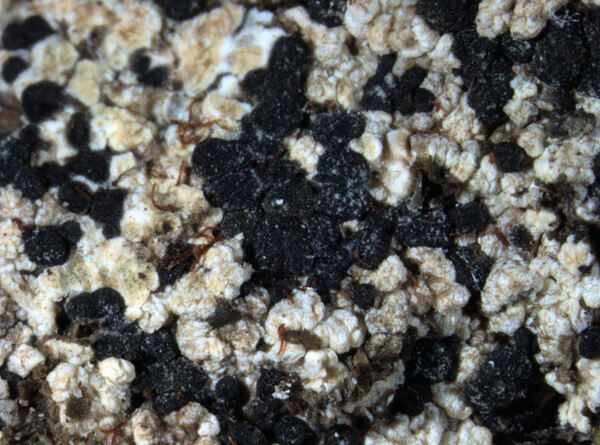
P.L. Nimis CC BY-SA 4.0
TSB 37345
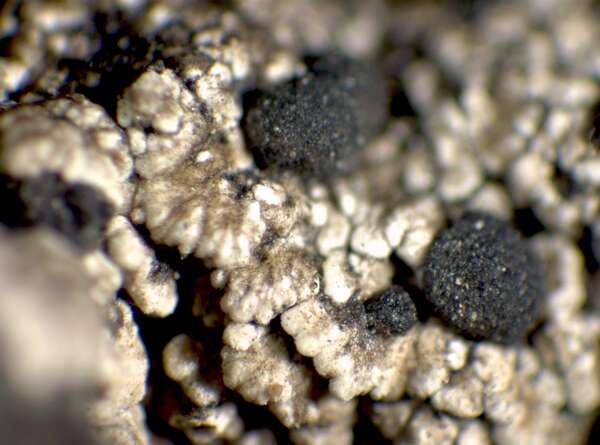
P.L. Nimis; Owner: Department of Life Sciences, University of Trieste
Herbarium: TSB (23752)
2001/12/10
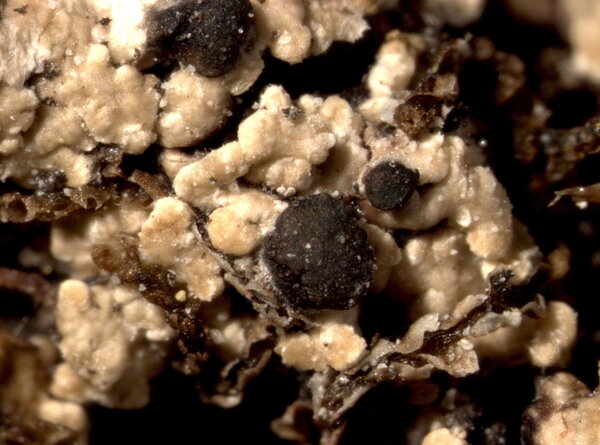
Pier Luigi Nimis - CC BY-SA 4.0
TSB 38711
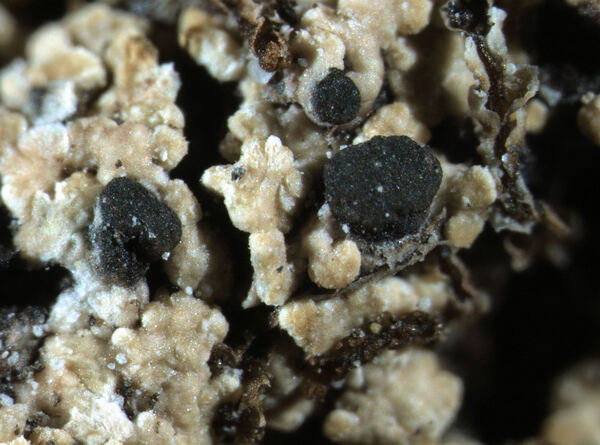
P.L. Nimis CC BY-SA 4.0
TSB 38711
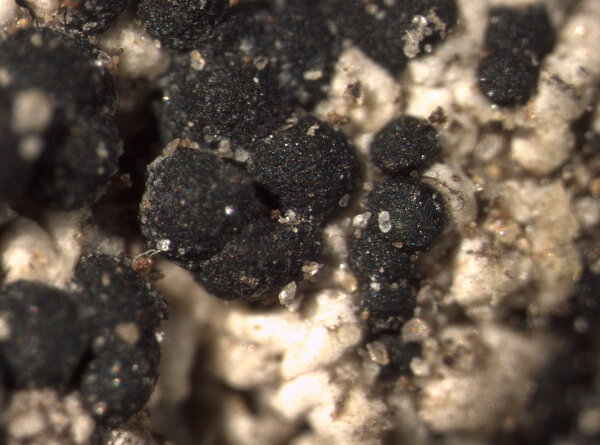
Pier Luigi Nimis - CC BY-SA 4.0
TSB 38472
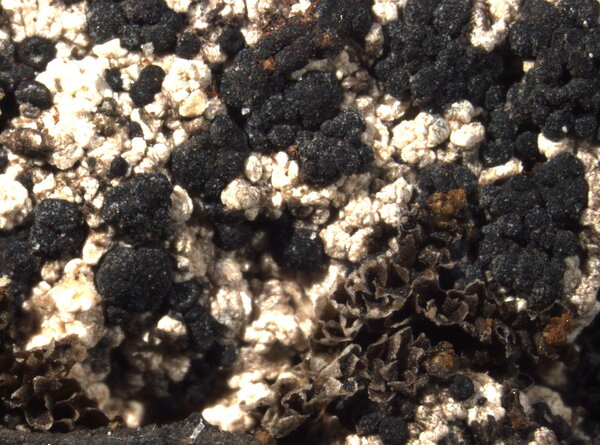
Pier Luigi Nimis - Department of Life Sciences, University of Trieste - CC BY-SA 4.0
TSB 37345
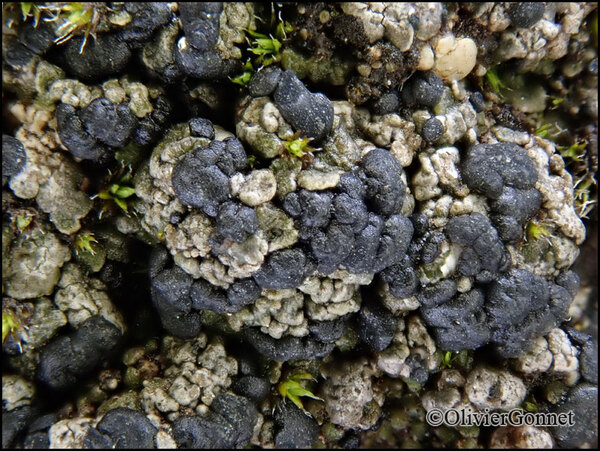
Courtesy: Olivier et Danièle Gonnet - Source: https://www.afl-lichenologie.fr/Photos_AFL/Photos_AFL_B/Textes_B2/Bilimbia_lobulata.htm
France, Vallée haute, Laval - Névache - Hautes-Alpes
17/6/2018
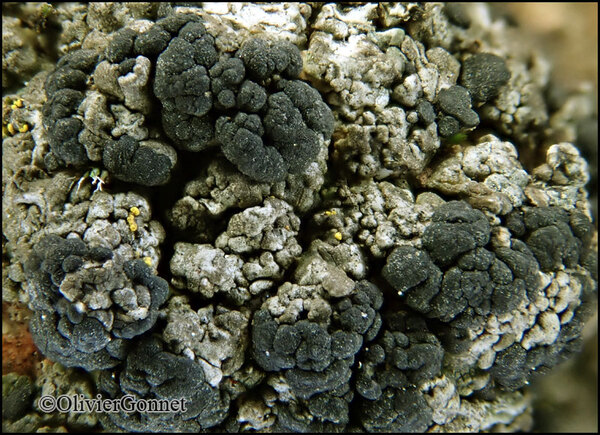
Courtesy: Olivier et Danièle Gonnet - Source: https://www.afl-lichenologie.fr/Photos_AFL/Photos_AFL_B/Textes_B2/Bilimbia_lobulata.htm
France, Vallée haute, Laval - Névache - Hautes-Alpes
17/6/2018
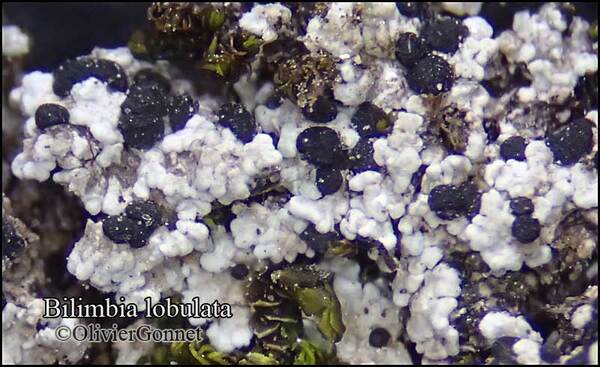
Courtesy: Olivier et Danièle Gonnet - Source: https://www.afl-lichenologie.fr/Photos_AFL/Photos_AFL_B/Textes_B2/Bilimbia_lobulata.htm
France, session AFL 2014 - Haute Ubaye - Alpes-de-Haute-Provence
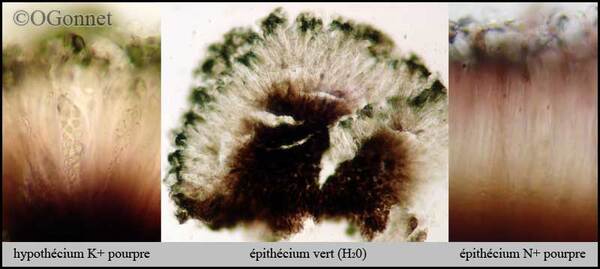
Courtesy: Olivier et Danièle Gonnet - Source: https://www.afl-lichenologie.fr/Photos_AFL/Photos_AFL_B/Textes_B2/Bilimbia_lobulata.htm
France, session AFL 2014 - Haute Ubaye - Alpes-de-Haute-Provence
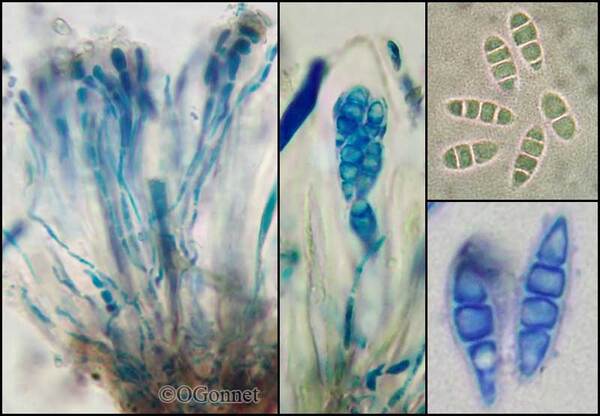
Courtesy: Olivier et Danièle Gonnet - Source: https://www.afl-lichenologie.fr/Photos_AFL/Photos_AFL_B/Textes_B2/Bilimbia_lobulata.htm
France, session AFL 2014 - Haute Ubaye - Alpes-de-Haute-Provence
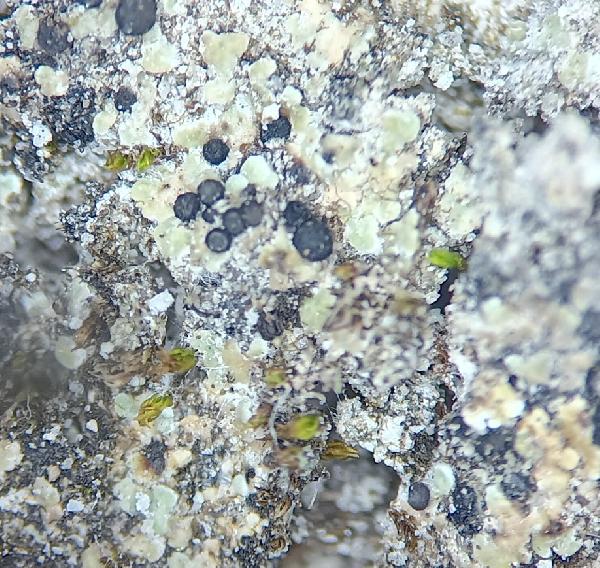
Giovanna Potenza
Italy, Basilicata
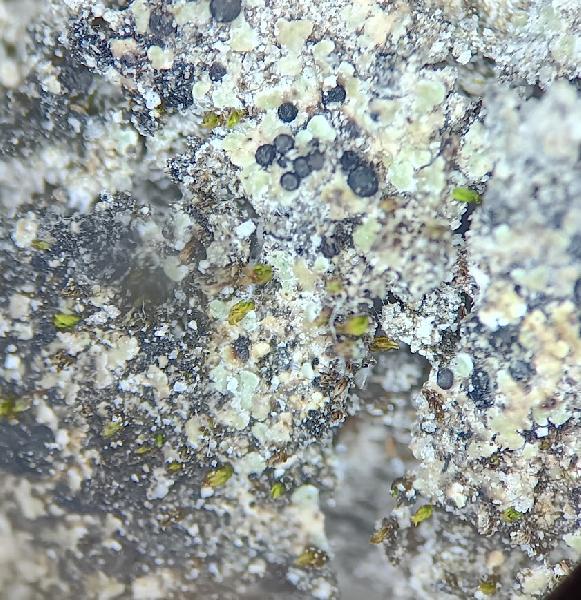
Giovanna Potenza
Italy, Basilicata
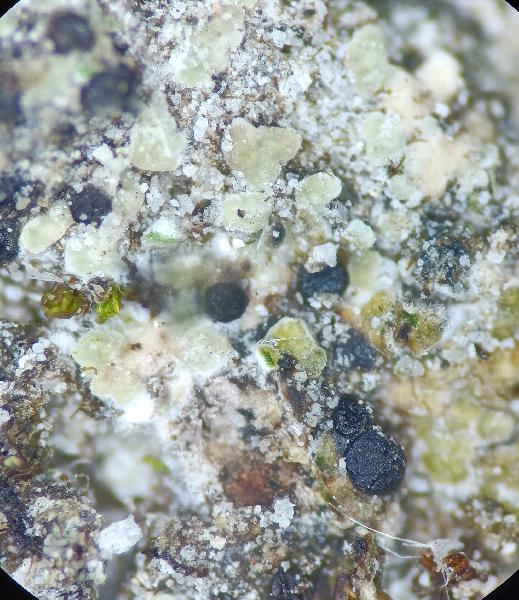
Giovanna Potenza
Italy, Basilicata
Growth form: Crustose
Substrata: soil, terricolous mosses, and plant debris
Photobiont: green algae other than Trentepohlia
Reproductive strategy: mainly sexual
Commonnes-rarity: (info)
Alpine belt: common
Subalpine belt: very common
Montane belt: rather rare
Dry submediterranean belt: very rare
Humid submediterranean belt: very rare
Padanian area: absent
pH of the substrata:
| 1 | 2 | 3 | 4 | 5 |
Solar irradiation:
| 1 | 2 | 3 | 4 | 5 |
Aridity:
| 1 | 2 | 3 | 4 | 5 |
Eutrophication:
| 1 | 2 | 3 | 4 | 5 |
Poleotolerance:
| 0 | 1 | 2 | 3 |
Altitudinal distribution:
| 1 | 2 | 3 | 4 | 5 | 6 |
Rarity
absent
extremely rare
very rare
rare
rather rare
rather common
common
very common
extremely common
Loading data...
Occurrence data
Predictive map
Current prediction (1981-2010)Future prediction (2071-2100) SSP 1-2.6Future prediction (2071-2100) SSP 5-8.5Predictive maps according to Francesconi et al. 2025
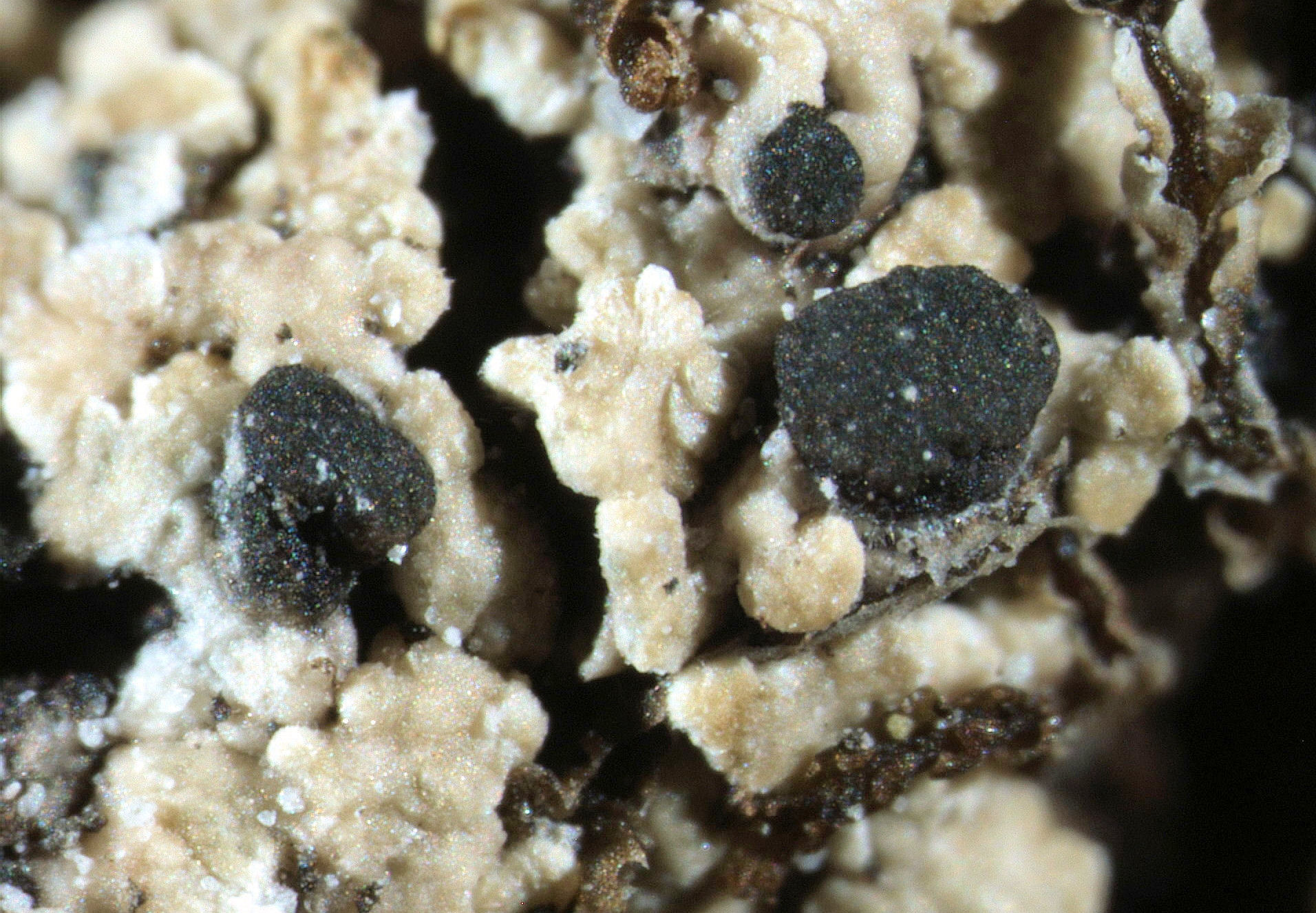
P.L. Nimis CC BY-SA 4.0
TSB 38711
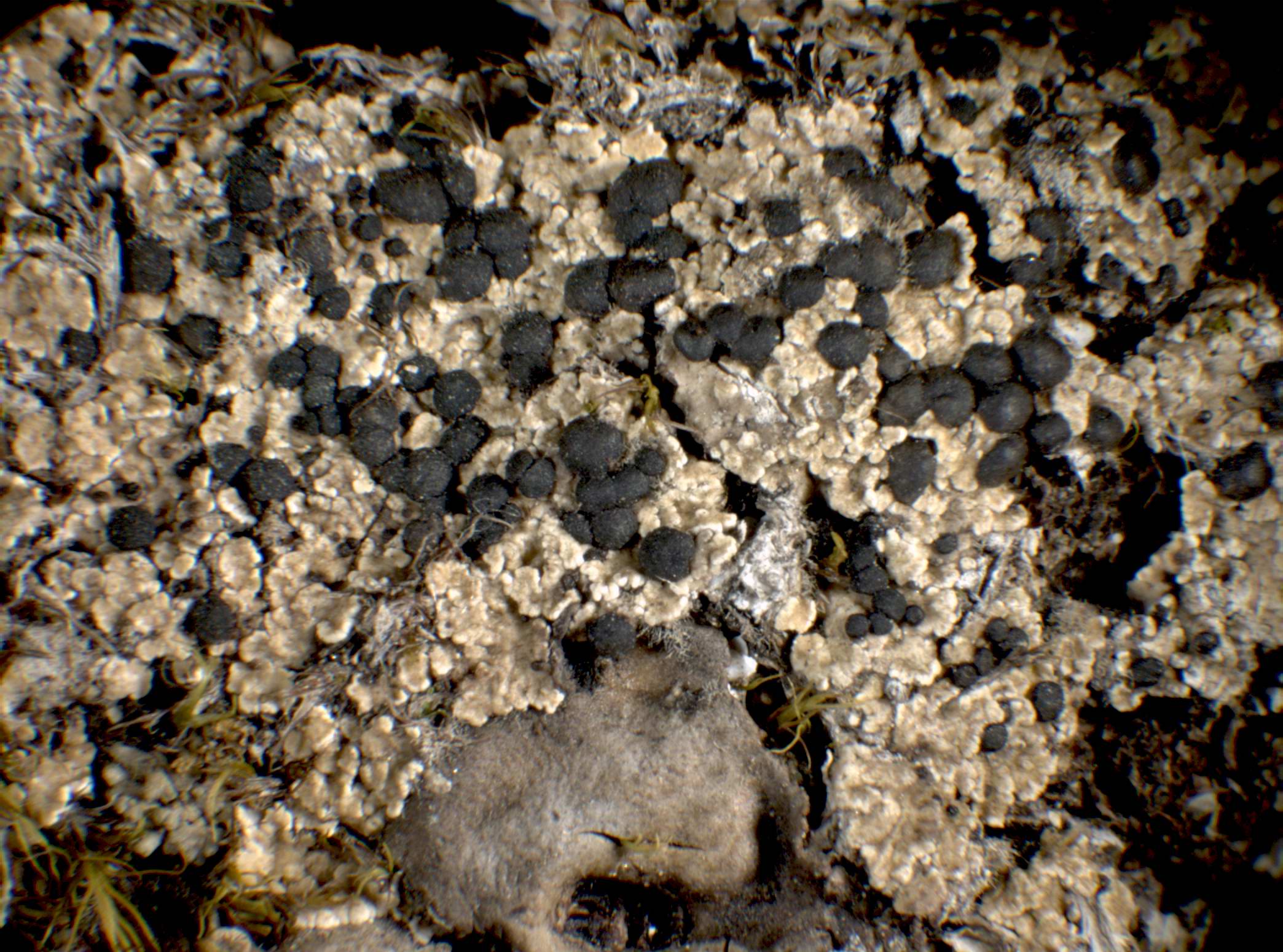
P.L. Nimis; Owner: Department of Life Sciences, University of Trieste
Herbarium: TSB (24036)
2001/12/10
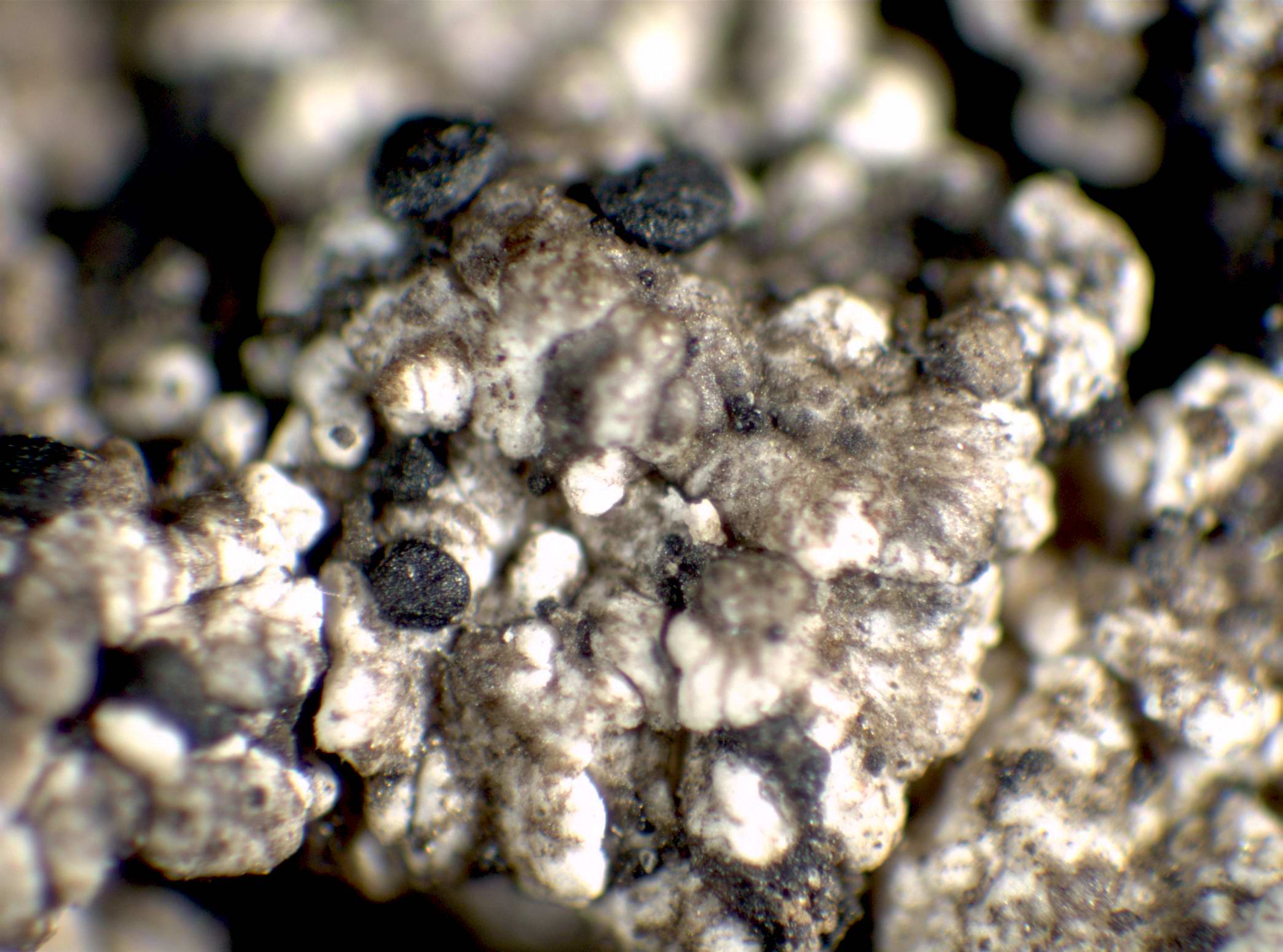
P.L. Nimis; Owner: Department of Life Sciences, University of Trieste
Herbarium: TSB (23752)
2001/12/10
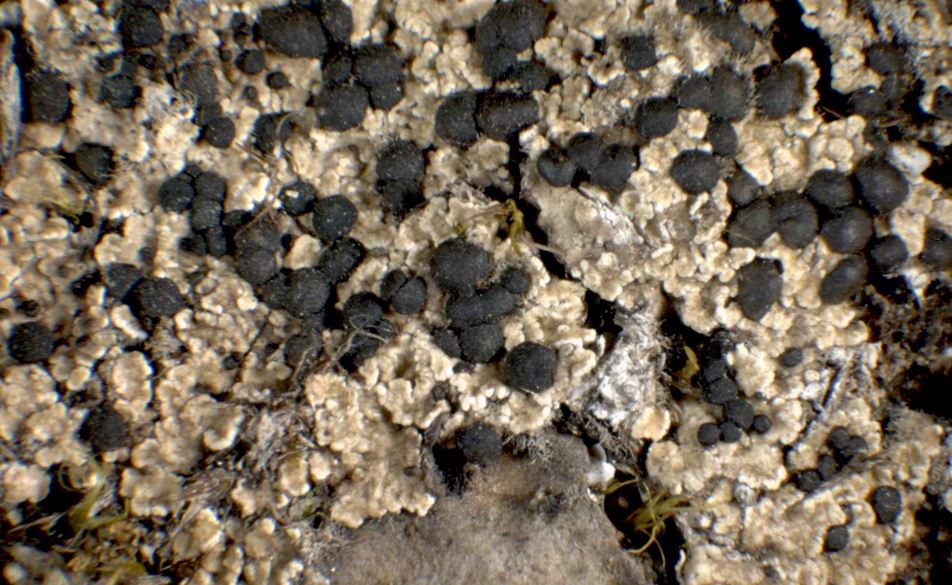
Pier Luigi Nimis; Owner: Department of Life Sciences, University of Trieste
Herbarium: TSB (24036)
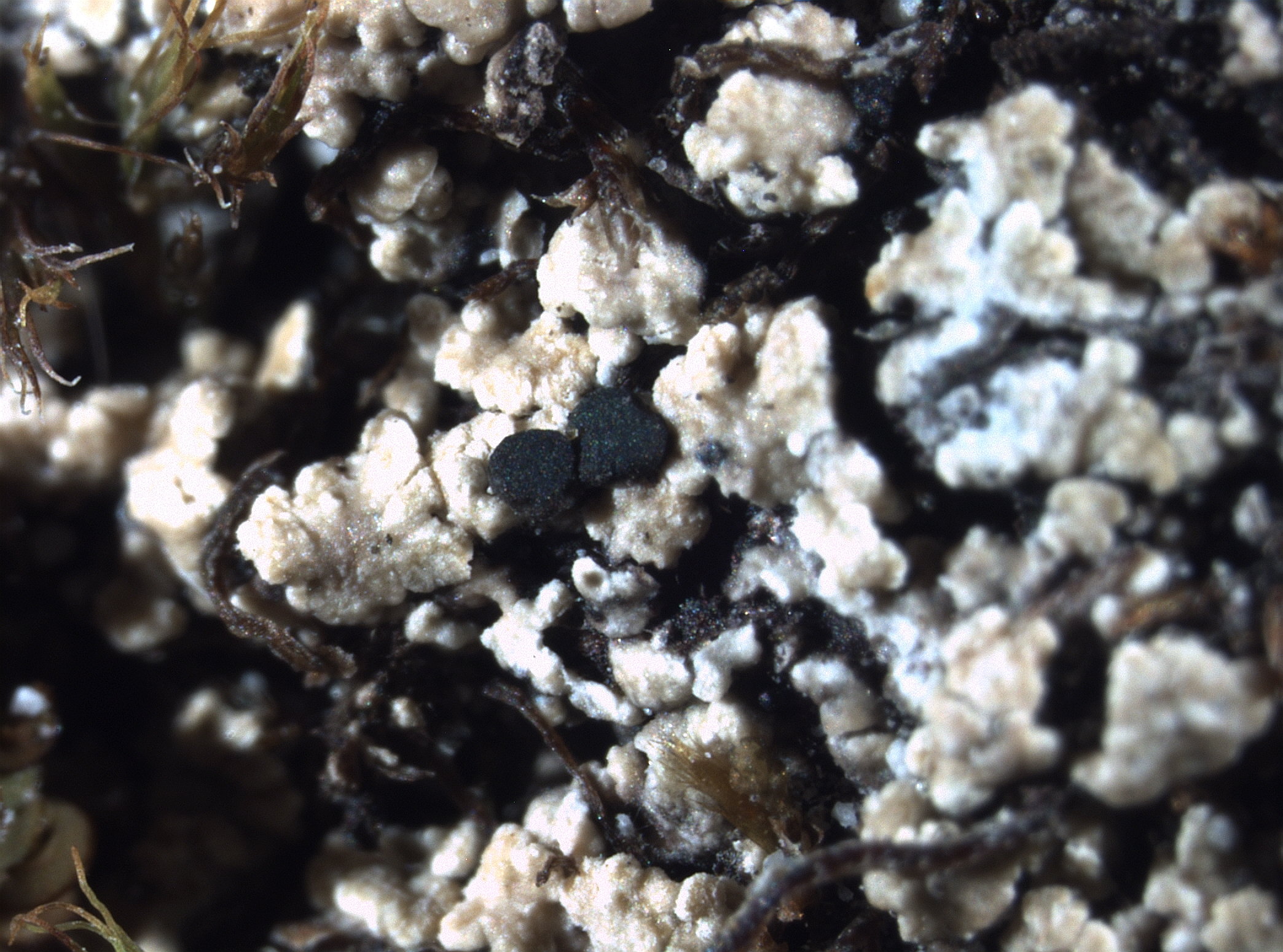
Pier Luigi Nimis - CC BY-SA 4.0
TSB 38711
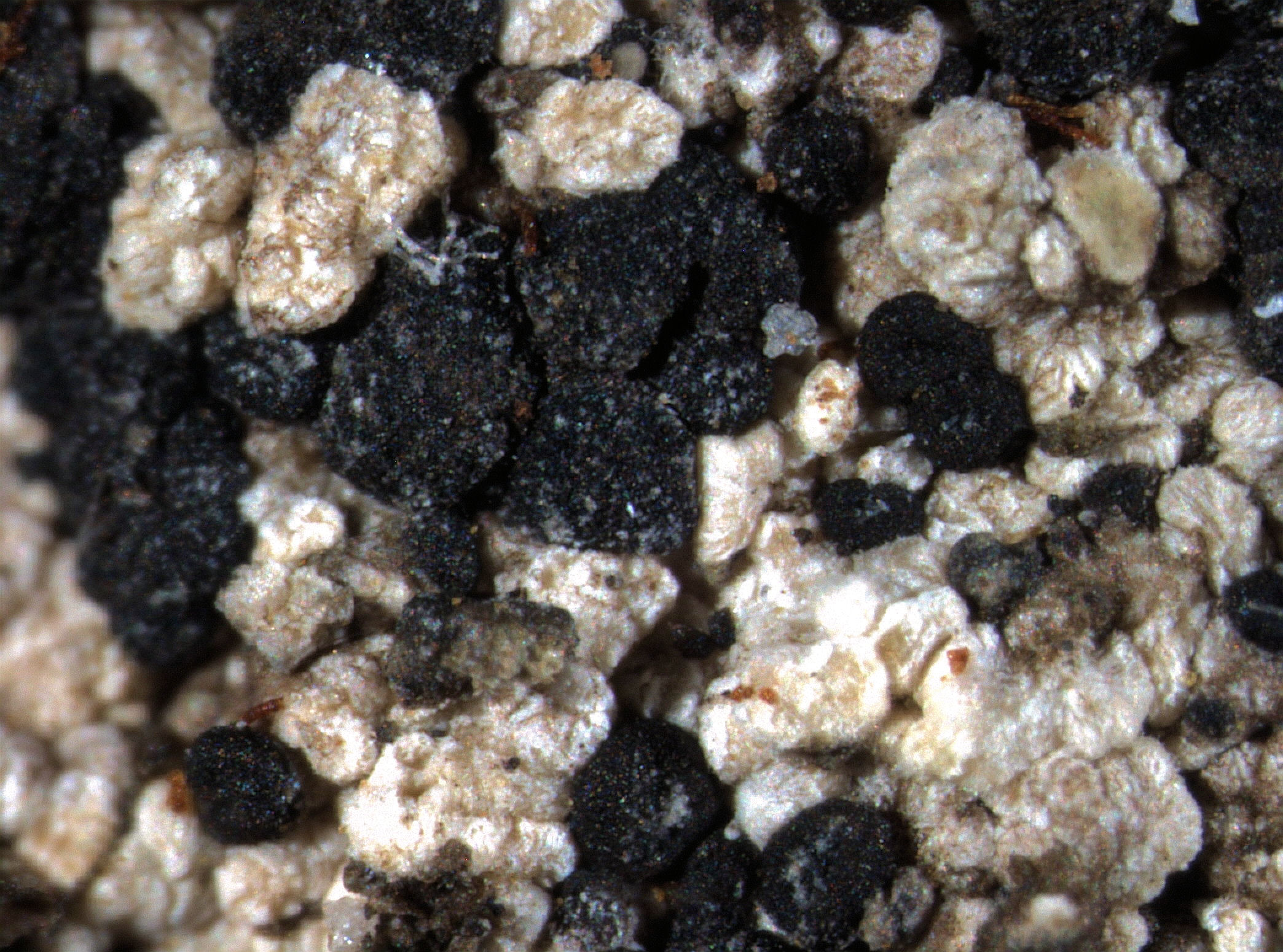
P.L. Nimis CC BY-SA 4.0
TSB 37345
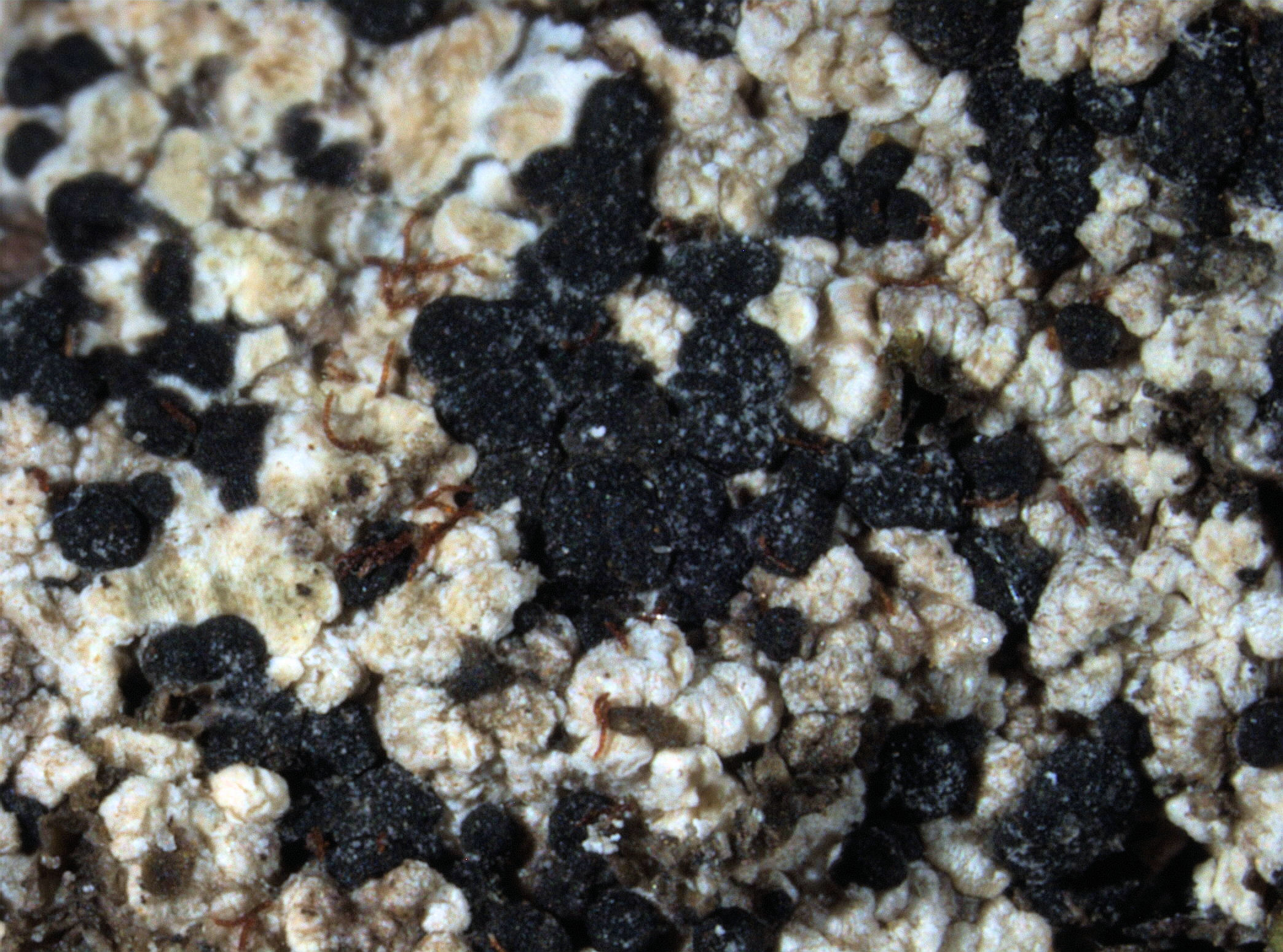
P.L. Nimis CC BY-SA 4.0
TSB 37345
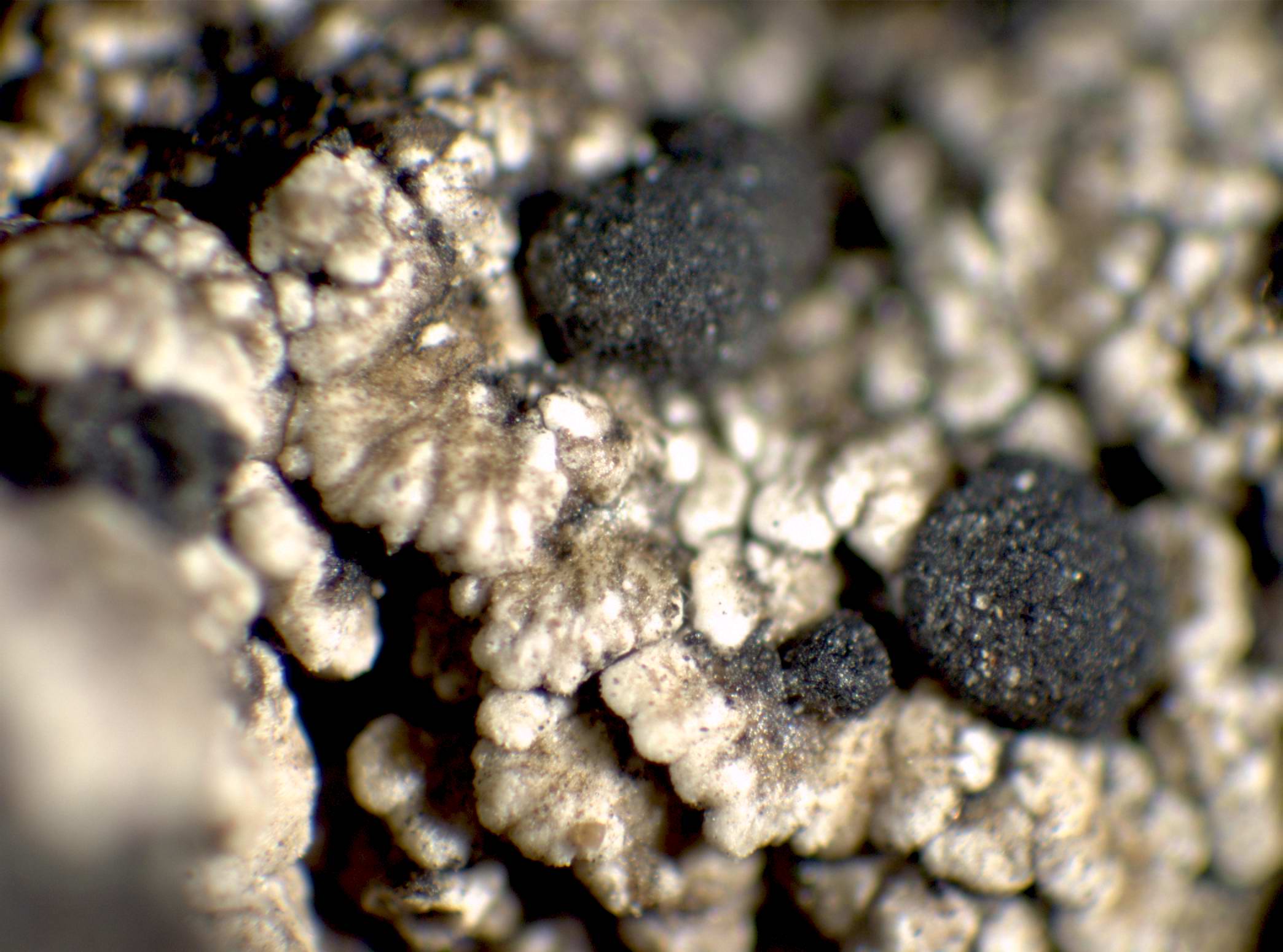
P.L. Nimis; Owner: Department of Life Sciences, University of Trieste
Herbarium: TSB (23752)
2001/12/10
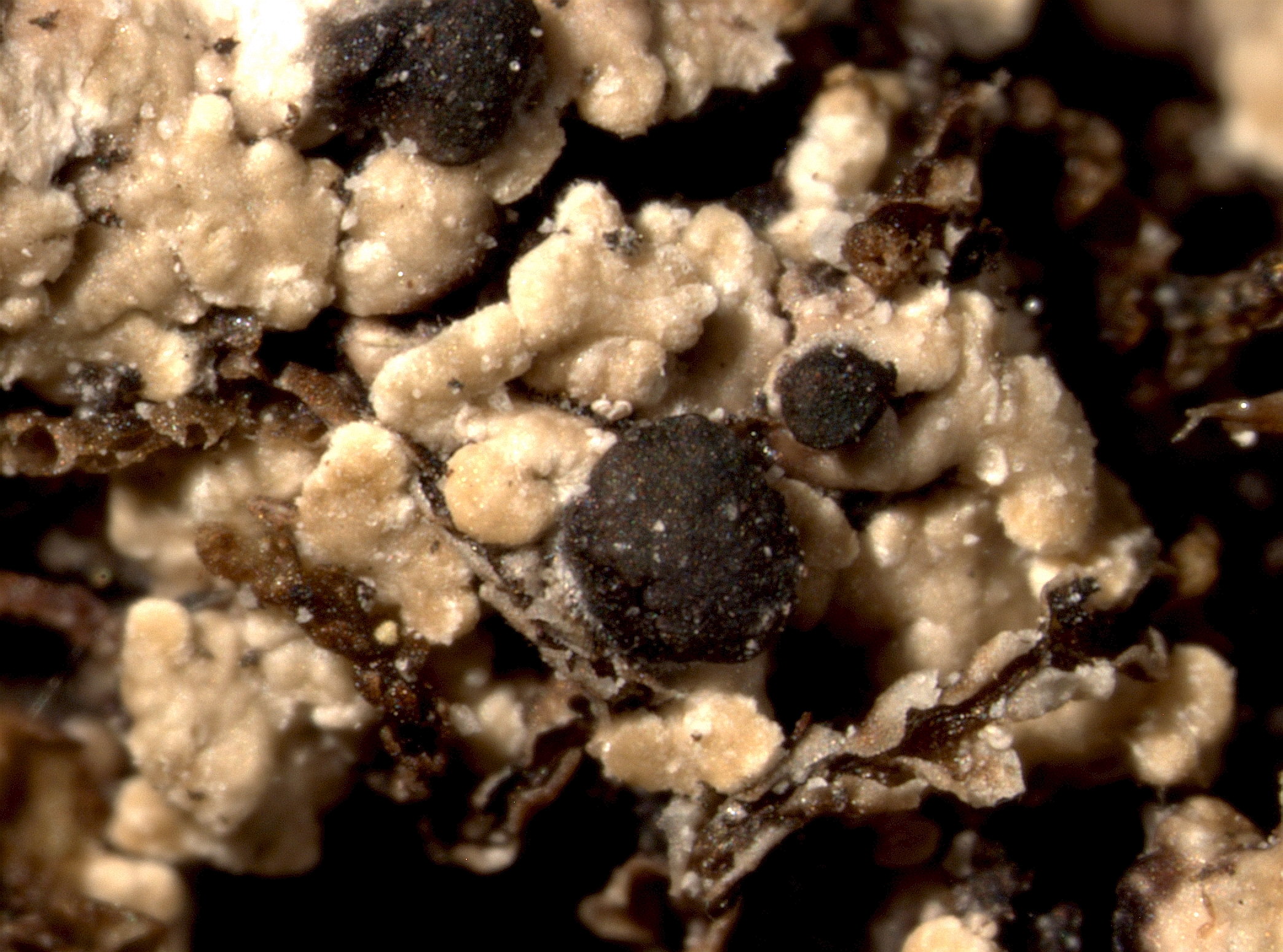
Pier Luigi Nimis - CC BY-SA 4.0
TSB 38711

P.L. Nimis CC BY-SA 4.0
TSB 38711
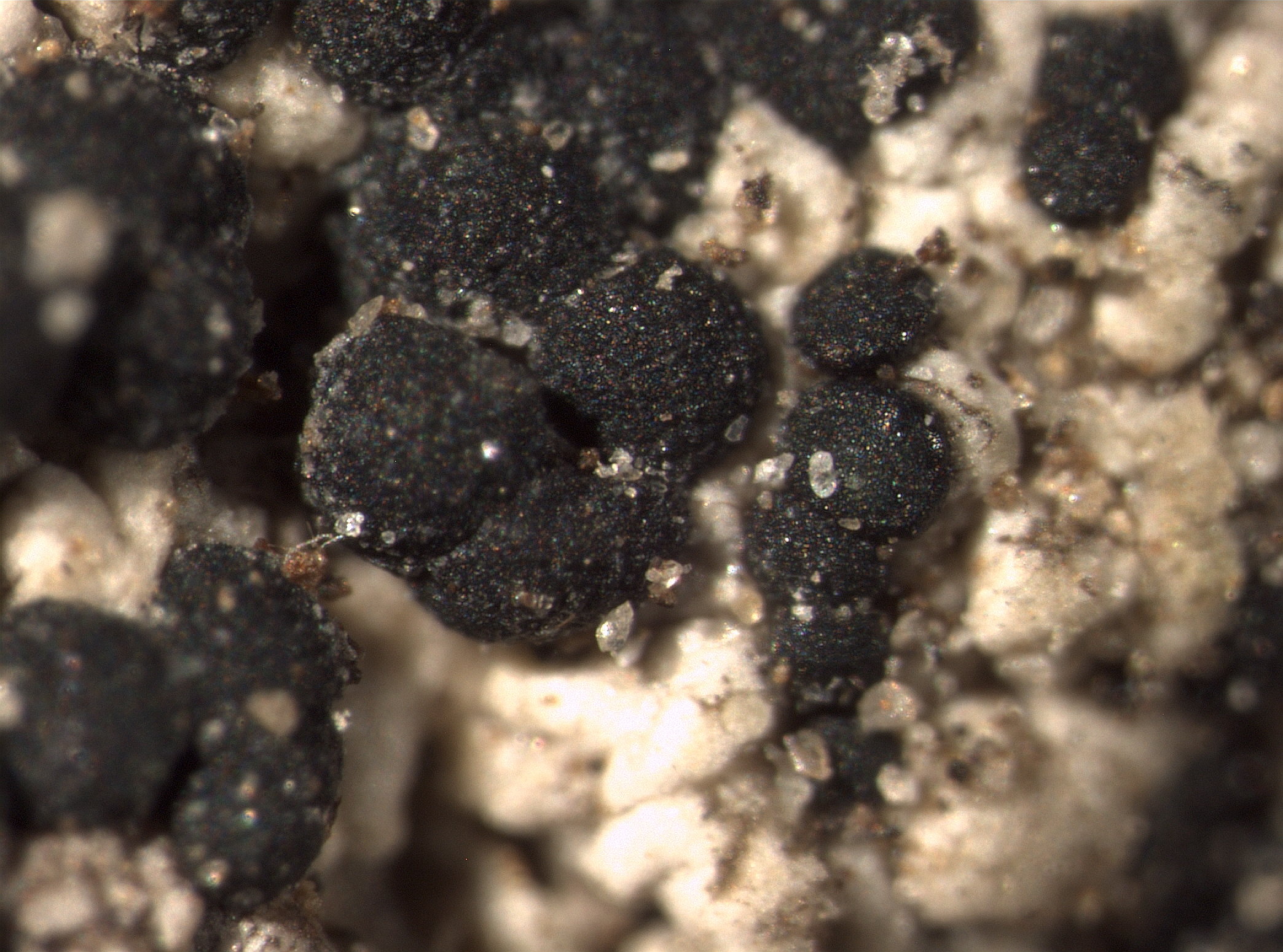
Pier Luigi Nimis - CC BY-SA 4.0
TSB 38472
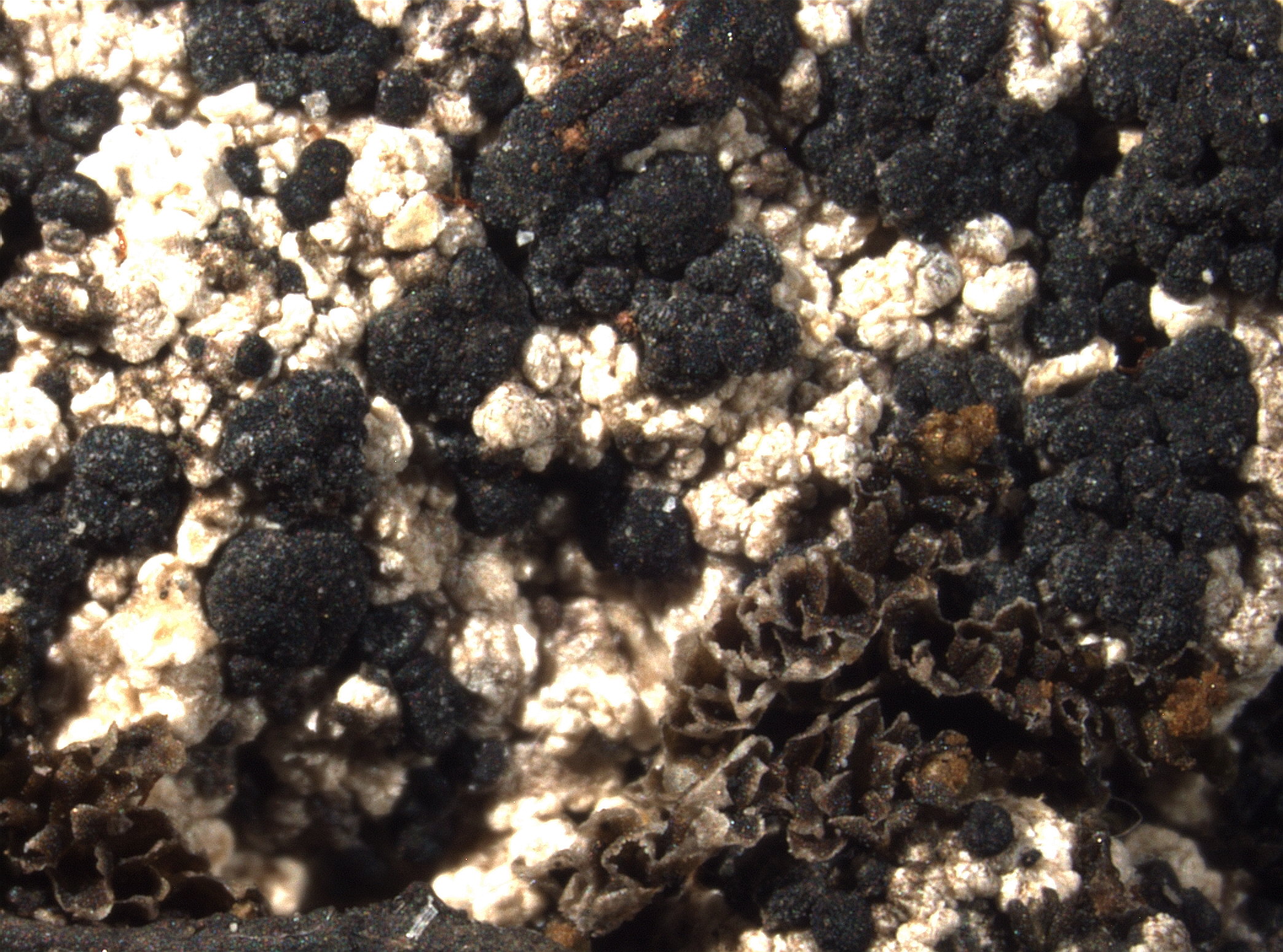
Pier Luigi Nimis - Department of Life Sciences, University of Trieste - CC BY-SA 4.0
TSB 37345
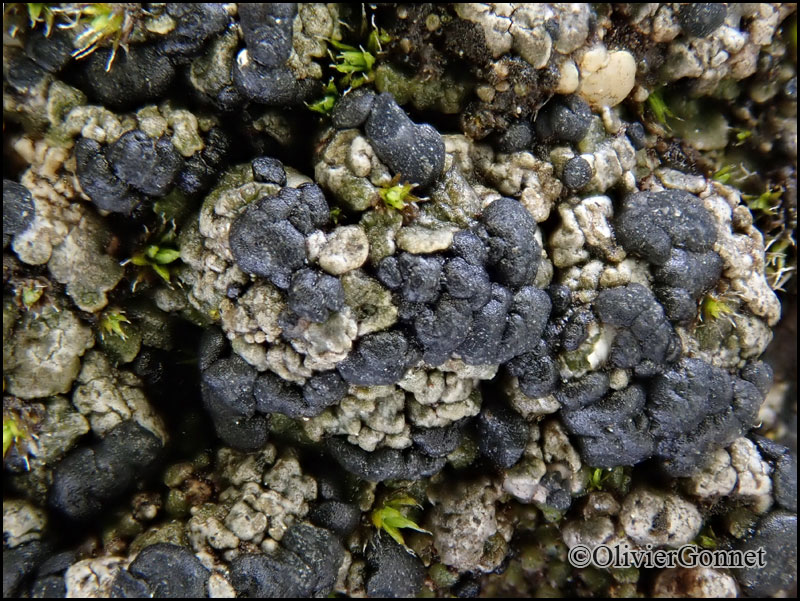
Courtesy: Olivier et Danièle Gonnet - Source: https://www.afl-lichenologie.fr/Photos_AFL/Photos_AFL_B/Textes_B2/Bilimbia_lobulata.htm
France, Vallée haute, Laval - Névache - Hautes-Alpes
17/6/2018
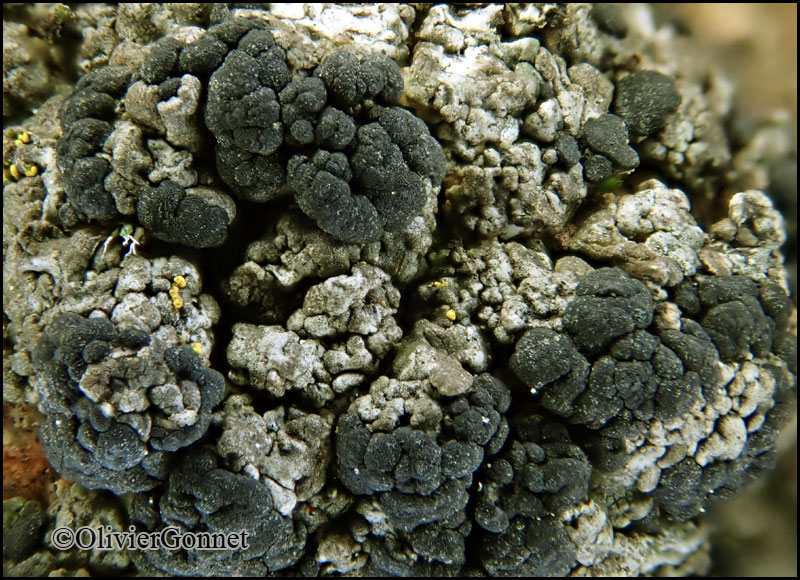
Courtesy: Olivier et Danièle Gonnet - Source: https://www.afl-lichenologie.fr/Photos_AFL/Photos_AFL_B/Textes_B2/Bilimbia_lobulata.htm
France, Vallée haute, Laval - Névache - Hautes-Alpes
17/6/2018
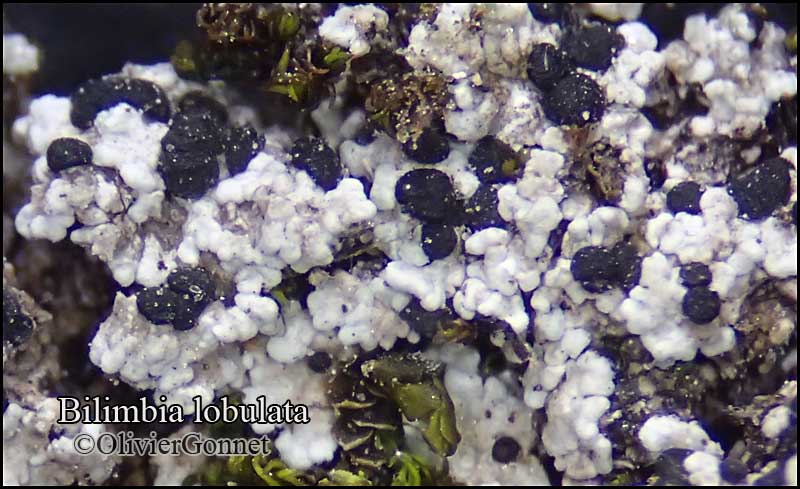
Courtesy: Olivier et Danièle Gonnet - Source: https://www.afl-lichenologie.fr/Photos_AFL/Photos_AFL_B/Textes_B2/Bilimbia_lobulata.htm
France, session AFL 2014 - Haute Ubaye - Alpes-de-Haute-Provence
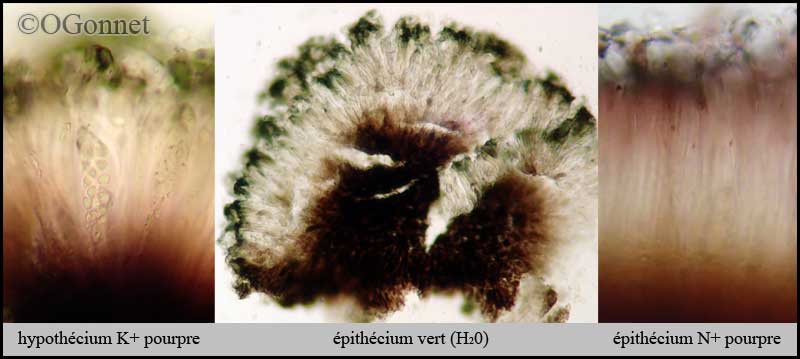
Courtesy: Olivier et Danièle Gonnet - Source: https://www.afl-lichenologie.fr/Photos_AFL/Photos_AFL_B/Textes_B2/Bilimbia_lobulata.htm
France, session AFL 2014 - Haute Ubaye - Alpes-de-Haute-Provence
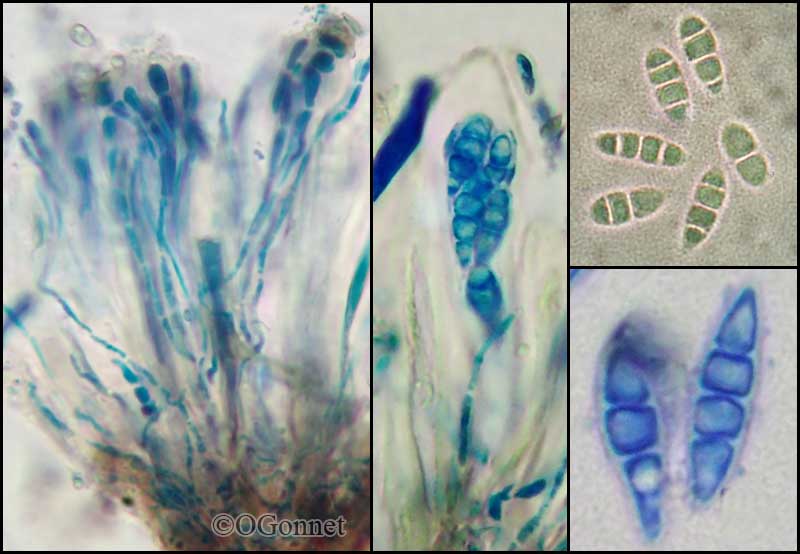
Courtesy: Olivier et Danièle Gonnet - Source: https://www.afl-lichenologie.fr/Photos_AFL/Photos_AFL_B/Textes_B2/Bilimbia_lobulata.htm
France, session AFL 2014 - Haute Ubaye - Alpes-de-Haute-Provence

Giovanna Potenza
Italy, Basilicata

Giovanna Potenza
Italy, Basilicata








