Blastenia hungarica (H. Magn.) Arup, Søchting & Frödén
Nord. J. Bot., 31: 68, 2013. Basionym: Caloplaca hungarica H. Magn. - Göteb. K. Vetensk. Vitterh. Samh. Handl., ser. B, 6, 1: 28, 1944.
Synonyms: Caloplaca depauperata H. Magn. non (Müll. Arg.) Zahlbr.; Caloplaca ferruginea var. hungarica (H. Magn.) Clauzade & Cl. Roux
Description: Thallus crustose, episubstratic, grey, rather thin (<100 μm thick) forming up to 1 cm wide patches. Apothecia biatorine, orange-brown to rusty orange, sessile, 0.3-0.6(-0.8) mm across, with a usually flat disc and a smooth, non-flexuose, somewhat paler, thin proper margin (thalline margin always absent). Proper exciple prosoplectenchymatous, orange in outer part, colourless within, amyloid, K+ red, C-; epithecium orange-brown, K+ red, C-; hymenium colourless, not inspersed with oil droplets, amyloid; paraphyses sparingly branched in upper part, 1.5-2 μm thick at base, the apical cells only slightly swollen; hypothecium colourless to pale yellowish brown. Asci 8-spored, clavate, functionally unitunicate, apically thickened with a broad internal beak, the inner part of apex and external cap I+ blue, Teloschistes-type. Ascospores 2-celled, polarilocular, hyaline, ellipsoid, (11.5-)12-14(-16) x (4-)5-6(-8) μm, the equatorial thickening (“septum”) 4-6 µm. Pycnidia uncommon, dark grey, with the Cinereorufa-green pigment. Conidia bacilliform, rarely narrowly ellipsoid, 3-5 x 1-1.5 μm. Spot tests: thallus K-, C-, KC-, P-; apothecia K+ red, C-. Chemistry: non-chlorinated anthraquinones in apothecia (chlorinated anthraquinones absent); thallus without anthraquinones; Cinereorufa-green pigment usually hardly detectable, but present around pycnidial ostioles and sometimes in injured apothecia.
Growth form: Crustose
Substrata: bark
Photobiont: green algae other than Trentepohlia
Reproductive strategy: mainly sexual
Commonnes-rarity: (info)
Alpine belt: absent
Subalpine belt: rare
Montane belt: rare
Dry submediterranean belt: very rare
Humid submediterranean belt: extremely rare
Padanian area: absent
pH of the substrata:
1 2 3 4 5

Solar irradiation:
1 2 3 4 5
Aridity:
1 2 3 4 5
Eutrophication:
1 2 3 4 5
Poleotolerance:
0 1 2 3
Altitudinal distribution:
1 2 3 4 5 6
Rarity
absent
extremely rare
very rare
rare
rather rare
rather common
common
very common
extremely common
Loading data...
Occurrence data
Predictive map
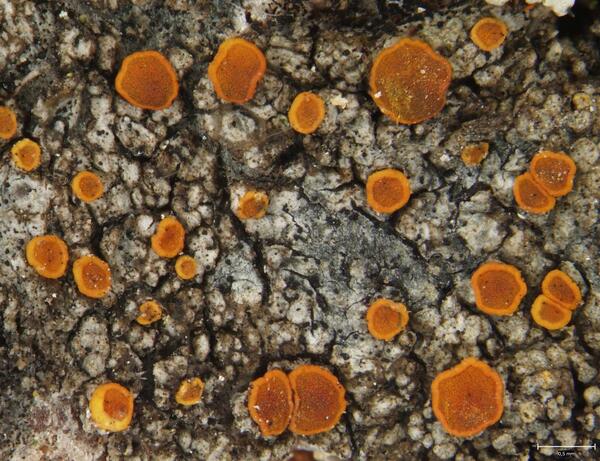
Jan Vondrak - Source: https://botanika.prf.jcu.cz/lichenology/index.php?pg=8&cat=32&idx=13318
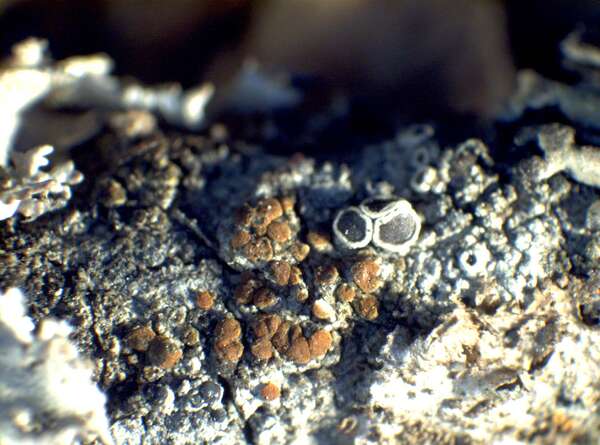
P.L. Nimis; Owner: Department of Life Sciences, University of Trieste
Herbarium: TSB (3596)
2001/11/13
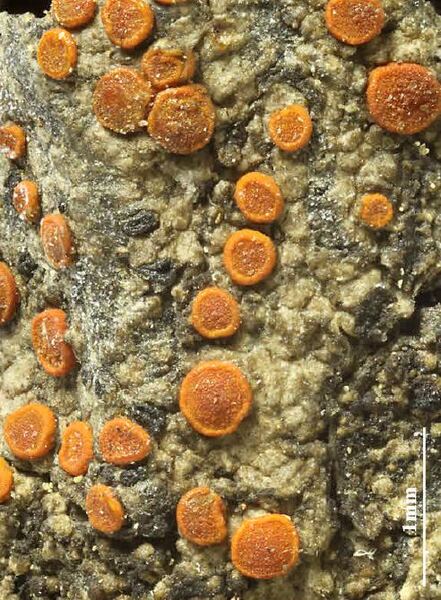
Felix Schumm – CC BY-SA 4.0
[157], Liechtenstein, Malbun, an Bergkiefer. Leg. F. Schumm 03.1967, det. J.Poelt
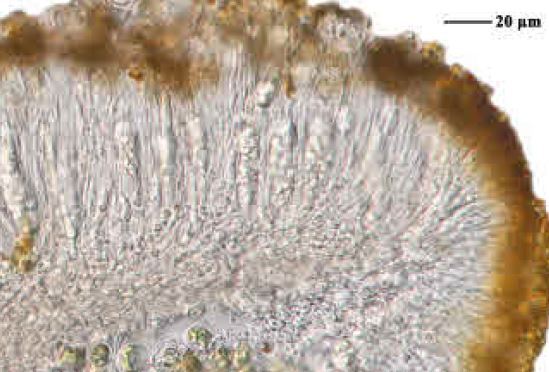
Felix Schumm – CC BY-SA 4.0
[157], Liechtenstein, Malbun, an Bergkiefer. Leg. F. Schumm 03.1967, det. J.Poelt
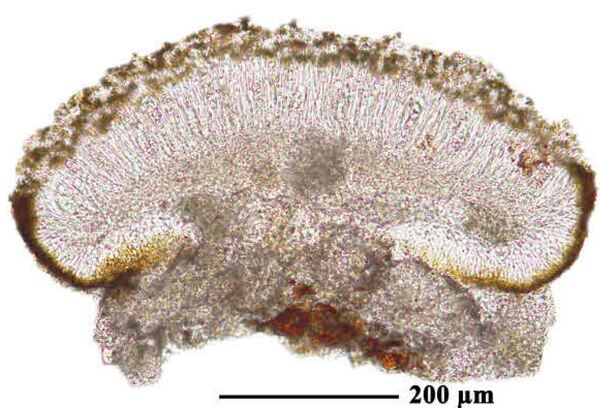
Felix Schumm – CC BY-SA 4.0
[157], Liechtenstein, Malbun, an Bergkiefer. Leg. F. Schumm 03.1967, det. J.Poelt
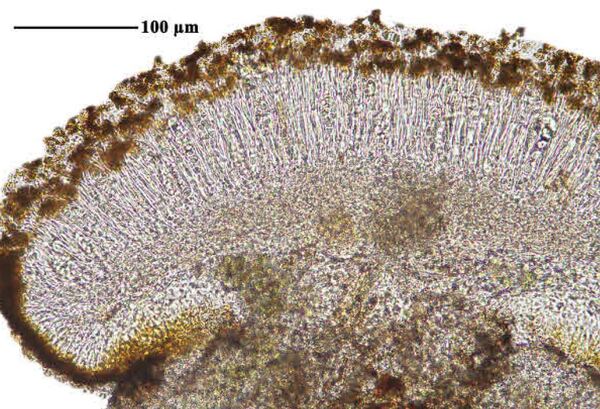
Felix Schumm – CC BY-SA 4.0
[157], Liechtenstein, Malbun, an Bergkiefer. Leg. F. Schumm 03.1967, det. J.Poelt
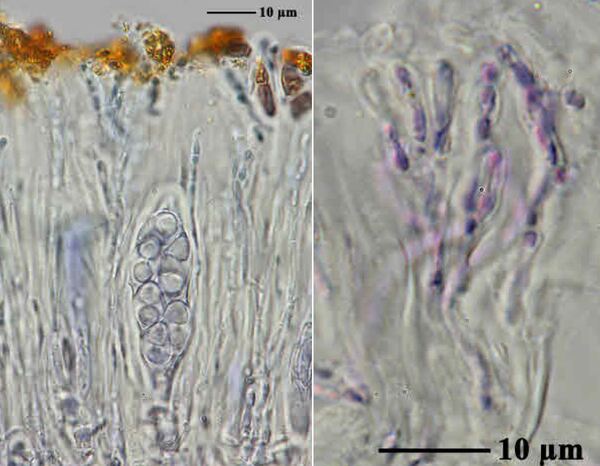
Felix Schumm – CC BY-SA 4.0
[157], Liechtenstein, Malbun, an Bergkiefer. Leg. F. Schumm 03.1967, det. J.Poelt
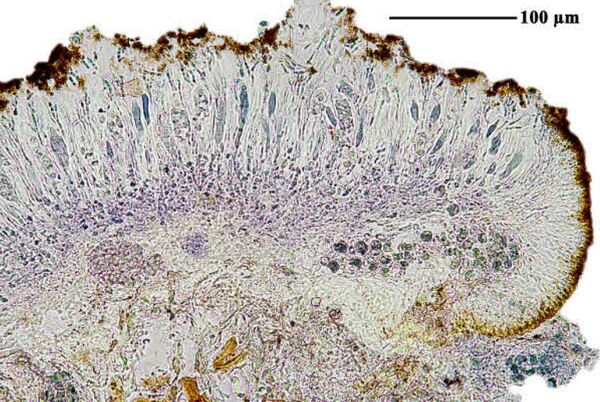
Felix Schumm – CC BY-SA 4.0
[157], Liechtenstein, Malbun, an Bergkiefer. Leg. F. Schumm 03.1967, det. J.Poelt
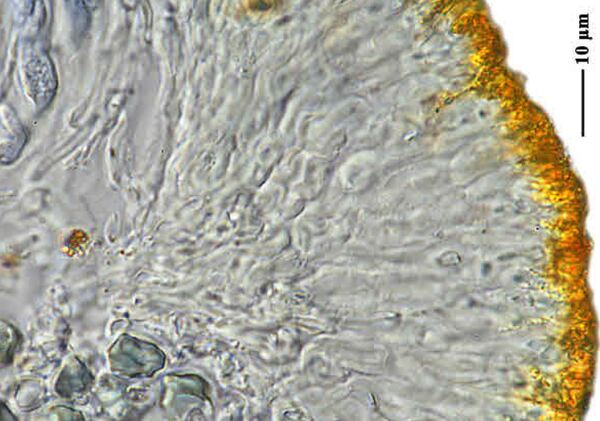
Felix Schumm – CC BY-SA 4.0
[157], Liechtenstein, Malbun, an Bergkiefer. Leg. F. Schumm 03.1967, det. J.Poelt
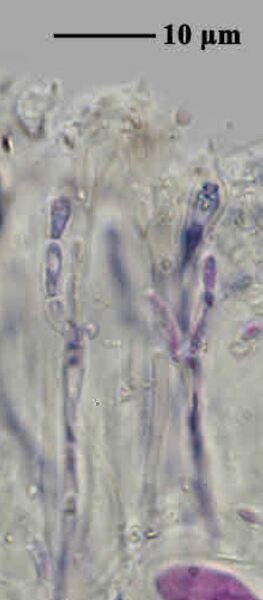
Felix Schumm – CC BY-SA 4.0
[157], Liechtenstein, Malbun, an Bergkiefer. Leg. F. Schumm 03.1967, det. J.Poelt
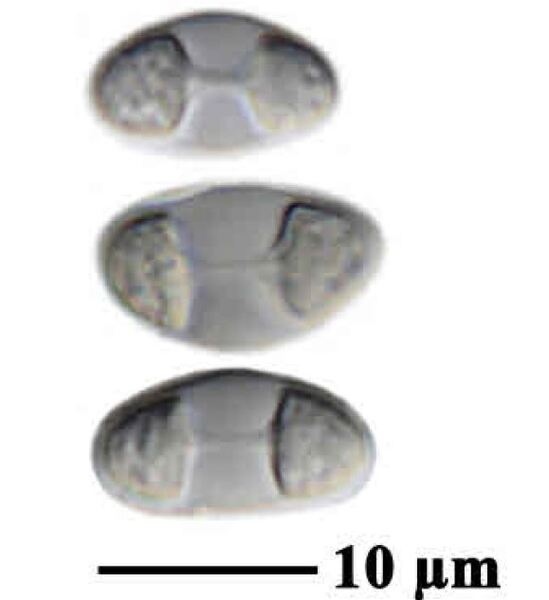
Felix Schumm – CC BY-SA 4.0
[157], Liechtenstein, Malbun, an Bergkiefer. Leg. F. Schumm 03.1967, det. J.Poelt
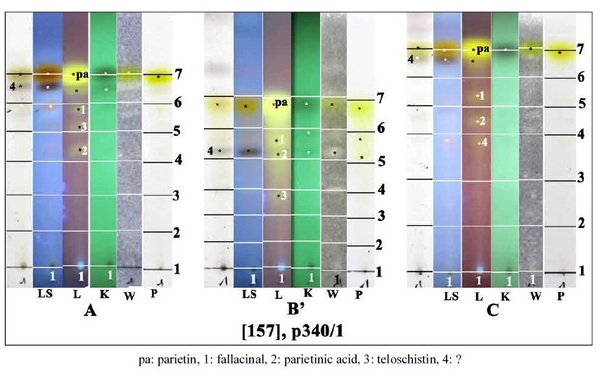
Felix Schumm – CC BY-SA 4.0
[157], Liechtenstein, Malbun, an Bergkiefer. Leg. F. Schumm 03.1967, det. J.Poelt
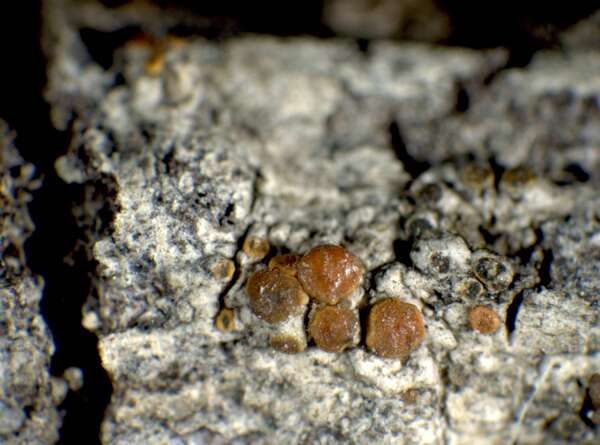
P.L. Nimis; Owner: Department of Life Sciences, University of Trieste
Herbarium: TSB (3596)
2001/12/18
Growth form: Crustose
Substrata: bark
Photobiont: green algae other than Trentepohlia
Reproductive strategy: mainly sexual
Commonnes-rarity: (info)
Alpine belt: absent
Subalpine belt: rare
Montane belt: rare
Dry submediterranean belt: very rare
Humid submediterranean belt: extremely rare
Padanian area: absent
pH of the substrata:
| 1 | 2 | 3 | 4 | 5 |
Solar irradiation:
| 1 | 2 | 3 | 4 | 5 |
Aridity:
| 1 | 2 | 3 | 4 | 5 |
Eutrophication:
| 1 | 2 | 3 | 4 | 5 |
Poleotolerance:
| 0 | 1 | 2 | 3 |
Altitudinal distribution:
| 1 | 2 | 3 | 4 | 5 | 6 |
Rarity
absent
extremely rare
very rare
rare
rather rare
rather common
common
very common
extremely common
Loading data...
Occurrence data
Predictive map

Jan Vondrak - Source: https://botanika.prf.jcu.cz/lichenology/index.php?pg=8&cat=32&idx=13318

P.L. Nimis; Owner: Department of Life Sciences, University of Trieste
Herbarium: TSB (3596)
2001/11/13
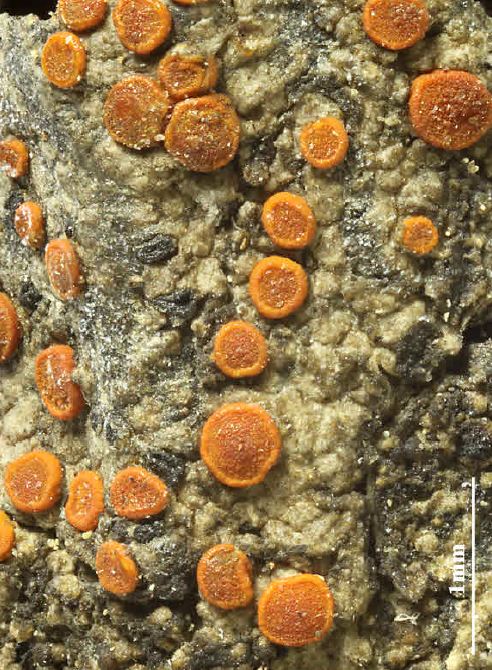
Felix Schumm – CC BY-SA 4.0
[157], Liechtenstein, Malbun, an Bergkiefer. Leg. F. Schumm 03.1967, det. J.Poelt

Felix Schumm – CC BY-SA 4.0
[157], Liechtenstein, Malbun, an Bergkiefer. Leg. F. Schumm 03.1967, det. J.Poelt
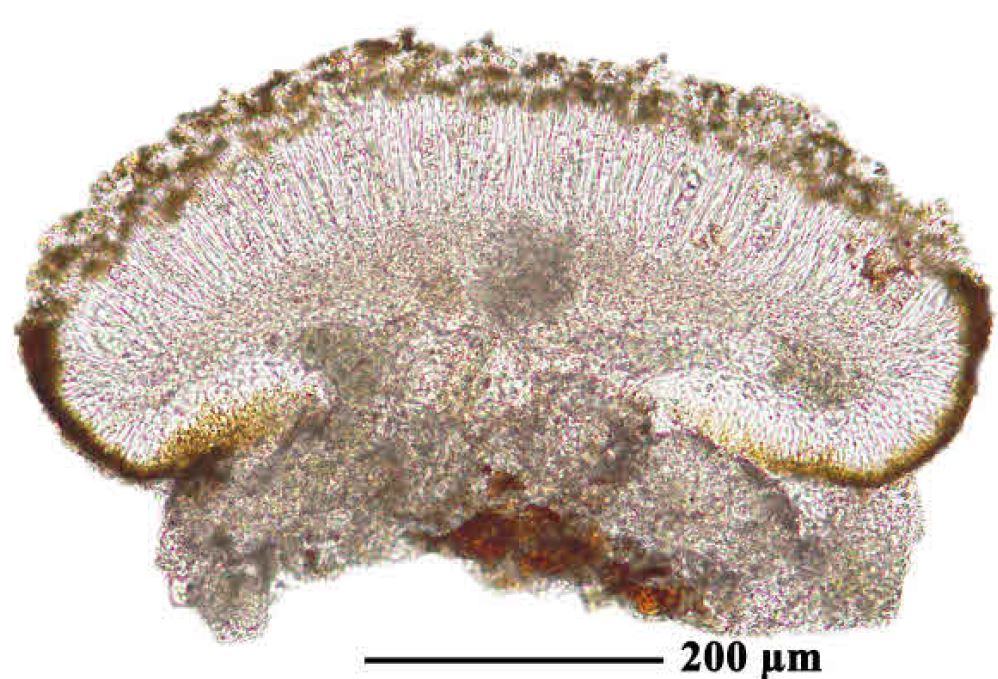
Felix Schumm – CC BY-SA 4.0
[157], Liechtenstein, Malbun, an Bergkiefer. Leg. F. Schumm 03.1967, det. J.Poelt
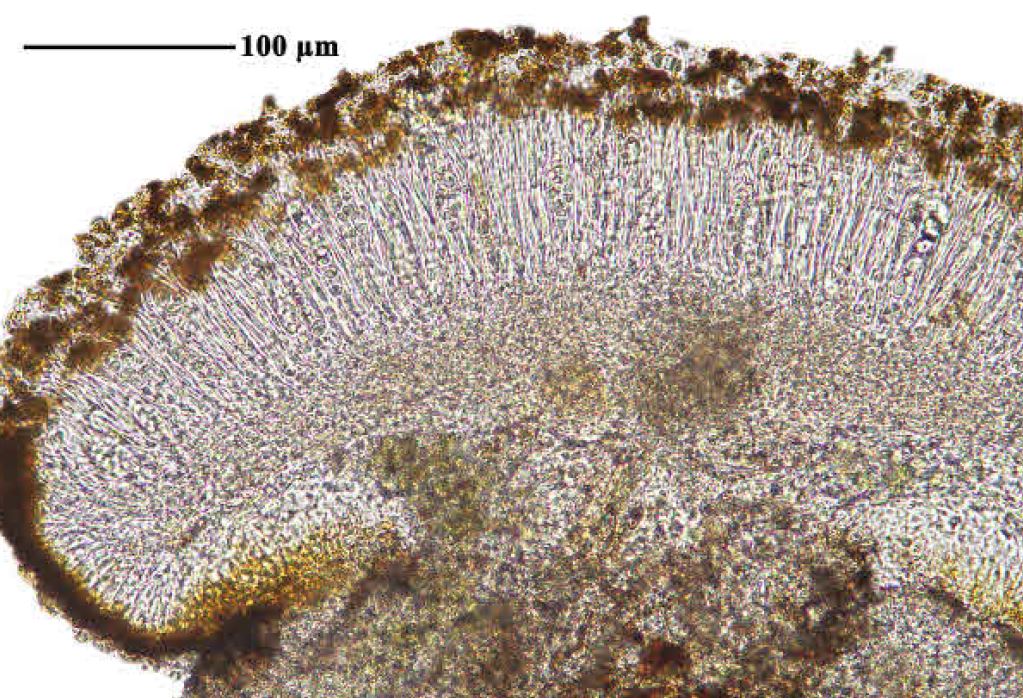
Felix Schumm – CC BY-SA 4.0
[157], Liechtenstein, Malbun, an Bergkiefer. Leg. F. Schumm 03.1967, det. J.Poelt
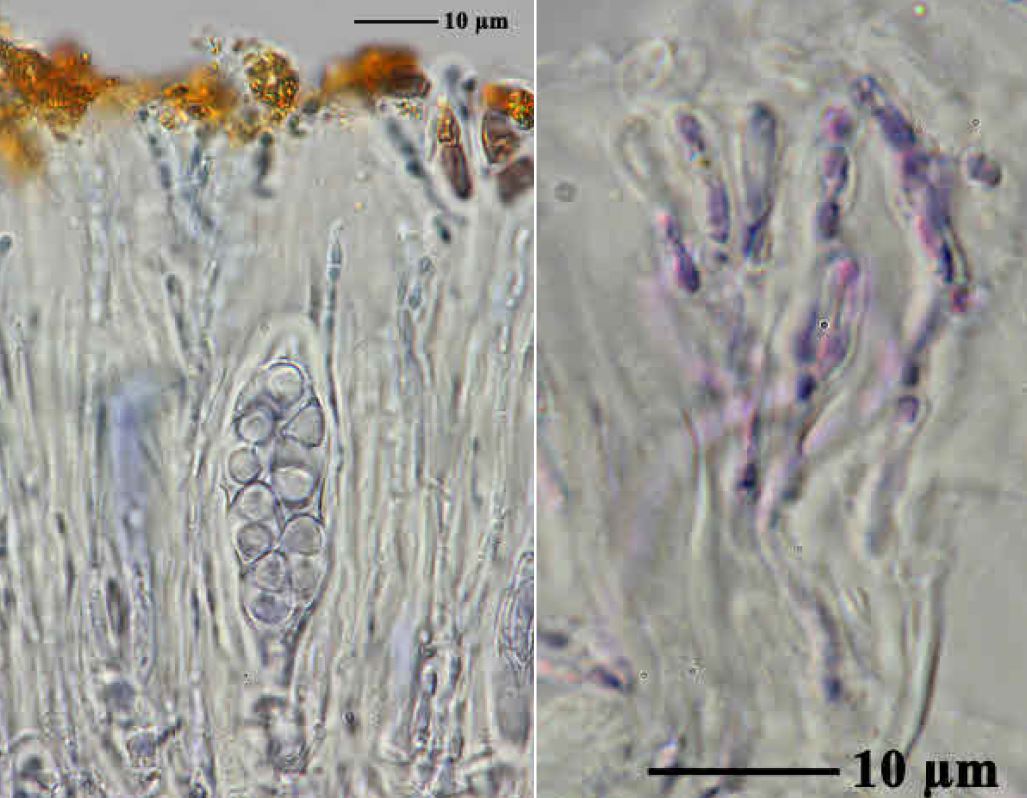
Felix Schumm – CC BY-SA 4.0
[157], Liechtenstein, Malbun, an Bergkiefer. Leg. F. Schumm 03.1967, det. J.Poelt

Felix Schumm – CC BY-SA 4.0
[157], Liechtenstein, Malbun, an Bergkiefer. Leg. F. Schumm 03.1967, det. J.Poelt

Felix Schumm – CC BY-SA 4.0
[157], Liechtenstein, Malbun, an Bergkiefer. Leg. F. Schumm 03.1967, det. J.Poelt
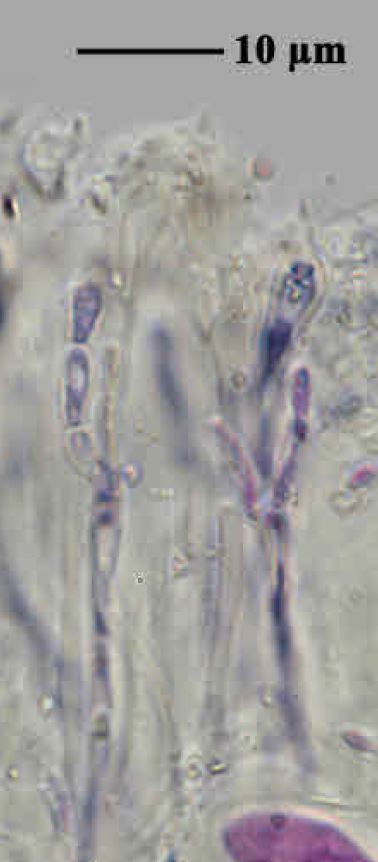
Felix Schumm – CC BY-SA 4.0
[157], Liechtenstein, Malbun, an Bergkiefer. Leg. F. Schumm 03.1967, det. J.Poelt
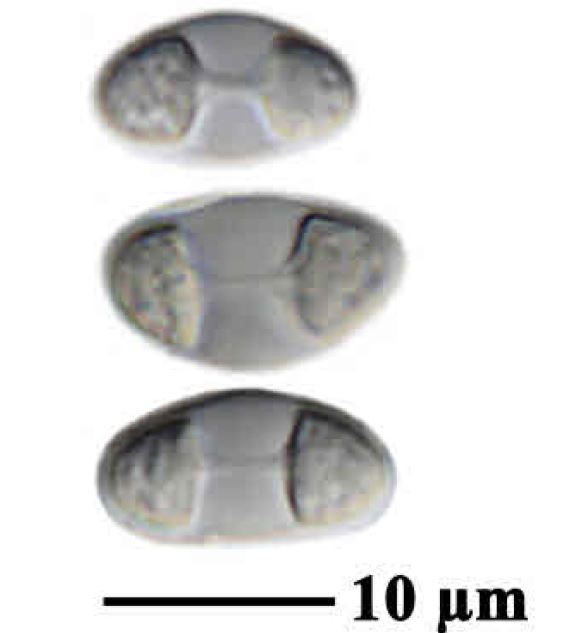
Felix Schumm – CC BY-SA 4.0
[157], Liechtenstein, Malbun, an Bergkiefer. Leg. F. Schumm 03.1967, det. J.Poelt
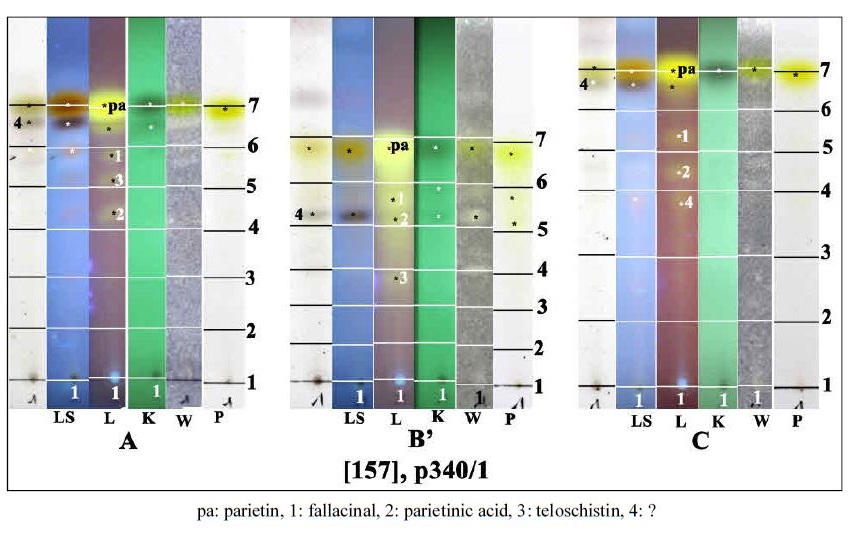
Felix Schumm – CC BY-SA 4.0
[157], Liechtenstein, Malbun, an Bergkiefer. Leg. F. Schumm 03.1967, det. J.Poelt