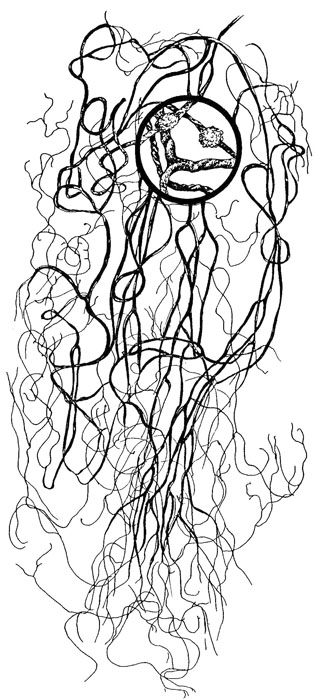
Bryoria capillaris (Ach.) Brodo & D. Hawksw.
Opera Bot., 42: 115, 1977. Basionym: Parmelia jubata var. capillaris Ach. - Meth. Lich.: 273, 1803.
Synonyms: Alectoria cana (Ach.) Leight.; Alectoria capillaris (Ach.) Cromb.; Alectoria fuscidula auct.; Alectoria implexa auct. p.p.; Alectoria implexa var. cana (Ach.) Flagey; Alectoria jubata f. rufescens Anzi; Alectoria setacea (Ach.) Motyka; Bryopogon capillaris (Ach.) Bystrek; Bryoria setacea (Ach.) Brodo & D. Hawksw.
Description: Thallus fruticose, filamentous, attached by a basal holdfast, long-pendent, soft, to 30 cm long, whitish grey to brownish grey, very rarely dark brown in sun-exposed morphs, usually without a main branch, irregularly branching with acute angles, the branches terete to flattened at axils, to 0.5 mm thick. Soralia absent to usually abundant, small, tuberculate, with farinose soredia. Pseudocyphellae sparse, fusiform, usually inconspicuous; medulla white, compact. Apothecia extremely rare (never observed in Italian material), zeorine, with a brown disc, to 1-2 mm across. Asci 8-spored, Lecanora-type. Ascospores 1-celled, hyaline, subglobose to ellipsoid, 5-9 x 4-6 μm. Photobiont chlorococcoid. Spot tests: cortex and medulla K+ yellow, C+ red or C-, KC+ red, P+ yellow; soralia P+ red; apothecia P+ yellow. Chemistry: barbatolic acid, sometimes alectorialic acid and atranorin in cortex; fumarprotocetraric acid in soralia; psoromic acid in apothecia.
Growth form: Fruticose filamentous
Substrata: bark
Photobiont: green algae other than Trentepohlia
Reproductive strategy: mainly asexual, by soredia, or soredia-like structures (e.g. blastidia)
Most common in areas with a humid-warm climate (e.g. most of Tyrrenian Italy)
Commonnes-rarity: (info)
Alpine belt: absent
Subalpine belt: rare
Montane belt: rather rare
Dry submediterranean belt: extremely rare
Humid submediterranean belt: extremely rare
Padanian area: absent
pH of the substrata:
1 2 3 4 5

Solar irradiation:
1 2 3 4 5
Aridity:
1 2 3 4 5
Eutrophication:
1 2 3 4 5
Poleotolerance:
0 1 2 3
Altitudinal distribution:
1 2 3 4 5 6
Rarity
absent
extremely rare
very rare
rare
rather rare
rather common
common
very common
extremely common
Loading data...
Occurrence data
Predictive map
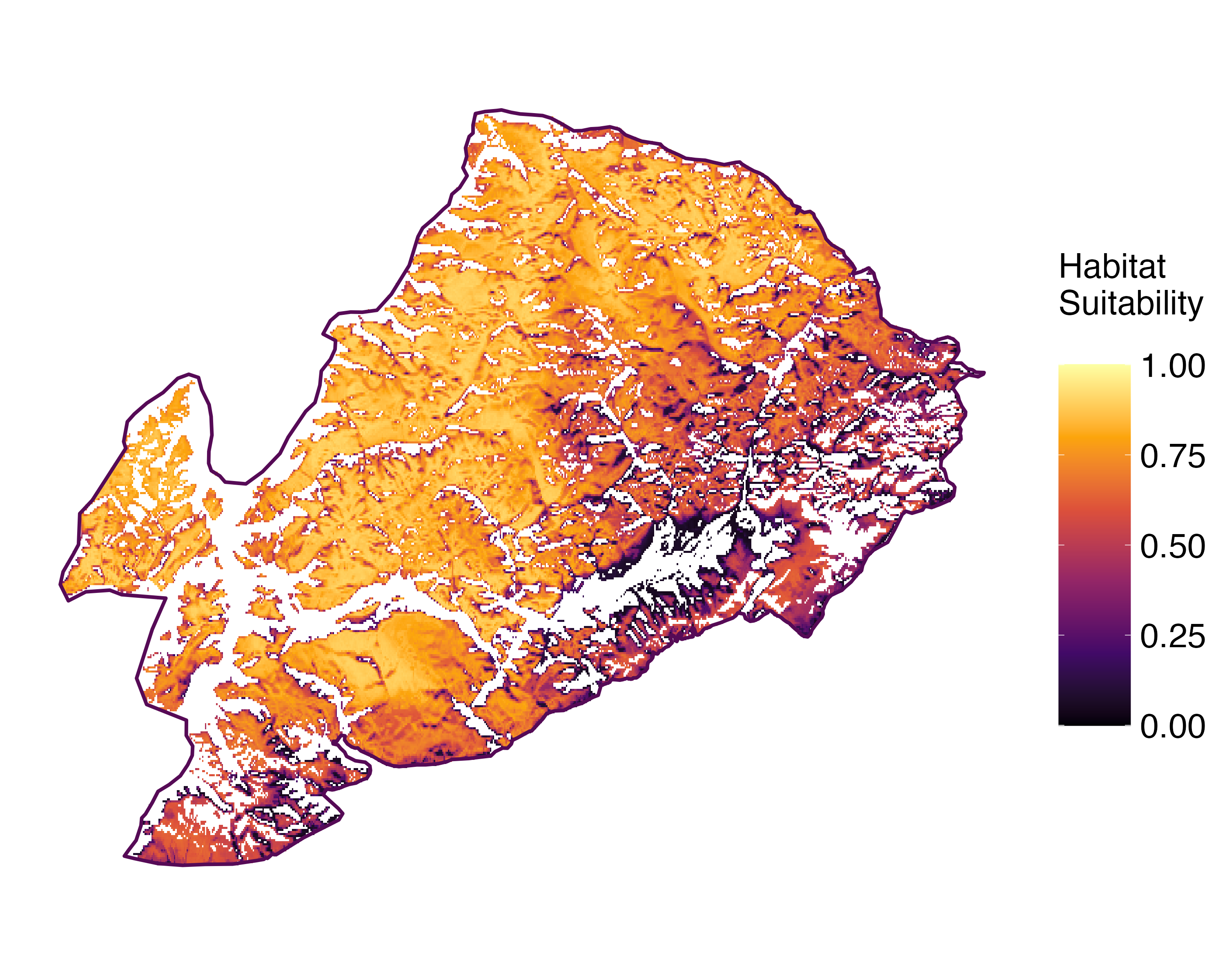 Current prediction (1981-2010)
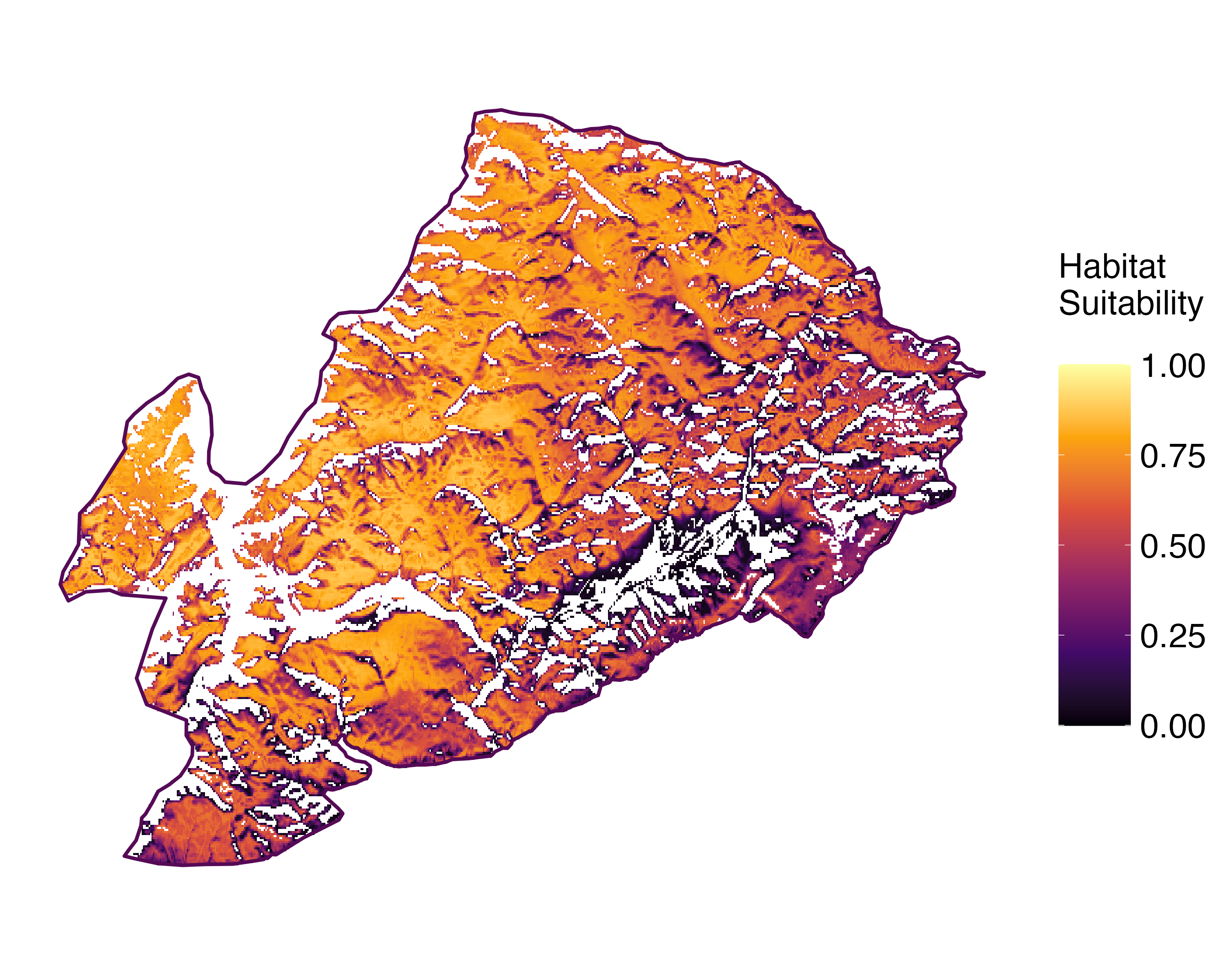 Future prediction (2071-2100) SSP 1-2.6
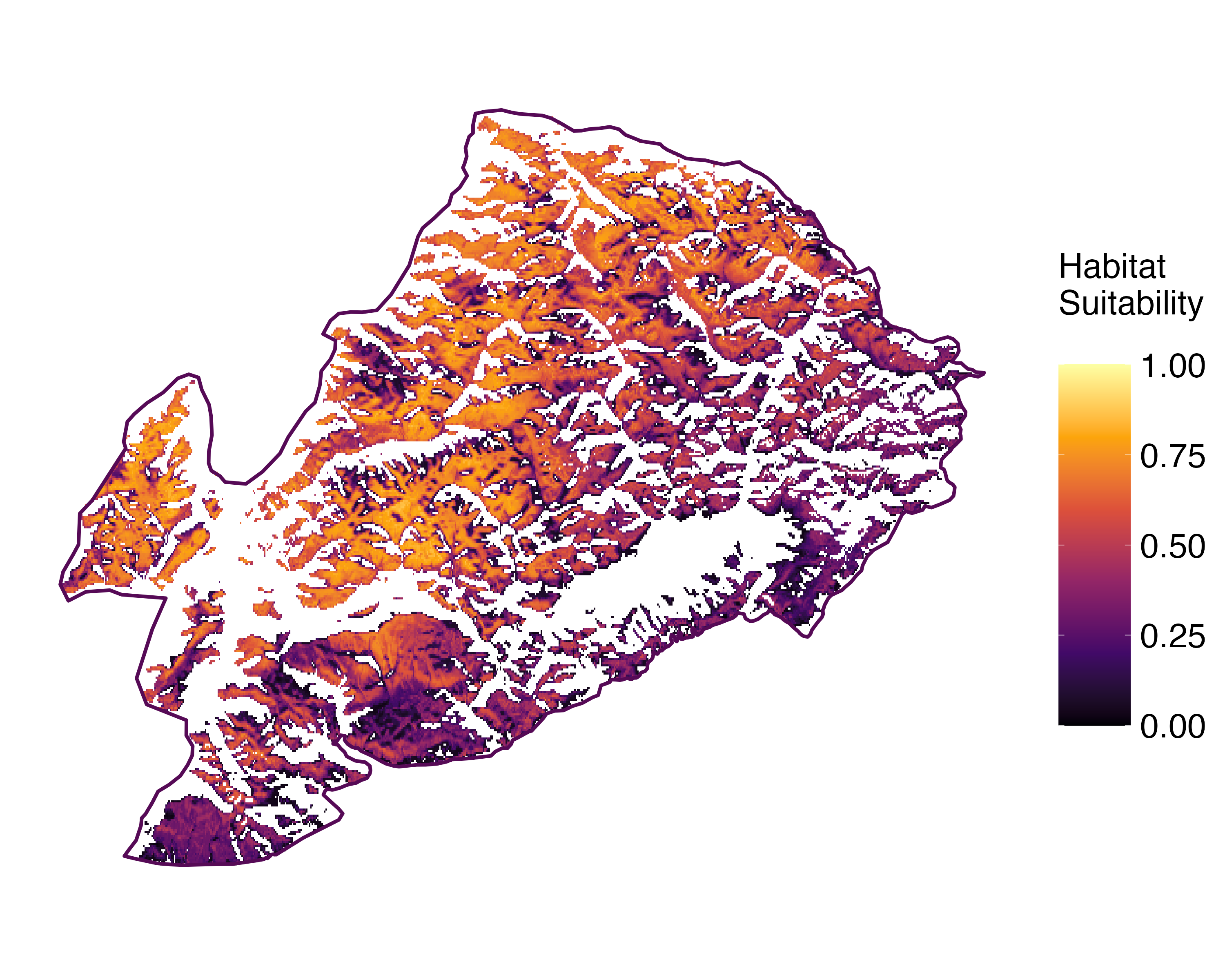 Future prediction (2071-2100) SSP 5-8.5Predictive maps according to Francesconi et al. 2025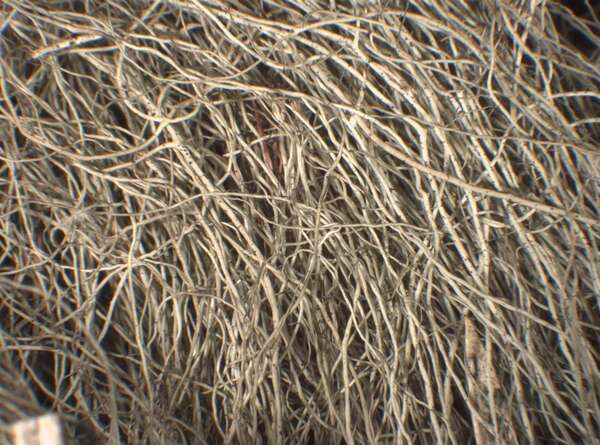
P.L. Nimis; Owner: Department of Life Sciences, University of Trieste
Herbarium: TSB (35714)
2003/01/22
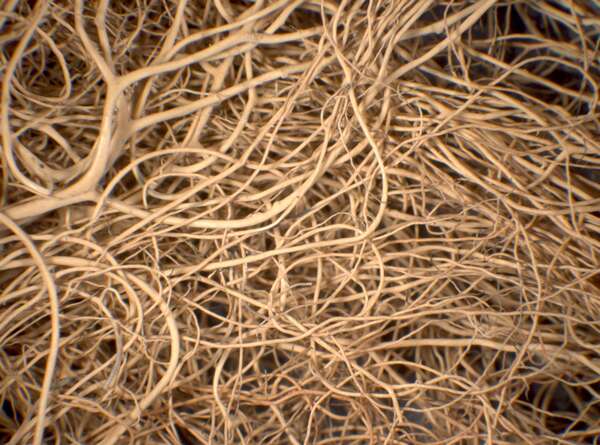
P.L. Nimis; Owner: Department of Life Sciences, University of Trieste
Herbarium: TSB (1821)
2002/02/24
old, pinkish herbarium specimen
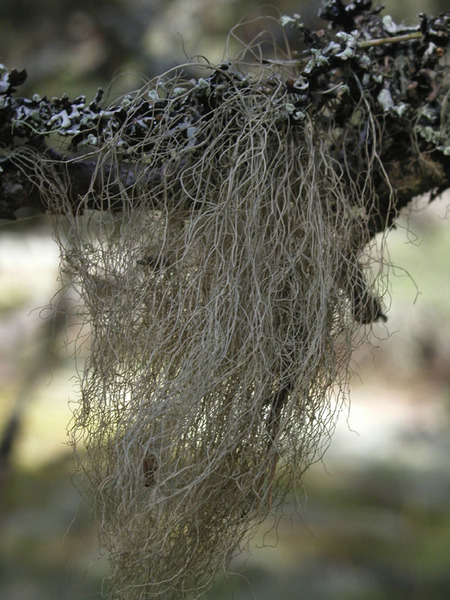
Andres Saag; Owner: University of Tartu
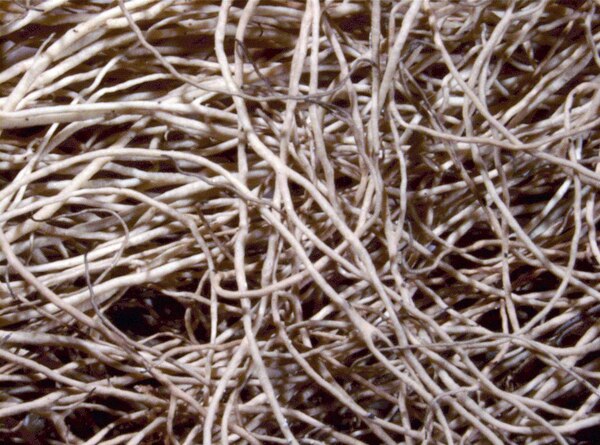
P.L. Nimis CC BY-SA 04
TSB 37049
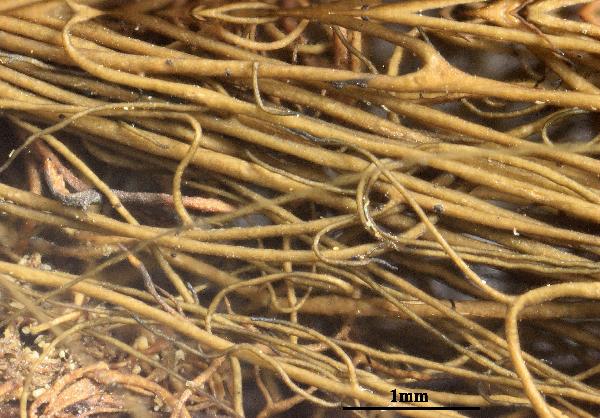
Felix Schumm - CC BY-SA 4.0
[VZR332], USA, Washington, Spokane County. In summo montis
Spokane, ad septentriones et orientem ab urbe Spokane, 1790 m. Ad
ramos emortuos Abies lasiocarpae. Leg. W. L. Culberson (no.2388),
9.08.1996. -Annot.: Barbatolic acid (trace) and an unidetified triterpene
3
by TLC, anal. J. Johnson & C. F. Culberson. EX A. VEZDA: LICHENES
RARIORES EXSICCATI NR. 332.
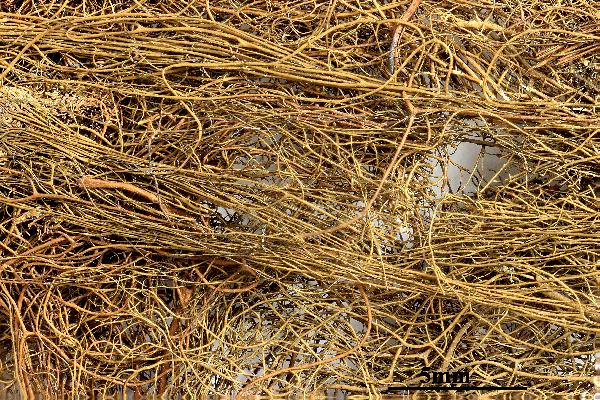
Felix Schumm - CC BY-SA 4.0
[VZR332], USA, Washington, Spokane County. In summo montis
Spokane, ad septentriones et orientem ab urbe Spokane, 1790 m. Ad
ramos emortuos Abies lasiocarpae. Leg. W. L. Culberson (no.2388),
9.08.1996. -Annot.: Barbatolic acid (trace) and an unidetified triterpene
3
by TLC, anal. J. Johnson & C. F. Culberson. EX A. VEZDA: LICHENES
RARIORES EXSICCATI NR. 332.
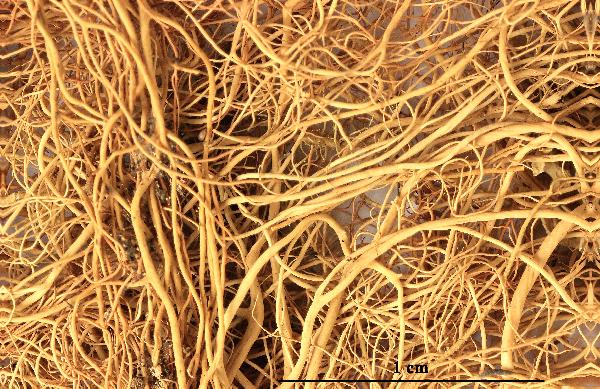
Felix Schumm - CC BY-SA 4.0
[VZ1935], Italia. Trentino, prov. Merano, Venosta Alta: 1 km ad orientem versus a Gomagoi, 1600 m. Ad ramulos arborum (Picea abies). Leg. H. T. Lumbsch, 11.5.1983. EX A. VEZDA: LICHENES SELECTI EXSICCATI NR. 1935.

Felix Schumm - CC BY-SA 4.0
[VZ1935], Italia. Trentino, prov. Merano, Venosta Alta: 1 km ad orientem versus a Gomagoi, 1600 m. Ad ramulos arborum (Picea abies). Leg. H. T. Lumbsch, 11.5.1983. EX A. VEZDA: LICHENES SELECTI EXSICCATI NR. 1935.
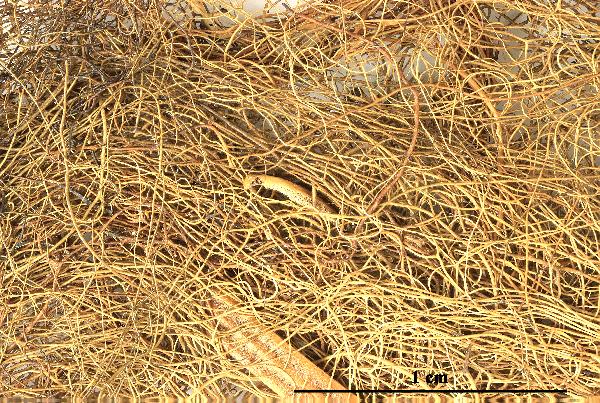
Felix Schumm - CC BY-SA 4.0
[VZ2383], USA. Washington. Clallam County: in silva Olympic National
Forest, in declivitate meridionali et occidentali jugi dicti Hurricane
Ridge. Ad ramulos Abietis sp. . Leg. C. F. Culberson, 3.9.1969. - Annot:
Barbatolic acid, alectoroalic acid (trace), and haematommic acid by
TLC, anal. A. Johnson and C. F. Culberson. EX A. VEZDA: LICHENES
SELECTI EXSICCATI NR. 2383.
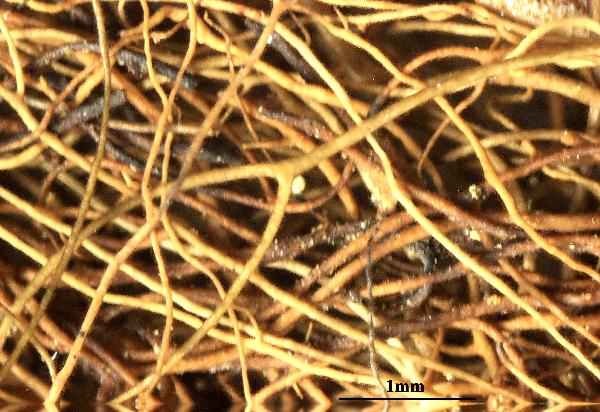
Felix Schumm - CC BY-SA 4.0
[VZ2383], USA. Washington. Clallam County: in silva Olympic National
Forest, in declivitate meridionali et occidentali jugi dicti Hurricane
Ridge. Ad ramulos Abietis sp. . Leg. C. F. Culberson, 3.9.1969. - Annot:
Barbatolic acid, alectoroalic acid (trace), and haematommic acid by
TLC, anal. A. Johnson and C. F. Culberson. EX A. VEZDA: LICHENES
SELECTI EXSICCATI NR. 2383.
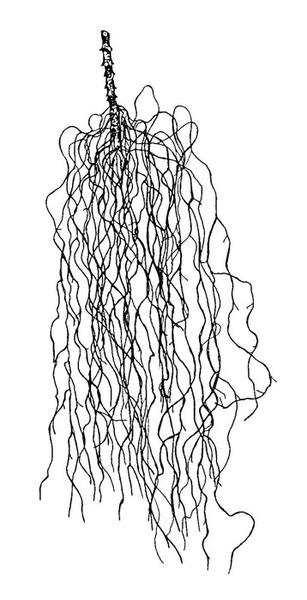
Triin Aimla; Owner: University of Tartu
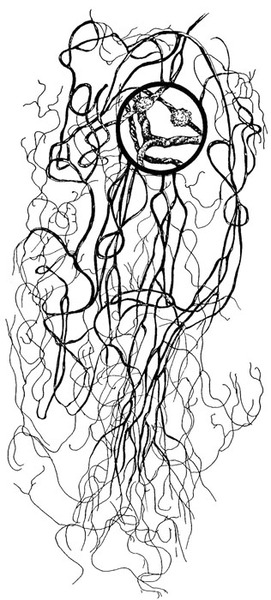
Triin Aimla; Owner: University of Tartu
Growth form: Fruticose filamentous
Substrata: bark
Photobiont: green algae other than Trentepohlia
Reproductive strategy: mainly asexual, by soredia, or soredia-like structures (e.g. blastidia)
Most common in areas with a humid-warm climate (e.g. most of Tyrrenian Italy)
Commonnes-rarity: (info)
Alpine belt: absent
Subalpine belt: rare
Montane belt: rather rare
Dry submediterranean belt: extremely rare
Humid submediterranean belt: extremely rare
Padanian area: absent
pH of the substrata:
| 1 | 2 | 3 | 4 | 5 |
Solar irradiation:
| 1 | 2 | 3 | 4 | 5 |
Aridity:
| 1 | 2 | 3 | 4 | 5 |
Eutrophication:
| 1 | 2 | 3 | 4 | 5 |
Poleotolerance:
| 0 | 1 | 2 | 3 |
Altitudinal distribution:
| 1 | 2 | 3 | 4 | 5 | 6 |
Rarity
absent
extremely rare
very rare
rare
rather rare
rather common
common
very common
extremely common
Loading data...
Occurrence data
Predictive map
Current prediction (1981-2010)Future prediction (2071-2100) SSP 1-2.6Future prediction (2071-2100) SSP 5-8.5Predictive maps according to Francesconi et al. 2025
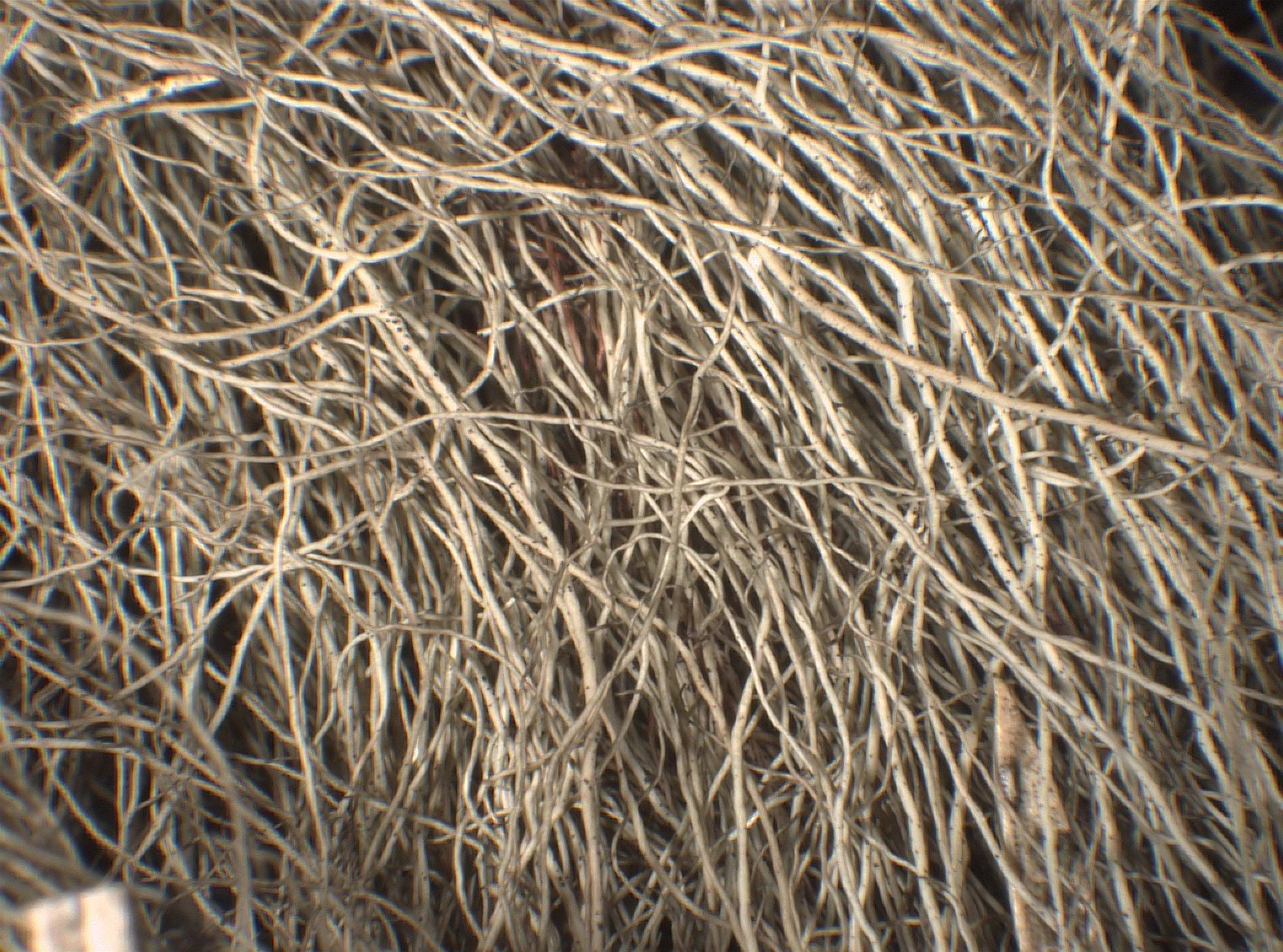
P.L. Nimis; Owner: Department of Life Sciences, University of Trieste
Herbarium: TSB (35714)
2003/01/22

P.L. Nimis; Owner: Department of Life Sciences, University of Trieste
Herbarium: TSB (1821)
2002/02/24
old, pinkish herbarium specimen
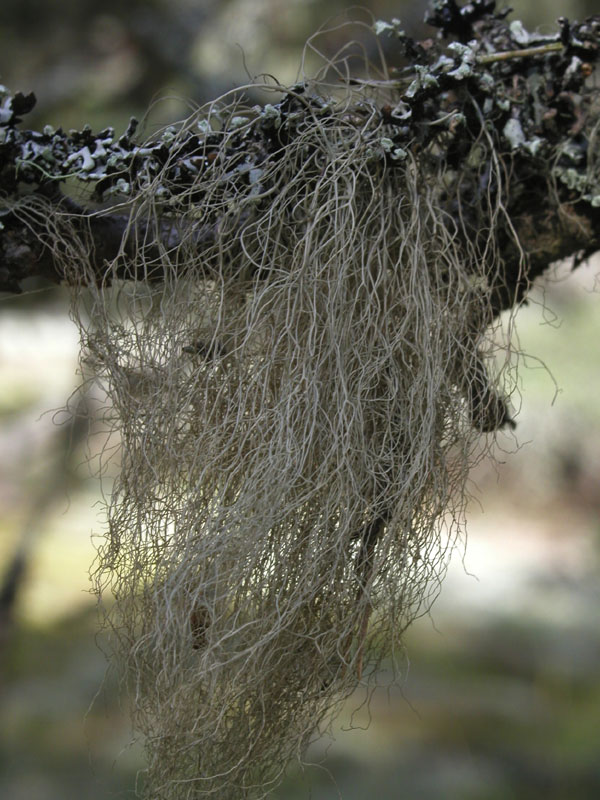
Andres Saag; Owner: University of Tartu
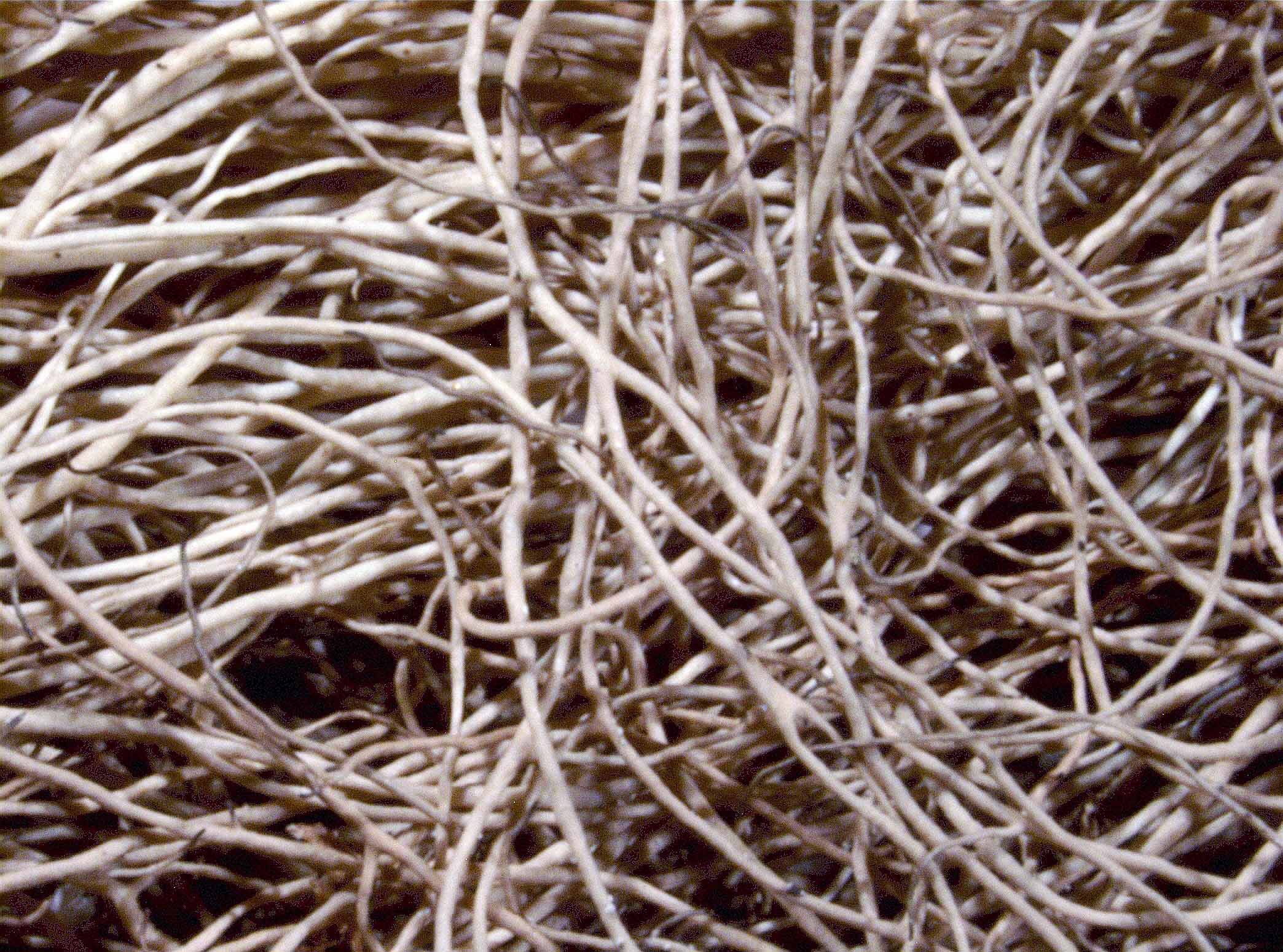
P.L. Nimis CC BY-SA 04
TSB 37049

Felix Schumm - CC BY-SA 4.0
[VZR332], USA, Washington, Spokane County. In summo montis Spokane, ad septentriones et orientem ab urbe Spokane, 1790 m. Ad ramos emortuos Abies lasiocarpae. Leg. W. L. Culberson (no.2388), 9.08.1996. -Annot.: Barbatolic acid (trace) and an unidetified triterpene 3 by TLC, anal. J. Johnson & C. F. Culberson. EX A. VEZDA: LICHENES RARIORES EXSICCATI NR. 332.

Felix Schumm - CC BY-SA 4.0
[VZR332], USA, Washington, Spokane County. In summo montis Spokane, ad septentriones et orientem ab urbe Spokane, 1790 m. Ad ramos emortuos Abies lasiocarpae. Leg. W. L. Culberson (no.2388), 9.08.1996. -Annot.: Barbatolic acid (trace) and an unidetified triterpene 3 by TLC, anal. J. Johnson & C. F. Culberson. EX A. VEZDA: LICHENES RARIORES EXSICCATI NR. 332.

Felix Schumm - CC BY-SA 4.0
[VZ1935], Italia. Trentino, prov. Merano, Venosta Alta: 1 km ad orientem versus a Gomagoi, 1600 m. Ad ramulos arborum (Picea abies). Leg. H. T. Lumbsch, 11.5.1983. EX A. VEZDA: LICHENES SELECTI EXSICCATI NR. 1935.

Felix Schumm - CC BY-SA 4.0
[VZ1935], Italia. Trentino, prov. Merano, Venosta Alta: 1 km ad orientem versus a Gomagoi, 1600 m. Ad ramulos arborum (Picea abies). Leg. H. T. Lumbsch, 11.5.1983. EX A. VEZDA: LICHENES SELECTI EXSICCATI NR. 1935.

Felix Schumm - CC BY-SA 4.0
[VZ2383], USA. Washington. Clallam County: in silva Olympic National Forest, in declivitate meridionali et occidentali jugi dicti Hurricane Ridge. Ad ramulos Abietis sp. . Leg. C. F. Culberson, 3.9.1969. - Annot: Barbatolic acid, alectoroalic acid (trace), and haematommic acid by TLC, anal. A. Johnson and C. F. Culberson. EX A. VEZDA: LICHENES SELECTI EXSICCATI NR. 2383.

Felix Schumm - CC BY-SA 4.0
[VZ2383], USA. Washington. Clallam County: in silva Olympic National Forest, in declivitate meridionali et occidentali jugi dicti Hurricane Ridge. Ad ramulos Abietis sp. . Leg. C. F. Culberson, 3.9.1969. - Annot: Barbatolic acid, alectoroalic acid (trace), and haematommic acid by TLC, anal. A. Johnson and C. F. Culberson. EX A. VEZDA: LICHENES SELECTI EXSICCATI NR. 2383.
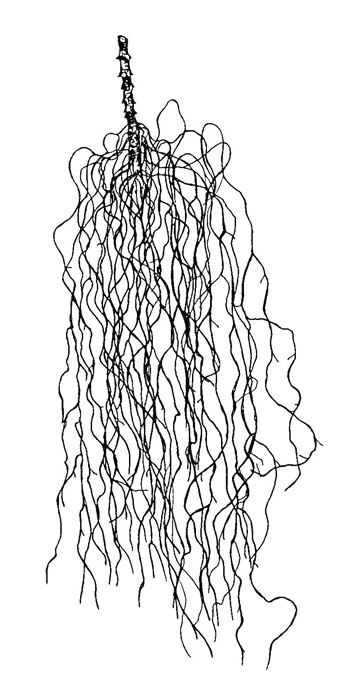
Triin Aimla; Owner: University of Tartu