Callome multipartita (Sm.) Otálora, P.M. Jørg. & Wedin
Fungal Divers., 64, 1: 282, 2013. Basionym: Collema multipartitum Sm. in Smith & Sowerby - Engl. Bot.: 36, tab. 2582, 1814.
Synonyms: Collema multipartiens Nyl.; Lathagrium muelleri (Hepp) Arnold; Lathagrium multipartitum (Sm.) Kremp.; Lathagrium turgidum (Körb.) A. Massal.; Parmelia turgida (“Ach.”) Schaer. non Collema turgidum Ach.; Synechoblastus multipartitus (Sm.) Körb.
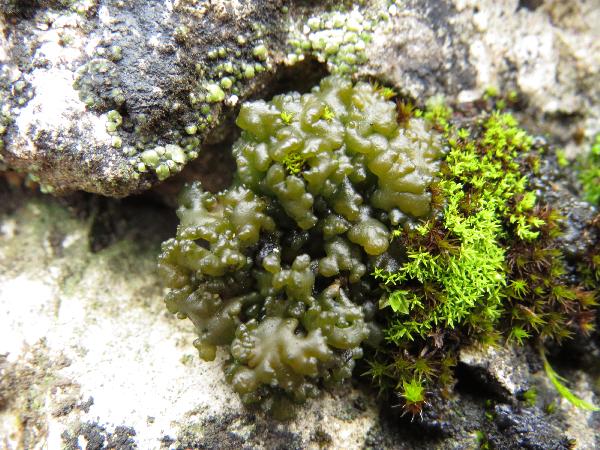
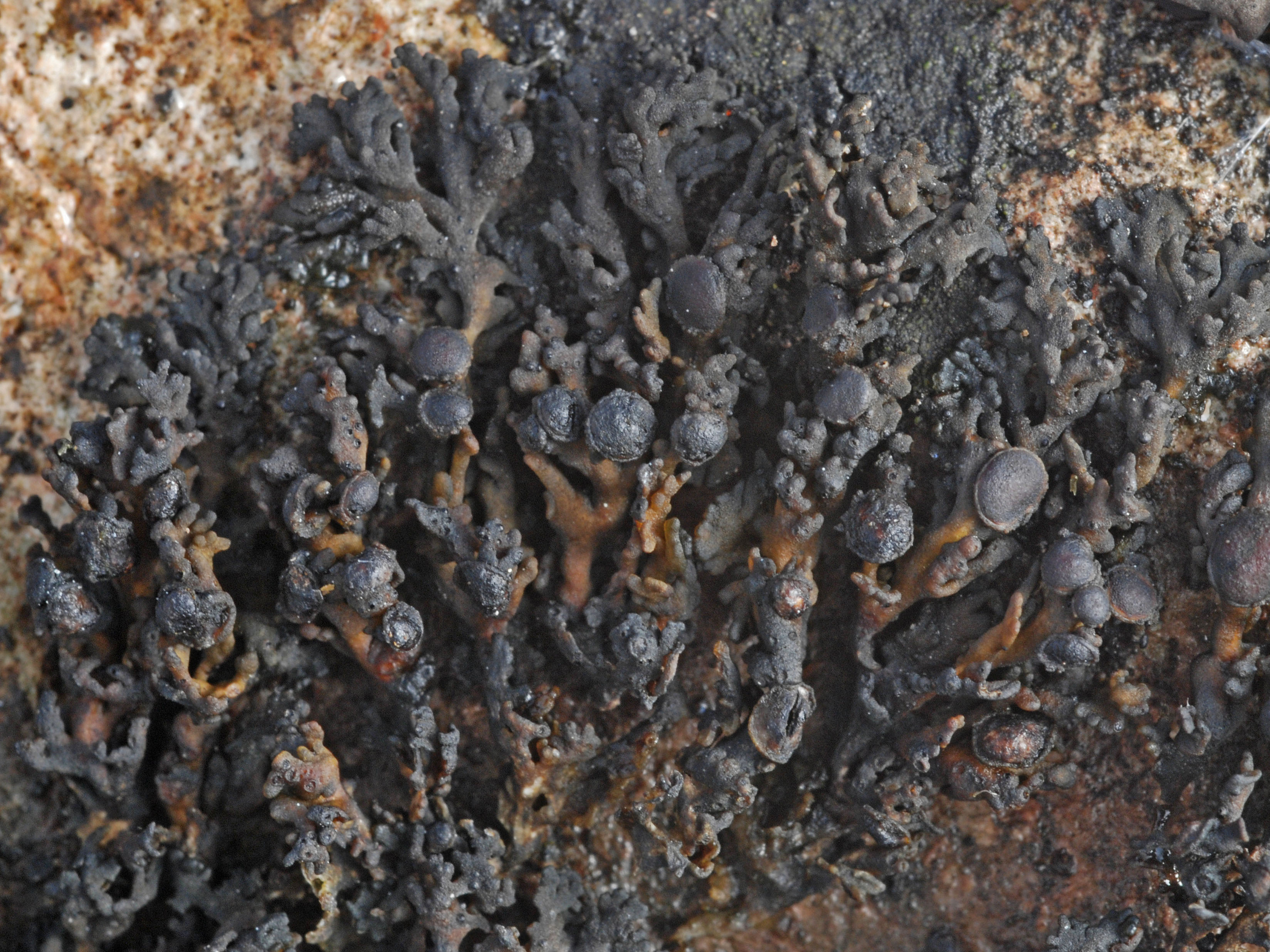
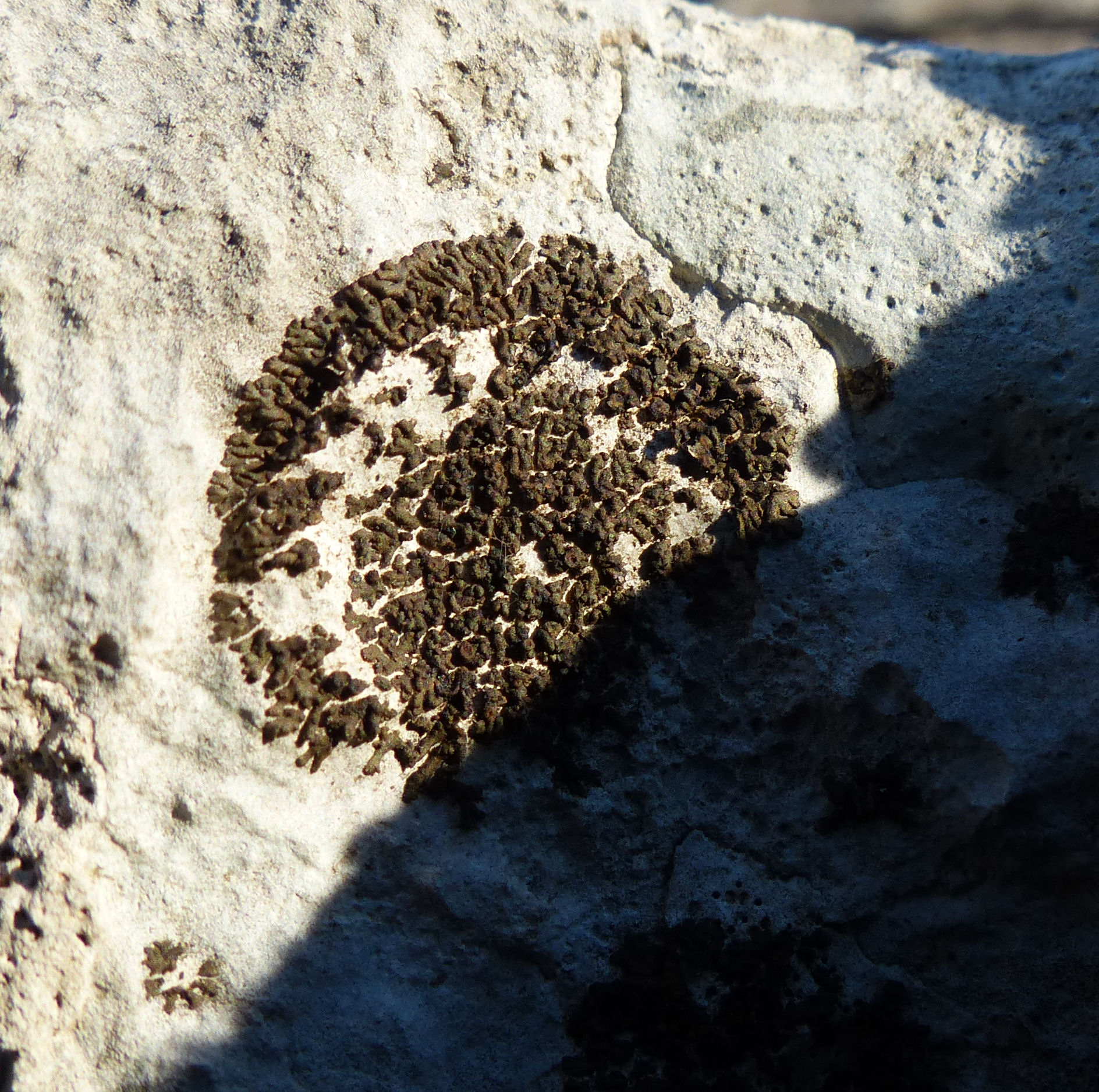
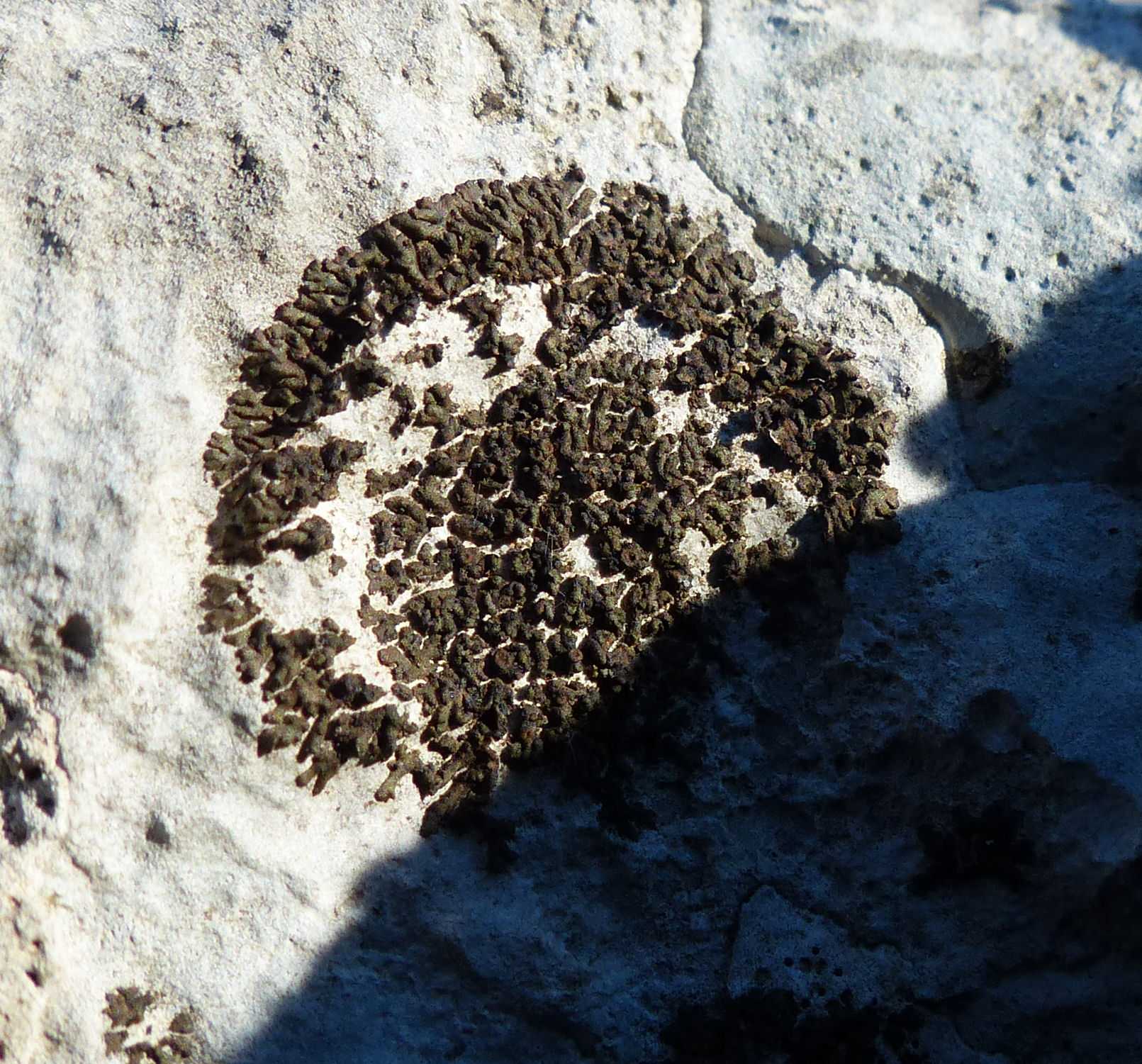
Description: Thallus small-foliose, homoiomerous, gelatinous when wet, forming 1-3(-6) cm wide rosettes. Lobes radiating, adpressed, rather loosely attached, linear to fan-shaped, usually convex, dull, dark olive-brown to black, often minutely striated, repeatedly dichotomously branched, 0.5-1.5(-2) mm wide, much swelling when wet (up to 350 µm thick), not pubescent, without isidia. Lower surface usually paler, with tufts of white hapters. Upper and lower cortices absent. Apothecia frequent, lecanorine, sessile, 1-2 mm across, with a flat to slightly convex, brown-black disc, and a usually thin, persistent, smooth or crenulate-lobulate thalline margin. Thalline exciple ecorticate; proper exciple 100-150 µm thick laterally, euparaplectenchymatous; epithecium brownish; hymenium colourless, 90-120 µm high, I+ blue; paraphyses simple or sparingly branched in upper part, 2-4.5 µm thick at mid-level, the apical cells slightly wider; hypothecium pale brown, I+ blue. Asci 8-spored, cylindrical-clavate, the apex strongly thickened, the apical dome K/I+ pale blue, with a downwardly projecting K/I+ deep blue tubular structure. Ascospores 3(-4)-septate, hyaline, linear-oblong, often curved at maturity, (20-)25-45(-50) x 4.5-6.5 µm. Pycnidia usually laminal, immersed, globose, pale with darker apex. Conidia bacilliform, straight, slightly swollen at both ends, 4.5-7 x 1-1.5 µm. Photobiont cyanobacterial (Nostoc, the cells in chains). Spot tests: all negative. Chemistry: without lichen substances.
Growth form: Foliose, narrow lobed
Substrata: rocks
Photobiont: cyanobacteria, filamentous (e.g. Nostoc, Scytonema)
Reproductive strategy: mainly sexual
Commonnes-rarity: (info)
Alpine belt: absent
Subalpine belt: very rare
Montane belt: rare
Dry submediterranean belt: rare
Humid submediterranean belt: rare
Padanian area: absent
pH of the substrata:
1 2 3 4 5

Solar irradiation:
1 2 3 4 5
Aridity:
1 2 3 4 5
Eutrophication:
1 2 3 4 5
Poleotolerance:
0 1 2 3
Altitudinal distribution:
1 2 3 4 5 6
Rarity
absent
extremely rare
very rare
rare
rather rare
rather common
common
very common
extremely common
Loading data...
Occurrence data
Predictive map
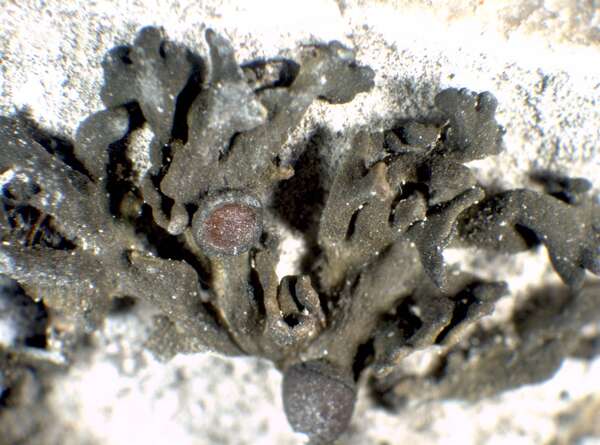
P.L. Nimis; Owner: Department of Life Sciences, University of Trieste
Herbarium: TSB (5738)
2001/12/04
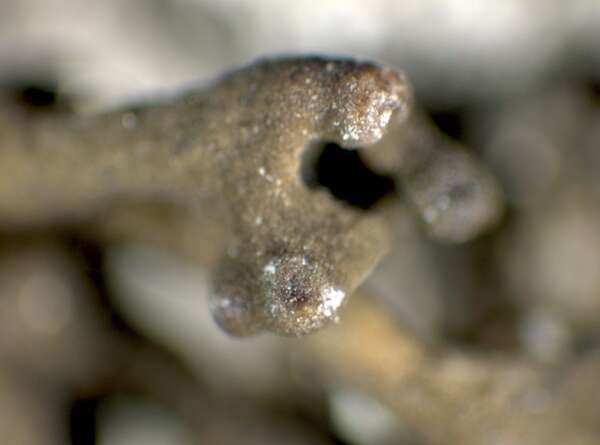
P.L. Nimis; Owner: Department of Life Sciences, University of Trieste
Herbarium: TSB (5738)
2001/12/04
detail of pycnidia
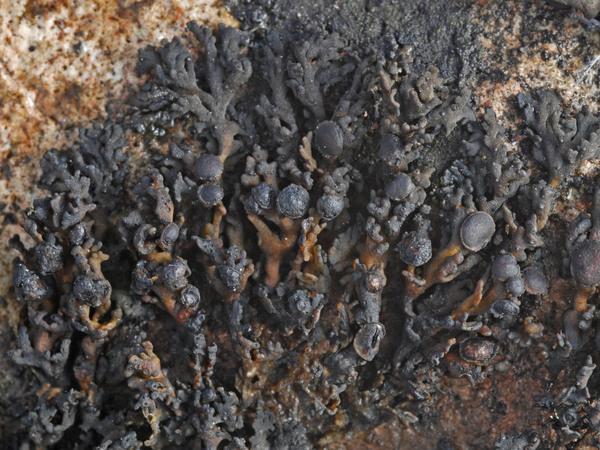
Leif Stridvall
Courtesy: Anita Stridvall -Source: http://www.stridvall.se/lichens/gallery/
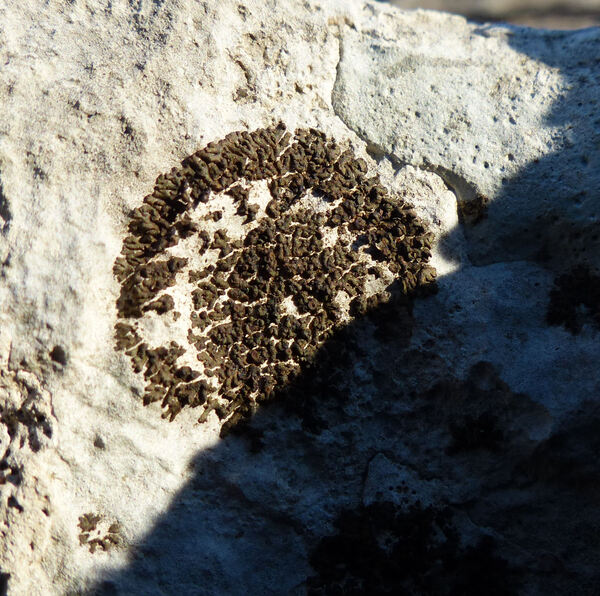
Andrea Moro; Owner: Department of Life Sciences, University of Trieste
italy, Friuli Venezia Giulia, Trieste, Trieste Karst near Borgo Grotta Gigante
16/02/2017
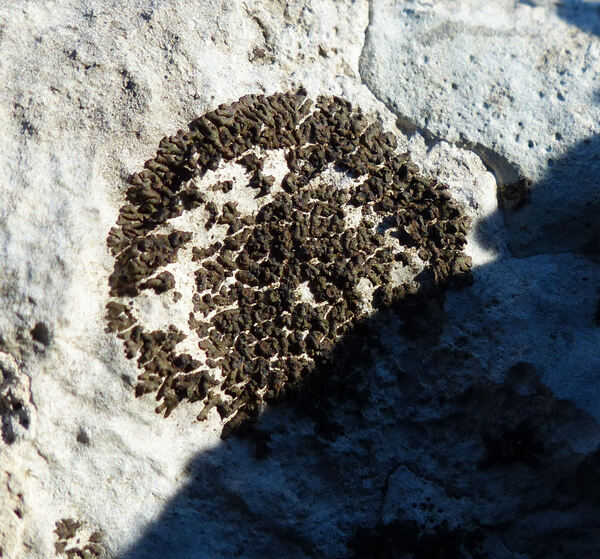
Andrea Moro; Owner: Department of Life Sciences, University of Trieste
italy, Friuli Venezia Giulia, Trieste, Trieste Karst near Borgo Grotta Gigante
16/02/2017
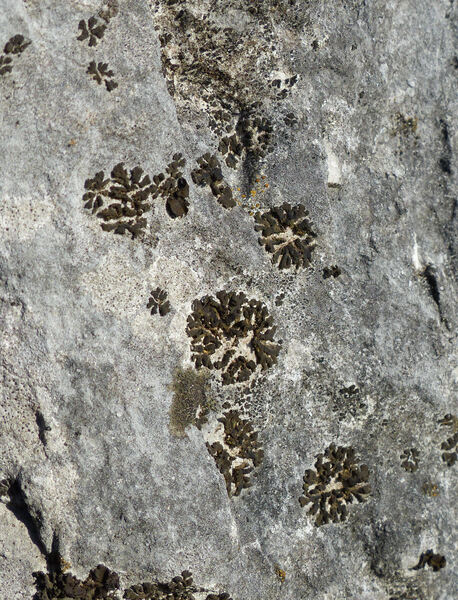
Andrea Moro; Owner: Department of Life Sciences, University of Triedte
Italy, Friuli Venezia Giulia, Trieste, Trieste Karst, Rocca di Monrupino
20/02/2017
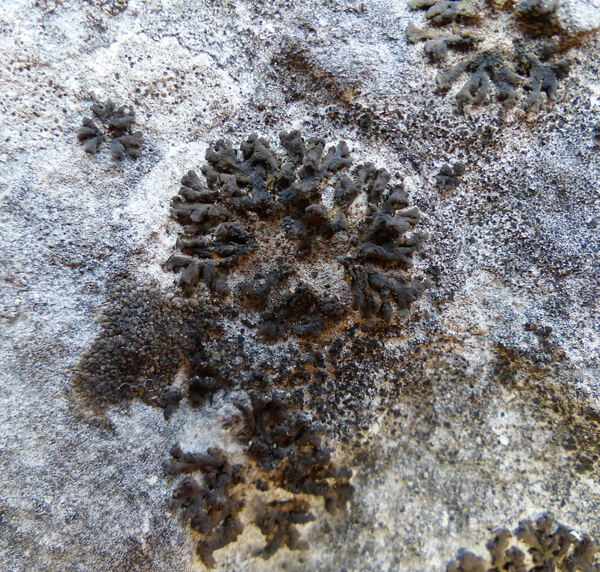
Andrea Moro; Owner: Department of Life Sciences, University of Triedte
Italy, Friuli Venezia Giulia, Trieste, Trieste Karst, Rocca di Monrupino
20/02/2017
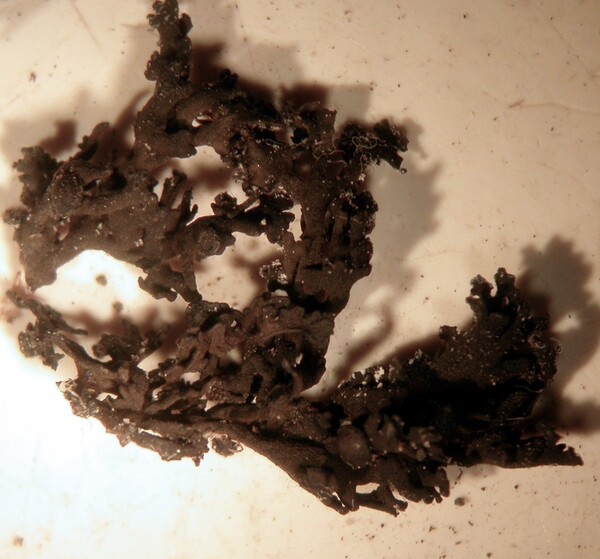
Juri Nascimbene - CC BY-SA 4.0
Italy, Trentino-Alto Adige, Bolzano/Bozen, Sciliar/Schlern
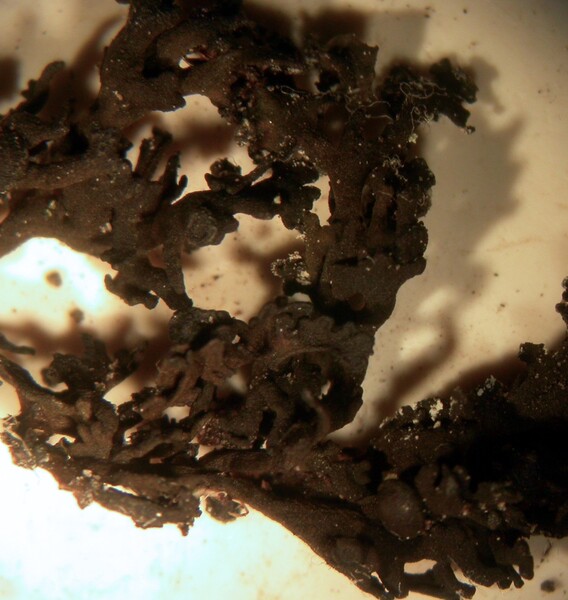
Juri Nascimbene - CC BY-SA 4.0
Italy, Trentino-Alto Adige, Bolzano/Bozen, Sciliar/Schlern
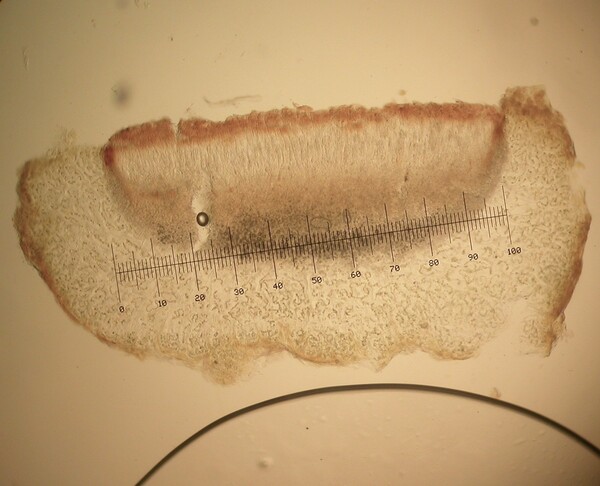
Juri Nascimbene - CC BY-SA 4.0
Italy, Trentino-Alto Adige, Bolzano/Bozen, Sciliar/Schlern
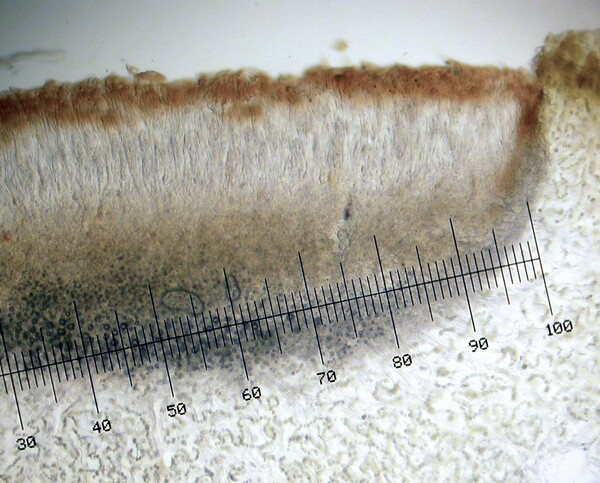
Juri Nascimbene - CC BY-SA 4.0
Italy, Trentino-Alto Adige, Bolzano/Bozen, Sciliar/Schlern
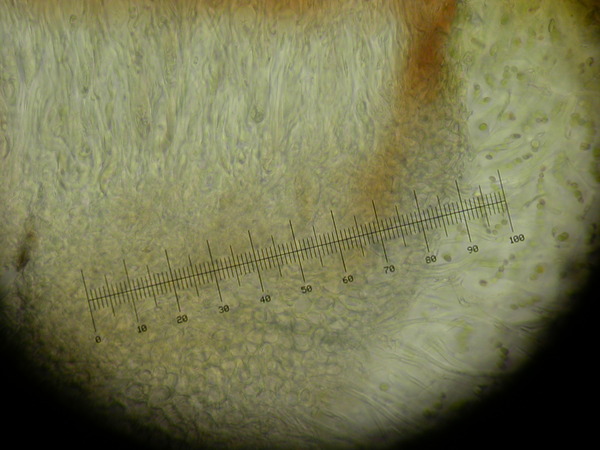
Juri Nascimbene - CC BY-SA 4.0
Italy, Trentino-Alto Adige, Bolzano/Bozen, Sciliar/Schlern
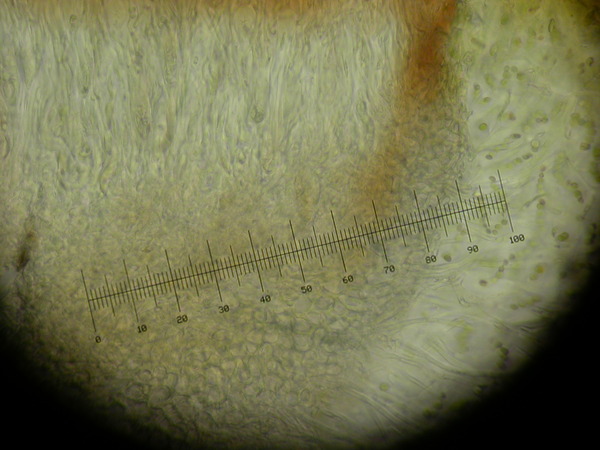
Juri Nascimbene - CC BY-SA 4.0
Italy, Trentino-Alto Adige, Bolzano/Bozen, Sciliar/Schlern
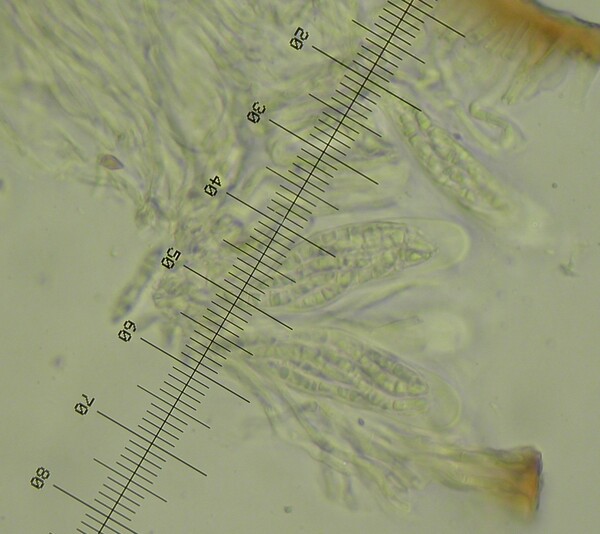
Juri Nascimbene - CC BY-SA 4.0
Italy, Trentino-Alto Adige, Bolzano/Bozen, Sciliar/Schlern
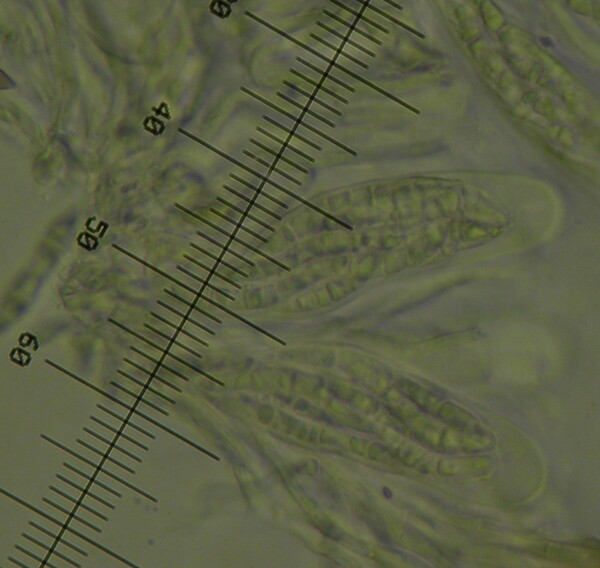
Juri Nascimbene - CC BY-SA 4.0
Italy, Trentino-Alto Adige, Bolzano/Bozen, Sciliar/Schlern
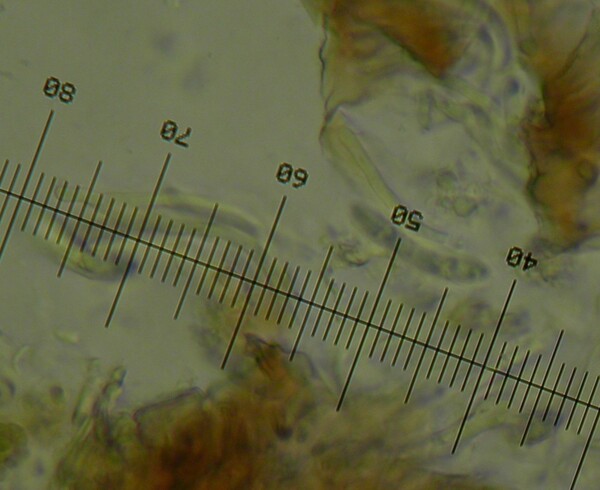
Juri Nascimbene - CC BY-SA 4.0
Italy, Trentino-Alto Adige, Bolzano/Bozen, Sciliar/Schlern
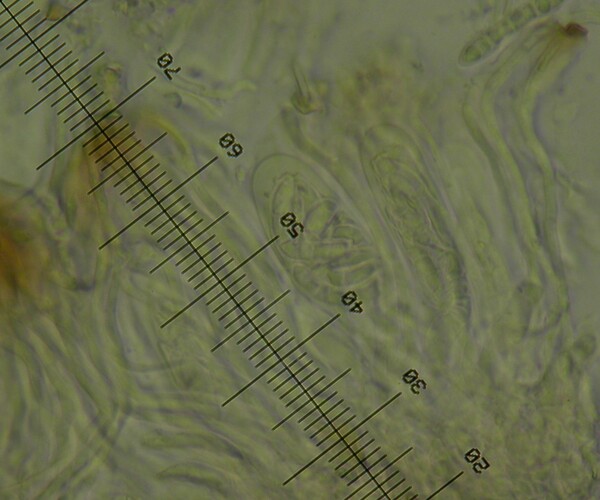
Juri Nascimbene - CC BY-SA 4.0
Italy, Trentino-Alto Adige, Bolzano/Bozen, Sciliar/Schlern
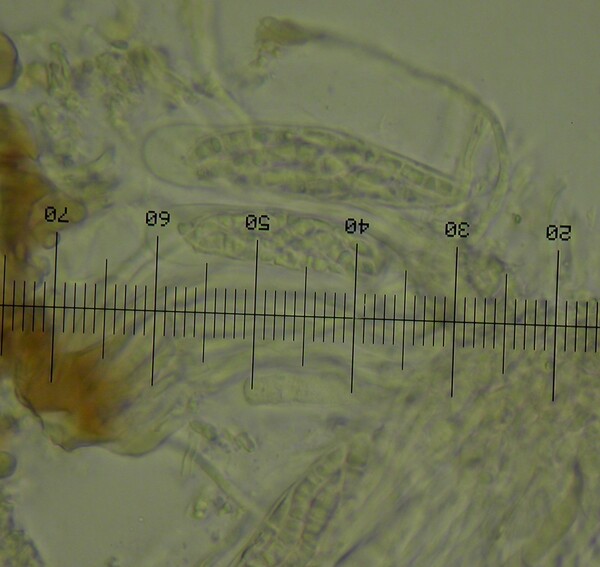
Juri Nascimbene - CC BY-SA 4.0
Italy, Trentino-Alto Adige, Bolzano/Bozen, Sciliar/Schlern
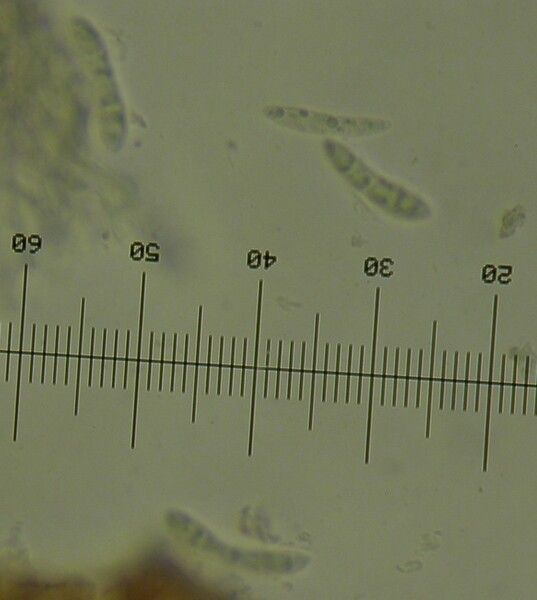
Juri Nascimbene - CC BY-SA 4.0
Italy, Trentino-Alto Adige, Bolzano/Bozen, Sciliar/Schlern
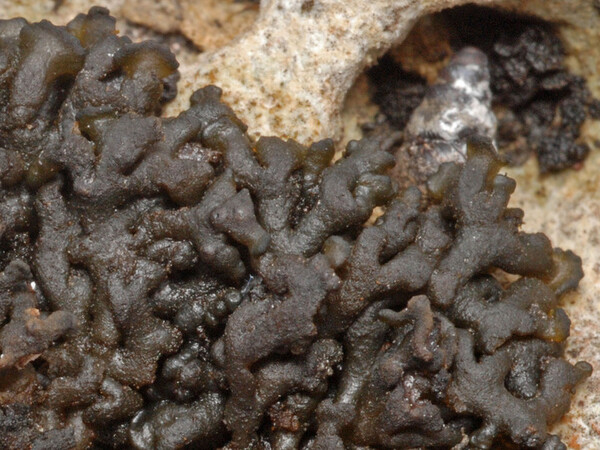
Leif Stridvall - Source: http://www.stridvall.se/la/galleries.php
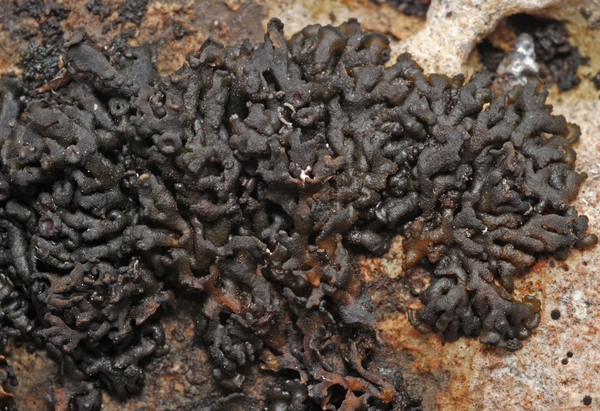
Leif Stridvall
Courtesy: Anita Stridvall -Source: http://www.stridvall.se/lichens/gallery/
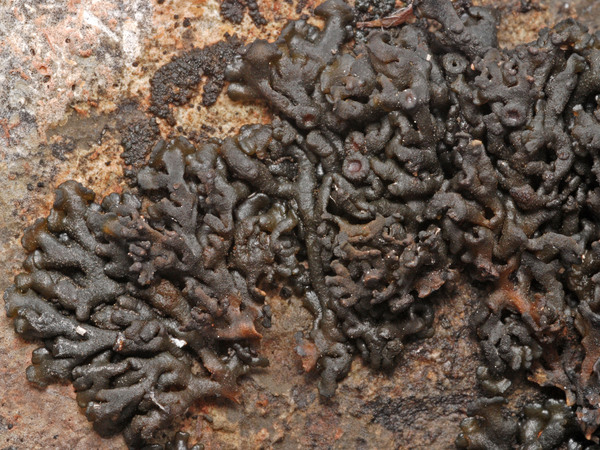
Leif Stridvall
Courtesy: Anita Stridvall -Source: http://www.stridvall.se/lichens/gallery/
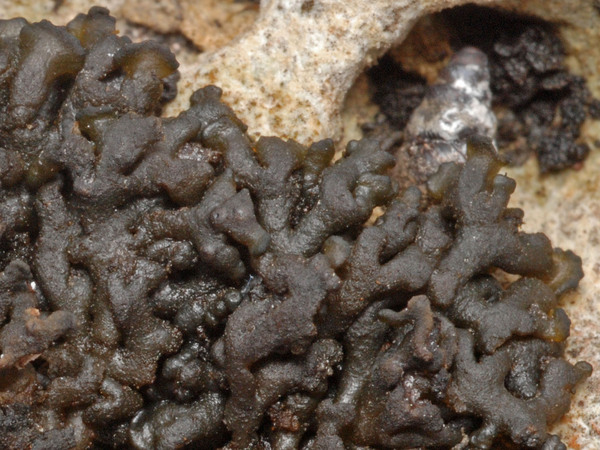
Leif Stridvall
Courtesy: Anita Stridvall -Source: http://www.stridvall.se/lichens/gallery/
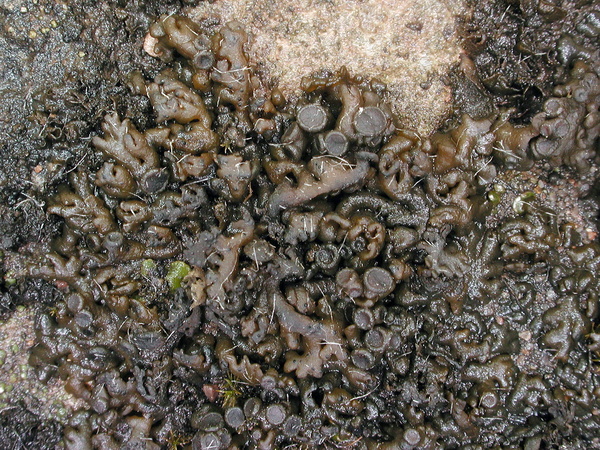
Leif Stridvall
Courtesy: Anita Stridvall -Source: http://www.stridvall.se/lichens/gallery/
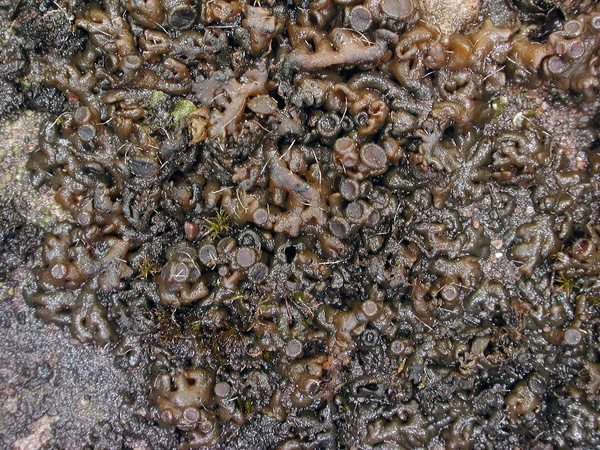
Leif Stridvall
Courtesy: Anita Stridvall -Source: http://www.stridvall.se/lichens/gallery/
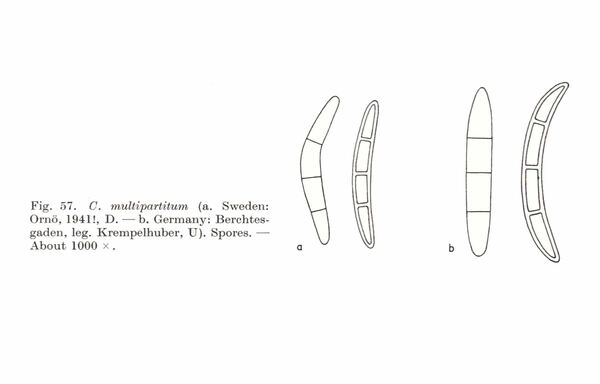
Degelius G. 1954. The lichen genus Collema in Europe: Morphology, Taxonomy, Ecology. Symbolae Bot. Upsal. 13, 2: 1-499.
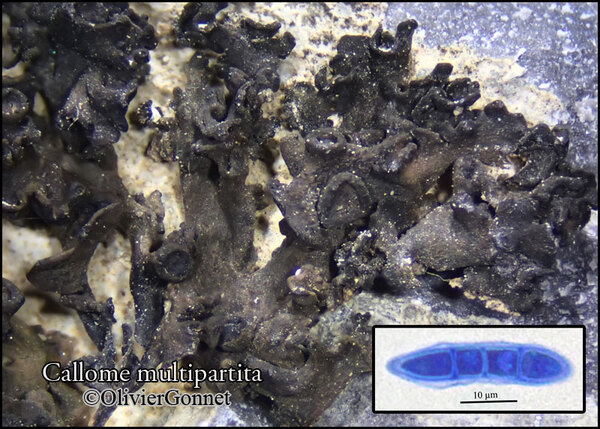
Courtesy: Olivier et Danièle Gonnet - Source: https://www.afl-lichenologie.fr/Photos_AFL/Photos_AFL_C/Textes_C4/Callome_multipartita.htm
France, session AFL 2015 dans le Lot
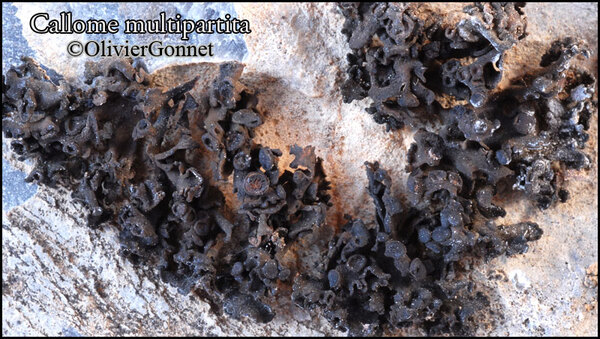
Courtesy: Olivier et Danièle Gonnet - Source: https://www.afl-lichenologie.fr/Photos_AFL/Photos_AFL_C/Textes_C4/Callome_multipartita.htm
France, session AFL 2015 dans le Lot
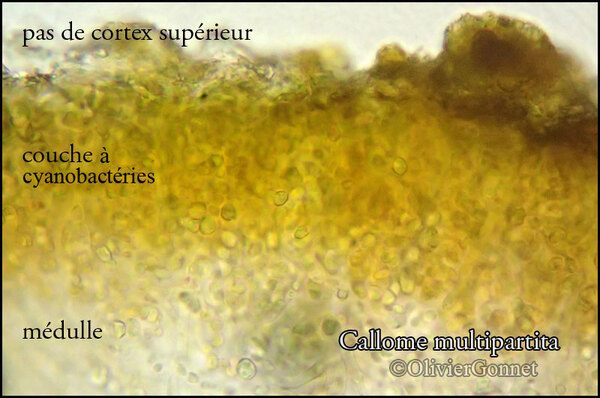
Courtesy: Olivier et Danièle Gonnet - Source: https://www.afl-lichenologie.fr/Photos_AFL/Photos_AFL_C/Textes_C4/Callome_multipartita.htm
France, session AFL 2015 dans le Lot
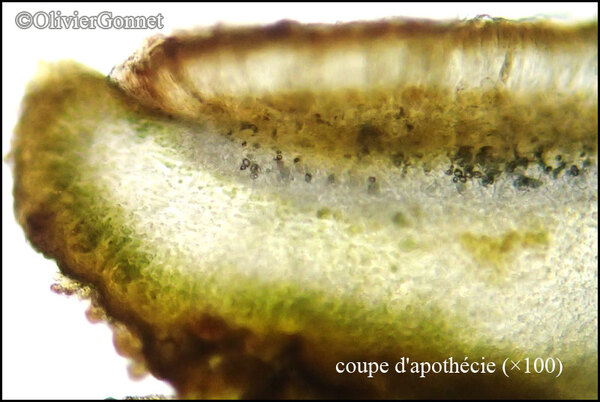
Courtesy: Olivier et Danièle Gonnet - Source: https://www.afl-lichenologie.fr/Photos_AFL/Photos_AFL_C/Textes_C4/Callome_multipartita.htm
France, session AFL 2015 dans le Lot

Wolfgang von Brackel - CC BY-4.0
Germany, Kleinziegenfelder Tal 2017
Wolfgang von Brackel - CC BY-4.0
Germany, Kleinziegenfelder Tal 2017
Growth form: Foliose, narrow lobed
Substrata: rocks
Photobiont: cyanobacteria, filamentous (e.g. Nostoc, Scytonema)
Reproductive strategy: mainly sexual
Commonnes-rarity: (info)
Alpine belt: absent
Subalpine belt: very rare
Montane belt: rare
Dry submediterranean belt: rare
Humid submediterranean belt: rare
Padanian area: absent
pH of the substrata:
| 1 | 2 | 3 | 4 | 5 |
Solar irradiation:
| 1 | 2 | 3 | 4 | 5 |
Aridity:
| 1 | 2 | 3 | 4 | 5 |
Eutrophication:
| 1 | 2 | 3 | 4 | 5 |
Poleotolerance:
| 0 | 1 | 2 | 3 |
Altitudinal distribution:
| 1 | 2 | 3 | 4 | 5 | 6 |
Rarity
absent
extremely rare
very rare
rare
rather rare
rather common
common
very common
extremely common
Loading data...
Occurrence data
Predictive map

P.L. Nimis; Owner: Department of Life Sciences, University of Trieste
Herbarium: TSB (5738)
2001/12/04

P.L. Nimis; Owner: Department of Life Sciences, University of Trieste
Herbarium: TSB (5738)
2001/12/04
detail of pycnidia
Leif Stridvall
Courtesy: Anita Stridvall -Source: http://www.stridvall.se/lichens/gallery/
Andrea Moro; Owner: Department of Life Sciences, University of Trieste
italy, Friuli Venezia Giulia, Trieste, Trieste Karst near Borgo Grotta Gigante
16/02/2017
Andrea Moro; Owner: Department of Life Sciences, University of Trieste
italy, Friuli Venezia Giulia, Trieste, Trieste Karst near Borgo Grotta Gigante
16/02/2017
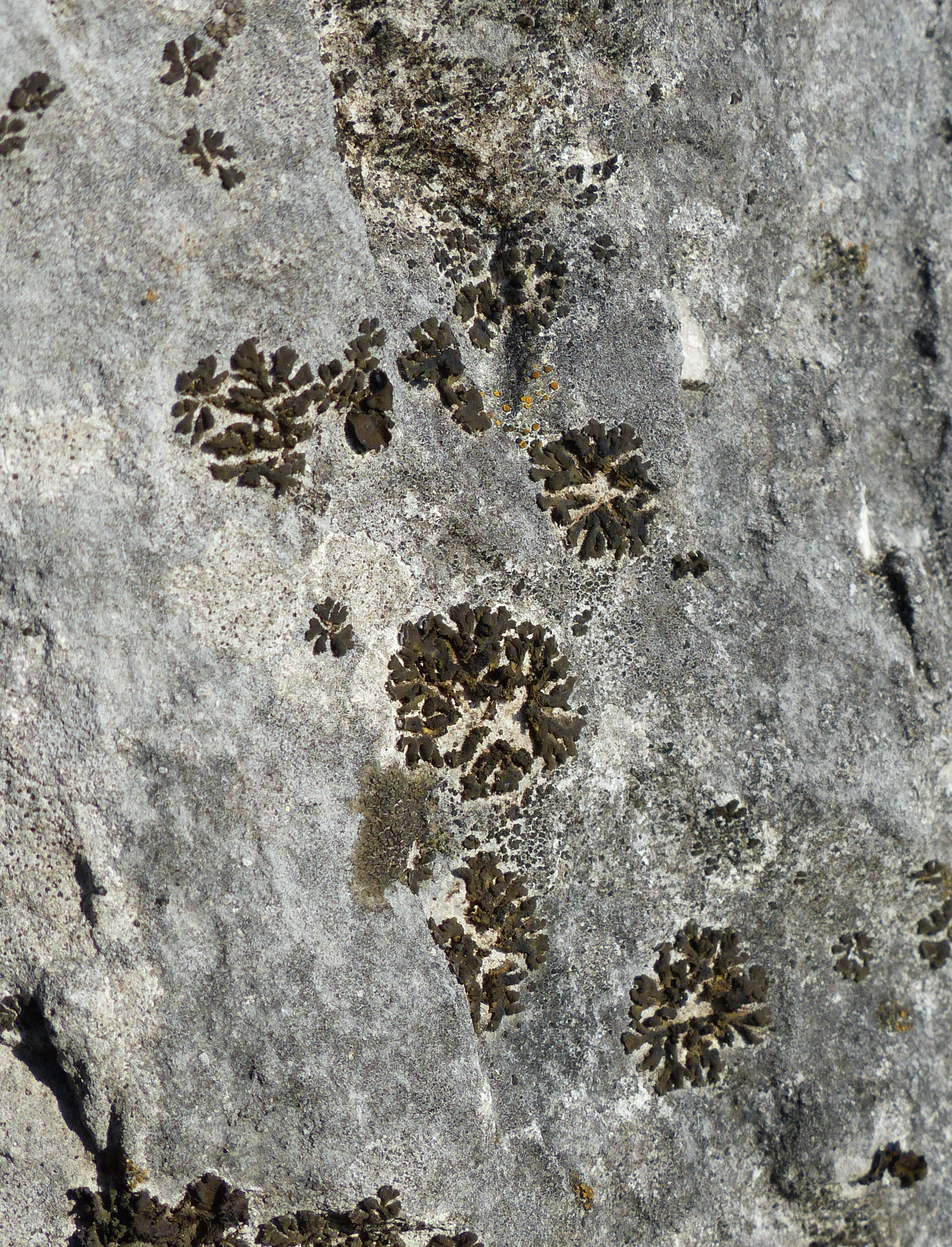
Andrea Moro; Owner: Department of Life Sciences, University of Triedte
Italy, Friuli Venezia Giulia, Trieste, Trieste Karst, Rocca di Monrupino
20/02/2017

Andrea Moro; Owner: Department of Life Sciences, University of Triedte
Italy, Friuli Venezia Giulia, Trieste, Trieste Karst, Rocca di Monrupino
20/02/2017
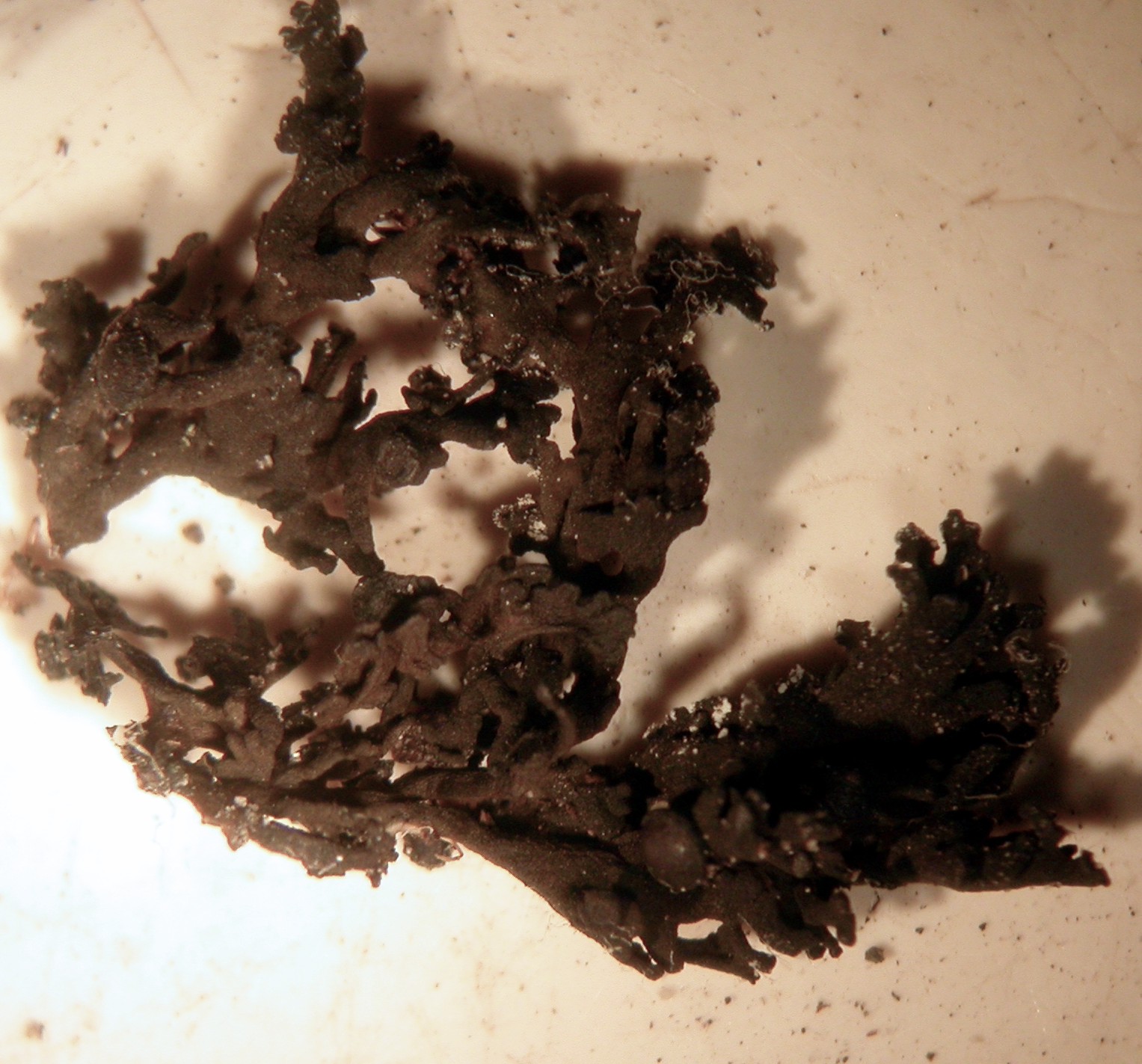
Juri Nascimbene - CC BY-SA 4.0
Italy, Trentino-Alto Adige, Bolzano/Bozen, Sciliar/Schlern
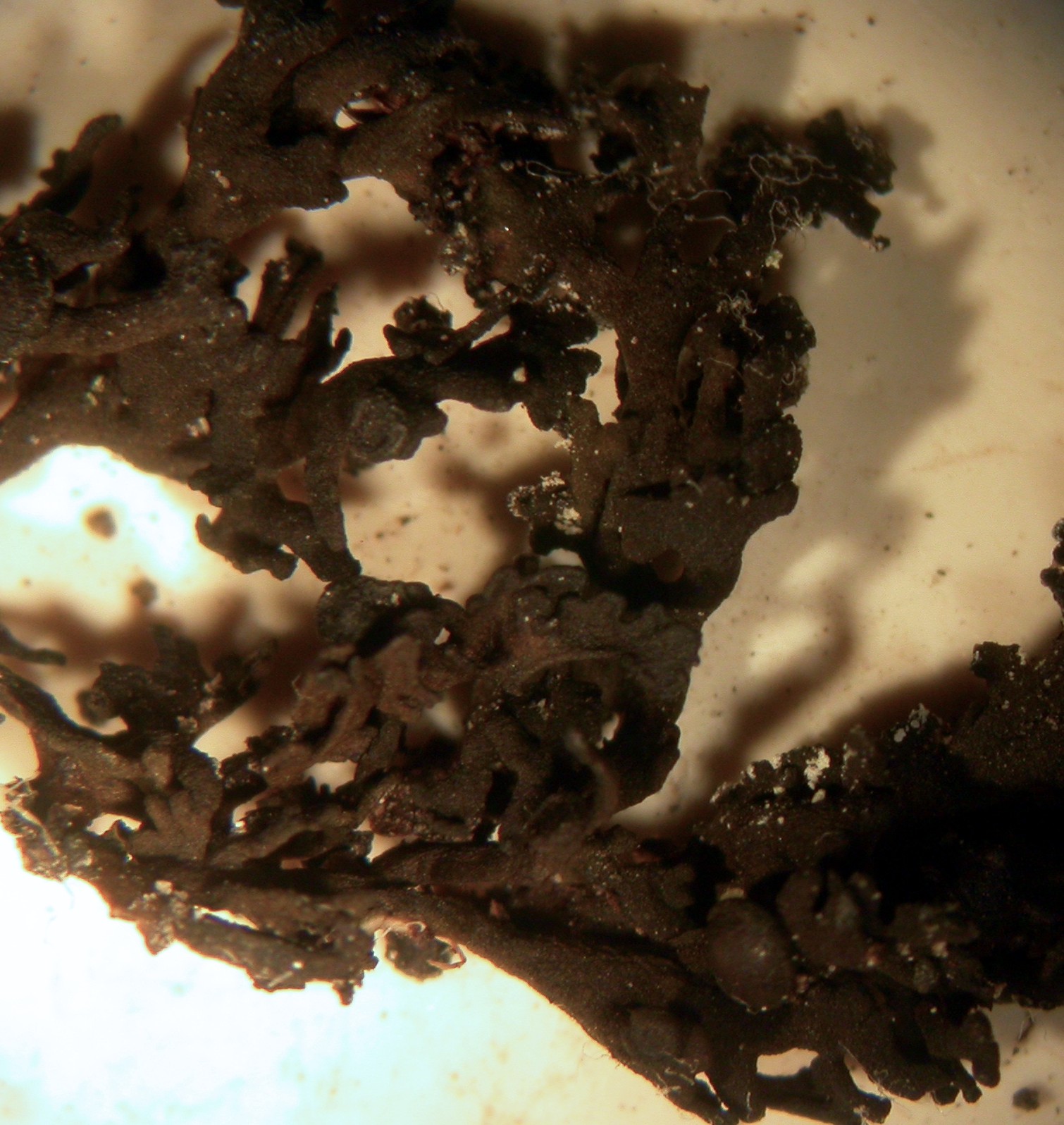
Juri Nascimbene - CC BY-SA 4.0
Italy, Trentino-Alto Adige, Bolzano/Bozen, Sciliar/Schlern
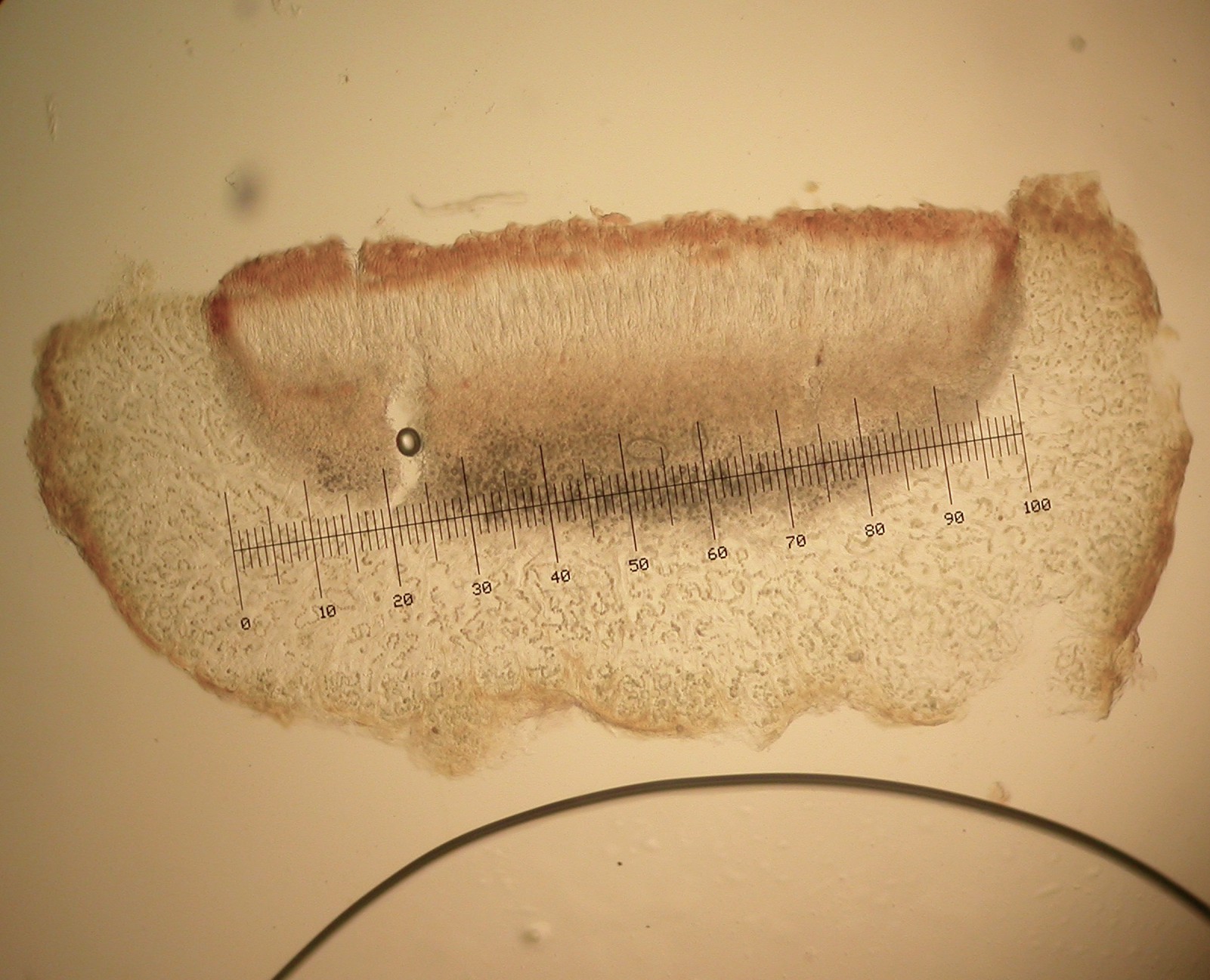
Juri Nascimbene - CC BY-SA 4.0
Italy, Trentino-Alto Adige, Bolzano/Bozen, Sciliar/Schlern
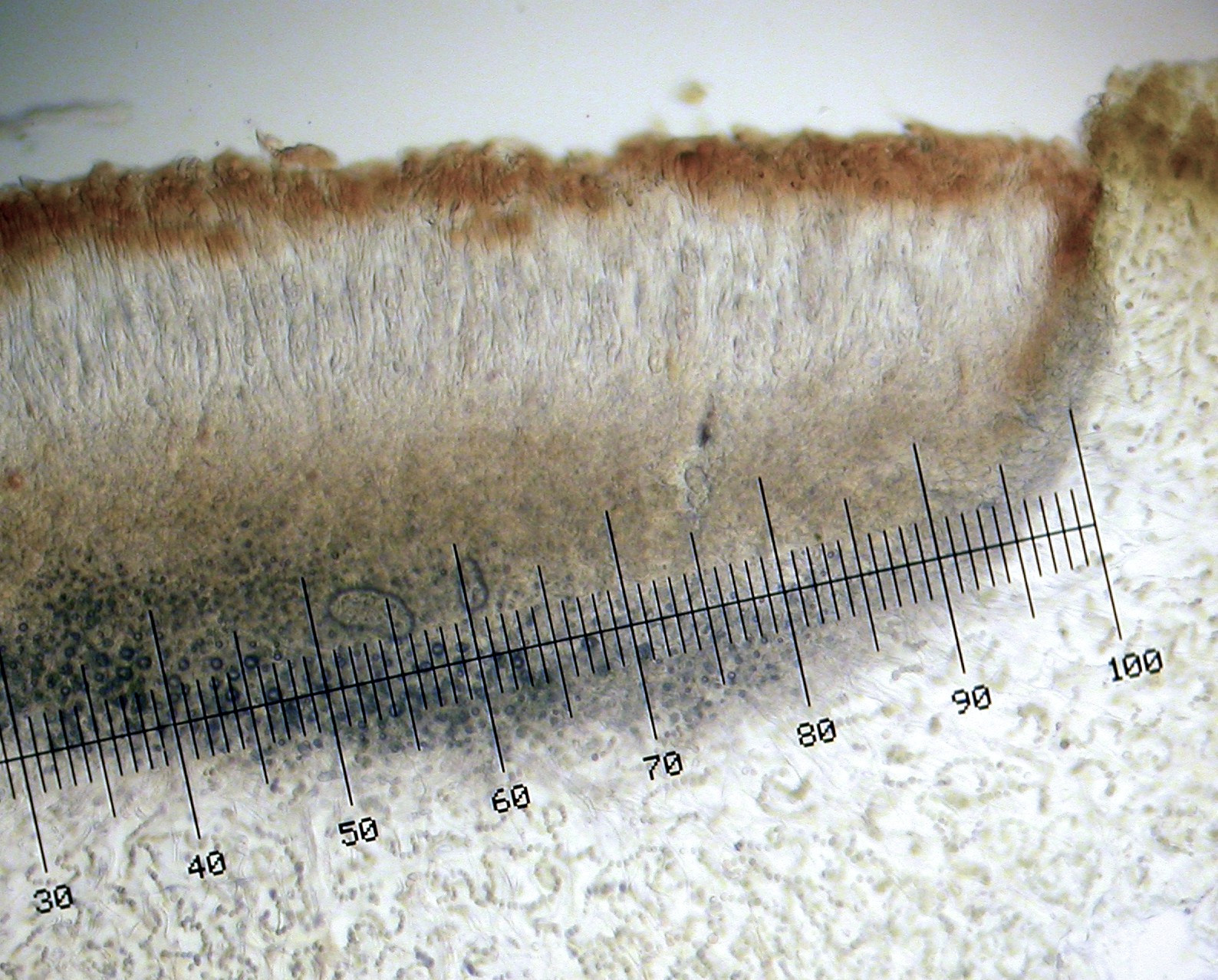
Juri Nascimbene - CC BY-SA 4.0
Italy, Trentino-Alto Adige, Bolzano/Bozen, Sciliar/Schlern
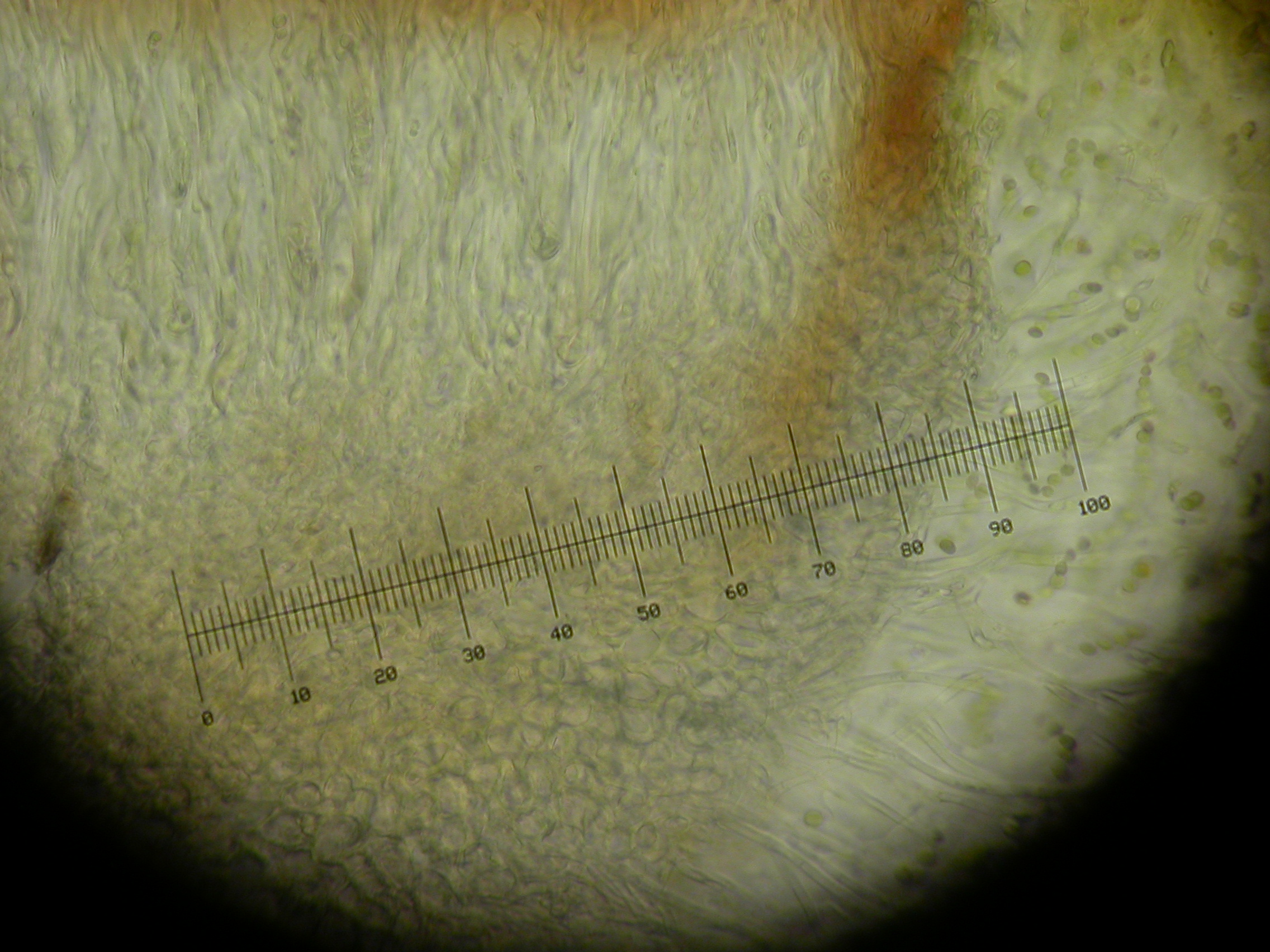
Juri Nascimbene - CC BY-SA 4.0
Italy, Trentino-Alto Adige, Bolzano/Bozen, Sciliar/Schlern
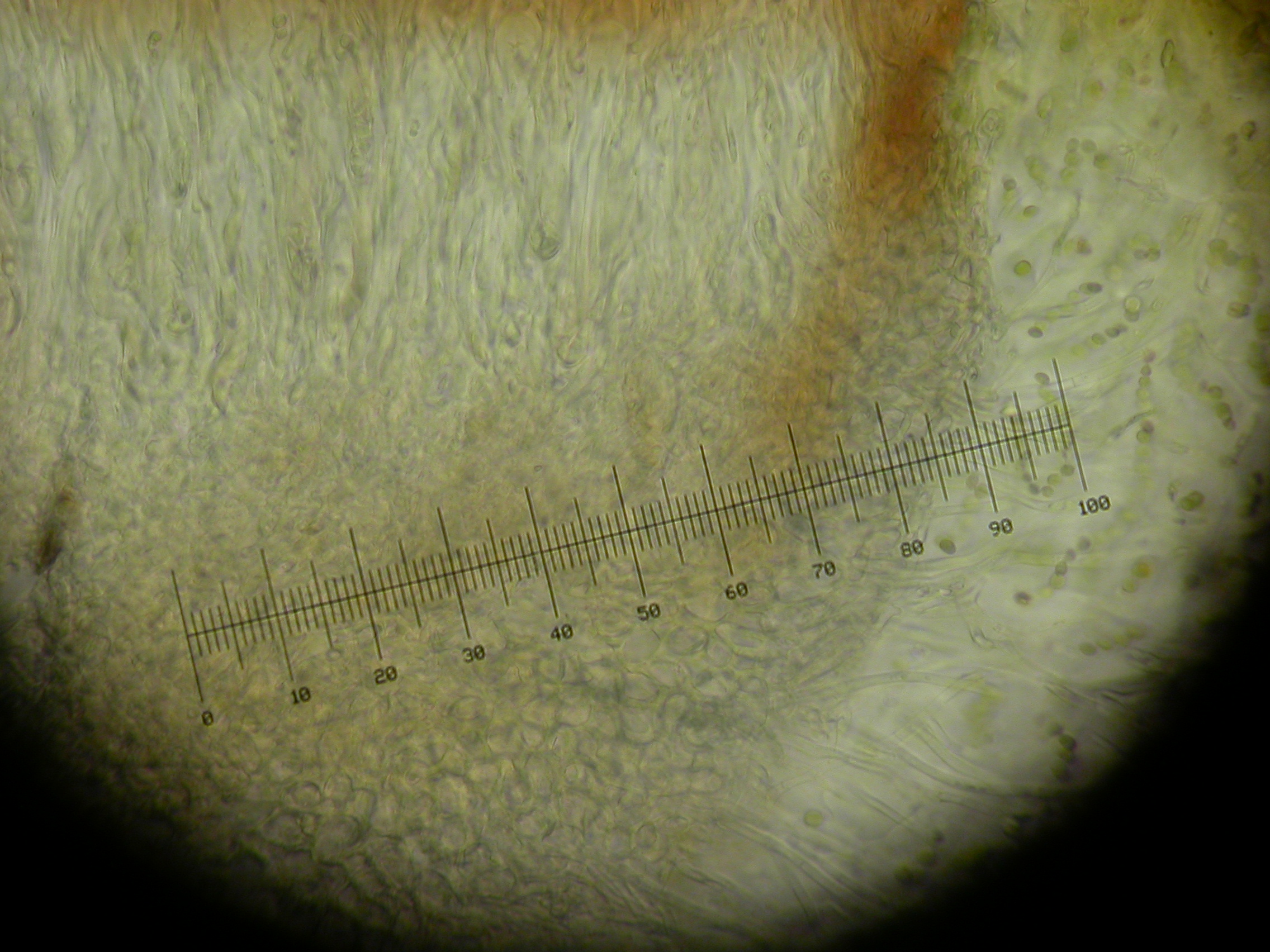
Juri Nascimbene - CC BY-SA 4.0
Italy, Trentino-Alto Adige, Bolzano/Bozen, Sciliar/Schlern

Juri Nascimbene - CC BY-SA 4.0
Italy, Trentino-Alto Adige, Bolzano/Bozen, Sciliar/Schlern
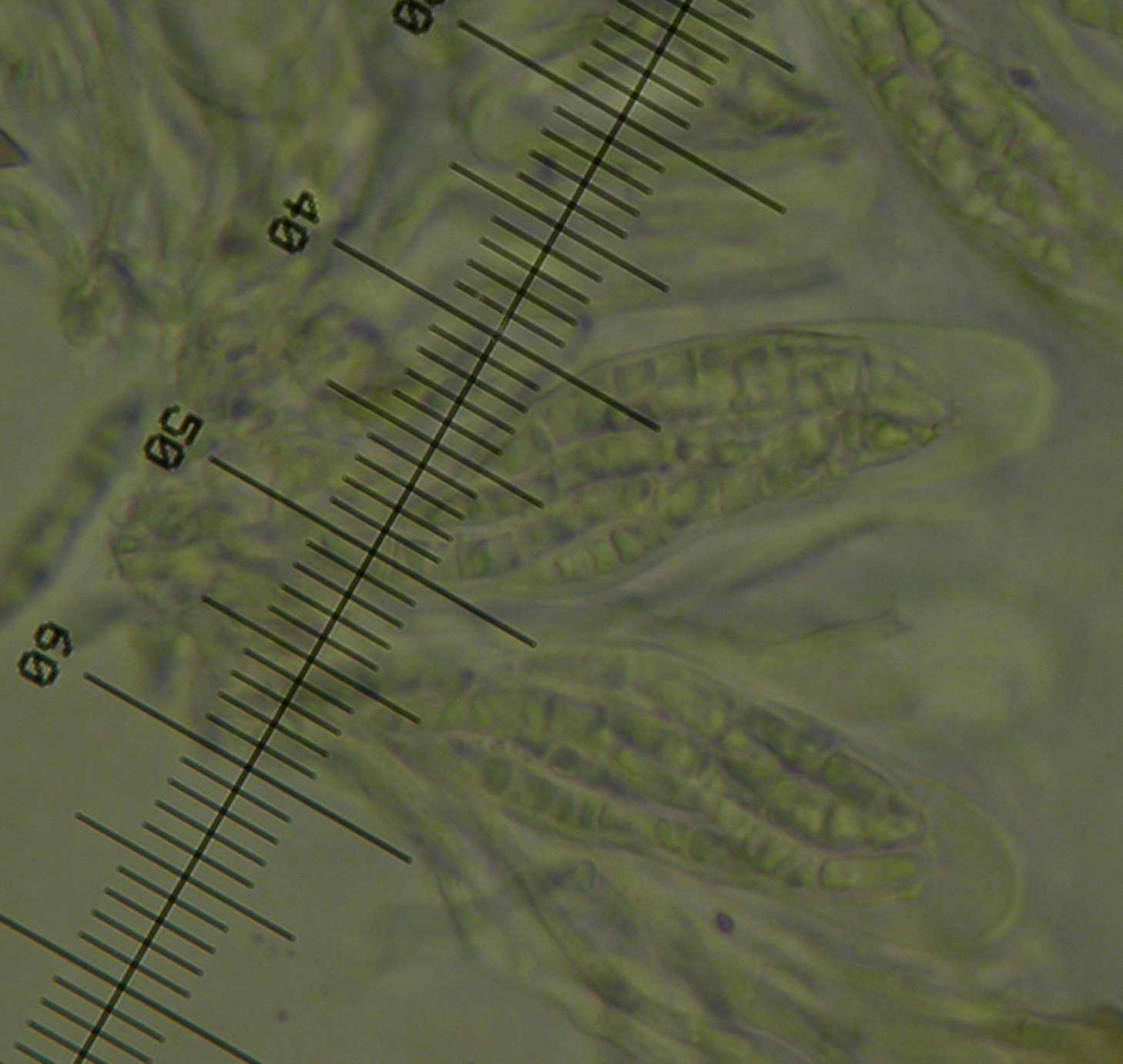
Juri Nascimbene - CC BY-SA 4.0
Italy, Trentino-Alto Adige, Bolzano/Bozen, Sciliar/Schlern
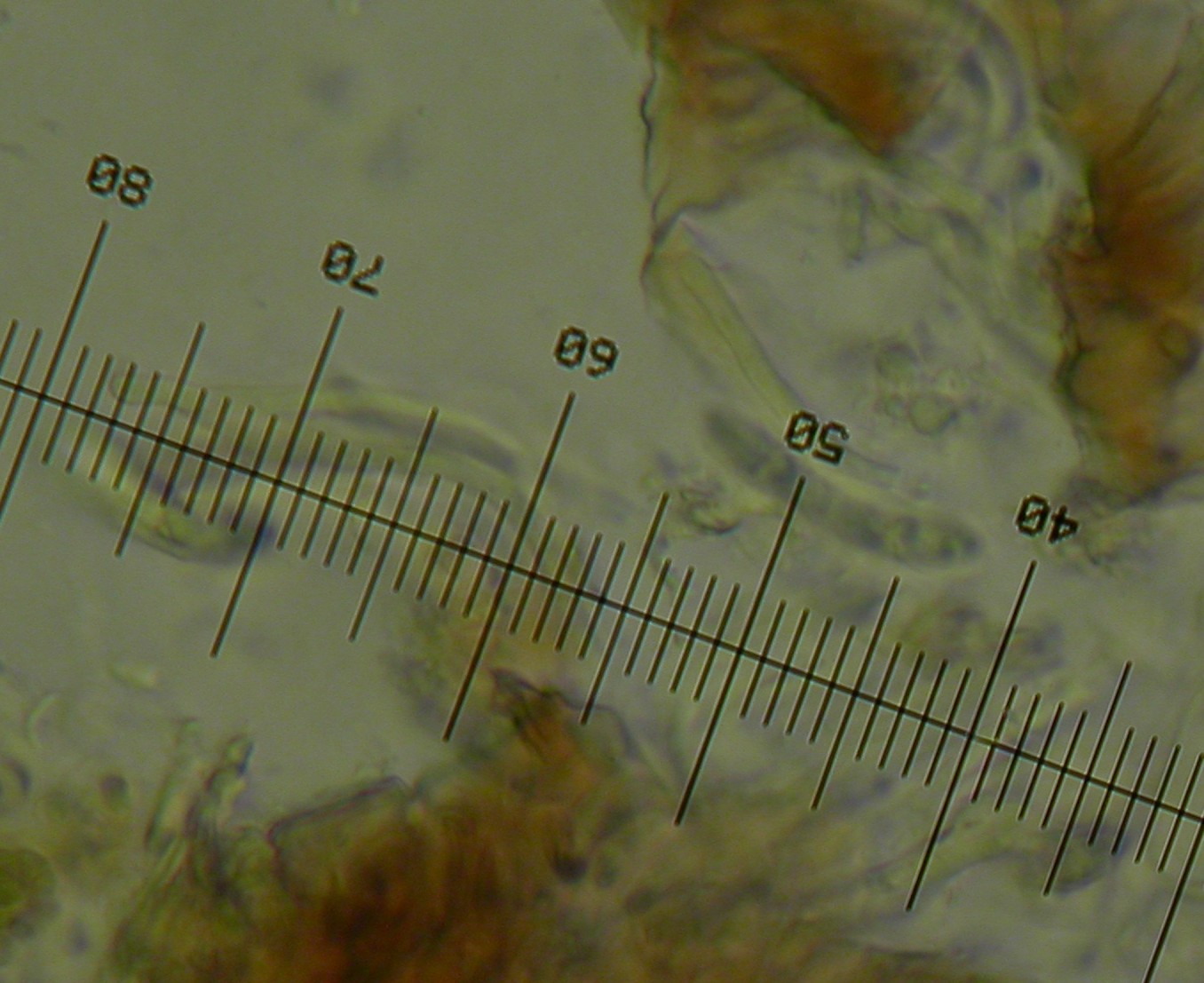
Juri Nascimbene - CC BY-SA 4.0
Italy, Trentino-Alto Adige, Bolzano/Bozen, Sciliar/Schlern
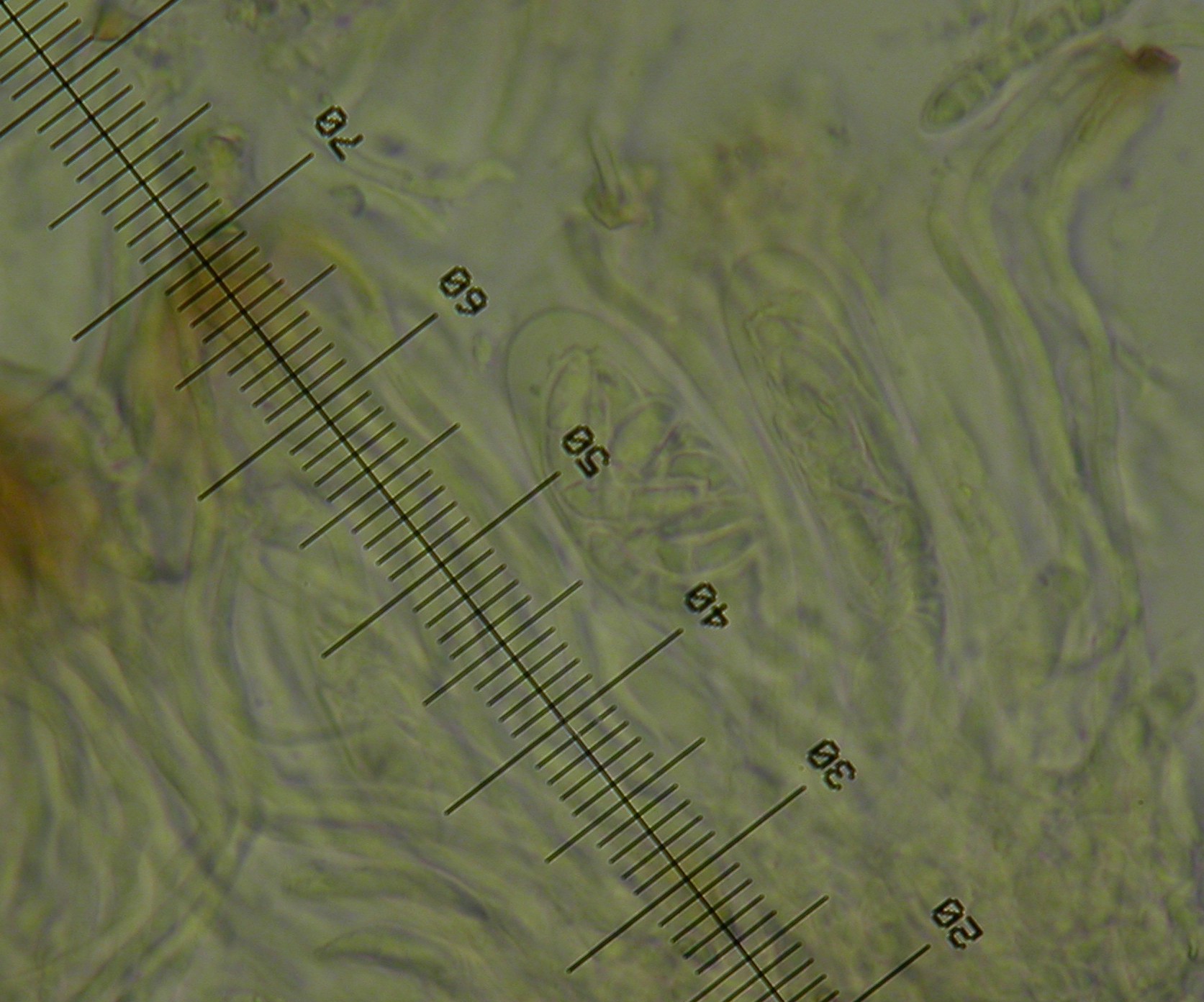
Juri Nascimbene - CC BY-SA 4.0
Italy, Trentino-Alto Adige, Bolzano/Bozen, Sciliar/Schlern

Juri Nascimbene - CC BY-SA 4.0
Italy, Trentino-Alto Adige, Bolzano/Bozen, Sciliar/Schlern
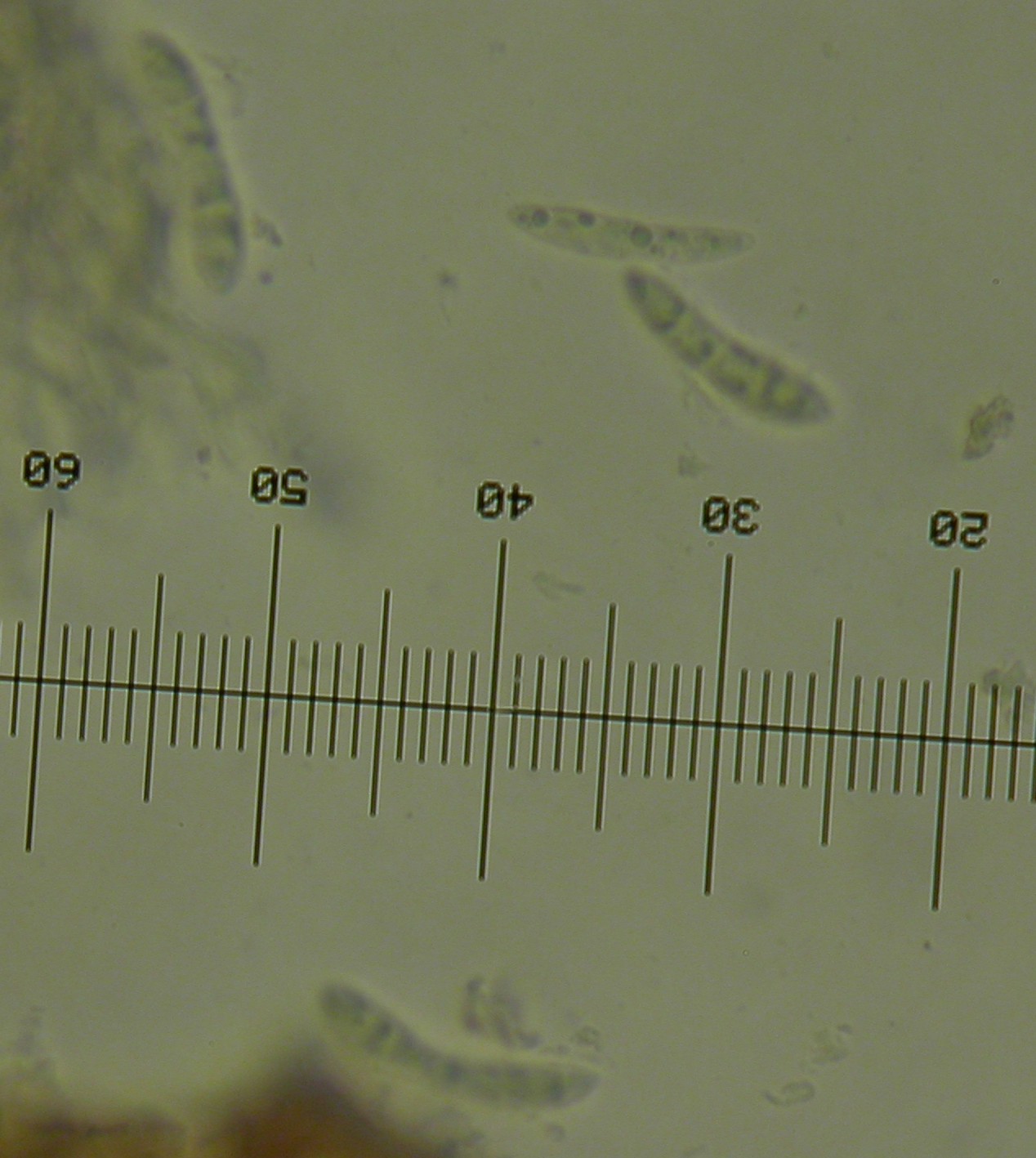
Juri Nascimbene - CC BY-SA 4.0
Italy, Trentino-Alto Adige, Bolzano/Bozen, Sciliar/Schlern

Leif Stridvall - Source: http://www.stridvall.se/la/galleries.php
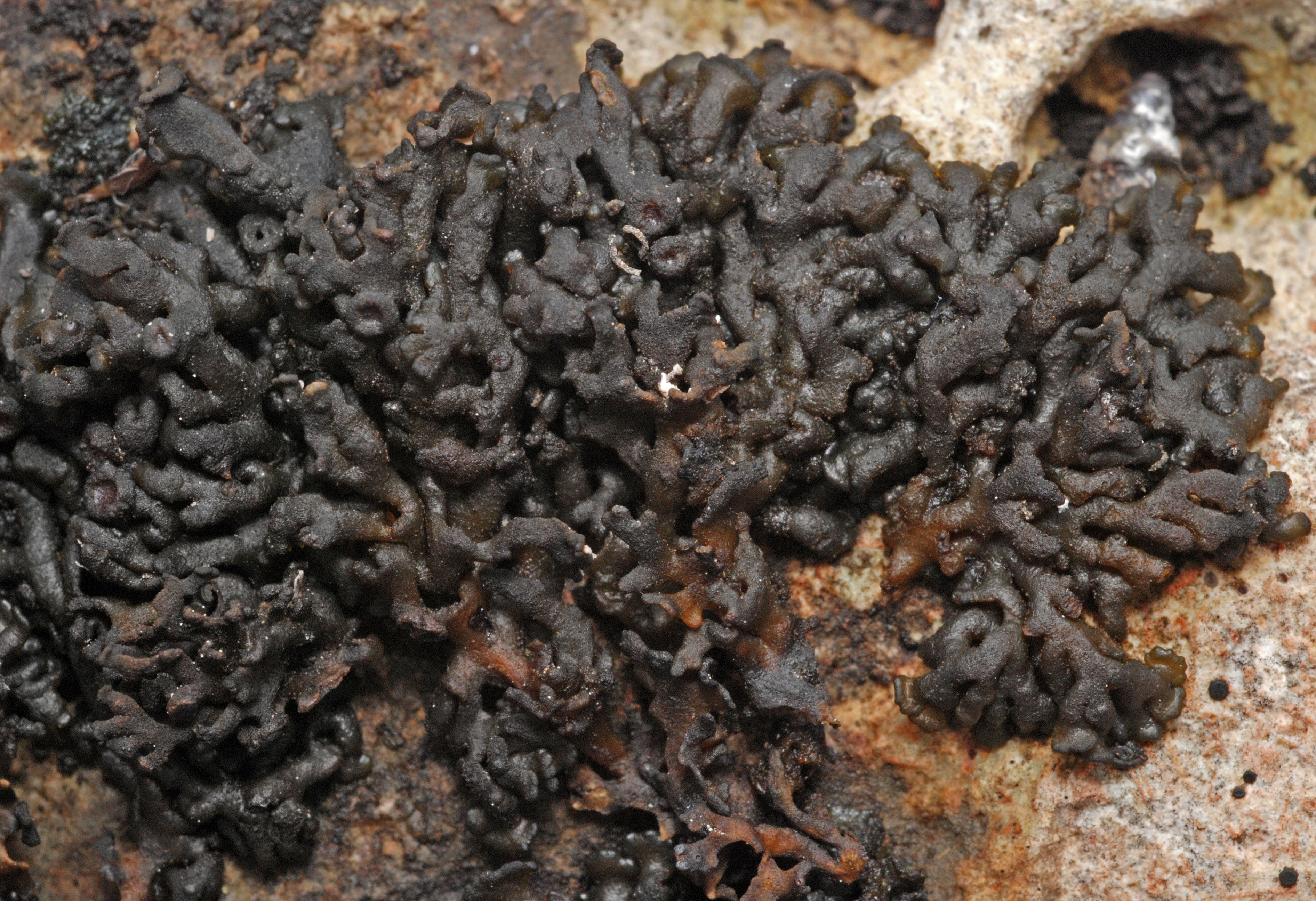
Leif Stridvall
Courtesy: Anita Stridvall -Source: http://www.stridvall.se/lichens/gallery/
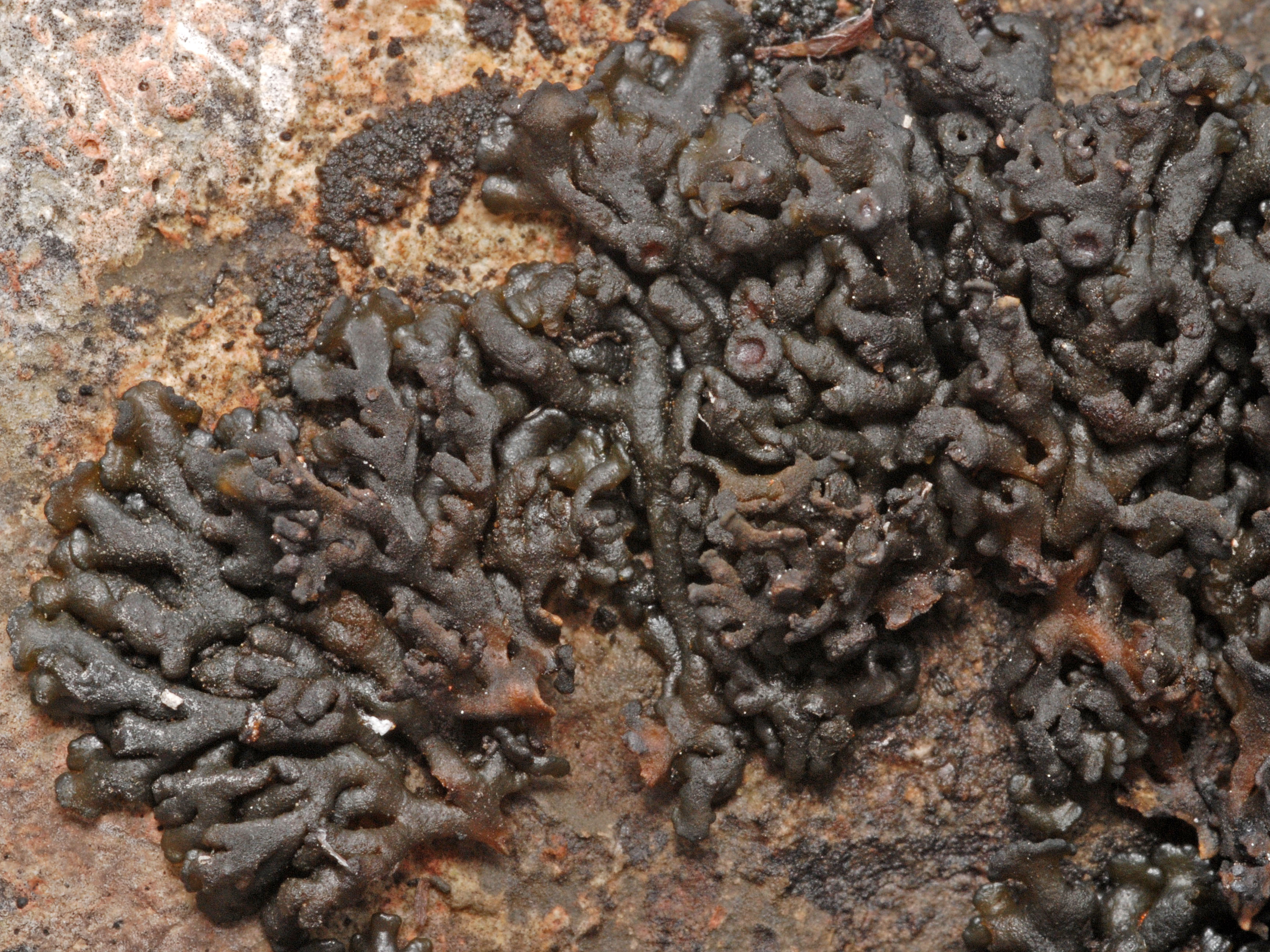
Leif Stridvall
Courtesy: Anita Stridvall -Source: http://www.stridvall.se/lichens/gallery/
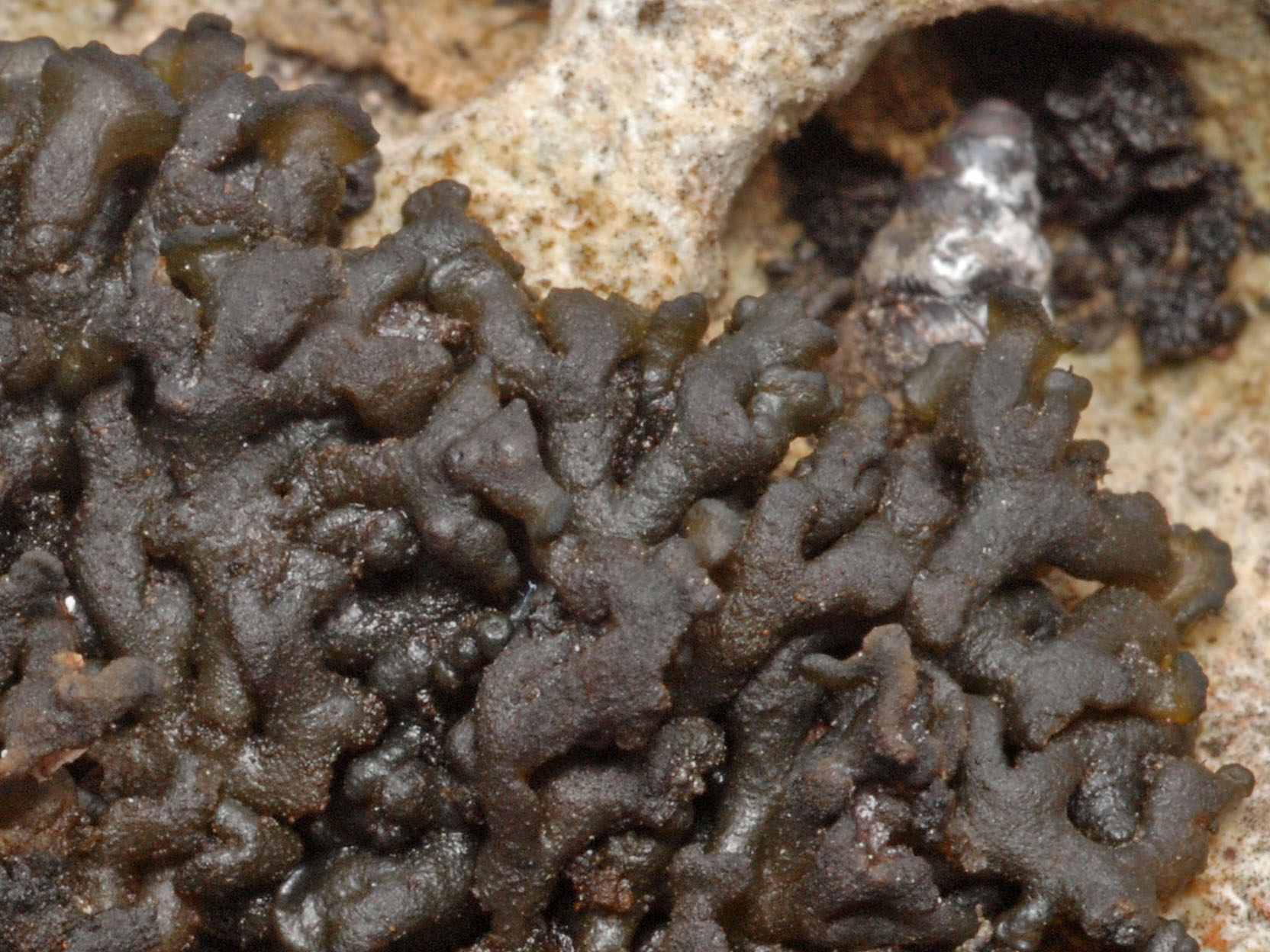
Leif Stridvall
Courtesy: Anita Stridvall -Source: http://www.stridvall.se/lichens/gallery/
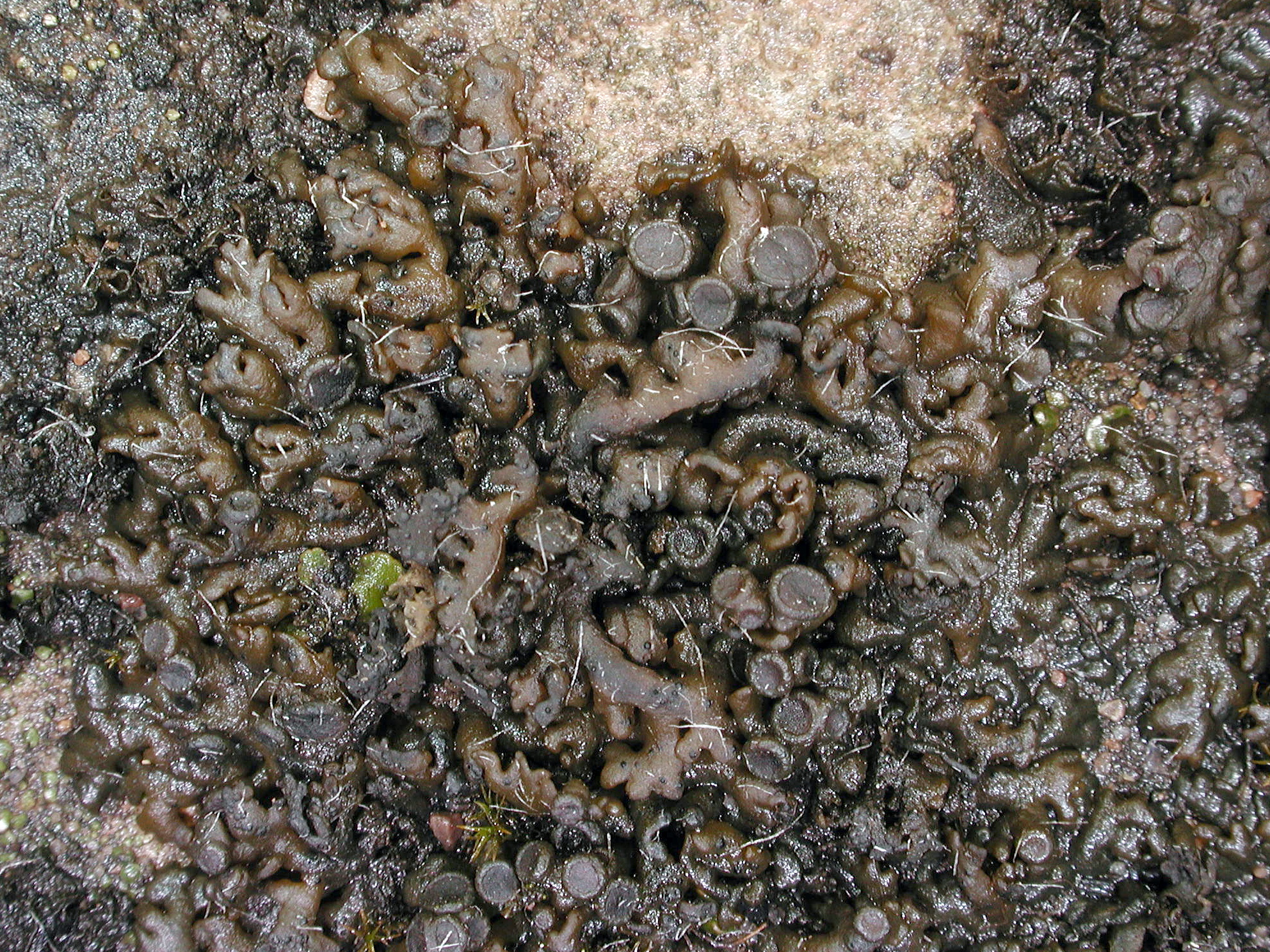
Leif Stridvall
Courtesy: Anita Stridvall -Source: http://www.stridvall.se/lichens/gallery/
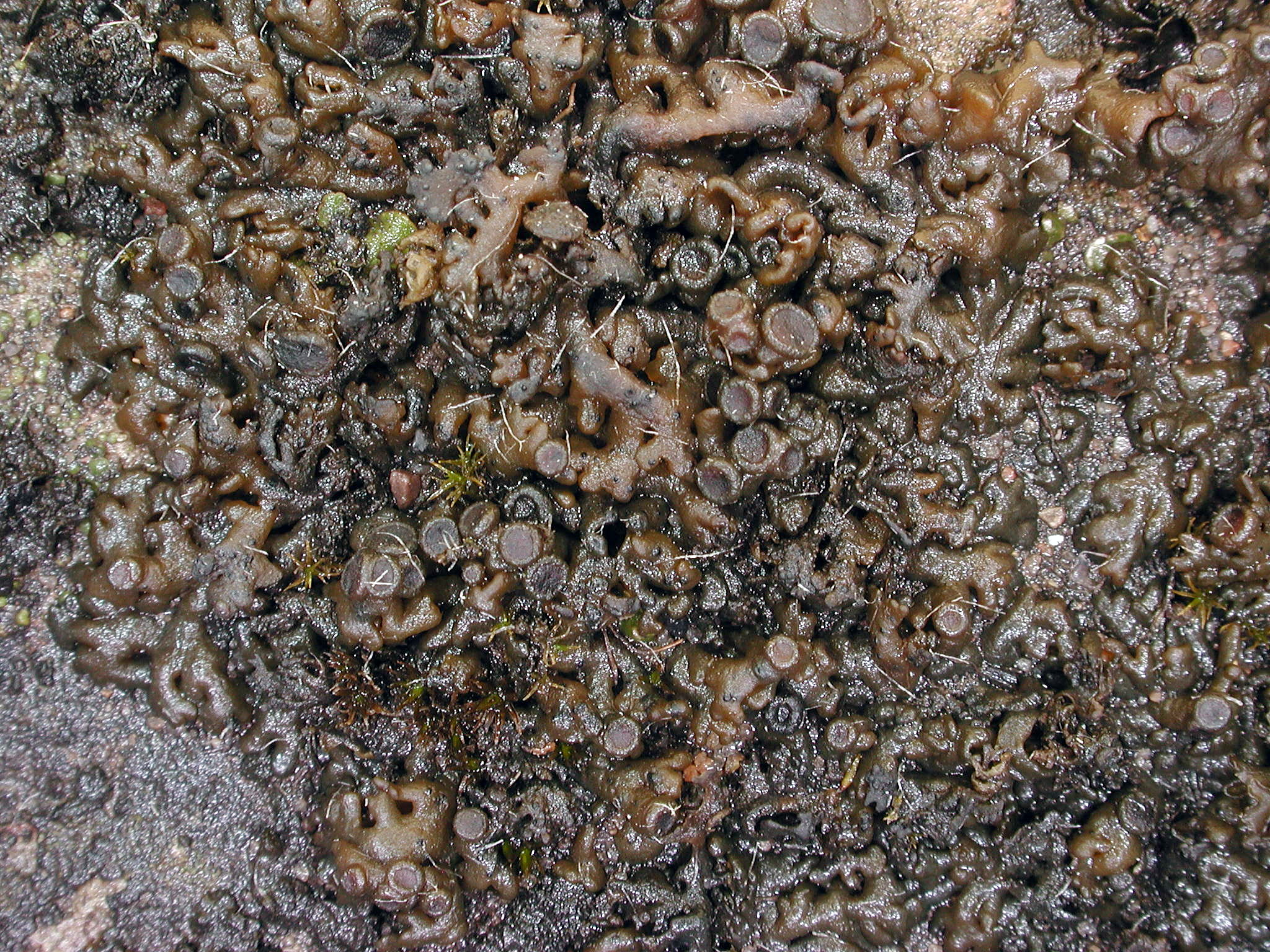
Leif Stridvall
Courtesy: Anita Stridvall -Source: http://www.stridvall.se/lichens/gallery/
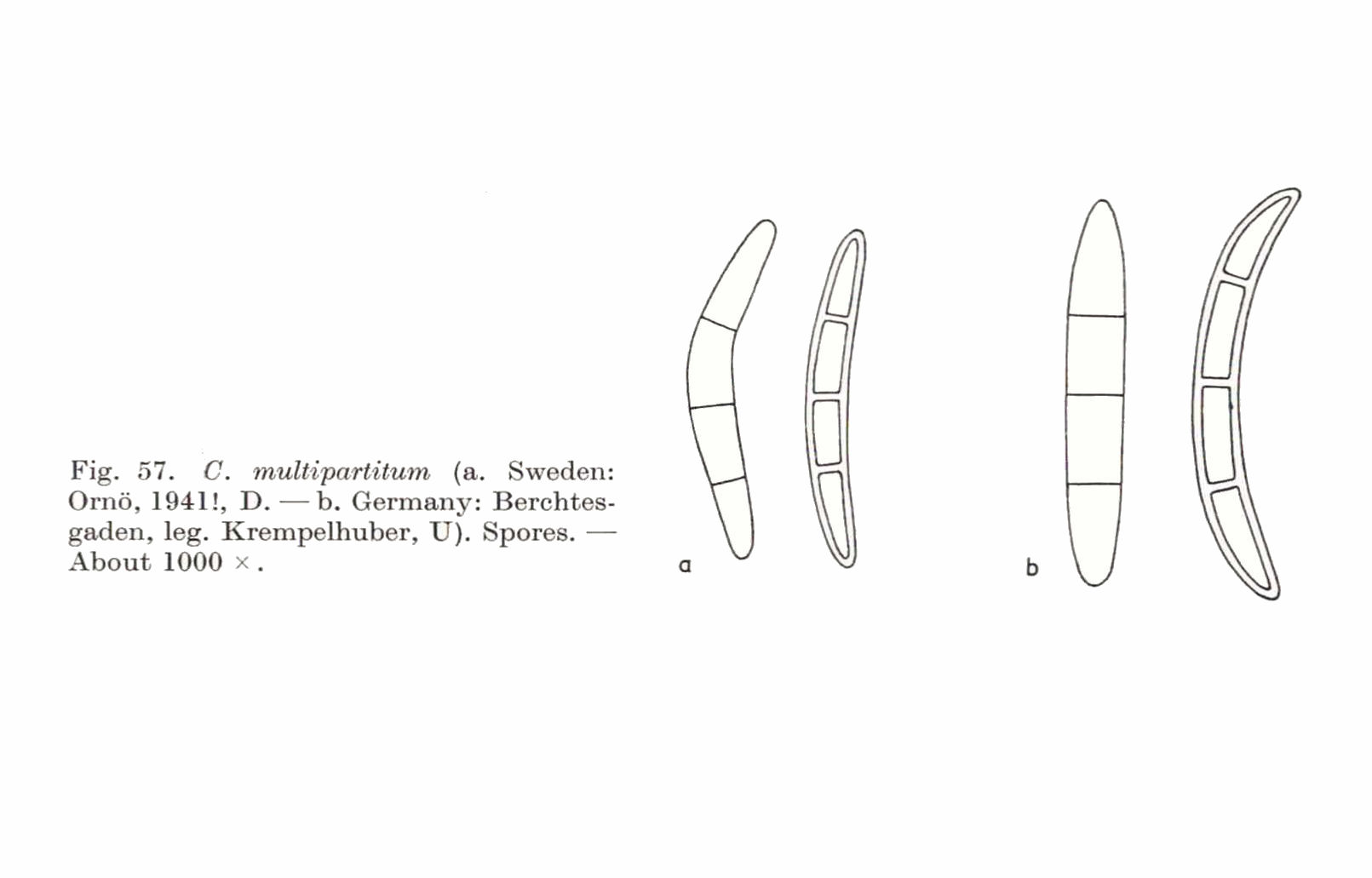
Degelius G. 1954. The lichen genus Collema in Europe: Morphology, Taxonomy, Ecology. Symbolae Bot. Upsal. 13, 2: 1-499.
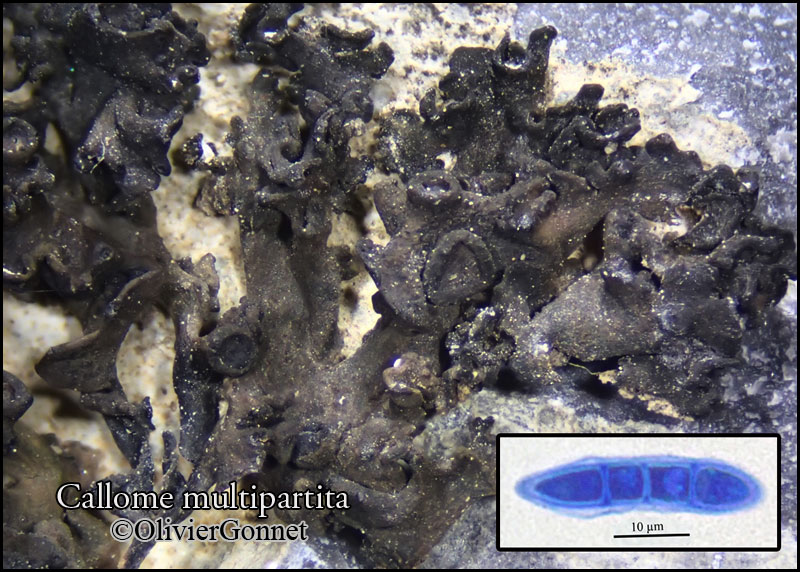
Courtesy: Olivier et Danièle Gonnet - Source: https://www.afl-lichenologie.fr/Photos_AFL/Photos_AFL_C/Textes_C4/Callome_multipartita.htm
France, session AFL 2015 dans le Lot

Courtesy: Olivier et Danièle Gonnet - Source: https://www.afl-lichenologie.fr/Photos_AFL/Photos_AFL_C/Textes_C4/Callome_multipartita.htm
France, session AFL 2015 dans le Lot

Courtesy: Olivier et Danièle Gonnet - Source: https://www.afl-lichenologie.fr/Photos_AFL/Photos_AFL_C/Textes_C4/Callome_multipartita.htm
France, session AFL 2015 dans le Lot
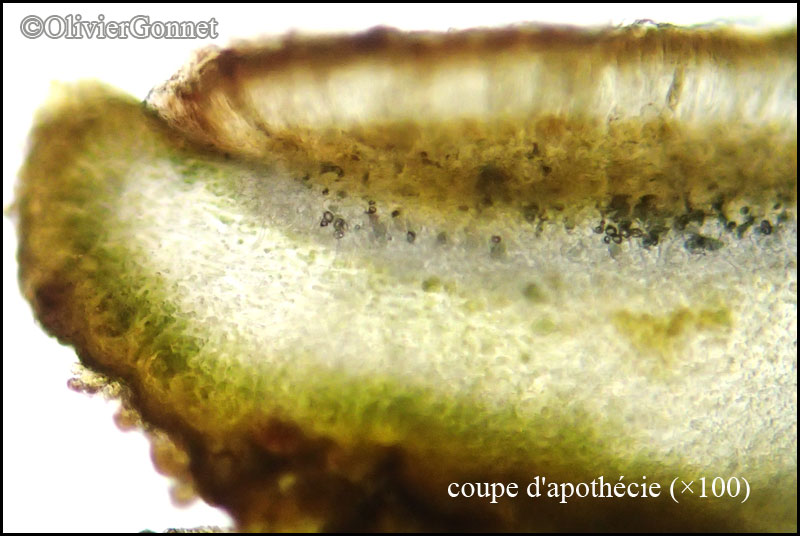
Courtesy: Olivier et Danièle Gonnet - Source: https://www.afl-lichenologie.fr/Photos_AFL/Photos_AFL_C/Textes_C4/Callome_multipartita.htm
France, session AFL 2015 dans le Lot

Wolfgang von Brackel - CC BY-4.0
Germany, Kleinziegenfelder Tal 2017