Caloplaca stillicidiorum (Vahl) Lynge var. muscorum (A. Massal.)
Provisionally placed here, ICN Art. 36.1b.. Basionym: Callopisma cerinum var. muscorum A. Massal. - Symmicta Lich.: 35, 1855.
Synonyms: Caloplaca cerina var. muscorum (A. Massal.) Jatta; Caloplaca muscorum (A. Massal.) M. Choisy & Werner
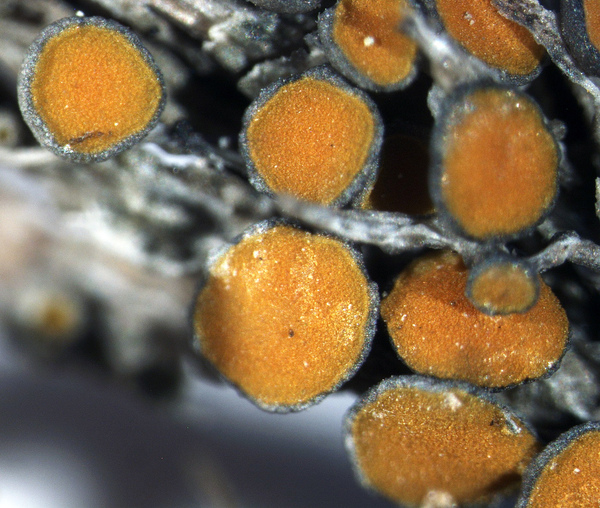
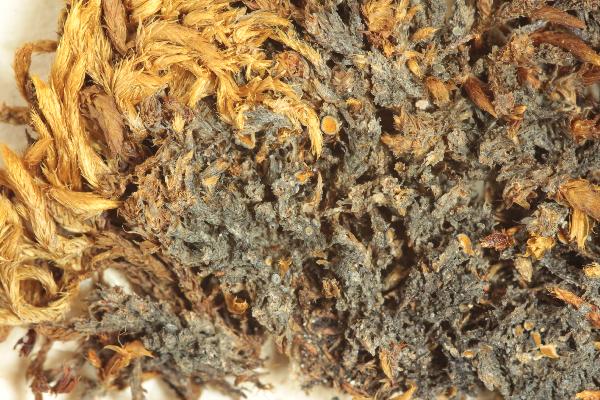
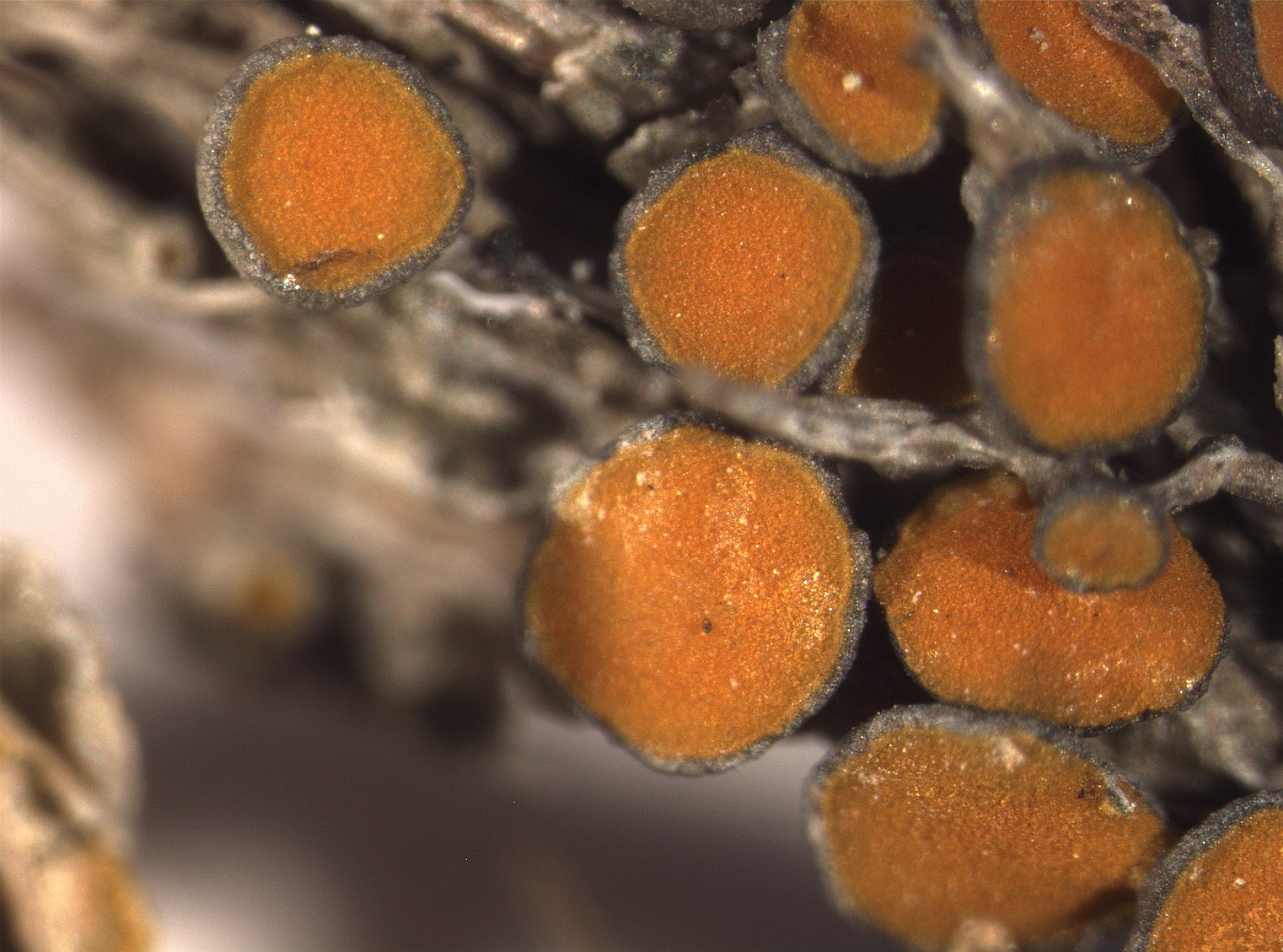
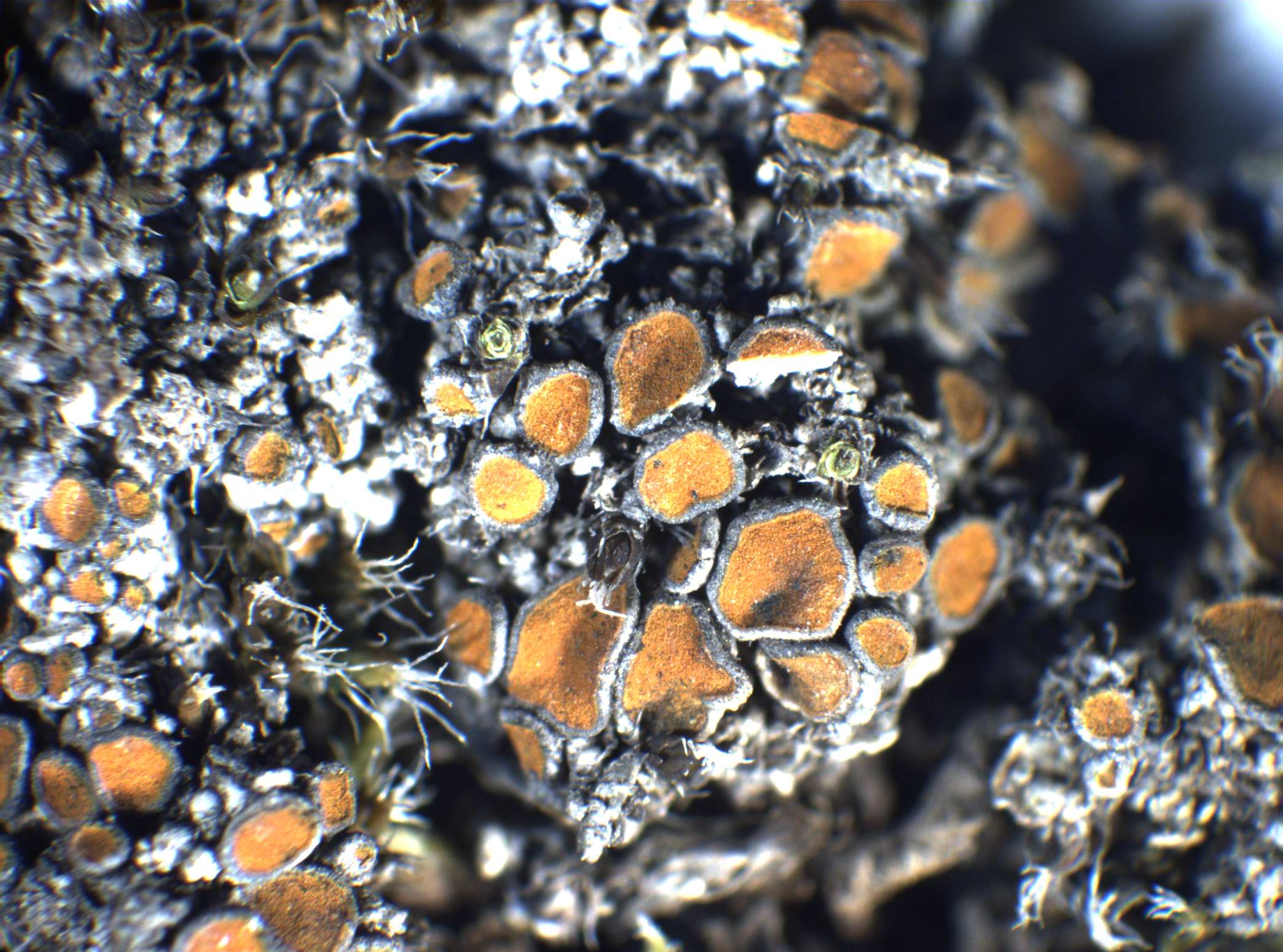
Description: Thallus crustose, lead grey to grey, thin to rather thick, more or less continuous or formed by small lobules. Apothecia frequent, lecanorine, rounded, sessile, strongly constricted to almost substipitate, 0.5-1.7 mm across, with a bright orange-red to brown-orange, concave to mostly flat, pruinose or epruinose disc, a poorly evident, somewhat paler proper margin, and a thick, pale to dark grey, sometimes white-pruinose, entire thalline margin. Epithecium orange-brown, K+ purple-red; hymenium colourless, 70-80 μm high; paraphyses branched in upper part, the apical cells 3-6 μm thick; hypothecium colourless. Asci 8-spored, clavate, functionally unitunicate, apically thickened with a broad internal beak, the inner part of apex and external cap I+ blue, Teloschistes-type. Ascospores 2-celled, polarilocular, hyaline, ellipsoid, 11-15(-19) x (4-)6-8(-11) μm, the equatorial thickening (“septum”) 4-7 μm. Photobiont chlorococcoid. Spot tests: thallus K- or K+ faintly violet (best visible in thick sections under the microscope), C- or C+ violet, KC-, P-; disc of apothecia K+ purple-red. Chemistry: thallus with the Sedifolia-grey pigment; disc of apothecia with parietin (major), fallacinal, emodin, teloschistin and parietinic acid (minor).
Growth form: Crustose
Substrata: soil, terricolous mosses, and plant debris
Photobiont: green algae other than Trentepohlia
Reproductive strategy: mainly sexual
Subcontinental: restricted to areas with a dry-subcontinental climate (e.g. dry Alpine valleys, parts of Mediterranean Italy)
Commonnes-rarity: (info)
Alpine belt: absent
Subalpine belt: extremely rare
Montane belt: extremely rare
Dry submediterranean belt: very rare
Humid submediterranean belt: extremely rare
Padanian area: absent
pH of the substrata:
1 2 3 4 5

Solar irradiation:
1 2 3 4 5
Aridity:
1 2 3 4 5
Eutrophication:
1 2 3 4 5
Poleotolerance:
0 1 2 3
Altitudinal distribution:
1 2 3 4 5 6
Rarity
absent
extremely rare
very rare
rare
rather rare
rather common
common
very common
extremely common
Loading data...
Occurrence data
Predictive map
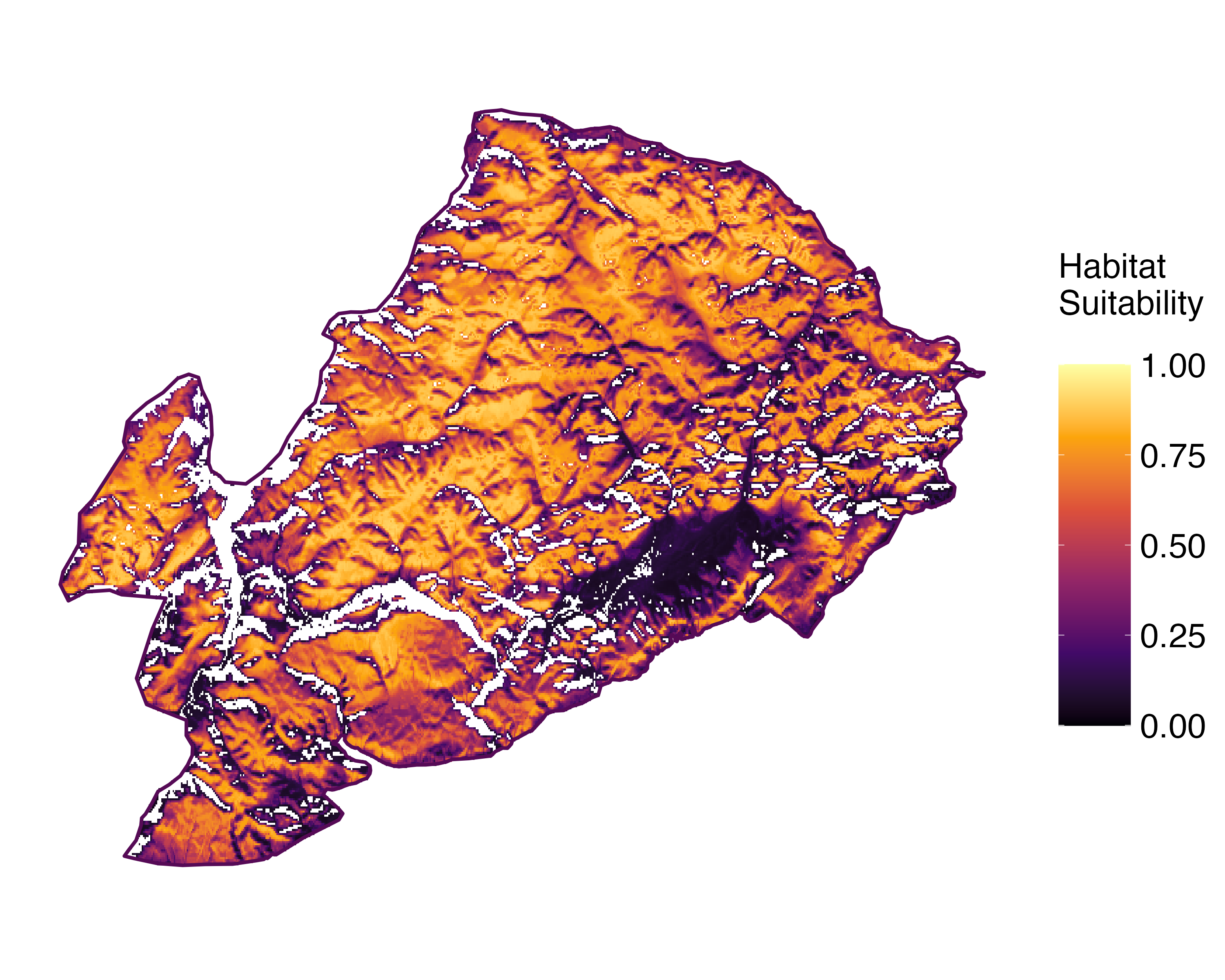 Current prediction (1981-2010)
 Future prediction (2071-2100) SSP 1-2.6
 Future prediction (2071-2100) SSP 5-8.5Predictive maps according to Francesconi et al. 2025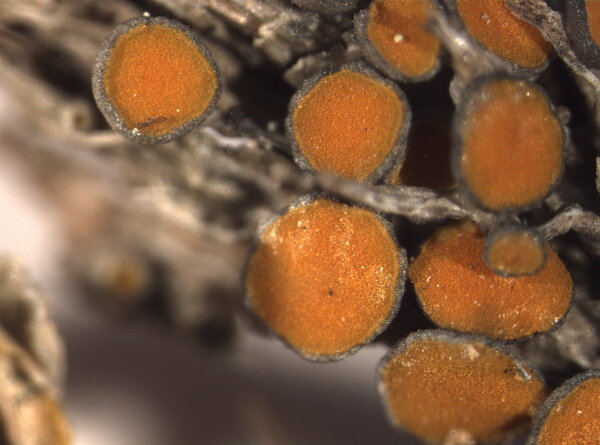
P.L. Nimis CC BY-SA 04
TSB 37155
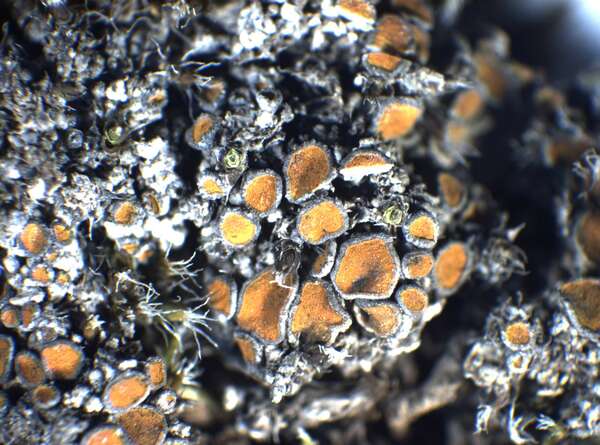
P.L. Nimis; Owner: Department of Life Sciences, University of Trieste
Herbarium: TSB (6210)
2001/11/12
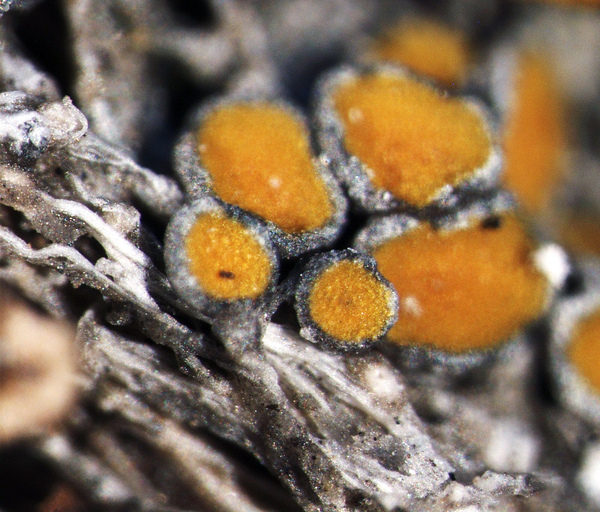
P.L. Nimis CC BY-SA 04
TSB 37155
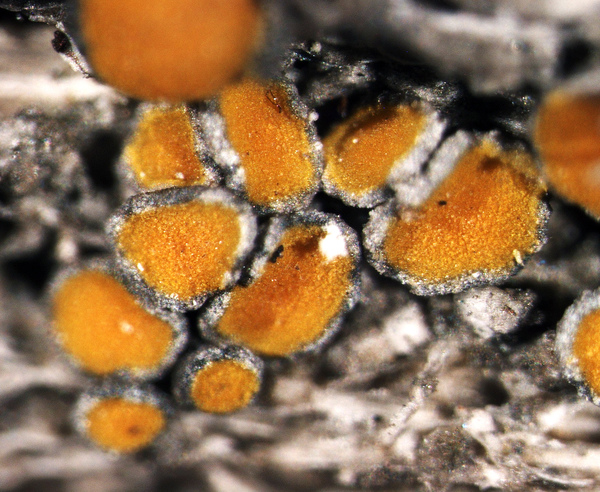
P.L. Nimis CC BY-SA 04
TSB 37155
P.L. Nimis CC BY-SA 04
TSB 37155
Collezione lichenologica Abramo Massalongo del Museo di Storia Naturale G. Ligabue di Venezia - Autori: Seggi, Linda; Trabucco, Raffaella Proprietà: Fondazione Musei Civici di Venezia - CC BY-NC
Italy, Veneto, in op. Badia 1855
as Callopisma cerinum muscorum
Growth form: Crustose
Substrata: soil, terricolous mosses, and plant debris
Photobiont: green algae other than Trentepohlia
Reproductive strategy: mainly sexual
Subcontinental: restricted to areas with a dry-subcontinental climate (e.g. dry Alpine valleys, parts of Mediterranean Italy)
Commonnes-rarity: (info)
Alpine belt: absent
Subalpine belt: extremely rare
Montane belt: extremely rare
Dry submediterranean belt: very rare
Humid submediterranean belt: extremely rare
Padanian area: absent
pH of the substrata:
| 1 | 2 | 3 | 4 | 5 |
Solar irradiation:
| 1 | 2 | 3 | 4 | 5 |
Aridity:
| 1 | 2 | 3 | 4 | 5 |
Eutrophication:
| 1 | 2 | 3 | 4 | 5 |
Poleotolerance:
| 0 | 1 | 2 | 3 |
Altitudinal distribution:
| 1 | 2 | 3 | 4 | 5 | 6 |
Rarity
absent
extremely rare
very rare
rare
rather rare
rather common
common
very common
extremely common
Loading data...
Occurrence data
Predictive map
Current prediction (1981-2010)Future prediction (2071-2100) SSP 1-2.6Future prediction (2071-2100) SSP 5-8.5Predictive maps according to Francesconi et al. 2025
P.L. Nimis CC BY-SA 04
TSB 37155
P.L. Nimis; Owner: Department of Life Sciences, University of Trieste
Herbarium: TSB (6210)
2001/11/12
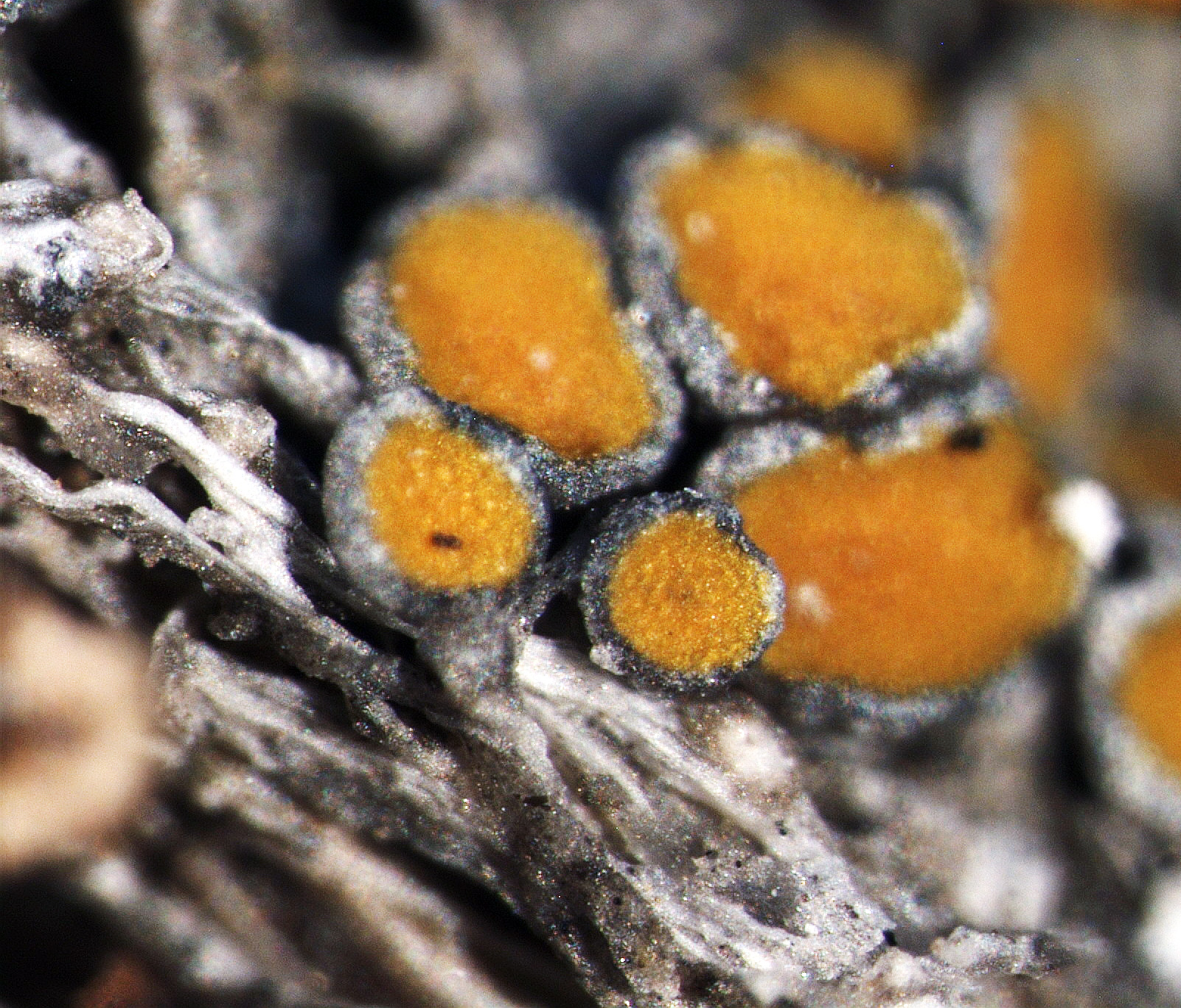
P.L. Nimis CC BY-SA 04
TSB 37155
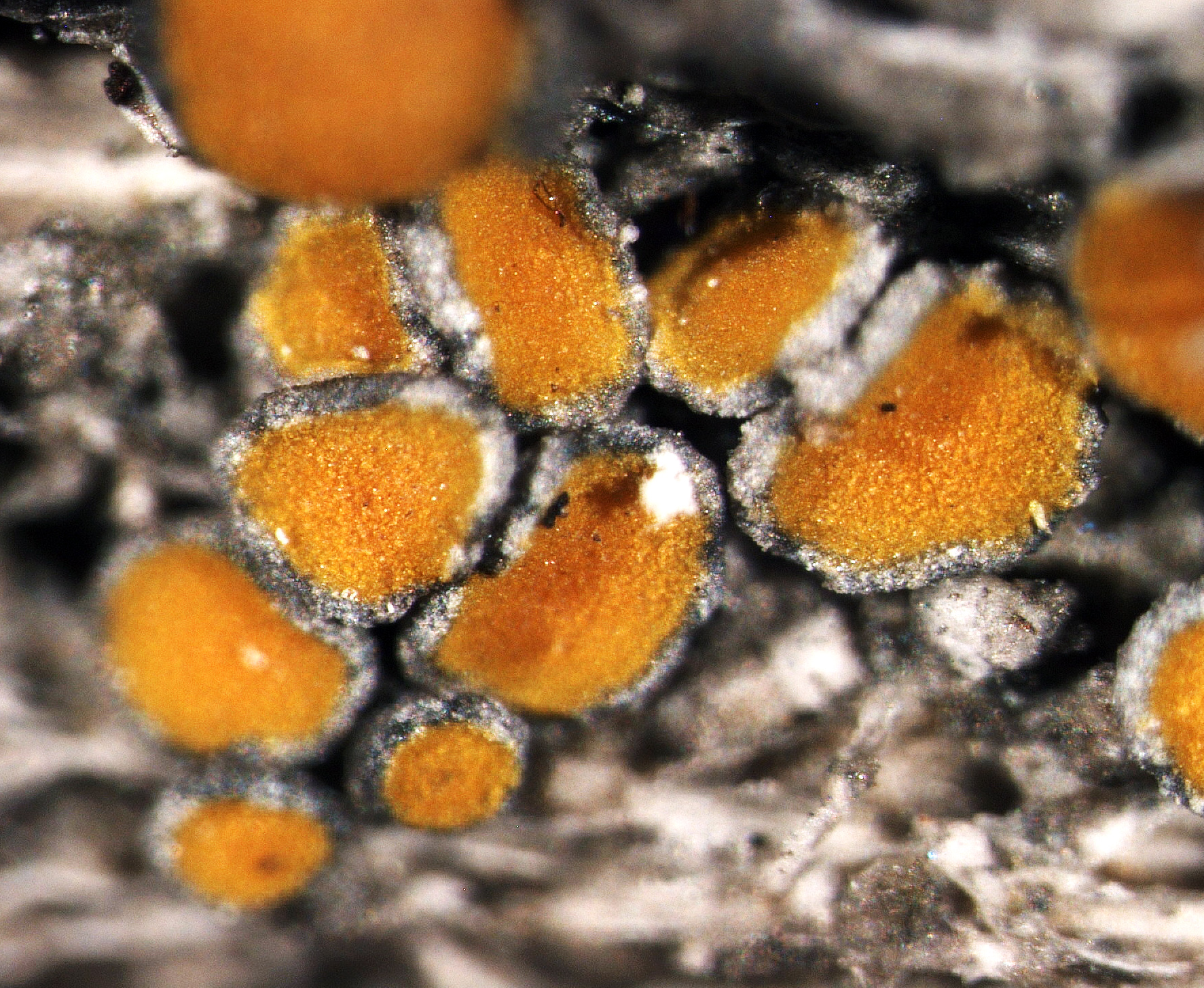
P.L. Nimis CC BY-SA 04
TSB 37155
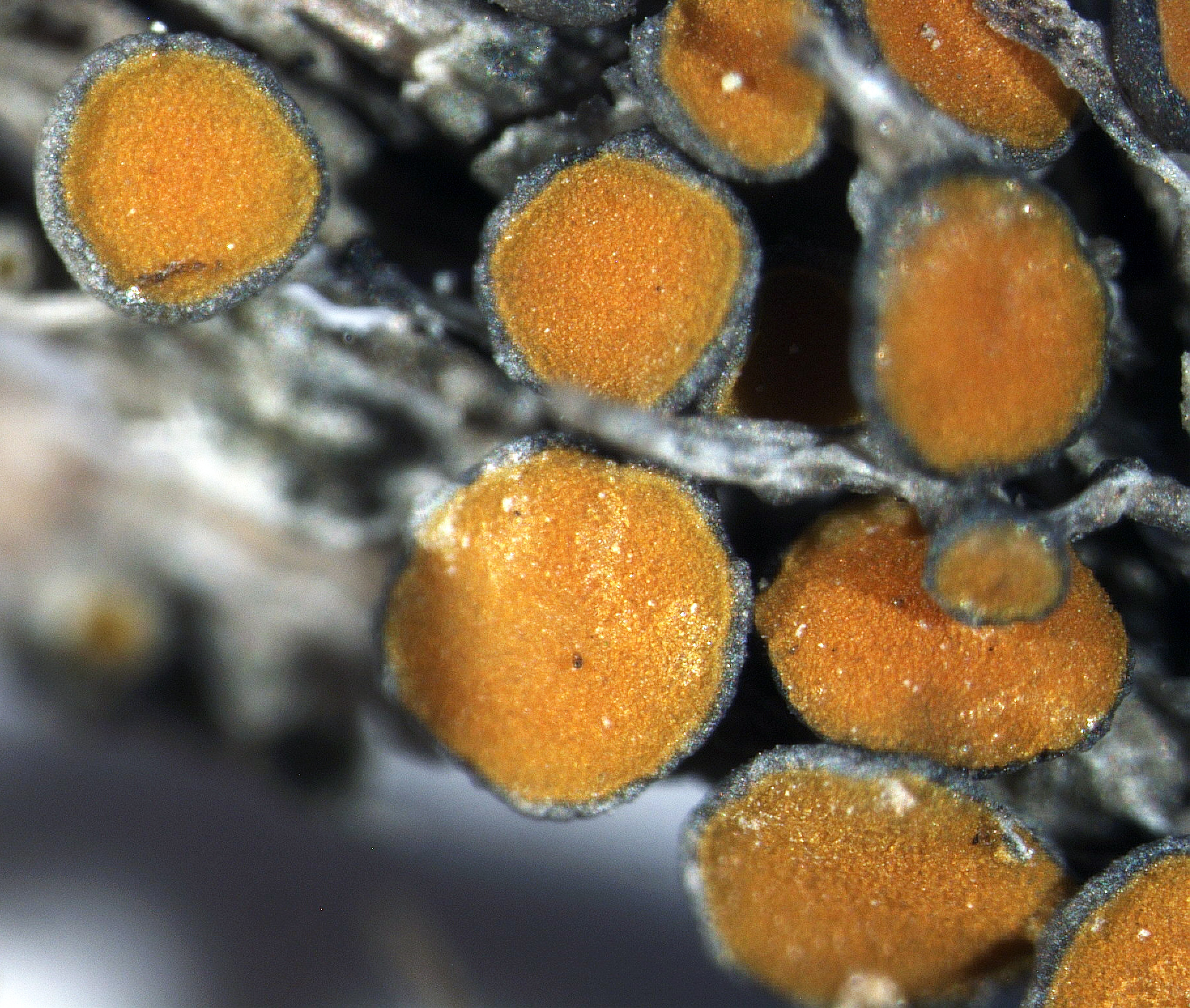
P.L. Nimis CC BY-SA 04
TSB 37155