Kuettlingeria teicholyta (Ach.) Trevis.
in Frolov & al., J. Syst. Evol. 59, 3: 468, 2020. Basionym: Lecanora teicholyta Ach. - Lichenogr. Univ.: 425, 1810.
Synonyms: Blastenia teicholyta (Ach.) Bausch; Blastenia visianica A. Massal.; Caloplaca arenaria auct. ital. p.p. non (Pers.) Müll. Arg.; Caloplaca erythrocarpa auct. p.p. non (Pers.) Zwackh; Caloplaca teicholyta (Ach.) J. Steiner; Caloplaca visianica (A. Massal.) Jatta; Kuettlingeria visianica (A. Massal.) Trevis.
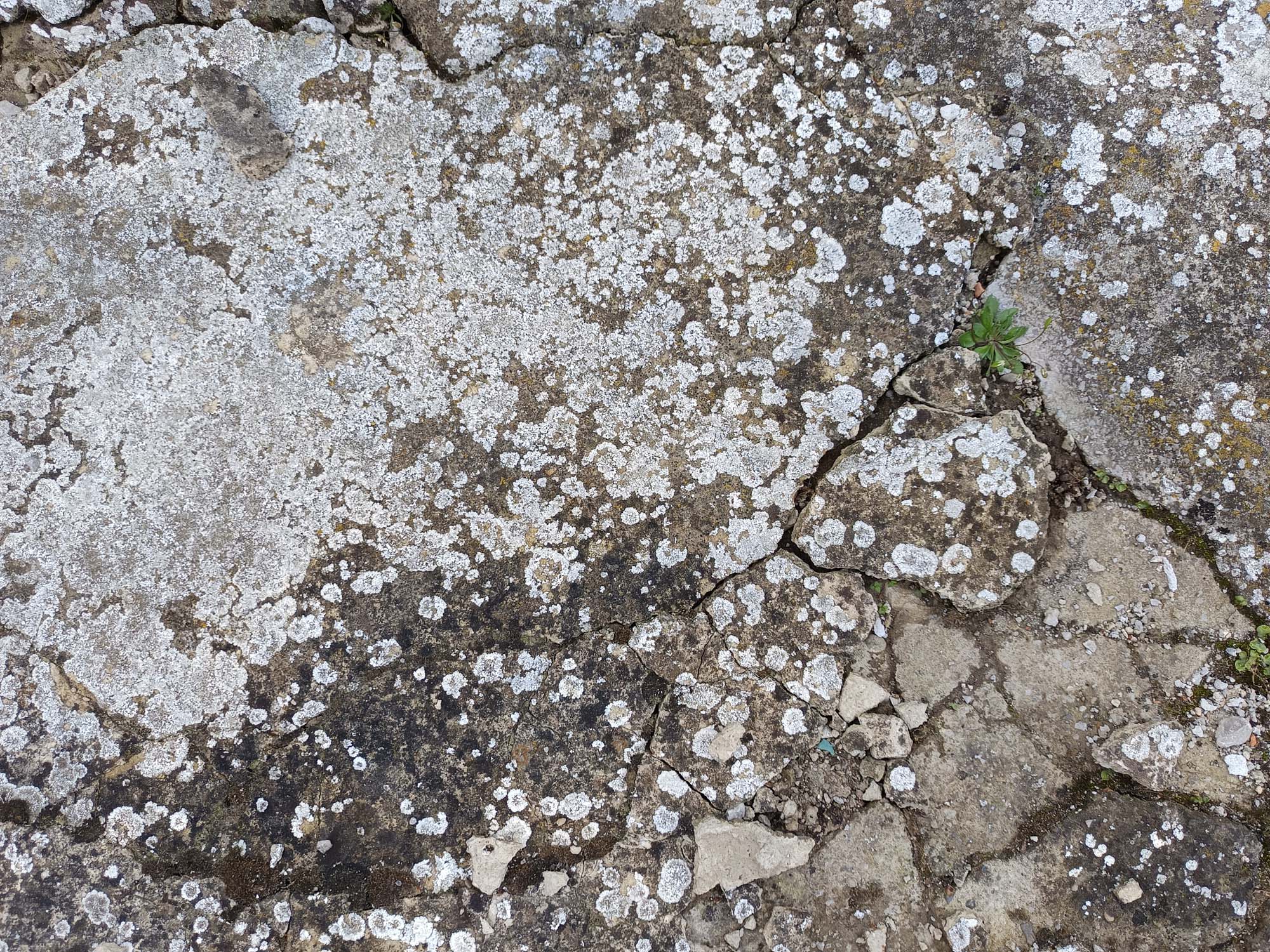
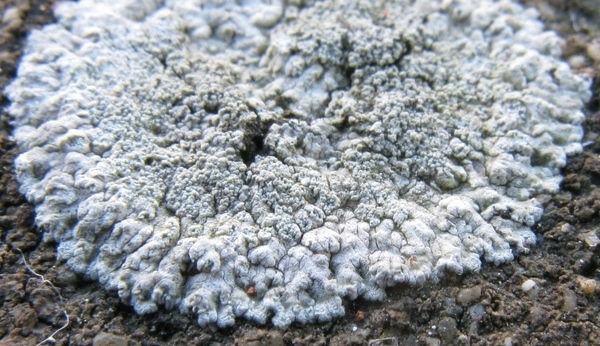
Description: Thallus crustose-subplacodioid, episubstratic, continuous, grey to whitish grey, 0.15-0.3 mm thick, usually shortly lobed at margins, sorediate/blastidiate in central parts, forming orbicular, later often confluent, up to 4(-8) cm wide patches. Center of thallus covered in abundant, grey, diffuse, granular blastidia, marginal parts with contiguous, short, 0.2-0.6(-0.8) mm wide, corticate lobes. Cortex well-developed, up to 60 μm thick, paraplectenchymatous, obscured by colourless crystals insoluble in K and soluble in N; algal layer discontinuous; medulla with many colourless crystals. Apothecia rather rare, subsessile, flat, 0.3-0.8 mm across, with a rusty red to carmine red disc, a prominent, orange, paler proper margin, and sometimes a thin, soon disappearing, often blastidiate, sometimes pruinose thalline margin. Thalline exciple with many algae and many colourless crystals; proper exciple prosoplectenchymatous, c. 85 μm wide, with anthraquinones; epithecium brown-orange, K+ purple-red, C+ purple; hymenium colourless, 70–90 μm high; paraphyses c. 1.5 μm thick at base, the apical cells up to 3 μm wide; hypothecium colourless, prosoplectenchymatous. Asci 8-spored, cylindrical-clavate, functionally unitunicate, apically thickened with a broad internal beak, the inner part of apex and external cap I+ blue, Teloschistes-type. Ascospores 2-celled, polarilocular, hyaline, ellipsoid, 13-18.5 x 7-10 μm, the equatorial thickening (“septum”) 4-7 μm (1/3-1/4 of spore length). Photobiont chlorococcoid. Spot tests: thallus K-, C-, KC-, P- (but often K+ faintly violet-brown in section); apothecia K+ purple-red, C+ purple. Chemistry: cortex and blastidia with the Sedifolia-grey pigment; apothecia with chlorinated anthraquinones in both proper margin and disc: 7-chloroemodin (major), fragilin and emodin (minor), sometimes traces of parietin.
Growth form: Crustose
Substrata: rocks
Photobiont: green algae other than Trentepohlia
Reproductive strategy: mainly asexual, by soredia, or soredia-like structures (e.g. blastidia)
Most common in areas with a humid-warm climate (e.g. most of Tyrrenian Italy)
Pioneer species
Commonnes-rarity: (info)
Alpine belt: absent
Subalpine belt: absent
Montane belt: very rare
Dry submediterranean belt: very common
Humid submediterranean belt: extremely common
Padanian area: rather rare
pH of the substrata:
1 2 3 4 5

Solar irradiation:
1 2 3 4 5
Aridity:
1 2 3 4 5
Eutrophication:
1 2 3 4 5
Poleotolerance:
0 1 2 3
Altitudinal distribution:
1 2 3 4 5 6
Rarity
absent
extremely rare
very rare
rare
rather rare
rather common
common
very common
extremely common
Loading data...
Occurrence data
Predictive map
Giovanni Mayer; Owner: Giovanni Mayer
Italy, Campania, Napoli, Parco Virgiliano.
Herbarium: Forum Natura Mediterraneo
2010
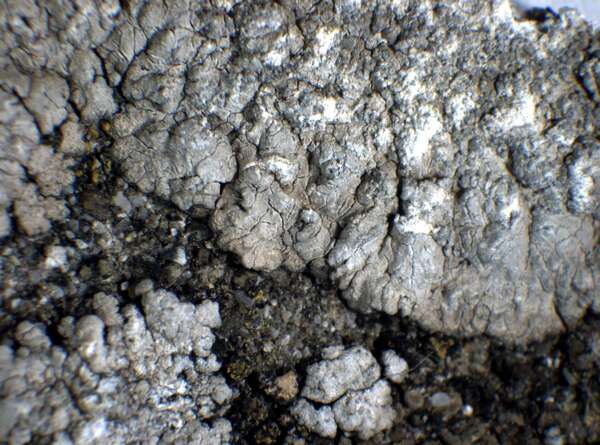
P.L. Nimis; Owner: Department of Life Sciences, University of Trieste
Herbarium: TSB (1406)
2001/11/19
sterile thallus, subeffigurate margin
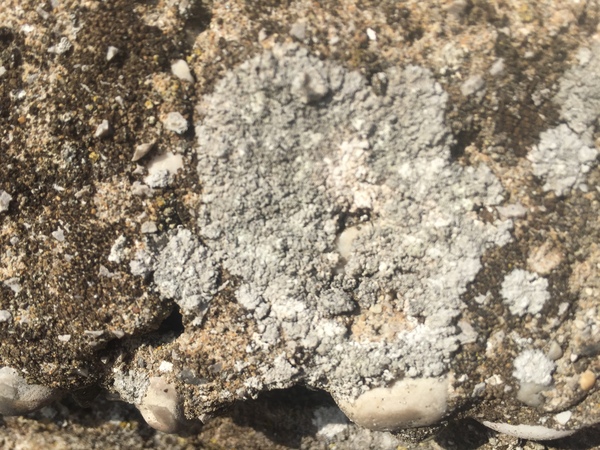
Pier Luigi Nimis; Owner: Department of Life Sciences, University of Trieste
Italy, Friuli Venezia Giulia, Trieste, Trieste Karst, Val Rosandra, San Lorenzo near Belvedere
11/02/2017
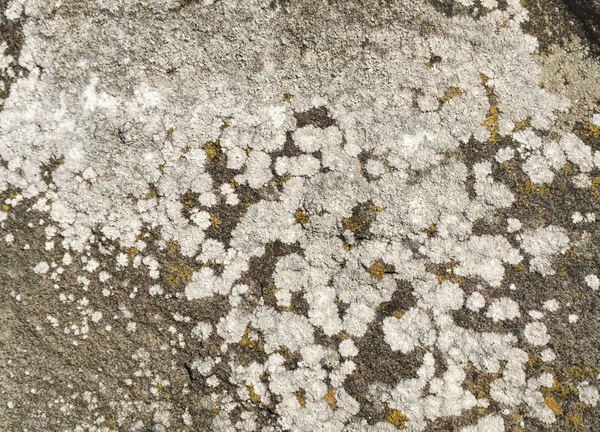
Pier Luigi Nimis; Owner: Department of Life Sciences, University of Trieste
Italy, Friuli Venezia Giulia, Trieste, Trieste Karst, Val Rosandra, San Lorenzo near Belvedere
11/02/2017
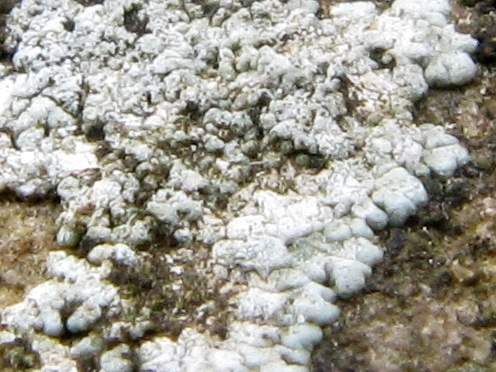
Giovanni Mayer; Owner: Giovanni Mayer
Italy, Campania, Napoli, Parco Virgiliano.
Herbarium: Forum Natura Mediterraneo
2010
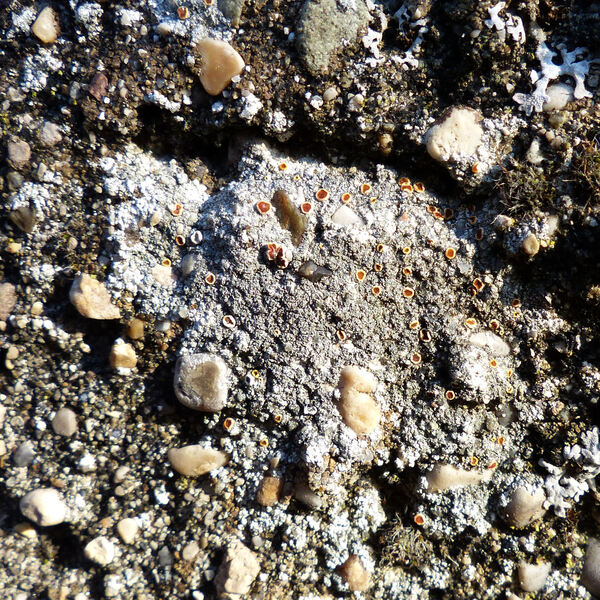
Andrea Moro; Owner: Department of Life Sciences, University of Trieste
Italy, Friuli Venezia Giulia, Trieste, Trieste, Conconello
14/02/2017
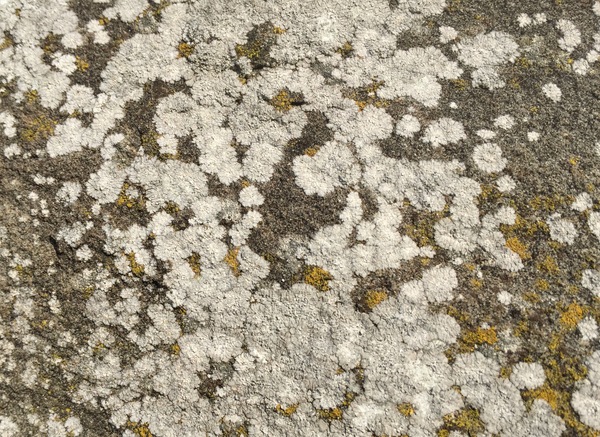
Pier Luigi Nimis; Owner: Department of Life Sciences, University of Trieste
Italy, Friuli Venezia Giulia, Trieste, Trieste Karst, Val Rosandra, San Lorenzo near Belvedere
11/02/2017
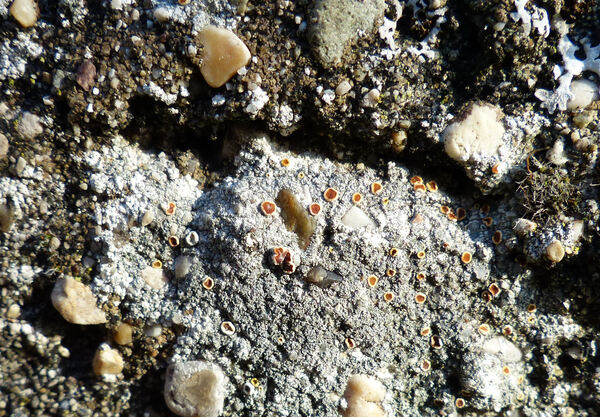
Andrea Moro; Owner: Department of Life Sciences, University of Trieste
Italy, Friuli Venezia Giulia, Trieste, Trieste, Conconello
14/02/2017
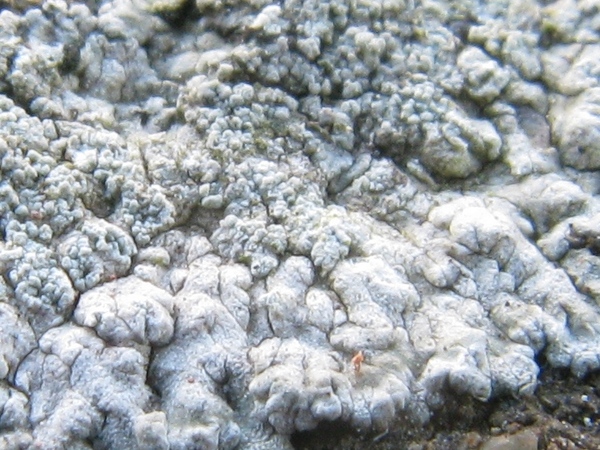
Giovanni Mayer; Owner: Giovanni Mayer
Italy, Campania, Napoli, Parco Virgiliano.
Herbarium: Forum Natura Mediterraneo
2010
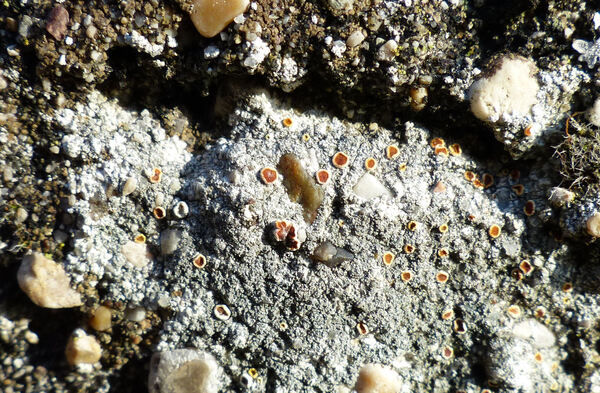
Andrea Moro; Owner: Department of Life Sciences, University of Trieste
Italy, Friuli Venezia Giulia, Trieste, Trieste, Conconello
14/02/2017
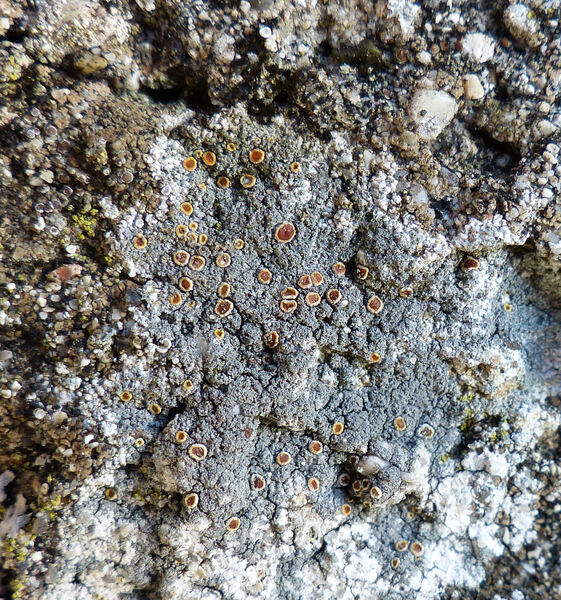
Andrea Moro; Owner: Department of Life Sciences, University of Trieste
Italy, Friuli Venezia Giulia, Trieste, Trieste, Conconello
14/02/2017
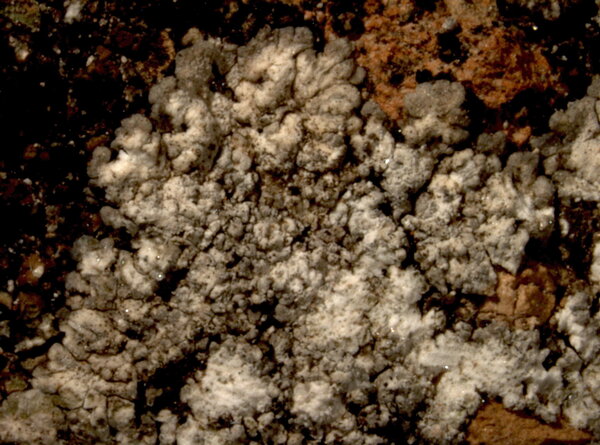
Pier Luigi Nimis - CC BY-SA 4.0
TSB 40821
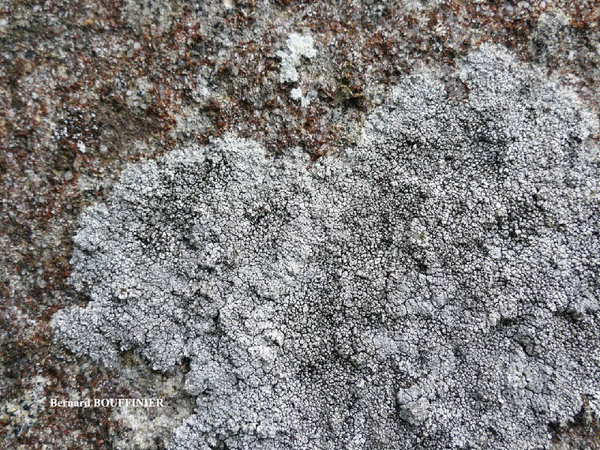
Berbard Bouffinier - Source: http://www.lichensmaritimes.org/index.php?task=fiche&lichen=503&lang=en
France, Kergoat
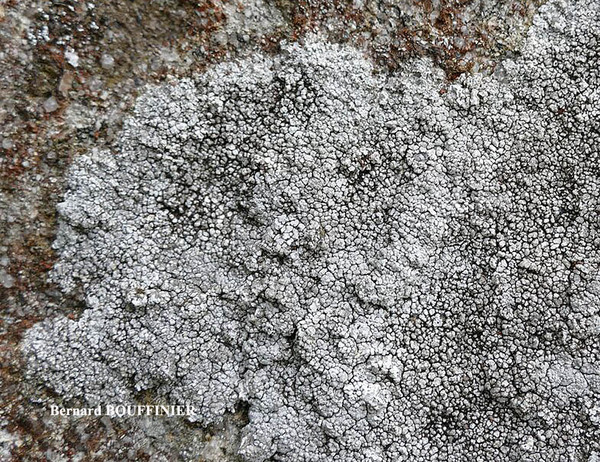
Berbard Bouffinier - Source: http://www.lichensmaritimes.org/index.php?task=fiche&lichen=503&lang=en
France, Kergoat
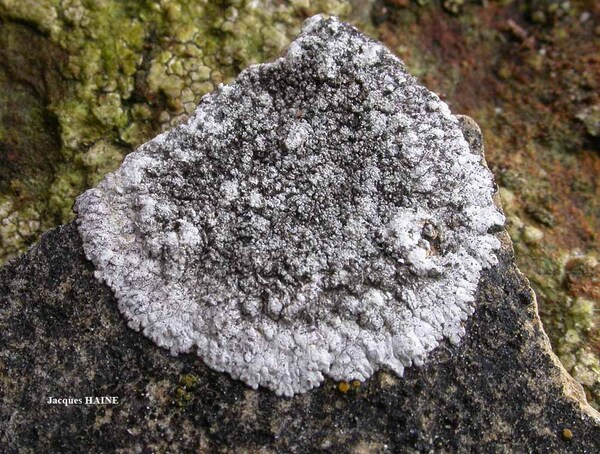
Jacques Haine - Source: http://www.lichensmaritimes.org/index.php?task=fiche&lichen=503&lang=en
France, Ardennes
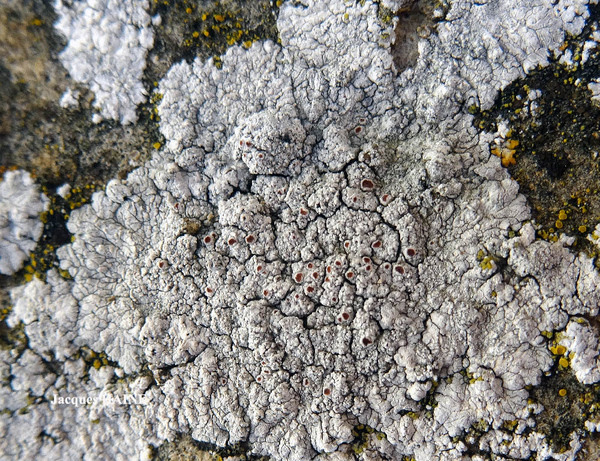
Jacques Haine - Source: http://www.lichensmaritimes.org/index.php?task=fiche&lichen=503&lang=en
France, Argonne
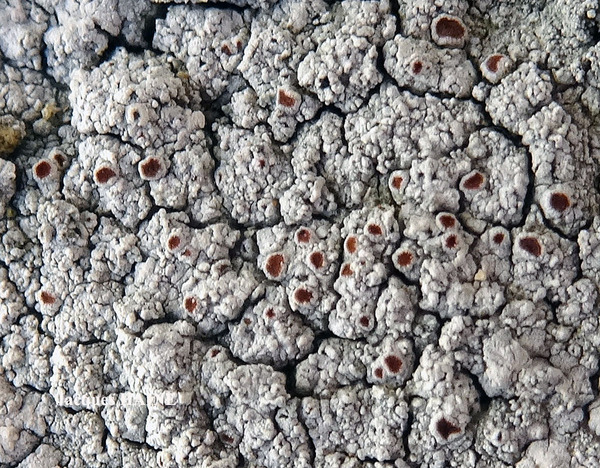
Jacques Haine - Source: http://www.lichensmaritimes.org/index.php?task=fiche&lichen=503&lang=en
France, Argonne
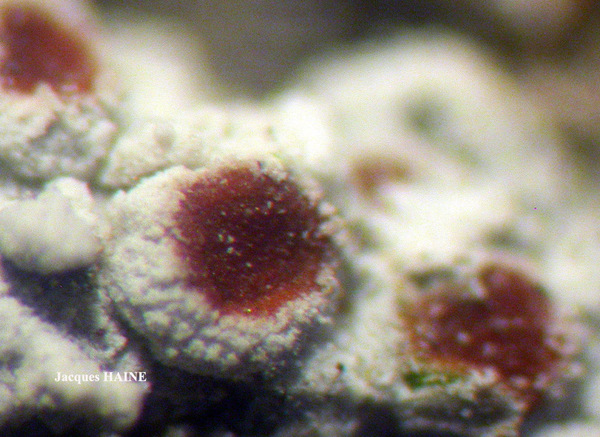
Jacques Haine - Source: http://www.lichensmaritimes.org/index.php?task=fiche&lichen=503&lang=en
France, Argonne
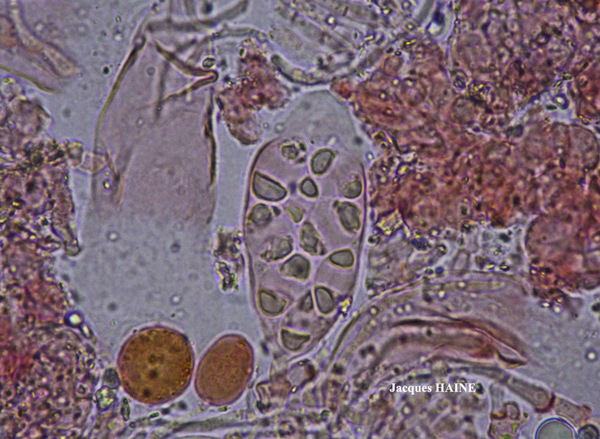
Jacques Haine - Source: http://www.lichensmaritimes.org/index.php?task=fiche&lichen=503&lang=en
France, Argonne
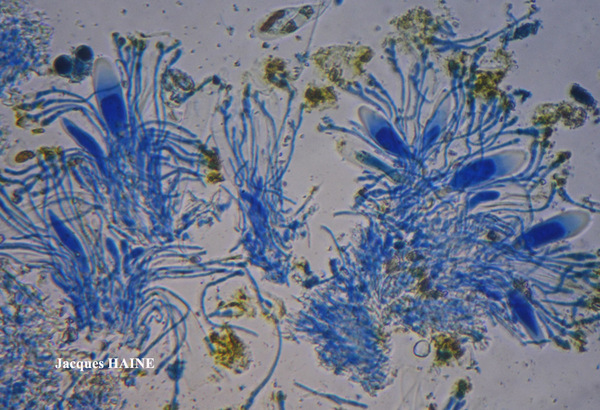
Jacques Haine - Source: http://www.lichensmaritimes.org/index.php?task=fiche&lichen=503&lang=en
France, Argonne
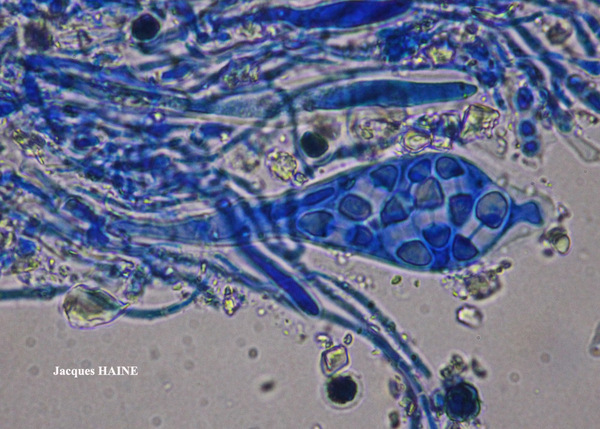
Jacques Haine - Source: http://www.lichensmaritimes.org/index.php?task=fiche&lichen=503&lang=en
France, Argonne
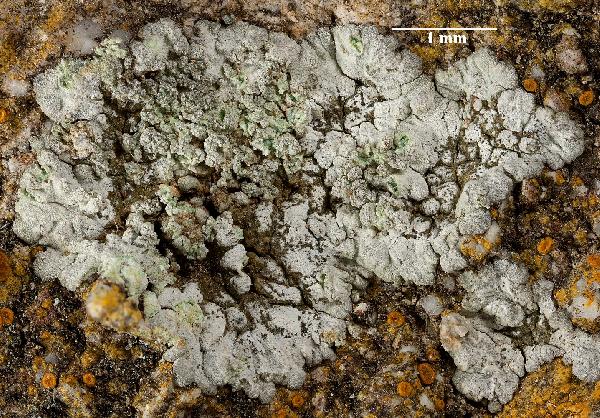
Ulrich Kirschbaum CC BY-SA 4.0 - Source: https://www.thm.de/lse/ulrich-kirschbaum/flechtenbilder
E; Canary Islands; La Gomera-NW; se of Vallehermoso: El Tion.
New to La Gomera.
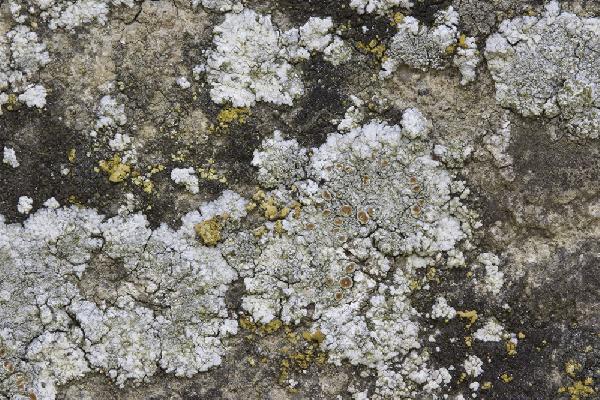
Marta González Garcia - Centro de Estudios Micologicos Asturianos
Tudela (Navarra), 12-V-2021, sobre el cemento de un muro, en un lugar sombrío.
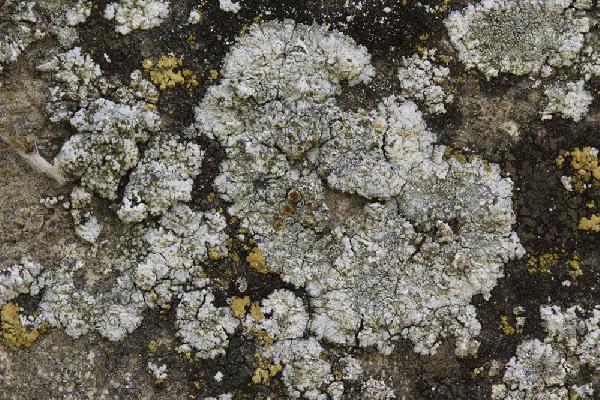
Marta González Garcia - Centro de Estudios Micologicos Asturianos
Tudela (Navarra), 12-V-2021, sobre el cemento de un muro, en un lugar sombrío.
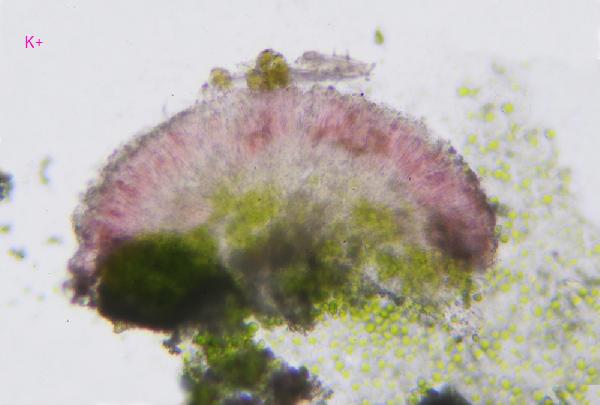
Marta González Garcia - Centro de Estudios Micologicos Asturianos
Tudela (Navarra), 12-V-2021, sobre el cemento de un muro, en un lugar sombrío.
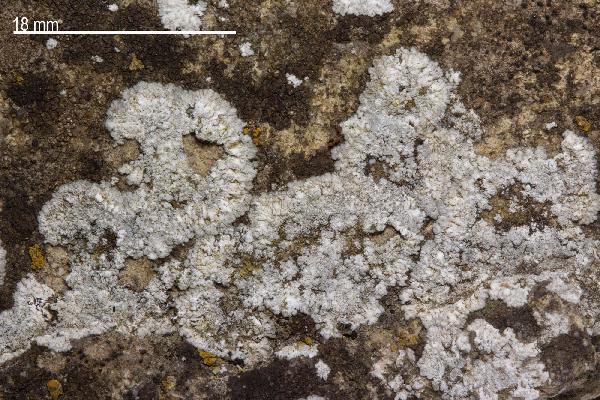
Marta González Garcia - Centro de Estudios Micologicos Asturianos
Casomera (Aller-Asturias), 18-III-2025, en mortero viejo. (estéril)
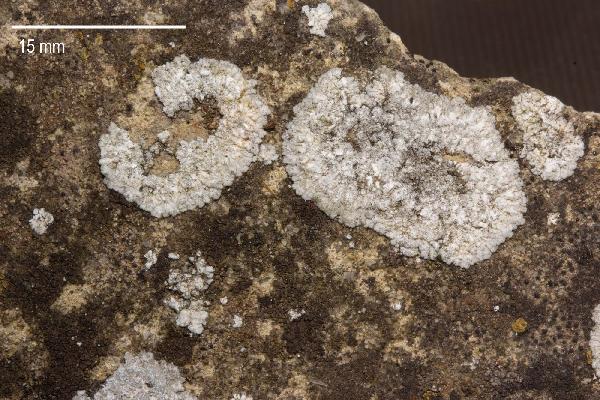
Marta González Garcia - Centro de Estudios Micologicos Asturianos
Casomera (Aller-Asturias), 18-III-2025, en mortero viejo. (estéril)
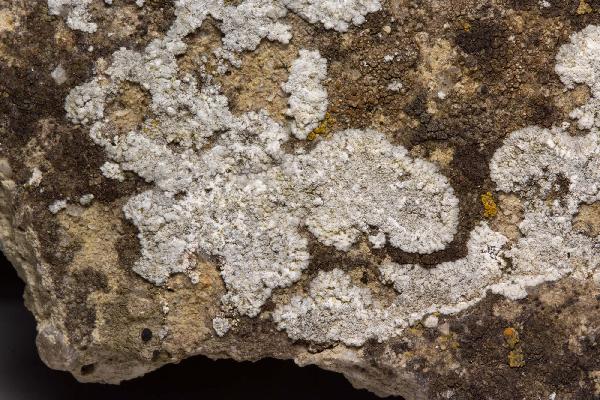
Marta González Garcia - Centro de Estudios Micologicos Asturianos
Casomera (Aller-Asturias), 18-III-2025, en mortero viejo. (estéril)
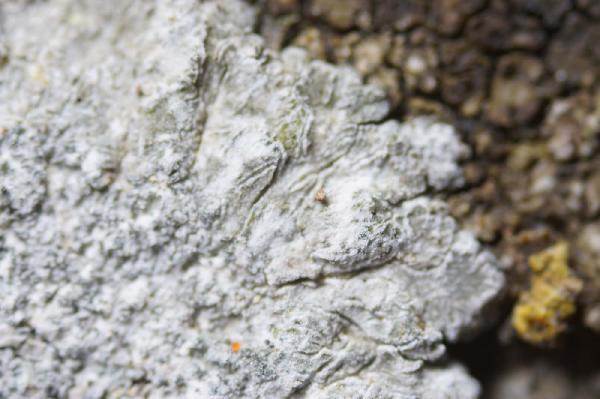
Marta González Garcia - Centro de Estudios Micologicos Asturianos
Casomera (Aller-Asturias), 18-III-2025, en mortero viejo. (estéril)
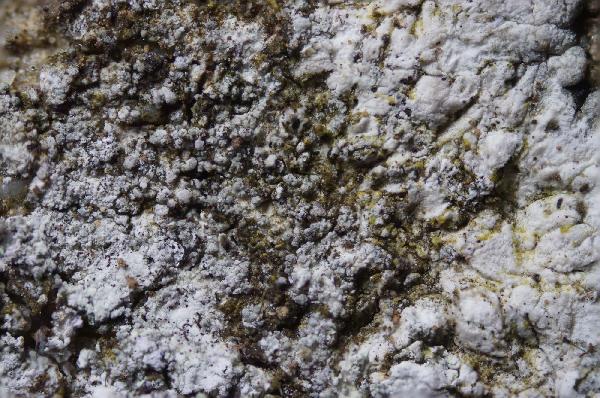
Marta González Garcia - Centro de Estudios Micologicos Asturianos
Casomera (Aller-Asturias), 18-III-2025, en mortero viejo. (estéril)
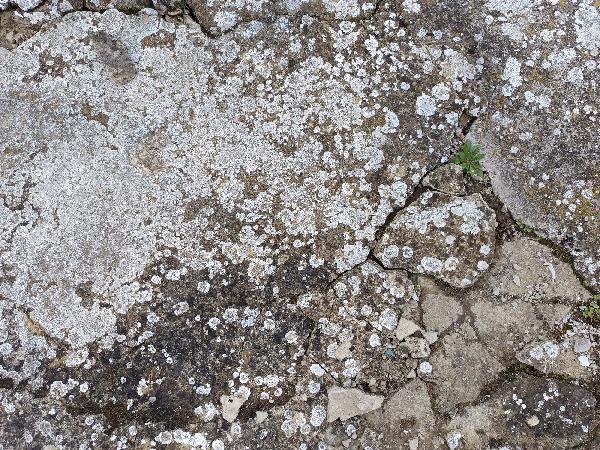
Marta González Garcia - Centro de Estudios Micologicos Asturianos
Casomera (Aller-Asturias), 18-III-2025, en mortero viejo. (estéril)
Growth form: Crustose
Substrata: rocks
Photobiont: green algae other than Trentepohlia
Reproductive strategy: mainly asexual, by soredia, or soredia-like structures (e.g. blastidia)
Most common in areas with a humid-warm climate (e.g. most of Tyrrenian Italy)
Pioneer species
Commonnes-rarity: (info)
Alpine belt: absent
Subalpine belt: absent
Montane belt: very rare
Dry submediterranean belt: very common
Humid submediterranean belt: extremely common
Padanian area: rather rare
pH of the substrata:
| 1 | 2 | 3 | 4 | 5 |
Solar irradiation:
| 1 | 2 | 3 | 4 | 5 |
Aridity:
| 1 | 2 | 3 | 4 | 5 |
Eutrophication:
| 1 | 2 | 3 | 4 | 5 |
Poleotolerance:
| 0 | 1 | 2 | 3 |
Altitudinal distribution:
| 1 | 2 | 3 | 4 | 5 | 6 |
Rarity
absent
extremely rare
very rare
rare
rather rare
rather common
common
very common
extremely common
Loading data...
Occurrence data
Predictive map
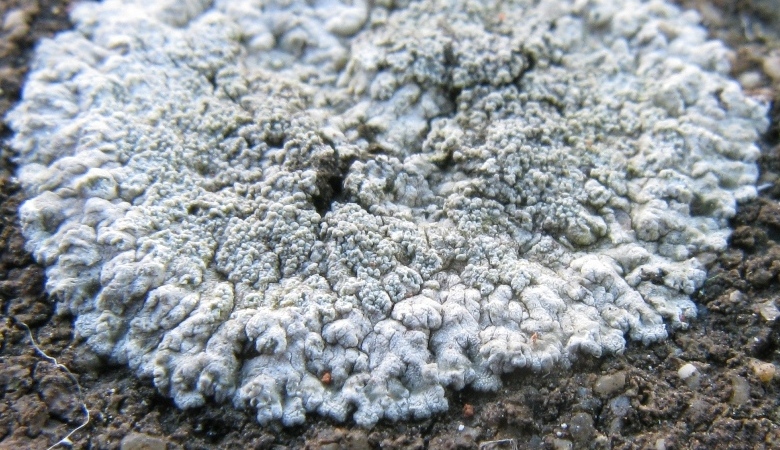
Giovanni Mayer; Owner: Giovanni Mayer
Italy, Campania, Napoli, Parco Virgiliano.
Herbarium: Forum Natura Mediterraneo
2010

P.L. Nimis; Owner: Department of Life Sciences, University of Trieste
Herbarium: TSB (1406)
2001/11/19
sterile thallus, subeffigurate margin
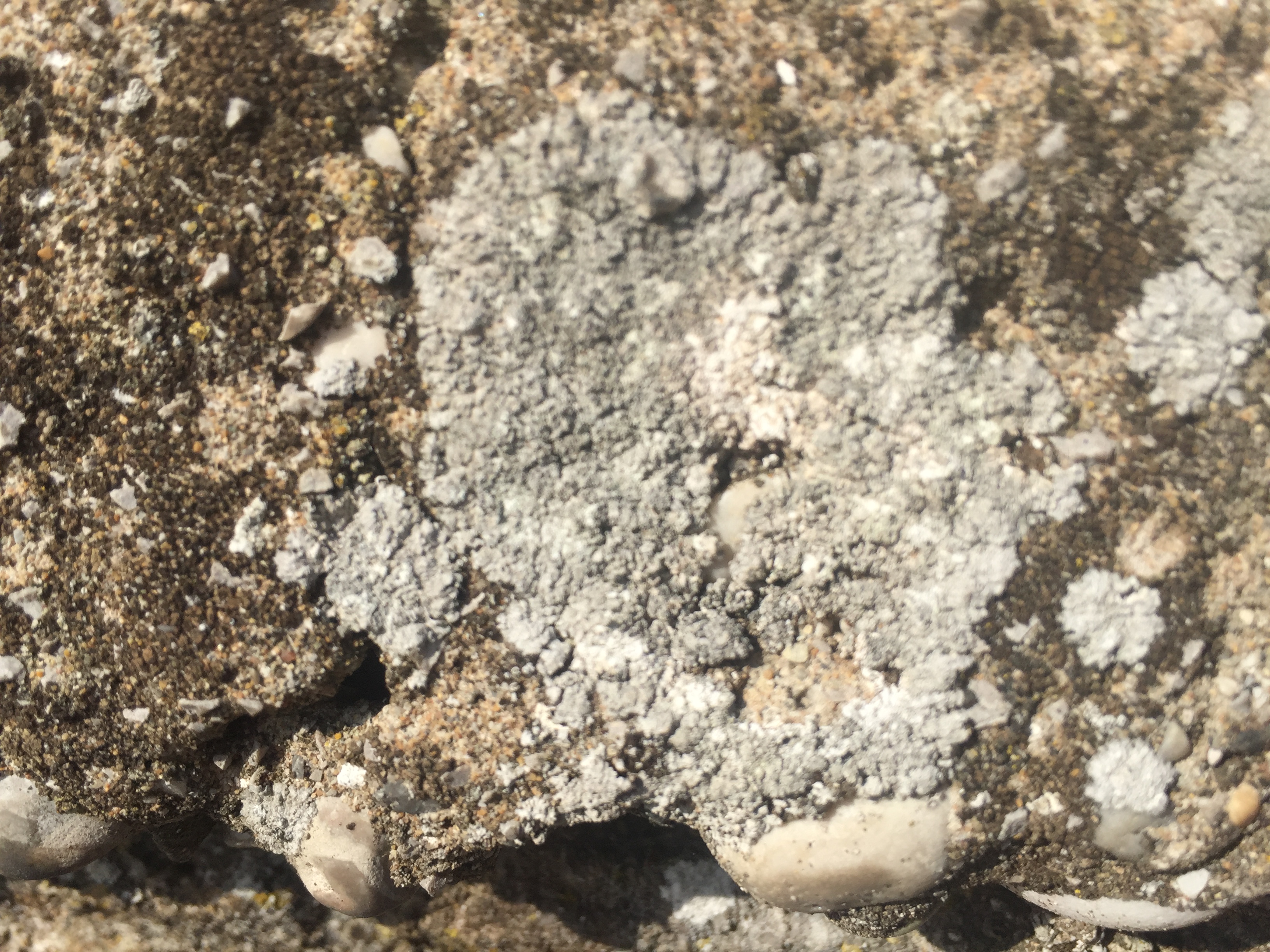
Pier Luigi Nimis; Owner: Department of Life Sciences, University of Trieste
Italy, Friuli Venezia Giulia, Trieste, Trieste Karst, Val Rosandra, San Lorenzo near Belvedere
11/02/2017
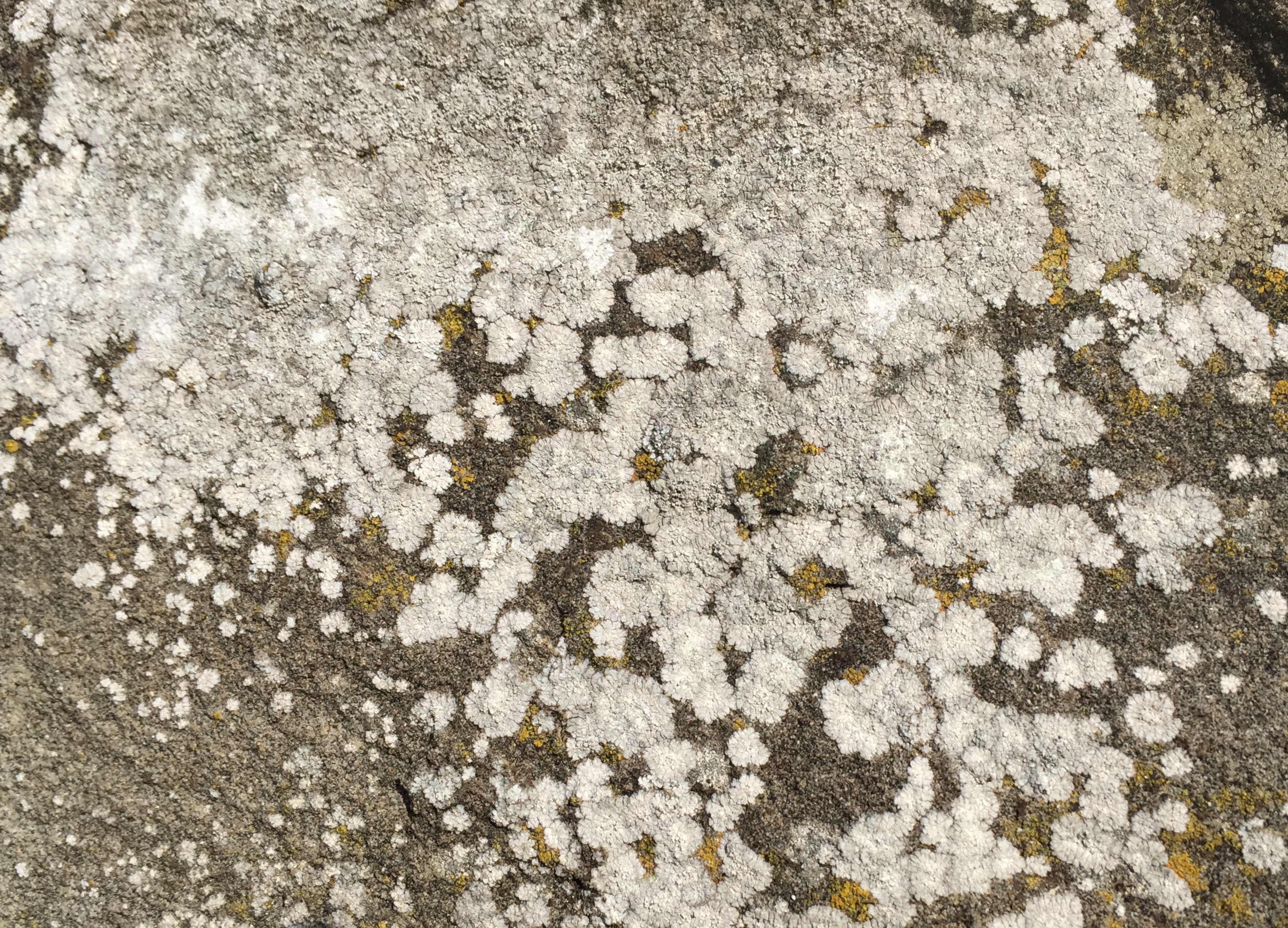
Pier Luigi Nimis; Owner: Department of Life Sciences, University of Trieste
Italy, Friuli Venezia Giulia, Trieste, Trieste Karst, Val Rosandra, San Lorenzo near Belvedere
11/02/2017
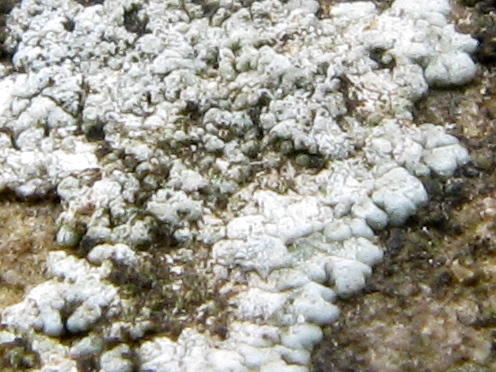
Giovanni Mayer; Owner: Giovanni Mayer
Italy, Campania, Napoli, Parco Virgiliano.
Herbarium: Forum Natura Mediterraneo
2010
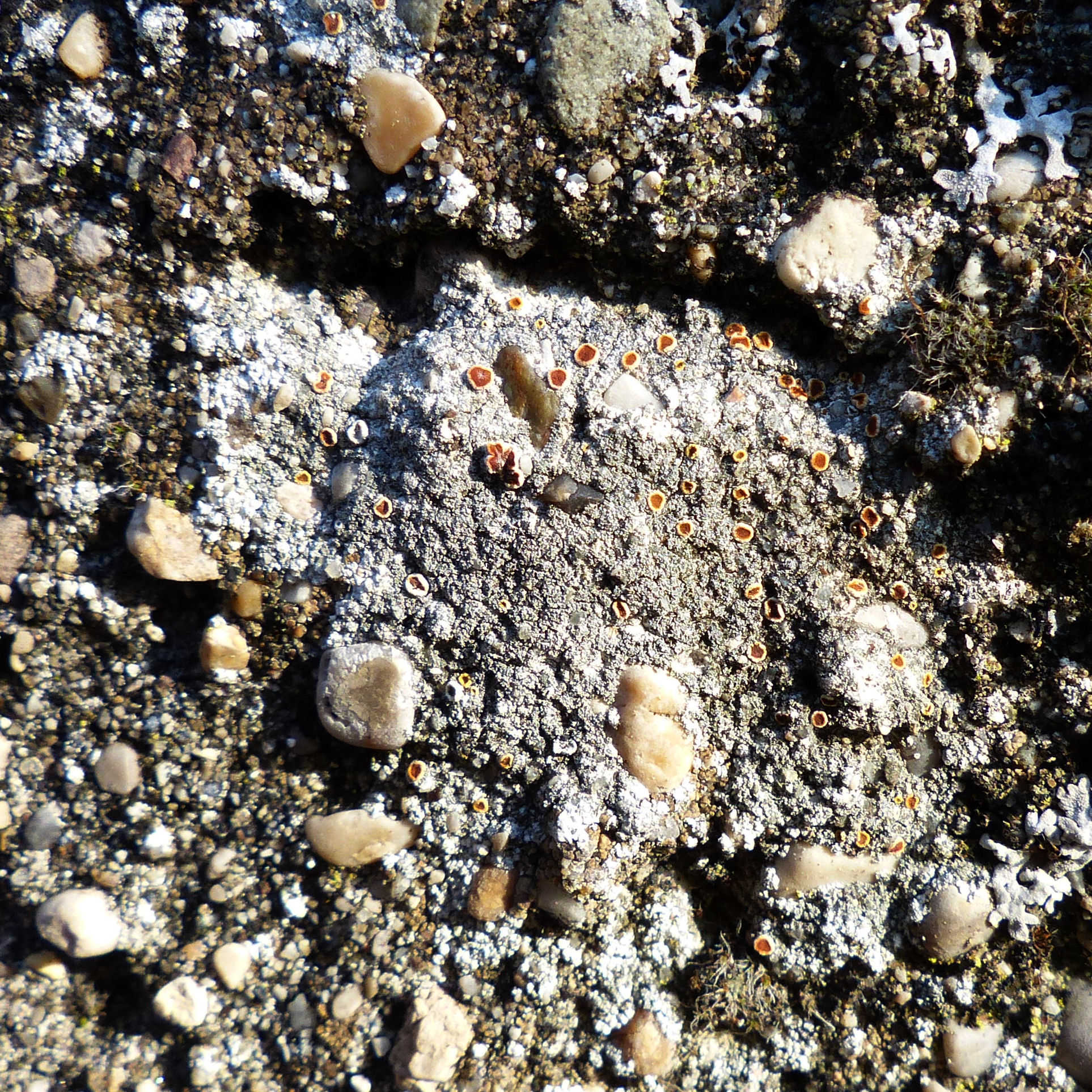
Andrea Moro; Owner: Department of Life Sciences, University of Trieste
Italy, Friuli Venezia Giulia, Trieste, Trieste, Conconello
14/02/2017
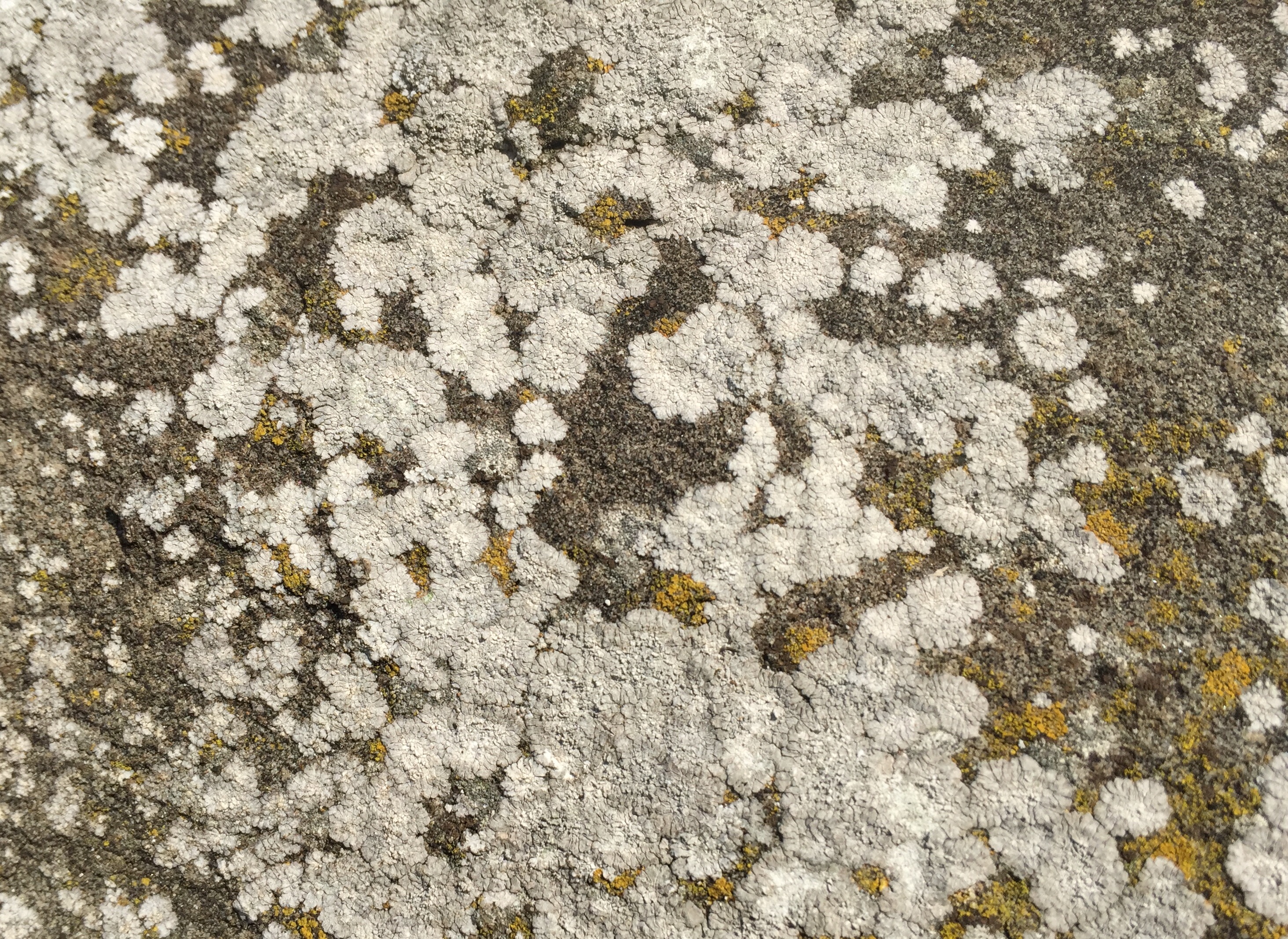
Pier Luigi Nimis; Owner: Department of Life Sciences, University of Trieste
Italy, Friuli Venezia Giulia, Trieste, Trieste Karst, Val Rosandra, San Lorenzo near Belvedere
11/02/2017

Andrea Moro; Owner: Department of Life Sciences, University of Trieste
Italy, Friuli Venezia Giulia, Trieste, Trieste, Conconello
14/02/2017

Giovanni Mayer; Owner: Giovanni Mayer
Italy, Campania, Napoli, Parco Virgiliano.
Herbarium: Forum Natura Mediterraneo
2010

Andrea Moro; Owner: Department of Life Sciences, University of Trieste
Italy, Friuli Venezia Giulia, Trieste, Trieste, Conconello
14/02/2017
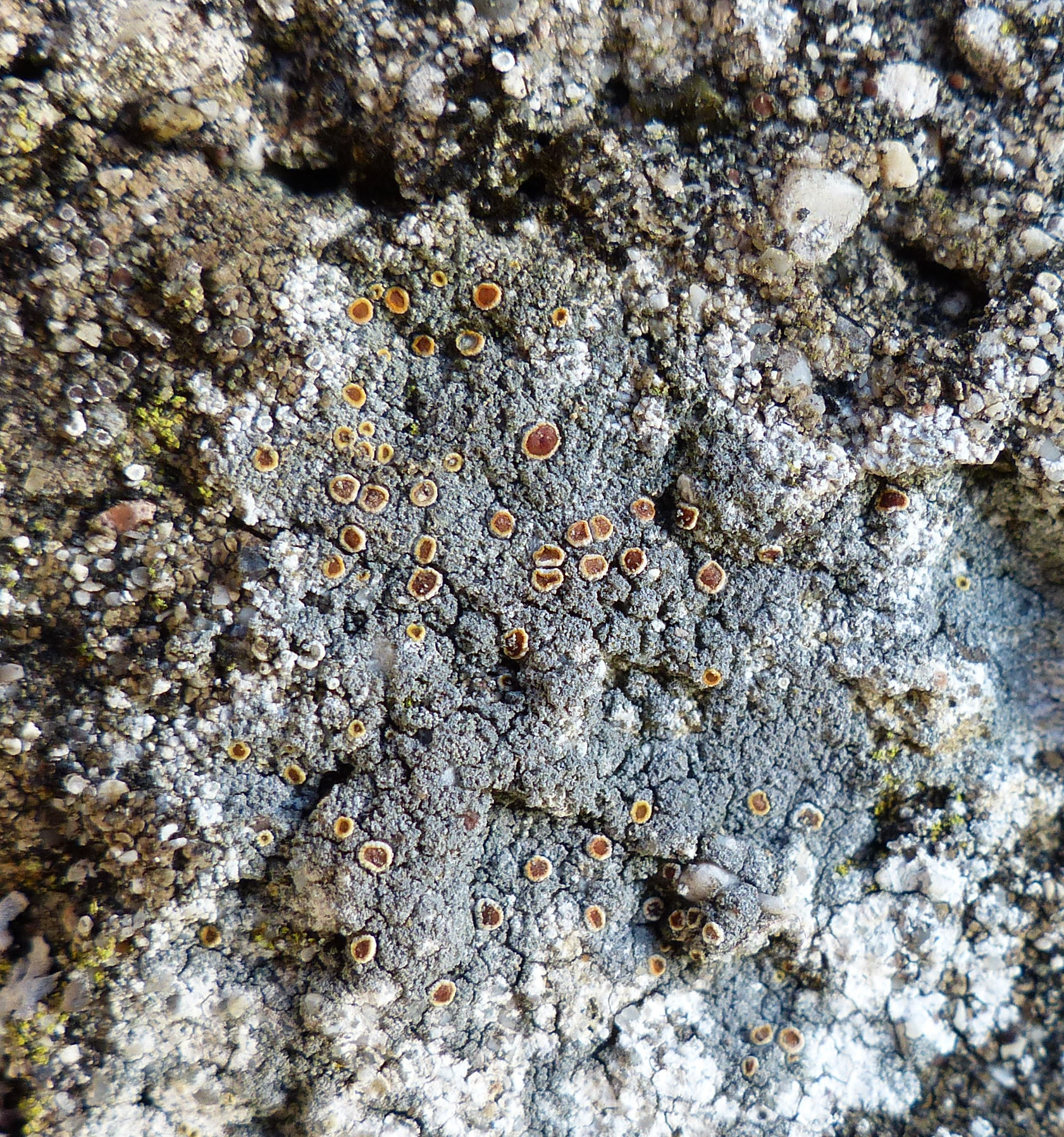
Andrea Moro; Owner: Department of Life Sciences, University of Trieste
Italy, Friuli Venezia Giulia, Trieste, Trieste, Conconello
14/02/2017
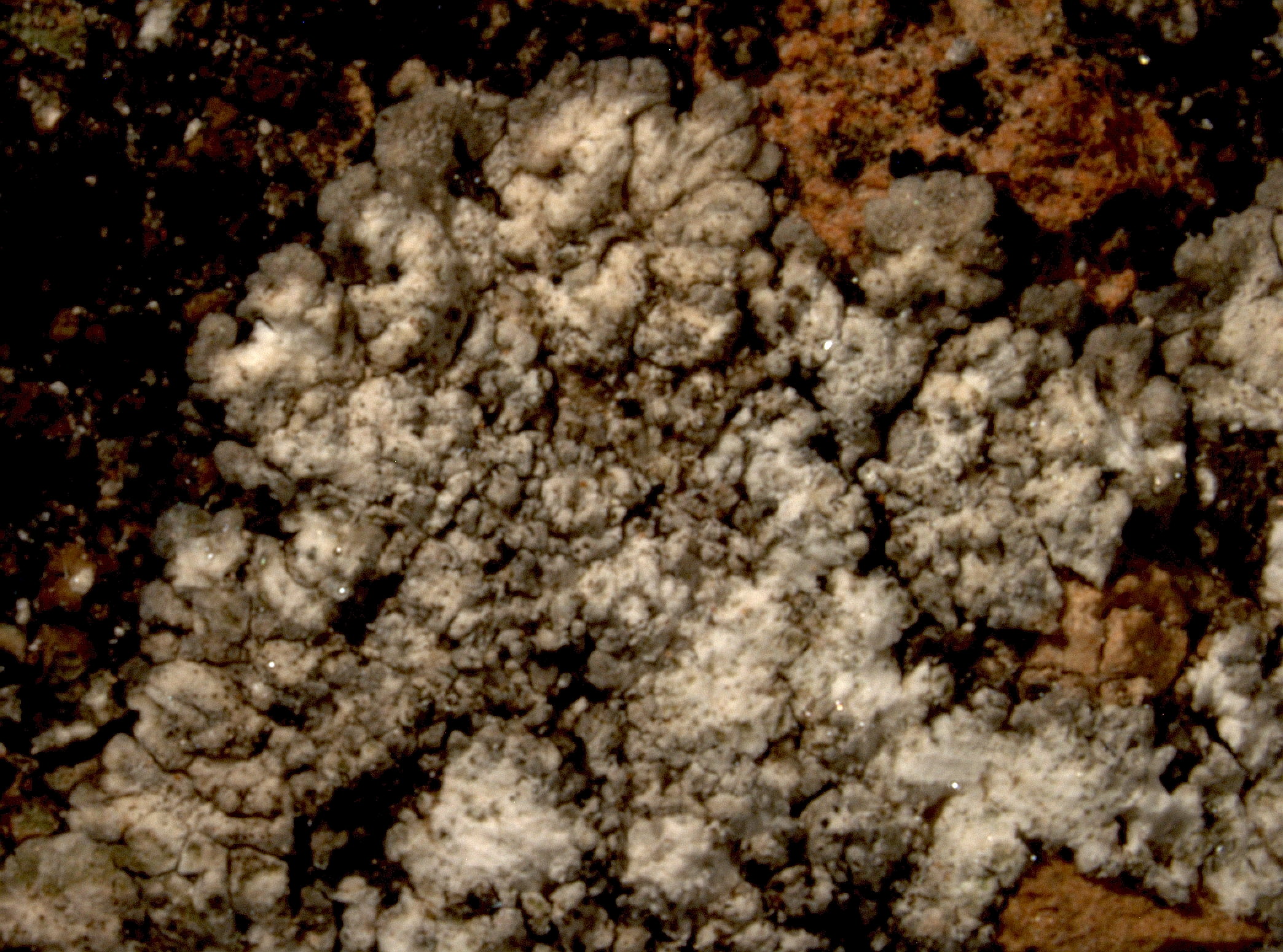
Pier Luigi Nimis - CC BY-SA 4.0
TSB 40821
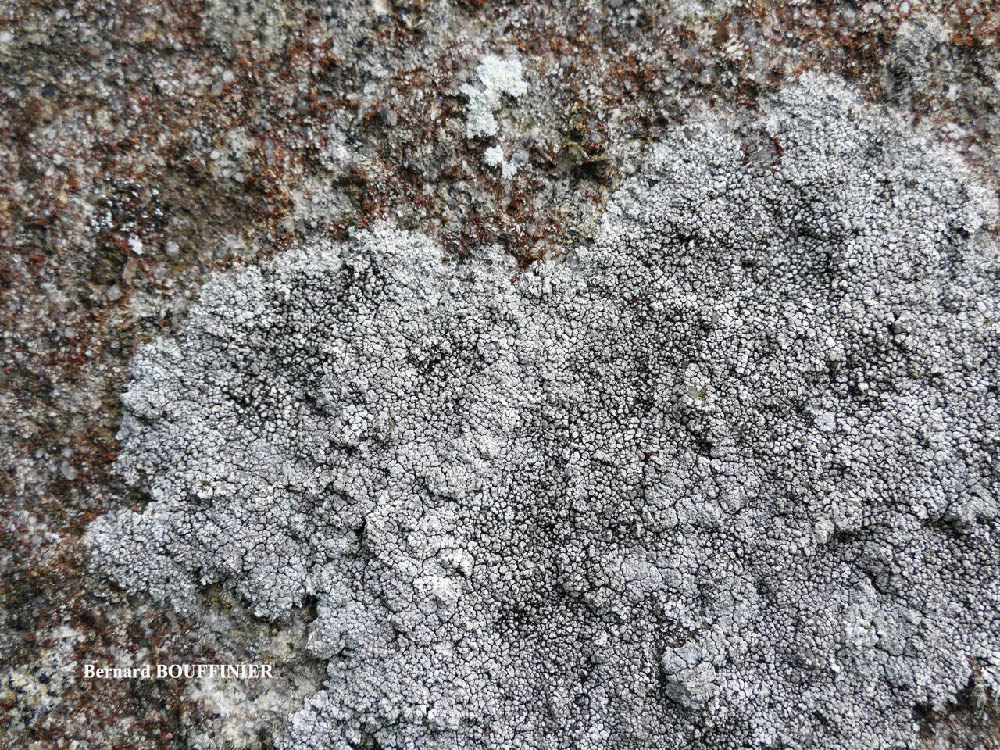
Berbard Bouffinier - Source: http://www.lichensmaritimes.org/index.php?task=fiche&lichen=503&lang=en
France, Kergoat
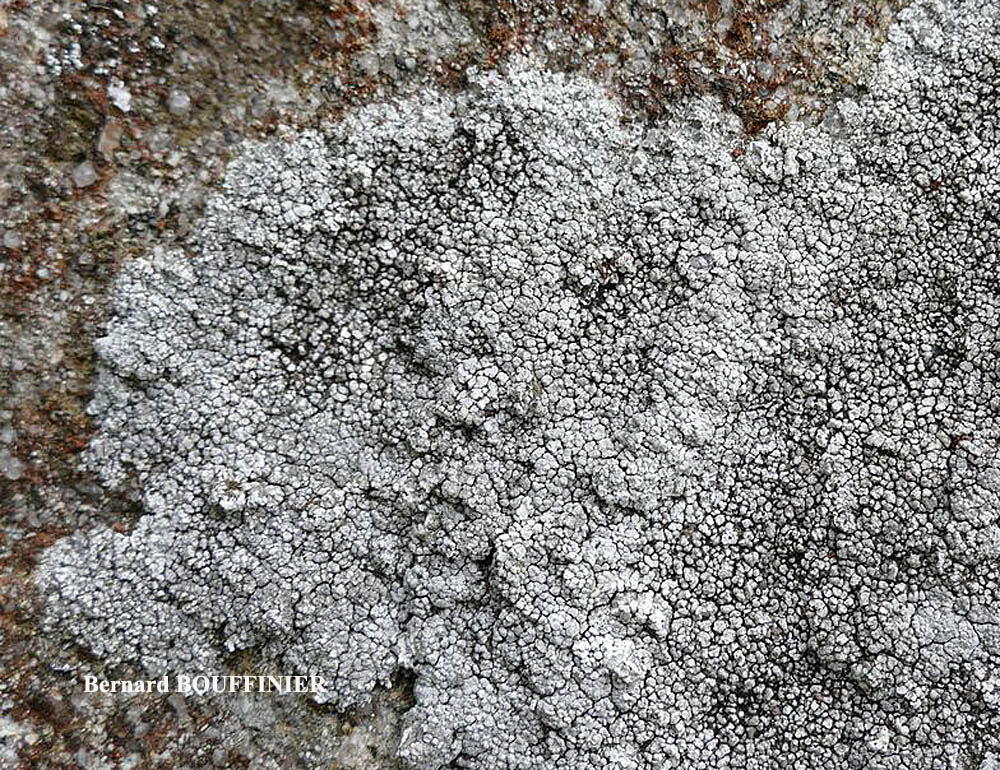
Berbard Bouffinier - Source: http://www.lichensmaritimes.org/index.php?task=fiche&lichen=503&lang=en
France, Kergoat
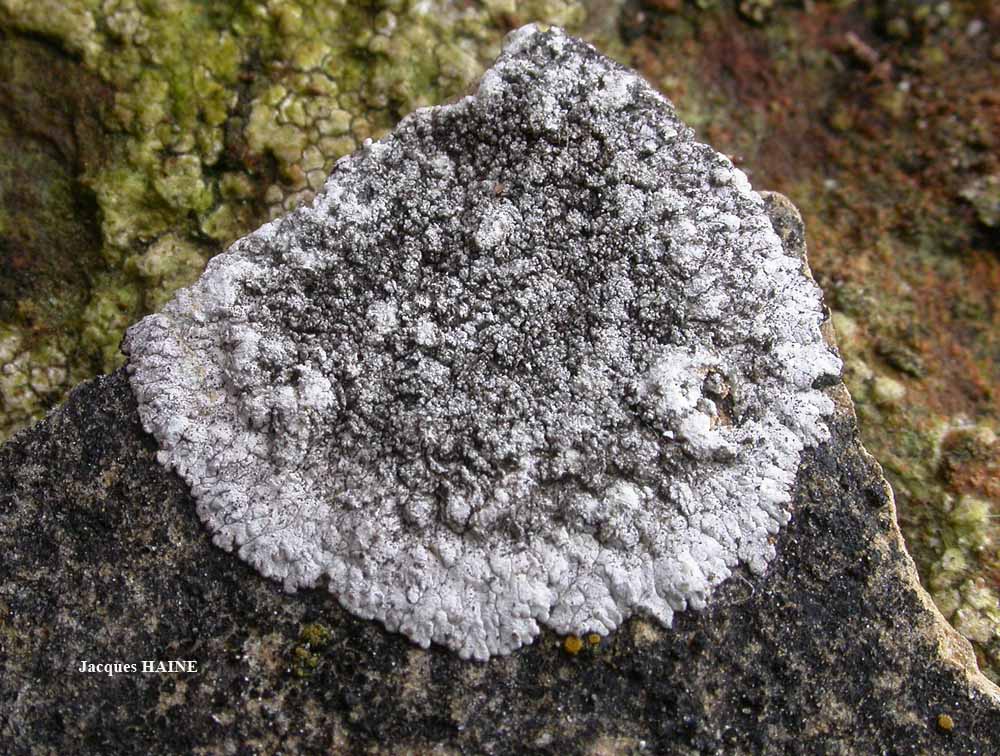
Jacques Haine - Source: http://www.lichensmaritimes.org/index.php?task=fiche&lichen=503&lang=en
France, Ardennes
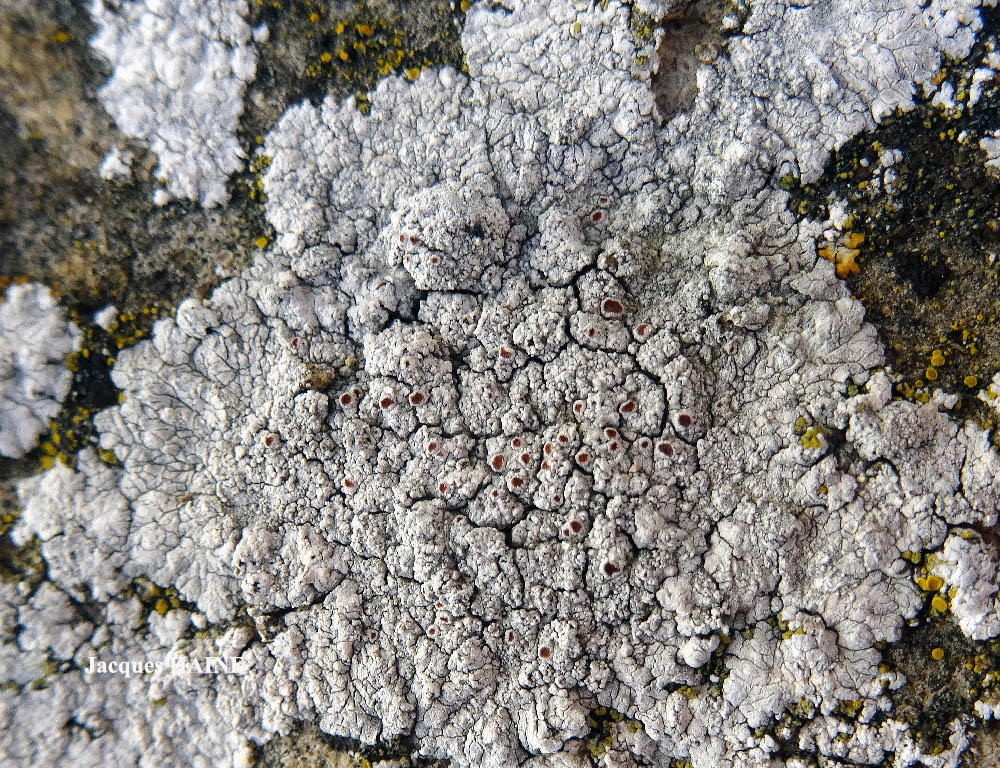
Jacques Haine - Source: http://www.lichensmaritimes.org/index.php?task=fiche&lichen=503&lang=en
France, Argonne
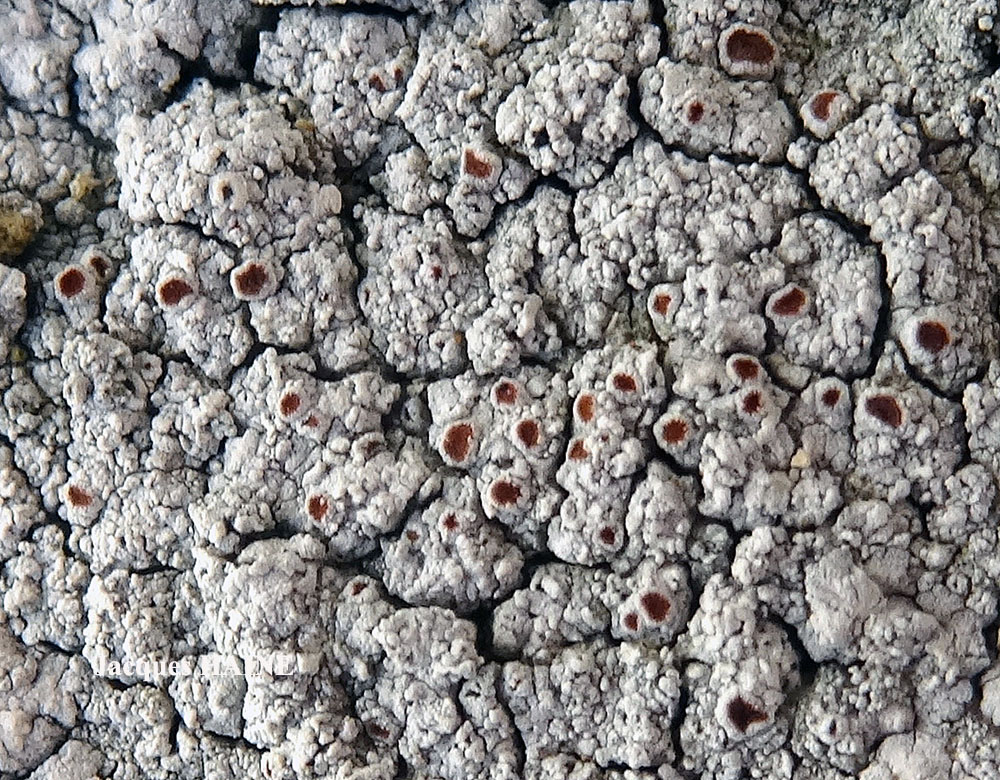
Jacques Haine - Source: http://www.lichensmaritimes.org/index.php?task=fiche&lichen=503&lang=en
France, Argonne
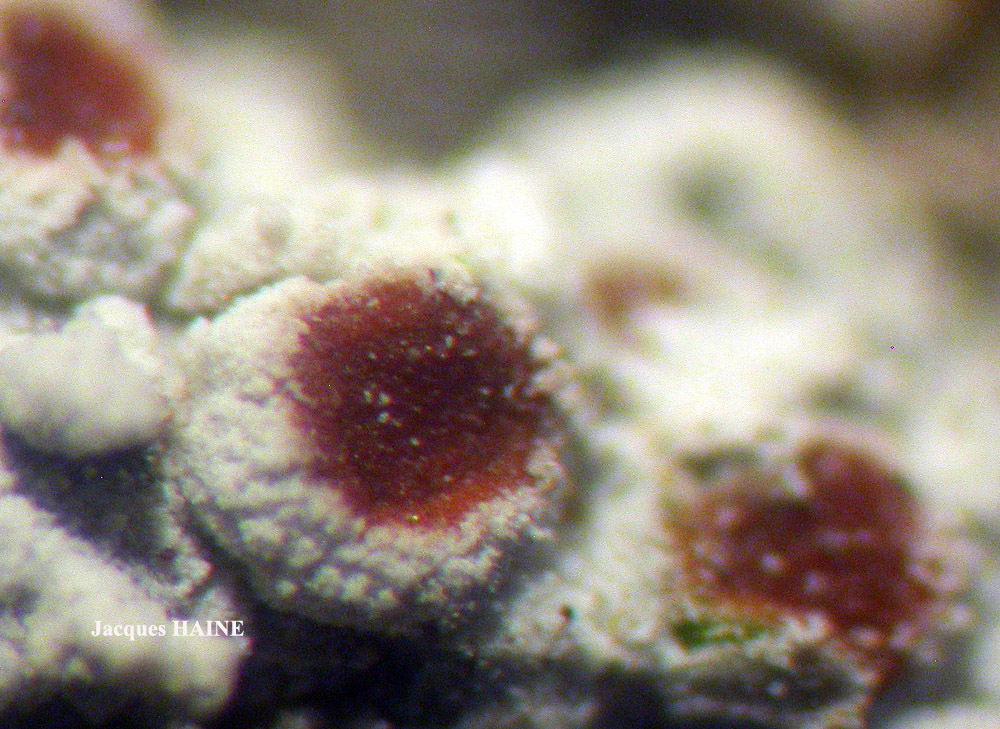
Jacques Haine - Source: http://www.lichensmaritimes.org/index.php?task=fiche&lichen=503&lang=en
France, Argonne
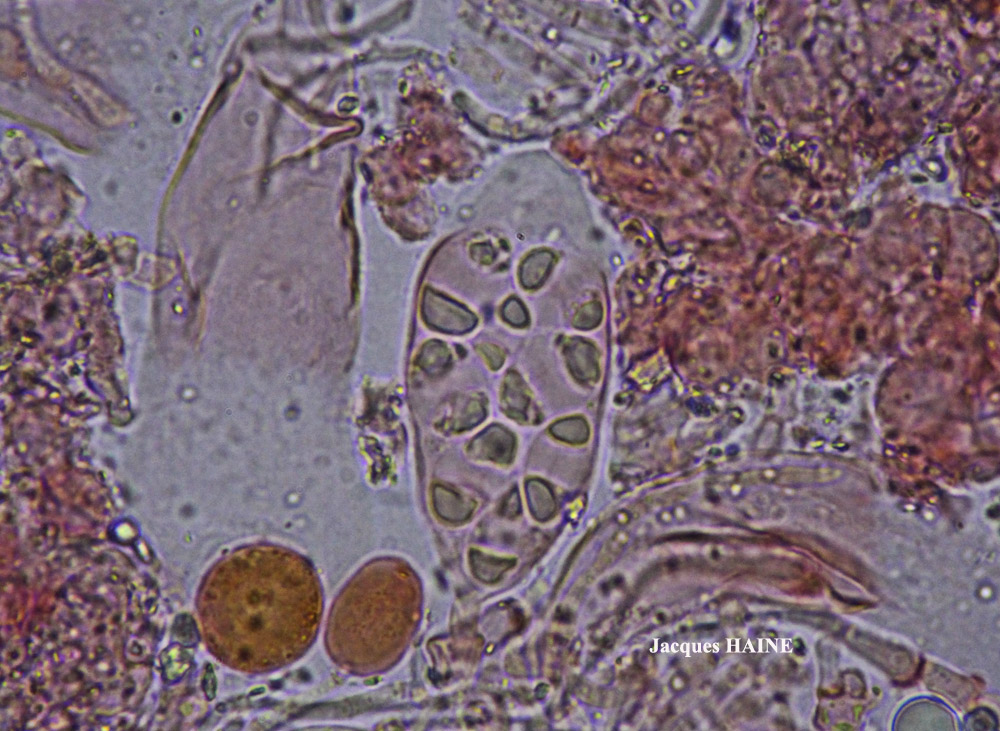
Jacques Haine - Source: http://www.lichensmaritimes.org/index.php?task=fiche&lichen=503&lang=en
France, Argonne
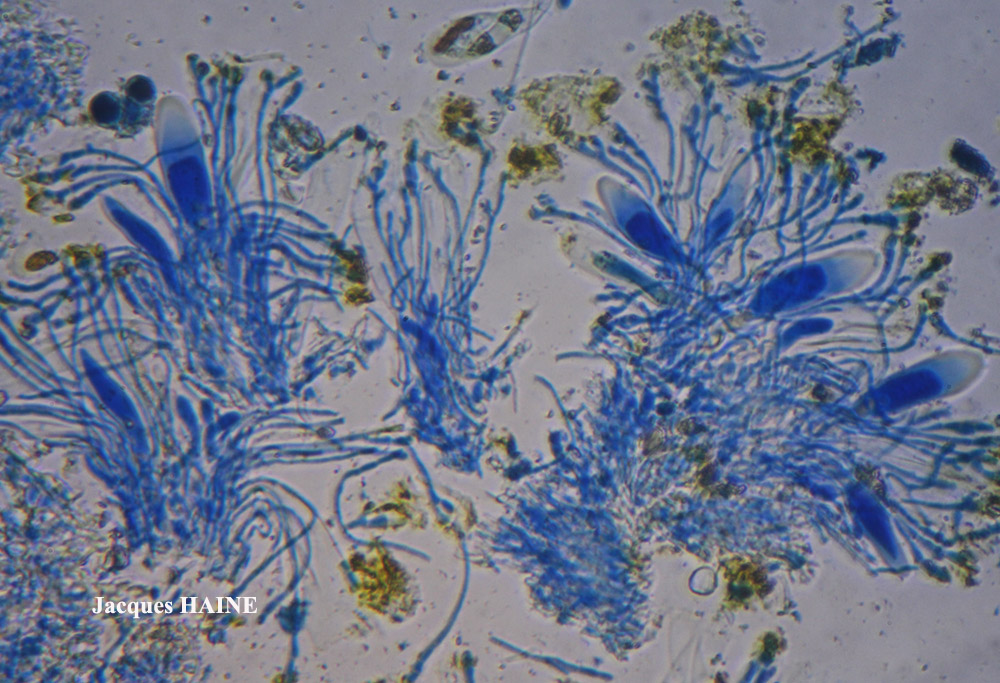
Jacques Haine - Source: http://www.lichensmaritimes.org/index.php?task=fiche&lichen=503&lang=en
France, Argonne
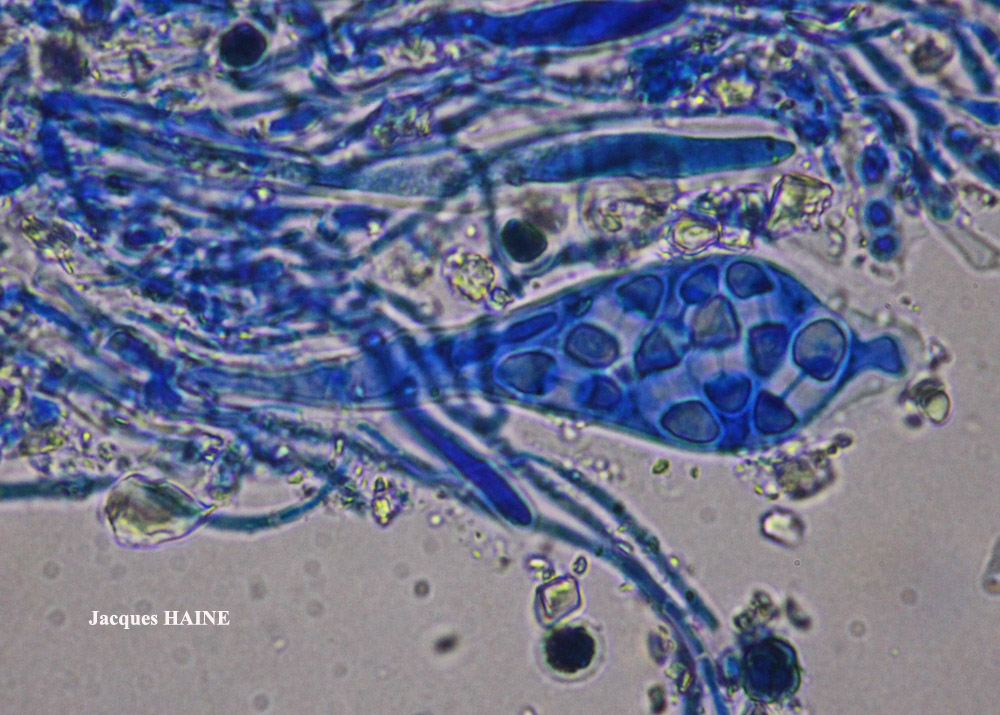
Jacques Haine - Source: http://www.lichensmaritimes.org/index.php?task=fiche&lichen=503&lang=en
France, Argonne
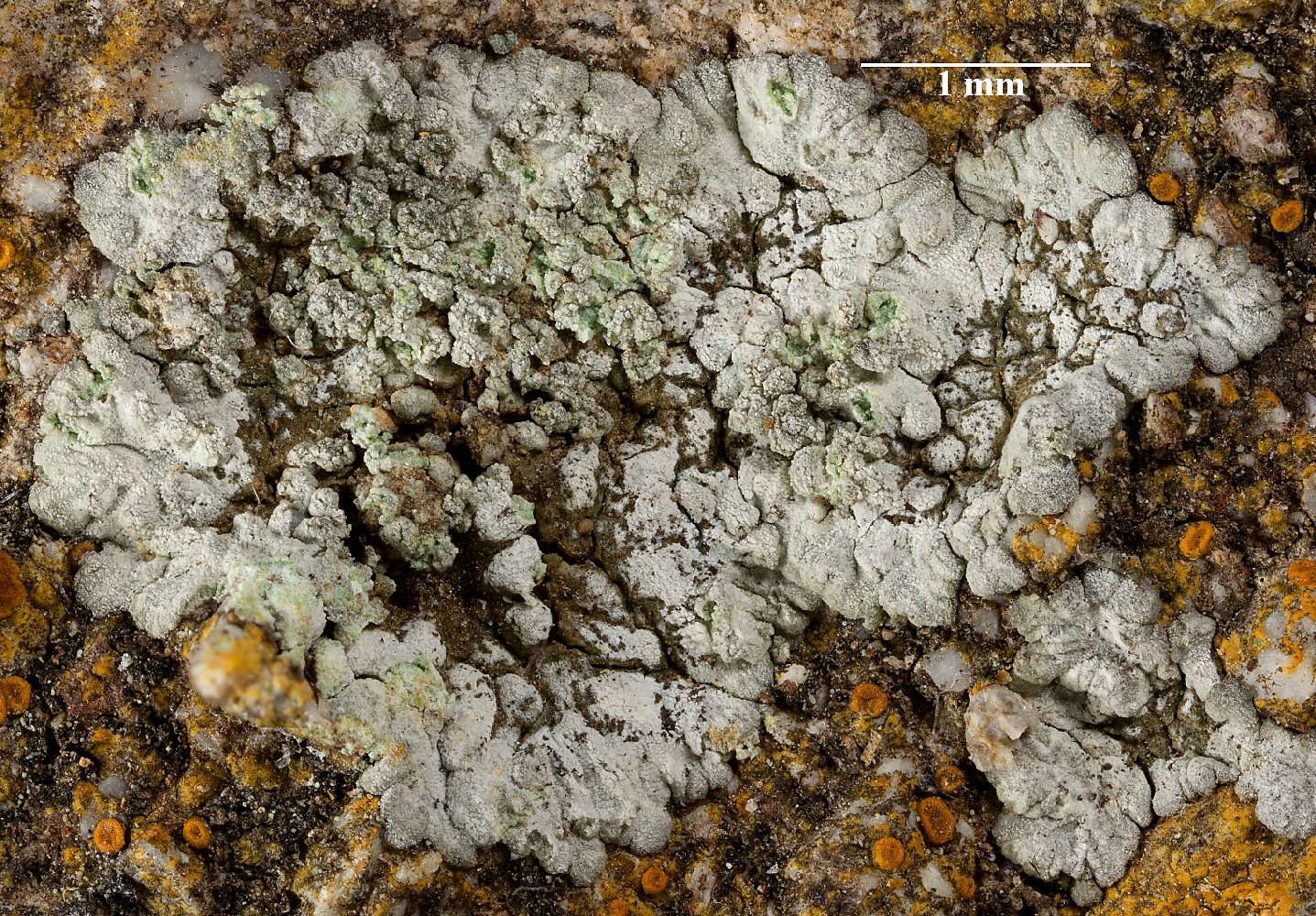
Ulrich Kirschbaum CC BY-SA 4.0 - Source: https://www.thm.de/lse/ulrich-kirschbaum/flechtenbilder
E; Canary Islands; La Gomera-NW; se of Vallehermoso: El Tion. New to La Gomera.

Marta González Garcia - Centro de Estudios Micologicos Asturianos
Tudela (Navarra), 12-V-2021, sobre el cemento de un muro, en un lugar sombrío.
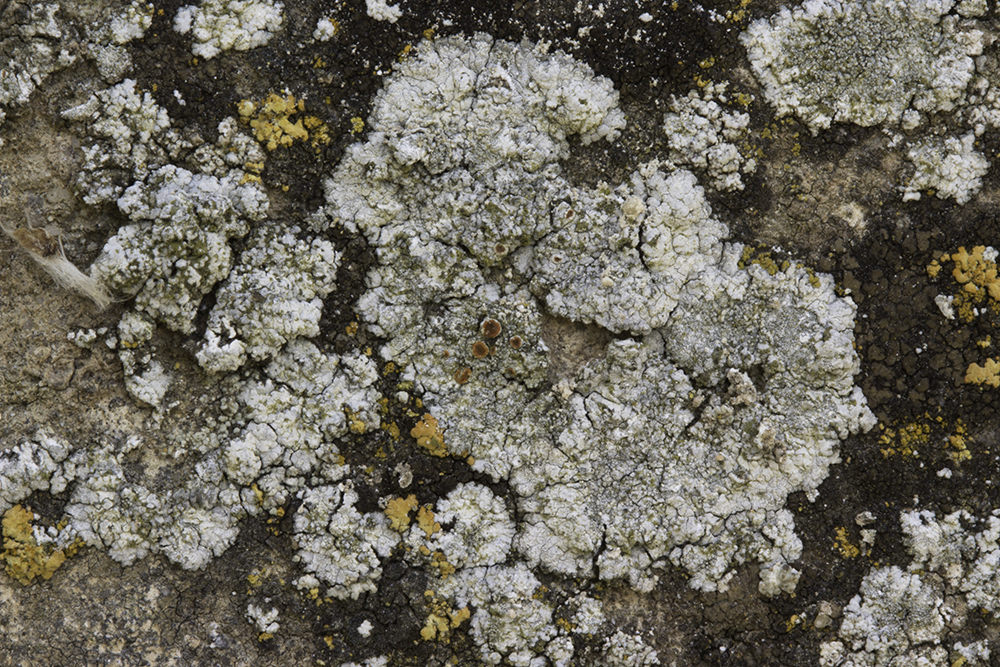
Marta González Garcia - Centro de Estudios Micologicos Asturianos
Tudela (Navarra), 12-V-2021, sobre el cemento de un muro, en un lugar sombrío.

Marta González Garcia - Centro de Estudios Micologicos Asturianos
Tudela (Navarra), 12-V-2021, sobre el cemento de un muro, en un lugar sombrío.

Marta González Garcia - Centro de Estudios Micologicos Asturianos
Casomera (Aller-Asturias), 18-III-2025, en mortero viejo. (estéril)

Marta González Garcia - Centro de Estudios Micologicos Asturianos
Casomera (Aller-Asturias), 18-III-2025, en mortero viejo. (estéril)

Marta González Garcia - Centro de Estudios Micologicos Asturianos
Casomera (Aller-Asturias), 18-III-2025, en mortero viejo. (estéril)

Marta González Garcia - Centro de Estudios Micologicos Asturianos
Casomera (Aller-Asturias), 18-III-2025, en mortero viejo. (estéril)

Marta González Garcia - Centro de Estudios Micologicos Asturianos
Casomera (Aller-Asturias), 18-III-2025, en mortero viejo. (estéril)