Circinaria hoffmanniana (S. Ekman & Fröberg ex R. Sant.) A. Nordin
in Roux & al., Bull. Soc. linn. Provence, 67: 179, 2016.. Basionym: Aspicilia contorta subsp. hoffmanniana S. Ekman & Fröberg ex R. Sant. - Lichens and Lichenicolous Fungi of Sweden and Norway: 23, 1993.
Synonyms: Aspicilia caesioalba (Le Prévost) Hue; Aspicilia hoffmanniana (S. Ekman & Fröberg ex R. Sant.) Cl. Roux & M. Bertrand; Aspicilia hoffmannii auct. non (Ach.) Flagey; Circinaria contorta subsp. hoffmanniana (R.Sant.) I. Zhdanov; Circinaria contorta subsp. hoffmanniana (R.Sant.) I. Zhdanov; Lecanora calcarea var. hoffmannii (Ach.) Sommerf.; Lecanora hoffmannii (Ach.) Müll. Arg.; Pachyospora calcarea f. cinereovirens A. Massal.?
Description: Thallus crustose, episubstratic, areolate, grey or grey-brown, grey-green in some forms, dull, forming regular, usually well-delimited, 1-8(-20) cm wide patches, the areoles usually angular or irregular, flat to weakly convex, 0.3-1.5 mm wide, contiguous and separated by cracks. Medulla white, I-. Apothecia aspicilioid, 0.2-0.5(-0.8) mm across, 1(-3) per areole, round, rarely angular, with a black, but usually white-pruinose, concave to flat disc and a distinctly raised, often white-pruinose thalline margin. Proper exciple poorly developed, colourless, extending below the hymenium; epithecium olive green to olive-brown, with crystals, N+ green, K+ yellow-brown; hymenium colourless, I+ blue or sometimes partly turning yellow-green; paraphyses sparingly branched and anastomosing, 1.5-2.5 µm thick at mid-level, submoniliform in upper part, the uppermost cells subglobose, (3-)4-6 µm wide; subhymenium and hypothecium colourless. Asci (2-)4(-6)-spored, clavate, the thin outer coat K/I+ blue, the wall and apical dome K/I-. Ascospores 1-celled, hyaline, globose to subglobose, (16-)18-28(-35) x (14-)17-26(-30) µm. Pycnidia rare, immersed, with a black, punctiform ostiole. Conidia filiform, straight or slightly curved, (5-)6-10(-11) x 0.8-1(-1.3) µm. Photobiont chlorococcoid. Spot tests: cortex and medulla K-, C-, KC-, P-. Chemistry: usually with aspicilin, rarely lacking secondary metabolites.
Growth form: Crustose
Substrata: rocks
Photobiont: green algae other than Trentepohlia
Reproductive strategy: mainly sexual
Pioneer species
Commonnes-rarity: (info)
Alpine belt: absent
Subalpine belt: extremely rare
Montane belt: rather common
Dry submediterranean belt: extremely common
Humid submediterranean belt: extremely common
Padanian area: common
pH of the substrata:
1 2 3 4 5

Solar irradiation:
1 2 3 4 5
Aridity:
1 2 3 4 5
Eutrophication:
1 2 3 4 5
Poleotolerance:
0 1 2 3
Altitudinal distribution:
1 2 3 4 5 6
Rarity
absent
extremely rare
very rare
rare
rather rare
rather common
common
very common
extremely common
Loading data...
Occurrence data
Predictive map
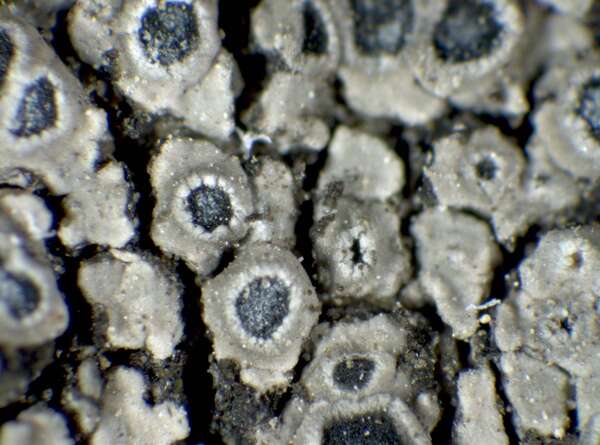
P.L. Nimis; Owner: Department of Life Sciences, University of Trieste
Herbarium: TSB (1592)
2002/01/02
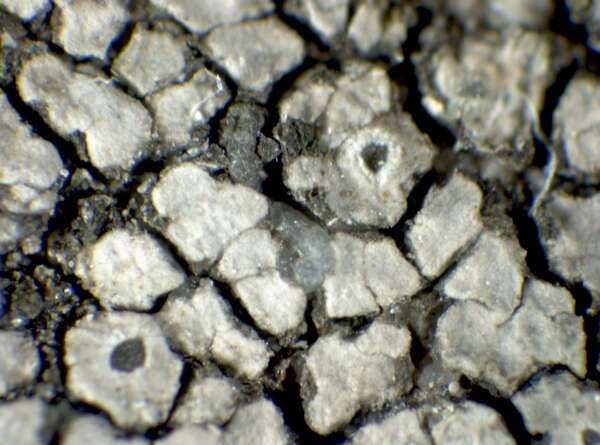
P.L. Nimis; Owner: Department of Life Sciences, University of Trieste
Herbarium: TSB (1592)
2002/01/02
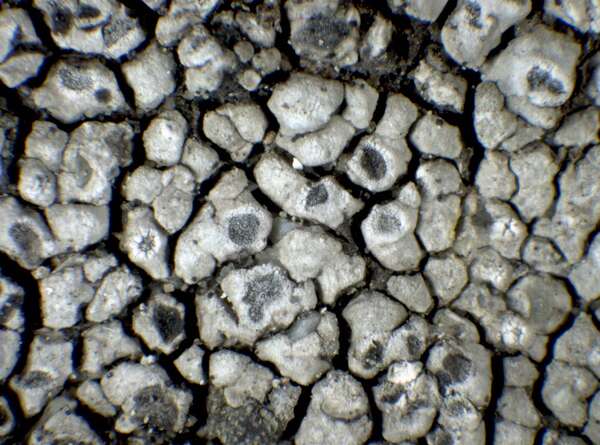
P.L. Nimis; Owner: Department of Life Sciences, University of Trieste
Herbarium: TSB (34372)
2002/01/02
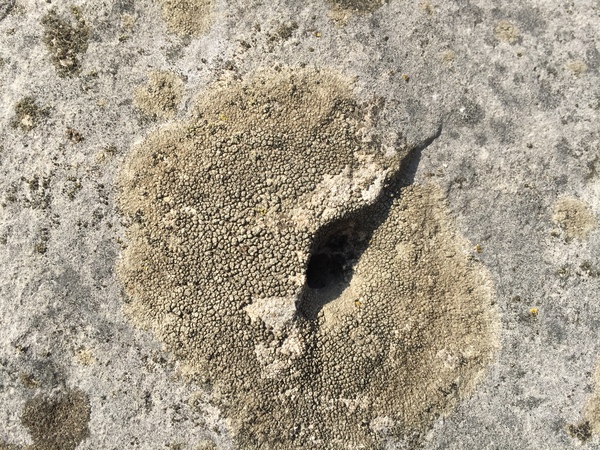
Pier Luigi Nimis; Owner: Department of Life Sciences, University of Trieste
Italy, Friuli Venezia Giulia, Trieste, Trieste Karst, Val Rosandra, San Lorenzo near Belvedere
11/02/2017
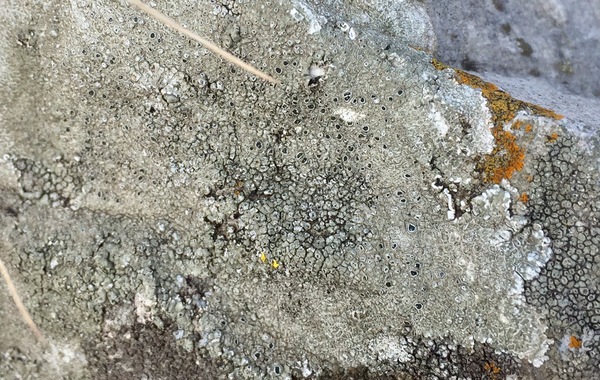
Pier Luigi Nimis; Owner: Department of Life Sciences, University of Trieste
Italy, Friuli Venezia Giulia, Trieste, Trieste Karst, Val Rosandra, San Lorenzo near Belvedere
11/02/2017
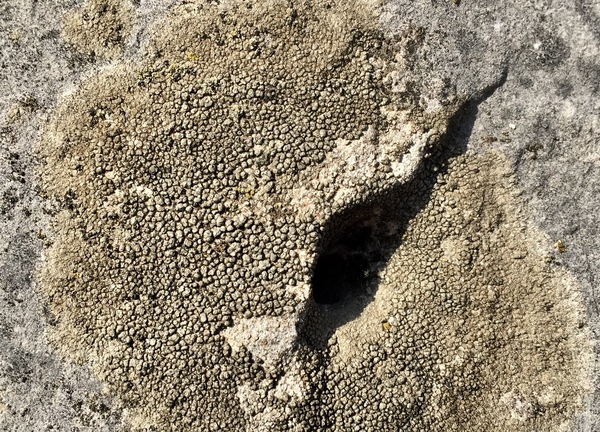
Pier Luigi Nimis; Owner: Department of Life Sciences, University of Trieste
Italy, Friuli Venezia Giulia, Trieste, Trieste Karst, Val Rosandra, San Lorenzo near Belvedere
11/02/2017
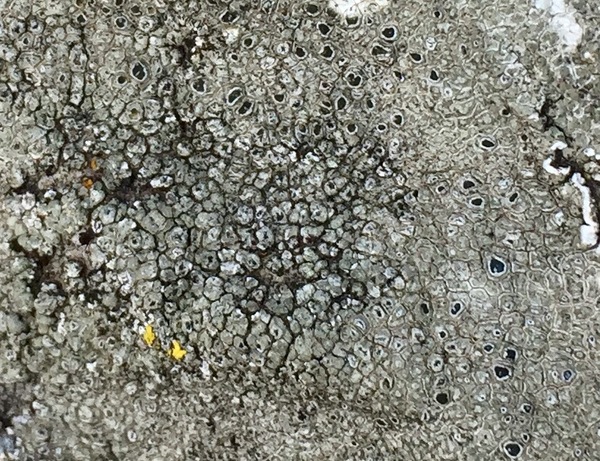
Pier Luigi Nimis; Owner: Department of Life Sciences, University of Trieste
Italy, Friuli Venezia Giulia, Trieste, Trieste Karst, Val Rosandra, San Lorenzo near Belvedere
11/02/2017
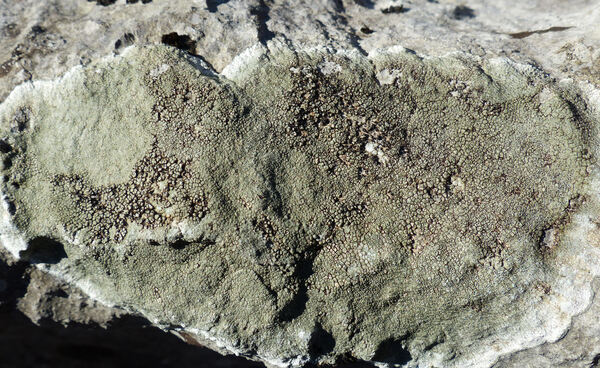
Andrea Moro; Owner: Department of Life Sciences, University of Trieste
italy, Friuli Venezia Giulia, Trieste, Trieste Karst near Borgo Grotta Gigante
16/02/2017
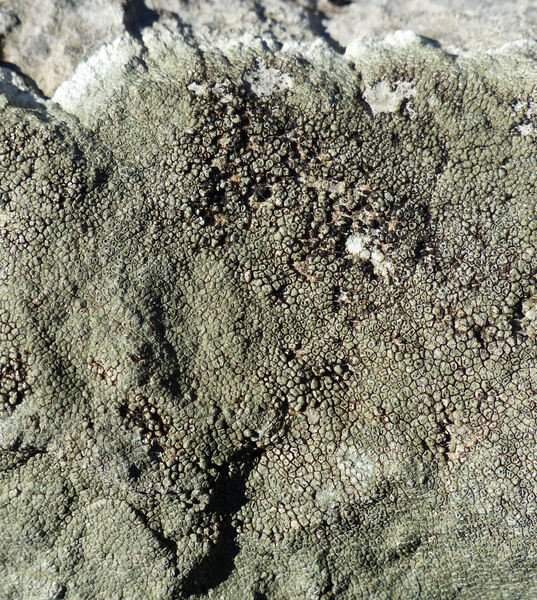
Andrea Moro; Owner: Department of Life Sciences, University of Trieste
italy, Friuli Venezia Giulia, Trieste, Trieste Karst near Borgo Grotta Gigante
16/02/2017
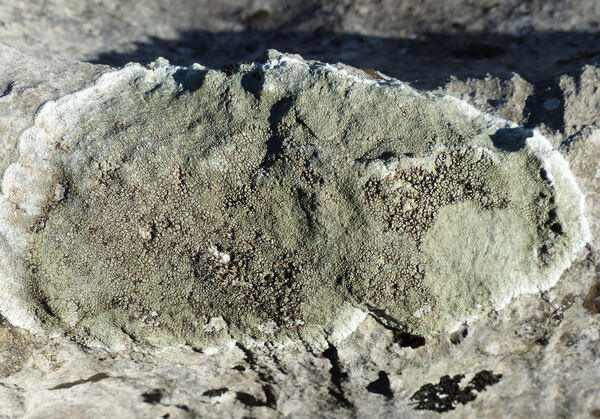
Andrea Moro; Owner: Department of Life Sciences, University of Trieste
italy, Friuli Venezia Giulia, Trieste, Trieste Karst near Borgo Grotta Gigante
16/02/2017
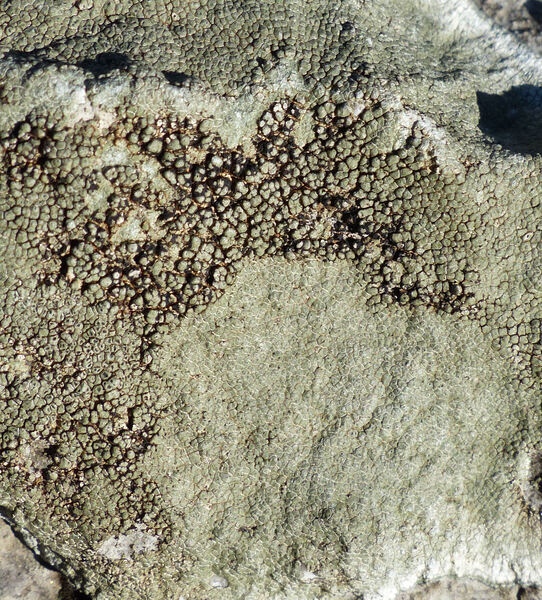
Andrea Moro; Owner: Department of Life Sciences, University of Trieste
italy, Friuli Venezia Giulia, Trieste, Trieste Karst near Borgo Grotta Gigante
16/02/2017
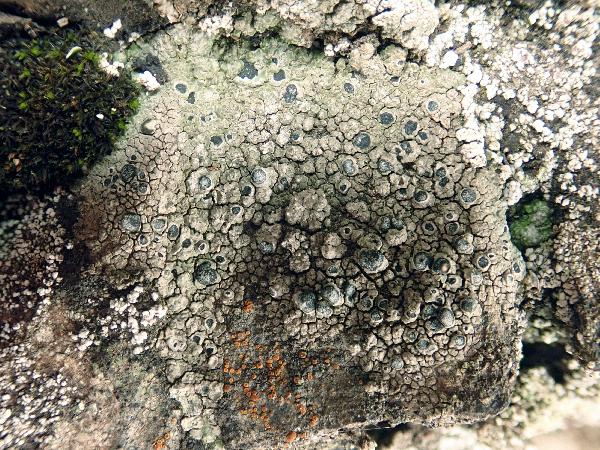
Wolfgang von Brackel - CC BY-4.0
Germany, Bavaria, Tauperlitz b Hof
Growth form: Crustose
Substrata: rocks
Photobiont: green algae other than Trentepohlia
Reproductive strategy: mainly sexual
Pioneer species
Commonnes-rarity: (info)
Alpine belt: absent
Subalpine belt: extremely rare
Montane belt: rather common
Dry submediterranean belt: extremely common
Humid submediterranean belt: extremely common
Padanian area: common
pH of the substrata:
| 1 | 2 | 3 | 4 | 5 |
Solar irradiation:
| 1 | 2 | 3 | 4 | 5 |
Aridity:
| 1 | 2 | 3 | 4 | 5 |
Eutrophication:
| 1 | 2 | 3 | 4 | 5 |
Poleotolerance:
| 0 | 1 | 2 | 3 |
Altitudinal distribution:
| 1 | 2 | 3 | 4 | 5 | 6 |
Rarity
absent
extremely rare
very rare
rare
rather rare
rather common
common
very common
extremely common
Loading data...
Occurrence data
Predictive map
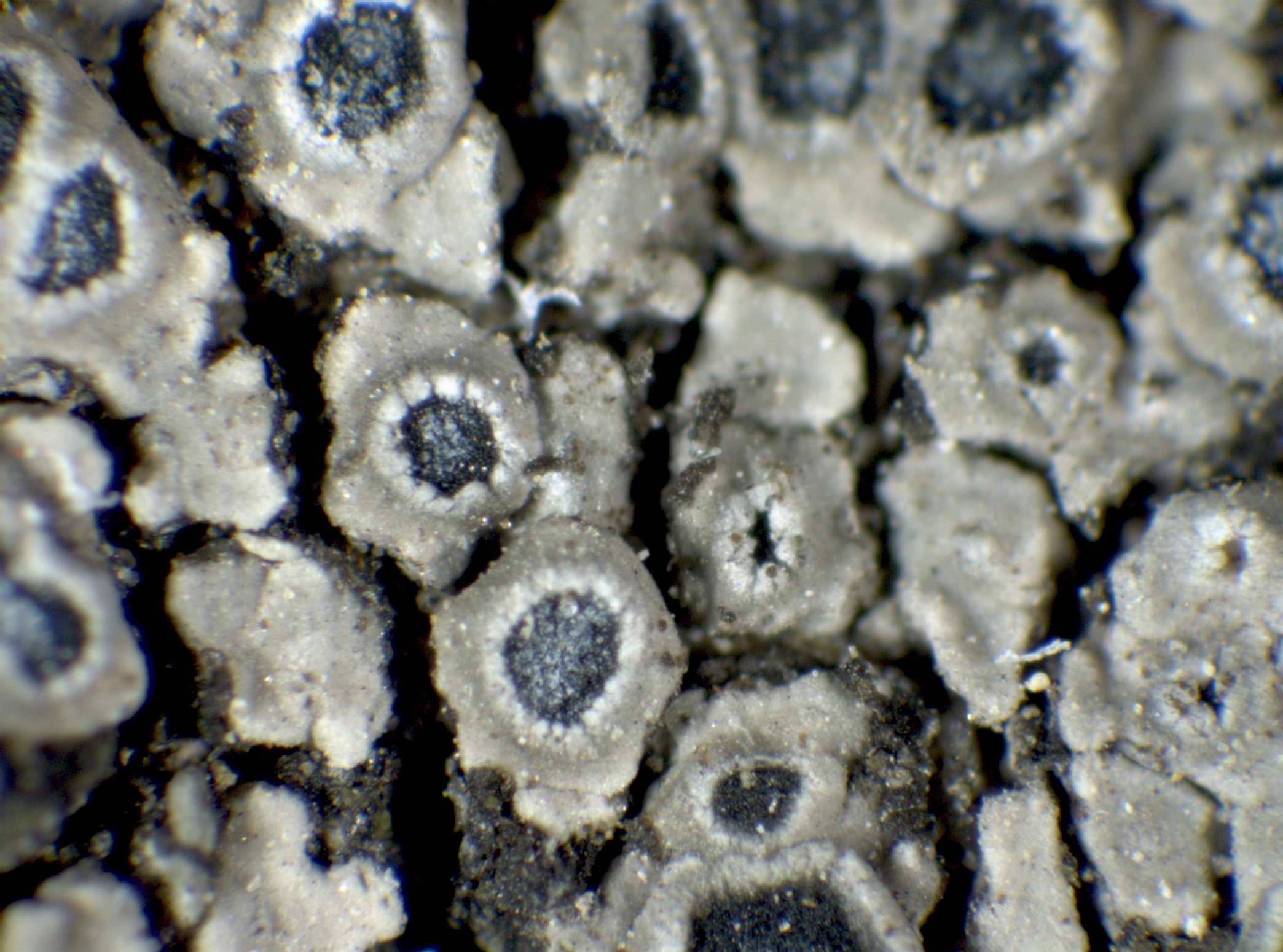
P.L. Nimis; Owner: Department of Life Sciences, University of Trieste
Herbarium: TSB (1592)
2002/01/02
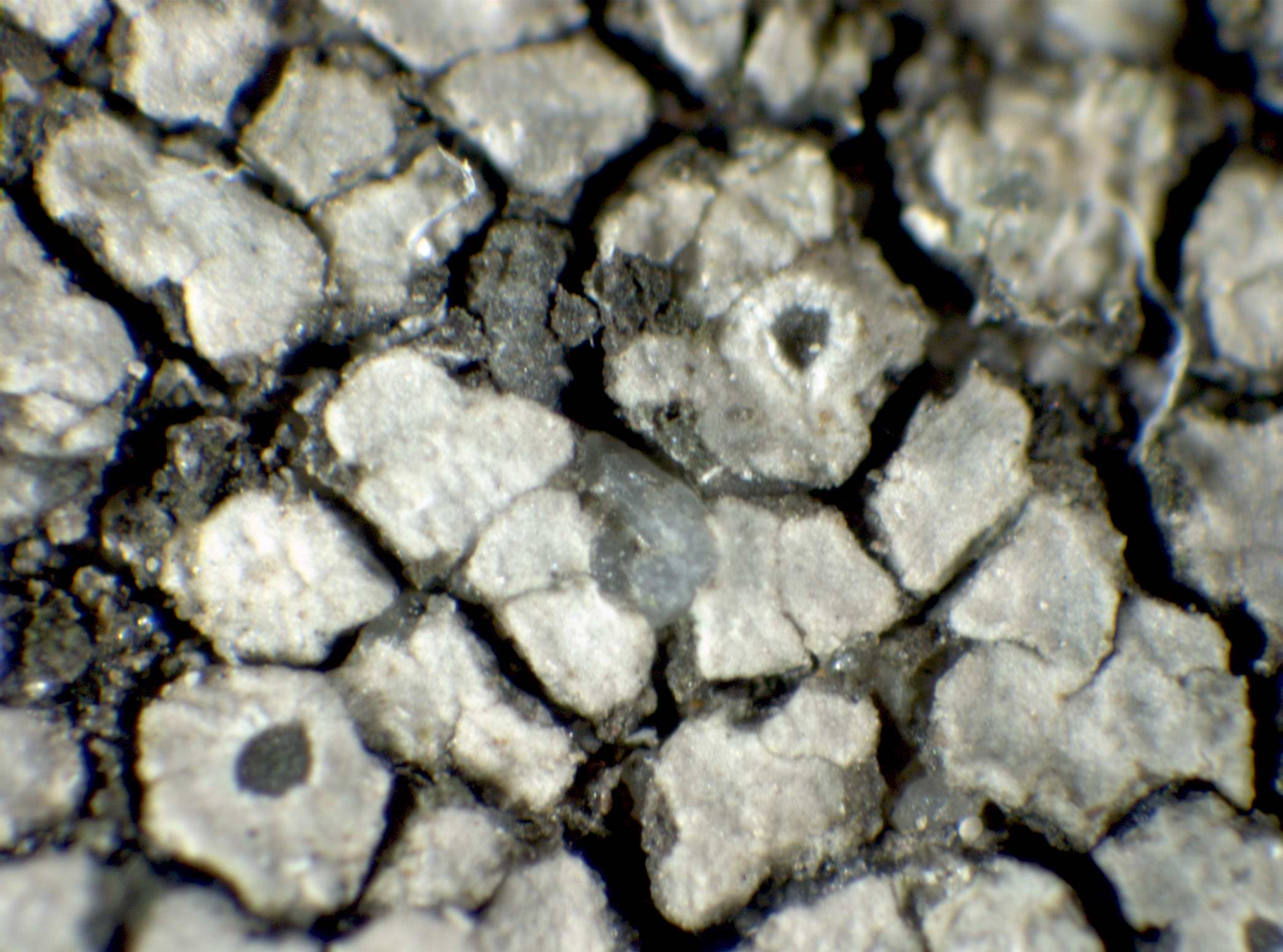
P.L. Nimis; Owner: Department of Life Sciences, University of Trieste
Herbarium: TSB (1592)
2002/01/02
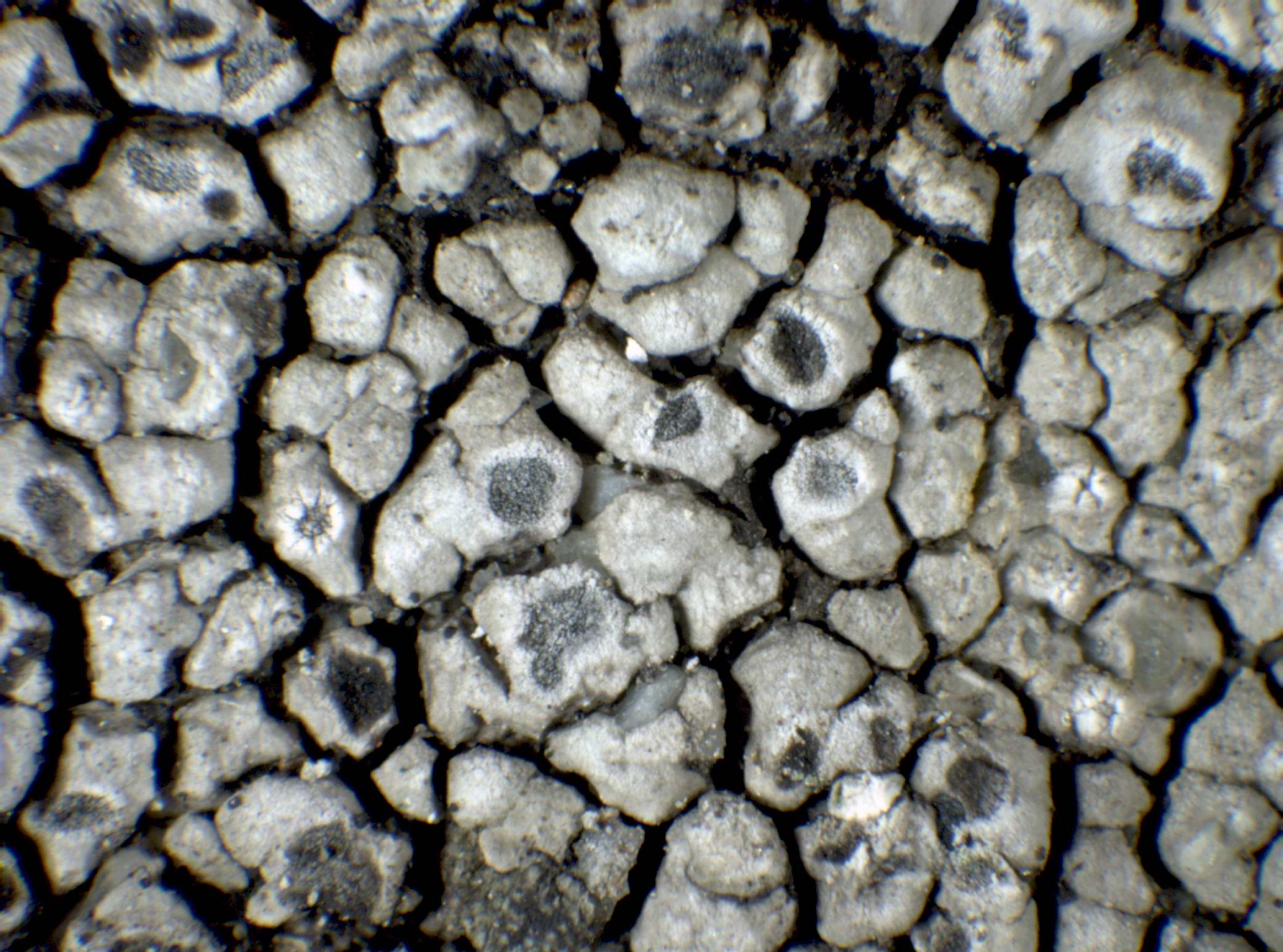
P.L. Nimis; Owner: Department of Life Sciences, University of Trieste
Herbarium: TSB (34372)
2002/01/02
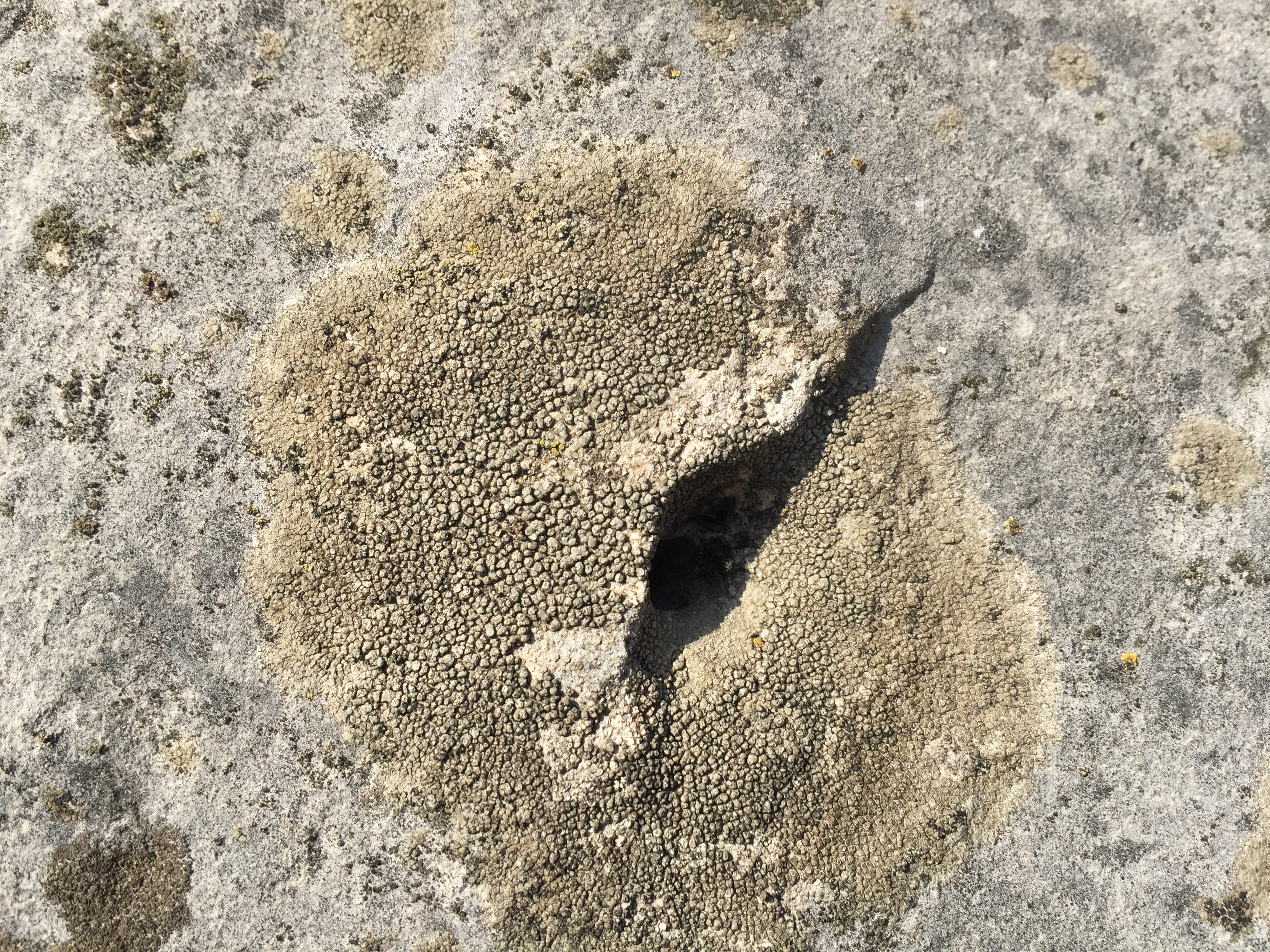
Pier Luigi Nimis; Owner: Department of Life Sciences, University of Trieste
Italy, Friuli Venezia Giulia, Trieste, Trieste Karst, Val Rosandra, San Lorenzo near Belvedere
11/02/2017
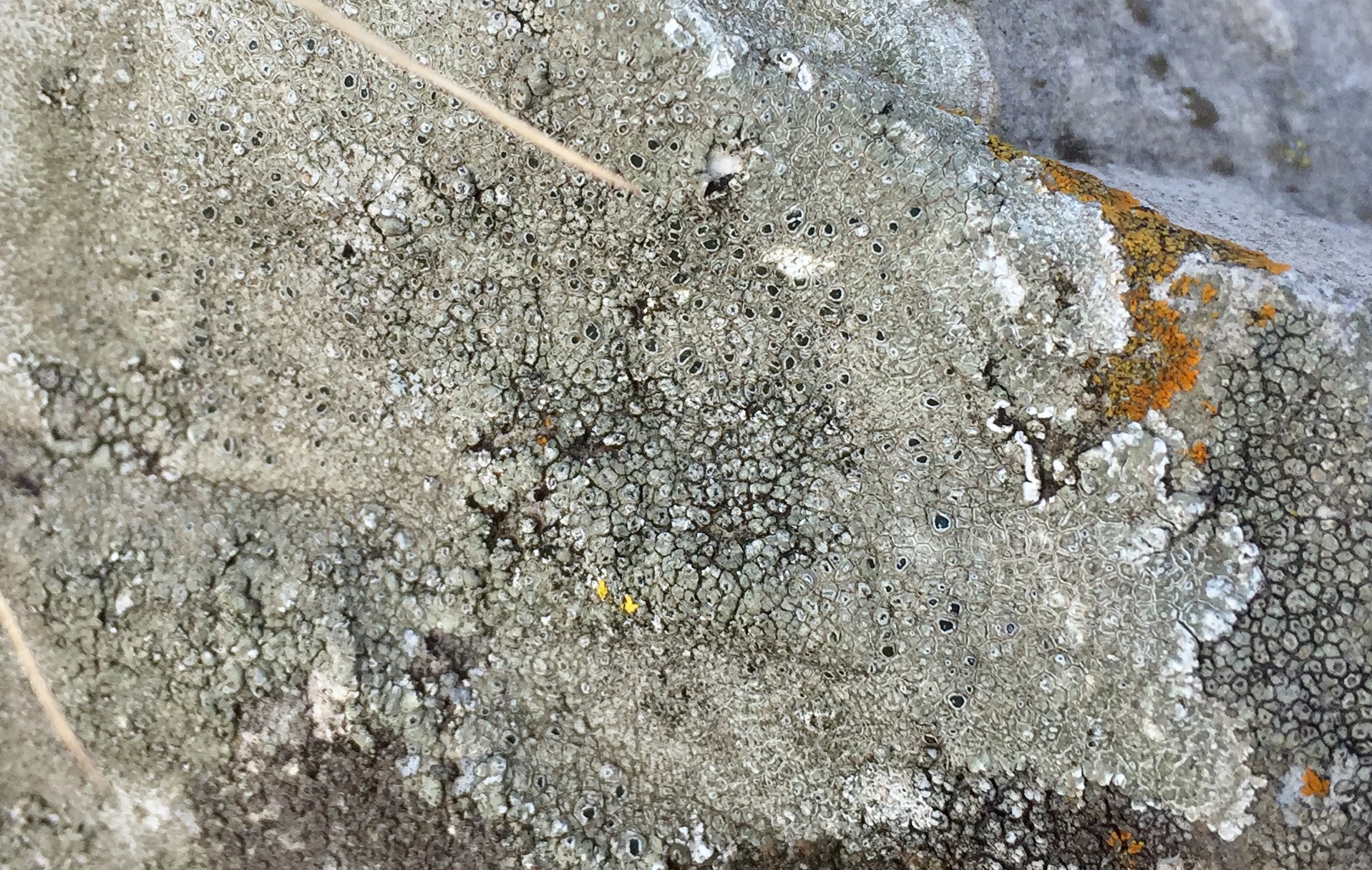
Pier Luigi Nimis; Owner: Department of Life Sciences, University of Trieste
Italy, Friuli Venezia Giulia, Trieste, Trieste Karst, Val Rosandra, San Lorenzo near Belvedere
11/02/2017
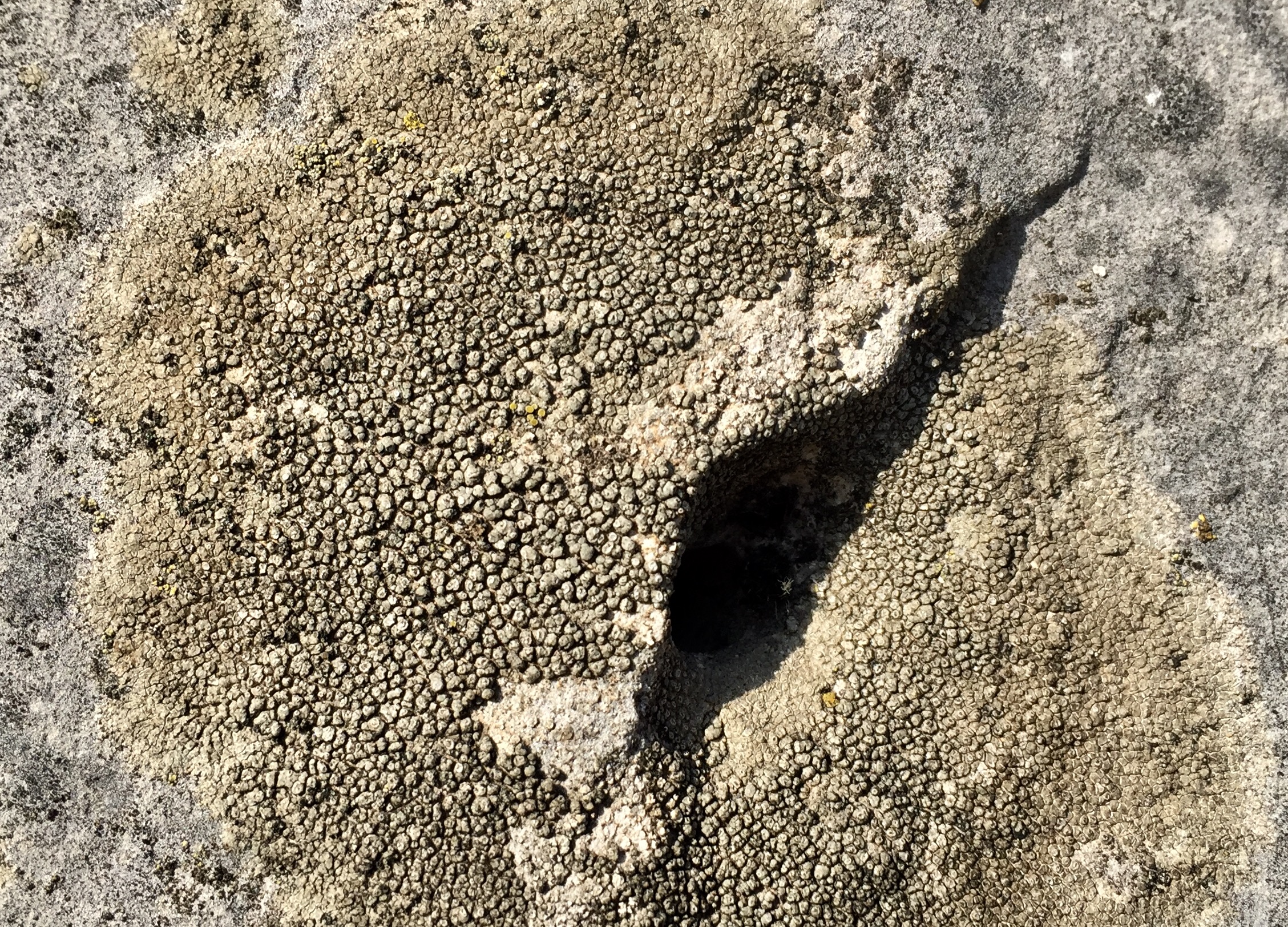
Pier Luigi Nimis; Owner: Department of Life Sciences, University of Trieste
Italy, Friuli Venezia Giulia, Trieste, Trieste Karst, Val Rosandra, San Lorenzo near Belvedere
11/02/2017

Pier Luigi Nimis; Owner: Department of Life Sciences, University of Trieste
Italy, Friuli Venezia Giulia, Trieste, Trieste Karst, Val Rosandra, San Lorenzo near Belvedere
11/02/2017
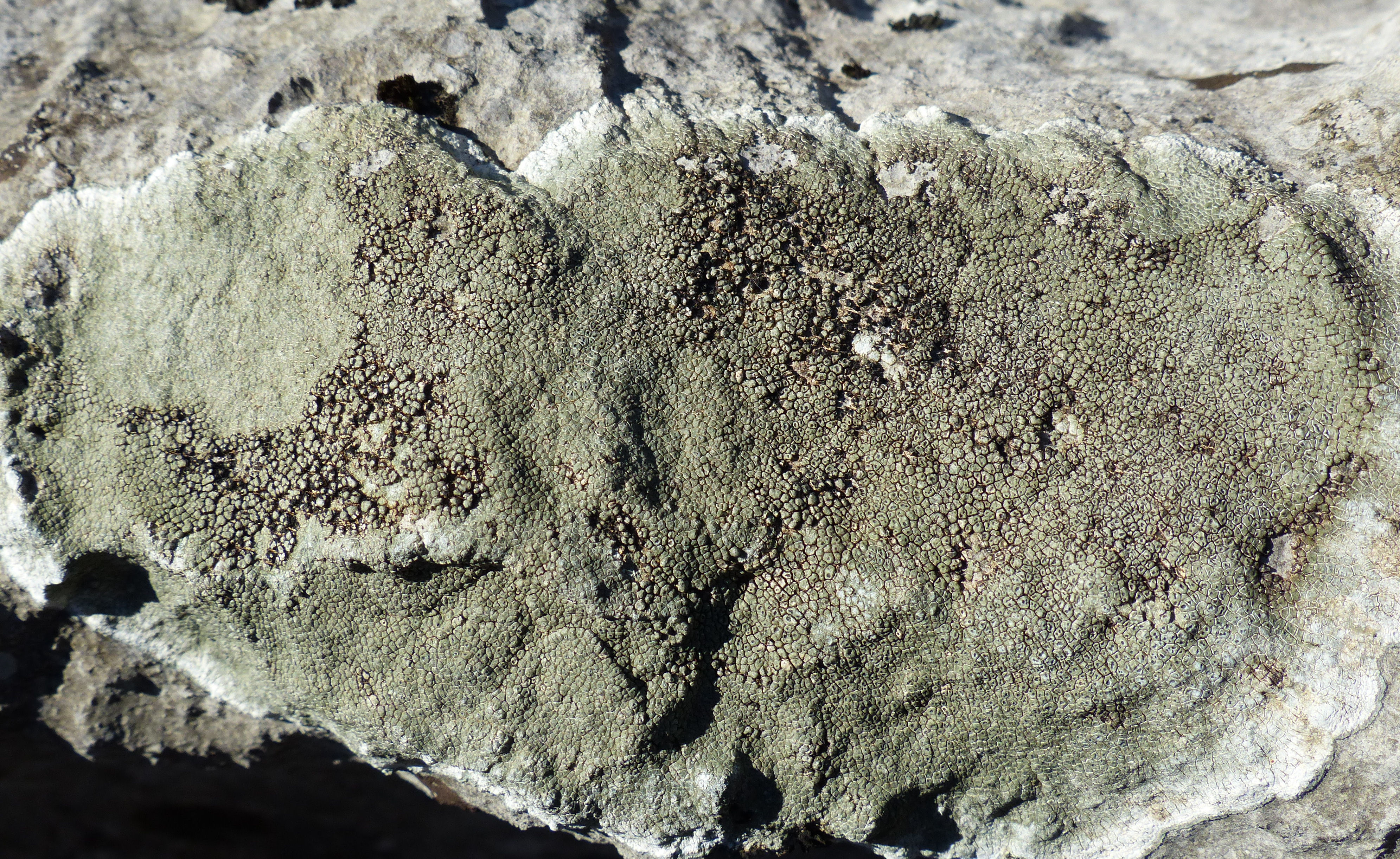
Andrea Moro; Owner: Department of Life Sciences, University of Trieste
italy, Friuli Venezia Giulia, Trieste, Trieste Karst near Borgo Grotta Gigante
16/02/2017
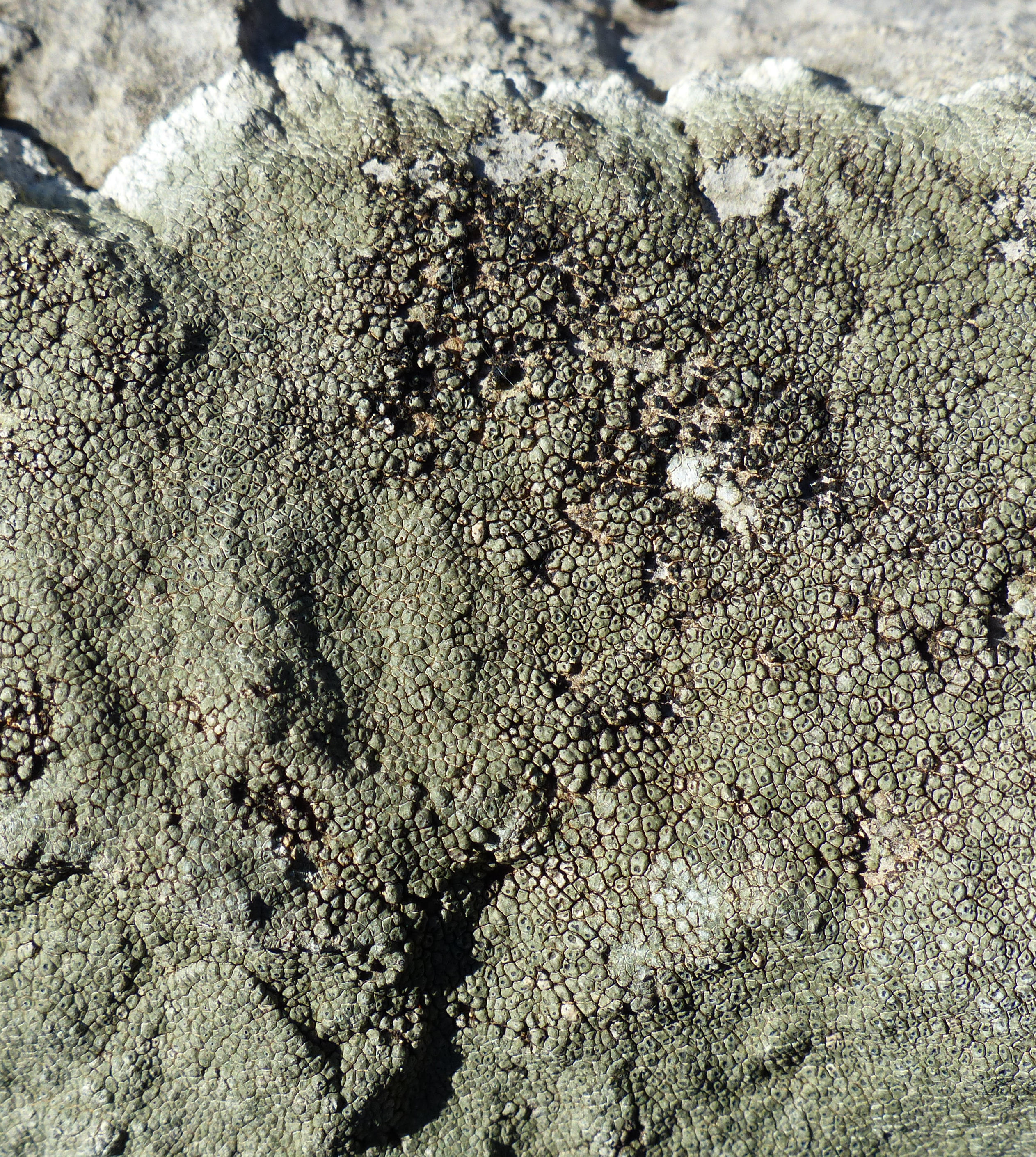
Andrea Moro; Owner: Department of Life Sciences, University of Trieste
italy, Friuli Venezia Giulia, Trieste, Trieste Karst near Borgo Grotta Gigante
16/02/2017
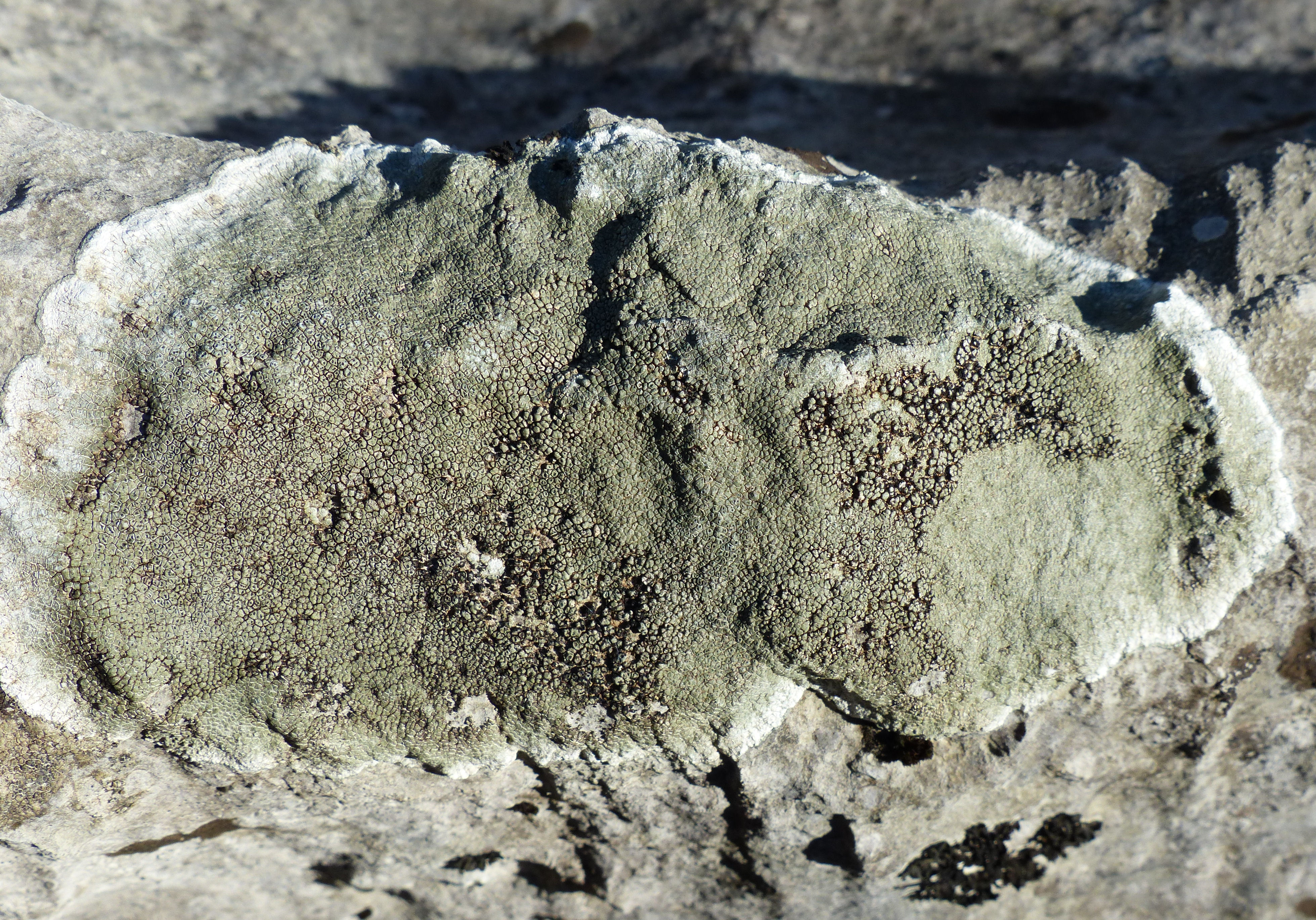
Andrea Moro; Owner: Department of Life Sciences, University of Trieste
italy, Friuli Venezia Giulia, Trieste, Trieste Karst near Borgo Grotta Gigante
16/02/2017

Andrea Moro; Owner: Department of Life Sciences, University of Trieste
italy, Friuli Venezia Giulia, Trieste, Trieste Karst near Borgo Grotta Gigante
16/02/2017