Cladonia acuminata (Ach.) Norrl.
in Norrlin & Nyl., Herb. Lich. Fenn, Index.: 3, nr. 57a, 1875. Basionym: Cenomyce pityrea f. acuminata Ach. - Syn. Meth. Lich.: 254, 1814.
Synonyms: Cladonia acuminata subsp. foliata (Arnold) Vain.; Cladonia norrlinii Vain. nom. illegit.
Description: Primary thallus squamulose, the squamules persisting or evanescent, 2-7 mm long, up to 3 mm wide, narrowly elongate, sinuate to crenate, involute-concave, glaucescent above, white beneath. Podetia inflated-bacilliform, simple or sparingly short-branched, hollow inside, grey to chalky white in the decorticate parts, darkening or even melanotic at the very base, cupless, 2-4(-5) cm tall and up to 2.5 mm thick, corticate and often squamulose only at base, sparsely granulose-sorediate in upper parts, the sterile apices blunt, the fertile one becoming dilated. Stereome cartilaginous, partly trabeculate; central canal grooved. Apothecia (very rare in Italian material), terminal, brown, convex, often compound and perforate. Asci 8-spored, clavate, thickened at apex, with a K/I+ blue tholus and a K/I+ strongly blue outer gelatinous sheath, Cladonia-type. Ascospores 1-celled, hyaline, ellipsoid. Pycnidia dark, semi-immersed in the basal squamules or in podetial tips, with a colourless jelly. Conidia hyaline, curved. Photobiont chlorococcoid. Spot tests: K+ yellow turning red, C-, KC-, P+ yellow slowly turning orange, UV-. Chemistry: atranorin, norstictic acid, connorstictic acid.
Growth form: Fruticose
Substrata: soil, terricolous mosses, and plant debris
Photobiont: green algae other than Trentepohlia
Reproductive strategy: mainly asexual, by soredia, or soredia-like structures (e.g. blastidia)
Commonnes-rarity: (info)
Alpine belt: absent
Subalpine belt: extremely rare
Montane belt: very rare
Dry submediterranean belt: absent
Humid submediterranean belt: absent
Padanian area: absent
pH of the substrata:
1 2 3 4 5

Solar irradiation:
1 2 3 4 5
Aridity:
1 2 3 4 5
Eutrophication:
1 2 3 4 5
Poleotolerance:
0 1 2 3
Altitudinal distribution:
1 2 3 4 5 6
Rarity
absent
extremely rare
very rare
rare
rather rare
rather common
common
very common
extremely common
Loading data...
Occurrence data
Predictive map
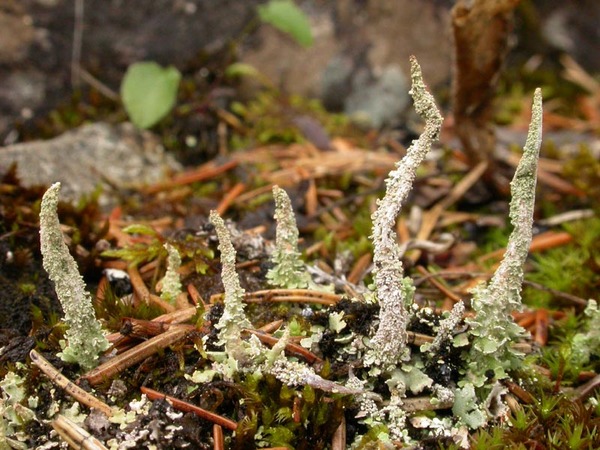
Einar Timdal - Source: http://nhm2.uio.no/lav/web/index.html - CC BY-NC
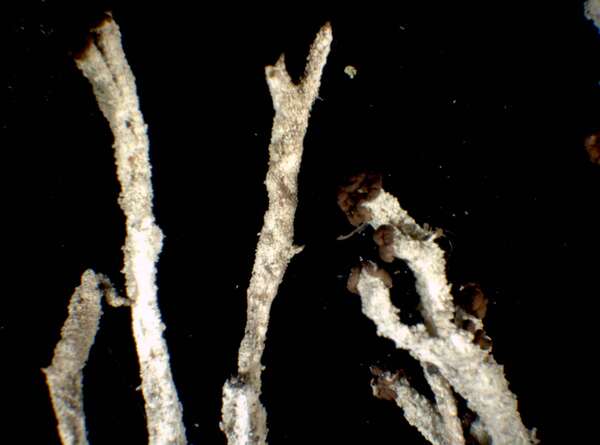
P.L. Nimis; Owner: Department of Life Sciences, University of Trieste
Herbarium: TSB (5093)
2001/12/24
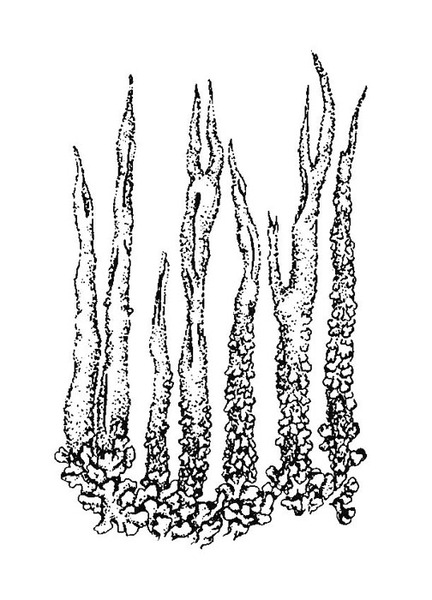
Triin Aimla; Owner: University of Tartu
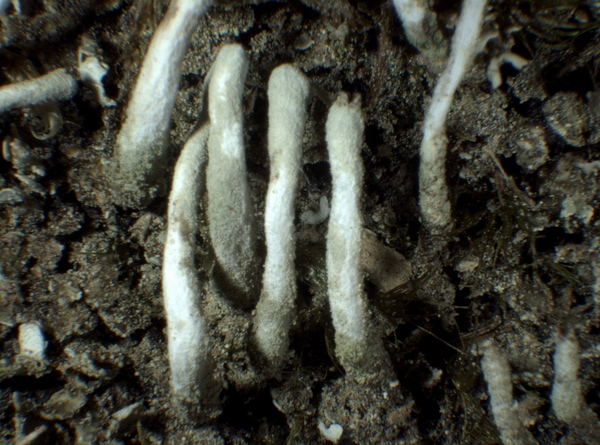
P.L.Nimis; Owner: Department of Life Sciences, University of Trieste
Herbarium: TSB (36961)
2008.02.28
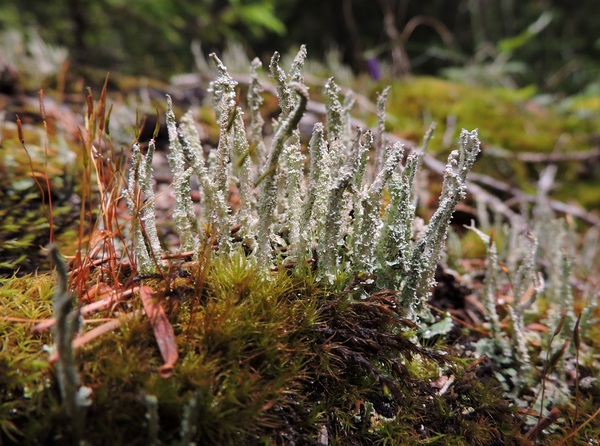
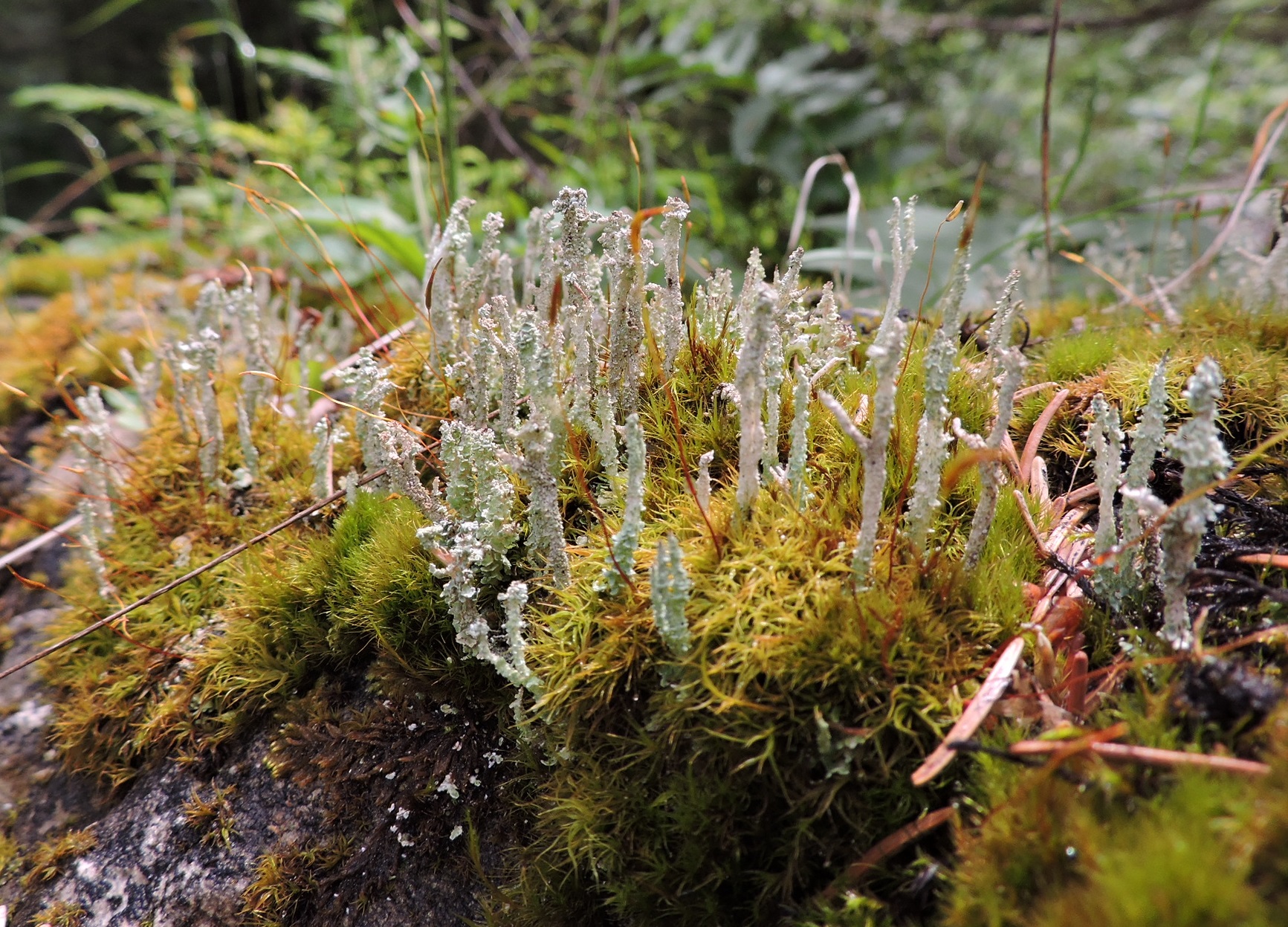
Gabriele Gheza - https://lichenidilombardia.home.blog
Italy, Trentino-Alto Adige, Trento, Tuenno, 1290 m
6.2017
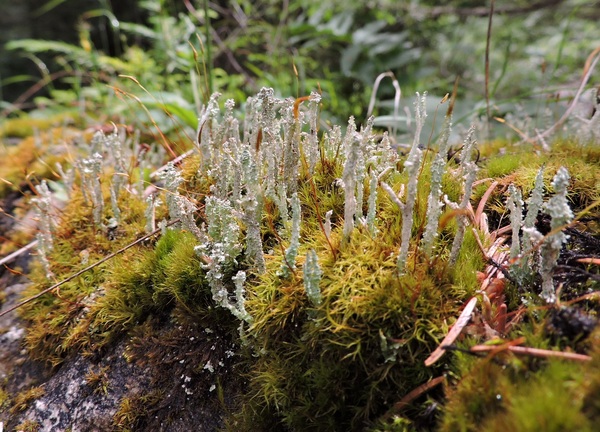
Gabriele Gheza - https://lichenidilombardia.home.blog
Italy, Trentino-Alto Adige, Trento, Tuenno, 1290 m
6.2017
Growth form: Fruticose
Substrata: soil, terricolous mosses, and plant debris
Photobiont: green algae other than Trentepohlia
Reproductive strategy: mainly asexual, by soredia, or soredia-like structures (e.g. blastidia)
Commonnes-rarity: (info)
Alpine belt: absent
Subalpine belt: extremely rare
Montane belt: very rare
Dry submediterranean belt: absent
Humid submediterranean belt: absent
Padanian area: absent
pH of the substrata:
| 1 | 2 | 3 | 4 | 5 |
Solar irradiation:
| 1 | 2 | 3 | 4 | 5 |
Aridity:
| 1 | 2 | 3 | 4 | 5 |
Eutrophication:
| 1 | 2 | 3 | 4 | 5 |
Poleotolerance:
| 0 | 1 | 2 | 3 |
Altitudinal distribution:
| 1 | 2 | 3 | 4 | 5 | 6 |
Rarity
absent
extremely rare
very rare
rare
rather rare
rather common
common
very common
extremely common
Loading data...
Occurrence data
Predictive map
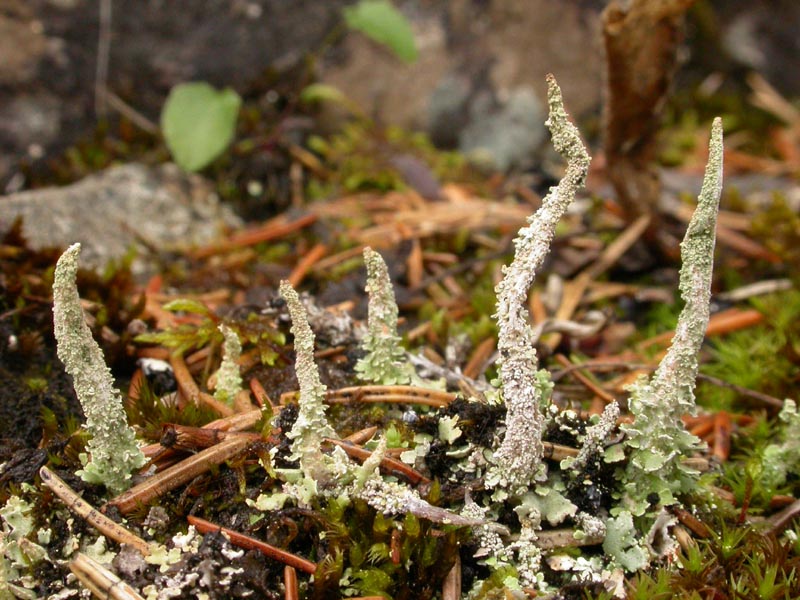
Einar Timdal - Source: http://nhm2.uio.no/lav/web/index.html - CC BY-NC

P.L. Nimis; Owner: Department of Life Sciences, University of Trieste
Herbarium: TSB (5093)
2001/12/24
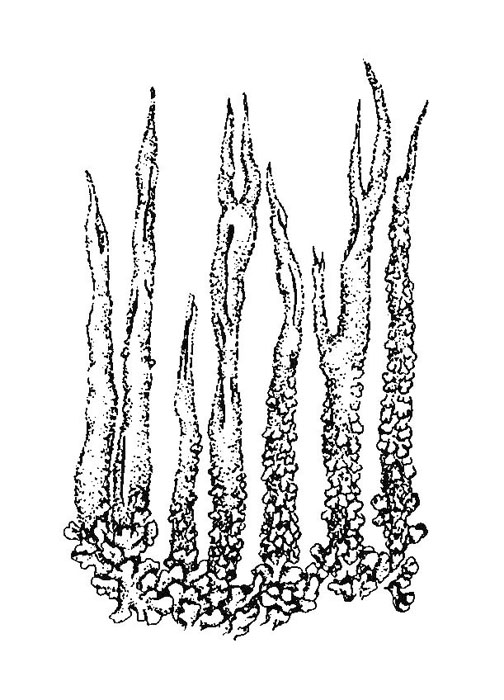
Triin Aimla; Owner: University of Tartu
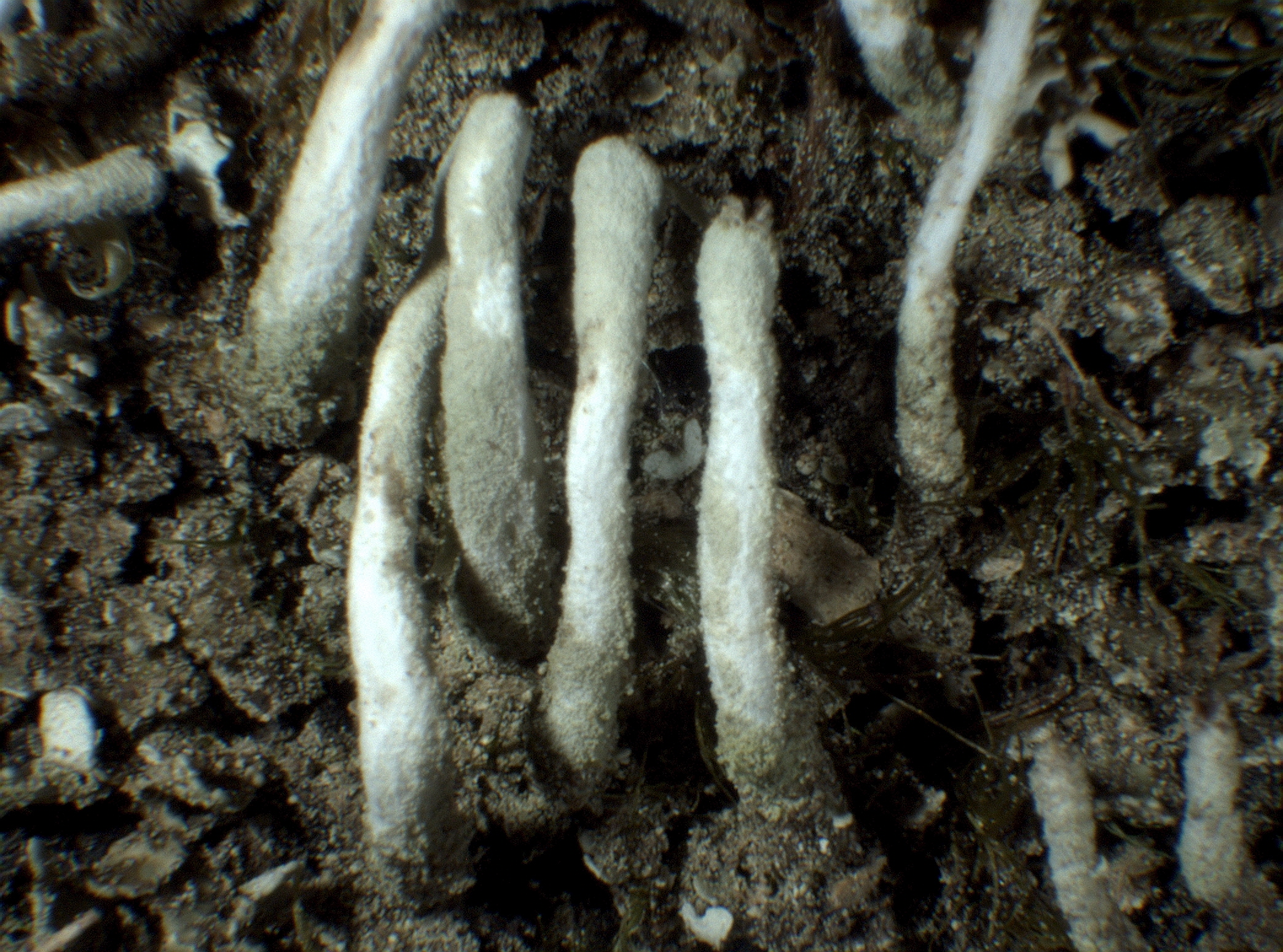
P.L.Nimis; Owner: Department of Life Sciences, University of Trieste
Herbarium: TSB (36961)
2008.02.28

Gabriele Gheza - https://lichenidilombardia.home.blog
Italy, Trentino-Alto Adige, Trento, Tuenno, 1290 m
6.2017