
Cladonia amaurocraea (Flörke) Schaer.
Lich. Helv. Spicil., 1: 34, 1823. Basionym: Capitularia amaurocraea Flörke in Weber & Mohr - Beitr. Naturk., 2: 334, 1810.
Synonyms:
Description: Primary thallus ephemeral and rarely seen, of small, crenate to incised, up to 1.5 mm broad and long squamules. Podetia hollow inside, yellowish green to yellowish grey, non-squamulose, to 12(-15) cm tall and up to 1.5(-3) mm thick, not melanotic at base, more or less anisotomic dichotomously branched, often forming large tufts, the tips of branchlets often brownish, pointed or terminating in narrow cups which flare rapidly, the cups perforate or closed, often with thorn-like brownish lateral projections. Axils mostly closed, more rarely slightly perforated; internal surface of podetia striated. Apothecia rare, brown to yellowish brown, convex. Asci 8-spored, clavate, thickened at apex, with a K/I+ blue tholus and a K/I+ strongly blue outer gelatinous sheath, Cladonia-type. Ascospores 1-celled, hyaline, ellipsoid. Pycnidia dark, semi-immersed in the tips of podetia or along the margins of cups; pycnidial jelly colourless. Conidia hyaline, curved, rarely cylindrical. Photobiont chlorococcoid. Spot tests: K-, C-, KC+ yellowish, P-, UV-. Chemistry: usnic, barbatic and 4-0-demethylbarbatic acids.
Growth form: Fruticose
Substrata: soil, terricolous mosses, and plant debris
Photobiont: green algae other than Trentepohlia
Reproductive strategy: mainly sexual
Commonnes-rarity: (info)
Alpine belt: rare
Subalpine belt: rather rare
Montane belt: absent
Dry submediterranean belt: absent
Humid submediterranean belt: absent
Padanian area: absent
pH of the substrata:
1 2 3 4 5

Solar irradiation:
1 2 3 4 5
Aridity:
1 2 3 4 5
Eutrophication:
1 2 3 4 5
Poleotolerance:
0 1 2 3
Altitudinal distribution:
1 2 3 4 5 6
Rarity
absent
extremely rare
very rare
rare
rather rare
rather common
common
very common
extremely common
Loading data...
Occurrence data
Predictive map
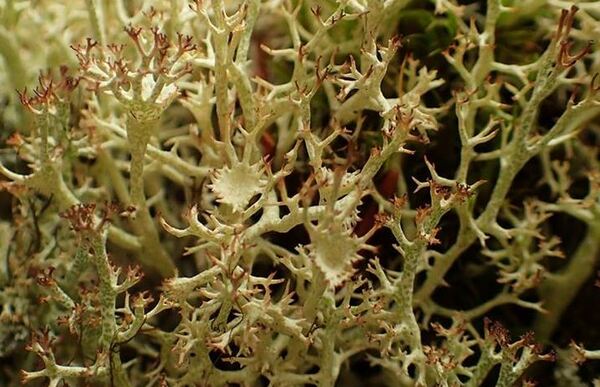
Curtis Randall Björk - CC BY-SA 4.0
Canada, British Columbia
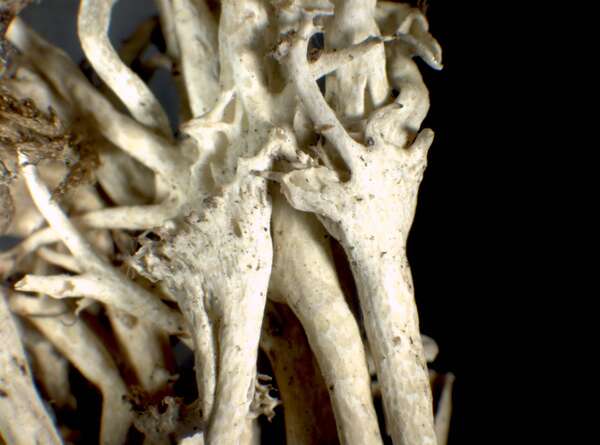
P.L. Nimis; Owner: Department of Life Sciences, University of Trieste
Herbarium: TSB (2354)
2001/12/24
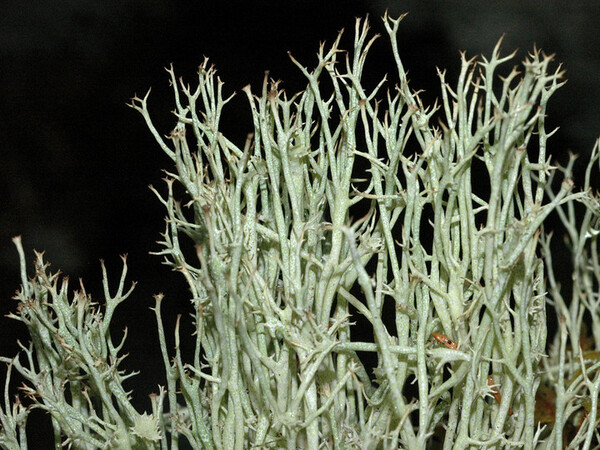
Leif Stridvall - Source: http://www.stridvall.se/la/galleries.php
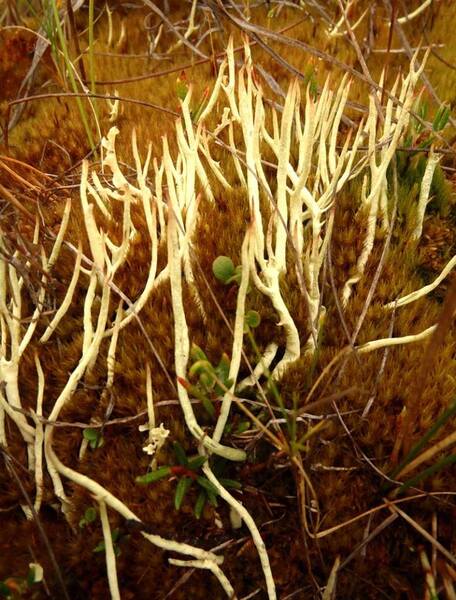
Curtis Randall Björk – CC BY-SA 4.0
Corageous Lake, Northwest Territories, Canada
08.2011
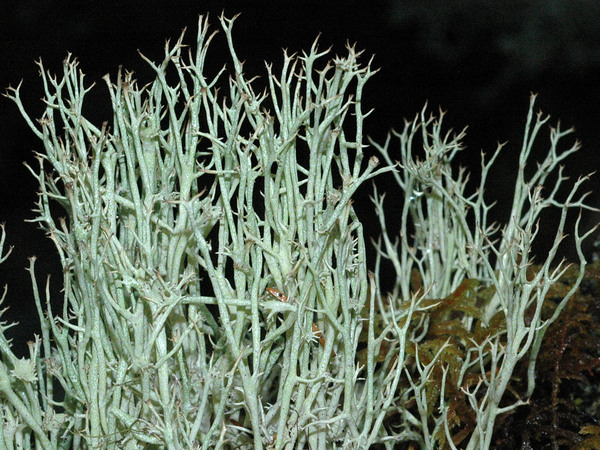
Leif Stridvall
Courtesy: Anita Stridvall -Source: http://www.stridvall.se/lichens/gallery/
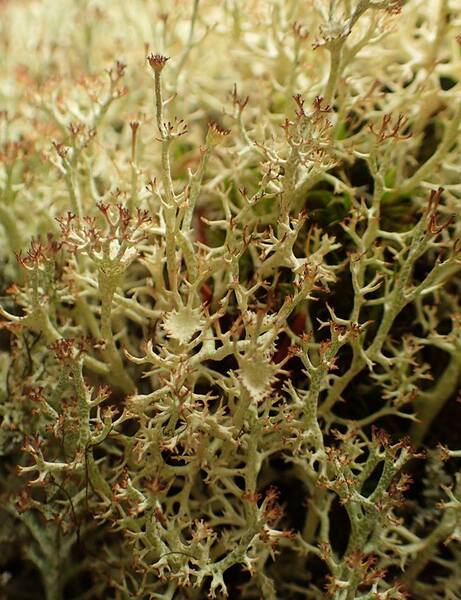
Curtis Randall Björk, - CC BY-SA 4.0
British Columbia, Canada
05.10.2018
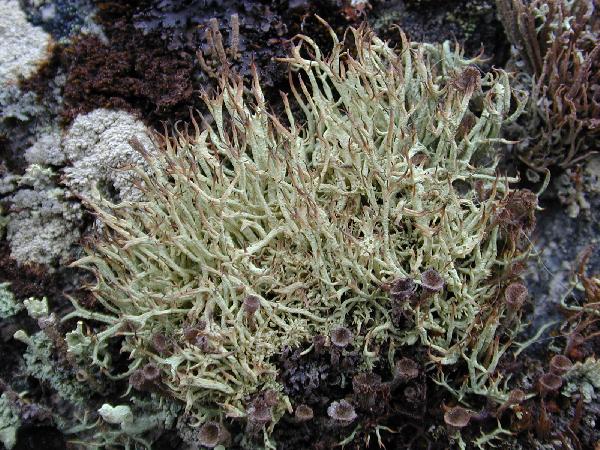
Wolfgang von Brackel - CC BY-4.0
Greenland, Qanassiassat
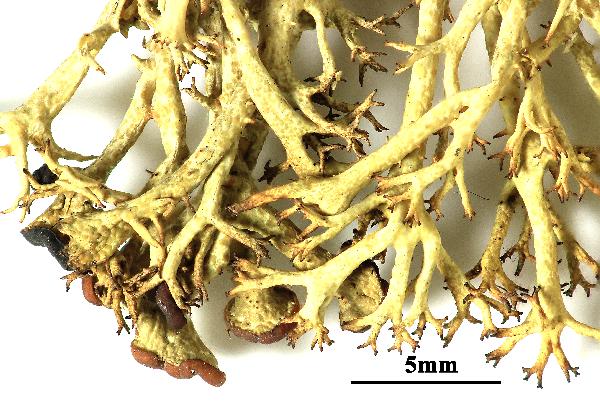
Felix Schumm - CC BY 4.0
[VZ1461], Suecia. Värmland, Bogen, in occidente lacus Lomsen, 275
m. Ad terram in saxis.Leg. S. W. Sundell (9817), 30.7.1974. EX A.
VEZDA LICHENES SELECTI EXSICCATI NR. 1461
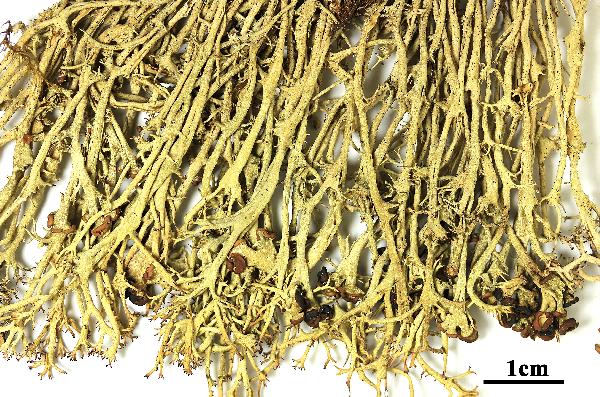
Felix Schumm - CC BY 4.0
[VZ1461], Suecia. Värmland, Bogen, in occidente lacus Lomsen, 275
m. Ad terram in saxis.Leg. S. W. Sundell (9817), 30.7.1974. EX A.
VEZDA LICHENES SELECTI EXSICCATI NR. 1461
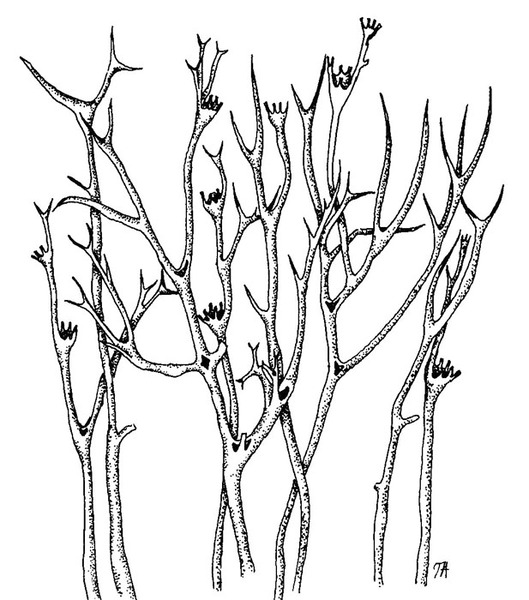
Triin Aimla; Owner: University of Tartu
Growth form: Fruticose
Substrata: soil, terricolous mosses, and plant debris
Photobiont: green algae other than Trentepohlia
Reproductive strategy: mainly sexual
Commonnes-rarity: (info)
Alpine belt: rare
Subalpine belt: rather rare
Montane belt: absent
Dry submediterranean belt: absent
Humid submediterranean belt: absent
Padanian area: absent
pH of the substrata:
| 1 | 2 | 3 | 4 | 5 |
Solar irradiation:
| 1 | 2 | 3 | 4 | 5 |
Aridity:
| 1 | 2 | 3 | 4 | 5 |
Eutrophication:
| 1 | 2 | 3 | 4 | 5 |
Poleotolerance:
| 0 | 1 | 2 | 3 |
Altitudinal distribution:
| 1 | 2 | 3 | 4 | 5 | 6 |
Rarity
absent
extremely rare
very rare
rare
rather rare
rather common
common
very common
extremely common
Loading data...
Occurrence data
Predictive map
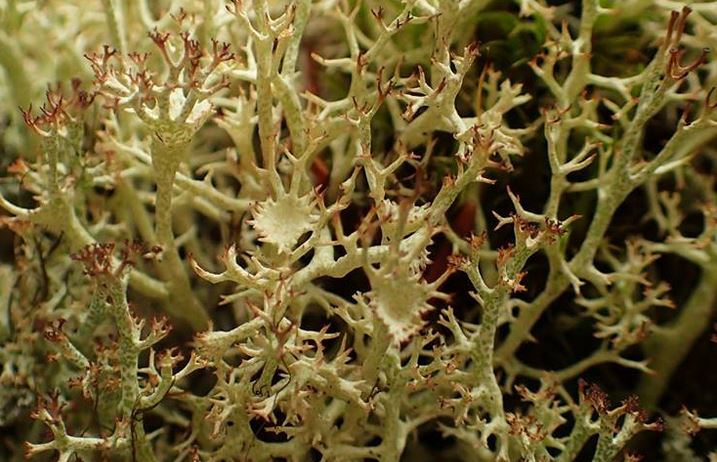
Curtis Randall Björk - CC BY-SA 4.0
Canada, British Columbia
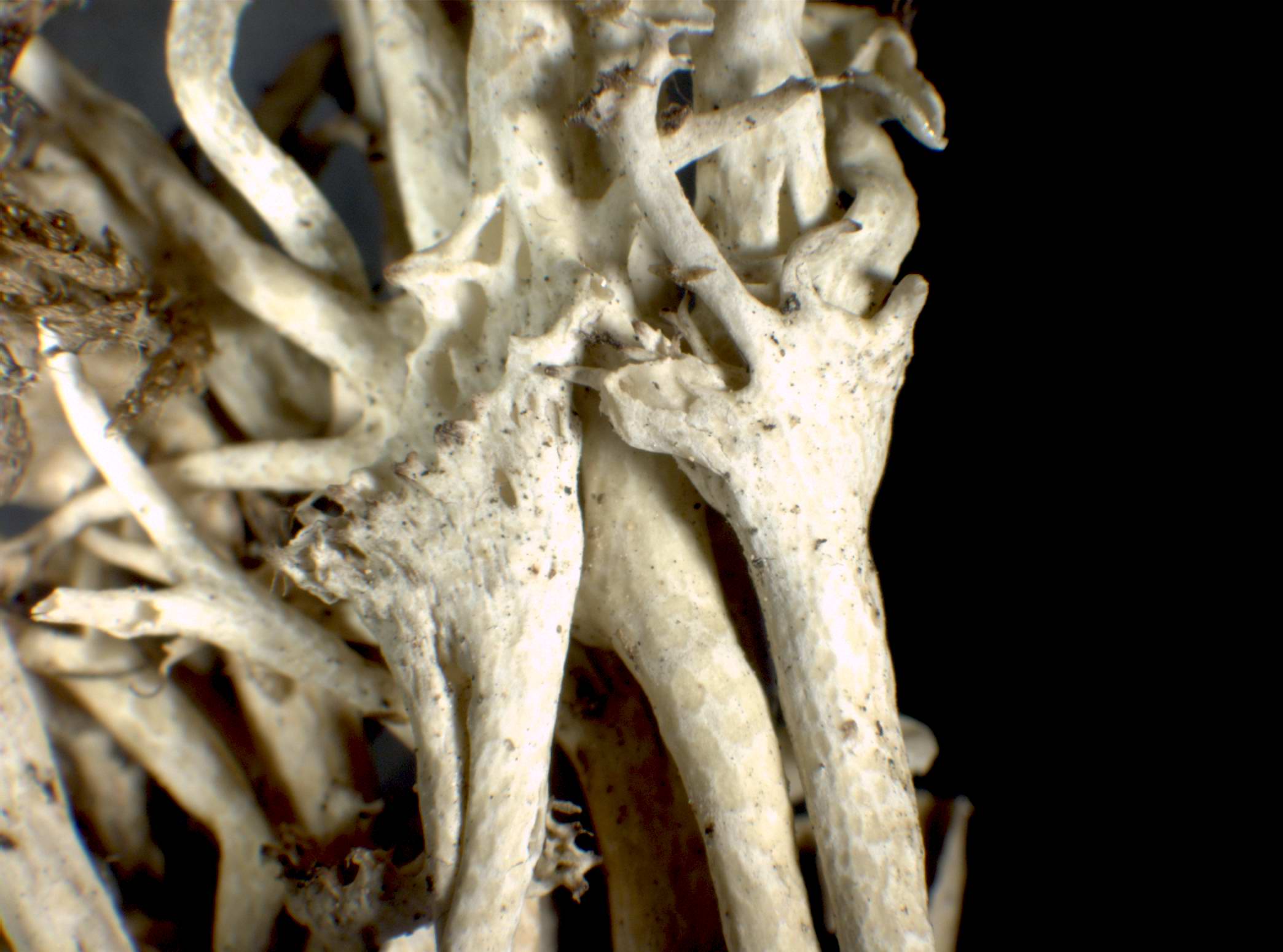
P.L. Nimis; Owner: Department of Life Sciences, University of Trieste
Herbarium: TSB (2354)
2001/12/24
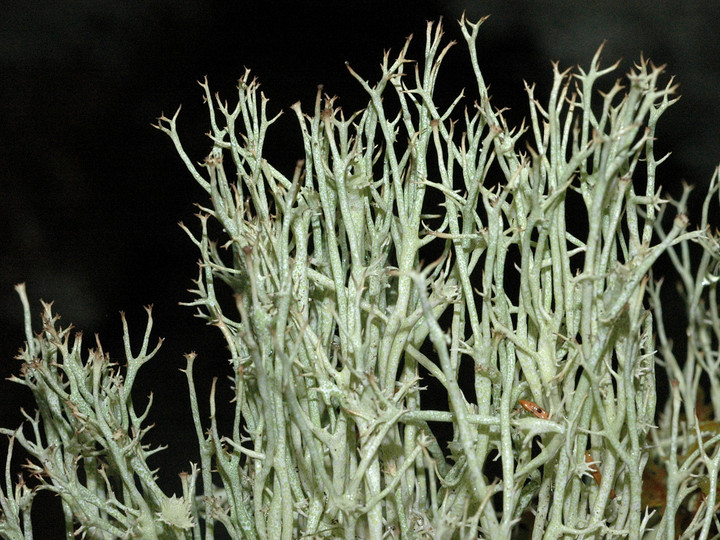
Leif Stridvall - Source: http://www.stridvall.se/la/galleries.php
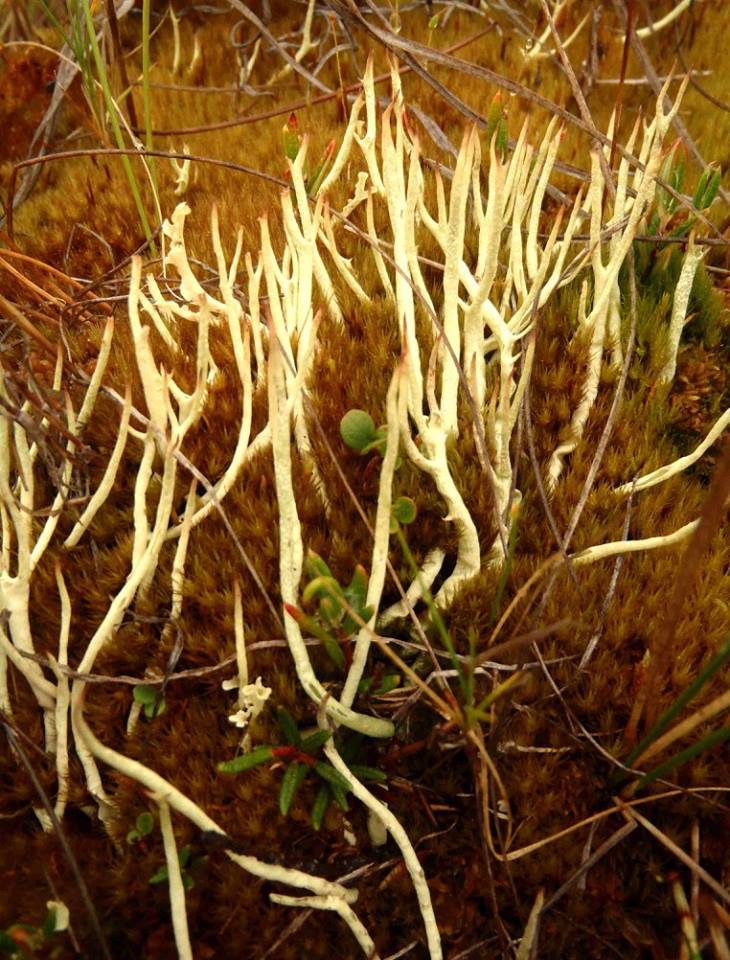
Curtis Randall Björk – CC BY-SA 4.0
Corageous Lake, Northwest Territories, Canada
08.2011
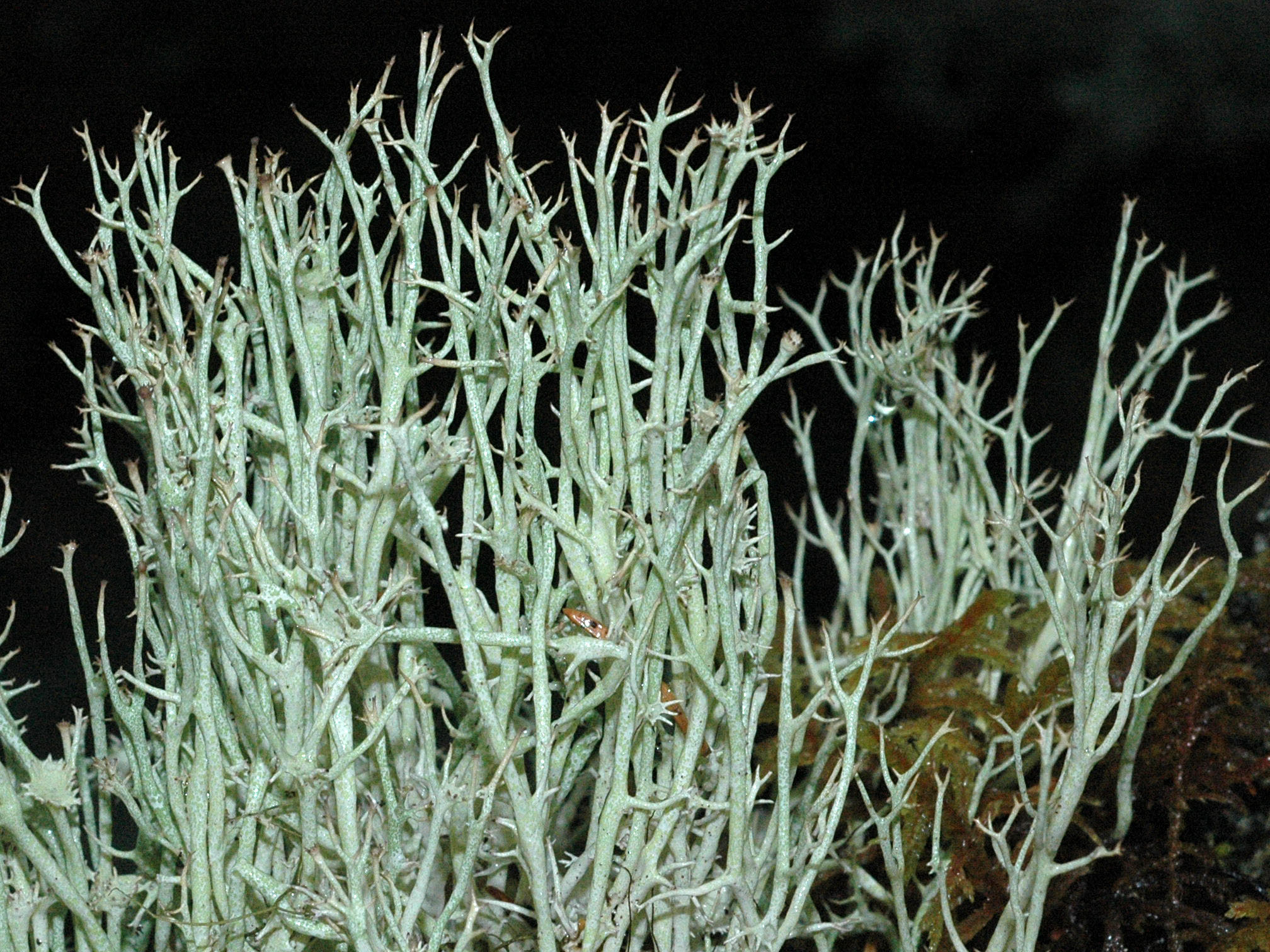
Leif Stridvall
Courtesy: Anita Stridvall -Source: http://www.stridvall.se/lichens/gallery/

Curtis Randall Björk, - CC BY-SA 4.0
British Columbia, Canada
05.10.2018

Wolfgang von Brackel - CC BY-4.0
Greenland, Qanassiassat
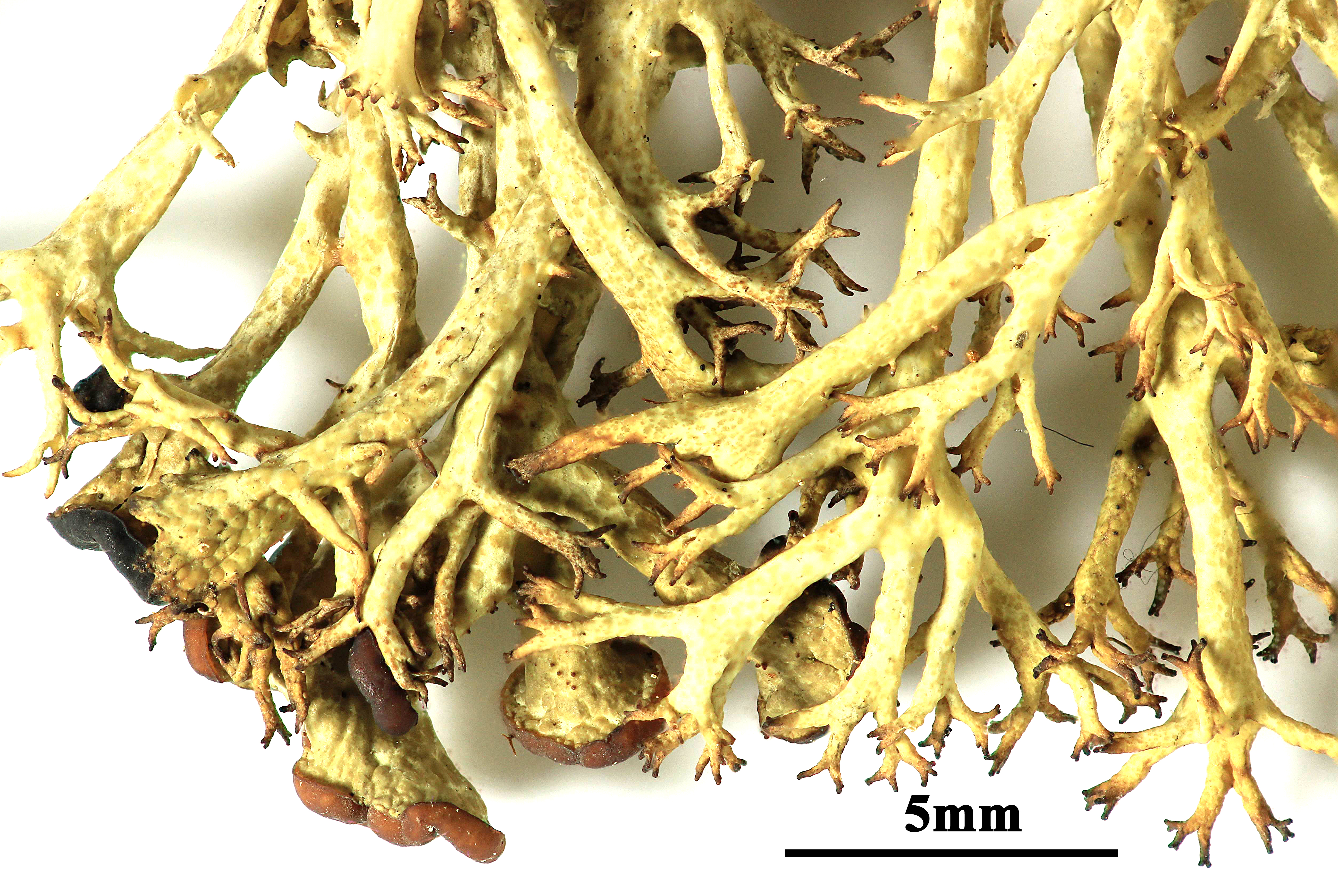
Felix Schumm - CC BY 4.0
[VZ1461], Suecia. Värmland, Bogen, in occidente lacus Lomsen, 275 m. Ad terram in saxis.Leg. S. W. Sundell (9817), 30.7.1974. EX A. VEZDA LICHENES SELECTI EXSICCATI NR. 1461

Felix Schumm - CC BY 4.0
[VZ1461], Suecia. Värmland, Bogen, in occidente lacus Lomsen, 275 m. Ad terram in saxis.Leg. S. W. Sundell (9817), 30.7.1974. EX A. VEZDA LICHENES SELECTI EXSICCATI NR. 1461








