Cladonia bacilliformis (Nyl.) Sarnth.
Österr. bot. Z., 46: 264, 1896. Basionym: Cladonia carneola var. bacilliformis Nyl. - Syn. Meth. Lich., 1, 2: 201, 1860.
Synonyms:
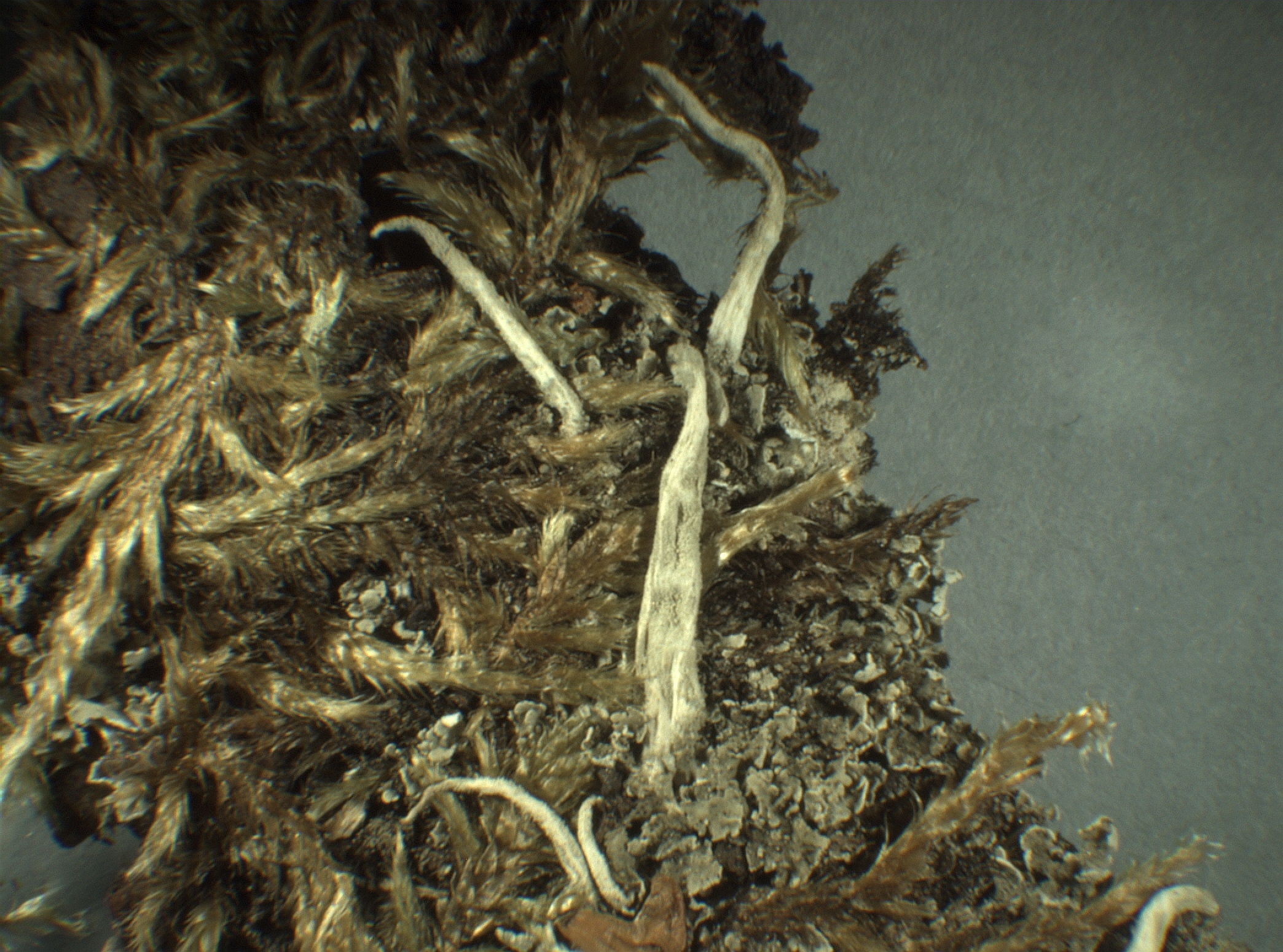
Description: Primary thallus squamulose, persistent or usually evanescent, the squamules thin, 0.2-0.3 mm wide, to 3 mm long, entire to crenate-lobate, yellowish green above, sorediate. Podetia bacilliform, bright yellowish green, (5-)10-20(-25) mm tall (usually up to 10 mm), up to 1 mm thick, simple, slightly corticate only at the base, otherwise densely farinose-sorediate, cupless or more rarely with very narrow cups. Apothecia very rare, ochraceous or very pale brown. Asci 8-spored, clavate, thickened at apex, with a K/I+ blue tholus and a K/I+ strongly blue outer gelatinous sheath, Cladonia-type. Ascospores 1-celled, hyaline, ellipsoid. Pycnidia on primary squamules or at tips of podetia, ovoid to cylindrical, with a colourless jelly. Conidia hyaline, curved. Photobiont chlorococcoid. Spot tests: K-, C-, KC+ yellow P-, UV-. Chemistry: usnic, barbatic, and 4-O-demethylbarbatic acids.
Growth form: Fruticose
Photobiont: green algae other than Trentepohlia
Reproductive strategy: mainly asexual, by soredia, or soredia-like structures (e.g. blastidia)
Commonnes-rarity: (info)
Alpine belt: absent
Subalpine belt: rare
Montane belt: extremely rare
Dry submediterranean belt: absent
Humid submediterranean belt: absent
Padanian area: absent
pH of the substrata:
1 2 3 4 5

Solar irradiation:
1 2 3 4 5
Aridity:
1 2 3 4 5
Eutrophication:
1 2 3 4 5
Poleotolerance:
0 1 2 3
Altitudinal distribution:
1 2 3 4 5 6
Rarity
absent
extremely rare
very rare
rare
rather rare
rather common
common
very common
extremely common
Loading data...
Occurrence data
Predictive map
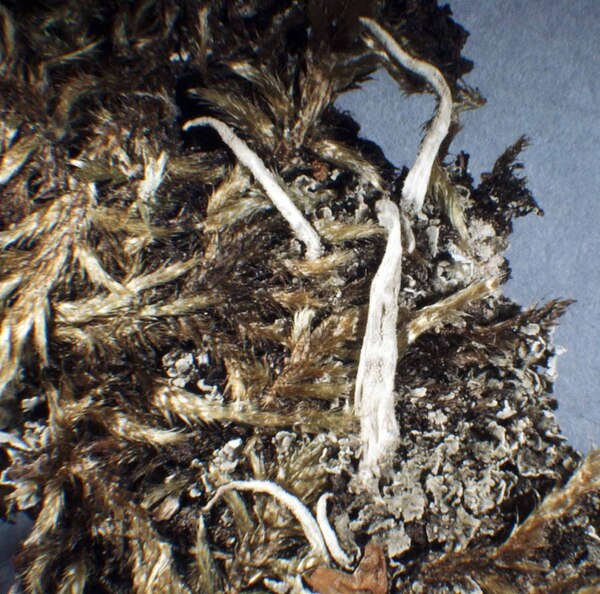
E. Pittao CC BY-SA 04
TSB 28685

P.L. Nimis CC BY-SA 4.0
TSB 28685
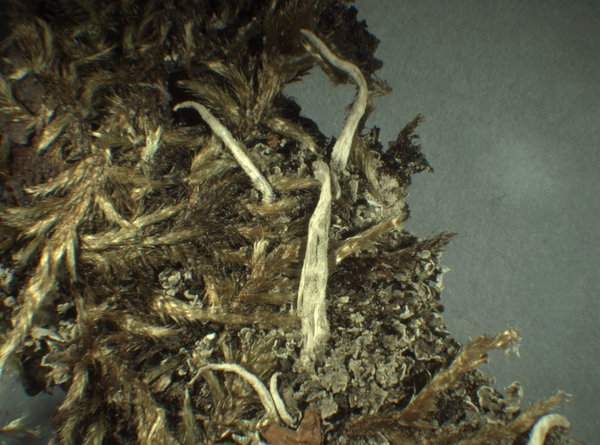
E. Pittao; Owner: Department of Life Sciences, University of Trieste
Herbarium: TSB (28685)
2008.04.02
Growth form: Fruticose
Photobiont: green algae other than Trentepohlia
Reproductive strategy: mainly asexual, by soredia, or soredia-like structures (e.g. blastidia)
Commonnes-rarity: (info)
Alpine belt: absent
Subalpine belt: rare
Montane belt: extremely rare
Dry submediterranean belt: absent
Humid submediterranean belt: absent
Padanian area: absent
pH of the substrata:
| 1 | 2 | 3 | 4 | 5 |
Solar irradiation:
| 1 | 2 | 3 | 4 | 5 |
Aridity:
| 1 | 2 | 3 | 4 | 5 |
Eutrophication:
| 1 | 2 | 3 | 4 | 5 |
Poleotolerance:
| 0 | 1 | 2 | 3 |
Altitudinal distribution:
| 1 | 2 | 3 | 4 | 5 | 6 |
Rarity
absent
extremely rare
very rare
rare
rather rare
rather common
common
very common
extremely common
Loading data...
Occurrence data
Predictive map
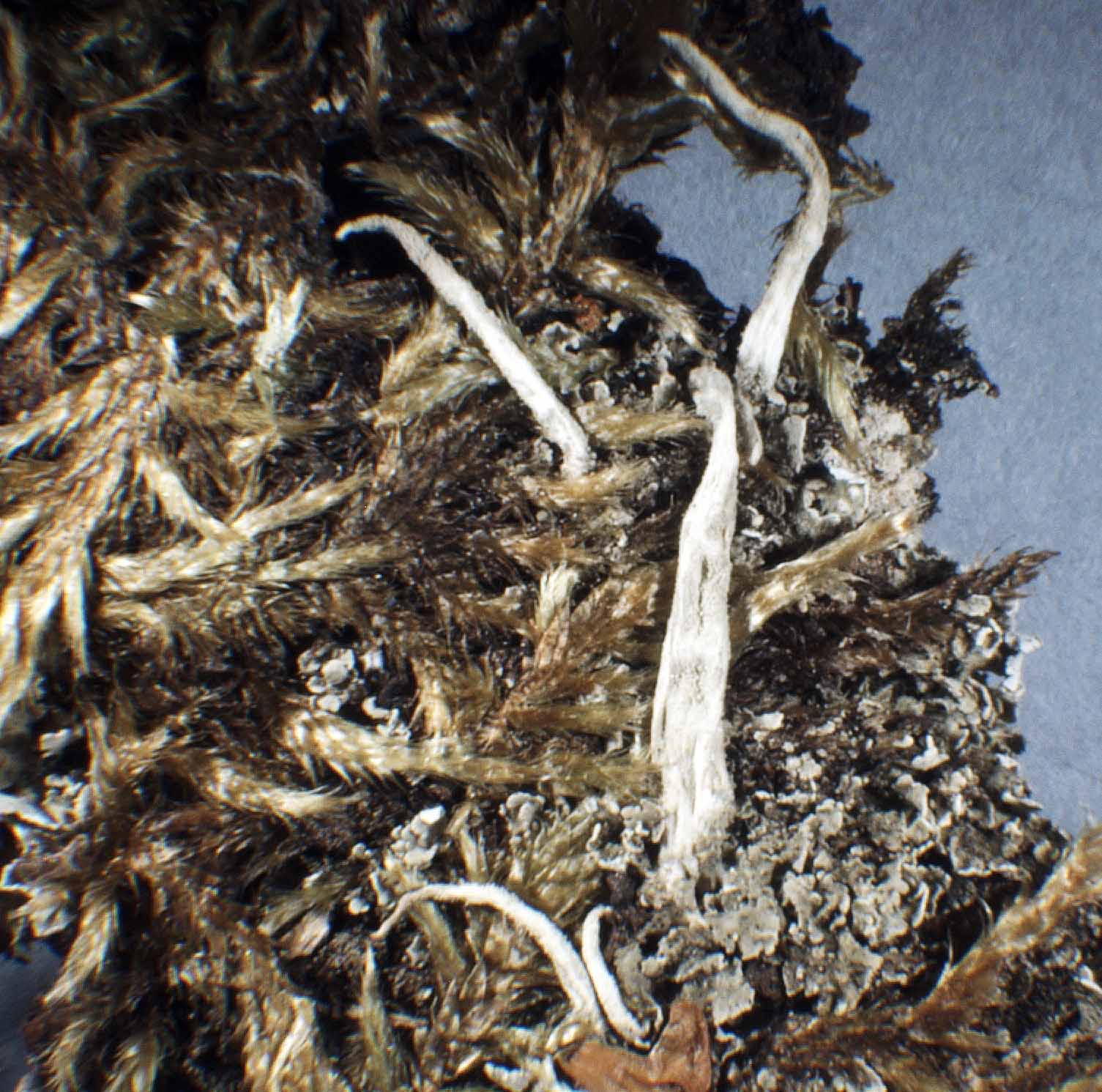
E. Pittao CC BY-SA 04
TSB 28685
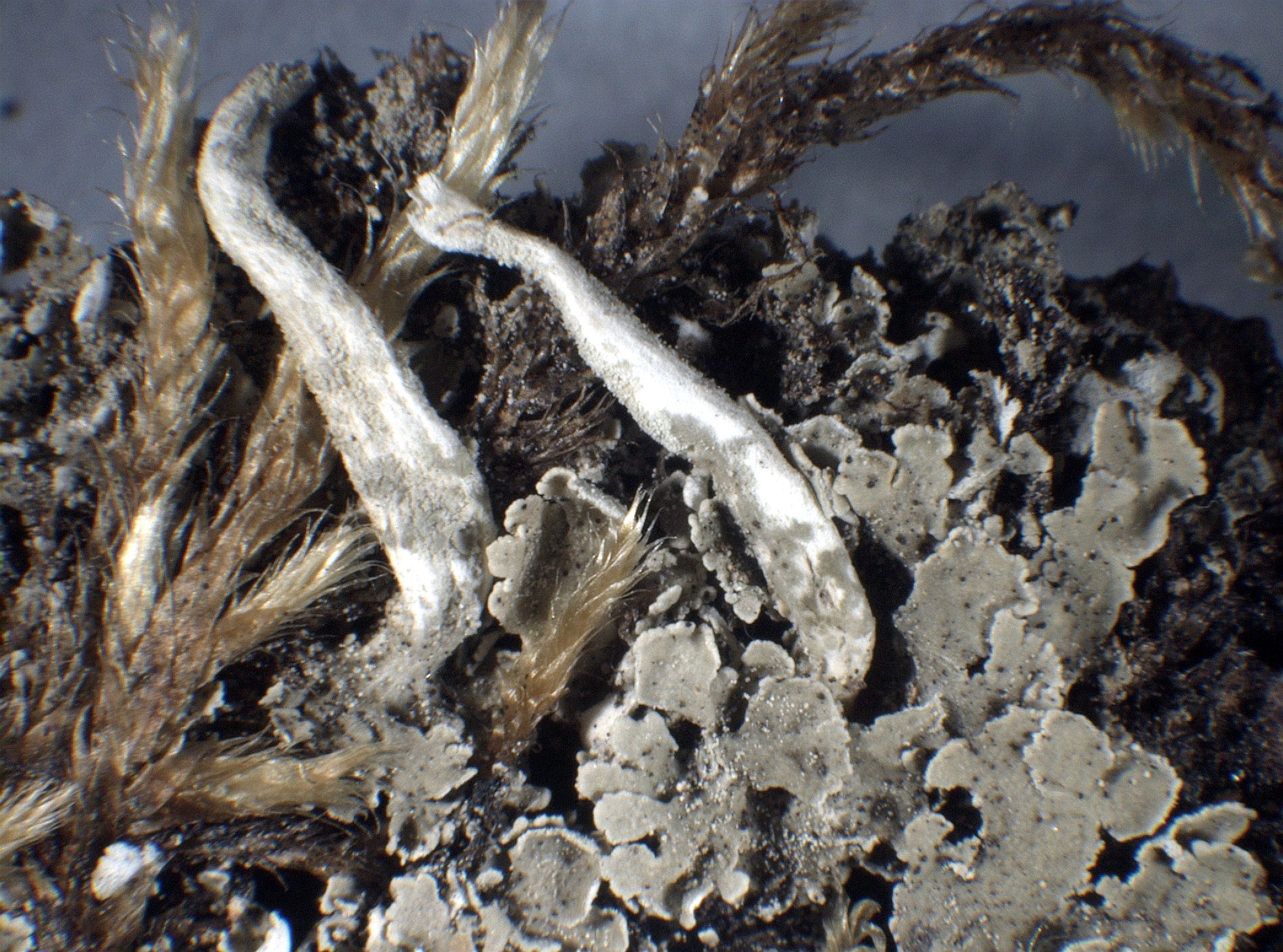
P.L. Nimis CC BY-SA 4.0
TSB 28685