Cladonia bellidiflora (Ach.) Schaer.
Lich. Helv. Spicil., 1, 1: 21, 1823. Basionym: Lichen bellidiflorus Ach. - Lichenogr. Suec. Prodr.: 194, 1799.
Synonyms:
Description: Primary thallus squamulose, the squamules persistent, 9-22 mm long, 2-4 mm wide, deeply indented, esorediate, white beneath, sometimes yellowish brown towards the base. Podetia elongate, hollow inside, grey-green to yellowish green, 2-3(-5) cm tall, up to 3 mm thick, corticate but cortex often disrupted, densely macrosquamulose also in upper parts, becoming granular or decorticate in upper parts, but never sorediate, pointed at apices or rarely with small, regular to irregular cups. Apothecia rather frequent, scarlet red, convex, developing at the margins of cups or at the tips of podetia, often clustered, the clusters up to 4 mm across. Asci 8-spored, clavate, thickened at apex, with a K/I+ blue tholus and a K/I+ strongly blue outer gelatinous sheath, Cladonia-type. Ascospores 1-celled, hyaline, ellipsoid. Pycnidia scarlet red, semi-immersed, pyriform to ovoid. Conidia hyaline, curved. Photobiont chlorococcoid. Spot tests: K-, C-, KC+ yellow, P-, UV+ white. Chemistry: usnic and squamatic acids, sometimes bellidiflorin; rhodocladonic acid in apothecia and pycnidia.
Growth form: Fruticose
Substrata: soil, terricolous mosses, and plant debris
Photobiont: green algae other than Trentepohlia
Reproductive strategy: mainly sexual
Commonnes-rarity: (info)
Alpine belt: very rare
Subalpine belt: rather rare
Montane belt: rare
Dry submediterranean belt: absent
Humid submediterranean belt: absent
Padanian area: absent
pH of the substrata:
1 2 3 4 5

Solar irradiation:
1 2 3 4 5
Aridity:
1 2 3 4 5
Eutrophication:
1 2 3 4 5
Poleotolerance:
0 1 2 3
Altitudinal distribution:
1 2 3 4 5 6
Rarity
absent
extremely rare
very rare
rare
rather rare
rather common
common
very common
extremely common
Loading data...
Occurrence data
Predictive map

Wolfgang von Brackel - CC BY-4.0
Germany, Bavaria, Büchelbach
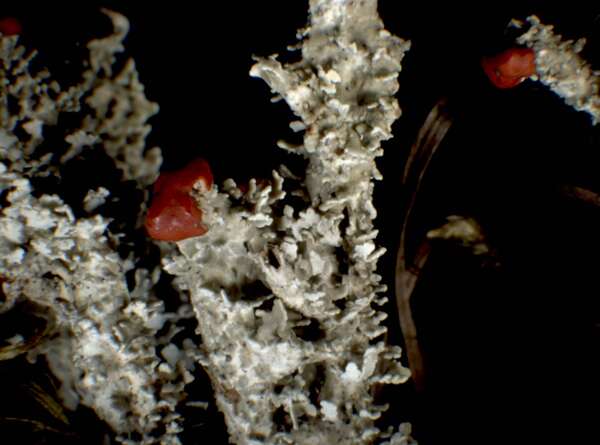
P.L. Nimis; Owner: Department of Life Sciences, University of Trieste
Herbarium: TSB (17069)
2001/12/04
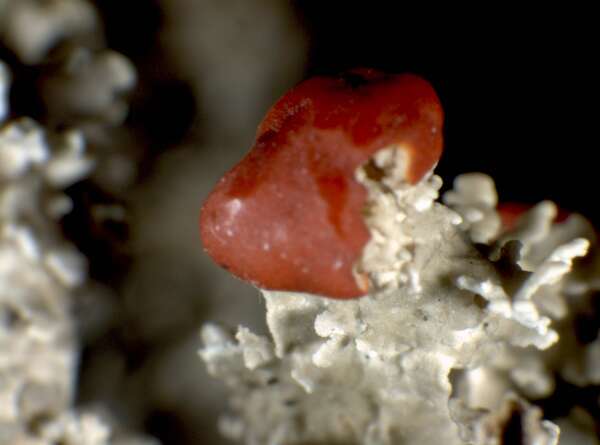
P.L. Nimis; Owner: Department of Life Sciences, University of Trieste
Herbarium: TSB (17069)
2001/12/04
detail of apothecium
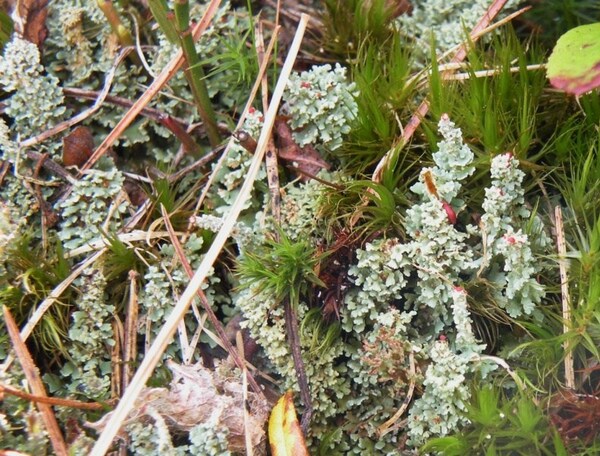
Gabriele Gheza, Tromello (PV); Owner: Gabriele Gheza, Tromello (PV)
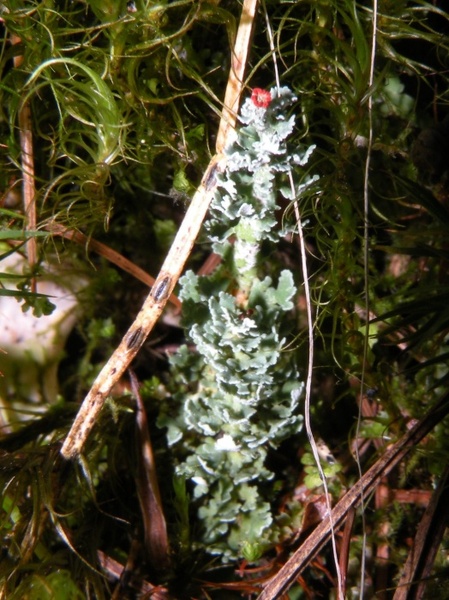
Gabriele Gheza, Tromello (PV); Owner: Gabriele Gheza, Tromello (PV)
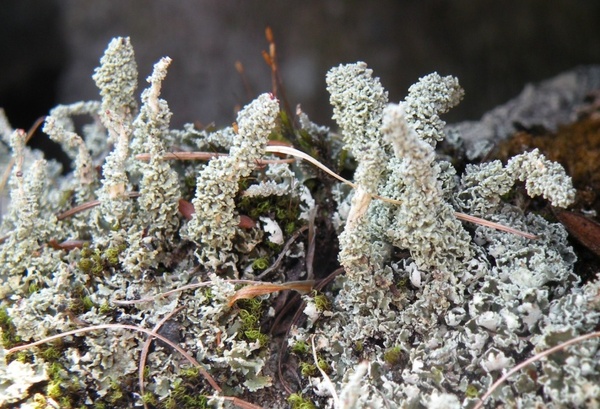
Gabriele Gheza, Tromello (PV); Owner: Gabriele Gheza, Tromello (PV)
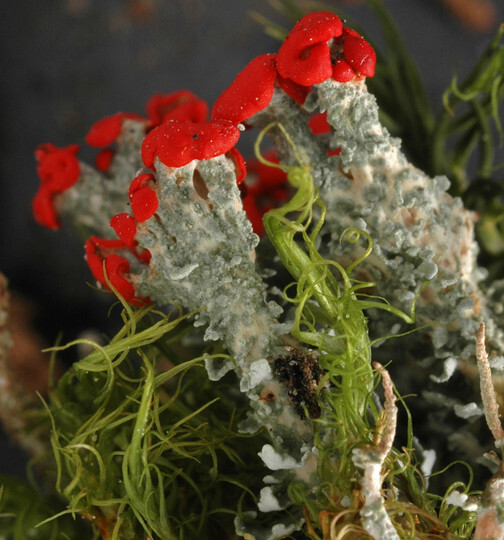
Leif Stridvall - Source: http://www.stridvall.se/la/galleries.php
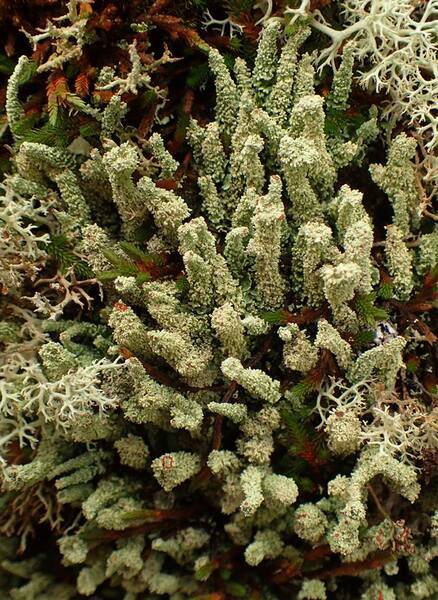
Curtis Randall Björk, - CC BY-SA 4.0
Ballenas Island, British Columbia, Canada
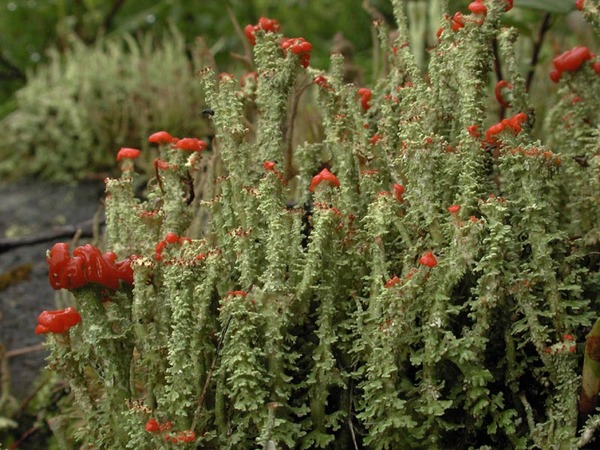
Einar Timdal - Source: http://nhm2.uio.no/lav/web/index.html - CC BY-NC
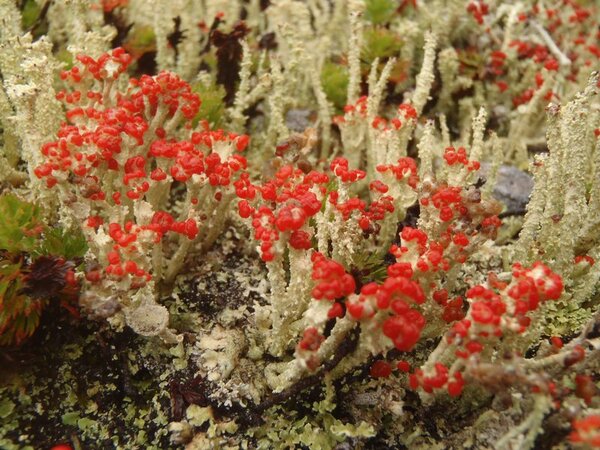
Curtis Randall Björk – CC BY-SA 4.0
British Columbia, Boundary Ranges 2012-09-04 Subalpine heath
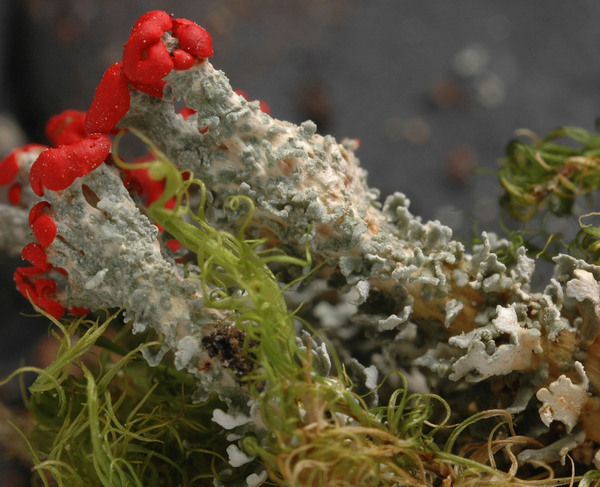
Leif Stridvall
Courtesy: Anita Stridvall -Source: http://www.stridvall.se/lichens/gallery/
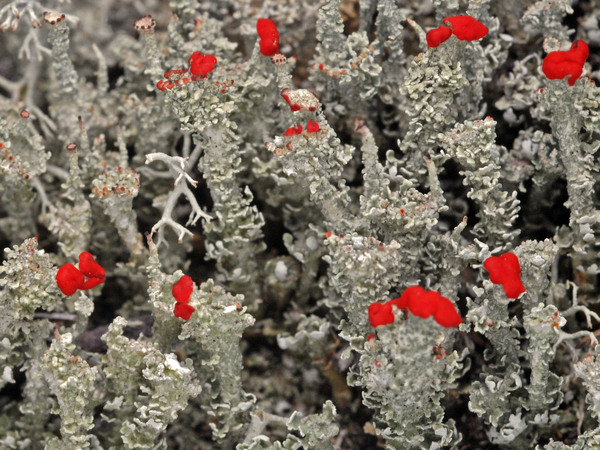
Leif Stridvall
Courtesy: Anita Stridvall -Source: http://www.stridvall.se/lichens/gallery/
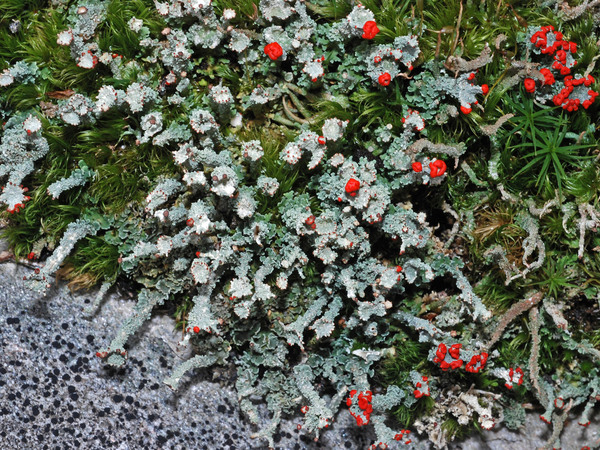
Leif Stridvall
Courtesy: Anita Stridvall -Source: http://www.stridvall.se/lichens/gallery/
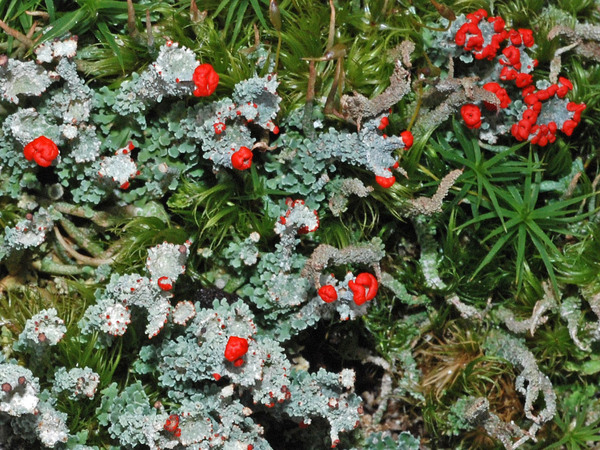
Leif Stridvall
Courtesy: Anita Stridvall -Source: http://www.stridvall.se/lichens/gallery/
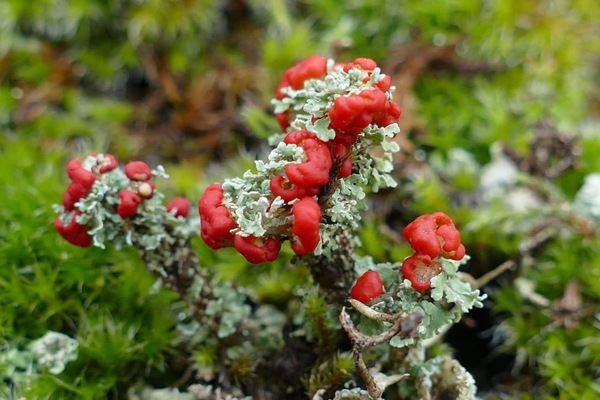
Nere Sorrentino
Spain, Galicia, Pontevedra
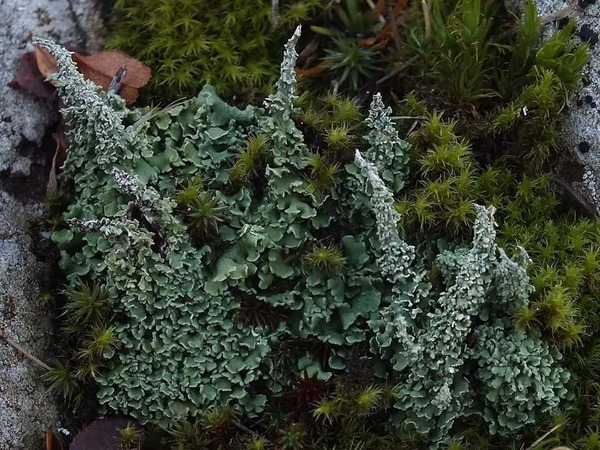
Giulio Pandeli
Italy, Toscana, Provincia di Pistoia
29/10/2020
ISOTYPE
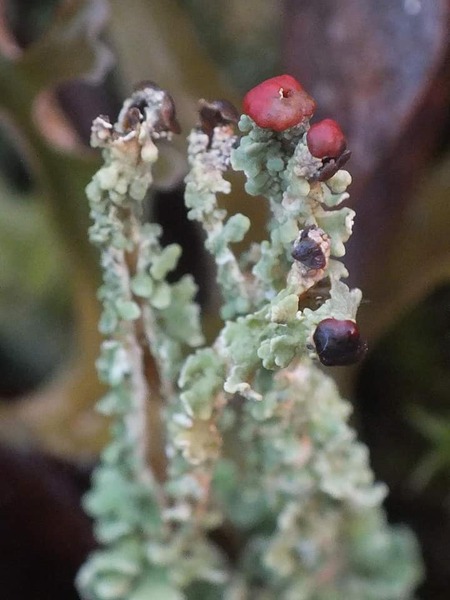
Giulio Pandeli
Italy, Toscana, Provincia di Pistoia
29/10/2020
ISOTYPE
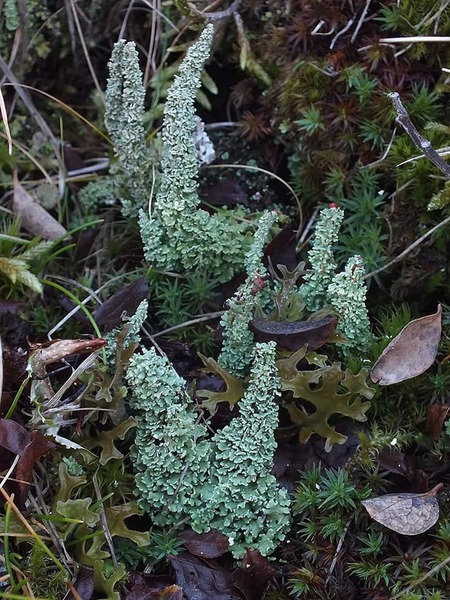
Giulio Pandeli
Italy, Toscana, Provincia di Pistoia
29/10/2020
ISOTYPE
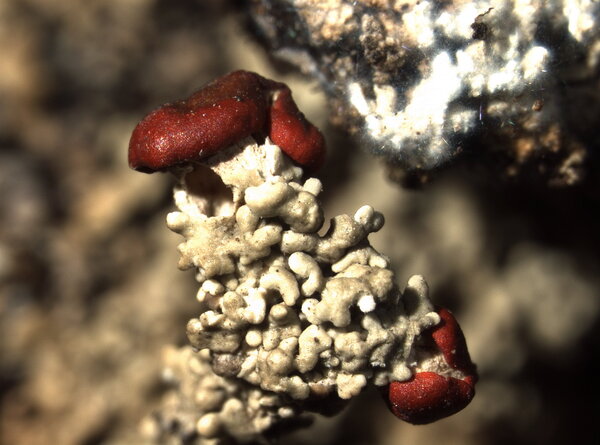
Pier Luigi Nimis CC BY-SA 4.0
TSB 37239
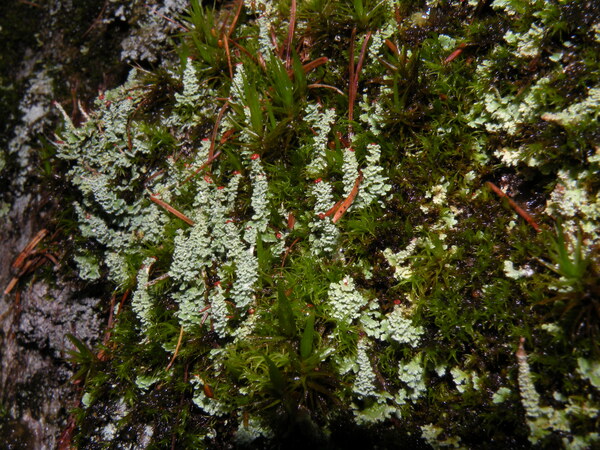
Gabriele Gheza - https://lichenidilombardia.home.blog
Italy, Trentino-Alto Adige, Trento, , San Martino di Castrozza, 1650 m
09/2013
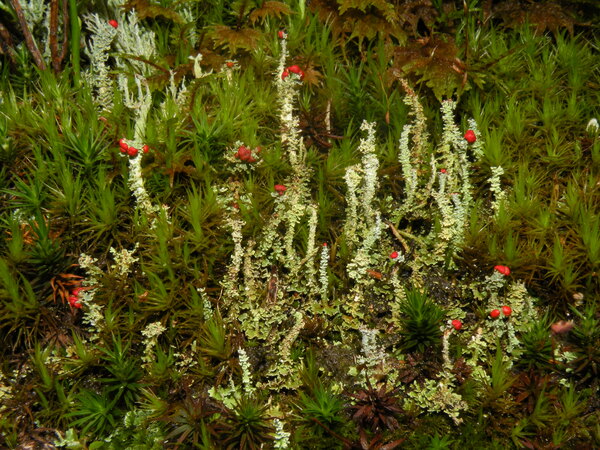
Gabriele Gheza - https://lichenidilombardia.home.blog
Italy, Trentino-Alto Adige, Trento, , San Martino di Castrozza, 1650 m
09/2013
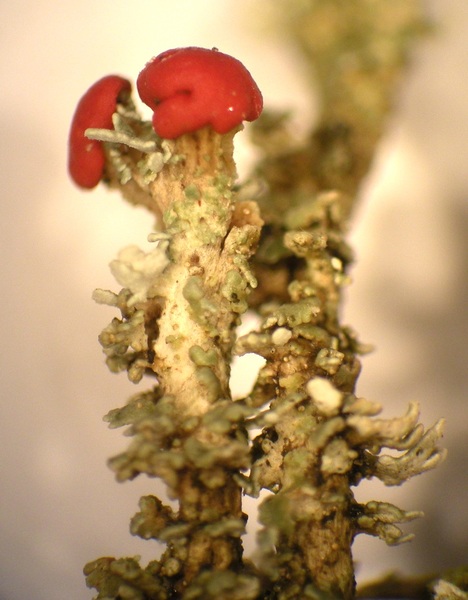
Gabriele Gheza - https://lichenidilombardia.home.blog
Italy, Trentino-Alto Adige, Trento, , San Martino di Castrozza, 1650 m
09/2013
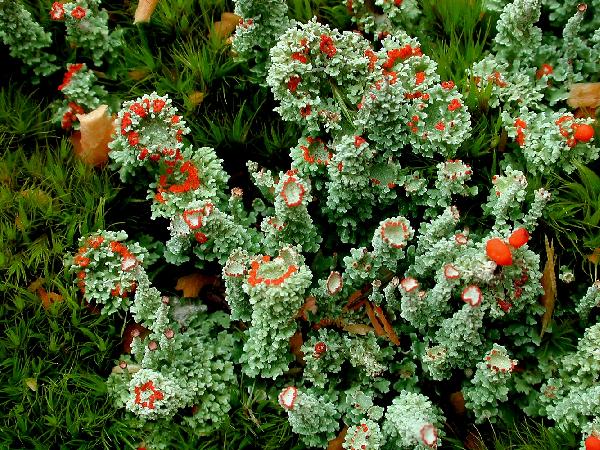
Ulrich Kirschbaum CC BY-SA 4.0 - Source: https://www.thm.de/lse/ulrich-kirschbaum/flechtenbilder
Sweden: Dalarna.

Wolfgang von Brackel - CC BY-4.0
Germany, Bavaria, Büchelbach
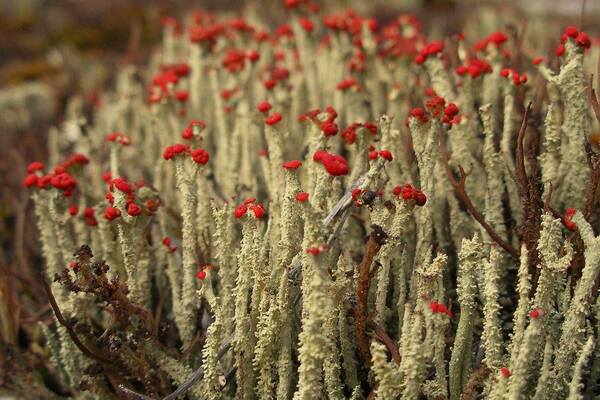
Curtis Randall Björk, - CC BY-SA 4.0
Bute, Toba and Loughborough Inlets, British Columbia, Canadaversity, Victoria, British Columbia, Canada Canada
06.2007

Wolfgang von Brackel - CC BY-4.0
Germany, Bavaria, Büchelbach

Wolfgang von Brackel - CC BY-4.0
Germany, Bavaria, Arber

Wolfgang von Brackel - CC BY-4.0
Germany, Bavaria, Arber

Wolfgang von Brackel - CC BY-4.0
Germany, Bavaria, Knöchel

Wolfgang von Brackel - CC BY-4.0
Greenland, Simiutaq
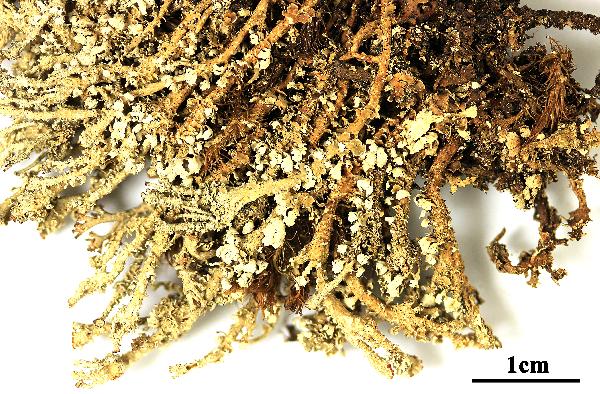
Felix Schumm - CC BY 4.0
[VZ1462], Suecia. Värmland. Nyskoga, prope Tapptjärn. Ad terram in
saxis. Leg. A. W. Sundell (9817), 9.7.1974. EX A. VEZDA LICHENES
SELECTI EXSICCATI NR. 1462.
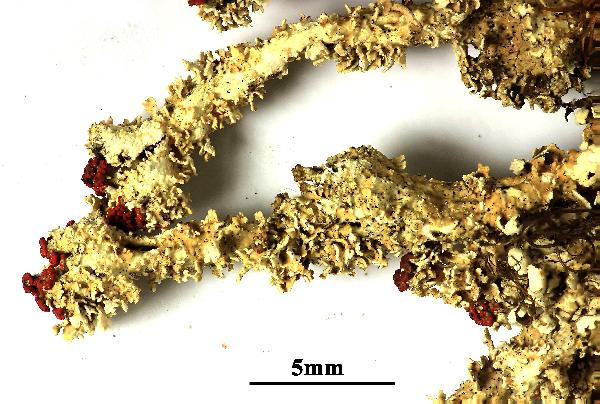
Felix Schumm - CC BY 4.0
[VZ1462], Suecia. Värmland. Nyskoga, prope Tapptjärn. Ad terram in
saxis. Leg. A. W. Sundell (9817), 9.7.1974. EX A. VEZDA LICHENES
SELECTI EXSICCATI NR. 1462.
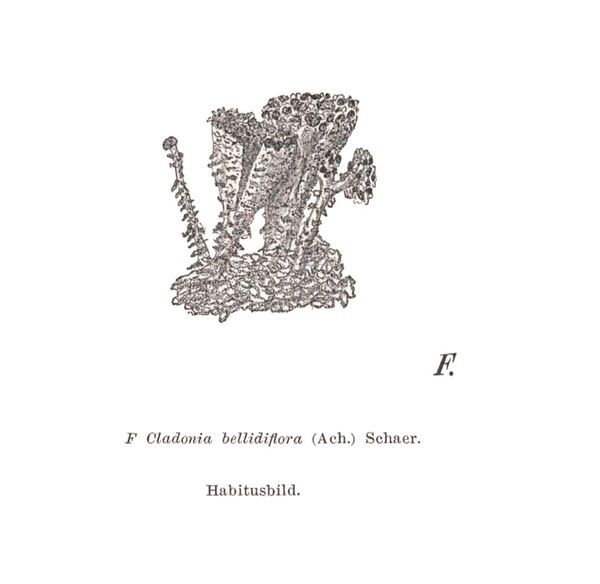
Zahlbruckner A. 1926. Lichenes (Flechten). In: Engler A. (ed.): Die natürlichen Pflanzenfamilien. 2nd ed., vol 8, W. Engelmann, Leipzig, 270 pp.
Growth form: Fruticose
Substrata: soil, terricolous mosses, and plant debris
Photobiont: green algae other than Trentepohlia
Reproductive strategy: mainly sexual
Commonnes-rarity: (info)
Alpine belt: very rare
Subalpine belt: rather rare
Montane belt: rare
Dry submediterranean belt: absent
Humid submediterranean belt: absent
Padanian area: absent
pH of the substrata:
| 1 | 2 | 3 | 4 | 5 |
Solar irradiation:
| 1 | 2 | 3 | 4 | 5 |
Aridity:
| 1 | 2 | 3 | 4 | 5 |
Eutrophication:
| 1 | 2 | 3 | 4 | 5 |
Poleotolerance:
| 0 | 1 | 2 | 3 |
Altitudinal distribution:
| 1 | 2 | 3 | 4 | 5 | 6 |
Rarity
absent
extremely rare
very rare
rare
rather rare
rather common
common
very common
extremely common
Loading data...
Occurrence data
Predictive map

Wolfgang von Brackel - CC BY-4.0
Germany, Bavaria, Büchelbach
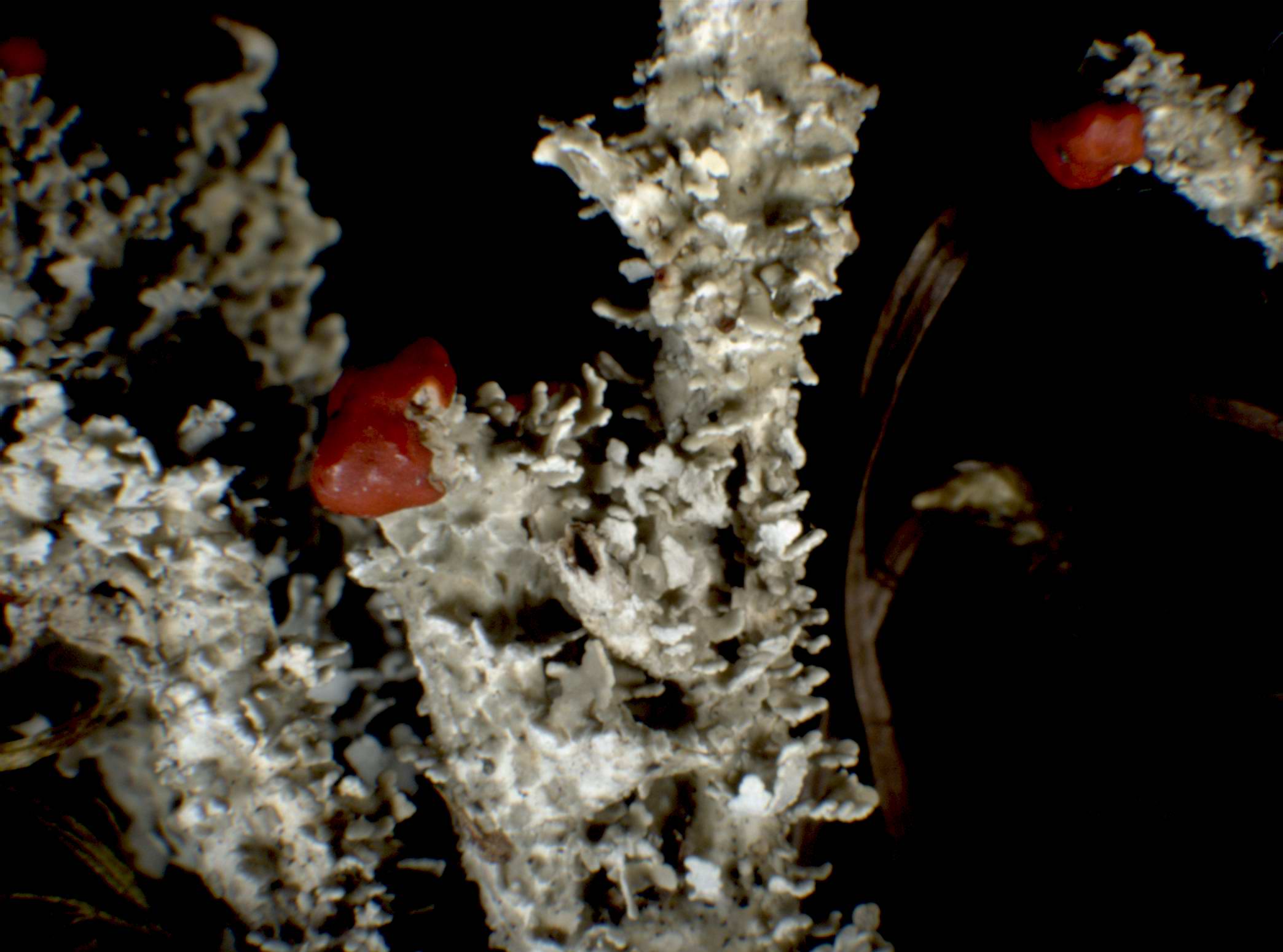
P.L. Nimis; Owner: Department of Life Sciences, University of Trieste
Herbarium: TSB (17069)
2001/12/04
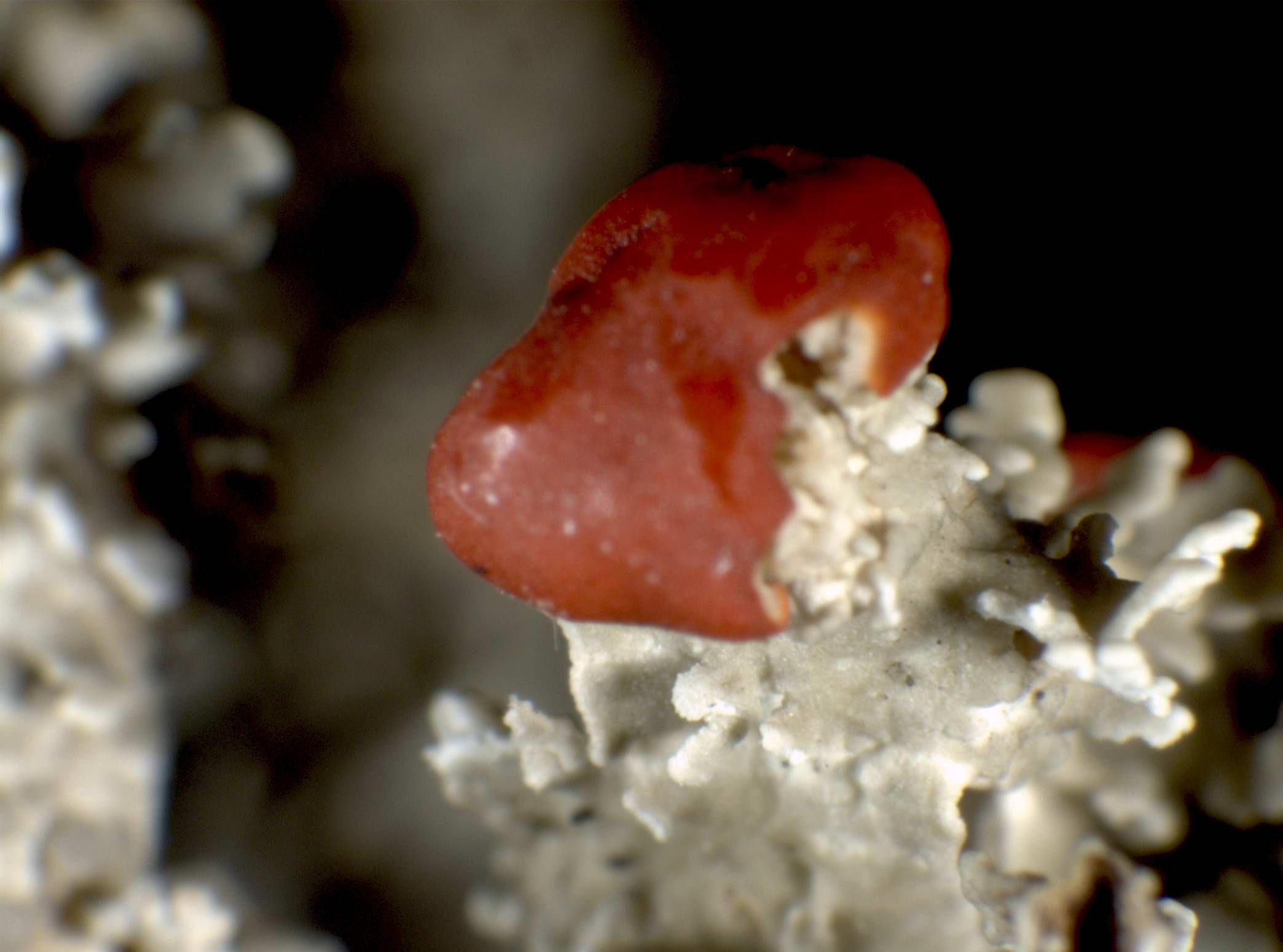
P.L. Nimis; Owner: Department of Life Sciences, University of Trieste
Herbarium: TSB (17069)
2001/12/04
detail of apothecium
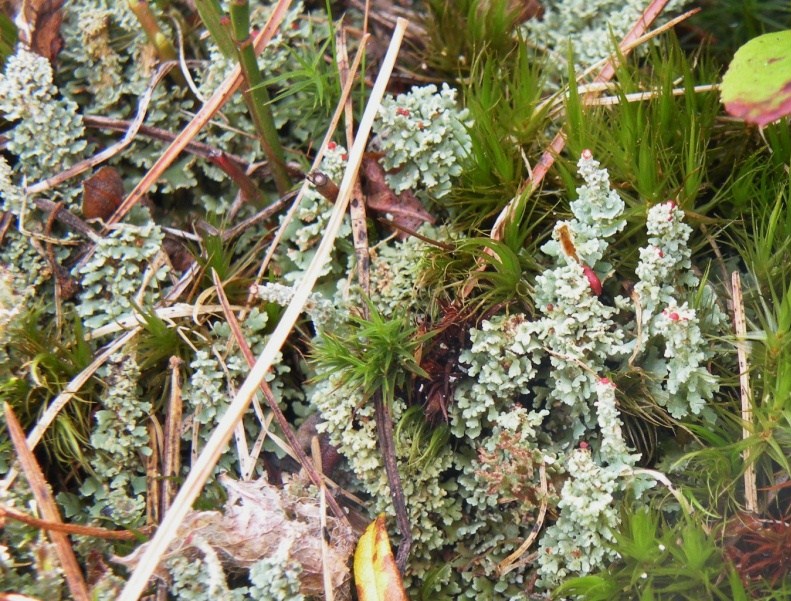
Gabriele Gheza, Tromello (PV); Owner: Gabriele Gheza, Tromello (PV)
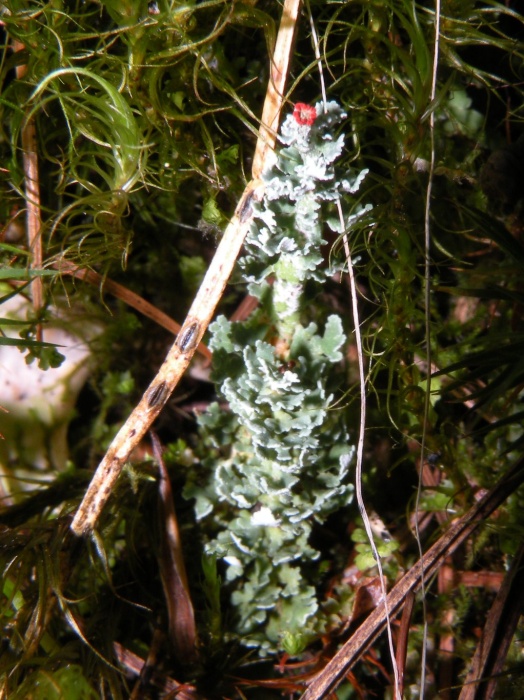
Gabriele Gheza, Tromello (PV); Owner: Gabriele Gheza, Tromello (PV)
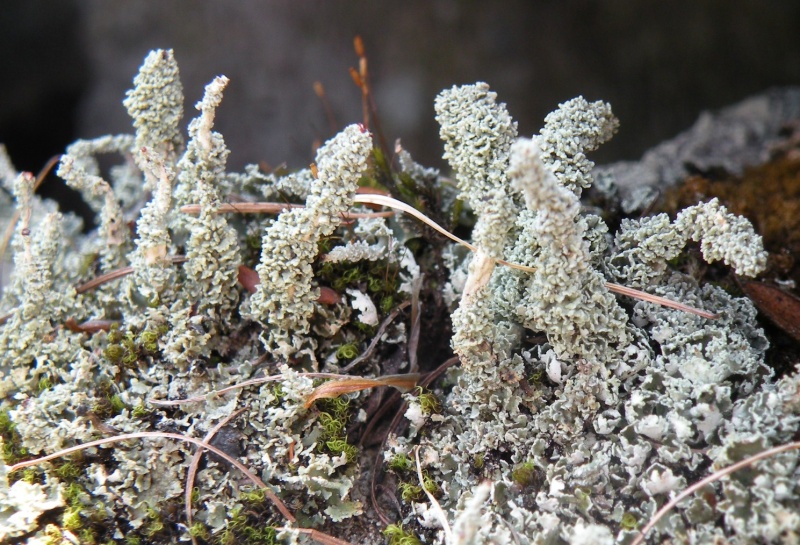
Gabriele Gheza, Tromello (PV); Owner: Gabriele Gheza, Tromello (PV)

Leif Stridvall - Source: http://www.stridvall.se/la/galleries.php
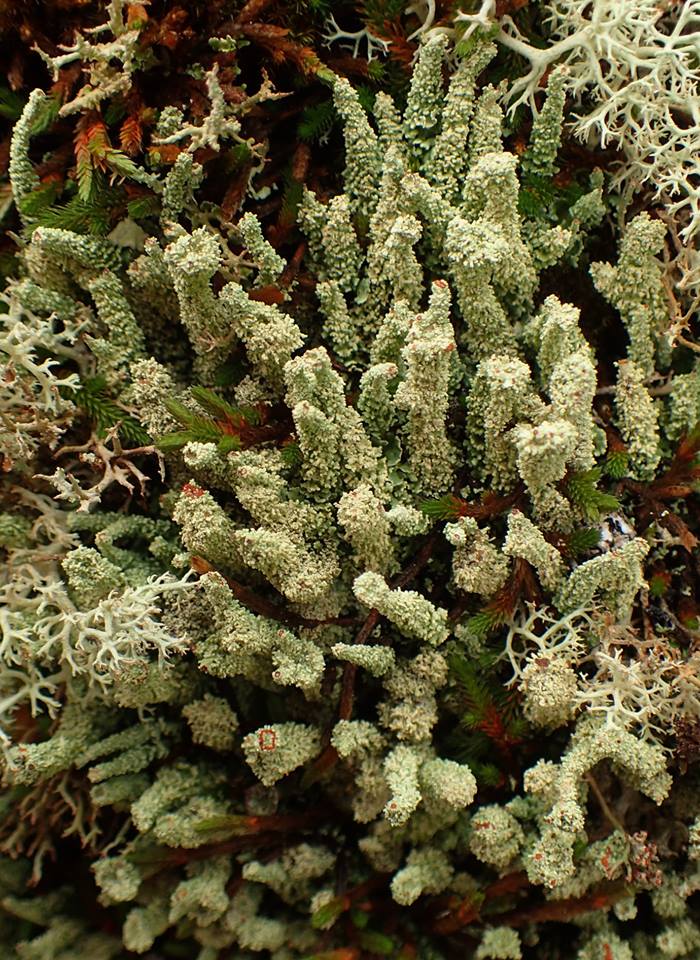
Curtis Randall Björk, - CC BY-SA 4.0
Ballenas Island, British Columbia, Canada
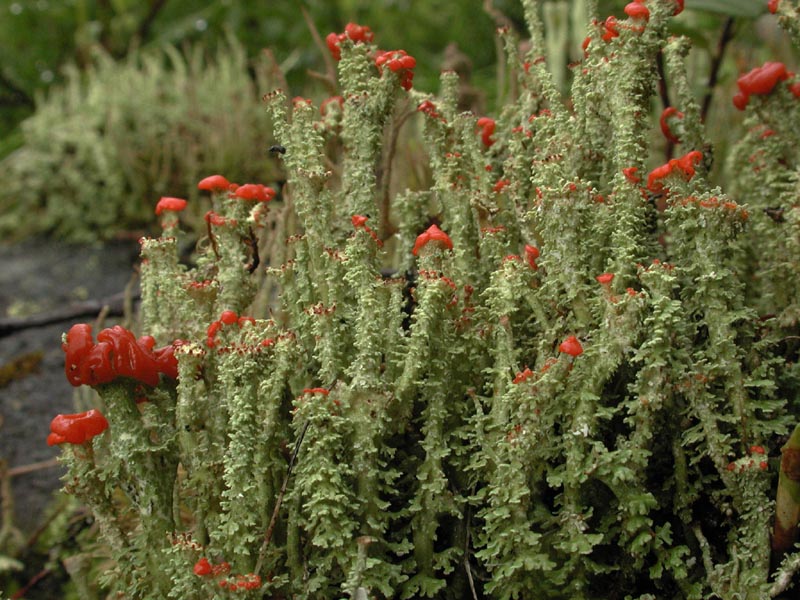
Einar Timdal - Source: http://nhm2.uio.no/lav/web/index.html - CC BY-NC
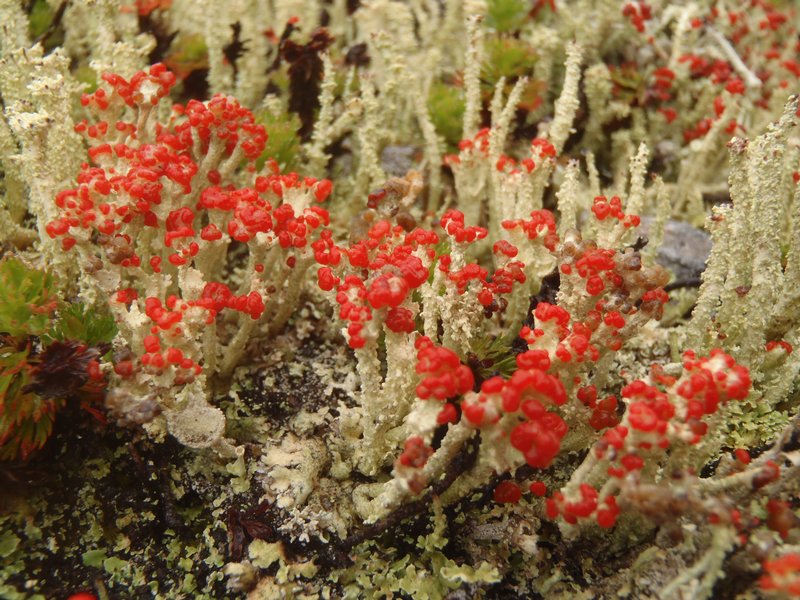
Curtis Randall Björk – CC BY-SA 4.0
British Columbia, Boundary Ranges 2012-09-04 Subalpine heath

Leif Stridvall
Courtesy: Anita Stridvall -Source: http://www.stridvall.se/lichens/gallery/
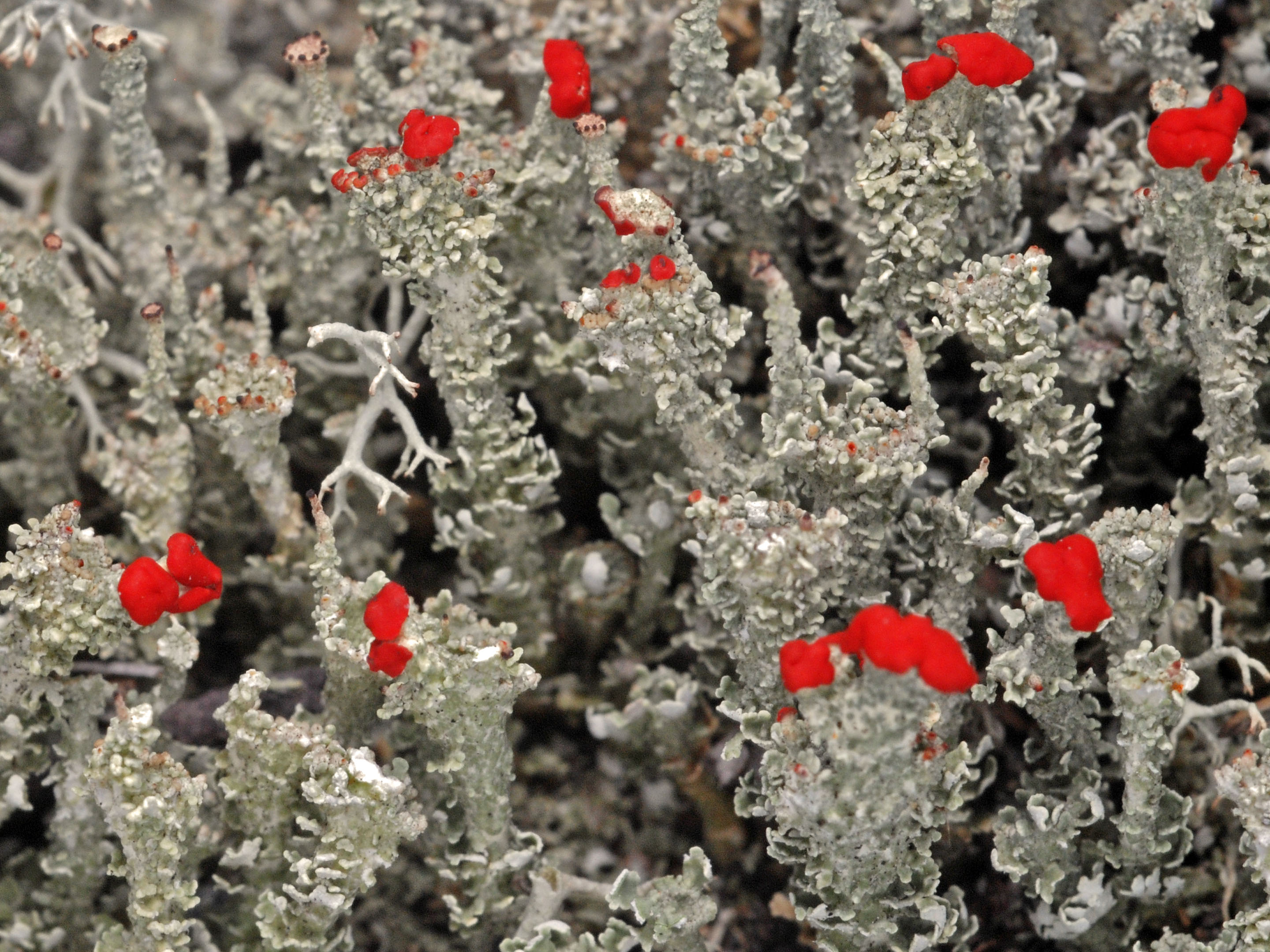
Leif Stridvall
Courtesy: Anita Stridvall -Source: http://www.stridvall.se/lichens/gallery/
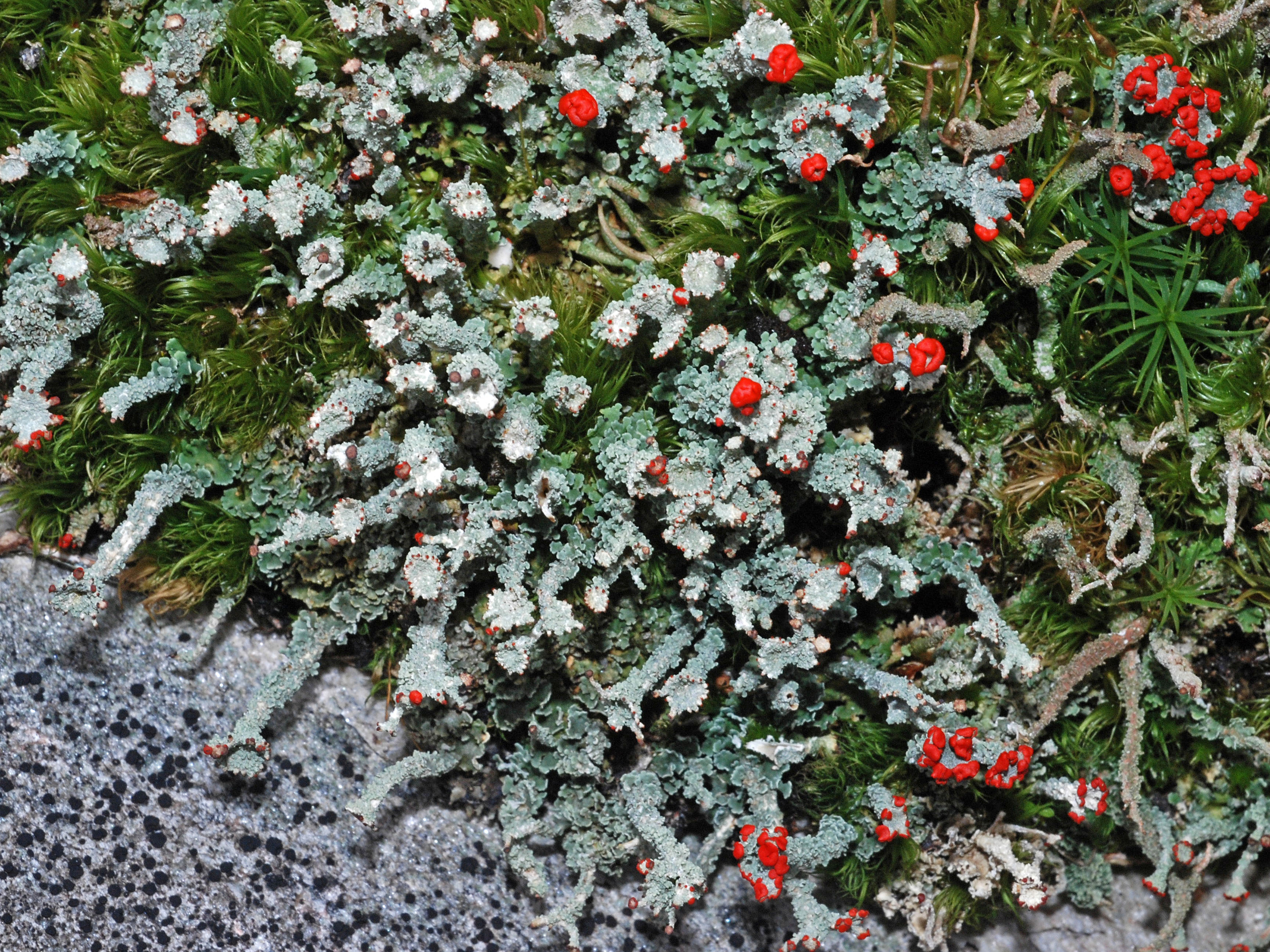
Leif Stridvall
Courtesy: Anita Stridvall -Source: http://www.stridvall.se/lichens/gallery/
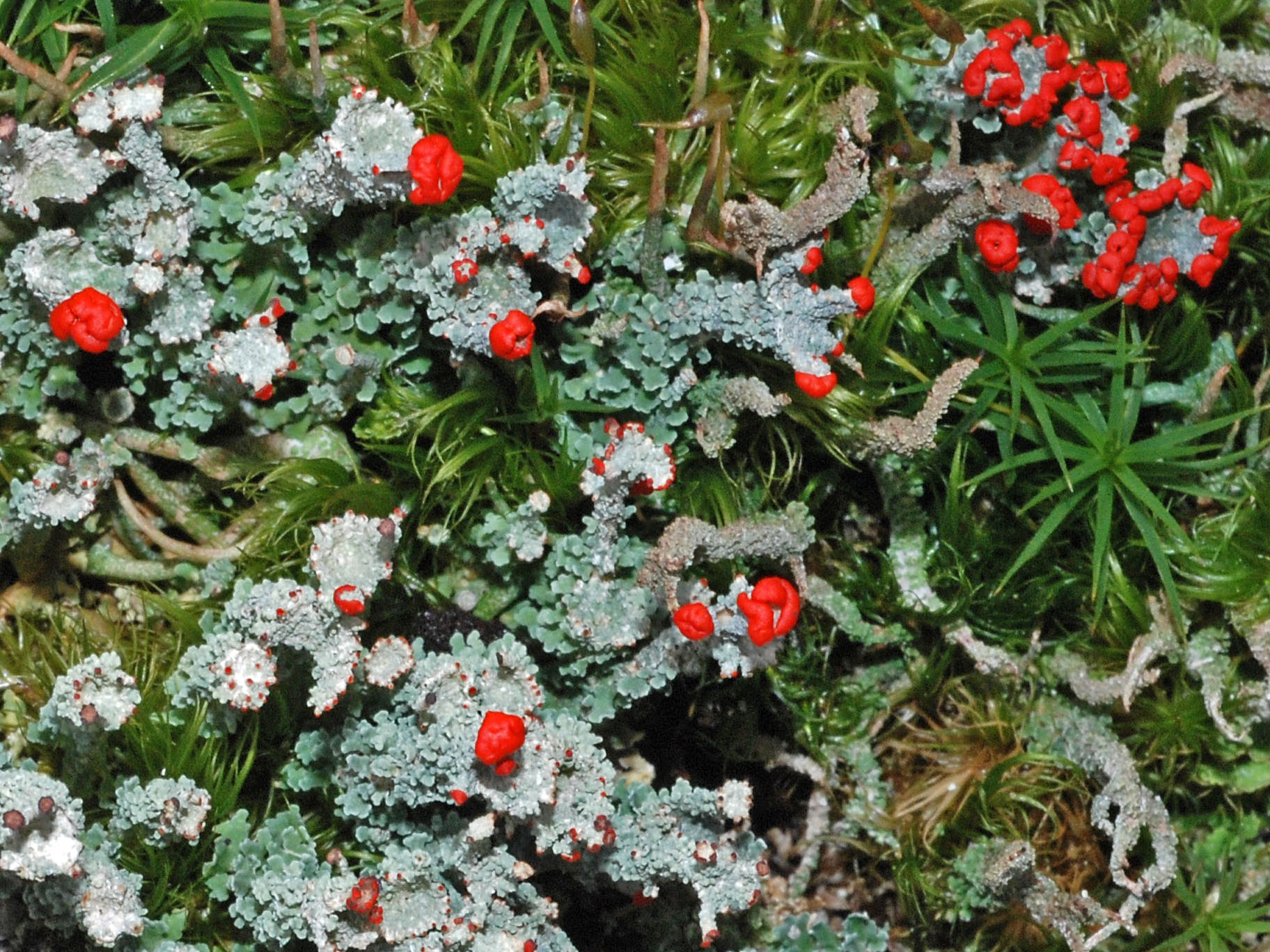
Leif Stridvall
Courtesy: Anita Stridvall -Source: http://www.stridvall.se/lichens/gallery/
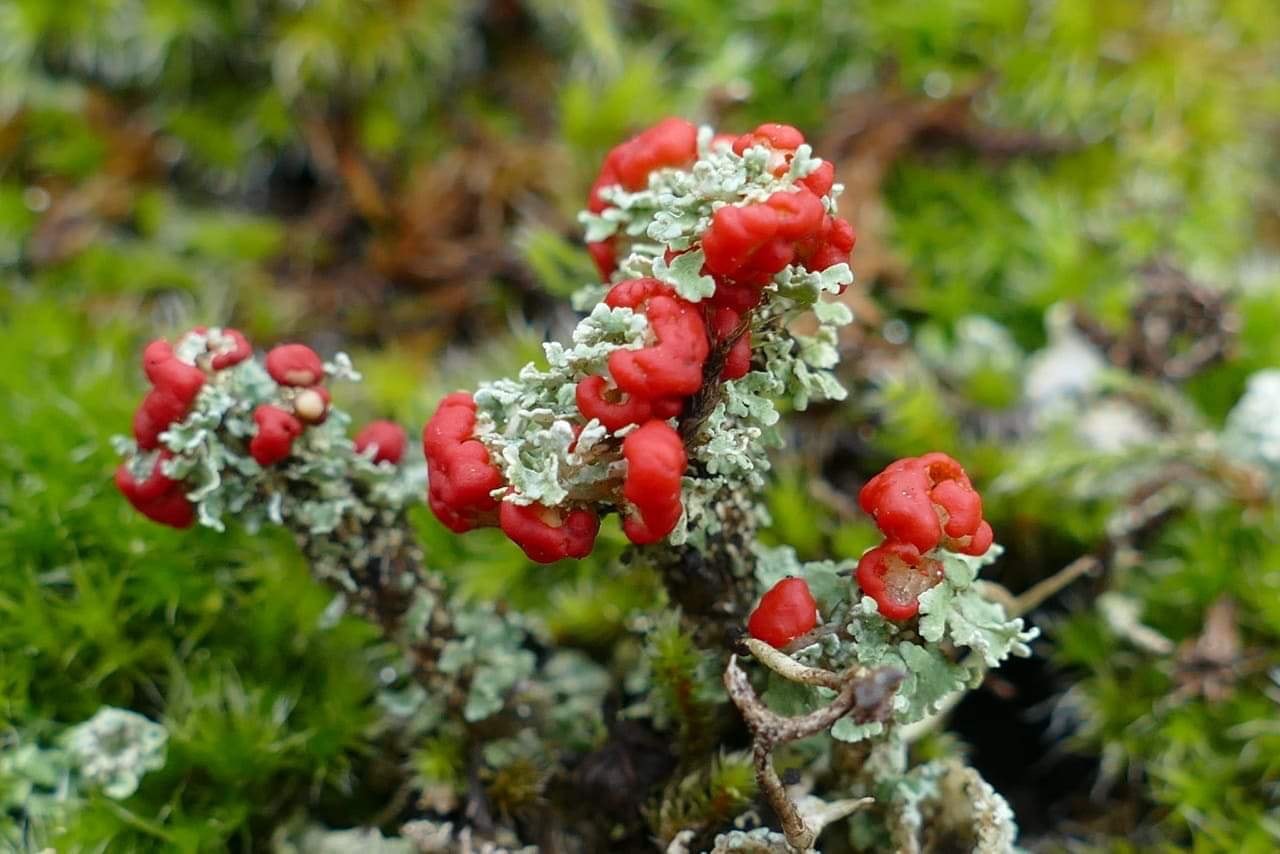
Nere Sorrentino
Spain, Galicia, Pontevedra
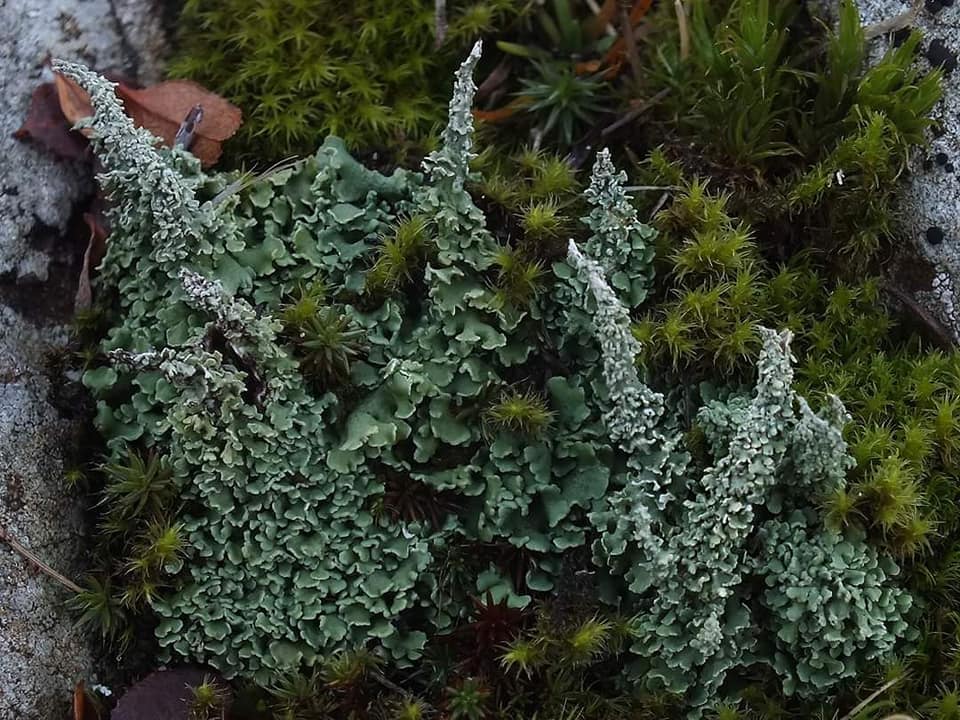
Giulio Pandeli
Italy, Toscana, Provincia di Pistoia
29/10/2020
ISOTYPE
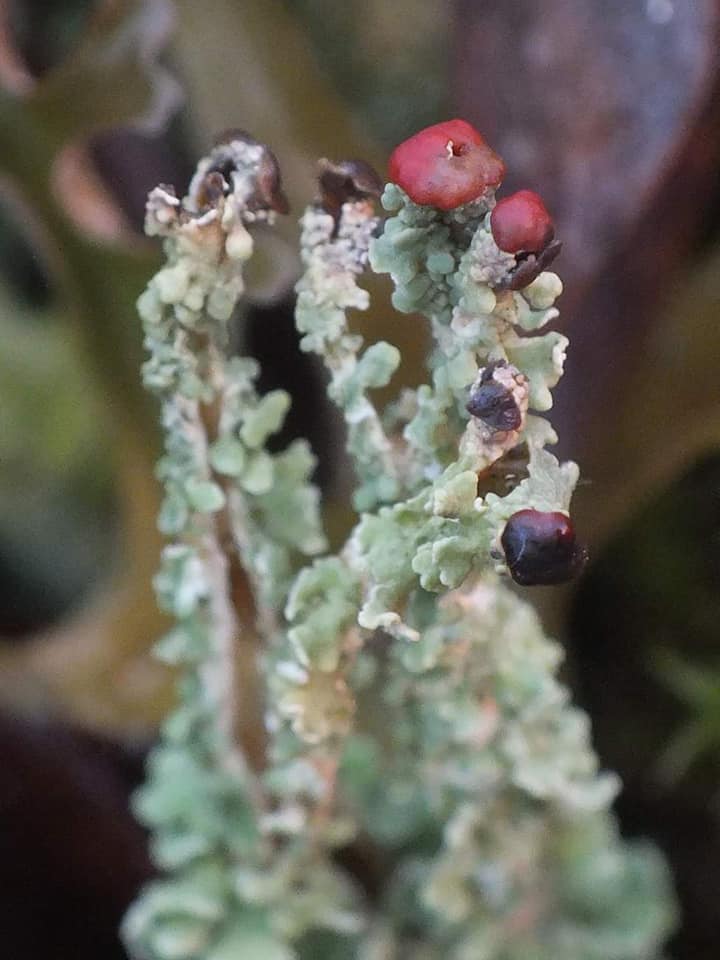
Giulio Pandeli
Italy, Toscana, Provincia di Pistoia
29/10/2020
ISOTYPE
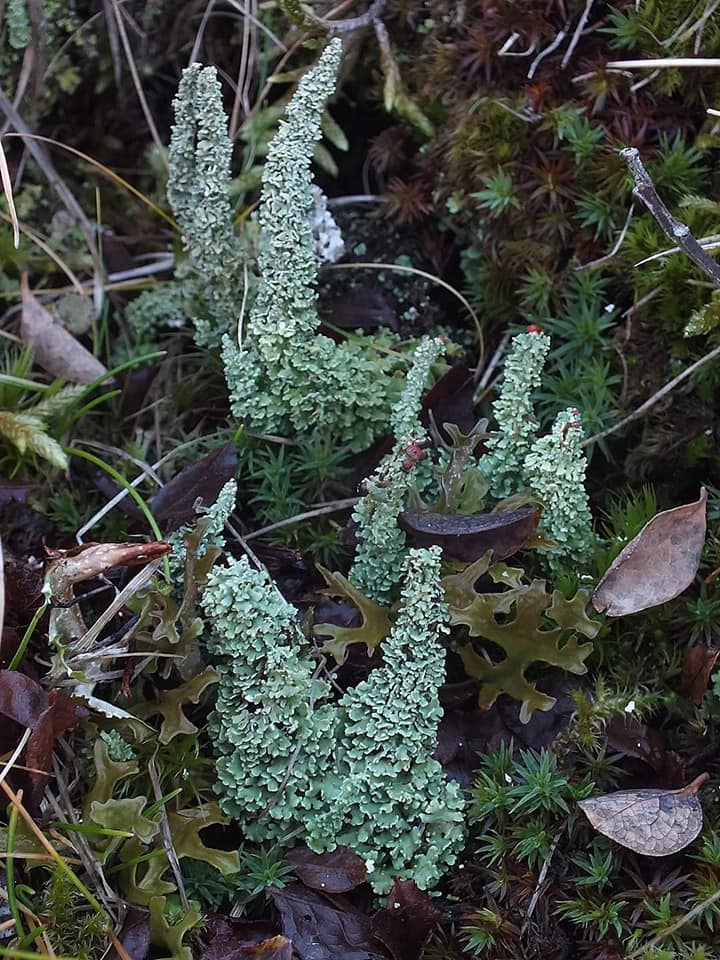
Giulio Pandeli
Italy, Toscana, Provincia di Pistoia
29/10/2020
ISOTYPE
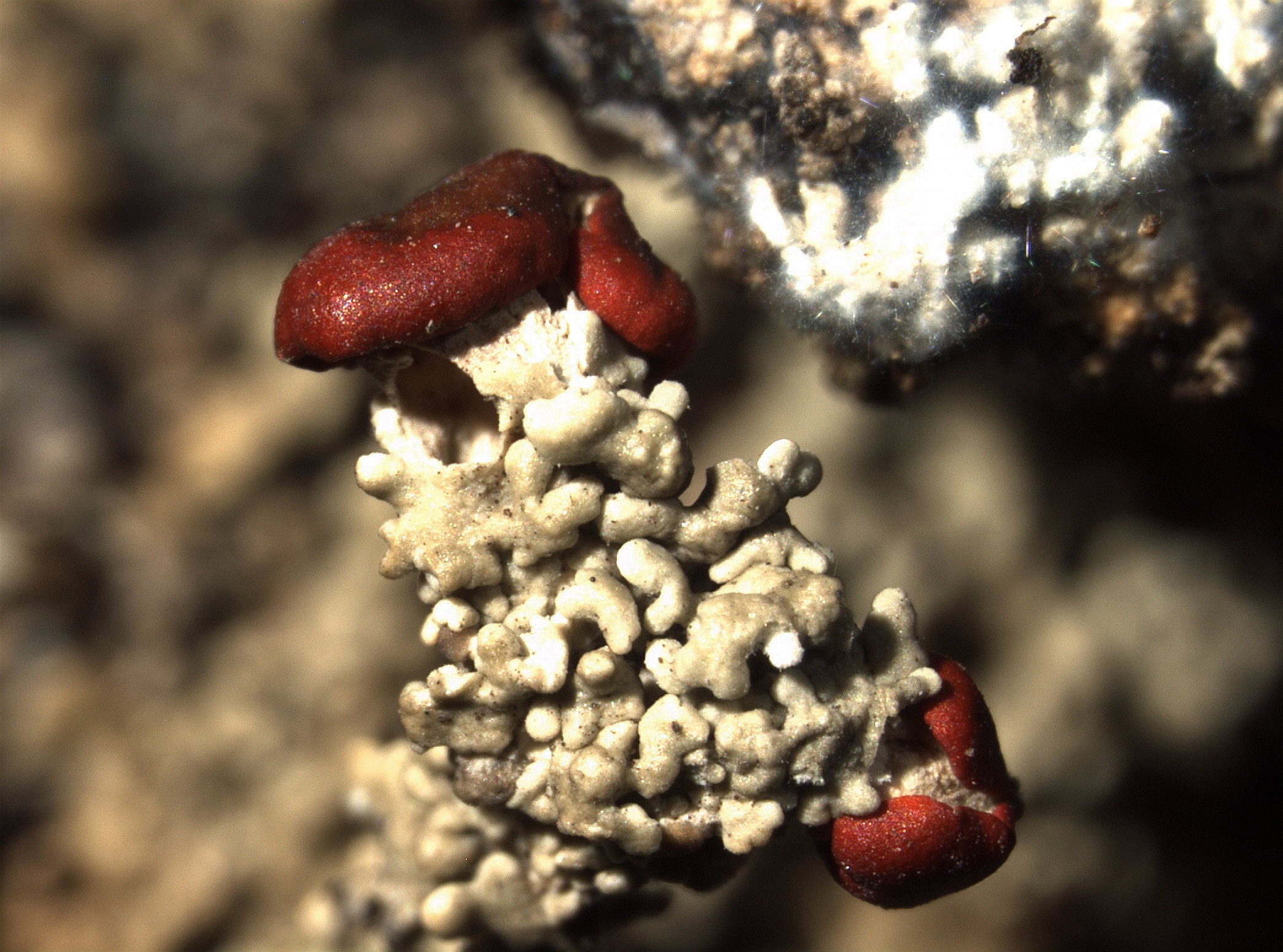
Pier Luigi Nimis CC BY-SA 4.0
TSB 37239

Gabriele Gheza - https://lichenidilombardia.home.blog
Italy, Trentino-Alto Adige, Trento, , San Martino di Castrozza, 1650 m
09/2013
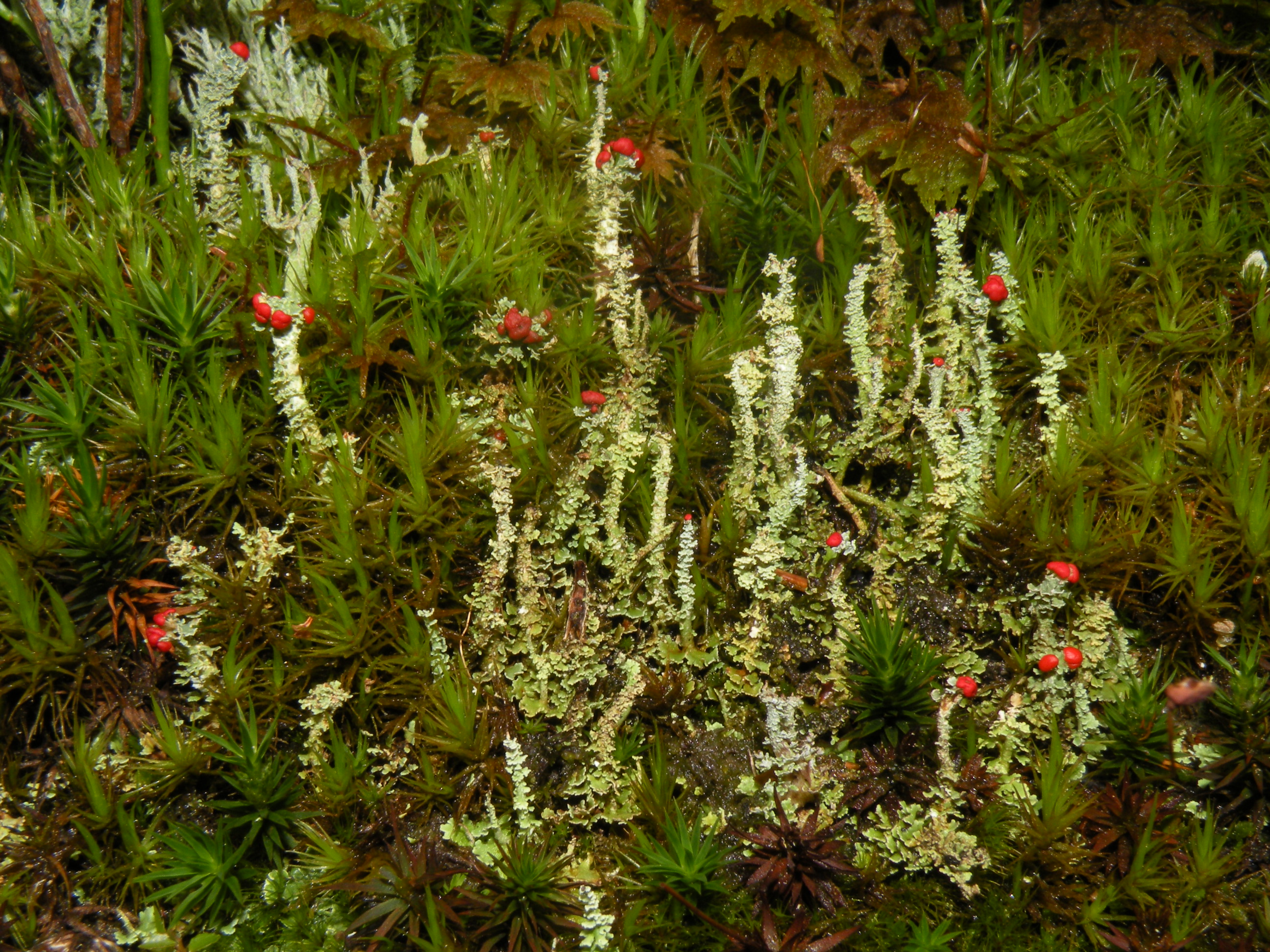
Gabriele Gheza - https://lichenidilombardia.home.blog
Italy, Trentino-Alto Adige, Trento, , San Martino di Castrozza, 1650 m
09/2013
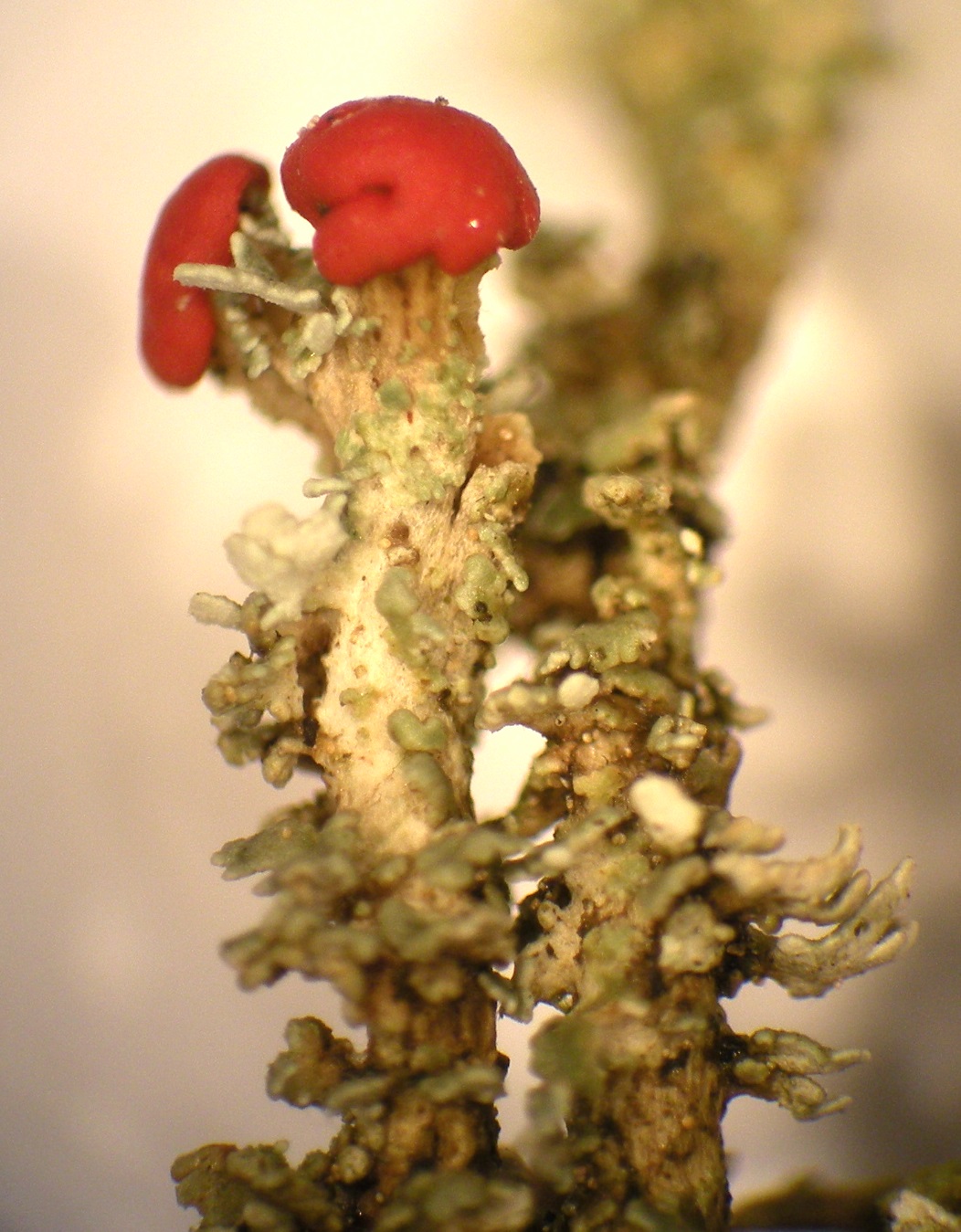
Gabriele Gheza - https://lichenidilombardia.home.blog
Italy, Trentino-Alto Adige, Trento, , San Martino di Castrozza, 1650 m
09/2013

Ulrich Kirschbaum CC BY-SA 4.0 - Source: https://www.thm.de/lse/ulrich-kirschbaum/flechtenbilder
Sweden: Dalarna.

Wolfgang von Brackel - CC BY-4.0
Germany, Bavaria, Büchelbach
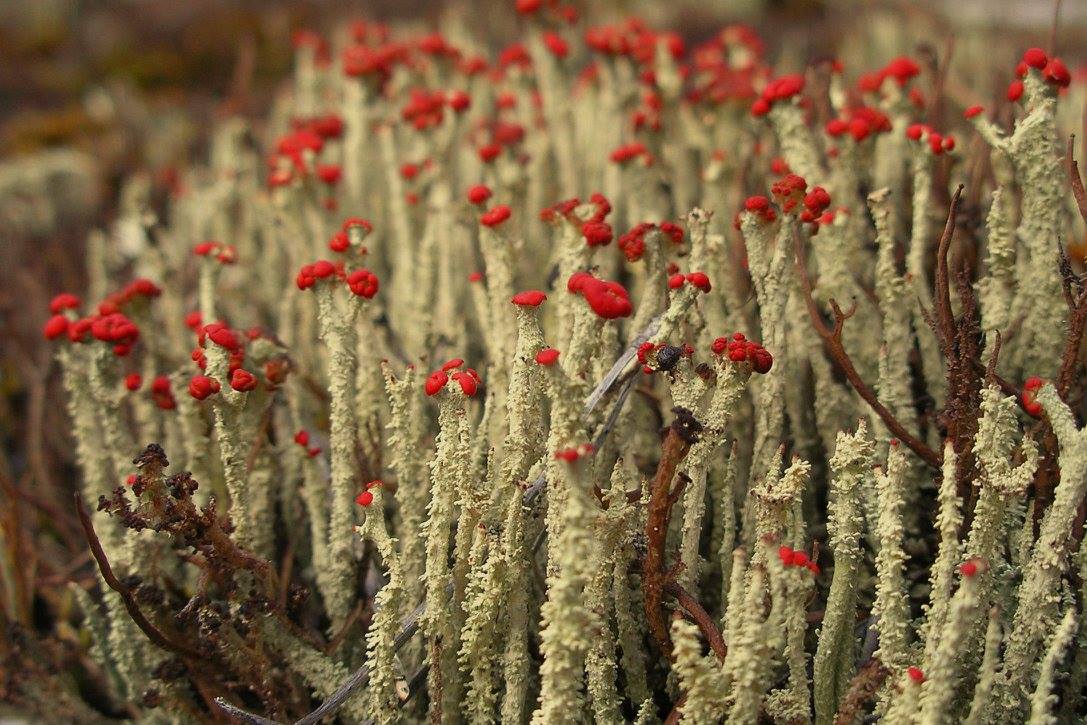
Curtis Randall Björk, - CC BY-SA 4.0
Bute, Toba and Loughborough Inlets, British Columbia, Canadaversity, Victoria, British Columbia, Canada Canada
06.2007

Wolfgang von Brackel - CC BY-4.0
Germany, Bavaria, Büchelbach

Wolfgang von Brackel - CC BY-4.0
Germany, Bavaria, Arber

Wolfgang von Brackel - CC BY-4.0
Germany, Bavaria, Arber

Wolfgang von Brackel - CC BY-4.0
Germany, Bavaria, Knöchel

Wolfgang von Brackel - CC BY-4.0
Greenland, Simiutaq

Felix Schumm - CC BY 4.0
[VZ1462], Suecia. Värmland. Nyskoga, prope Tapptjärn. Ad terram in saxis. Leg. A. W. Sundell (9817), 9.7.1974. EX A. VEZDA LICHENES SELECTI EXSICCATI NR. 1462.

Felix Schumm - CC BY 4.0
[VZ1462], Suecia. Värmland. Nyskoga, prope Tapptjärn. Ad terram in saxis. Leg. A. W. Sundell (9817), 9.7.1974. EX A. VEZDA LICHENES SELECTI EXSICCATI NR. 1462.