Cladonia caespiticia (Pers.) Flörke
Clad. Comm.: 8, 1828. Basionym: Baeomyces caespiticius Pers. - Ann. Bot. (Usteri), 7: 155, 1793 (“1794”).
Synonyms: Cladonia agariciformis (Wulfen) Arnold
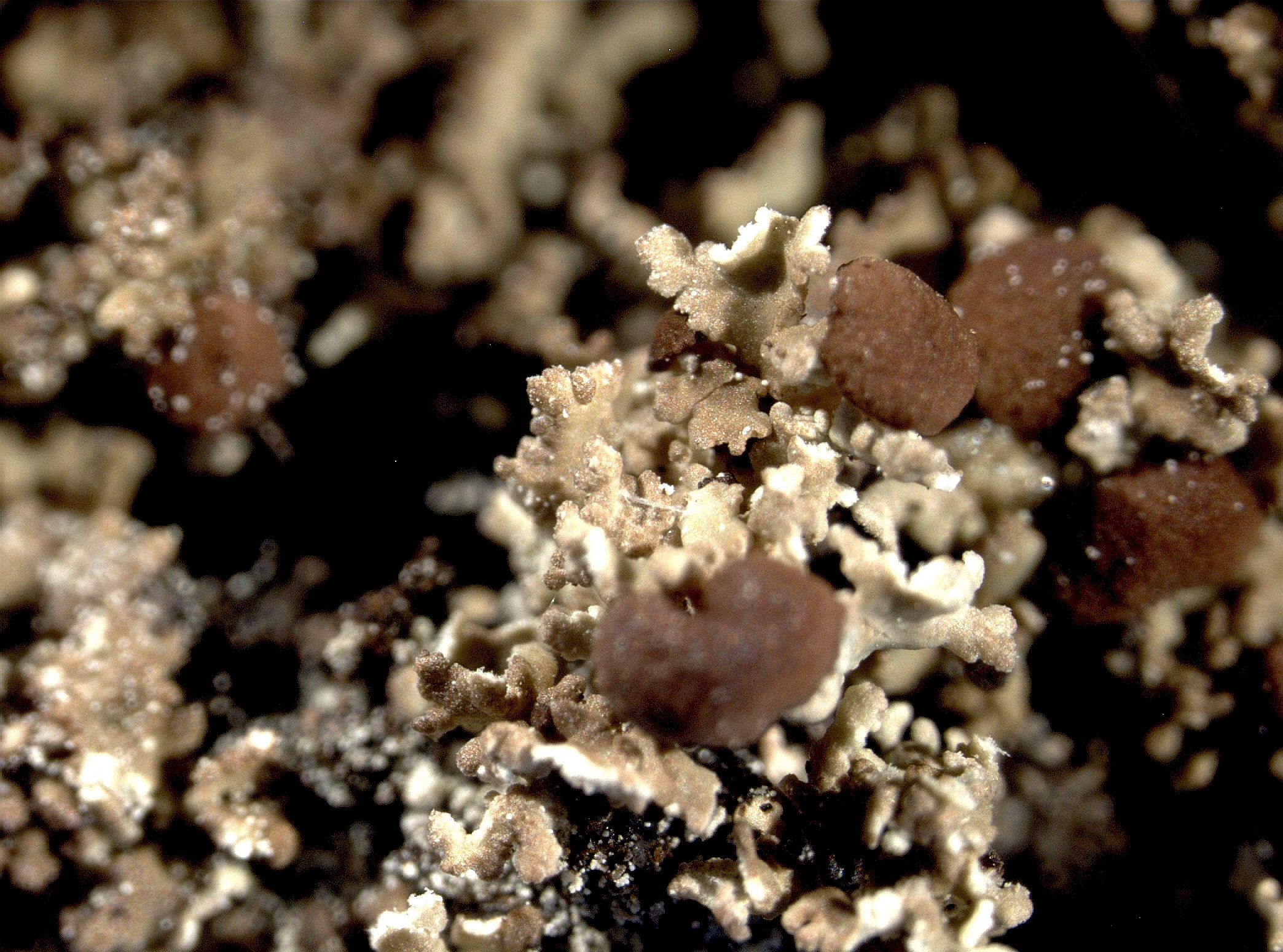
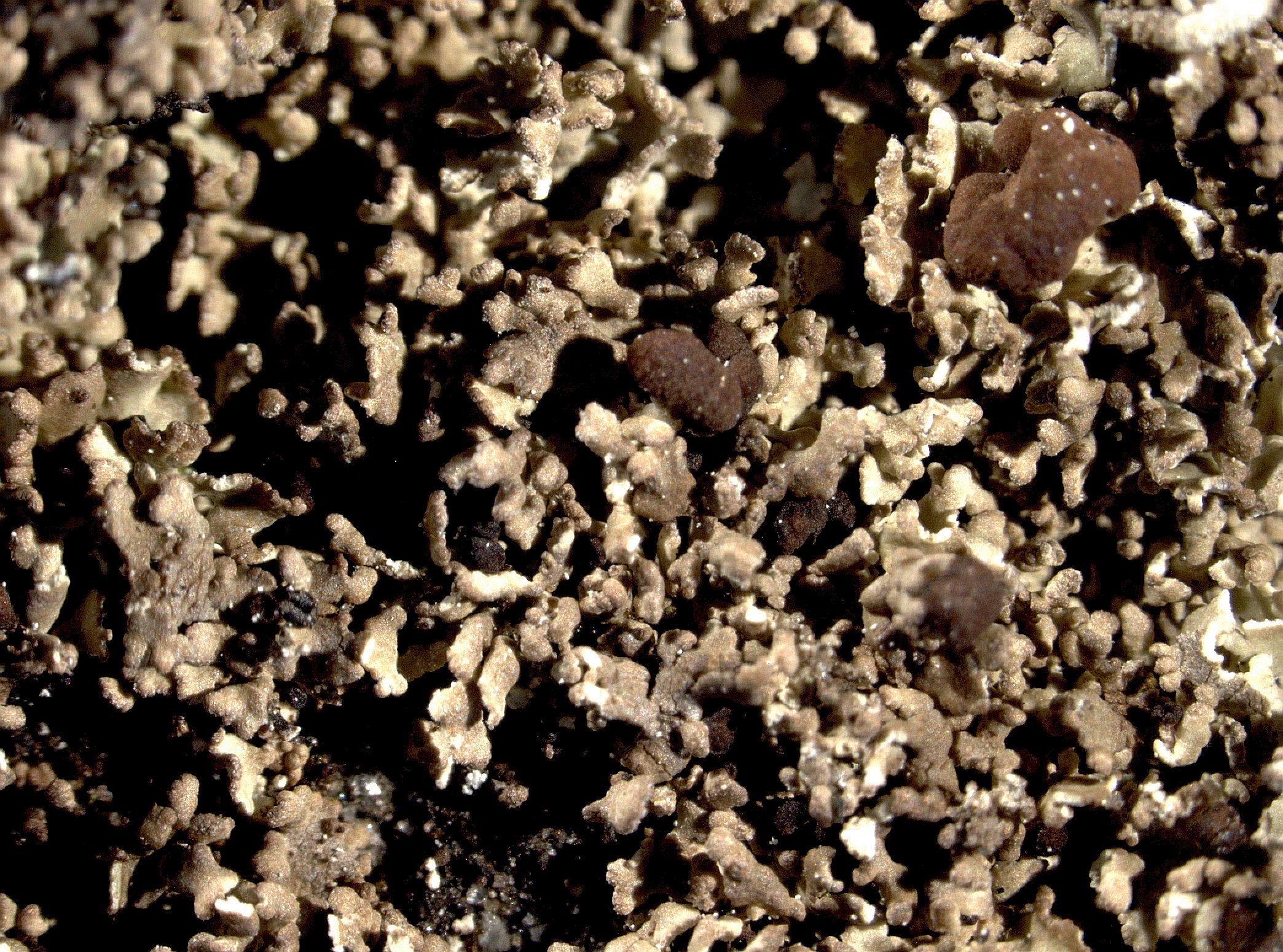
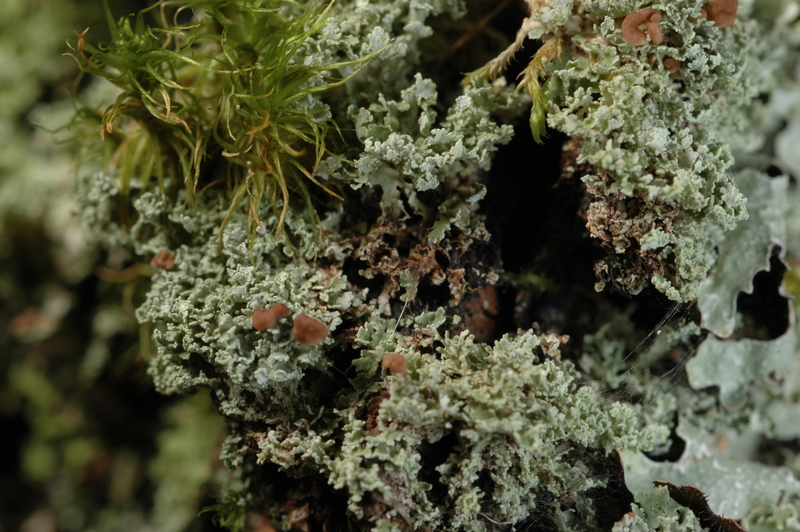
Description: Primary thallus squamulose, the squamules persistent, 1-10 mm long, 2-5 mm wide, strongly divided and irregularly incised, ascending, mostly forming dense, low cushions, pale grey-green to brownish green above, white and very finely arachnoid beneath. Podetia very small, 1-5 mm tall, 0.4-1.5 mm thick, partly ecorticate, rarely with a few squamules, cupless, almost translucent when wet (no photobiont!). Apothecia peltate, sessile on squamules or terminal on the podetia, single or clustered, pale to dark brown, more or less translucent when wet, convex. Asci 8-spored, clavate, thickened at apex, with a K/I+ blue tholus and a K/I+ strongly blue outer gelatinous sheath, Cladonia-type. Ascospores 1-celled, hyaline, ellipsoid. Pycnidia brown, semi-immersed on the upper surface of the squamules, ovoid to conical, constricted at base, with a colourless jelly. Conidia hyaline, curved. Photobiont chlorococcoid. Spot tests: K- or K+ yellowish slowly turning brown, C-, KC-, P+ rapidly red, UV-. Chemistry: fumarprotocetraric acid.
Growth form: Fruticose
Substrata: soil, terricolous mosses, and plant debris
Photobiont: green algae other than Trentepohlia
Reproductive strategy: mainly sexual
Most common in areas with a humid-warm climate (e.g. most of Tyrrenian Italy)
Commonnes-rarity: (info)
Alpine belt: absent
Subalpine belt: extremely rare
Montane belt: very rare
Dry submediterranean belt: extremely rare
Humid submediterranean belt: extremely rare
Padanian area: absent
pH of the substrata:
1 2 3 4 5

Solar irradiation:
1 2 3 4 5
Aridity:
1 2 3 4 5
Eutrophication:
1 2 3 4 5
Poleotolerance:
0 1 2 3
Altitudinal distribution:
1 2 3 4 5 6
Rarity
absent
extremely rare
very rare
rare
rather rare
rather common
common
very common
extremely common
Loading data...
Occurrence data
Predictive map
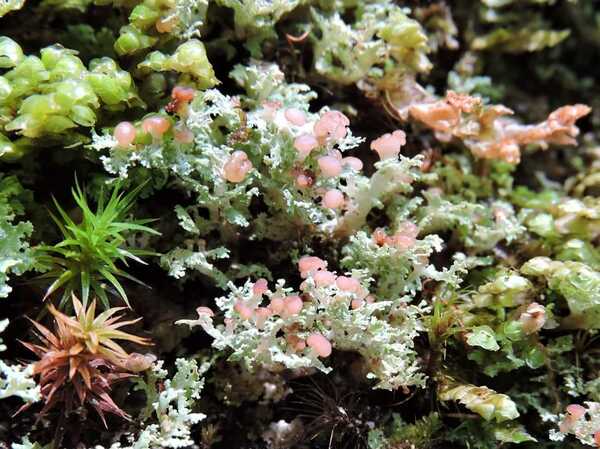
Helena Rodriguez
Spain, Galicia
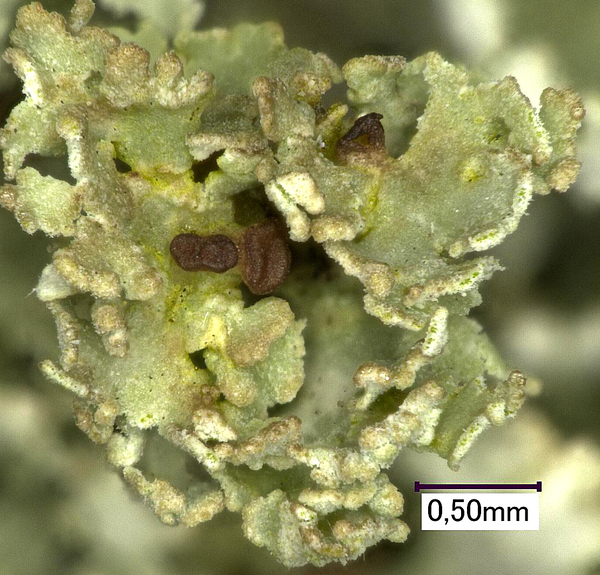
Felix Schumm – CC BY-SA 4.0
[17993], Germany, Baden-Württemberg, Kreis Göppingen, nordöstlich von Baiereck im Brillergehren, rasig auf Baumrinde, 48.75909° N, 9.52401° E, 450 m, TK 7224. Leg. Schumm 11.05.2012, det. Schumm 2012.
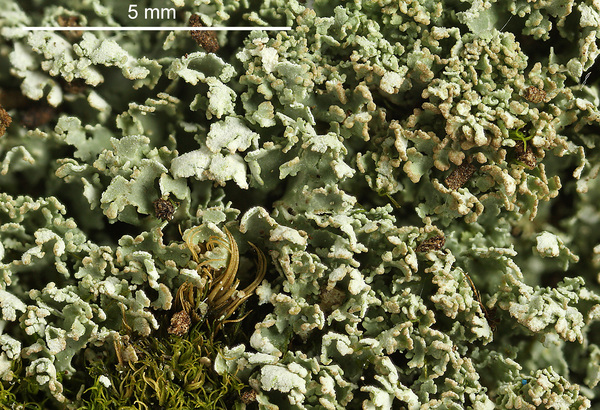
Felix Schumm – CC BY-SA 4.0
[17993], Germany, Baden-Württemberg, Kreis Göppingen, nordöstlich von Baiereck im Brillergehren, rasig auf Baumrinde, 48.75909° N, 9.52401° E, 450 m, TK 7224. Leg. Schumm 11.05.2012, det. Schumm 2012.
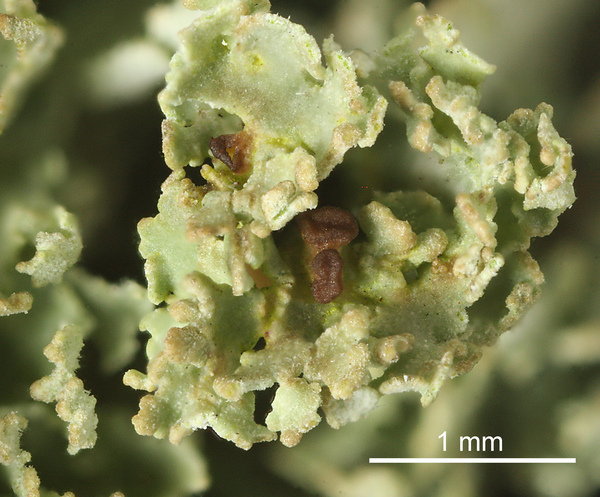
Felix Schumm – CC BY-SA 4.0
[17993], Germany, Baden-Württemberg, Kreis Göppingen, nordöstlich von Baiereck im Brillergehren, rasig auf Baumrinde, 48.75909° N, 9.52401° E, 450 m, TK 7224. Leg. Schumm 11.05.2012, det. Schumm 2012.
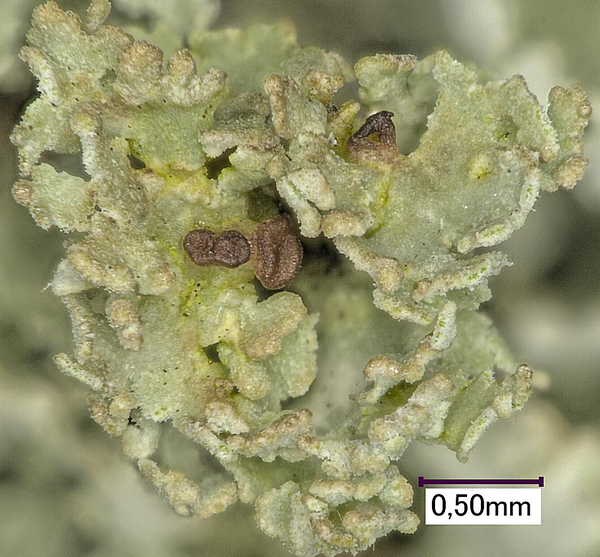
Felix Schumm – CC BY-SA 4.0
[17993], Germany, Baden-Württemberg, Kreis Göppingen, nordöstlich von Baiereck im Brillergehren, rasig auf Baumrinde, 48.75909° N, 9.52401° E, 450 m, TK 7224. Leg. Schumm 11.05.2012, det. Schumm 2012.
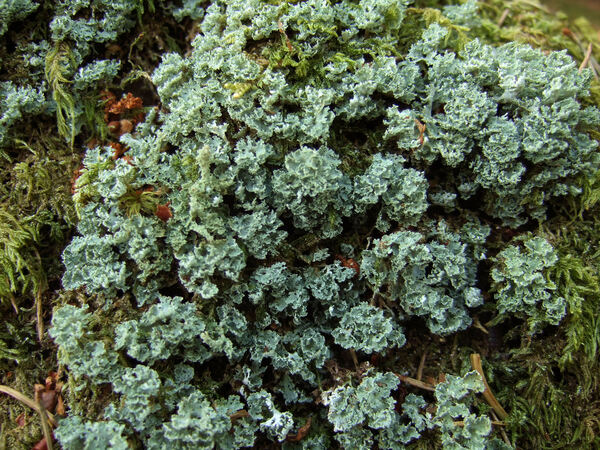
Leif Stridvall
Courtesy: Anita Stridvall -Source: http://www.stridvall.se/lichens/gallery/
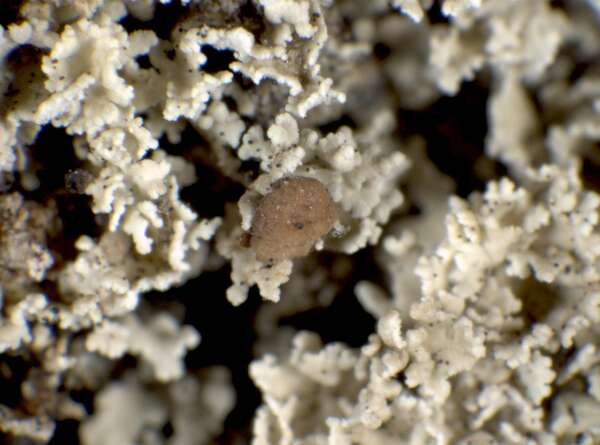
P.L. Nimis; Owner: Department of Life Sciences, University of Trieste
Herbarium: TSB (5670)
2001/12/04
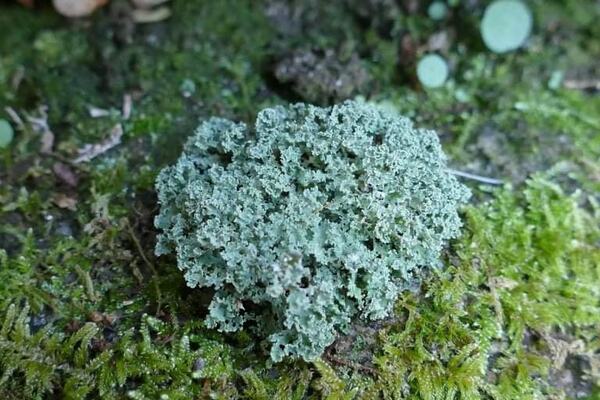
Nere Sorrentino
Spain, Galicia, Pontevedra
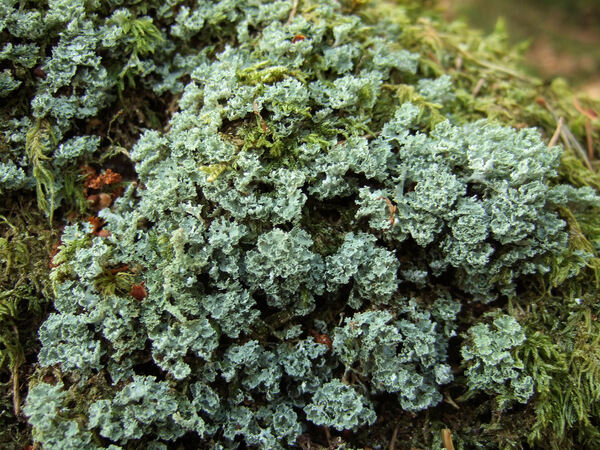
Leif Stridvall
Courtesy: Anita Stridvall -Source: http://www.stridvall.se/lichens/gallery/
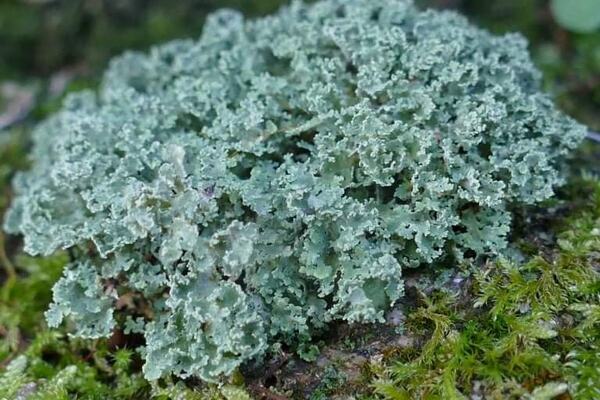
Nere Sorrentino
Spain, Galicia, Pontevedra
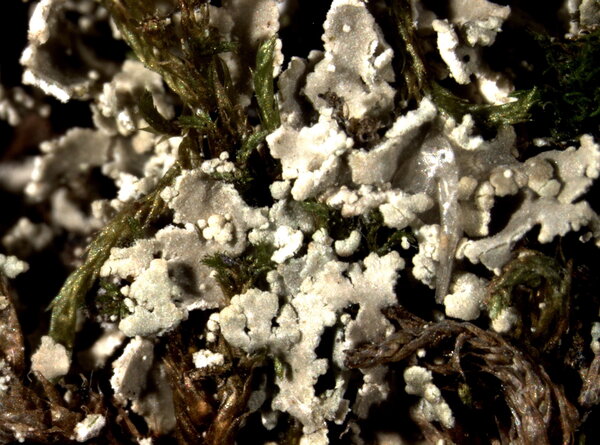
Pier Luigi Nimis - CC BY-SA 4.0
TSB 42110
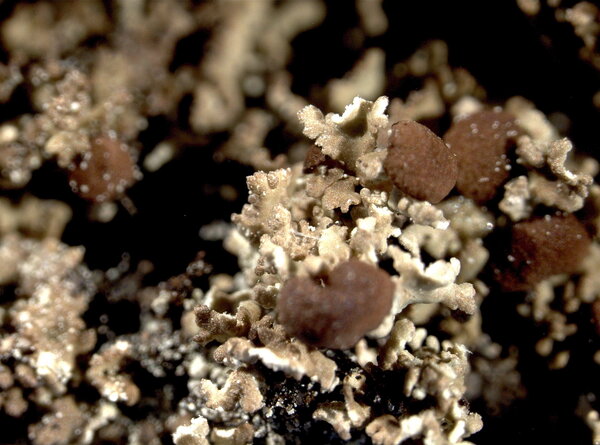
Pier Luigi Nimis - CC BY-SA 4.0
TSB 41489
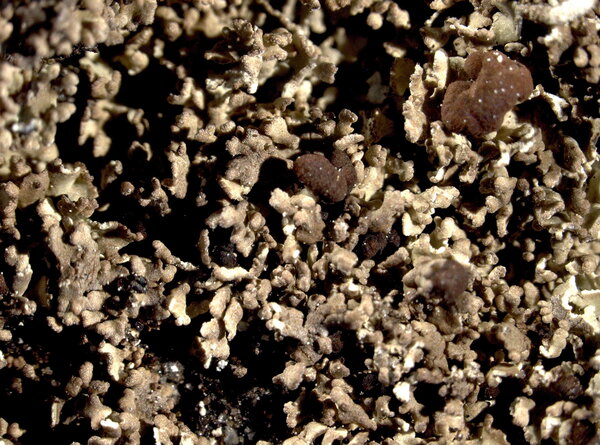
Pier Luigi Nimis - CC BY-SA 4.0
TSB 41489
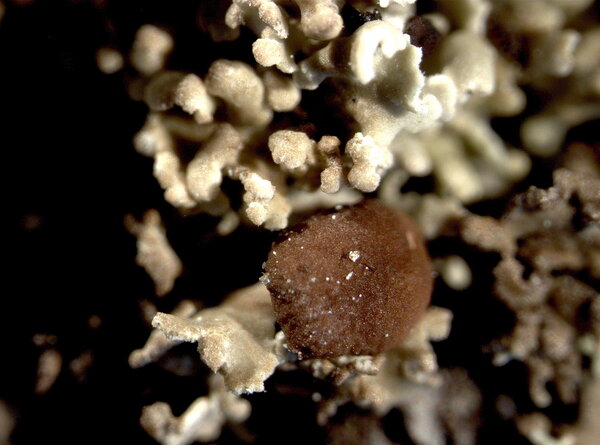
Pier Luigi Nimis - CC BY-SA 4.0
TSB 41489
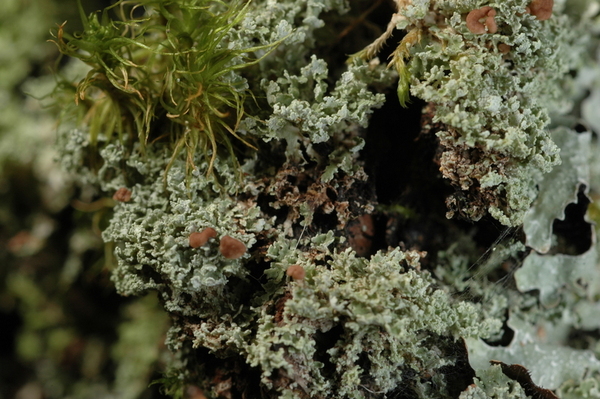
Einar Timdal - Source: http://nhm2.uio.no/lav/web/index.html - CC BY-NC
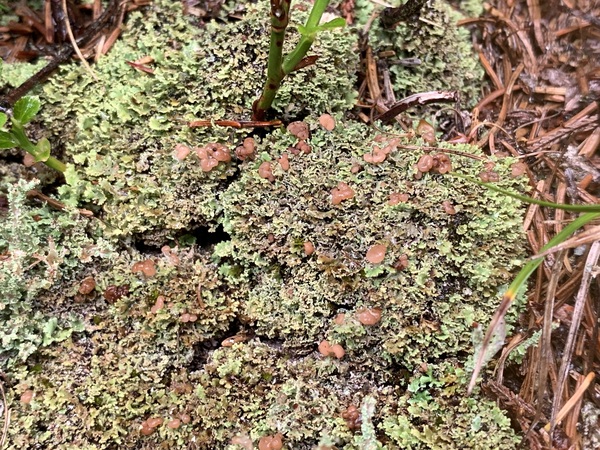
Gabriele Gheza - https://lichenidilombardia.home.blog
Italy, Lombardia, Brescia, Breno, 1600 m
30/08/2019
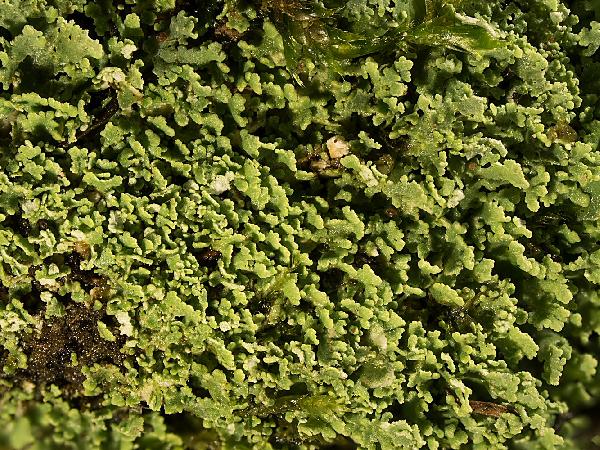
Ulrich Kirschbaum CC BY-SA 4.0 - Source: https://www.thm.de/lse/ulrich-kirschbaum/flechtenbilder
Central Europe; Germany: Hesse.
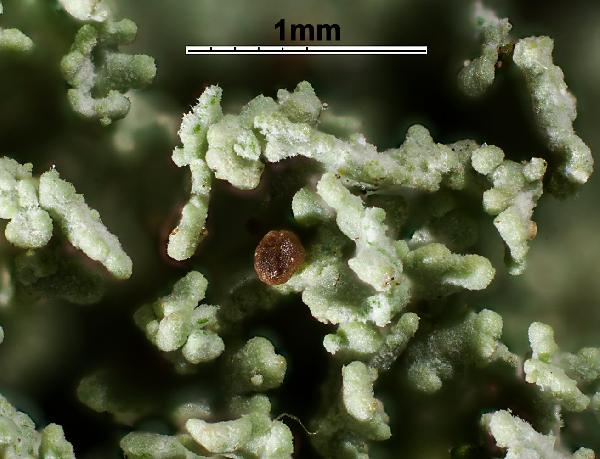
Ulrich Kirschbaum CC BY-SA 4.0 - Source: https://www.thm.de/lse/ulrich-kirschbaum/flechtenbilder
Central Europe; Germany: Hesse.
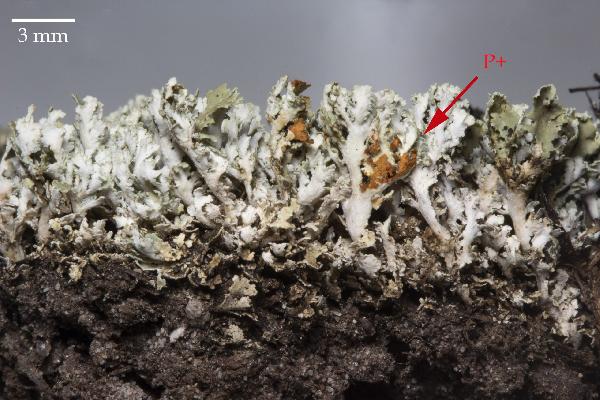
Marta González Garcia - Centro de Estudios Micologicos Asturianos
Spain, La Sierra (Corvera-Asturias), 22-VIII-2023, en un talud herboso, bajo Castanea sativa, leg. M. González, det. Ana Rosa Burgaz, MGG-42. (con ácido fumarprotocetrárico).
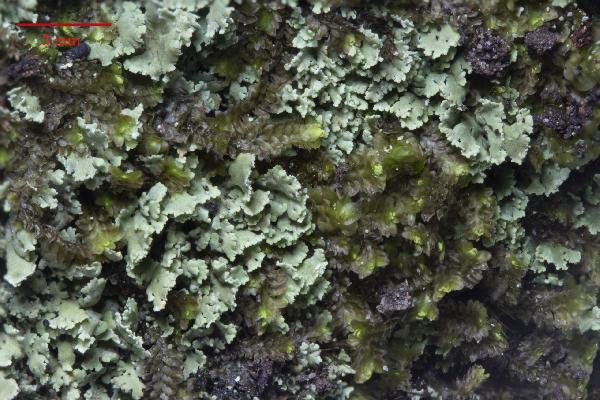
Marta González Garcia - Centro de Estudios Micologicos Asturianos
Spain, La Sierra (Corvera-Asturias), 22-VIII-2023, en un talud herboso, bajo Castanea sativa, leg. M. González, det. Ana Rosa Burgaz, MGG-42. (con ácido fumarprotocetrárico).
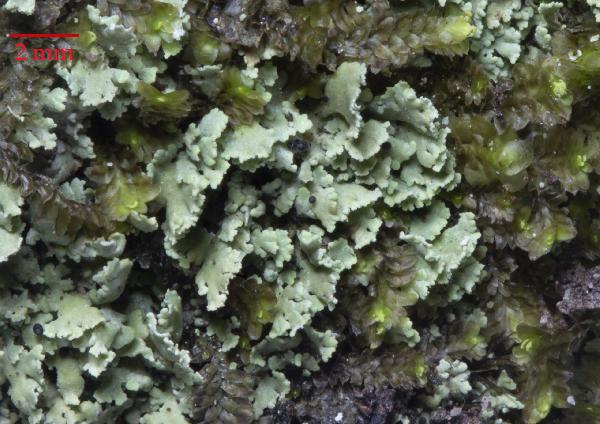
Marta González Garcia - Centro de Estudios Micologicos Asturianos
Spain, La Sierra (Corvera-Asturias), 22-VIII-2023, en un talud herboso, bajo Castanea sativa, leg. M. González, det. Ana Rosa Burgaz, MGG-42. (con ácido fumarprotocetrárico).
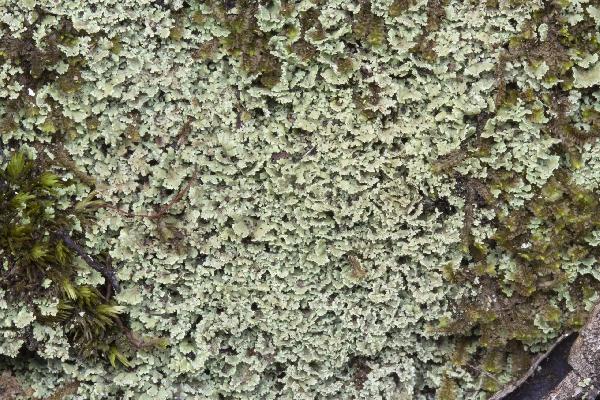
Marta González Garcia - Centro de Estudios Micologicos Asturianos
Spain, La Sierra (Corvera-Asturias), 22-VIII-2023, en un talud herboso, bajo Castanea sativa, leg. M. González, det. Ana Rosa Burgaz, MGG-42. (con ácido fumarprotocetrárico).
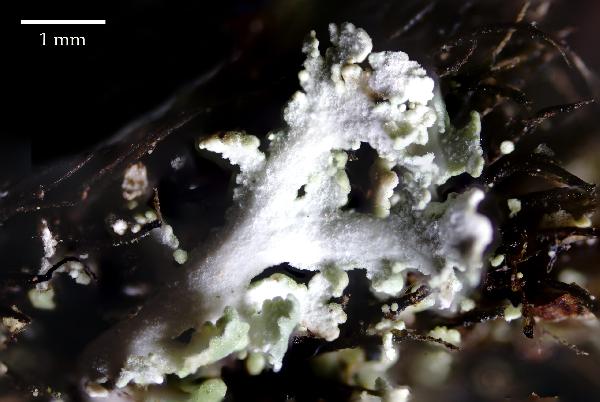
Marta González Garcia - Centro de Estudios Micologicos Asturianos
Spain, La Sierra (Corvera-Asturias), 22-VIII-2023, en un talud herboso, bajo Castanea sativa, leg. M. González, det. Ana Rosa Burgaz, MGG-42. (con ácido fumarprotocetrárico).
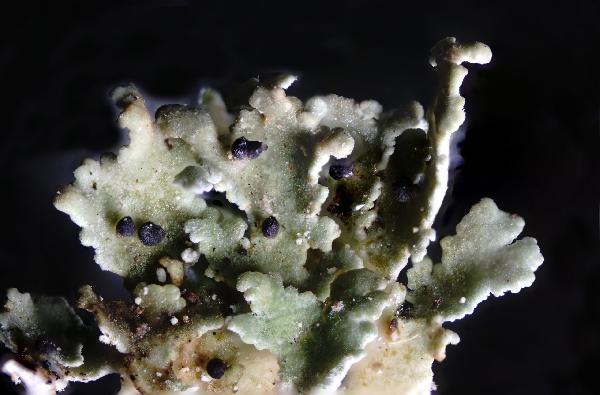
Marta González Garcia - Centro de Estudios Micologicos Asturianos
Spain, La Sierra (Corvera-Asturias), 22-VIII-2023, en un talud herboso, bajo Castanea sativa, leg. M. González, det. Ana Rosa Burgaz, MGG-42. (con ácido fumarprotocetrárico).
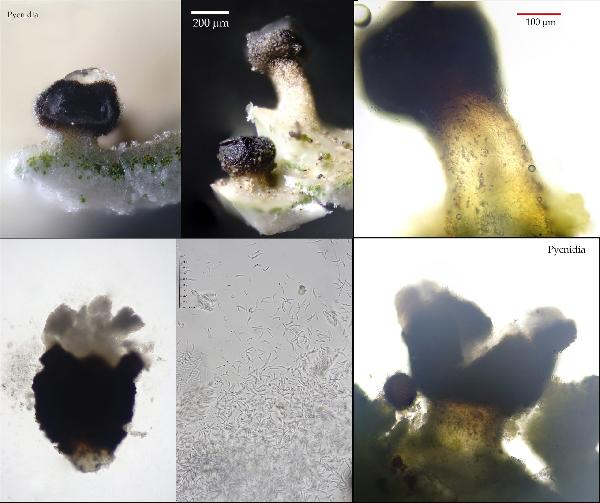
Marta González Garcia - Centro de Estudios Micologicos Asturianos
Spain, La Sierra (Corvera-Asturias), 22-VIII-2023, en un talud herboso, bajo Castanea sativa, leg. M. González, det. Ana Rosa Burgaz, MGG-42. (con ácido fumarprotocetrárico).

Marta González Garcia - Centro de Estudios Micologicos Asturianos
Spain, La Sierra (Corvera-Asturias), 22-VIII-2023, en un talud herboso, bajo Castanea sativa, leg. M. González, det. Ana Rosa Burgaz, MGG-42. (con ácido fumarprotocetrárico).
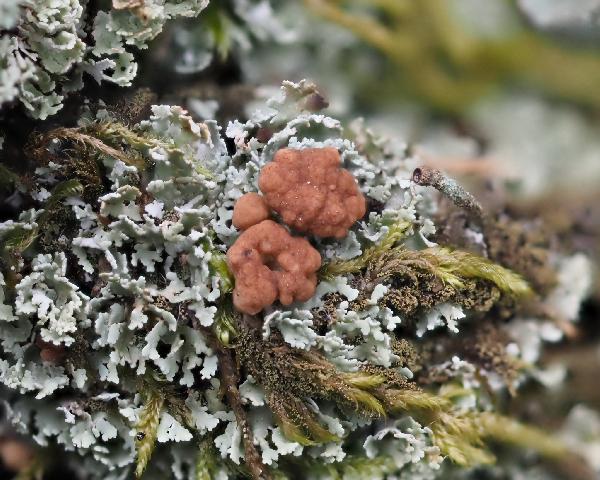
Marko Doboš
34322, Šušnjari, Croatia
Growth form: Fruticose
Substrata: soil, terricolous mosses, and plant debris
Photobiont: green algae other than Trentepohlia
Reproductive strategy: mainly sexual
Most common in areas with a humid-warm climate (e.g. most of Tyrrenian Italy)
Commonnes-rarity: (info)
Alpine belt: absent
Subalpine belt: extremely rare
Montane belt: very rare
Dry submediterranean belt: extremely rare
Humid submediterranean belt: extremely rare
Padanian area: absent
pH of the substrata:
| 1 | 2 | 3 | 4 | 5 |
Solar irradiation:
| 1 | 2 | 3 | 4 | 5 |
Aridity:
| 1 | 2 | 3 | 4 | 5 |
Eutrophication:
| 1 | 2 | 3 | 4 | 5 |
Poleotolerance:
| 0 | 1 | 2 | 3 |
Altitudinal distribution:
| 1 | 2 | 3 | 4 | 5 | 6 |
Rarity
absent
extremely rare
very rare
rare
rather rare
rather common
common
very common
extremely common
Loading data...
Occurrence data
Predictive map
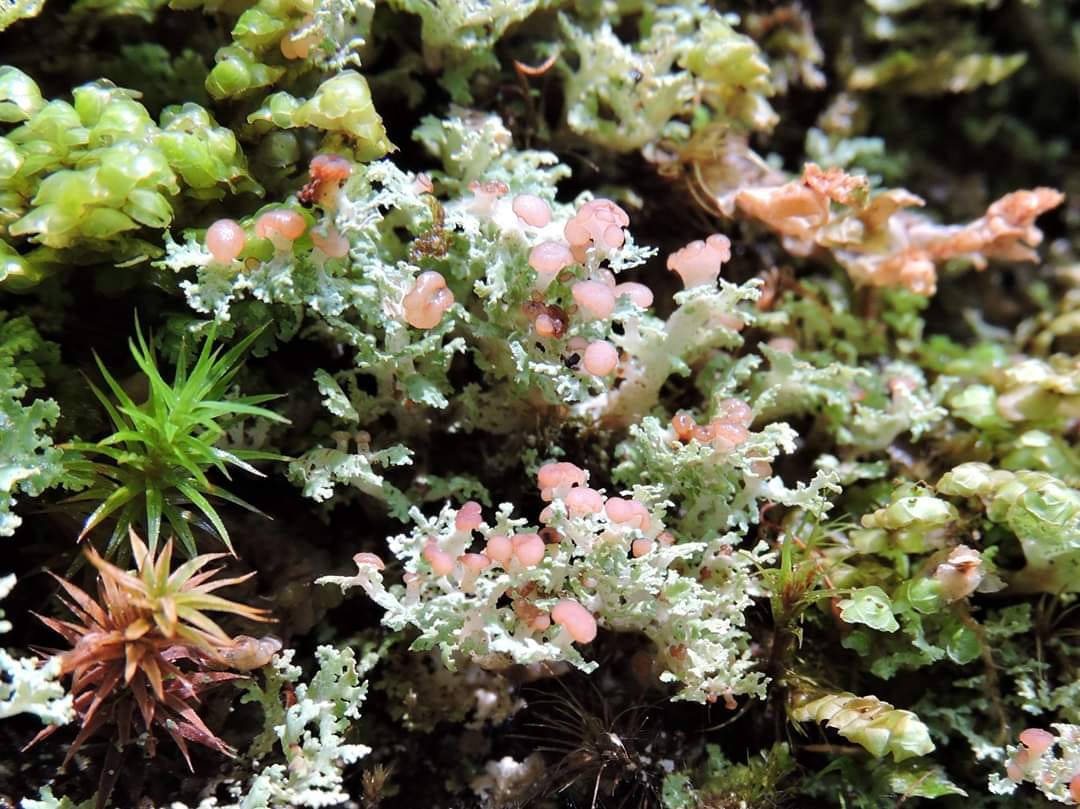
Helena Rodriguez
Spain, Galicia
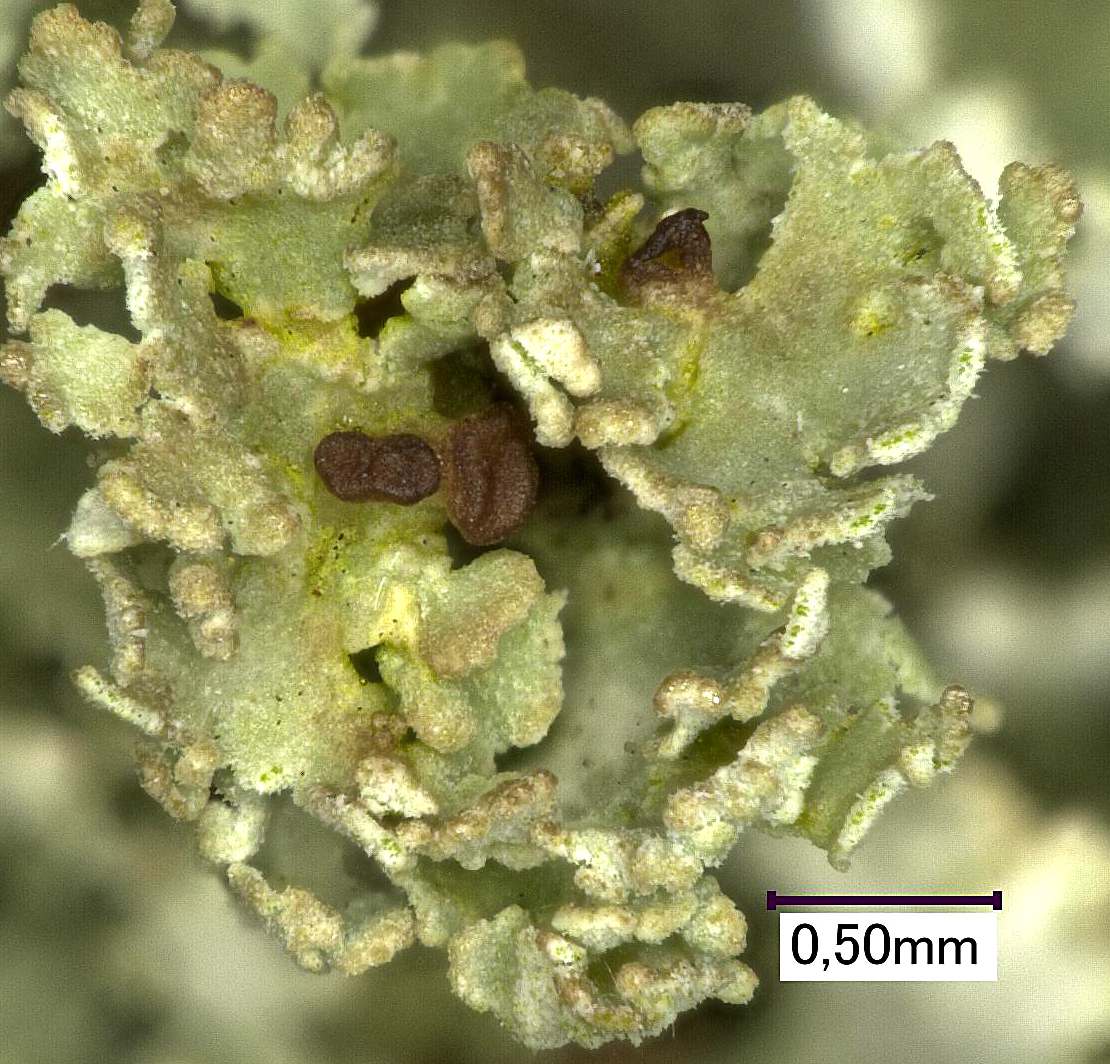
Felix Schumm – CC BY-SA 4.0
[17993], Germany, Baden-Württemberg, Kreis Göppingen, nordöstlich von Baiereck im Brillergehren, rasig auf Baumrinde, 48.75909° N, 9.52401° E, 450 m, TK 7224. Leg. Schumm 11.05.2012, det. Schumm 2012.

Felix Schumm – CC BY-SA 4.0
[17993], Germany, Baden-Württemberg, Kreis Göppingen, nordöstlich von Baiereck im Brillergehren, rasig auf Baumrinde, 48.75909° N, 9.52401° E, 450 m, TK 7224. Leg. Schumm 11.05.2012, det. Schumm 2012.
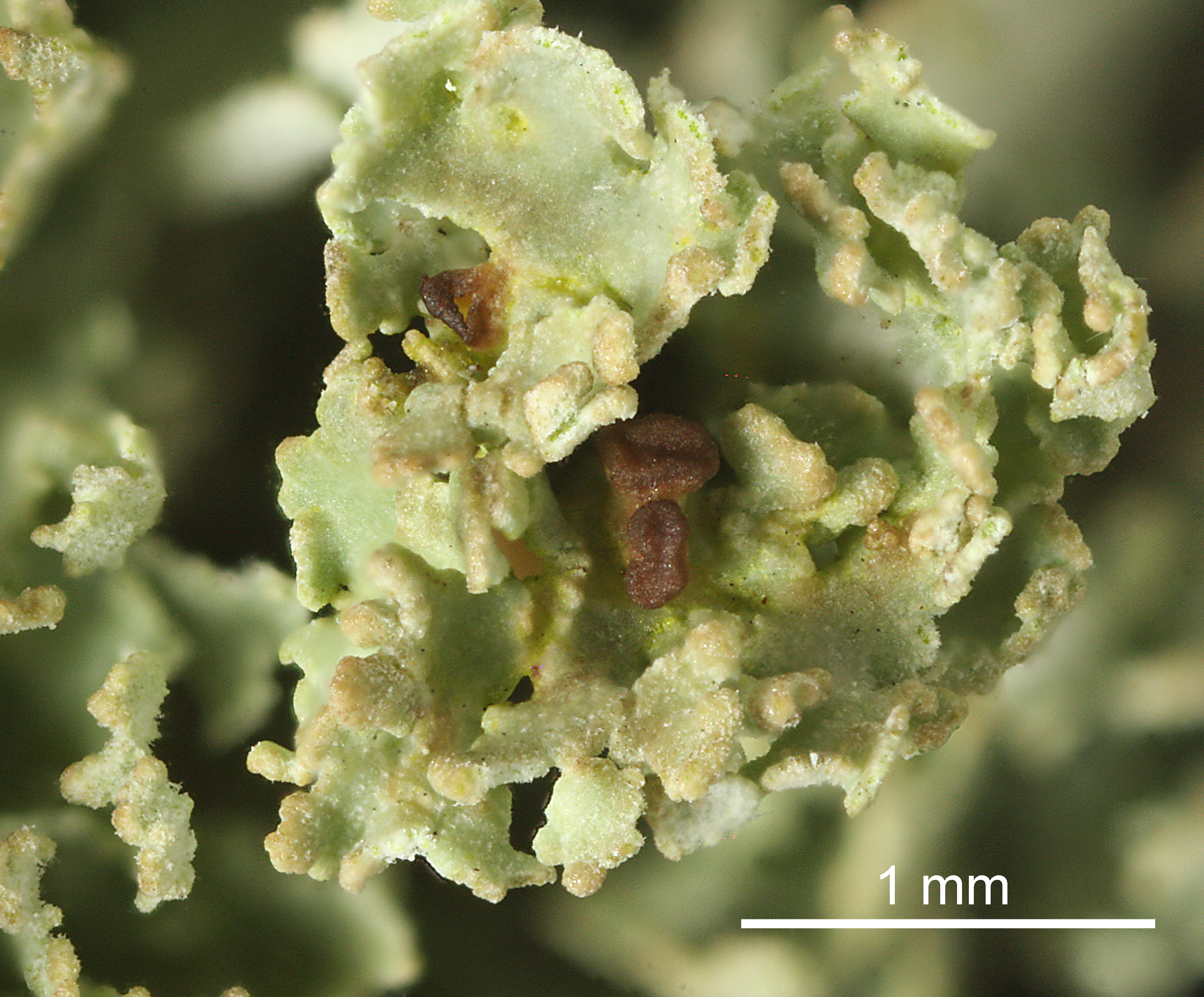
Felix Schumm – CC BY-SA 4.0
[17993], Germany, Baden-Württemberg, Kreis Göppingen, nordöstlich von Baiereck im Brillergehren, rasig auf Baumrinde, 48.75909° N, 9.52401° E, 450 m, TK 7224. Leg. Schumm 11.05.2012, det. Schumm 2012.
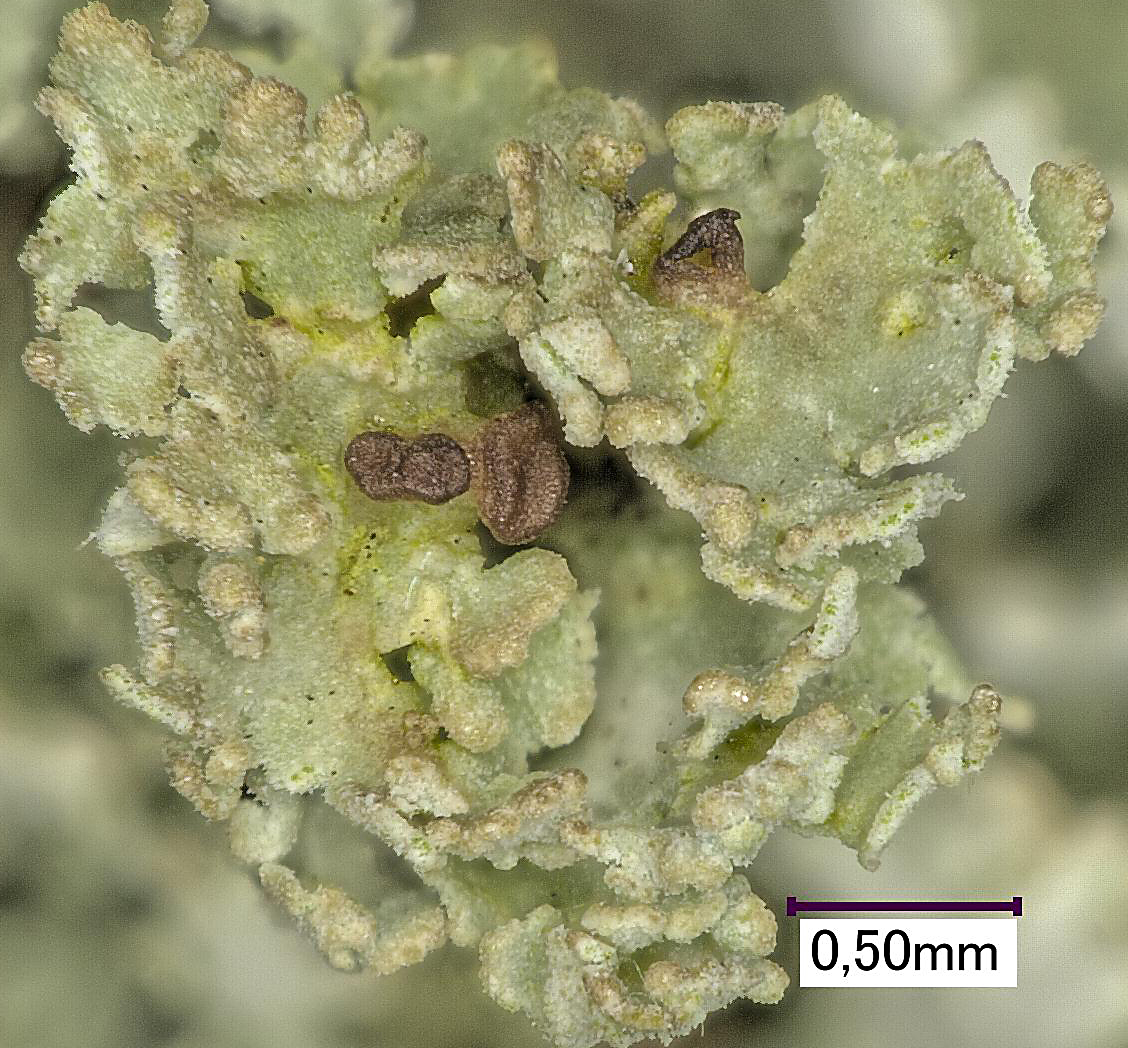
Felix Schumm – CC BY-SA 4.0
[17993], Germany, Baden-Württemberg, Kreis Göppingen, nordöstlich von Baiereck im Brillergehren, rasig auf Baumrinde, 48.75909° N, 9.52401° E, 450 m, TK 7224. Leg. Schumm 11.05.2012, det. Schumm 2012.

Leif Stridvall
Courtesy: Anita Stridvall -Source: http://www.stridvall.se/lichens/gallery/
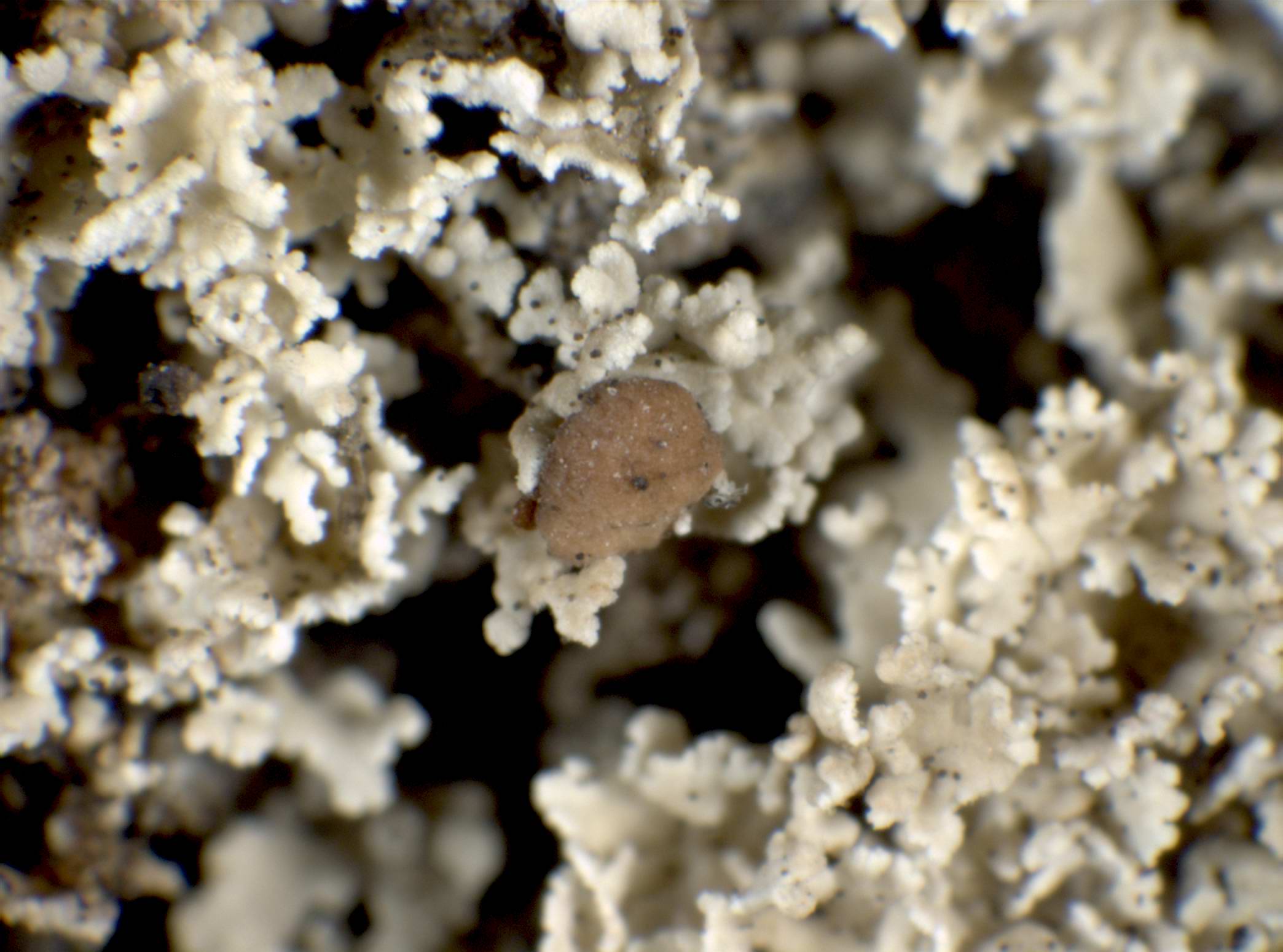
P.L. Nimis; Owner: Department of Life Sciences, University of Trieste
Herbarium: TSB (5670)
2001/12/04
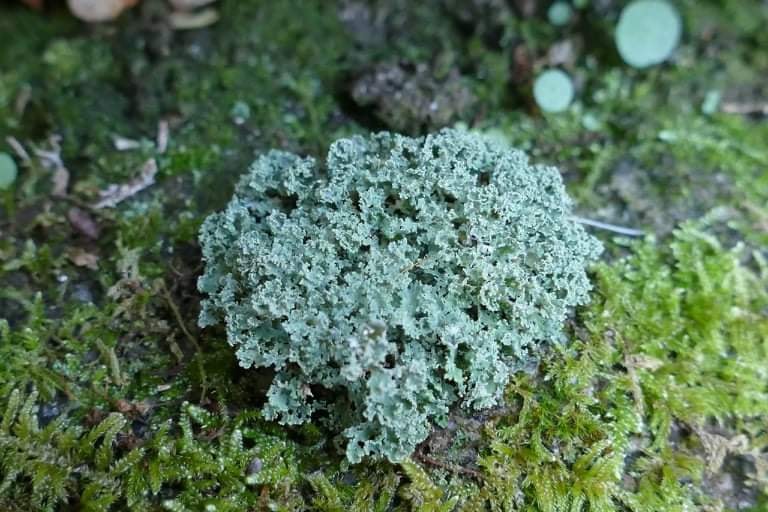
Nere Sorrentino
Spain, Galicia, Pontevedra
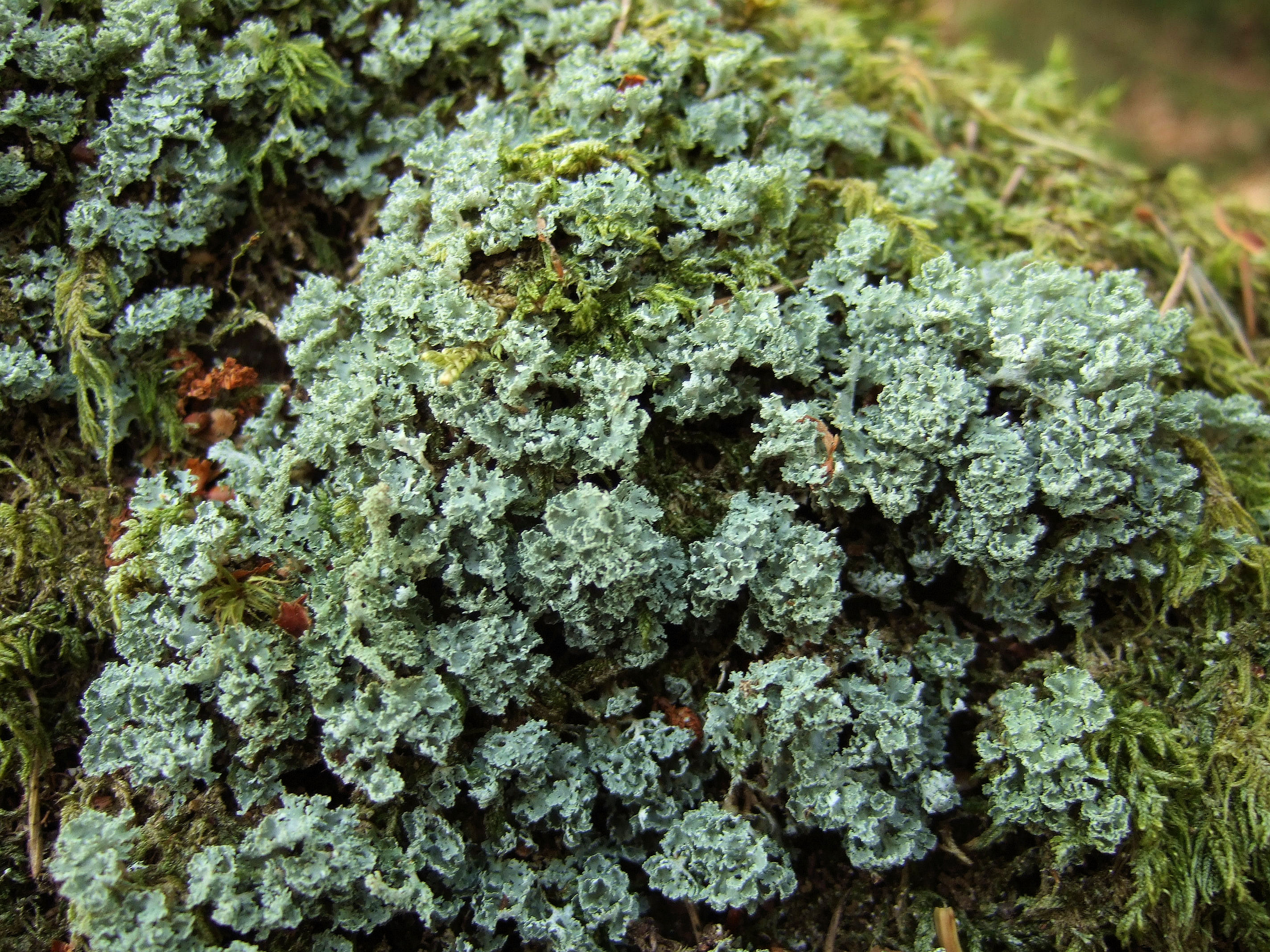
Leif Stridvall
Courtesy: Anita Stridvall -Source: http://www.stridvall.se/lichens/gallery/
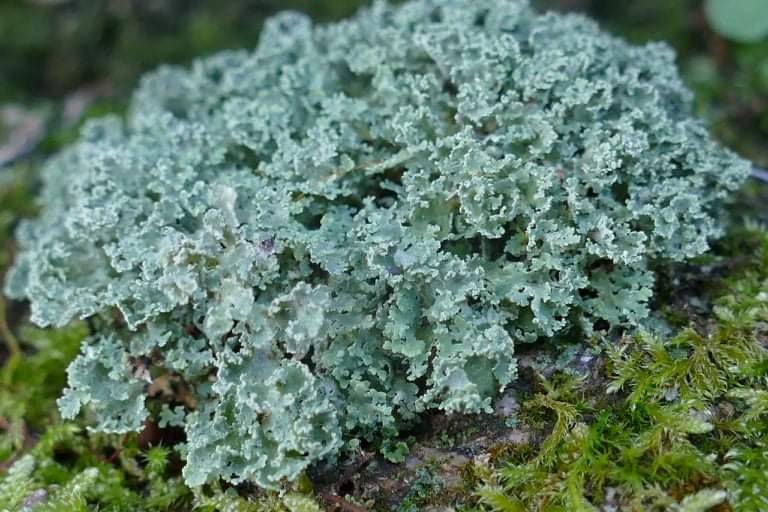
Nere Sorrentino
Spain, Galicia, Pontevedra
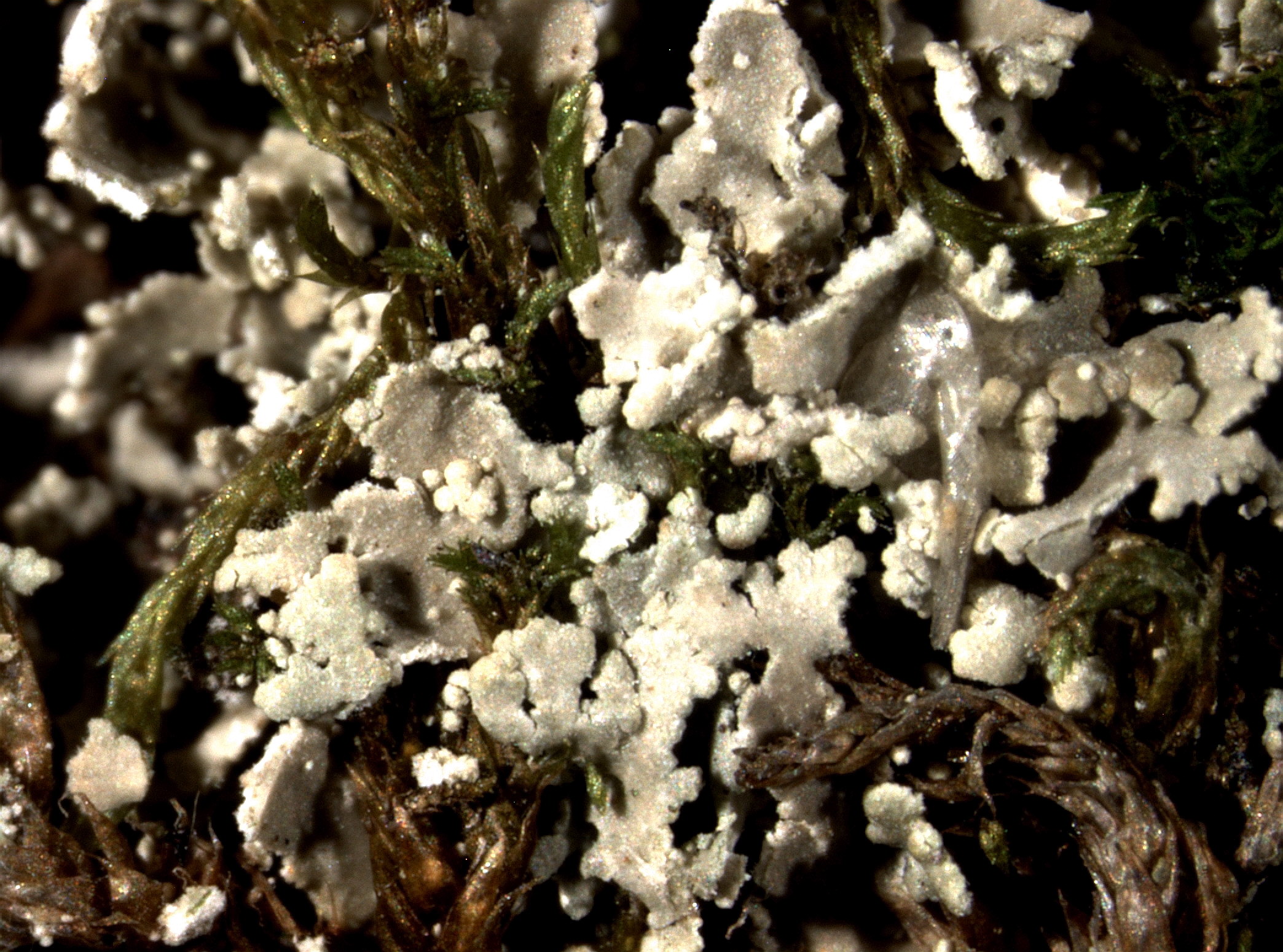
Pier Luigi Nimis - CC BY-SA 4.0
TSB 42110
Pier Luigi Nimis - CC BY-SA 4.0
TSB 41489
Pier Luigi Nimis - CC BY-SA 4.0
TSB 41489

Pier Luigi Nimis - CC BY-SA 4.0
TSB 41489
Einar Timdal - Source: http://nhm2.uio.no/lav/web/index.html - CC BY-NC

Gabriele Gheza - https://lichenidilombardia.home.blog
Italy, Lombardia, Brescia, Breno, 1600 m
30/08/2019

Ulrich Kirschbaum CC BY-SA 4.0 - Source: https://www.thm.de/lse/ulrich-kirschbaum/flechtenbilder
Central Europe; Germany: Hesse.

Ulrich Kirschbaum CC BY-SA 4.0 - Source: https://www.thm.de/lse/ulrich-kirschbaum/flechtenbilder
Central Europe; Germany: Hesse.

Marta González Garcia - Centro de Estudios Micologicos Asturianos
Spain, La Sierra (Corvera-Asturias), 22-VIII-2023, en un talud herboso, bajo Castanea sativa, leg. M. González, det. Ana Rosa Burgaz, MGG-42. (con ácido fumarprotocetrárico).
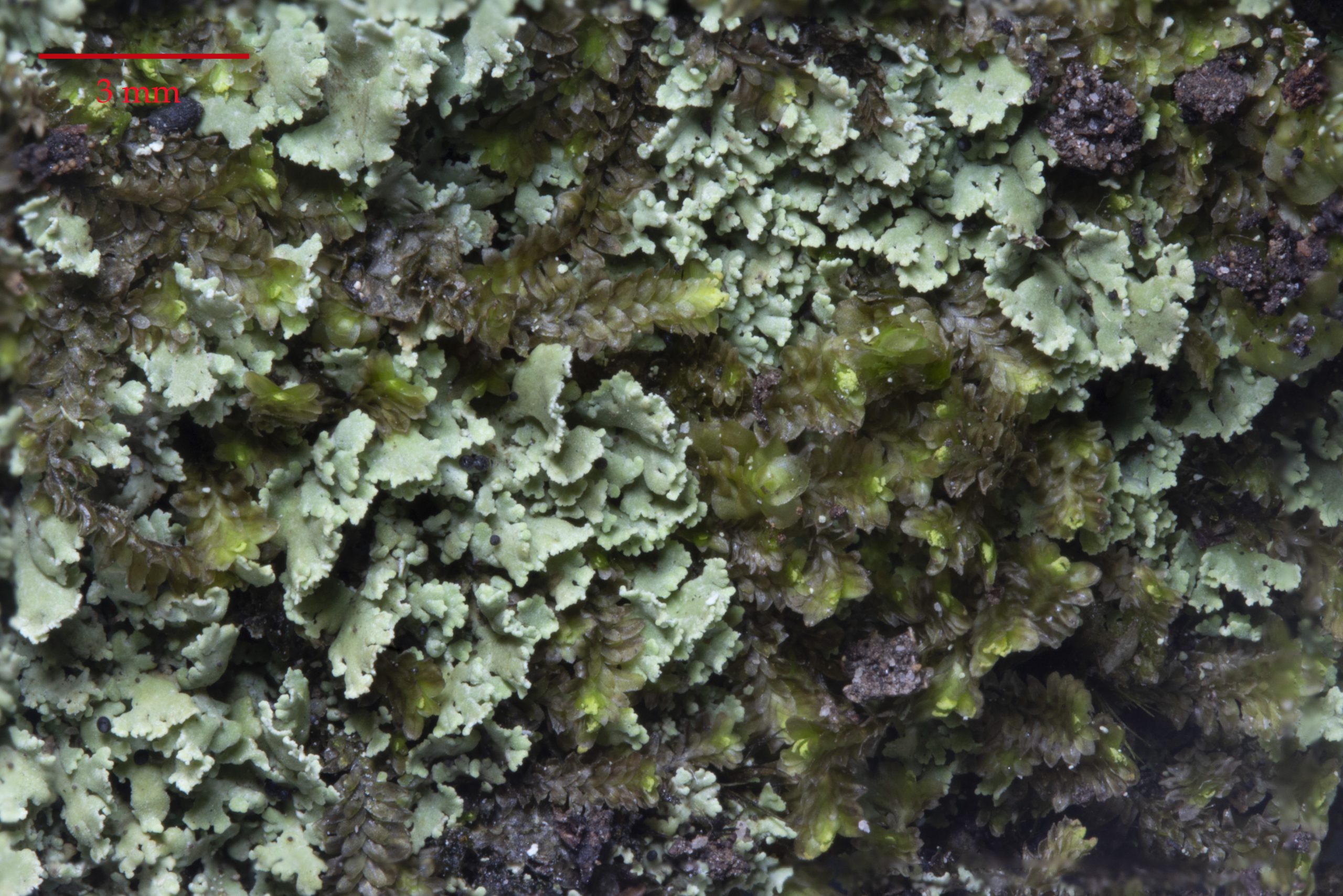
Marta González Garcia - Centro de Estudios Micologicos Asturianos
Spain, La Sierra (Corvera-Asturias), 22-VIII-2023, en un talud herboso, bajo Castanea sativa, leg. M. González, det. Ana Rosa Burgaz, MGG-42. (con ácido fumarprotocetrárico).

Marta González Garcia - Centro de Estudios Micologicos Asturianos
Spain, La Sierra (Corvera-Asturias), 22-VIII-2023, en un talud herboso, bajo Castanea sativa, leg. M. González, det. Ana Rosa Burgaz, MGG-42. (con ácido fumarprotocetrárico).

Marta González Garcia - Centro de Estudios Micologicos Asturianos
Spain, La Sierra (Corvera-Asturias), 22-VIII-2023, en un talud herboso, bajo Castanea sativa, leg. M. González, det. Ana Rosa Burgaz, MGG-42. (con ácido fumarprotocetrárico).

Marta González Garcia - Centro de Estudios Micologicos Asturianos
Spain, La Sierra (Corvera-Asturias), 22-VIII-2023, en un talud herboso, bajo Castanea sativa, leg. M. González, det. Ana Rosa Burgaz, MGG-42. (con ácido fumarprotocetrárico).

Marta González Garcia - Centro de Estudios Micologicos Asturianos
Spain, La Sierra (Corvera-Asturias), 22-VIII-2023, en un talud herboso, bajo Castanea sativa, leg. M. González, det. Ana Rosa Burgaz, MGG-42. (con ácido fumarprotocetrárico).

Marta González Garcia - Centro de Estudios Micologicos Asturianos
Spain, La Sierra (Corvera-Asturias), 22-VIII-2023, en un talud herboso, bajo Castanea sativa, leg. M. González, det. Ana Rosa Burgaz, MGG-42. (con ácido fumarprotocetrárico).

Marta González Garcia - Centro de Estudios Micologicos Asturianos
Spain, La Sierra (Corvera-Asturias), 22-VIII-2023, en un talud herboso, bajo Castanea sativa, leg. M. González, det. Ana Rosa Burgaz, MGG-42. (con ácido fumarprotocetrárico).