Cladonia cariosa (Ach.) Spreng.
Syst. Veget., 4, 1: 272, 1827. Basionym: Lichen cariosus Ach. - Lichenogr. Suec. Prodr.: 198, 1799.
Synonyms: Cladonia locarnensis Frey nom. illegit.; Cladonia stabilis Britzelm.
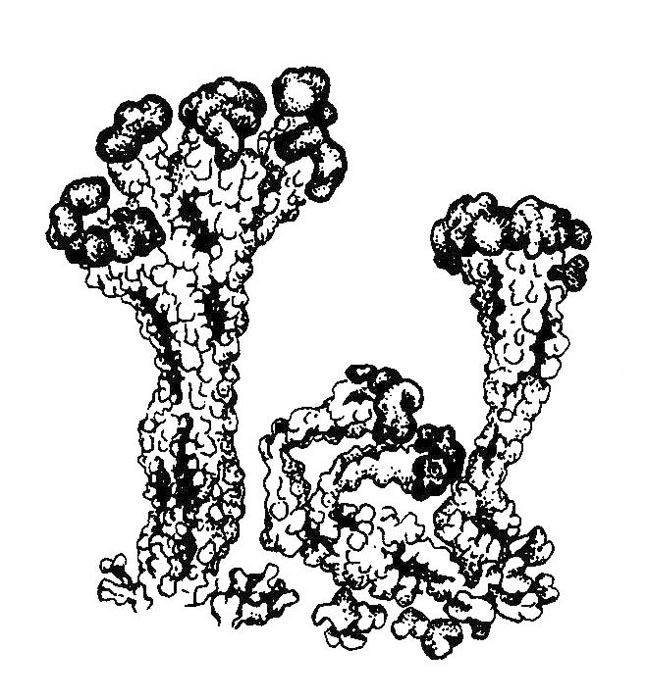
Description: Primary thallus squamulose, persistent, forming cushions, the squamules small to middle-sized, 1-7(-10) mm long, 1-2(-3) mm broad, entire to incised, concave to reflexed-convex, greenish white to olive-green above, white and fibrillose beneath. Podetia rather rare, 0.5-2(-3) cm tall, up to 3 mm thick (often more below the apothecia), cupless, simple or sparingly branched in upper part, often terminated by large apothecia, partly decorticate-granulose, sometimes sparsely squamulose in lower part, longitudinally fissured, very thick-walled, with medullary hyphae running parallel to the surface. Apothecia frequent, terminal, dark brown, convex, usually clustered into corymb-like clusters. Asci 8-spored, clavate, thickened at apex, with a K/I+ blue tholus and a K/I+ strongly blue outer gelatinous sheath, Cladonia-type. Ascospores 1-celled, hyaline, ellipsoid. Pycnidia dark, ovoid to conical, semi-immersed in the primary squamules. Conidia hyaline, curved. Photobiont chlorococcoid. Spot tests and chemistry: different chemotypes (all of them K+ yellow, C-, KC-, UV-): 1) P- (atranorin only, the most frequent chemotype), 2) P+ yellow (atranorin, norstictic and connorstictic acids), 3: P+ red (atranorin and fumarprotocetraric acid), 4) P– (atranorin and rangiformic acid), 5) P+ red (atranorin, fumarprotocetraric and rangiformic acids).
Growth form: Fruticose
Substrata: soil, terricolous mosses, and plant debris
Photobiont: green algae other than Trentepohlia
Reproductive strategy: mainly sexual
Pioneer species
Commonnes-rarity: (info)
Alpine belt: very rare
Subalpine belt: rare
Montane belt: extremely rare
Dry submediterranean belt: extremely rare
Humid submediterranean belt: extremely rare
Padanian area: absent
pH of the substrata:
1 2 3 4 5

Solar irradiation:
1 2 3 4 5
Aridity:
1 2 3 4 5
Eutrophication:
1 2 3 4 5
Poleotolerance:
0 1 2 3
Altitudinal distribution:
1 2 3 4 5 6
Rarity
absent
extremely rare
very rare
rare
rather rare
rather common
common
very common
extremely common
Loading data...
Occurrence data
Predictive map
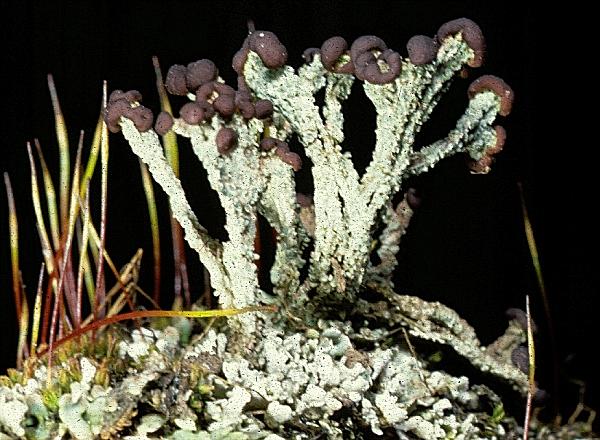
Ulrich Kirschbaum CC BY-SA 4.0 - Source: https://www.thm.de/lse/ulrich-kirschbaum/flechtenbilder
Central Europe: Germany (Hesse).
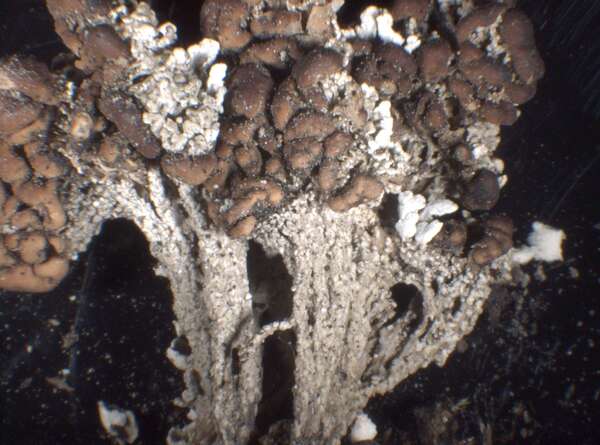
P.L. Nimis; Owner: Department of Life Sciences, University of Trieste
Herbarium: TSB (234)
2003/02/15
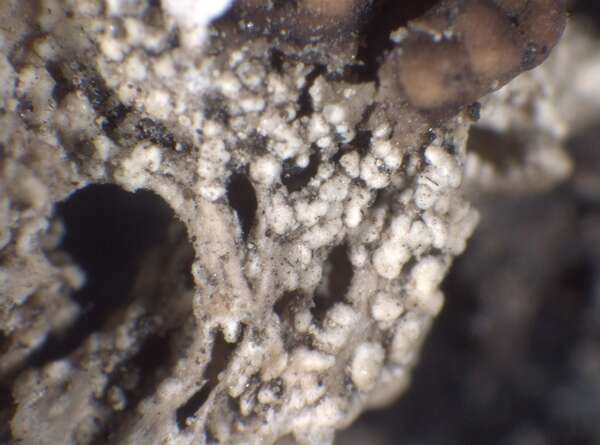
P.L. Nimis; Owner: Department of Life Sciences, University of Trieste
Herbarium: TSB (234)
2003/02/15
detail of cortex
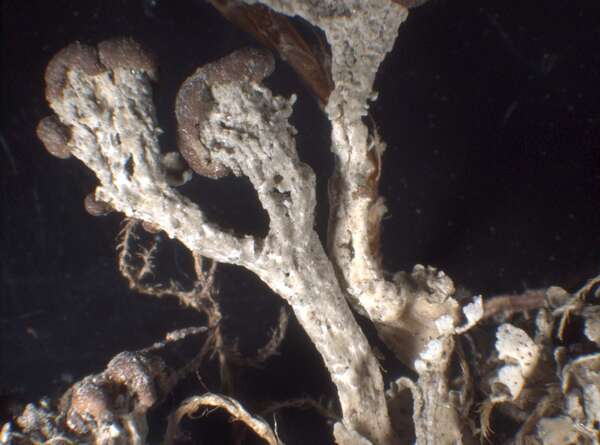
P.L. Nimis; Owner: Department of Life Sciences, University of Trieste
Herbarium: TSB (122)
2003/02/15
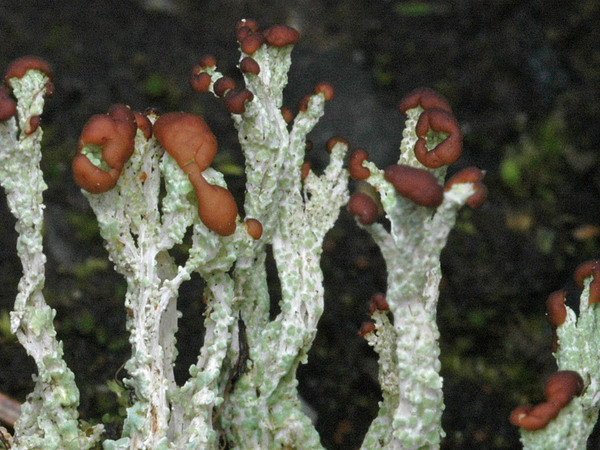
Leif Stridvall
Courtesy: Anita Stridvall -Source: http://www.stridvall.se/lichens/gallery/
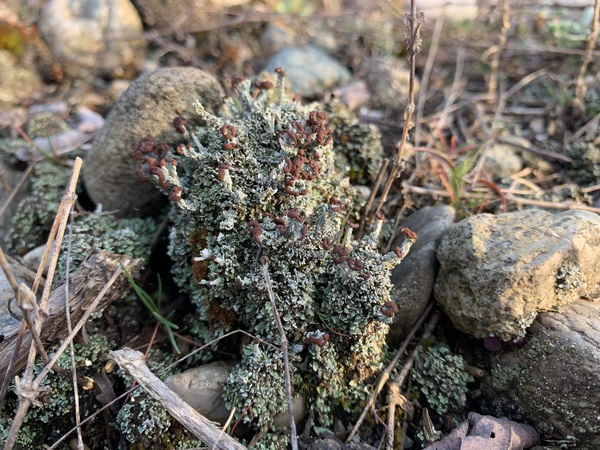
Gabriele Gheza - https://lichenidilombardia.home.blog
Italy, Lombardia, Varese, Vizzola Ticino, valle del Ticino, 162 m
17/03/2021
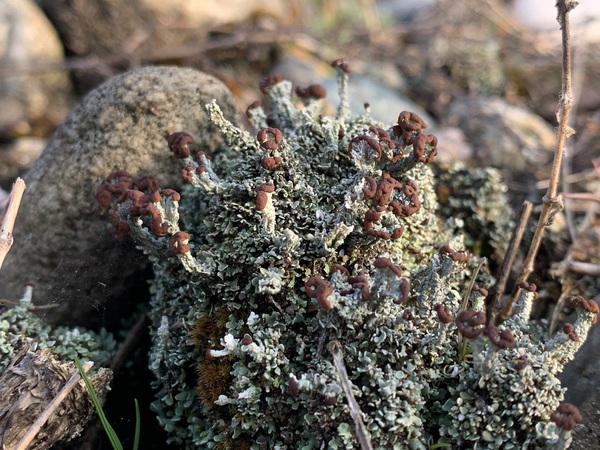
Gabriele Gheza - https://lichenidilombardia.home.blog
Italy, Lombardia, Varese, Vizzola Ticino, valle del Ticino, 162 m
17/03/2021
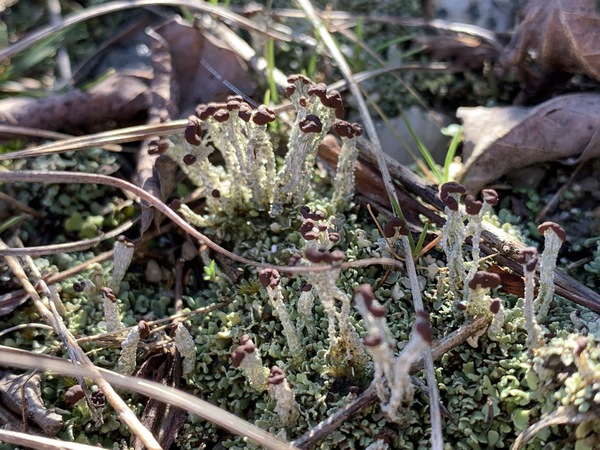
Gabriele Gheza - https://lichenidilombardia.home.blog
Italy, Lombardia, Varese, Vizzola Ticino, valle del Ticino, 162 m
17/02/2021
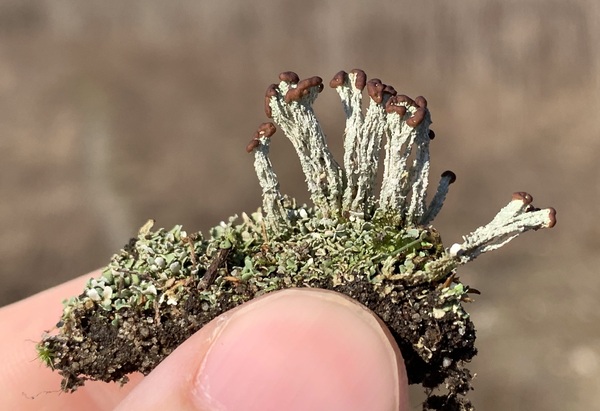
Gabriele Gheza - https://lichenidilombardia.home.blog
Italy, Lombardia, Varese, Vizzola Ticino, valle del Ticino, 162 m
17/02/2021
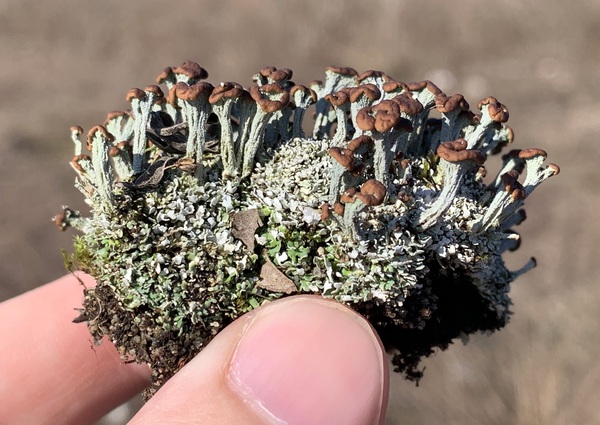
Gabriele Gheza - https://lichenidilombardia.home.blog
Italy, Lombardia, Varese, Vizzola Ticino, valle del Ticino, 162 m
17/02/2021
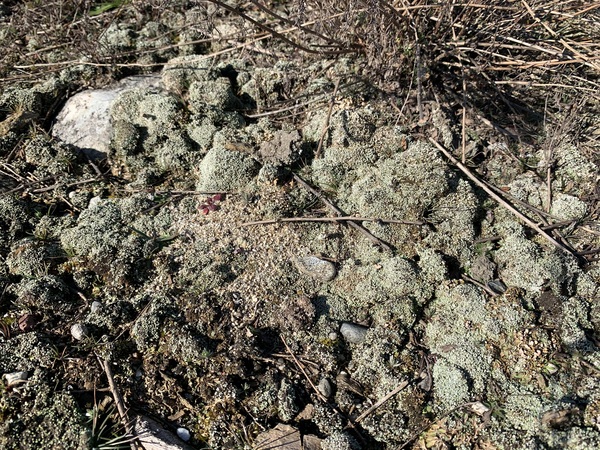
Gabriele Gheza - https://lichenidilombardia.home.blog
Italy, Lombardia, Varese, Vizzola Ticino, valle del Ticino, 162 m
17/02/2021
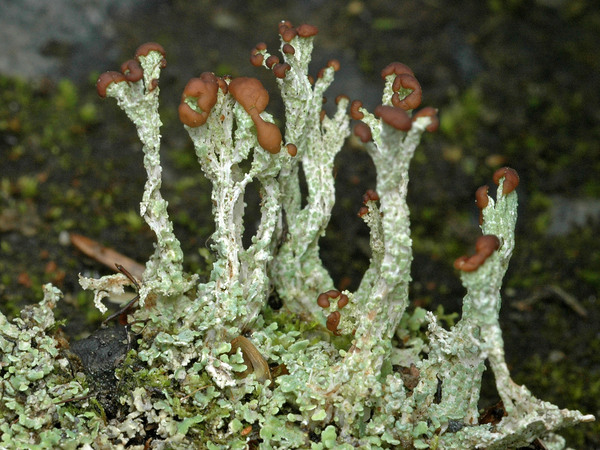
Leif Stridvall
Courtesy: Anita Stridvall -Source: http://www.stridvall.se/lichens/gallery/
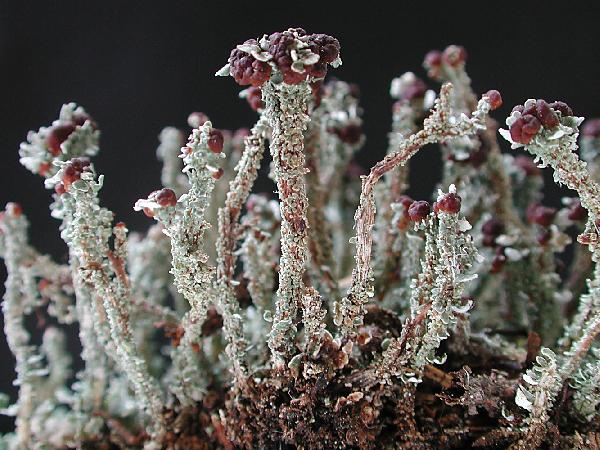
Ulrich Kirschbaum CC BY-SA 4.0 - Source: https://www.thm.de/lse/ulrich-kirschbaum/flechtenbilder
Central Europe: Germany (Hesse).

Wolfgang von Brackel - CC BY-4.0
Germany, Bavaria, Grafenwöhr

Wolfgang von Brackel - CC BY-4.0
Germany, Bavaria, Grafenwöhr

Wolfgang von Brackel - CC BY-4.0
Germany, Bavaria, Nürnberg

Wolfgang von Brackel - CC BY-4.0
Germany, Bavaria, Nürnberg

Wolfgang von Brackel - CC BY-4.0
Germany, Bavaria, Nürnberg

Wolfgang von Brackel - CC BY-4.0
Germany, Bavaria, Nürnberg

Wolfgang von Brackel - CC BY-4.0
Germany, Bavaria, Nürnberg

Wolfgang von Brackel - CC BY-4.0
Germany, Bavaria, Nürnberg

Wolfgang von Brackel - CC BY-4.0
Pycnidium - Germany, Bavaria, Grafenwöhr
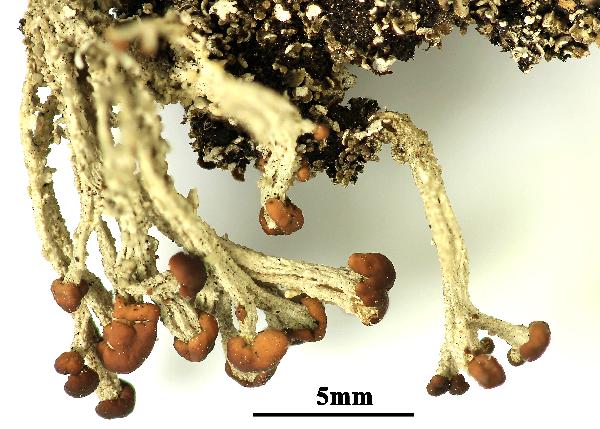
Felix Schumm - CC BY 4.0
[VZ1208], Suecia. Västmanland. Sala. Sala gruva (ambitus metallorum)
Herr Stens botten. Supra terram saxum tenuiter obtectam in fodina
vetusta. Leg. R. Santesson (no. 24324), 13.6.1973. EX A. VEZDA LICHENES
SELECTI EXSICCATI NR. 1208.
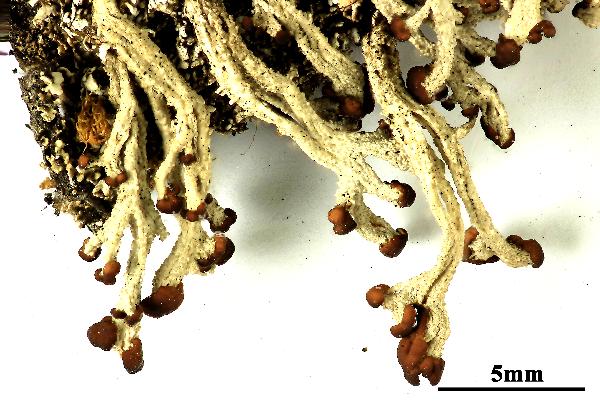
Felix Schumm - CC BY 4.0
[VZ1208], Suecia. Västmanland. Sala. Sala gruva (ambitus metallorum)
Herr Stens botten. Supra terram saxum tenuiter obtectam in fodina
vetusta. Leg. R. Santesson (no. 24324), 13.6.1973. EX A. VEZDA LICHENES
SELECTI EXSICCATI NR. 1208.
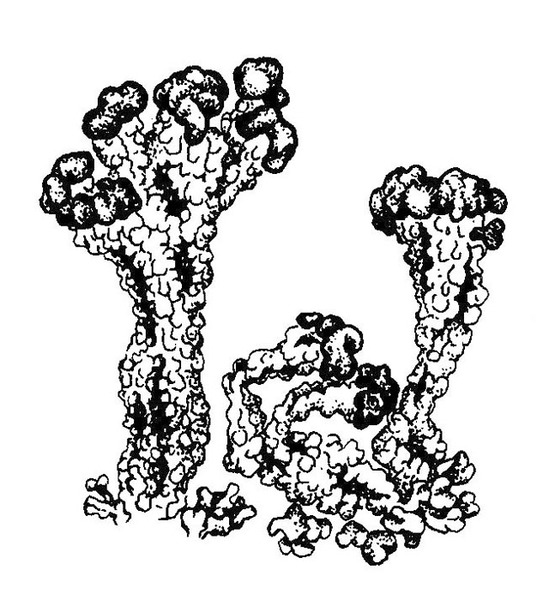
Triin Aimla; Owner: University of Tartu
Growth form: Fruticose
Substrata: soil, terricolous mosses, and plant debris
Photobiont: green algae other than Trentepohlia
Reproductive strategy: mainly sexual
Pioneer species
Commonnes-rarity: (info)
Alpine belt: very rare
Subalpine belt: rare
Montane belt: extremely rare
Dry submediterranean belt: extremely rare
Humid submediterranean belt: extremely rare
Padanian area: absent
pH of the substrata:
| 1 | 2 | 3 | 4 | 5 |
Solar irradiation:
| 1 | 2 | 3 | 4 | 5 |
Aridity:
| 1 | 2 | 3 | 4 | 5 |
Eutrophication:
| 1 | 2 | 3 | 4 | 5 |
Poleotolerance:
| 0 | 1 | 2 | 3 |
Altitudinal distribution:
| 1 | 2 | 3 | 4 | 5 | 6 |
Rarity
absent
extremely rare
very rare
rare
rather rare
rather common
common
very common
extremely common
Loading data...
Occurrence data
Predictive map

Ulrich Kirschbaum CC BY-SA 4.0 - Source: https://www.thm.de/lse/ulrich-kirschbaum/flechtenbilder
Central Europe: Germany (Hesse).
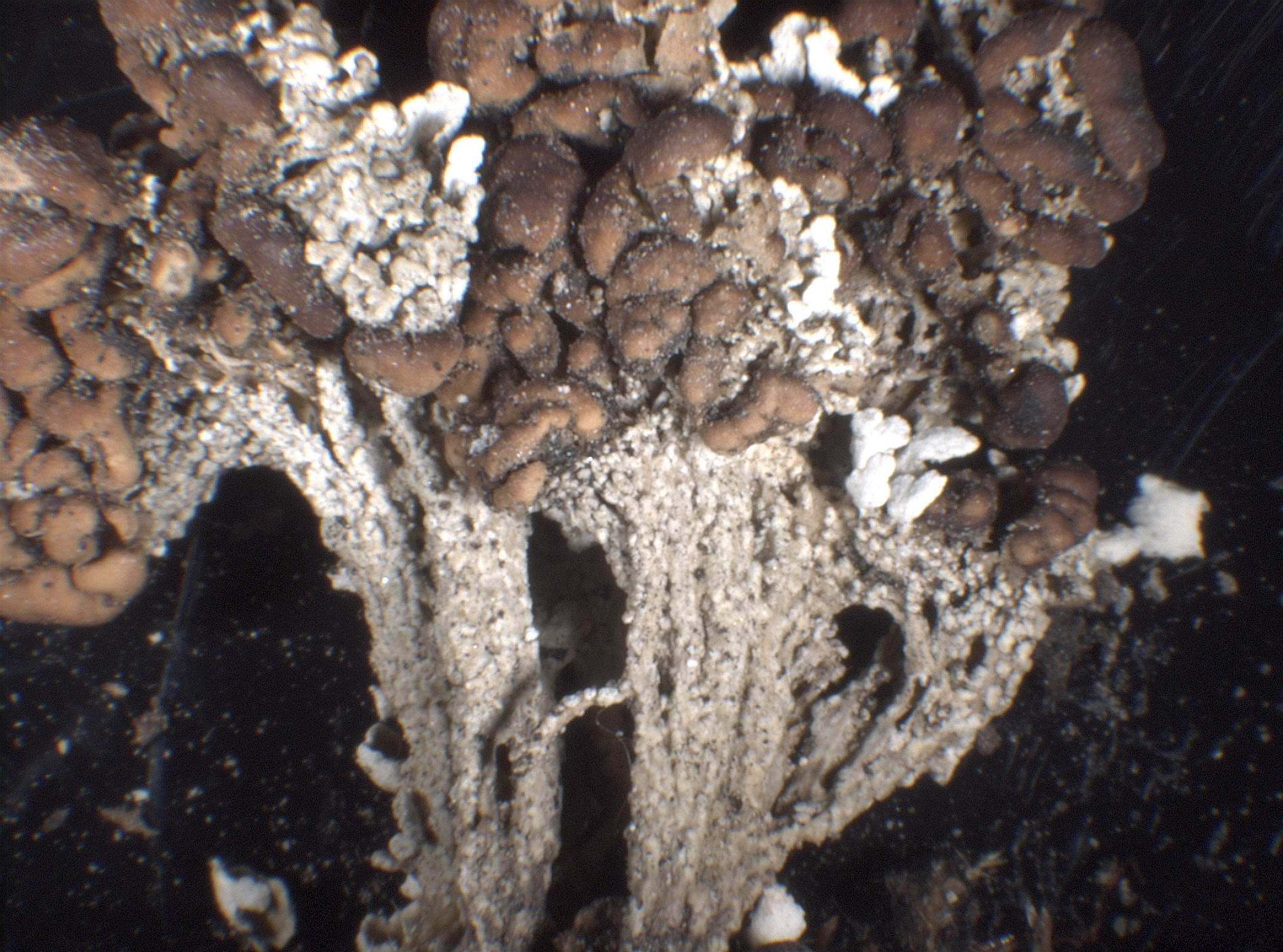
P.L. Nimis; Owner: Department of Life Sciences, University of Trieste
Herbarium: TSB (234)
2003/02/15
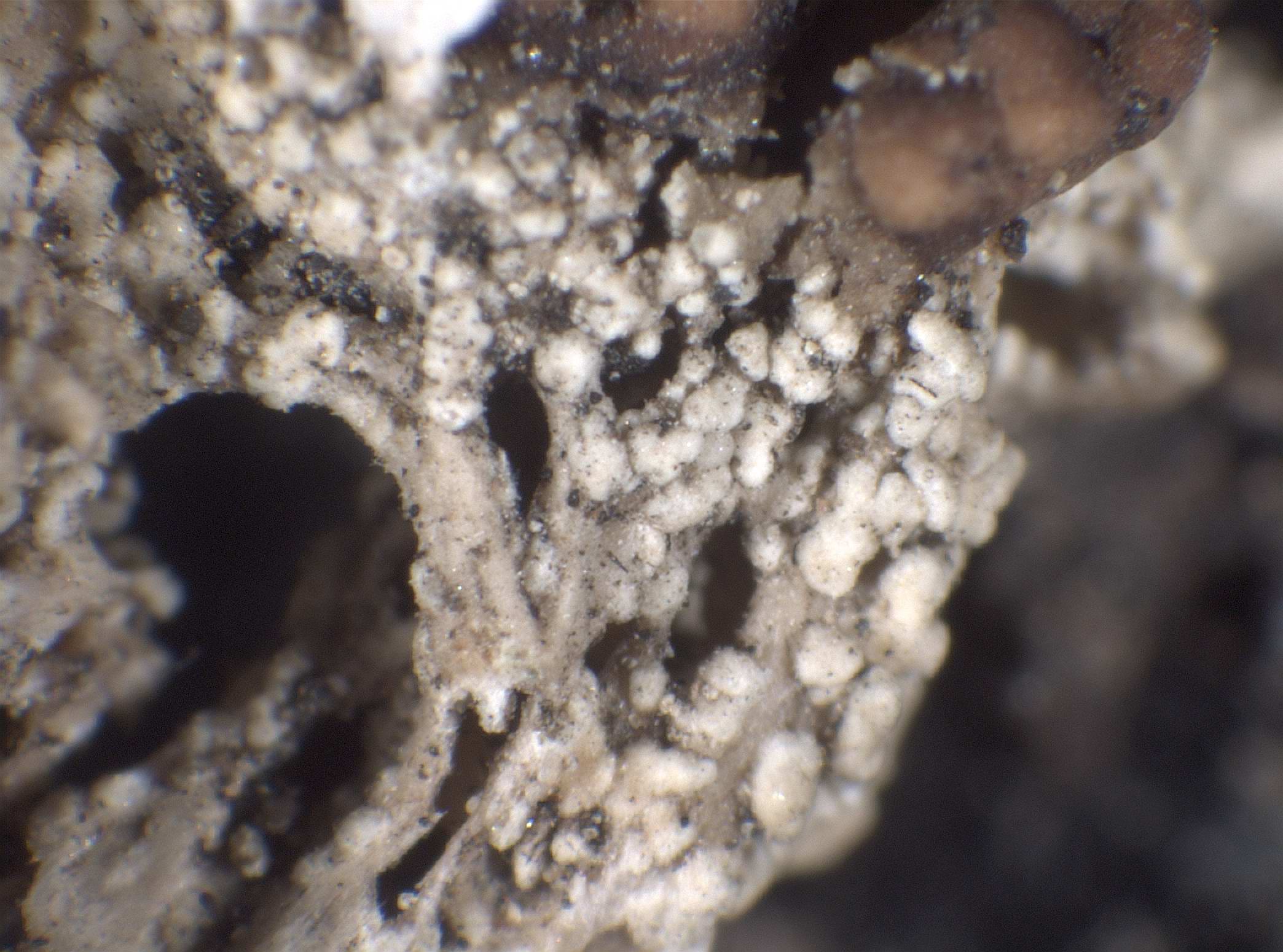
P.L. Nimis; Owner: Department of Life Sciences, University of Trieste
Herbarium: TSB (234)
2003/02/15
detail of cortex
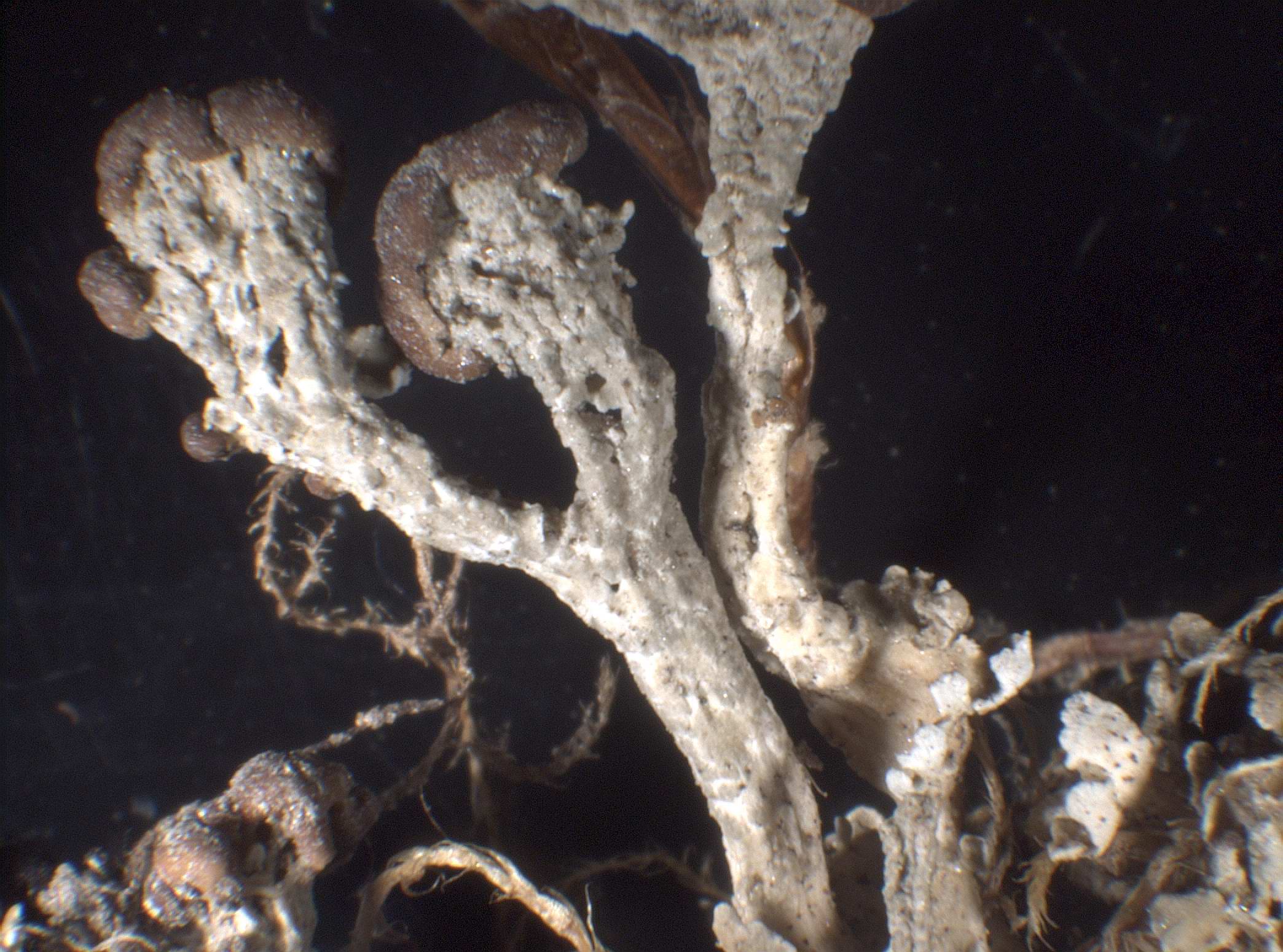
P.L. Nimis; Owner: Department of Life Sciences, University of Trieste
Herbarium: TSB (122)
2003/02/15
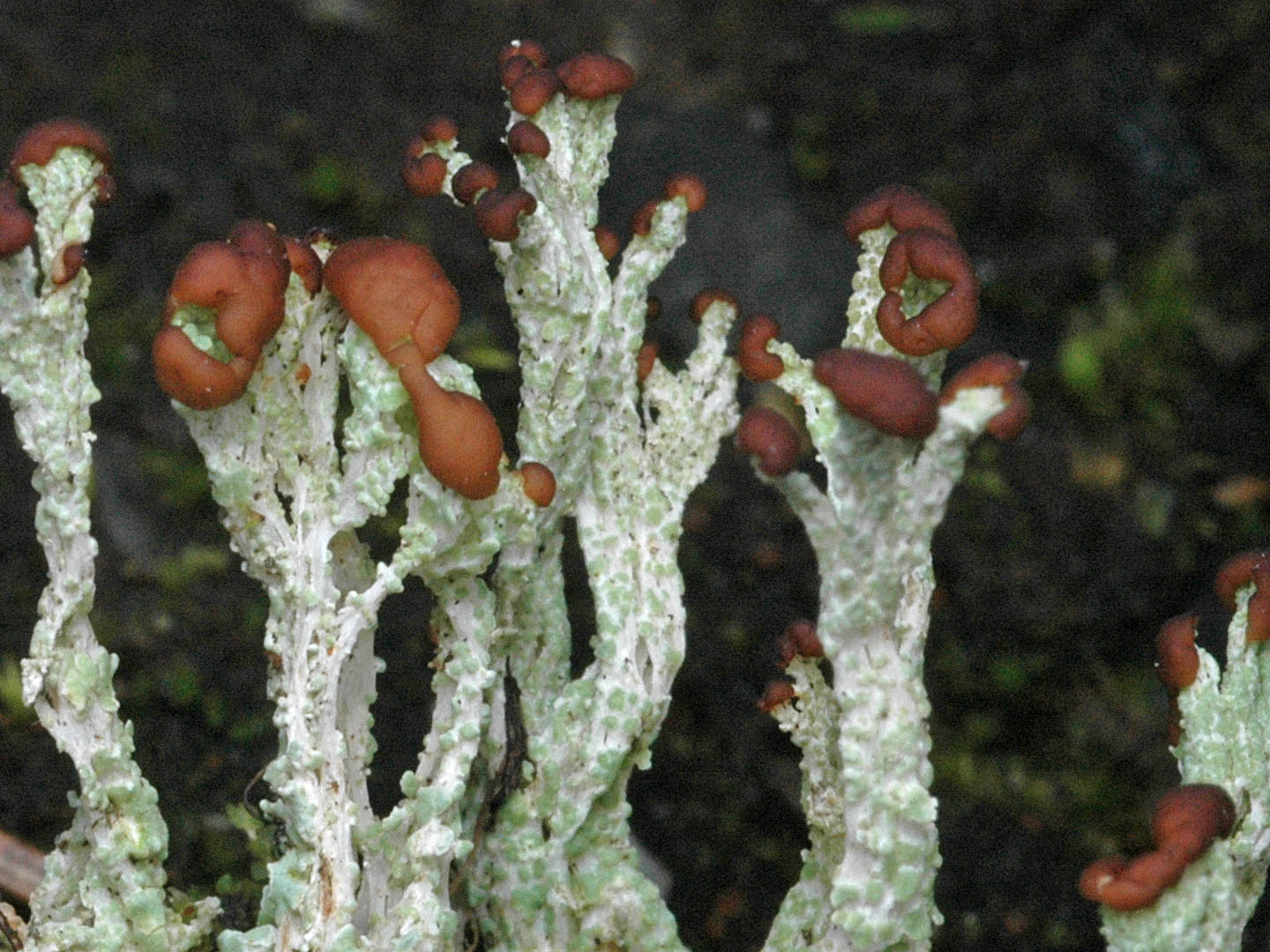
Leif Stridvall
Courtesy: Anita Stridvall -Source: http://www.stridvall.se/lichens/gallery/

Gabriele Gheza - https://lichenidilombardia.home.blog
Italy, Lombardia, Varese, Vizzola Ticino, valle del Ticino, 162 m
17/03/2021
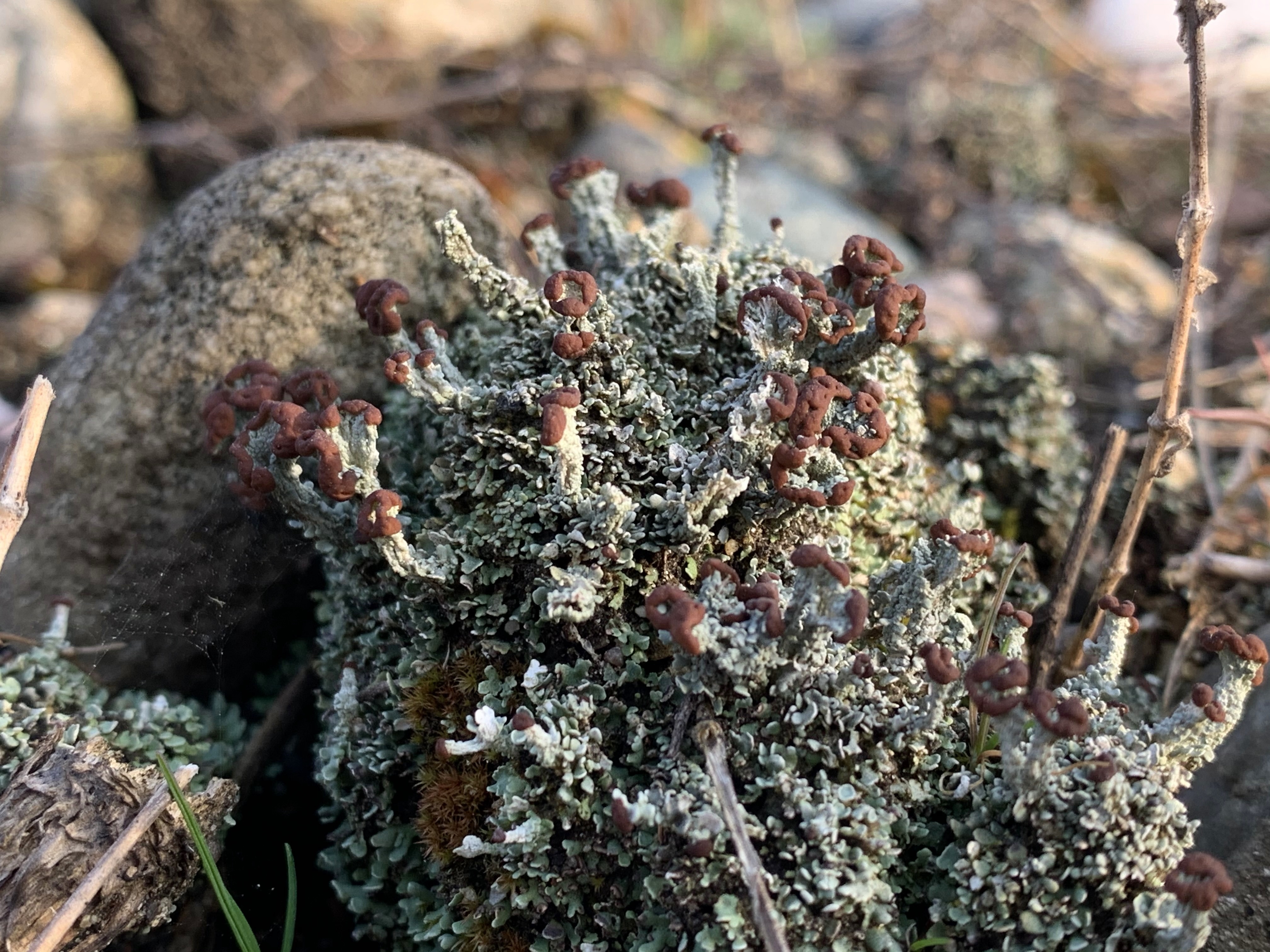
Gabriele Gheza - https://lichenidilombardia.home.blog
Italy, Lombardia, Varese, Vizzola Ticino, valle del Ticino, 162 m
17/03/2021
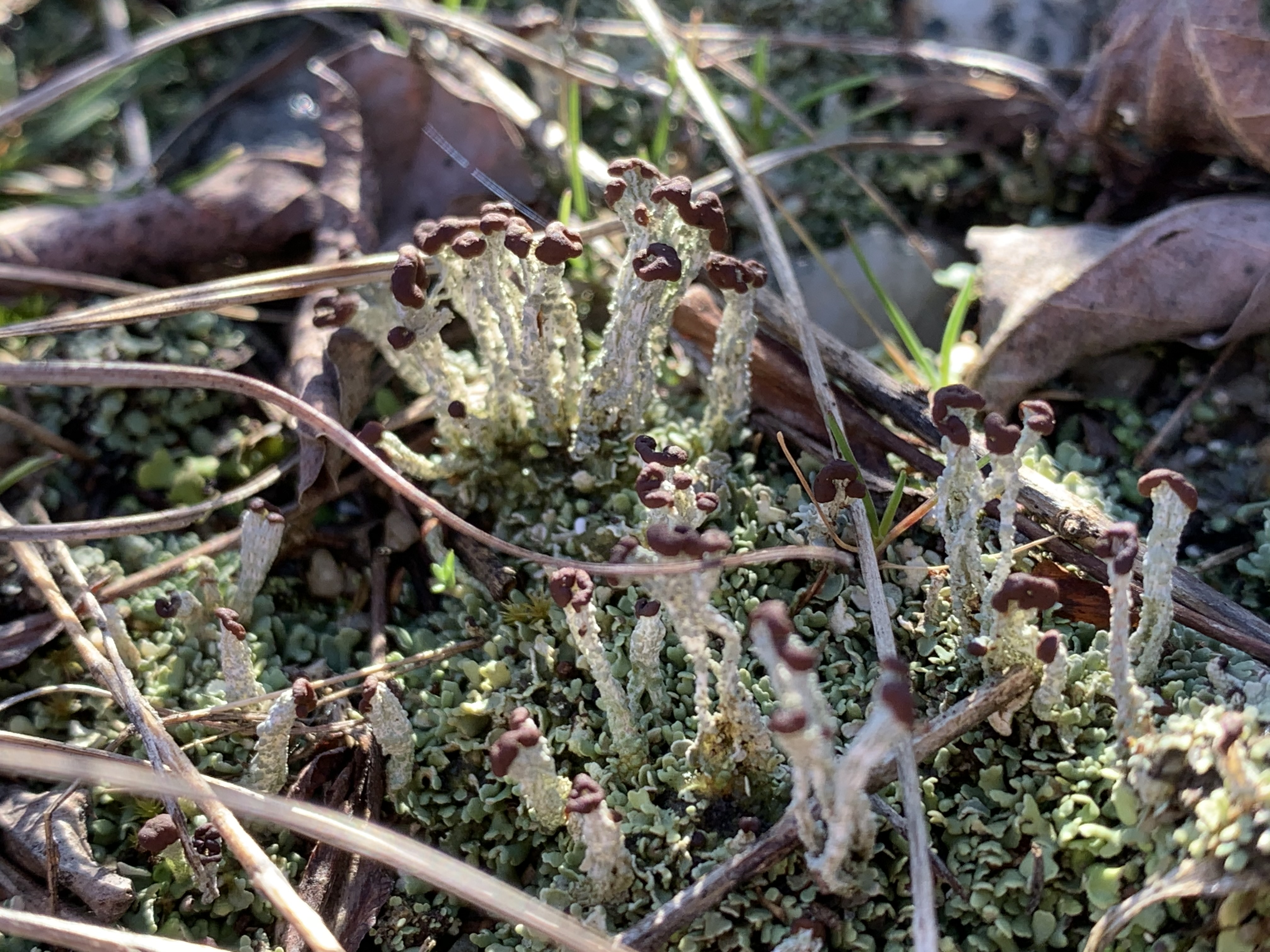
Gabriele Gheza - https://lichenidilombardia.home.blog
Italy, Lombardia, Varese, Vizzola Ticino, valle del Ticino, 162 m
17/02/2021
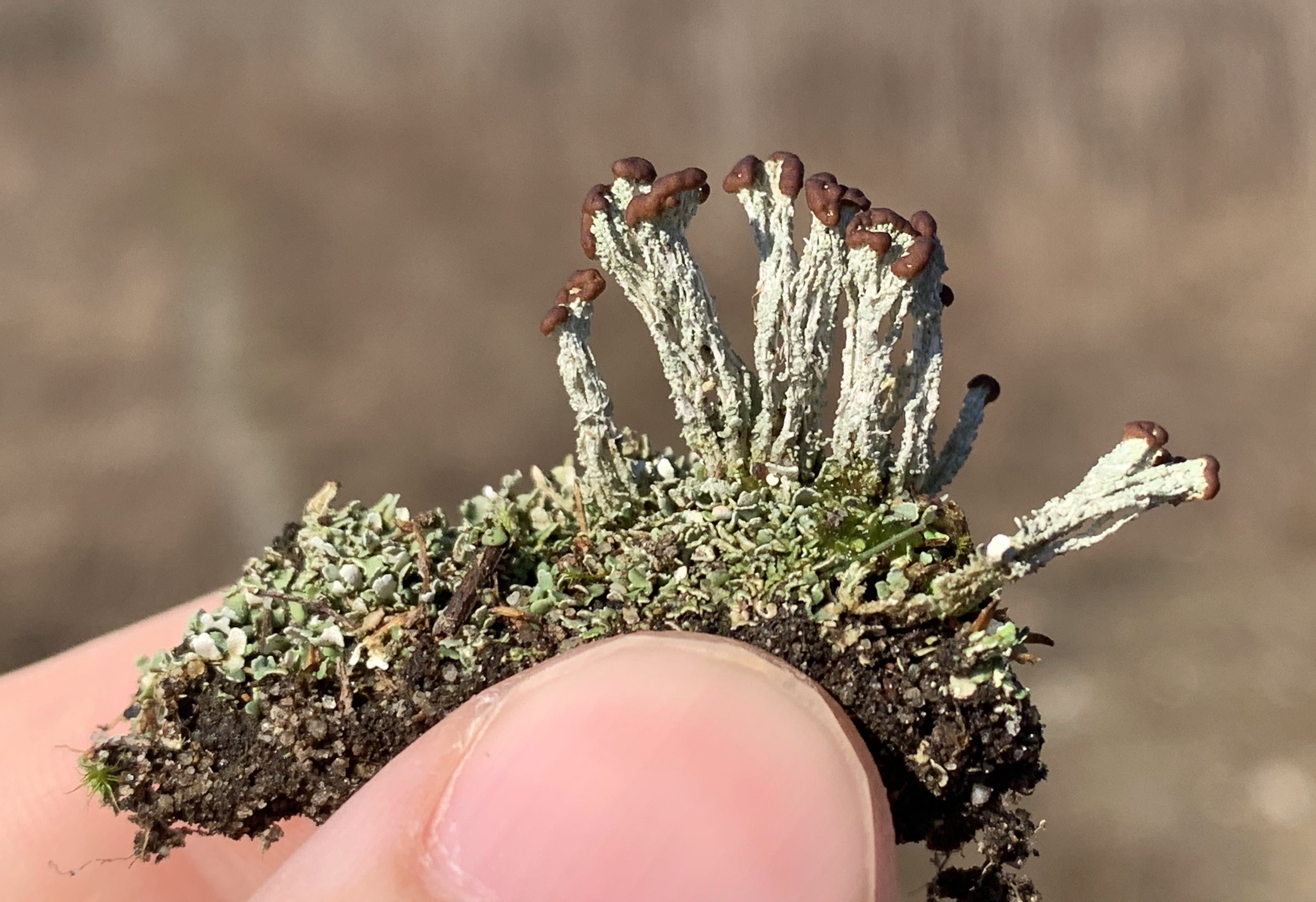
Gabriele Gheza - https://lichenidilombardia.home.blog
Italy, Lombardia, Varese, Vizzola Ticino, valle del Ticino, 162 m
17/02/2021
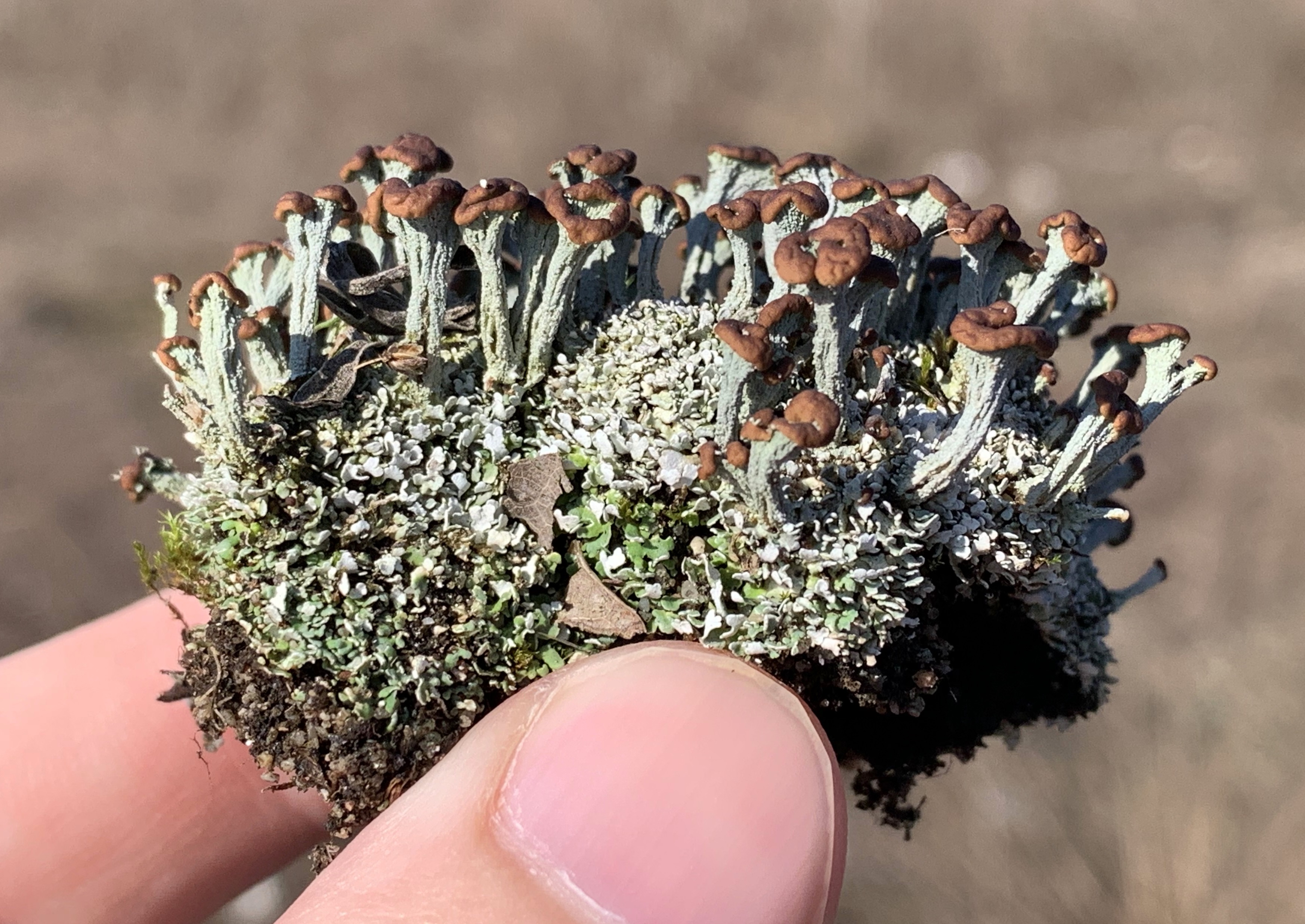
Gabriele Gheza - https://lichenidilombardia.home.blog
Italy, Lombardia, Varese, Vizzola Ticino, valle del Ticino, 162 m
17/02/2021

Gabriele Gheza - https://lichenidilombardia.home.blog
Italy, Lombardia, Varese, Vizzola Ticino, valle del Ticino, 162 m
17/02/2021
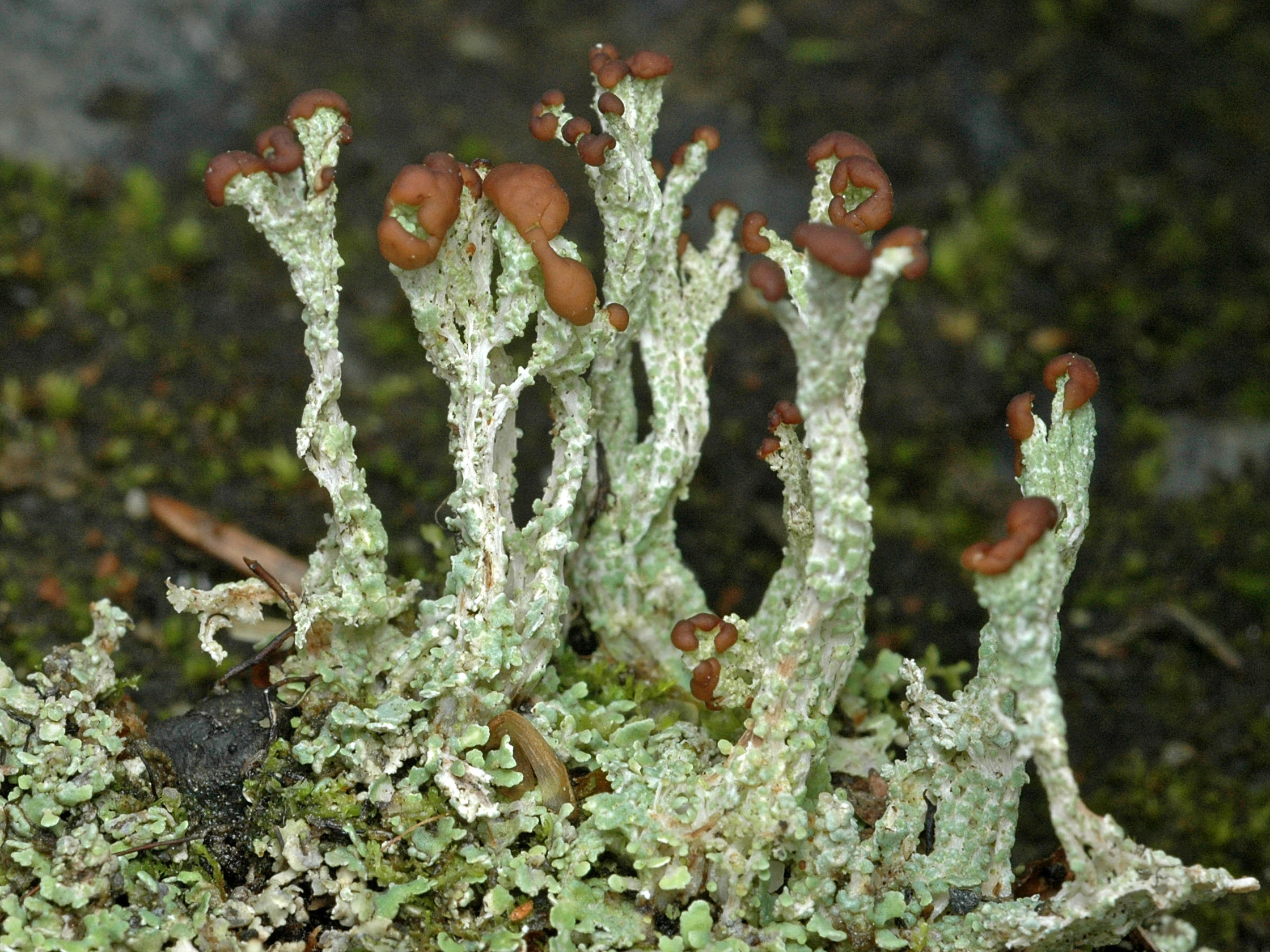
Leif Stridvall
Courtesy: Anita Stridvall -Source: http://www.stridvall.se/lichens/gallery/

Ulrich Kirschbaum CC BY-SA 4.0 - Source: https://www.thm.de/lse/ulrich-kirschbaum/flechtenbilder
Central Europe: Germany (Hesse).

Wolfgang von Brackel - CC BY-4.0
Germany, Bavaria, Grafenwöhr

Wolfgang von Brackel - CC BY-4.0
Germany, Bavaria, Grafenwöhr

Wolfgang von Brackel - CC BY-4.0
Germany, Bavaria, Nürnberg

Wolfgang von Brackel - CC BY-4.0
Germany, Bavaria, Nürnberg

Wolfgang von Brackel - CC BY-4.0
Germany, Bavaria, Nürnberg

Wolfgang von Brackel - CC BY-4.0
Germany, Bavaria, Nürnberg

Wolfgang von Brackel - CC BY-4.0
Germany, Bavaria, Nürnberg

Wolfgang von Brackel - CC BY-4.0
Germany, Bavaria, Nürnberg

Wolfgang von Brackel - CC BY-4.0
Pycnidium - Germany, Bavaria, Grafenwöhr

Felix Schumm - CC BY 4.0
[VZ1208], Suecia. Västmanland. Sala. Sala gruva (ambitus metallorum) Herr Stens botten. Supra terram saxum tenuiter obtectam in fodina vetusta. Leg. R. Santesson (no. 24324), 13.6.1973. EX A. VEZDA LICHENES SELECTI EXSICCATI NR. 1208.

Felix Schumm - CC BY 4.0
[VZ1208], Suecia. Västmanland. Sala. Sala gruva (ambitus metallorum) Herr Stens botten. Supra terram saxum tenuiter obtectam in fodina vetusta. Leg. R. Santesson (no. 24324), 13.6.1973. EX A. VEZDA LICHENES SELECTI EXSICCATI NR. 1208.