Cladonia crispata (Ach.) Flot.
in Wendt, Therm. Warmbrunn: 93, 1839. Basionym: Baeomyces turbinatus var. crispatus Ach. - Meth. Lich.: 341, 1803.
Synonyms: Cladonia crispata var. cetrariiformis (Delise) Vain.; Cladonia crispata var. dilacerata (Schaer.) Malbr.; Cladonia crispata var. divulsa (Delise) Arnold; Cladonia crispata var. elegans (Delise) Vain.; Cladonia crispata var. infundibulifera (Schaer.)
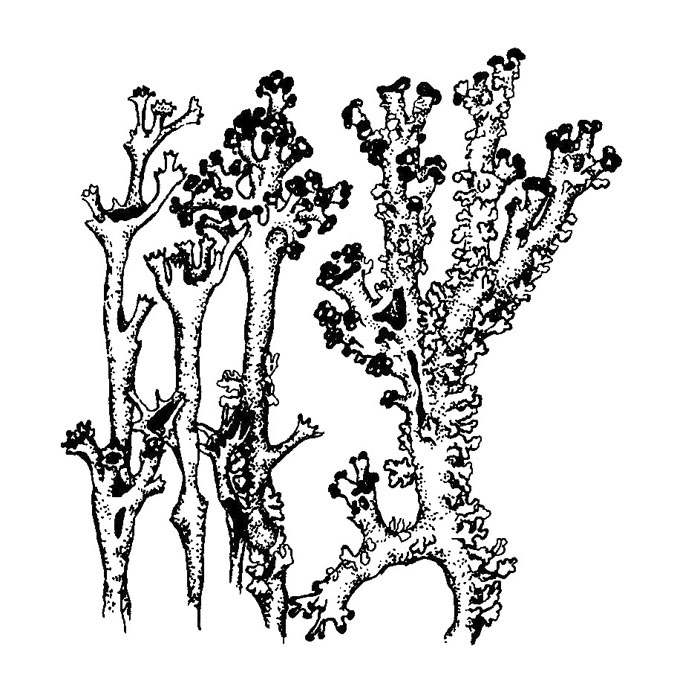
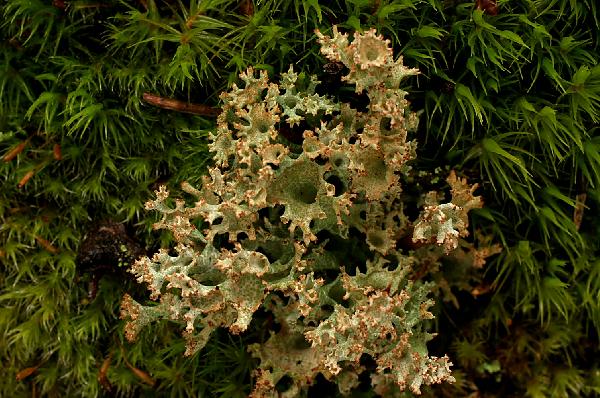
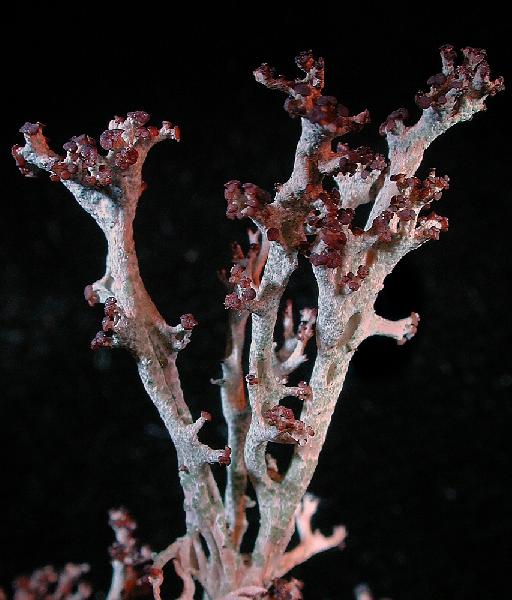
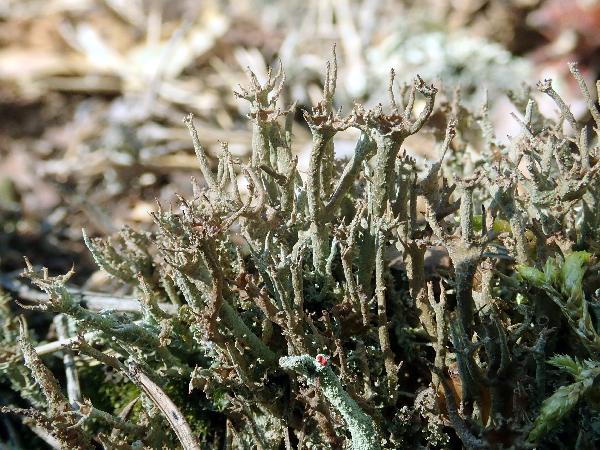
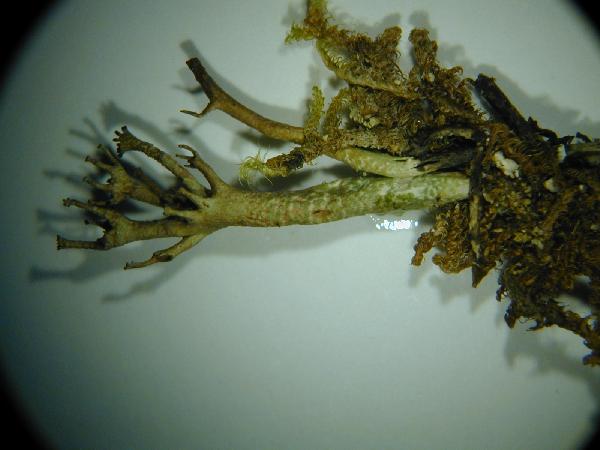
Description: Primary thallus squamulose, persistent or evanescent, the squamules middle-sized, 1-4 mm long, c. 0.5 mm broad, indented, grey-green above, white beneath. Podetia hollow inside, greenish grey to brown, extremely polymorphic, slender, 2-7 cm tall and up to 4 mm thick (usually much less), unbranched or sparingly branched in upper part, with open axillary or terminal funnels which proliferate from margins, thus terminating in a cup-like perforation with spinulose margins, not melanotic at base, continuously corticate to areolate, esorediate, sometimes squamulose. Apothecia dark brown, convex, usually stipitate, developing at the margins of cups. Asci 8-spored, clavate, thickened at apex, with a K/I+ blue tholus and a K/I+ strongly blue outer gelatinous sheath, Cladonia-type. Ascospores 1-celled, hyaline, ellipsoid. Pycnidia dark, semi-immersed, mostly in the margins of cups or on the primary squamules, often constricted at base, with a reddish jelly. Conidia hyaline, curved. Photobiont chlorococcoid. Spot tests: K-, C-, KC-, P-, UV+ white. Chemistry: squamatic acid and variable amounts of barbatic acid. In Central Europe rarely also with thamnolic acid (K+ and P+ yellow).
Growth form: Fruticose
Substrata: soil, terricolous mosses, and plant debris
Photobiont: green algae other than Trentepohlia
Reproductive strategy: mainly sexual
Commonnes-rarity: (info)
Alpine belt: extremely rare
Subalpine belt: rather common
Montane belt: extremely rare
Dry submediterranean belt: absent
Humid submediterranean belt: absent
Padanian area: absent
pH of the substrata:
1 2 3 4 5

Solar irradiation:
1 2 3 4 5
Aridity:
1 2 3 4 5
Eutrophication:
1 2 3 4 5
Poleotolerance:
0 1 2 3
Altitudinal distribution:
1 2 3 4 5 6
Rarity
absent
extremely rare
very rare
rare
rather rare
rather common
common
very common
extremely common
Loading data...
Occurrence data
Predictive map
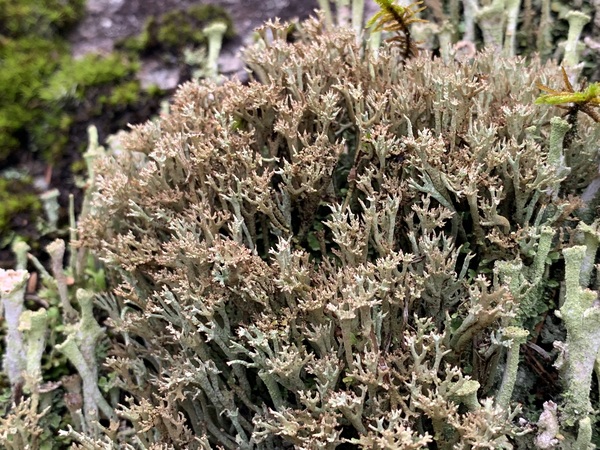
Gabriele Gheza - https://lichenidilombardia.home.blog
Italy, Lombardia, Sondrio, Valmasino, 1047 m
08/2019
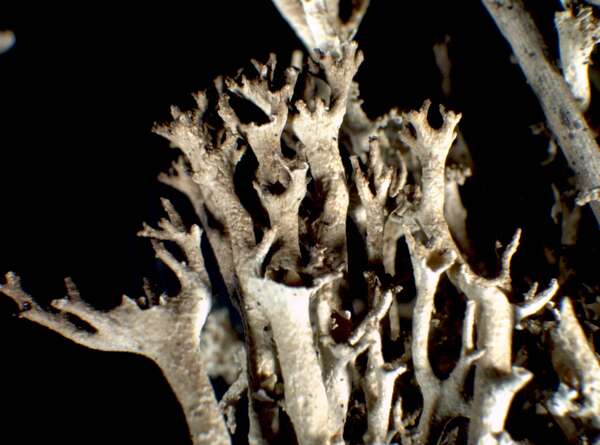
P.L. Nimis; Owner: Department of Life Sciences, University of Trieste
Herbarium: TSB (2121)
2001/12/24
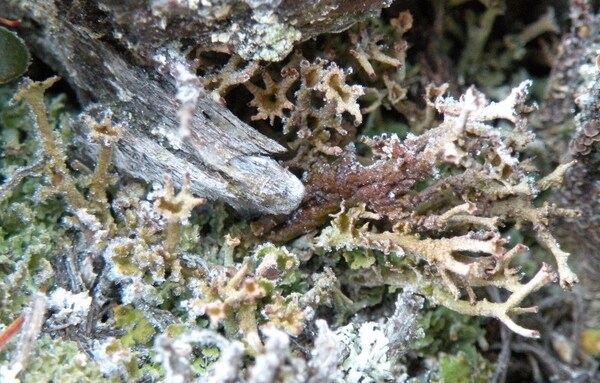
Gabriele Gheza, Tromello (PV); Owner: Gabriele Gheza, Tromello (PV)
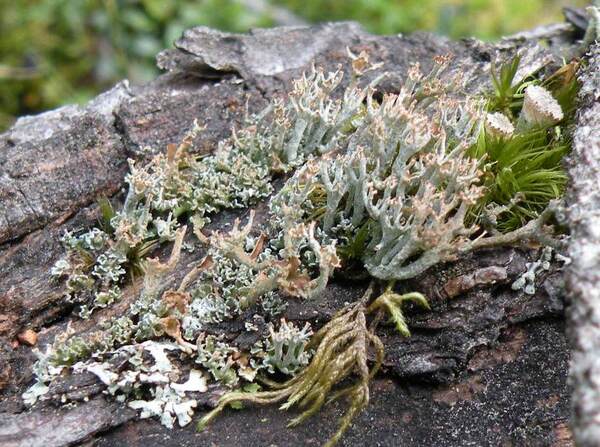
Gabriele Gheza, Tromello (PV); Owner: Gabriele Gheza, Tromello (PV)
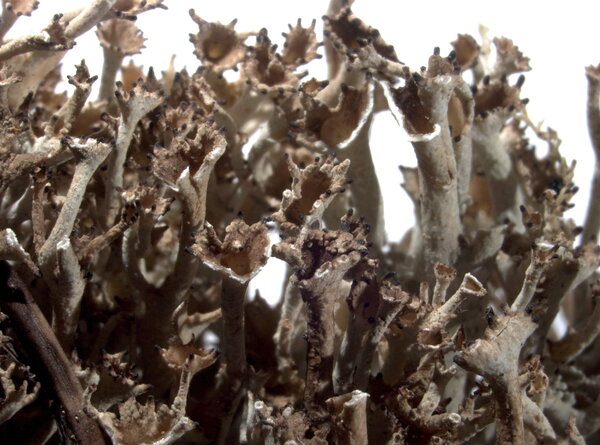
Pier Luigi Nimis - CC BY-SA 4.0
TSB 38831
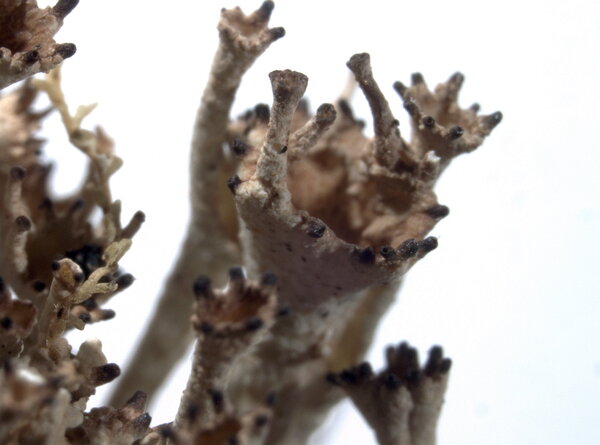
Pier Luigi Nimis - CC BY-SA 4.0
TSB 38831
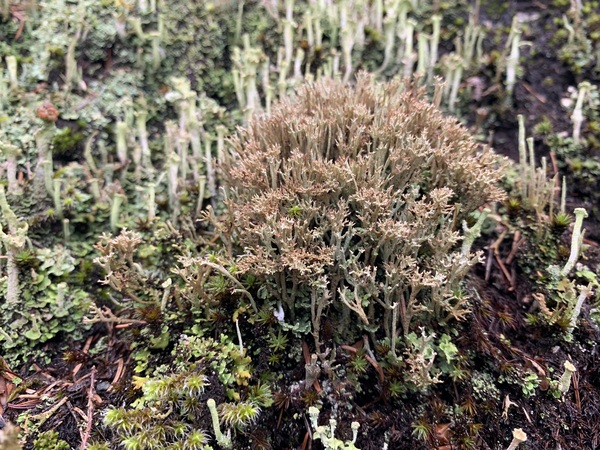
Gabriele Gheza - https://lichenidilombardia.home.blog
Italy, Lombardia, Sondrio, Valmasino, 1047 m
08/2019
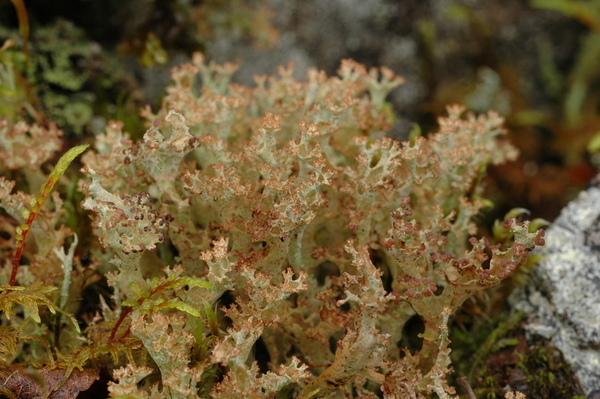
Einar Timdal - Source: http://nhm2.uio.no/lav/web/index.html - CC BY-NC
Ulrich Kirschbaum CC BY-SA 4.0 - Source: https://www.thm.de/lse/ulrich-kirschbaum/flechtenbilder
Sweden: Värmland.
Ulrich Kirschbaum CC BY-SA 4.0 - Source: https://www.thm.de/lse/ulrich-kirschbaum/flechtenbilder
Sweden: Värmland.
Wolfgang von Brackel - CC BY-4.0
Germany, Bavaria, Kreither Forst
Wolfgang von Brackel - CC BY-4.0
Greenland, Tututoq
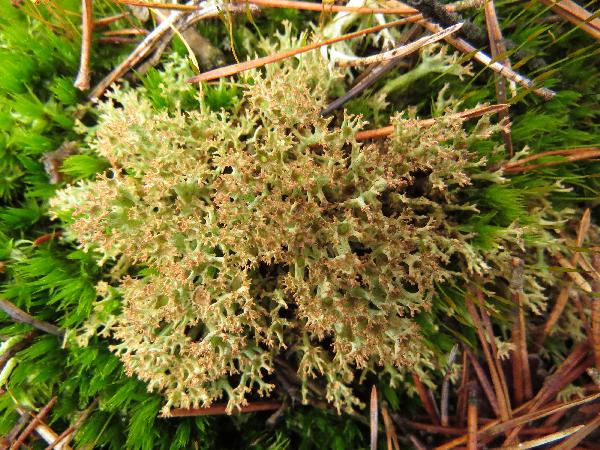
Wolfgang von Brackel - CC BY-4.0
Germany, Bavaria, Leinburg
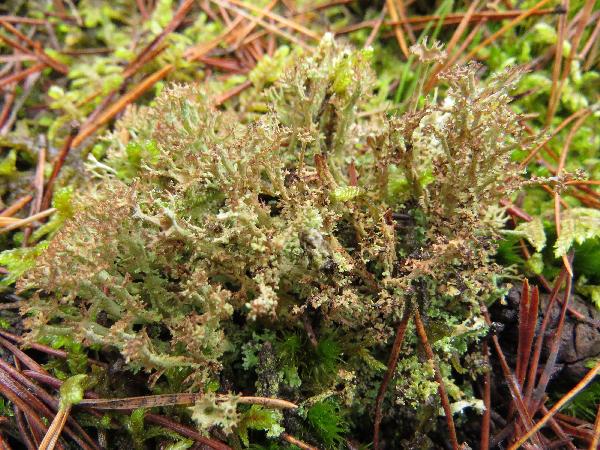
Wolfgang von Brackel - CC BY-4.0
Germany, Bavaria, Leinburg
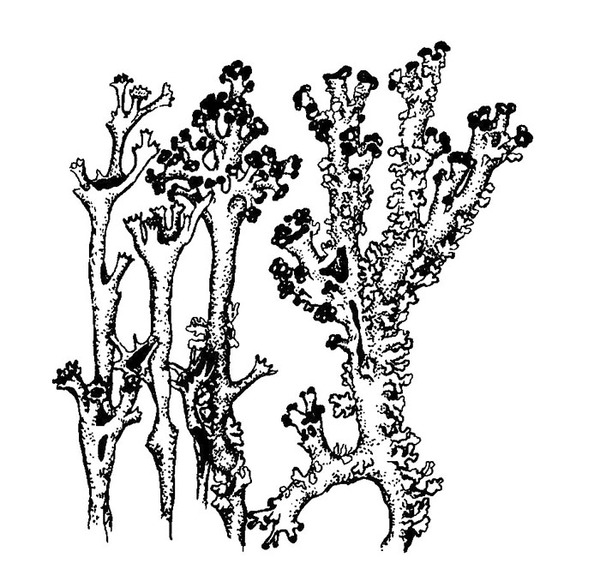
Triin Aimla; Owner: University of Tartu
Growth form: Fruticose
Substrata: soil, terricolous mosses, and plant debris
Photobiont: green algae other than Trentepohlia
Reproductive strategy: mainly sexual
Commonnes-rarity: (info)
Alpine belt: extremely rare
Subalpine belt: rather common
Montane belt: extremely rare
Dry submediterranean belt: absent
Humid submediterranean belt: absent
Padanian area: absent
pH of the substrata:
| 1 | 2 | 3 | 4 | 5 |
Solar irradiation:
| 1 | 2 | 3 | 4 | 5 |
Aridity:
| 1 | 2 | 3 | 4 | 5 |
Eutrophication:
| 1 | 2 | 3 | 4 | 5 |
Poleotolerance:
| 0 | 1 | 2 | 3 |
Altitudinal distribution:
| 1 | 2 | 3 | 4 | 5 | 6 |
Rarity
absent
extremely rare
very rare
rare
rather rare
rather common
common
very common
extremely common
Loading data...
Occurrence data
Predictive map
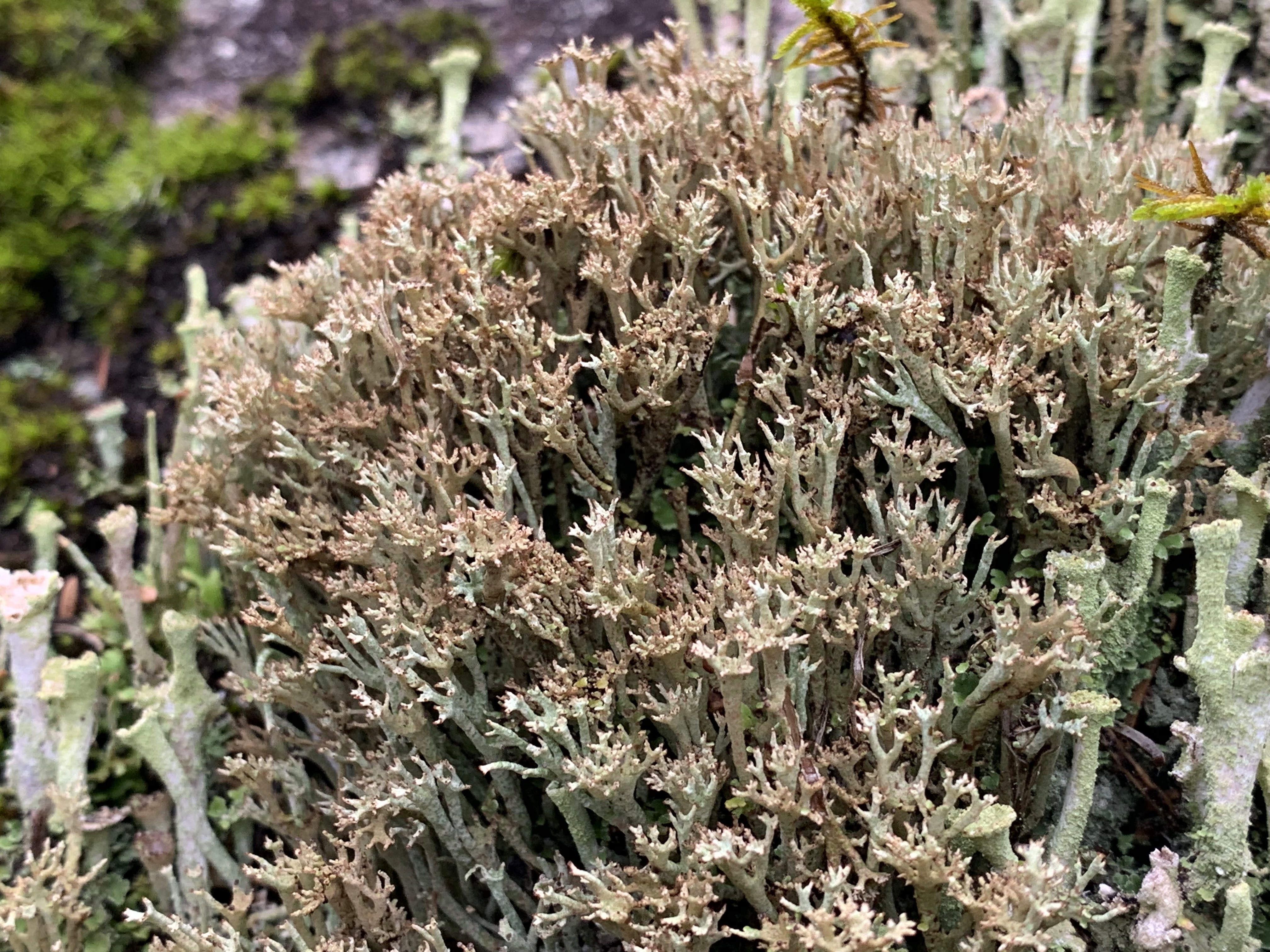
Gabriele Gheza - https://lichenidilombardia.home.blog
Italy, Lombardia, Sondrio, Valmasino, 1047 m
08/2019

P.L. Nimis; Owner: Department of Life Sciences, University of Trieste
Herbarium: TSB (2121)
2001/12/24
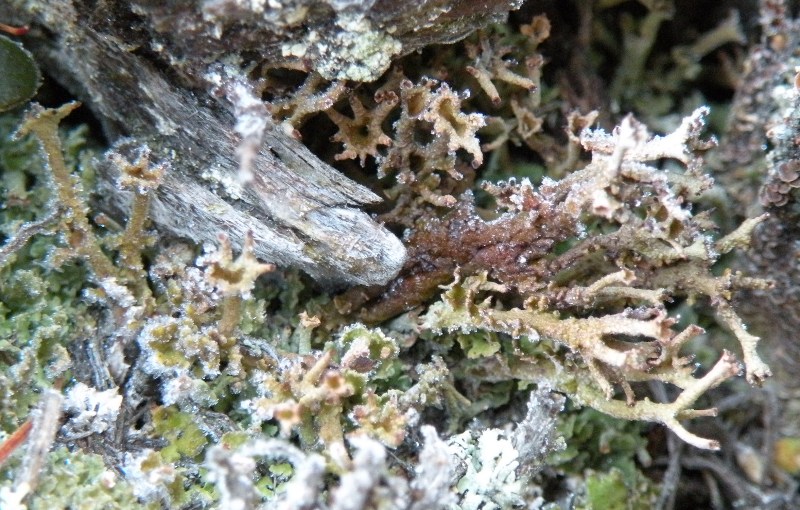
Gabriele Gheza, Tromello (PV); Owner: Gabriele Gheza, Tromello (PV)
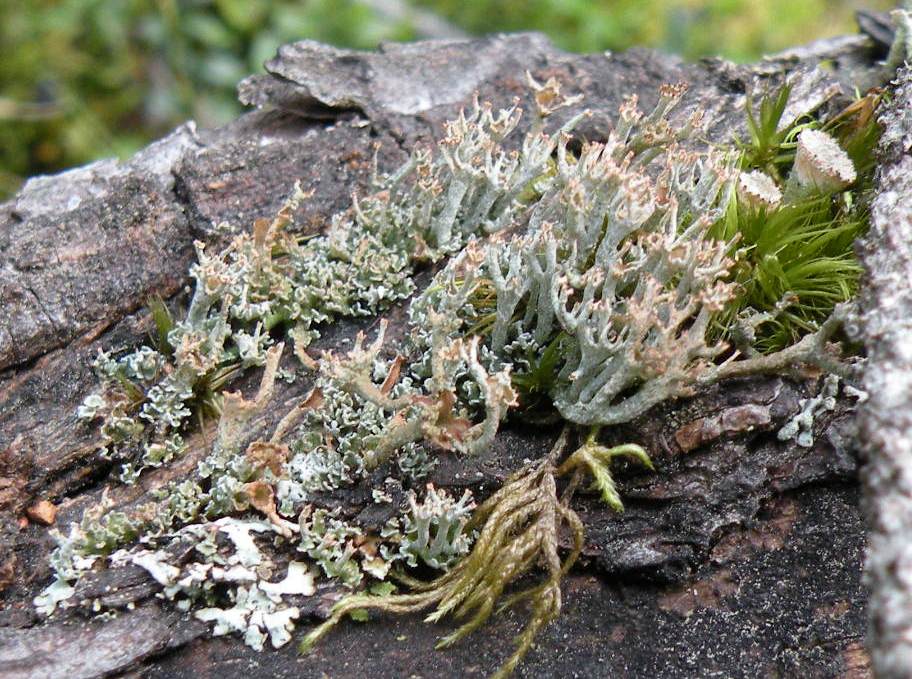
Gabriele Gheza, Tromello (PV); Owner: Gabriele Gheza, Tromello (PV)

Pier Luigi Nimis - CC BY-SA 4.0
TSB 38831
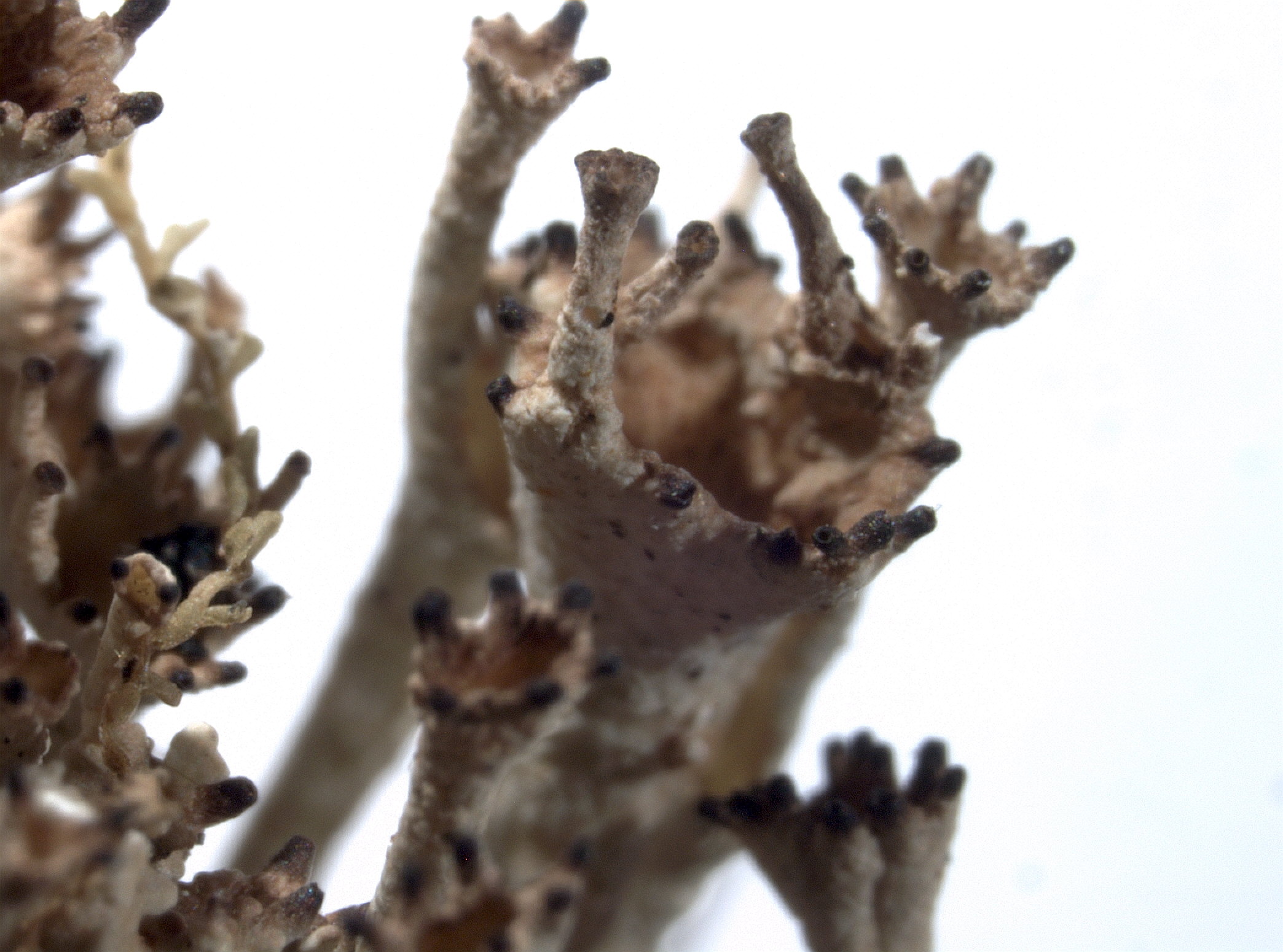
Pier Luigi Nimis - CC BY-SA 4.0
TSB 38831
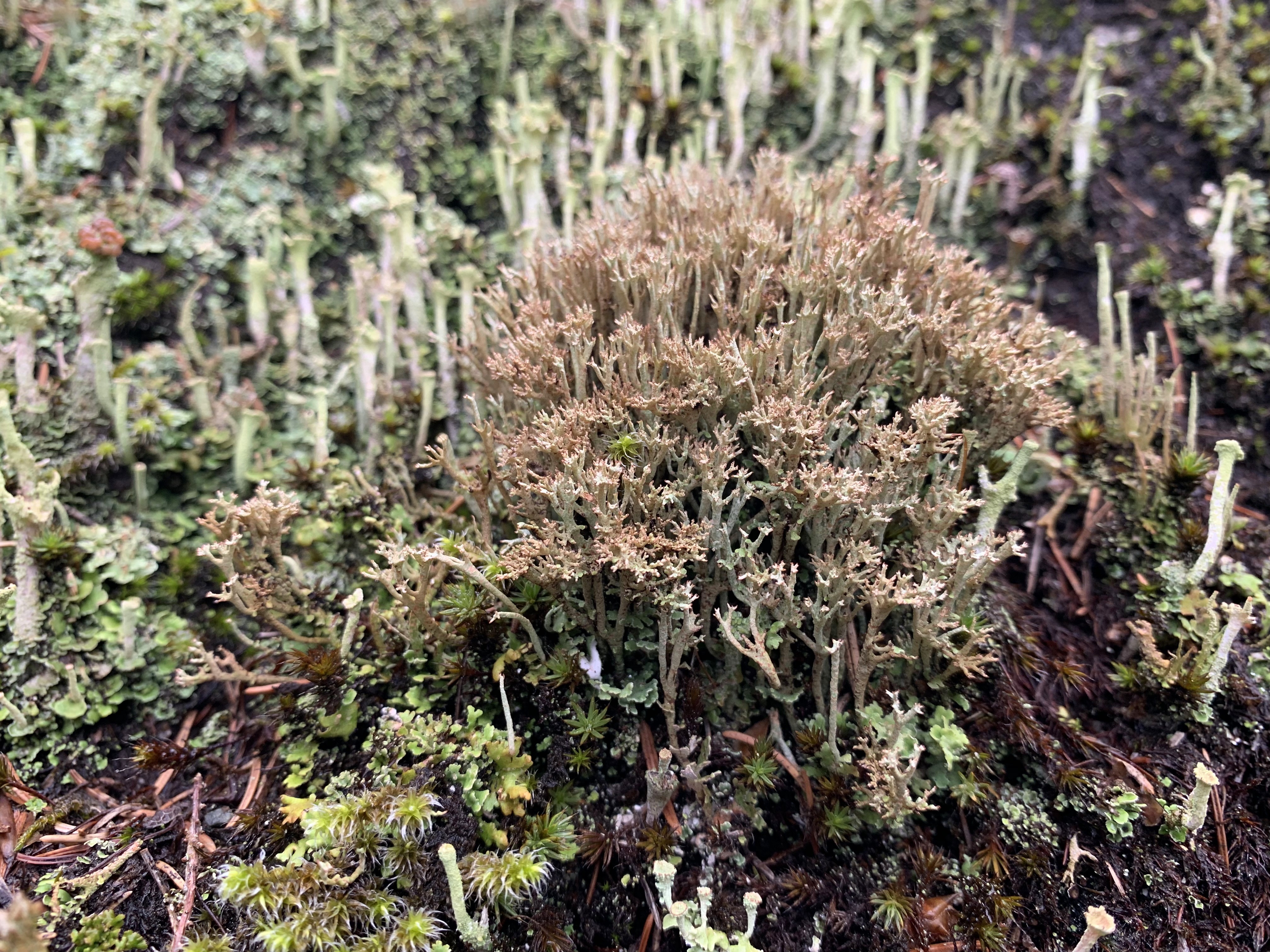
Gabriele Gheza - https://lichenidilombardia.home.blog
Italy, Lombardia, Sondrio, Valmasino, 1047 m
08/2019

Einar Timdal - Source: http://nhm2.uio.no/lav/web/index.html - CC BY-NC

Ulrich Kirschbaum CC BY-SA 4.0 - Source: https://www.thm.de/lse/ulrich-kirschbaum/flechtenbilder
Sweden: Värmland.

Ulrich Kirschbaum CC BY-SA 4.0 - Source: https://www.thm.de/lse/ulrich-kirschbaum/flechtenbilder
Sweden: Värmland.

Wolfgang von Brackel - CC BY-4.0
Germany, Bavaria, Kreither Forst

Wolfgang von Brackel - CC BY-4.0
Greenland, Tututoq
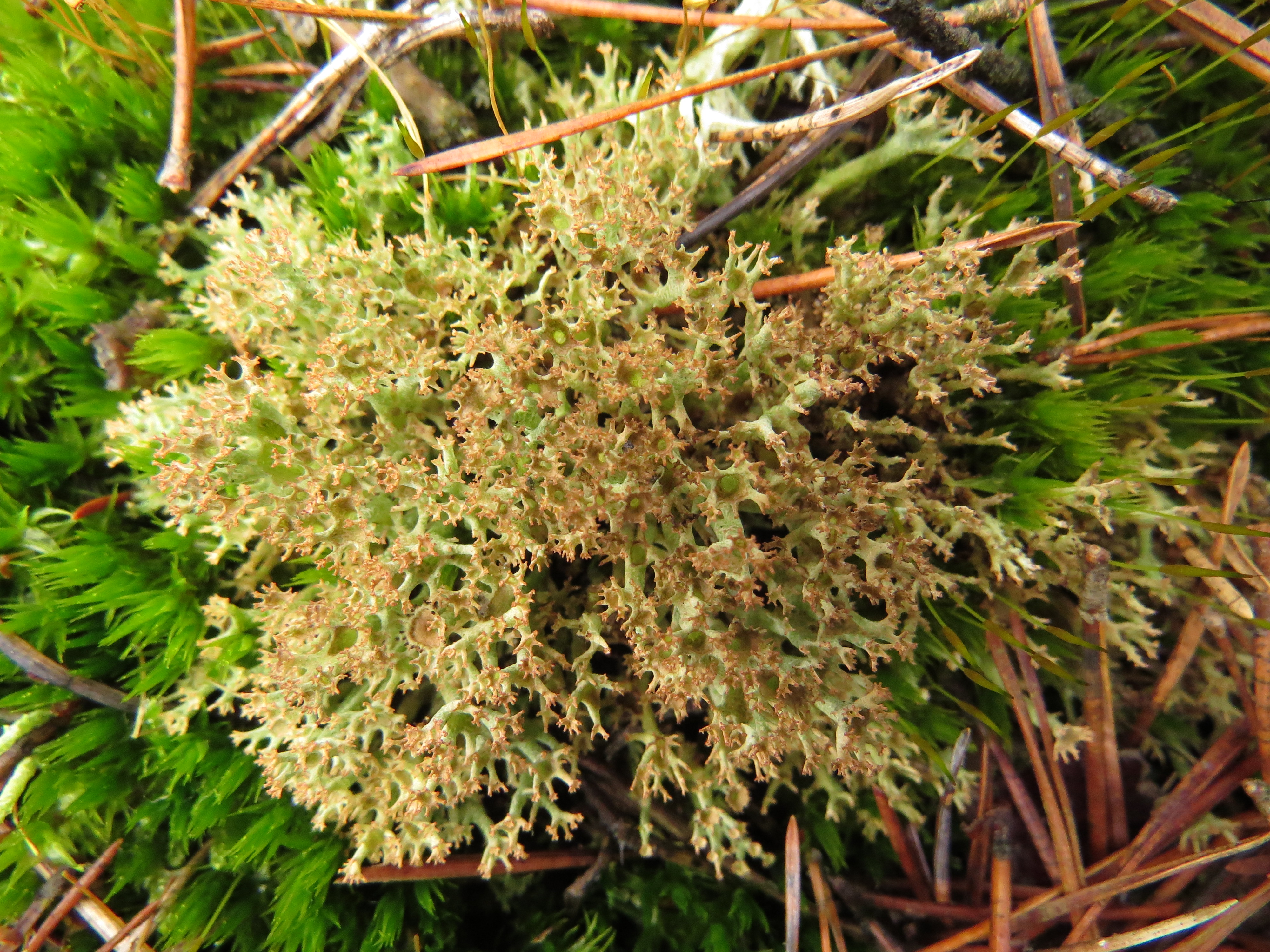
Wolfgang von Brackel - CC BY-4.0
Germany, Bavaria, Leinburg

Wolfgang von Brackel - CC BY-4.0
Germany, Bavaria, Leinburg