Leptogium byssinum (Hoffm.) Nyl.
Zwackh ex Nyl., Act. Soc. linn. Bordeaux, 21: 270, 1856. Basionym: Collema byssinum Hoffm. - Deutschl. Fl., 2: 105, 1796.
Synonyms: Collema cheileum var. byssinum (Hoffm.) Körb.; Epiphloea byssina (Hoffm.) Henssen & P.M. Jørg.; Leptogium amphineum Ach. ex Nyl.; Polychidium byssinum (Hoffm.) Trevis.
Description: Thallus crustose, thinly episubstratic, blue-grey to brown-black, gelatinous when wet, continuous to rimose-areolate, 0.5-5 mm wide, the single areoles up to 3 mm wide, to 150 µm thick, densely granulose (the granules resembling soredia), contiguous, attached by pale rhizohyphae, paraplectenchymatous throughout in central parts, the upper and lower cortex poorly developed or partly composed of a single row of isodiametric cells. Apothecia frequent, lecanorine, rounded, semi-immersed in the thallus granules or adnate, (0.5-)1-1.5(-2) mm across, with a brown, at first concave, then flat disc, a thick, smooth to granulose, finally sometimes excluded thalline margin, and a thin proper margin which is visible at least in section. Proper exciple thin, of elongated cells; epithecium very pale brown; hymenium colourless, (90-)100-120(-150) μm high, I+ blue; paraphyses coherent, mostly simple, 1-2 μm thick at mid-level, the apical cells slightly swollen; hypothecium colourless. Asci (4-)6-8-spored, narrowly clavate, Lecanoralean, with a distinct amyloid tube-like apical structure. Ascospores submuriform, usually with 1 transverse septum only, hyaline, ellipsoid, (14-)16-30(-33) x (7-)8-12(-15) µm. Photobiont cyanobacterial (Nostoc, the cells in clusters or short chains). Spot tests: all negative. Chemistry: without lichen substances.
Growth form: Crustose
Substrata: soil, terricolous mosses, and plant debris
Photobiont: cyanobacteria, filamentous (e.g. Nostoc, Scytonema)
Reproductive strategy: mainly sexual
Pioneer species
Commonnes-rarity: (info)
Alpine belt: extremely rare
Subalpine belt: very rare
Montane belt: very rare
Dry submediterranean belt: very rare
Humid submediterranean belt: absent
Padanian area: absent
pH of the substrata:
1 2 3 4 5

Solar irradiation:
1 2 3 4 5
Aridity:
1 2 3 4 5
Eutrophication:
1 2 3 4 5
Poleotolerance:
0 1 2 3
Altitudinal distribution:
1 2 3 4 5 6
Rarity
absent
extremely rare
very rare
rare
rather rare
rather common
common
very common
extremely common
Loading data...
Occurrence data
Predictive map
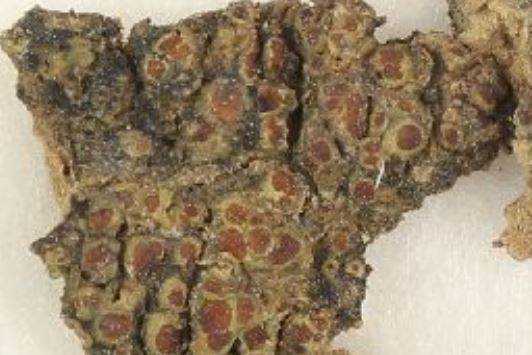
Arizona State University Lichen Herbarium (ASU) – CC-BY-SA-NC
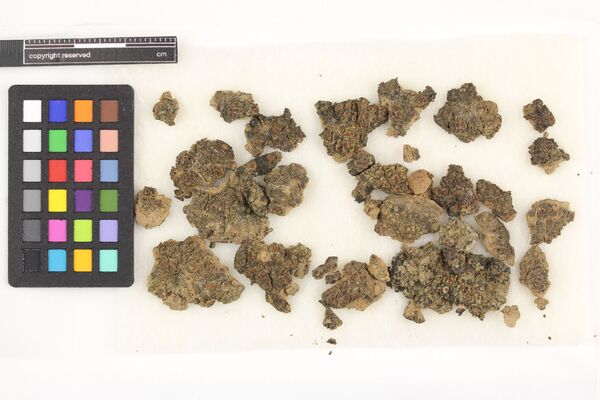
Arizona State University Lichen Herbarium (ASU) – CC-BY-SA-NC
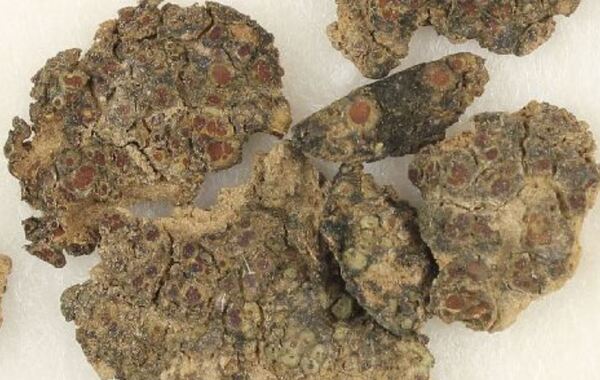
Arizona State University Lichen Herbarium (ASU) – CC-BY-SA-NC
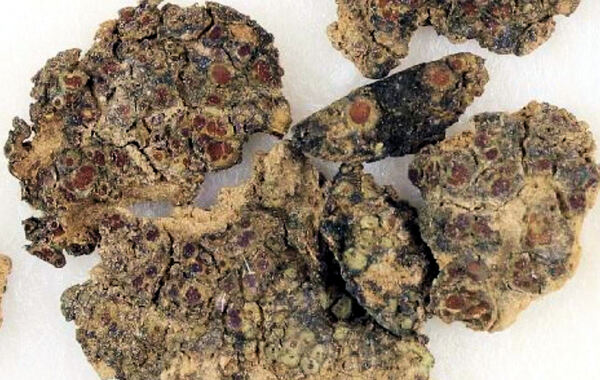
Arizona State University Lichen Herbarium (ASU) – CC-BY-SA-NC

Wolfgang von Brackel - CC BY-4.0
Germany, Bavaria, Schweinfurt-Pfändhausen
Growth form: Crustose
Substrata: soil, terricolous mosses, and plant debris
Photobiont: cyanobacteria, filamentous (e.g. Nostoc, Scytonema)
Reproductive strategy: mainly sexual
Pioneer species
Commonnes-rarity: (info)
Alpine belt: extremely rare
Subalpine belt: very rare
Montane belt: very rare
Dry submediterranean belt: very rare
Humid submediterranean belt: absent
Padanian area: absent
pH of the substrata:
| 1 | 2 | 3 | 4 | 5 |
Solar irradiation:
| 1 | 2 | 3 | 4 | 5 |
Aridity:
| 1 | 2 | 3 | 4 | 5 |
Eutrophication:
| 1 | 2 | 3 | 4 | 5 |
Poleotolerance:
| 0 | 1 | 2 | 3 |
Altitudinal distribution:
| 1 | 2 | 3 | 4 | 5 | 6 |
Rarity
absent
extremely rare
very rare
rare
rather rare
rather common
common
very common
extremely common
Loading data...
Occurrence data
Predictive map

Arizona State University Lichen Herbarium (ASU) – CC-BY-SA-NC
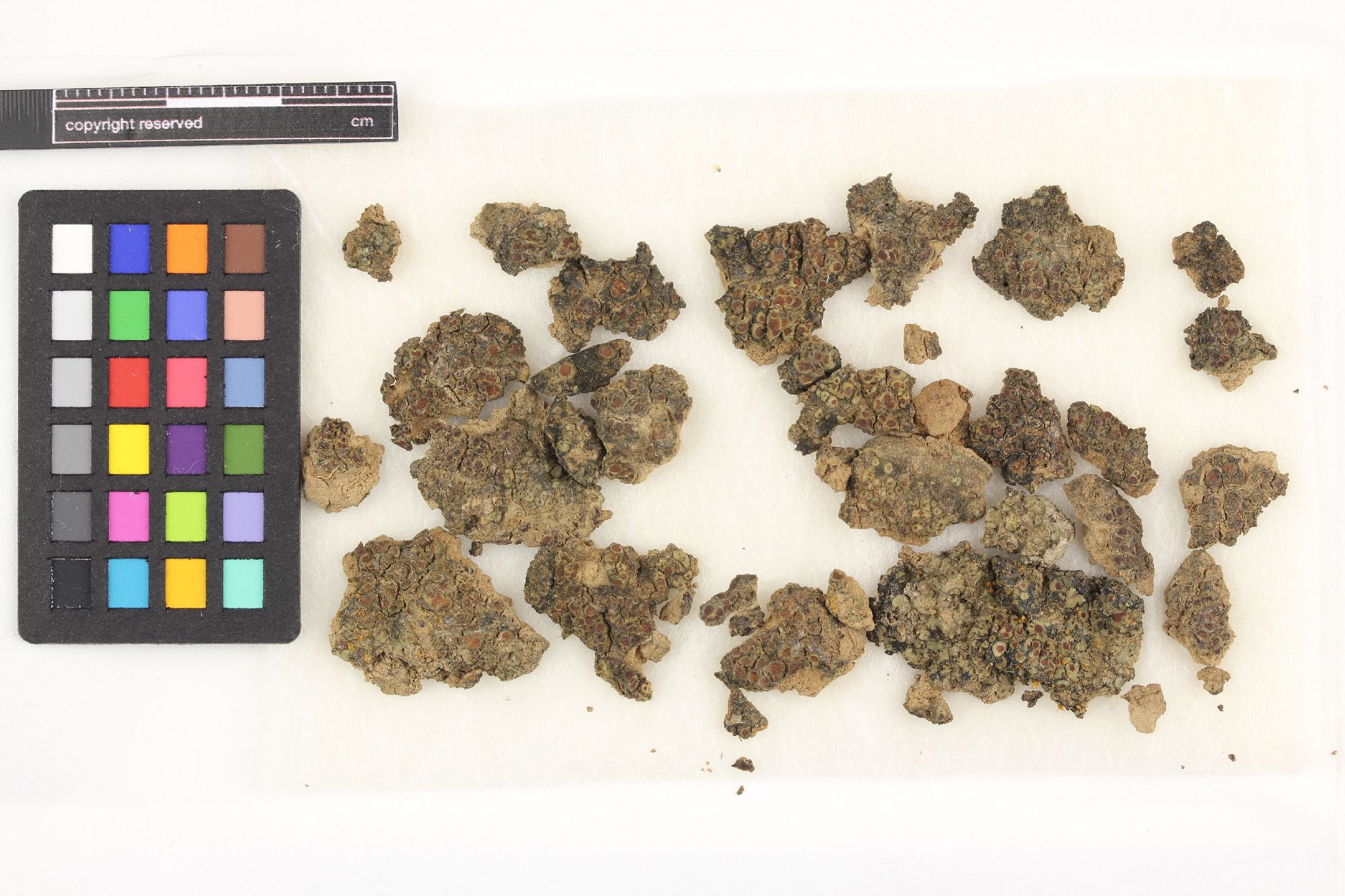
Arizona State University Lichen Herbarium (ASU) – CC-BY-SA-NC
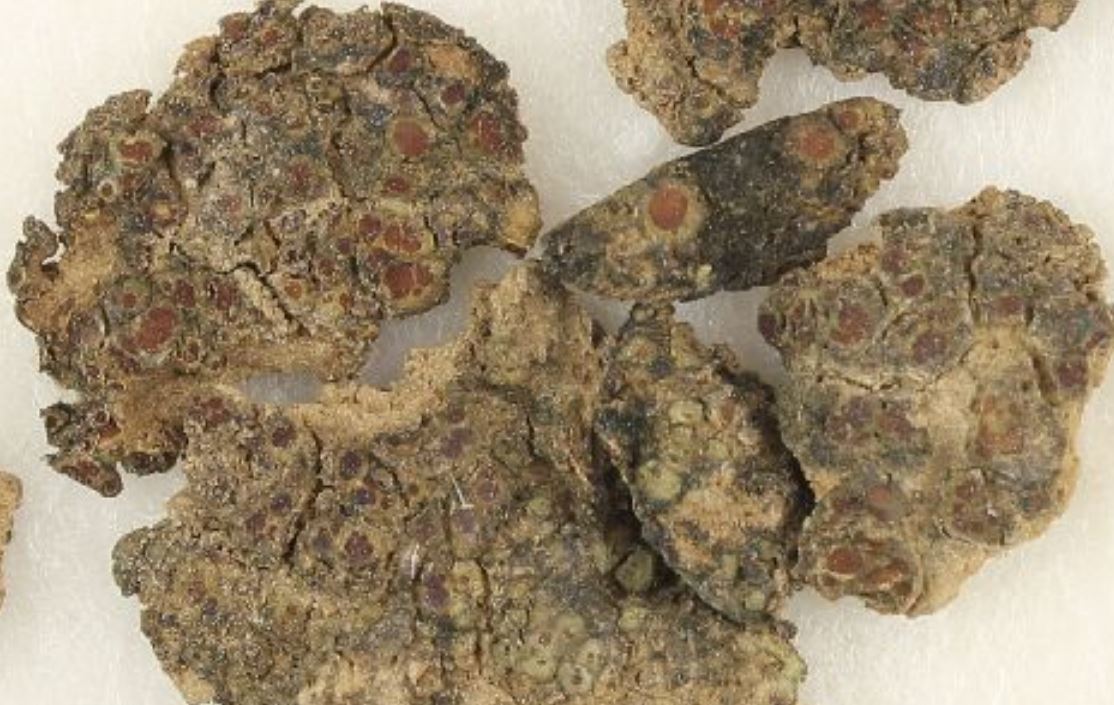
Arizona State University Lichen Herbarium (ASU) – CC-BY-SA-NC
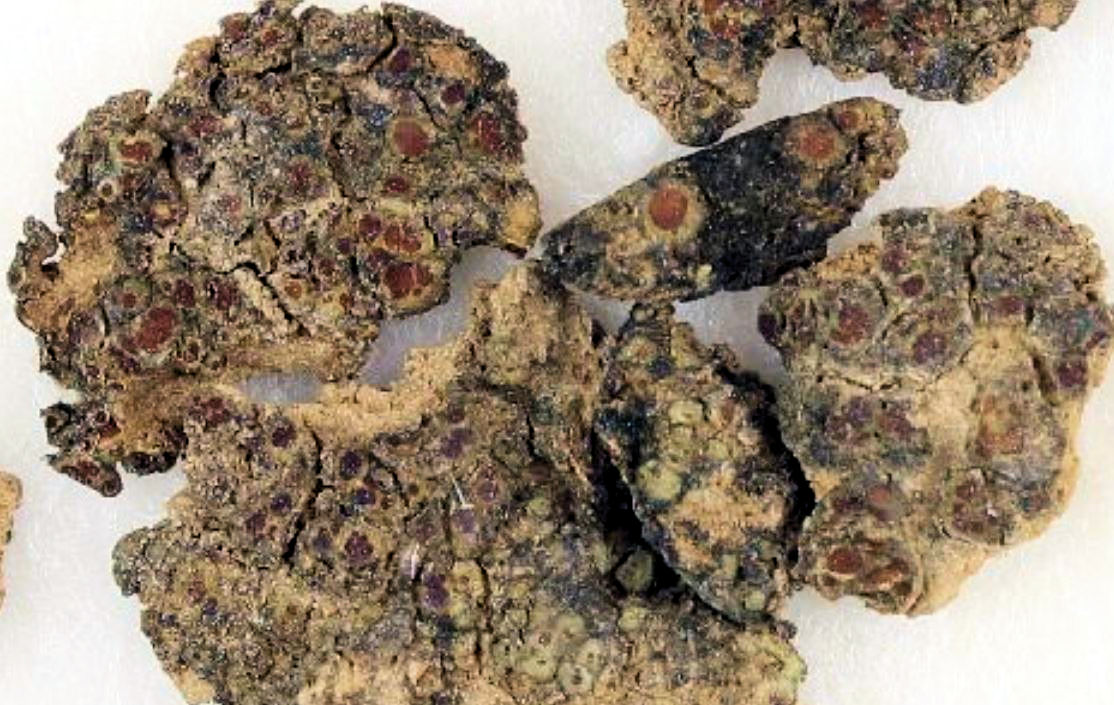
Arizona State University Lichen Herbarium (ASU) – CC-BY-SA-NC