Ramalina obtusata (Arnold) Bitter
Pringsheim Jahrb. wiss. Bot., 36: 435, 1901. Basionym: Ramalina minuscula var. obtusata Arnold - Verh. zool.-bot. Ges. Wien, 25: 472, 1875.
Synonyms: Ramalina baltica auct. p.p. non Lettau
Description: Thallus fruticose, greenish to greenish grey, glossy when wet, shrubby, shortly tufted, 4-6 cm tall, the laciniae (1-)2-4 mm wide, inflated and more or less pellucid, fistulose and hollow inside in upper part, usually without side branches, single or more rarely several from the same narrow basal holdfast. Soralia common, mainly developed within terminal or subterminal vesicles, labriform to helmet-shaped, with farinose soredia. Cortex 2-layered, the outer part paraplectenchymatous, the inner part cartilaginous; medulla very lax, arachnoid. Apothecia extremely rare, lecanorine (not observed in Italian material). Photobiont chlorococcoid. Spot tests: cortex K-, C-, KC+ pale yellow, P-, UV-; medulla KC-. Chemistry: cortex with usnic acid, medulla with obtusatic and evernic acids.
Growth form: Fruticose
Substrata: bark
Photobiont: green algae other than Trentepohlia
Reproductive strategy: mainly asexual, by soredia, or soredia-like structures (e.g. blastidia)
Commonnes-rarity: (info)
Alpine belt: absent
Subalpine belt: extremely rare
Montane belt: very rare
Dry submediterranean belt: absent
Humid submediterranean belt: absent
Padanian area: absent
pH of the substrata:
1 2 3 4 5

Solar irradiation:
1 2 3 4 5
Aridity:
1 2 3 4 5
Eutrophication:
1 2 3 4 5
Poleotolerance:
0 1 2 3
Altitudinal distribution:
1 2 3 4 5 6
Rarity
absent
extremely rare
very rare
rare
rather rare
rather common
common
very common
extremely common
Loading data...
Occurrence data
Predictive map
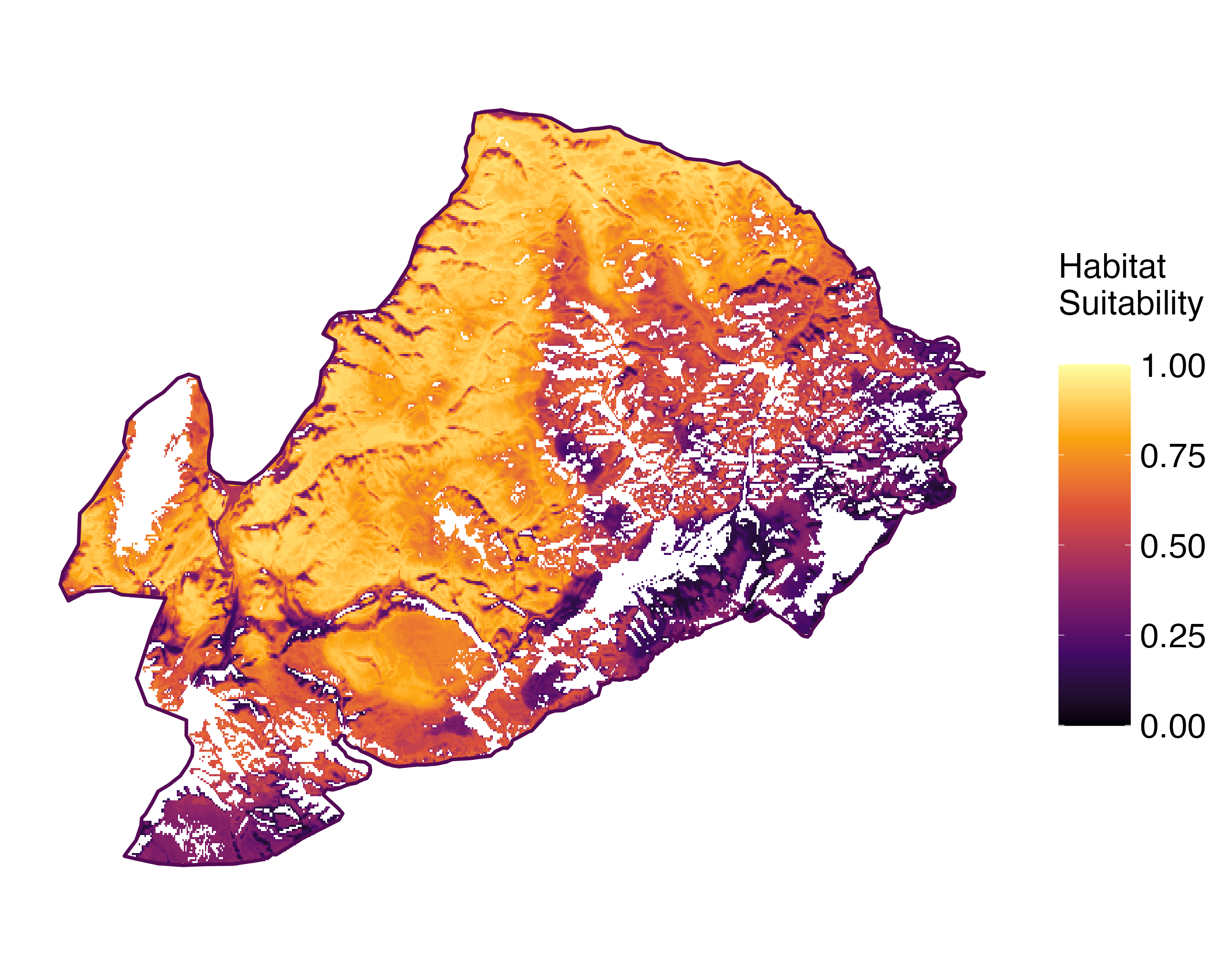 Current prediction (1981-2010)
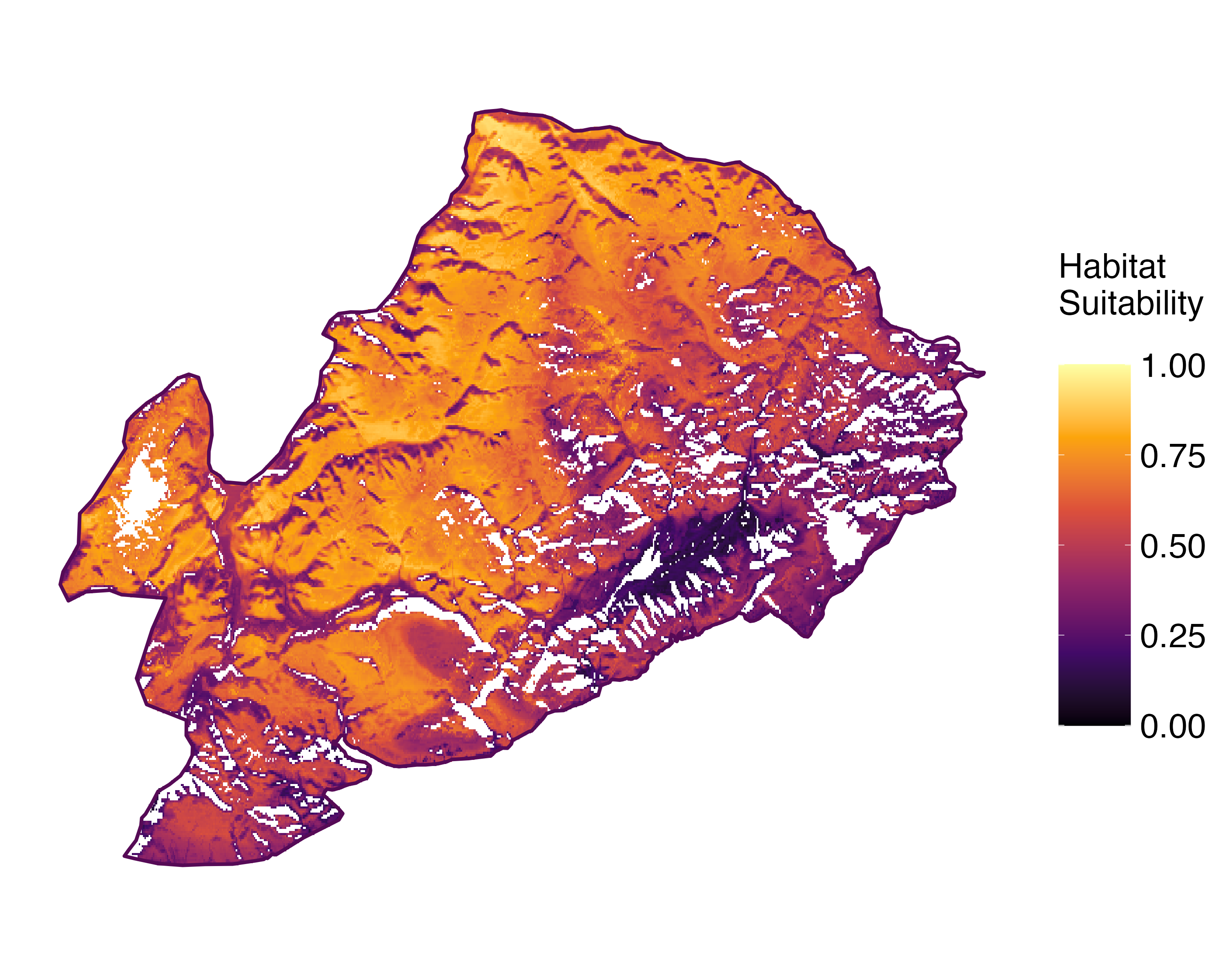 Future prediction (2071-2100) SSP 1-2.6
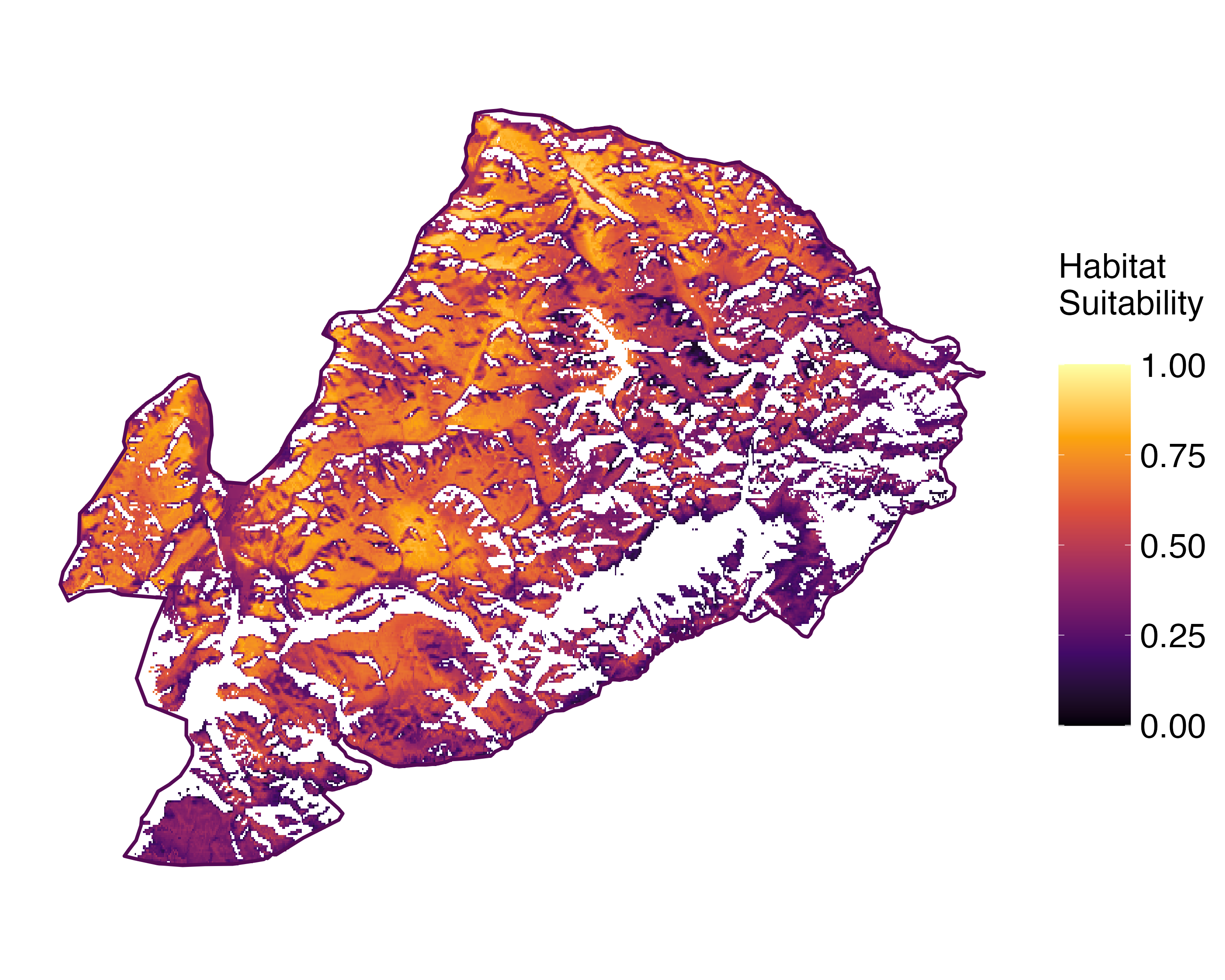 Future prediction (2071-2100) SSP 5-8.5Predictive maps according to Francesconi et al. 2025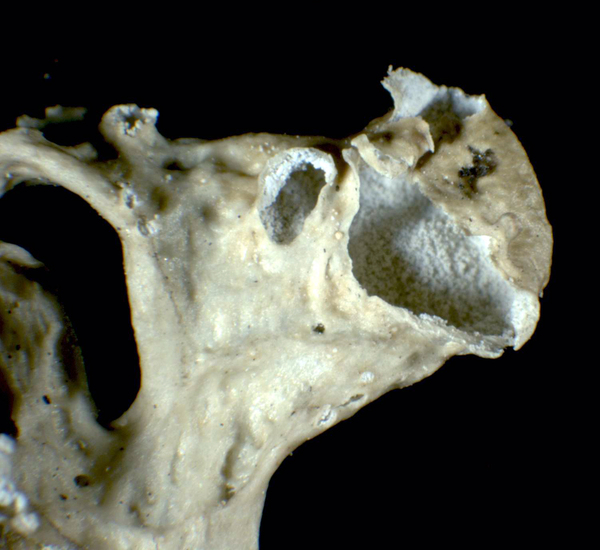
P.L. Nimis CC BY-SA 04
TSB 11905
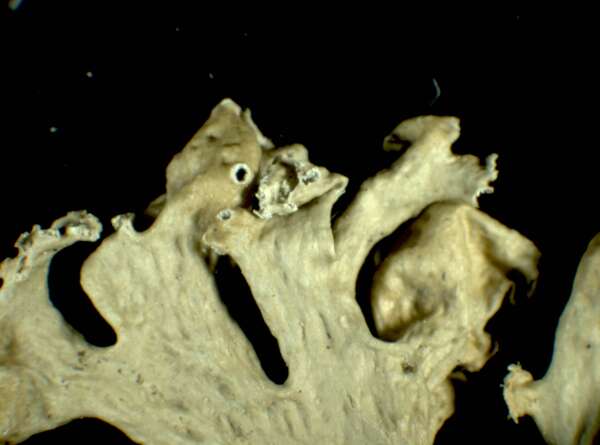
P.L. Nimis; Owner: Department of Life Sciences, University of Trieste
Herbarium: TSB (11905)
2001/12/04
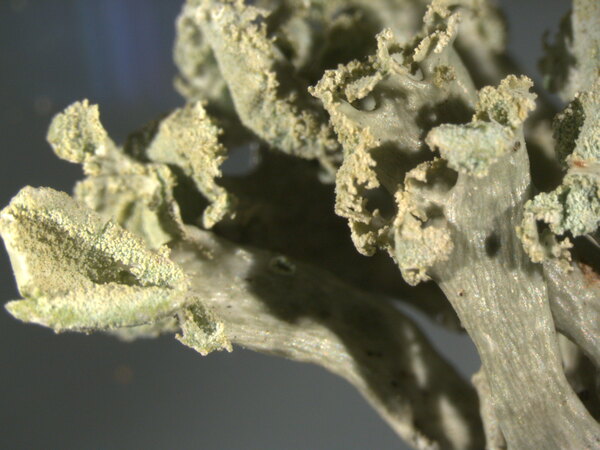
Juri Nascimbene; Owner: Department of Life Sciences, University of Trieste
Italy, Trentino-Alto Adige, Trento, Villa Welsperg, Centro Visitatori del Parco di Paneveggio; altitude: 1030 m
03.04.2009
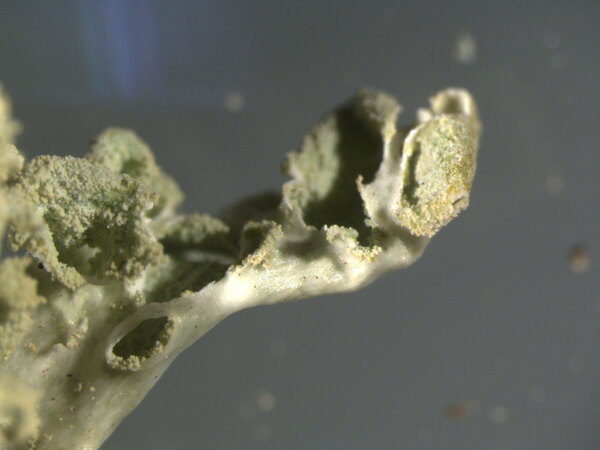
Juri Nascimbene; Owner: Department of Life Sciences, University of Trieste
Italy, Trentino-Alto Adige, Trento, Villa Welsperg, Centro Visitatori del Parco di Paneveggio; altitude: 1030 m
03.04.2009
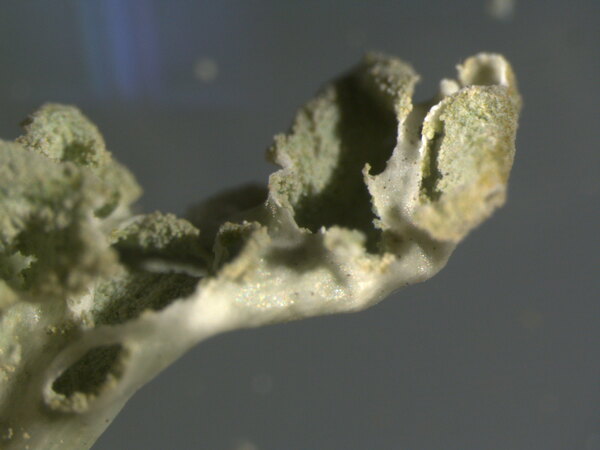
Juri Nascimbene; Owner: Department of Life Sciences, University of Trieste
Italy, Trentino-Alto Adige, Trento, Villa Welsperg, Centro Visitatori del Parco di Paneveggio; altitude: 1030 m
03.04.2009
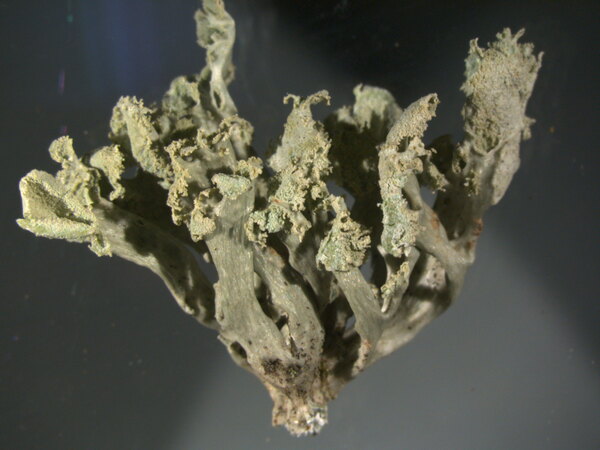
Juri Nascimbene; Owner: Department of Life Sciences, University of Trieste
Italy, Trentino-Alto Adige, Trento, Villa Welsperg, Centro Visitatori del Parco di Paneveggio; altitude: 1030 m
03.04.2009
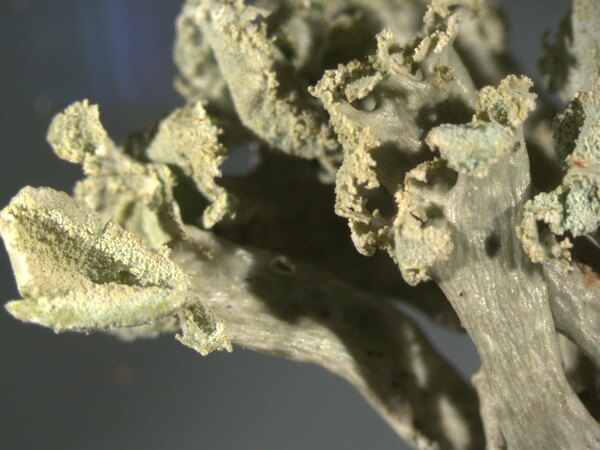
Juri Nascimbene; Owner: Department of Life Sciences, University of Trieste
Italy, Trentino-Alto Adige, Trento, Villa Welsperg, Centro Visitatori del Parco di Paneveggio; altitude: 1030 m
03.04.2009
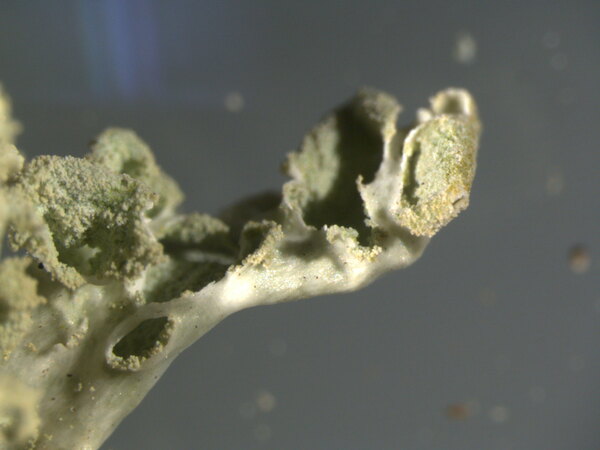
Juri Nascimbene; Owner: Department of Life Sciences, University of Trieste
Italy, Trentino-Alto Adige, Trento, Villa Welsperg, Centro Visitatori del Parco di Paneveggio; altitude: 1030 m
03.04.2009
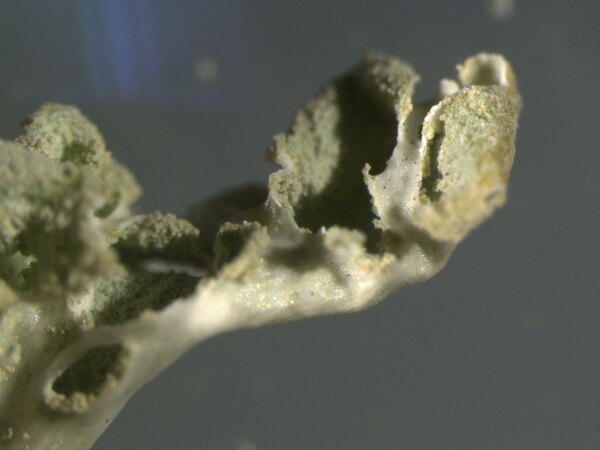
Juri Nascimbene; Owner: Department of Life Sciences, University of Trieste
Italy, Trentino-Alto Adige, Trento, Villa Welsperg, Centro Visitatori del Parco di Paneveggio; altitude: 1030 m
03.04.2009
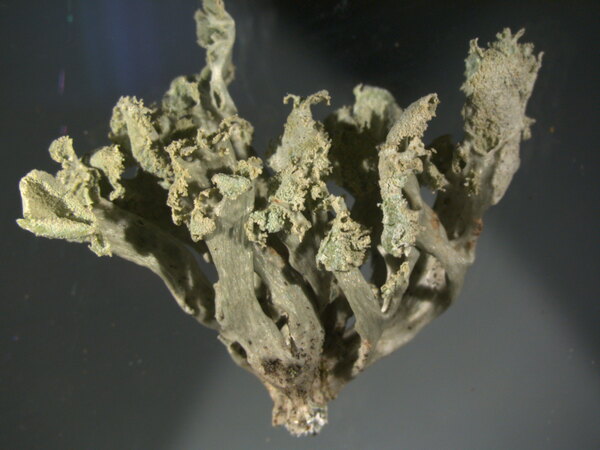
Juri Nascimbene; Owner: Department of Life Sciences, University of Trieste
Italy, Trentino-Alto Adige, Trento, Villa Welsperg, Centro Visitatori del Parco di Paneveggio; altitude: 1030 m
03.04.2009
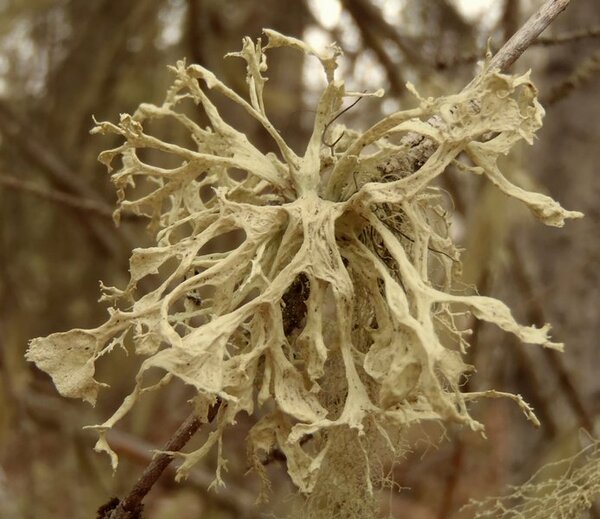
Curtis Randall Björk – CC BY-SA 4.0
British Columbia, Clearwater Valley Date: 2012-04-09 On Picea twig in mixe conifer-deciduous forest
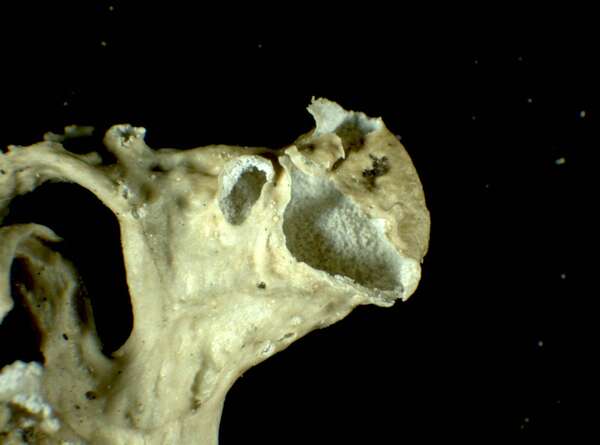
P.L. Nimis; Owner: Department of Life Sciences, University of Trieste
Herbarium: TSB (11905)
2001/12/04
detail of soralium
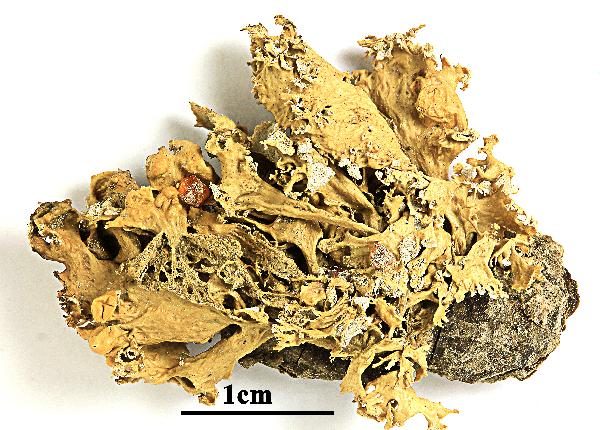
Felix Schumm - CC BY 4.0
[VZ2316], Austria, Carinthia, montes Gurktaler Alpen,
Nockgebiet,Radenthein, in valle Langalmtal, prope hospitium Veidlhütte,
1400 m. Ad corticem arborum. Leg. R. Türk et H. Wittmann. EX A.
V ZDA: LICHENES SELECTI EXSICCATI NR. 2316
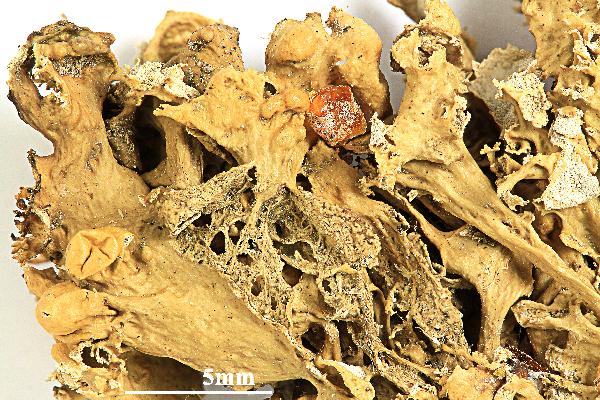
Felix Schumm - CC BY 4.0
[VZ2316], Austria, Carinthia, montes Gurktaler Alpen,
Nockgebiet,Radenthein, in valle Langalmtal, prope hospitium Veidlhütte,
1400 m. Ad corticem arborum. Leg. R. Türk et H. Wittmann. EX A.
V ZDA: LICHENES SELECTI EXSICCATI NR. 2316
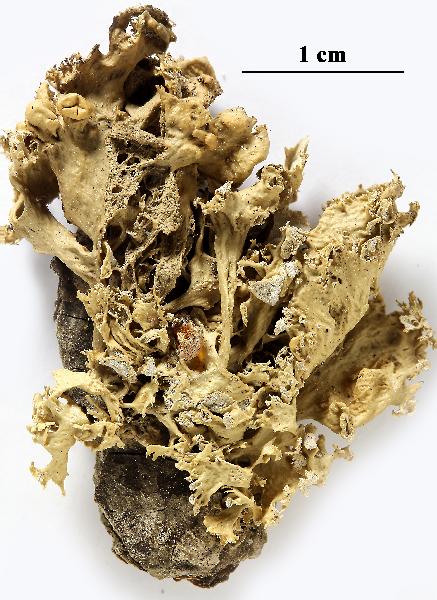
Felix Schumm - CC BY 4.0
[VZ2316], Austria, Carinthia, montes Gurktaler Alpen,
Nockgebiet,Radenthein, in valle Langalmtal, prope hospitium Veidlhütte,
1400 m. Ad corticem arborum. Leg. R. Türk et H. Wittmann. EX A.
V ZDA: LICHENES SELECTI EXSICCATI NR. 2316
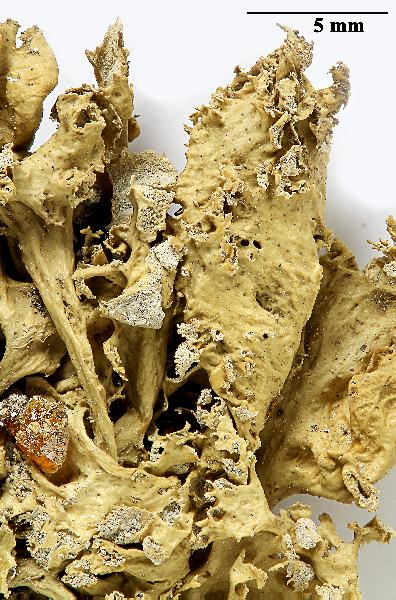
Felix Schumm - CC BY 4.0
[VZ2316], Austria, Carinthia, montes Gurktaler Alpen,
Nockgebiet,Radenthein, in valle Langalmtal, prope hospitium Veidlhütte,
1400 m. Ad corticem arborum. Leg. R. Türk et H. Wittmann. EX A.
V ZDA: LICHENES SELECTI EXSICCATI NR. 2316
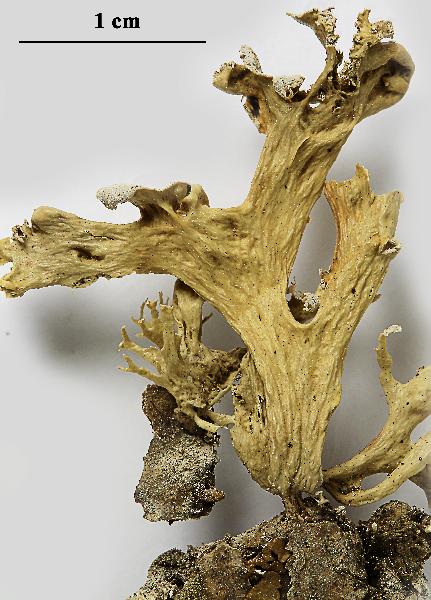
Felix Schumm - CC BY 4.0
[VZ2316], Austria, Carinthia, montes Gurktaler Alpen,
Nockgebiet,Radenthein, in valle Langalmtal, prope hospitium Veidlhütte,
1400 m. Ad corticem arborum. Leg. R. Türk et H. Wittmann. EX A.
V ZDA: LICHENES SELECTI EXSICCATI NR. 2316
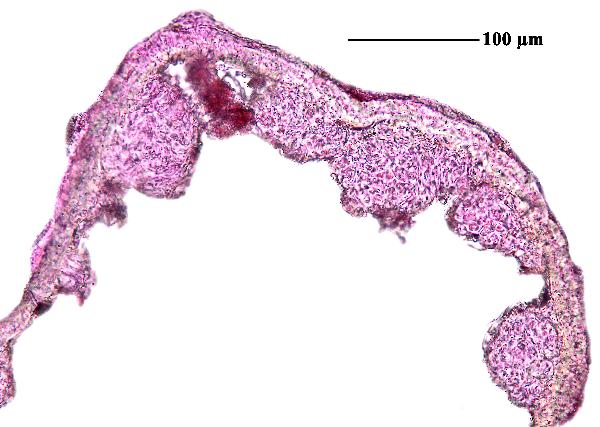
Felix Schumm - CC BY 4.0
[VZ2316], Austria, Carinthia, montes Gurktaler Alpen,
Nockgebiet,Radenthein, in valle Langalmtal, prope hospitium Veidlhütte,
1400 m. Ad corticem arborum. Leg. R. Türk et H. Wittmann. EX A.
V ZDA: LICHENES SELECTI EXSICCATI NR. 2316
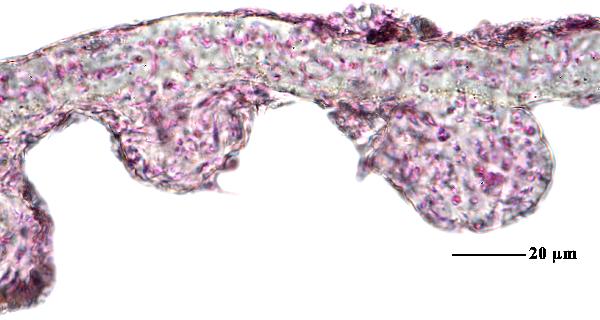
Felix Schumm - CC BY 4.0
[VZ2316], Austria, Carinthia, montes Gurktaler Alpen,
Nockgebiet,Radenthein, in valle Langalmtal, prope hospitium Veidlhütte,
1400 m. Ad corticem arborum. Leg. R. Türk et H. Wittmann. EX A.
V ZDA: LICHENES SELECTI EXSICCATI NR. 2316
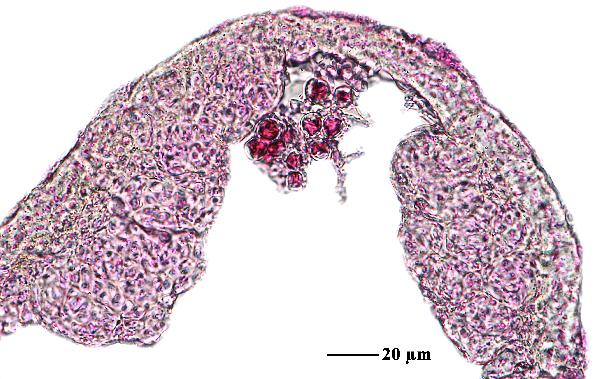
Felix Schumm - CC BY 4.0
[VZ2316], Austria, Carinthia, montes Gurktaler Alpen,
Nockgebiet,Radenthein, in valle Langalmtal, prope hospitium Veidlhütte,
1400 m. Ad corticem arborum. Leg. R. Türk et H. Wittmann. EX A.
V ZDA: LICHENES SELECTI EXSICCATI NR. 2316
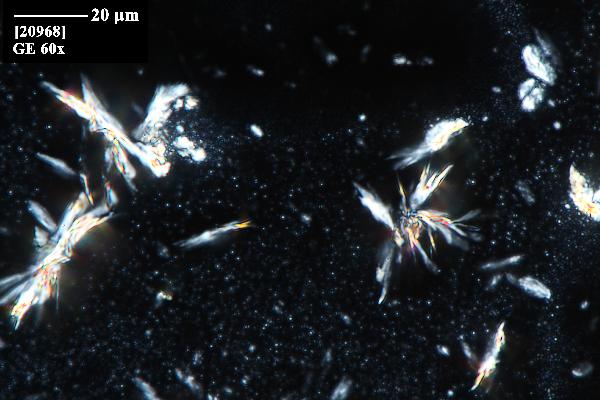
Felix Schumm - CC BY 4.0
[VZ2316], Austria, Carinthia, montes Gurktaler Alpen,
Nockgebiet,Radenthein, in valle Langalmtal, prope hospitium Veidlhütte,
1400 m. Ad corticem arborum. Leg. R. Türk et H. Wittmann. EX A.
V ZDA: LICHENES SELECTI EXSICCATI NR. 2316
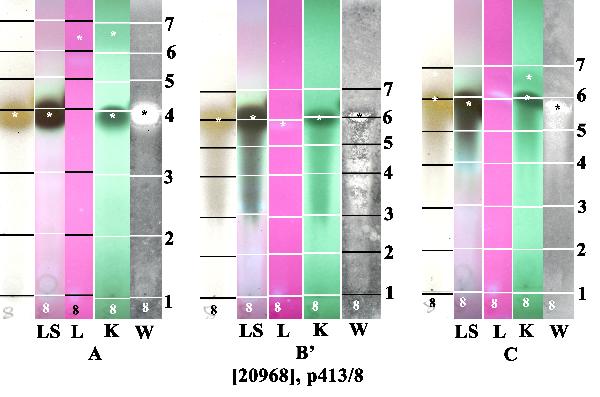
Felix Schumm - CC BY 4.0
[VZ2316], Austria, Carinthia, montes Gurktaler Alpen,
Nockgebiet,Radenthein, in valle Langalmtal, prope hospitium Veidlhütte,
1400 m. Ad corticem arborum. Leg. R. Türk et H. Wittmann. EX A.
V ZDA: LICHENES SELECTI EXSICCATI NR. 2316
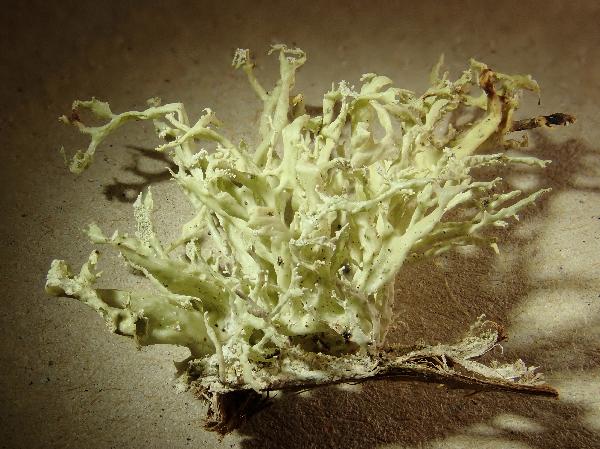
Wolfgang von Brackel - CC BY-4.0
ermany, Bavaria, Friedergrieß
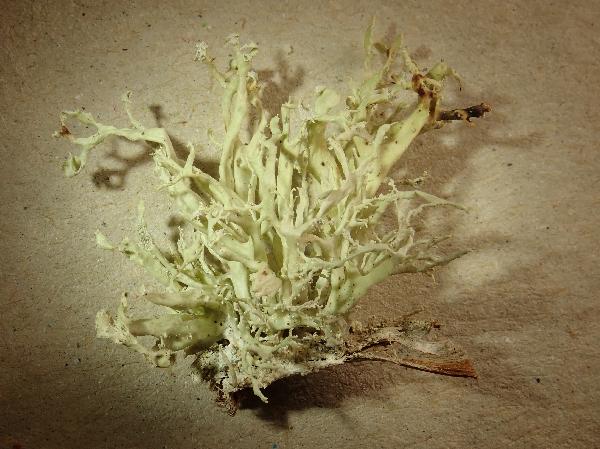
Wolfgang von Brackel - CC BY-4.0
ermany, Bavaria, Friedergrieß
Growth form: Fruticose
Substrata: bark
Photobiont: green algae other than Trentepohlia
Reproductive strategy: mainly asexual, by soredia, or soredia-like structures (e.g. blastidia)
Commonnes-rarity: (info)
Alpine belt: absent
Subalpine belt: extremely rare
Montane belt: very rare
Dry submediterranean belt: absent
Humid submediterranean belt: absent
Padanian area: absent
pH of the substrata:
| 1 | 2 | 3 | 4 | 5 |
Solar irradiation:
| 1 | 2 | 3 | 4 | 5 |
Aridity:
| 1 | 2 | 3 | 4 | 5 |
Eutrophication:
| 1 | 2 | 3 | 4 | 5 |
Poleotolerance:
| 0 | 1 | 2 | 3 |
Altitudinal distribution:
| 1 | 2 | 3 | 4 | 5 | 6 |
Rarity
absent
extremely rare
very rare
rare
rather rare
rather common
common
very common
extremely common
Loading data...
Occurrence data
Predictive map
Current prediction (1981-2010)Future prediction (2071-2100) SSP 1-2.6Future prediction (2071-2100) SSP 5-8.5Predictive maps according to Francesconi et al. 2025
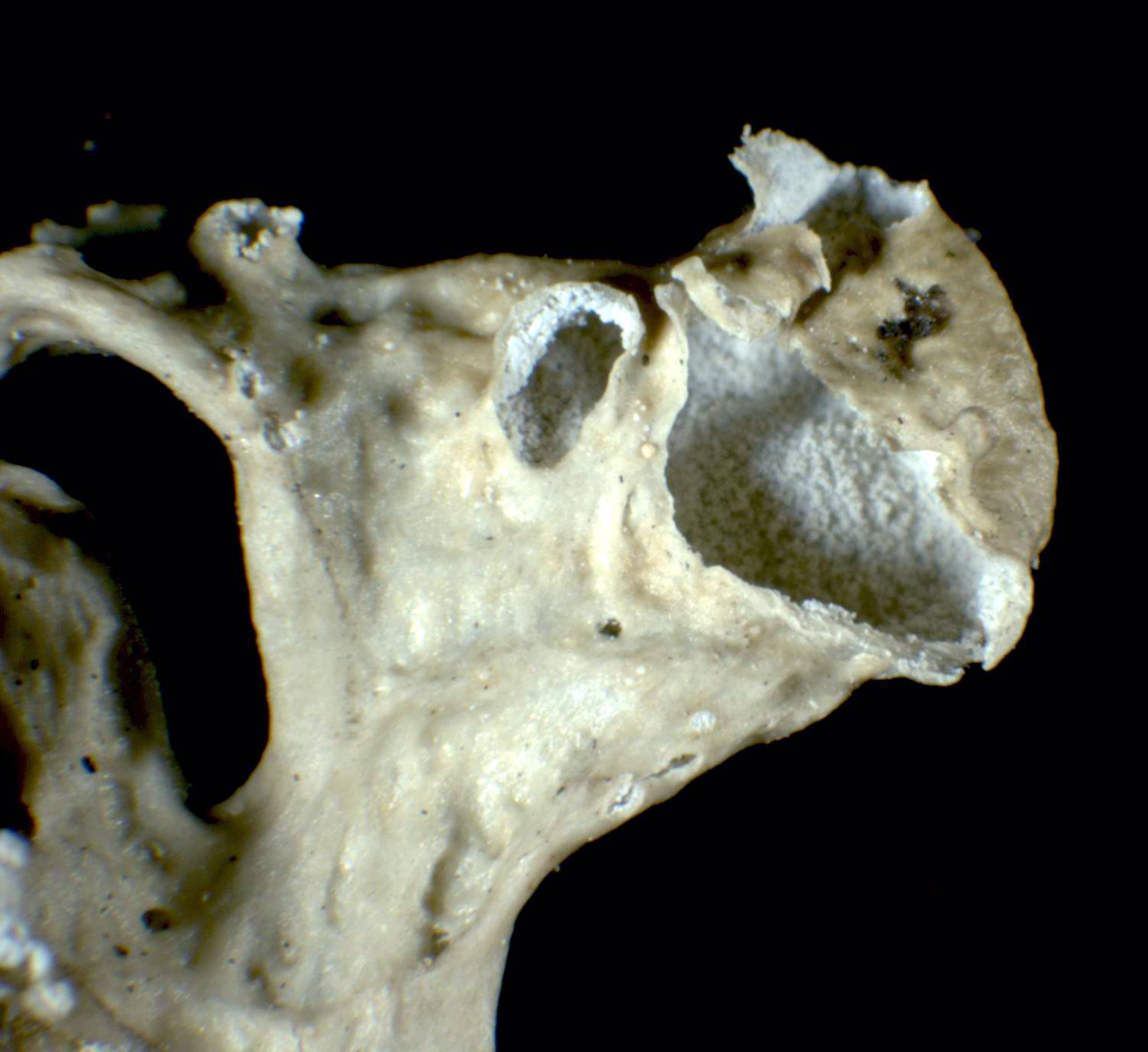
P.L. Nimis CC BY-SA 04
TSB 11905
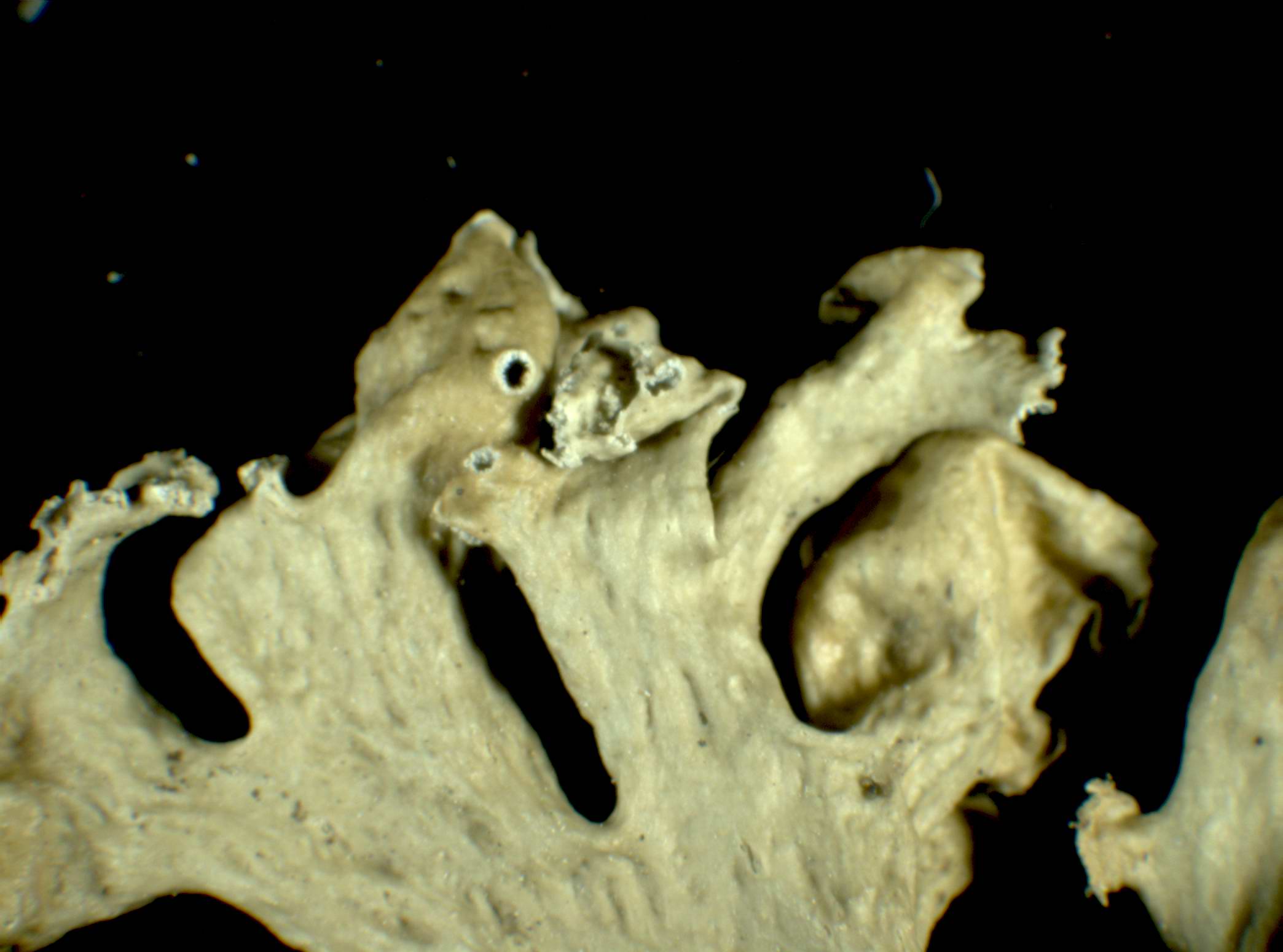
P.L. Nimis; Owner: Department of Life Sciences, University of Trieste
Herbarium: TSB (11905)
2001/12/04
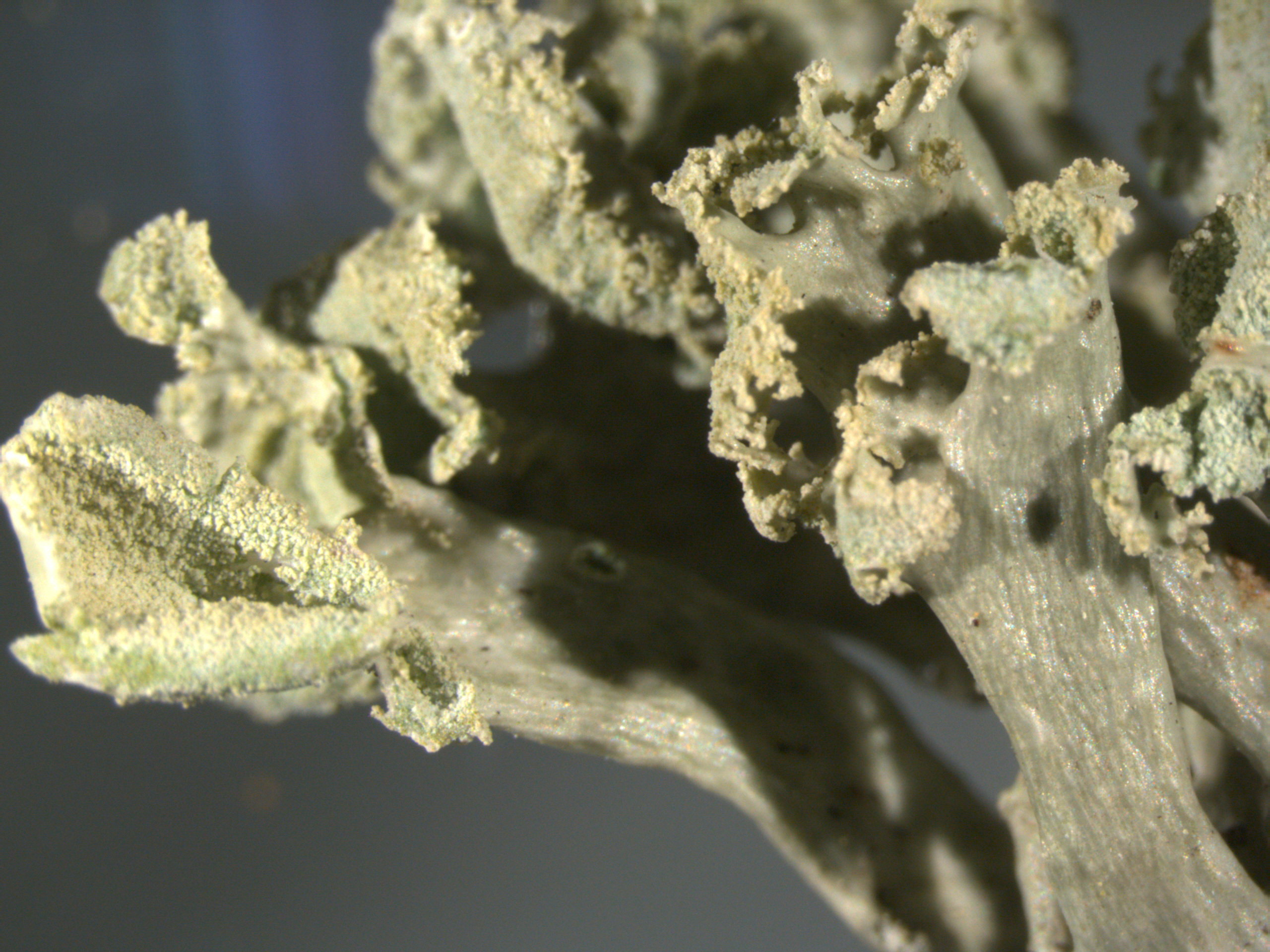
Juri Nascimbene; Owner: Department of Life Sciences, University of Trieste
Italy, Trentino-Alto Adige, Trento, Villa Welsperg, Centro Visitatori del Parco di Paneveggio; altitude: 1030 m
03.04.2009
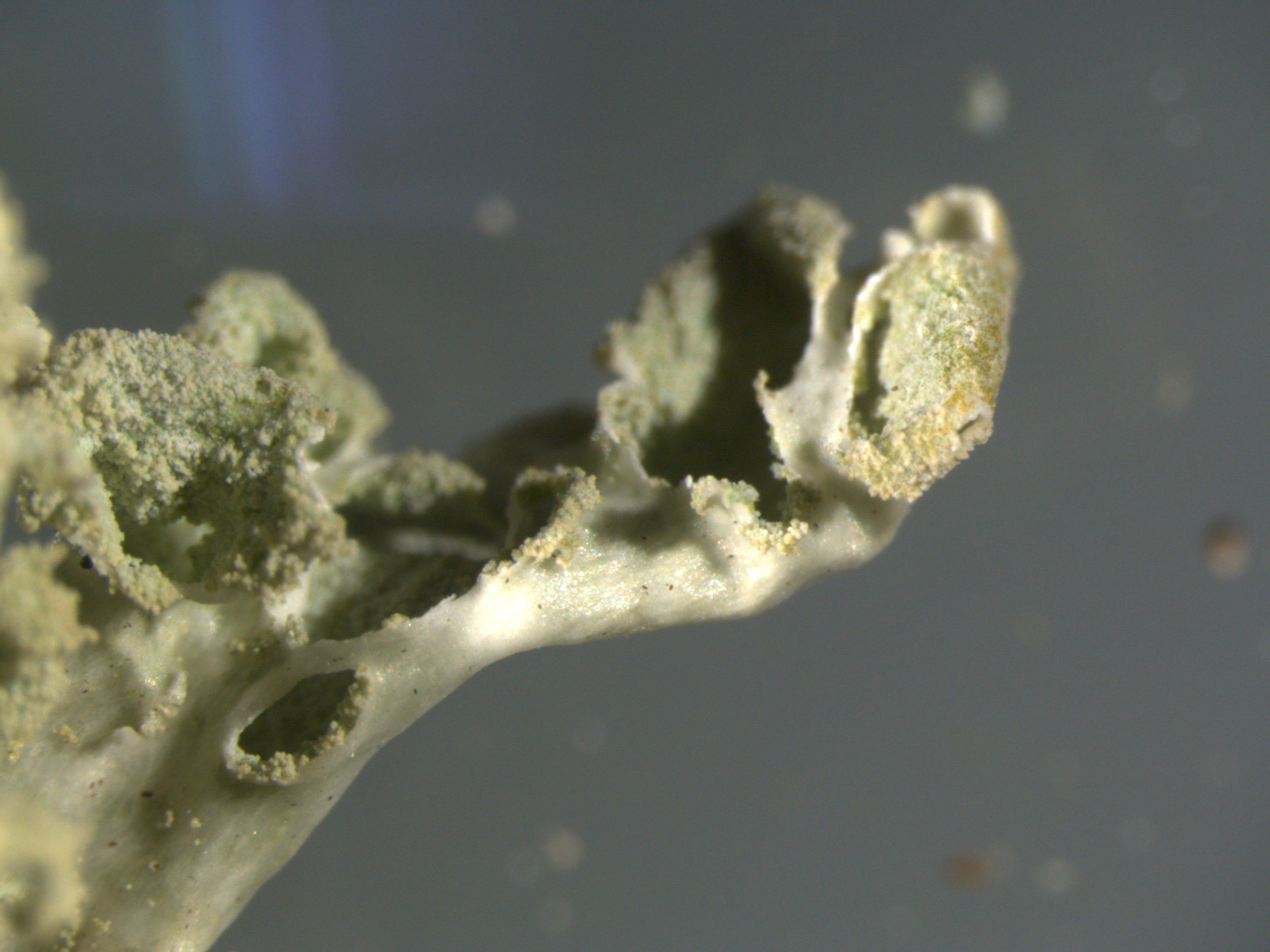
Juri Nascimbene; Owner: Department of Life Sciences, University of Trieste
Italy, Trentino-Alto Adige, Trento, Villa Welsperg, Centro Visitatori del Parco di Paneveggio; altitude: 1030 m
03.04.2009
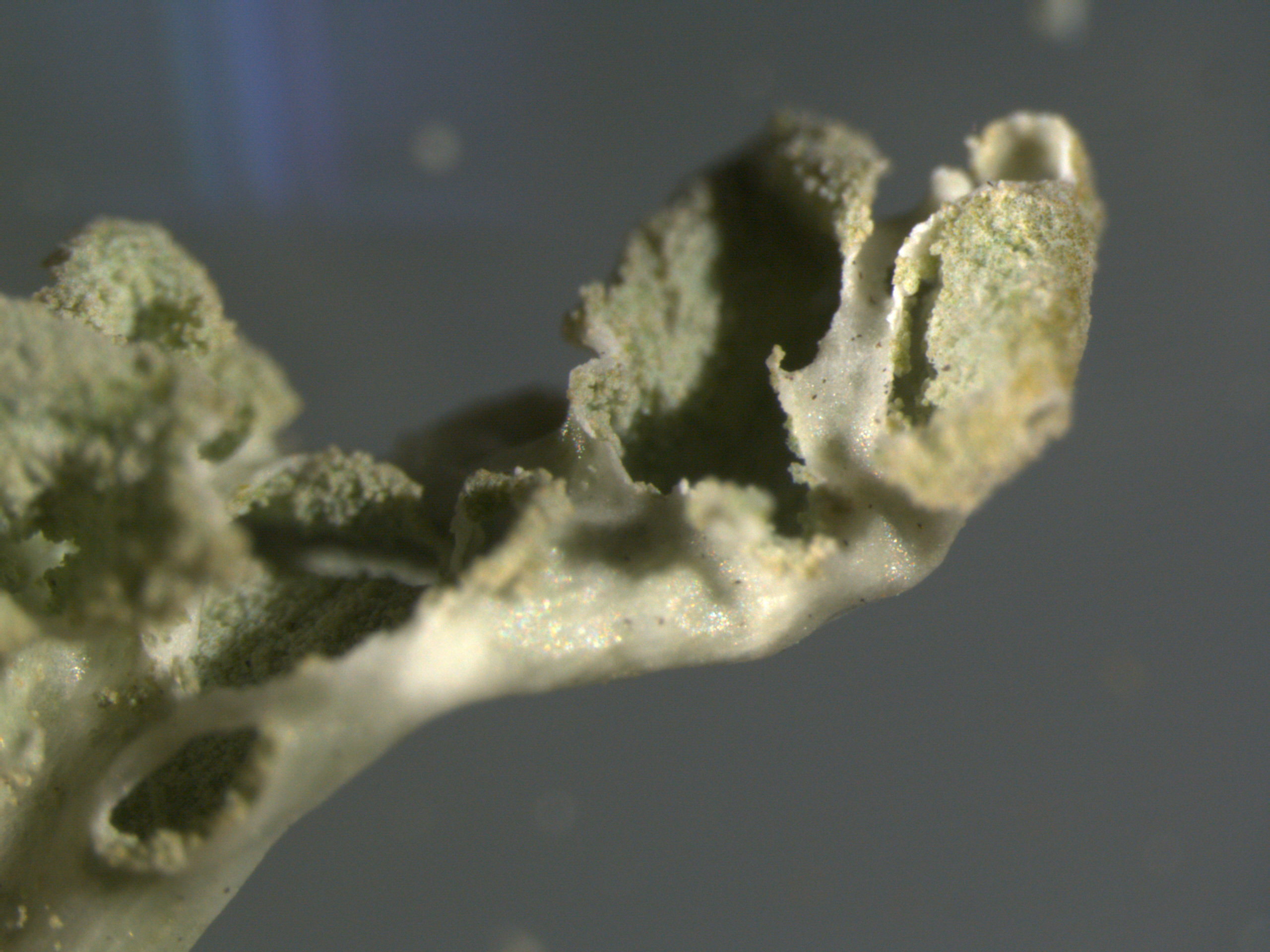
Juri Nascimbene; Owner: Department of Life Sciences, University of Trieste
Italy, Trentino-Alto Adige, Trento, Villa Welsperg, Centro Visitatori del Parco di Paneveggio; altitude: 1030 m
03.04.2009
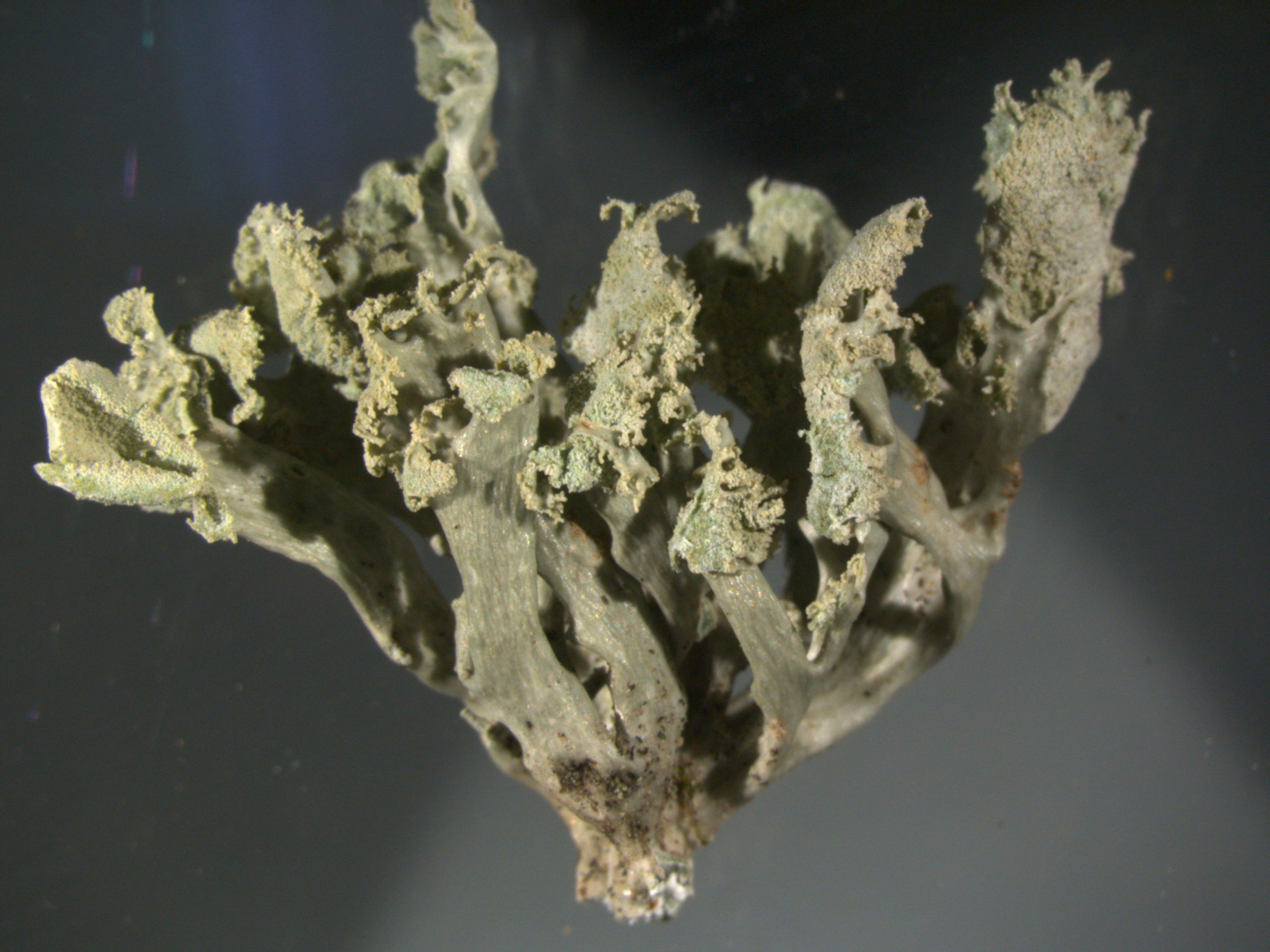
Juri Nascimbene; Owner: Department of Life Sciences, University of Trieste
Italy, Trentino-Alto Adige, Trento, Villa Welsperg, Centro Visitatori del Parco di Paneveggio; altitude: 1030 m
03.04.2009
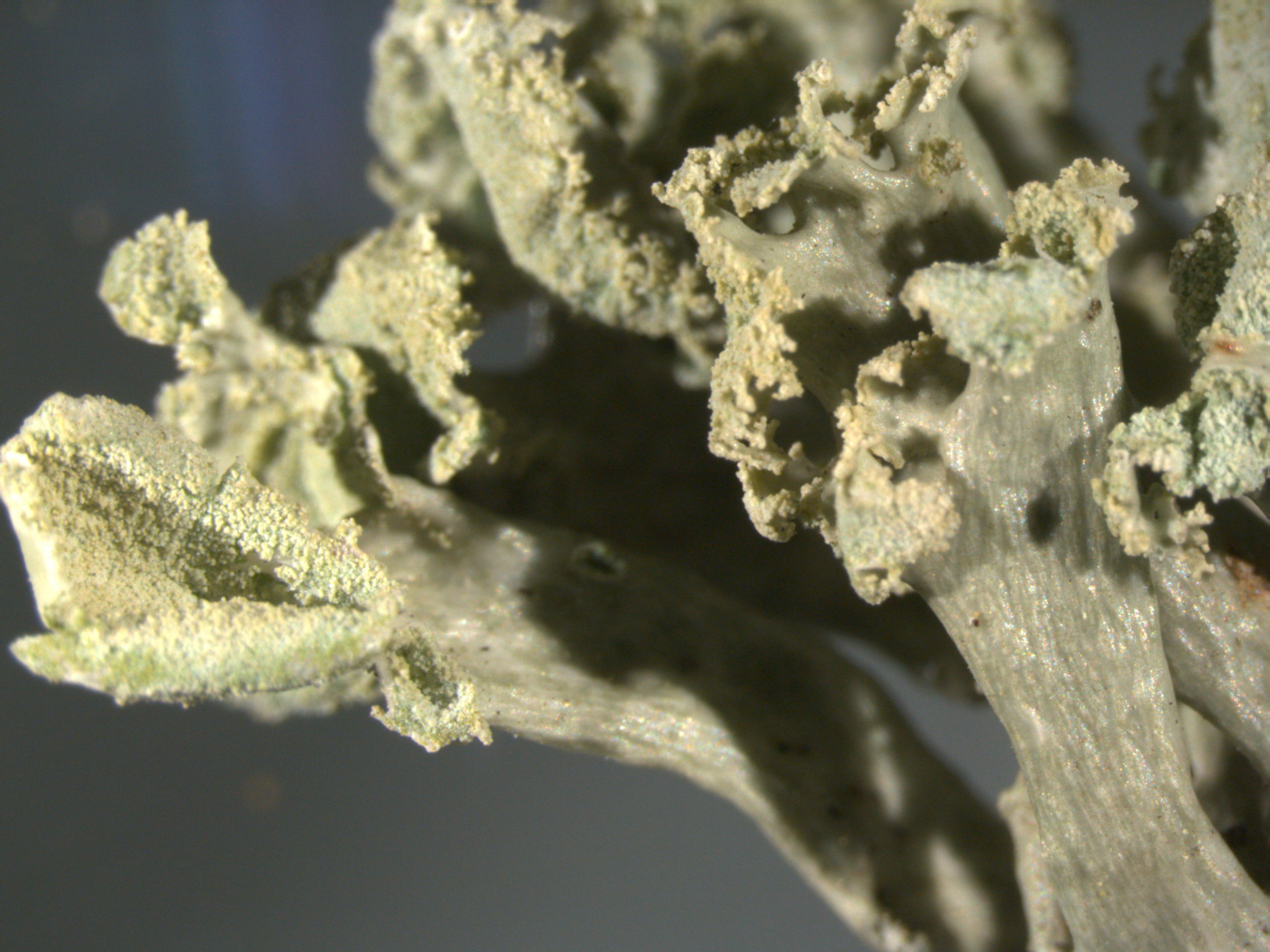
Juri Nascimbene; Owner: Department of Life Sciences, University of Trieste
Italy, Trentino-Alto Adige, Trento, Villa Welsperg, Centro Visitatori del Parco di Paneveggio; altitude: 1030 m
03.04.2009
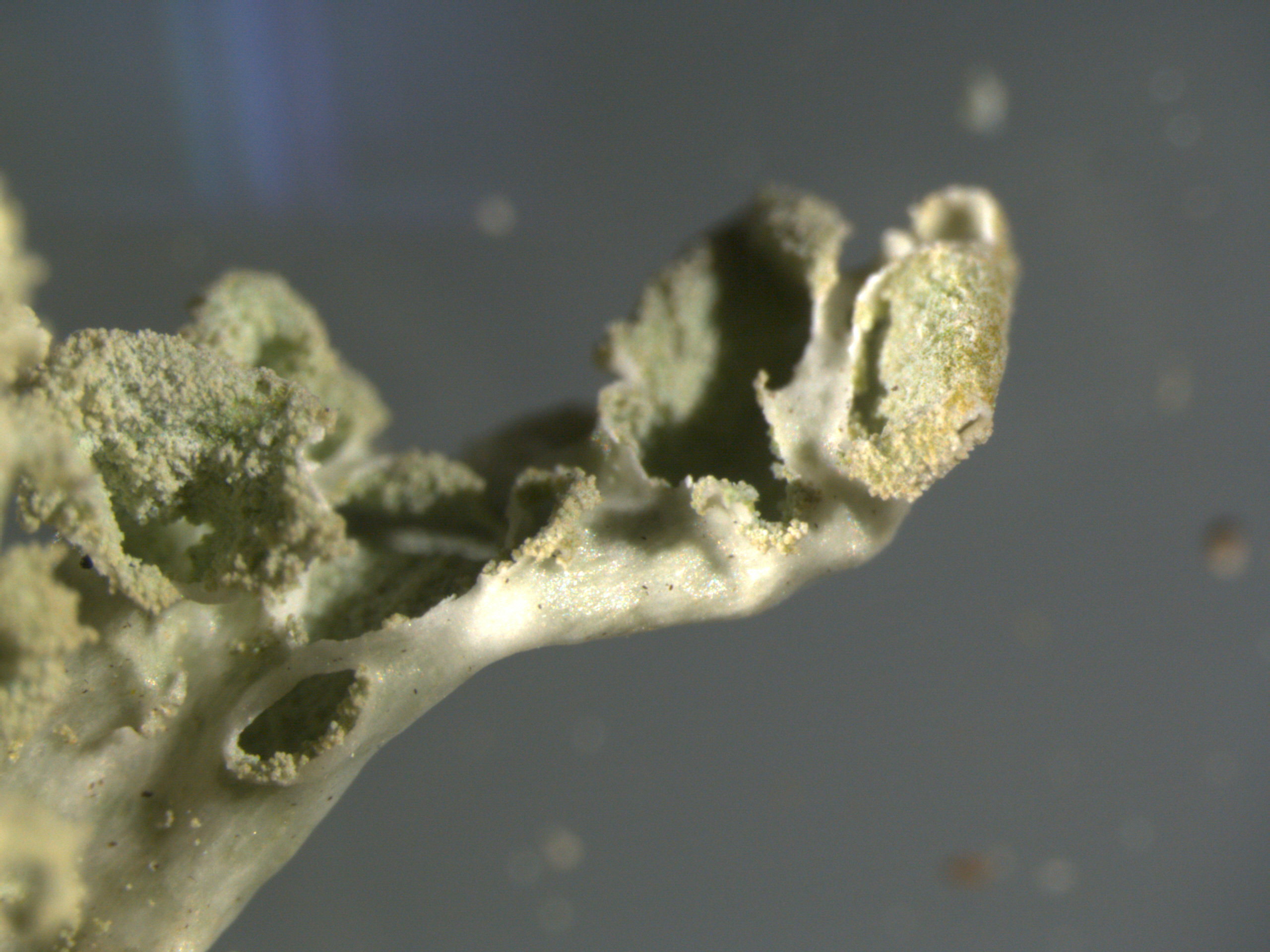
Juri Nascimbene; Owner: Department of Life Sciences, University of Trieste
Italy, Trentino-Alto Adige, Trento, Villa Welsperg, Centro Visitatori del Parco di Paneveggio; altitude: 1030 m
03.04.2009
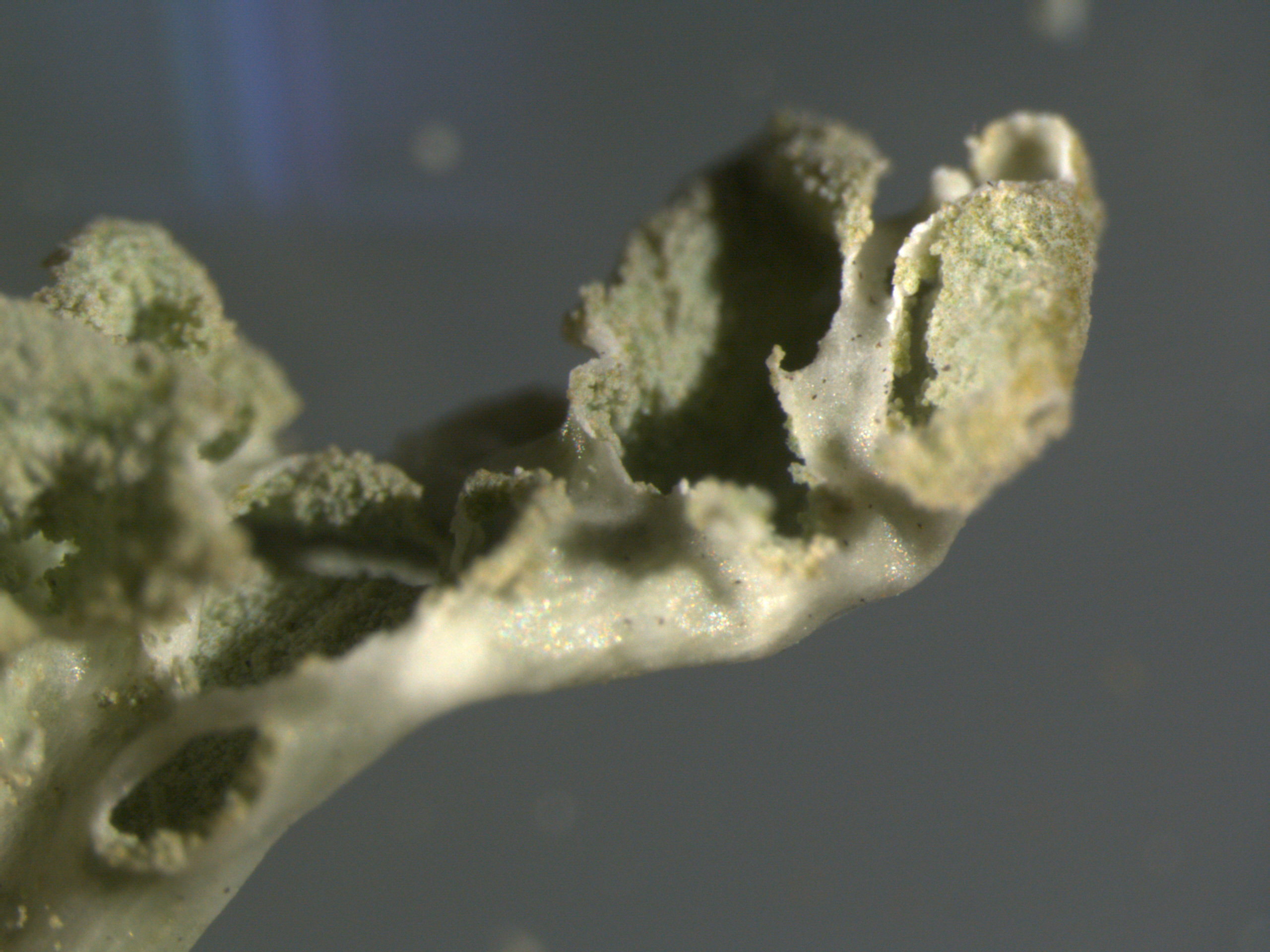
Juri Nascimbene; Owner: Department of Life Sciences, University of Trieste
Italy, Trentino-Alto Adige, Trento, Villa Welsperg, Centro Visitatori del Parco di Paneveggio; altitude: 1030 m
03.04.2009
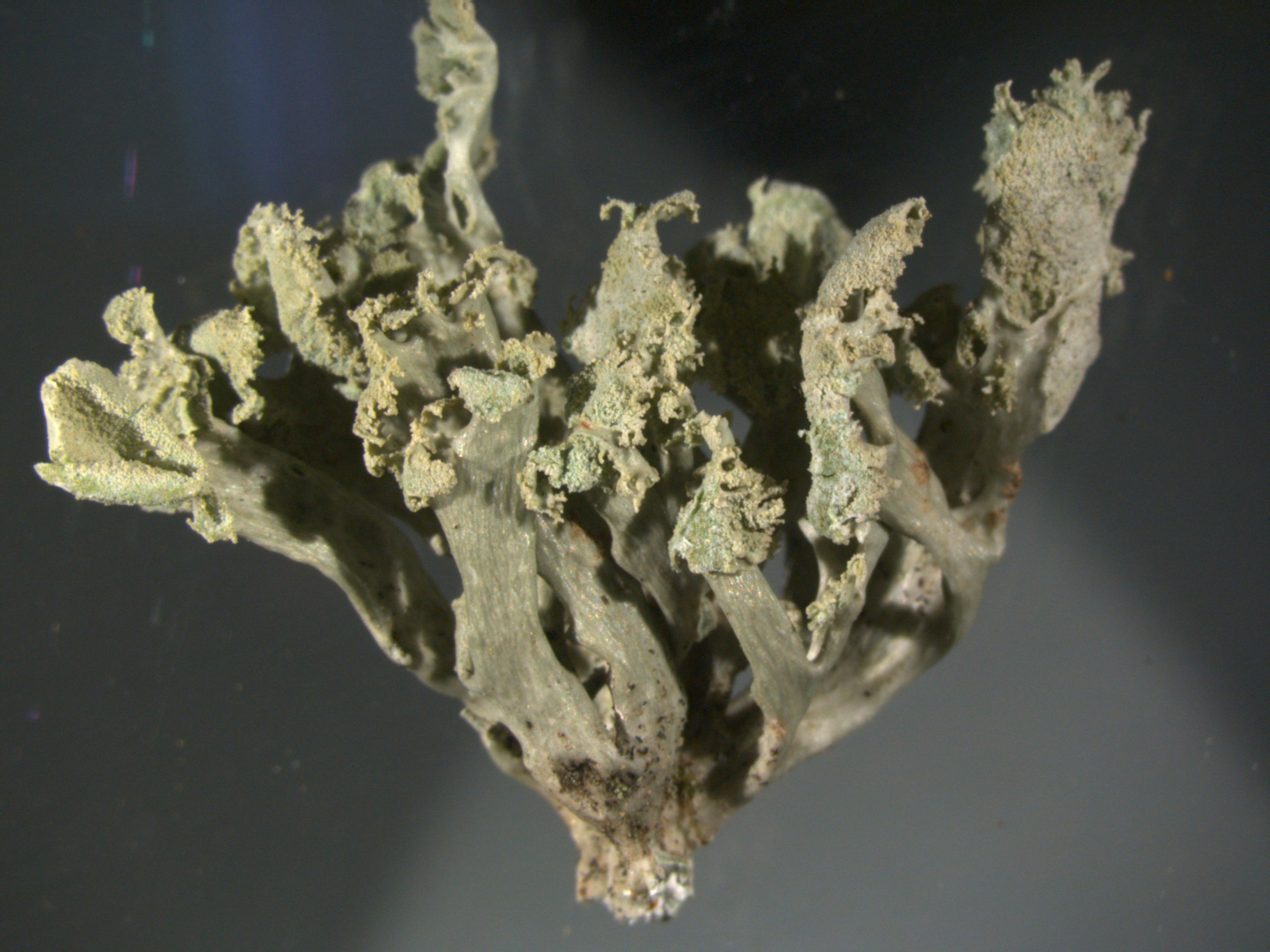
Juri Nascimbene; Owner: Department of Life Sciences, University of Trieste
Italy, Trentino-Alto Adige, Trento, Villa Welsperg, Centro Visitatori del Parco di Paneveggio; altitude: 1030 m
03.04.2009
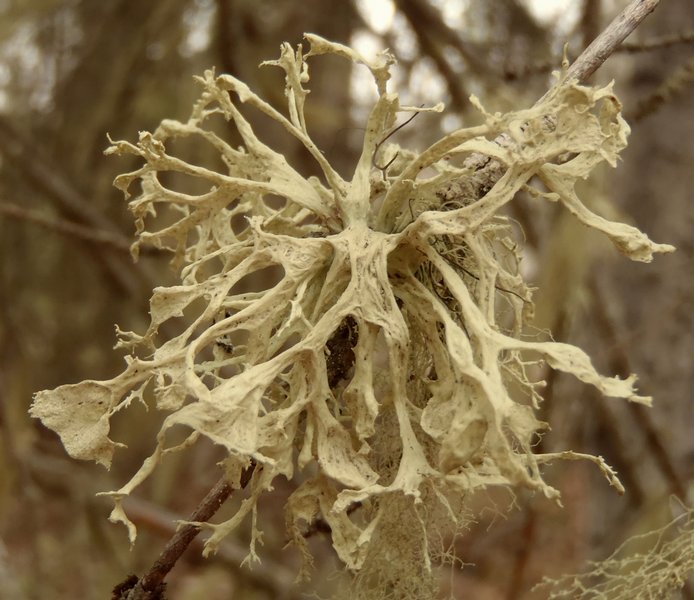
Curtis Randall Björk – CC BY-SA 4.0
British Columbia, Clearwater Valley Date: 2012-04-09 On Picea twig in mixe conifer-deciduous forest
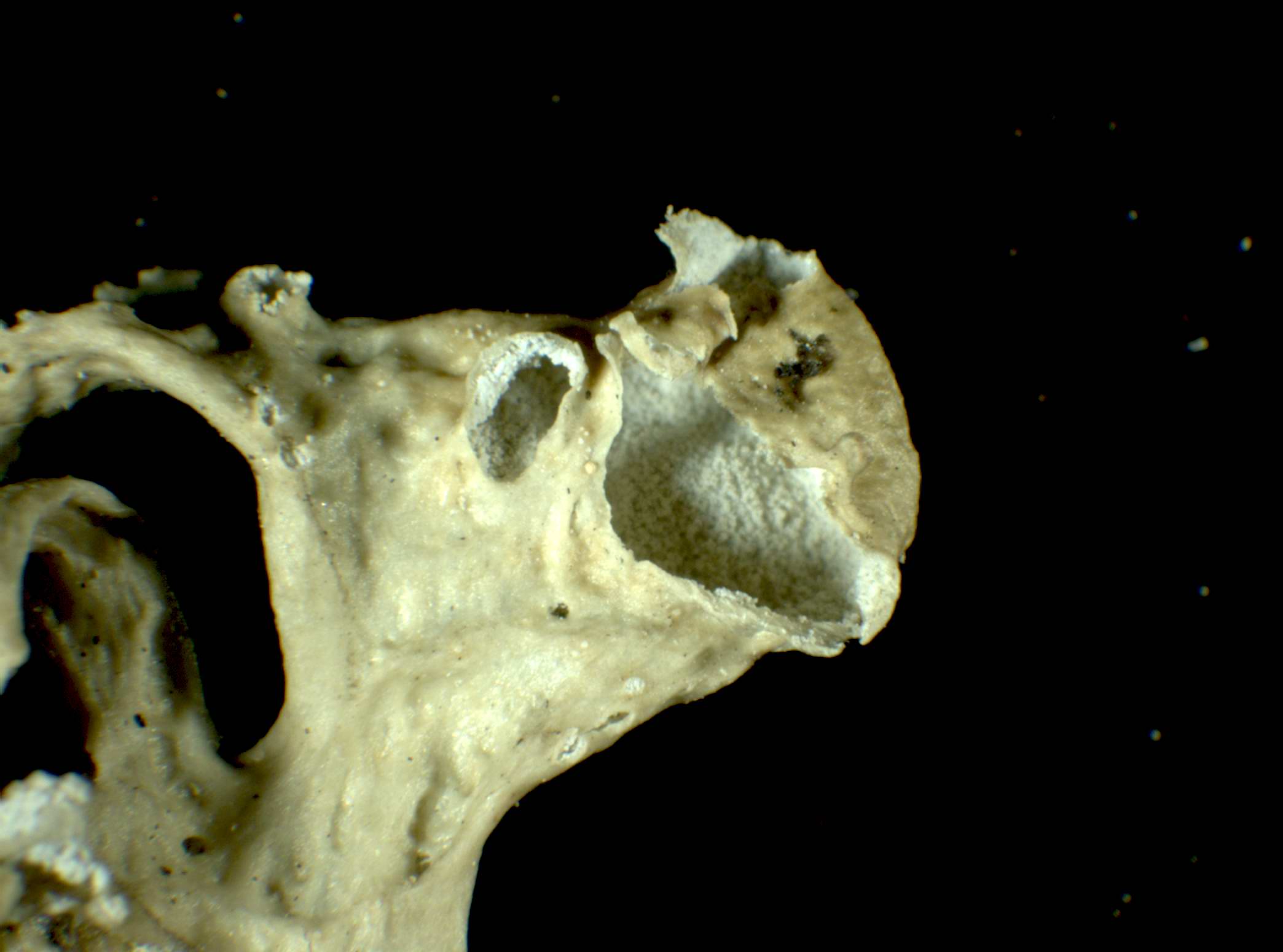
P.L. Nimis; Owner: Department of Life Sciences, University of Trieste
Herbarium: TSB (11905)
2001/12/04
detail of soralium
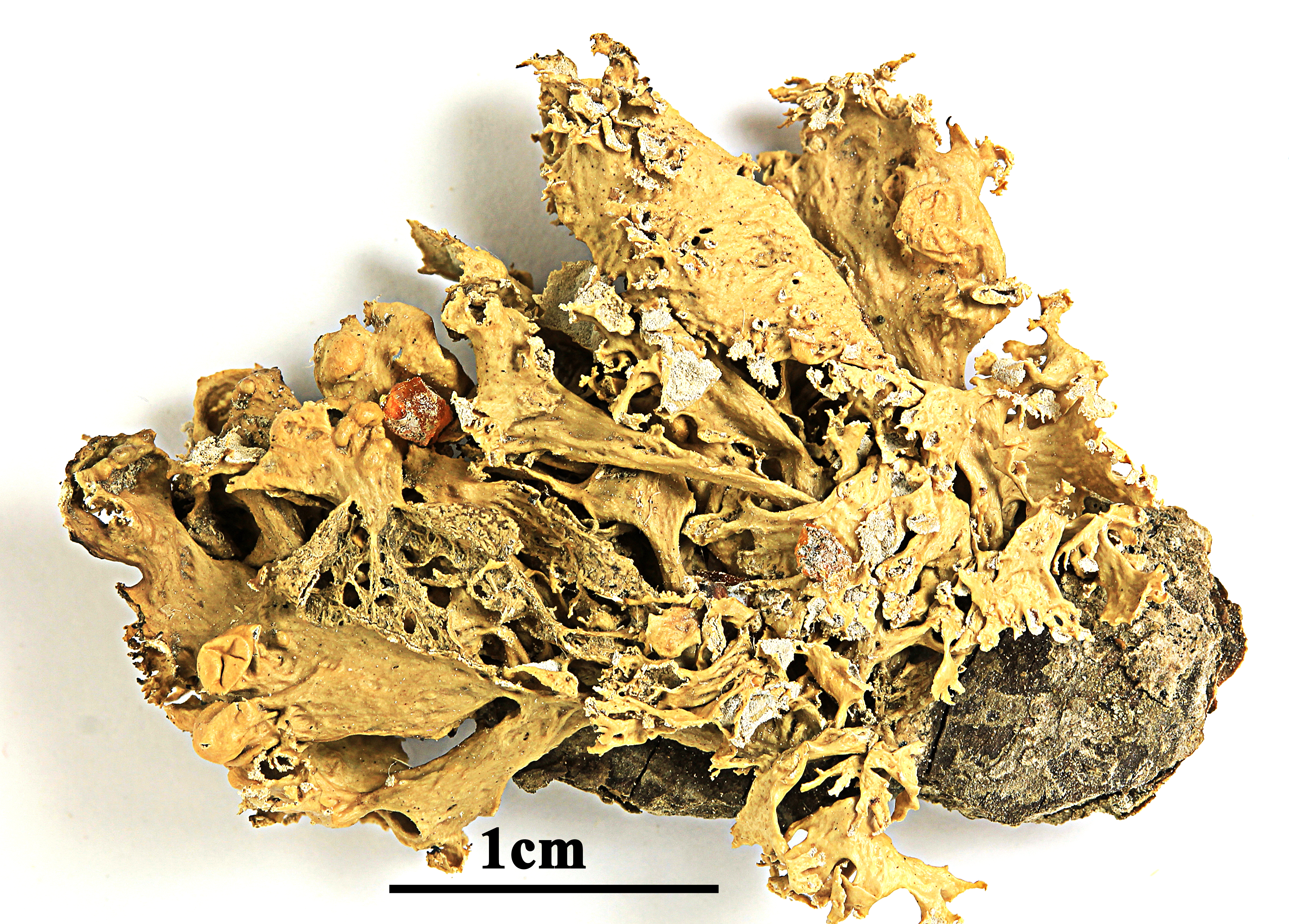
Felix Schumm - CC BY 4.0
[VZ2316], Austria, Carinthia, montes Gurktaler Alpen, Nockgebiet,Radenthein, in valle Langalmtal, prope hospitium Veidlhütte, 1400 m. Ad corticem arborum. Leg. R. Türk et H. Wittmann. EX A. V ZDA: LICHENES SELECTI EXSICCATI NR. 2316

Felix Schumm - CC BY 4.0
[VZ2316], Austria, Carinthia, montes Gurktaler Alpen, Nockgebiet,Radenthein, in valle Langalmtal, prope hospitium Veidlhütte, 1400 m. Ad corticem arborum. Leg. R. Türk et H. Wittmann. EX A. V ZDA: LICHENES SELECTI EXSICCATI NR. 2316

Felix Schumm - CC BY 4.0
[VZ2316], Austria, Carinthia, montes Gurktaler Alpen, Nockgebiet,Radenthein, in valle Langalmtal, prope hospitium Veidlhütte, 1400 m. Ad corticem arborum. Leg. R. Türk et H. Wittmann. EX A. V ZDA: LICHENES SELECTI EXSICCATI NR. 2316

Felix Schumm - CC BY 4.0
[VZ2316], Austria, Carinthia, montes Gurktaler Alpen, Nockgebiet,Radenthein, in valle Langalmtal, prope hospitium Veidlhütte, 1400 m. Ad corticem arborum. Leg. R. Türk et H. Wittmann. EX A. V ZDA: LICHENES SELECTI EXSICCATI NR. 2316

Felix Schumm - CC BY 4.0
[VZ2316], Austria, Carinthia, montes Gurktaler Alpen, Nockgebiet,Radenthein, in valle Langalmtal, prope hospitium Veidlhütte, 1400 m. Ad corticem arborum. Leg. R. Türk et H. Wittmann. EX A. V ZDA: LICHENES SELECTI EXSICCATI NR. 2316

Felix Schumm - CC BY 4.0
[VZ2316], Austria, Carinthia, montes Gurktaler Alpen, Nockgebiet,Radenthein, in valle Langalmtal, prope hospitium Veidlhütte, 1400 m. Ad corticem arborum. Leg. R. Türk et H. Wittmann. EX A. V ZDA: LICHENES SELECTI EXSICCATI NR. 2316

Felix Schumm - CC BY 4.0
[VZ2316], Austria, Carinthia, montes Gurktaler Alpen, Nockgebiet,Radenthein, in valle Langalmtal, prope hospitium Veidlhütte, 1400 m. Ad corticem arborum. Leg. R. Türk et H. Wittmann. EX A. V ZDA: LICHENES SELECTI EXSICCATI NR. 2316

Felix Schumm - CC BY 4.0
[VZ2316], Austria, Carinthia, montes Gurktaler Alpen, Nockgebiet,Radenthein, in valle Langalmtal, prope hospitium Veidlhütte, 1400 m. Ad corticem arborum. Leg. R. Türk et H. Wittmann. EX A. V ZDA: LICHENES SELECTI EXSICCATI NR. 2316

Felix Schumm - CC BY 4.0
[VZ2316], Austria, Carinthia, montes Gurktaler Alpen, Nockgebiet,Radenthein, in valle Langalmtal, prope hospitium Veidlhütte, 1400 m. Ad corticem arborum. Leg. R. Türk et H. Wittmann. EX A. V ZDA: LICHENES SELECTI EXSICCATI NR. 2316

Felix Schumm - CC BY 4.0
[VZ2316], Austria, Carinthia, montes Gurktaler Alpen, Nockgebiet,Radenthein, in valle Langalmtal, prope hospitium Veidlhütte, 1400 m. Ad corticem arborum. Leg. R. Türk et H. Wittmann. EX A. V ZDA: LICHENES SELECTI EXSICCATI NR. 2316

Wolfgang von Brackel - CC BY-4.0
ermany, Bavaria, Friedergrieß