Ramalina roesleri (Schaer.) Nyl.
Bull. Soc. linn. Normandie, sér. 2, 4: 165 (note), 1870. Basionym: Ramalina farinacea var. roesleri Höchst. ex Schaer. - Enum. Crit. Lich. Eur.: 9, 1850.
Synonyms: Fistulariella roesleri (Schaer.) Bowler & Rundel; Ramalina pollinariella (Nyl.) Nyl.
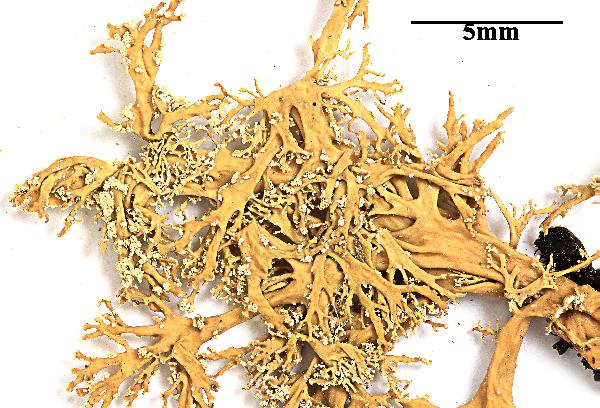
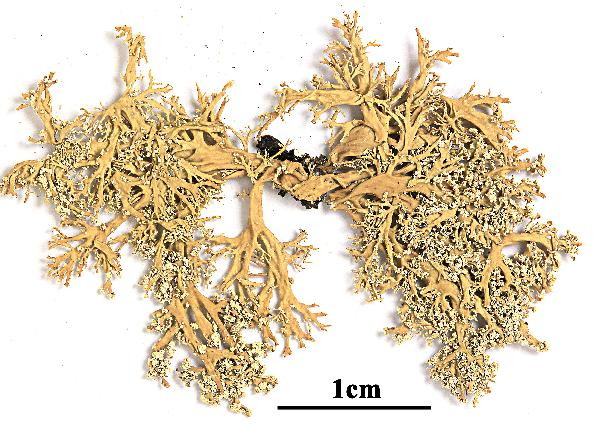
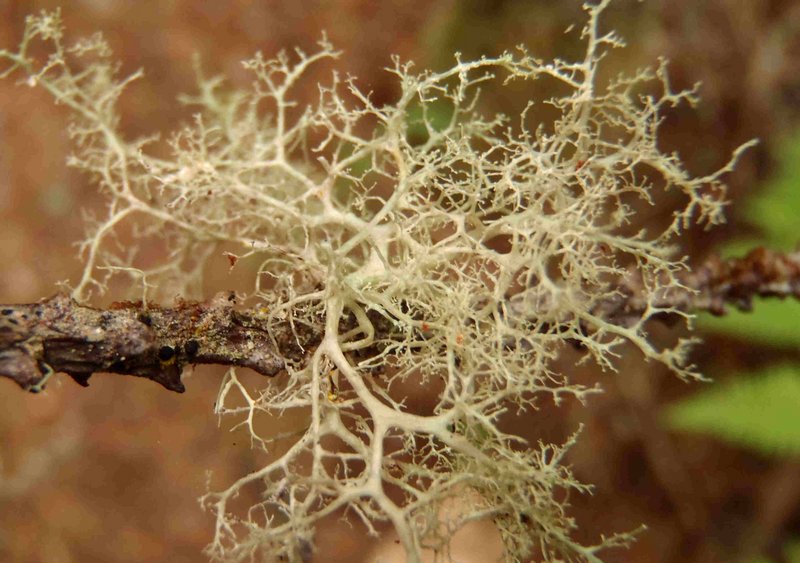
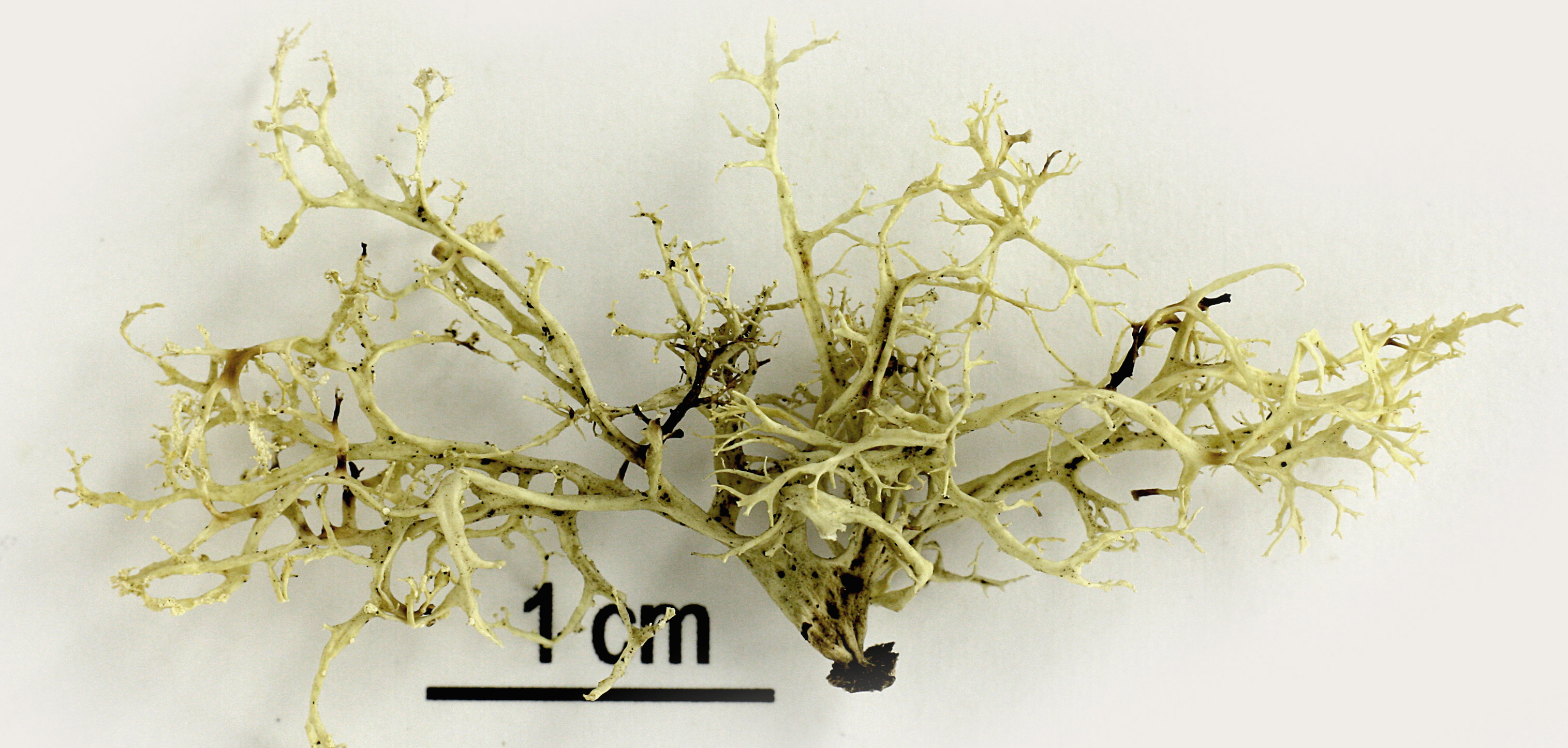
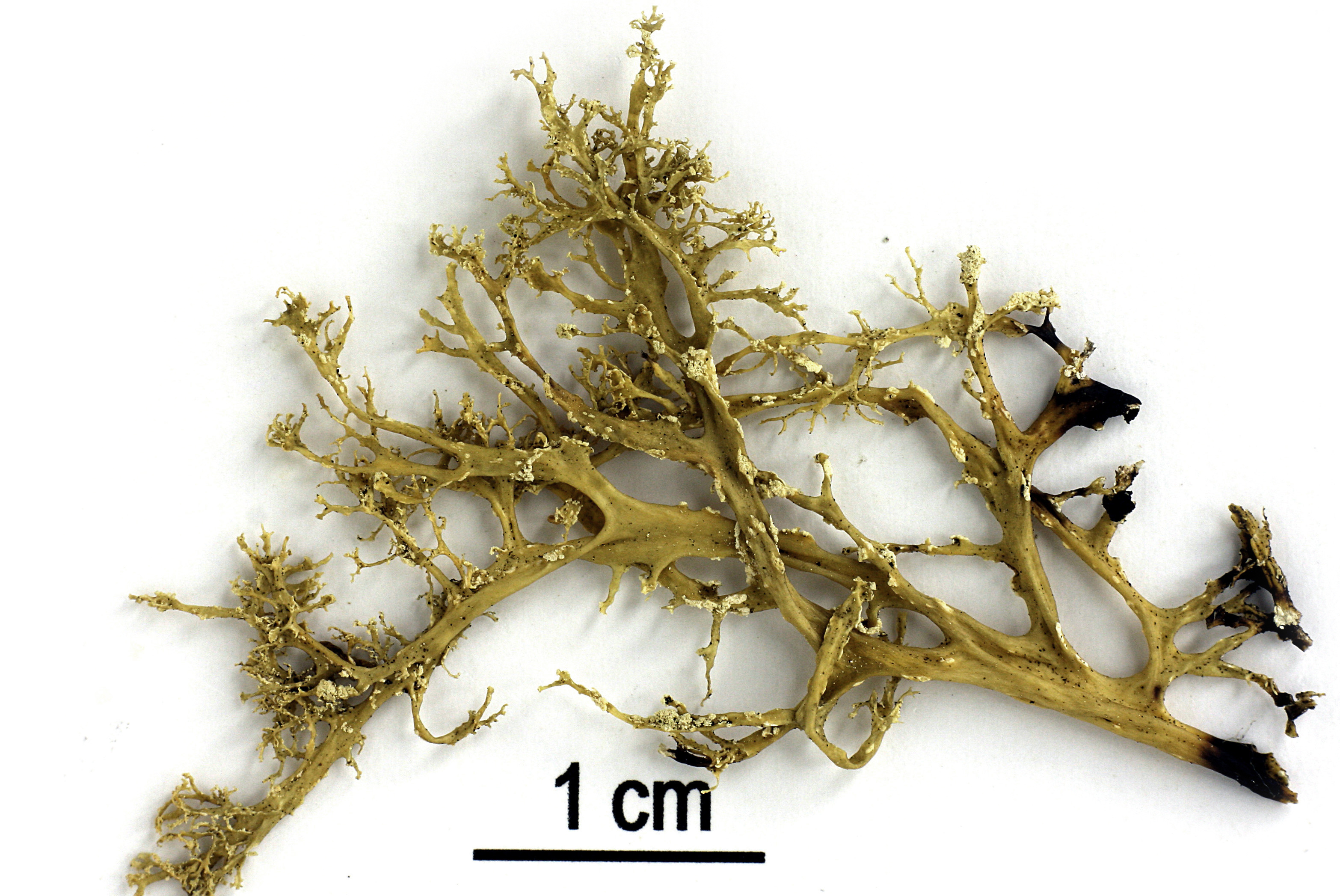
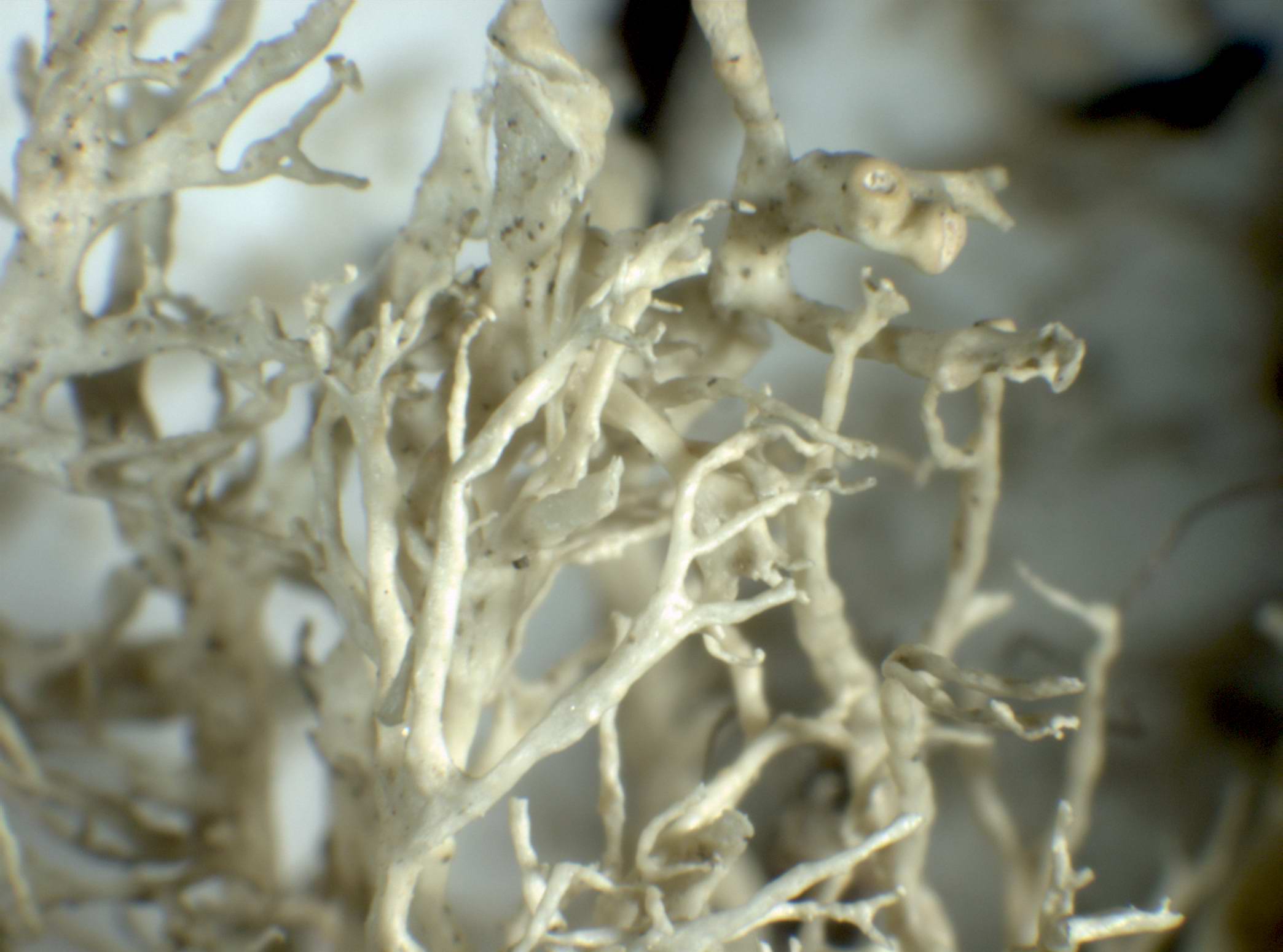
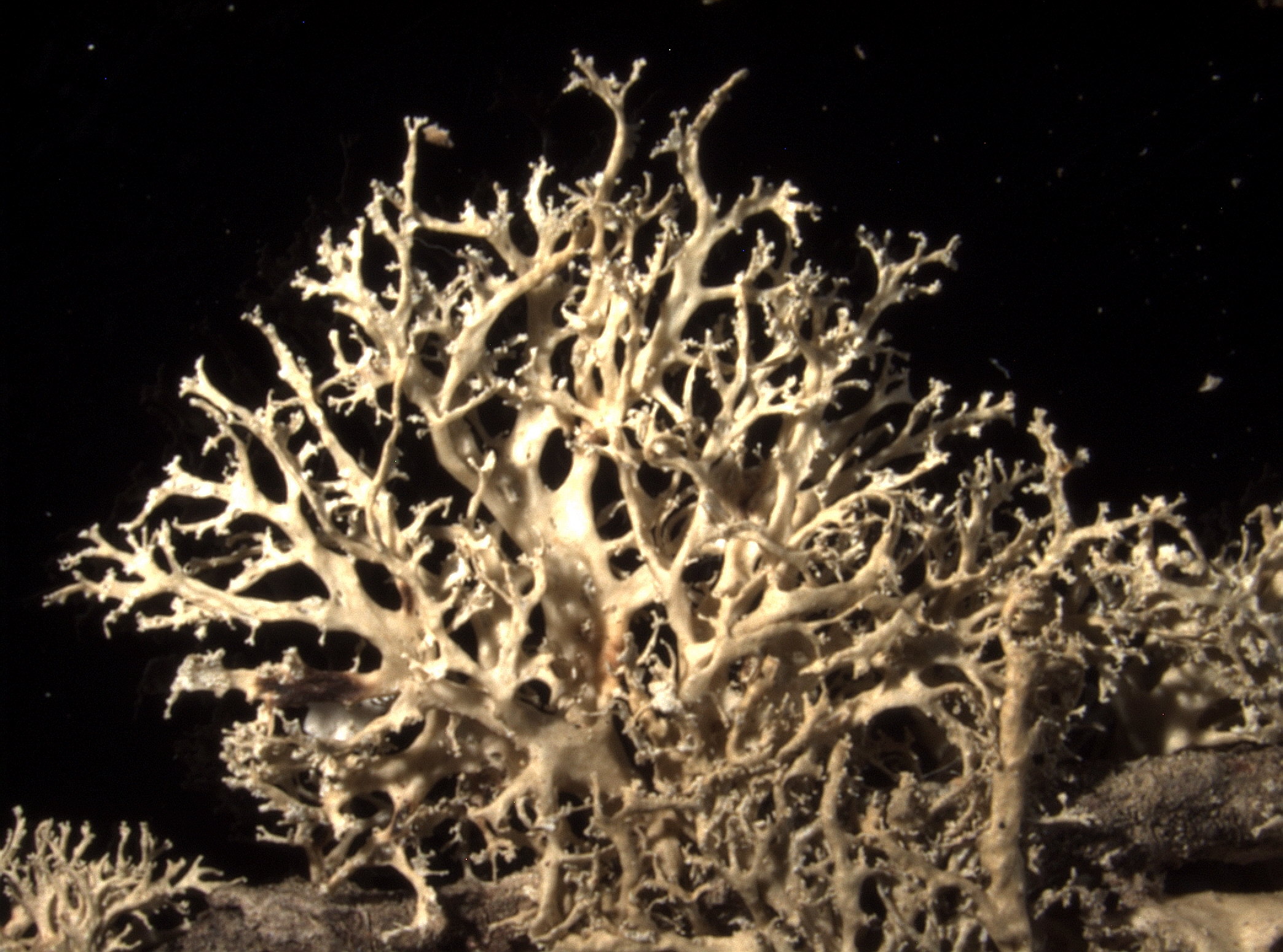
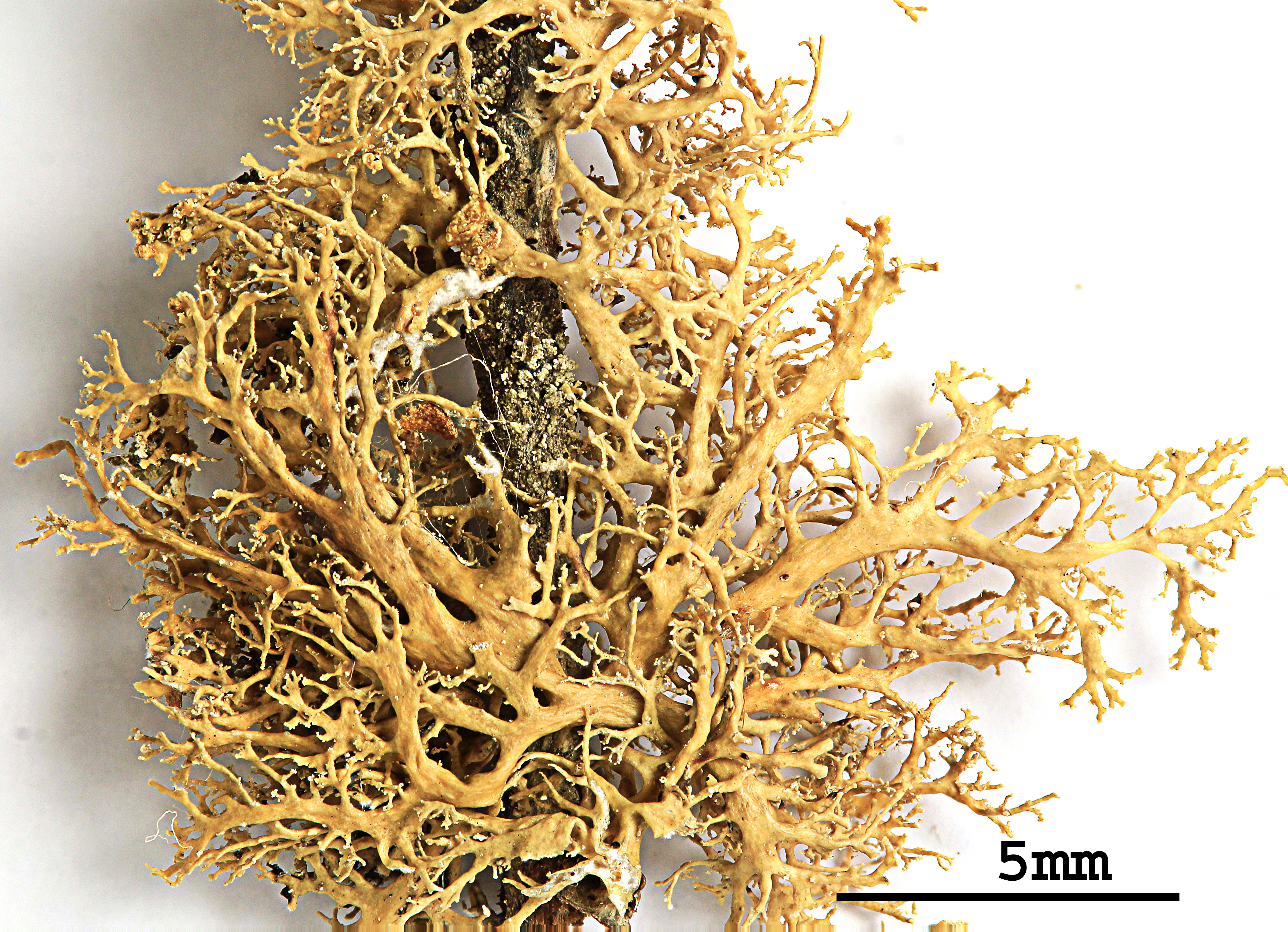
Description: Thallus fruticose, pale green, 1-6 cm long, loosely tufted, richly branched, erect to subpendulous, the primary branches flattened, 1-2.5 mm broad, the secondary branches mostly arranged at right angles to the main axis, often of variable thickness along their length, ending in many fine, terete, often apically hooked branchlets. Surface smooth, glossy, sparingly to abundantly fenestrate. Medulla subfistulose, arachnoid to hollow in the inflated parts. Soralia punctiform, terminal or subterminal, consisting of a few granular soredia. Apothecia very rare, lecanorine, terminal or subterminal, with an often pruinose disc. Epithecium pale olive; hymenium and hypothecium colourless; paraphyses thick-walled, richly branched in upper part. Asci 8-spored, the apical dome K/I+ dark blue with a pale, conical-pointed apical cushion (axial mass), the wall I-, but the thin outer gel I+ blue, Bacidia-type.. Ascospores 1-septate, hyaline, straight, 11-16 x 5-6.5 µm. Photobiont chlorococcoid. Spot tests: K-, C-, KC- or KC+ pale yellow (cortex only), P-. UV-. Chemistry: cortex with usnic acid; medulla with substances of the sekikaic acid complex.
Growth form: Fruticose
Substrata: bark
Photobiont: green algae other than Trentepohlia
Reproductive strategy: mainly asexual, by soredia, or soredia-like structures (e.g. blastidia)
Most common in areas with a humid-warm climate (e.g. most of Tyrrenian Italy)
Commonnes-rarity: (info)
Alpine belt: absent
Subalpine belt: absent
Montane belt: extremely rare
Dry submediterranean belt: absent
Humid submediterranean belt: extremely rare
Padanian area: absent
pH of the substrata:
1 2 3 4 5

Solar irradiation:
1 2 3 4 5
Aridity:
1 2 3 4 5
Eutrophication:
1 2 3 4 5
Poleotolerance:
0 1 2 3
Altitudinal distribution:
1 2 3 4 5 6
Rarity
absent
extremely rare
very rare
rare
rather rare
rather common
common
very common
extremely common
Loading data...
Occurrence data
Predictive map
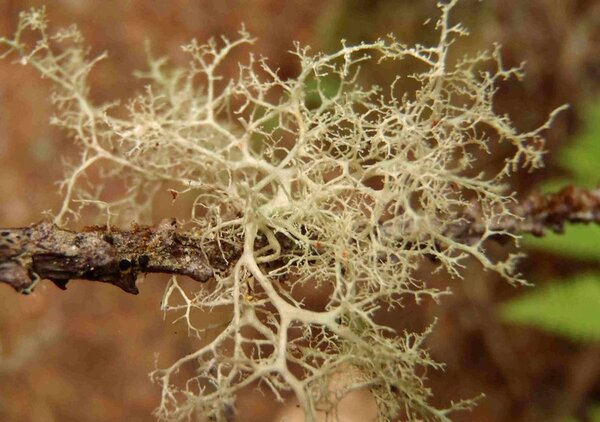
Curtis Randall Björk – CC BY-SA 4.0
California, Humboldt County, Samoa Dunes Date: 2011-07-08 On Picea twig in backdune forest, near marine shoreline
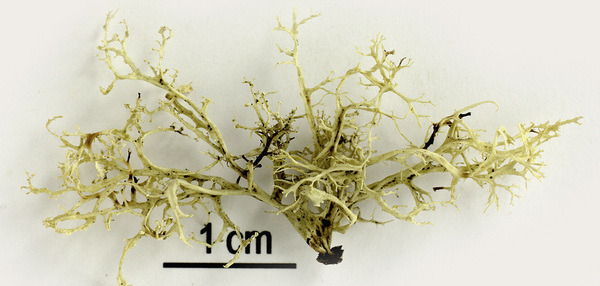
Felix Schumm - CC BY-SA 4.0
[11092], Österreich: East Tyrol, southern foothills of the Hochvenediger Mountains, Virgental District, humid conifer stand around the cascade of the Großbach before joining the Iseltal, on marginal twigs of Picea abies, associated with Ramalina thrausta, 1550 m. Leg et det. Follmann 08.1978. G. FOLLMANN: NR. 464 LICH. EXSICC. SEL
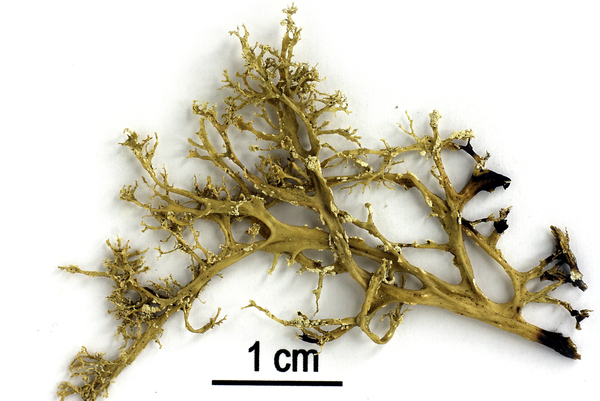
Felix Schumm - CC BY-SA 4.0
[12151], Türkei, Prov. Trabzon (61), Zigana Daglari, Solma Yaylasi, southwest of Macka. In a depression in forest stand. 40°51' N, 39°33' E, 1700 m, on twigs of Alnus glutinosa. Leg et det. V. John 03.07.2004. EX HERBARIO VOLKER JOHN NR. 11260
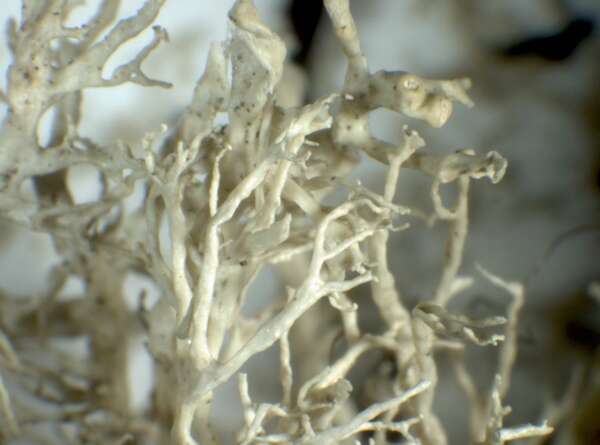
P.L. Nimis; Owner: Department of Life Sciences, University of Trieste
Herbarium: TSB (15703)
2001/12/07
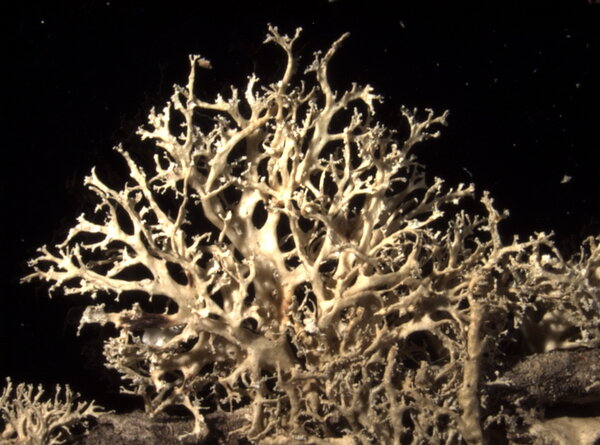
P.L. Nimis CC BY-SA 04
TSB 41066
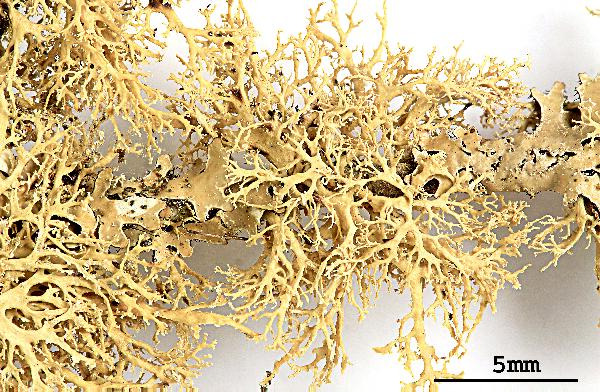
Felix Schumm - CC BY 4.0
[OH546], Japan.Hokkaido. Prov. Kushiro: Wakoto Peninsula, Kawakami-
gun (43°35' N, 144°19' E). On bark of Abies sachalinensis, 100 m.
Leg. H. Kashiwadani (no. 45771), 24.07.2003, det. H. Kashiwadani. EX
Y. OHNMURA: LICHENES MINUS COGNITI EXSICCATI NO. 546.
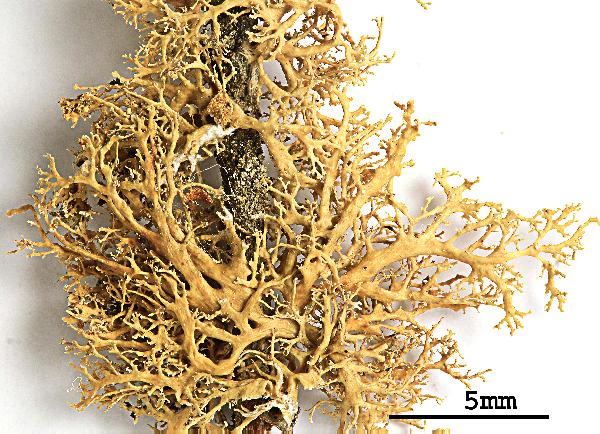
Felix Schumm - CC BY 4.0
[OH546], Japan.Hokkaido. Prov. Kushiro: Wakoto Peninsula, Kawakami-
gun (43°35' N, 144°19' E). On bark of Abies sachalinensis, 100 m.
Leg. H. Kashiwadani (no. 45771), 24.07.2003, det. H. Kashiwadani. EX
Y. OHNMURA: LICHENES MINUS COGNITI EXSICCATI NO. 546.
Felix Schumm - CC BY 4.0
[VZ1119], Romania. Distr. Hunedoara. Montes Retezat, in valle
Lapi ul Mare, prope Gura Apei, 1000 m. Ad truncos et in ramulis
Alnorum incanarum. Leg. A. V zda, 07.06.1972. EX A. V ZDA: LICHENS
SELECTI EXSICCATI NR. 1119.
Felix Schumm - CC BY 4.0
[VZ1119], Romania. Distr. Hunedoara. Montes Retezat, in valle
Lapi ul Mare, prope Gura Apei, 1000 m. Ad truncos et in ramulis
Alnorum incanarum. Leg. A. V zda, 07.06.1972. EX A. V ZDA: LICHENS
SELECTI EXSICCATI NR. 1119.
Growth form: Fruticose
Substrata: bark
Photobiont: green algae other than Trentepohlia
Reproductive strategy: mainly asexual, by soredia, or soredia-like structures (e.g. blastidia)
Most common in areas with a humid-warm climate (e.g. most of Tyrrenian Italy)
Commonnes-rarity: (info)
Alpine belt: absent
Subalpine belt: absent
Montane belt: extremely rare
Dry submediterranean belt: absent
Humid submediterranean belt: extremely rare
Padanian area: absent
pH of the substrata:
| 1 | 2 | 3 | 4 | 5 |
Solar irradiation:
| 1 | 2 | 3 | 4 | 5 |
Aridity:
| 1 | 2 | 3 | 4 | 5 |
Eutrophication:
| 1 | 2 | 3 | 4 | 5 |
Poleotolerance:
| 0 | 1 | 2 | 3 |
Altitudinal distribution:
| 1 | 2 | 3 | 4 | 5 | 6 |
Rarity
absent
extremely rare
very rare
rare
rather rare
rather common
common
very common
extremely common
Loading data...
Occurrence data
Predictive map
Curtis Randall Björk – CC BY-SA 4.0
California, Humboldt County, Samoa Dunes Date: 2011-07-08 On Picea twig in backdune forest, near marine shoreline
Felix Schumm - CC BY-SA 4.0
[11092], Österreich: East Tyrol, southern foothills of the Hochvenediger Mountains, Virgental District, humid conifer stand around the cascade of the Großbach before joining the Iseltal, on marginal twigs of Picea abies, associated with Ramalina thrausta, 1550 m. Leg et det. Follmann 08.1978. G. FOLLMANN: NR. 464 LICH. EXSICC. SEL
Felix Schumm - CC BY-SA 4.0
[12151], Türkei, Prov. Trabzon (61), Zigana Daglari, Solma Yaylasi, southwest of Macka. In a depression in forest stand. 40°51' N, 39°33' E, 1700 m, on twigs of Alnus glutinosa. Leg et det. V. John 03.07.2004. EX HERBARIO VOLKER JOHN NR. 11260
P.L. Nimis; Owner: Department of Life Sciences, University of Trieste
Herbarium: TSB (15703)
2001/12/07
P.L. Nimis CC BY-SA 04
TSB 41066

Felix Schumm - CC BY 4.0
[OH546], Japan.Hokkaido. Prov. Kushiro: Wakoto Peninsula, Kawakami- gun (43°35' N, 144°19' E). On bark of Abies sachalinensis, 100 m. Leg. H. Kashiwadani (no. 45771), 24.07.2003, det. H. Kashiwadani. EX Y. OHNMURA: LICHENES MINUS COGNITI EXSICCATI NO. 546.
Felix Schumm - CC BY 4.0
[OH546], Japan.Hokkaido. Prov. Kushiro: Wakoto Peninsula, Kawakami- gun (43°35' N, 144°19' E). On bark of Abies sachalinensis, 100 m. Leg. H. Kashiwadani (no. 45771), 24.07.2003, det. H. Kashiwadani. EX Y. OHNMURA: LICHENES MINUS COGNITI EXSICCATI NO. 546.

Felix Schumm - CC BY 4.0
[VZ1119], Romania. Distr. Hunedoara. Montes Retezat, in valle Lapi ul Mare, prope Gura Apei, 1000 m. Ad truncos et in ramulis Alnorum incanarum. Leg. A. V zda, 07.06.1972. EX A. V ZDA: LICHENS SELECTI EXSICCATI NR. 1119.